Abandoned in the woods – Down by the Pool

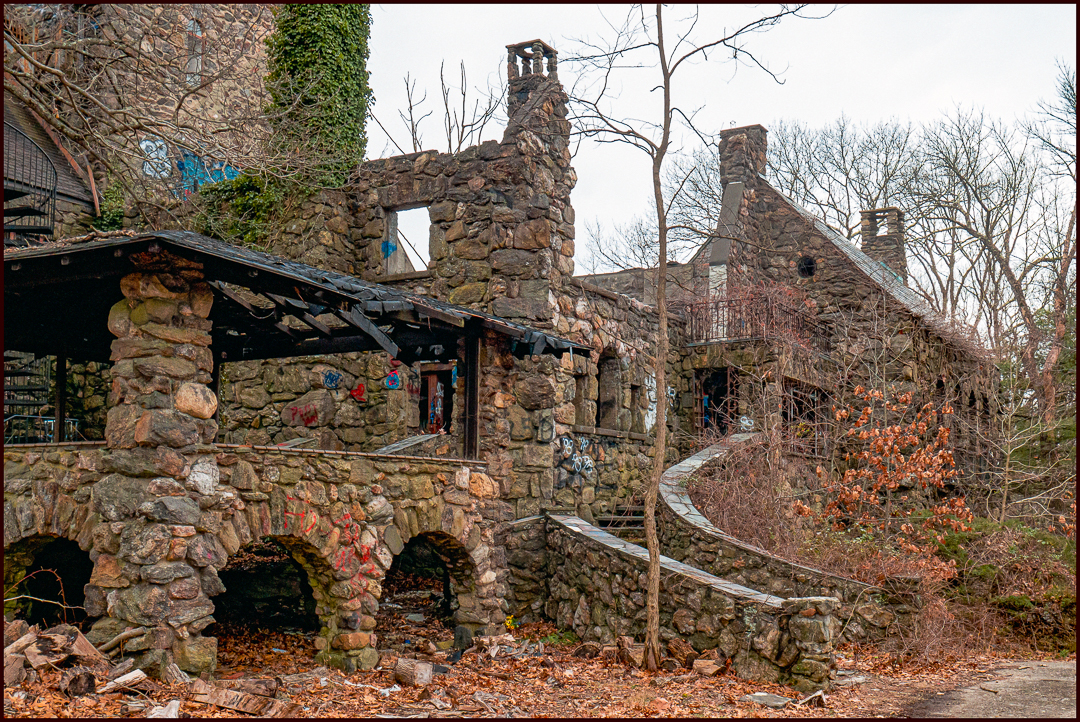
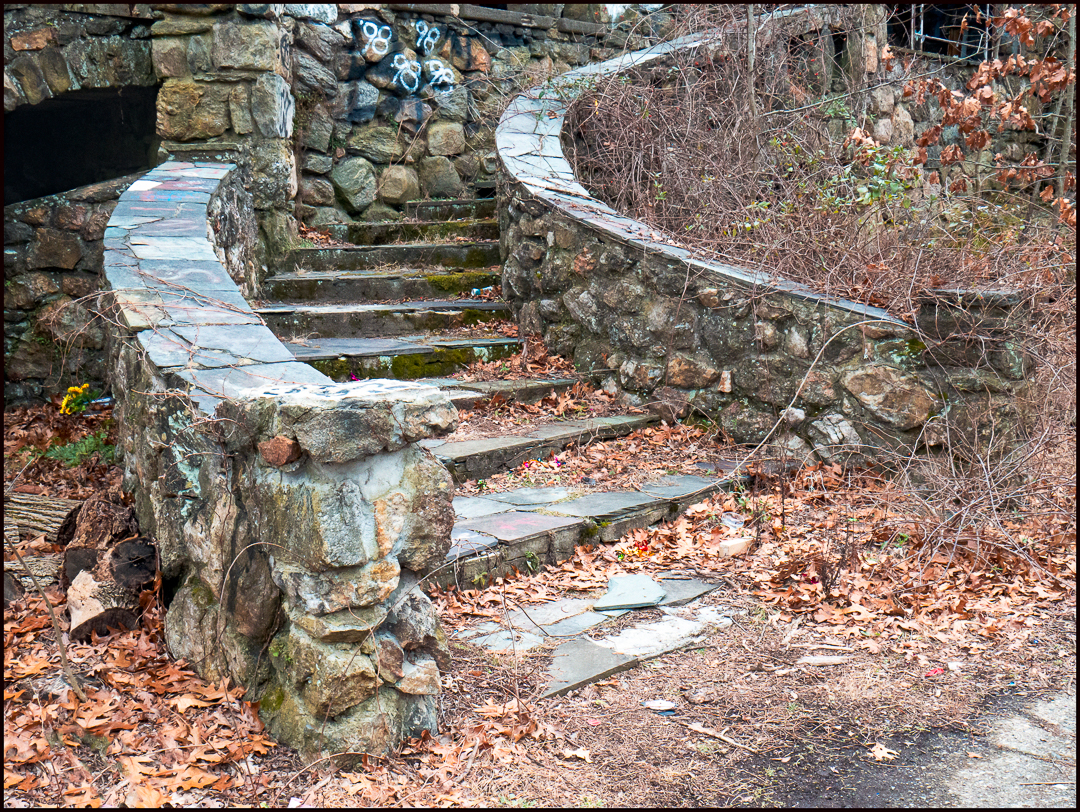
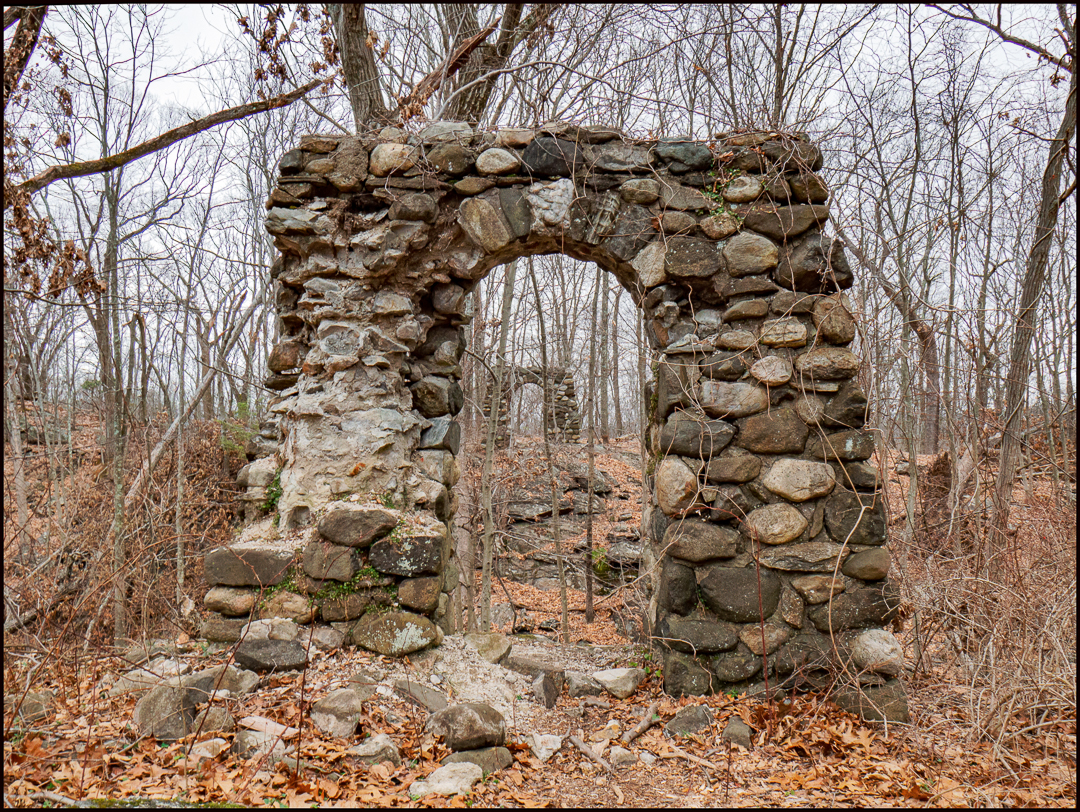
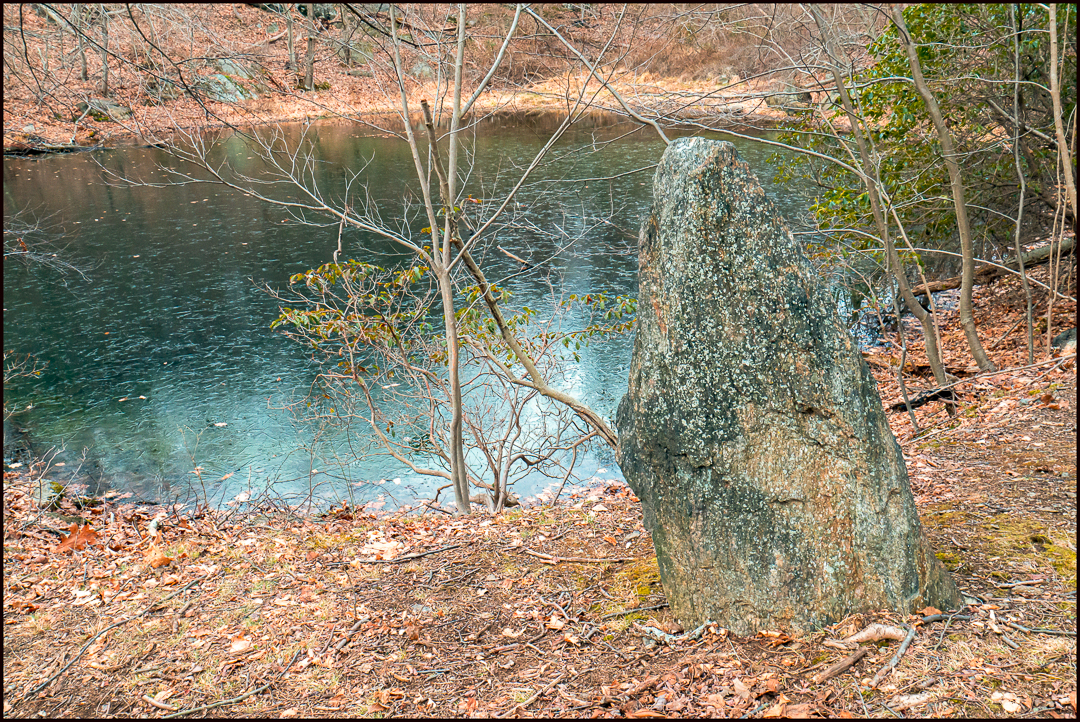
There are a number of ways down to the pool. The one I chose went by a small monolith.


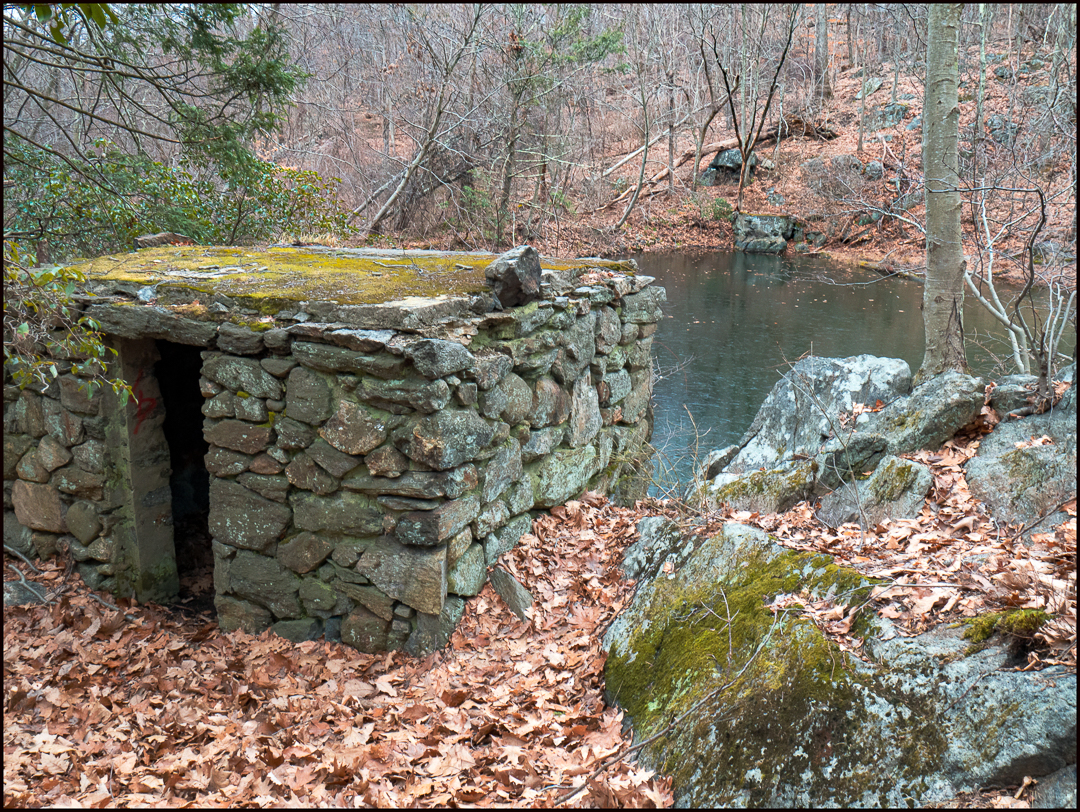
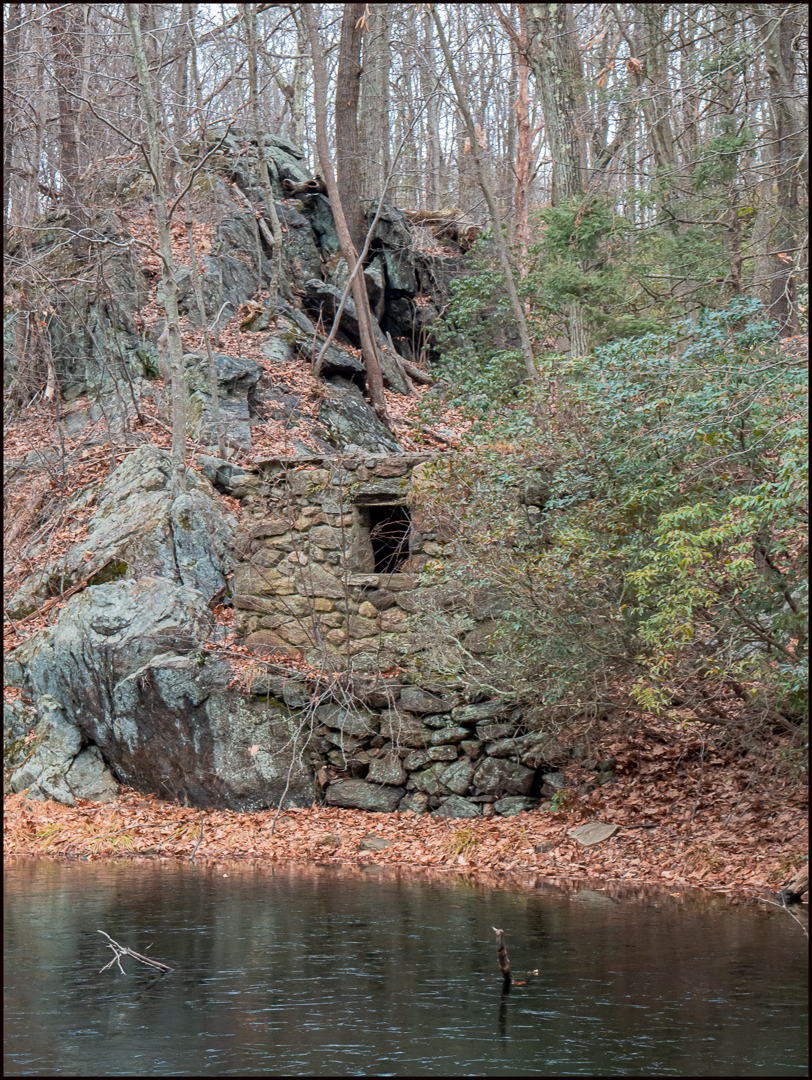
As I walked around I could make out a small stone building on the other side and I returned to check it out.


Approaching the stone building that may have been a changing room.


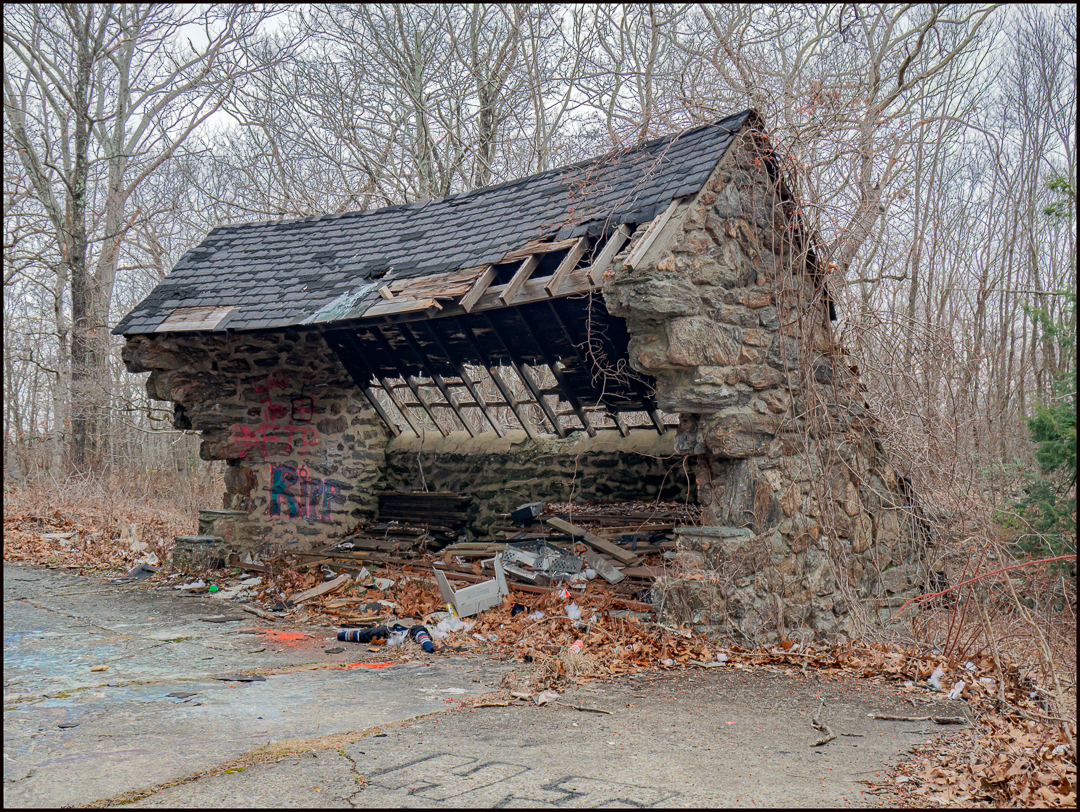
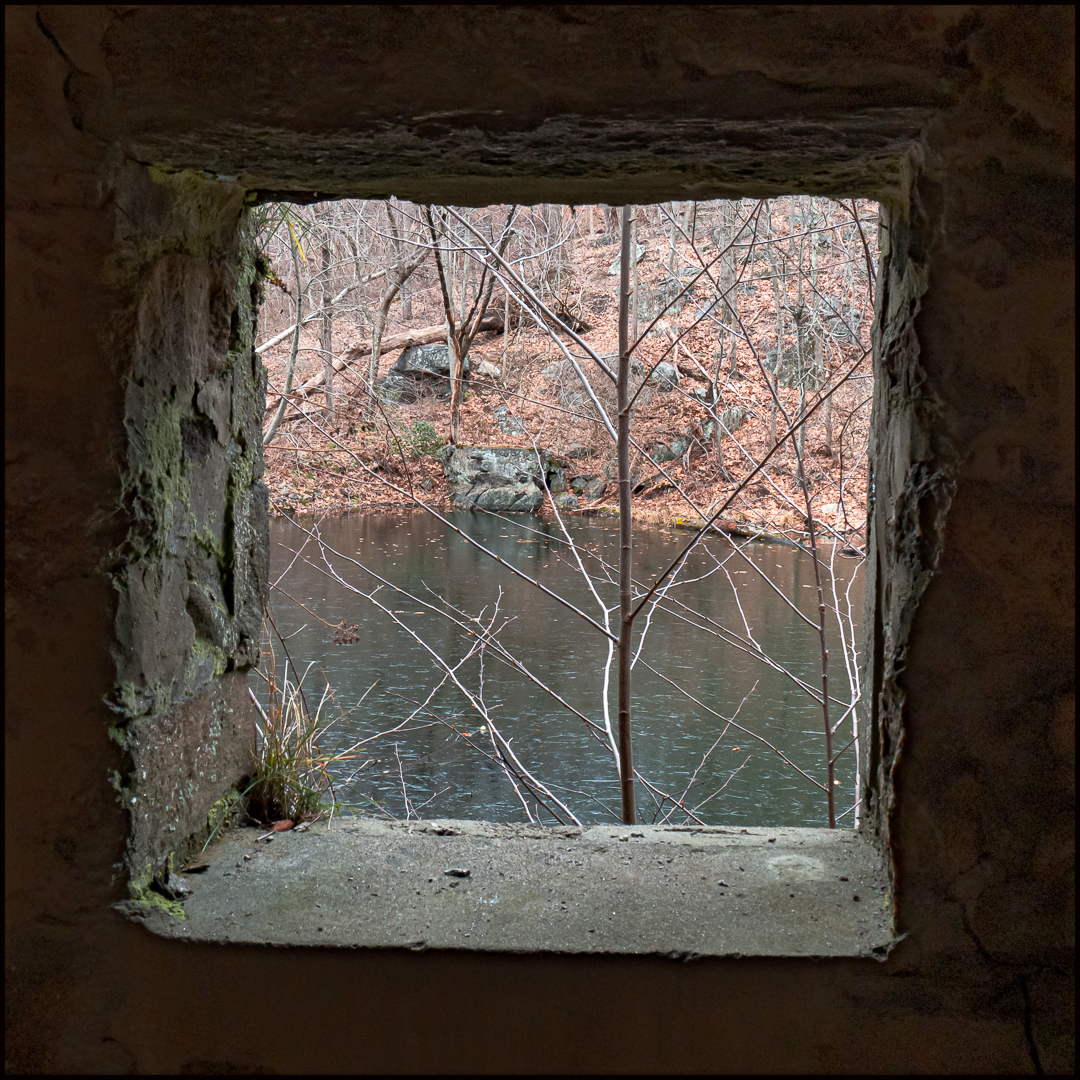
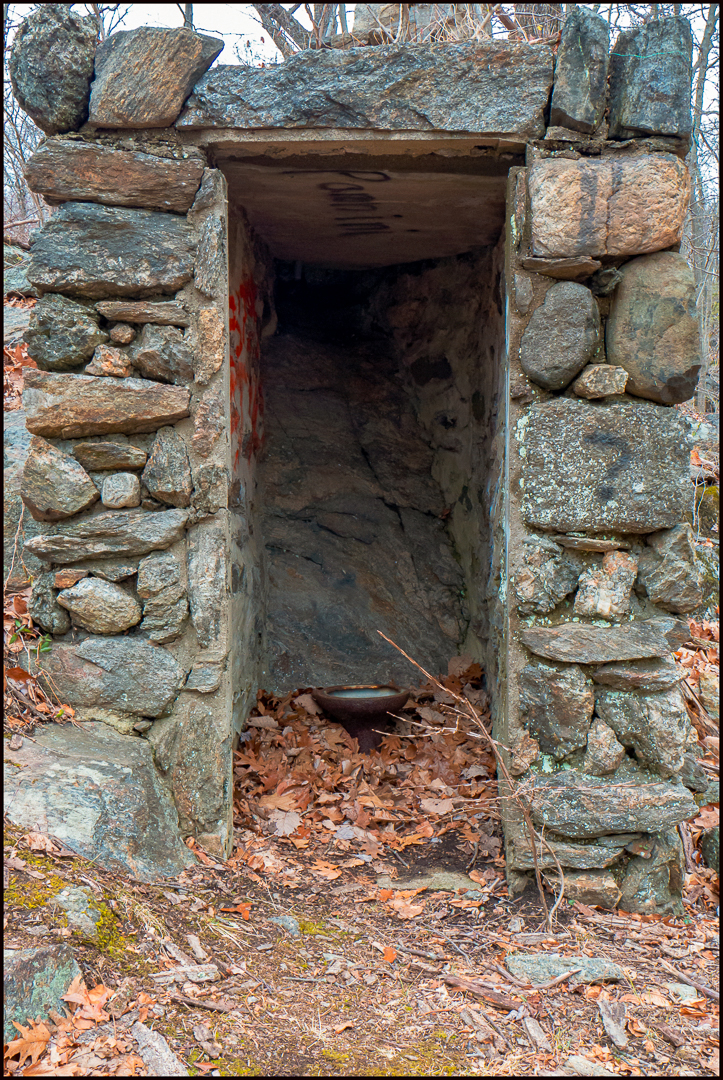
View from the inside of the building looking towards the pool.


Another view of the building and the pond.


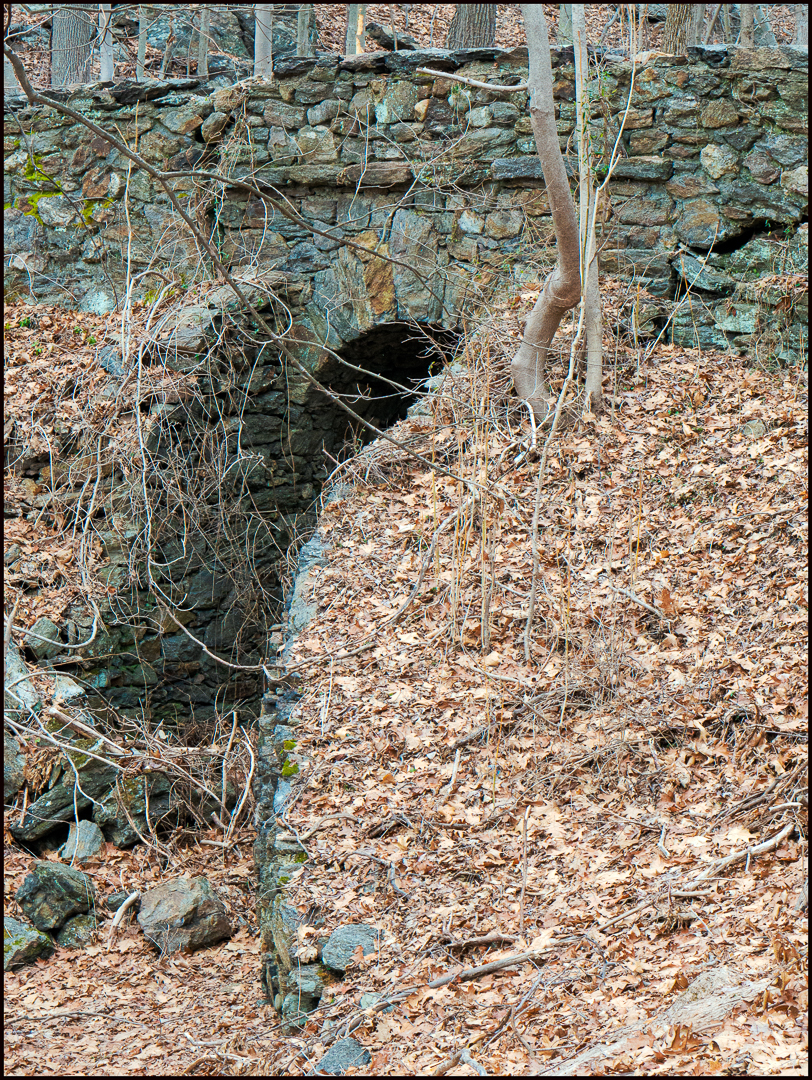
What looks like the remains of a toilet built into the hillside.


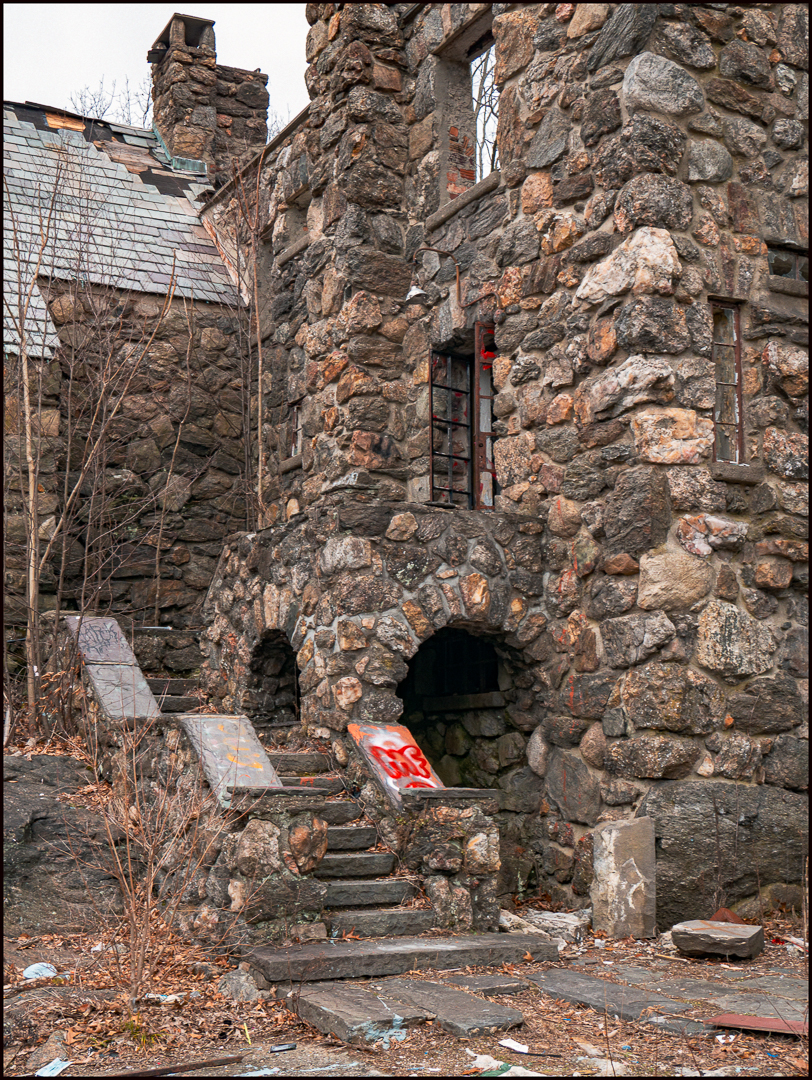
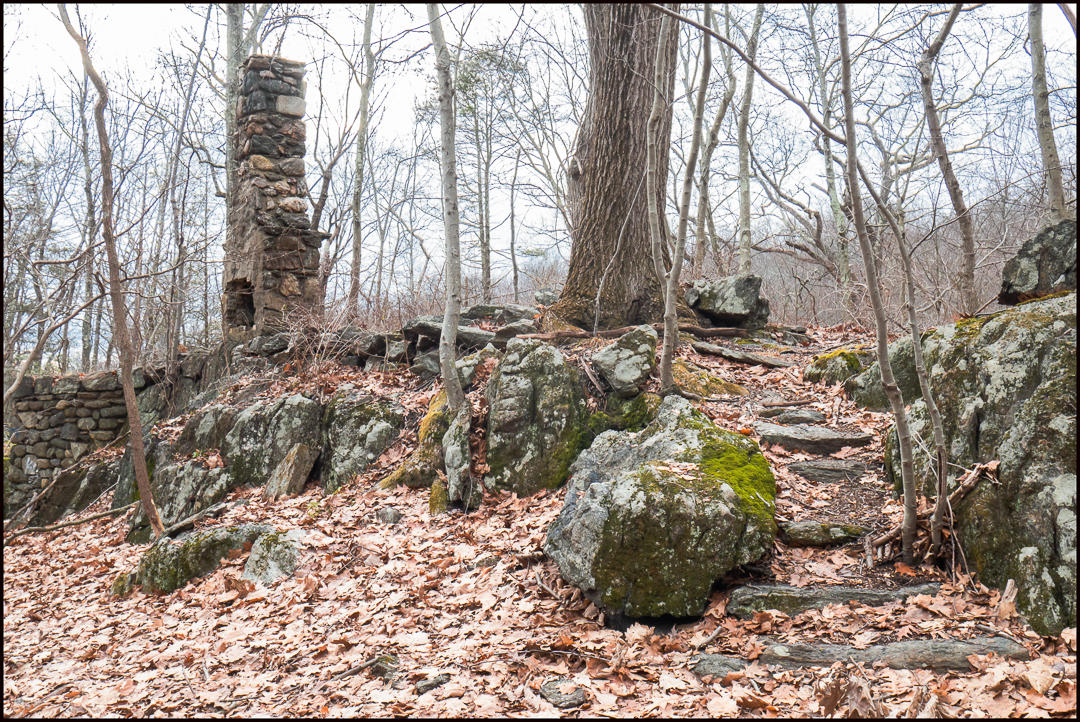
Stone steps lead up to an open area with a stone fireplace – a great place for a barbecue.


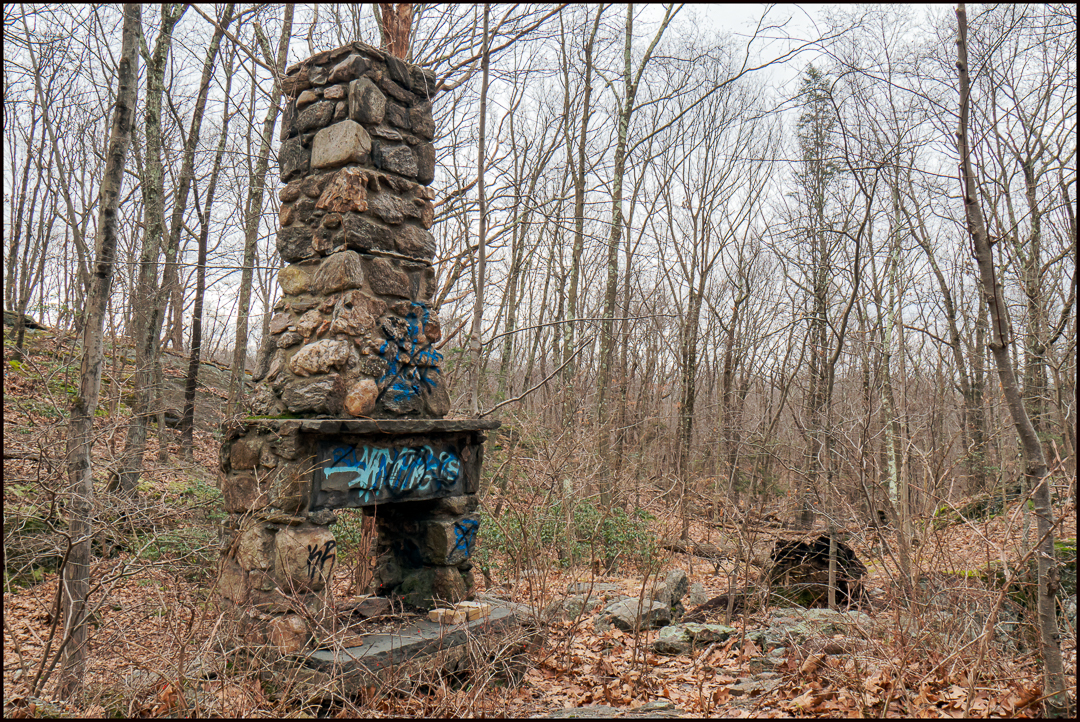
Another view of the stone fireplace.

Taken with an Olympus OM-D EM-10 and Panasonic Lumix G Vario 14-42 f3.5-4.6 II
Abandoned in the woods – Overview

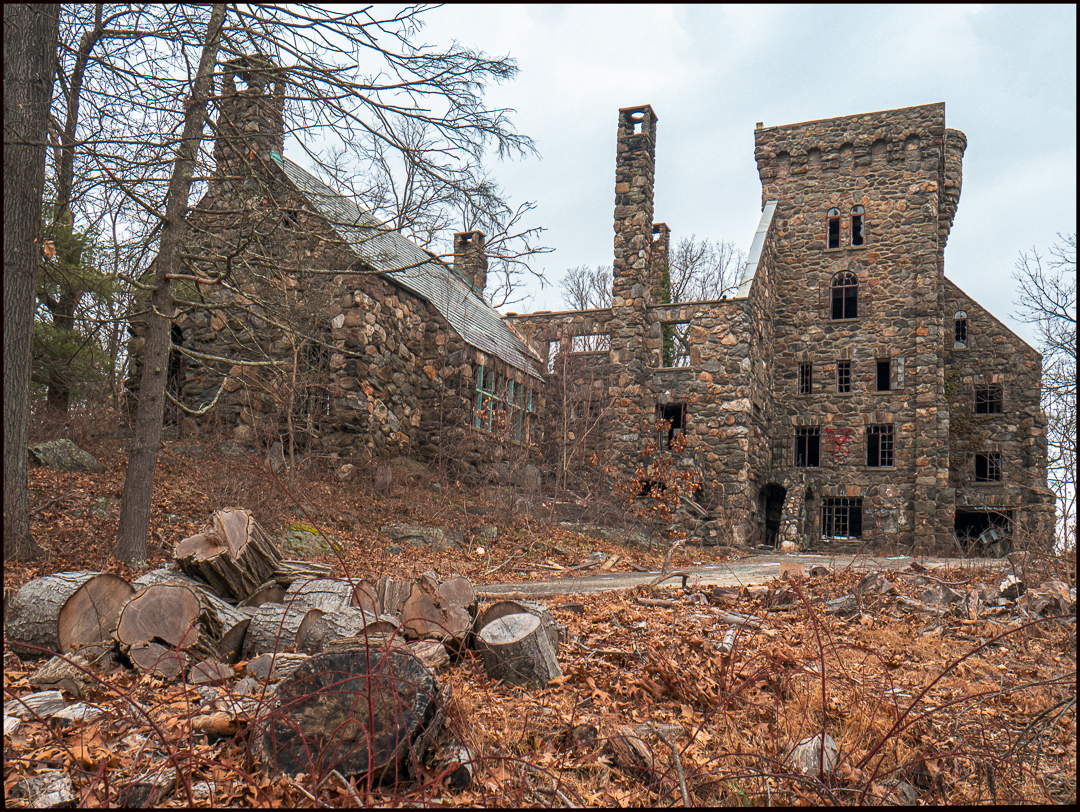
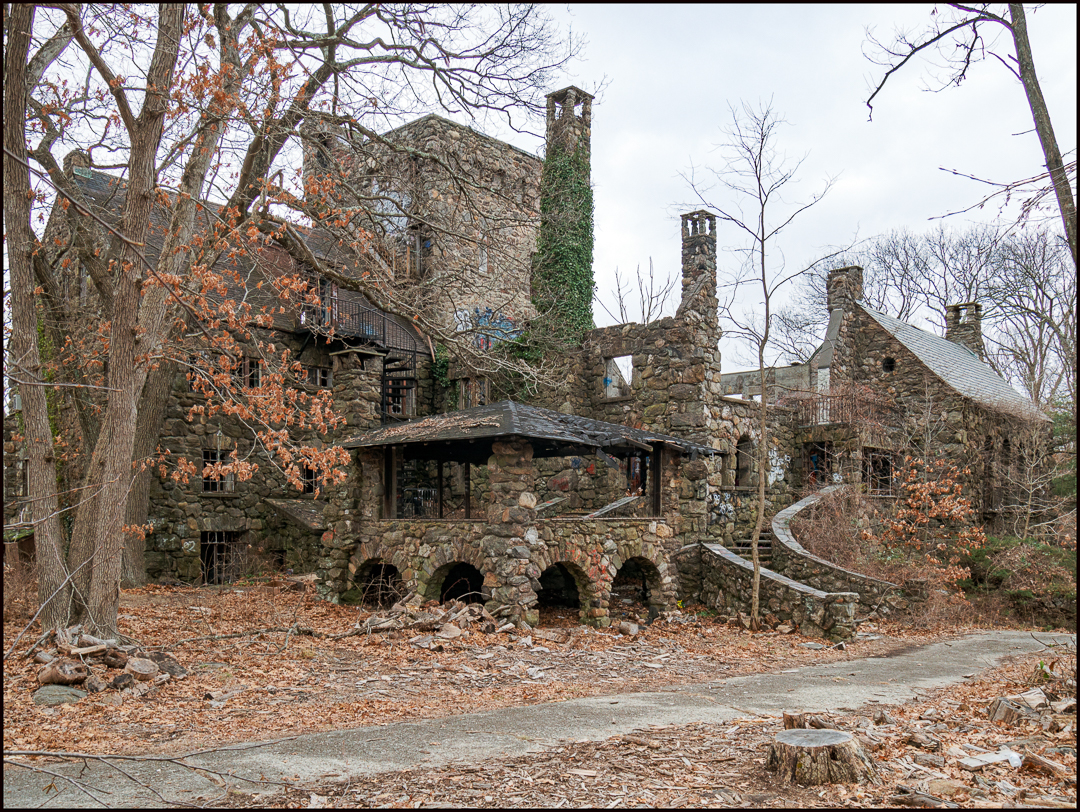
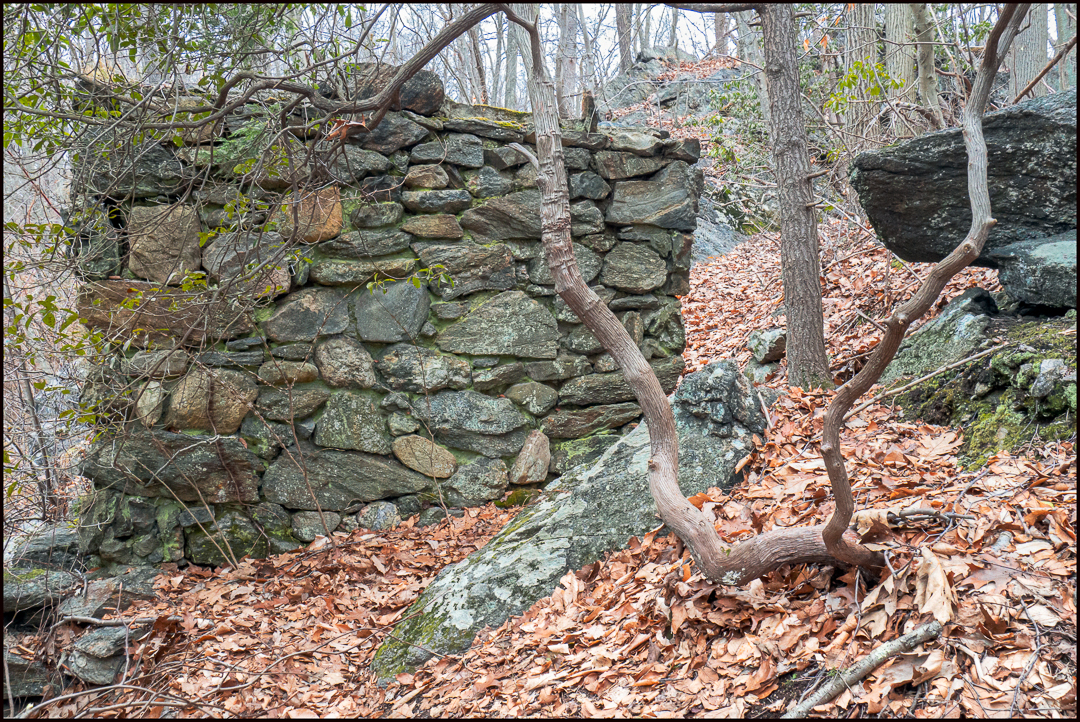
I was out walking in one of the small preserves near where I live. I followed an unmarked trail into the woods and came across some some small ruins. I’d been there before several years before, but had at that time not noticed more ruins down by a pool/pond in the vicinity. So I went down and checked them out. I continued along the trail until eventually I came across this.

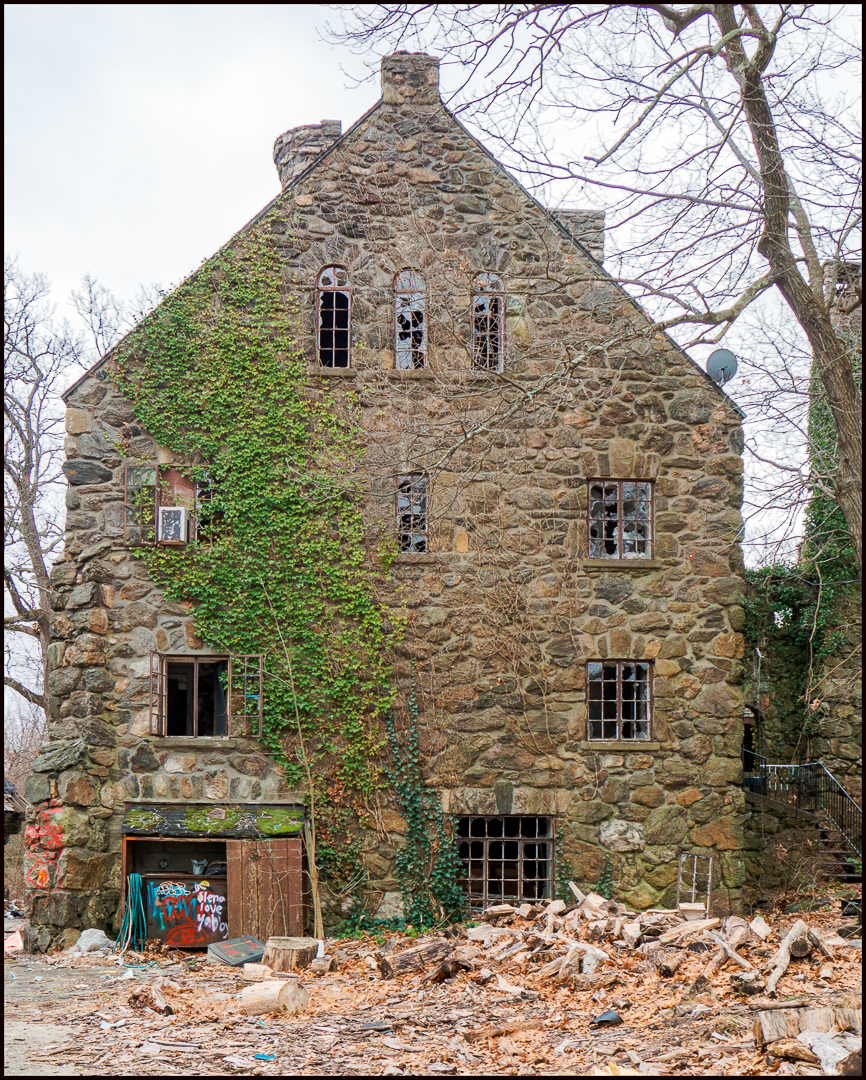
Since the days of the Dutch the area where I live has included the sites of many magnificent homes. Most no longer exist. Some have been modified for other purposes and a few remain as abandoned ruins like this one. The owner was a wealthy business man who established a well-known company dedicated to specialized, high-end, hunting, fishing, and camping equipment and clothing. After serving in the army during World War I he bought property in Westchester County, NY. The name he gave to the estate was an acronym of the first letters of the childrens’ names (and curiously also an acronym of my name too). The mansion is a large building with a steel skeleton and granite and fieldstone façade.

Work began in 1925 and was completed two years later. It was first occupied in late January 1928. The house, built on a rocky promontory still stands in the middle of what is now a 22-acre property. At that time, the house had some twenty-five rooms including servant’s quarters. There were four sections with intersecting gables as well as a section with a hipped roof. Some areas were not covered at all. The interior walls were made of cement that laid over a rough course of natural stone. The floors are also cement over steel beams and rebar covered by wood flooring and, in some cases, by tiles. Some of the roofs are slate while others are asphalt shingles.

After the owner died, his wife and daughter moved to New Jersey and the house was unoccupied for several years until it was sold in the early 1940s to a firm doing research on paints. After WWII the building remained empty for more than a decade and became the target of vandals. Among other depredations, they poured left-over paint on the marble floors of the dining room and other rooms in the central part of the house, setting them afire and causing great damage.

In 1964, the building was purchased for $15,000 but the costly and frustrating attempt to restore it ultimately failed and the house was sold again in the late 1990 for $1.5 million. Subsequently an attempt was made to turn it into a conference/retreat center, which also was not successful and and late in 2011 was sold again, reportedly for $3.75 million. As of the date of writing this the mansion remains empty.

Taken with an Olympus OM-D EM-10 and Panasonic Lumix G Vario 14-42 f3.5-4.6 II
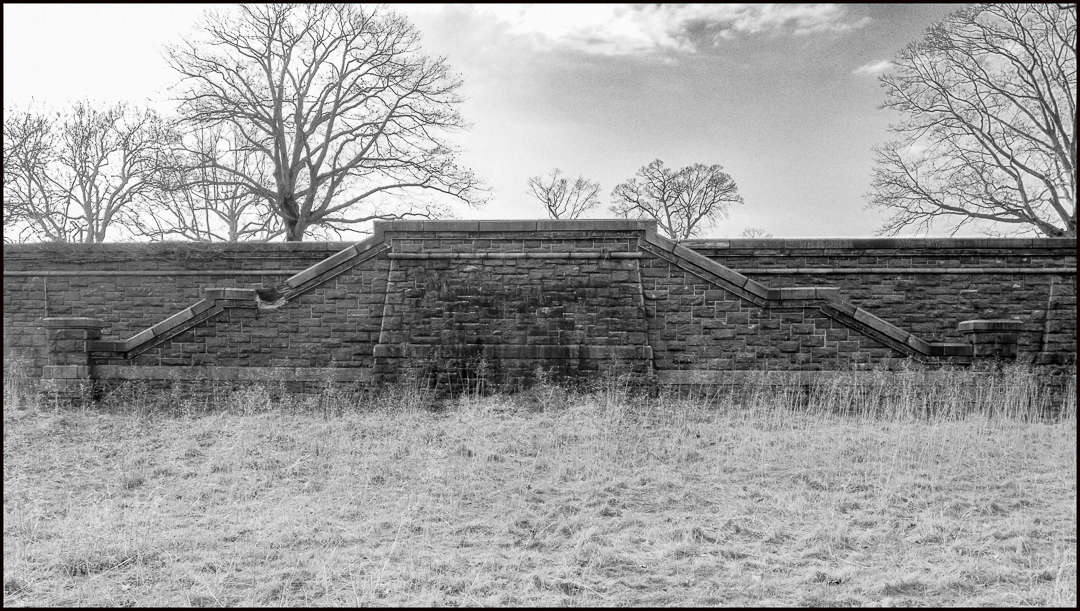
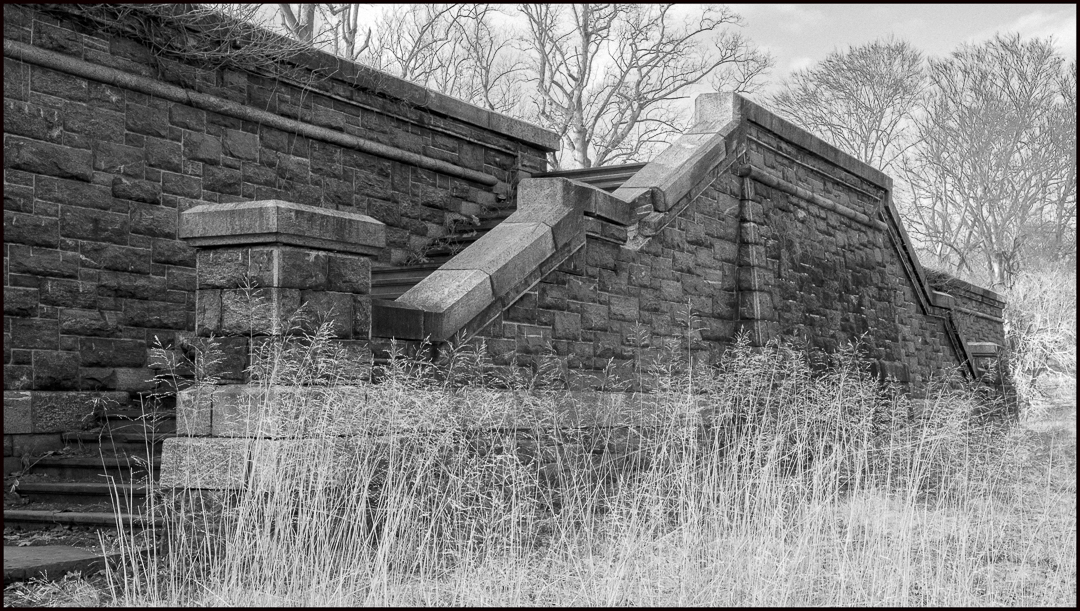
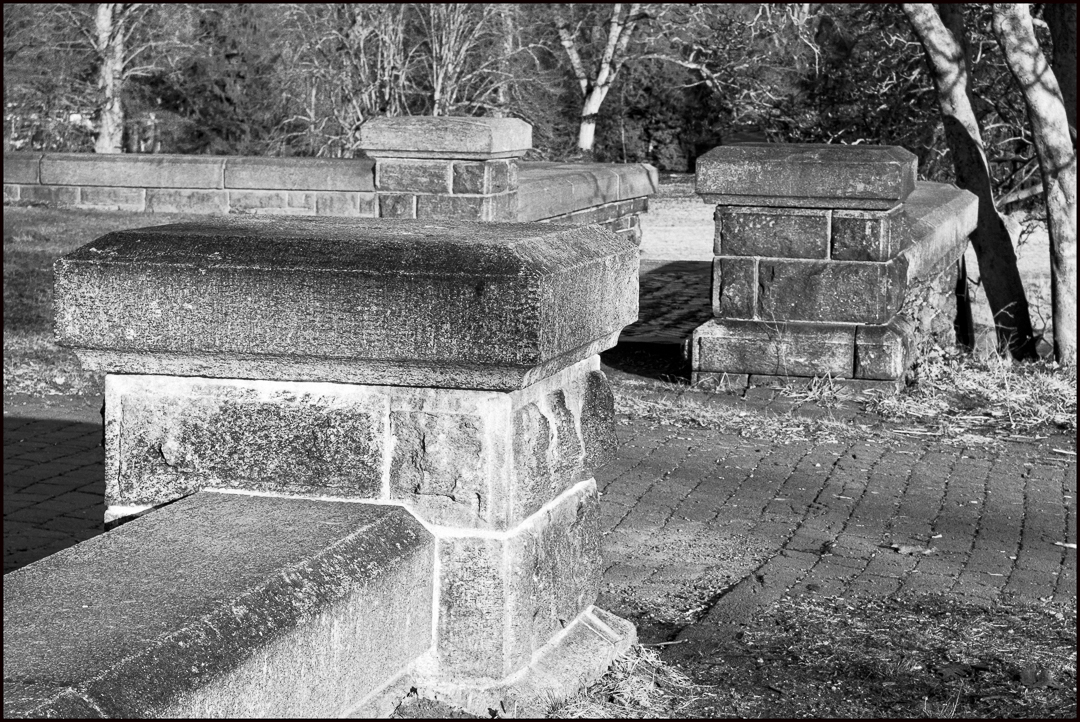
Rockwood Hall Revisited

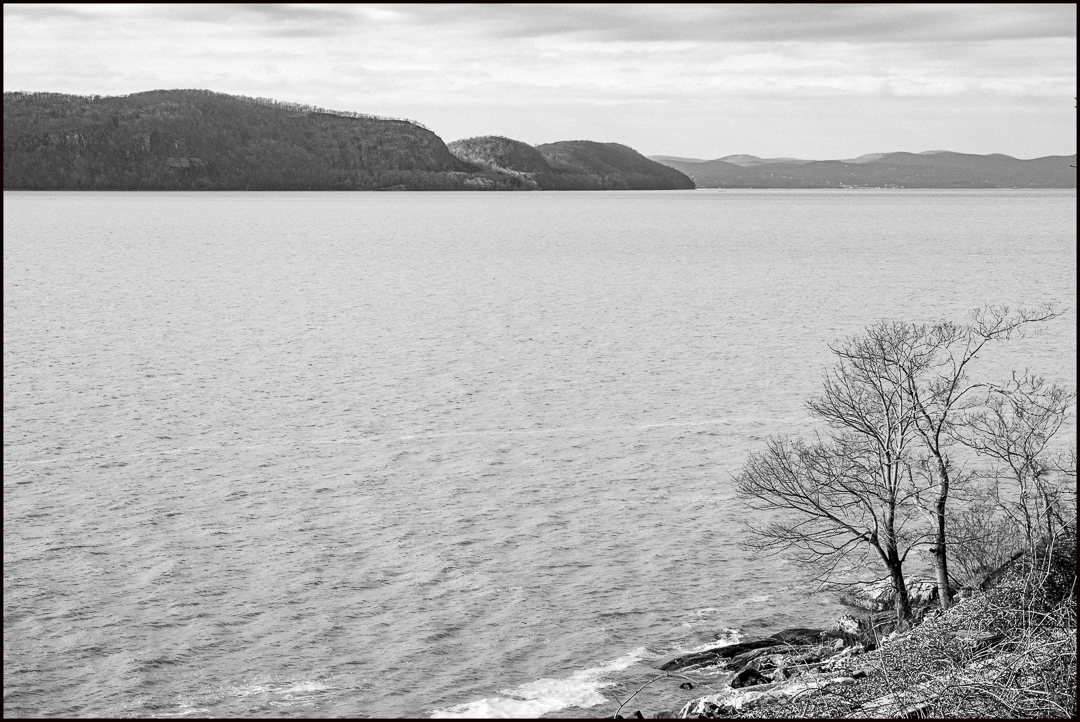
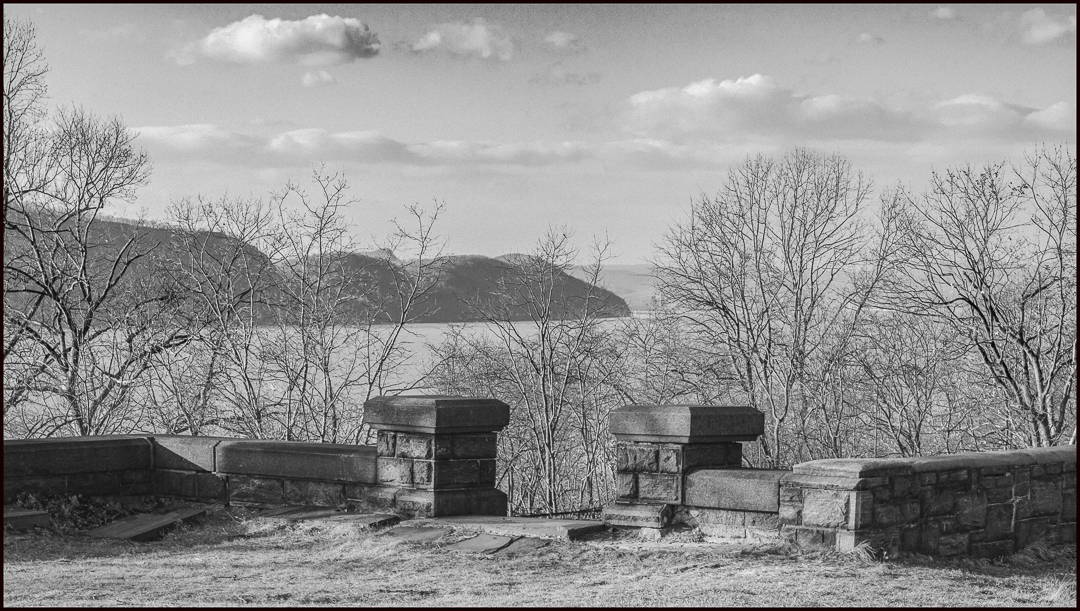
View of the Hudson River from near the ruins.

I was chatting with a friend who once lived in Sleepy Hollow (or North Tarrytown as it was then). Somehow the conversation turned to some ruins, which she described as being next to an IBM facility and which had a some point burned down. Since I’m always interested in ruins I decided that I’d see if I could identify the site, and perhaps visit it. I ‘googled’ IBM sites with possible ruins near to them. The only one that seemed to almost fit the bill was Rockwood Hall, which I’ve posted about many times before (see here).

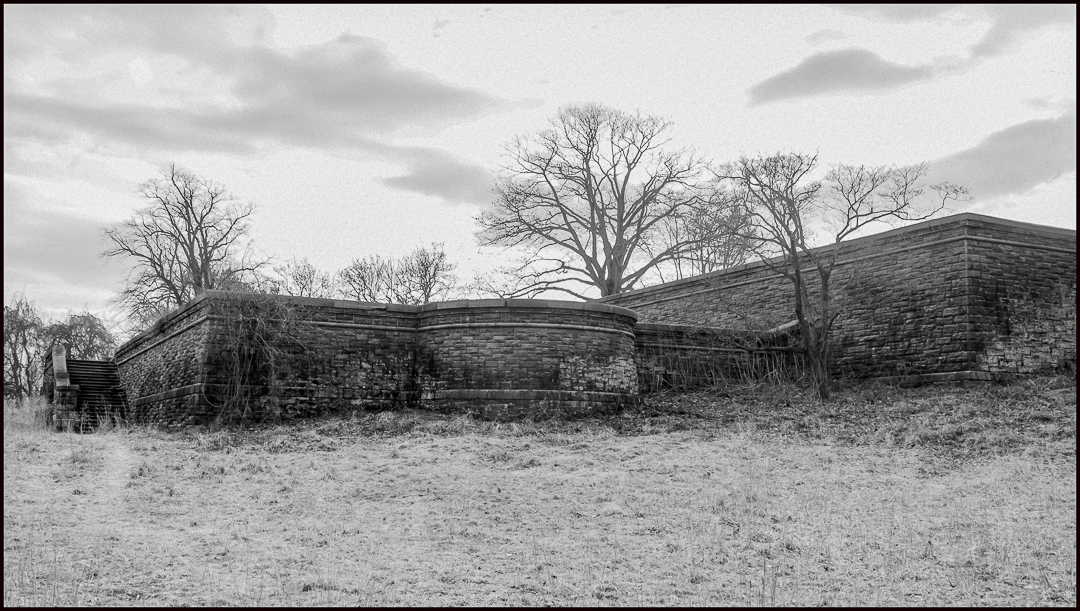
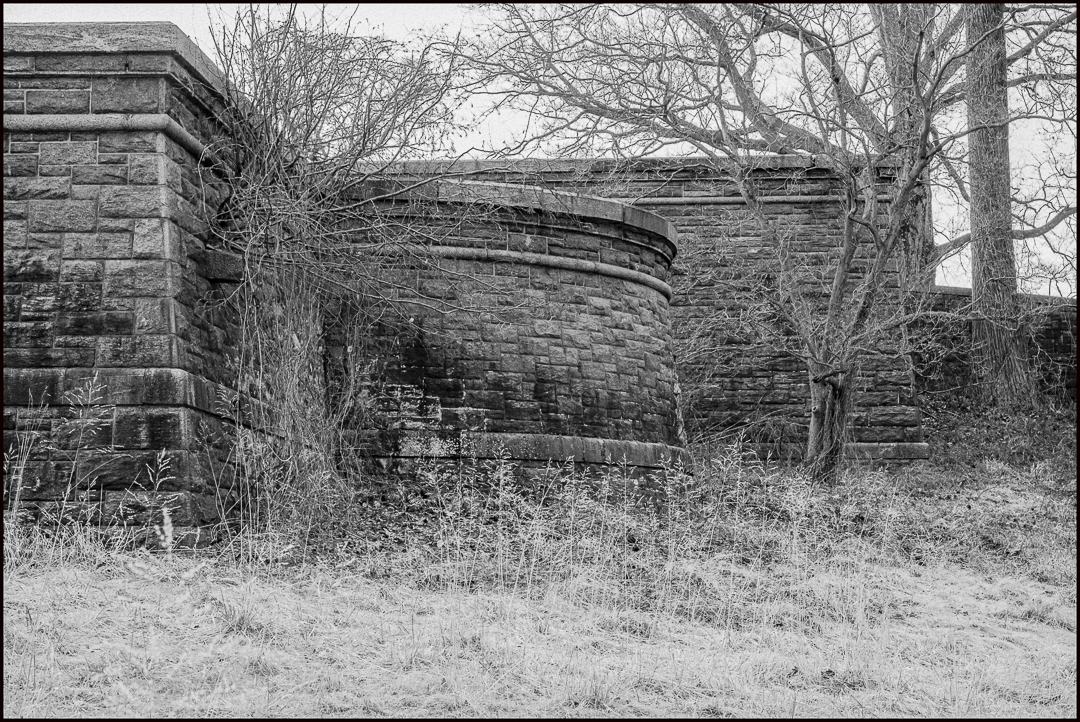
The only problem was that Rockwood Hall had not burned down. Rather the then owner John D. Rockefeller Jr. had most of the property’s buildings razed, including the mansion in 1941-42. In late 1946, the Rockwood Hall property was proposed for the location of the United Nations headquarters. John Jr.’s son Laurance Rockefeller sold some of the property to IBM in 1970. IBM’s property was later bought by New York Life, followed by Regeneron Pharmaceuticals, the current owner. The remaining property was sold to New York State at a significantly reduced price to become parkland within Rockefeller State Park.

In trying to find information on the property I found numerous mentions of the mansion having burned down. Perhaps at some point there was a fire on the property and seeing the blackened vegetation visitors might have assumed that the house had burned down.


Taken with an Olympus OM-D EM-10 and Panasonic Lumix G Vario 14-42 f3.5-4.6 II
Sylvan Glen 2021 – A last look

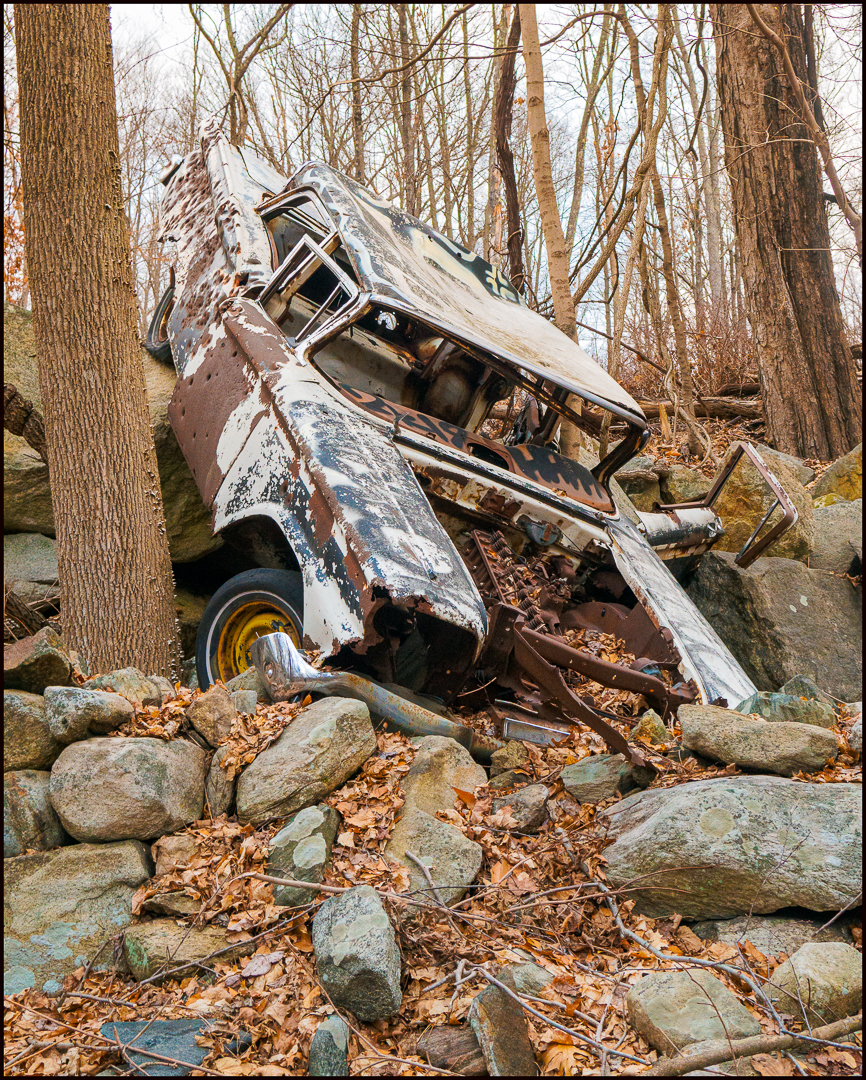
As I was on my way back to the exit via the dog park when I noticed something white and metallic looking off to my left in the woods. This is what I found.

I have no idea what kind of car this is and I’m astonished that they were able to get it to where it is. I’m even more surprised that anyone would take the trouble.

Taken with an Olympus OM-D EM-10 and Panasonic Lumix G Vario 14-42 f3.5-4.6 II