A visit to Dia Beacon – Other artists I liked – Michael Heizer

According to Wikipedia:

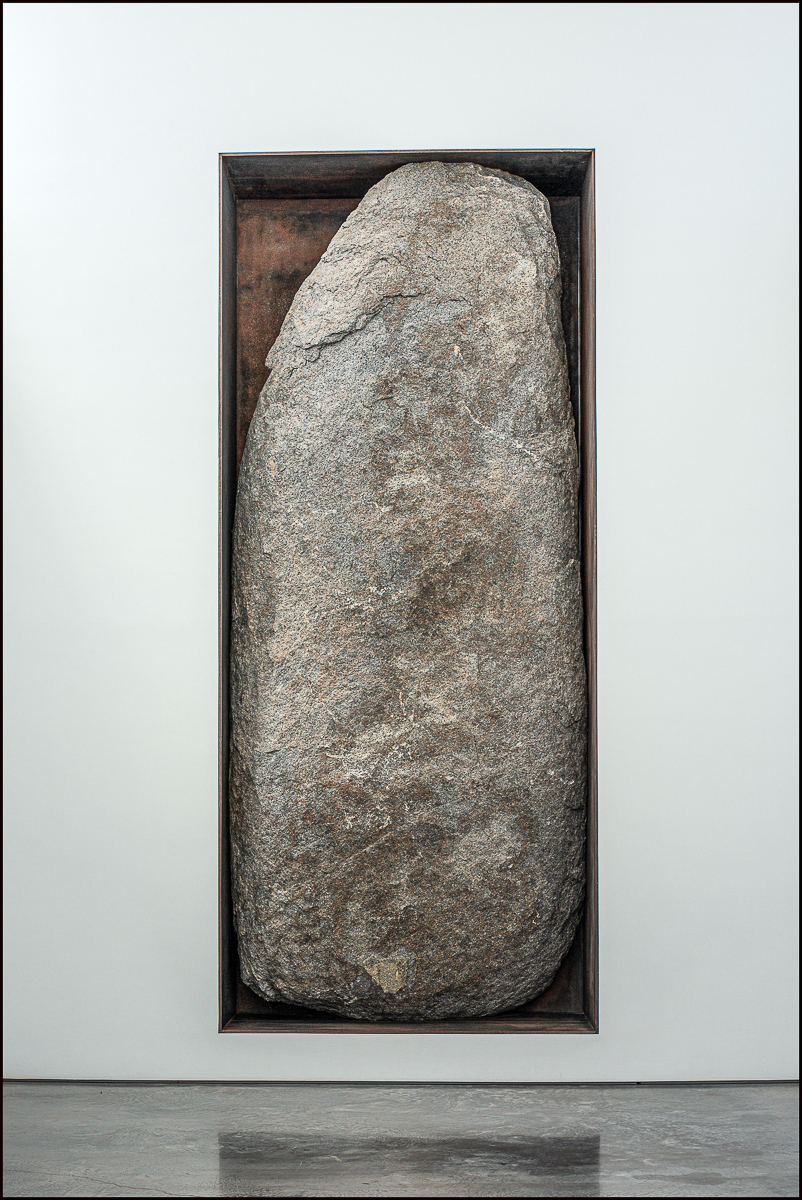
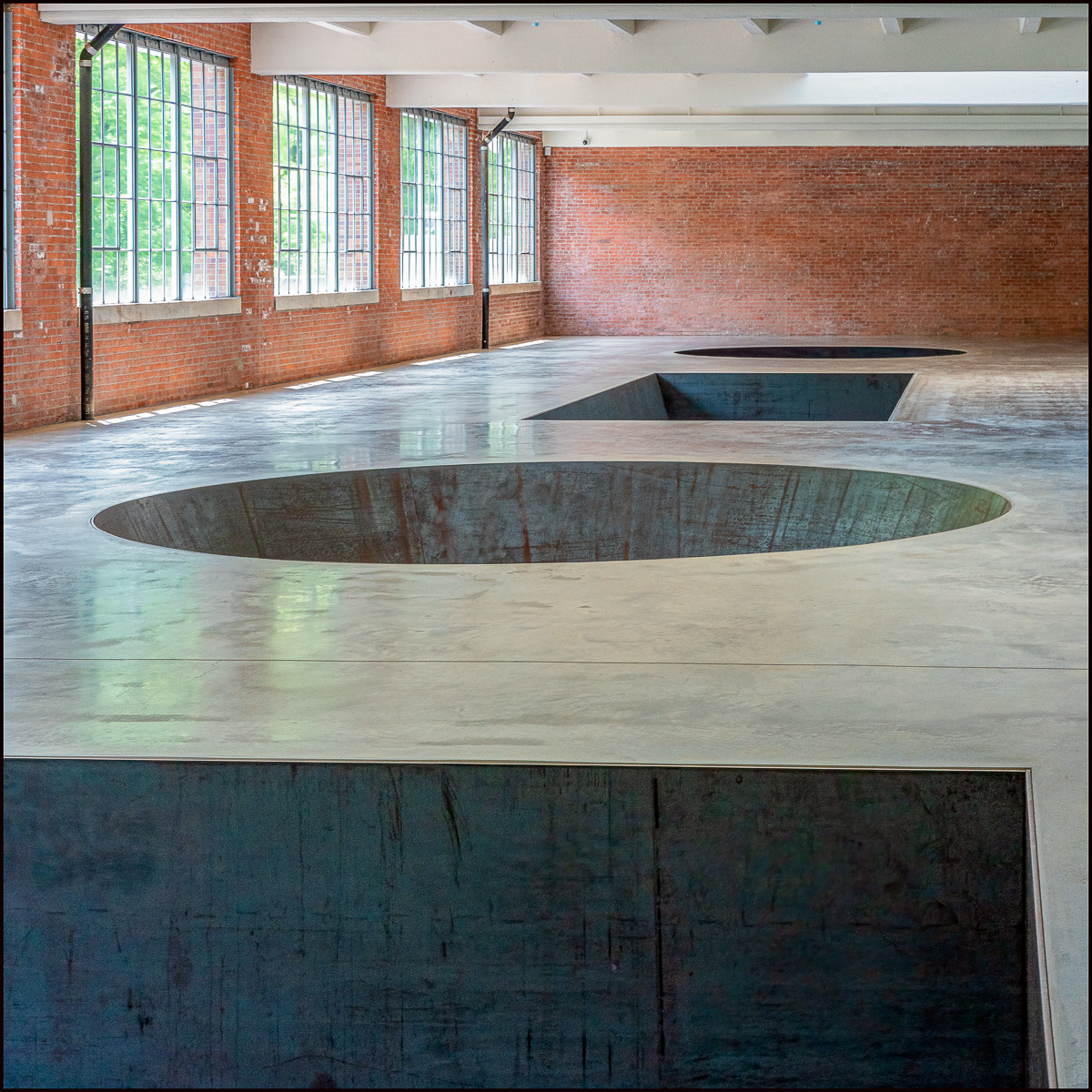
Michael Heizer (born 1944) is an American land artist specializing in large-scale and site-specific sculptures. Working largely outside the confines of the traditional art spaces of galleries and museums, Heizer has redefined sculpture in terms of size, mass, gesture, and process. A pioneer of 20th-century land art or Earthworks movement, he is widely recognized for sculptures and environmental structures made with earth-moving equipment, which he began creating in the American West in 1967. He currently lives and works in Hiko, Nevada, and New York City.

For more information see here on the Dia Beacon website.

Taken with a Sony A7IV and Samyang 45mm f1.8

A visit to Dia Beacon – Other artists I liked – Imi Knoebel

According to Artnet:

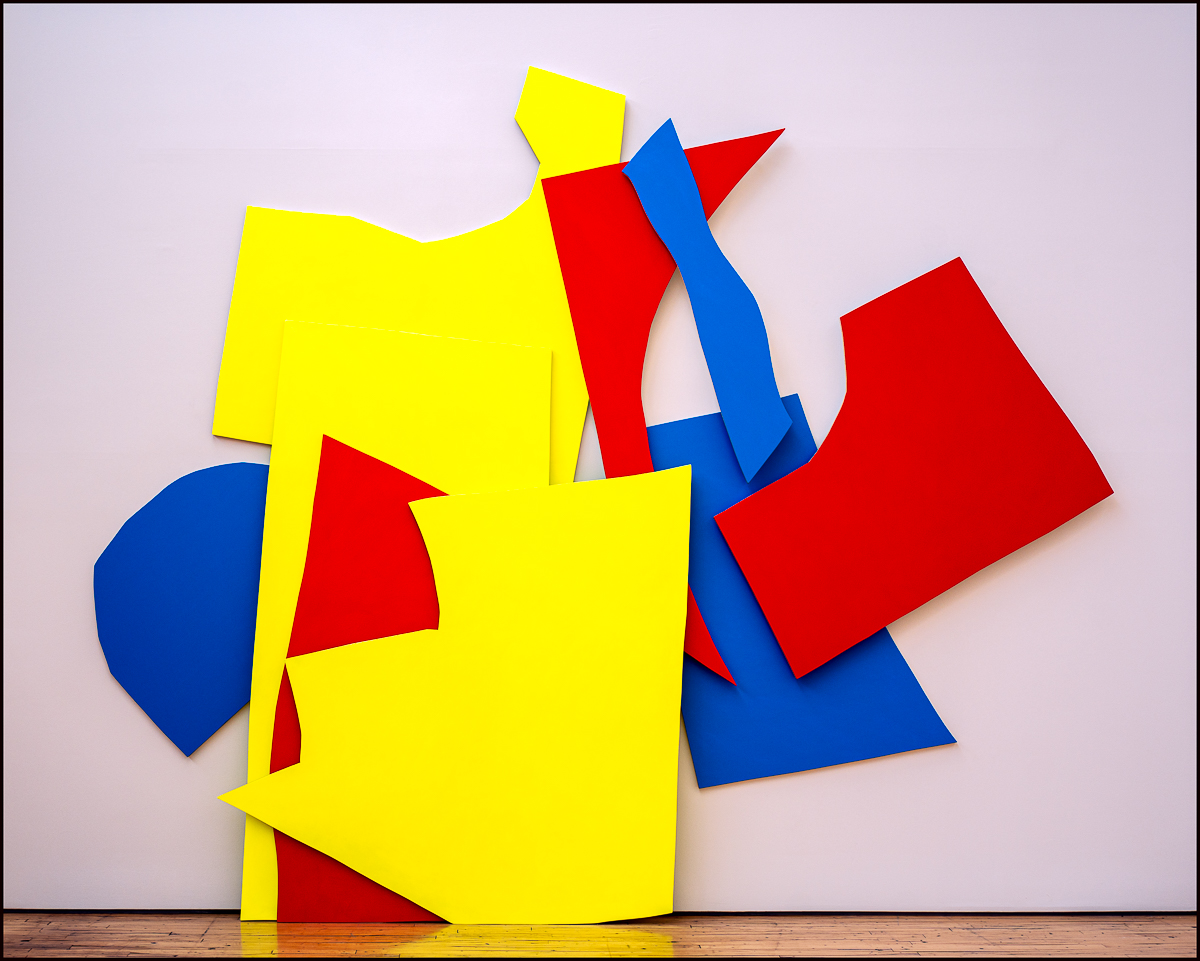
Imi Knoebel is a German painter and sculptor known for his contributions to and shaping of 20th century Minimalist abstract art. Often working with large-scale modular shapes, Knoebel’s work is regarded as an ongoing, elliptical investigation into formalism and the medium of painting itself. Born in Dessau, Germany in 1930, he went on to study at the Darmstadt School of Arts and Crafts and then the famed Kunstakademie Düsseldorf, where he befriended Joseph Beuys and Blinky Palermo. Though his early work was often monochromatic, Knoebel became interested in the teachings of renowned colorist Johannes Itten, and much of his later work is characterized by its bright palette and strong color relationships. One of his best-known pieces, 24 Colors for Blinky (1977)—made in memoriam of his friend’s untimely death—consists of a irregularly shaped panels each painted in a specific, memorable hue, and is featured in the permanent collection of Dia:Beacon in upstate New York. Knoebel has been the subject of solo exhibitions at such institutions as the Haus der Kunst in Munich, the Stedelijk Museum in Amsterdam, and the Hamburger Bahnhof in Berlin. He lives and works in Düsseldorf, Germany.

For more information see here at the Dia Beacon website.

Taken with a Sony A7IV and Samyang 45mm f1.8

A visit to Dia Beacon – Mario Merz

Another artist I liked was Mario Merz who The Guggenheim describes as follows:

Mario Merz was born in Milan. He grew up in Turin and attended medical school for two years at the Università degli Studi di Torino. During World War II he joined the anti-Fascist group Giustizia e Libertà and was arrested in 1945 and confined to jail, where he drew incessantly on whatever material he could find. In 1950 he began to paint with oil on canvas. His first solo exhibition, held at Galleria La Bussola, Turin, in 1954, included paintings whose organic imagery Merz considered representative of ecological systems. By 1966 he began to pierce canvases and objects, such as bottles, umbrellas, and raincoats with neon tubes, altering the materials by symbolically infusing them with energy.

In 1967 he embarked on an association with several artists, including Giovanni Anselmo, Alighiero Boetti, Luciano Fabro, Jannis Kounellis, Giulio Paolini, Giuseppe Penone, Michelangelo Pistoletto, and Gilberto Zorio, which became a loosely defined art movement labeled Arte Povera by critic and curator Germano Celant. This movement was marked by an antielitist aesthetic, incorporating materials drawn from everyday life and the organic world in protest of the dehumanizing nature of industrialization and consumer capitalism.

In 1968 Merz adopted one of his signature motifs, the igloo. It was constructed with a metal skeleton and covered with fragments of clay, wax, mud, glass, burlap, bundles of branches, and often political or literary phrases in neon tubing. He participated in significant international exhibitions of Conceptual, Process, and Minimalist Art, such as Arte povera + azioni povera at the Arsenali dell’Antica Repubblica, Amalfi, and Live in Your Head: When Attitudes Become Form at the Kunsthalle Bern in 1968; the latter exhibition traveled to Krefeld, Germany, and to London. In 1970 Merz began to utilize the Fibonacci formula of mathematical progression within his works, transmitting the concept visually through the use of the numerals and the figure of a spiral. By the time of his first solo museum exhibition in the United States, at the Walker Art Center, Minneapolis, in 1972, Merz had also added stacked newspapers, archetypal animals, and motorcycles to his iconography, to be joined later by the table, symbolizing a locus of the human need for fulfillment and interaction. Merz often responds to the specific environment of his exhibitions by incorporating materials indigenous to the area as well as adjusting the scale of the work to the site. His first solo European museum exhibition took place at the Kunsthalle Basel in 1975, and a major retrospective was organized by the Solomon R. Guggenheim Museum, New York, in 1989. Merz was married to artist Marisa Merz. He died at his home in Milan on November 9, 2003.

For more information see here on the Dia Beacon website.

I’m not entirely sure why I like his work. Maybe its because it’s full of light and energy. I also like the way he mixes organic forms (e.g. piles of sticks, apples etc.) with artificial.


Taken with a Sony A7IV and Samyang 45mm f1.8

A visit to Dia Beacon – Richard Serra

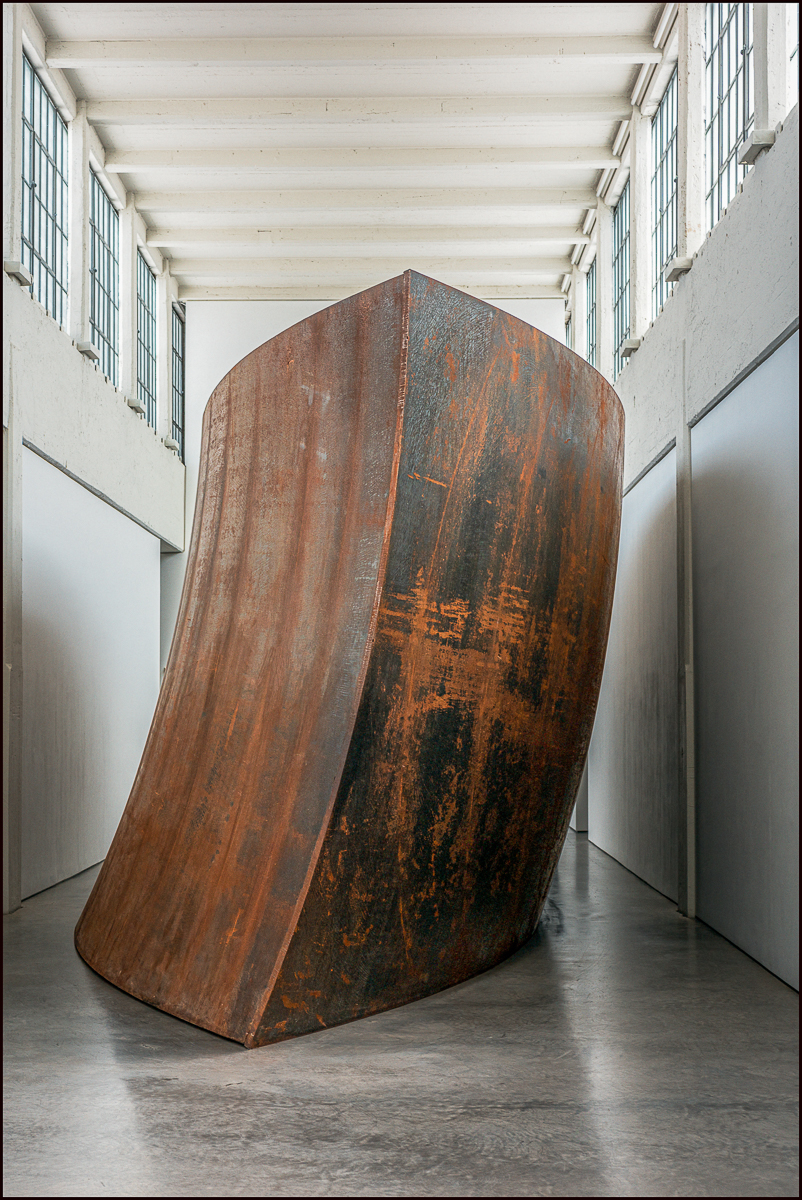
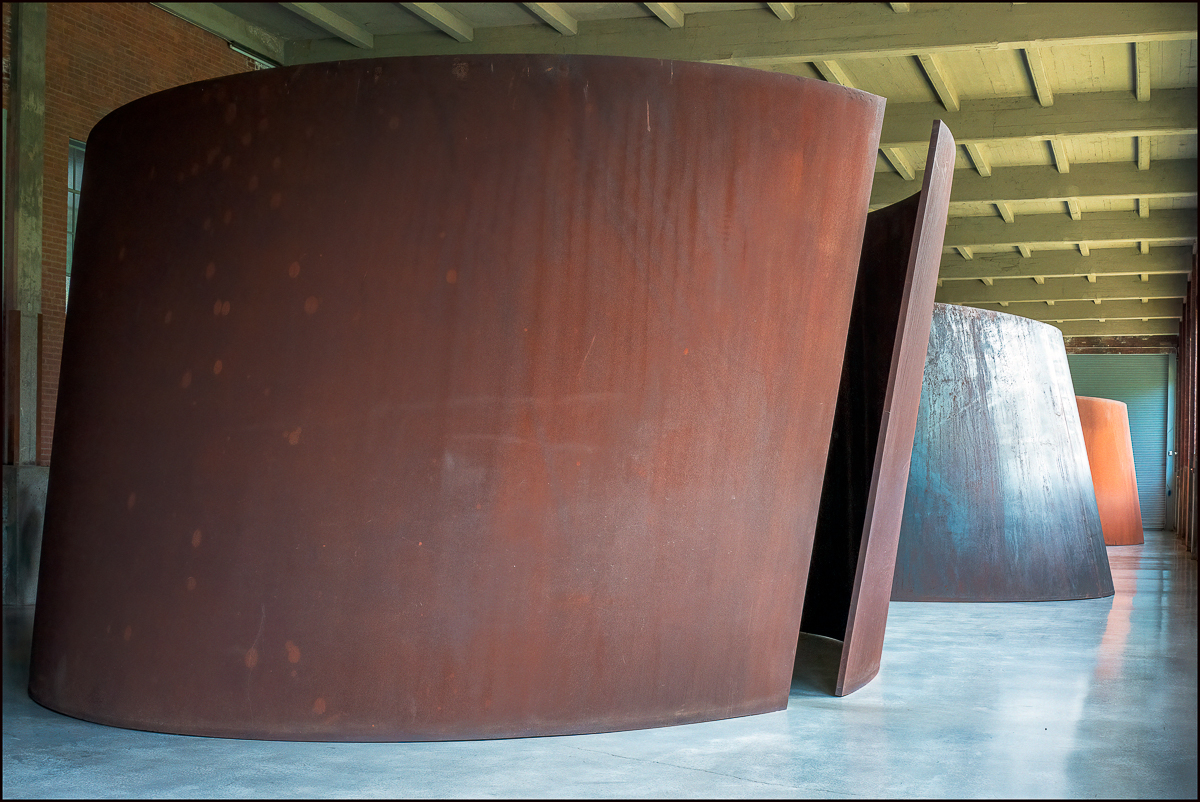
Another exhibit/installation I really liked was that of works of Richard Serra. According to The Guggenheim museum:

Richard Serra was born in 1938 in San Francisco. While working in steel mills to support himself, Serra attended the University of California at Berkeley and Santa Barbara from 1957 to 1961, receiving a BA in English literature. He then studied as a painter at Yale University, New Haven, from 1961 to 1964, completing his BFA and MFA there. While at Yale, Serra worked with Josef Albers on his book The Interaction of Color (1963). During the early 1960s, he came into contact with Philip Guston, Robert Rauschenberg, Ad Reinhardt, and Frank Stella. In 1964 and 1965 Serra received a Yale Traveling Fellowship and traveled to Paris, where he frequently visited the reconstruction of Constantin Brancusi’s studio at the Musée National d’Art Moderne. He spent much of the following year in Florence on a Fulbright grant and traveled throughout southern Europe and northern Africa. The young artist was given his first solo exhibition at Galleria La Salita, Rome, in 1966. Later that year, he moved to New York where his circle of friends included Carl Andre, Walter De Maria, Eva Hesse, Sol LeWitt, and Robert Smithson.

In 1966 Serra made his first sculptures out of nontraditional materials such as fiberglass and rubber. From 1968 to 1970 he executed a series of Splash pieces, in which molten lead was splashed or cast into the junctures between floor and wall. Serra had his first solo exhibition in the United States at the Leo Castelli Warehouse, New York. By 1969 he had begun the Prop pieces, whose parts are not welded together or otherwise attached but are balanced solely by forces of weight and gravity. That year, Serra was included in Nine Young Artists: Theodoron Awards at the Solomon R. Guggenheim Museum, New York. He produced the first of his numerous short films in 1968 and in the early 1970s experimented with video. The Pasadena Art Museum organized a solo exhibition of Serra’s work in 1970, and in the same year he received a John Simon Guggenheim Memorial Foundation fellowship. That year, he helped Smithson execute Spiral Jetty at the Great Salt Lake in Utah; Serra, however, was less intrigued by the vast American landscape than by urban sites, and in 1970 he installed a piece on a dead-end street in the Bronx. He received the Skowhegan Medal for Sculpture in 1975 and traveled to Spain to study Mozarabic architecture in 1982.

Serra was honored with solo exhibitions at the Kunsthalle Tübingen, Germany, in 1978; the Musée National d’Art Moderne, Paris, in 1984; the Museum Haus Lange, Krefeld, Germany, in 1985; and the Museum of Modern Art, New York, in 1986. The 1990s saw further honors for Serra’s work: a retrospective of his drawings at the Bonnefantenmuseum, Maastricht; the Wilhelm Lehmbruck prize for sculpture in Duisburg in 1991; and the following year, a retrospective at Museo Nacional Centro de Arte Reina Sofía, Madrid. In 1993 Serra was elected a fellow of the American Academy of Arts and Sciences. In 1994 he was awarded the Praemium Imperiale by the Japan Art Association and an Honorary Doctor of Fine Arts degree from the California College of the Arts, Oakland. Serra has continued to exhibit in both group and solo shows in such venues as Leo Castelli Gallery and Gagosian Gallery, New York. He continues to produce large-scale steel structures for sites throughout the world, and has become particularly renowned for his monumental arcs, spirals, and ellipses, which engage the viewer in an altered experience of space. From 1997 to 1998 his Torqued Ellipses (1997) were exhibited at and acquired by the Dia Center for the Arts, New York. In 2005 eight major works by Serra were installed permanently at Guggenheim Museum Bilbao, and in 2007 the Museum of Modern Art in New York mounted a major retrospective of his work. Serra lives outside New York City and in Nova Scotia.

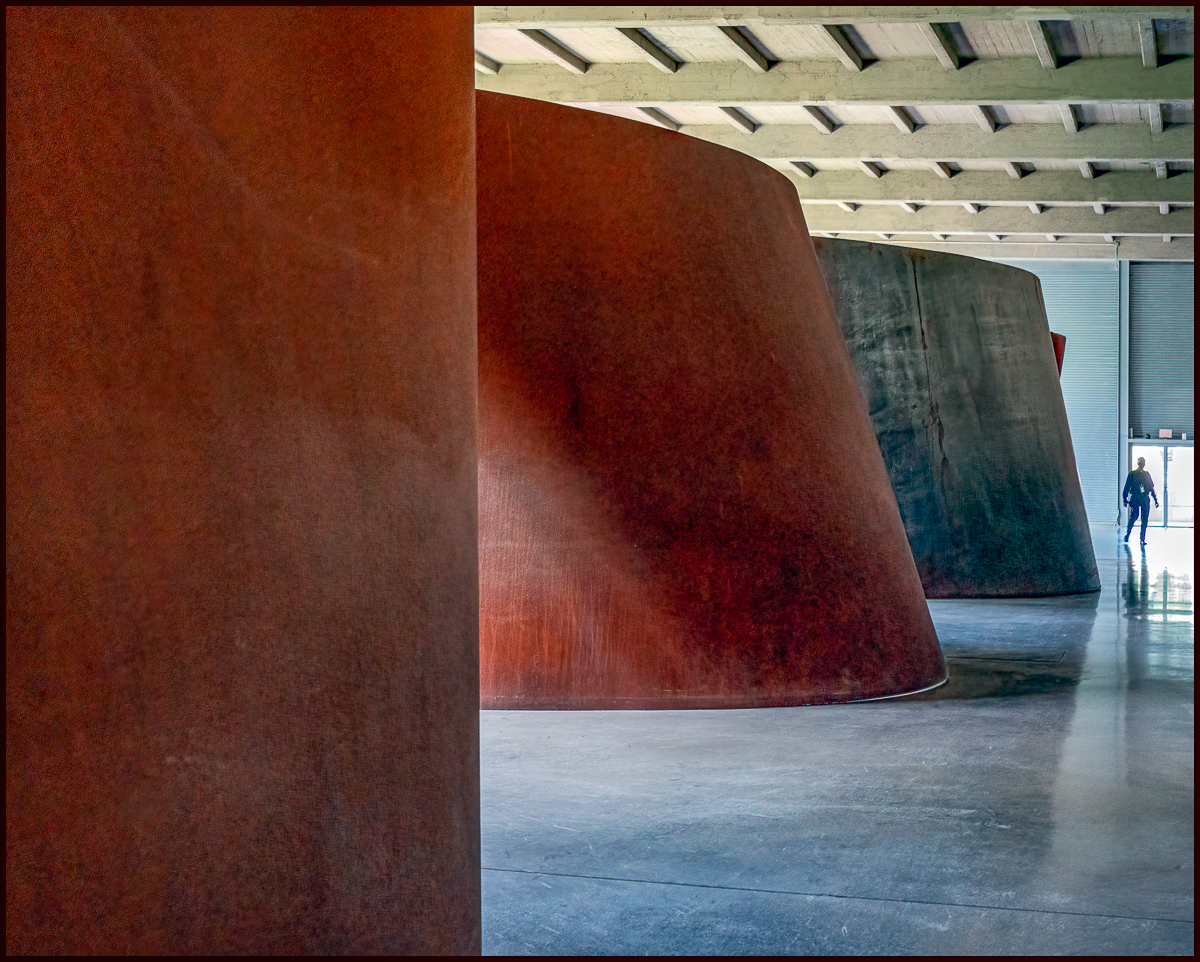
I’ve always been attracted to old, rusting machines and indeed rusting metal of all kinds. I just loved walking around and inside! Yes, some of the sculptures are designed so that you can walk inside and through them. This can lead to some surprise encounters. See next to last picture where this guy started to walk through an opening into a space where I was lining up to take a picture. I don’t know who was more surprised, him or me. At least I managed to keep enough presence of mind to press the shutter release.

For more information see here on the Dia Beacon website.


But then I guess you can’t like everything by a particular artist. For example: I don’t particularly like the piece below, also by Serra.

Taken with a Sony A7IV and Samyang 45mm f1.8

A visit to Dia Beacon – Louise Bourgeois

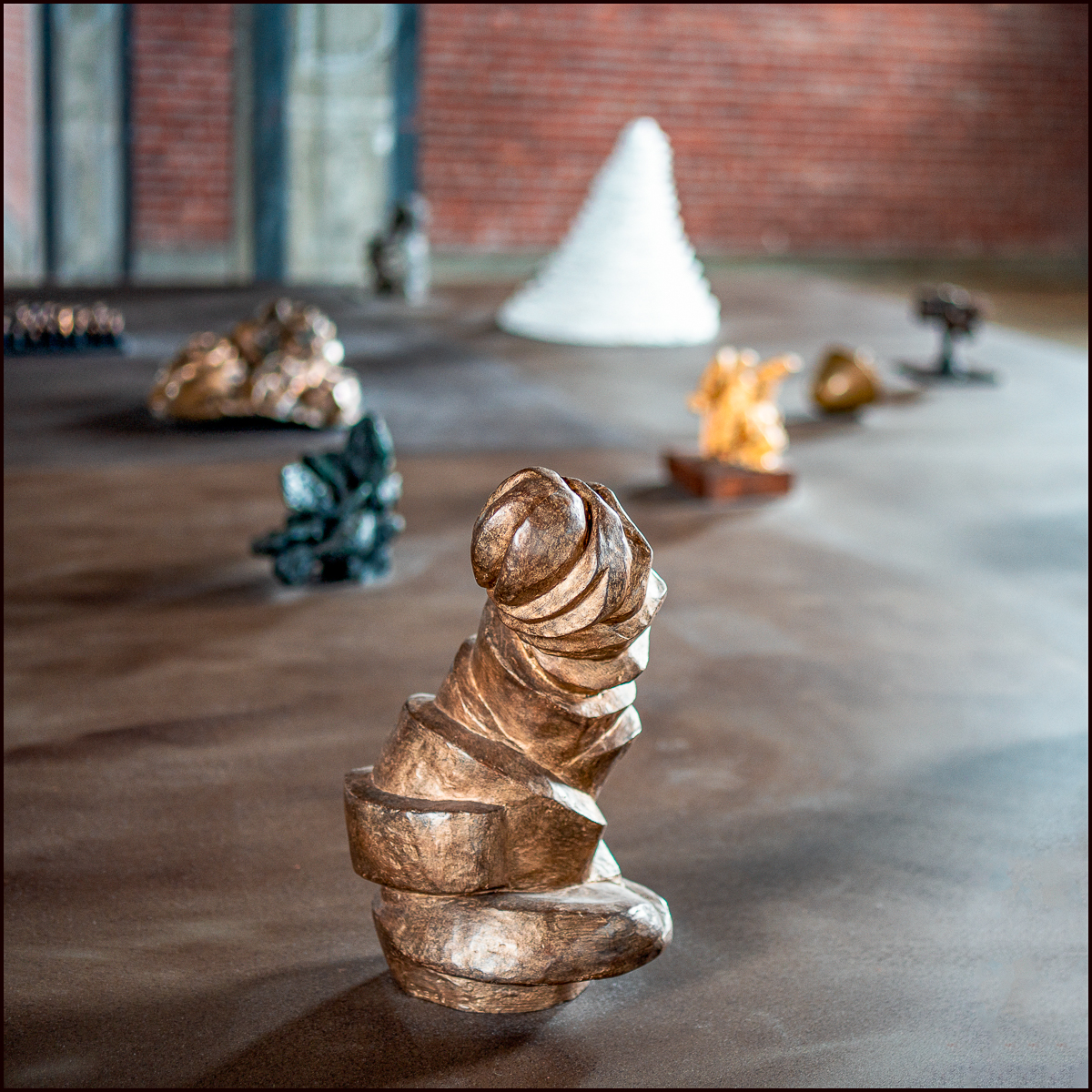
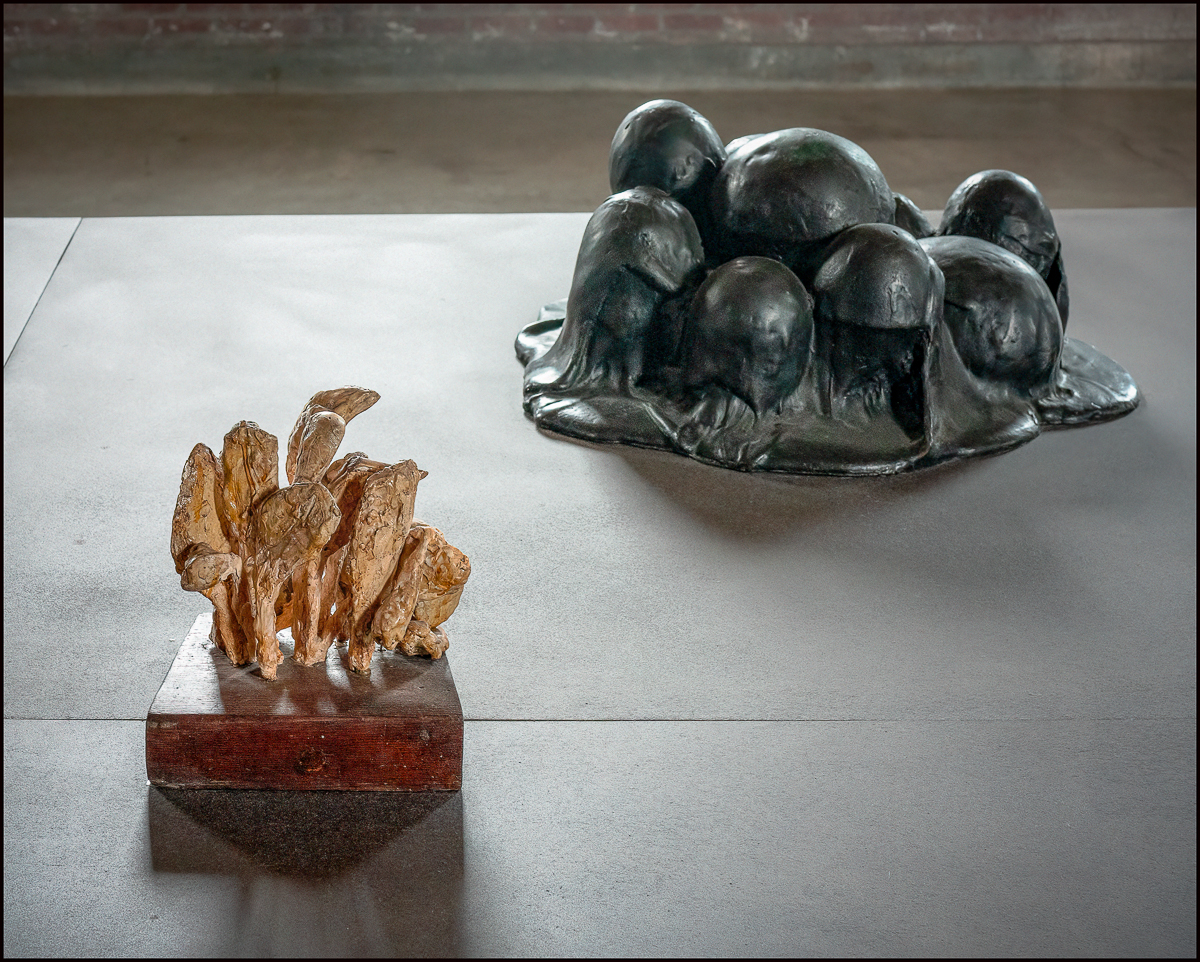
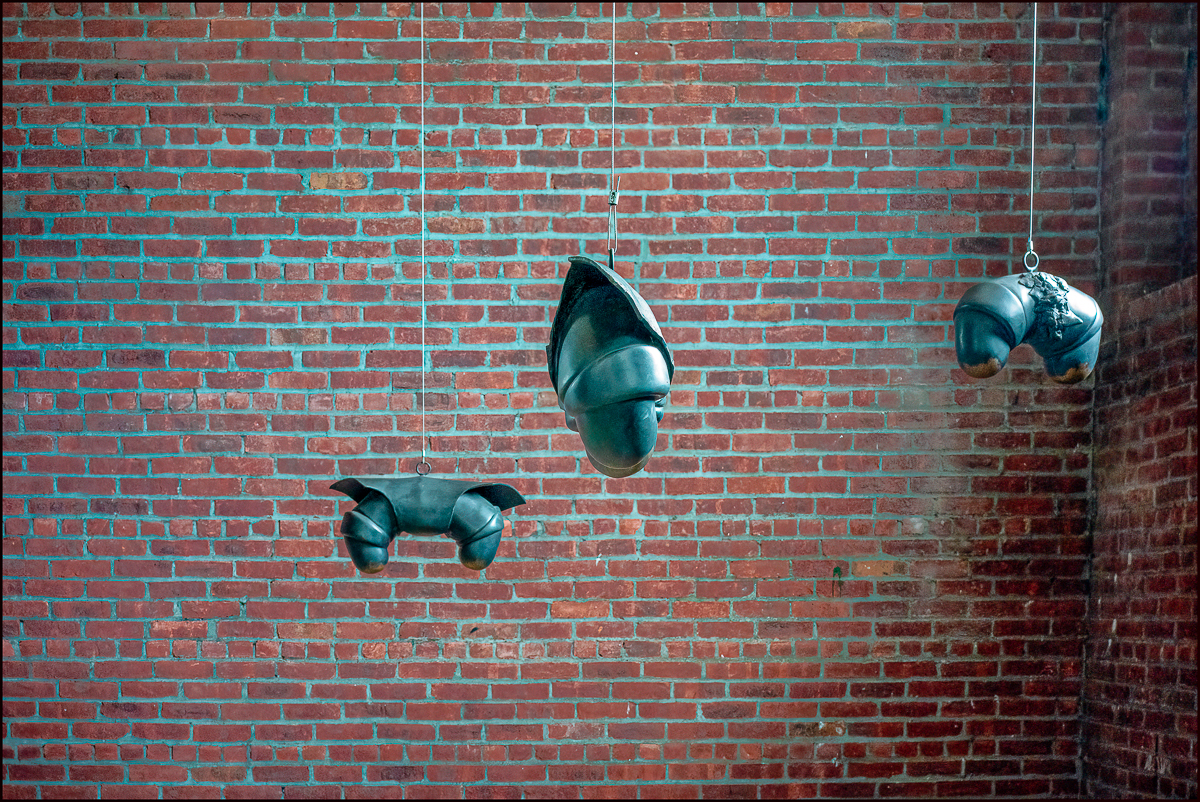
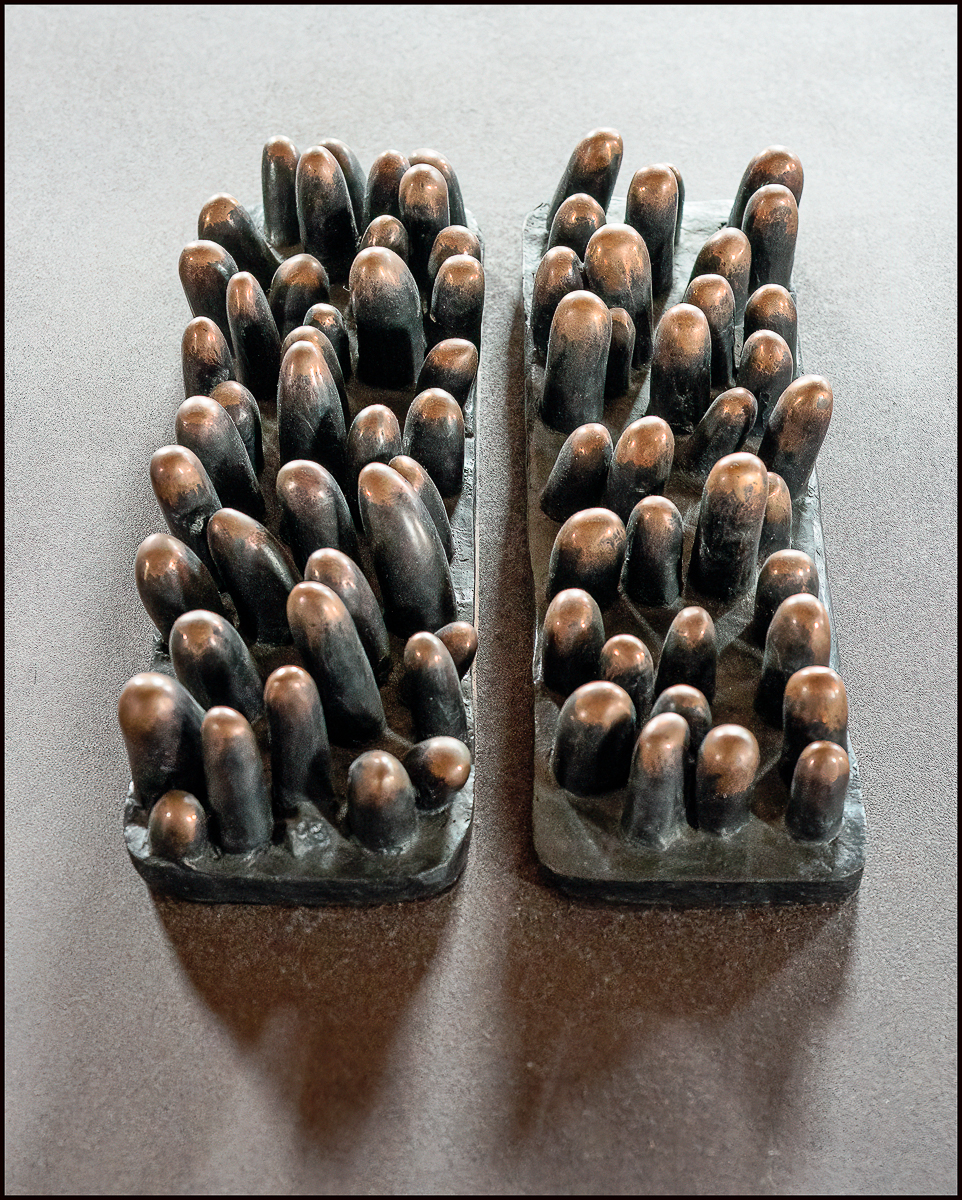
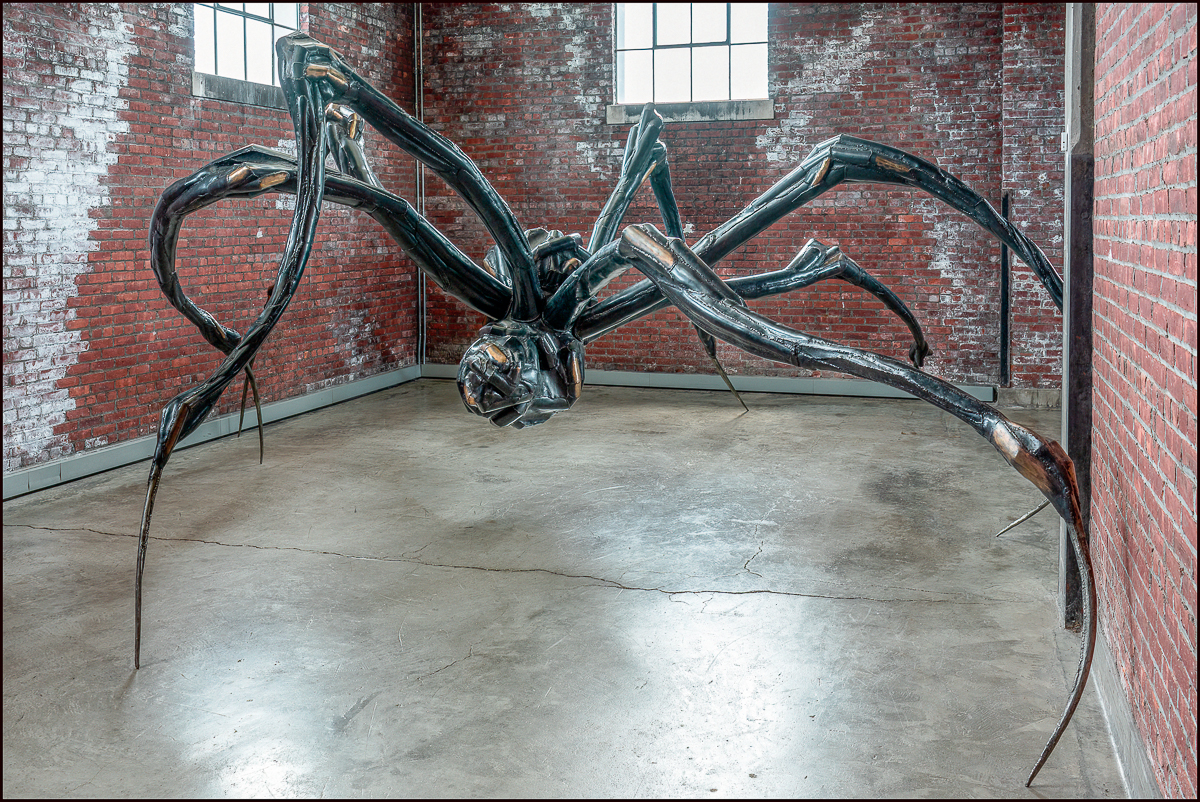
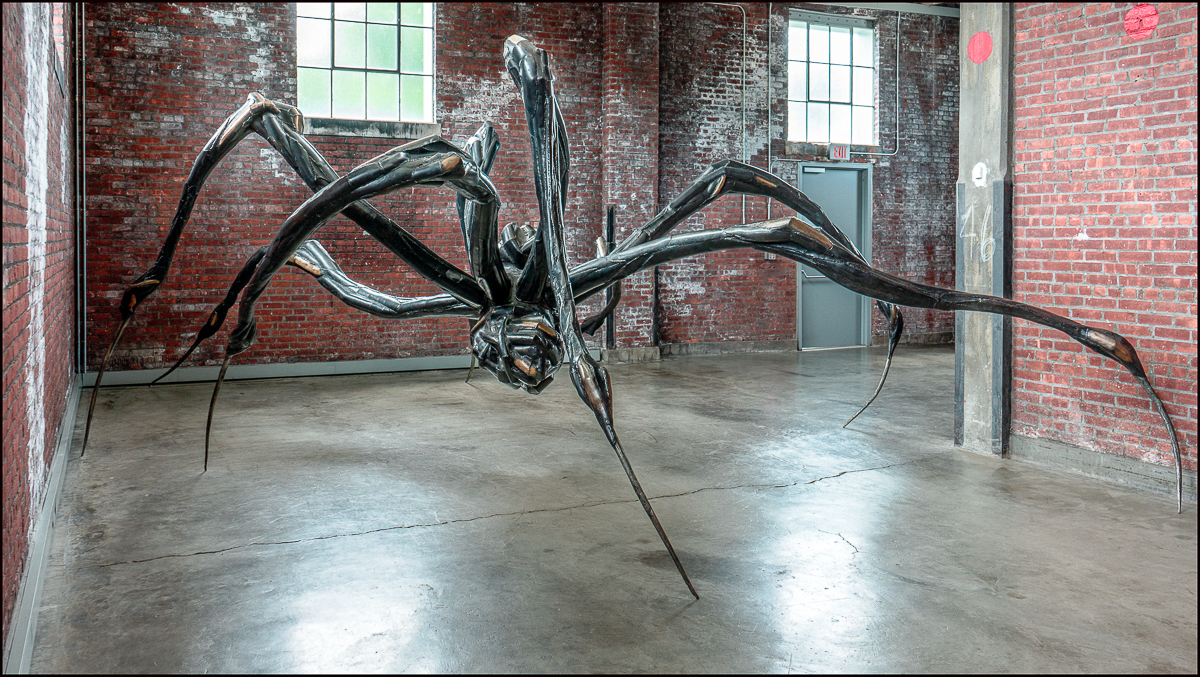
I spent quite a bit of time at Dia. Some of the exhibits/installations made little impression on me. Some I positively disliked. And some I liked a lot. Perhaps my favorite was this one: of works by Louise Bourgeois.

According to NY’s Museum of Modern Art:

Born in Paris in 1911, Louise Bourgeois was raised by parents who ran a tapestry restoration business. A gifted student, she also helped out in the workshop by drawing missing elements in the scenes depicted on the tapestries. During this time, her father carried on an affair with Sadie Gordon Richmond, the English tutor who lived in the family house. This deeply troubling—and ultimately defining—betrayal remained a vivid memory for Bourgeois for the rest of her life. Later, she would study mathematics before eventually turning to art. She met Robert Goldwater, an American art historian, in Paris and they married and moved to New York in 1938. The couple raised three sons.

Early on, Bourgeois focused on painting and printmaking, turning to sculpture only in the later 1940s. However, by the 1950s and early 1960s, there are gaps in her production as she became immersed in psychoanalysis. Then, in 1964, for an exhibition after a long hiatus, Bourgeois presented strange, organically shaped plaster sculptures that contrasted dramatically with the totemic wood pieces she had exhibited earlier. But alternating between forms, materials, and scale, and veering between figuration and abstraction became a basic part of Bourgeois’s vision, even while she continually probed the same themes: loneliness, jealousy, anger, and fear.

Bourgeois’s idiosyncratic approach found few champions in the years when formal issues dominated art world thinking. But by the 1970s and 1980s, the focus had shifted to the examination of various kinds of imagery and content. In 1982, at 70 years old, Bourgeois finally took center stage with a retrospective at The Museum of Modern Art. After that, she was filled with new confidence and forged ahead, creating monumental spiders, eerie room-sized “Cells,” evocative figures often hanging from wires, and a range of fabric works fashioned from her old clothes. All the while she constantly made drawings on paper, day and night, and also returned to printmaking. Art was her tool for coping; it was an exorcism. As she put it, “Art is a guarantee of sanity.” Bourgeois died in New York in 2010, at the age of 98.

Her works reminded me a bit of Henry Moore: very tactile. I wanted to reach out and touch (which of course I wasn’t allowed to do).

I’m afraid I don’t know the names of the original pieces. For more information see here on the Dia Beacon website.


Taken with a Sony A7IV and Samyang 45mm f1.8