A Walk in Sleepy Hollow – A Portion of the River Walk

Westchester County, in partnership with its 11 riverfront cities and villages, has made great strides toward creating a continuous trail along its 51.5-mile Hudson-River shoreline. Currently, more than 32 miles of RiverWalk provide recreation for pedestrians and bicyclists, reduce dependency on car trips, and increase visitor appeal — all while benefiting public health, fostering a sense of community, improving residential property values, and invigorating commercial areas. Several portions of the RiverWalk pass through parks created or enhanced by Scenic Hudson.

Above The Wishing Wall.

A 520-foot community-painted mural brought local residents together during a trying time, thanks largely to the efforts of two area women.
Sleepy Hollow’s Kersten Harries knew that a lengthy concrete wall, left after a GM factory closed shop decades ago, could be transformed into something beautiful. As early as 2019, she had been reaching out to owners of the site, Edge-on-Hudson, about turning the space into a temporary art installation. It wasn’t until the summer of 2020 when her dream became a reality, working with Sleepy Hollow community liaison Diane Loja, Edge-on-Hudson, and the Village Board of Trustees to form The Wishing Wall, a mural adjacent to the Tarrytown/Sleepy Hollow Lighthouse, painted by both community members and area artists.
So how did Harries and Loja, project managers for The Wishing Wall, find enough artists to cover a concrete canvas roughly one-tenth of a mile long? “A Call for Artists was used to select a core team of designers [Erin Carney, Tim Grajek, Katie Reidy], who utilized the community’s ideas to create a cohesive design concept that was laid out along the entire wall, which also included locating spots where selected volunteer artists and groups could directly paint their submitted ideas,” explains Harries. “An additional eight artists and community art educators were part of the core team responsible for executing the painting of the mural, with the help of many volunteers who signed up.”

Considering that the wall is slated to come down in 2022, the original Riverwalk Community Mural planning committee has both “expanded and shifted focus to creating other community art opportunities elsewhere locally, with the hope to utilize the energy and enthusiasm generated by The Wishing Wall and help inspire new public art and creative placemaking projects in Sleepy Hollow’s downtown,” notes Harries. Additionally, a Wishing Wall photo contest is underway, with submissions due September 6, as well as an attendant online gallery of submissions and an upcoming exhibition in Sleepy Hollow storefronts.
“For the 260-plus community members directly involved in the project and the many more who watched it be created or have visited since, The Wishing Wall provided a much-needed, positive experience of hope during a particularly challenging year,” reflects Harries. “The mural allowed an opportunity to reconnect with others and witness what we’re able to accomplish when we work together.”” (From The Wishing Wall Colors the Sleepy Hollow Community by Paul Adler. In Westchester Magazine, August 16, 2021


View of the new Tappan Zee Bridge (That’s the old name. I can’t make myself refer to it by its new name: Governor Mario M. Cuomo Bridge. I have nothing against the late former governor. I just prefer the old name) from the Riverwalk.


A Cairn. These are somewhat controversial. See here for an explanation.

Taken with a Fuji X-E1 and Fuji XF 35mm f1.4 R
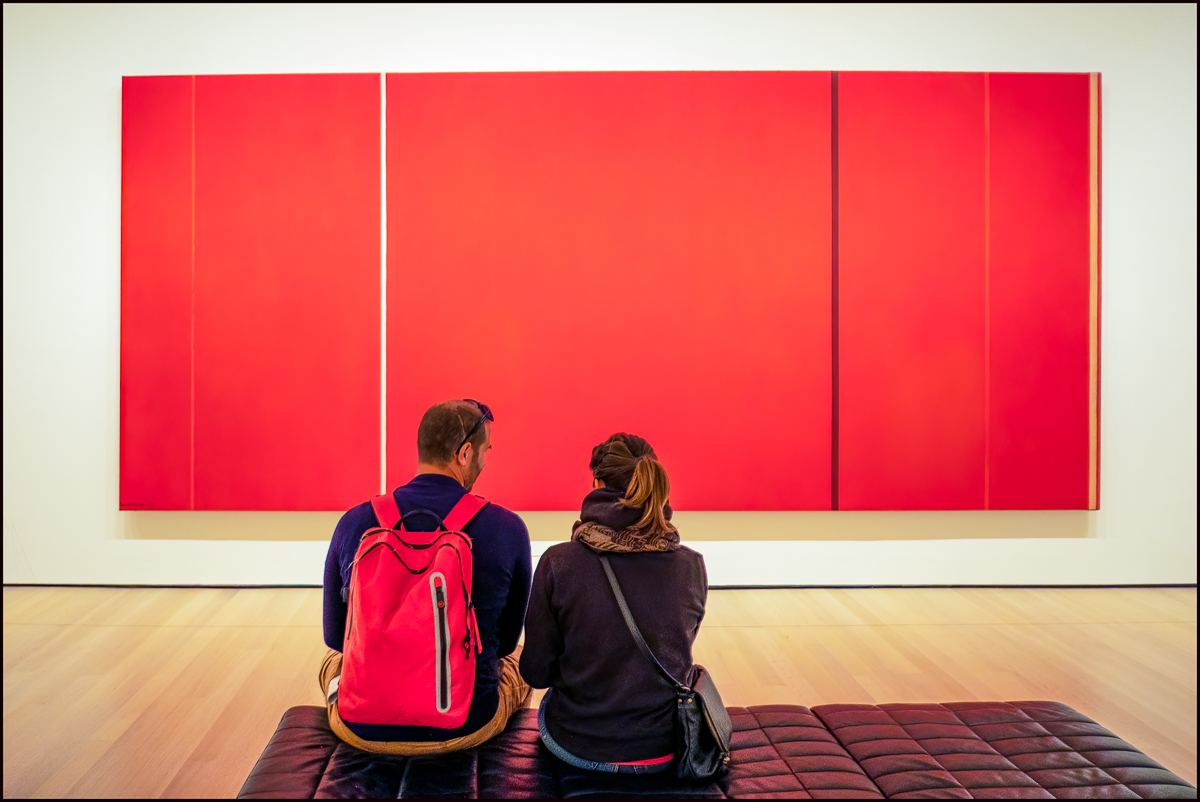
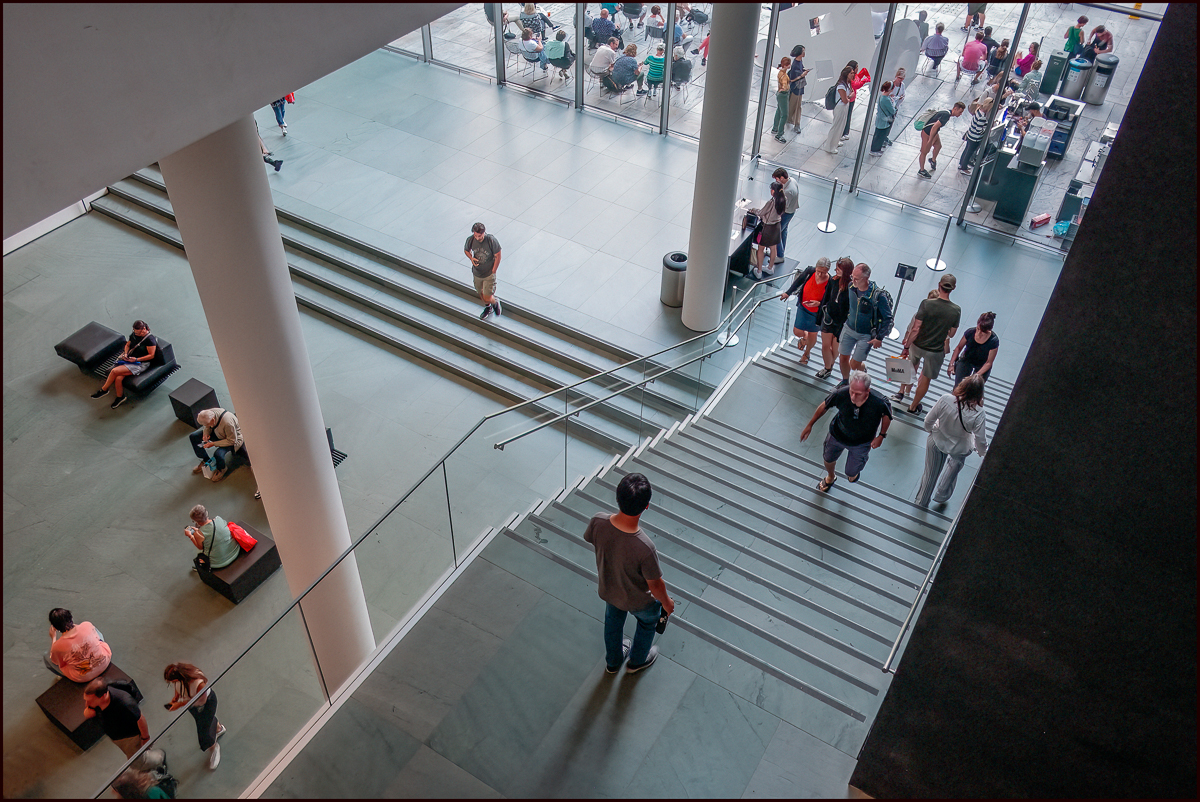
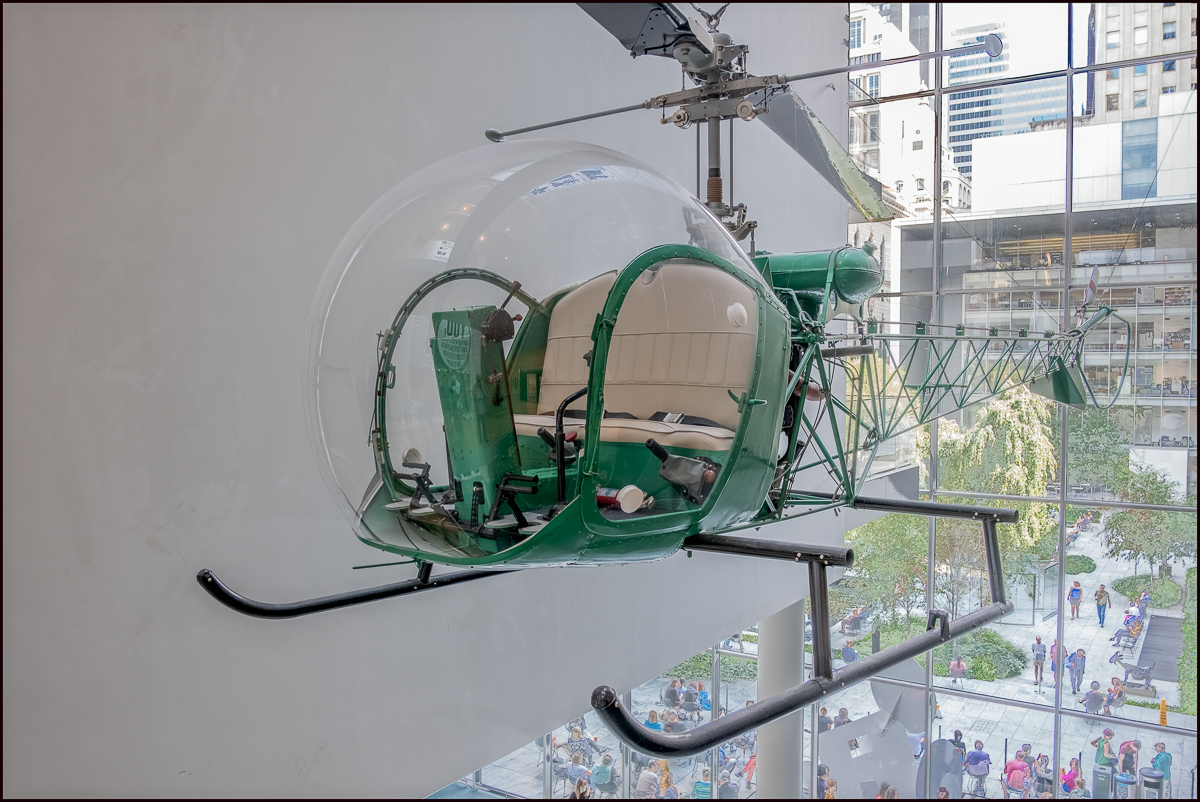
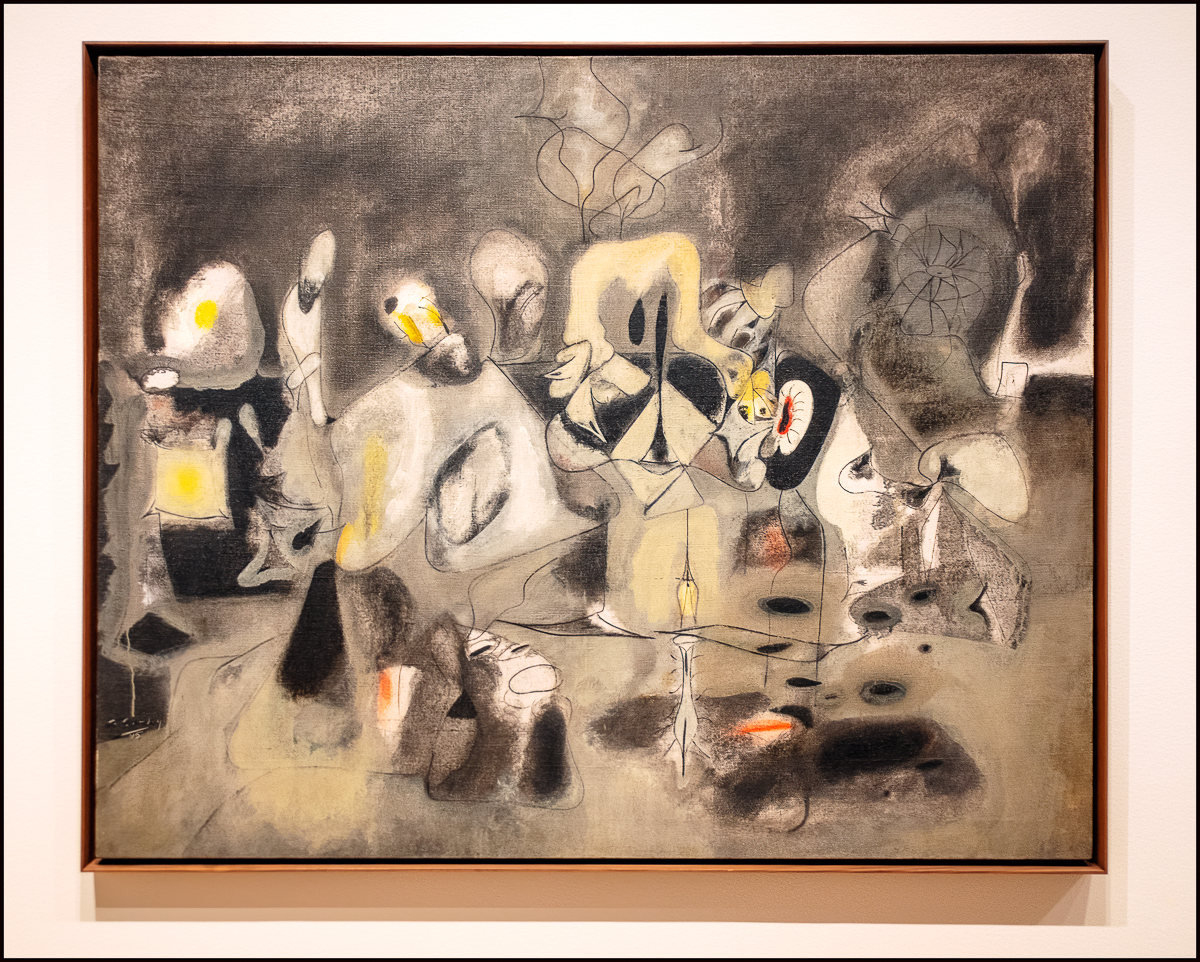
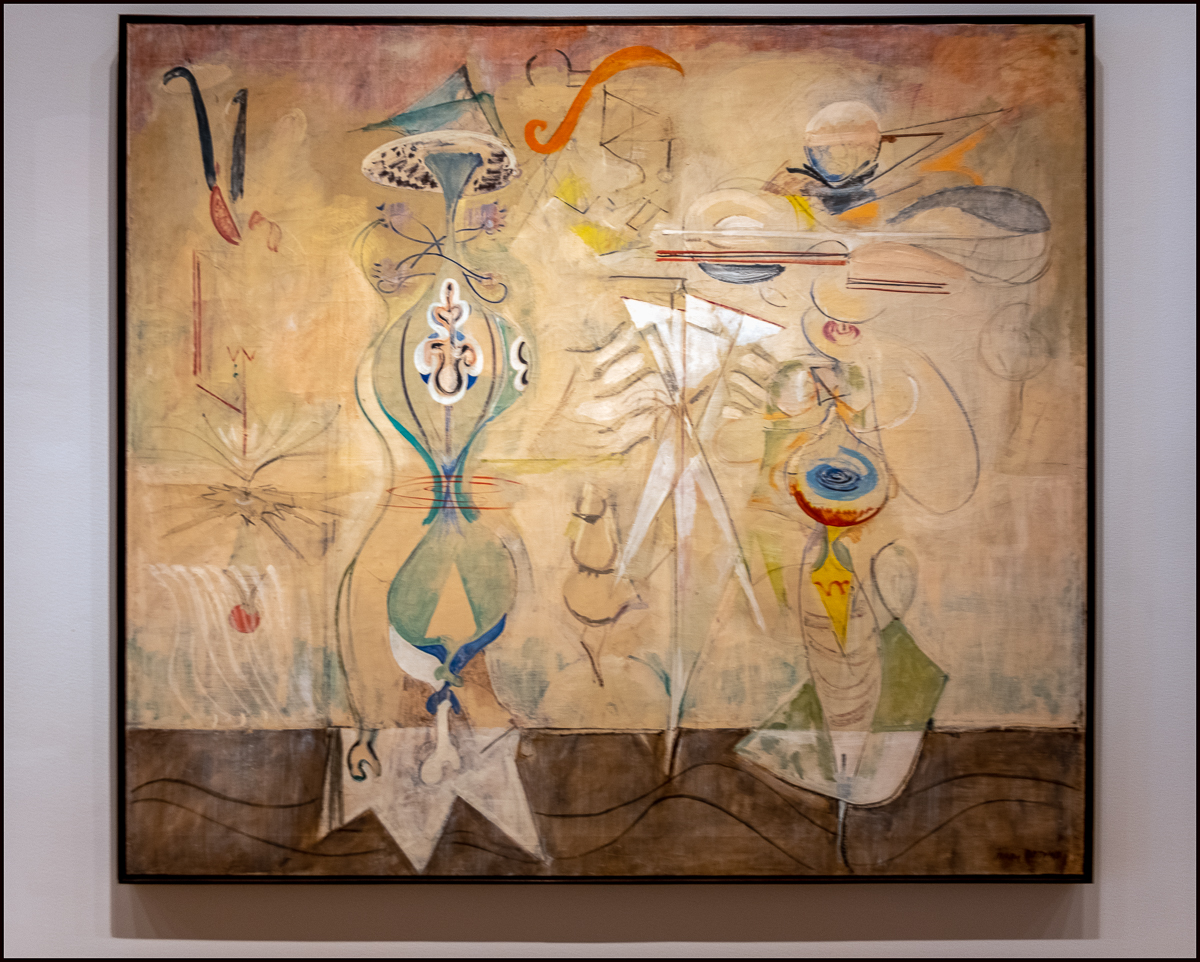
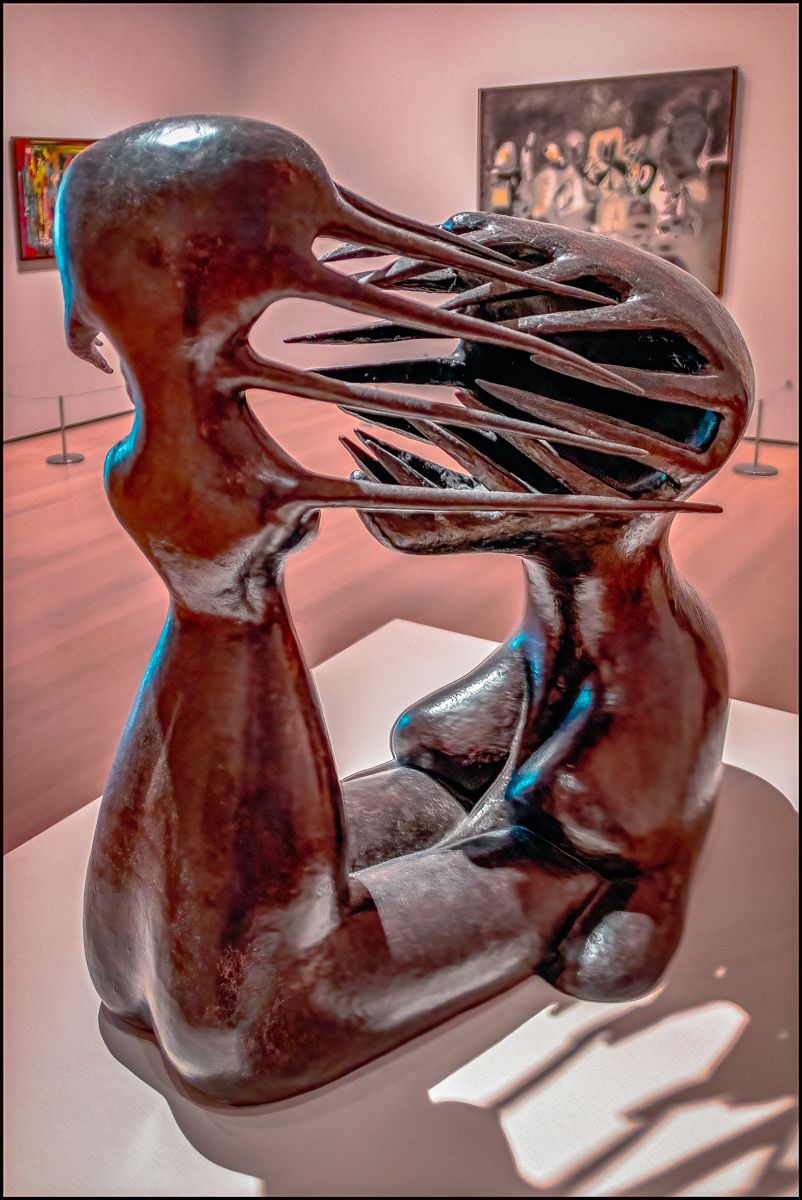
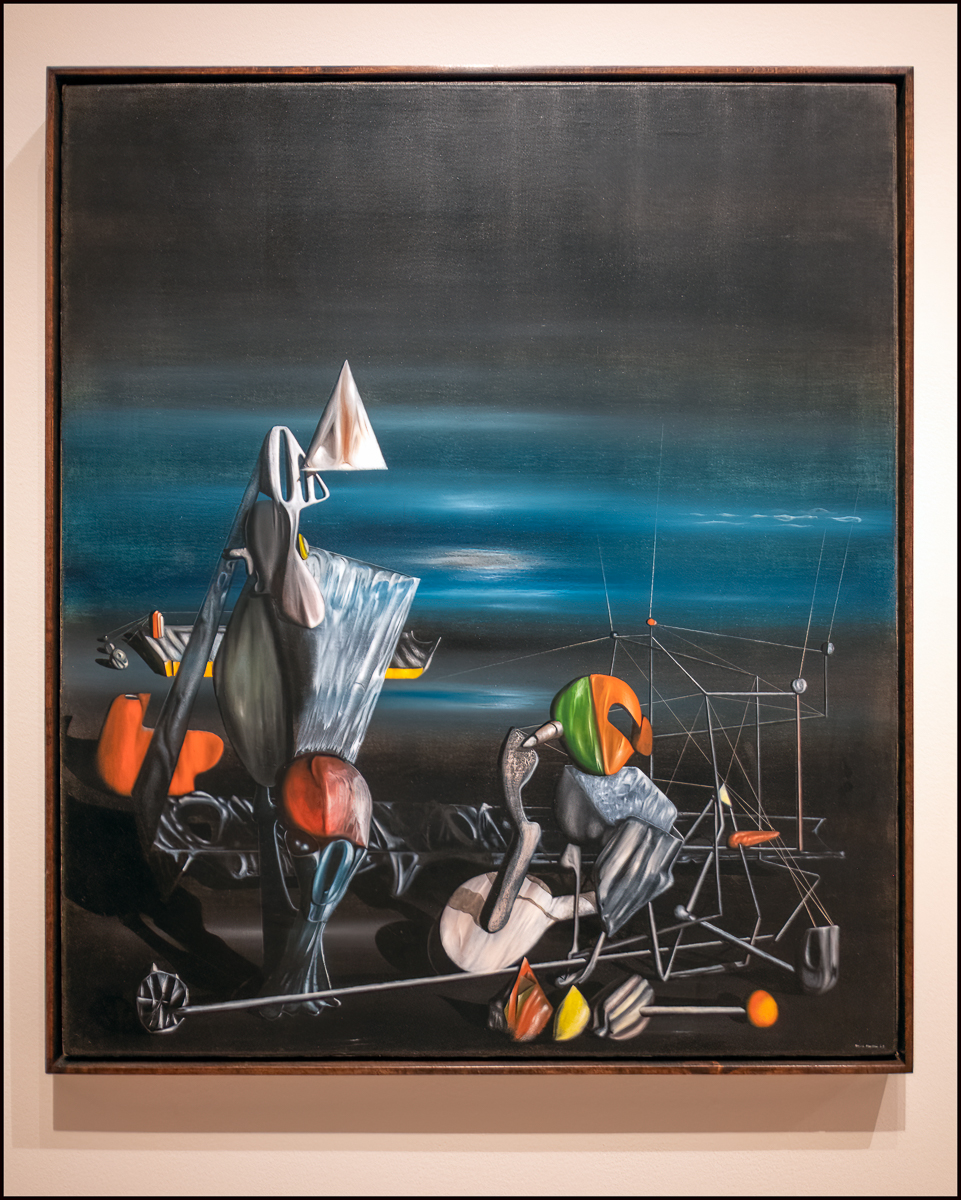
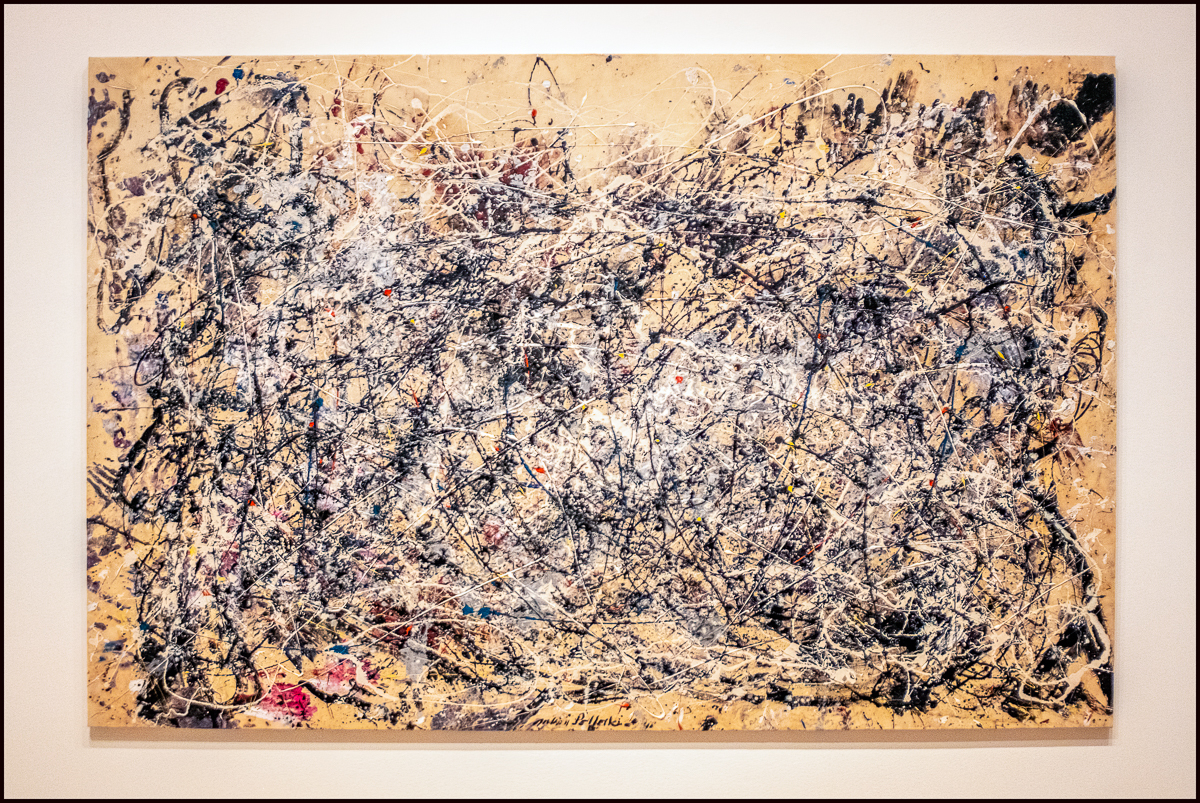
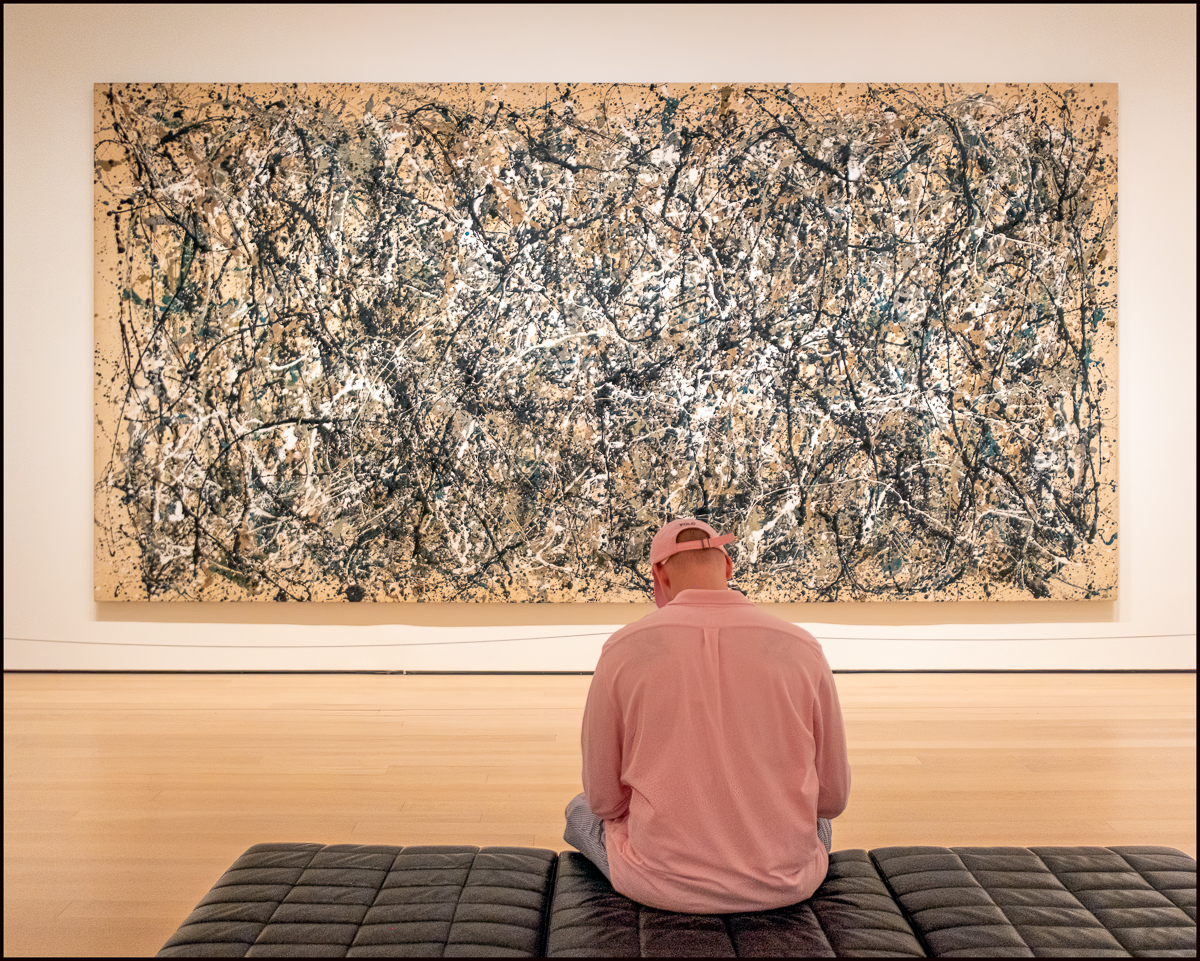
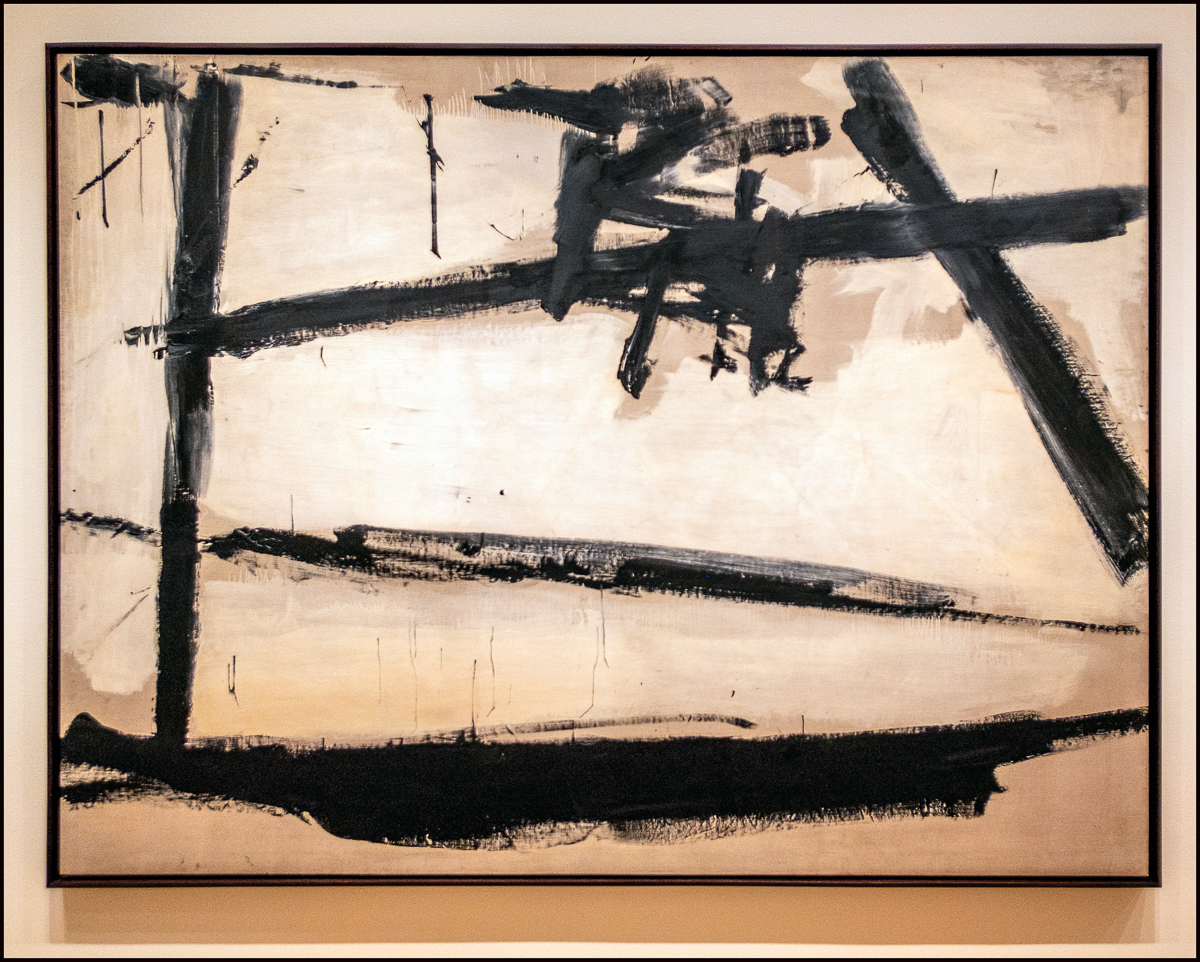
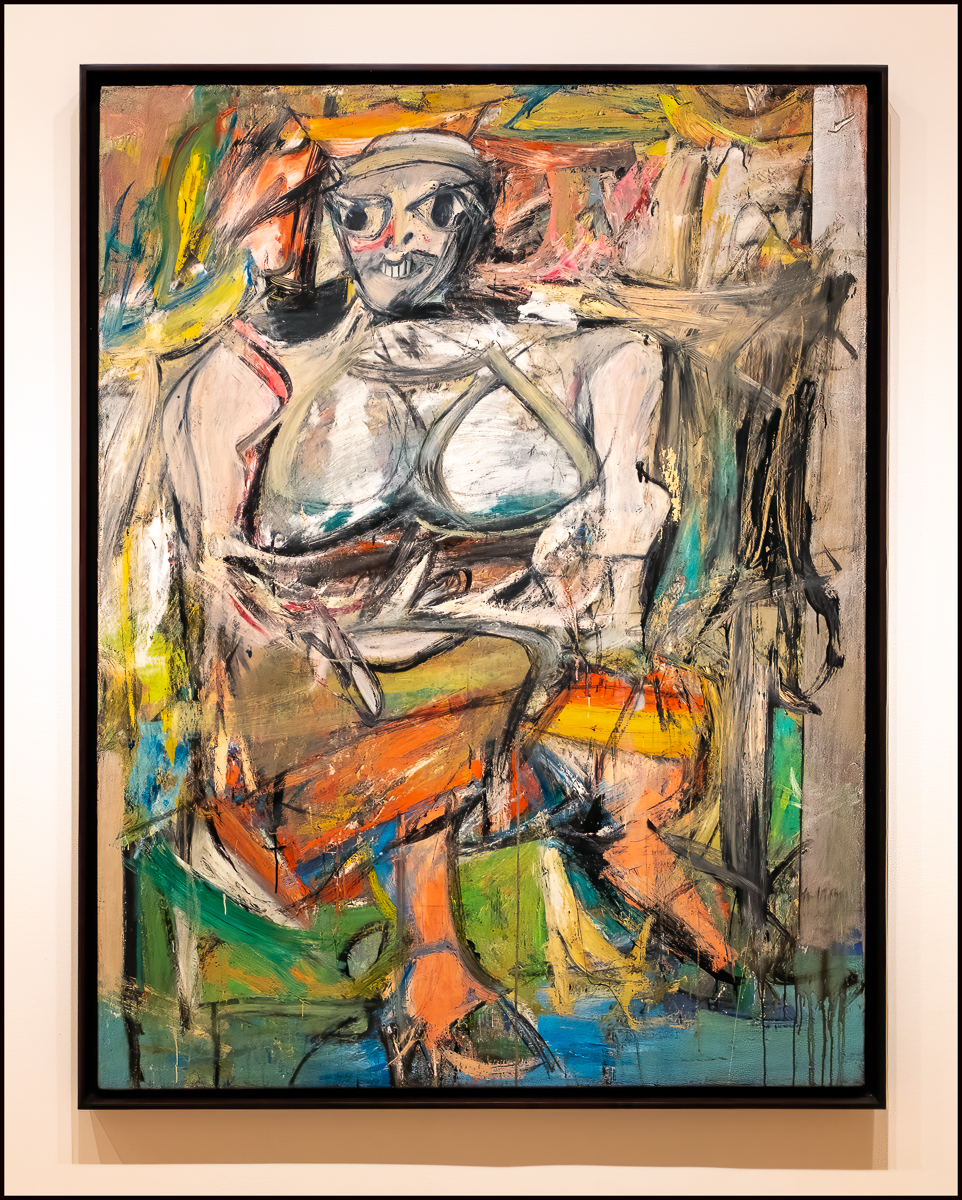
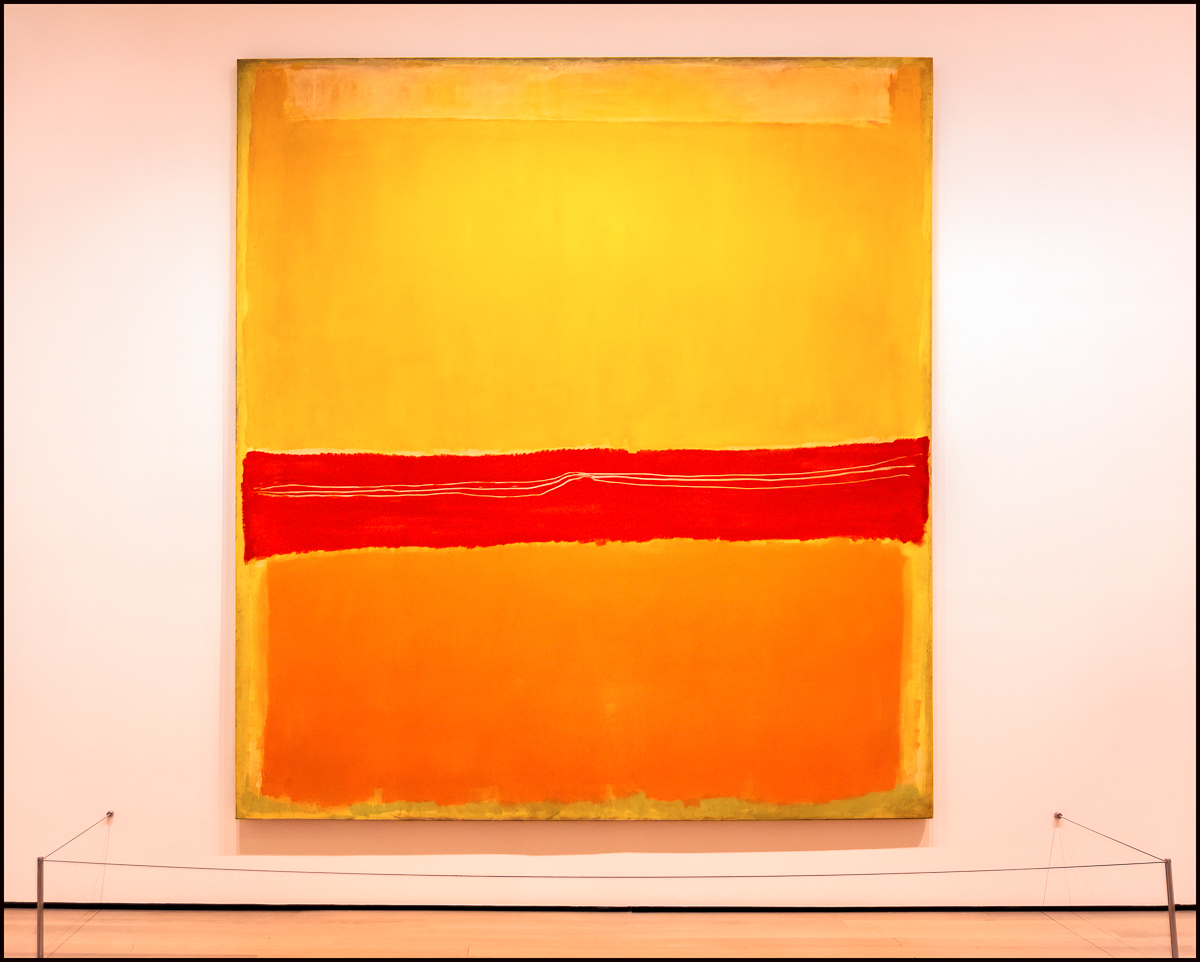
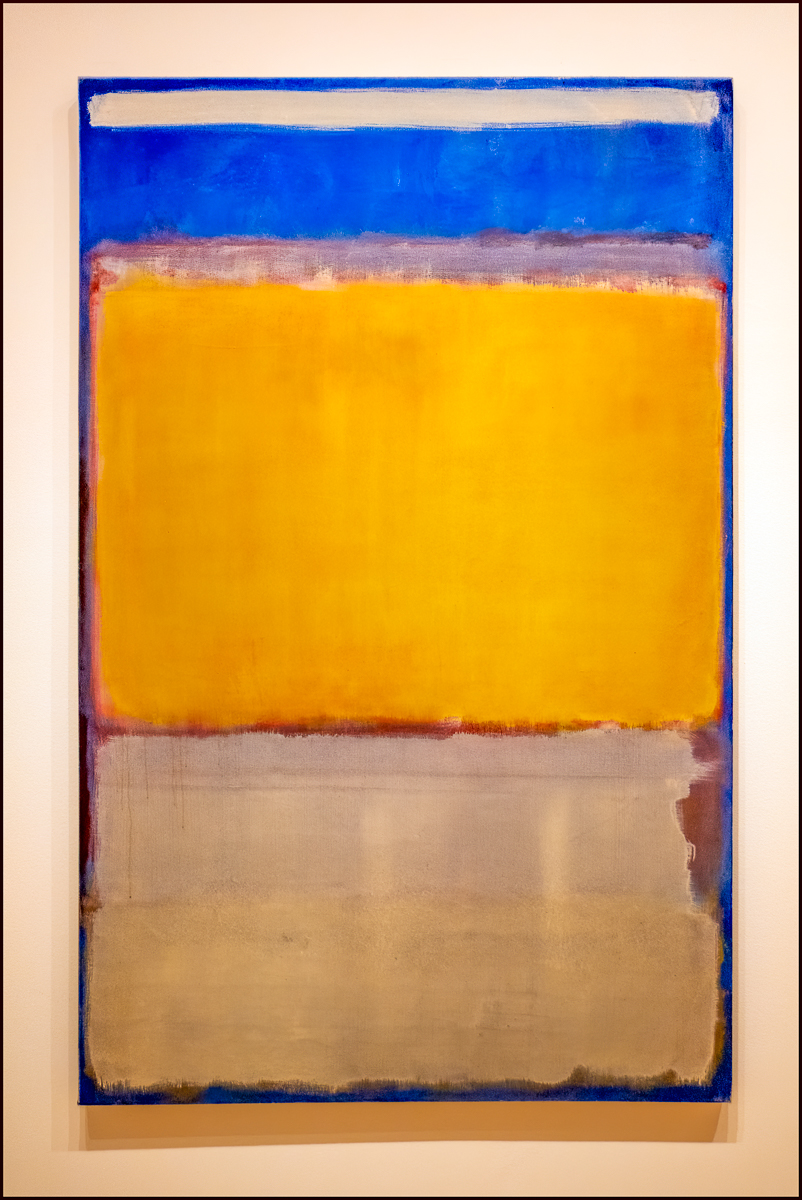
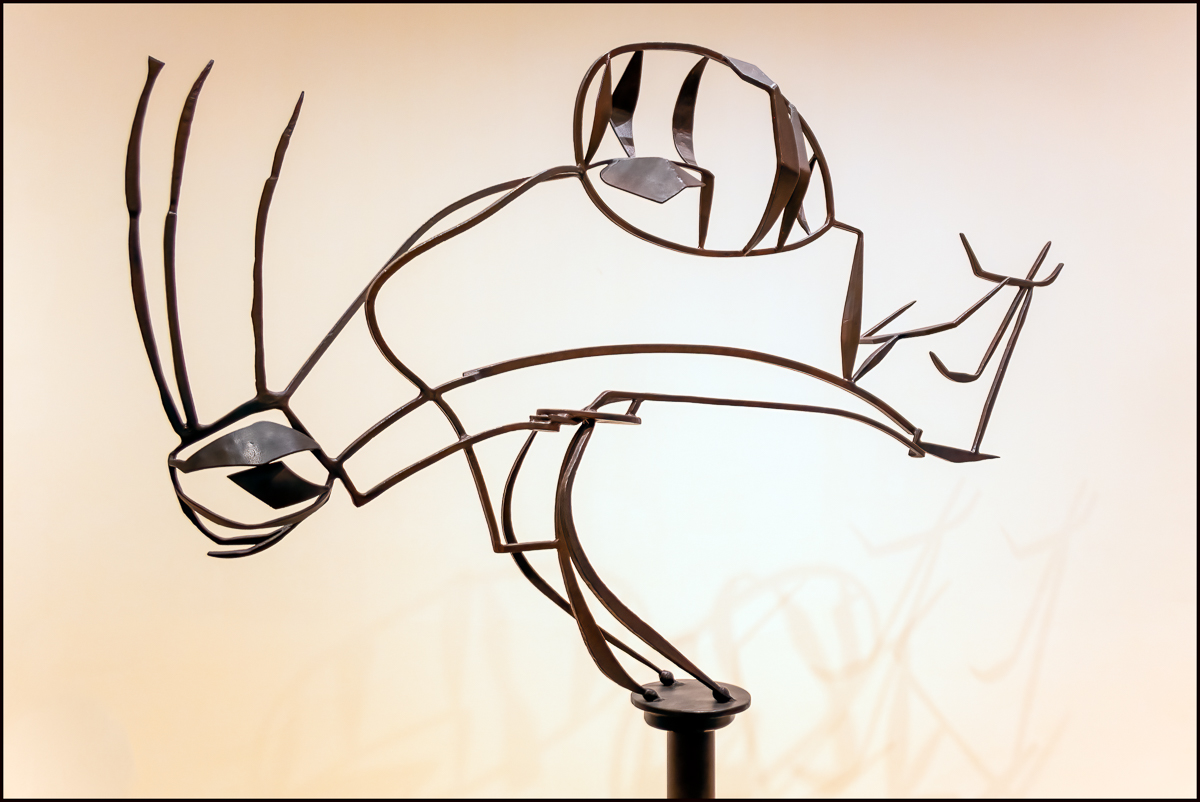
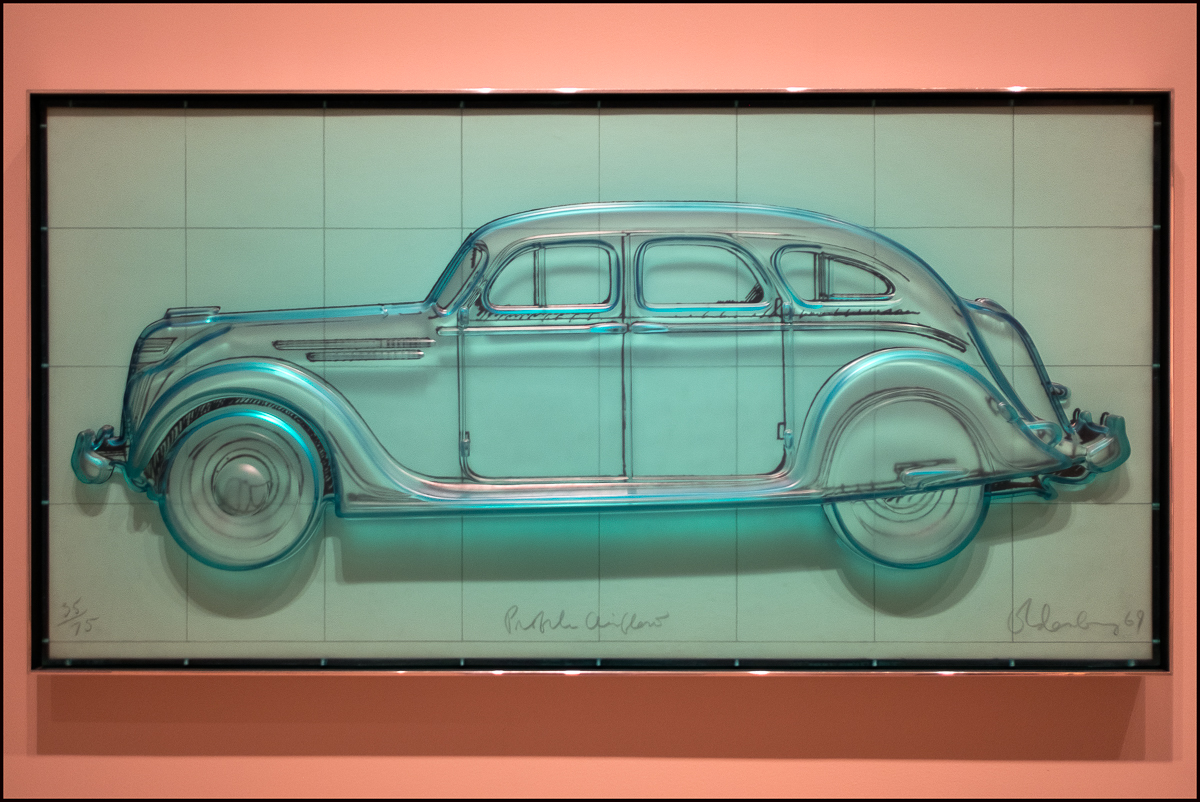
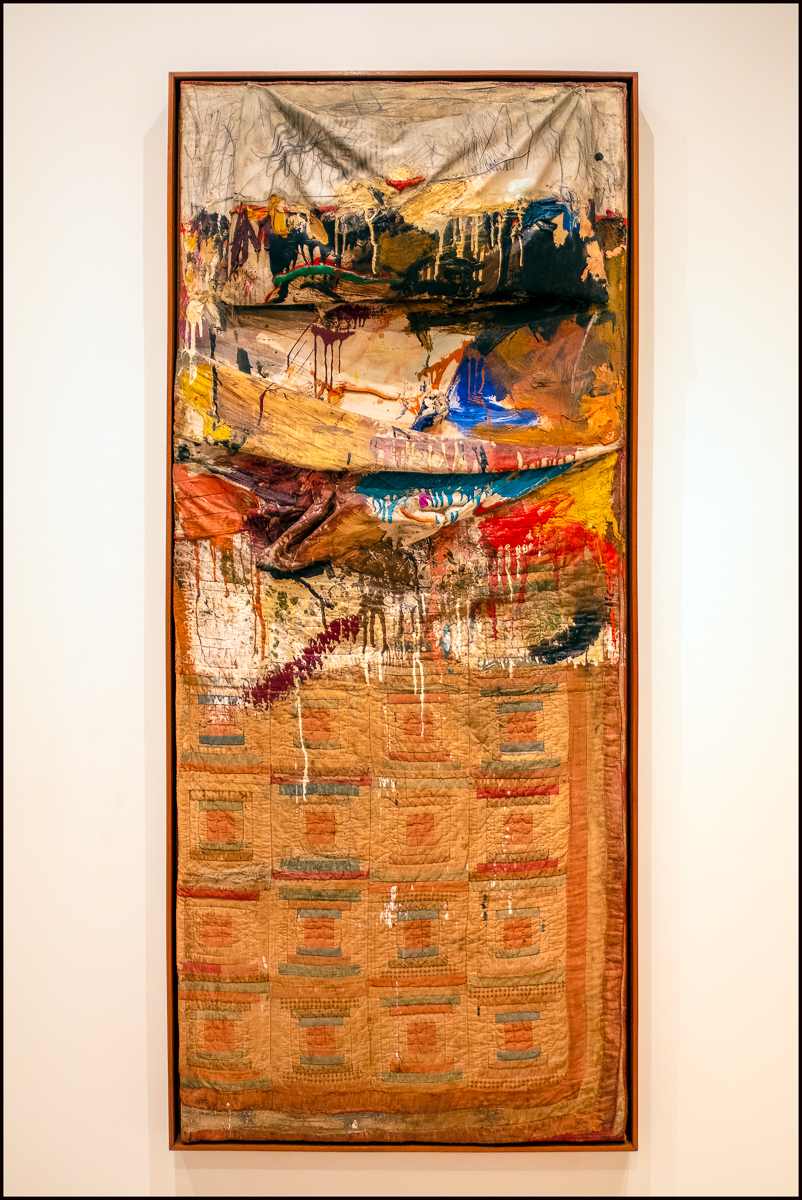
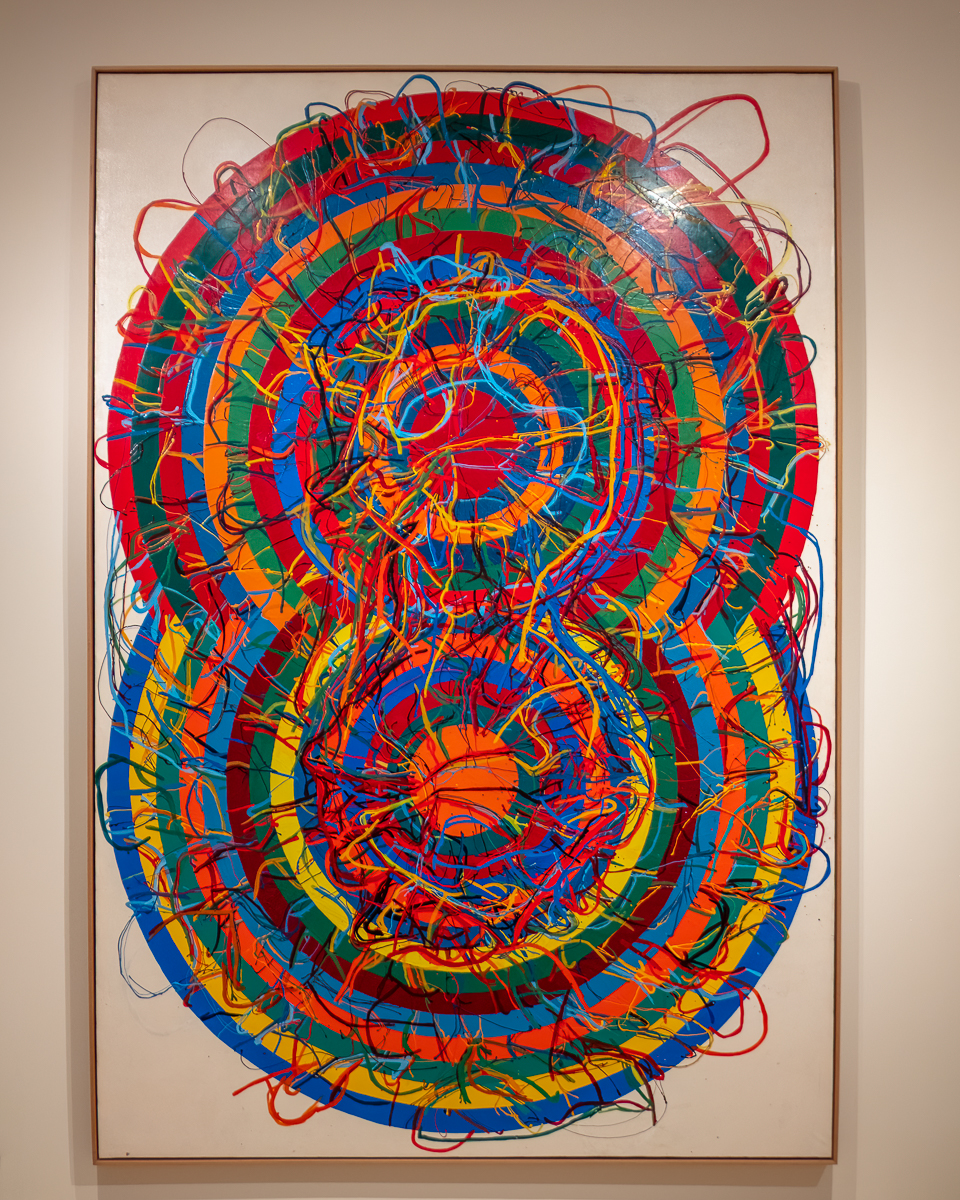
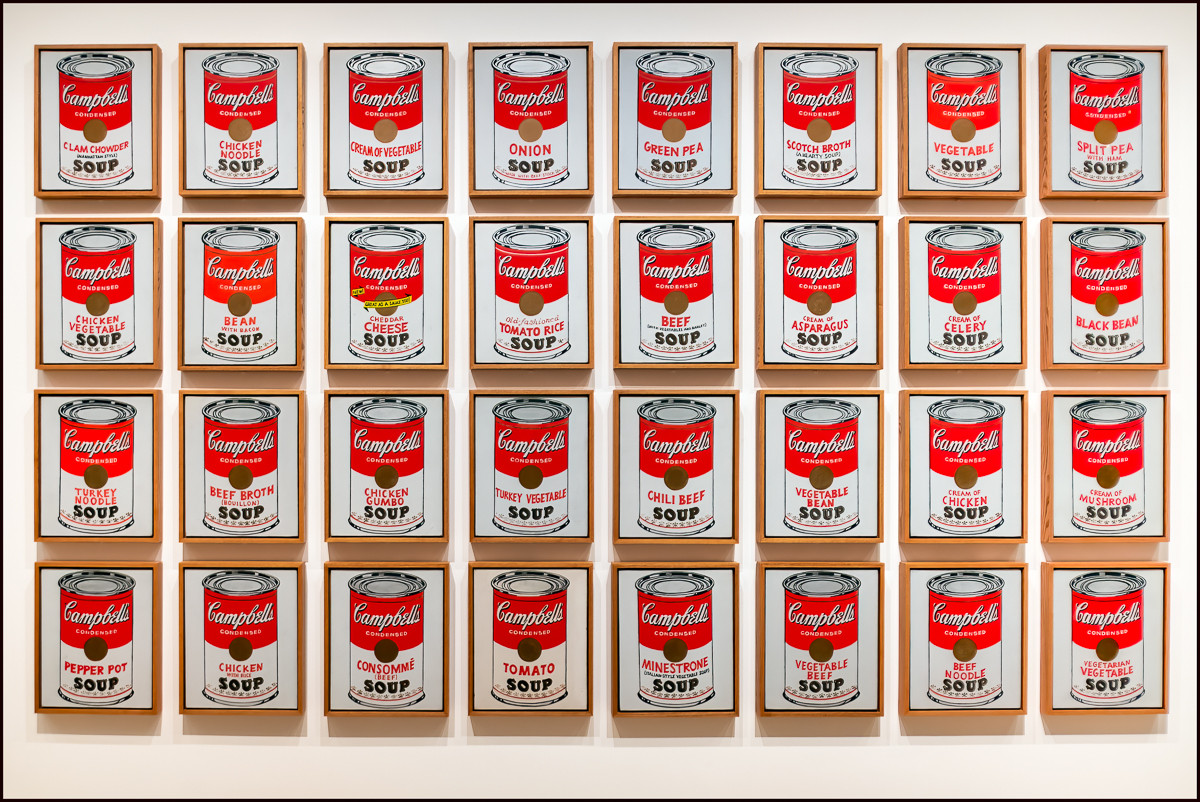
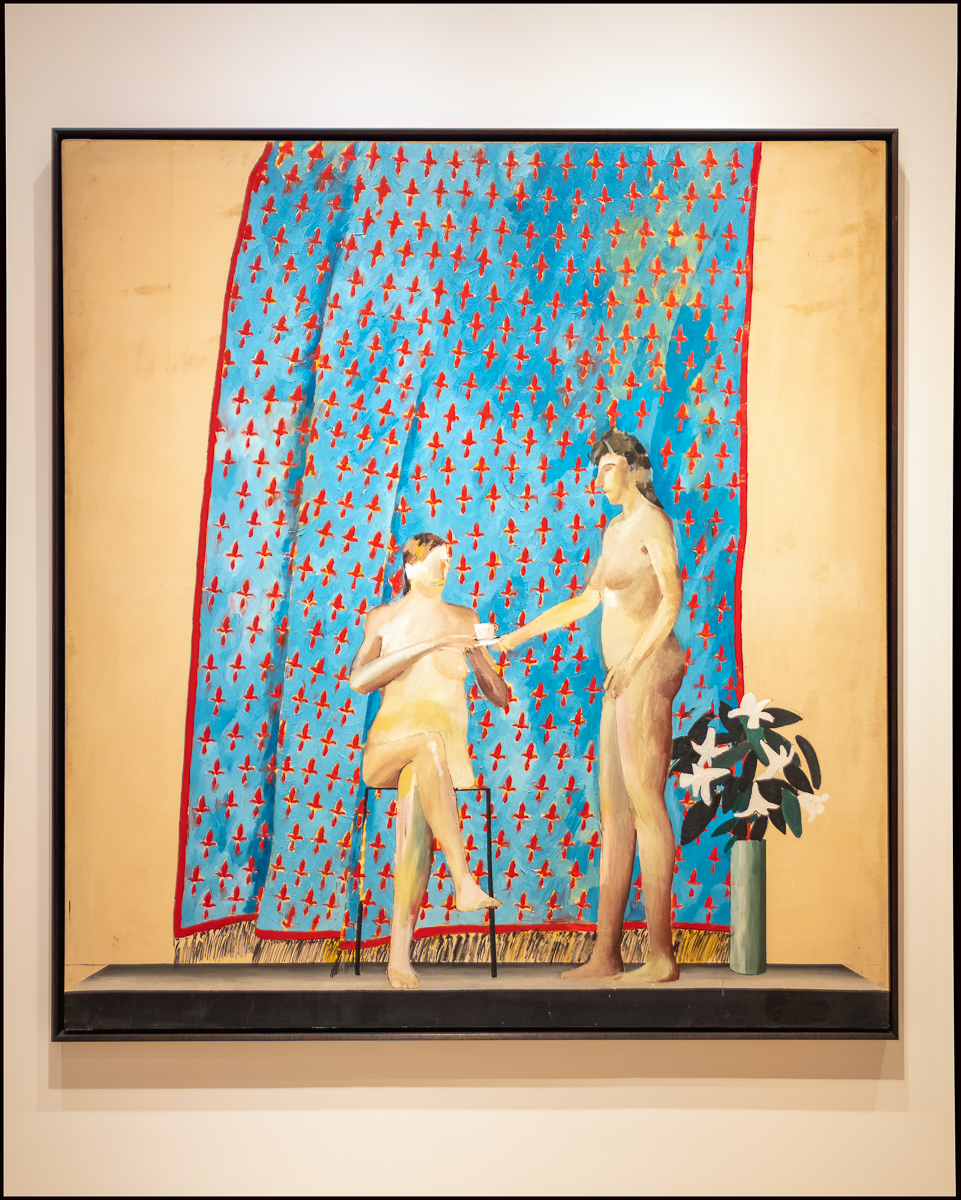
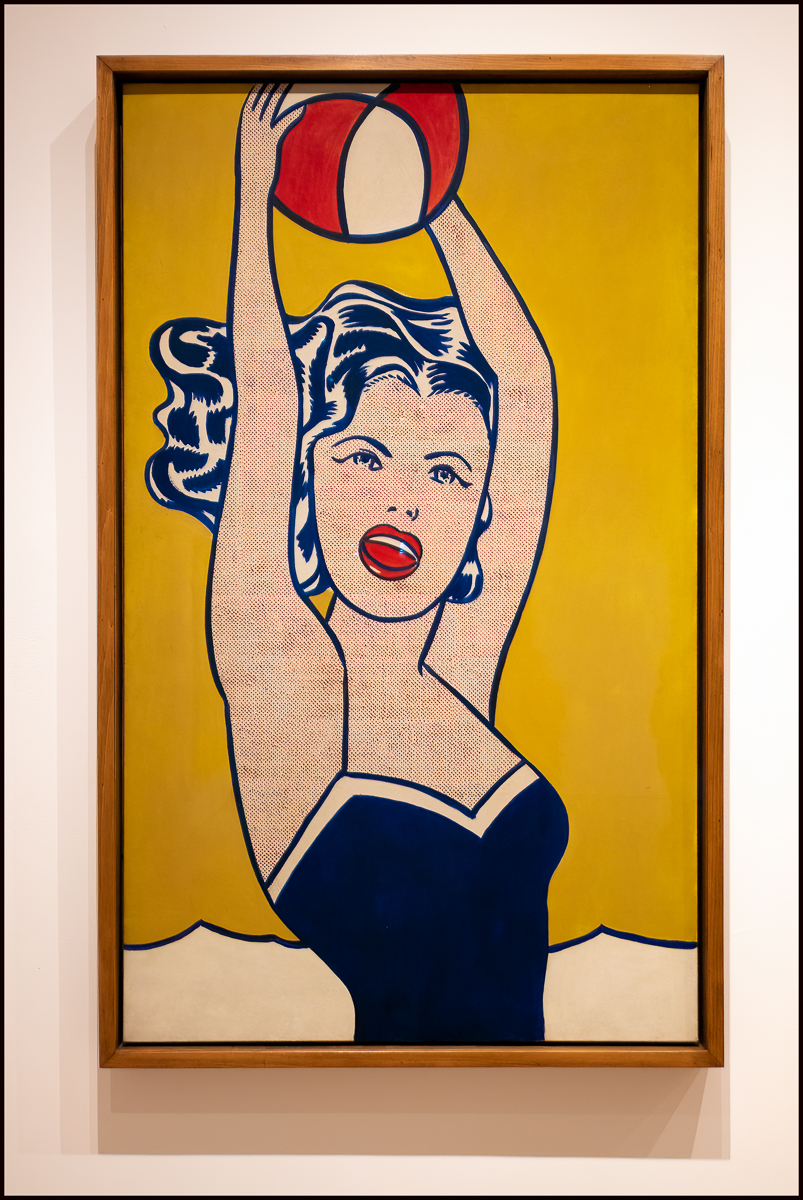
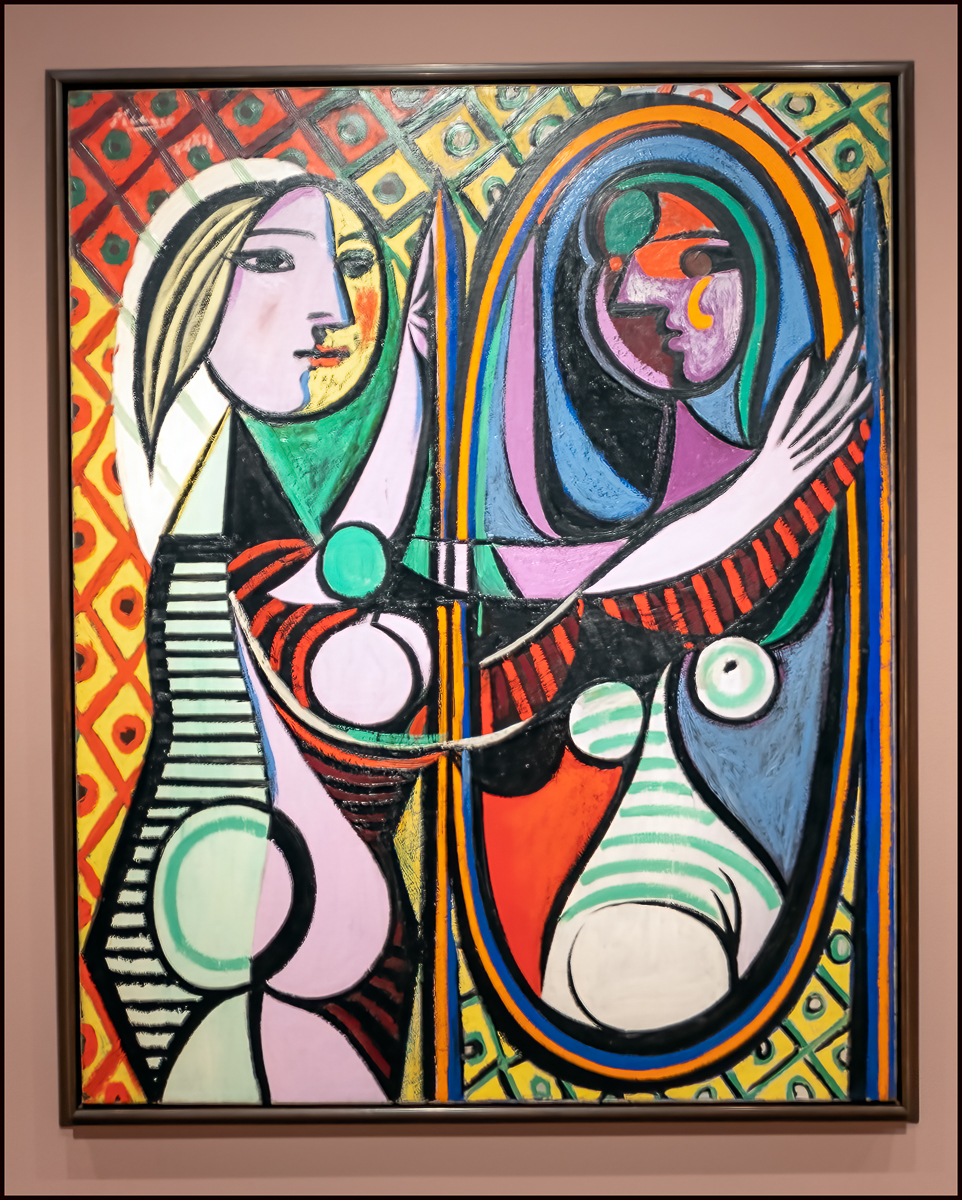
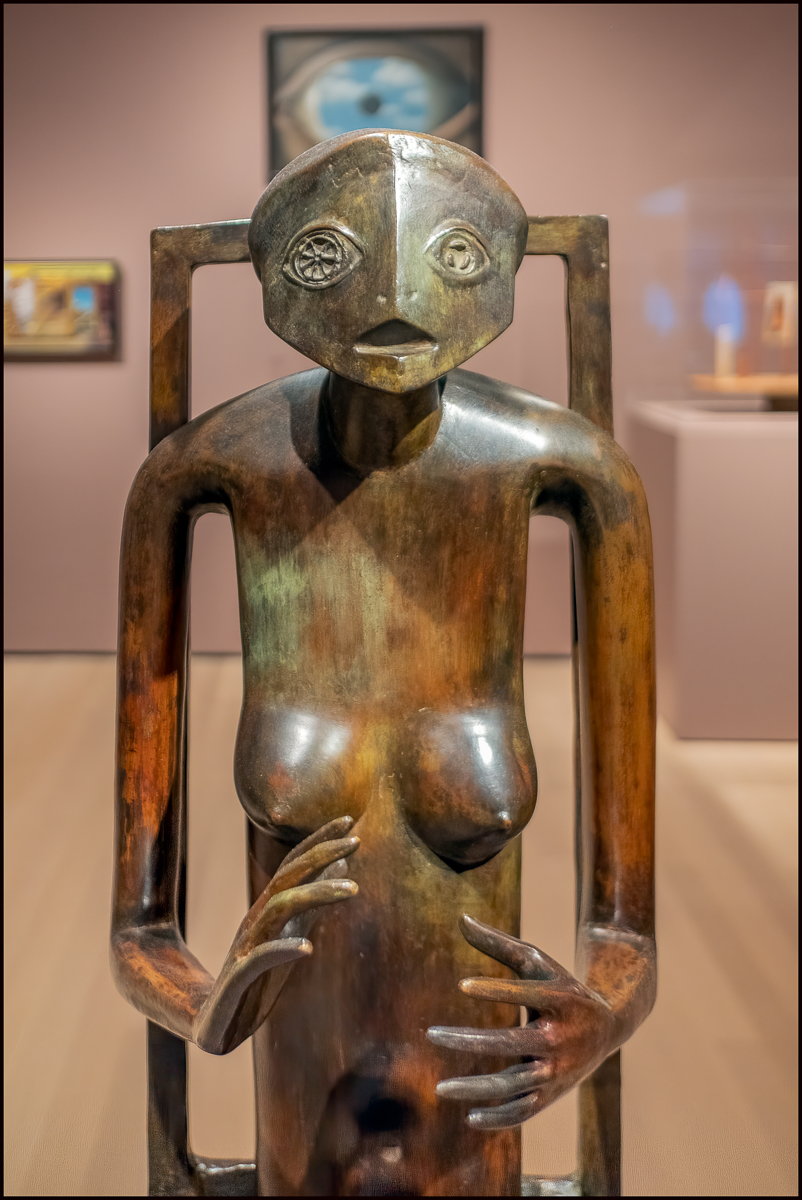
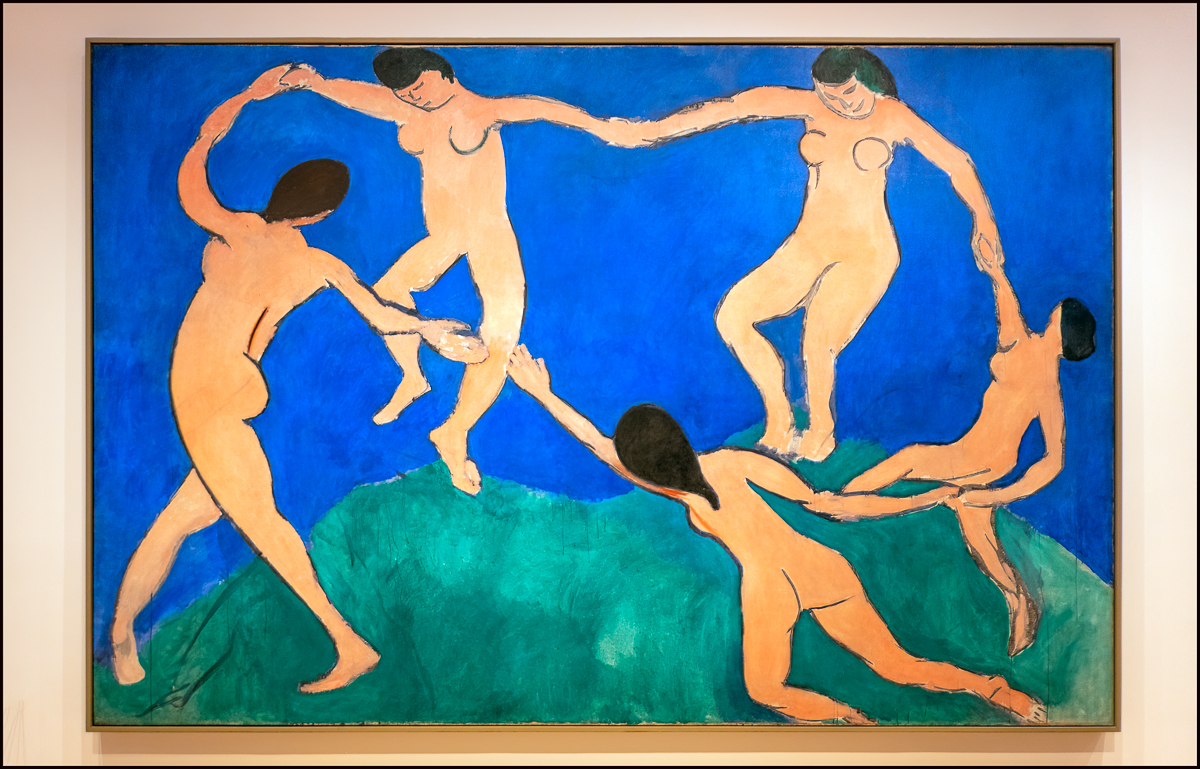
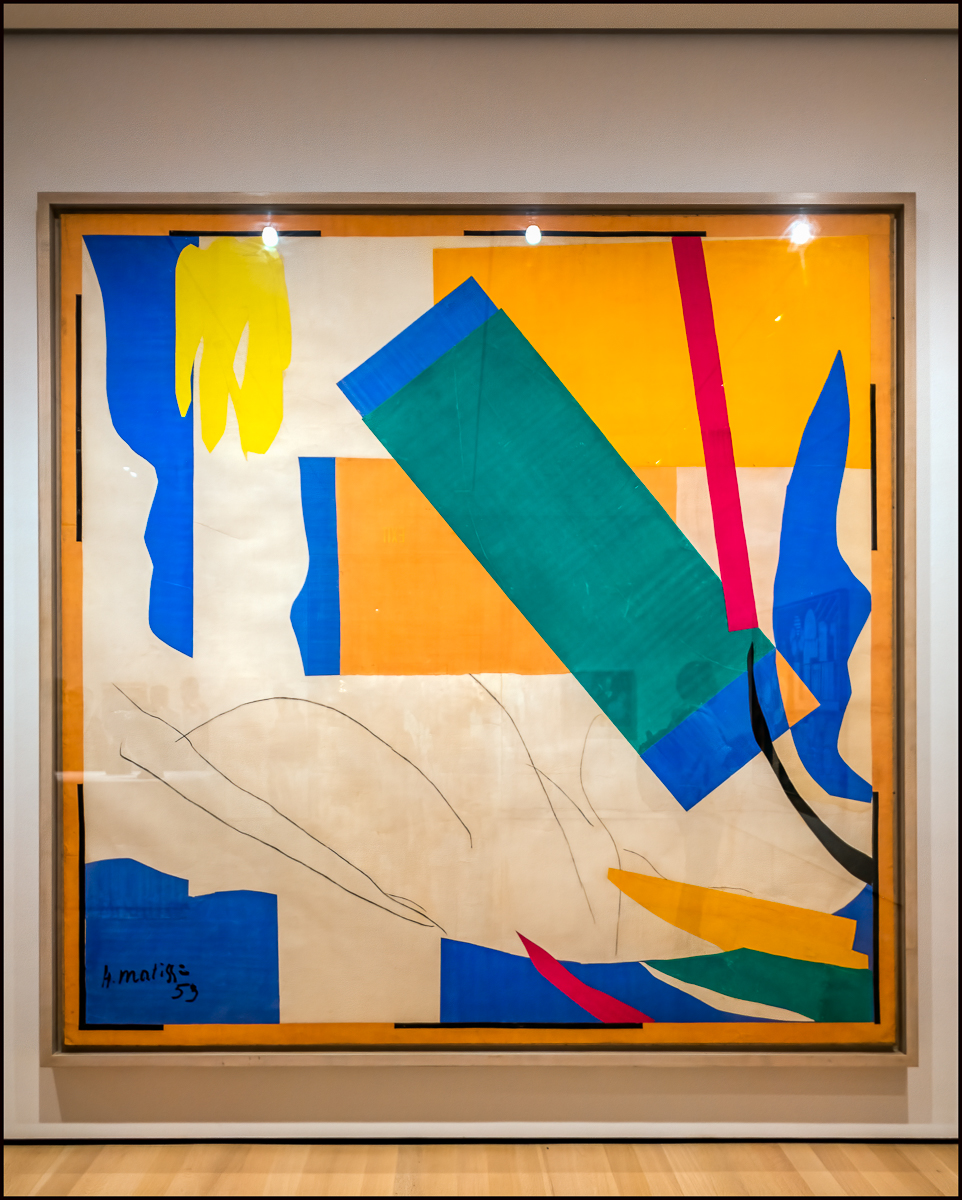
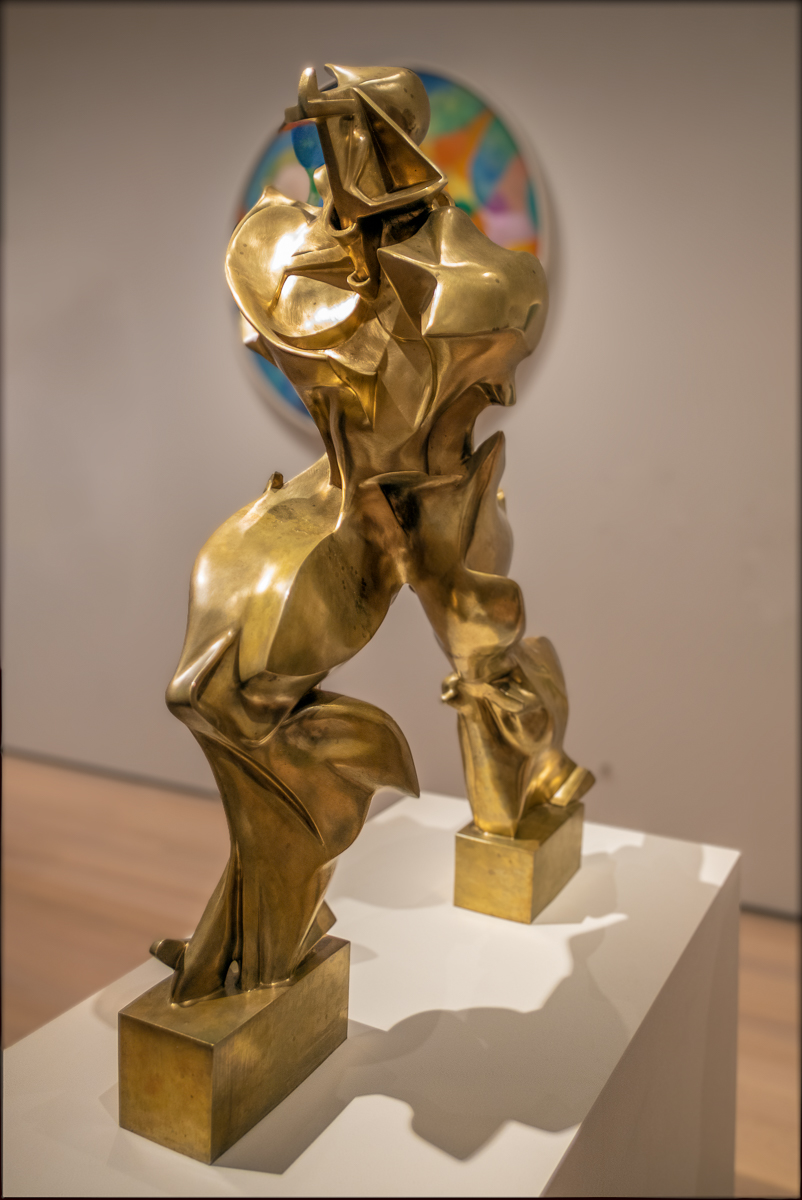
A visit to the Museum of Modern Art

I recently went into New York City to meet up with a friend for drinks. My plan was to go in early and walk around taking some pictures. Unfortunately it turned out to be a very hot, humid day and I didn’t feel much like walking around. It occurred to me that I could take refuge in an air-conditioned museum, but which one? Since I hadn’t been to the Museum of Modern Art for about a decade I decided to go there.


Taken with a Fuji X-E3 and Fuji XF 18mm f2 R

A visit to Dia Beacon – Other artists I liked – Dan Flavin

According to The Guggenheim:

Daniel Flavin was born in Jamaica, New York, in 1933. He studied for the priesthood for a brief period of time before enlisting in the United States Air Force. During military service in 1954–55, Flavin studied art through the University of Maryland Extension Program in Korea. Upon his return to New York in 1956, he briefly attended the Hans Hofmann School of Fine Arts and studied art history at the New School for Social Research. In 1959, he took drawing and painting classes at Columbia University; that year, he began to make assemblages and collages in addition to paintings that pointed to his early interest in Abstract Expressionism. In 1961, he presented his first solo show of collages and watercolors at the Judson Gallery in New York. In the summer of 1961, while working as a guard at the American Museum of Natural History in New York, Flavin started to make sketches for sculptures that incorporated electric lights. Later that year, he translated his sketches into assemblages he called “icons,” which juxtaposed lights onto monochromatic canvases. By 1963, he removed the canvas altogether and began to work with his signature fluorescent tubes; and by 1968, he had developed his sculptures into room-size environments of light. That year, Flavin filled an entire gallery with ultraviolet light at Documenta 4 in Kassel (1968).

In the 1970s and 80s, Flavin began to create more complex figurations of fluorescent tubes, notably his “barred corridors” and corner installations. His work increasingly concentrated on the relationship between his sculptures and the spaces they inhabited. In the 1990s, as institutions began to offer larger galleries to Flavin, the scale of his light installations became more and more grandiose. In 1992, he filled the Solomon R. Guggenheim Museum with multicolored light, taking full advantage of the openness of the Frank Lloyd Wright design. In 1996, he introduced electric green and blue lights into the staircases of the warehouse then occupied by the Dia Art Foundation. Additional sites for his architectural “interventions” include the Hamburger Bahnhof in Berlin, Chianti Foundation in Marfa, Texas, and the church of Santa Maria Annunziata in Chiesa Rossa in Milan, all in 1996.

Major retrospectives of Flavin’s work have been organized by the National Gallery of Canada in Ottawa (1969), St. Louis Art Museum (1973), Kunsthalle Basel (1975), and Museum of Contemporary Art in Los Angeles (1989). He also executed many commissions for public work, including the lighting of several tracks at Grand Central Station in New York in 1976. Flavin died on November 29, 1996, in Riverhead, New York. Both the Deutsche Guggenheim in Berlin in 1999 and the Dia Foundation for the Arts in 2004 mounted major posthumous retrospectives of the artist’s work.

For more information see here on the Dia Beacon website.

Taken with a Sony A7IV and Samyang 45mm f1.8

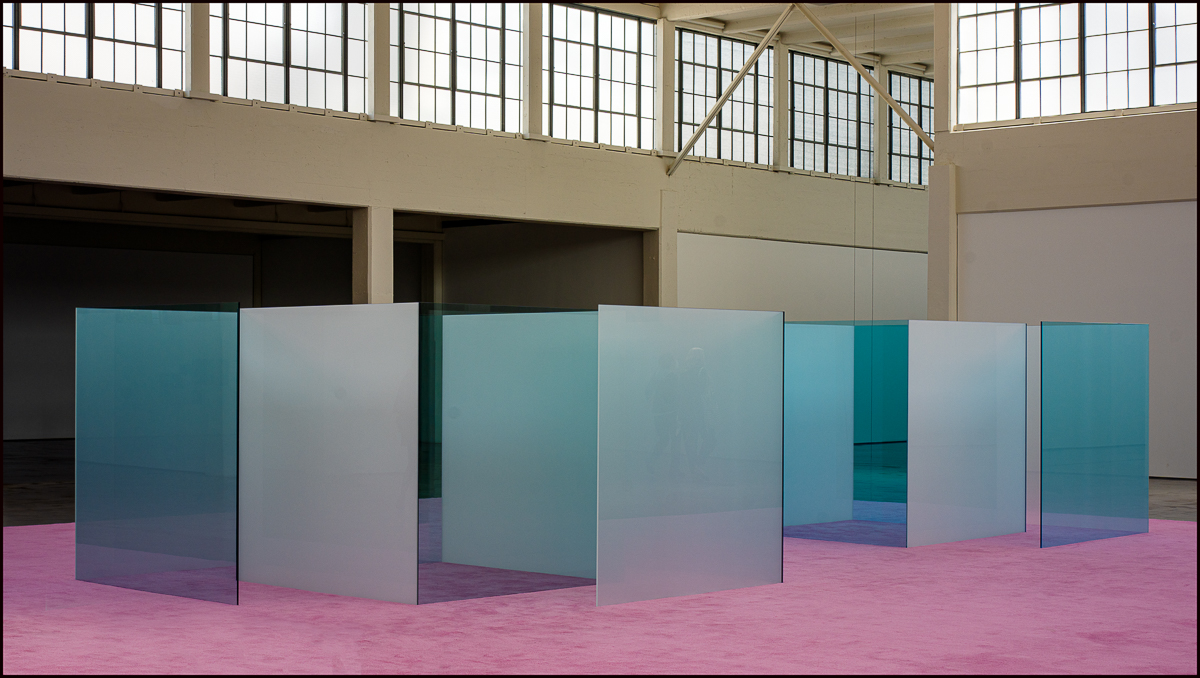
A visit to Dia Beacon – Other artists I liked – Larry Bell

According to The Guggenheim:

Larry Bell was born in Chicago in 1939 and grew up Southern California. Bell attended the Chouinard Art Institute in Los Angeles from 1957 to 1959, where he created abstract oil paintings dominated by gestural brushstrokes influenced by Abstract Expressionism. At Chouinard he met Robert Irwin, an influential arbiter of Perceptualism, who profoundly affected how Bell conceptualized vision. From 1960 to 1962, Bell created a series of shaped canvases with the corners lopped off, onto which he painted simple polygonal forms that mimed the form of the canvas. By 1962 Bell had integrated both mirrored and transparent glass into his painting in several collage constructions; the different types of reflective glass created spatial complexity, conflating the world of the viewer with that of the object. Bell soon transitioned to sculpture with shallow boxes of glass onto which he painted geometric shapes. In 1963, Bell developed his signature glass cubes, the earliest versions of which were covered with opaque designs of stripes, checkers and, most commonly, ellipses. Several of the ellipse-covered cubes were included in Bell’s solo exhibition at the Pace Gallery in New York in 1965, which sold out on its first day. Bell moved to New York soon after this successful exhibition, but stayed for only a year before returning to Southern California. The artist abandoned the geometric surface designs and created his famous elegant vacuum coated glass cubes with chrome frames from 1964 to 1968. In these new works, often included in major exhibitions on Minimalism, Bell explored the properties of glass by offering subtle gradations of transparency, reflectivity, and color. These faint variations, achieved by specialized machinery Bell obtained for his studio, supply seemingly simple forms with complex inquiries into the nature of perception. In 1968 Bell began to abandon the chrome frame and create larger cubes in which the effects of the planes of glass interact only with one another. This development led to Bell’s glass panels, which stood eight feet tall, operated at an almost architectural scale, and could be arranged in countless configurations in the gallery space. In 1973 Bell moved to Taos, New Mexico, where he established a studio and created the huge fifty-six-panel adjustable glass structure The Iceberg and It’s Shadow (1974). In the late 1970s Bell initiated his Vapor Drawings and Mirage Paintings, which extended the artist’s investigations into perception, but this time on a flat plane. Since the late 1970s, Bell has engaged with such diverse practices as furniture design and bronze sculptures, as well as large-scale glass sculptures and installations like Moving Ways (1981–82), The Wind Wedge (1982), and Made for Arlosen (1992).

Solo exhibitions of Bell’s work have been organized by the Pasadena Art Museum (1972), Oakland Museum of Art (1973), Fort Worth Art Museum (1975 and 1977), Washington University in St. Louis (1976), Detroit Institute of Arts (1982), Museum of Contemporary Art in Los Angeles (1986), Denver Museum of Art (1995), and Alberquerque Museum (1997). His work was also included in major group exhibitions such as The Responsive Eye at the Museum of Modern Art in New York (1965), Primary Structures at the Jewish Museum in New York (1966), Guggenheim International (1967), Documenta 4 (1968), and Venice Biennale (1976). In 1970 Bell received a Guggenheim Fellowship. The artist lives and works in Taos, New Mexico, and Venice, California.

For more information see here on the Dia Beacon website.

Taken with a Sony A7IV and Samyang 45mm f1.8