A rant

Before I get into this post let me tell you a bit about me and my photography. I’ve been taking pictures for over 40 years, initially exclusively using film (there wasn’t anything else when I started). I’m something of a geek and working in IT for some time makes me comfortable with technology. So when digital photography came on the scene I was an early adopter. I had never collected anything until around 2011 when I decided to collect old film cameras, which I continue to do.

I enjoy the convenience of digital photography and I enjoy processing my images using Lightroom/Photoshop (something I never learned how to do with film photography). But I also enjoy the way film photography makes me slow down and think more about each individual photograph. I’m a fan of photobooks and like to see my images in print. I also print individual photographs, often to give to friends since I don’t have a lot of wall space on which to display them. I’m also into social media and like to share my pictures with friends and family. I’m English and my family is all over the world and social media is by far the easiest way to stay in touch with them.

In summary I like both digital and film photography and think both have their place. I write this to show that I don’t have a bias for or against either.

Which brings me to the subject of this post. There’s a guy whose blog I follow. He’s a long time professional photographer. He writes well and generally I enjoy his posts. He also has a YouTube channel that I also enjoy but somewhat less. Frankly it’s a little boring. He merely sits in front of a camera and talks for about 15 minutes. I don’t think he realizes that nowadays people expect a little more sophistication in the videos they watch.

Of late he has often tended to go off on rants of his own. The gist of these tirades seems to me to be as follows:

1. Film photography is superior to digital photography.
2. Because of their years of experience professional photographers are superior to amateurs
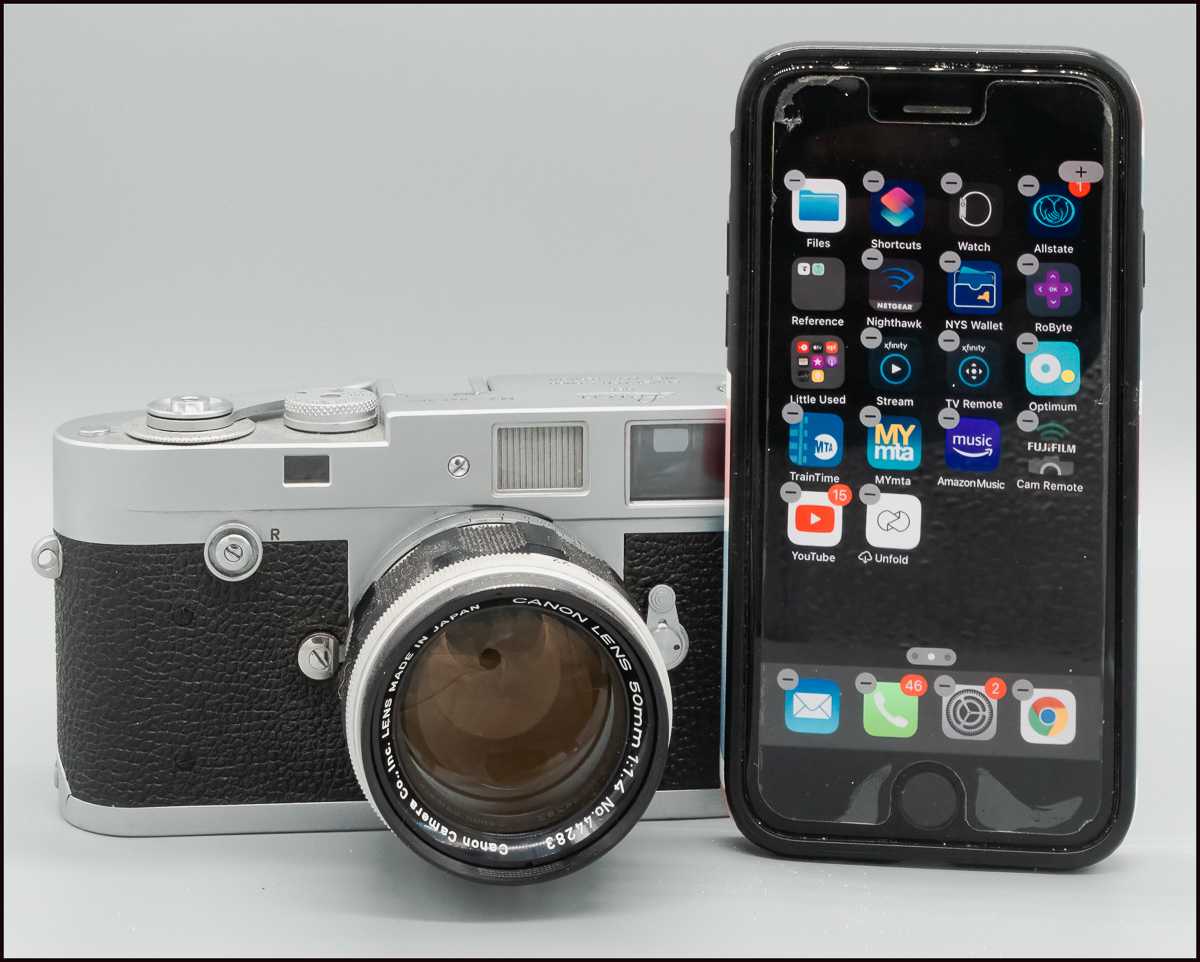
3. Real cameras are better than iphones.
4. If you don’t print you’re not a real photographer.
5. Instantly sharing posts in social media is bad.
6. “Excellence” in photography is getting lost in “good enough”.
7. You are likely to lose your digital photographs whereas prints have a much longer life.

Of course everyone is entitled to his/her own opinion, but I’m forced to conclude that what he’s really saying is that only professionals can call themselves photographers and although the rest of us may take photographs we should not call ourselves photographers. He seems to look down on people who just take pictures for fun and share them on social media. Of course for decades people have been taking snapshots. It’s just that because of the nature of film photography you couldn’t take as many pictures and sharing them was much more difficult).

Needless to say I don’t agree. So in response to the above points.

1. Film photography is superior to digital photography. I don’t believe one is superior to the other. They both have their place.

2. Because of their years of experience professional photographers are superior to amateurs. I would like to remind everyone that amateur originally meant “someone who does something for the love of it rather than for money”. Somehow the word has now come to mean “a person who is incompetent or inept at a particular activity. I’ve come across many “amateurs” whose work is better than some professionals. Moreover, I sometimes wonder if when someone says they have 40 years of experience they really mean that they have one year of experience 40 times.

3. Real cameras are better than iphones. I love cameras. I collect them and have all kinds: film; digital; point and shoot; professional; 35mm; medium format etc. I tend to use “real” cameras more than iphones, but have been known to use my iphone for mundane documentary pictures, for fast sharing, and when I didn’t have another camera with me. For example, I was once invited to a friend’s house. Her name was Germaine and she was already quite old at the time and was talking about leaving that particular house soon. So I decided I would take some pictures in and around her house as I souvenir for her. I then used the images to make her a photobook. The only camera I had with me was an iphone, and quite an old one (an iphone 5s, which came out in 2013) at that, but the photobook looked great and she really liked it.

4. If you don’t print you’re not a real photographer. I like to see my photographs in print, but I can understand why people don’t print: it’s hard to get it right (particularly if you want to print in color) and what do you do with the print once you have it. Unless you’re willing to go to more trouble framing it and putting on a wall you’ll probably end up putting it in an album, or in a box and forgetting about it.

5. Instantly sharing posts via social media is bad. If I’m reading him correctly he’s not so much against sharing on social media. It’s the sharing it straight away that gives him problems. He provides a recent example of someone taking a picture of him, posting it on social media and than showing it to him right away. His argument seems to be that he was there when the picture was taken and so doesn’t need to see it right away. I don’t see why this is such a problem. Maybe the person taking the picture (who I apparently can’t call a photographer) wants to know if you like the picture wants to know whether or not you like it so that he/she can try another if you don’t.

6. “Excellence” in photography is getting lost in “good enough”. I can see what he’s saying, but I think his views are seen through the lens of a professional (i.e. commercial photographer). He seems to do a lot of portrait and wedding photography so I’m sure he’s lost a lot of income because Uncle Joe with his limited photographic knowledge and high end digital camera can deliver images that, while nowhere near as good as a professional might make, are “good enough” and cost a fraction of what a professional would charge. They might even be better in some ways: more dynamic, more interesting, more spontaneous etc. Most of the professional wedding pictures I’ve seen are formulaic and not particularly interesting.

7. You are likely to lose your digital photographs whereas prints have a much longer life. I can backup thousands of digital images in a few hours. I can them take them off-site so they are protected from fires, theft etc. Try doing that with several hundred albums and associated negatives. Of course many (myself included) don’t take the trouble to make these backups, but that’s not a reason to criticize digital photography as a whole.

I’ve seen some of this gentleman’s work. He has a website, a blog, an Instagram presence, a YouTube channel, he’s an active Twitter user, and is also on Facebook. Clearly he’s comfortable with technology so I guess it’s just that he’s somewhat averse to digital photograph in general, phone cameras in particular and the whole digital environment which allows easy creation and distribution of large numbers of photographs. I can certainly relate to that.

Unfortunately this seems to translate into a rather supercilious attitude to those who don’t see things the way he does. It’s the “I’m a real photographer because I use real cameras, and print the results, sharing the prints circumspectly – you use an iphone, don’t print and share a lot of crap with all and sundry so you’re not even worthy of calling yourself a photographer” that I take exception too.

He seems like a nice guy: hard working and devoted to his art/craft; a concerned person involved with a number of worthy causes. His photographs are what I would expect from a professional photograph: competent but not particularly awe inspiring. Don’t get me wrong, he’s a much better photographer than I am, my photographs being mediocre at best. However, I collect photobooks by and about famous photographers and I believe I know a truly great photograph when I see it.

I just wish he would just cool it with the superior attitude. I could even live with this if he didn’t choose to push it down my throat at every opportunity. It makes me avoid his blog and his YouTube channel, which is a pity because I agree with much of what he’s and thoroughly enjoy many of his posts/videos.

Taken with a Fuji X-E3 and Fuji XC 16-50mm f3.5-5.6 OSS II
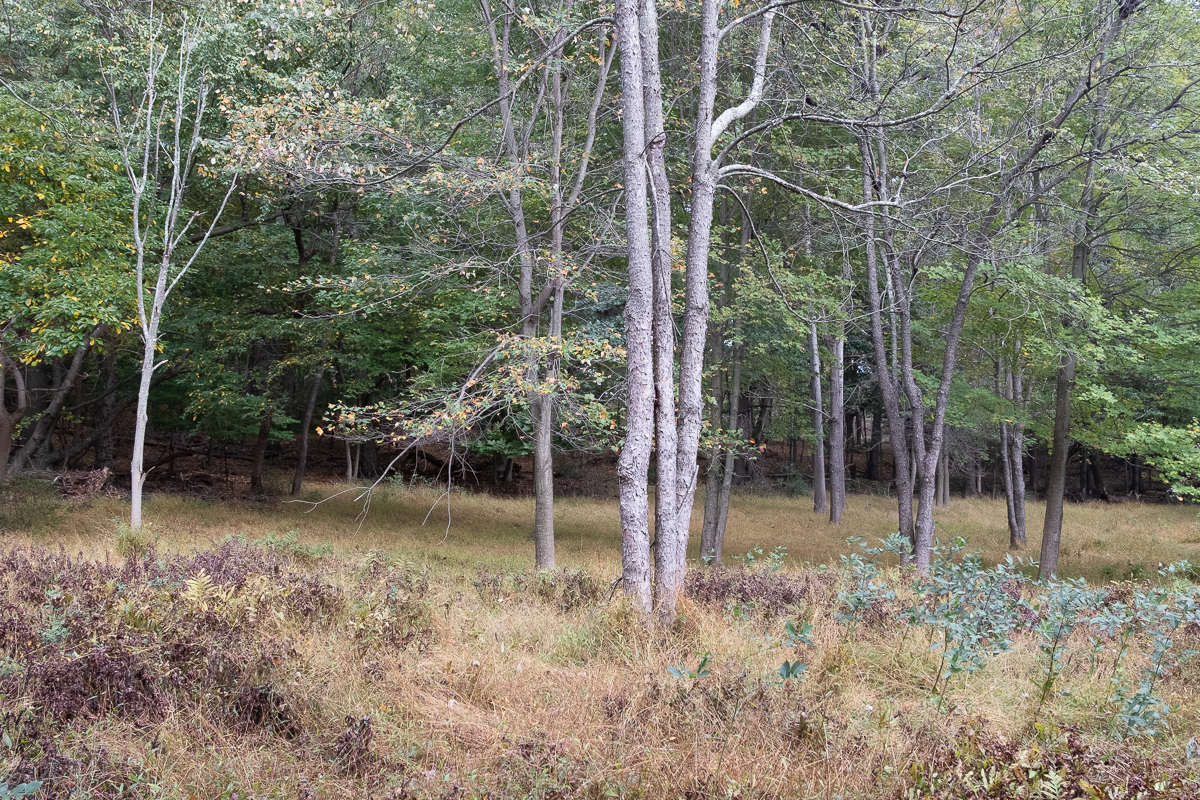
What a difference a few seconds and a change of light can make

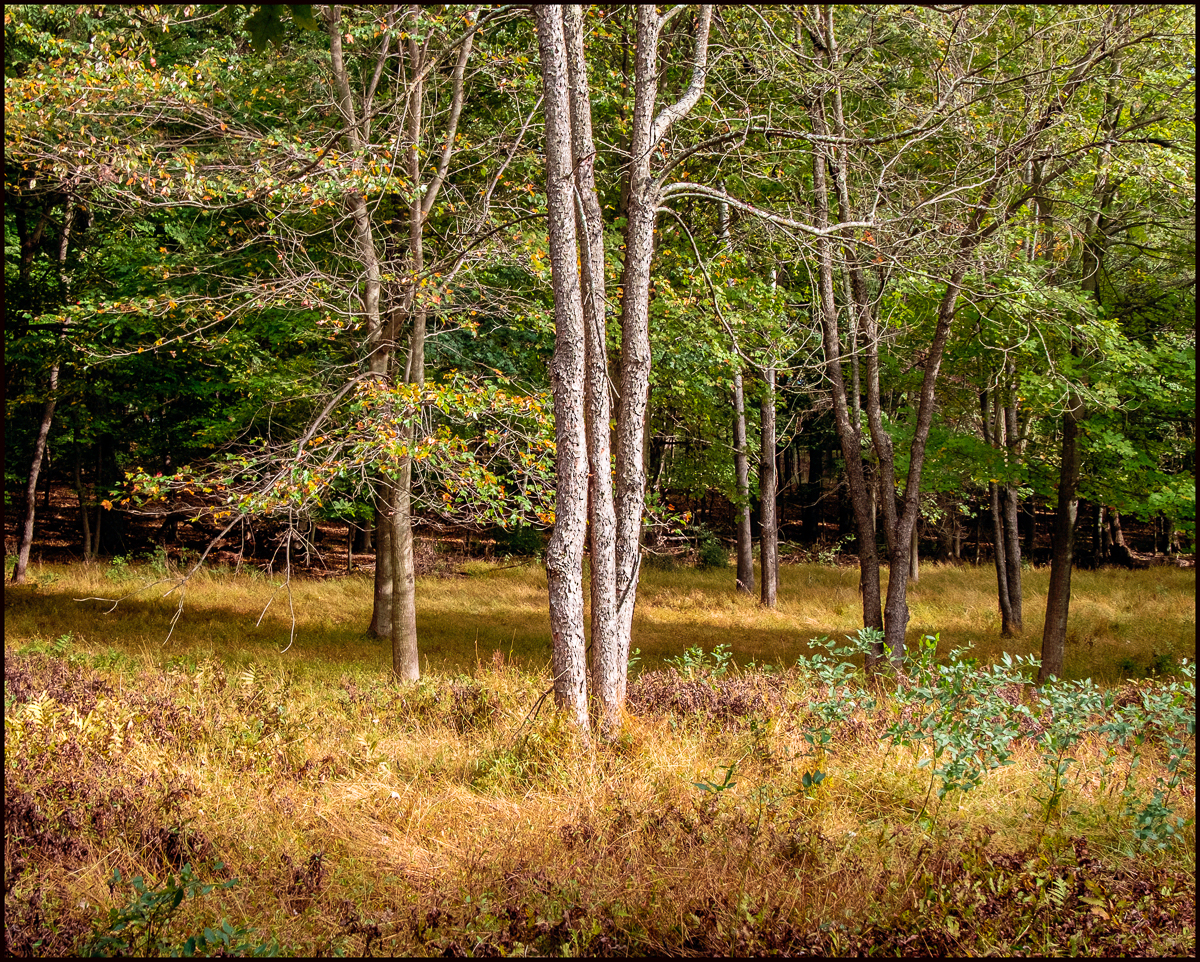
I was walking around in some nearby woodland. The weather was not good: very gloomy and overcast with rain showers from time to time. I spotted a group of trees that looked interesting and walked over to take a look. Mildly interesting, but very flat light. I took a picture of it (the one above) anyway, turned around and started to walk away. Then….the light suddenly and briefly changed. A gap opened up in the clouds and some light started to stream in. Of course I turned around, went back and took an other picture (the one immediately below). A few seconds later the gap in the clouds closed and the nicer light had disappeared.

I generally shoot in RAW and the two images above are unprocessed apart from a minimal crop to make the point of view more or less the same. The image below is the final version after I edited it.

Taken with a Fuji X-E3 and Fuji XC 16-50mm f3.5-5.6 OSS II
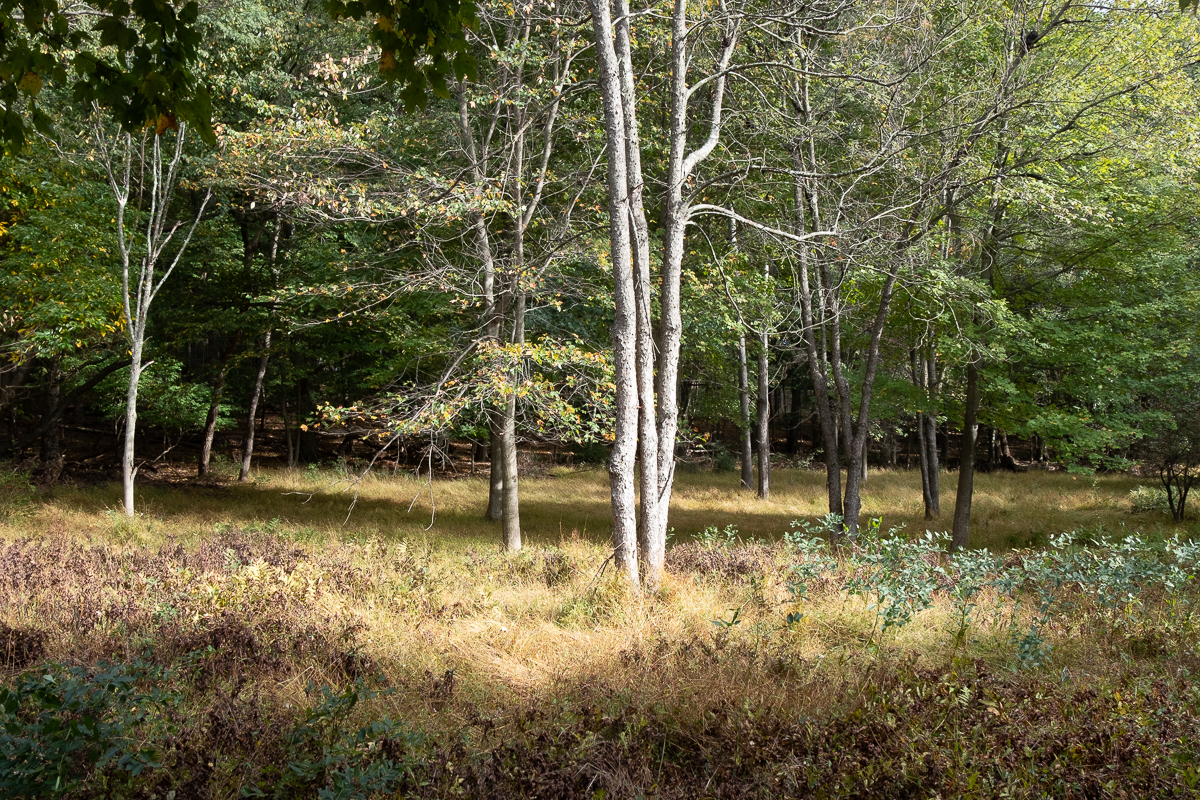
Photo Work: Forty Photographers on Process and Practice

I recently picked up a copy of “Photo Work: Forty Photographers on Process and Practice“, Edited by Sasha Wolf.

The introductory blurb on Amazon.com describes the books as follows:

PhotoWork is a collection of interviews by forty photographers about their approach to making photographs and, more importantly, a sustained body of work. Curator and lecturer Sasha Wolf was inspired to seek out and assemble responses to these questions after hearing from countless young photographers about how they often feel adrift in their own practice, wondering if they are doing it the “right” way. The responses, from both established and newly emerging photographers, reveal there is no single path. Their advice is wildly divergent, generous, and delightful: Justine Kurland discusses the importance of allowing a narrative to unravel; Doug DuBois reflects on the process of growing into one’s own work; Dawoud Bey evokes musicians such as Miles Davis as his inspiration for never wanting to become “my own oldies show.” The book is structured through a Proust-like questionnaire, in which individuals are each asked the same set of questions, creating a typology of responses that allows for an intriguing compare and contrast.

I initially found the first few interviews to be somewhat boring, but after reading more I started to develop an interest in the way these photographers think and work.

Now I’m not much of a photographer. I’m passionate about photography and take quite a lot of photographs, most of them not particularly good. I’ve never exhibited (and probably never will) and have only produced a few photobooks, largely for myself and my family. I hope to do more, but so far…Other that that my primary mechanism for sharing my photographs is social media.

So I decided that it might help me if I tried to answer the questions myself.

First camera

For many years I would have said that it was a Minolta Hi-matic 7sII given to me by my wife many years ago. Then one day, while cleaning out some drawers, I came across a photograph of my father with our dog. I’d completely forgotten about this photograph and it reminded me that I had once had another camera: A Kodak Brownie Vecta. My friend had a camera and a dark room and I had to have one too (a camera that is not a dark room). I was about 11 years old and my interest soon waned. I think I only used it once.

First Meaningful Photobook

The earliest memories I have are of books in the Time Life photography series. Also “The Camera” by Ansel Adams. Even though these have lots of pictures, I’m not sure that they would be considered as “photobooks”. Probably the first real photobook was “Atget” by John Szarkowski. I’m fascinated by Atget to this day.

First meaningful exhibition

I grew up in a working class family in the North of England. Visiting exhibitions was not something that my parents would have found useful or necessary. When I went to university I was too busy studying other things to consider looking for exhibitions and to be honest in those days I was more interested in music and literature than in photography. Later I moved from the UK to New York, got married and had a family. Only some time later, when my interest in photography grew did I think about going to exhibitions. I recall going to exhibitions of Strand, Steichen and Stieglitz at the Metropolitan Museum; Garry Winogrand also at the Met, and Henri Cartier-Bresson and Sebastião Salgado at the International Center of Photography.

Personal Fact

For many years I was obsessed with time, waking up every 15 minutes or so for a second or two to check the time. I still am to some extent although much less so since I retired.

What comes first for you: the idea or a project, or individual photographs that suggest a concept?

Usually the individual photograph. I wander around taking photographs that interest me. Usually this results in a collection of individual photographs. Occasionally, however, it might occur to me that I’ve already taken some similar photographs and this can cause me to start to look for yet more similar photographs thus leading to a project. Rarely I’m reading something that suggests to me an idea for a project.

What are the key elements that must be present for you when you are creating a body of work?(Social commentary, strong form, personal connection, photographic reference…)?

The photograph must have a subject, which I find interesting. After that probably can I make a good composition out of it: Light, form, line, shapes, texture, patterns etc. If the photograph has some kind of personal connection then so much the better. Very occasionally I might take a photograph because it reminds me of a photographer that I admire. Social commentary never enters into it.

Is the idea of a body of work important to you? How does it function in relation to making a great individual photograph?

For a long time the idea of a body of work was not important to me, but I’ve since changed my mind and find the idea of a number of related images, structured in a way that makes the whole greater than the original photographs to be appealing. I like to tell stories. Ideally, of course, I’d like them all the photographs to be great individual images, but I’m willing to include lesser images if they further the overall story.

Do you have what you might call a “photographic style”?

I wish I did, but unfortunately I don’t feel that I do at the moment. I can’t imagine that any one would look at any of my photographs and recognize that it was by Howard Dale. I don’t have that talent – maybe never will.

Where would you say your style falls on a continuum between completely intuitive and intellectually formulated?

Initially completely intuitive when I take the pictures. If I”m later organizing them, say for a photobook then the more intellectual side kicks in.

Assuming you now shoot in what you would consider your natural voice, have you ever wished your voice was different?

I’m not sure that I have a “natural voice” at the moment. If so I don’t recognize what it is. This being the case I’ve never wished that my voice was different. However, if I did someday develop my “natural voice” I can’t imagine that I would wish it to be different. I am what I am and have no wish to be anything else.

How do you know when a body of work is finished?

Sometimes it’s obvious e.g. you a dealing with a finite number of pictures and you’ve taken as many as you can. I once took a series of pictures at a nearby air museum. I took all that I wanted to take and don’t imagine that I’d want to go back and take more. Sometimes a body of work never seems to end. There is always more to add. Sometimes I just run out of steam and call an end to the process.

Have you ever had a body of work that was created in the editing process?

Almost every time. Once I’ve started on a project I end of with a lot of images. Deciding what to include and what to leave out is to me possibly the most difficult part of a project. I have a general idea of what story I’m trying to tell so organizing the images so that they support this story is very important.

Do you associate your work with a particular genre of photography? If yes, how would you define that genre?

One of my weaknesses is that I have not yet managed to focus on a single genre. I bounce around from one to another. I do, however, have some idea of genres that don’t interest me all that much: commercial photography; portrait photography; wedding photography. You might see a thread here: I’m not comfortable with people and avoid genres that require a lot of contact with people. I admire street photographers, but tend to shy away from it because of the people issue. I suppose I’m some sort of documentary photographer (not social documentary however. I’m not trying to change the world). I have two main interests: photography and history. I’m happiest when I can combine the two.

Do you ever revisit a series that has already been exhibited or published to shoot more and add to it?

I have not so far exhibited or published (other than the odd self-produced photo book. However, with the photobooks that I have done I have often wanted to add more photographs.

Do you ever revisit a series that has already been exhibited or published and reedit it?

I haven’t but I can well imagine that I might.

Do you create with presentation in mind,be that a gallery show or a book?

Not really. At this point I time I mostly think in terms of photobooks and social media postings and I can usually make my photographs fit. I suppose that if I had an upcoming exhibition or a photobook to be published I might. But since none of these has so far occurred I don’t know for sure.

Struggling with Manual Focus Lenses

Since I started collecting old cameras I’ve accumulated quite a few vintage lenses in a variety of mounts (Nikon F, Minolta MD, Leica LTM, Leica M, Contact/Yashica C/Y, Exacta, M42 and more). A while back I decided to get a Sony Nex 5n, in large part because I’d read that it adapted well to vintage lenses so I got the appropriate adapters and for a while used them quite a lot and was pleased with the results. Then I picked up a Sony A77II, which didn’t adapt so well and my interest in manual focus waned to a point where I haven’t used the manual focus lenses for ages.

Then I started to collect older digital cameras, many of which (Sony A6000, Olympus OM-D E-M10, Fujifilm X-E1) also adapt well to older lenses. Of course the adapters I’d collected for the Nex 5n work fine on the A6000. I also picked up a few adapters that would work with micro four thirds cameras. I only recently got the Fuji and I’m not sure whether or not I’ll try to use manual focus lenses with it. We’ll see.

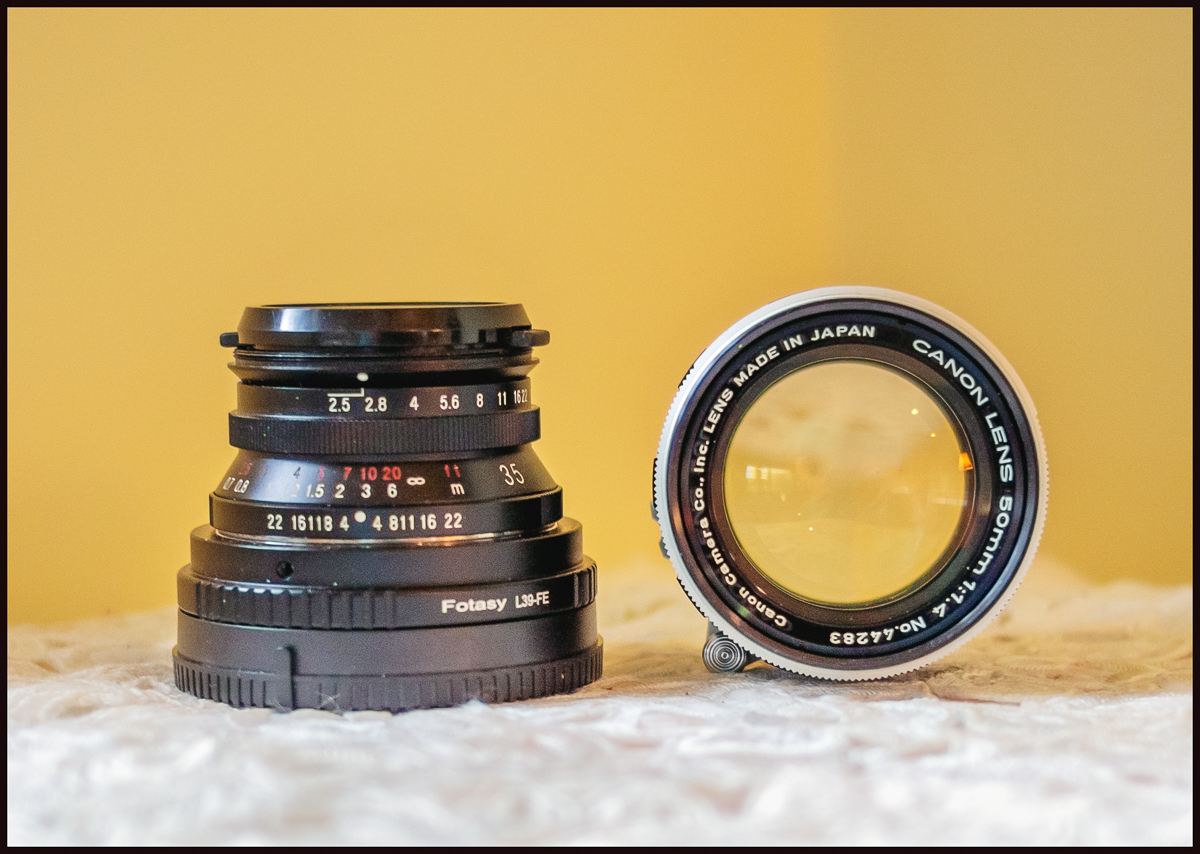
I decided to try manual focus lenses again – this time initially on my Sony A6000. Specifically I decided to try a Canon 50mm f1.4 and a
Voigtländer 35mm f2.5, both in Leica Thread Mount (LTM).

The results were awful! I couldn’t seem to get the focus right! I tried using focus peaking without much improvement. I tried focus magnification with similar results.

But I persisted until I discovered that using a combination of the two seemed to produce the best results. Focus magnification allowed me to ensure that what I was focusing on was indeed in focus, while focus peaking gave me a sense of the depth of field i.e. what I could expect to be in focus in front of and behind where I was focusing.

I should probably have thought of that before. It now seems so obvious.

Taken with an Olympus OM-D E-M10 and Panasonic Lumix 20mm f1.7

It’s 120 not 120mm – I don’t care

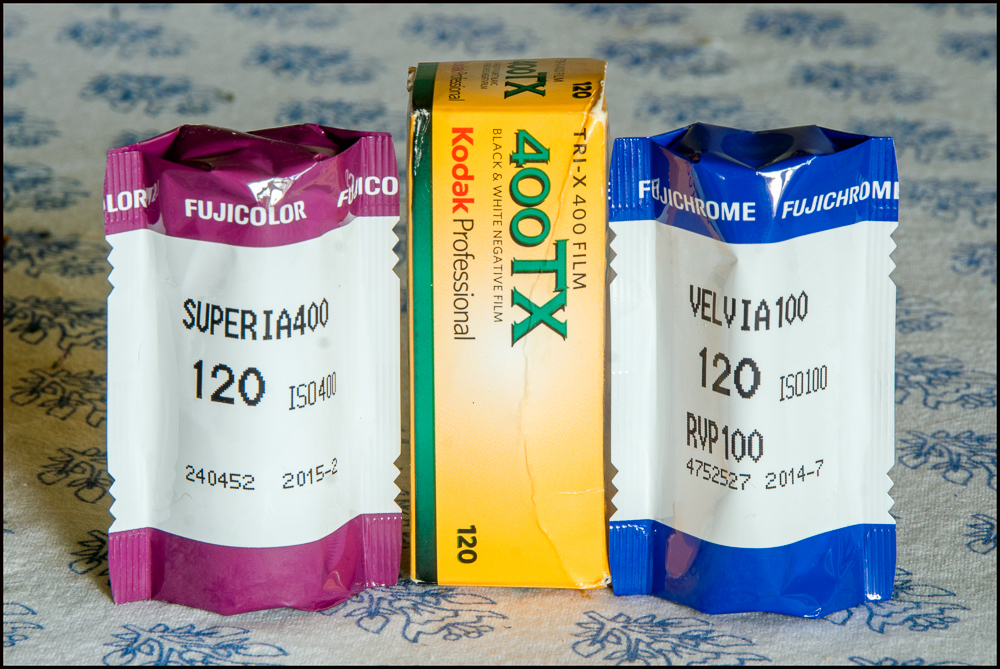
Well maybe I do care a little. It’s always good to get these things right and I’ve enjoyed the various posts outlining the history of the designations of Kodak Films. I’ve always referred to the format in question as ‘120’ and until reading these posts I hadn’t noticed that anyone referred to it as ‘120mm’ (I’m not disputing that some do, just that I’d never noticed).

However, there seems to be some sort of campaign at the moment to ensure that the heinous crime of referring to ‘120’ film as ‘120 mm’ is eradicated.

I read quite a few film photography blogs and it seems that I can’t look at one nowadays without seeing a post on this subject. Just a few examples:

I’m very grateful to all of these guys. Their blogs are great and I’ve learned a lot from all of them.

But enough is enough. Some of the posts refer to this as a crusade. If you want to wage a crusade do it for something meaningful e.g. Climate Change, Ending World Hunger, Reducing Child Mortality etc.