Another Visitor to my Garden

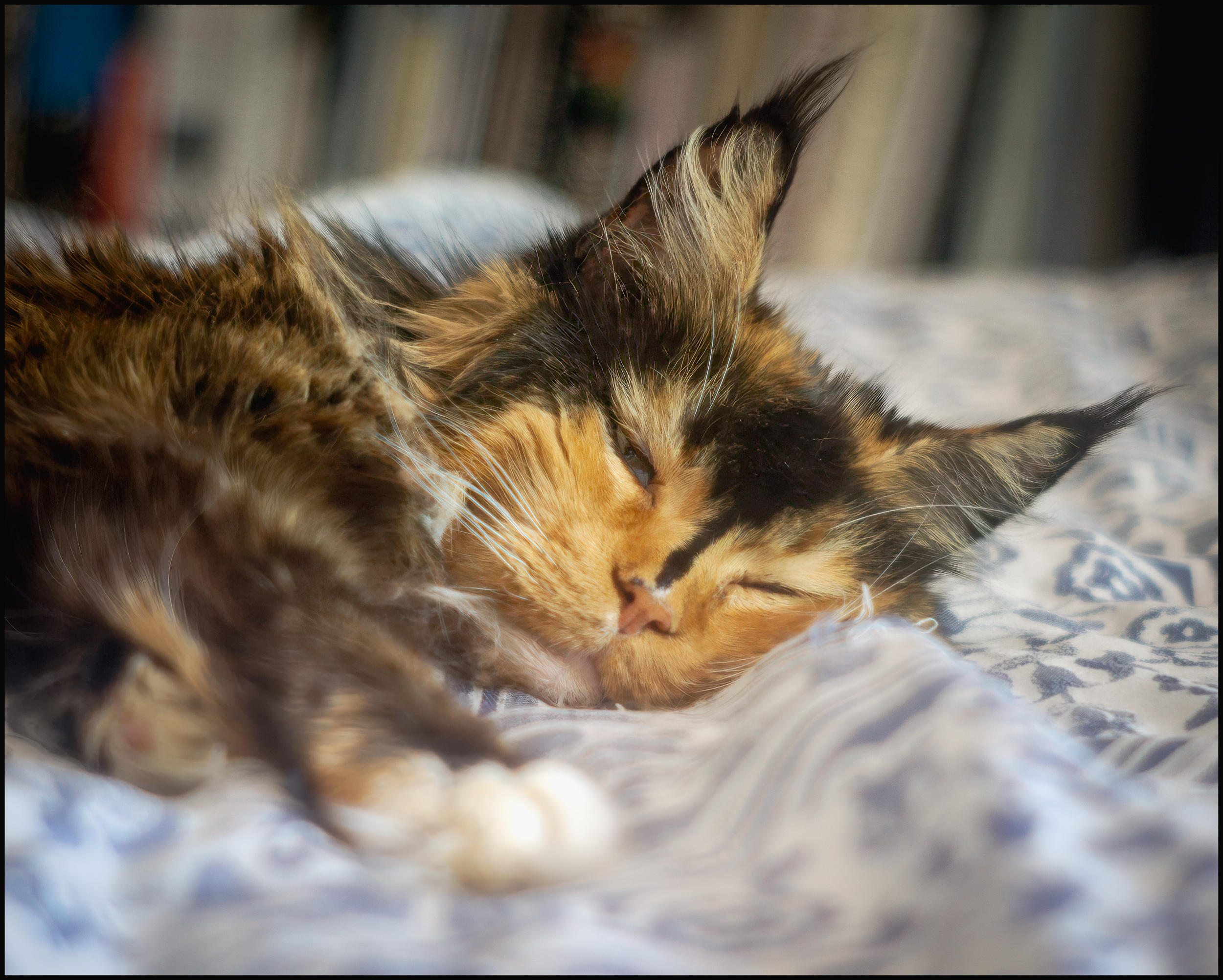
We used to have a lot of rabbits, but then suddenly I stopped seeing them. I suspect that this was because at the time we had outdoor cats. The rabbits probably thought it was wiser to relocate. While I still have a cat she doesn’t like to go outside.

Not much of a picture. The rabbit was some distance away and I didn’t have an appropriate camera ready to hand.

Taken with a Sony RX100 IV.

Yet another bird

In earlier posts you may have read that I’ve had problems with bird photography.

At first, I didn’t have the right gear. Although I truly believe that with a competent photographer most cameras can produce decent photographs. However, there are exceptions. To do bird photography you really need specialized equipment: long telephoto or zoom lens; high resolution as you might have to crop significantly; fast accurate autofocus; high burst rate etc. You’re simply not going to get a good photograph of a bald eagle a long distance away, skimming over a lake with an iphone (at least not at the moment – given them a chance).

So, I got the gear. But then I couldn’t find any birds other than stationary mallards, and Canada geese to take pictures of.

I’m doing better now. I’ve taken pictures of blackbirds, crows, robins, herons, egrets, seagulls and more.

This is my most recent bird. I have no idea what it is. Maybe a female American Goldfinch?


Taken with a Sony RX100 IV.

Saved by some dirty dishes

Saved by some dirty dishes. A few days ago, it was a really nice day. I felt I should go out but somehow couldn’t find the motivation. So, I stayed home and felt that somehow, I’d wasted the day. Sometime in the afternoon I noticed that there were a few dishes in the sink, so I went over to wash them.

Out of the corner of my eye I noticed some movement in the garden. It turned out to be a groundhog.

Of course, I took some pictures. From this experience I learned three things:

  1. Groundhogs have great hearing. So as not to disturb it I took the pictures through a window. The groundhog was a long way away, but every time I pressed the shutter it lifted its head up.
  2. Groundhogs are much faster than you’d think. When it eventually noticed me, it took off like a bat out of hell.
  3. Groundhogs like to eat dandelions (see first picture).


Taken with a Sony RX10 IV

Two Dogs

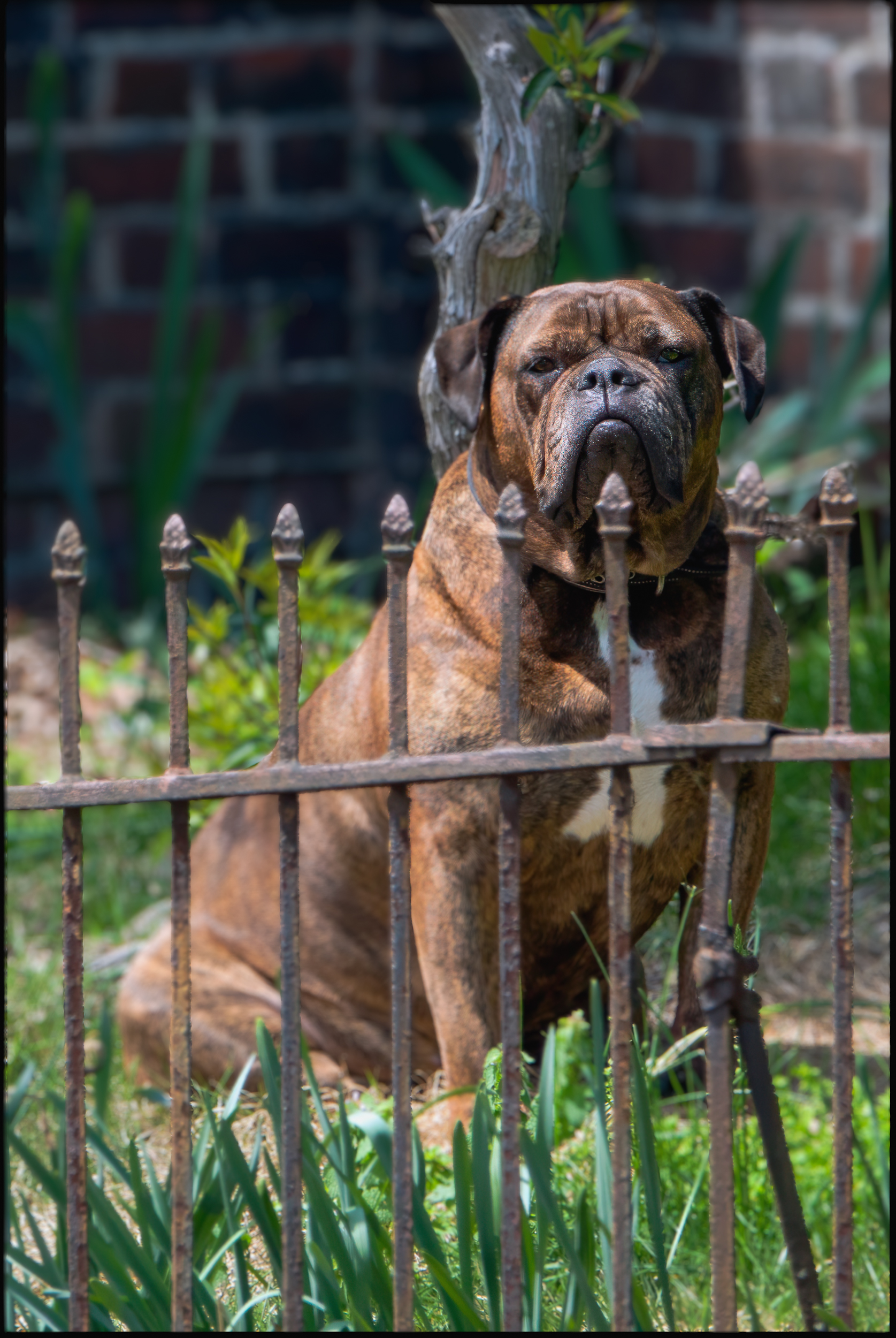
I came across these two dogs during one of my walks. I don’t think they liked me.

The first one was the most aggressive, barking almost continuously.

The second one was more tentative. I think he felt that he had to support his friend, but his heart wasn’t really in it. He’d probably have been happier playing catch.

There was also a third dog, but he didn’t want to be associated with the other two and immediately took off inside the house, preventing me from taking a picture.

Taken with a Sony RX10 IV

Another Bird

I think it’s an American Robin. It’s a nice bird, but not a cute as its European cousin. I noticed it while sitting/reading on my balcony. It was in a nearby tree.

Some interesting facts about the American Robin:

  • An American Robin can produce three successful broods in one year. On average, though, only 40 percent of nests successfully produce young. Only 25 percent of those fledged young survive to November. From that point on, about half of the robins alive in any year will make it to the next. Despite the fact that a lucky robin can live to be 14 years old, the entire population turns over on average every six years.
  • Although robins are considered harbingers of spring, many American Robins spend the whole winter in their breeding range. But because they spend more time roosting in trees and less time in your yard, you’re much less likely to see them. The number of robins present in the northern parts of the range varies each year with the local conditions.
  • Robins eat a lot of fruit in fall and winter. When they eat honeysuckle berries exclusively, they sometimes become intoxicated.
  • Robin roosts can be huge, sometimes including a quarter-million birds during winter. In summer, females sleep at their nests and males gather at roosts. As young robins become independent, they join the males. Female adults go to the roosts only after they have finished nesting.
  • Robins eat different types of food depending on the time of day: more earthworms in the morning and more fruit later in the day. Because the robin forages largely on lawns, it is vulnerable to pesticide poisoning and can be an important indicator of chemical pollution.
  • The oldest recorded American Robin was 13 years and 11 months old.


Taken with a Sony RX10 IV