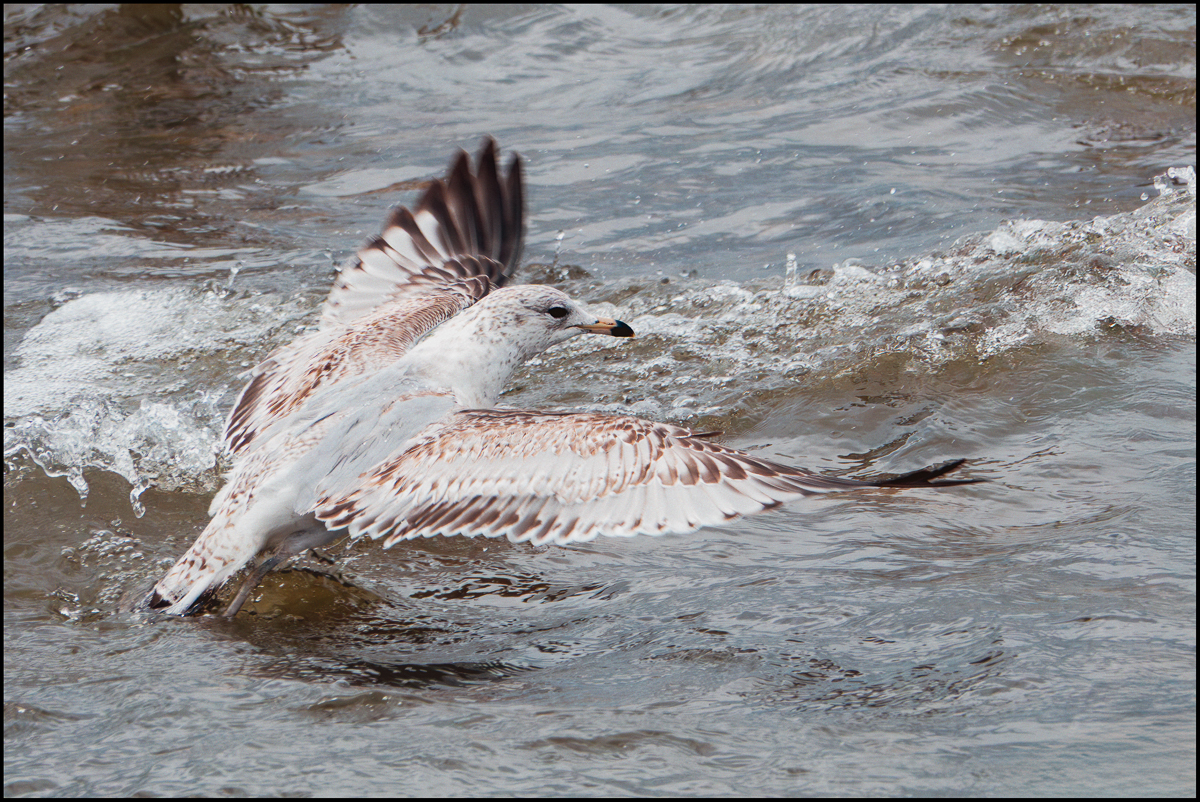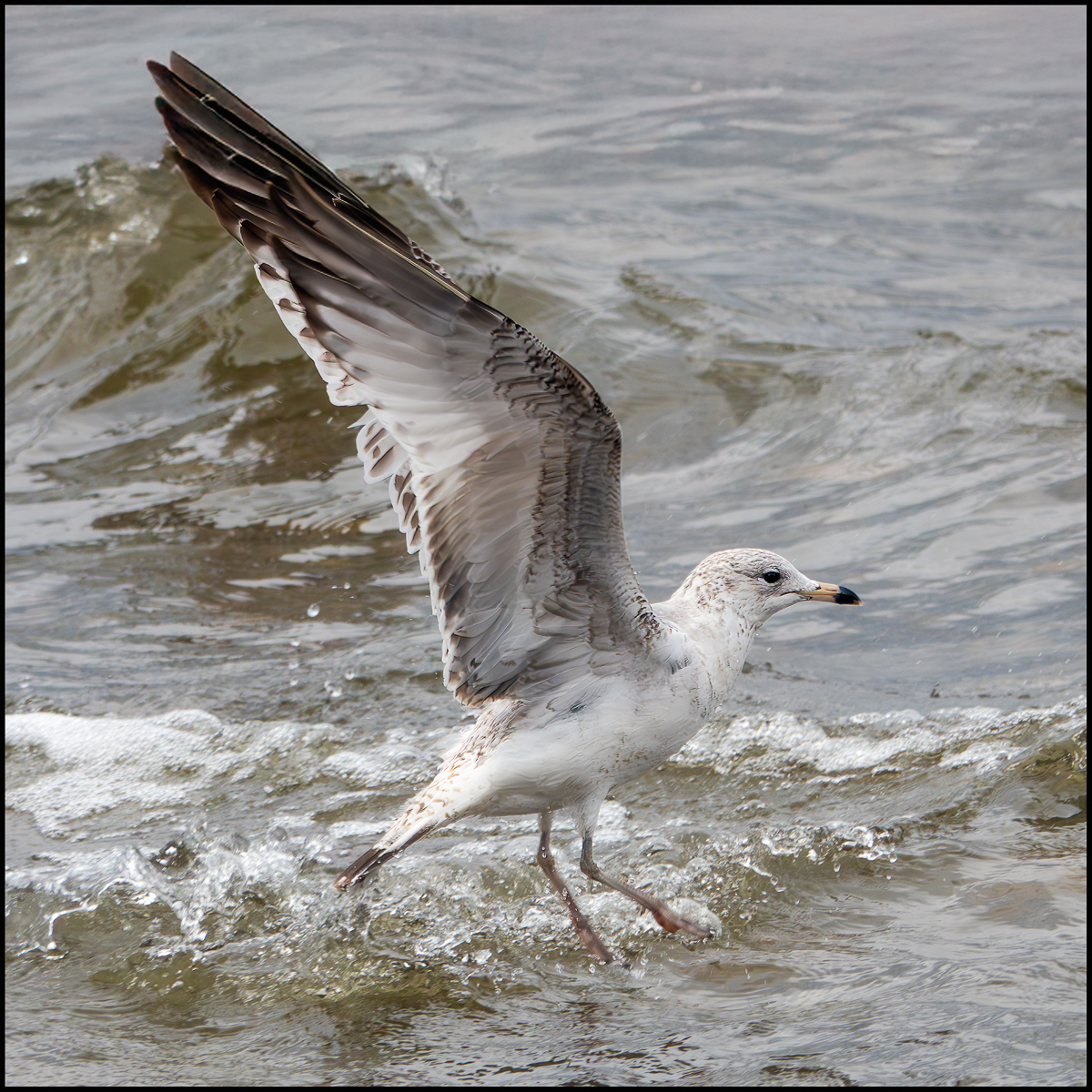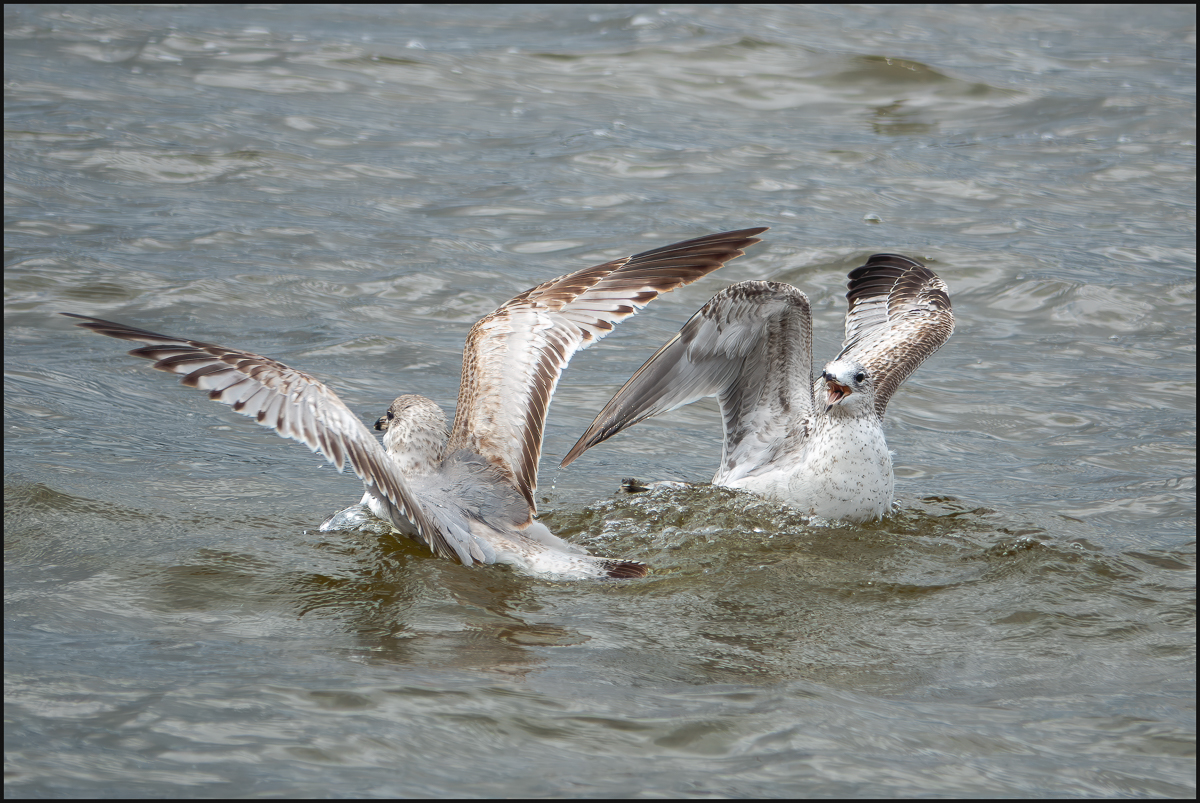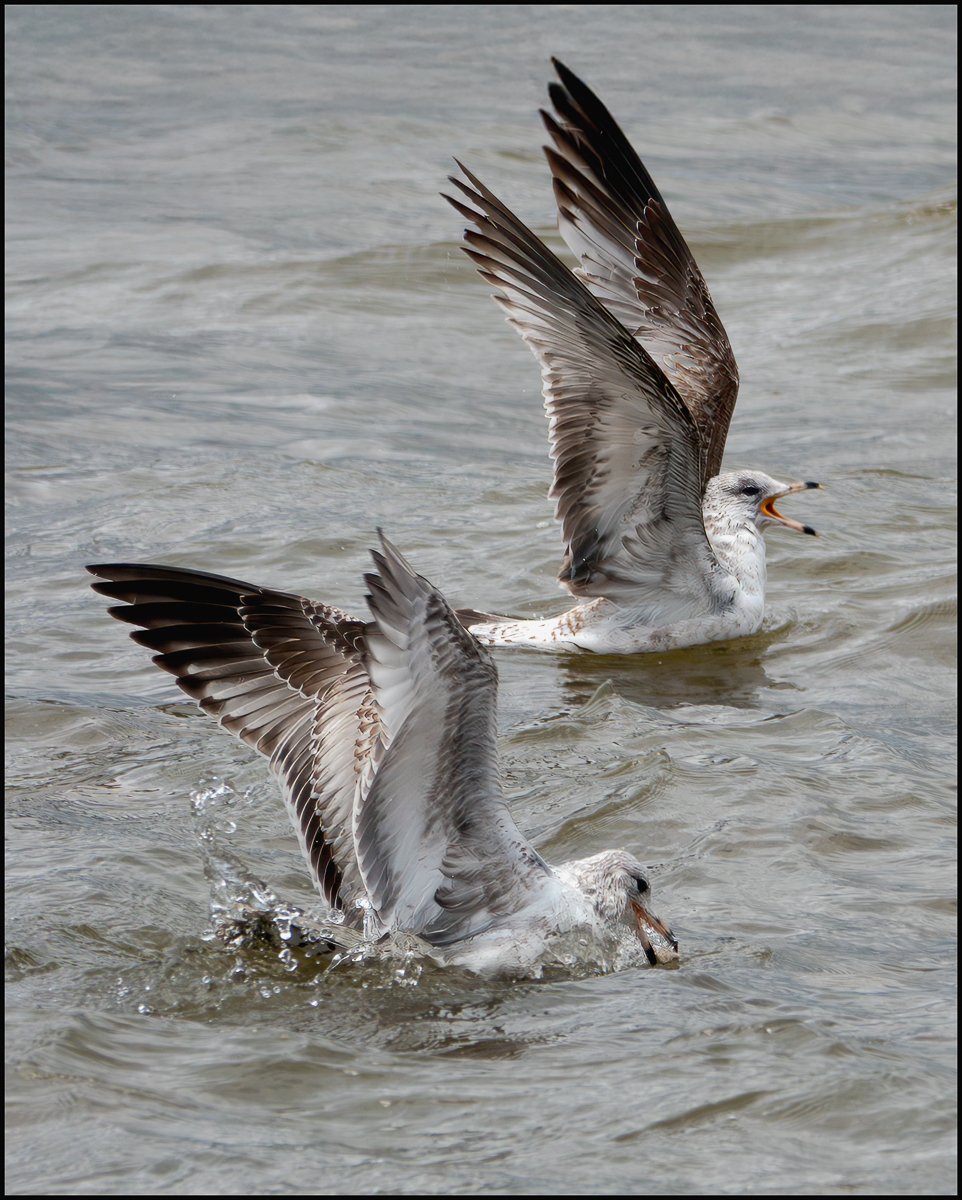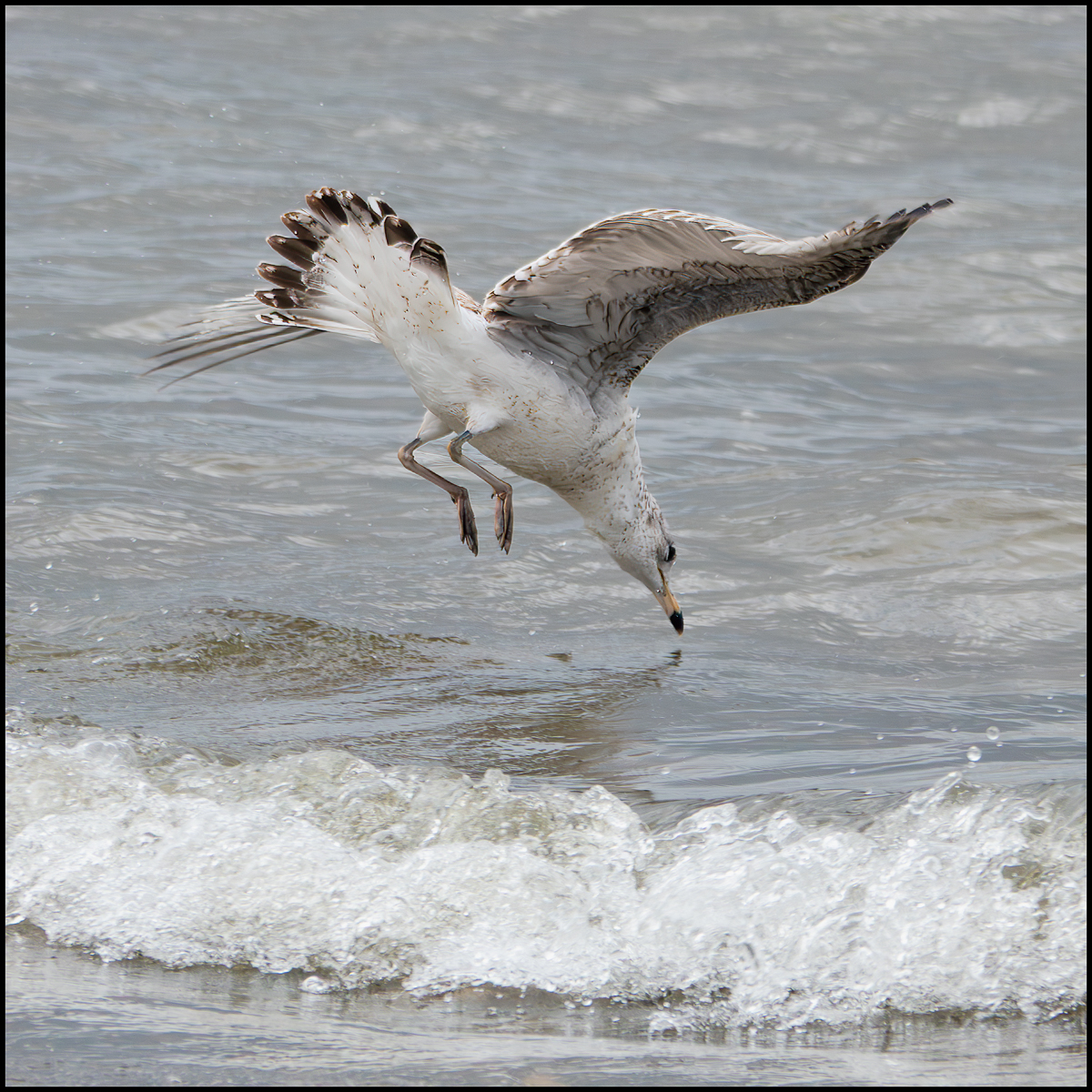
Seagulls-on-Hudson

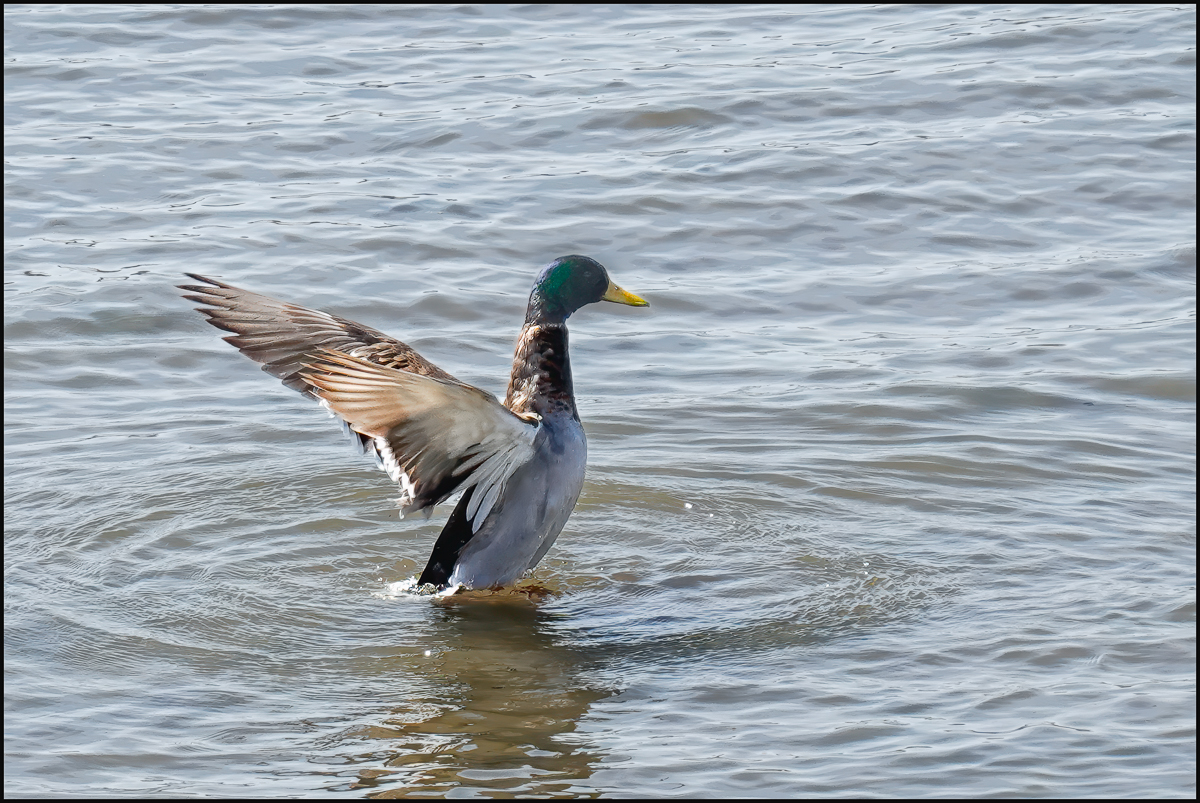
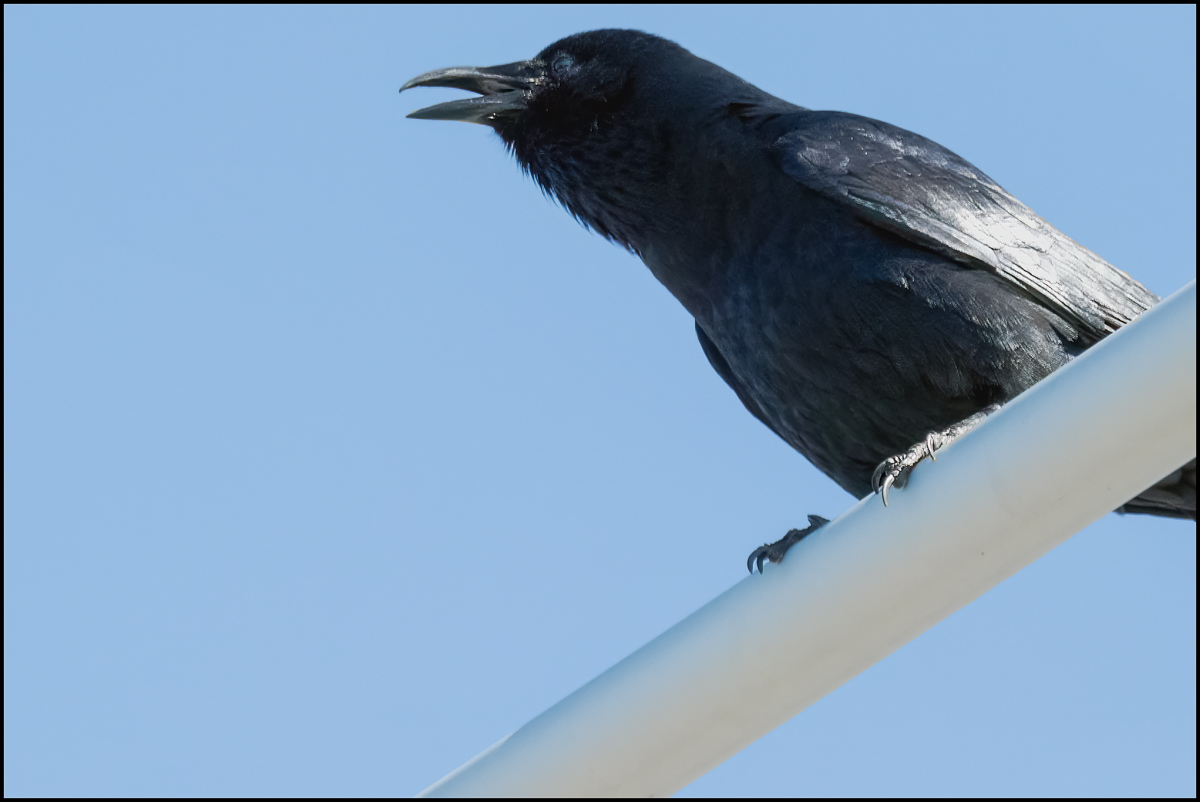
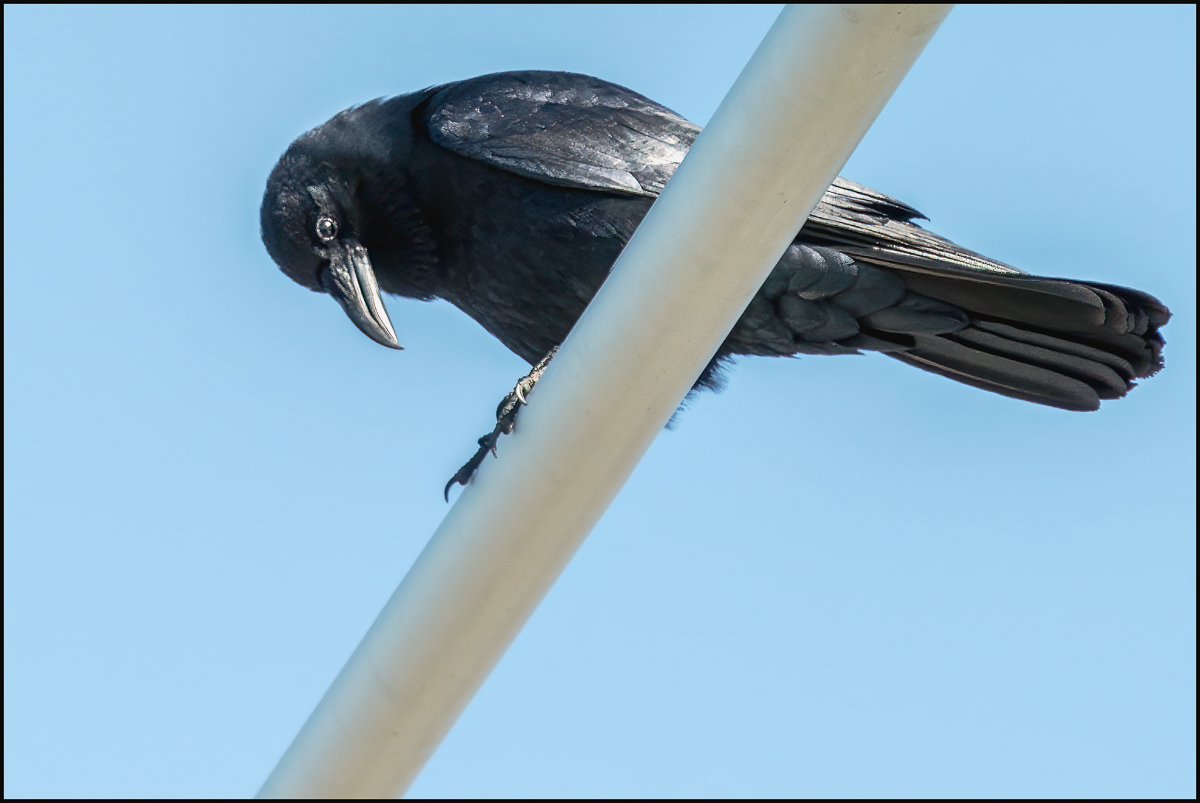
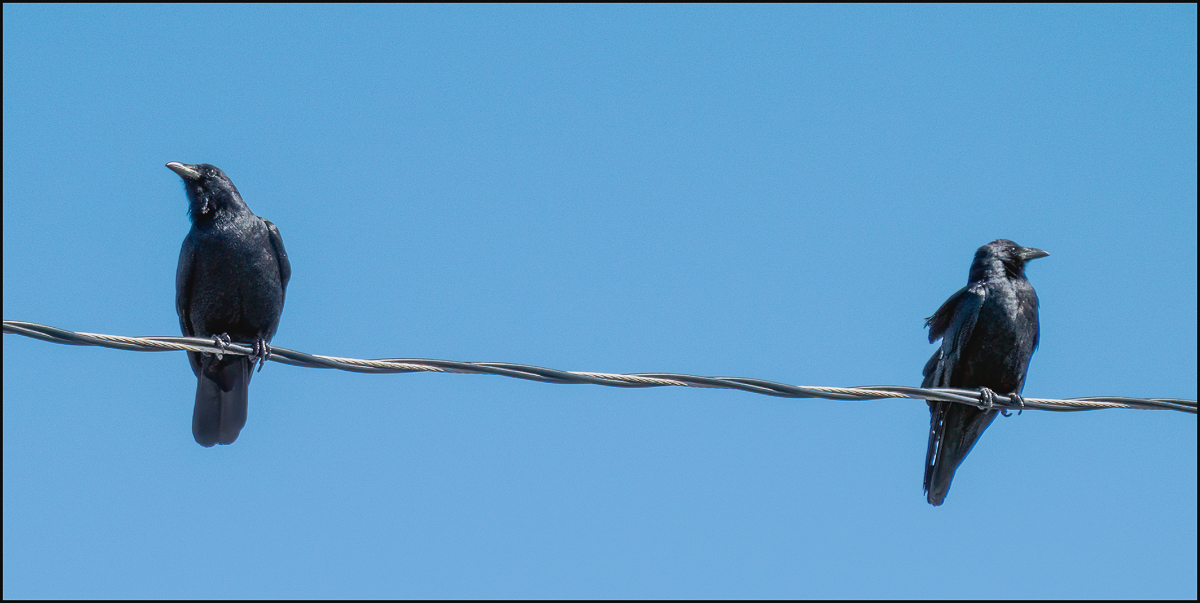
Last week I went down to the Hudson River to take some pictures, (See: By the Ossining Boat and Canoe Club) some of which were pictures of seagulls. While some of them were OK, the birds were some distance away and I didn’t have a camera that was well suited to taking pictures of birds.

So, I went back yesterday. It was still pretty cold, but nowhere near as cold as it was last week. And this time I took a camera with a 24-600mm lens, fast and accurate autofocus and tracking, and 24fps burst speed.

While I still have to practice a lot more as well as learning more about where to find bird, and how to have enough patience to wait, I got a couple of photographs that I liked.


Taken with a Sony RX10 IV
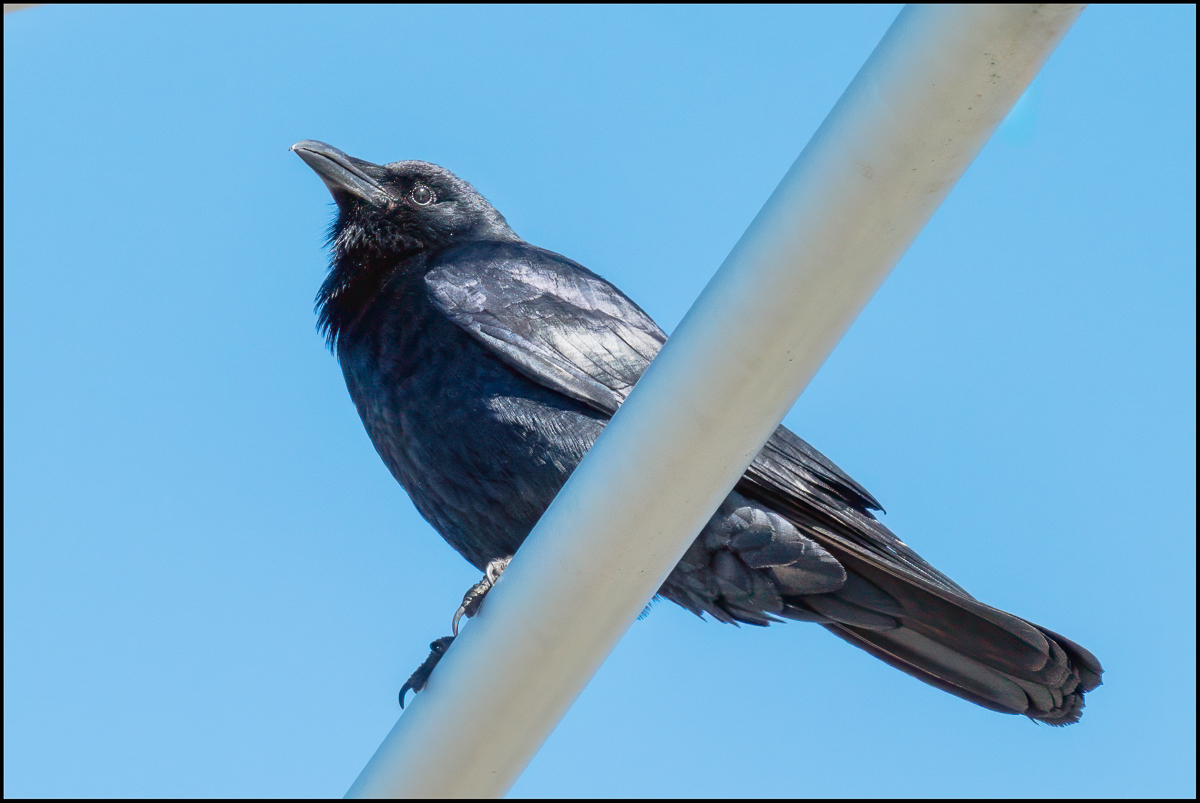
A bug in my coffee cup

As is my habit I’d got up and had a coffee. After reading for a bit, I decided I wanted another as I was about to fill up my cup again, I noticed that the cup was inhabited by this bug.

It’s brown marmorated stink bug. It’s an insect in the family Pentatomidae, native to China, Japan, Korea, and other Asian regions. In September 1998, it was collected in Allentown, Pennsylvania, where it is believed to have been accidentally introduced. The nymphs and adults of the brown marmorated stink bug feed on over 100 species of plants, including many agricultural crops, and by 2010–11 had become a season-long pest in orchards in the Eastern United States. In 2010, in the Mid-Atlantic United States, $37 million in apple crops were lost, and some stone fruit growers lost more than 90% of their crops. Since the 2010s, the bug has spread to countries such as Georgia and Turkey and caused extensive damage to hazelnut production. It is now established in many parts of North America and has recently become established in Europe and South America.

It’s armored and is quite hard to kill and if you try it emits an unpleasant smell. As in all stink bugs, the glands that produce the defensive chemicals (the smell) are located on the underside of the thorax, between the first and second pair of legs. The smell has been characterized as a “pungent odor that smells like coriander.” The stink bug’s ability to emit an odor through holes in its thorax is a defense mechanism evolved to prevent it from being eaten by birds and lizards. However, simply handling the bug, injuring it, or attempting to move it can trigger it to release the odor.

Reports on human cases are rare, but the stink bug’s body fluids are toxic and irritating to the human skin and eyes. One case of keratitis has been reported in Taiwan. So, it’s probably not a good idea to touch one. Since it’s an invasive pest I should probably killed it. But I don’t like to kill anything, even bugs. So, I just took the mug outside and ejected the bug.

I’m glad I spotted it before I filled the cup though!

Taken with a Sony A7IV and Venus Optics Laowa 85mm f5.6