Law Park Pond

Although I’m on vacation at the moment I had to pass by the Historical Society where I volunteer to do something urgent. I was there for only a few minutes and after I’d finished, I decided to go and sit by the pond in Law Memorial Park, which is right next to where I volunteer.

I chose to sit on a bench right next to the pond and was surprised and disappointed to find that all around the bench were plastic plates, plastic knives and forks and a number of crushed soda cans. It was particularly disappointing because there was a garbage container only about 20 feet away. Why do people do this? Anyway, I picked up the garbage and put it in the garbage container and went back to the bench to read my book.

I guess I went there in the hope of seeing birds. I used to see birds here: Green Herons, Blue Herons, Egrets, Cormorants etc., but nowadays I hardly see any. I wonder why?

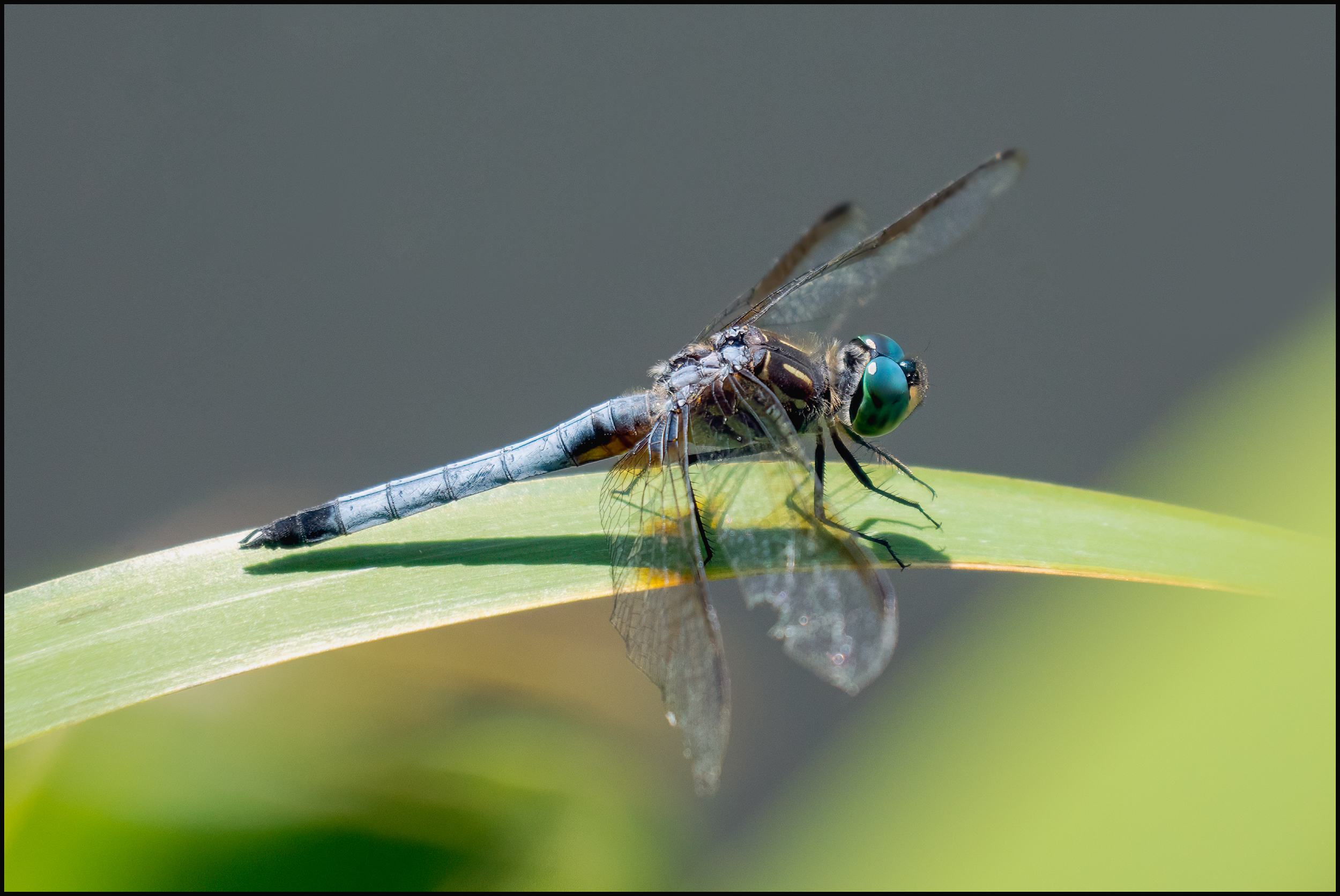
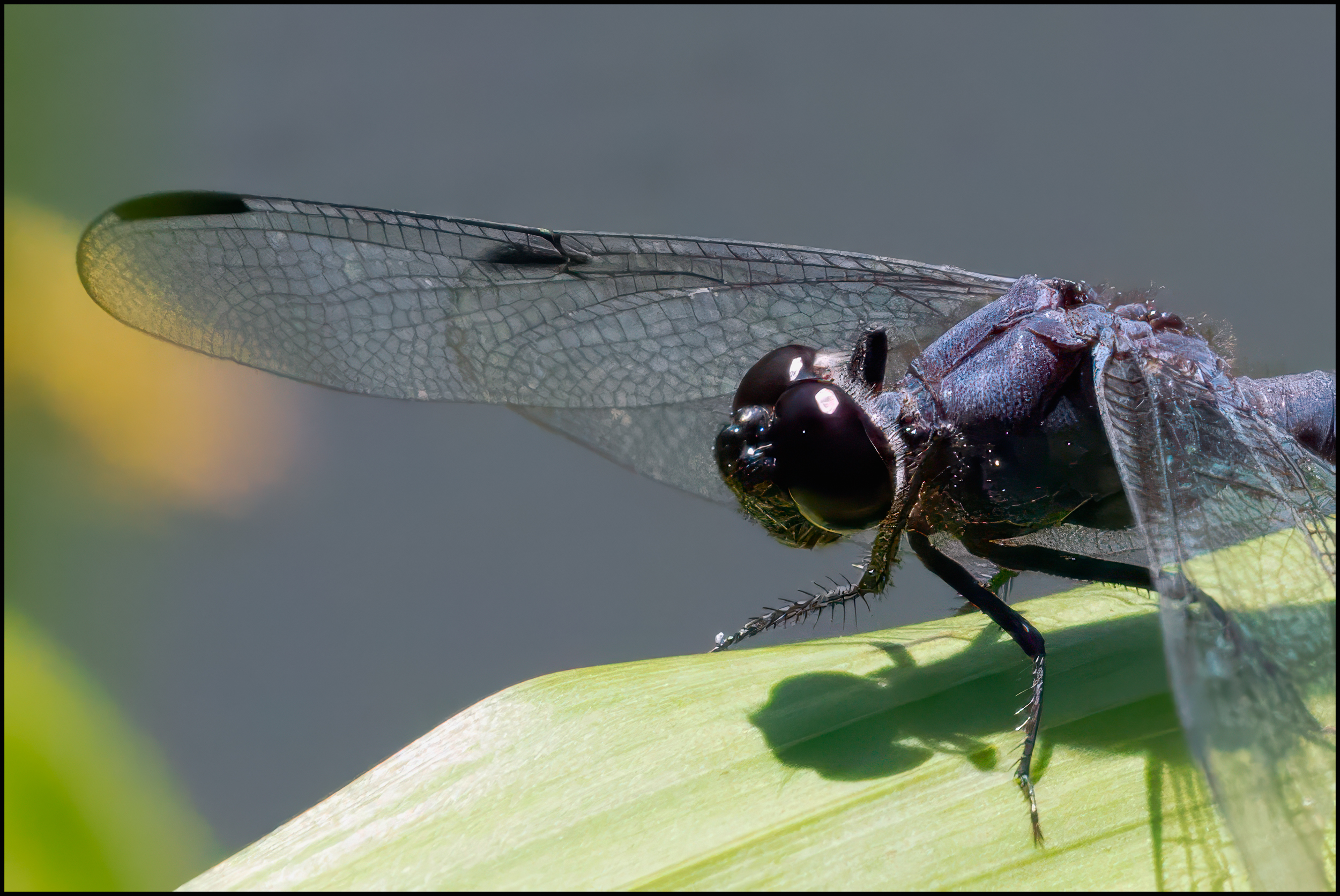
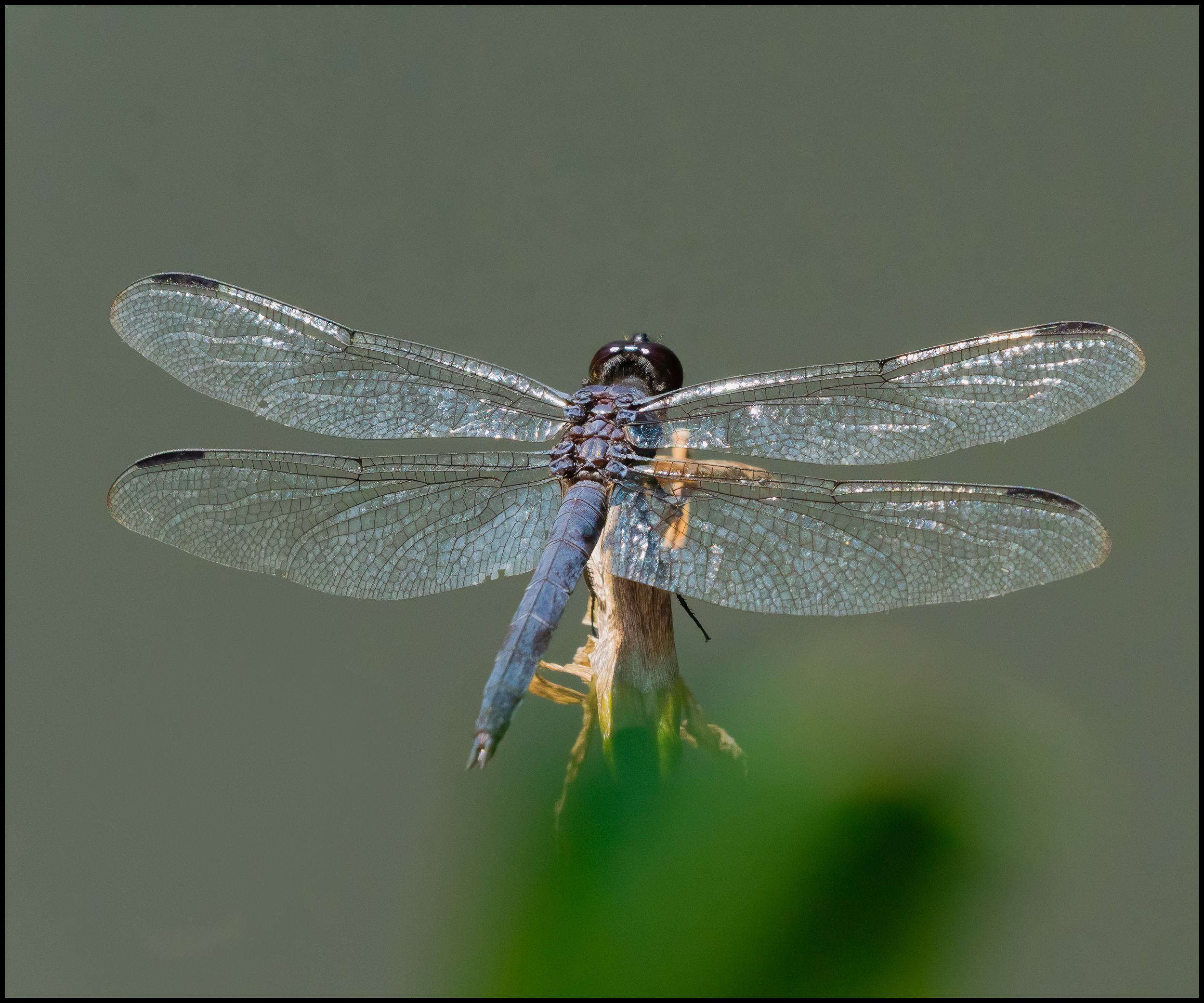
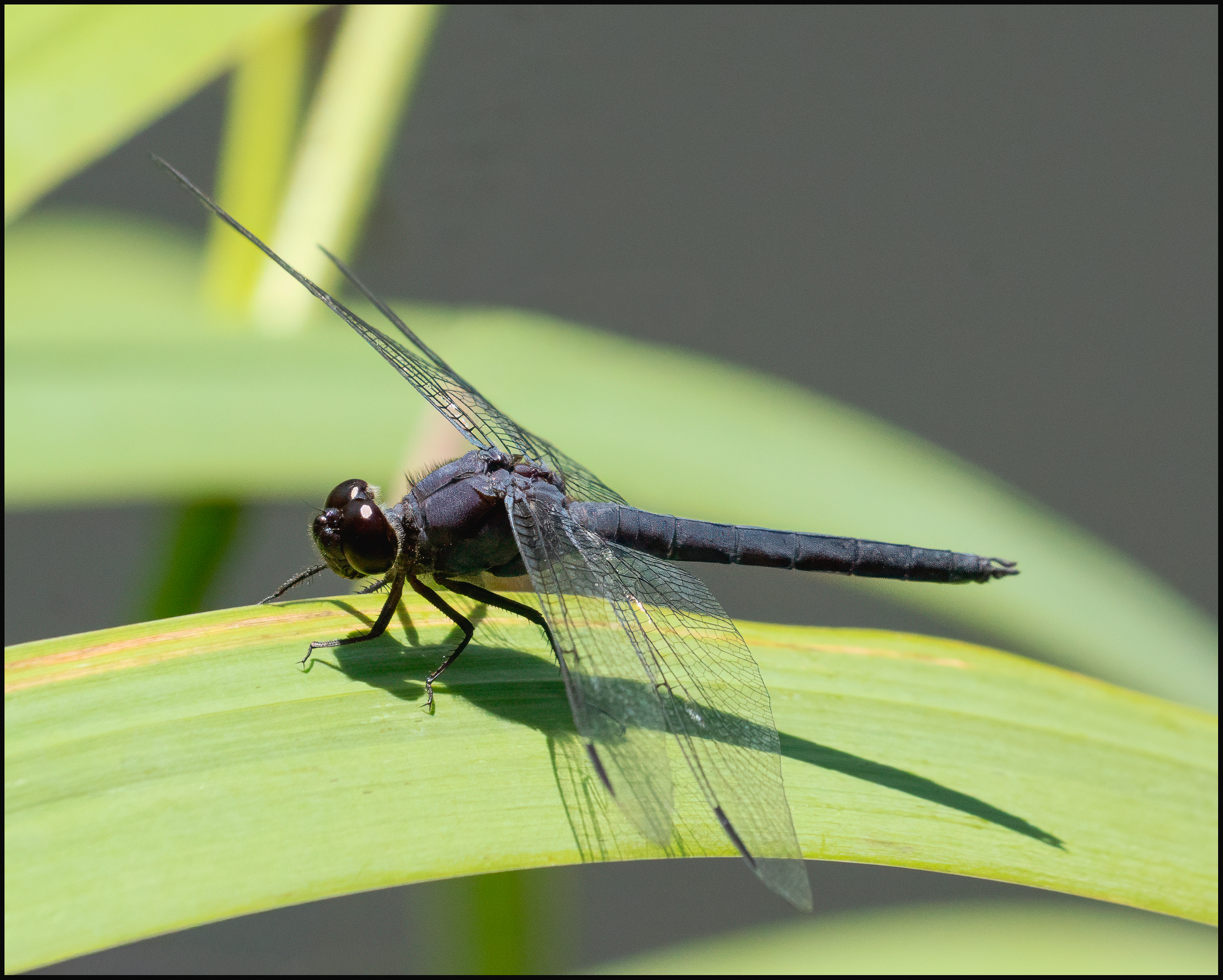
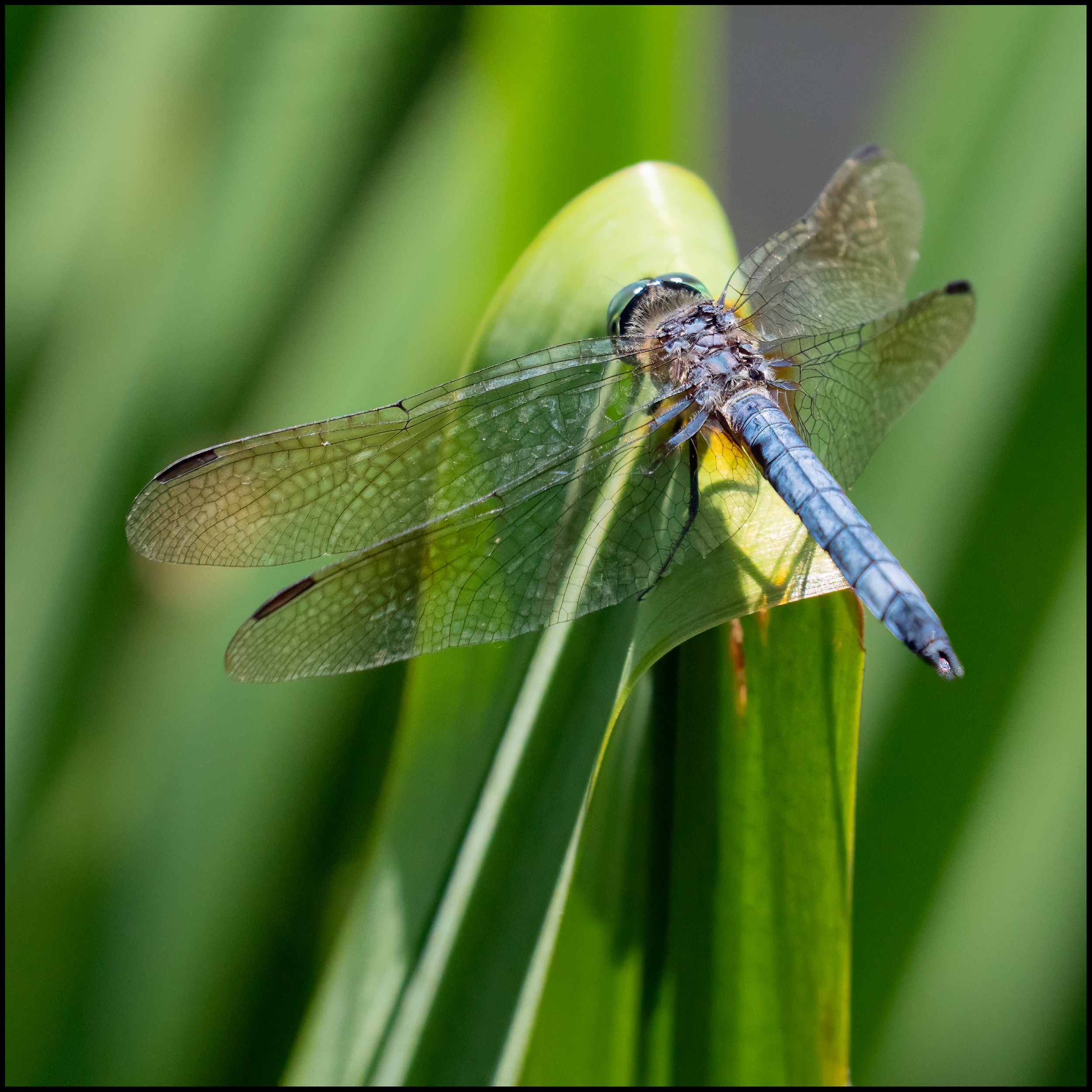
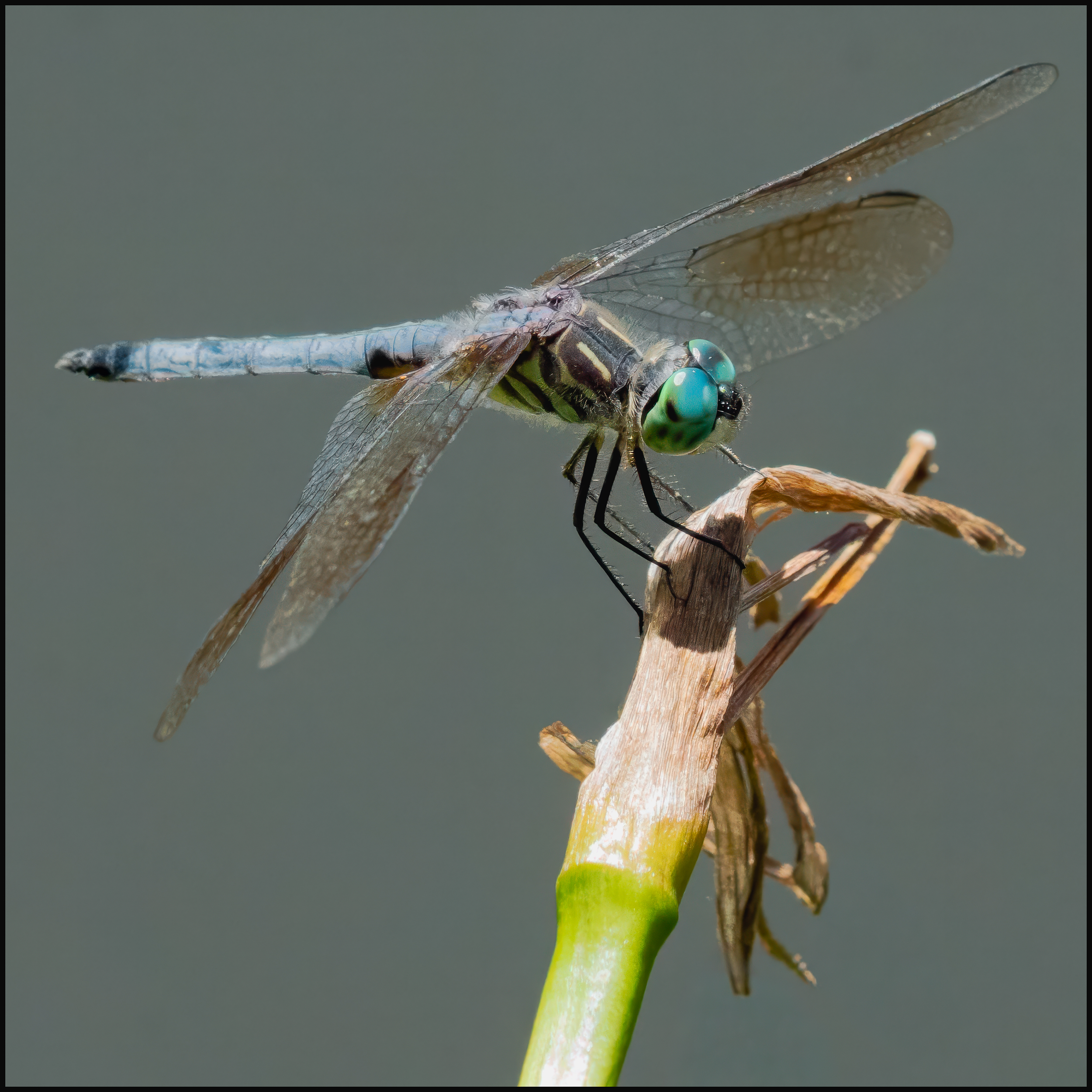
After reading for a while I noticed a large number of damsel flies (I think) buzzing around the reeds in the pond. I got out my camera and spent some time trying to get a picture or two. This proved to be difficult because they move so quickly, and I couldn’t really get close to them.

What I did get was a number of terrible pictures (although I’ve noticed that if you view the pictures on a phone they don’t look as bad as they do on a high-resolution monitor), which I’m sharing here because it’s good, from time to time, to share your failures as well as your successes.

So, what went wrong. This is my thinking at the moment:

  • I had the wrong camera/lens. But then this begs the question: what would be the right camera/lens? And in any case that was the only camera I had with me.
  • Because of the above I couldn’t get close enough (unless I wanted to wade into the pond) and had to crop too much thus reducing quality.
  • The camera was certainly able to focus on, and capture what I wanted, but I couldn’t react fast enough.
  • Perhaps a better approach would have been to wait until one of them landed on a nearer reed. I should have been more patient and waited longer.

I’ll go back with a better camera/lens and hope that a higher resolution sensor (to facilitate cropping) will help. I’ll also take a lens with more reach. I’ll try to be more patient. It’s also clear that I need to practice taking pictures of fast-moving insects.

I guess we’ll see how it goes.


Taken with a Sony RX100 VII.

A new bird

When I’m down by the Hudson River I see lots of birds. They’re generally the usual suspects: Canada Geese, Mallards, Gulls, Cormorants, Pigeons and the occasional crow. Today was different, however. A long way away I spotted some kind of bird on top of a distant light pole. I couldn’t at first figure out what it was and at first thought it was some kind of gull.

I kept watching and after a while it moved and I could make out what it was: An Osprey.

“Historically known as sea hawk, river hawk, and fish hawk, is a diurnal, fish-eating bird of prey with a cosmopolitan range. It is a large raptor, reaching more than 60 cm (24 in) in length and a wingspan of 180 cm (71 in). It is brown on the upperparts and predominantly greyish on the head and underparts. The osprey tolerates a wide variety of habitats, nesting in any location near a body of water providing an adequate food supply. It is found on all continents except Antarctica, although in South America it occurs only as a non-breeding migrant. As its other common names suggest, the osprey’s diet consists almost exclusively of fish. It possesses specialized physical characteristics and unique behavior in hunting its prey: reversible outer toes, sharp spicules on the underside of the toes, closable nostrils to keep out water during dives, backward-facing scales on the talons which act as barbs to help hold its catch and dense plumage which is oily and prevents its feathers from getting waterlogged. Because of these unique characteristics it is classified in its own taxonomic genus, Pandion, and family, Pandionidae.” (Adapted from Wikipedia)

Taken with a Sony RX100 VII.

An unsuccessful pursuit

The pigeon (which I assume to be male) in the picture above was clearly looking for a mate. He chased the pigeon (which I assume was female) in the second picture for ages. Unfortunately, he didn’t have any success. She didn’t seem very interested. And he was easily distracted from his pursuit. Whenever he spotted something edible, he broke of his chase to eat it.

Taken with a Sony A7IV and Tamron 28-300mm f/4-7.1 Di III VC VXD lens.

A bird by the Hudson

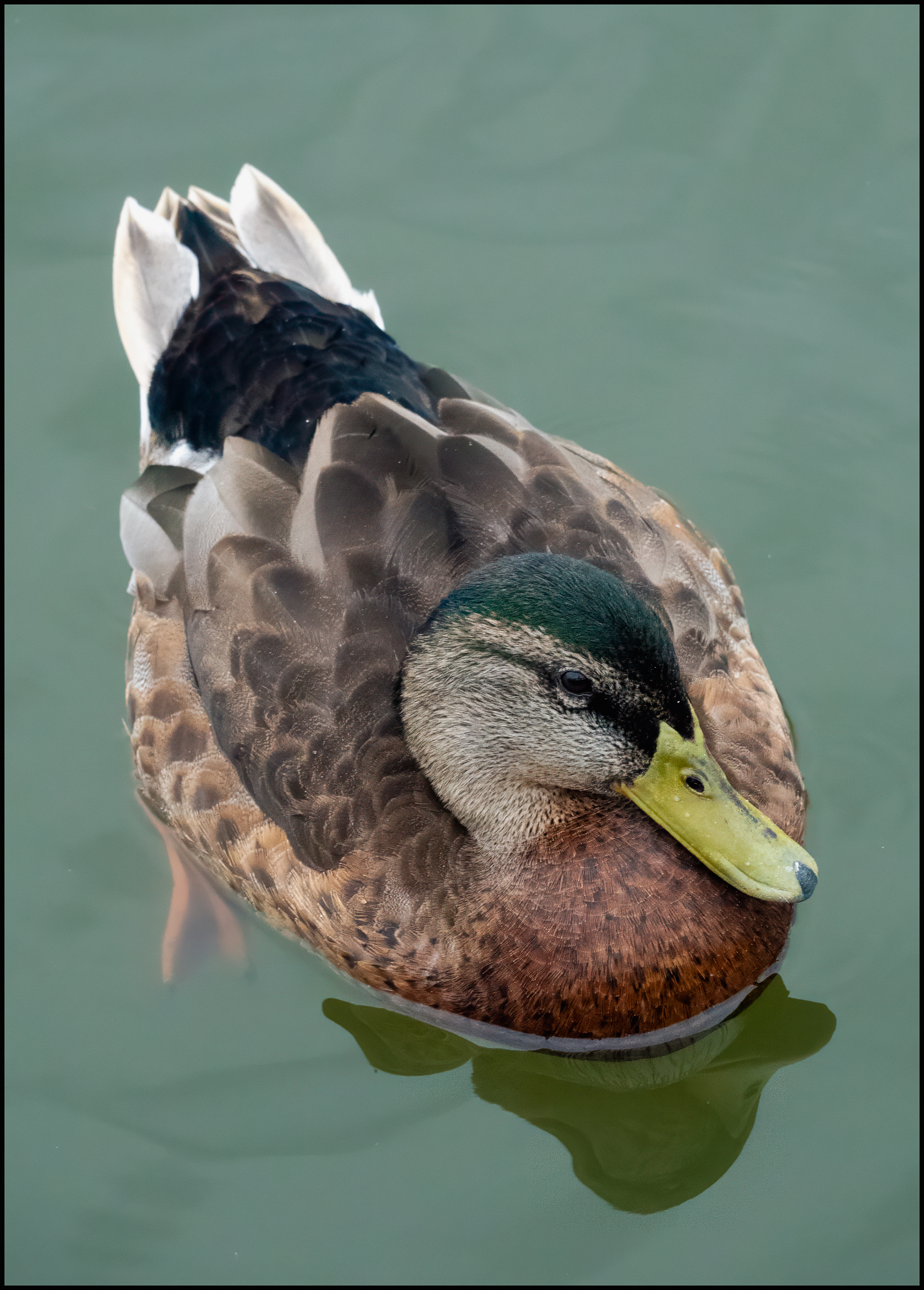
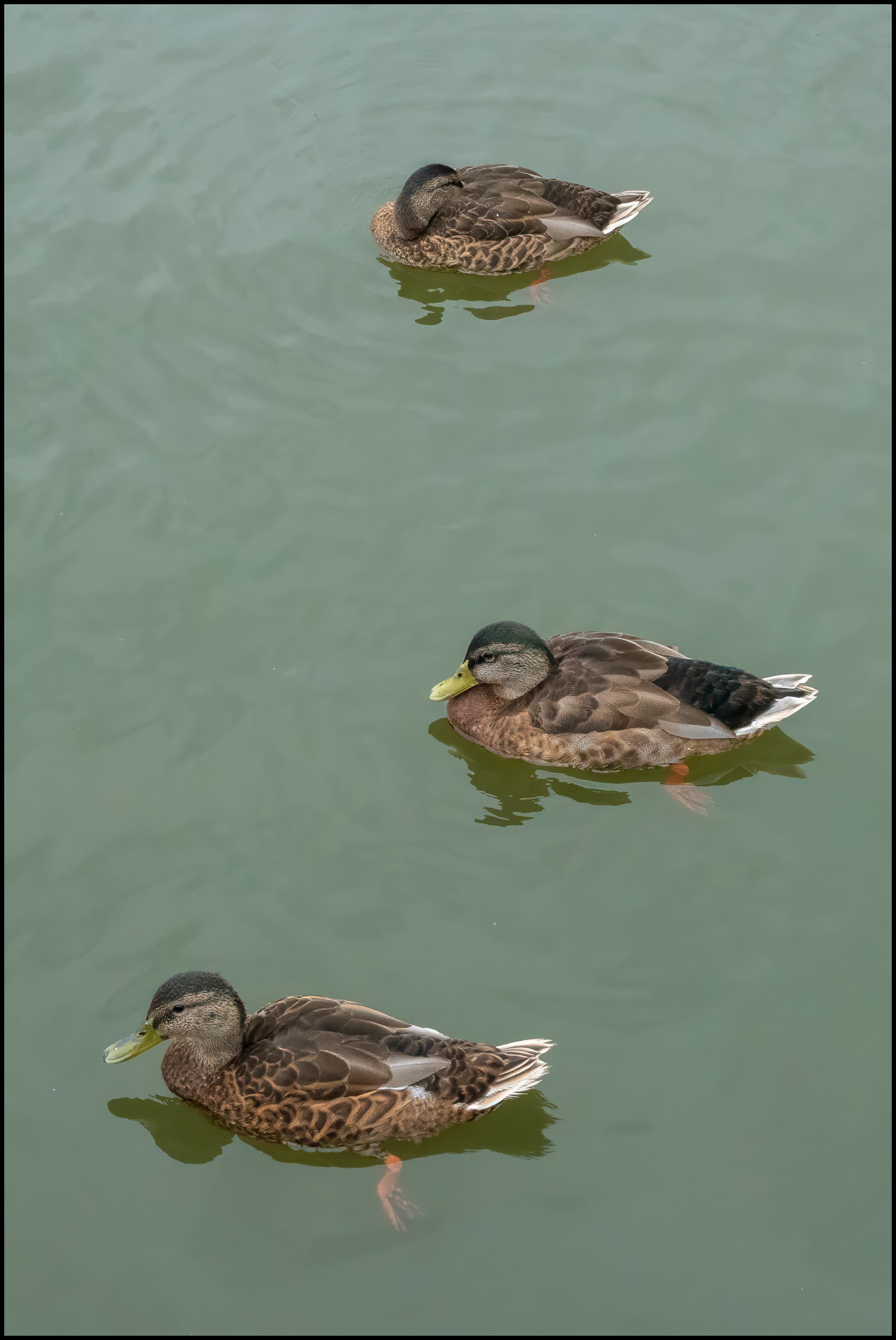
This time it’s the humble mallard. There are so many of them around that I tend to take them for granted. But they really are quite spectacular birds.

Some interesting facts about mallards:

  • Mallards live in wetlands and are social animals that prefer to congregate in groups or flocks of varying sizes.
  • They eat water plants and small animals.
  • Females can lay between 5 and 15 eggs, which they incubate for 26 to 30 days.
  • The young leave the nest within a day of hatching, led to the water by their mother.
  • A mallard usually lives for 5 to 10 years in the wild.
  • The oldest known mallard was a male that lived to be 27 years old.
  • Mallards are considered an invasive species in some regions.
  • They are very adaptable and can live and even thrive in urban areas.
  • Mallards prefer calm, shallow sanctuaries, but can be found in almost any body of freshwater across Asia, Europe, and North America.
  • Male mallards have vibrant feathers called “drakes”.
  • Female mallards are adept at camouflage.
  • Mallards are omnivorous.
  • Mallards form large flocks during migration.
  • Mallards occur in the same basic form across the northern hemisphere. That means a mallard in New York is essentially the same as one in Sandbach (my hometown).
  • Evidence suggests that some mallard pairs mate for life.
  • During summer molt male mallards lose their bright feathers and can look like females. They have a have a second molt in the fall or early winter, giving them back their brightly colored breeding plumage.

Taken with a Sony A7IV and Tamron 28-300mm f/4-7.1 Di III VC VXD lens.