Film Camera 2024 -2: Polaroid I2

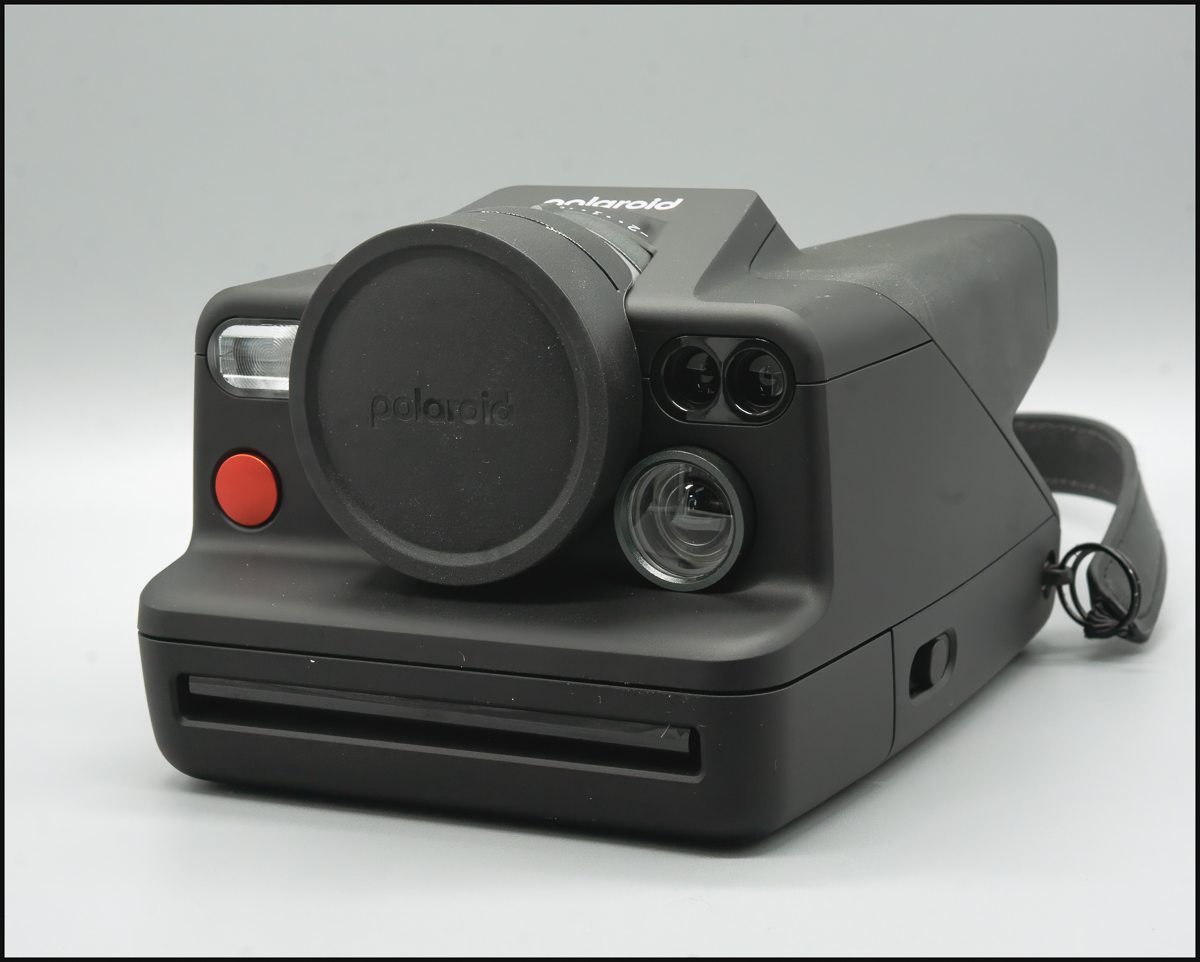
I started my adventures (or maybe misadventures) in instant photography with an old Polaroid SX-70. It didn’t altogether work out (See: Film Camera 2024 -1 and Film Camera 2024 -1: Polaroid SX-70 – Results). Determined to continue with the adventure, I considered getting the SX-70 checked out and fixed. But then it occurred to me that it is after all an old camera and might well stop working entirely in the near future. And it’s a lovely piece of industrial design that I wouldn’t mind having it as a shelf queen. So, while not entirely ruling out the possibility of getting it fixed at some point I decided to get another camera: a more recent polaroid camera. Eventually I decided to go for broke and get Polaroid’s top of the line camera: The I2, Polaroid’s most sophisticated camera of all time.

There’s a good review of it on Digital Review: Polaroid I-2 review: The best instant camera doesn’t come cheap.

According to the review the key specs are:

  • 98mm f/8 lens (∼38mm f/3.2 equiv.)
  • LiDAR autofocus
  • Manual & auto exposure modes
  • Compatible with i-Type, 600 and SX-70 film
  • Optical viewfinder with LCD info display
  • Internal battery rechargeable via USB-C
  • Rear OLED info display
  • 2.5mm flash port
  • Metal tripod mount
  • Bluetooth enabled

The review concludes:

What we like

  • Sharp 98mm lens with a fast equiv. aperture (for an instant camera)
  • Manual and auto exposure control
  • Exposure compensation wheel
  • Accurate center point AF
  • Good build quality
  • Great battery life

What we don’t like

  • Pricey
  • Viewfinder glare is distracting, worse for glasses wearers
  • Viewfinder info display is hard to read
  • Max shutter speed of 1/250 too slow for some subjects
  • No manual focus mode

Pricey but capable, the I-2 is the best Polaroid camera money can buy in 2023. Its suite of full manual, auto, and semi-auto exposure modes provides plenty of flexibility. The sharp lens outputs fantastic shots and autofocus works with solid reliability. Plus, the camera handles well and looks even cooler.

However, for a lot of folks, the core features of the Polaroid I-2 are going to be overkill. This is especially true given the point-and-shoot style Polaroid Now camera is just $95. It doesn’t have as nice a lens or manual controls but it is $500 cheaper. Just think of all the film you could buy with that savings. (Though the prints are significantly smaller.)

But the I-2 isn’t meant to appeal to the masses, rather it’s a niche product for a very specific type of diehard Polaroid shooter. These are folks clinging for dear life to their creaky, twice-rebuilt SX-70 cameras (I know a few). And I believe these are the people who are going to appreciate the I-2 and all it has to offer, even if the price is a bit much to stomach.

The Polaroid I-2 is the ultimate instant photographer’s camera, with full manual controls, accurate autofocus and a super-sharp lens. But it is pricey and the sheer number of features may overwhelm some users.

Good for: Deep-pocket instant shooters. Anyone craving total exposure control over their instant photos. Polaroid diehards.
Not good for: Those who want an affordable and easy way to snap Polaroids.

Trying to get to grips with the square aspect ratio

I have a few square format film cameras that I haven’t yet tried so I thought to try one of them. However, it occurred to me that I have only very limited experience with that format and there was a very real possibility that I would waste a lot of expensive film trying (and possibly failing) with a film camera.

So, I thought I’d practice with a digital camera. I knew that I had at least one digital camera that would allow me to see at 1:1 aspect ratio on screen: My 14-year-old Panasonic LX-3. But did I have something a bit more recent? Well, it turned out that I did. In fact, I had more than one. My Panasonic Lumix GX-85 and my Sony RX100 (and maybe others that I didn’t check) also did. Since the RX100 is very small and light I thought I’d take that.

So how did it go? Not surprisingly not that well. The RX100 shows you the 1:1 a2pect ratio in the viewfinder, but it doesn’t actually crop the image. Rather, when you bring the image into Lightroom it shows the full picture with the 1:1 crop superimposed. With almost all of the images I decided to reject the 1:1 crop and choose another one (e.g. 4×6) that I’m more familiar with. I guess I don’t’ yet see images with a 1:1 aspect ratio. I’ll have to practice more.

Taken with a Sony RX100 MIII

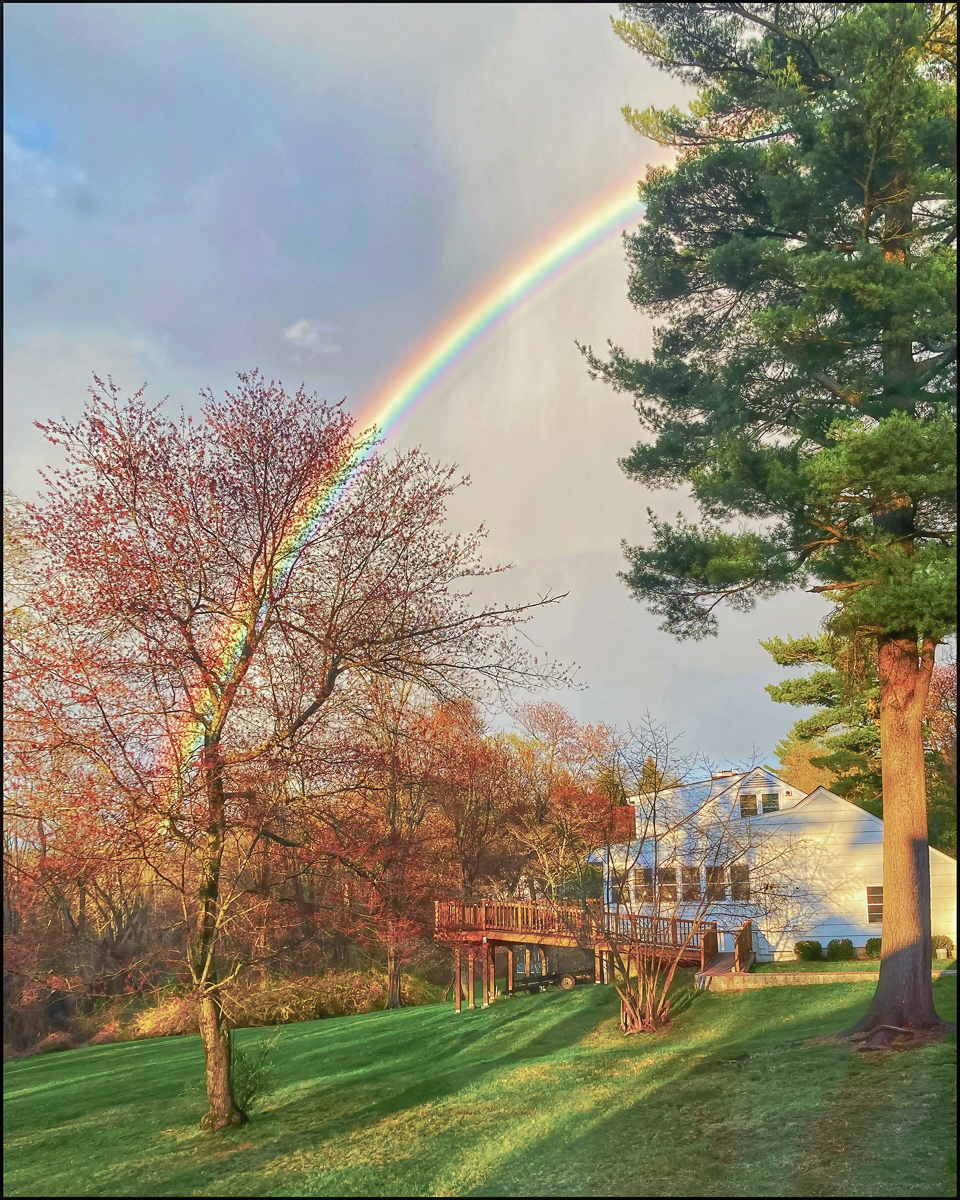
A Rainbow

A week or so ago I was invited to dinner at a friend’s house. At a certain point I was the only person on the side of the dinner table facing the large window in the dining room. Suddenly I saw this impressive rainbow. I pointed it out to the other diners who immediately turned around and started snapping pictures with their phones – as did I since the iPhone was the only camera I had with me.

Taken with an iPhone SE II.

Car seen in my village

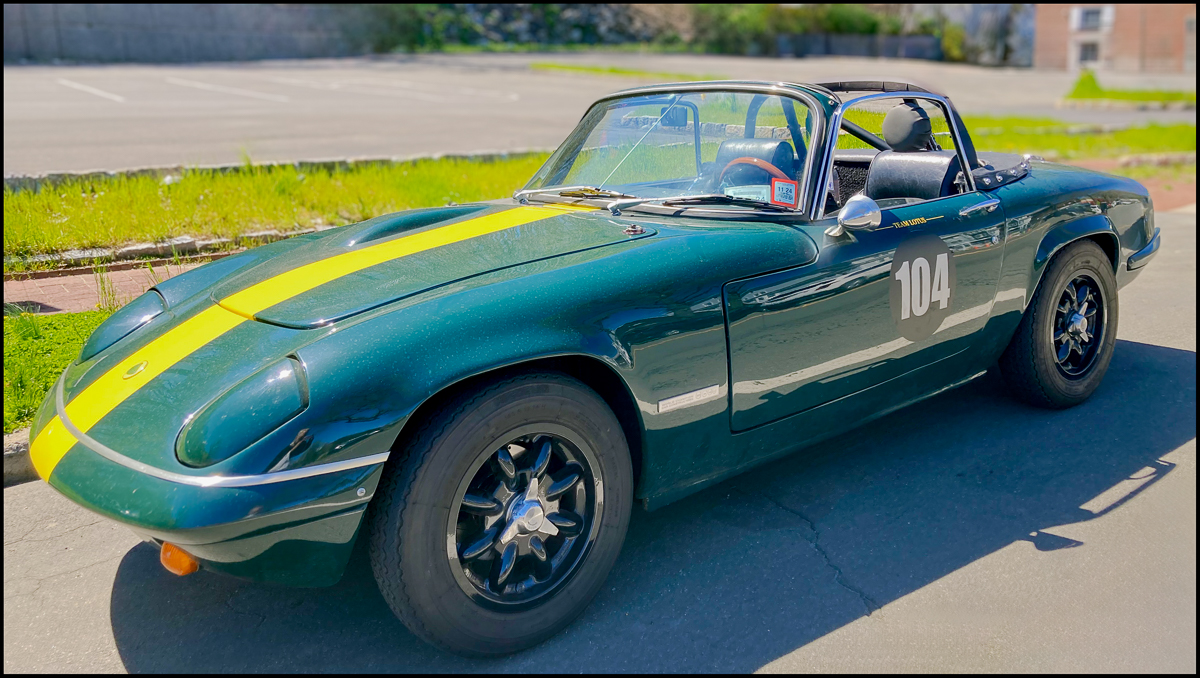
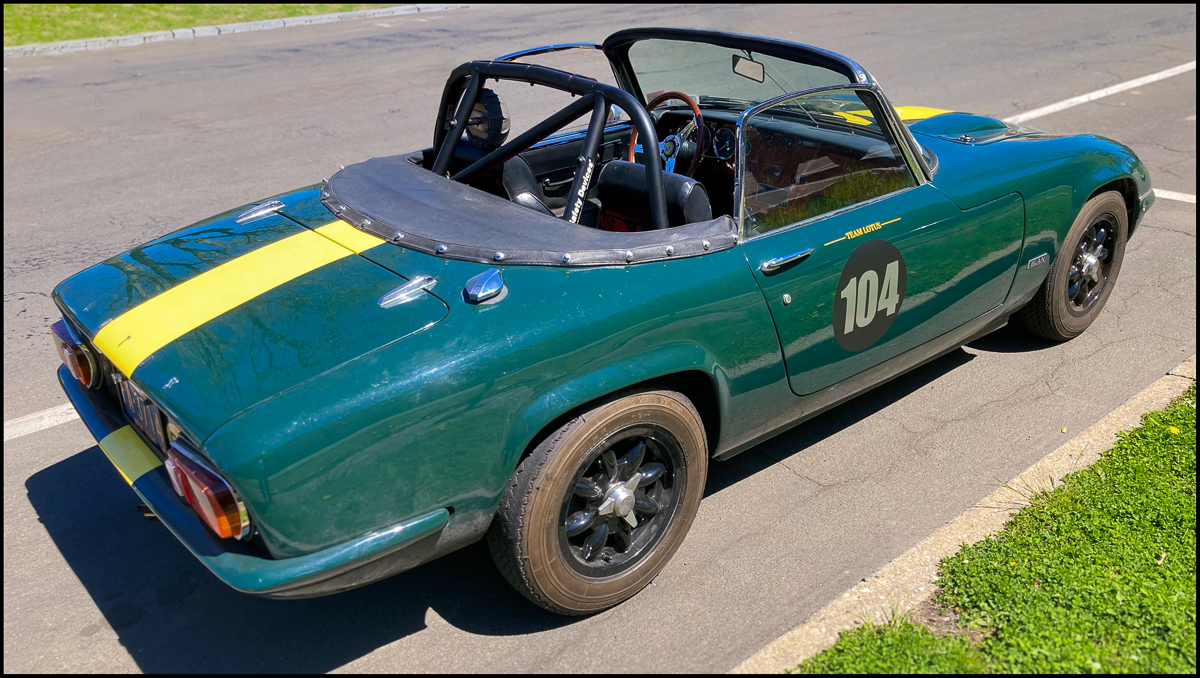
I needed to go to the bank and had to get myself something to eat so I walked into the Village of Briarcliff Manor. Not far from the bank I came across this cool car. I knew it was a Lotus because it had the name “Lotus” written all over it, but I was unsure as to the exact model. After browsing around on the internet for a while I think it’s a Lotus Elan.

Taken with an iPhone SE II.

Briarcliff Manor’s “Industrial Triangle”

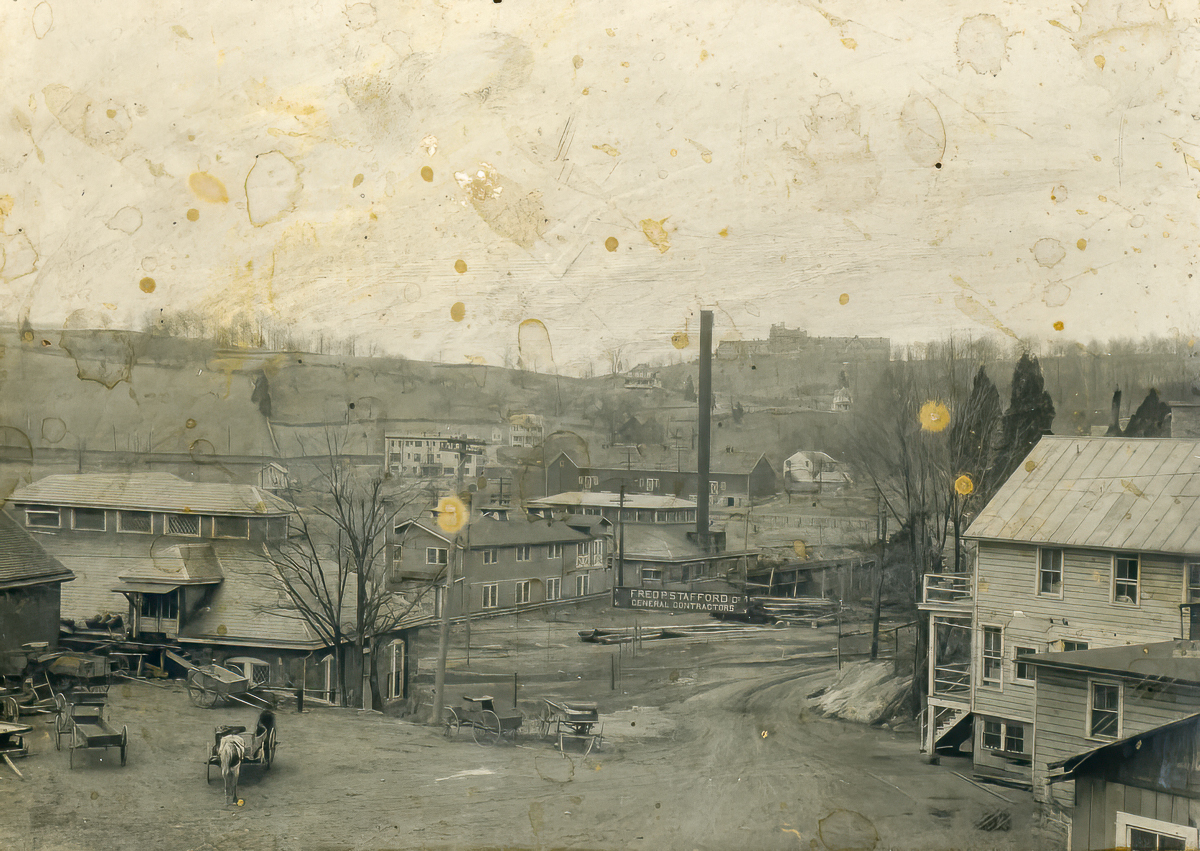
Briarcliff Manor is a rather affluent, suburban village. At first glance you wouldn’t think that there was any industry. But tucked away in a corner of the village is an area we call the “Industrial Triangle”. The picture above of Stafford’s Coal and Lumber Yards. ca. 1912 shows how it looked. A number of buildings remain, although with one exception they are no longer used for their original purpose. The Briarcliff Laundry was also in this area, but no trace of it remains.


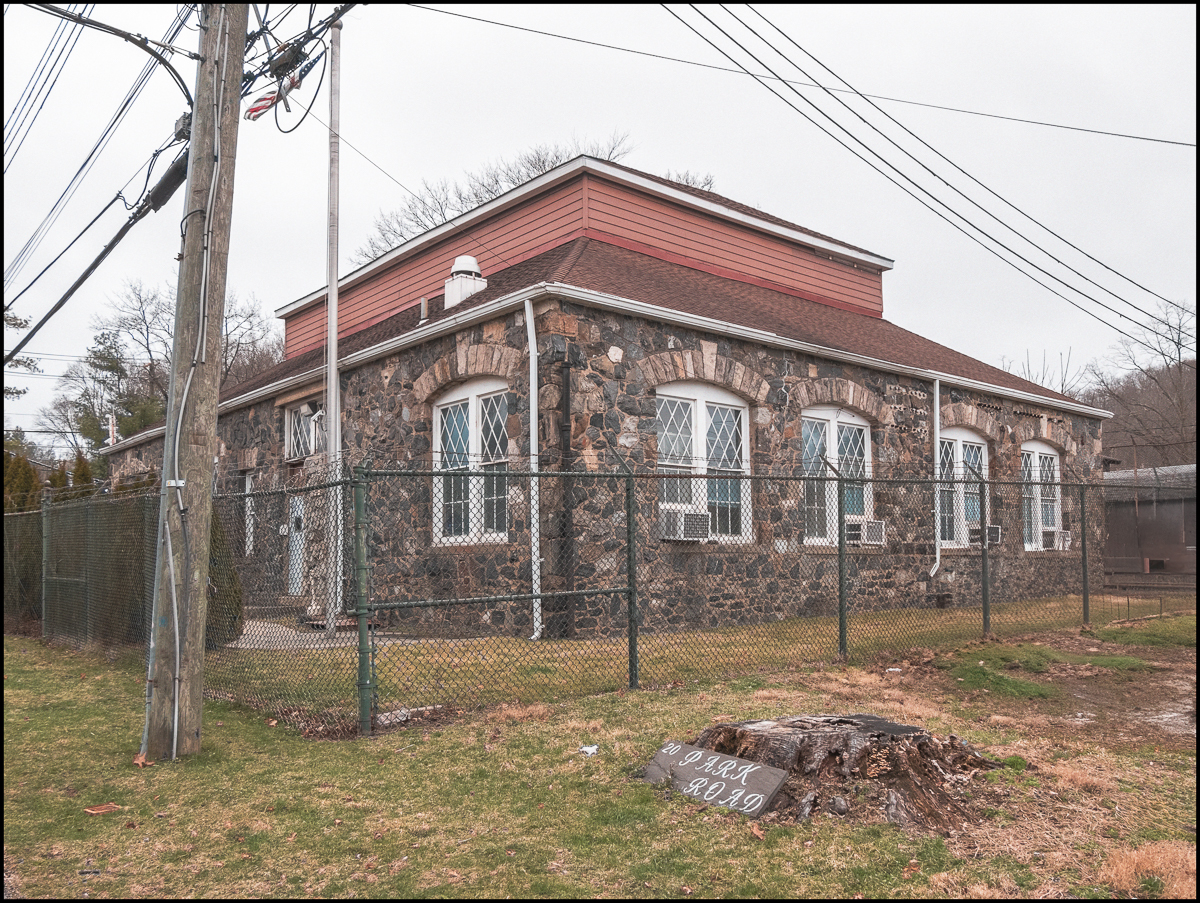
Above the Briarcliff Light and Power Building. As early as 1902 Briarcliff Manor had electricity. According to Alex Vastola’s excellent and comprehensive “Chronology of the Village of Briarcliff Manor”:

The first annual town budget adopted by the Briarcliff Manor Village Government amounts to $3,059.00: $2,000.00 for streets, $200.00 for lights, and $859.00 in general.

The building is now owned by Consolidated Edison so the electricity connection remains to this day.


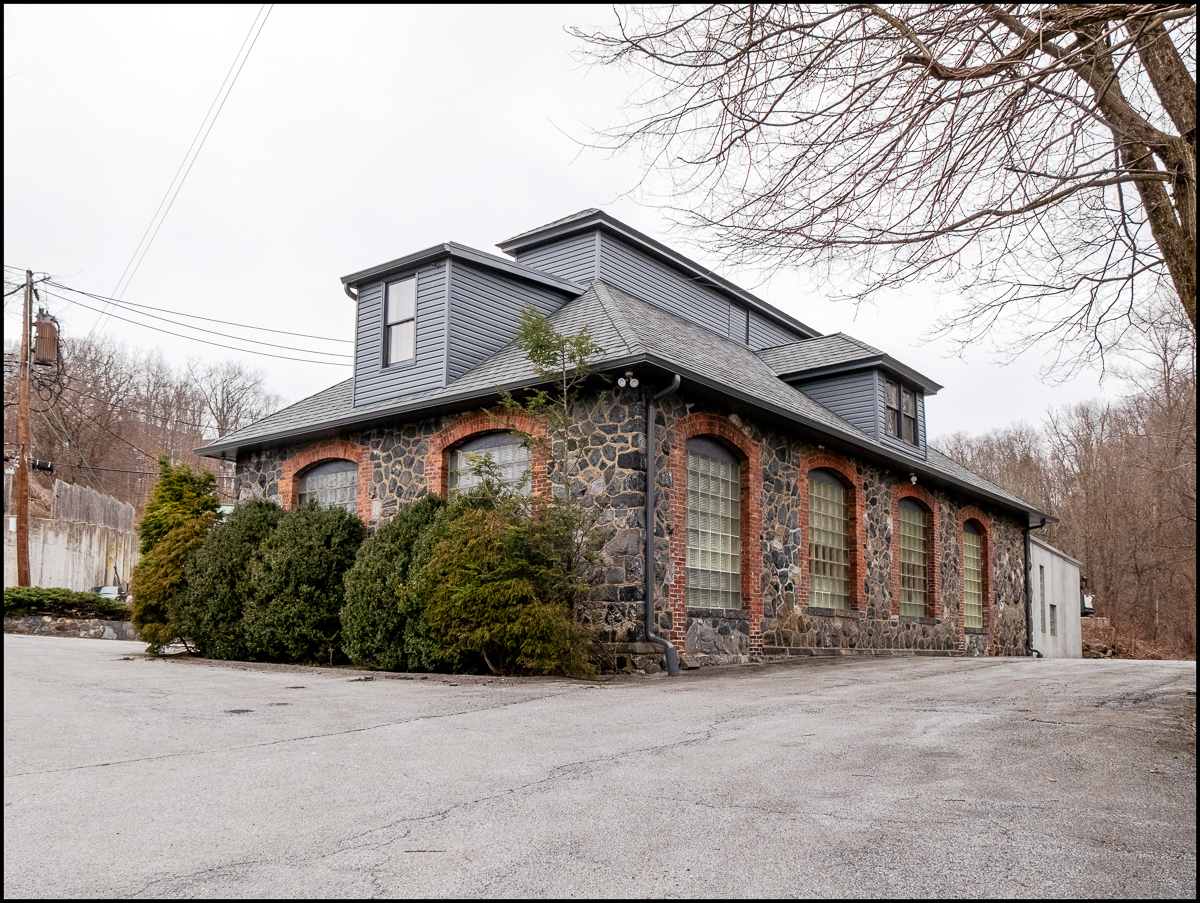
A spur of the Putnam Line used to pass right by this building. Walter W. Law, the founder of Briarcliff Manor had a number of businesses, the first of which was Briarcliff Farms. The milk from the farms was brought to this building where it was processed and eventually moved onto trains to be transferred elsewhere. The Putnam Line is long gone, and this building now serves as a warehouse.


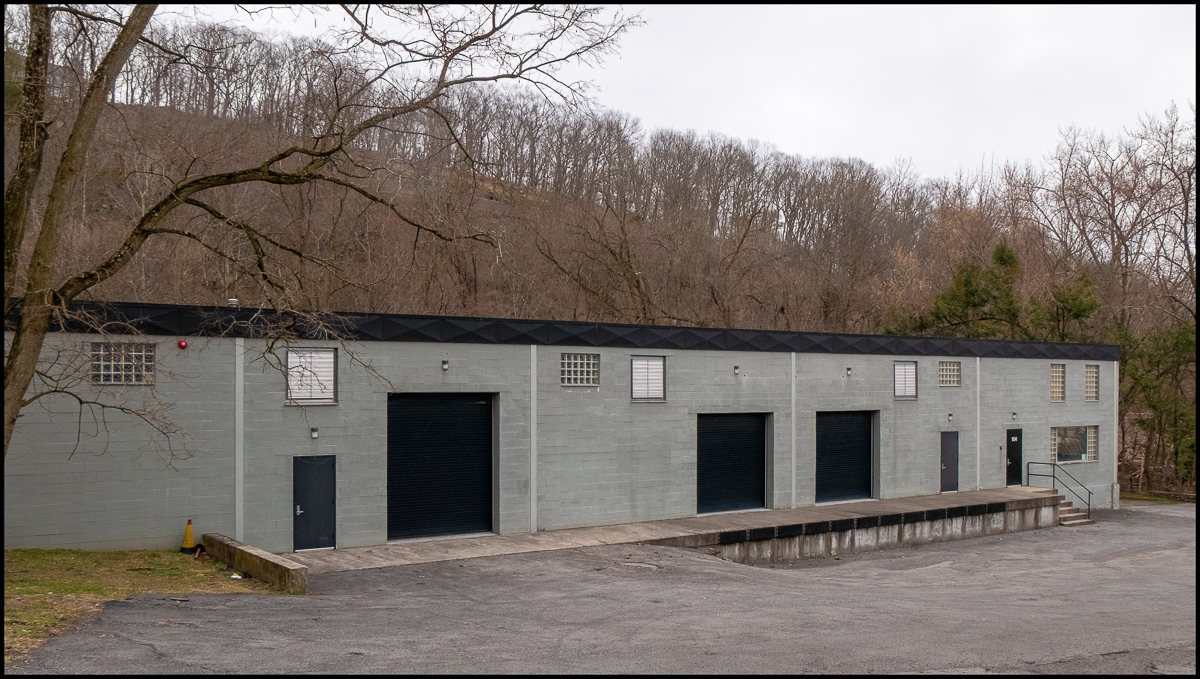
Aunt Millie’s tomato sauce was once made here. It’s now another warehouse.


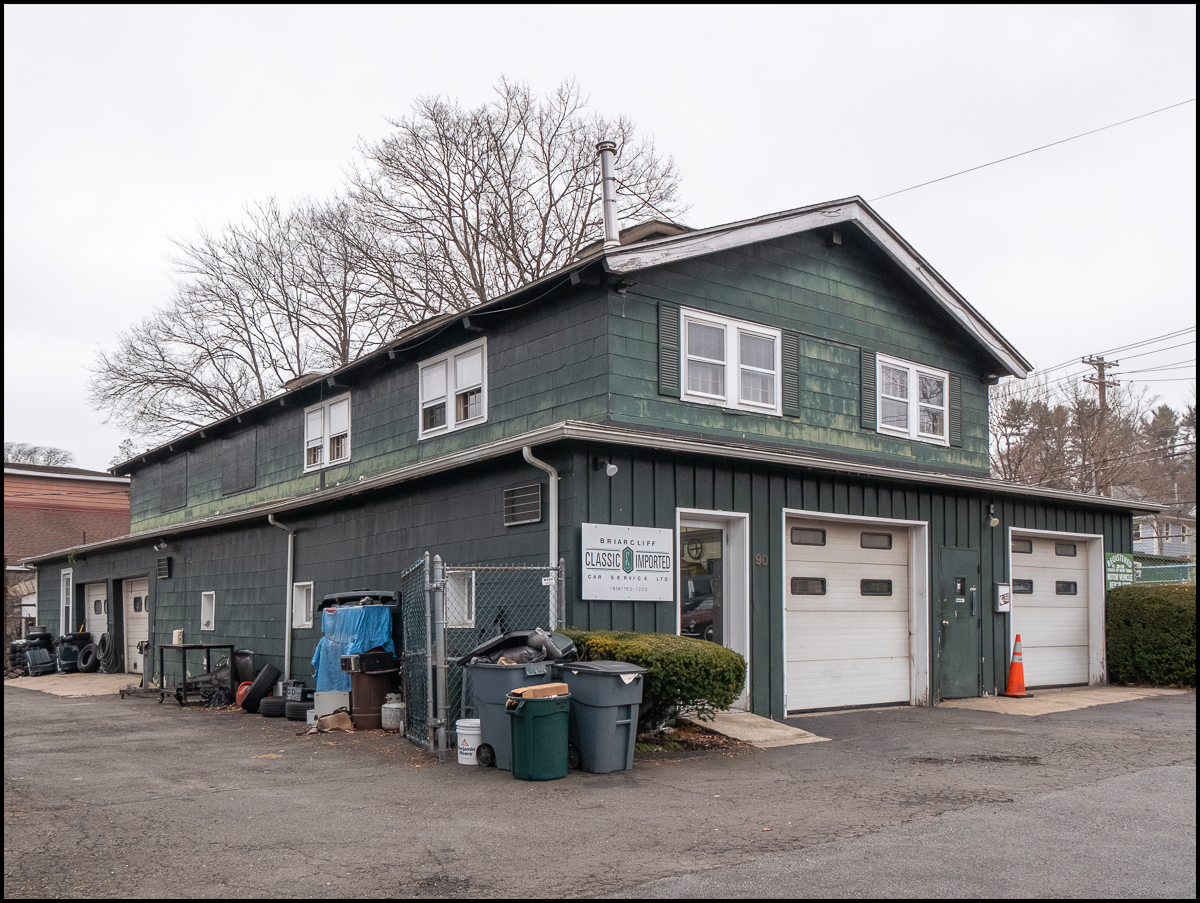
By 1907, The Plasmon Company of America was located on Woodside Avenue in the Village of Briarcliff Manor and went bankrupt during this same year with author Mark twain as its acting president. Here, skimmed milk was converted into Plasmon, a powdery food preparation, and “the most nutritious food known to modern science.” The building is currently the home of the Briarcliff Classic and Imported Car Service.

Taken with a Panasonic Lumix GX85 and Lumix G Vario 14-140 f3.5-5.6