Another Cemetery in Mount Kisco

According to Patrick Raftery:

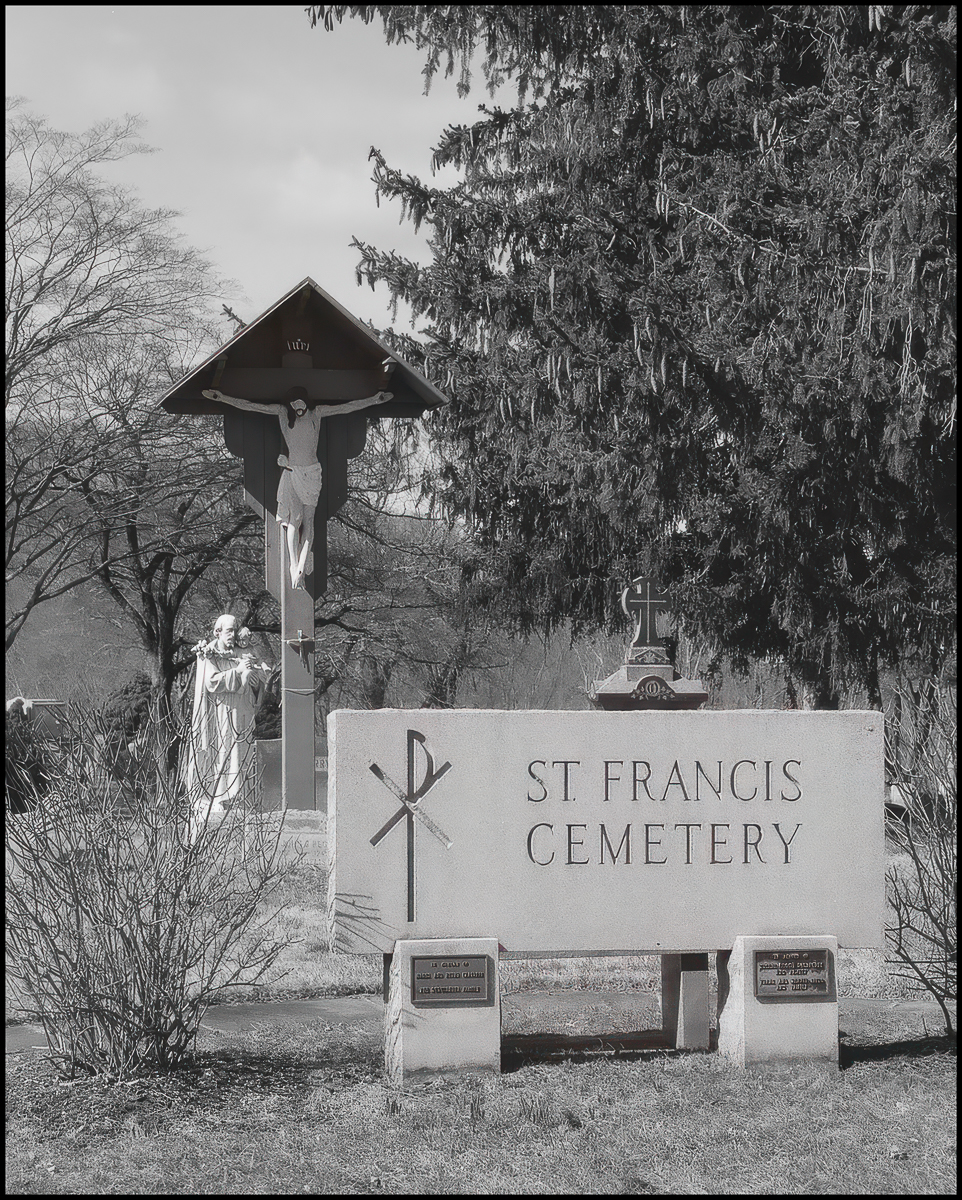
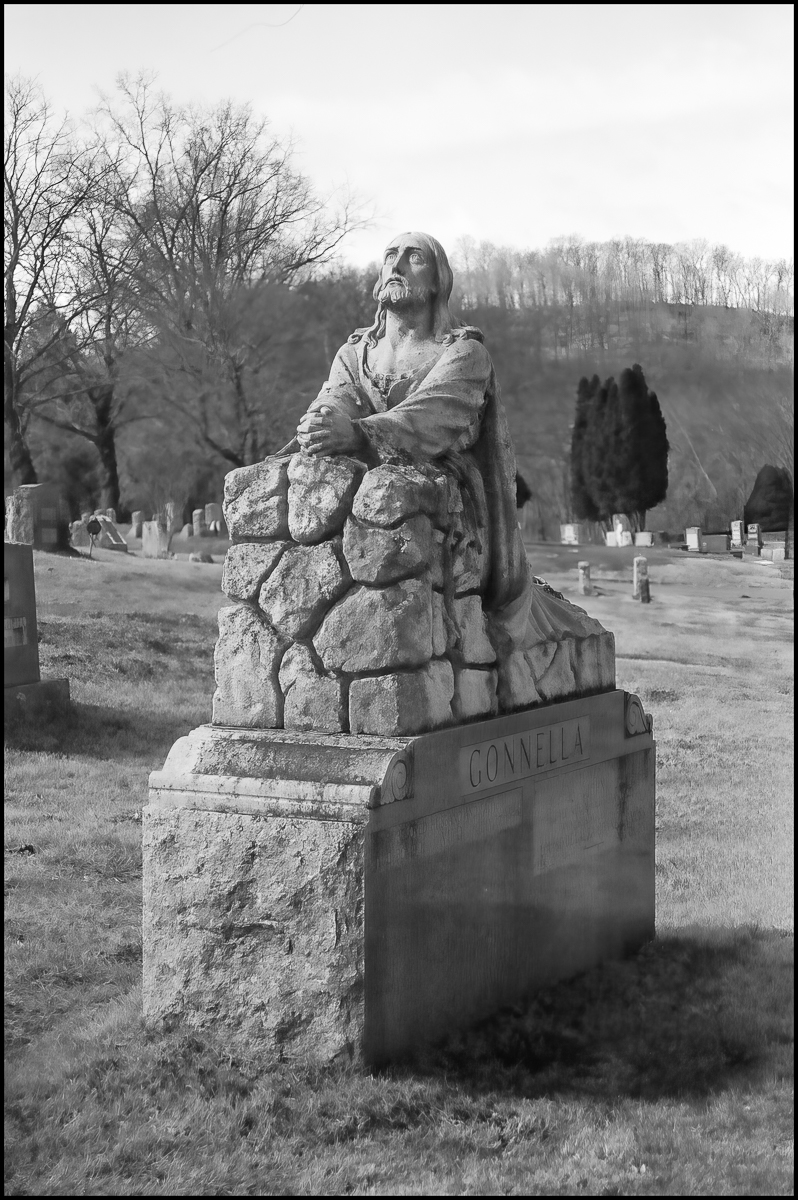
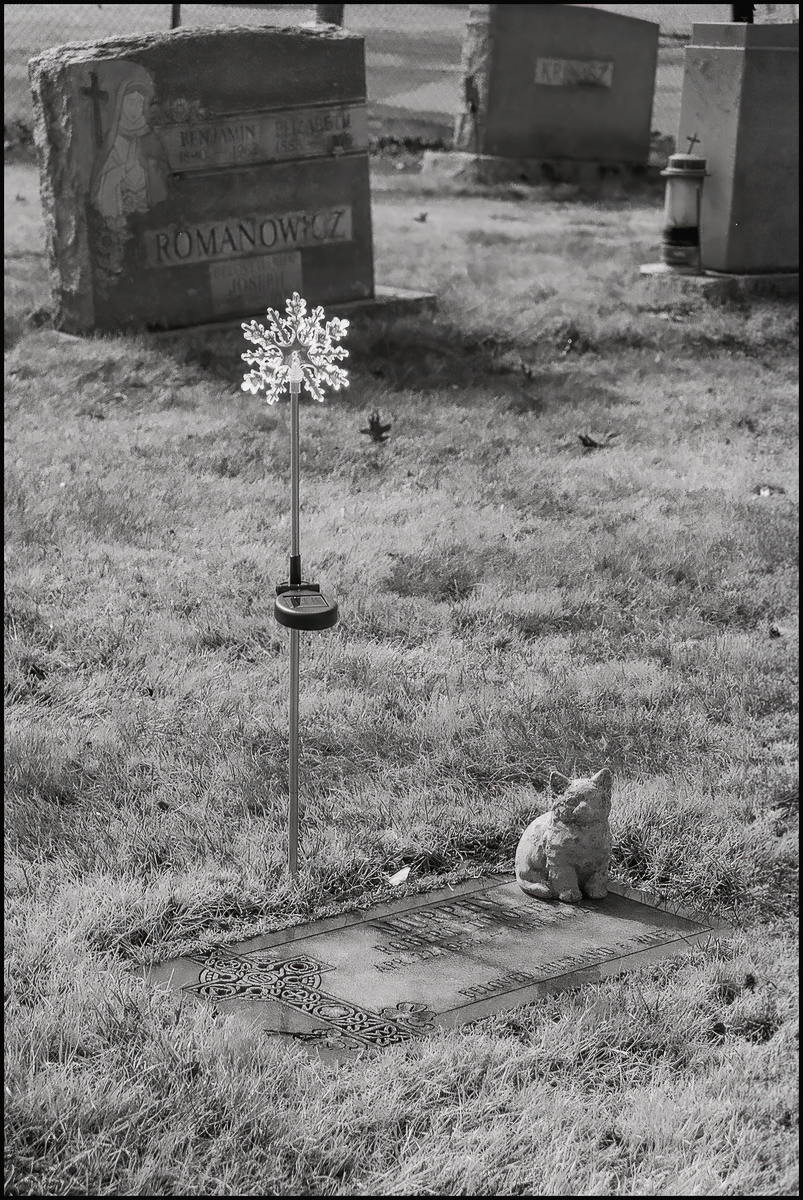
The entrance to the Saint Francis Cemetery, Mount Kisco is on the west side of Lexington Avenue opposite its intersection with Smith Avenue. The cemetery adjoins the northern border of Oakwood Cemetery. The cemetery has been active since 1908.

The Church of Saint Francis of Assisi was found in 1868 to serve Roman Catholic residents of Mount Kisco, Bedford, Pleasantville and part of New Castle. During the late 19th century, the Catholics of the Mount Kisco area would have interred theire deceased friends and family at All Souls Cemetery in Pleasantville, St. Augustine’s Cemetery in Ossining or the small burial ground near Succabone Road in the Town of Bedford. After the church in Pleasantville became its own parish in 1894, however, the parishioners of Saint Francis no longer had a cemetery of their own. This dilemma was solved in 1908, when James Wood and his wife, Emily, donate a parcel of land on the north side of Oakwood Cemetery to the Reverend Francis X. Kelly, pastor of the Church of Saint Francis. Interestingly, the Woods were not the parishioners of Saint Francis. However, James was a “founder and trustee of Oakwood Cemetery” and may have “felt that a Catholic cemetery would be an appropriate neighbor”. Today the cemetery still serves the parishioners of Saint Francis of Assisi. (Patrick Raftery, “The Cemeteries of Westchester County, Volume II“. Westchester Historical Society, 2011.)


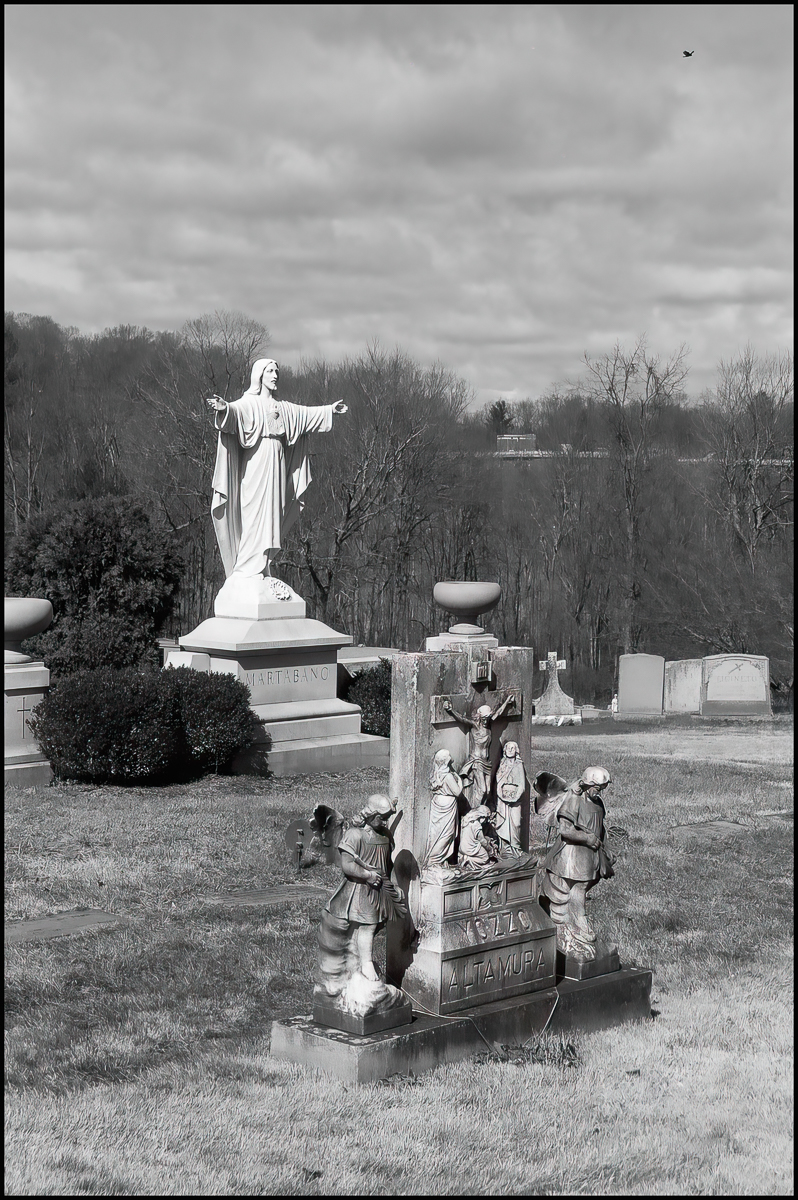
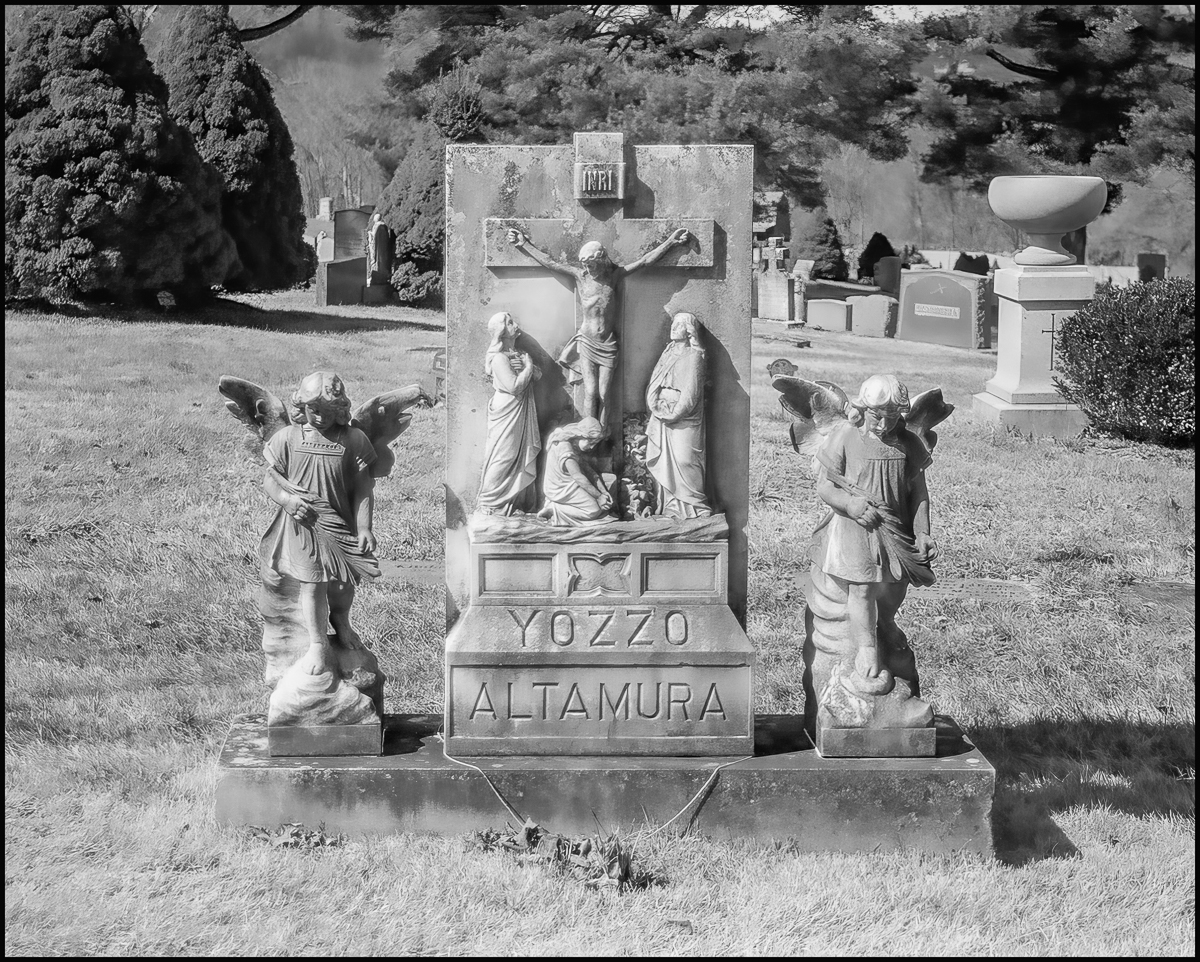
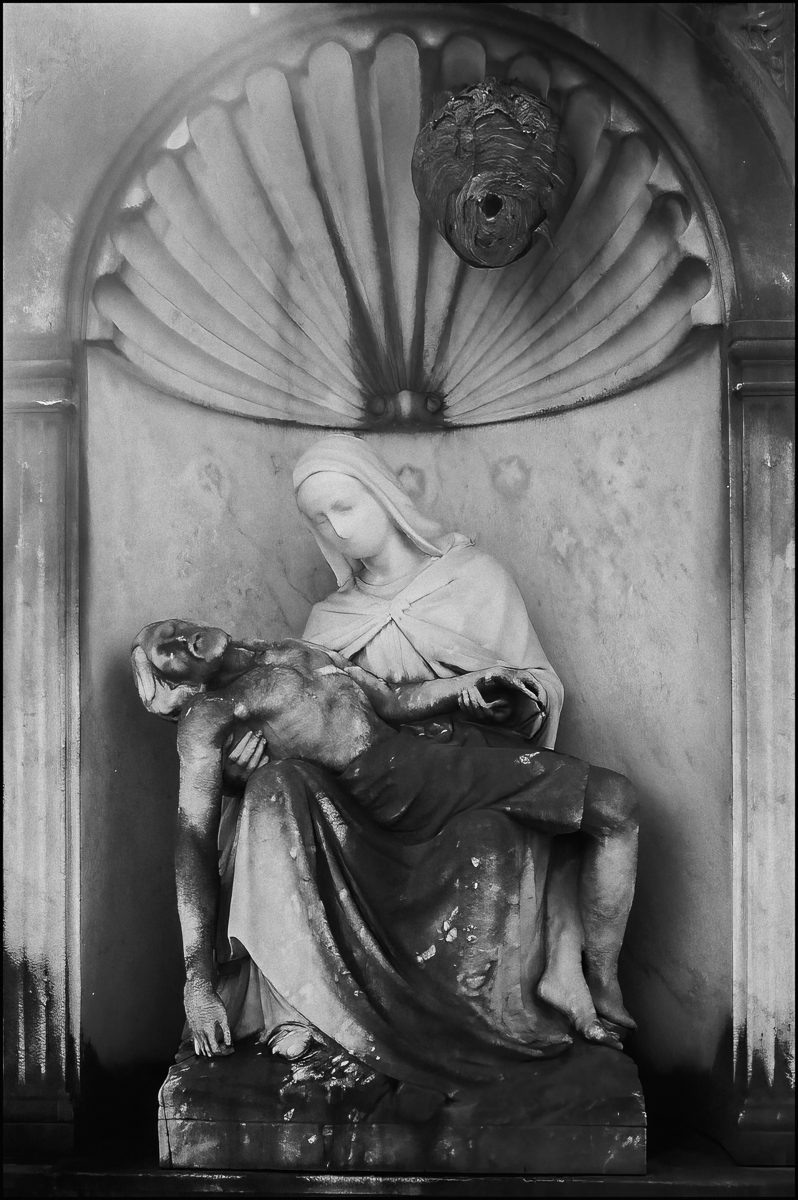
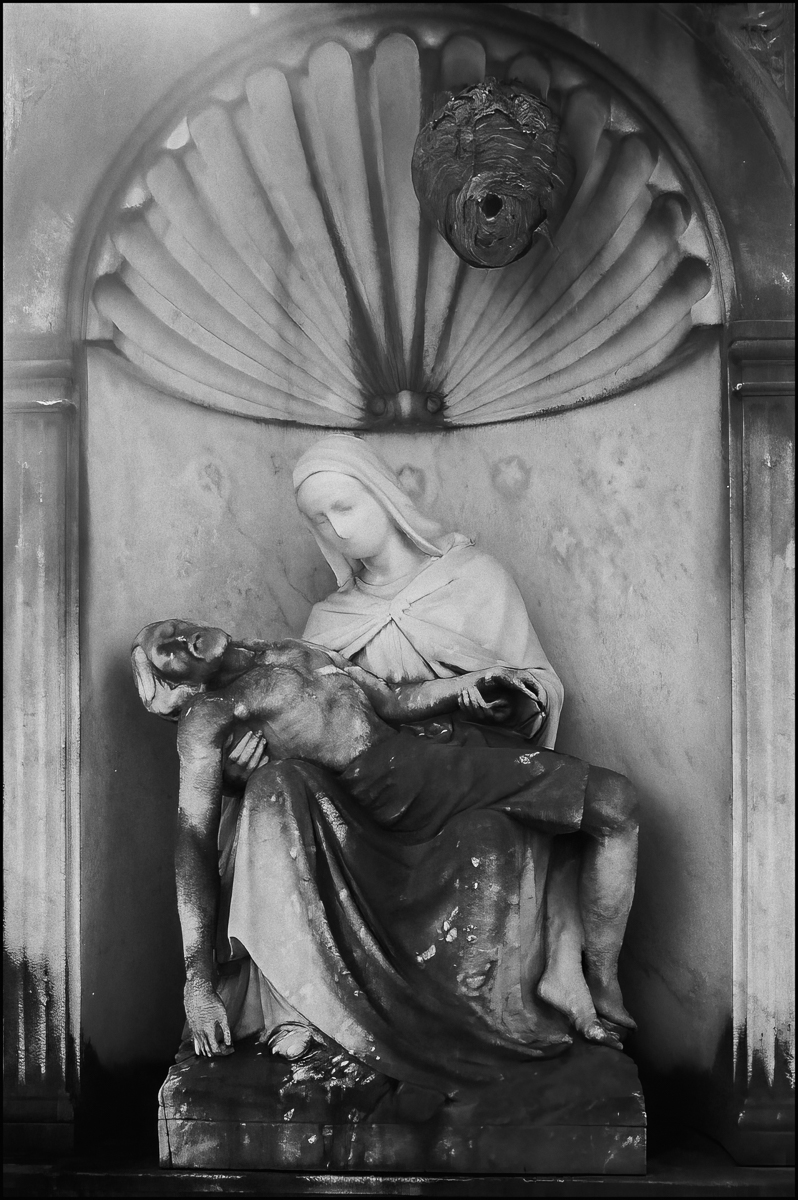
“The picture below shows a monument, which does not have the name of the family on it. It marks the grave of several young people who died in the first half of the 20th century. In addition to containing a Pietà, it also contains an engraving of a motorcycle, perhaps reflecting the interest of one or more of the deceased.” (Patrick Raftery, “The Cemeteries of Westchester County, Volume II“. Westchester Historical Society, 2011.) I particularly liked the wasps/bees/hornet’s nest at the top right of the picture.

Taken with a Canon EOS Elan and Canon EF 35-70mm f3.5-4.5

A Cemetery in Mount Kisco, NY

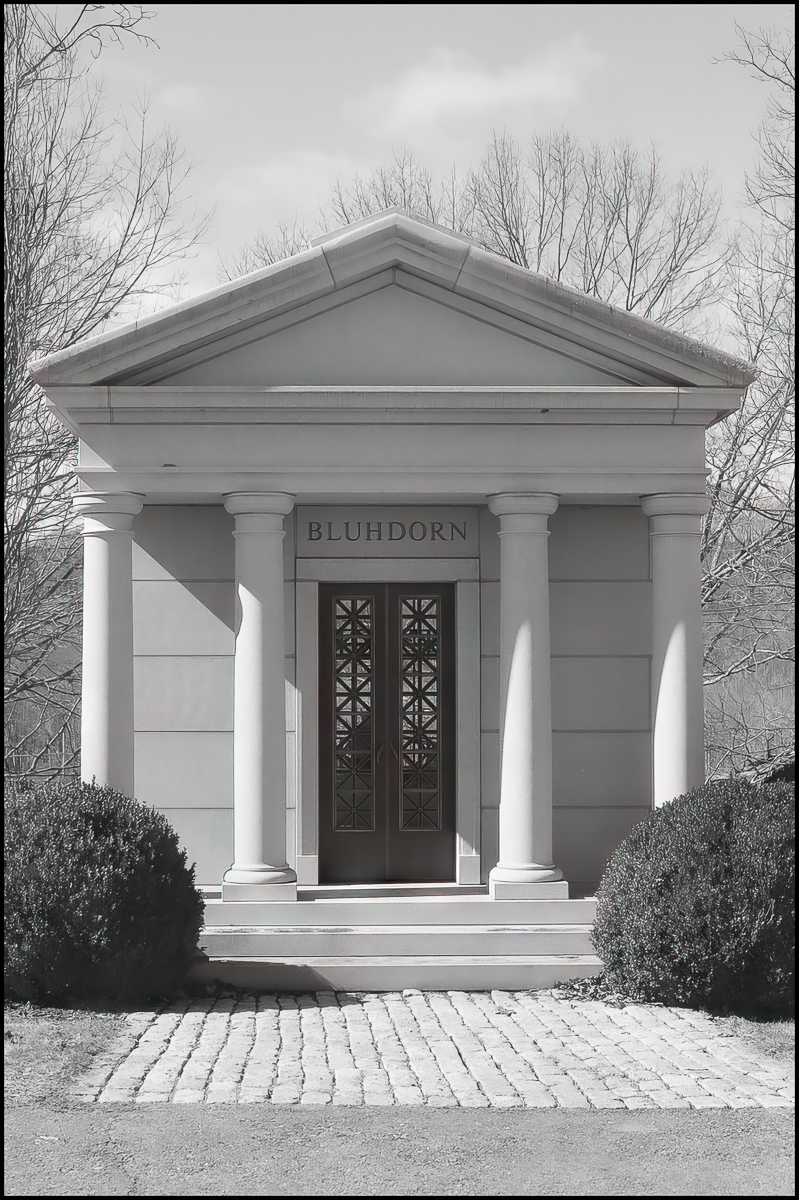
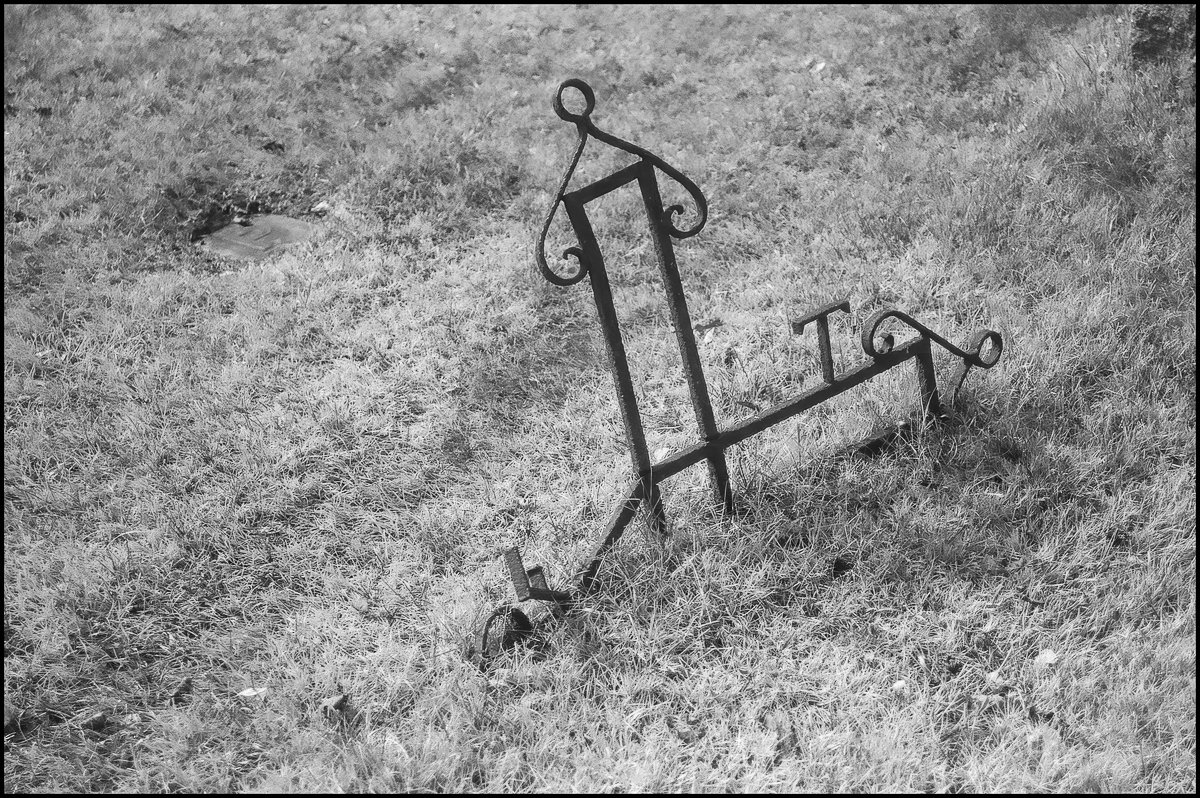
A fellow resident of Briarcliff Manor recently gave me box and a suitcase full of old cameras (but that’s a story for a future post). I decided to take one out to see if it was working. But where to go? Anyone who reads these posts will know that I’m fascinated by cemeteries. My friend and colleague at the Briarcliff Manor-Scarborough Historical Society, Karen told me that she’d recently been in nearby Mount Kisco and had spotted some cemeteries. So I decided to go and check them out.

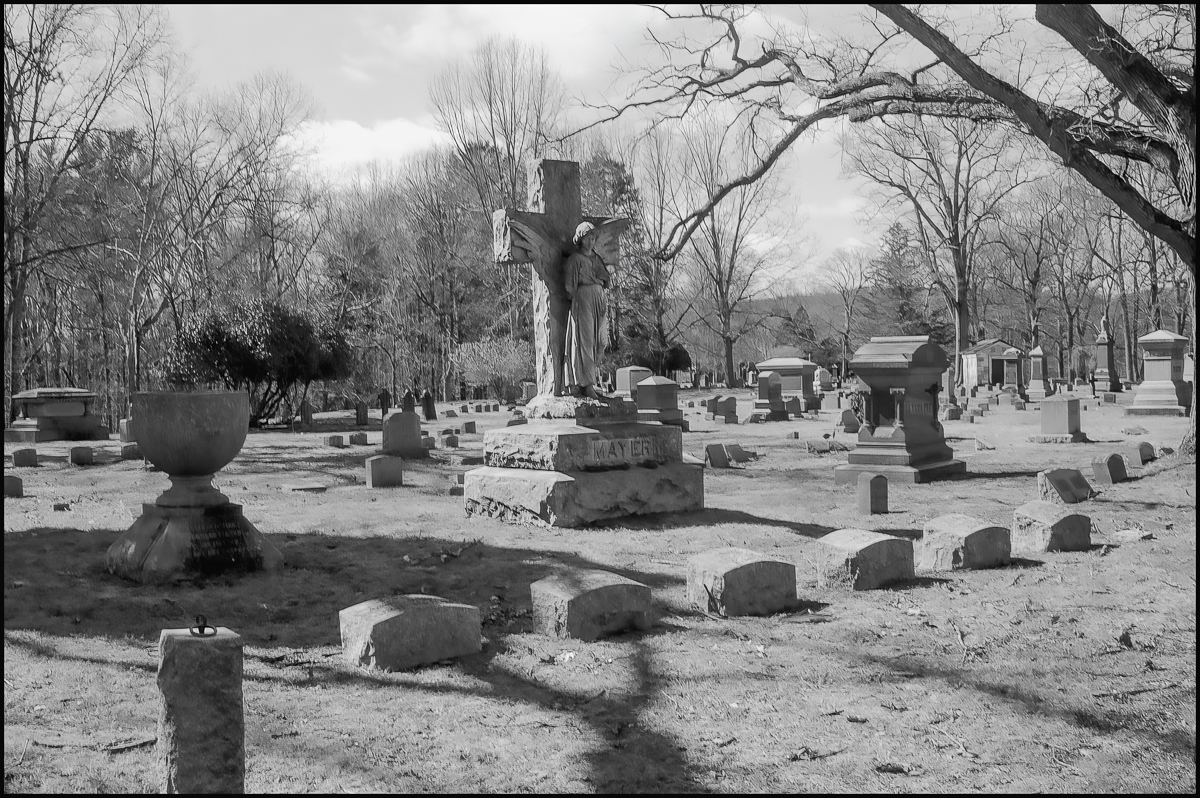
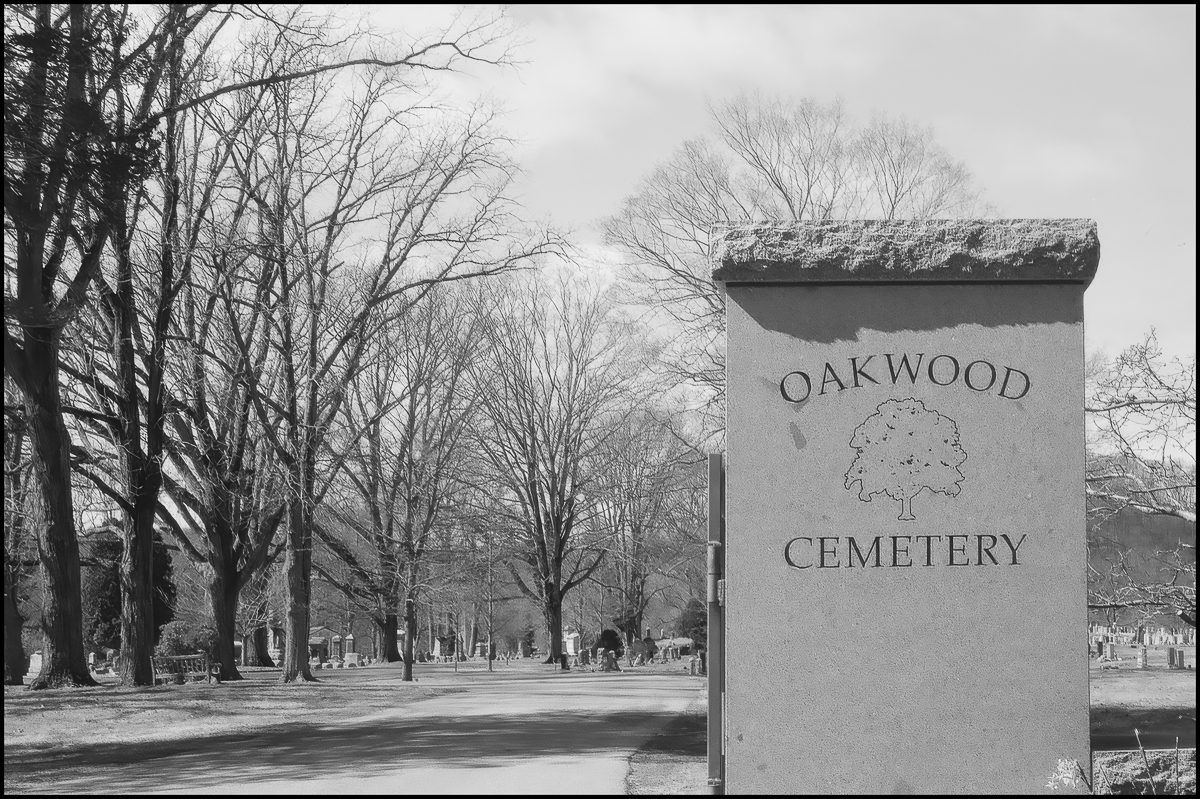
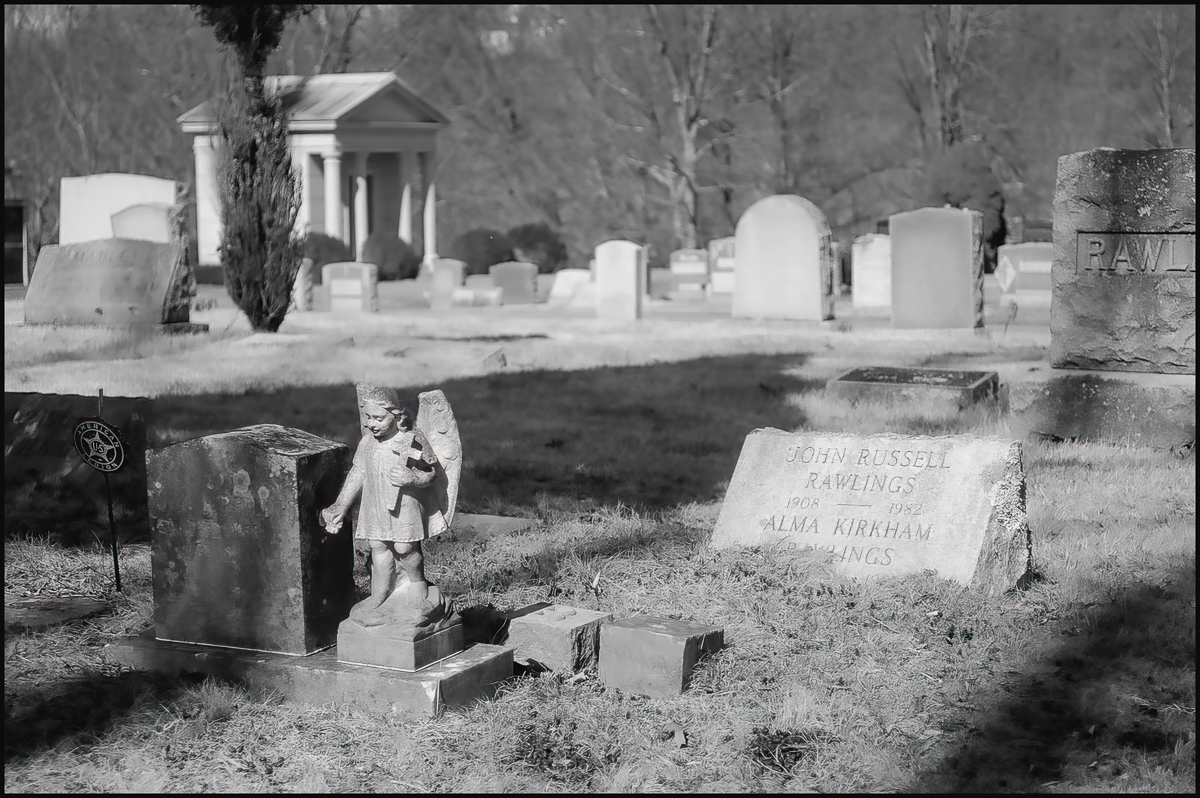
There are actually two cemeteries right next to each other. St. Francis Cemetery (the subject of a future post) and this one, Oakwood Cemetery.

According to Patrick Raftery:

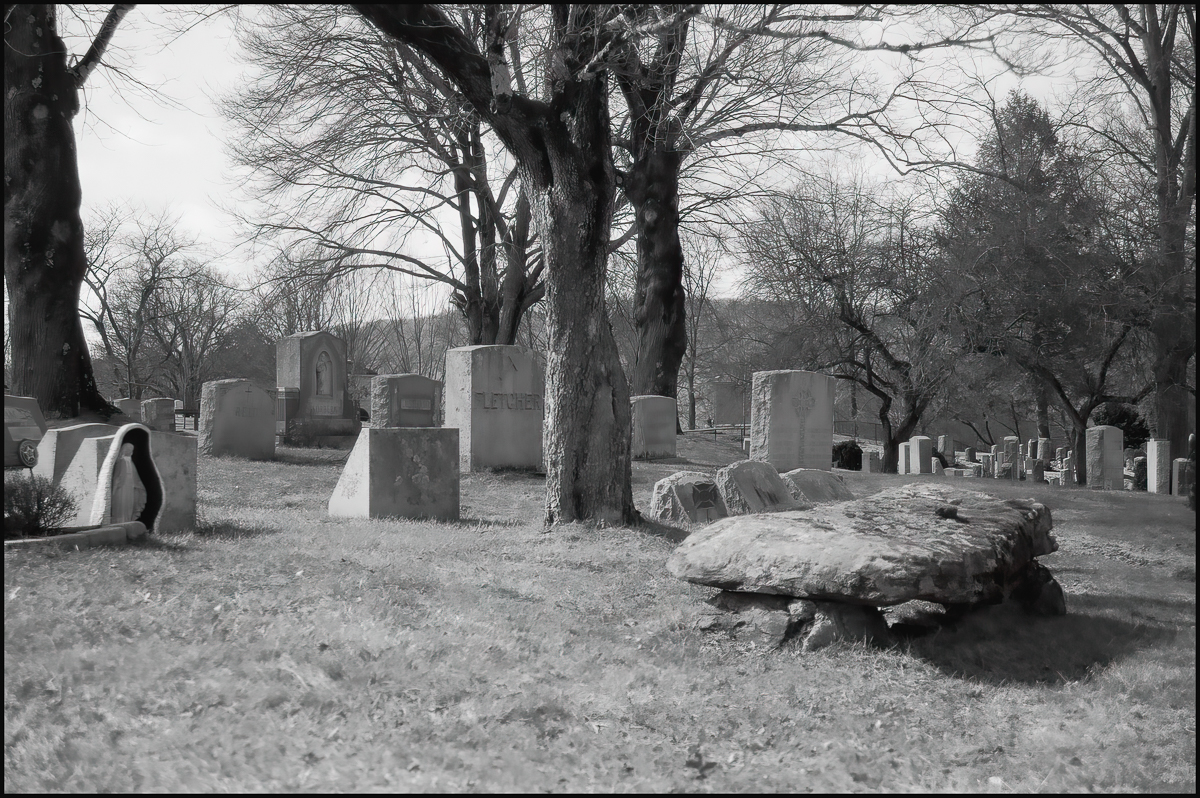
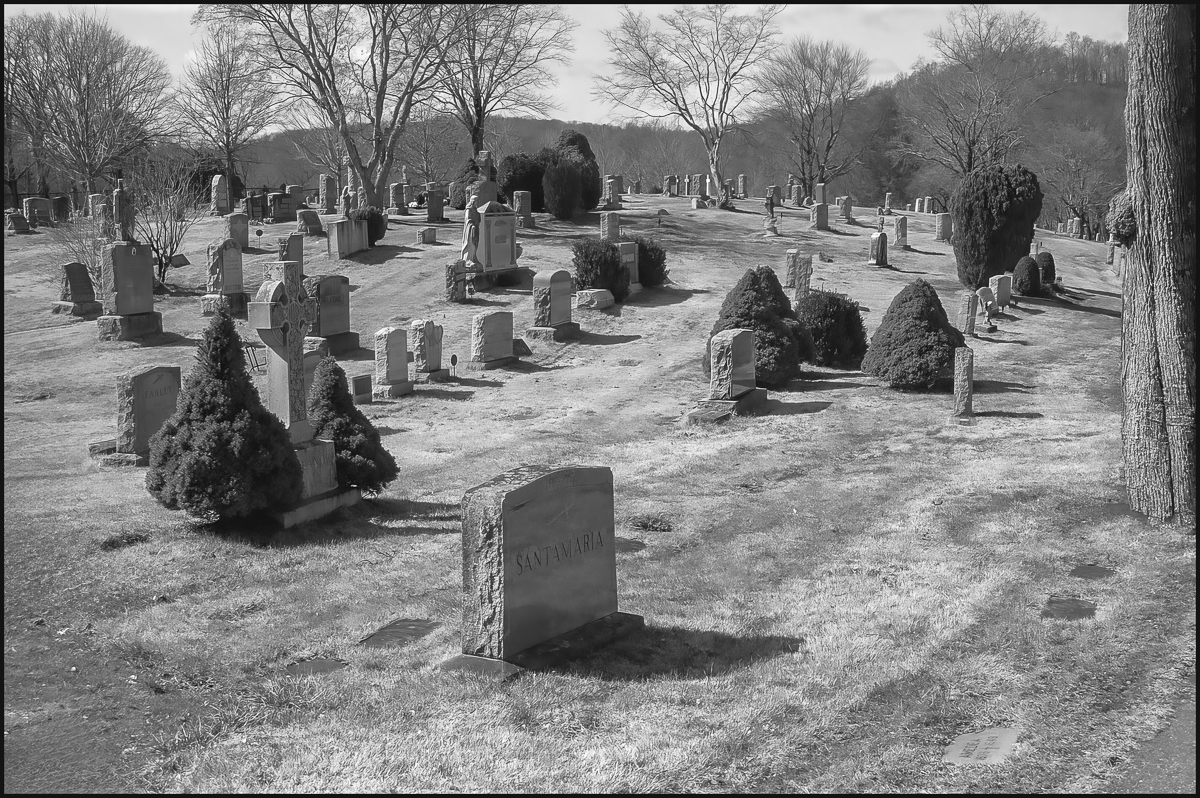
The Oakwood Cemetery in Mount Kisco is located on the East side of Lexington Avenue opposite the intersection of Moor Avenue. It has been active since 1872. From 1872-1883 its official name was Locust Hill Cemetery.

Oakwood Cemetery was mentioned briefly by Joseph Barrett in Scharf’s History of Westchester County, New York: “Oakwood Cemetery, a very beautiful tract of land of fifty-five acres, is in the Village of Mount Kisco. It was laid out by Mr. Chauncey Smith, then the owner of the land, and given the name of Locust Hill about 1872. It was incorporated January 9, 1883 by its present name.”

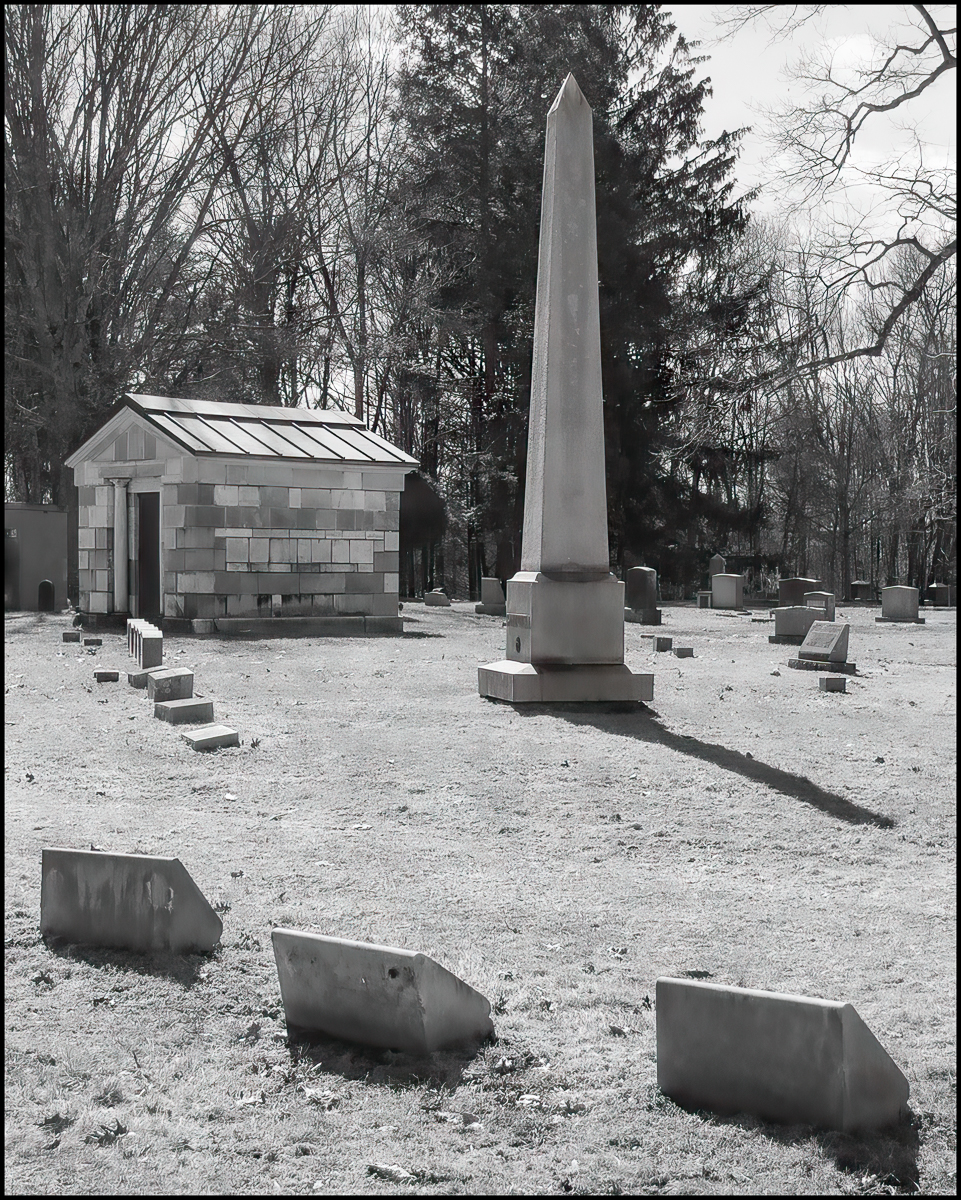
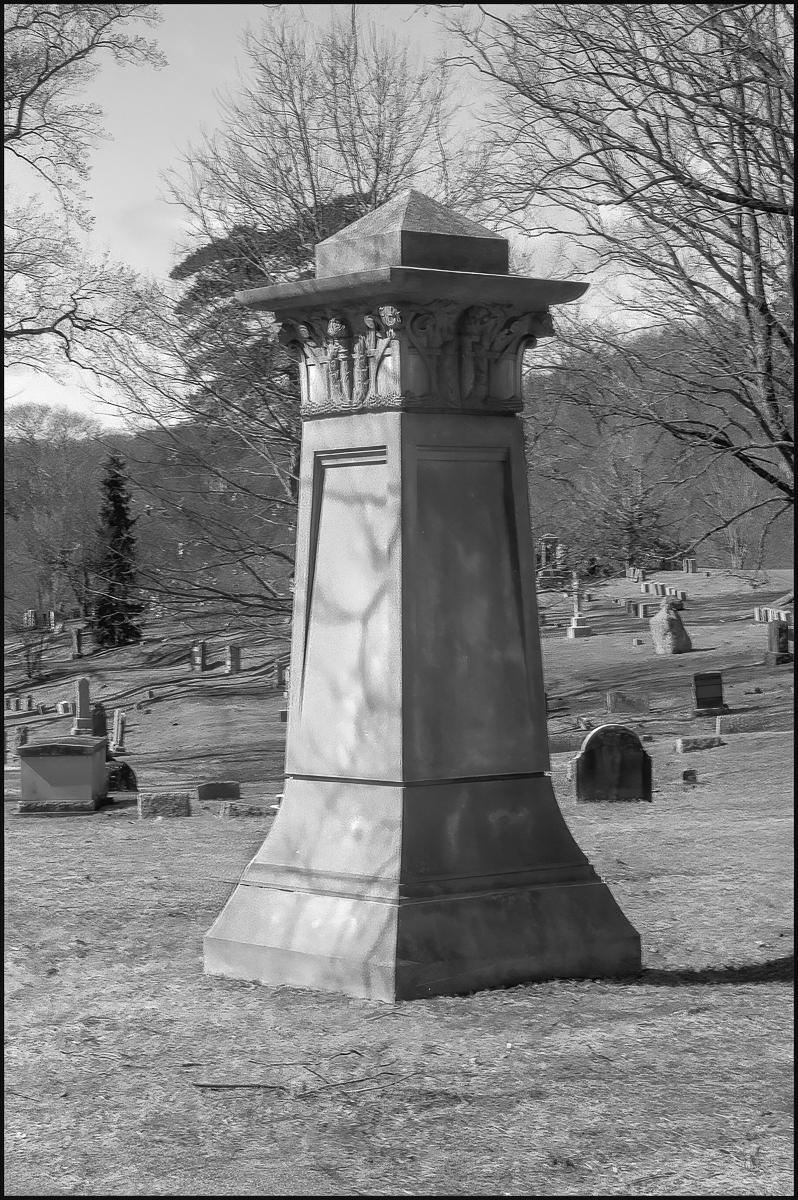
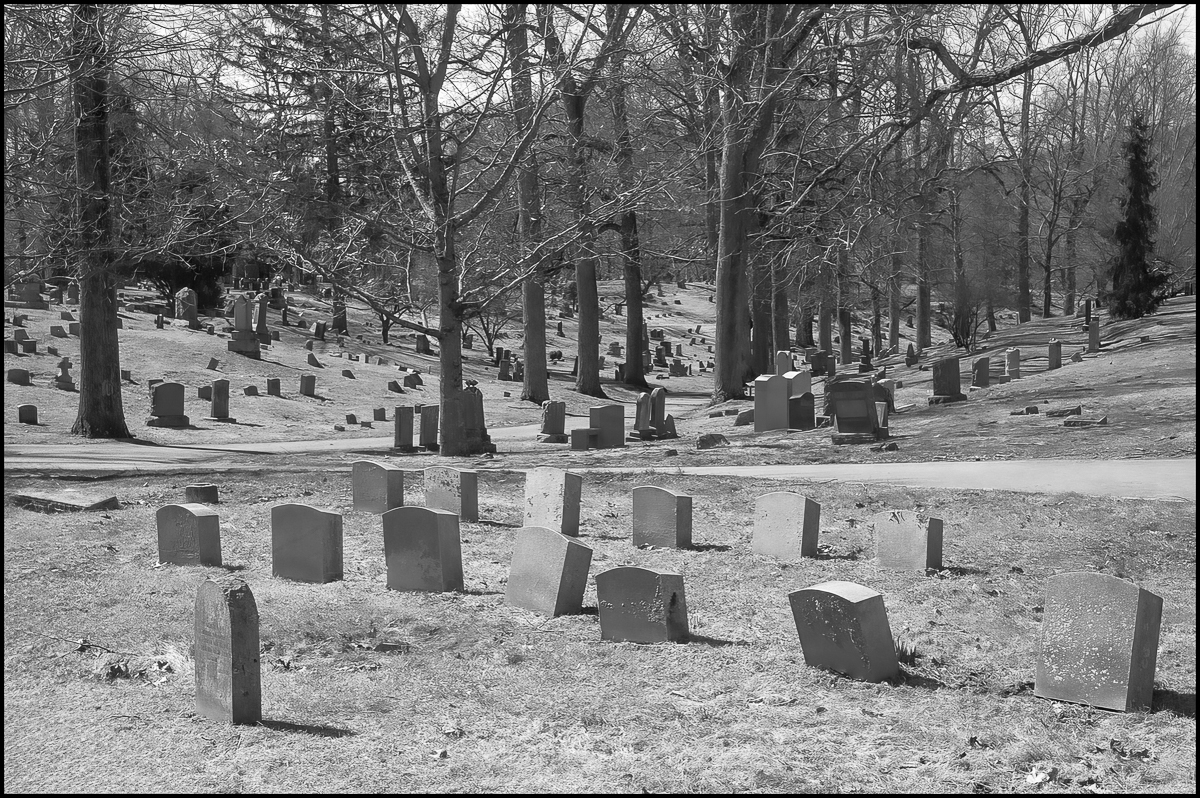
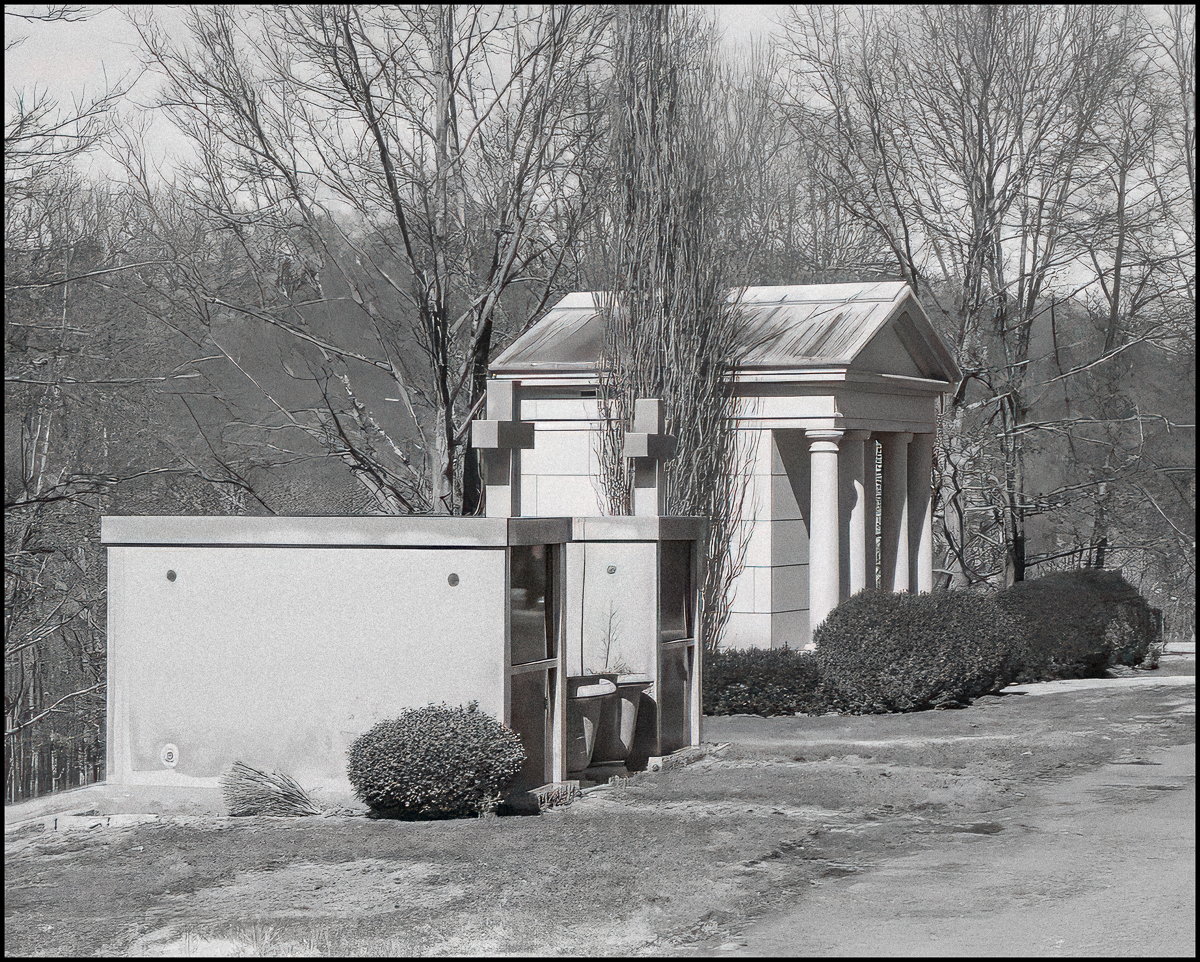
The first burial in the cemetery “was that of a little girl, the daughter of Mr. Martin Hubbell.” According to the New Castle Town Historian, Chauncey Smith was a real estate entrepreneur who developed land he owned on the east side of Lexington Avenue into a residential neighborhood, while converting his property on the west side of that street into a cemetery. The cemetery had been in operation for barely four years when the “panic of 1876 forced Smith into bankruptcy,” a situation which jeopardized the future of the burial ground. The cemetery was reorganized on November 21, 1882, when “nine local citizens (including some of the original plot owners) for a new corporation…to own and operate the cemetery.” The new corporation changed the name of the burial ground to Oakwood Cemetery, “planted 100 oak trees to validate the name” and offered plots for sale ranging from $25 to $350 per lot. At the present time (Note: this is from a volume printed in 2011), the management of Oakwood Cemetery is planning the construction of a new Mausoleum/columbarium to provide alternatives to the traditional method of in-ground burials. (Patrick Raftery, “The Cemeteries of Westchester County, Volume II“. Westchester Historical Society, 2011.)


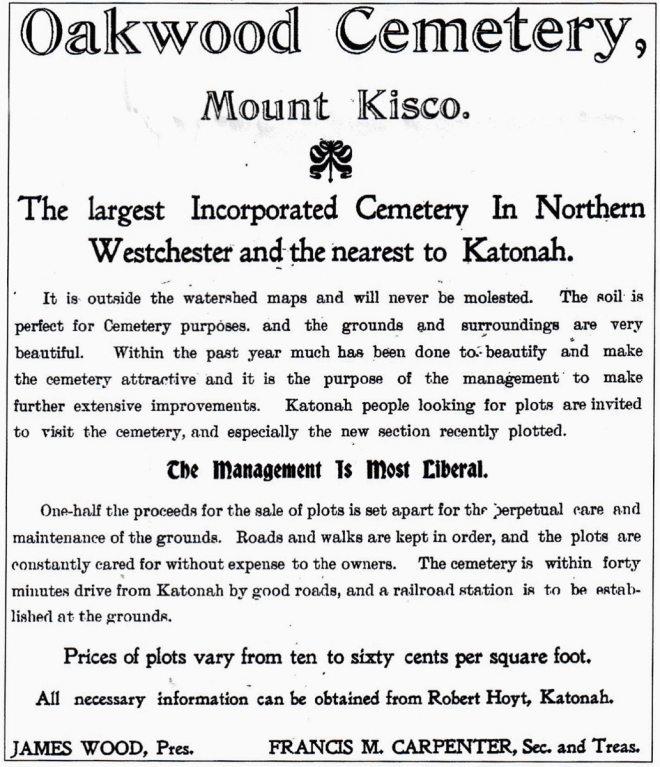
“This advertisement (see below) for Oakwood Cemetery appeared in ‘Sketches and Views of the Old and New Villages of Katonah, N.Y’., a booklet that was published in August 1900. The ad targeted Katonah residents who were required to to remove the interments of the relatives from Whitlockville Cemetery as a result of the expansion of the Croton Reservoir.” (Patrick Raftery, “The Cemeteries of Westchester County, Volume II“. Westchester Historical Society, 2011.)

Taken with a Canon EOS Elan and Canon EF 35-70mm f3.5-4.5

Valhalla Crossiing

After I finished my trip to the Kensico Dam I walked the short distance back to Valhalla Station to get my train back. Unfortunately, the trains don’t run that frequently at that day/time and I just missed one so I had to wait an hour for the next one. I guess the 205 steps up to the top of the Dam and down again had given me an appetite and I was feeling hungry. Luckily that was a restaurant next the station. In fact, part of it was the old Valhalla station. I’d been driven past it many times, had always thought that, with its old station, and its two historic railroad cars, it looked interesting, but I’d never stopped to try it. Now was the time.

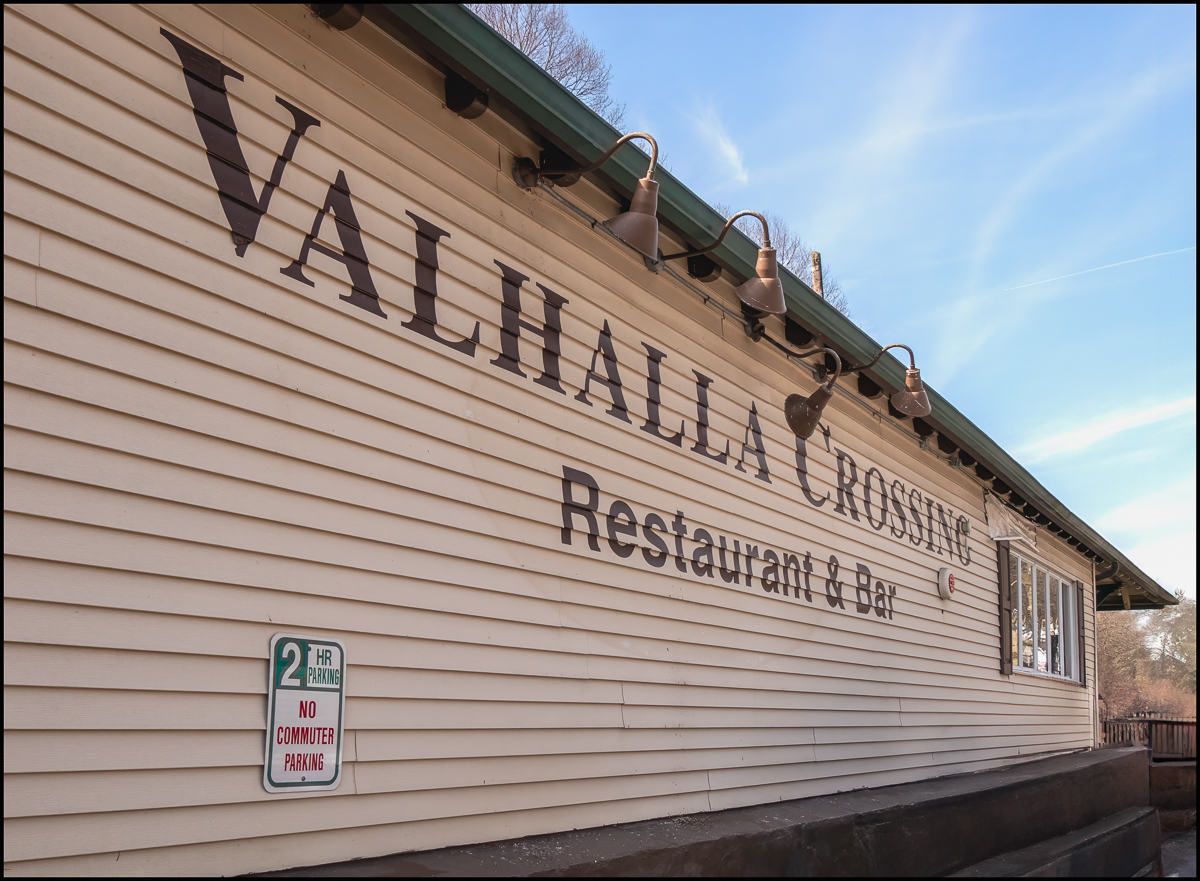
The restaurant is called Valhalla Crossing and according to some information on the back page of a menu:

The New York & Harlem Railroad Company extended its service north of White Plains area in 1849. The coming of the railroads up to the Mt. Pleasant area caused rapid growth of the town close to the railroad lines. Train station buildings were needed and constructed. The present Valhaila Station was originally named the Davis, Brooke Station and then the Kensico Station. The construction of the Valhalla Station was completed in 1852 In 1899 the Taylor and Stevens families sold a very large piece of land to be used for a local cemetery-the Kensico Cemetery. This huge cemetery was located just north of Kensico Train Station and its name caused much confusion on the railroad and with the mail. People were dissatisfied with the fact that both places bore the same name. So, an organization was formed to change this, and in 1904 the name Valhalla was adopted. Soon after the end of the Civil War, New York City’s thirst for water eased, and the New York Board of Water Supply built an earth dam and spillway in 1887. However, by 1898 New York City’s water supply had to be increased again which led to the construction of the Kensico Reservoir and the Valhalla Dam, both of which were completed in 1915.

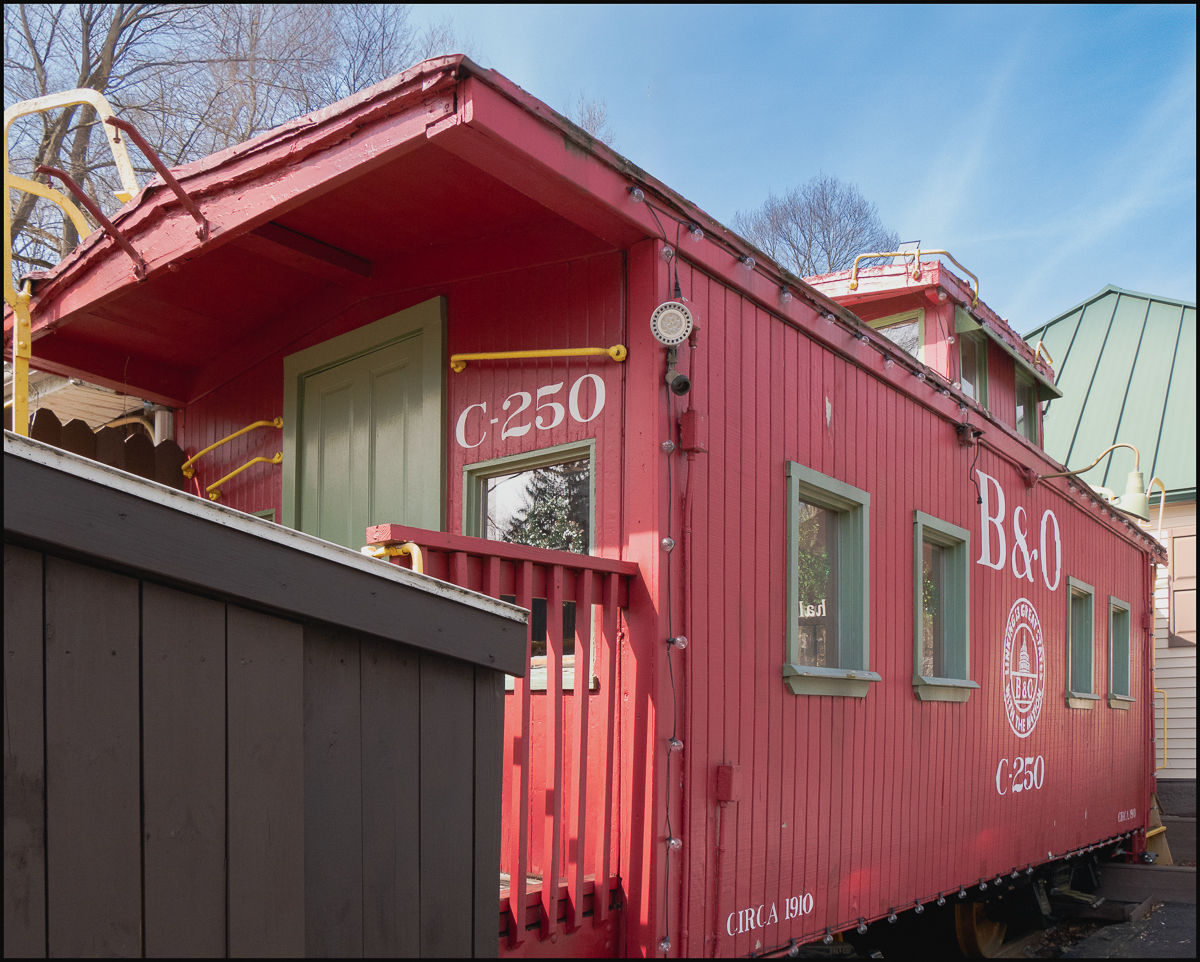
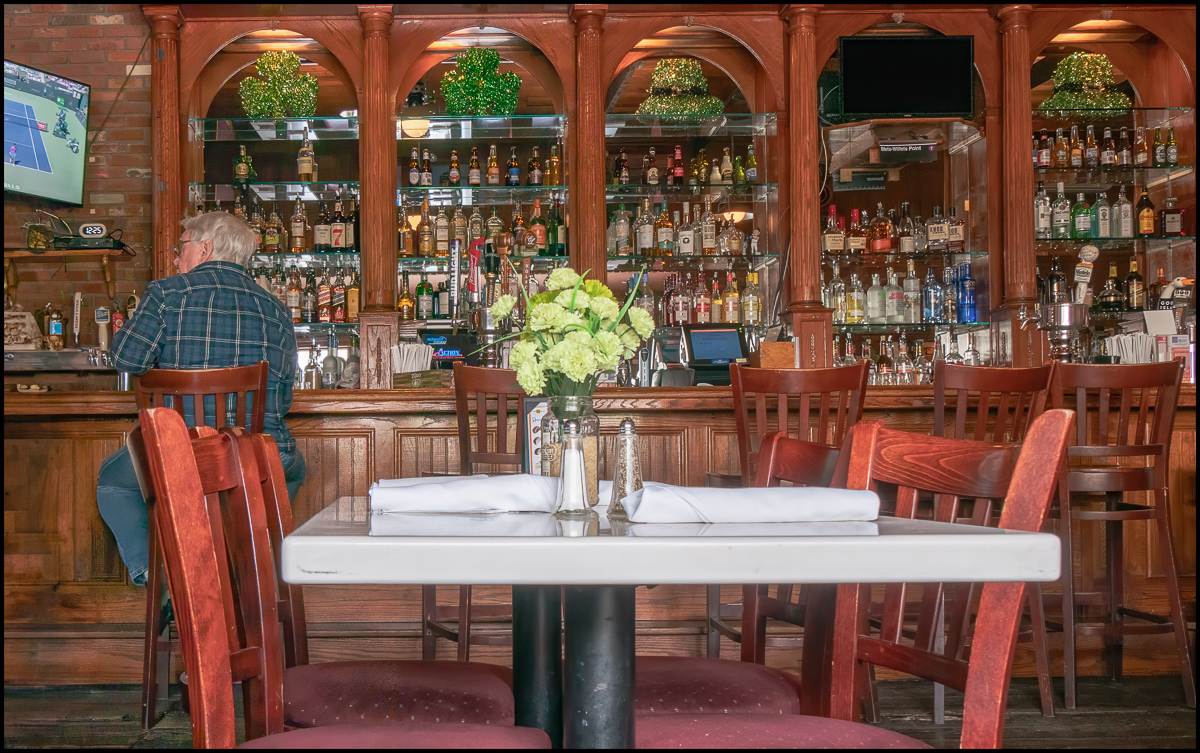
William Scazzero was the guiding spirit in converting the Valhalla Train Station into a restaurant back in 1973. He brought in a 1910 B&O caboose and an 1896 Lake Shore & Michigan Southern Railway car – both to be used as dining cars. The original train station building along with its wide-planked floors is the current bar. The beautiful oak bar was built in 1903 for Bronxville’s Hotel Gramatan and is still used today.

After Mr. Scazzero completed the restoration of the two train cars and the original train station building, he and his family operated the Valhalla Station restaurant for about 25 years. New owners purchased the restaurant and briefly operated it as Pickling Station. It was then purchased by Doug Crossett of Michael’s and McArthur’s in Pleasantville and renamed Valhalla Station, once again. Four years later in May of 2005 our family purchased the restaurant and named it Valhalla Crossing. Our antique train cars are available for private parties.
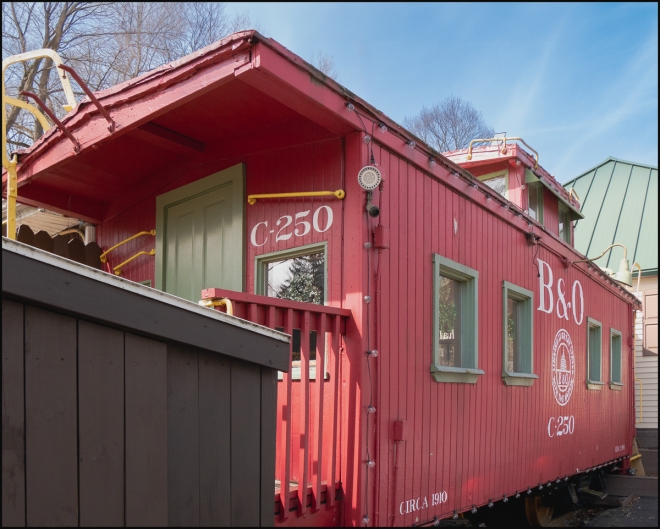

The Caboose. With only a few of its kind, the wooden caboose was built in 1910 by the Baltimore & Ohio Railway. It was in service for many years and then retired to the B&O freight yard in Chillicothe, Ohio. In 1973 it was purchased by Mr. Scazzero and moved to Valhalla for restoration.


The bar.


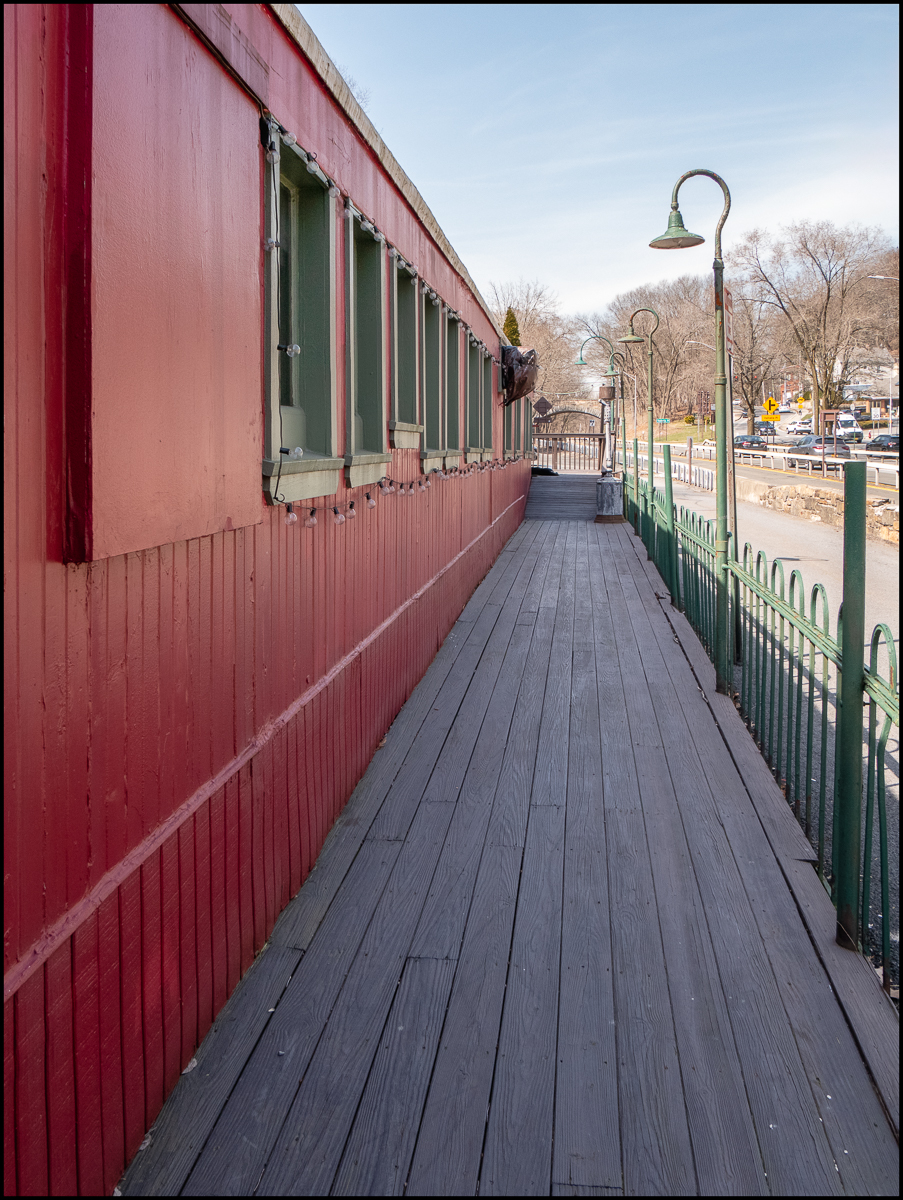
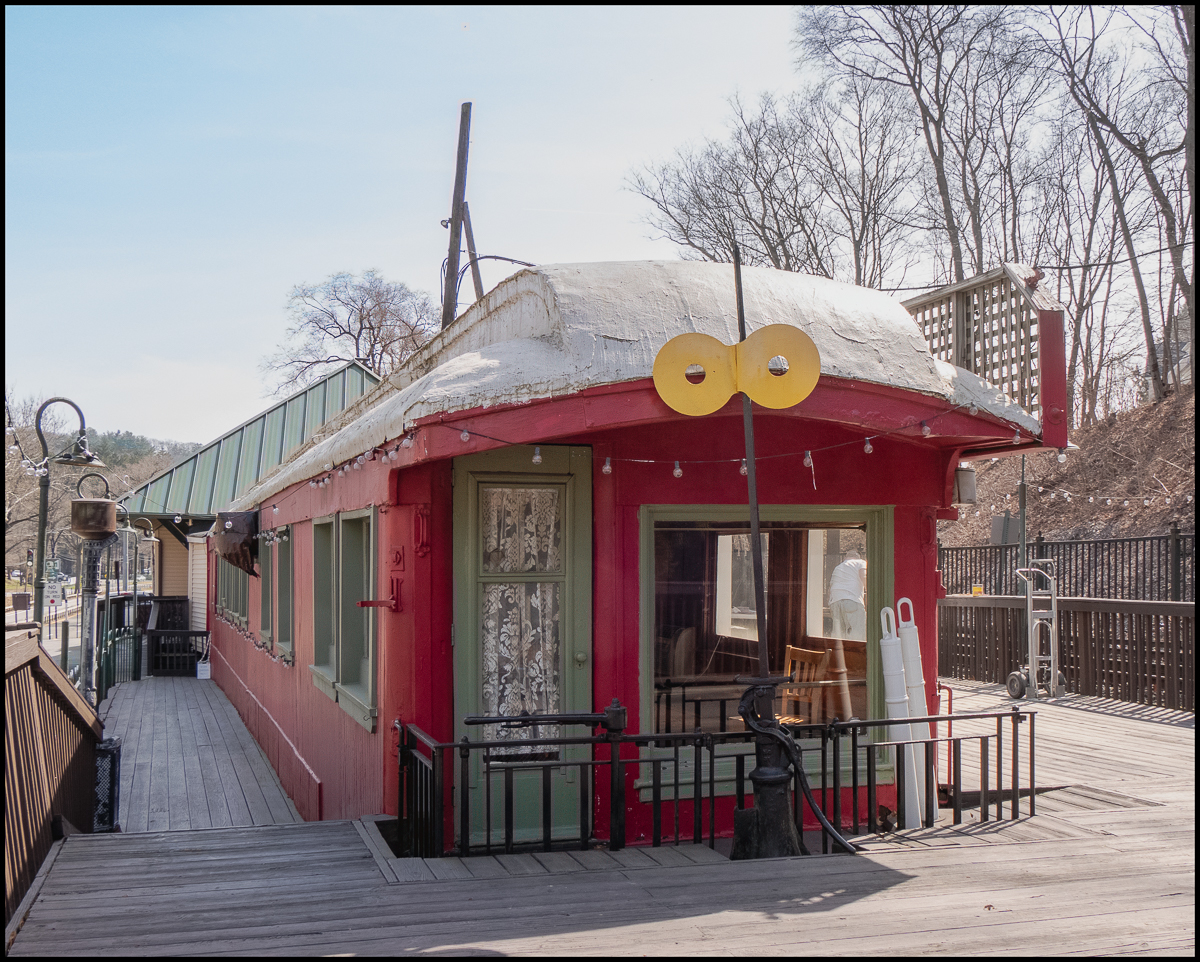
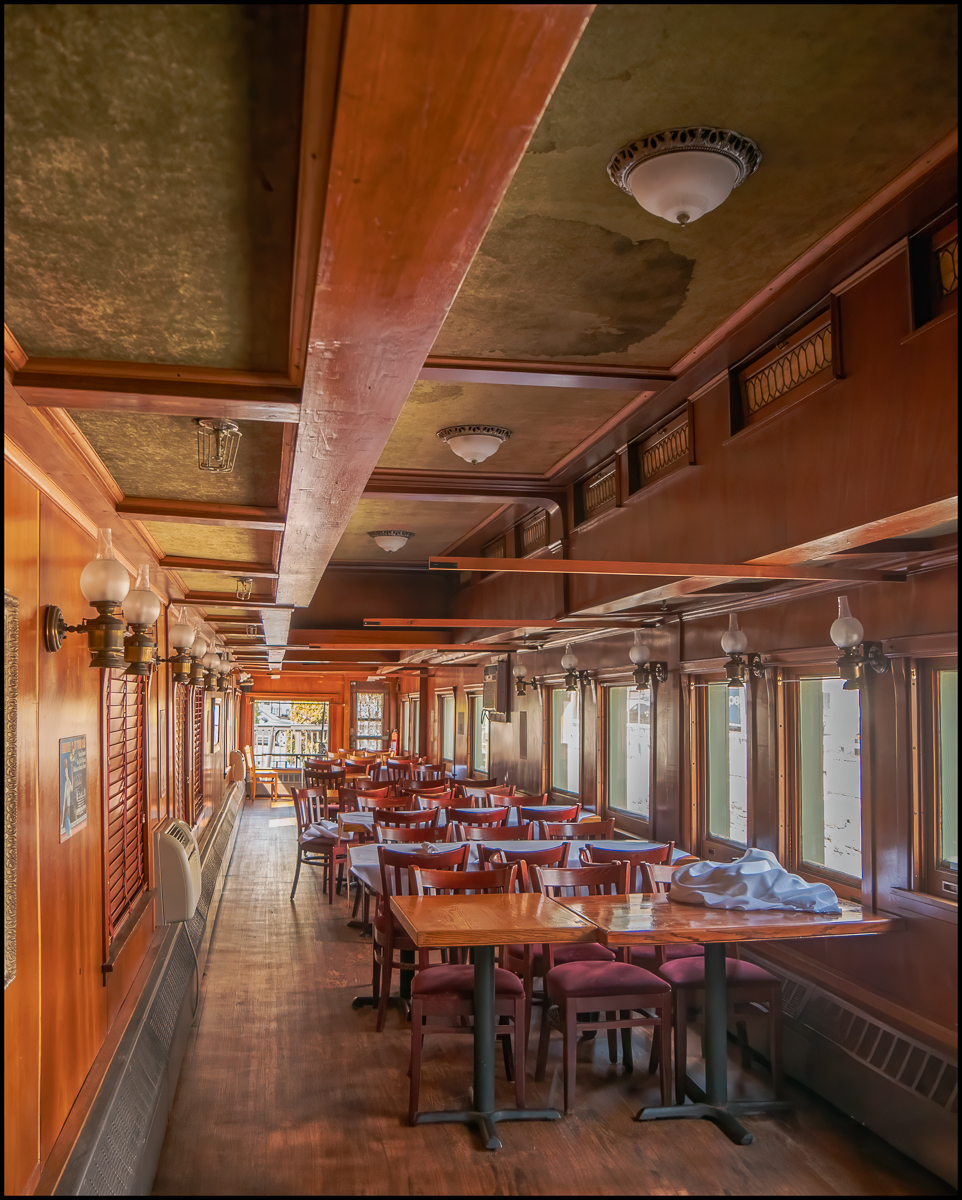
The “Presidential” car. In this case referring to the President of the Railroad, not the president of the US. This Lake Shore business car was built in February 1896 by the Wagner Palace Car Company, whose president was Dr. William Seward Webb, son-in-law of William H. Vanderbilt. The car was first assigned to Daniel W Caldwell and later W. H. Newman, both presidents of the Lake Shore & Michigan Southern Railroad, predecessor of the NY Central west of Buffalo. Still later, the car became the official car of the president of the NY Central itself. The mahogany paneling, stained-glass transom, and lamps represent the luxurious appointments and ornamentation commonplace back then. It is interesting to note that for several generations the ultimate hallmark of wealth, importance, and social achievement was private railroad cars. As Lake Shore & Michigan Southern Private Car 44, the car had two staterooms, a large kitchen, a dining room in the center of the car, and observation rooms with open platforms on both ends. In 1914 it was rebuilt adding a vestibule on one end, a third stateroom, and a porter’s room, and the car was re-lettered New York Central 44. In October 1924, the car was rebuilt again at West Albany. The interior was rearranged and a shower was added. In May 1928, the car was renumbered NYC 17, which remained until December 1940, when the car was converted to a diner for wreck train service and renumbered once more to X-928. In later years it was based in Jackson, Michigan. Finally, the car was retired and sold in March 1970 to Private Varnish Inc., a group of former New York Central employees who arranged for it to be moved to Harmon, NY. It was then purchased in January 1973 by Mr. Scazzero and moved to Valhalla for restoration.
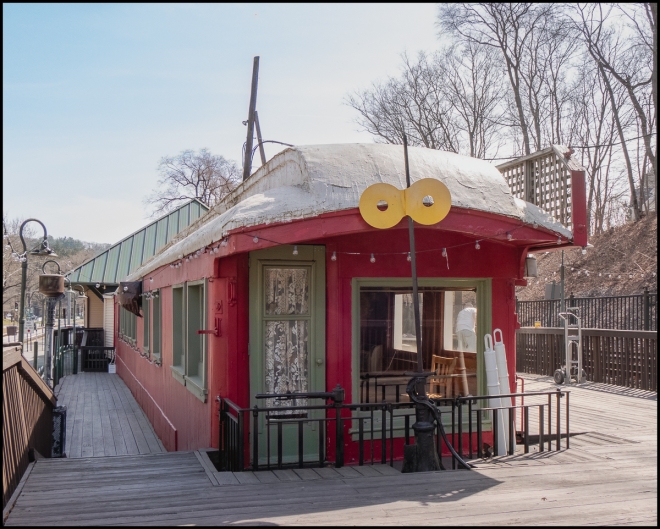

The “Presidential” car again, seen from a different angle.


Inside the “Presidential” car.

I really liked this place. I’m British and one thing I really miss is the pubs. Valhalla Crossing has a very British pub type atmosphere. From the menu the food was pretty much what you’d expect: pub food. I only had a salad, do it was good and the portion was enormous, and I couldn’t finish it. It’s only about 8 miles from where I live. I’d like to go again.

Taken with a Panasonic Lumix GX85 and Lumix G Vario 14-140 f3.5-5.6

Kensico Dam – Final Thoughts

It’s certainly a very impressive structure and I really enjoyed my visit.

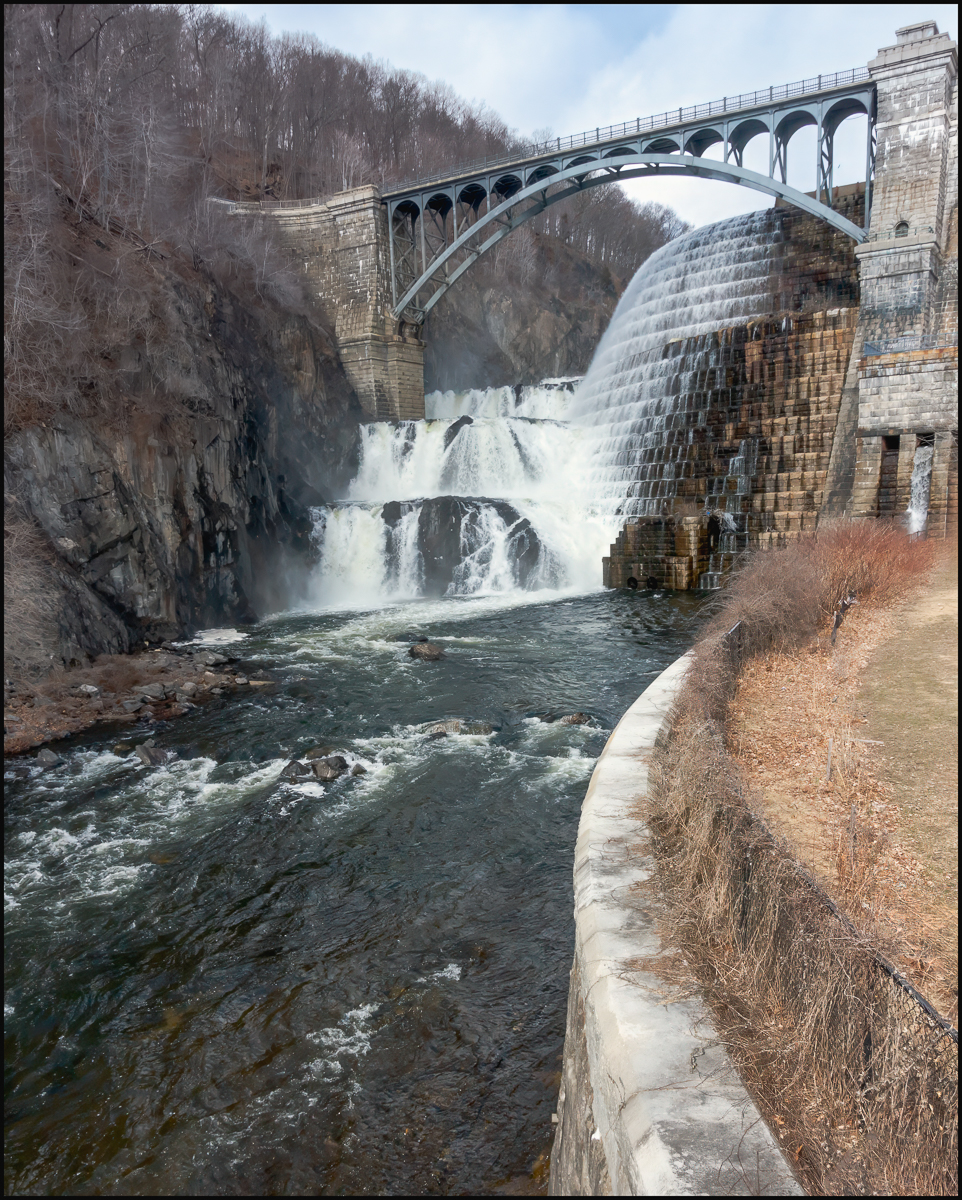
It’s interesting to compare it with another nearby dam: the New Croton Dam (see below)

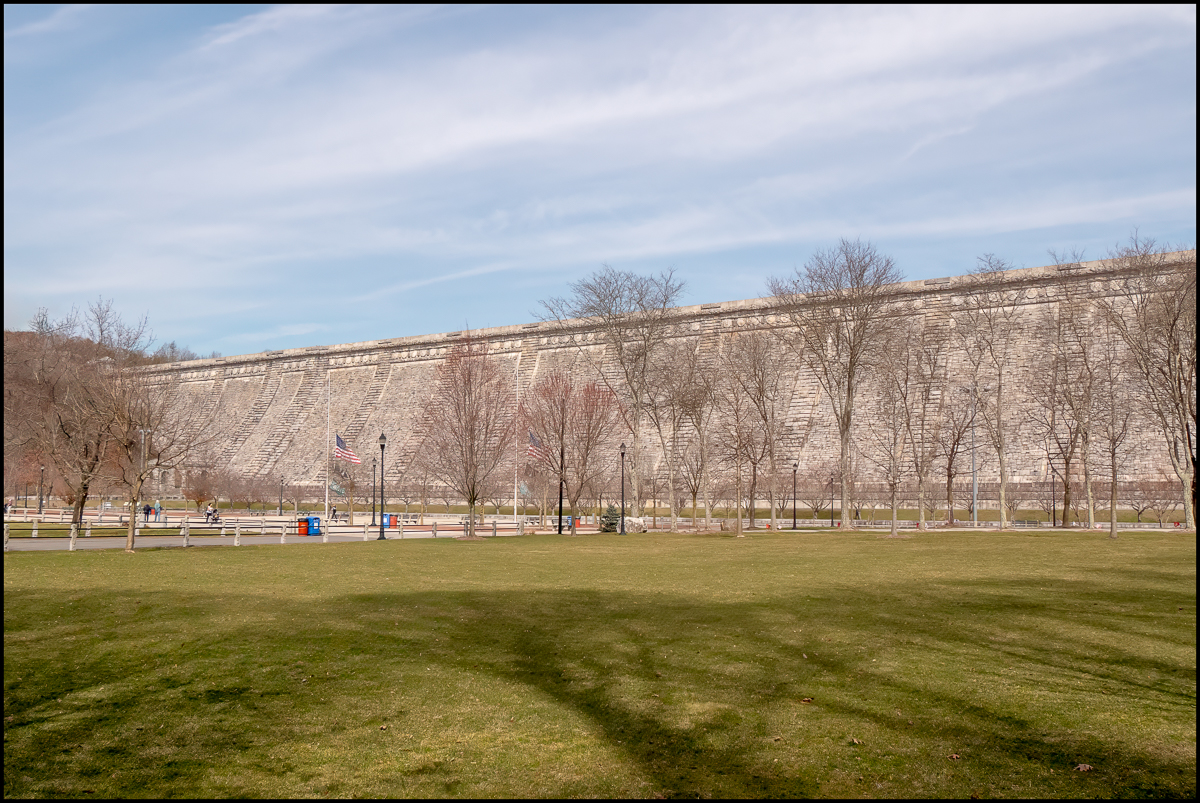
Although The New Croton Dam is only 10 feet shorter (297 feet vs 207 feet) it somehow feels much higher. Maybe this is because the Kensico Dam is 345 feet wider (2,188 ft vs 1,843 feet). My sense is that the Kensico Dam has more elaborate decoration. And The New Croton Dam has nothing to compare with the pavilions, fountains, cascades etc. of the Kensico Dam (just one fountain that does seem to work nowadays).

And the two dams have very different feels. The Kensico Dam exudes a feeling of a quiet, calm massiveness, where with The New Croton Dam you can’t escape the sense of urgency and movement caused by the impressive spillway/waterfall on the left side. You can’t escape the noise. Wherever you are: on top, at the base – it’s always with you. The fountains/cascades etc. at the Kensico Dam were not running (I’m not sure that they ever do nowadays), when I was there but I suspect that if they were they would merely burble, where the spillway at The New Croton Dam roars!

Each dam has its own character and I love them both.

Taken with a Panasonic Lumix GX85 and Lumix G Vario 14-140 f3.5-5.6