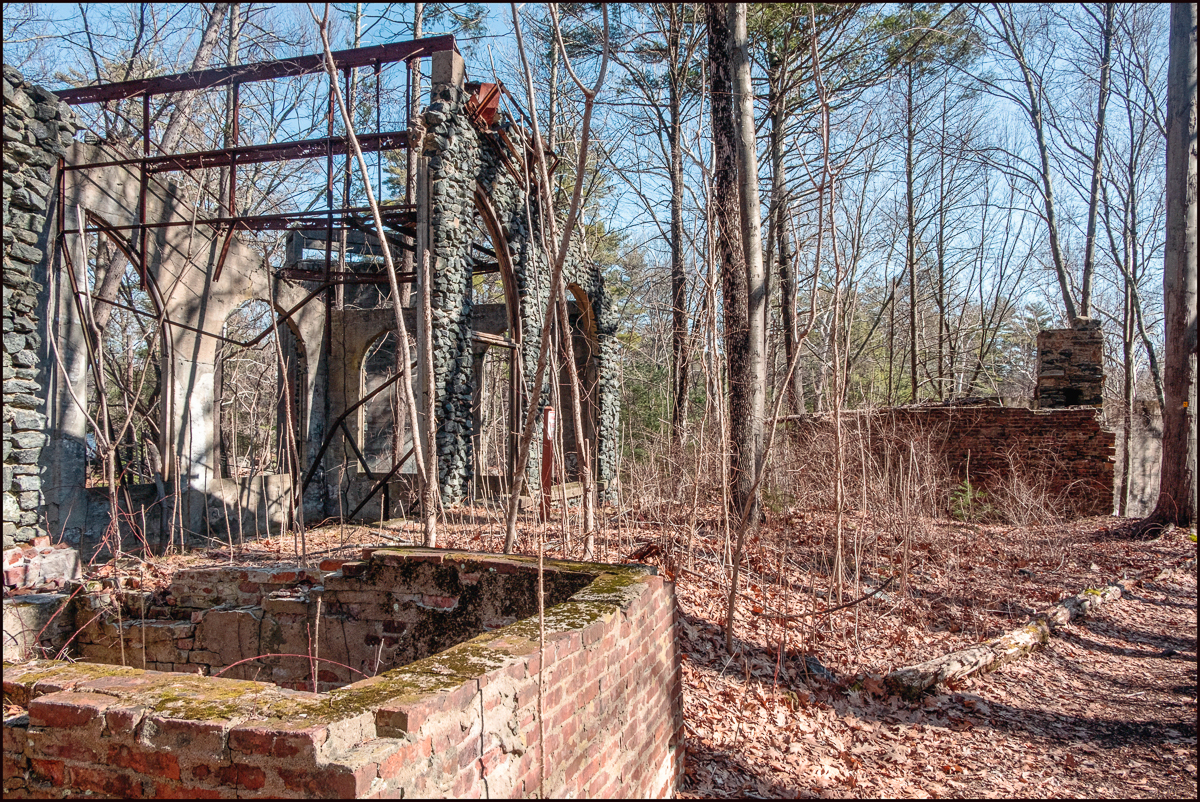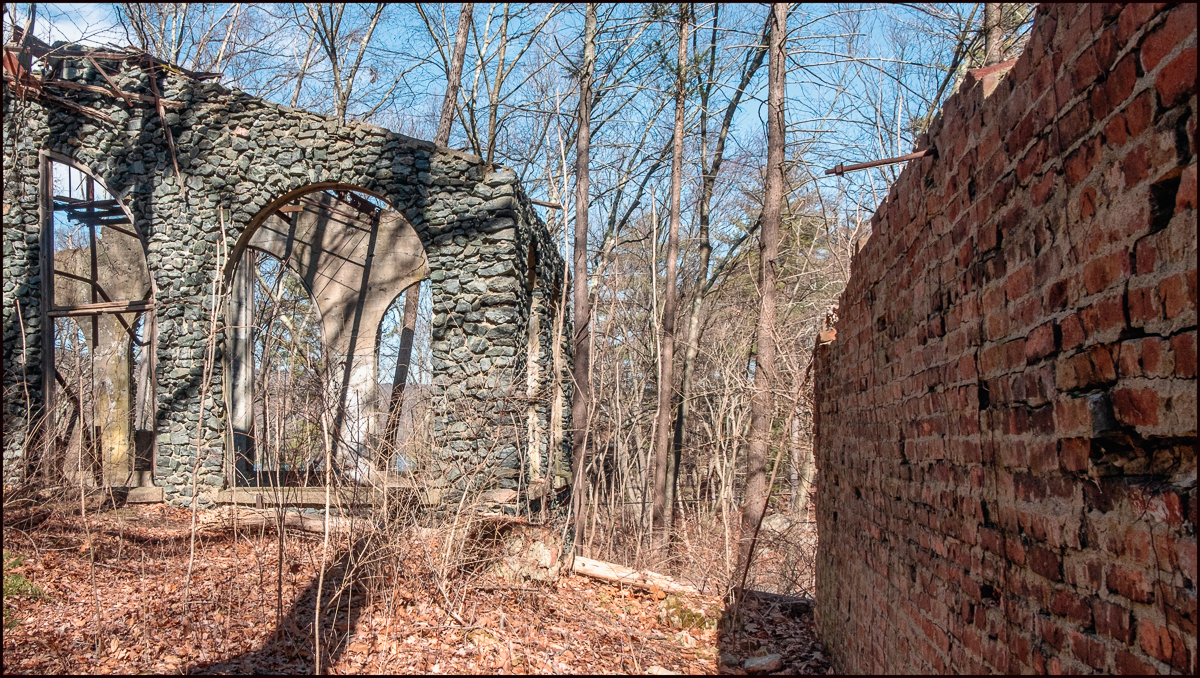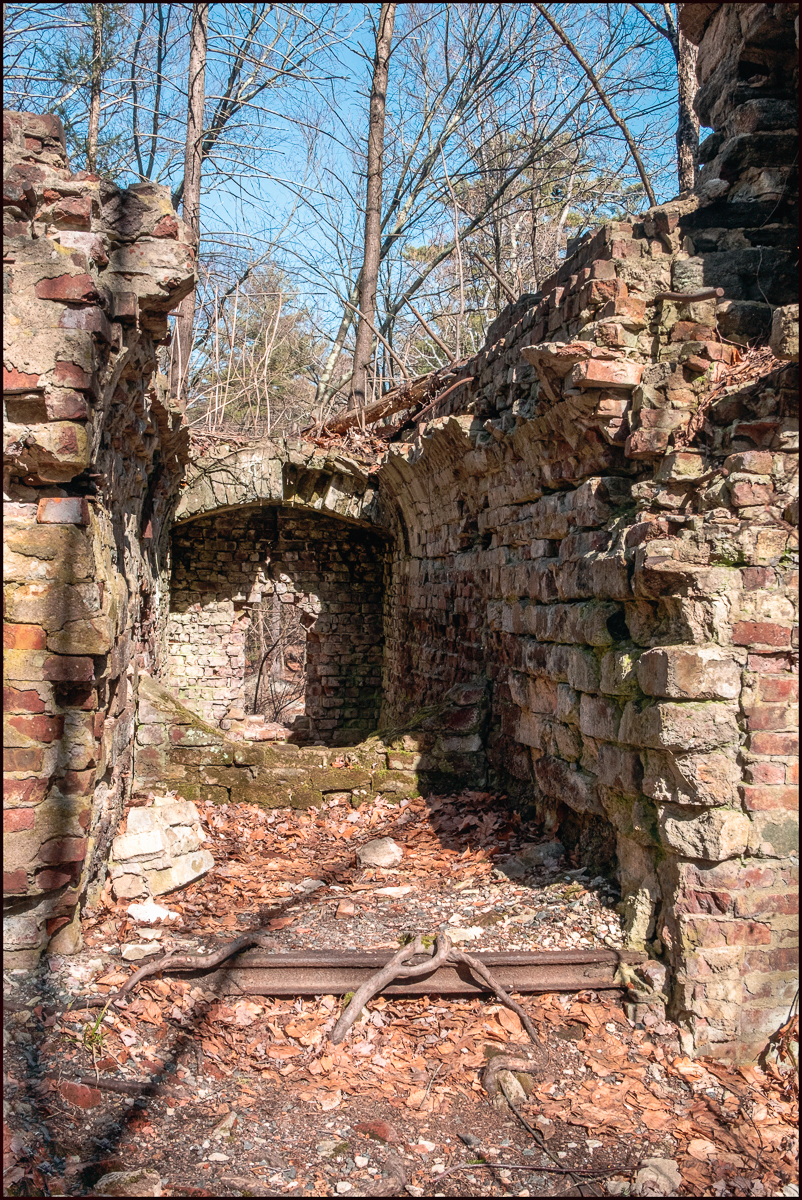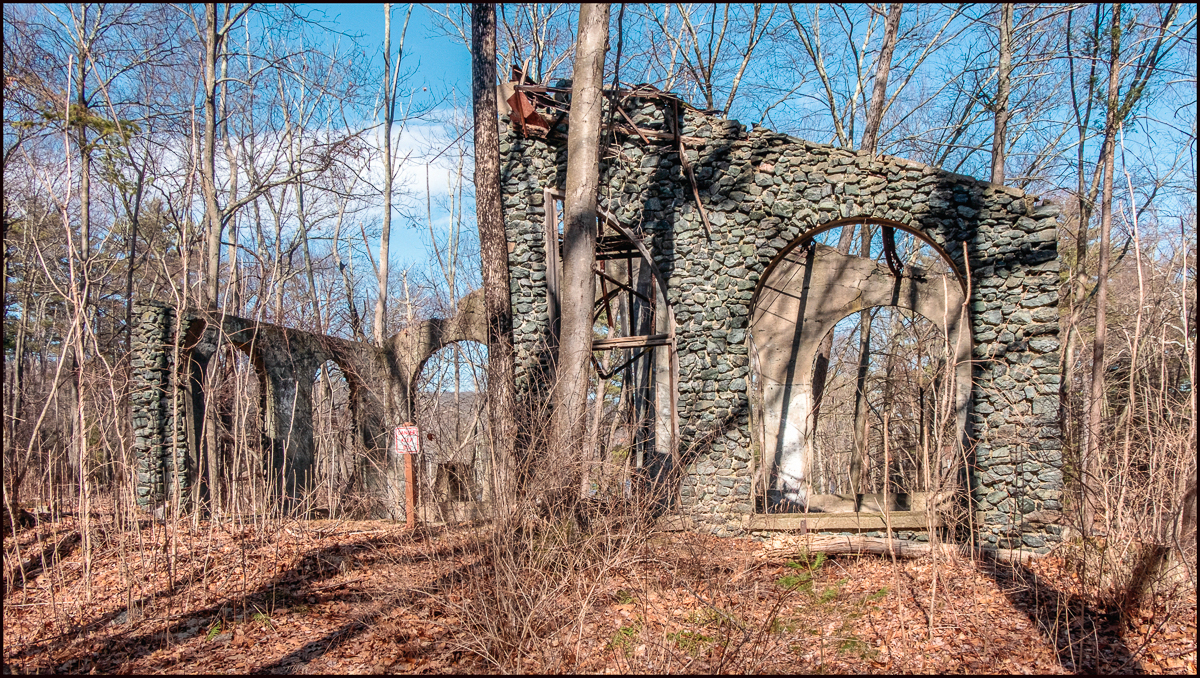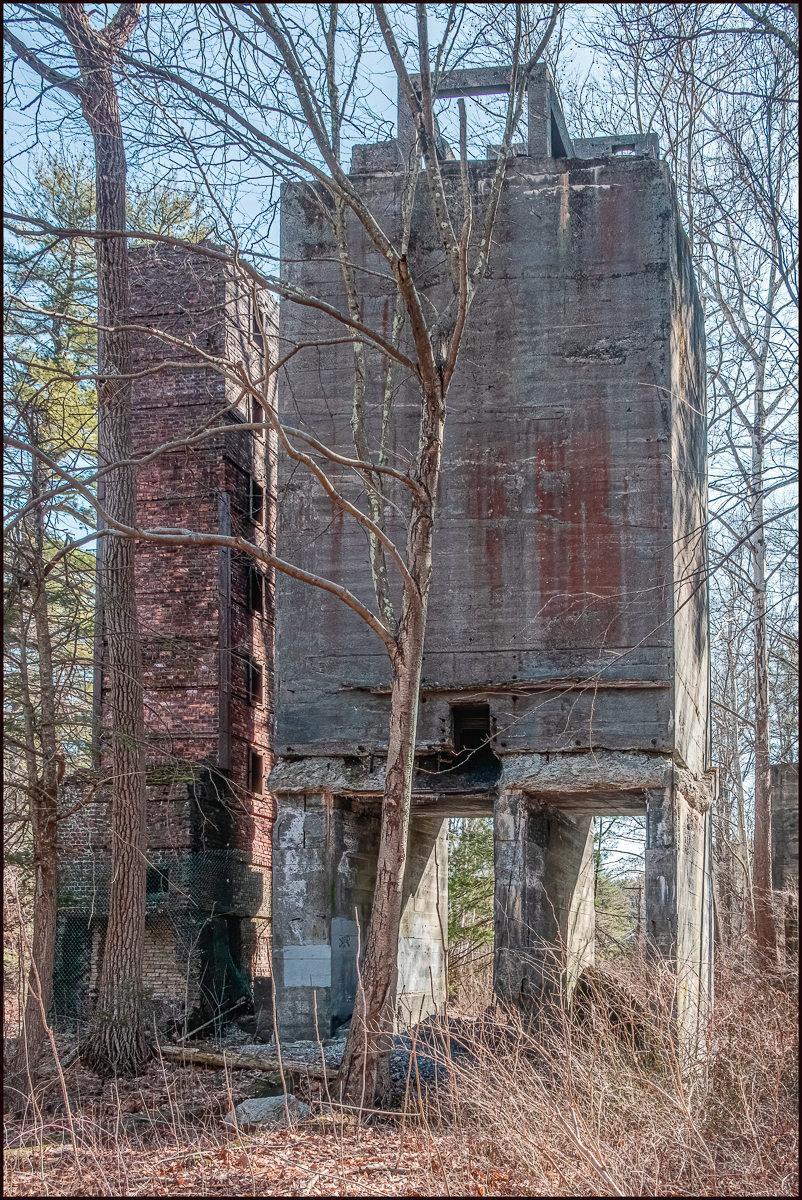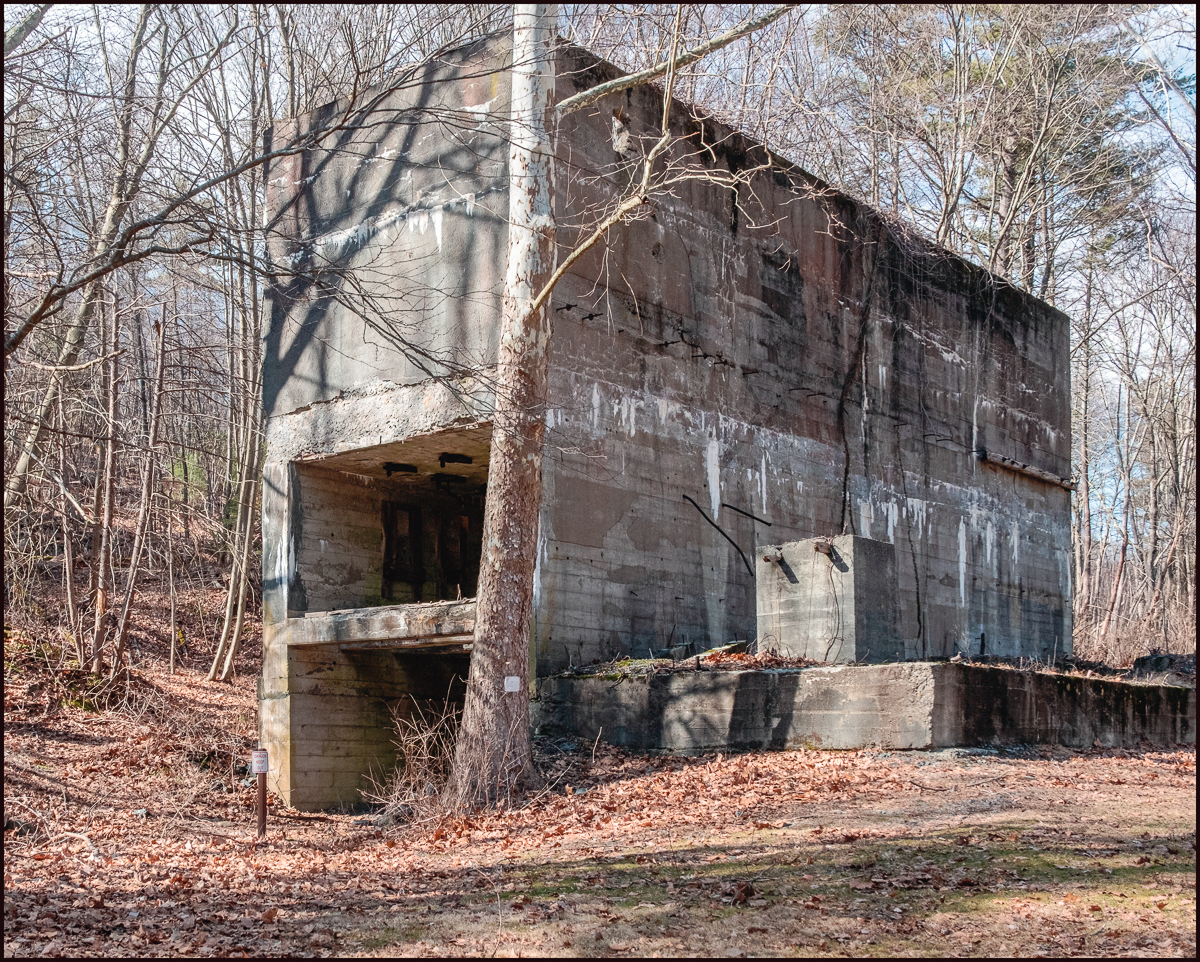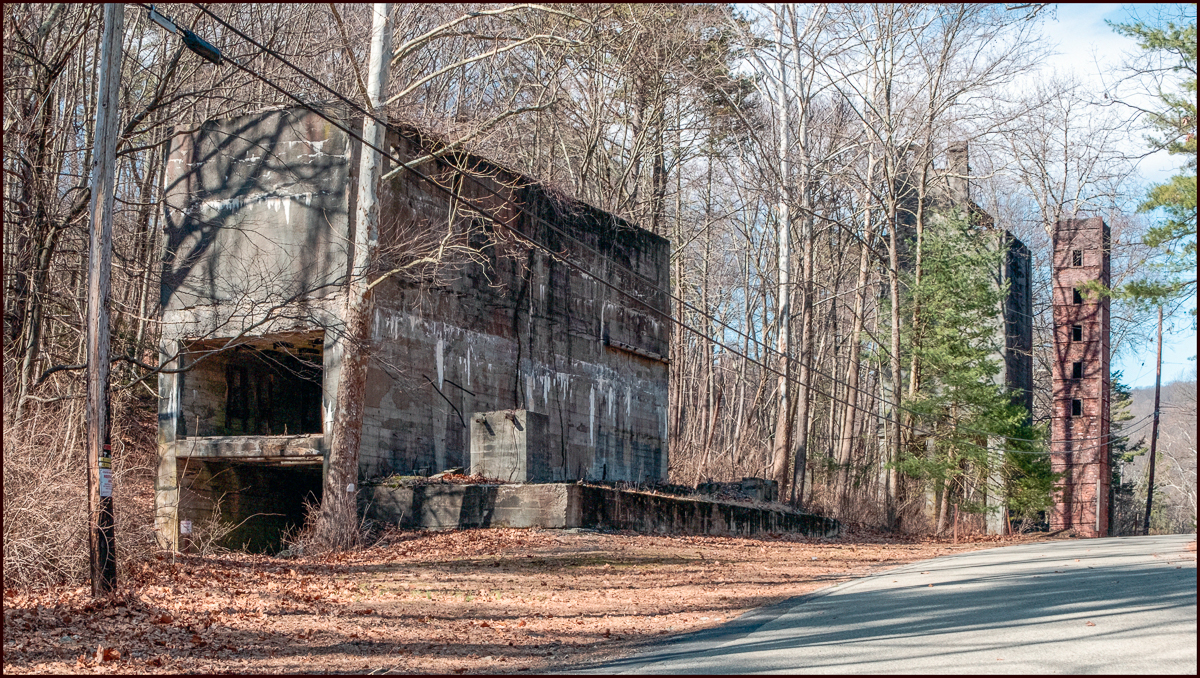
My friend was and continues to be heavily involved in the boy scout movement. As we were leaving Sterling Forest he recalled that he used to go to a boy scout camp in the vicinity and that there was another furnace close by. He mentioned that it was not as impressive as the one at Sterling Forest, but that it might be worth a look. So off we went to find it.
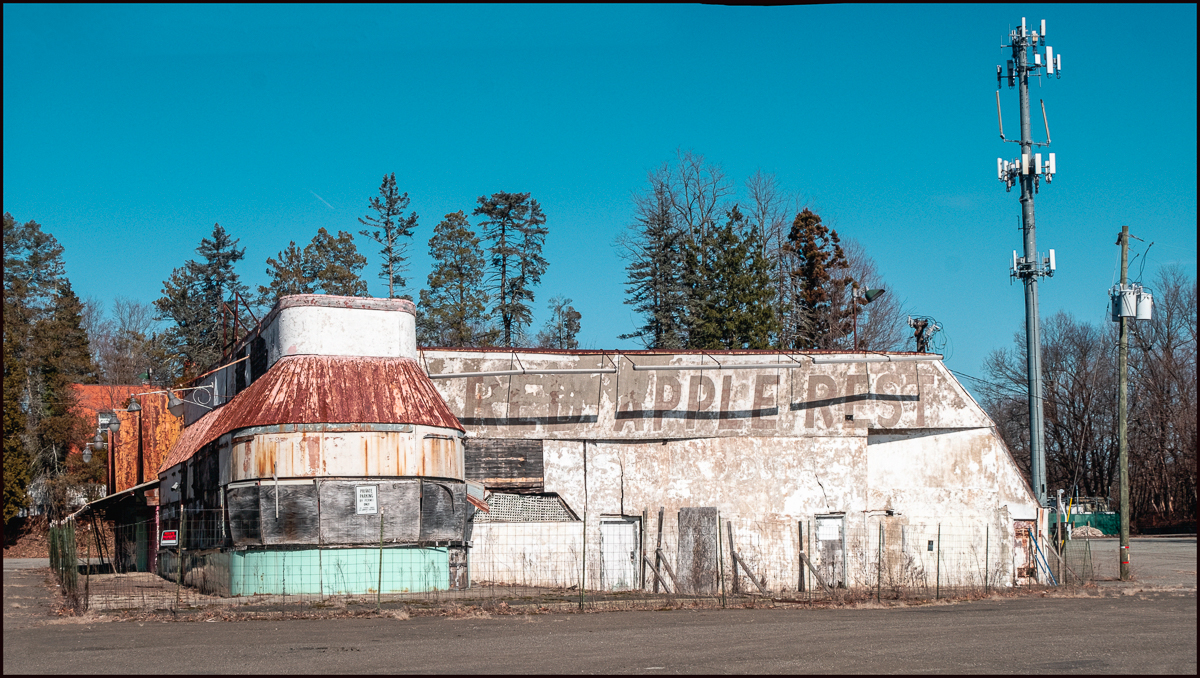
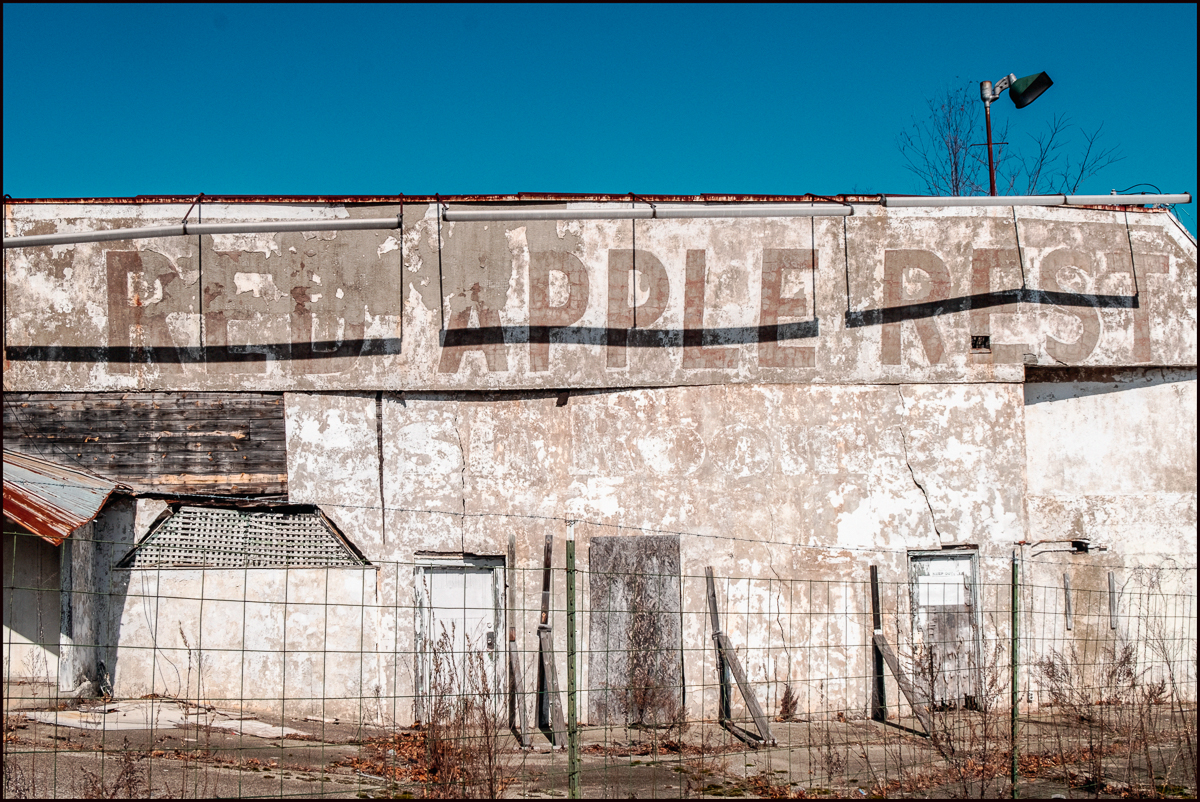
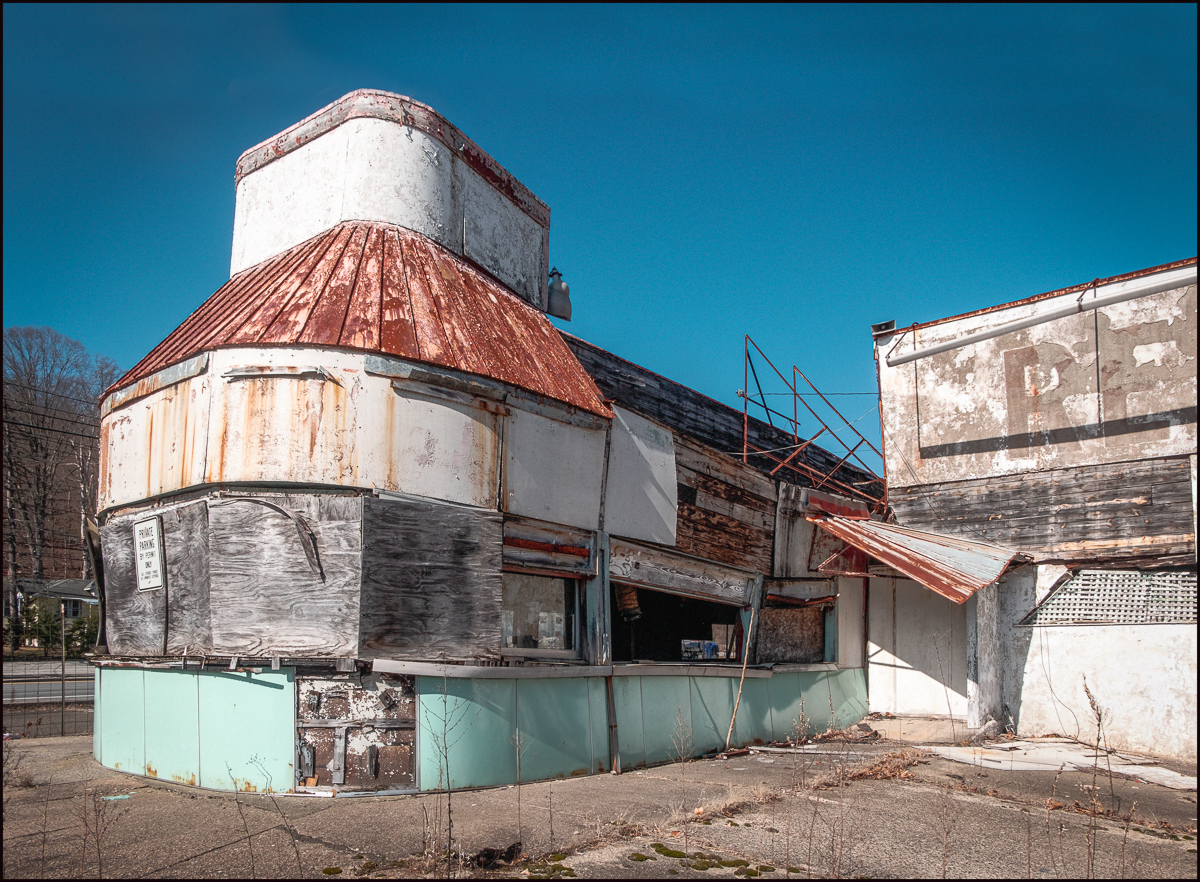
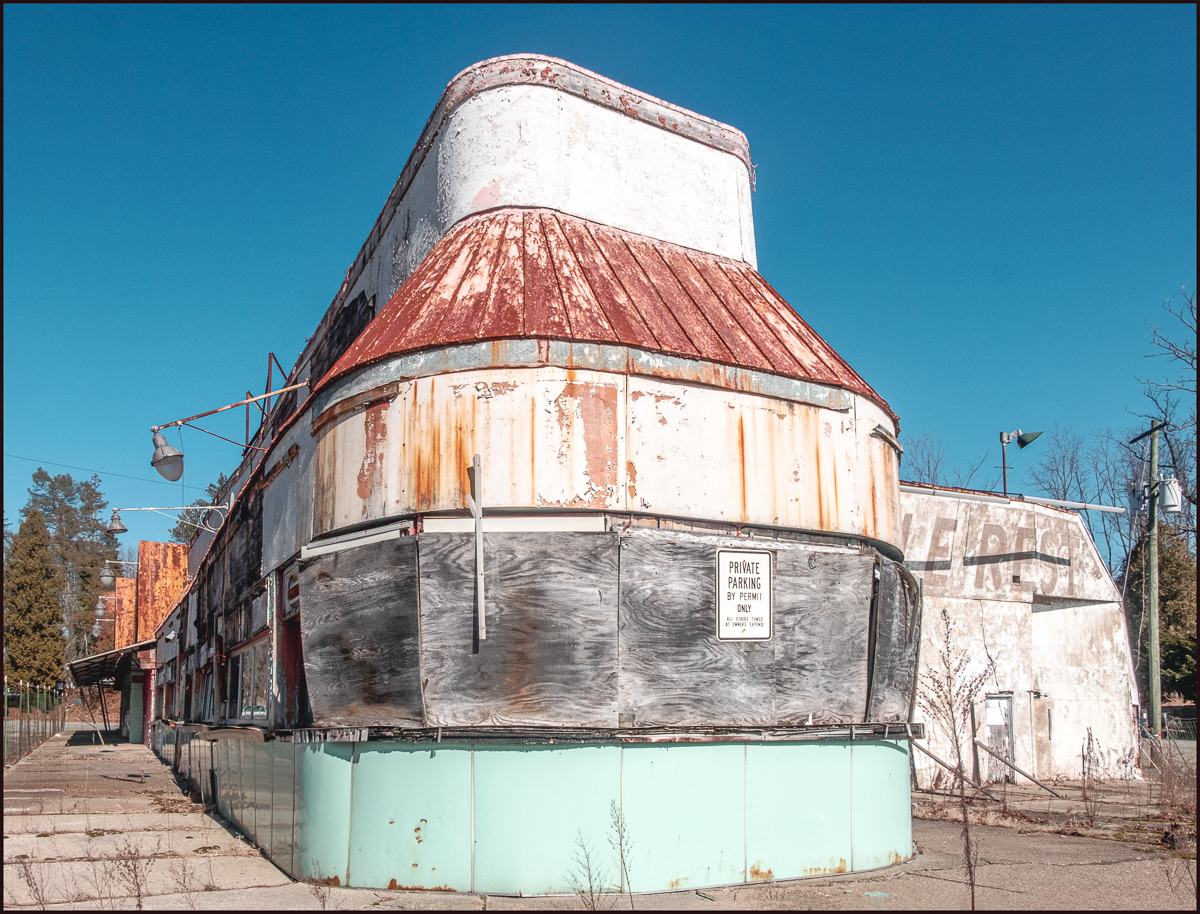
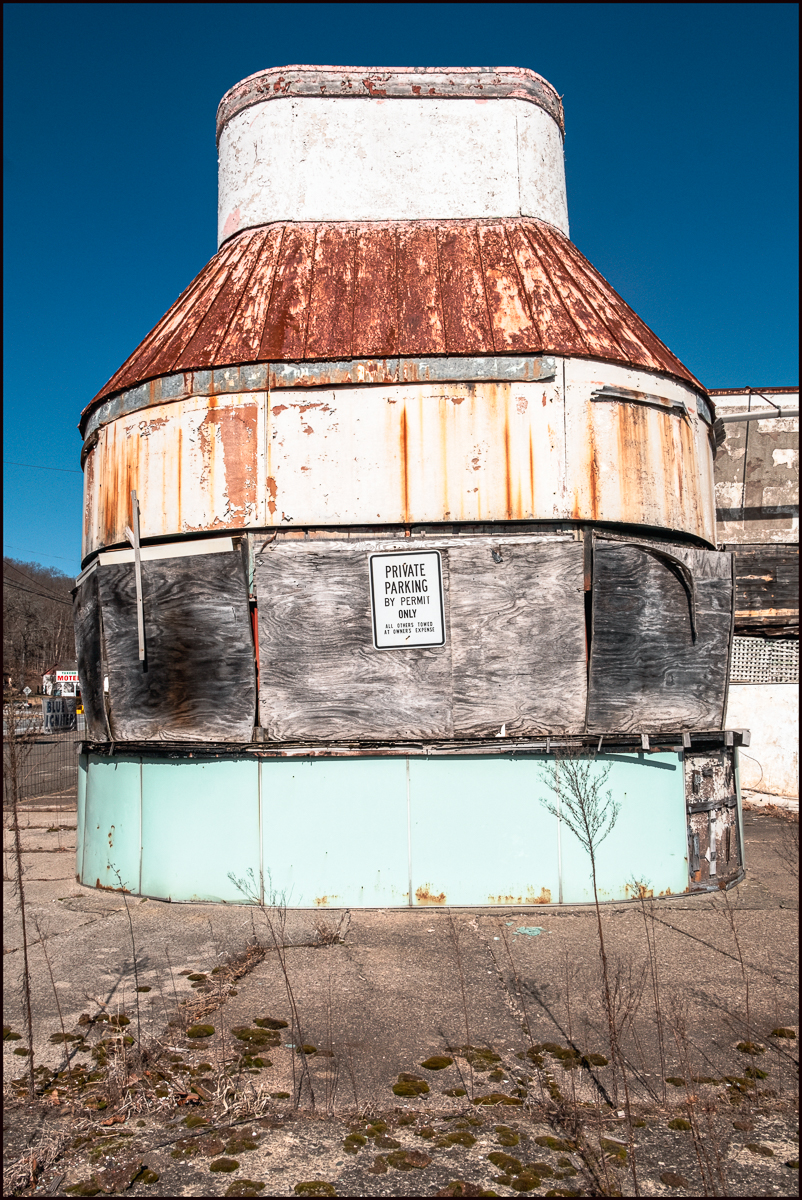
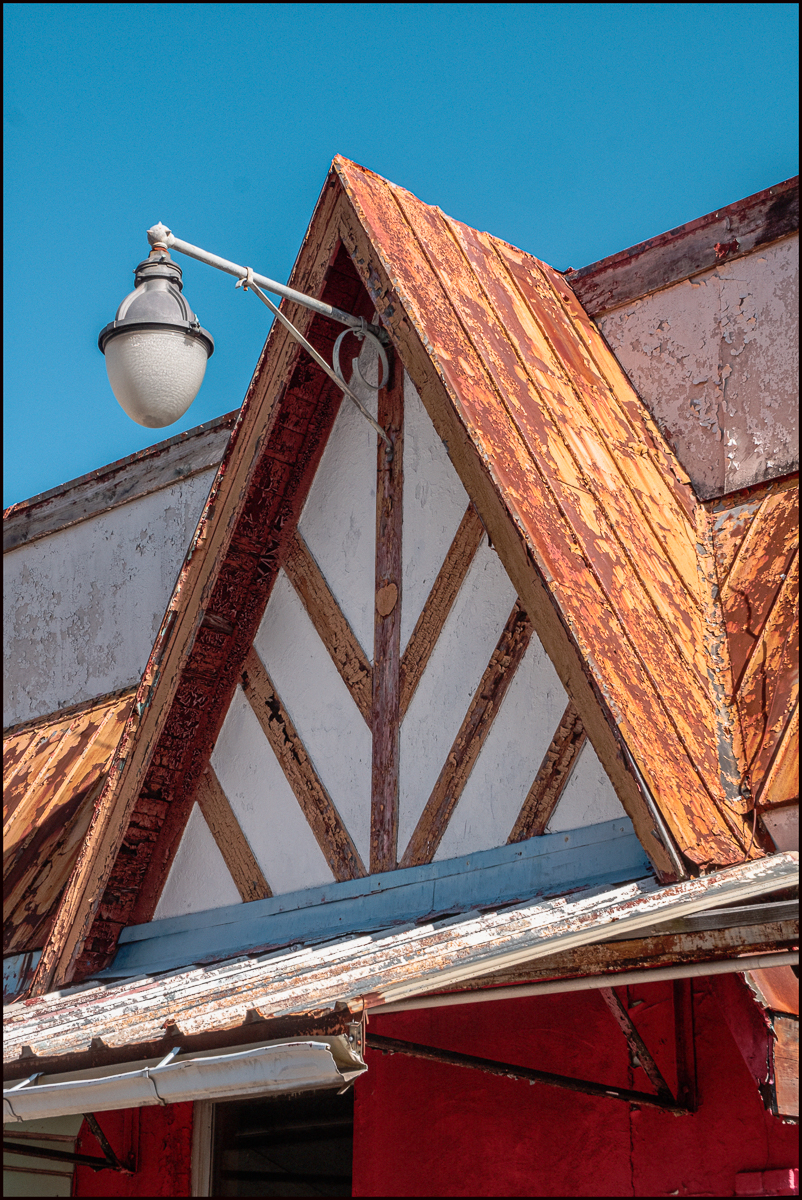
On the way we passed this lovely old, abandoned building. It’s the Red Apple Rest.
The Red Apple Rest was a cafeteria-style restaurant on New York State Route 17, in the Southfields section of Tuxedo, New York. It was a noted way station for people traveling to the hotels of the Catskill Mountains of upstate New York.
Before the New York State Thruway was built, the travel time from New York City to the Catskill Mountains was often four or five hours, especially during weekends. The Red Apple Rest, located almost halfway, became a major roadside stopping place. The restaurant was opened in May 1931 by Reuben Freed.
The Red Apple Rest had a great deal of business during the 1940s and 1950s. It was open 365 days a year, 24 hours a day, and was patronized by so-called “Borscht Belt” comedians and professional athletes as well as families traveling to campgrounds and resorts. Although the Thruway (which was built beginning 1953) bypassed the restaurant, and vacationing in the Catskill Mountains became less popular after the 1960s, the restaurant remained very busy until the 1970s. In 1965 the Red Apple Rest served one million customers.
In his book on Jewish comedians in America, The Haunted Smile, author Lawrence J. Epstein said that comedians would stop at the Red Apple Rest late at night and “would go over the acts, describe the audience, and gather gossip about the other comedians and about routines ripe for buying or ‘borrowing.'”
After 53 years under the Freed family management, the Red Apple Rest was sold in 1984 to a Greek businessman who ran it for another 21 years. At that point it was mostly catering to locals due to the fact that the Catskills had dwindled away as a destination. It closed in September 2006—purportedly for various reasons.
The restaurant was featured in several movies such as Woody Allen’s Deconstructing Harry, A Walk on the Moon, Tenderness and Oliver’s Story, and the November 28, 2013 installment of Bill Griffith’s comic strip Zippy.(Wikipedia)
Update: I’ve just (4 April 2023) come across what looks like an interesting book on this restaurant. It’s called Stop at the Red Apple: The Restaurant on Route 17 and it’s by Elaine Freed Lindenblatt, the daughter of the founder of the restaurant: Reuben Freed.
Taken with a Fuji X-E3 and Fuji XC 16-50mm f3.5-5.6 OSS II