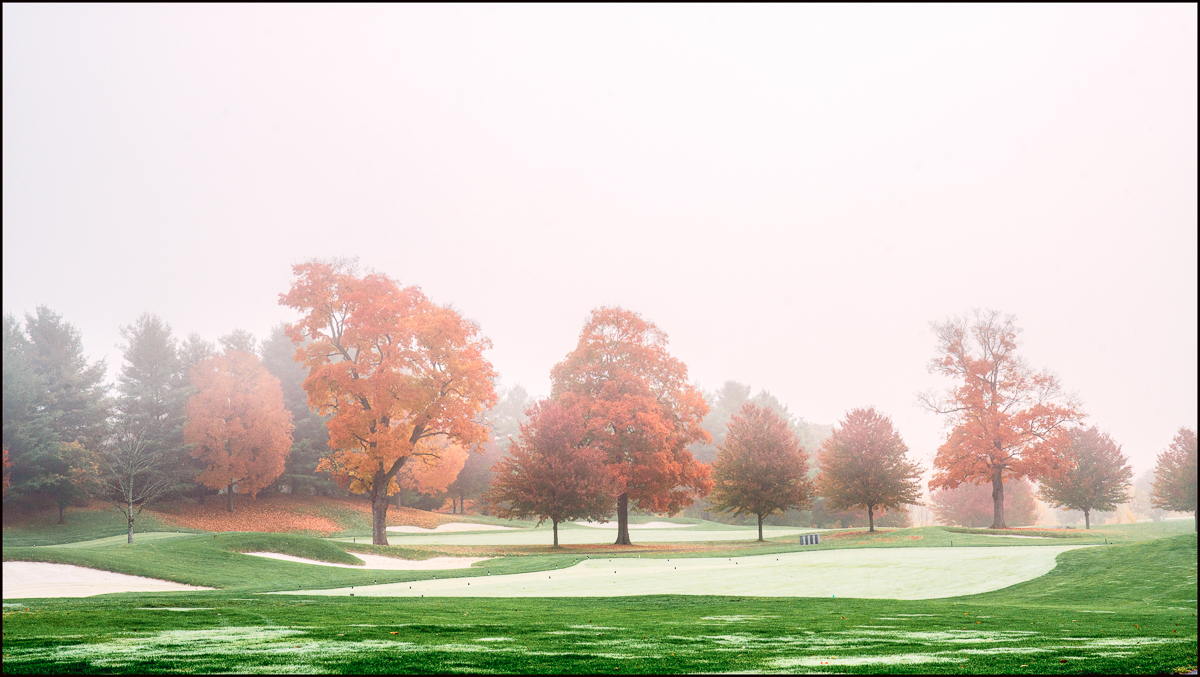
Last October I was going to do my volunteer work at the Briarcliff Manor – Scarborough Historical Society when I noticed the mist/fog over the Trump National Golf Club.
Taken with a Nikon D800 and Nikon AF Nikkor 28-80 f3.3-5.6
Photographs and thoughts on photography and camera collecting

Last October I was going to do my volunteer work at the Briarcliff Manor – Scarborough Historical Society when I noticed the mist/fog over the Trump National Golf Club.
Taken with a Nikon D800 and Nikon AF Nikkor 28-80 f3.3-5.6

I recently came across this YouTube channel, which will be of interest to anyone who collects cameras. It’s called “One Month. Two Cameras” and according to its creator, who’s name is Ali she shoots one vintage digicam or film camera every two weeks. Her philosophy is that there are no bad cameras and whatever you already have will always be good enough.
Although she from time to time posts something about an older film camera, the focus of the channel seems to be on older digital cameras: those which nowadays seem to be referred to as “Digicams”. What’s a “Digicam”? You’ll have wait for a while as I have a post coming up shortly, which addresses this very topic.
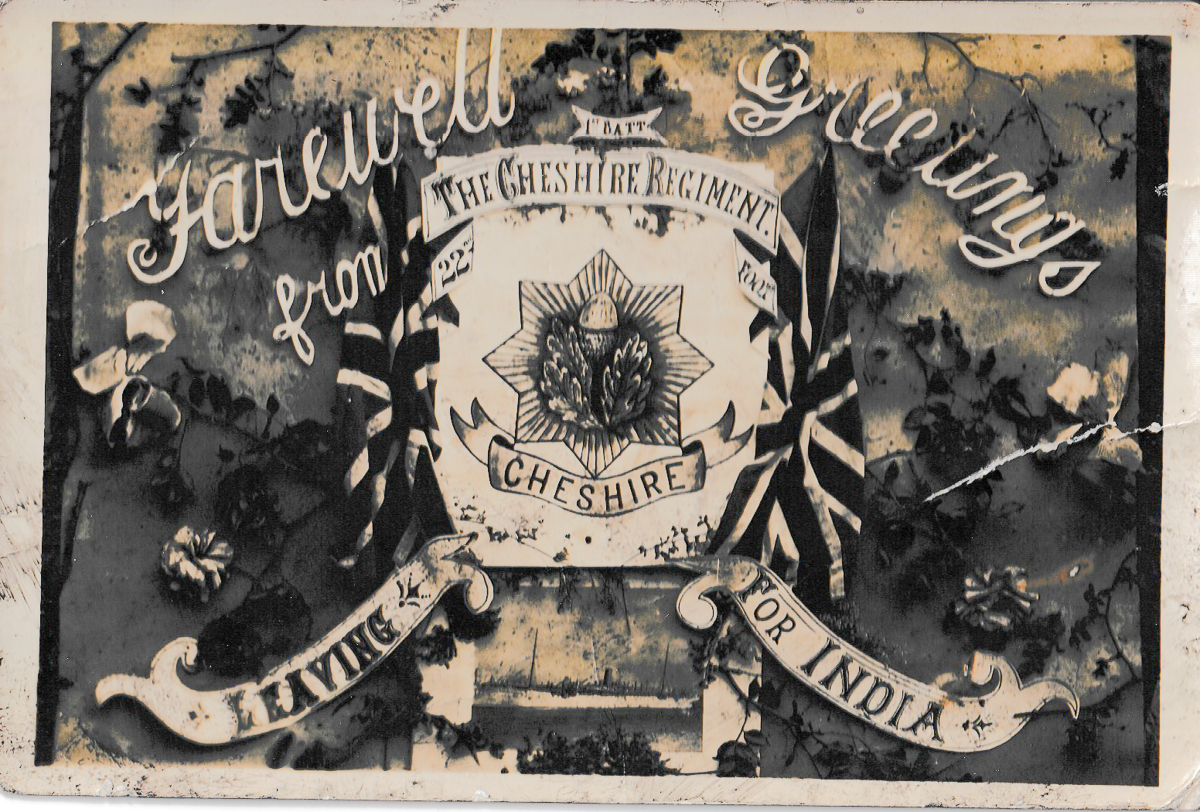
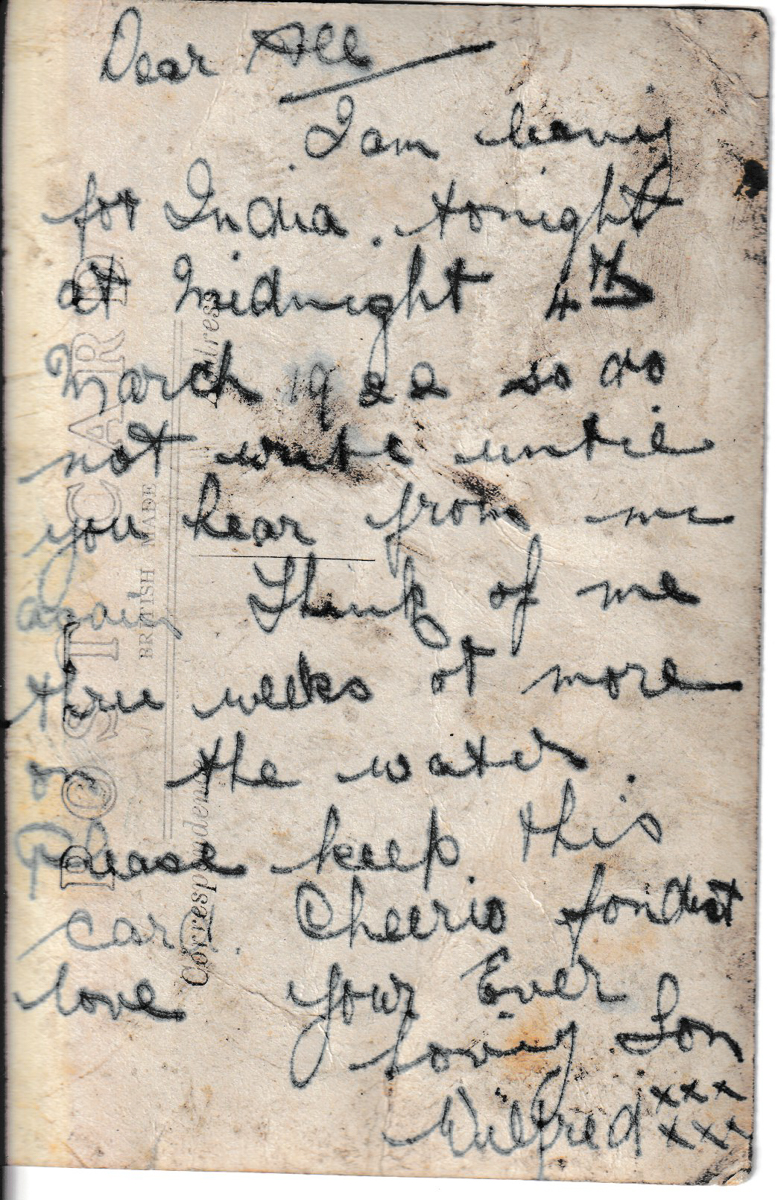
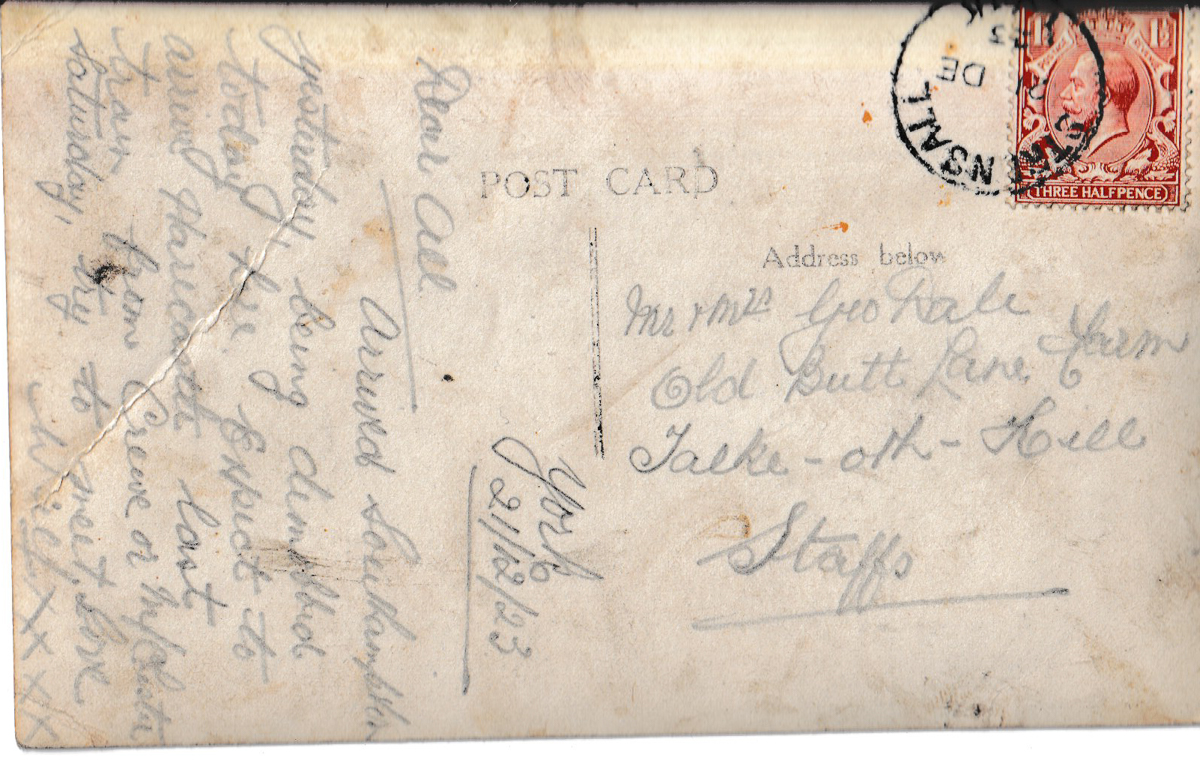
In mid-February I posted pictures of some beautifully embroidered post cards (See:Embroidered Postcards). There were two other post cards, but since they were different in nature and from a different sender I didn’t include them in the earlier post. Where the earlier posts were from someone called Arthur, these are from Wilfred who I believe was my father’s half brother. They seem to have been sent to my grandfather (who I never knew) and grandmother (the Mary to whom the earlier embroidered post cards were addressed).
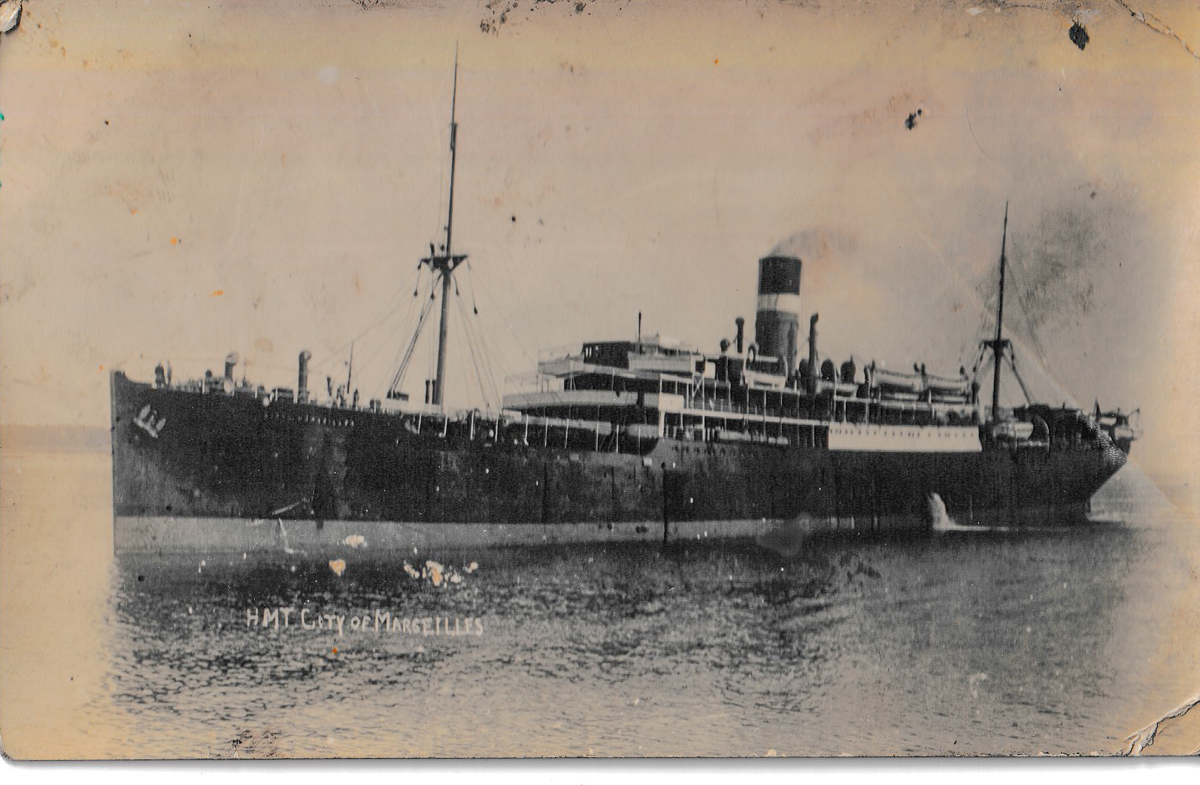
One of the postcards shows a ship called the HMT City of Marseilles, a steam merchant built by Palmers Shipbuilding & Iron Co Ltd, Jarrow and completed in 1913. The owner was Ellerman Lines Ltd, London. Usually British ships are called “HMS” (His/Her Majesty’s ship, which seems to be restricted to military vessels). This one is called “HMT”. I was not familiar with this designation and looked it up. It stands for “His/Her Majesty’s Transport”).
Completed in January 1913. During the First World War, the ship was shelled by a German U-boat but escaped.
On 21 January 1943 the City of Marseilles stranded near Batticaloa, Ceylon. Later refloated but broken up in 1947.
On the morning of 6 January 1940 the City of Marseilles was damaged by a mine, laid on 12 December 1939 by U-13, 1.5 miles southeast of Tay Fairway Buoy, River Tay. The ship had just taken a pilot aboard when the mine exploded under her bridge, stopping the engines and causing a list of 10 to 15° to starboard. The crew began to abandon ship, but two lifeboats had been destroyed by the explosion and another capsized during launch, throwing the 14 occupants into the water. One crew member was lost. Screened by a Hudson aircraft (224 Sqdn RAF), the survivors were picked up by the pilot cutter, a RAF crash launch from Tayport and the Broughty Ferry lifeboat Mona and landed at Broughty.
The abandoned City of Marseilles was boarded by crew members of HMS Cranefly (FY 539) (Skipper H.B. Soames, RNR), HMS Sturton (FY 1595) (Skipper W. Buchan, RNR) and the harbour defence patrol craft HMS Suilven and soon thereafter her officers and a pilot returned to the vessel aboard Mona. The next day, the vessels towed her to Dundee where temporary repairs were made. The ship then continued to the Clyde for repairs and returned to service in April 1940. (Uboat.net).
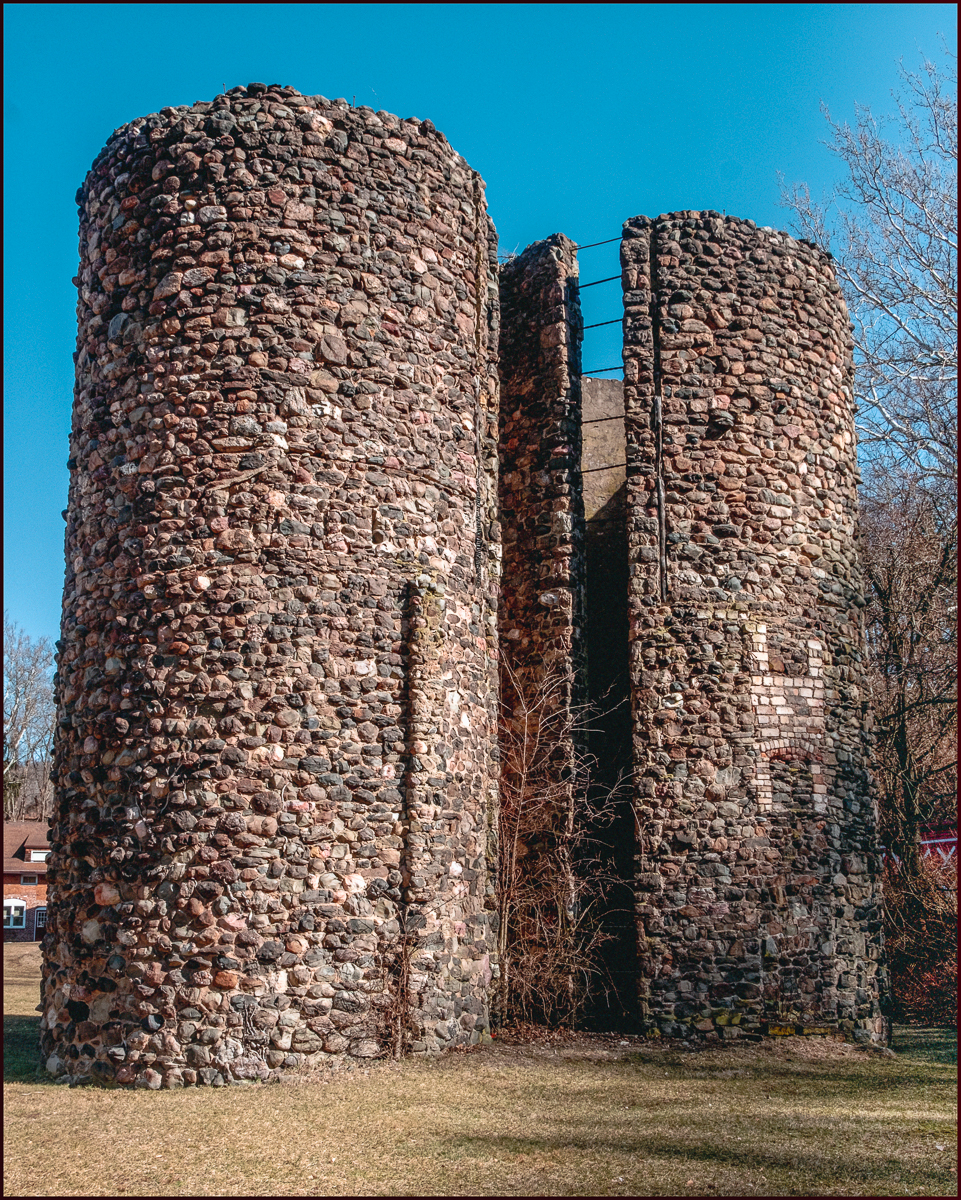
We headed back home, but on the way we noticed a sign to yet another furnace, one none of us had heard of before.
It’s the Clove Furnace.
The Clove Furnace Ruin in Arden, New York, United States, was a longtime smelting site for iron ore mined from nearby veins in what is now Harriman State Park. It is located on Arden Station Road just east of the New York State Thruway, and can easily be seen from the highway. It was built in 1854 by Robert & Peter Parrott, who also owned and operated numerous mines in the area, known collectively as the Greenwood Iron Works. Together with the Greenwood Furnace (c.1810), located roughly one half mile east of Clove, these two furnaces produced iron which supplied the Parrott’s West Point Foundry at Cold Spring, NY. The foundry produced the famous and highly effective Parrott Rifle (cannon) utilized by the Union army during the Civil War. The furnace shut down permanently, shortly after Robert Parrott’s death in 1877.
It is located on Arden, which was formerly a property of Columbia University. (Wikipedia)
Additional information can be found here.
One of many blast furnaces in this iron ore-rich region, Clove Furnace opened in 1854, producing some 5,000 tons of iron by the following year—and 101,000 tons in the decade between 1871 and 1881. Iron produced here was used for the manufacture of stoves and other hardware. The furnace was shut down in 1885 and now serves as headquarters of the Orange County Historical Society. The restored stack, spillway, and other buildings provide a rare glimpse into an important 19th century industry in the Hudson River Valley, while the adjacent museum explains the iron-making process and offers displays about other aspects of Orange County history. Hiking trails in Harriman State Park pass many of the mines that supplied this and other furnaces.
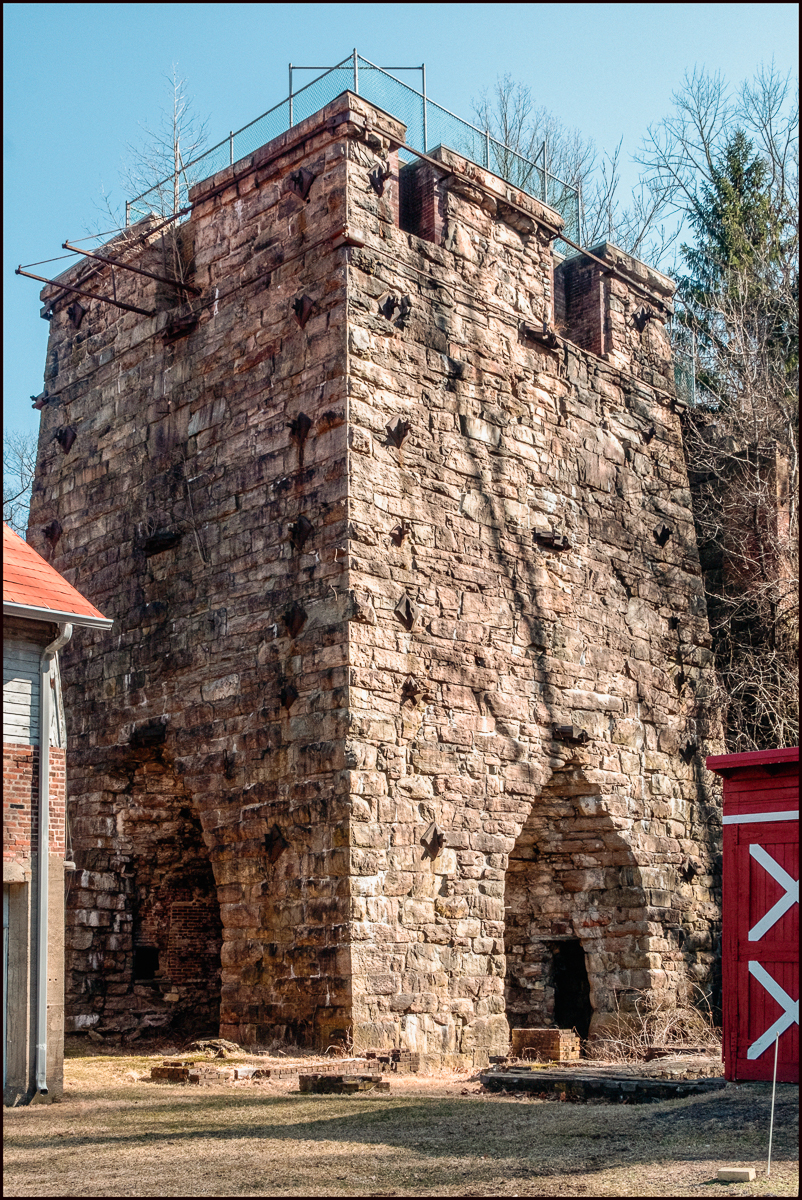
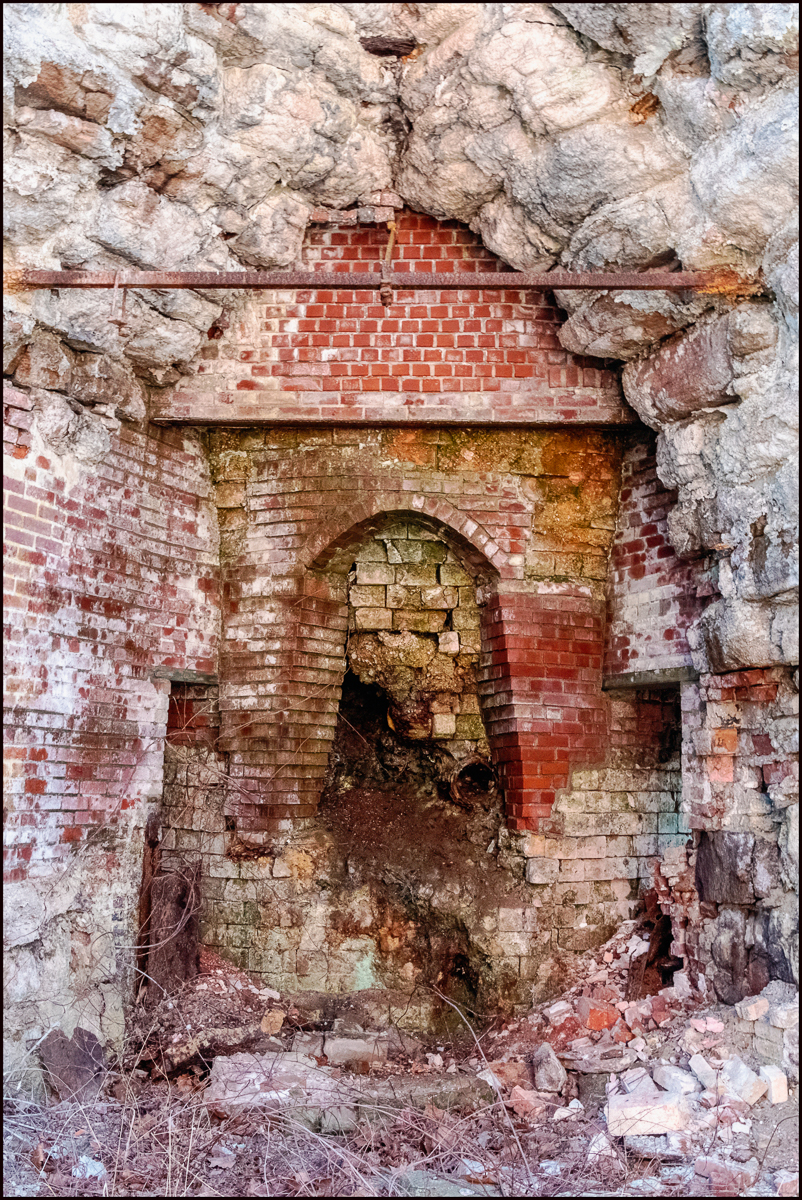
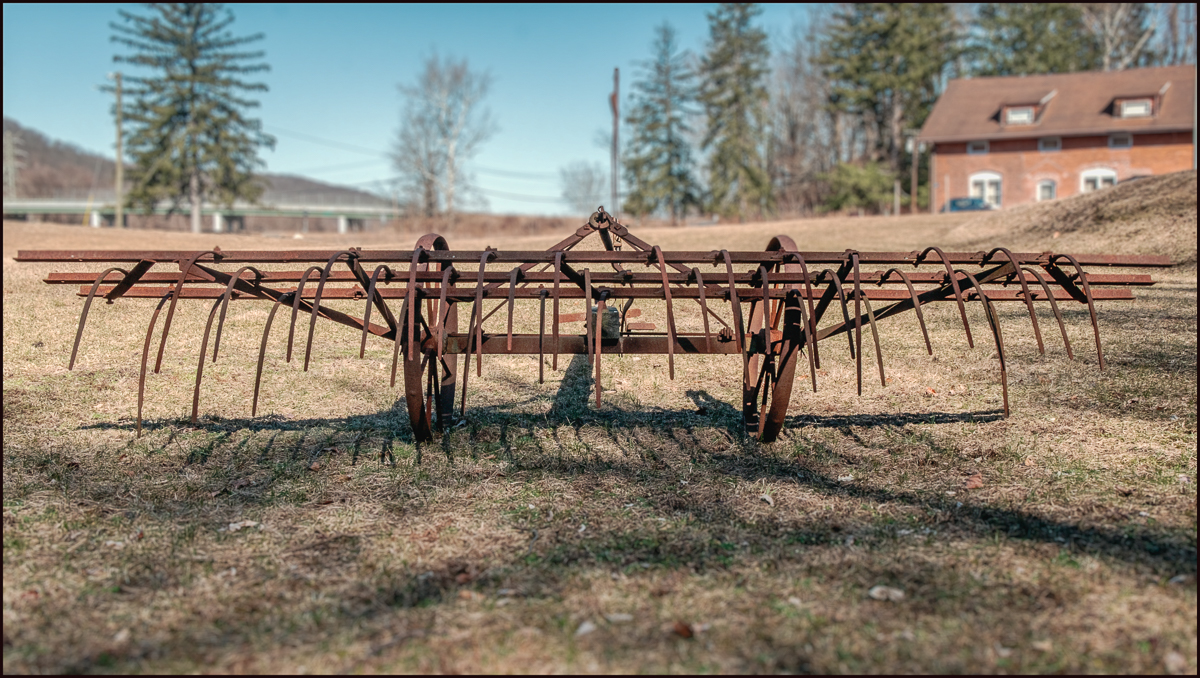
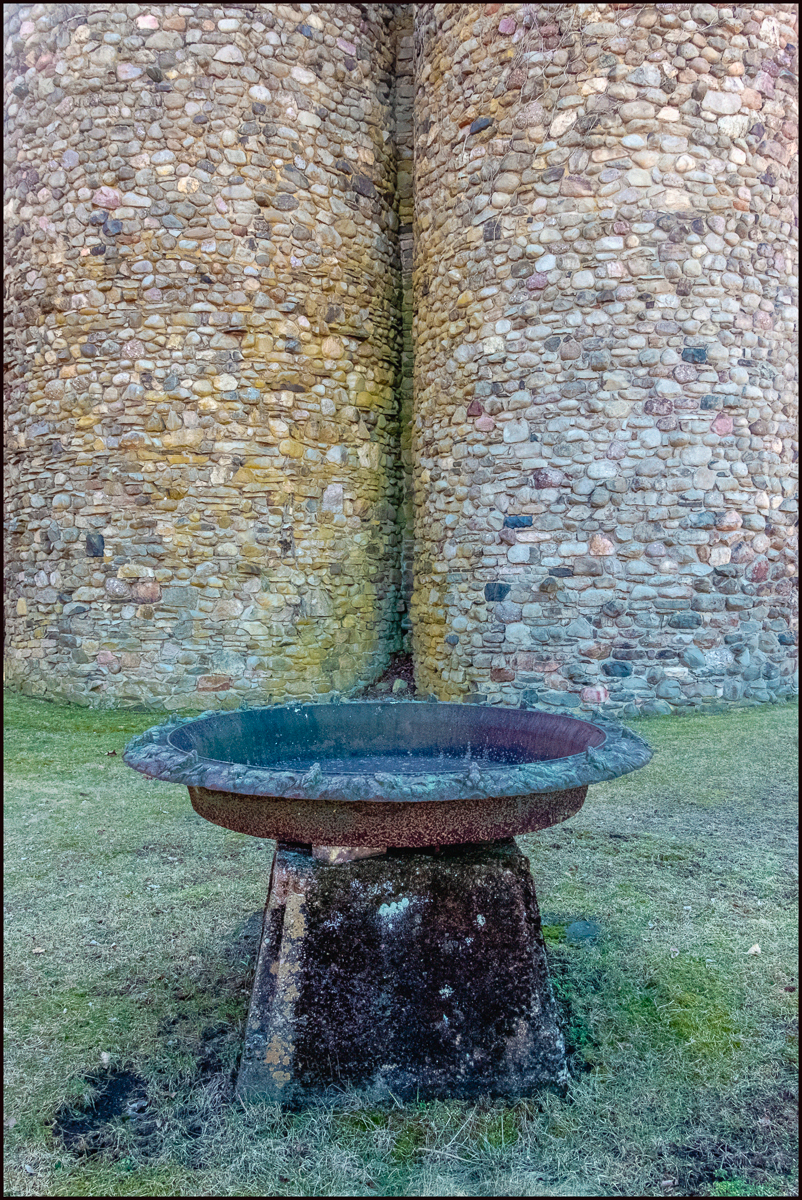
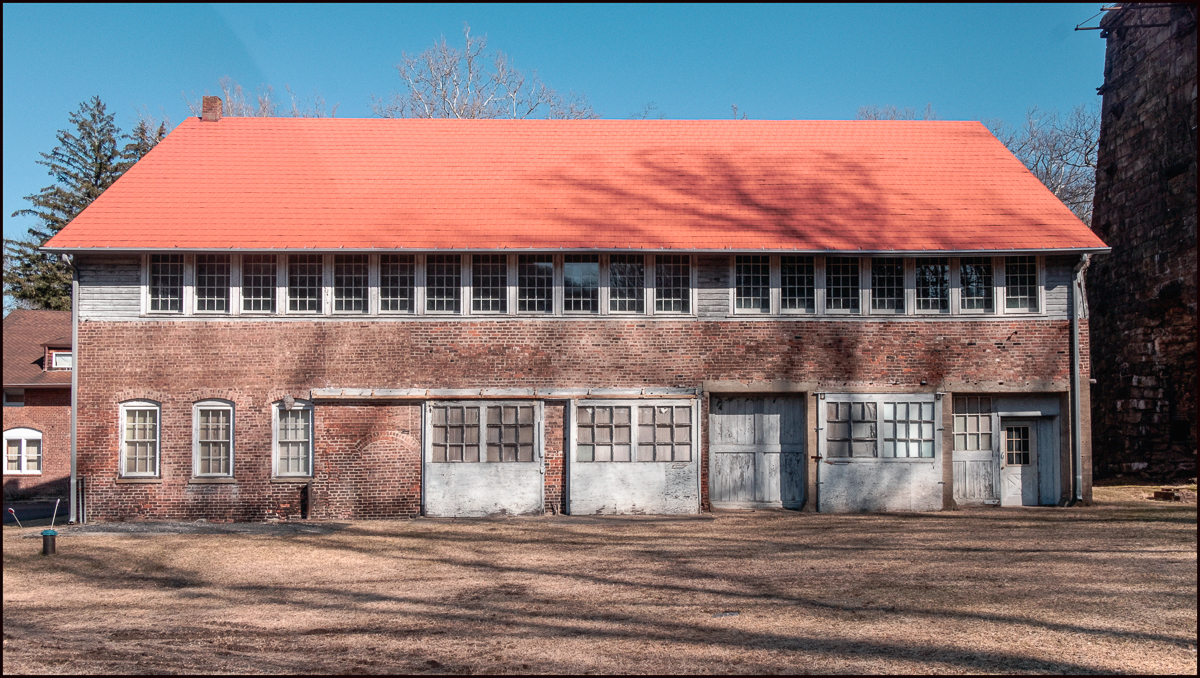
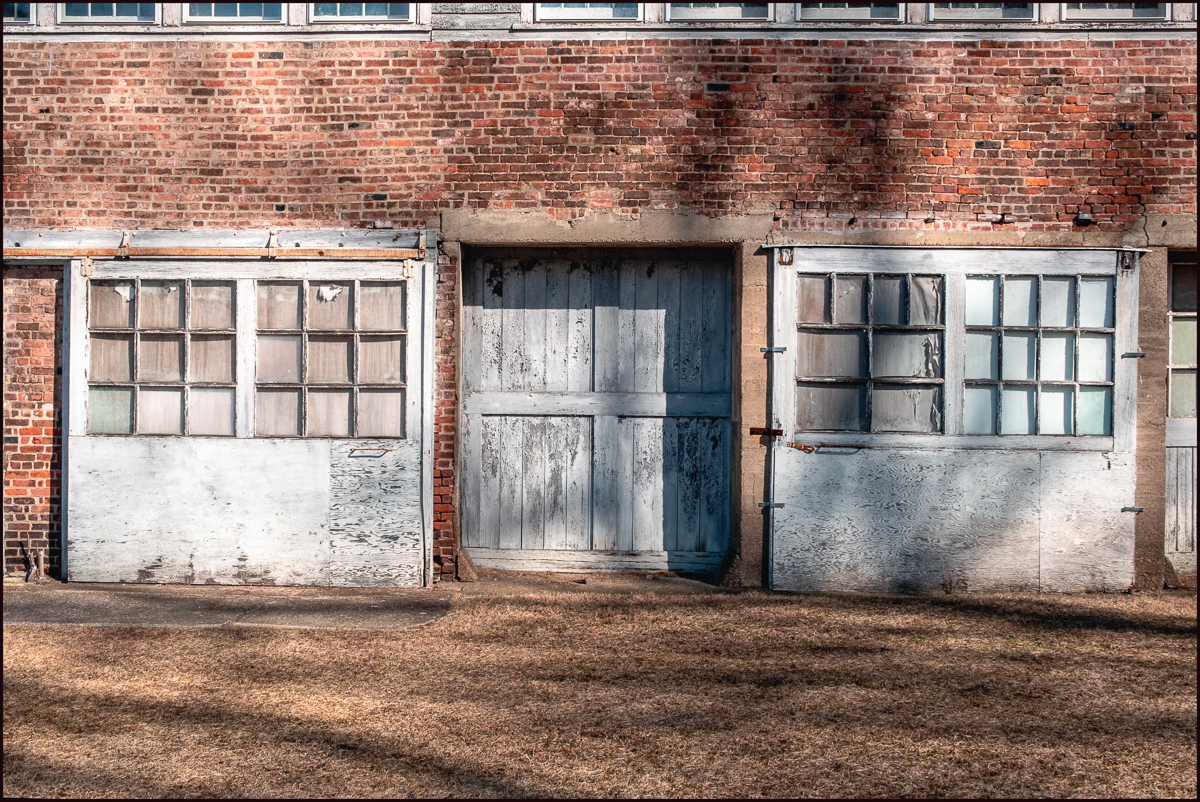
Taken with a Fuji X-E3 and Fuji XC 16-50mm f3.5-5.6 OSS II
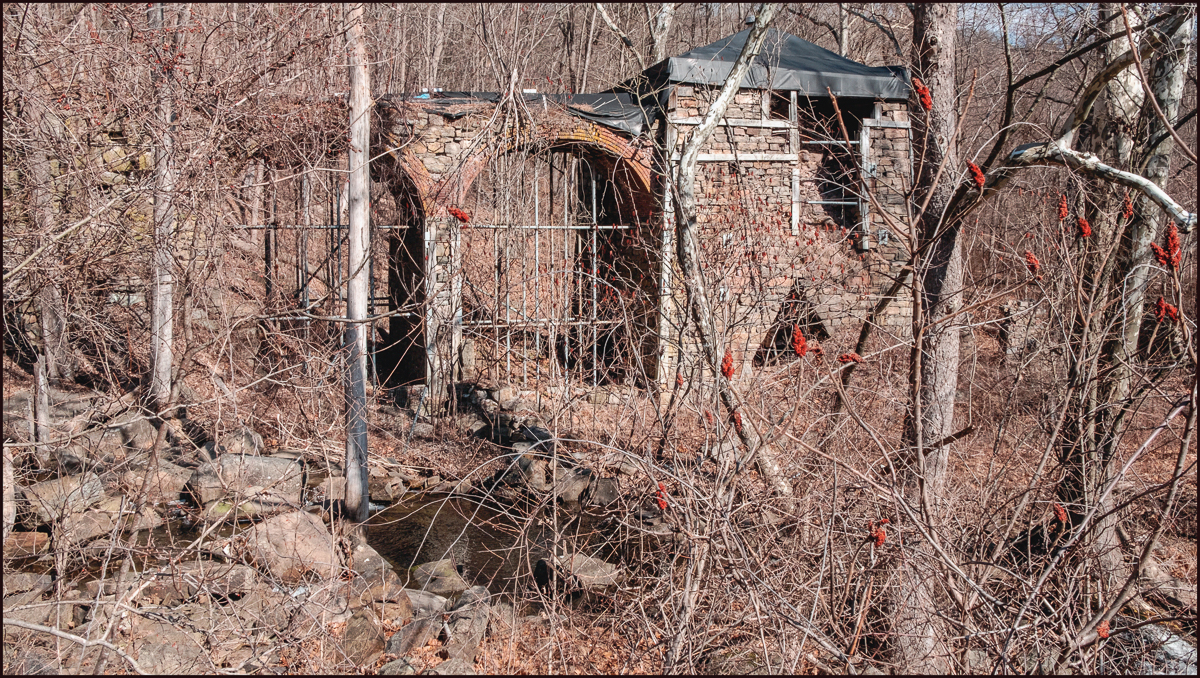
My friend accurately recalled where the furnace he remembered was and we got there without incident.
Its the Southfield Furnace.
The Southfield Furnace Ruin in Southfields, New York, was a longtime smelting site for iron ore mined from nearby veins in what is now Sterling Forest State Park. It is located on the north side of Orange County Route 19, 0.7 miles northwest of the junction with New York State Route 17.
It was added to the National Register of Historic Places on November 2, 1973 for its significance in industry.
It was built by Peter Townsend II, who also owned the mines. The Southfield Ironworks in addition to the furnace included a stamping mill, grist mill, saw mill, smith shop, wheel wright shop, coal shed, store, and stables.
The furnace was shut down in September 1887. (Wikipedia).
My friend had said that this furnace was not as interesting as the one in Sterling Forest, but I rather liked it – maybe because, unlike the Sterling Furnace you can still see the Charging Bridge on the left, which was used for bringing ore, charcoal and limestone to the top of the furnace.
Unfortunately there was no parking on the road and there was a stream between the road and the furnace. So I was unable to wander around and was only able to get the one picture.
Taken with a Fuji X-E3 and Fuji XC 16-50mm f3.5-5.6 OSS II