A Visit to Kingston, NY – Along Roundout Creek – Some Boats and a Crane

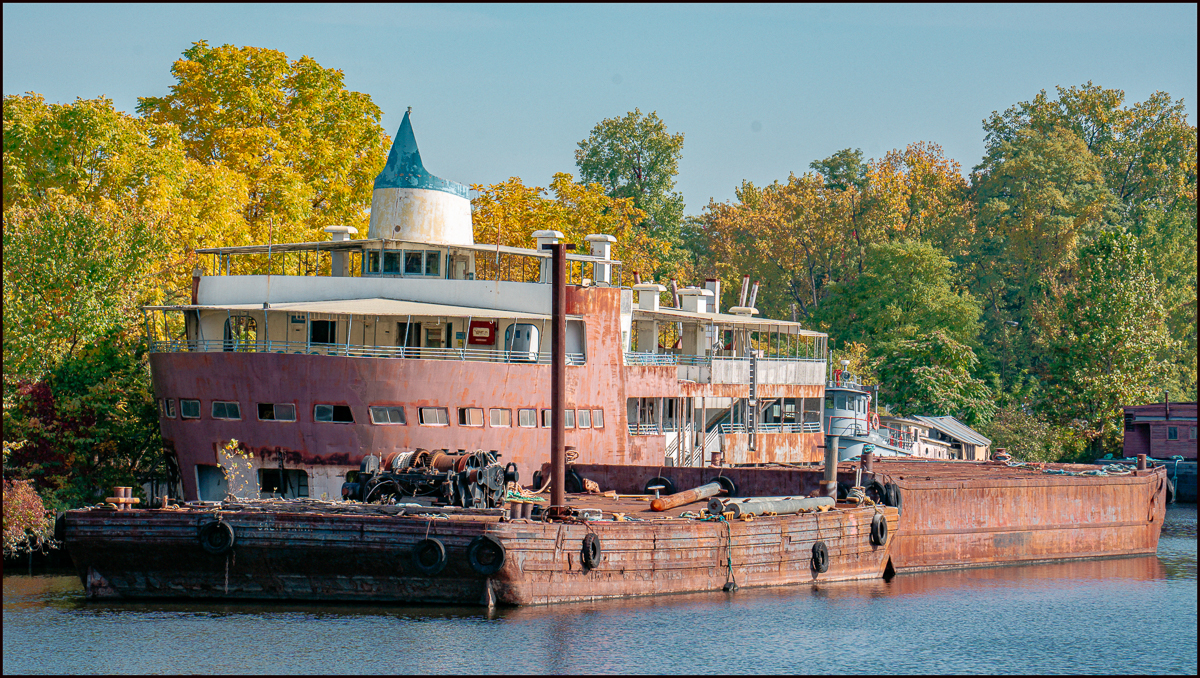
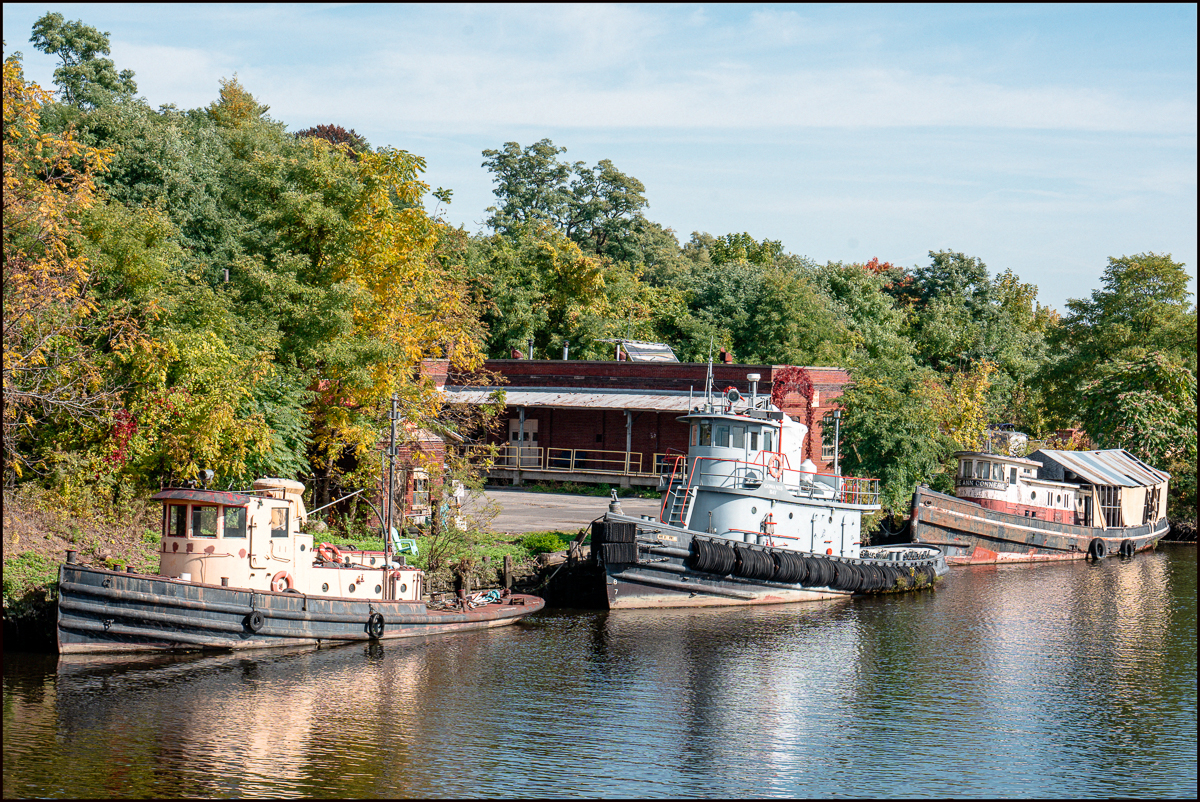
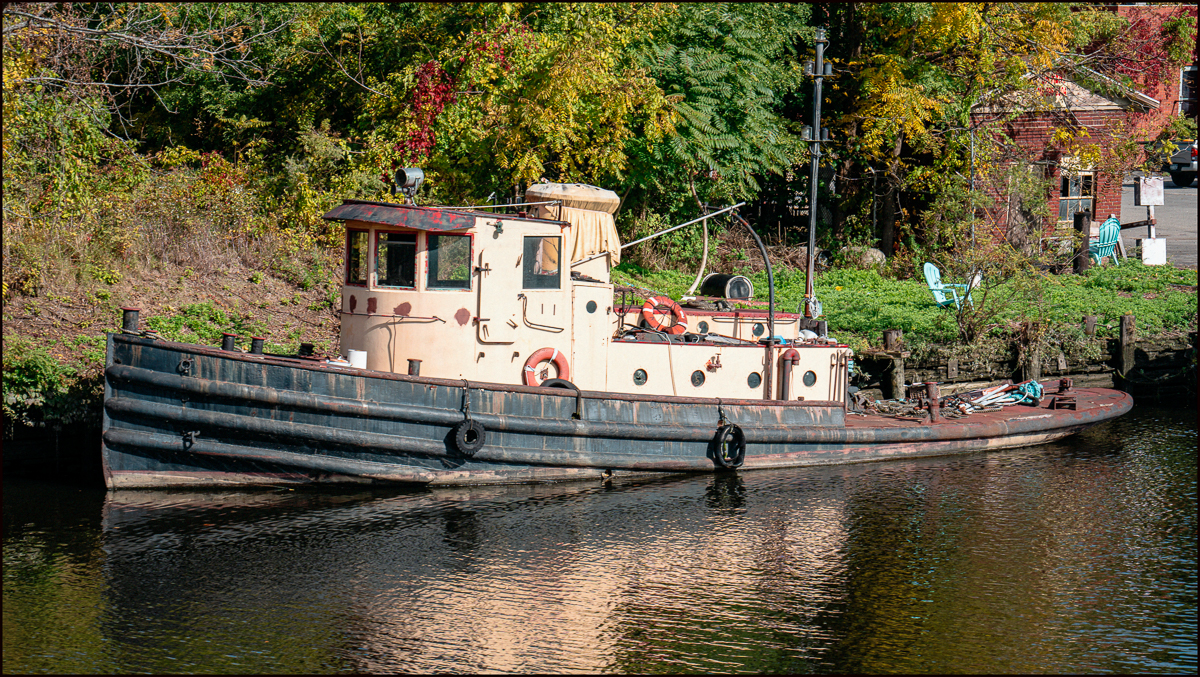
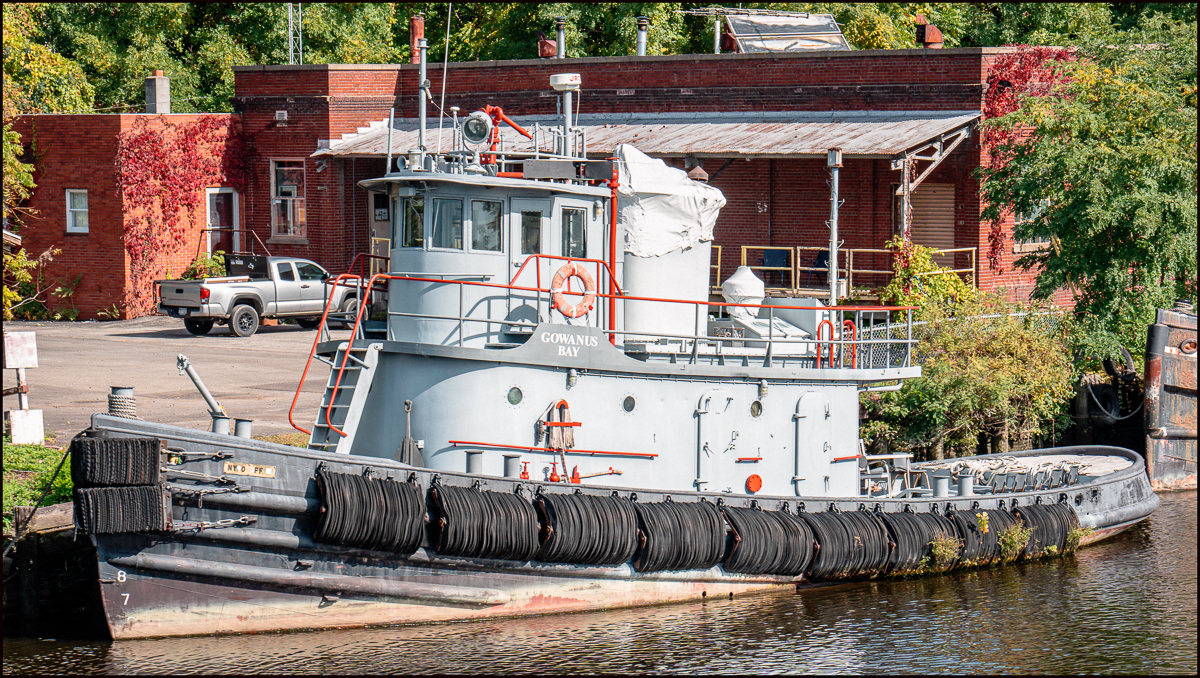
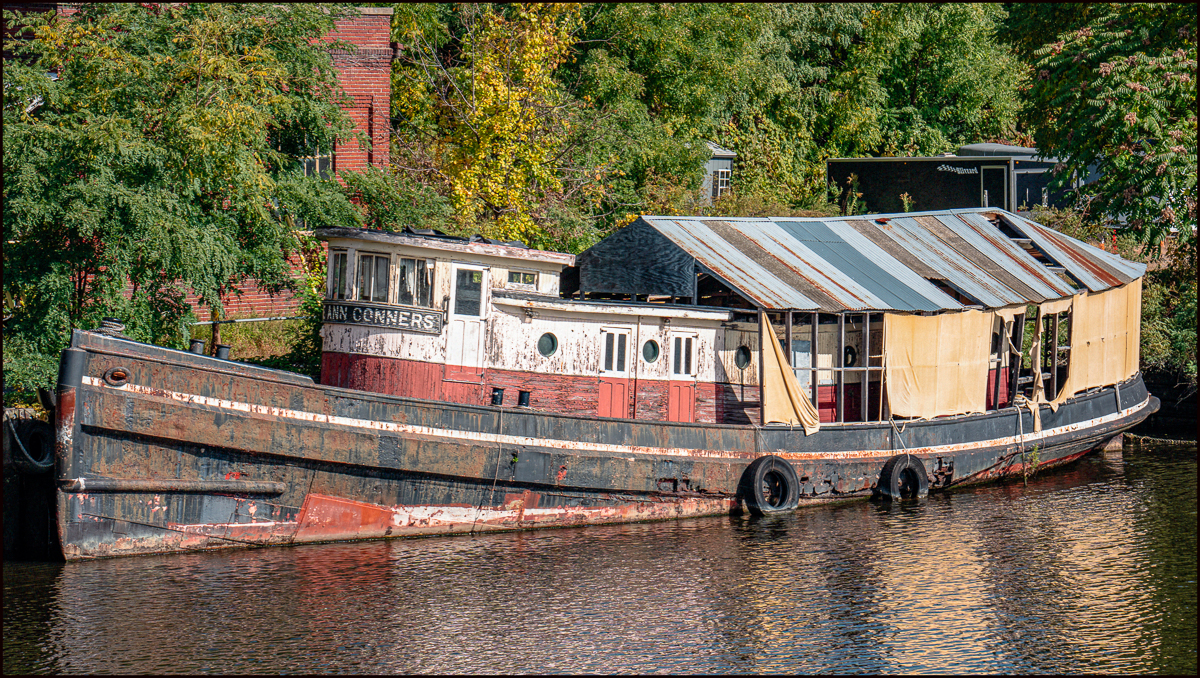
Old boats, many (perhaps all) abandoned.


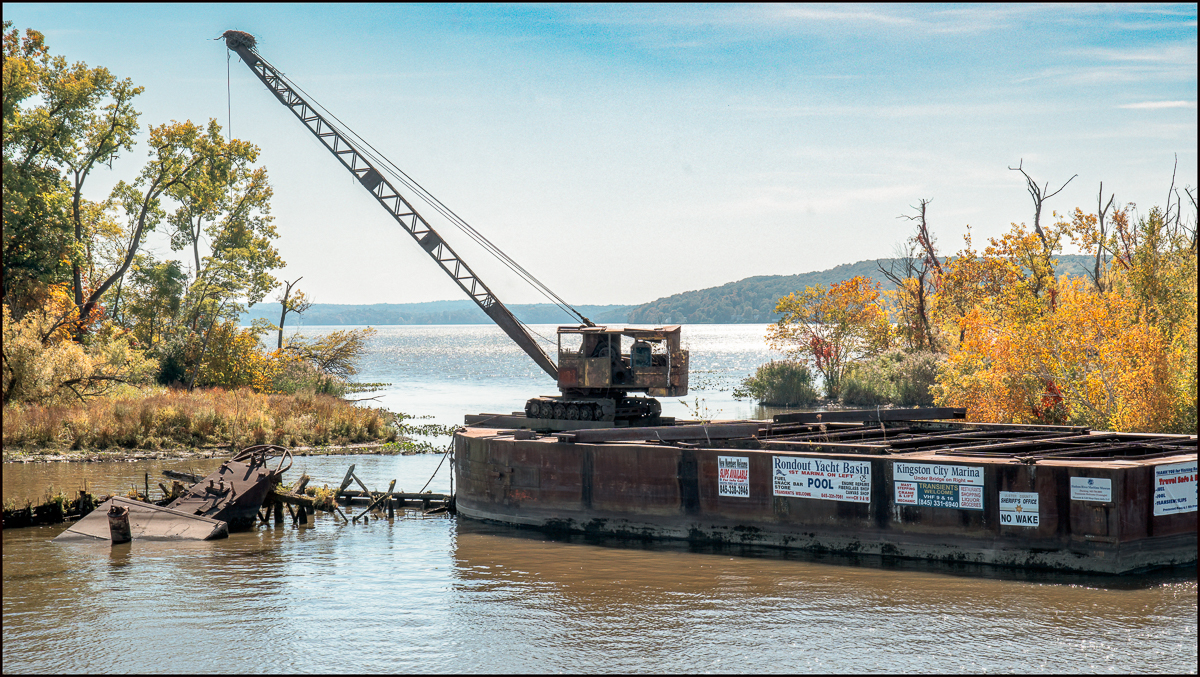
And a crane. Around the crane are the ruins of the Cornell Steamboat Co. barges that sank to the bottom of the creek from disuse in the 1960s. When the Cornell business entered bankruptcy in 1964, the barges anchored for years and eventually sank in place. There are no plans to remove them.

Taken with a Sony A7IV and Tamron Di III VXD A056SF 70-180mm f2.8.

A Visit to Kingston, NY – Along Roundout Creek – Some Buildings


Hudson River Maritime Museum with the 1898 steam tugboat Mathilda. Mathilda was built in Sorel, Quebec, and for many years worked on the St. Lawrence River and the Great Lakes. Originally, coal fueled her steam boilers. Later her engine was changed to an oil-fired, two-cylinder reciprocating unit.

​McAllister Towing bought the Mathilda and brought her to New York Harbor after using her in Montreal berthing ships. 1969 was her last year of active service. In 1970 McAllister donated Mathilda to South Street Seaport in lower Manhattan.

In January, 1976 the Mathilda sank at her pier at the Seaport. She was raised by the Century floating crane. Since the Seaport could not afford the needed repair work, Mathilda was moved to the former Cunard Line Pier 94 for dry storage.

In 1983 McAllister Towing donated the Mathilda to the Hudson River Maritime Museum, and sent her to her new home on the Rondout on the deck of the Century crane barge which placed her in the yard of the Museum.

In recent years the Mathilda has been permanently stabilized and her appearance restored with authentic McAllister paints supplied by the company. Her deck lighting has been restored and enhanced. Her interior has been cleaned out, and a window opened for viewing her engines, which are lit at night.

As one of the last tugs in existence with her original steam engine, the Mathilda is a proud survivor of the type of tugs which served on the Hudson and elsewhere for nearly 100 years.


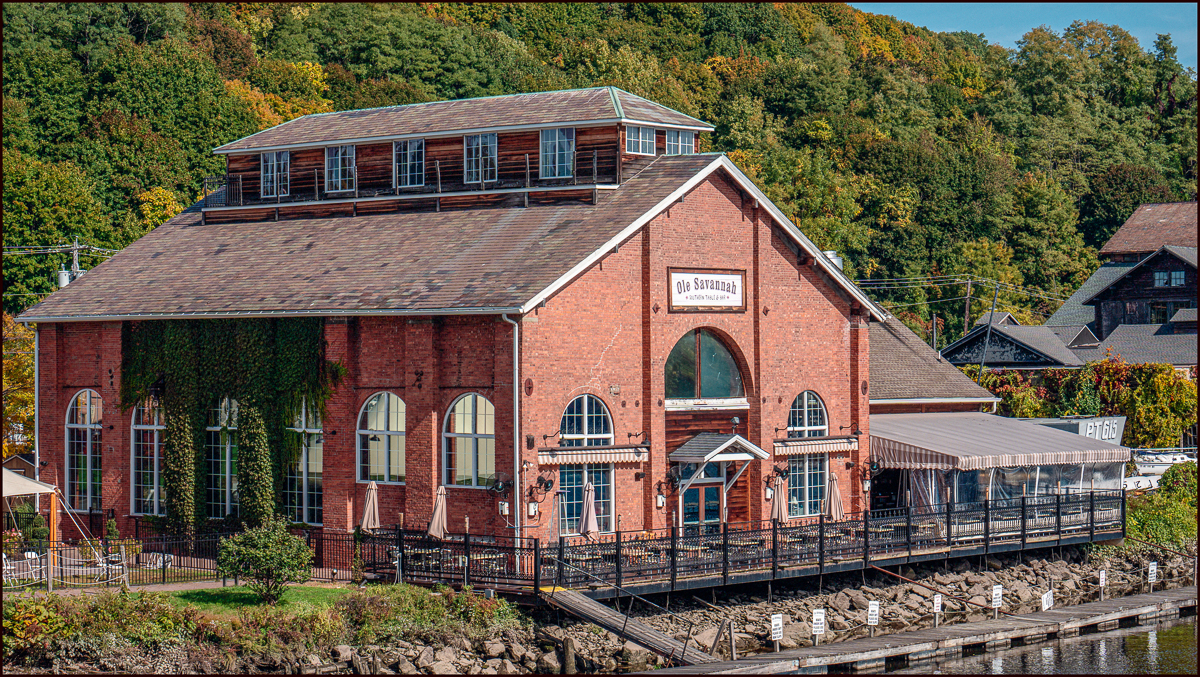
Ole Savannah Southern Table and Bar.


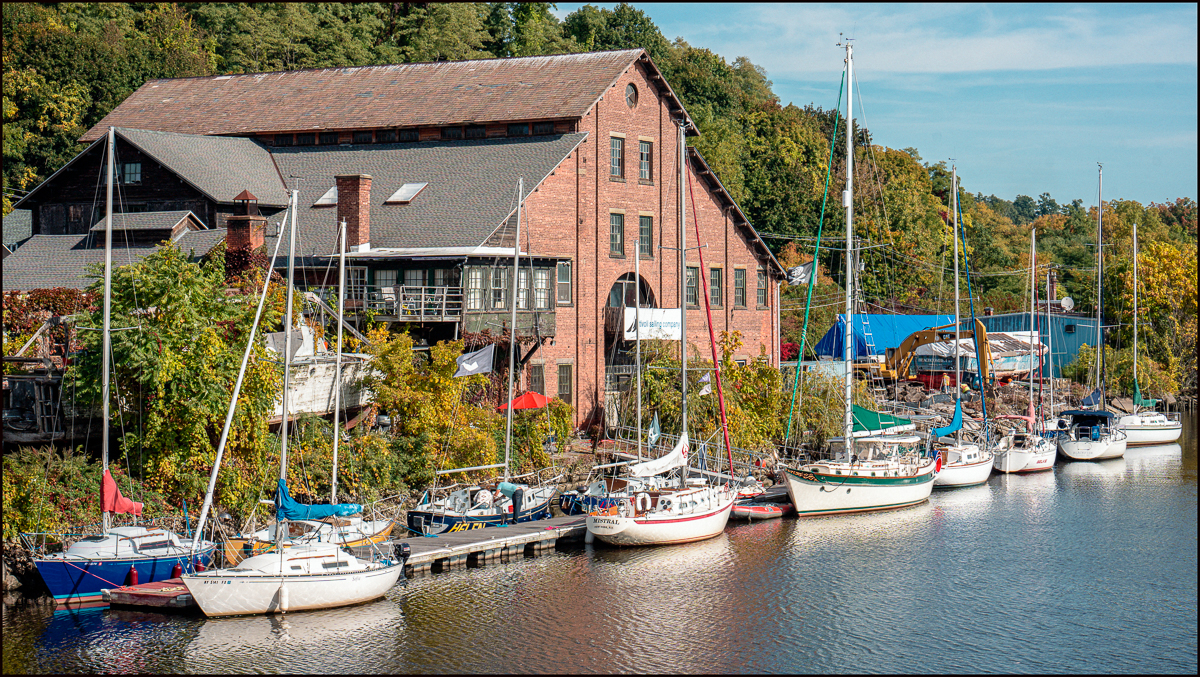
Tivoli Sailing Company. According to their website:

Sailing the Hudson River with Tivoli Sailing Company explores the joys of sailing on the mid-Hudson River valley between Kingston, Rhinecliff and Saugerties, making it possible for all to enjoy sailing the Hudson Valley!!

Young and old, beginner and experienced sailor have all enjoyed sailing the Hudson Valley with us. A unique holistic approach is what differentiates Tivoli Sailing company. This method combines the practical – how to sail, tie knots – with a wider appreciation of sailing the Hudson valley, its ecology, cultures (literary, visual, audio) and its residents – human, marine or animal.

The popularity of Tivoli Sailing as a summer program for children has grown every year since its inception, and is now the most popular summer sailing program for kids in New York!

For those looking for sailing lessons, charters, tours or cruises, Tivoli Sailing makes it easy to enjoy sailing the Hudson River as a perfect pastime or hobby right here in the Hudson Valley.

Tivoli Sailing makes It easy for New Yorkers and tourists!

Taken with a Sony A7IV and Tamron Di III VXD A056SF 70-180mm f2.8.

A Visit to Kingston, NY – Mayor T.R. Gallo Park

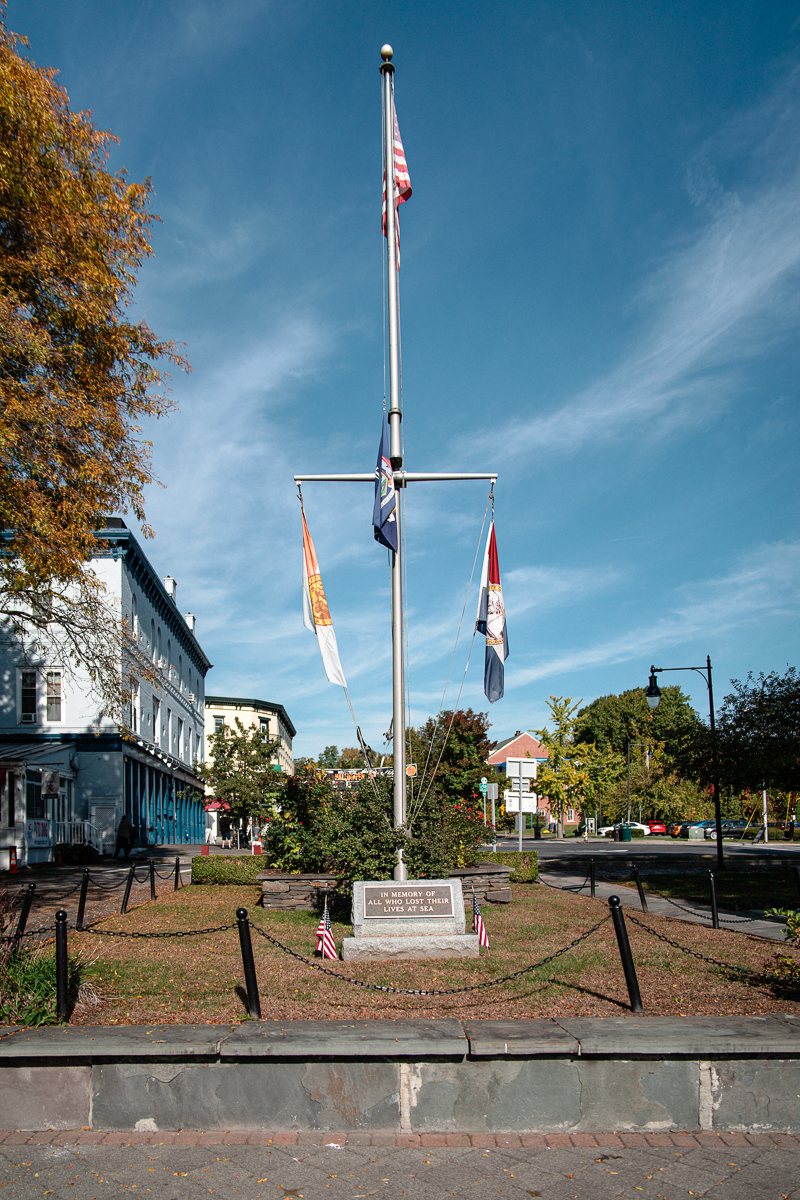
Created by the Urban Cultural Parks System in 1984, the West Strand Park offers various amenities for visitors while showcasing the beautiful Rondout Creek. In 2003-2004, the Park was renamed in memory of the late mayor T.R. Gallo who championed Kingston’s waterfront development. The park also undertook a major expansion in 2010 with the completion of a new waterfront promenade extending alongside the Rondout Creek. Above: A sculpture made by the Bruderhof Community’s Barney Boller gives the appearance of ducks flying through the trees on lower Broadway in Kingston, N.Y. The sculpture was given in memory of Mayor T.R. Gallo and sits in T.R. Gallo Park at the bottom of Broadway in Kingston, N.Y. Photo taken March 1, 2020.

Mayor Gallo’s obituary can be seen at Kingston Mourns Loss of Mayor Who Breathed Life Into City, NY Times, 23 January 2002


Memorial reads “In Memory of all who lost their lives at sea”.


Park looking vaguely North East.


Park looking vaguely South West.

Taken with a Sony A7IV and Rokinon/Samyang AF 24-70 f2.8 FE

A Visit to Kingston, NY – Overview

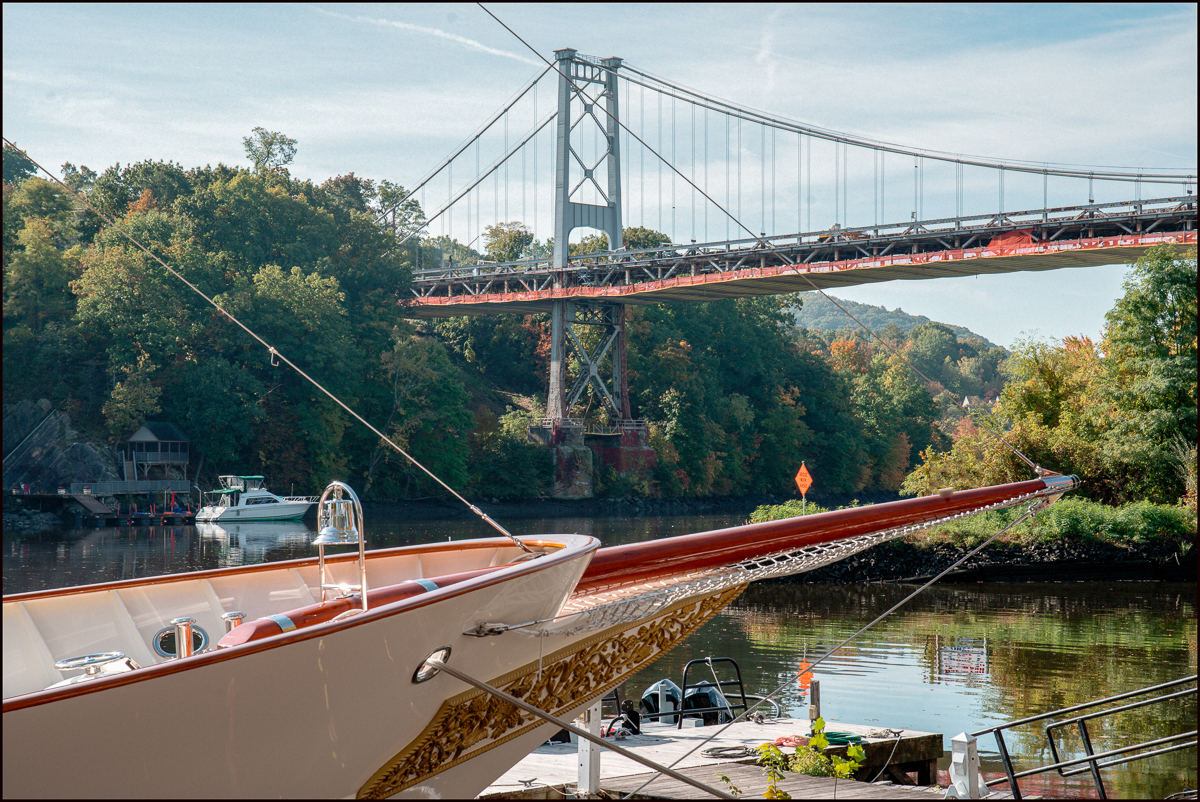
I’d been to Kingston before, but that visit had focused on areas away from the water (See: A visit to Kingston – Overview and Gomez Mill House and nearby posts). This time the purpose of the visit was a boat ride on Rondout Creek/Hudson river followed by a meal at Mariner’s Harbor. Above: Above Rondout Creek and the Kingston–Port Ewen Suspension Bridge, sometimes known as the “Rondout Creek bridge”, “Old Bridge” or “Wurts Street Bridge” in the background.

The Rondout–West Strand Historic District is located on the shore of Rondout Creek along the southern boundary of the city of Kingston, New York, United States. Formerly Rondout, New York, it is bounded by the creek, Broadway, Hone, Ravine and McEntee streets, an area of 570 acres (2.3 km²) containing 259 buildings, most dating to the 19th century. US 9W and the John T. Loughran Bridge are immediately to the east; the Kingston-Port Ewen Suspension Bridge crosses the creek to the west. The neighborhood is often referred to locally by either of the two names.

The name of the Rondout Creek comes from the fort, or redoubt, that was erected near its mouth The Dutch equivalent of the English word redoubt (meaning a fort or stronghold), is reduyt. In the Dutch records of Wildwyck, however, the spelling used to designate this same fort is invariably Ronduyt during the earliest period, with the present form rondout (often capitalized) appearing as early as November 22, 1666. Because the spelling of the word was unusual and implied a proper name, the translators, Oppenheim and Versteeg, preserved the original form in their translations instead of giving the English equivalent, as O´Callaghan and Fernow had done. The Dutch word ronduyt is an adjective meaning “frankly” or “positively.” The word could also be broken down into its components and translated, literally, “round-out.” However, it seems unlikely that the inhabitants of Esopus had any special meaning in mind when they corrupted the Dutch word reduyt into ronduyt and rondout. Most likely, this corrupting process merely represented the simplification of a word (reduyt).

The Strand (original pronunciation, in Dutch: “strunt”). Strand means, in Dutch, a shore or beach. The street running along the north shore of the Rondout Creek near its mouth has always been called “The Strand,” or, more recently, “Strand Street” (East and West).

A short, easily navigable distance up the creek from the Hudson River, the area, originally known as Kingston Landing, had always been an ideal location for a harbor. But it was not until the establishment of the Delaware and Hudson Canal in 1828 made it a key junction for coal being shipped from Northeast Pennsylvania and bluestone being quarried from the nearby Catskill Mountains that it was able to fully take advantage of that situation. Roundout was the eastern terminus of the Roundout and Oswego Railroad (later absorbed into the Ulster and Delaware Railroad), built in the latter 1860s, which took rail cars straight to Roundout Creek.

It grew so rapidly that it incorporated as the Village of Rondout in 1849. By 1872 it grew so much more it merged with the then-Town of Kingston to form today’s city. By the time the canal closed in 1899, it had acquired buildings in all 19th-century architectural styles.

The industrial base established was such that the neighborhood remained prosperous long after the closing of the canal. But by the 1960s it had, like similar areas in many other American cities, fallen into decay, and it was only when urban renewal and the construction of the bridge led to the demolition of part of the neighborhood that efforts to preserve the remainder were seriously undertaken.

It was added to the National Register of Historic Places in 1979; the city has recognized it in its ordinances as well. Today, the area is still an active waterfront, although it primarily sees recreational traffic. Many small boutiques and restaurants have opened in the old buildings along the streets; it has become a popular destination for visitors both by land and water. It is located adjacent to the West Strand Historic District, listed on the National Register of Historic Places in 1974.

Taken with a Sony A7IV and Rokinon/Samyang AF 24-70 f2.8 FE