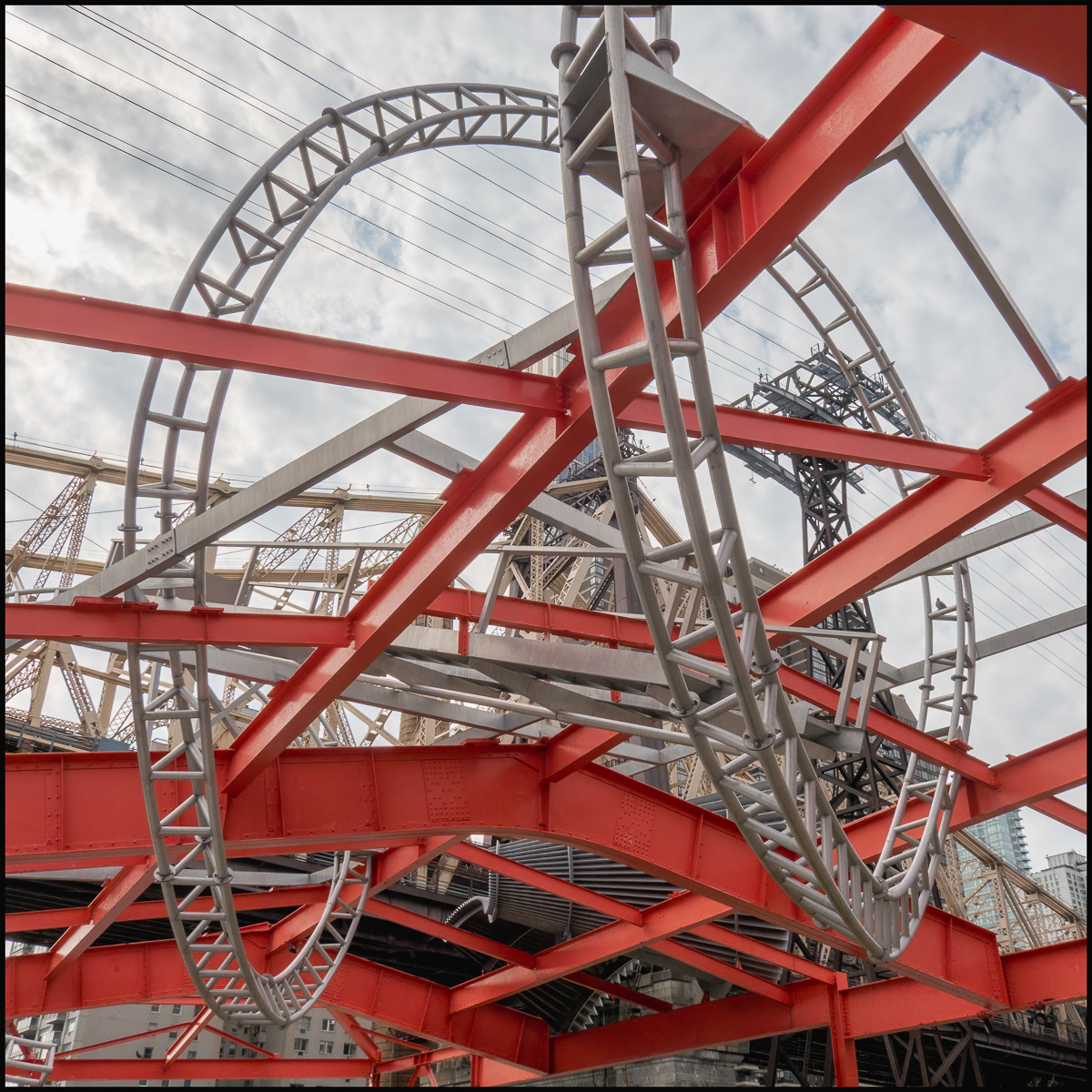
Meeting Alexander in New York City for dinner – East River Roundabout

Located in Manhattan on the shore of the East River at the base of the Queensboro Bridge, this pavilion and sculptural installation were designed to stand out amidst the high-density urban environment that surrounds them. The site was used for decades by the Sanitation Department as a waste transfer station until 1985 when the station was decommissioned and an eighteen-story hotel was proposed. A consortium of organizations including the Greenacre Foundation, the Parks Council, and the Municipal Arts Society protested the commercial development. Eventually the hotel project was abandoned and a public pavilion was commissioned. Funded by nearby Rockefeller University and the Hospital for Special Surgery, it was designed by landscape architect Nicholas Quennell, who had been involved in the protest, and sculptor Alice Aycock.

The exterior of the transfer station was removed, exposing its steel superstructure. A fence resembling a ship’s railings was installed along the section of the pavilion overlooking the river. Light blue benches and decorative paving were inserted in the 12,000-square-foot open-air pavilion. In 1995 Aycock’s 80-foot-long aluminum helix was dedicated, funded by public donations and maintained by the Municipal Art Society. Spiraling through the pavilion’s superstructure and reminiscent of a rollercoaster, East River Roundabout includes a curving roof that resembles a folded fan. Accessible from 60th Street via a pedestrian ramp to the elevated Bobby Wagner Walk, the park is adjacent to the 24 Sycamores Playground and the Andrew Haswell Green Park.

For more information see here.

Taken with a Sony RX10 IV.
Meeting Alexander in New York City for dinner – Crossing the East River

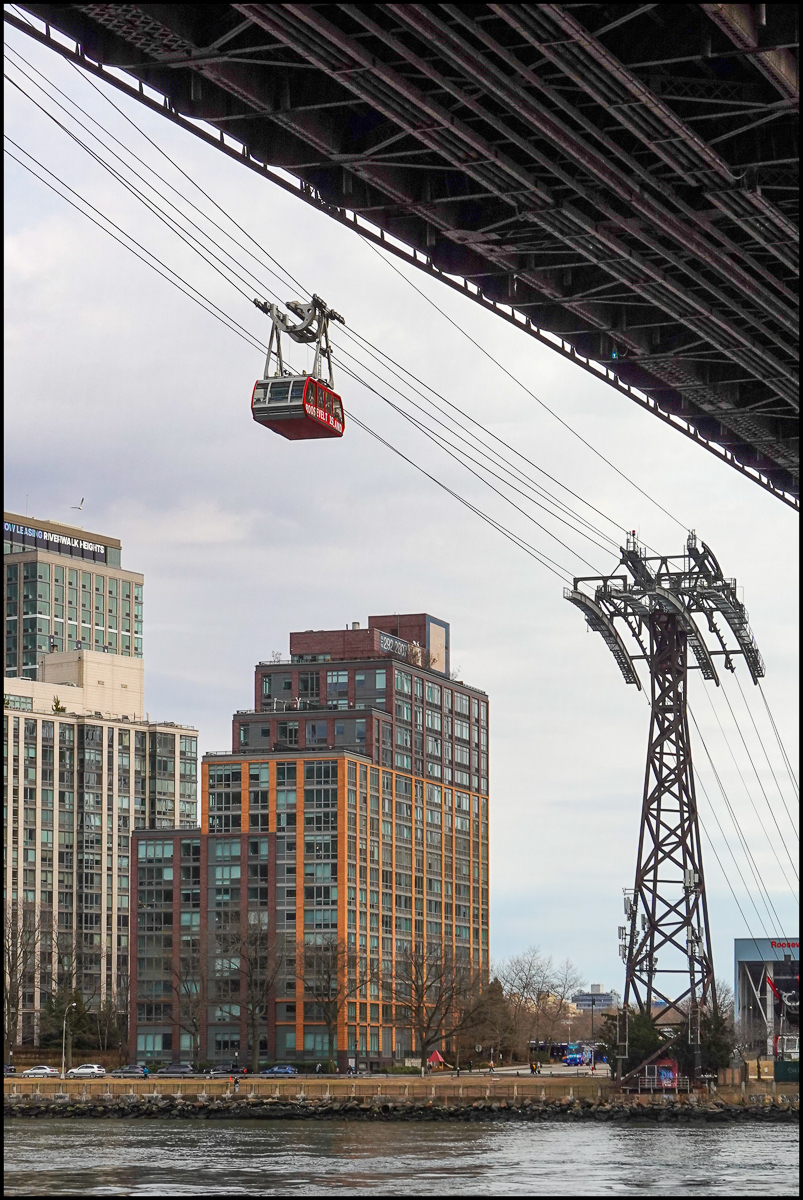
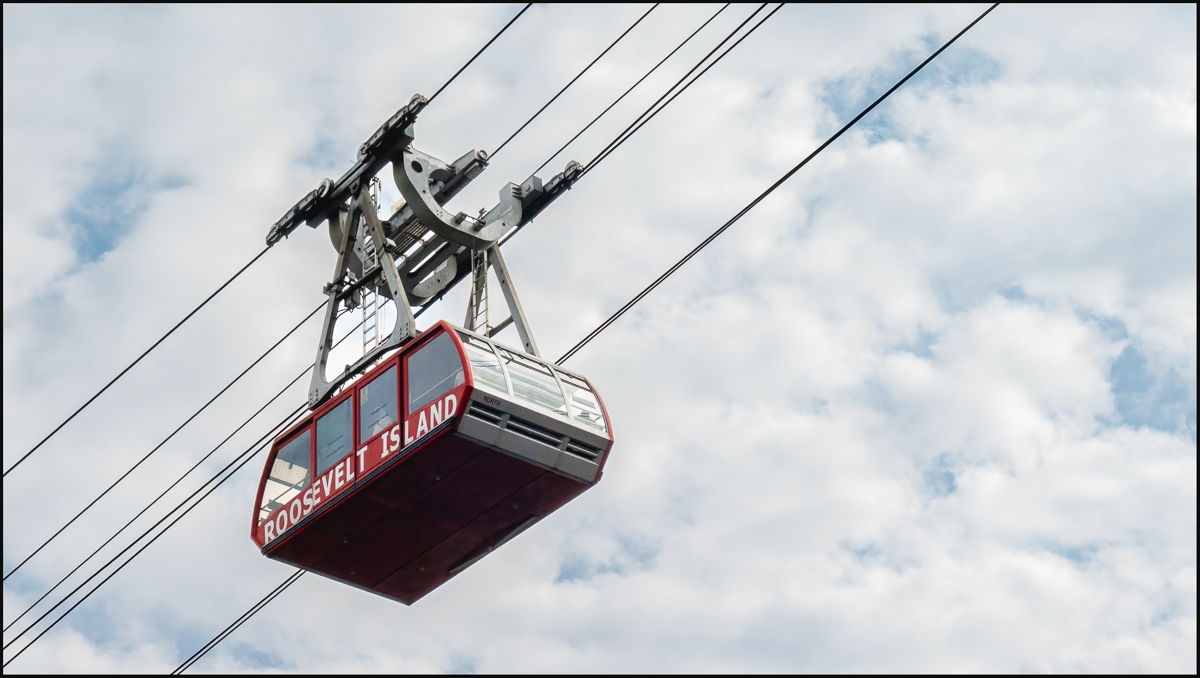
These pictures are of the Roosevelt Island Tramway:.

The Roosevelt Island Tramway is an aerial tramway that crosses the East River in New York City, connecting Roosevelt Island to the Upper East Side of Manhattan. The tramway is the first commuter aerial tramway in the U.S., having opened on May 17, 1976, to serve residential developments on Roosevelt Island. The tram is operated by Leitner-Poma on behalf of the Roosevelt Island Operating Corporation of the State of New York.

Before the tramway opened, Roosevelt Island had been accessed via the Roosevelt Island Bridge from Queens, which had opened in 1955. Starting in the late 1960s, the 63rd Street subway line was built to connect new developments on the island to Manhattan. Due to delays in the subway’s construction, the tramway was proposed in 1971 and approved in 1973, initially as a temporary mode of transport. The tramway carried 1.25 million riders in its first year and remained popular thereafter, despite intermittent closures. Ridership declined sharply after the subway opened in 1989, though the tramway remained in operation. Following two major breakdowns in the mid-2000s, the tramway was rebuilt from March to November 2010. The stations were renovated in the late 2010s.

Originally, the tram used two 125-person cabins that were hauled by the same cable. After the 2010 renovation, the cabins were replaced with 110-person vehicles that could operate independently. The cabins travel 3,140 feet (960 m) between an at-grade terminal on Roosevelt Island and an elevated terminal on Manhattan Island. The route operates at all times except late nights, with headways of 7.5 to 15 minutes. The tramway uses the same fare structure as the city’s bus and subway systems, and fares are paid with either MetroCard or OMNY. Over the years, the Roosevelt Island Tramway has been the subject of commentary and praised as an icon of New York City, and it has been depicted in several works of media.

The Roosevelt Island Tramway also played an incredibly important part in my life, but I think I’ll keep that to myself for now.

Taken with a Sony RX10 IV

Meeting Alexander in New York City for dinner – Slow down you move to fast.

Fifty Ninth Street Bridge Song

Slow down, you move too fast
You got to make the morning last
Just kicking down the cobblestones
Looking for fun and feelin’ groovy
Ba da da da da da da, feelin’ groovy

Hello, lamppost, what’cha knowin’?
I’ve come to watch your flowers growin’
Ain’t’cha got no rhymes for me?
Doot-in doo-doo, feelin’ groovy
Ba da da da da da da, feelin’ groovy

I got no deeds to do
No promises to keep
I’m dappled and drowsy and ready to sleep
Let the morning time drop all its petals on me
Life, I love you
All is groovy

Simon and Garfunkel, 1967

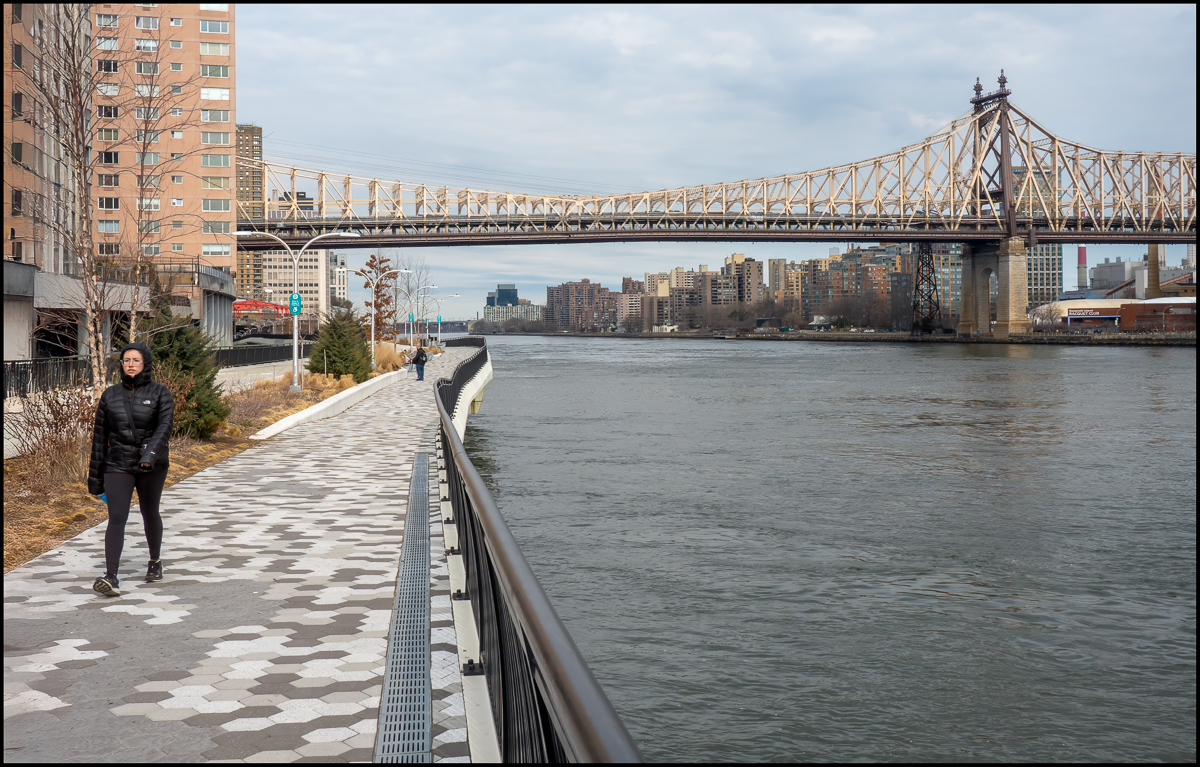
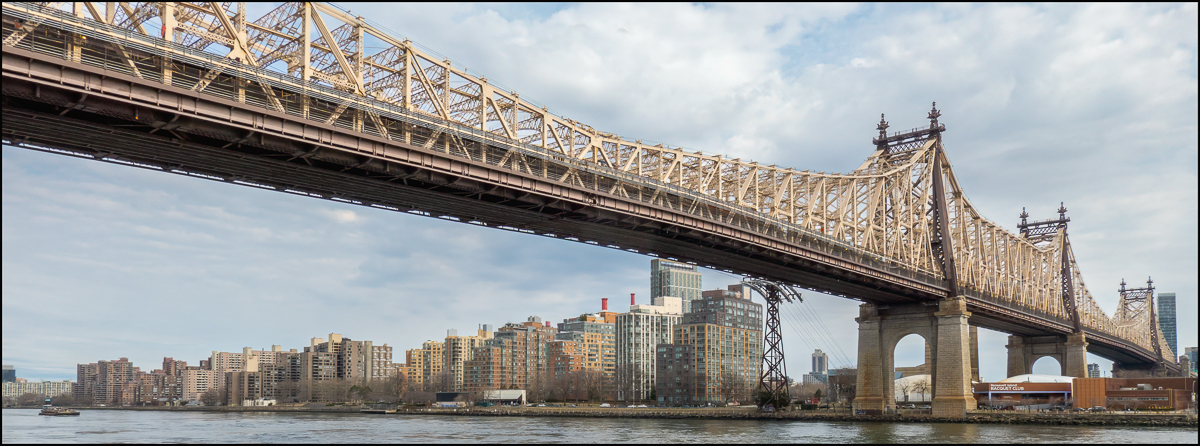
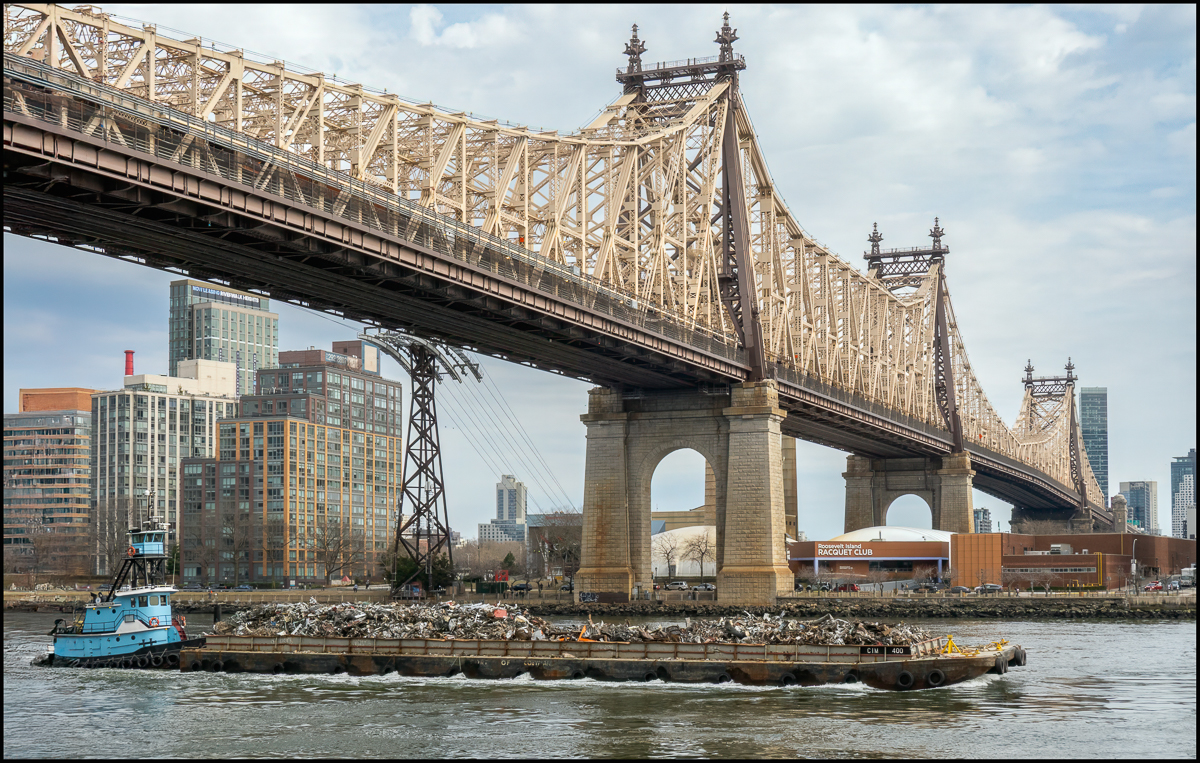
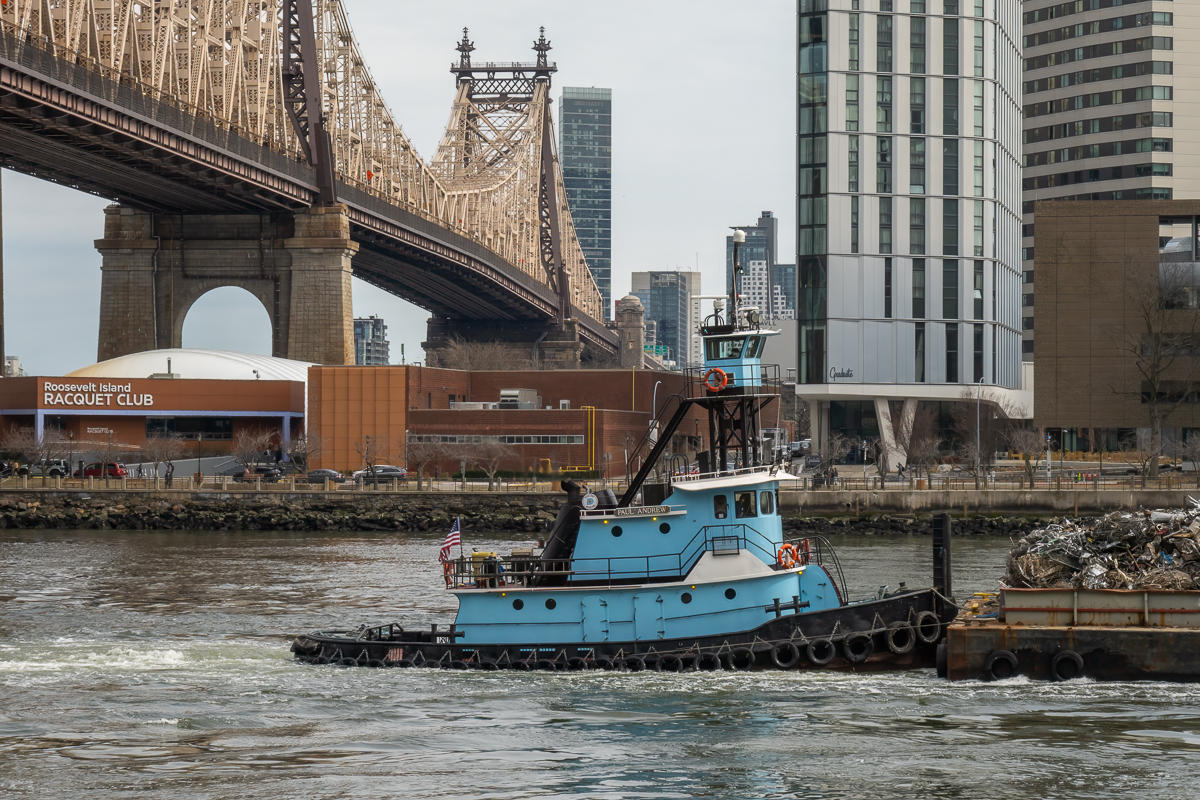
Some views of the Queensboro (59th Street) Bridge.


Taken with a Sony RX10 IV