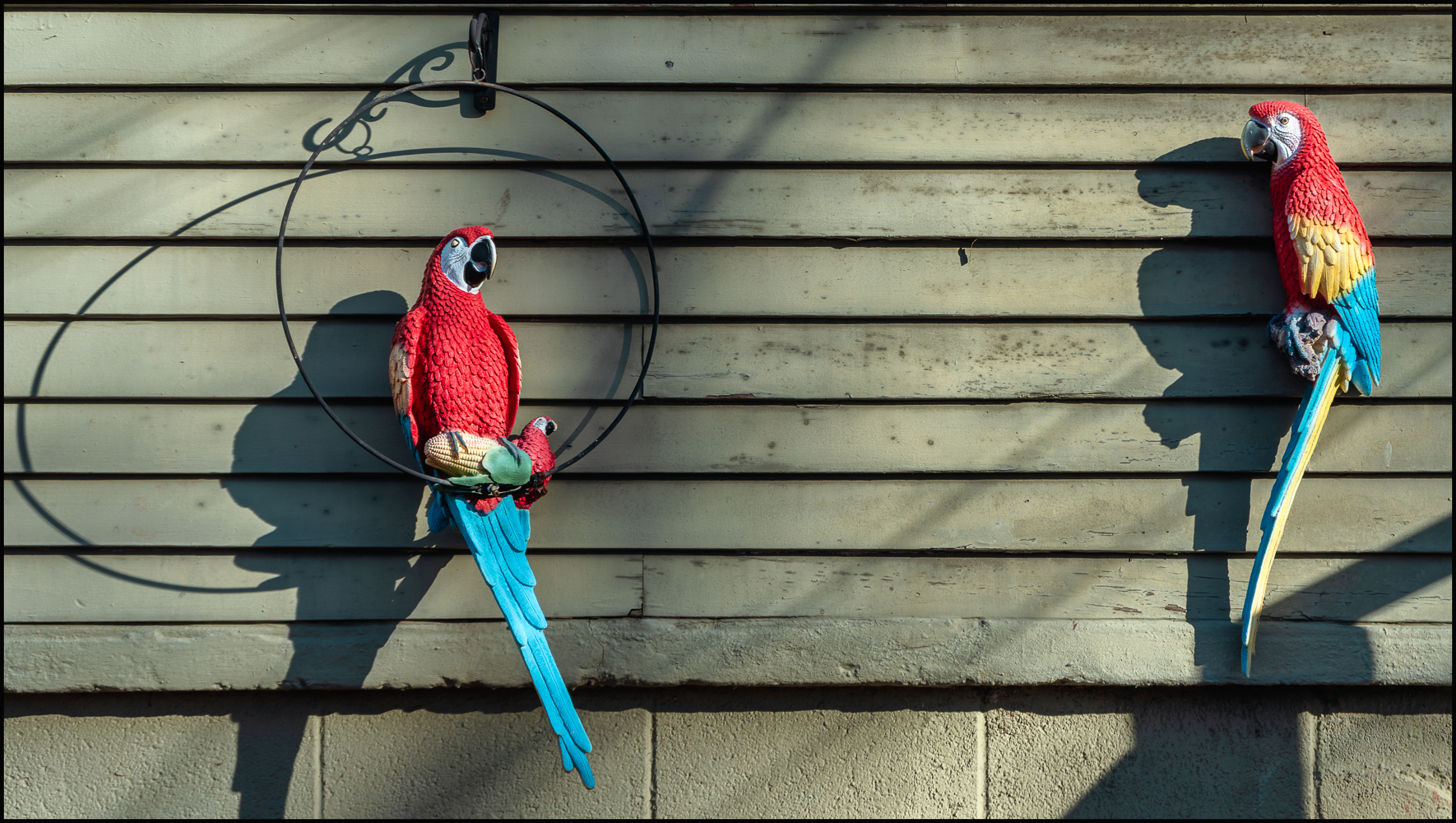
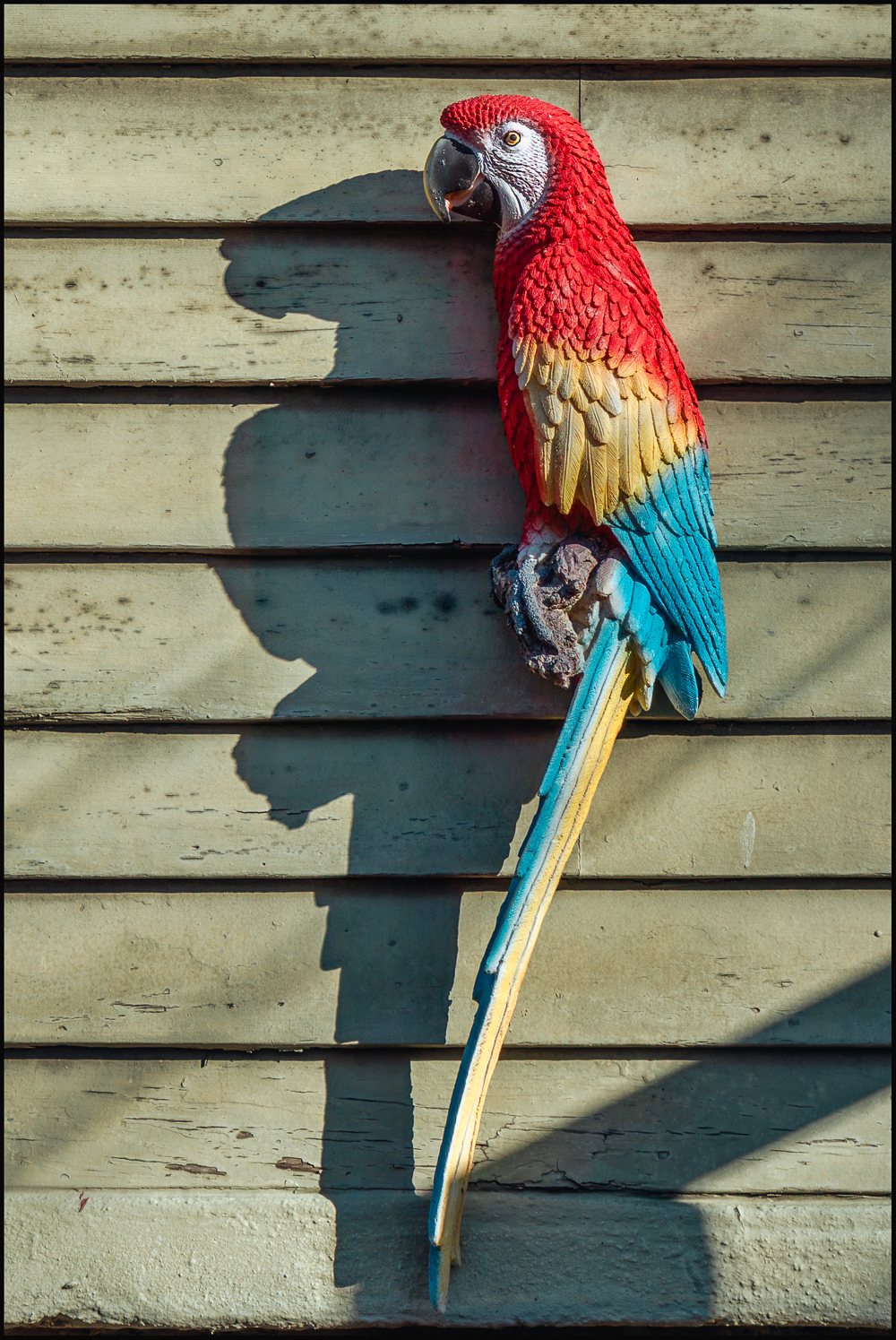
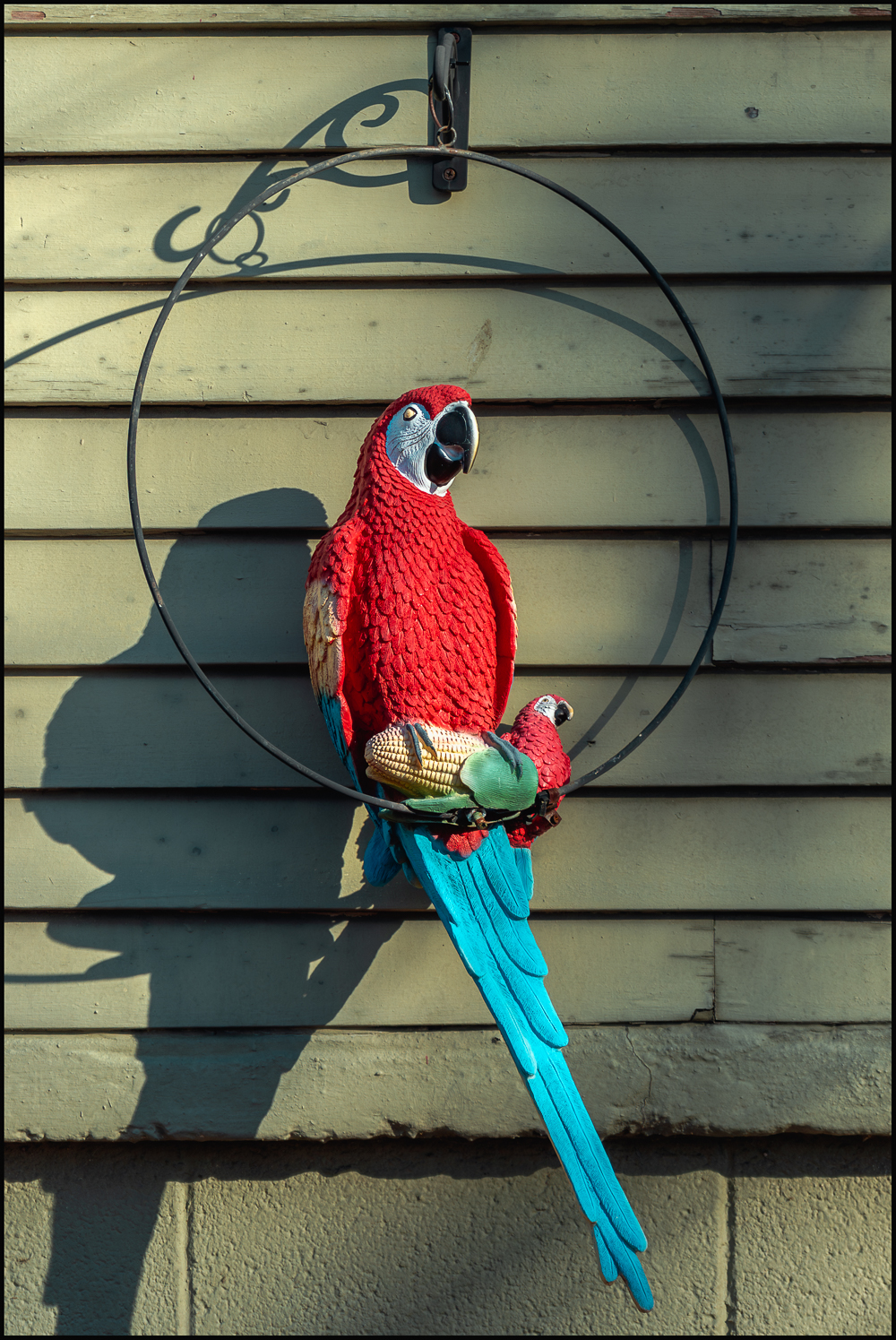
Clearly, they’re not real parrots. Rather colorful though. The grass below them was littered with bird effigies of all sizes.
Taken with a Sony A7CII and Sony FE 28-70 f3.5-5.6 OSS
Photographs and thoughts on photography and camera collecting

Clearly, they’re not real parrots. Rather colorful though. The grass below them was littered with bird effigies of all sizes.
Taken with a Sony A7CII and Sony FE 28-70 f3.5-5.6 OSS
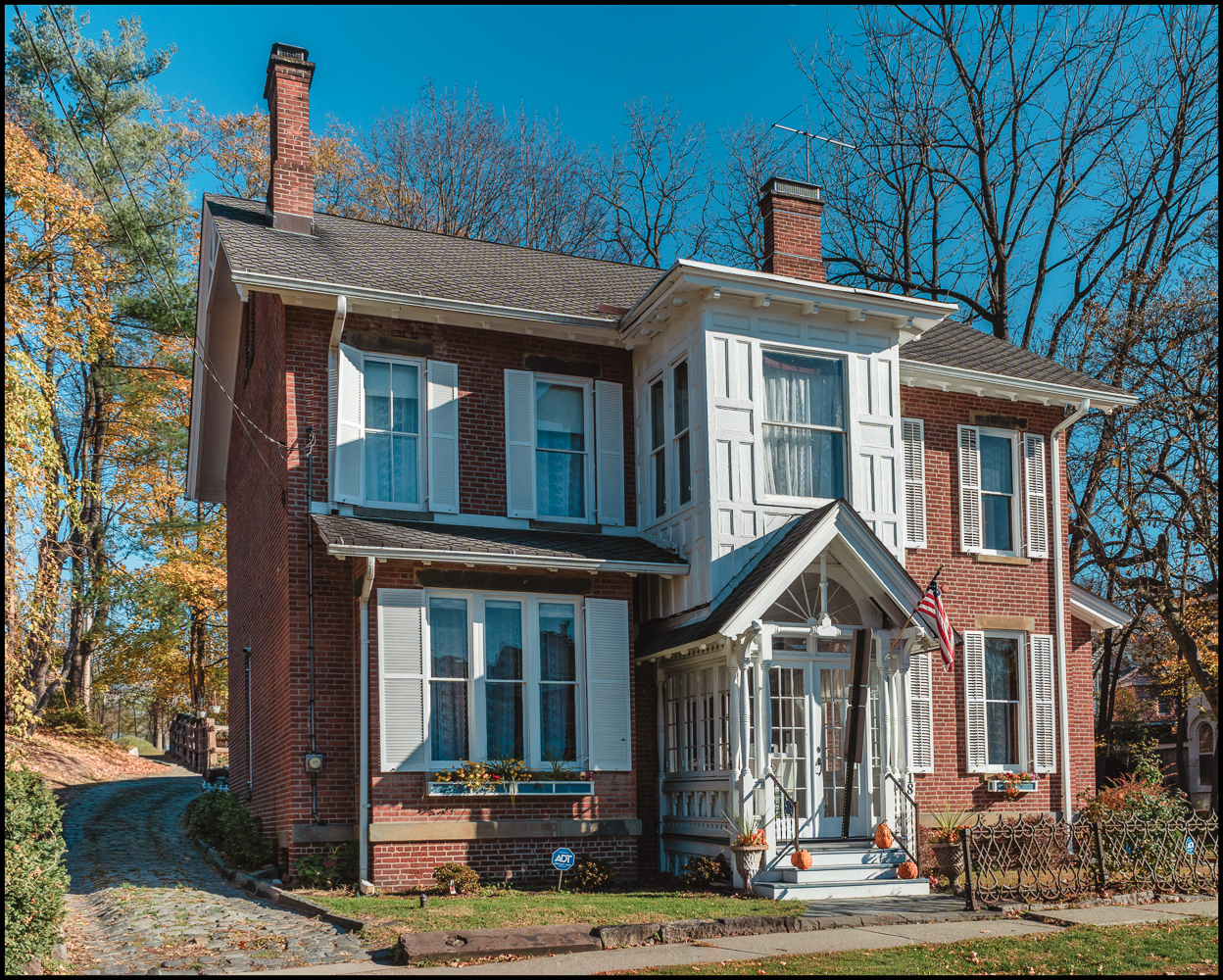
I don’t know anything at all about them. I just found them interesting.
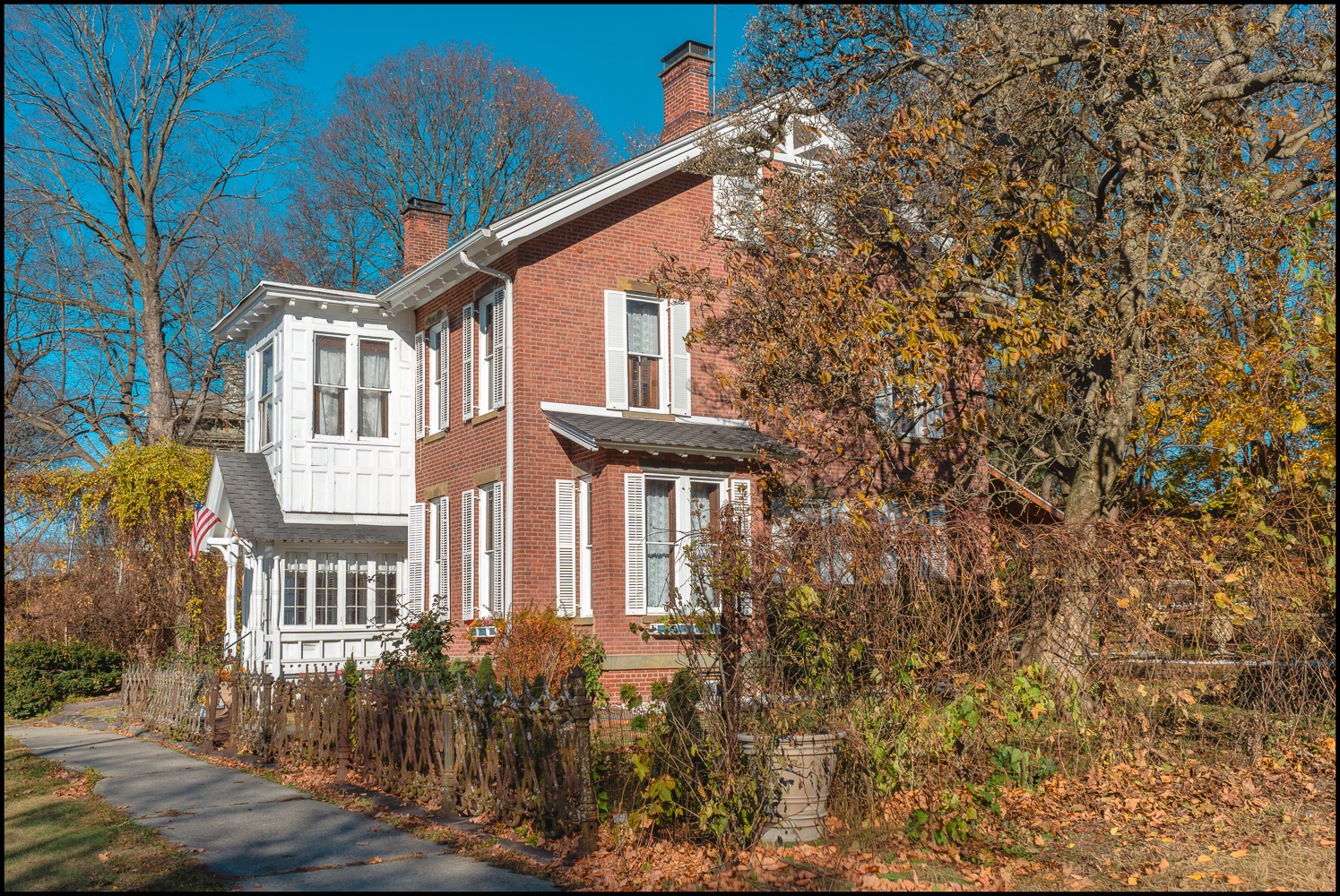


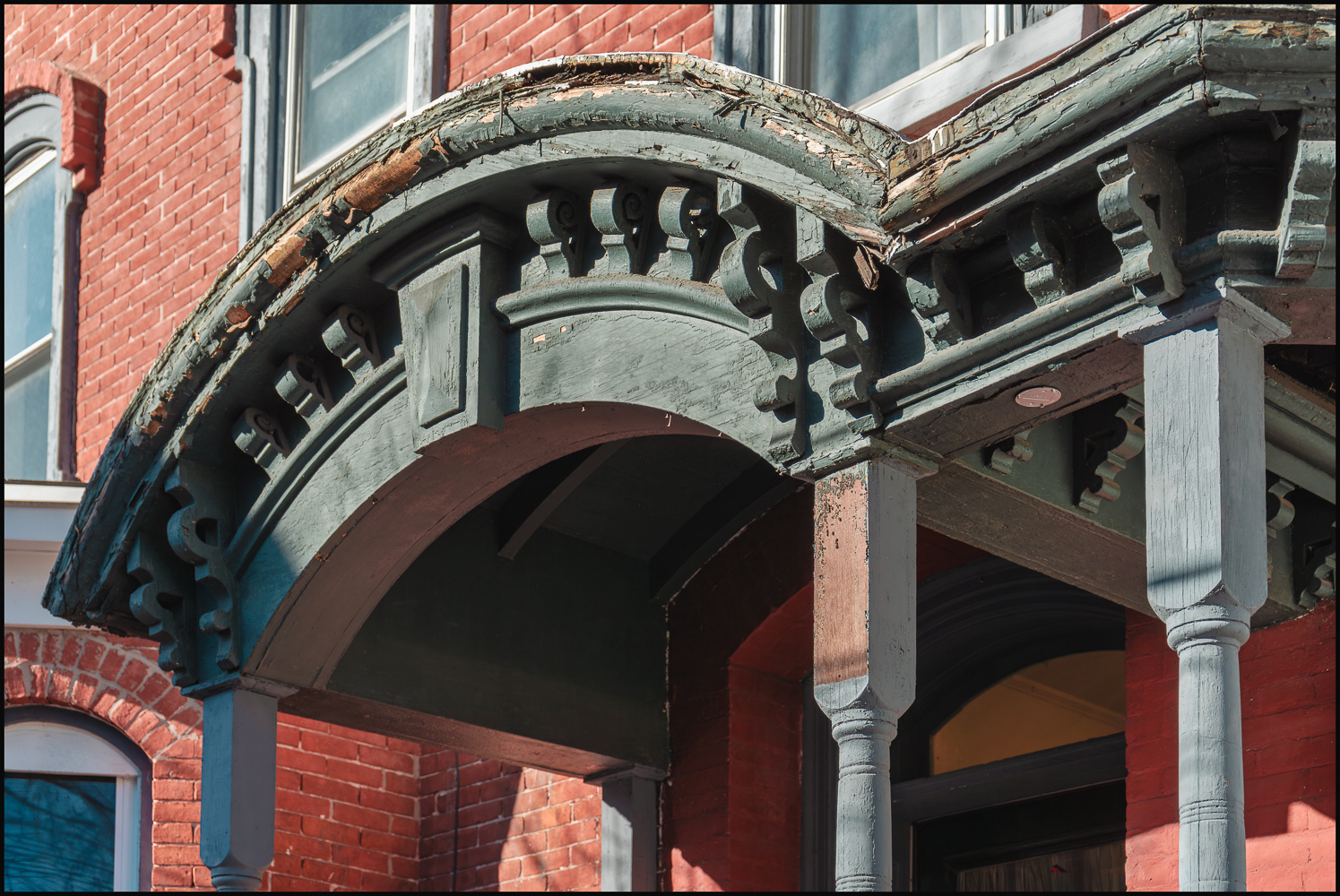
Taken with a Sony A7CII and Sony FE 28-70 f3.5-5.6 OSS
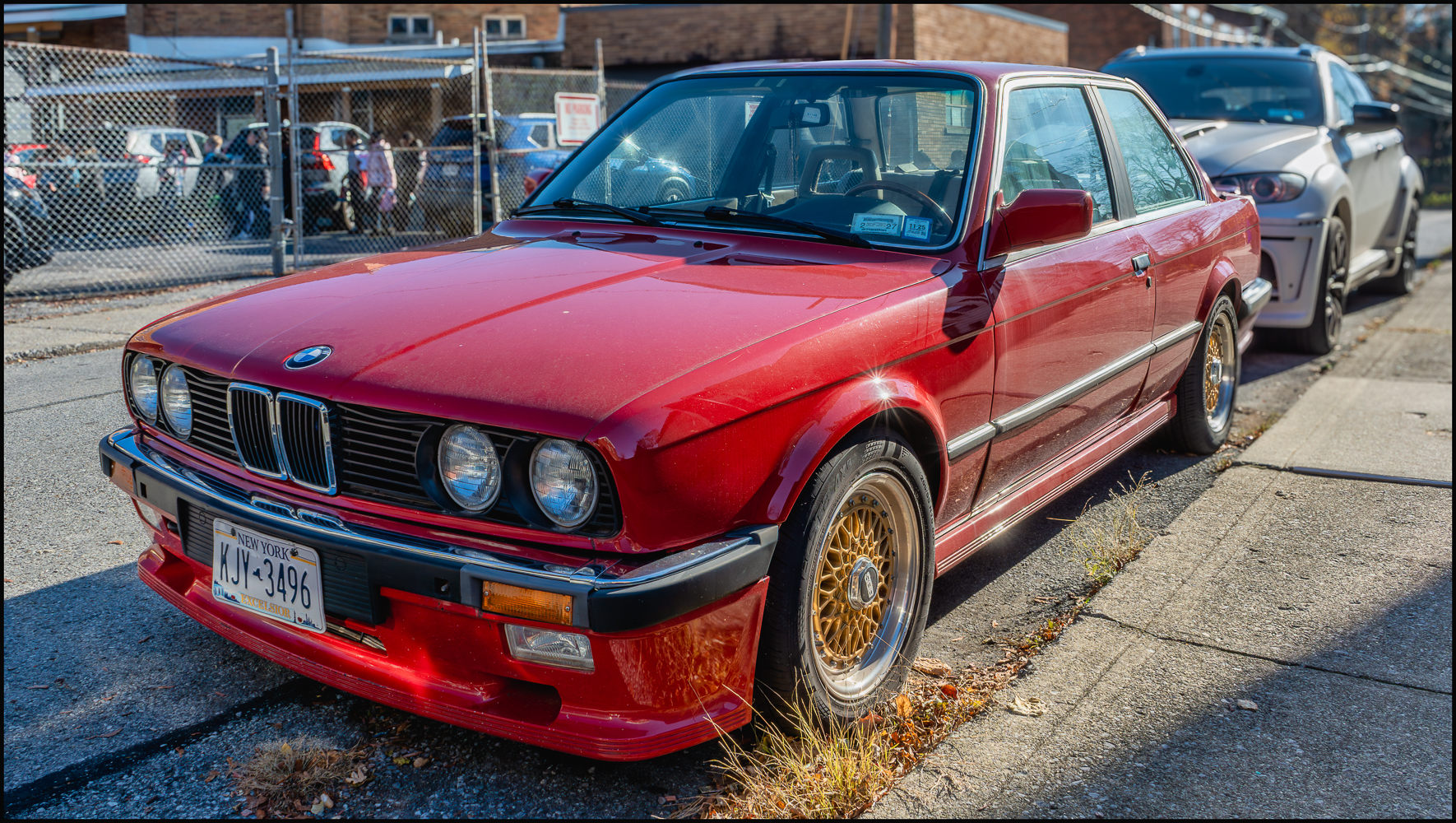
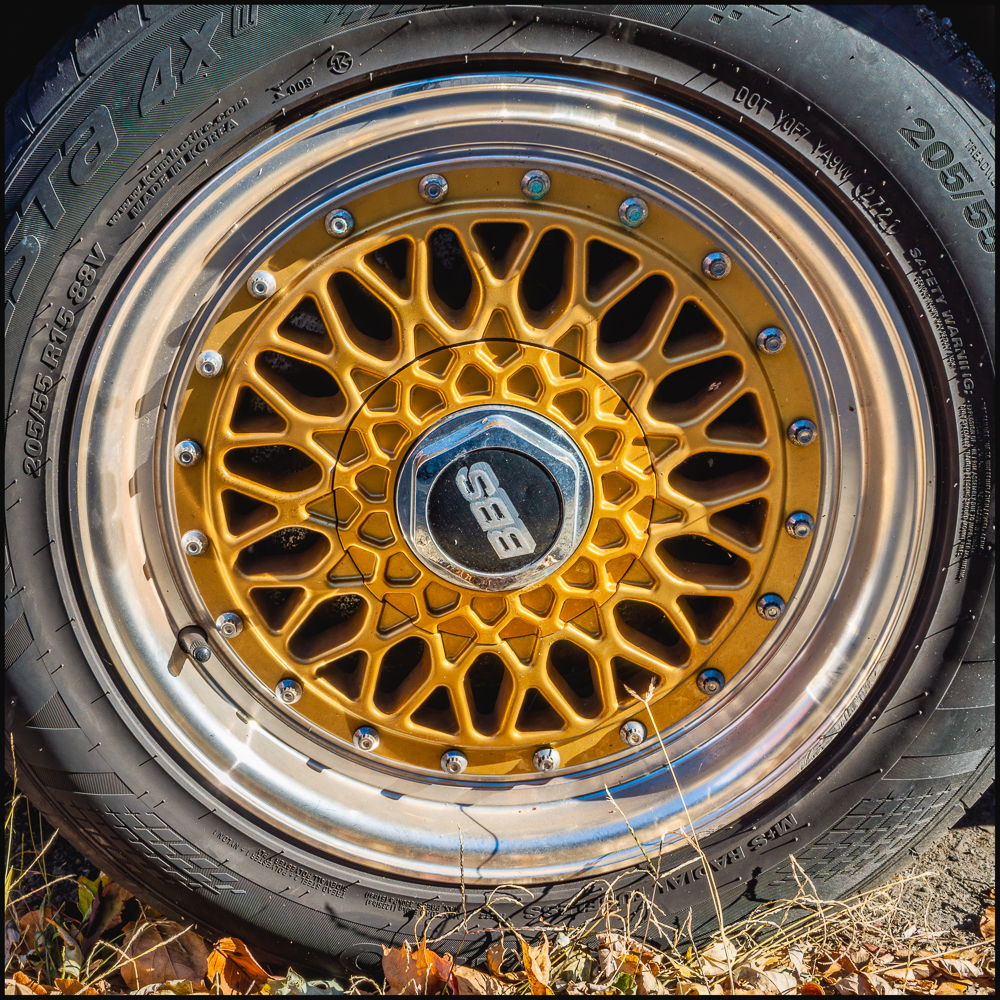
I don’t know much generally about cars including this one. However, after doing some research I believe it to be a BMW 3 Series (E30).
The BMW E30 is the second generation of BMW 3 Series, which was produced from 1982 to 1994 and replaced the E21 3 Series. The model range included 2-door saloon (sometimes referred to as a coupé) and convertible body styles, as well as being the first 3 Series to be produced in 4-door saloon and wagon/estate body styles. It was powered by four-cylinder petrol, six-cylinder petrol and six-cylinder diesel engines, the latter a first for the 3 Series. The E30 325iX model was the first BMW to have all-wheel drive.
The first BMW M3 model was built on the E30 platform and was powered by the high-revving BMW S14 four-cylinder petrol engine. The BMW Z1 roadster was also based on the E30 platform. Following the launch of the E36 3 Series in 1990, the E30 began to be phased out.
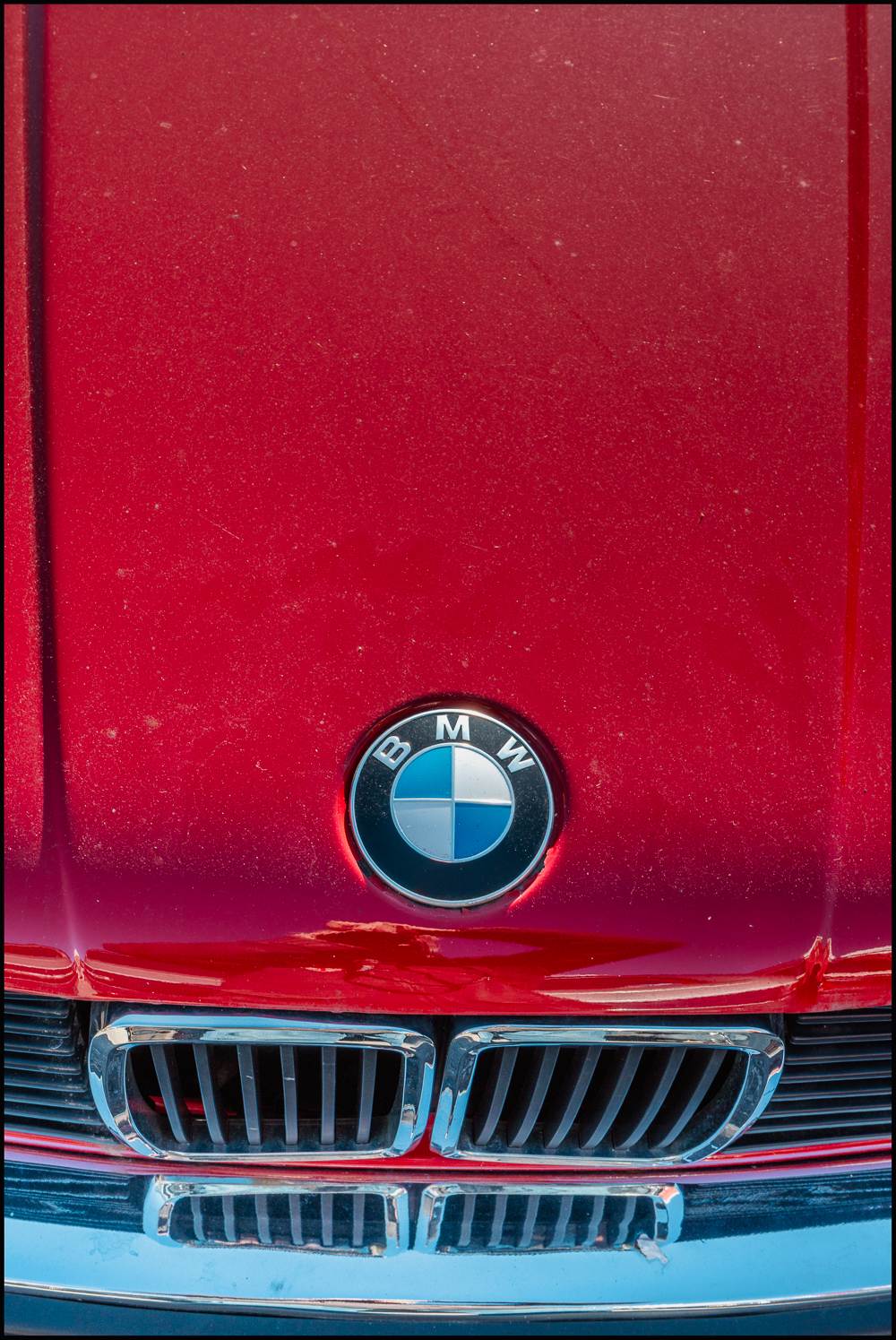
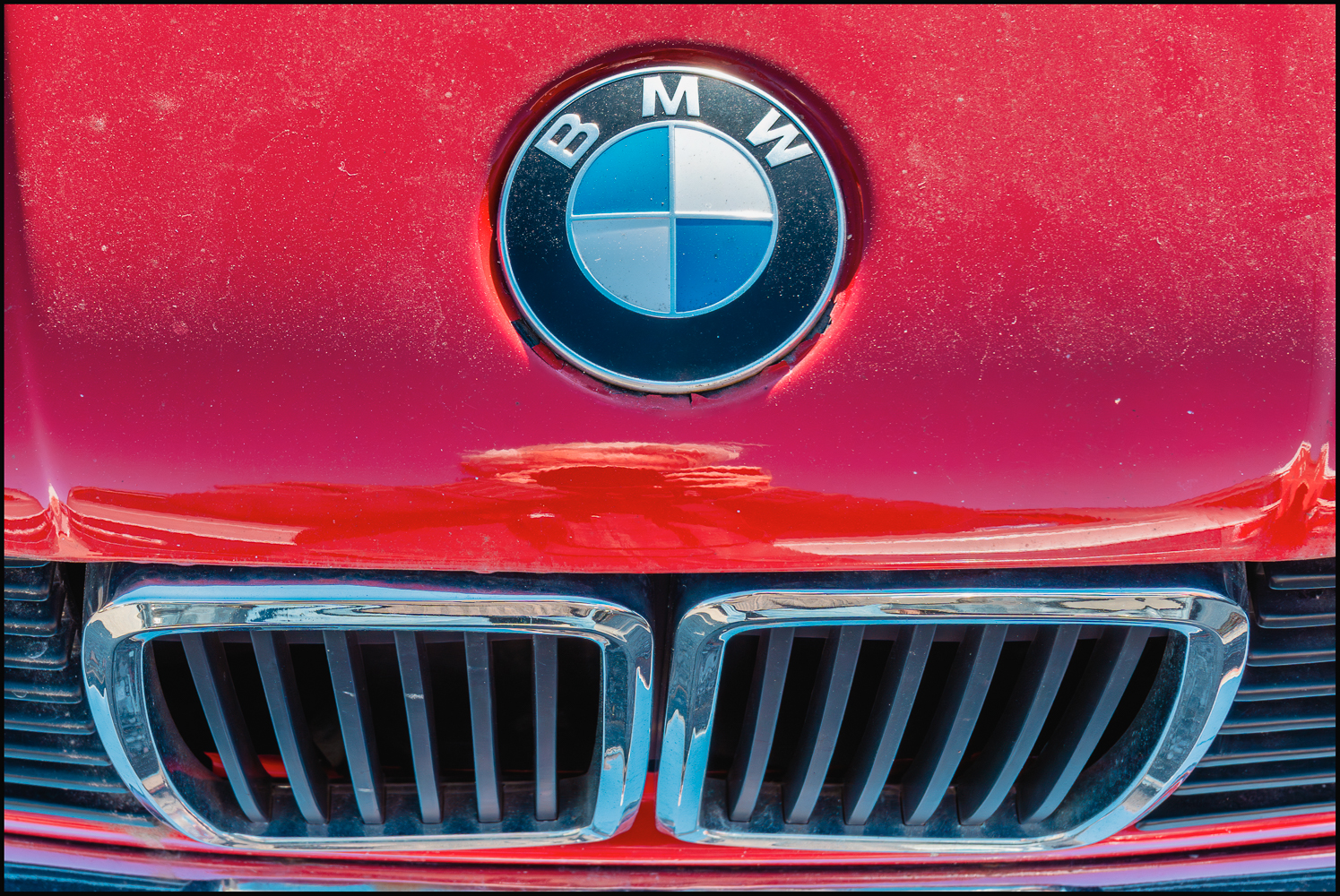
Taken with a Sony A7CII and Sony FE 28-70 f3.5-5.6 OSS
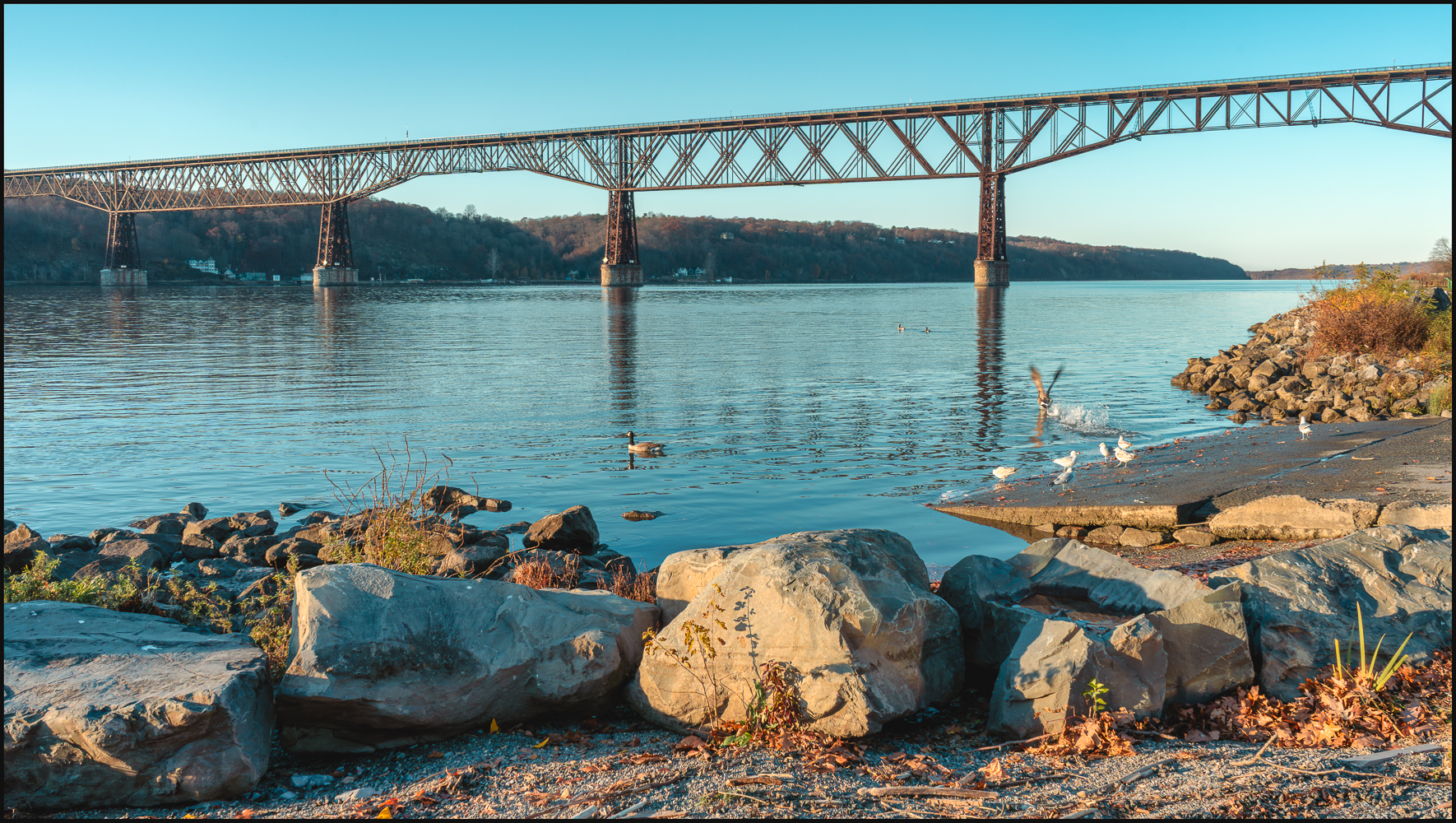
The Walkway over the Hudson (also known as the Poughkeepsie Bridge, Poughkeepsie Railroad Bridge, Poughkeepsie–Highland Railroad Bridge, and High Bridge) is a steel cantilever bridge spanning the Hudson River between Poughkeepsie, New York, on the east bank and Highland, New York, on the west bank. Built as a double track railroad bridge, it was completed on January 1, 1889, and formed part of the Maybrook Line of the New York, New Haven and Hartford Railroad.
The bridge was removed from service on May 8, 1974 after damage from a tie fire. It was listed on the National Register of Historic Places in 1979, and its entry updated in 2008. The bridge was designated as a National Historic Civil Engineering Landmark by the American Society of Civil Engineers in 2009.
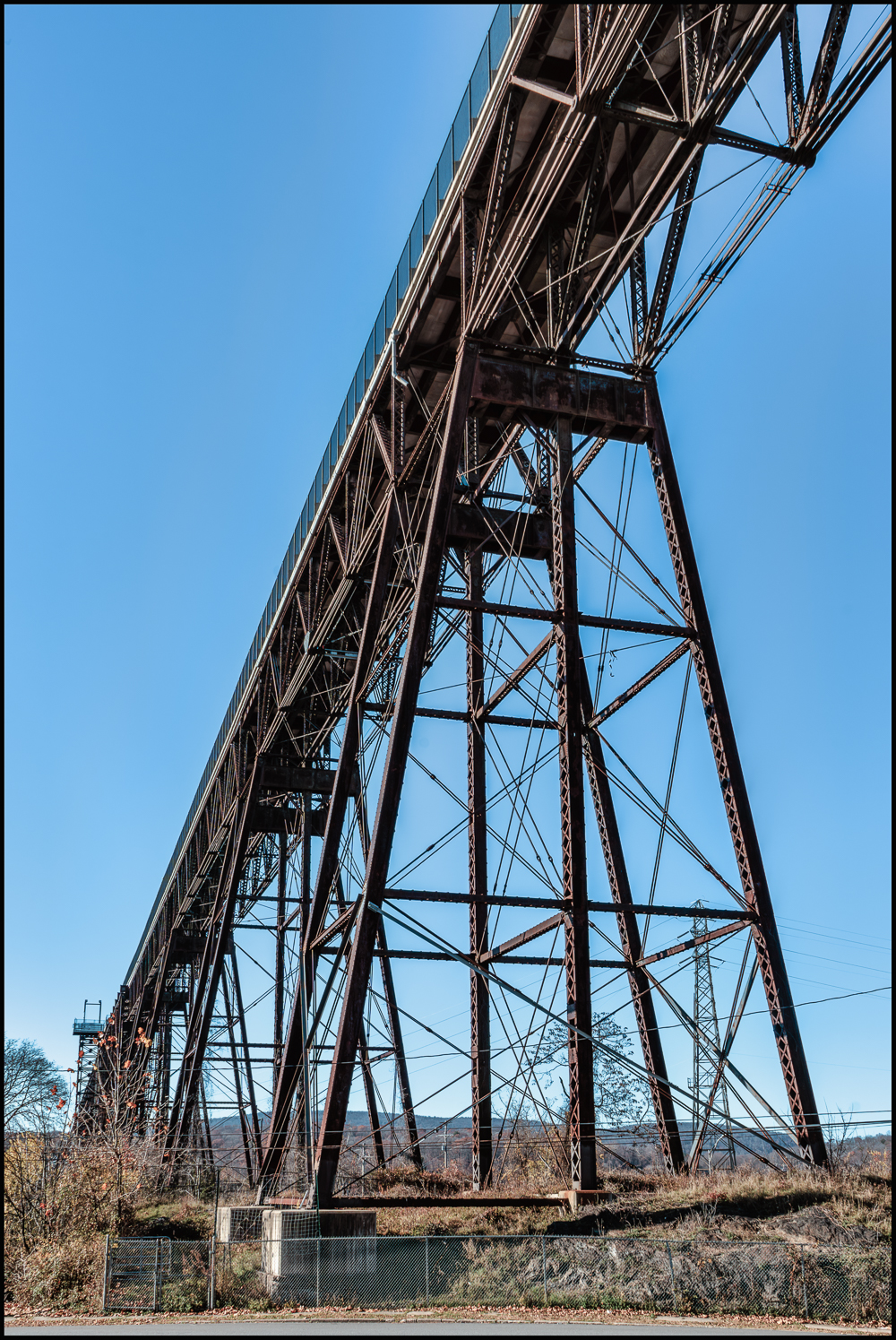
It reopened on October 3, 2009, as a pedestrian walkway, and part of the new Walkway Over the Hudson State Historic Park. The New York State Bridge Authority owns and is charged with maintaining the bridge structure (as directed by the Governor and Legislature in July 2010). The park is operated by the New York State Office of Parks, Recreation and Historic Preservation.[6] In 2017, the walkway hosted 593,868 visitors. Connecting the Hudson Valley Rail Trail in Highland to the Dutchess Rail Trail, the span forms part of the Empire State Trail.[8]
At a length of 6,768 feet (2,063 m), it was the world’s longest pedestrian footbridge from its opening until October 2016, when it became the second-longest after being surpassed by the 7,974-foot (2,430 m) Mile Into the Wild Walkway in Keenesburg, Colorado, United States. The Walkway over the Hudson now refers to itself as the world’s longest elevated pedestrian bridge as it has a much higher elevation above its base than the Mile Into The Wild. The Walkway over the Hudson allows bicycles and the Mile Into The Wild does not. Also, the Walkway over the Hudson does not have an admission fee.
For more photographs of the Walkway over the Hudson see here.
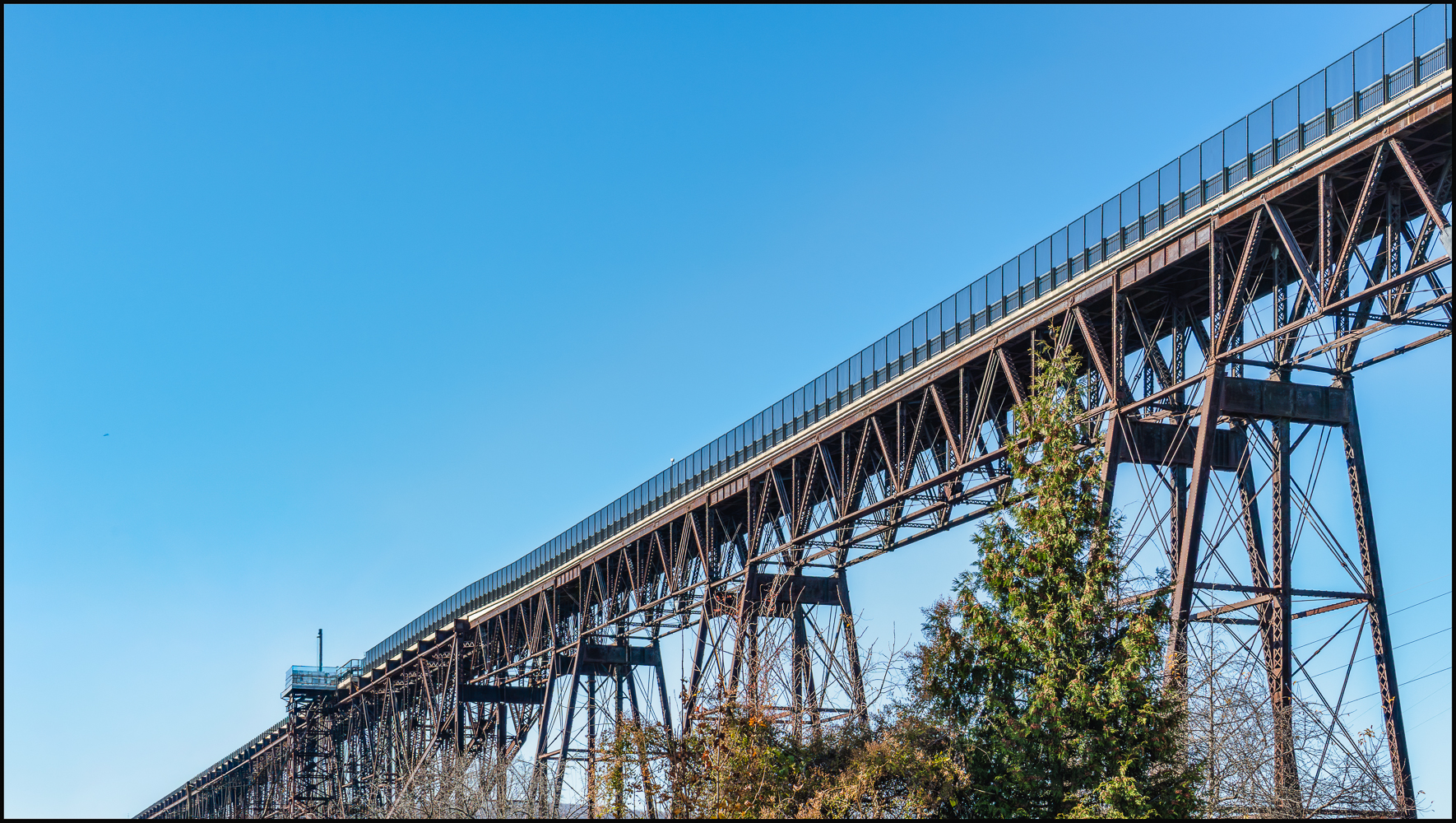
Taken with a Sony A7CII and Sony FE 28-70 f3.5-5.6 OSS
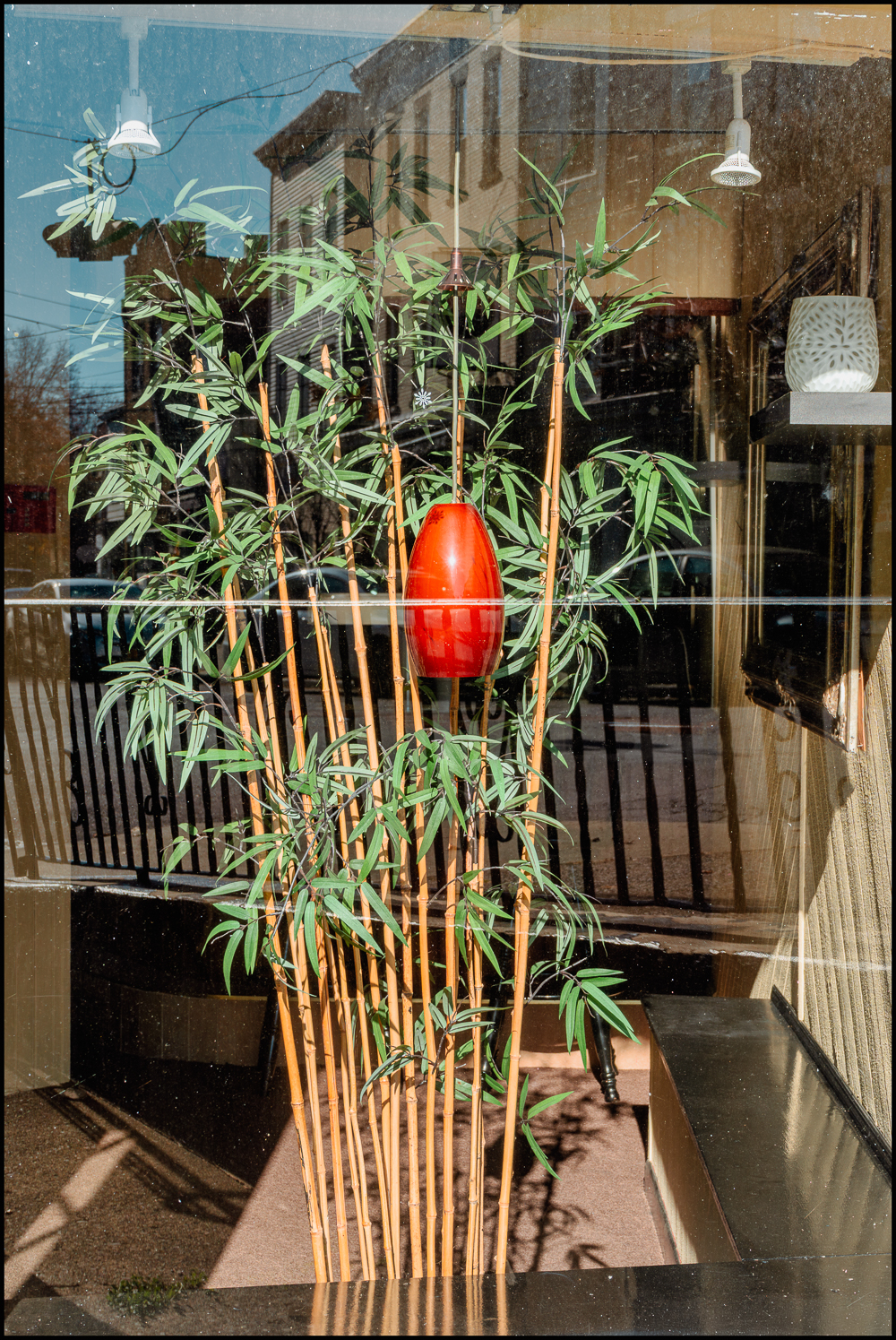
Looking through the window of Casablanca, a Moroccan Restaurant. I like Moroccan food, but the restaurant seemed to be closed. If it had been open I would probably have eaten there.
Taken with a Sony A7CII and Sony FE 28-70 f3.5-5.6 OSS