Statement Necklaces


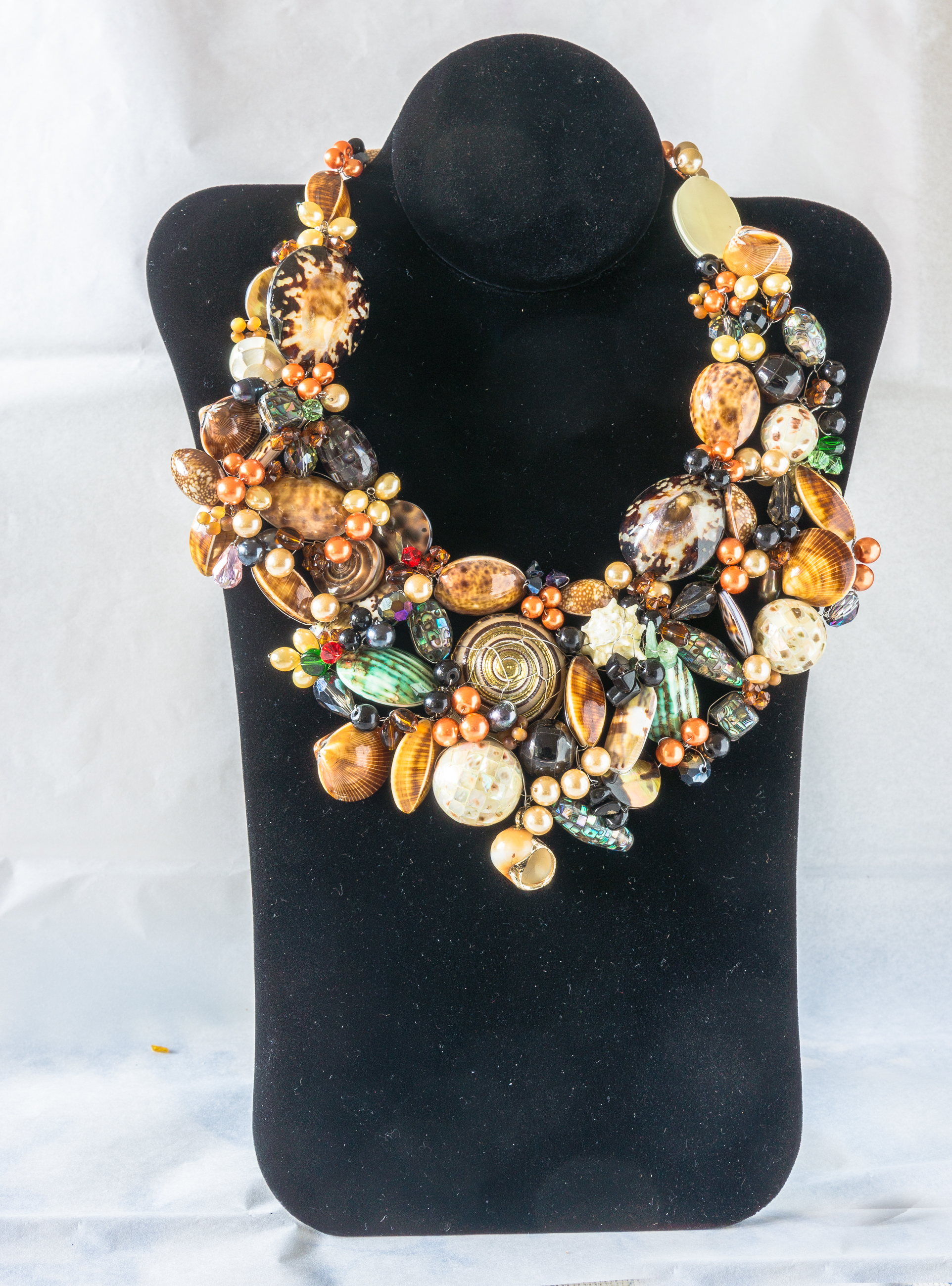
A rich variety of over two dozen sea shell beads and sea shells in earth tones.

My brother-in-law sells unique and very attractive necklaces made of sea shells (among other things). Apparently they’re called “statement necklaces” because the shells are integral to the design of the jewelry rather than being incidental add-ons or accents. He also sells some of the components (beads etc.) that make up the necklaces.

Apart from one brief attempt at product photograph when my wife had expressed and interest in making jewelry I’d never attempted this genre. However, he wanted to have some pictures so I thought I’d give it a try. I considered making a do it yourself light tent, but then it occurred to me that we have some large windows where the light streams in early in the morning. We have some translucent blinds that, I thought, might diffuse the light nicely.

So I got out the tripod, arranged a background and we were ready to go. Unfortunately it turned out to be the first cloudy day in a while and no sun was streaming through the windows. We decided to go ahead anyway. The first effort was a test and led us to put a white card in place to reflect back some of the window light.

I’m not really satisfied with the results, but my brother in law seemed to think that he could use them. They’re certainly better than those he had before (taken with an iphone I believe). Would I do it again? If a friend or a family member were to ask me then probably I would (if only to see if I could do it better next time around). But otherwise probably not. It’s not really a form of photography that appeals to me a lot.


Three scallop shells gilded with gold plating strung on woven seed beads.


Square tiles inlaid with the iconic paua abalone linked with wire-wrapped turquoise and agate chips.
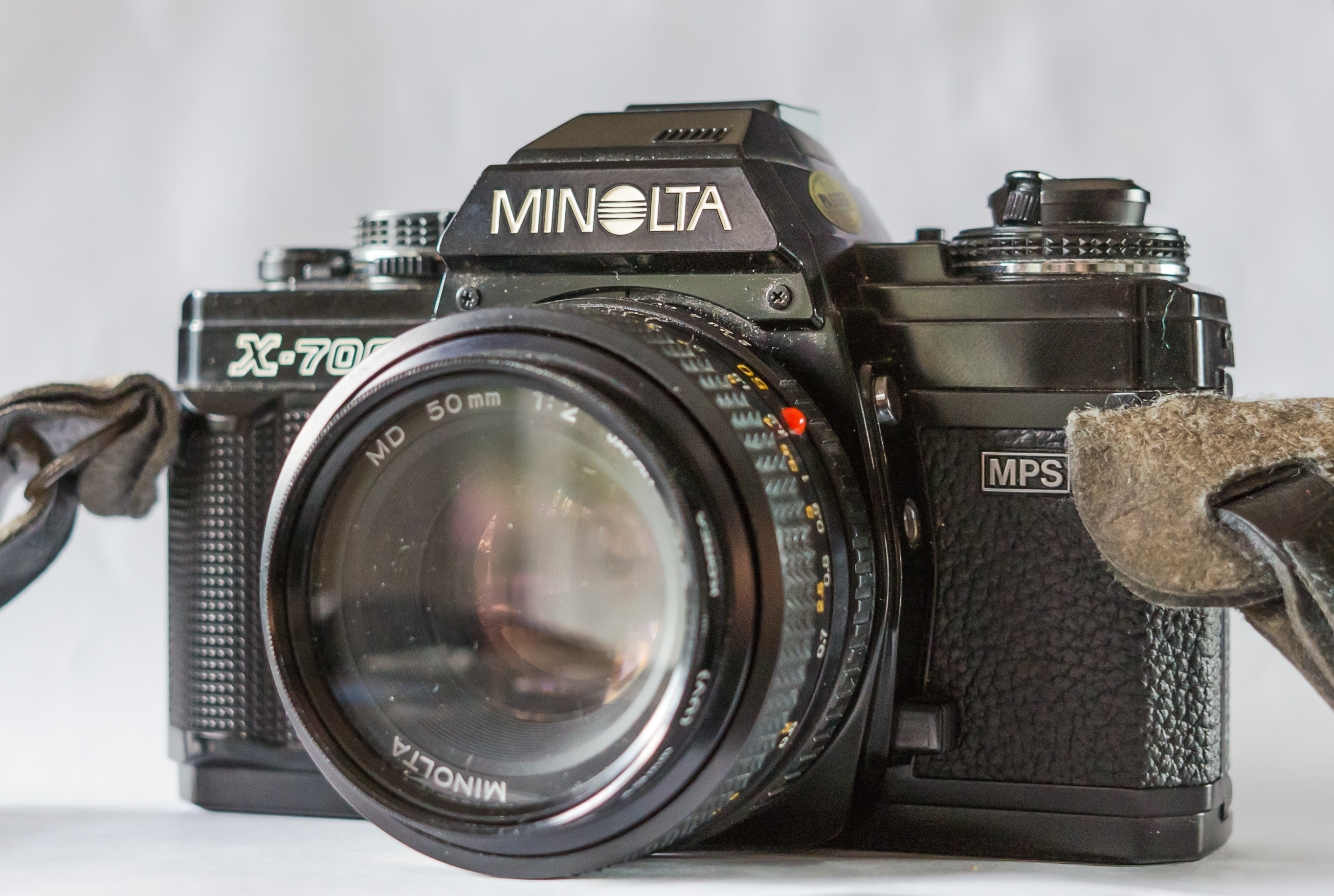
Minolta X-700: Color


Just acquired a nice Minolta X-700. In it’s day (1981) it was Minolta’s top manual focus camera. It was also Minolta’s final manual focus camera. After this came the Maxxum 7000, the world’s first autofocus single lens reflex camera.

It came with a Minolta MD 50mm f2; Rokinon MC 80-250mm f4.5/4.8; Rokinon MC 28mm f2.8; Rokinon MC 135mm f2.8; a Focal 2x teleconverter; a Vivitar 3500 flash; a Soligor Power Winder G and various manuals. All the lenses have haze filters and front and back caps. There’s also a nice leather camera case and a case for the teleconverter. The seller had even been kind enough to include a battery. I bought an adapter for my Sony Nex and tried out all the lenses, but I hadn’t tried the camera with film until today so I didn’t know if the body was working properly. I’m pleased to say that everything seems to work well.

I like this camera. It’s not too heavy and fits nicely into my hands. The depth of field and exposure lock buttons are within easy reach. It’s known for its Programme auto-exposure mode and TTL flash, neither of which I’m likely to use much. I used it in Aperture priority and it worked well. I believe the metered manual mode has a quirk: it shows the recommended shutter speed in the viewfinder rather than the shutter speed that’s actually set. This is apparently remedied in the otherwise less sophisticated X-570.

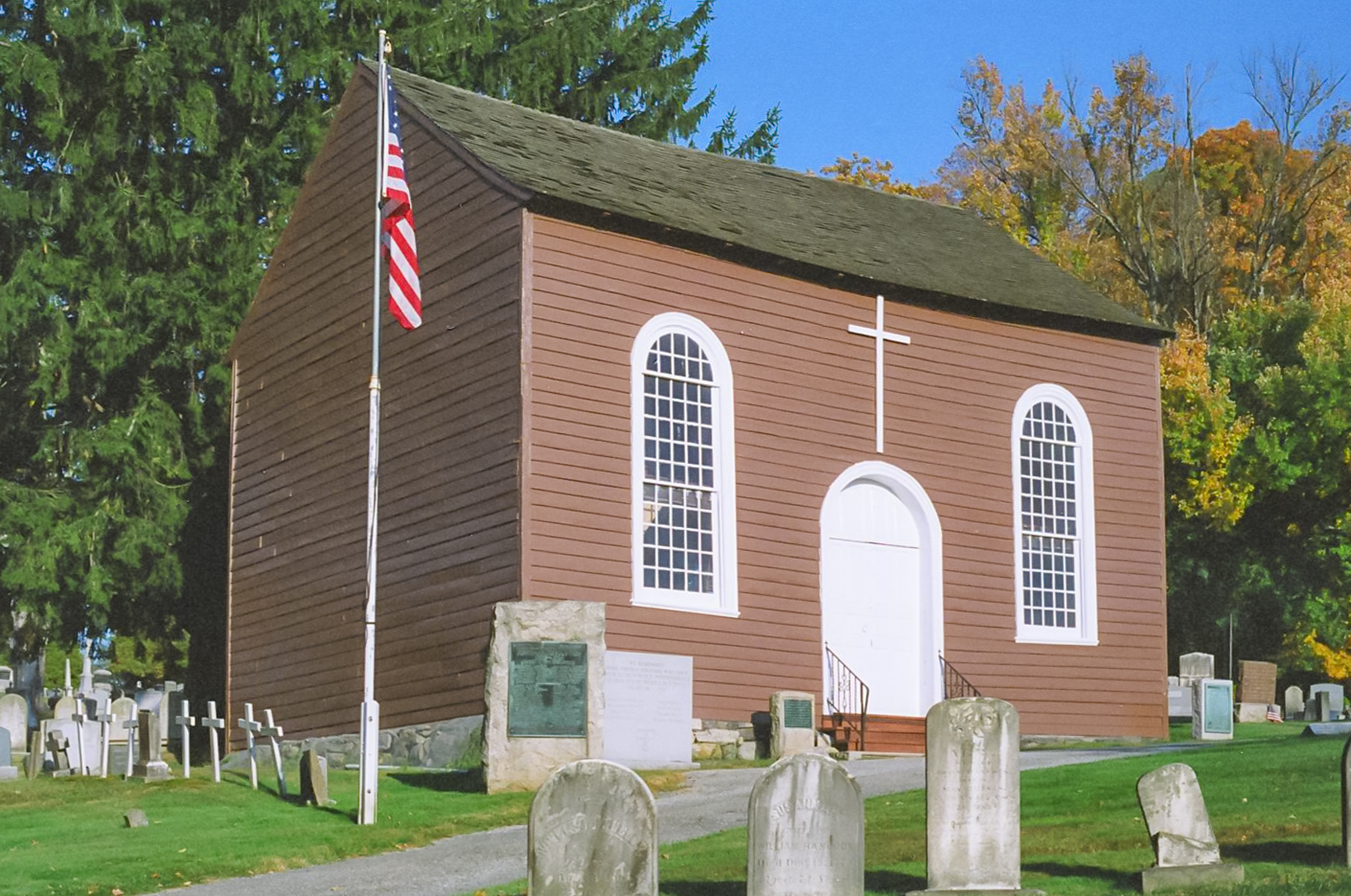
To test the camera body I went to the Old Saint Peter’s Church in Van Cortlandtville.

Some black and whites from the same camera at the same location to follow in the next post.


The Church


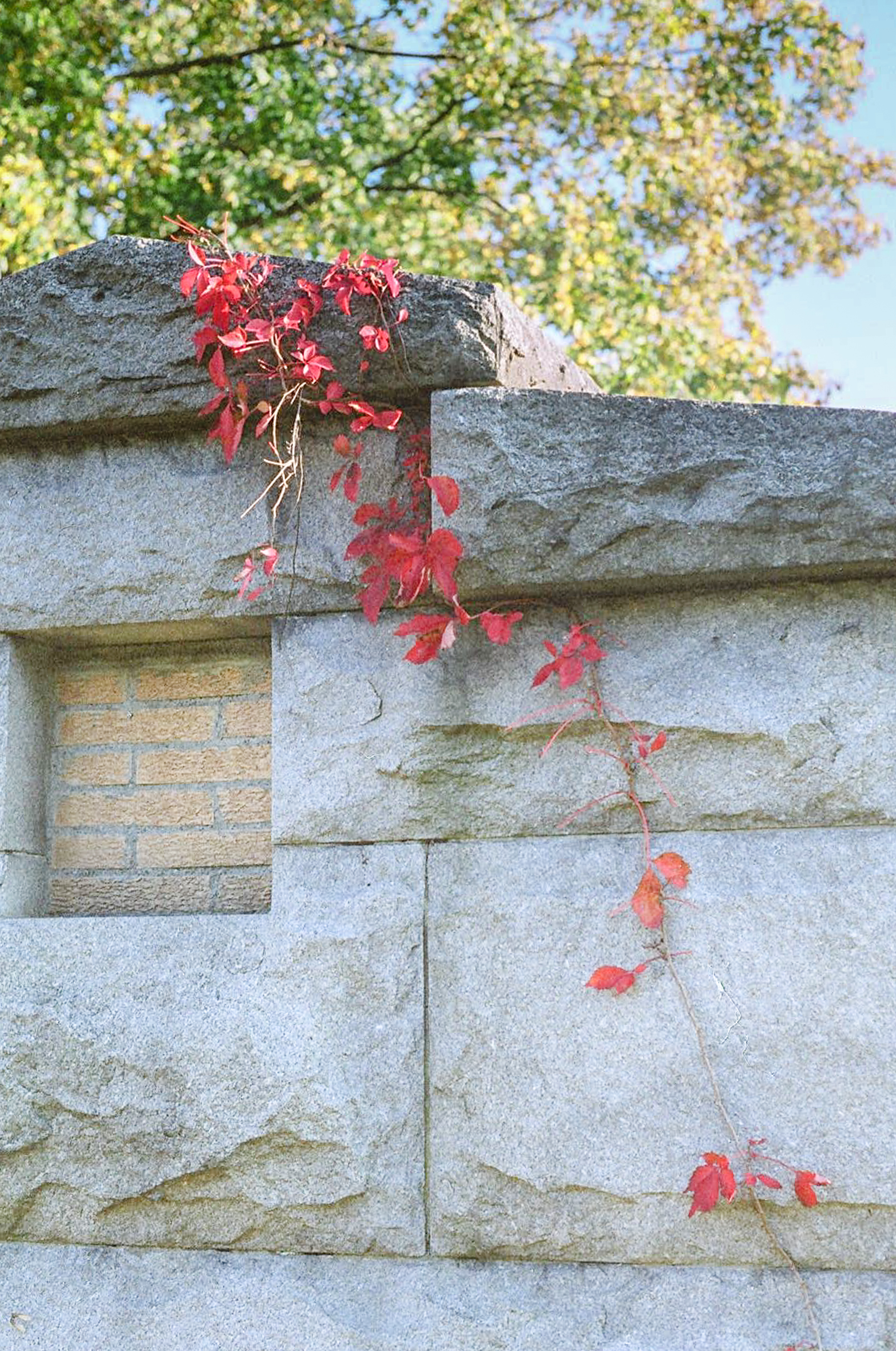
Red leaves on stone


Spectacular flowering bush. I’d like one of these on my grave.


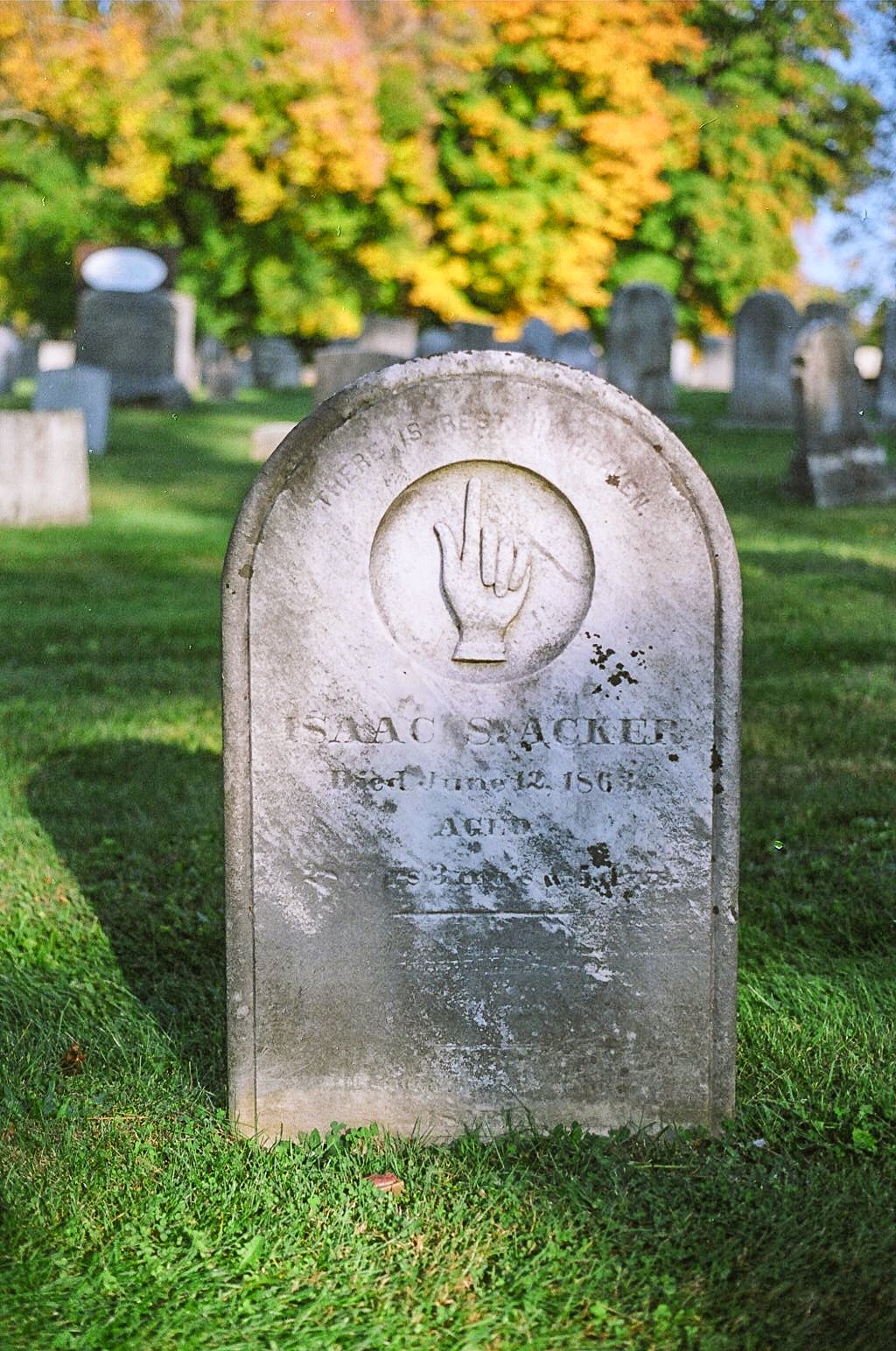
Isaac Sacker gravestone


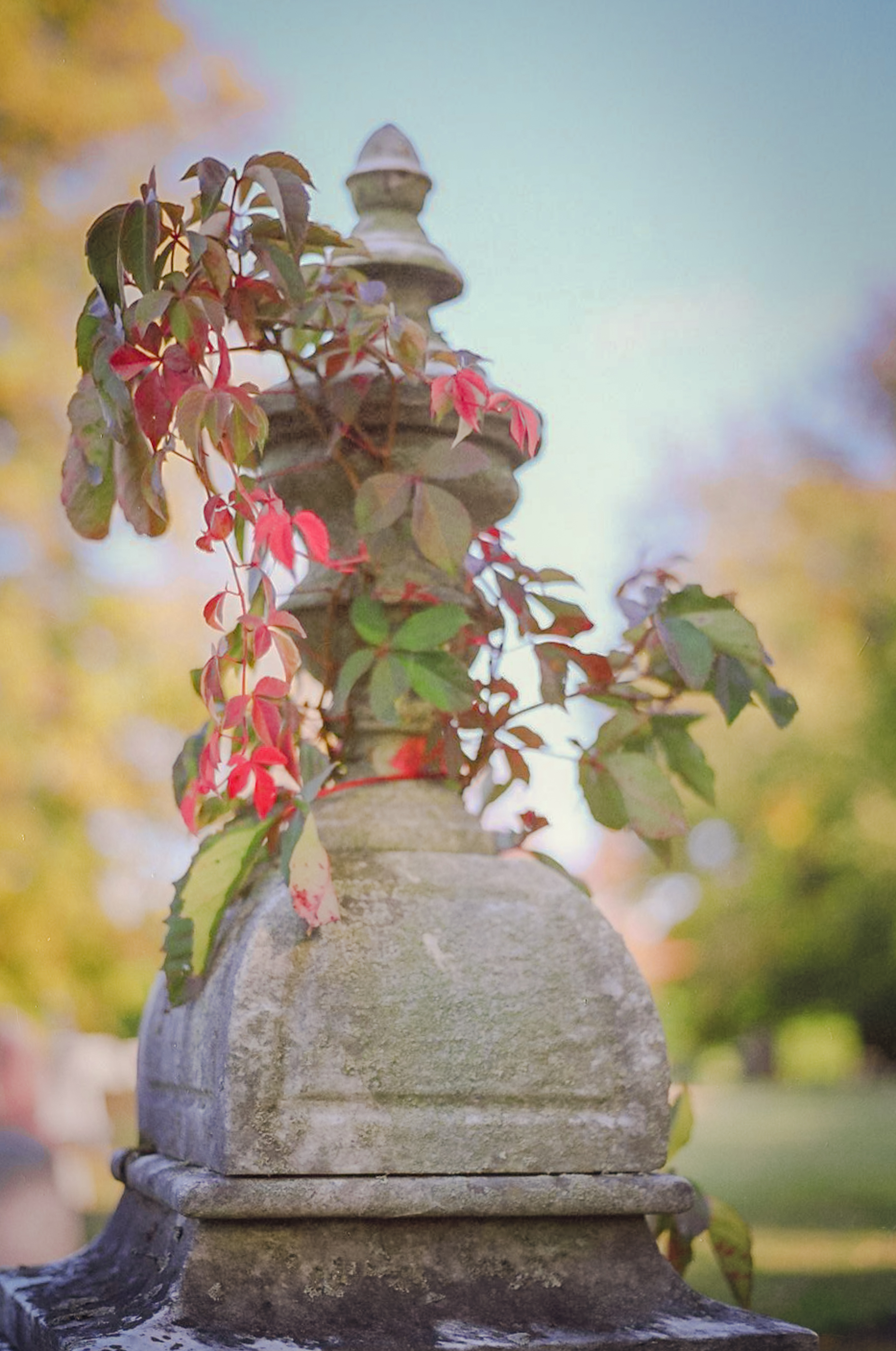
Fall leaves on a grave marker

Atgetesque

I’ve been an admirer of Eugene Atget ever since I first saw his photographs.  The distinctive look comes partly from the fact that he was using equipment, which was already obsolete. He took photographs to sell to painters who would use them as the basis for their paintings. He was also very much aware that the old Paris was starting to disappear and he wanted to capture something of what would be lost. He wandered around Paris a lot, often taking pictures early in the morning. The already old cameras that he was using required him to make long exposures. These two factors (early morning and long exposure) mean that many of his street scenes are devoid of people.  Not that he didn’t take pictures of people – he certainly did, but in many of his pictures Paris almost seems deserted.

Eric Kim has an interesting article on Atget.

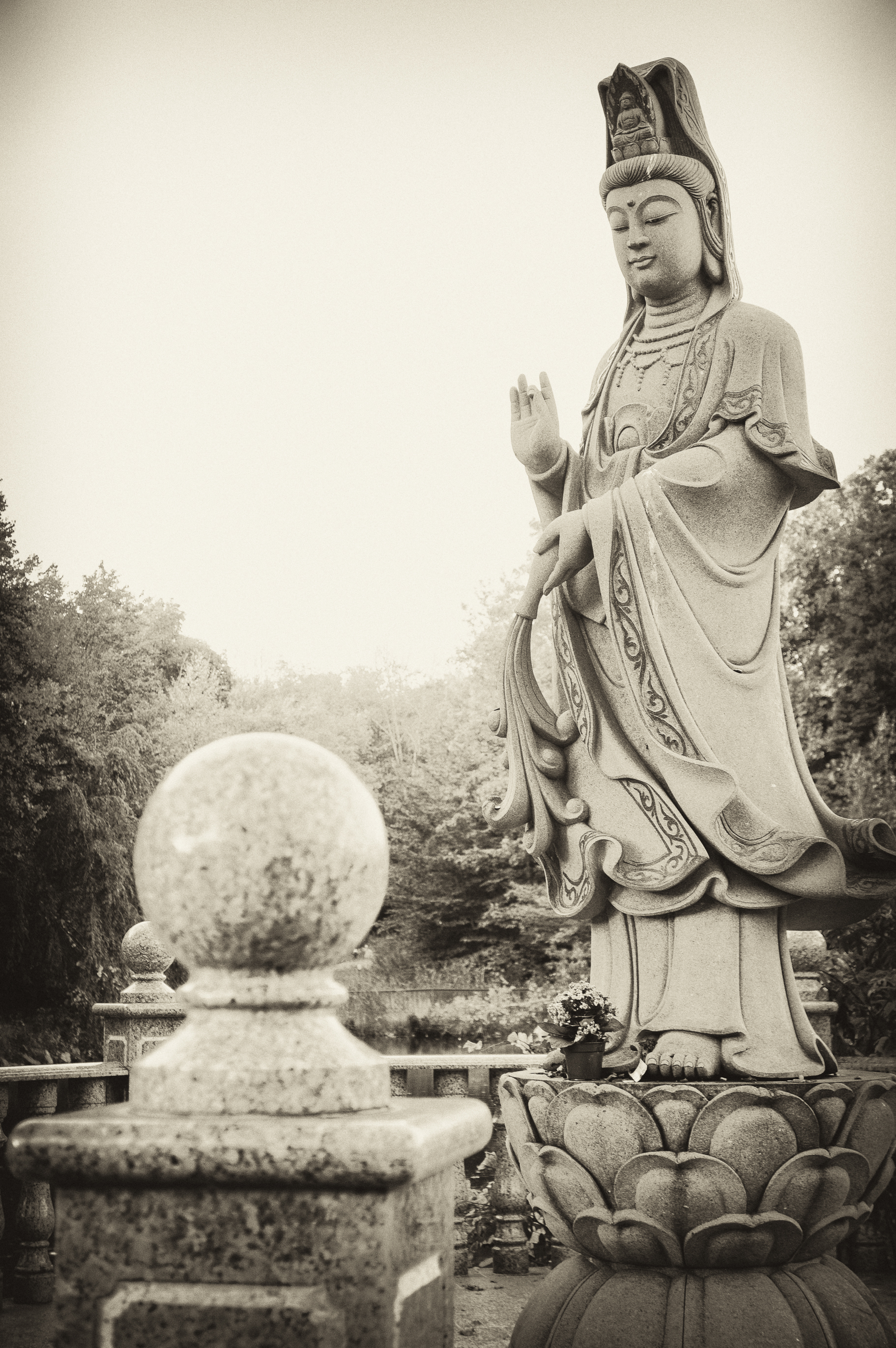
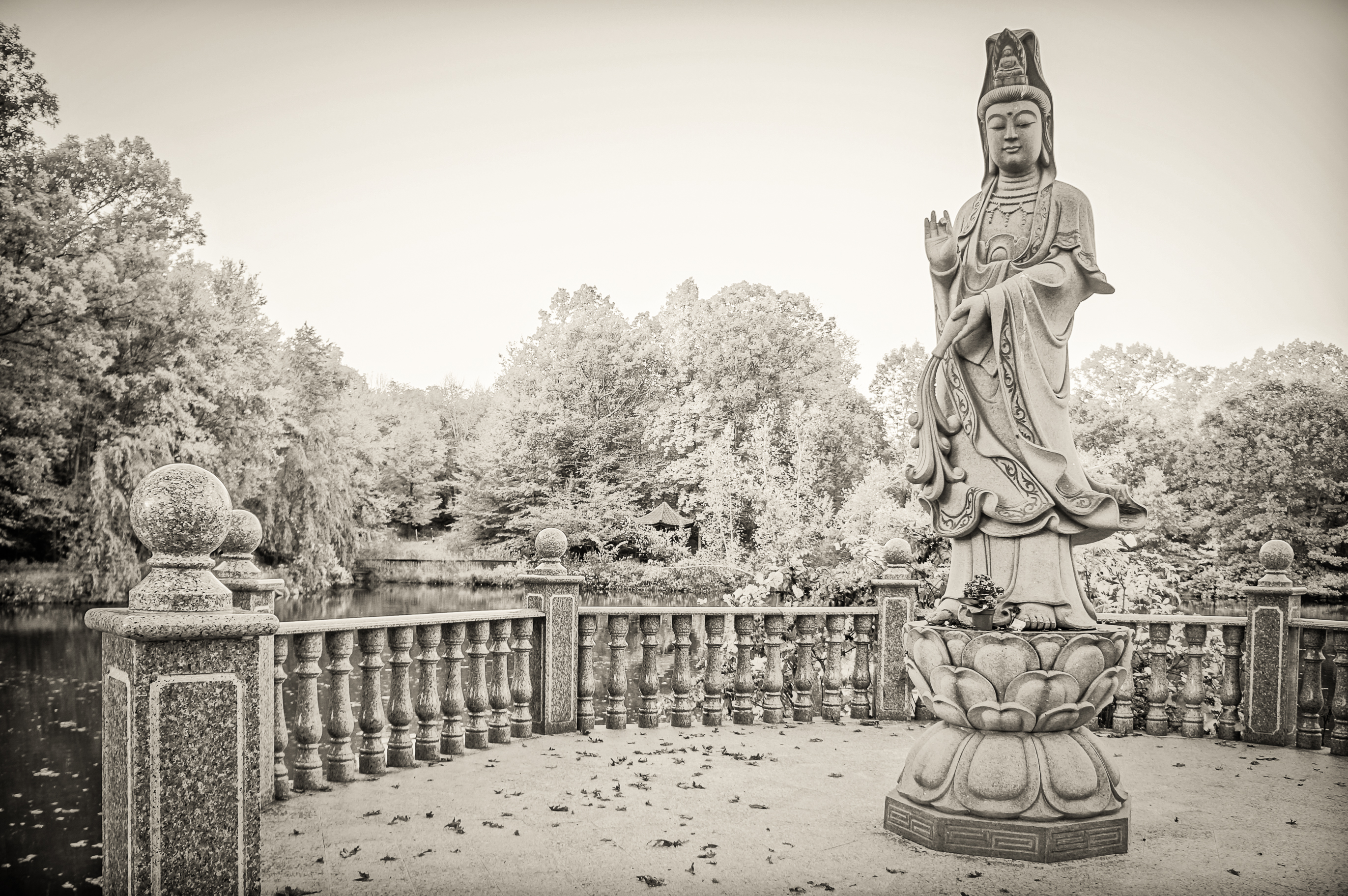
His pictures appear deceptively simple, but I’ve had great difficult coming up with something like them – probably because his talent was much greater than mine. Here are a couple that come closest. Taken at the Chuang Yen Monastery in Carmel, NY.

A few colour pictures

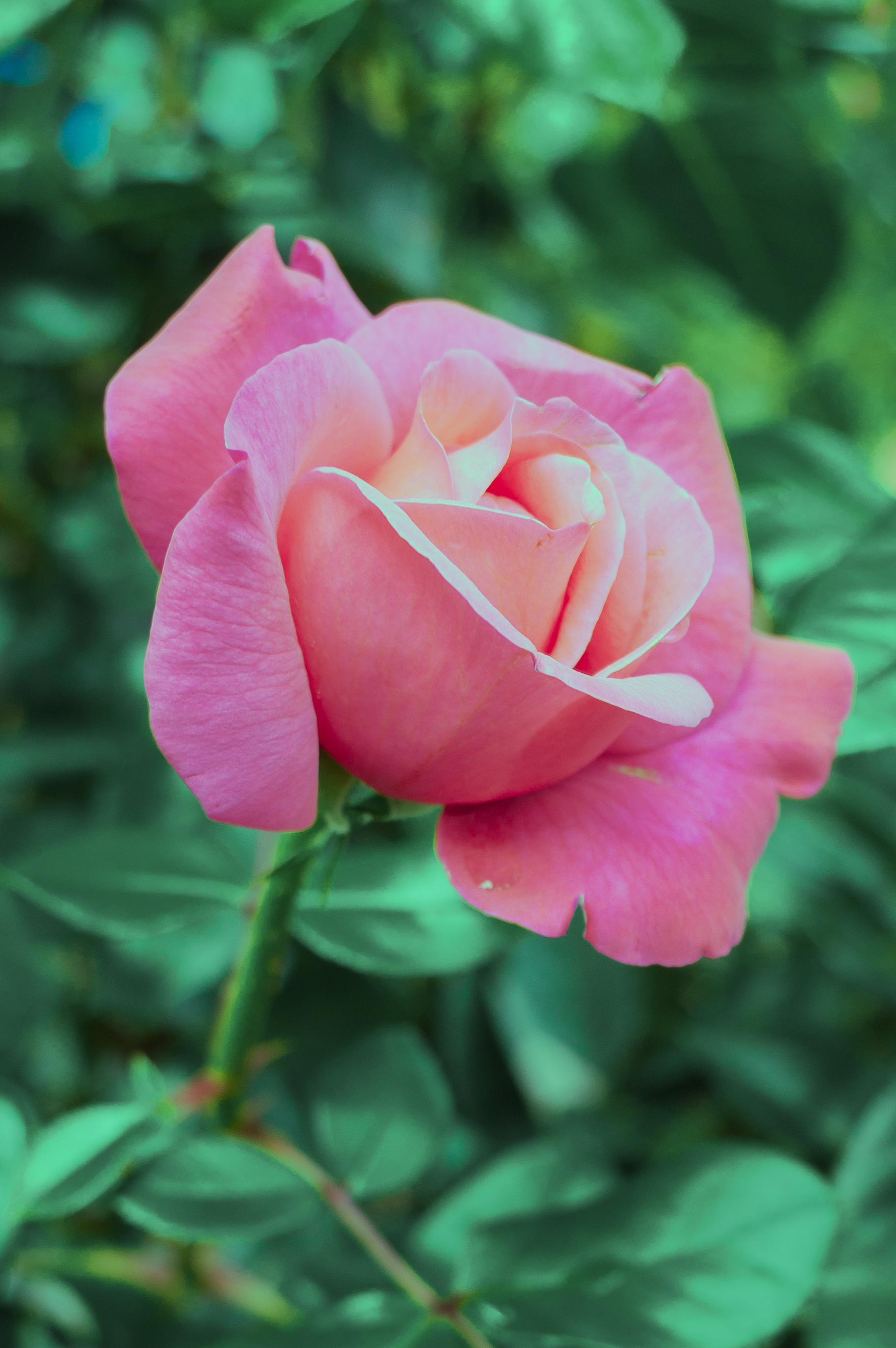
For a change a few color pictures. All pictures taken with a Sony Nex 5N and legacy lenses. The flowers were taken with a Rokinon 28mm f2.8 in Minolta mount. I bought an inexpensive Minolta X-700 and it came with a couple of Rokinon Lenses. The rest were taken with a Canon 50mm 1.4 FD SSC.

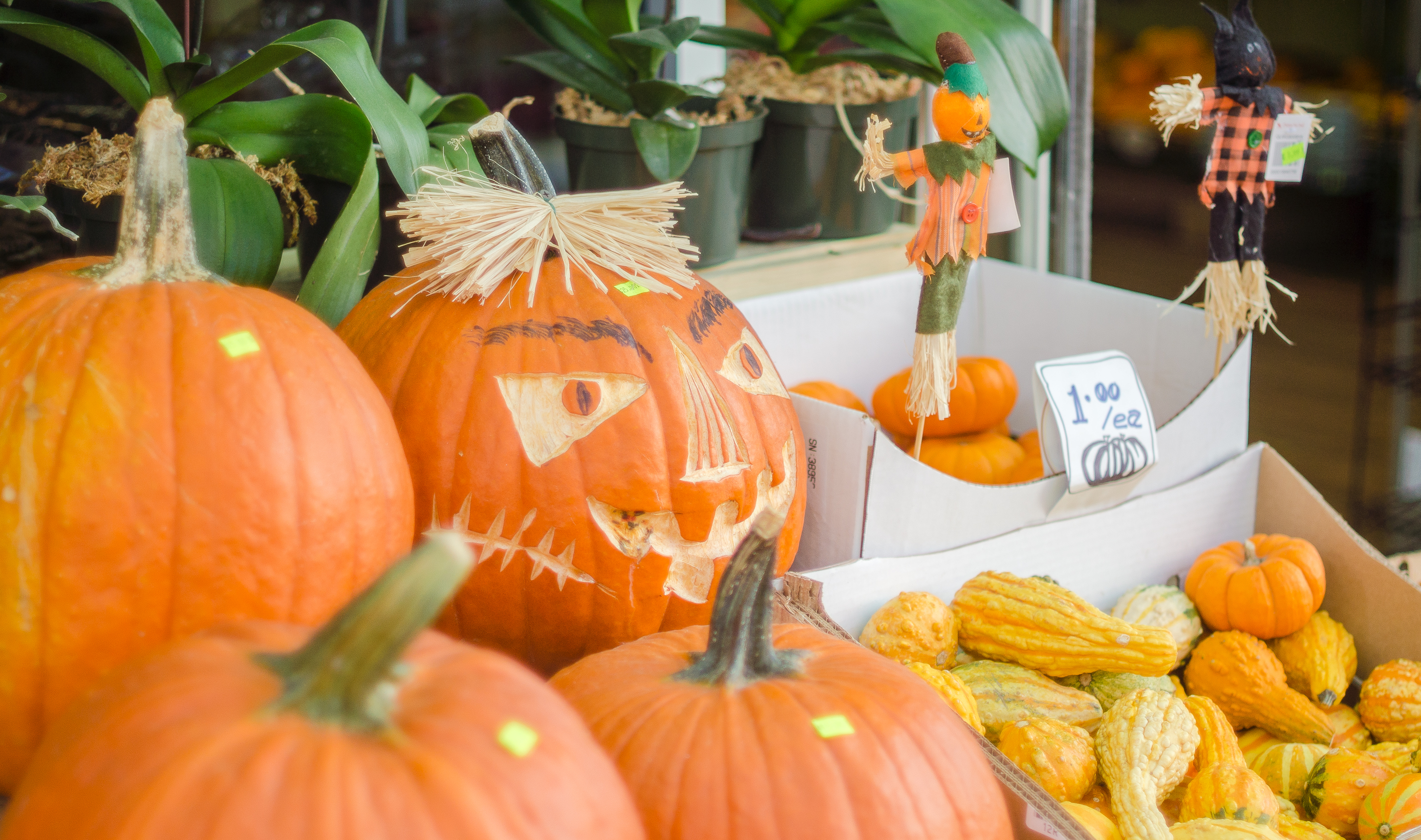
Hallowe’en is coming around again so I’ll start with a pumpkin picture. This one about this time last year.


Bicycle with flowers near Grand Central Terminal. The blurred effect is deliberate: I didn’t just miss the focus. When I saw the pastel colors of the flowers I thought I’d go for an “impressionistic” kind of effect.


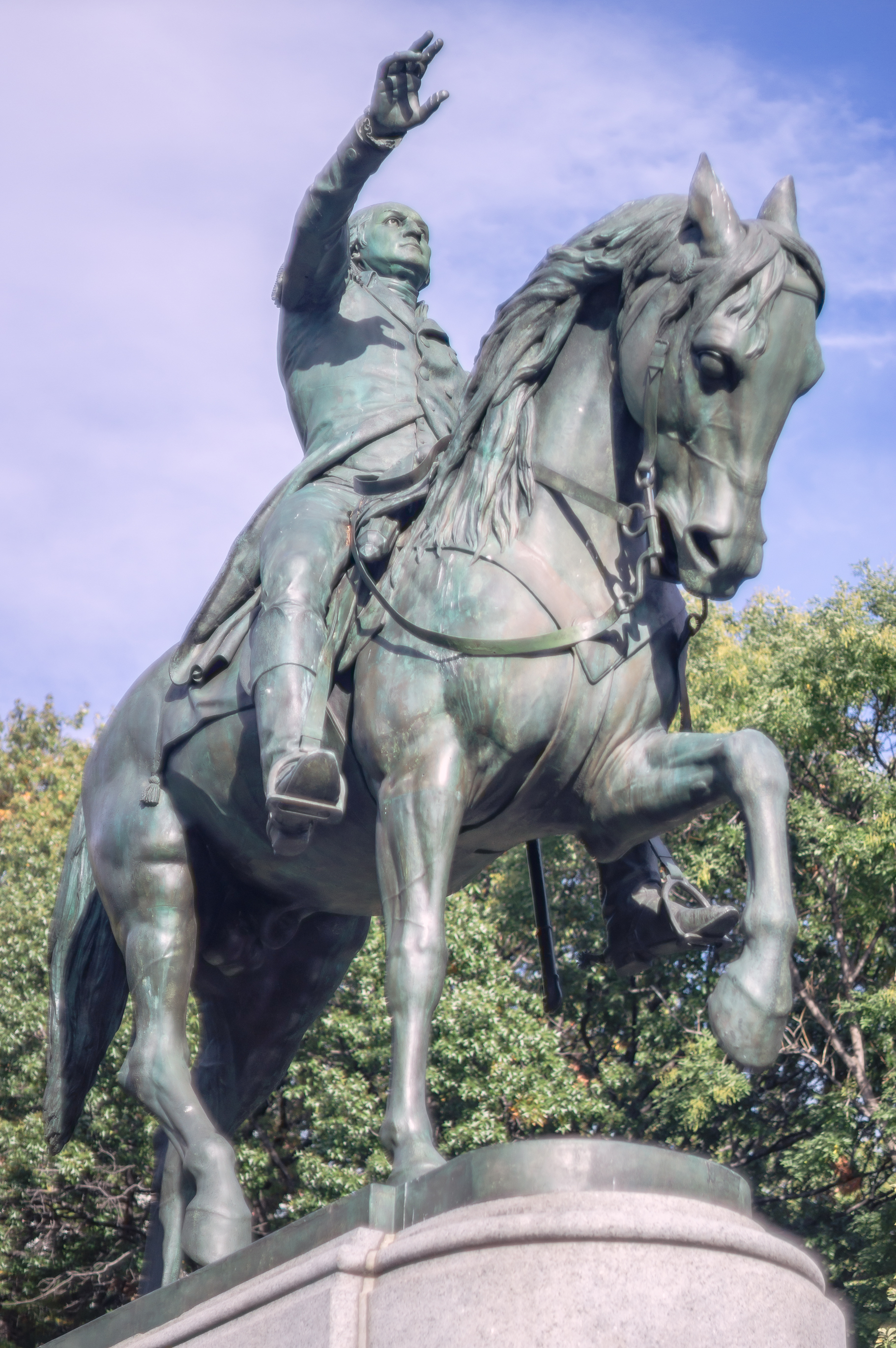
Statue of George Washington in Union Square Park, Manhattan. Apparently it’s the oldest sculpture in the New York City Parks Collection. For more information follow the link. I once read that over time Washington had ceased to be a human being, with human strengths and weaknesses and instead had become an equestrian statue.


Rose in our garden


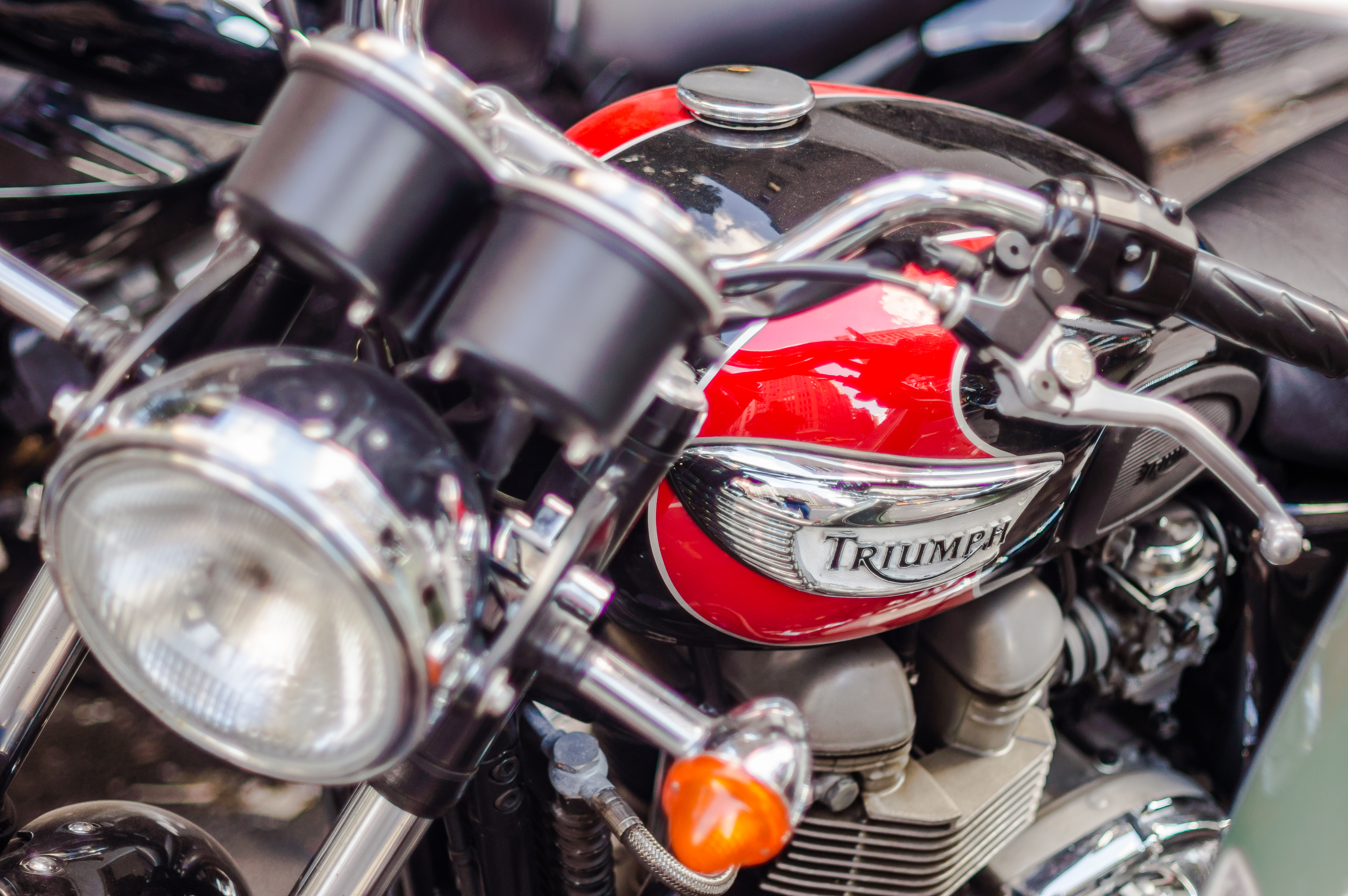
Motorcycle near Grand Central Terminal


More roses from our garden