Finally found something at the thrift store


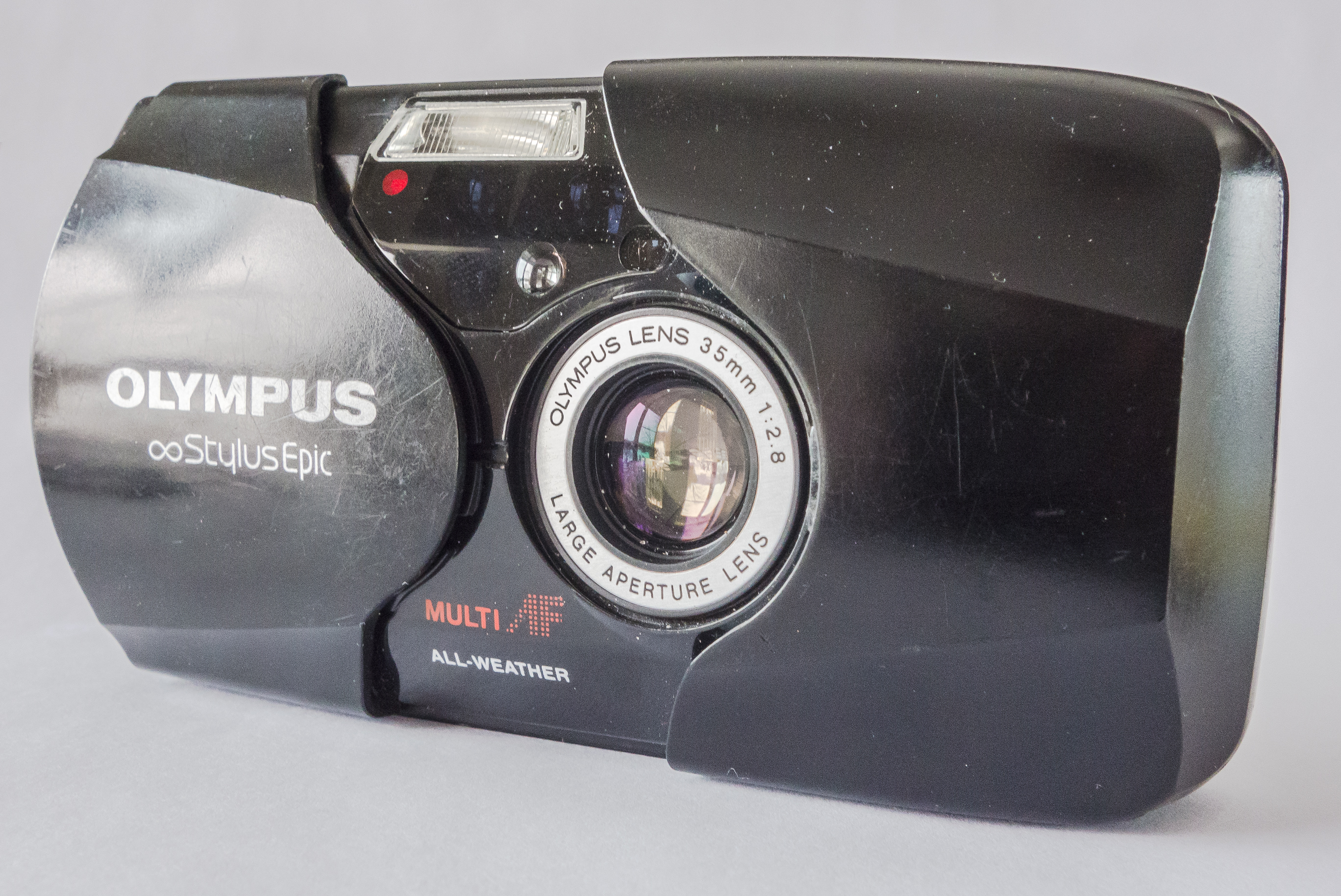
There are three Goodwill stores in the vicinity. From time to time I visit them. I’ve only once bought a camera: a Yashica FX2 with, as it turns out, a lens stuck wide open and non functioning 1/1000 speed. I’ve described the story behind this in an earlier post. Usually they have a selection of cheap, plasticky point and shoot cameras often with obvious damage. The selection never seems to change. This time, however, it was different. The usual suspects had all disappeared and the shelf was empty apart from one camera. I walked over to take a look and lo and behold there was a black Olympus Stylus Epic in pretty good condition price less than $10.00. I couldn’t resist even though I already have the silver version (quartz date), I had always wanted the black. Cosmetically it’s in better condition than the silver one, but would it work? I took it home and put in a battery. Everything seemed to be working fine, but of course I wouldn’t really know until I put a roll through.

It’s a bit disturbing to have a camera that gives you no feedback other than a green light to tell you that it’s found focus. No sense of shutter speed. No idea what aperture has been selected and, of course, no digital image to show you how you did. You just get the film processed and wait to see the results.

The conditions were not ideal. It was late in the afternoon and getting dark very quickly. Most of the pictures had snow in them making exposure difficult and a number of them were backlit. Some of the pictures came out blurred. I noticed that these were all towards the end of the roll and taken when it was getting dark. I imagine the camera selected a long shutter speed. My hands are not too steady at the best of times so it wouldn’t take a very long speed before camera shake set in. Some of the backlit pictures didn’t come out too well. I would probably had done better if I’d use the spot mode.

All things considered I’m very pleased with my new acquisition. Can’t wait to try it when the light is better.
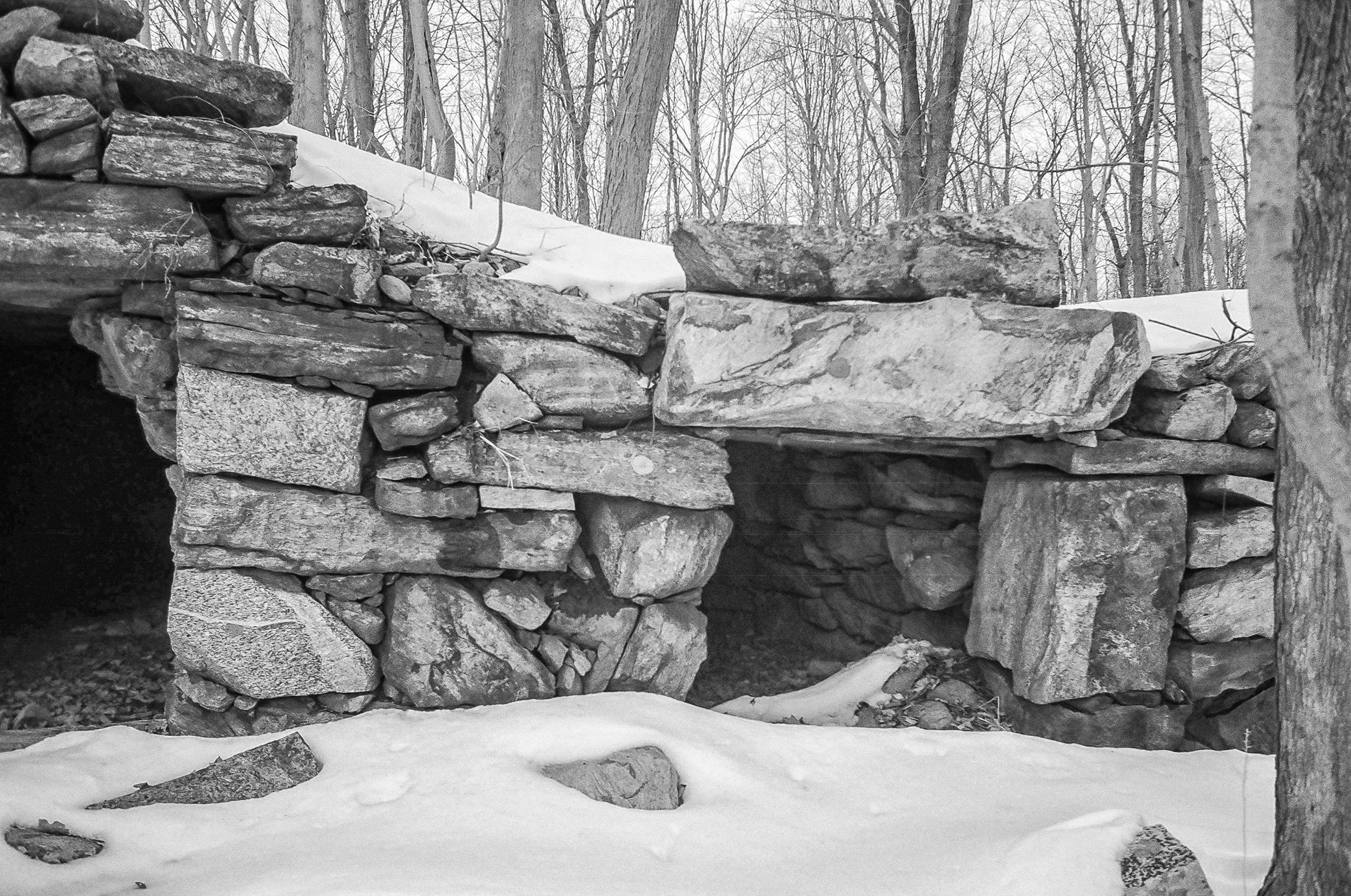

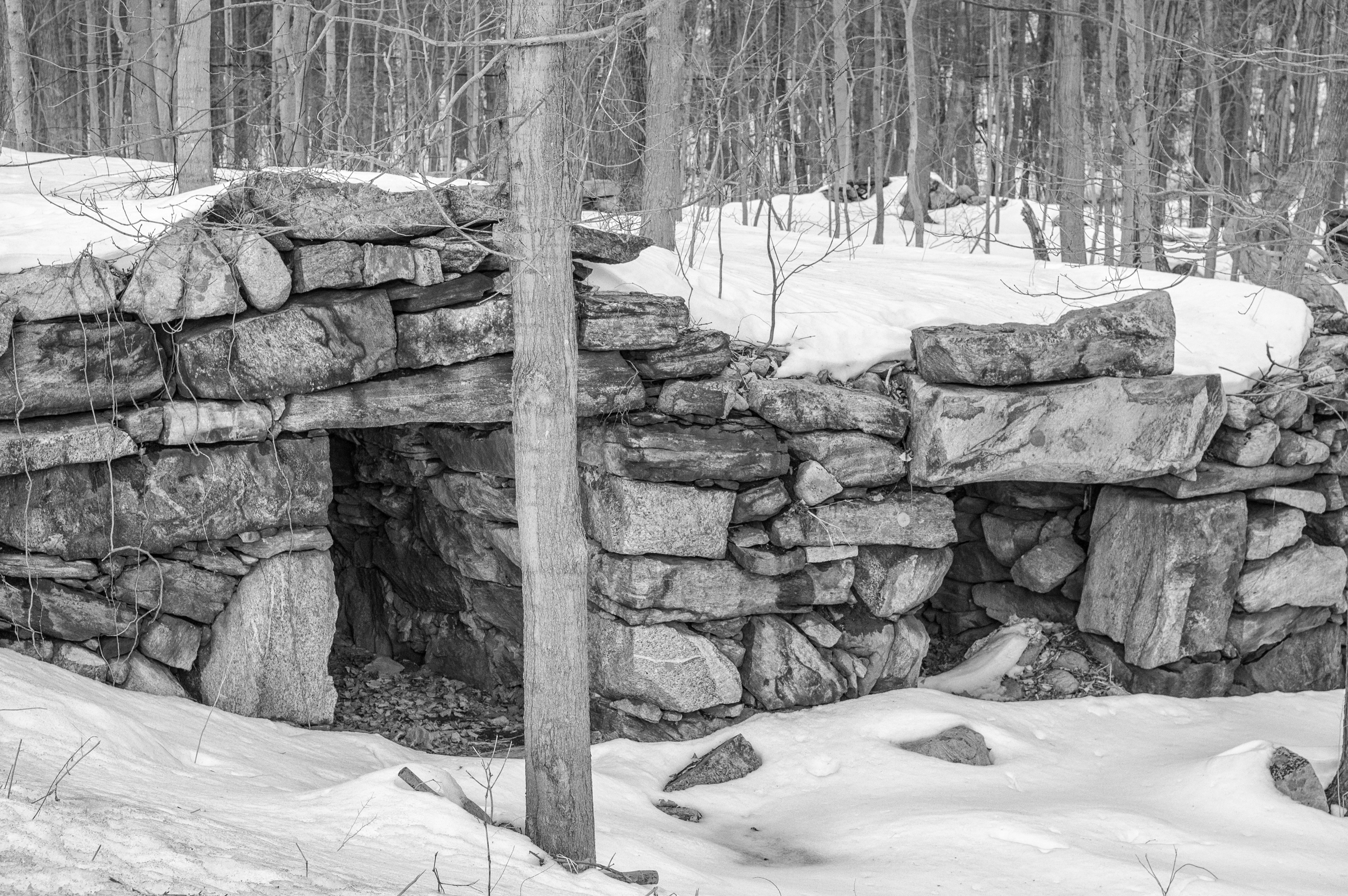
One of Putnam Valley’s mysterious stone chambers
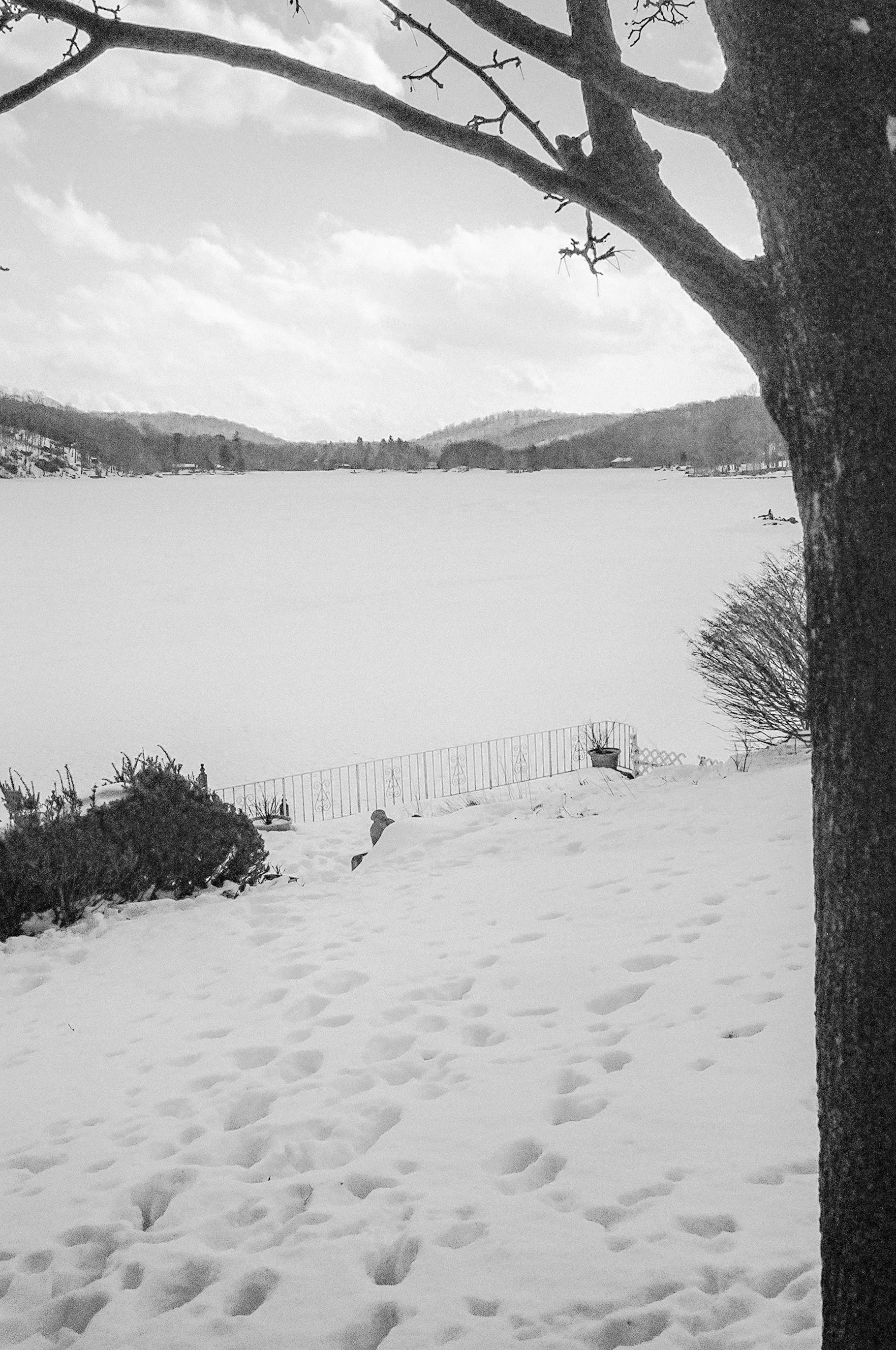

View from the house (with deer footprints – they walk across the frozen lake) – early evening
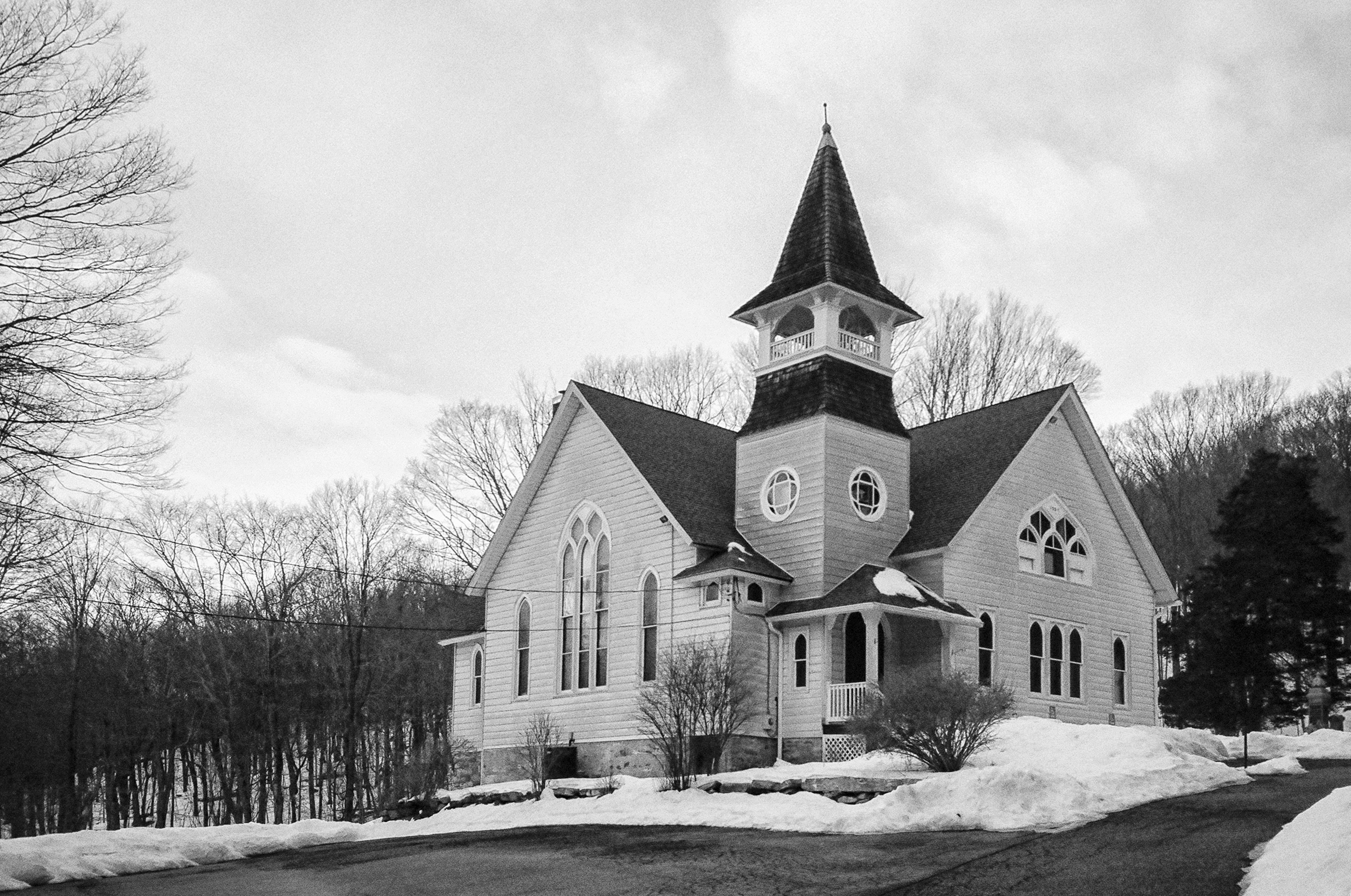

Kent and Fishkills Baptist Church (I think)
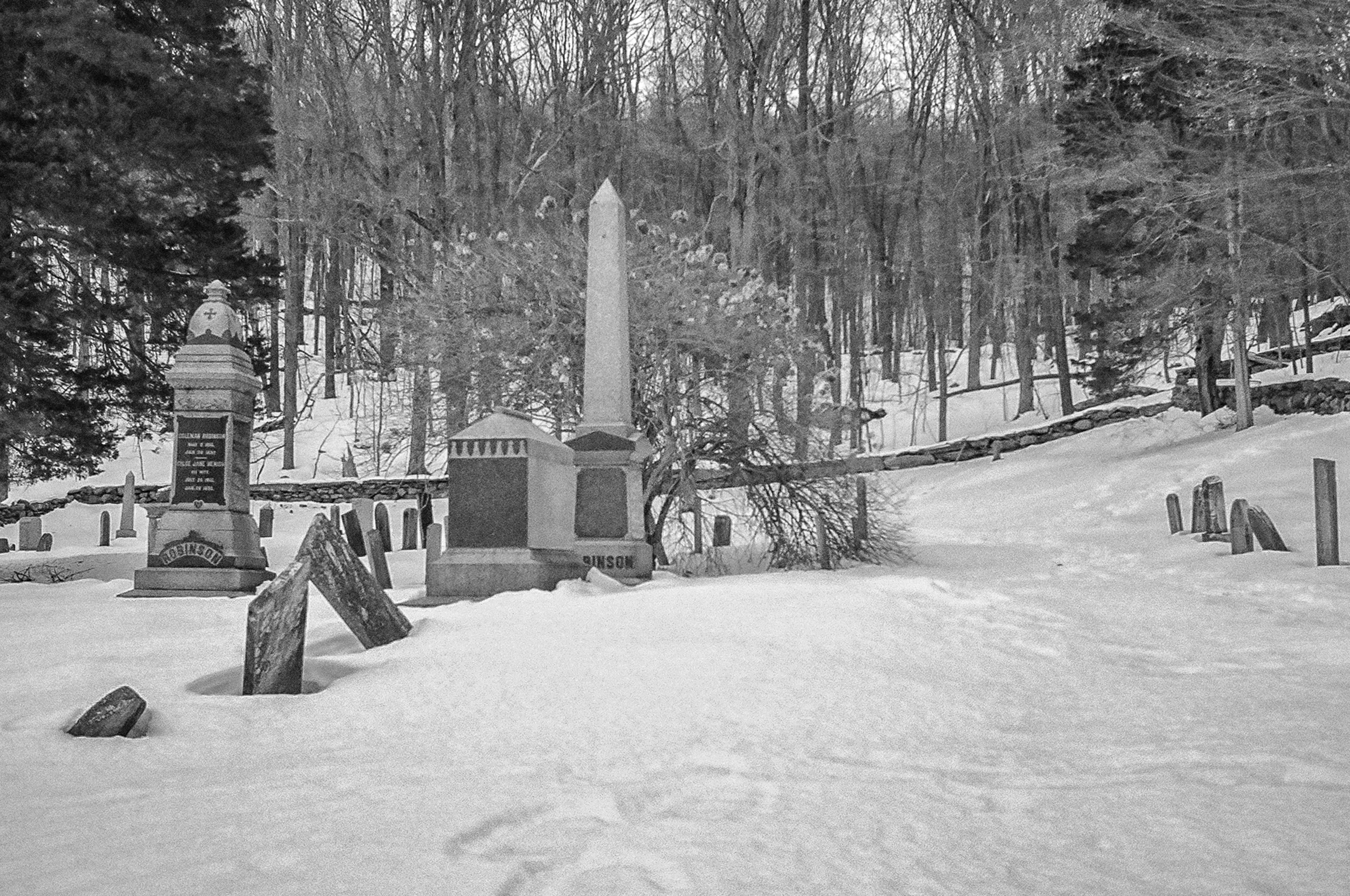

Graveyard – Kent and Fishkills Baptist Church
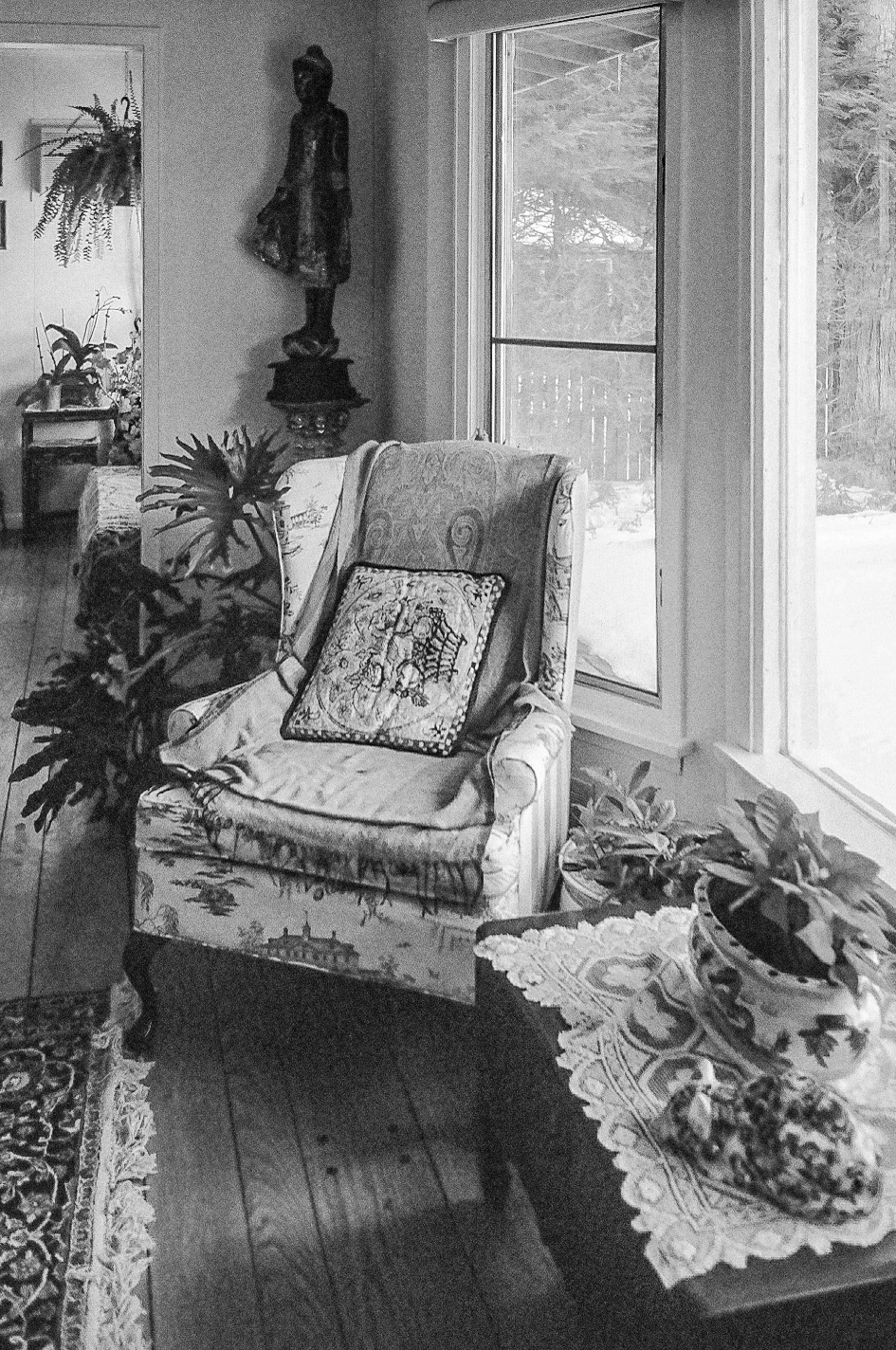

Interior – late afternoon
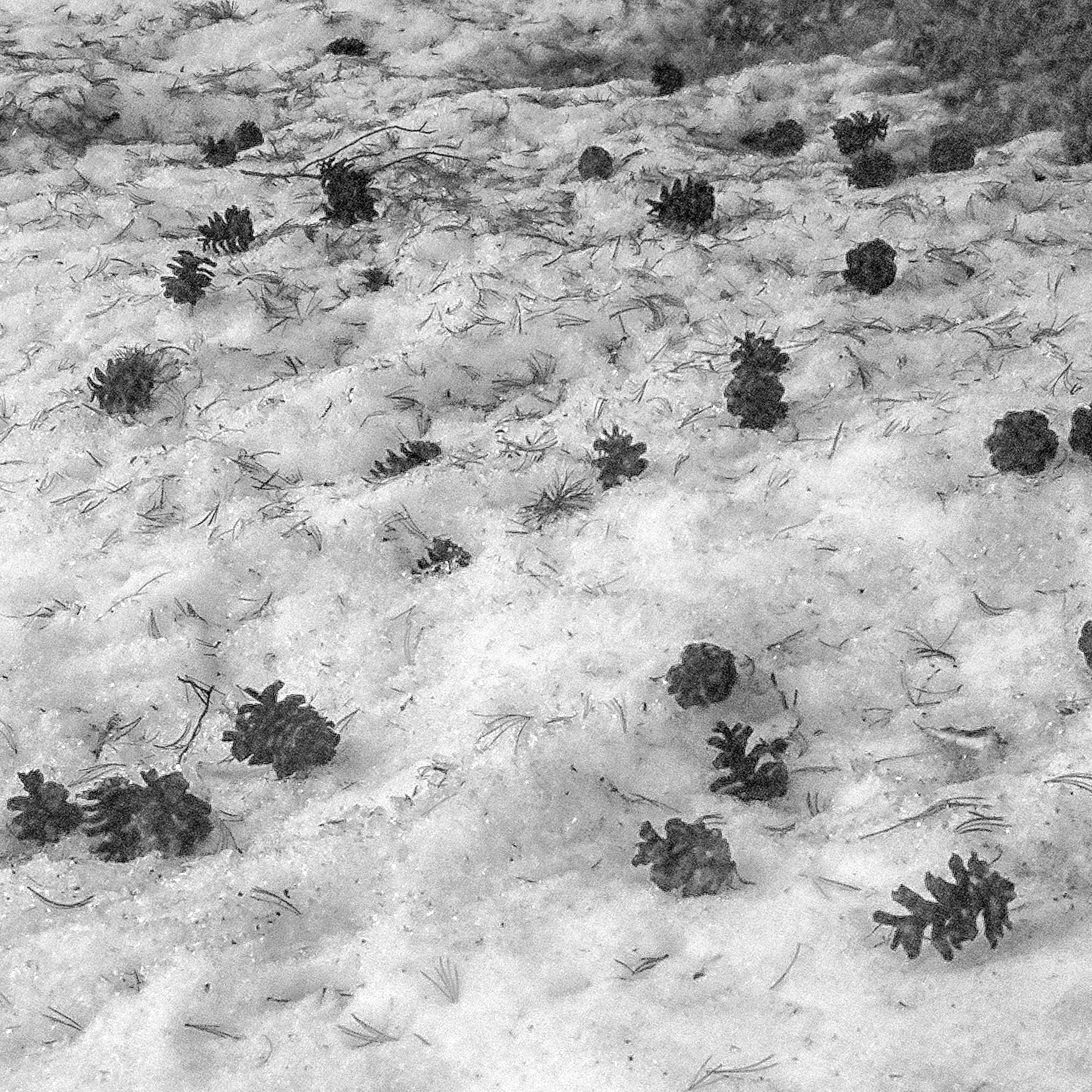

Pine cones
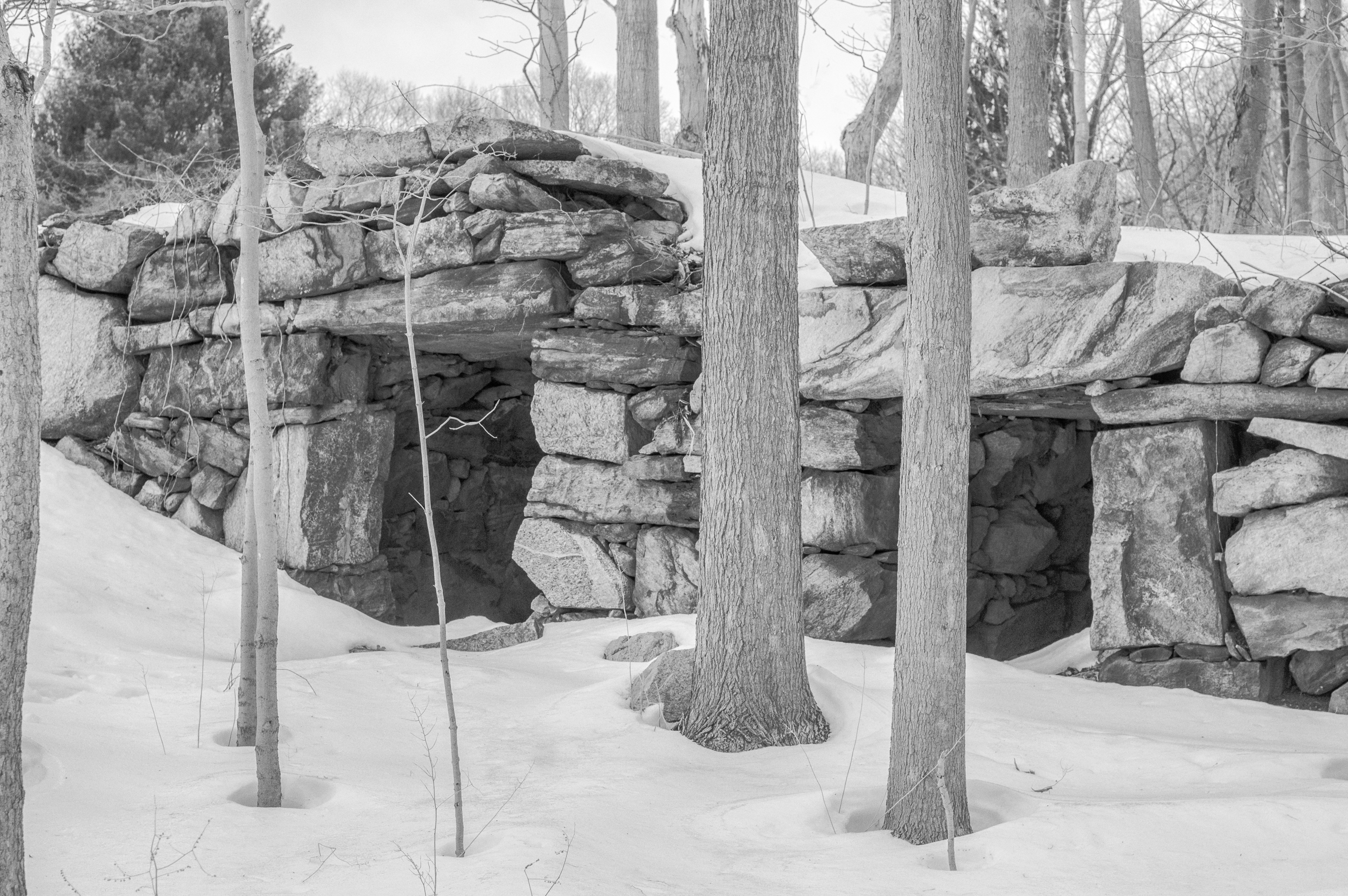
Mysterious stone chambers of Putnam County


My wife and I belong to the local garden club. They have monthly meetings, usually and not surprisingly on topics related to gardening. From time to time, however, they organize presentations on other topics. This time Tom O’Reilly gave a talk on “Stone Chambers of Putnam County”.

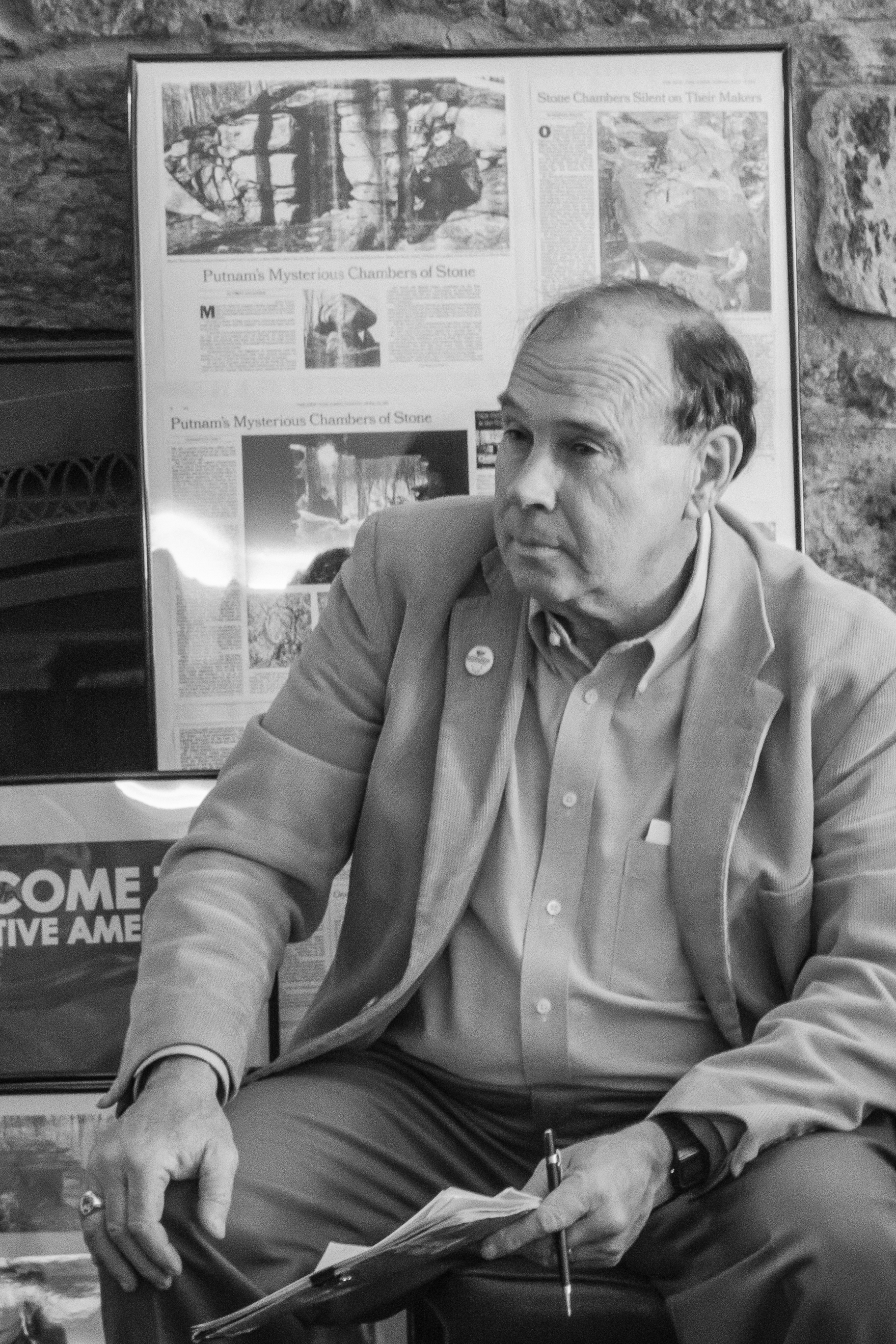
Tom O’Reilly

Apparently there are a large number of these strange stone chambers all over Putnam County. Most people don’t even know they are there. Some are very close to roads and people drive past them without ever noticing. Their origins are in dispute. Many believe that they are colonial period root cellars. Others, including Tom, believe that they are much older and date back to the same period as the megaliths (think Stonehenge) of Europe. I’m not sure yet what I believe (I haven’t done enough reading). One thing is certain: wherever they come from they are an interesting part of the history of Putnam County and are worth preserving. At the moment they are disappearing through land development, vandalism etc. – a situation which needs to change.

For more information: the York Times, April 22 2001 had and article on “Putnam’s Mysterious Chambers of Stone“.  If you don’t mind investing a little more time this article on “Stone Chambers of Kent” provides a wealth of information (of course “Kent” refers to the town of Kent in Putnam County, not the County in the United Kingdom).


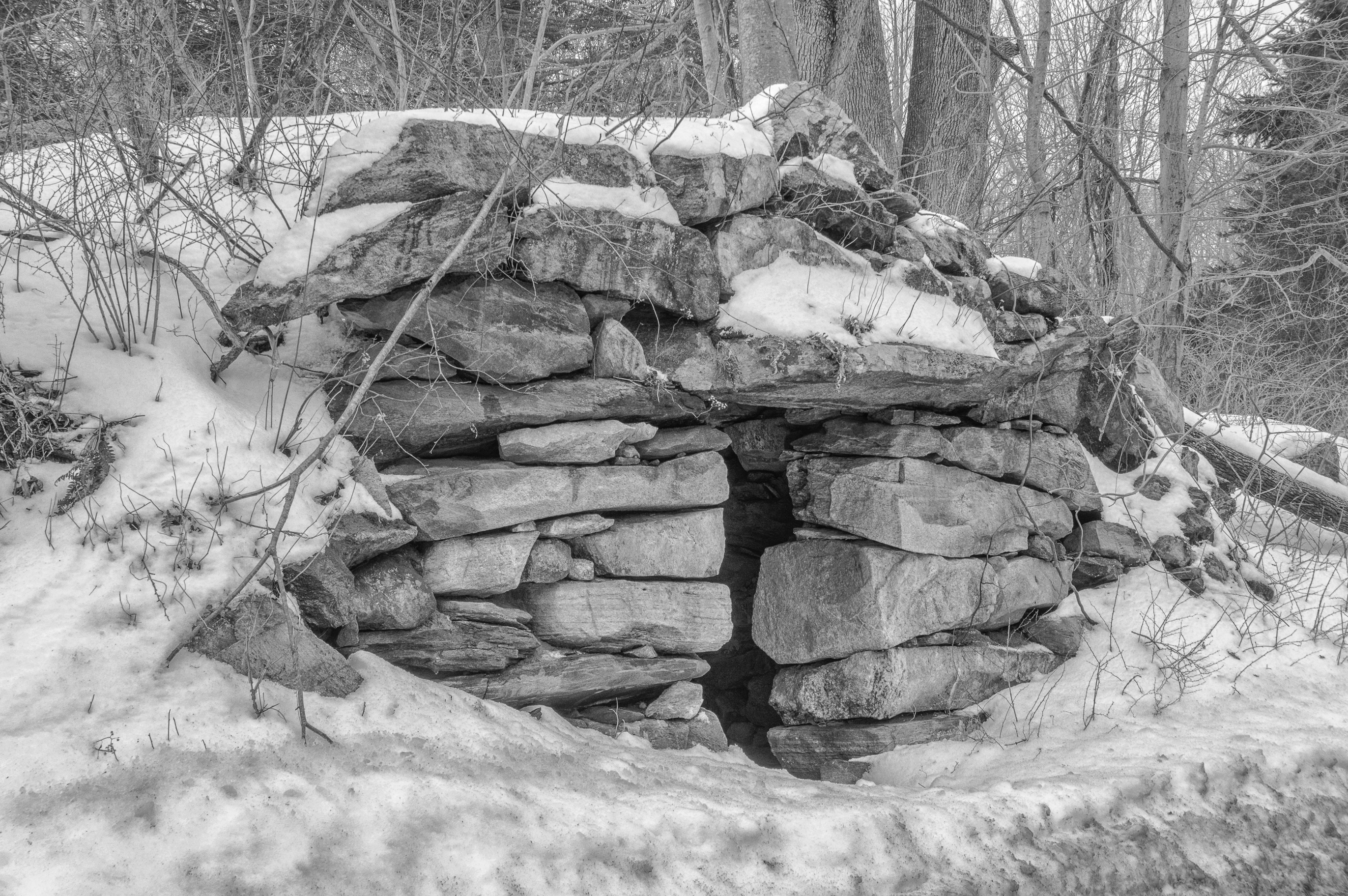
Stone Chamber on Oscawana Heights Road


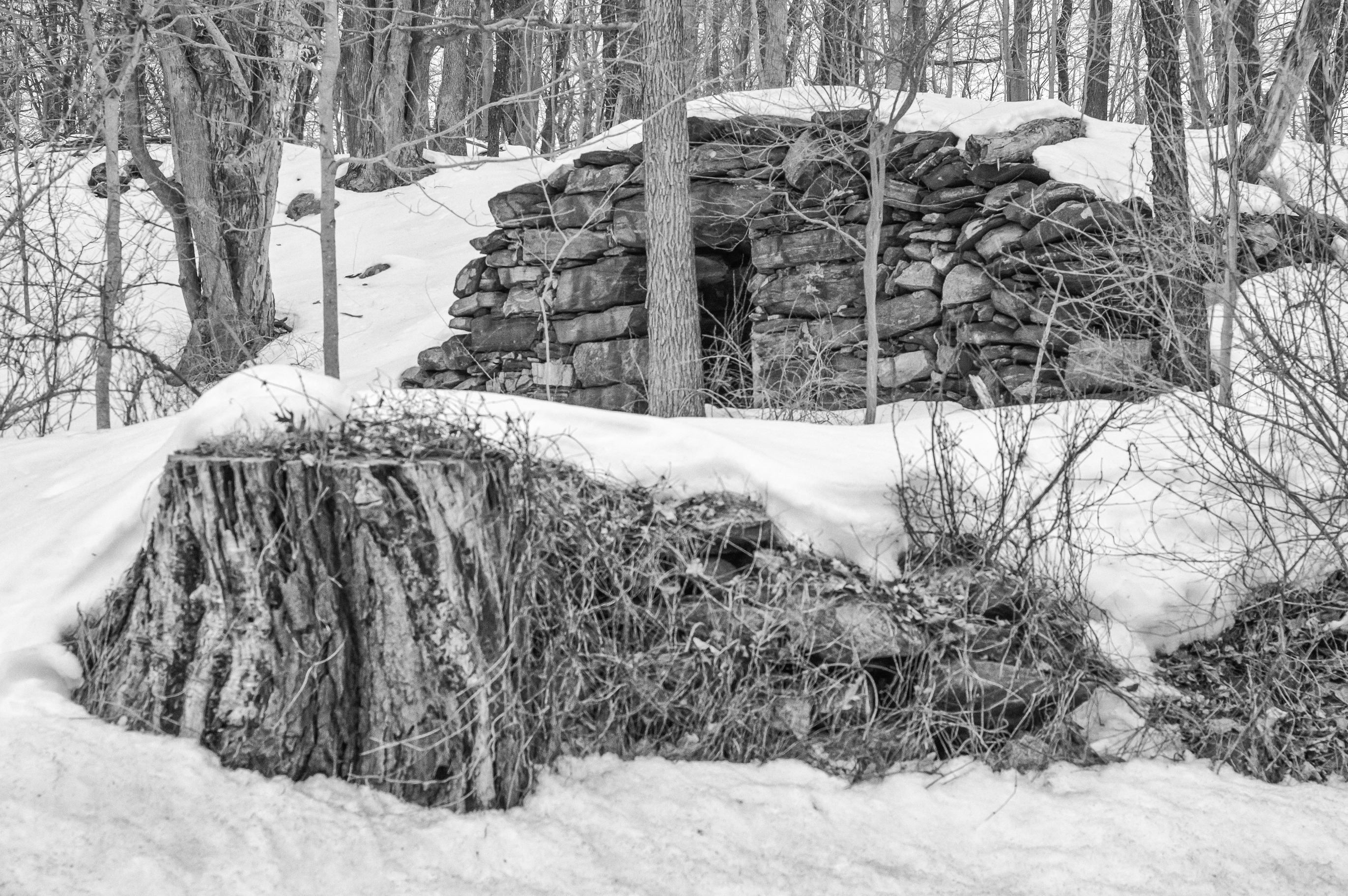
Another stone Chamber on Oscawana Heights Road


Stone chamber on Route 301 (near Farmers Mills Road)


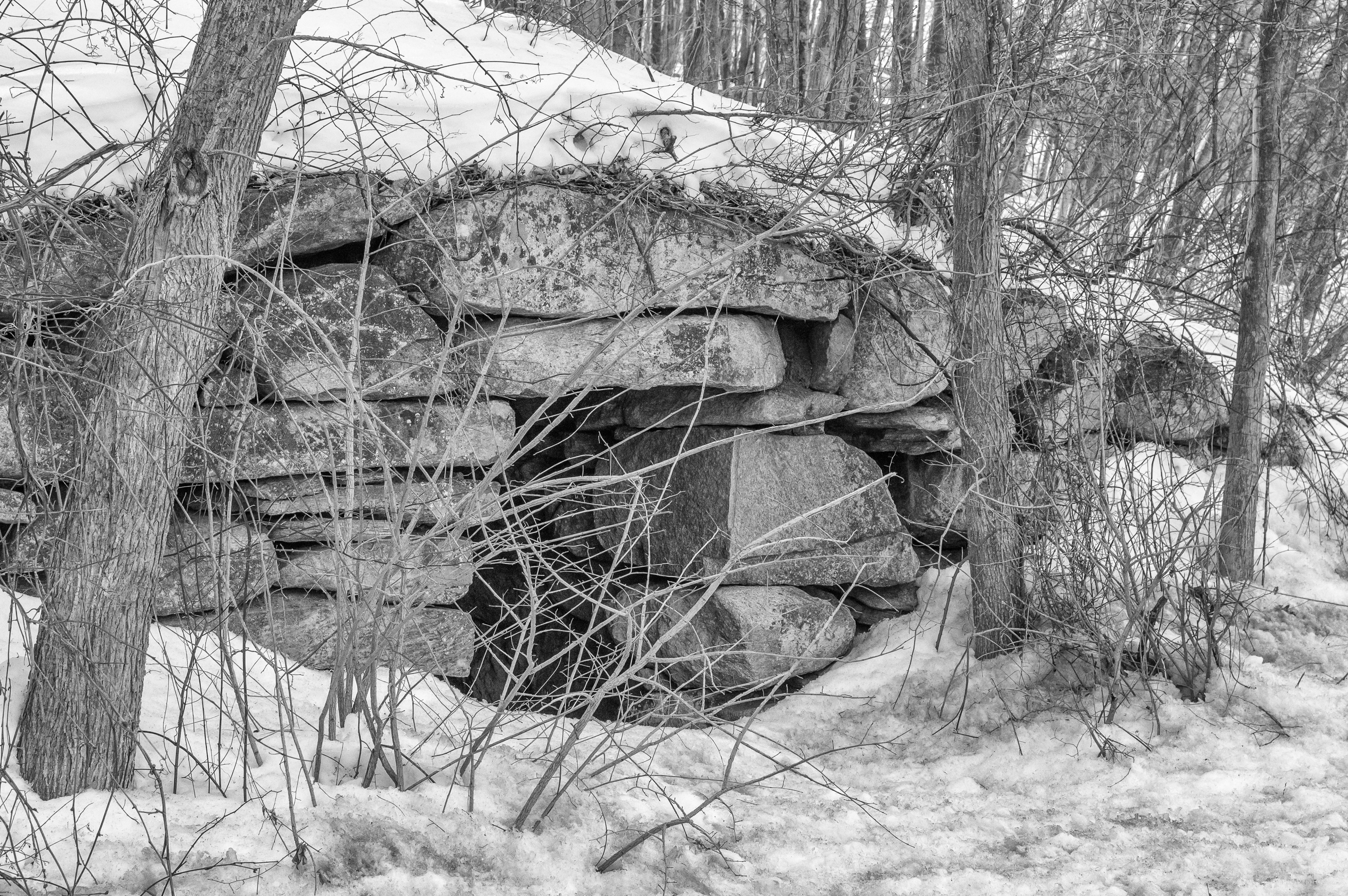
Interesting dual chamber on Oscawana Lake Road (almost opposite the Putnam Valley Elementary School). See also first picture.

West Bank of the Hudson


Geese on a Lake (I don’t recall which one)

I live on the east side of the Hudson River and seem to spend most of my time there. This time, however, I went across the Bear Mountain Bridge and turned north along Route 9w. Later I turned south on 218 (Storm King Highway) through Cornwall-on-Hudson. I didn’t know that this road existed, but it’s well worth the drive. There are some spectacular views.


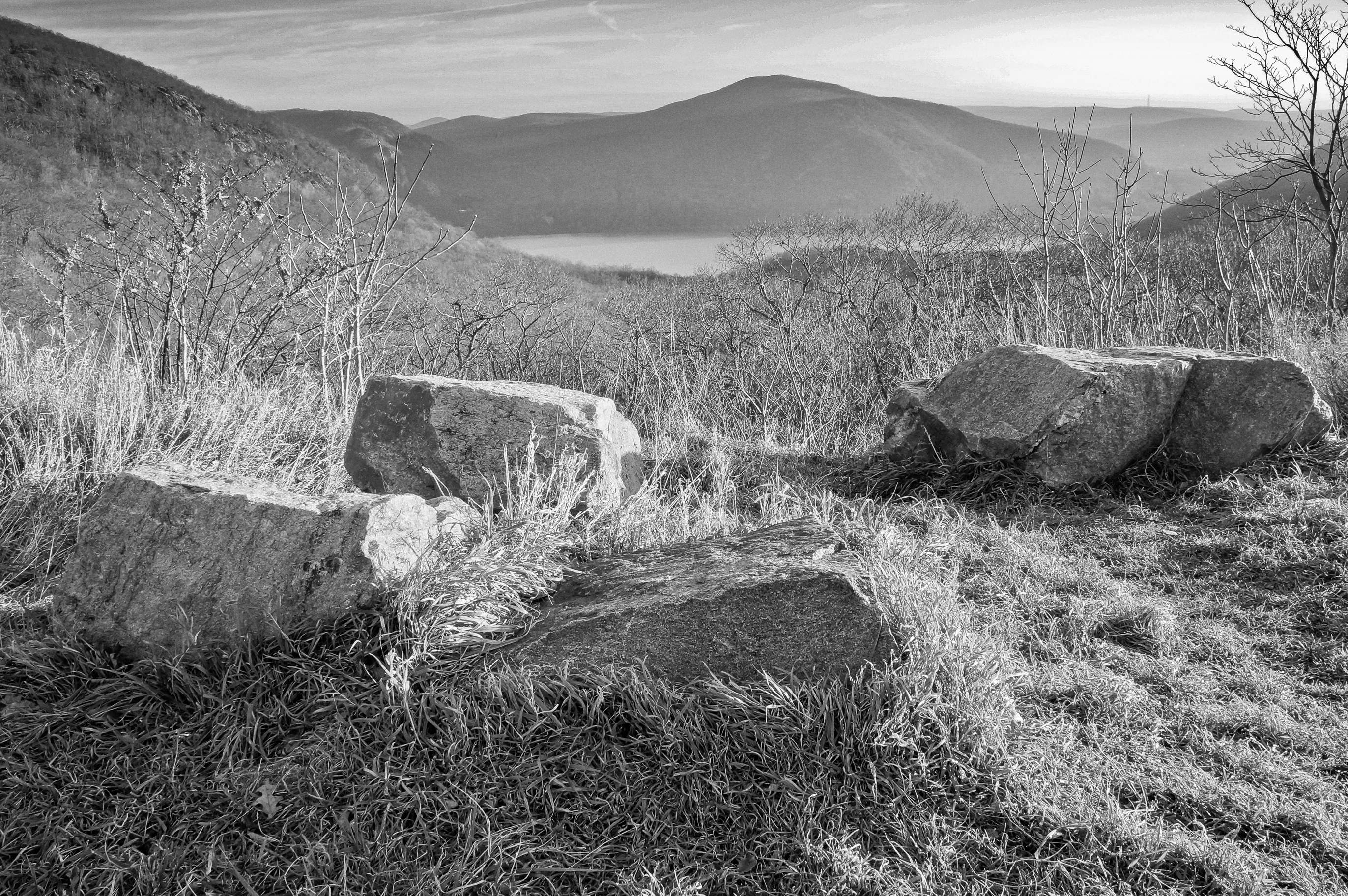
Looking east across the Hudson towards Breakneck Ridge (I think).


Jetty on the same lake as above (I still don’t remember which one it was)


Looking south from Route 218


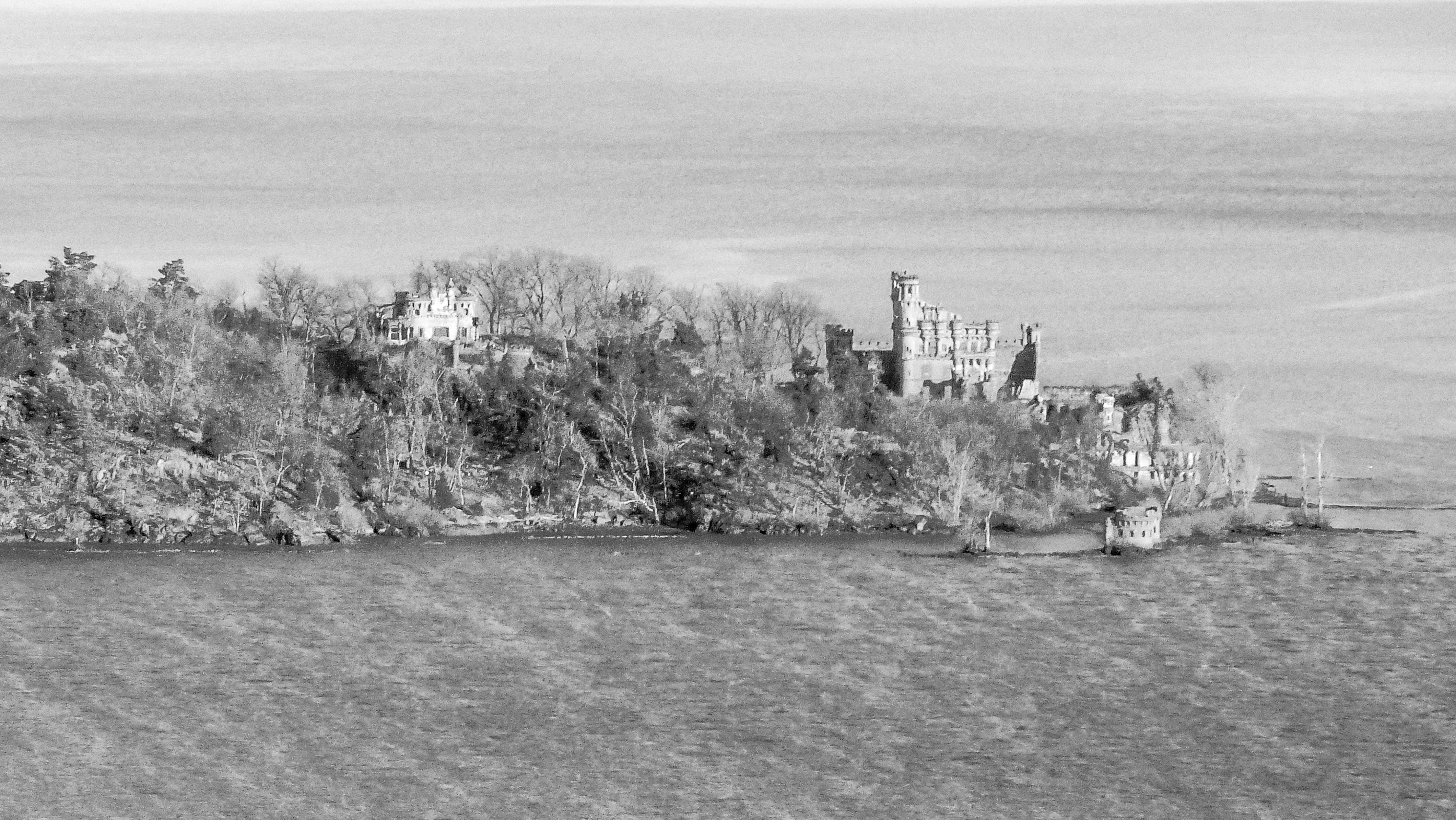
View from Route 218 of Pollepel Island and Bannerman Castle.

Hammond Museum and Japanese Stroll Garden


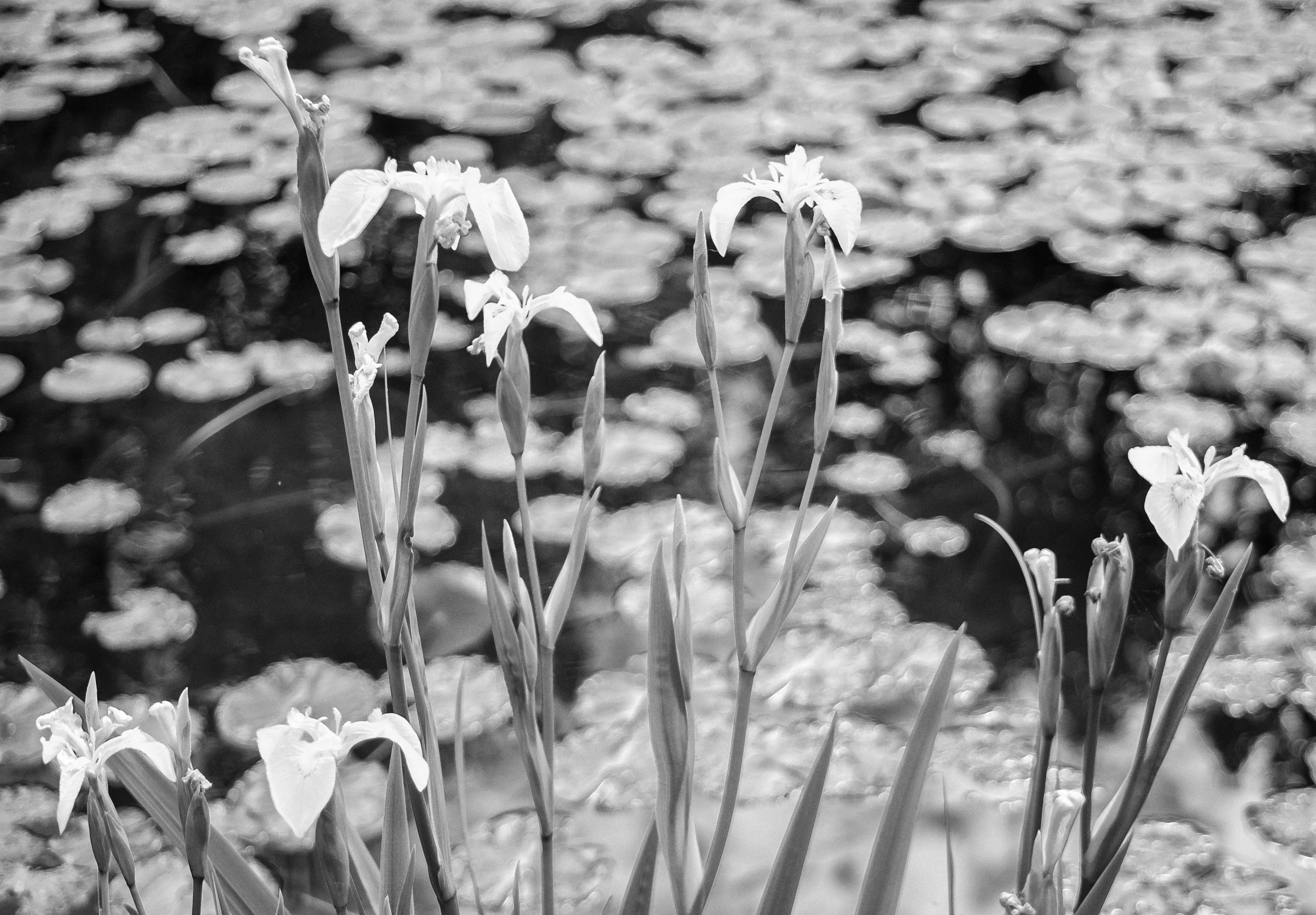
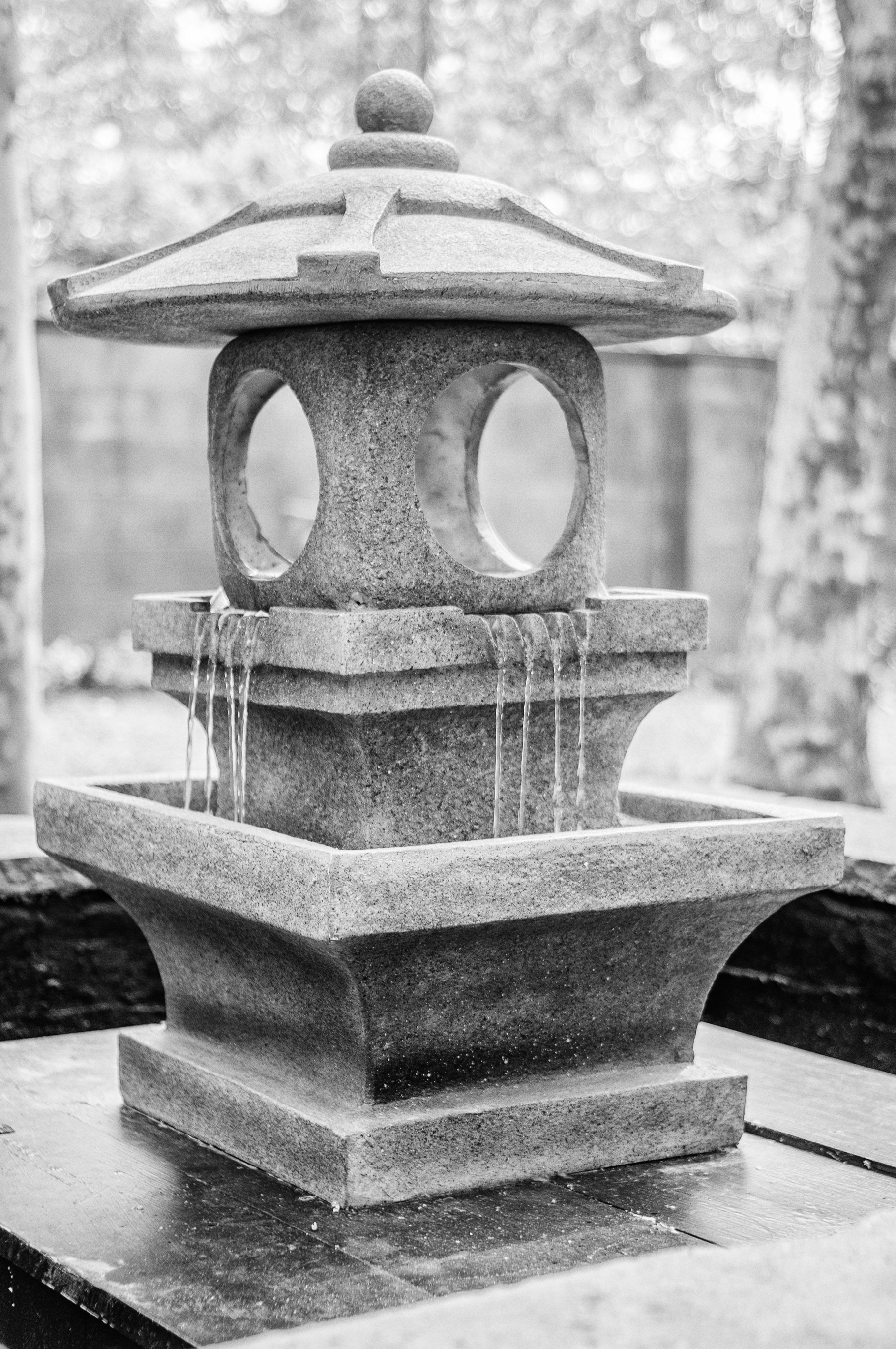
I recently posted about the annual blessing of the animals at the Hammond Museum and Stroll Garden. Even without the dogs this is an interesting place to visit. Although small it has some pleasant gardens. As its name implies it’s a nice place to just walk around. The museum is also the venue for “..Cultural Events; Weddings; Educational Events; Conferences; Galas; Meditation; Exhibits” etc.

Their website states:

The Japanese Stroll Garden provides a place of natural beauty and tranquility, to delight the senses and refresh the spirit. It is a place where aspects of Eastern and Western culture can be appreciated through art exhibitions, concerts, special 2010 Events and educational programs in order to promote global awareness and understanding. The museum also supports the efforts of artists and performers in the Greater New York Metropolitan Region.

Our Goals are:

To stimulate interest in Eastern and Western artistic traditions through presentation of exhibitions from the museum’s collections and through loaned shows; through music, dance and theatre, featuring historical and contemporary material representing Eastern and Western cultures; through general art classes, lectures, films and seminars, involving the public of all ages in specific learning experiences about the East and West.

To preserve and develop the Japanese Stroll Garden which serves as a model for teaching people about the environment, design, gardening, etc., through lectures, walking tours, classes and workshops.

To promote the efforts of artists and performers in the Greater New York Metropolitan Region, involving them in the presentation of work, performances and teaching opportunities, especially for school groups


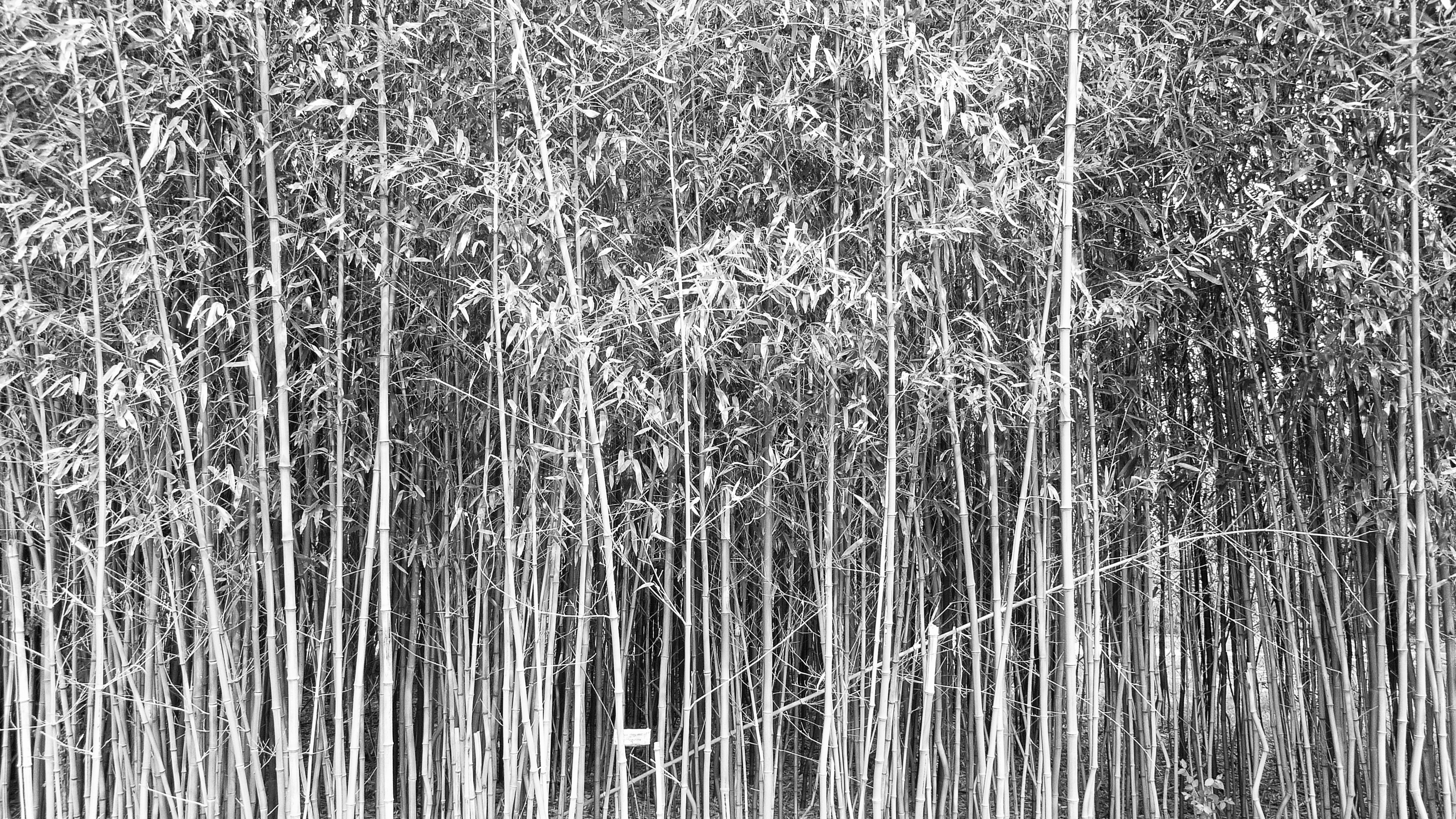
Bamboo


Flowers by a pool


Fountain