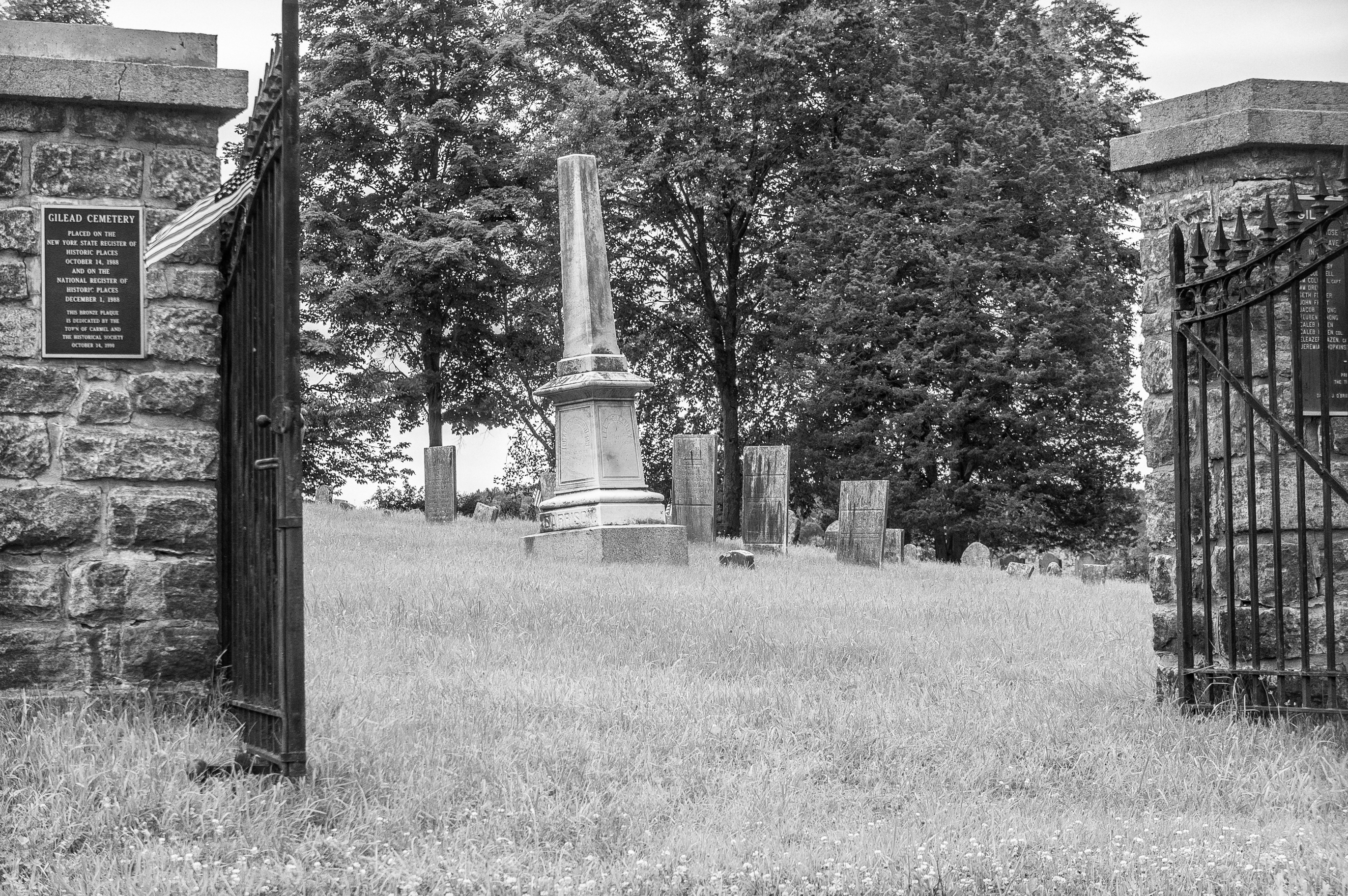
Gilead Cemetery Carmel, NY


A plaque on one of the entrance pillars reads: “Gilead Cemetery. Placed on the New York State Register of Historic Places October 14, 1988 and on the National Register of Historic Places December 1, 1988. This bronze plaque is dedicated by the town of Carmel and the Historical Society, October 14, 1998”. Ken Warnecke of Mahopac researched and wrote the original 1988 proposal for listing the Gilead Cemetery on the State and National Registers. It contains a lot of information about the cemetery as well as an old photograph of the cemetery – interestingly the huge trees, which are so striking (see below) are absent from this photograph.
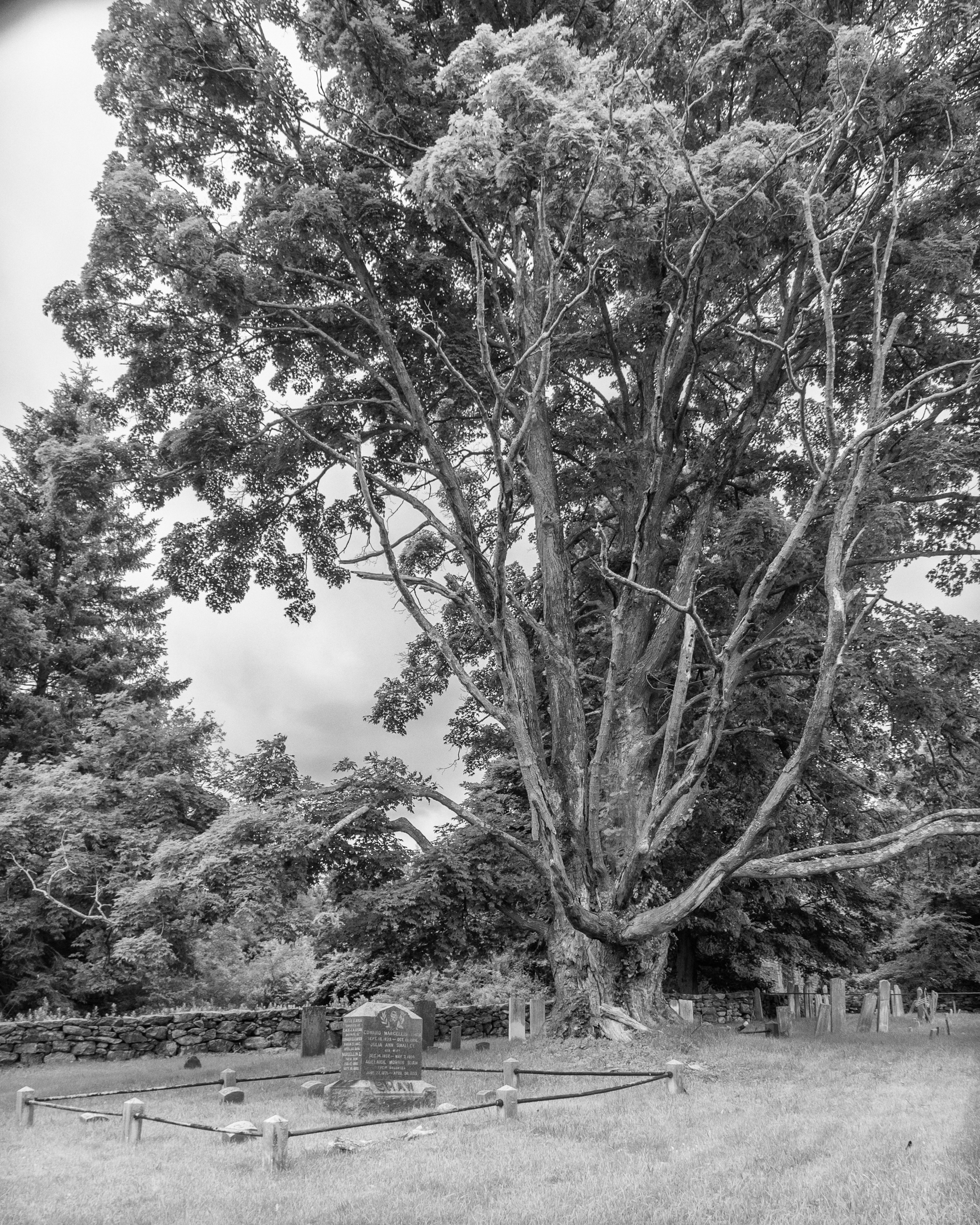

The large trees are quite striking. This one is apparently a 75 foot sugar maple.
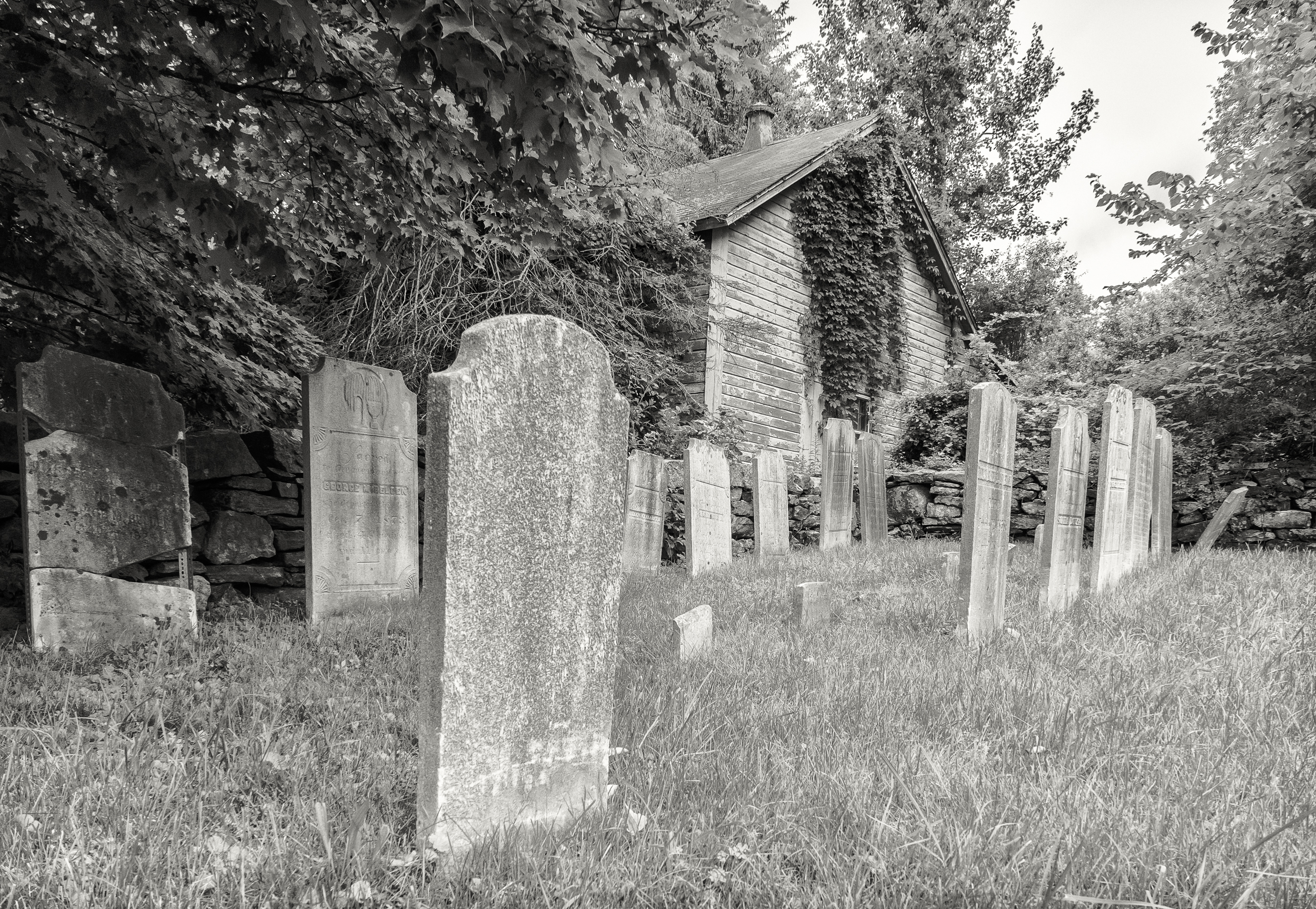

Gravestones with ivy covered building. North-west corner.
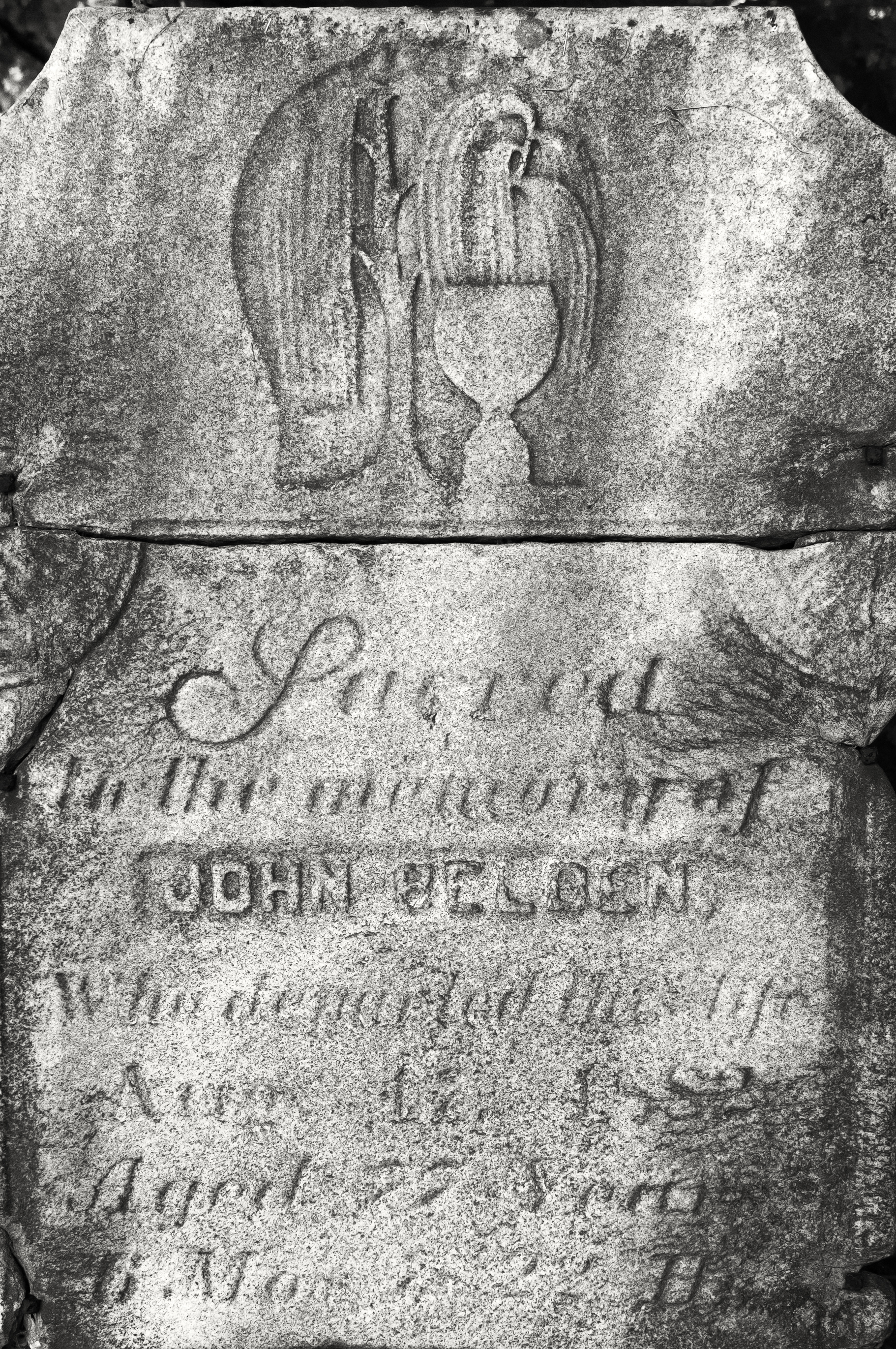

John Belden. Died 1882. Doesn’t appear to be anyone of significance but then he was only “22 years and six months” old when he died. Interesting design on the gravestone.
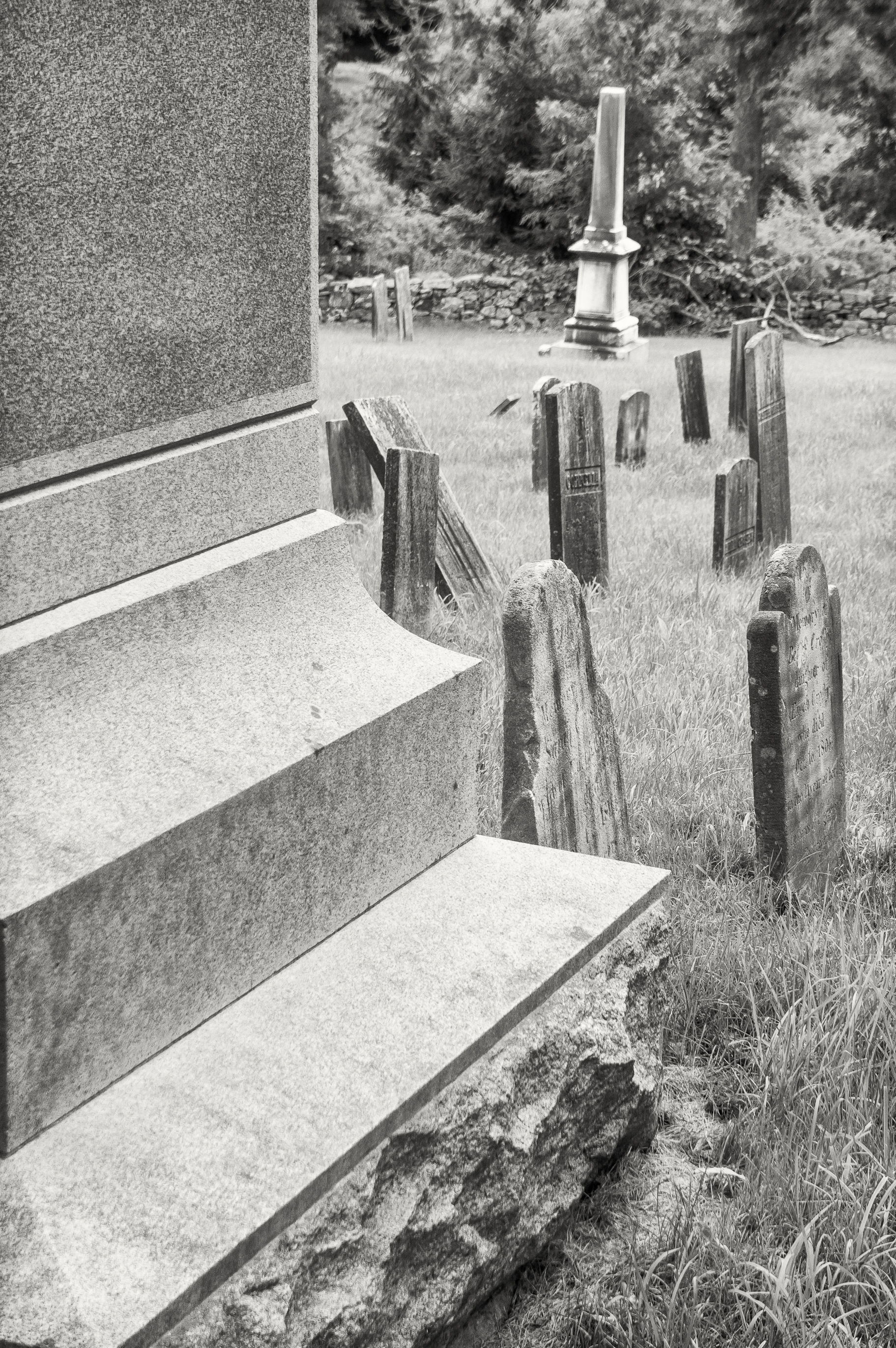
The monument to the left in the foreground is to “Revolutionary War Soldier and Spy. During the Revolutionary War, Enoch Crosby fought in Northern New York during his first enlistment and after his enlistment was up he returned to Carmel, New York, where he decided to enlist again. While enroute to enlist he met up with a group of Tories who took him as one of the their own and took him to their secret meeting. After the meeting Enoch reported them to the authorities and they were arrested. He was recruited by John Jay to spy for the Continental Army and his spying uncovered many British Spys and Tories, eventually he was uncovered and beaten one time and left for dead and shot another. He lived to see the end of the War and lived out his life in Putnam County, New York. Famed author James Fenimore Cooper wrote a book titled “The Spy” believed to be about Enoch Crobsy’s war heroics.” (bio by: Curt Benge)

via Enoch Crosby (1750 – 1835) – Find A Grave Memorial.
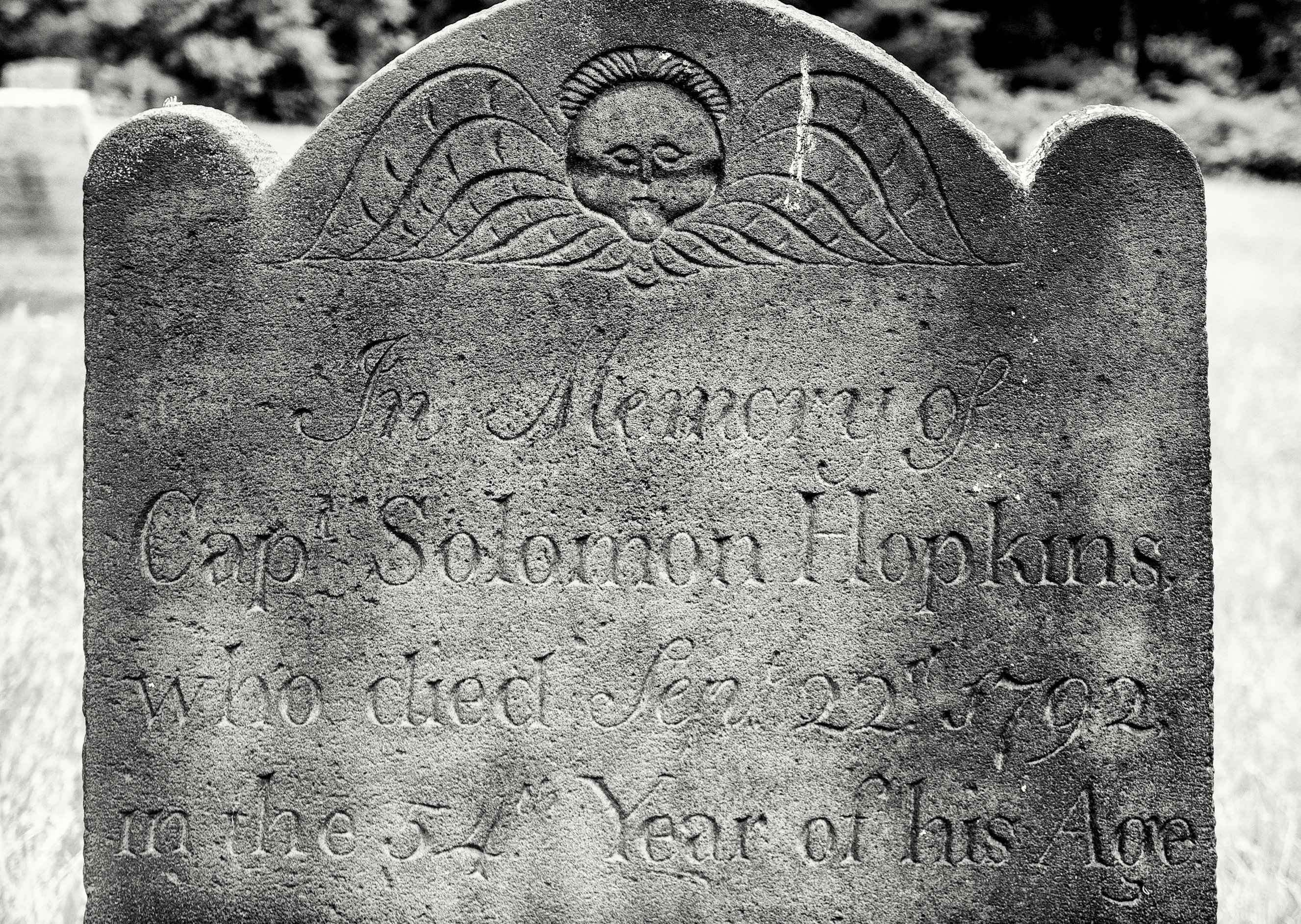

Solomon Hopkins. Born: May 31, 1739 Barnstable, Mass. Died: Sep. 22, 1792, New York, USA. He served in the Revolutionary war. His wife, Elizabeth Crosby Hopkins, was Enoch Crosby’s (see above) sister. She is also buried in the cemetery along with their son Jeremiah Hopkins (1762 – 1829). Interestingly while the gravestone refers to “Captain” Hopkins the plaque at the bottom laid by the West Point chapter of the Daughters of the American Revolution refers to “Lieutenant”.

Canon AE-1


In an earlier post I mentioned that my first camera was a Minolta Hi-Matic 7sii. After a while I started to feel that I was a bit limited by this camera and its fixed 40mm fixed lens. To be honest I think that I just really wanted an interchangeable lens SLR. I was fascinated by the Canon A-1 and it’s electronic wizardry, but I couldn’t afford one at the time. So I bought a second hand Canon AE-1. It worked well enough but it wasn’t in terrific condition cosmetically. It served me well for years though. About 30 years later I took it out. The light seals had deteriorated and the “gunk” had managed to get all over the mirror. I also found two 50mm f1.8 FD lenses. I have no idea why I had two. The apertures on both were completely frozen. After checking around I found that AE-1’s are not particularly expensive. So I bought an AE-1 body and a couple of lenses and also the A-1 body that I had always wanted. Lovely camera – but that’s a topic for another post. I still didn’t throw away the old AE-1 body though. Maybe one day I’d find a way to clean it. So it sat around in a bag. The lower level of our house recently flooded and one of the items affected was the old Canon AE-1, which was soaked. The insurance gave me $120 to replace it. I’m not entirely sure that the pictures below were taken with this camera. It was either this one or the Minolta and I don’t think I would have been able to get this close with the Minolta – so I’m guessing it was the Canon.


Street scene – Kathmandu


Women by a temple


Street Scene – Bhaktapur


Woman with child


Mother and baby Giraffe


Elephants


Zebras

Konica Minolta Maxxum 5D


This was my first digital SLR, acquired early in 2006. Naturally enough I used it a fair bit immediately after I got it. But somehow I never took to it. In another post I mention how at one point I had lost my interest in photography in general and specifically in “lugging around” heavy SLRs. Sadly I got this camera around the time this happened and I didn’t really use it a lot. According to Lightroom I’ve taken only 389 pictures with this camera. To be honest I never really gave it a chance to show what it could do. I took it out again a few days ago to give it another try, but so far haven’t been able to find the charger. I’m sure it will turn up. In the meantime some older (2006-2009) pictures.


Intrepid Sea, Air and Space Museum, NY


Eirah, 2009


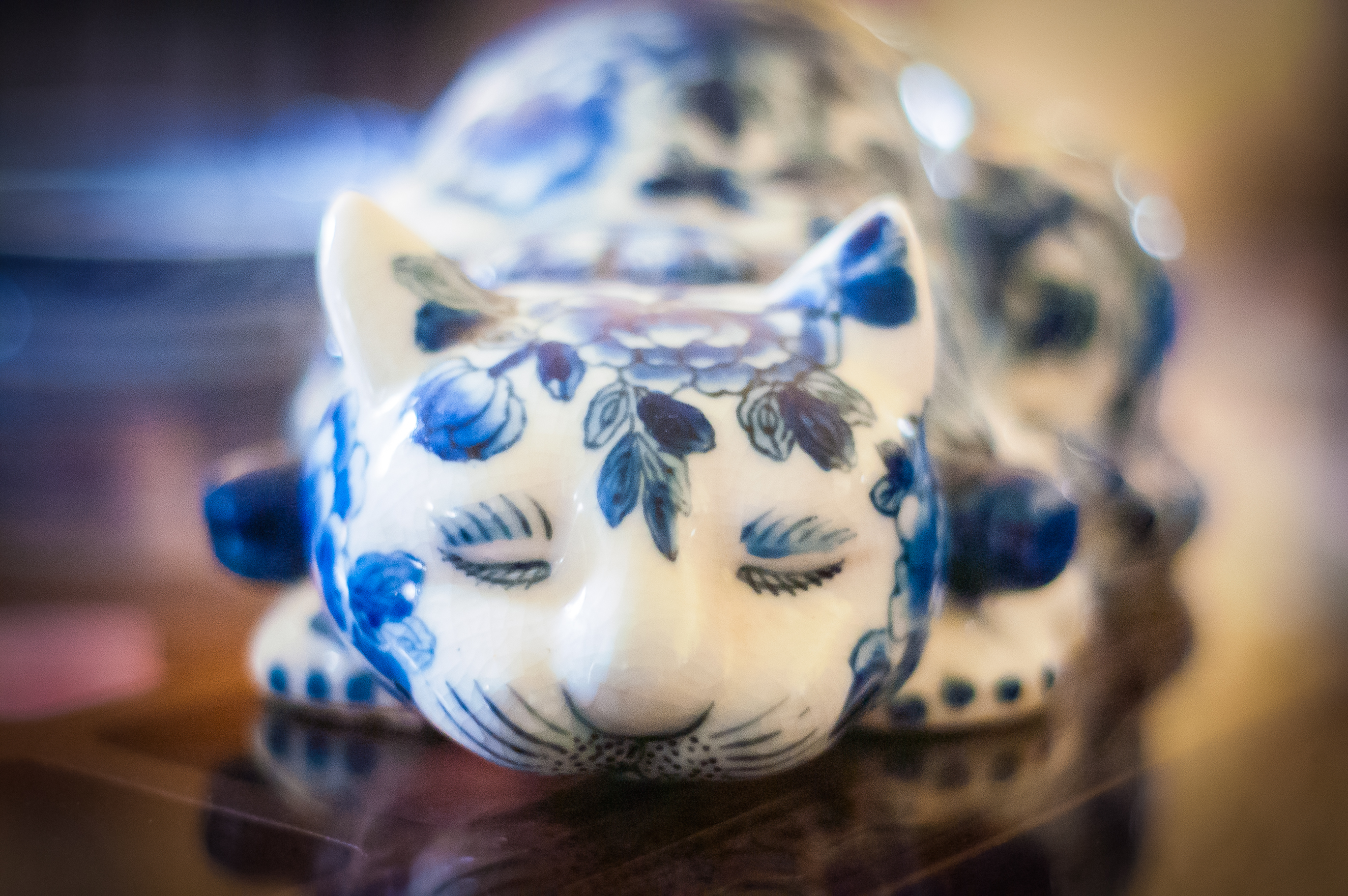
Blue and White China Cat


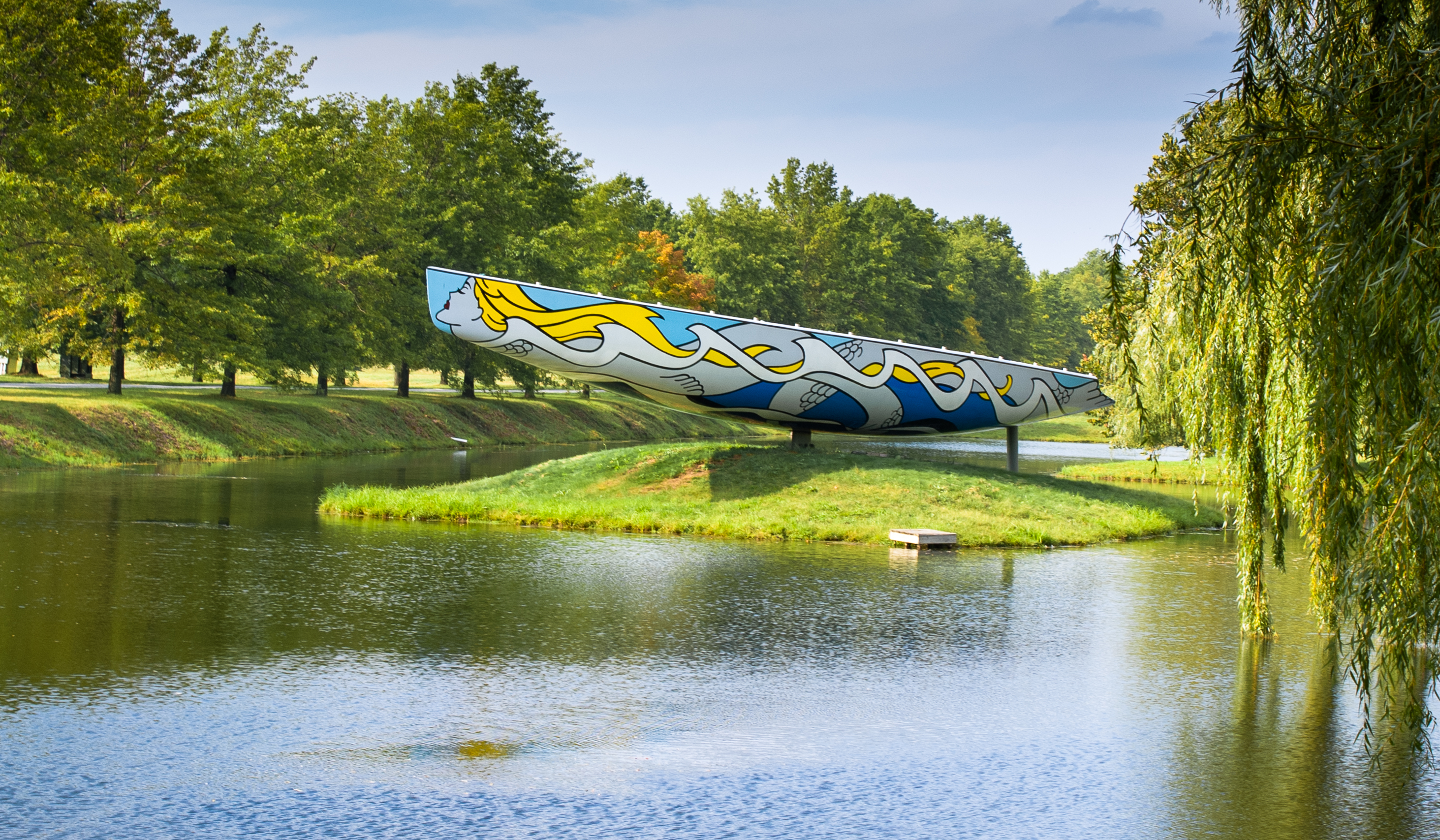
Roy Lichtenstein – A Boat. Storm King Art Center, 2008


Christmas Tree Ornament

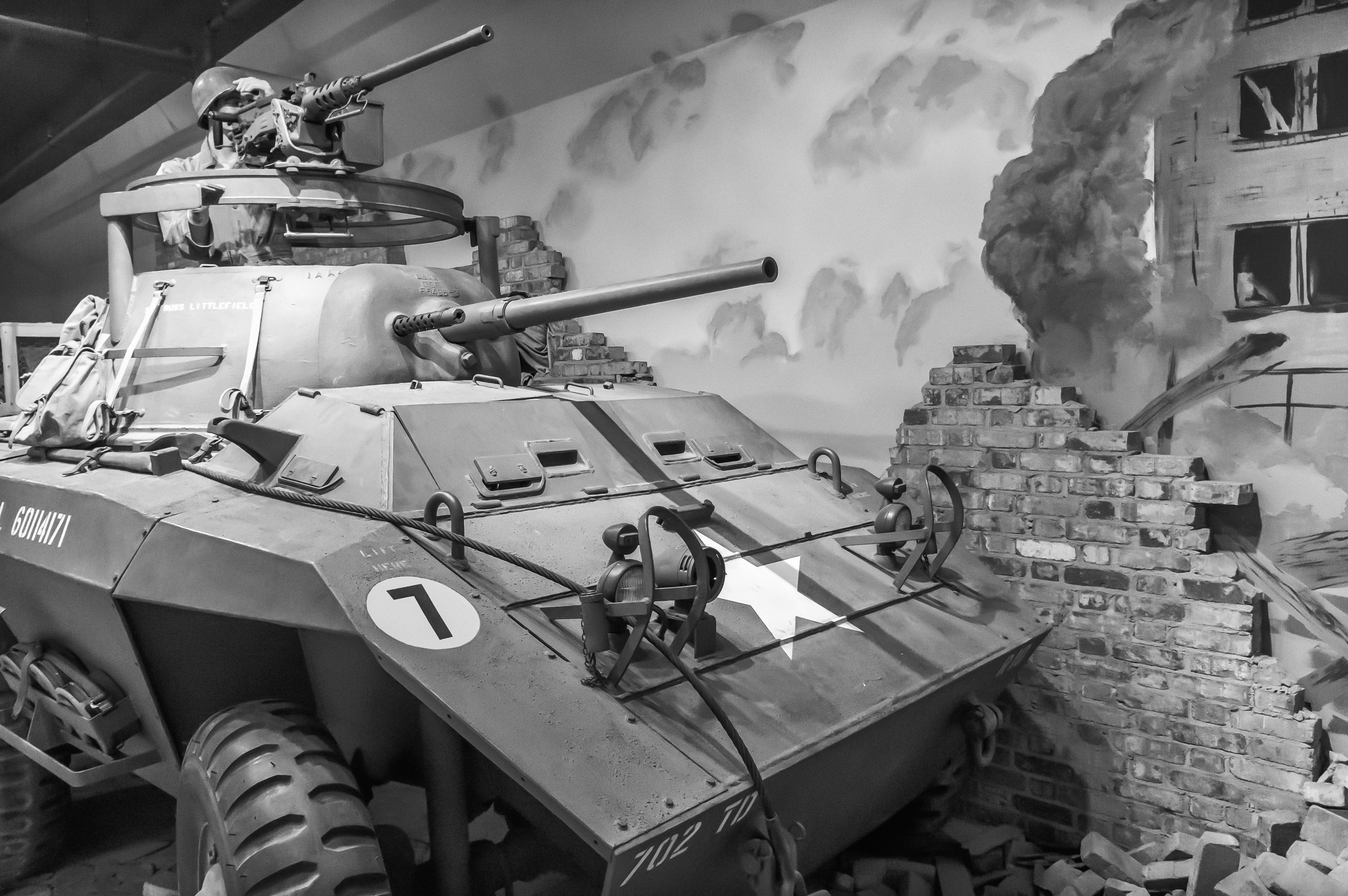
Military Museum of Southern New England – Danbury

An earlier post dealt with the Danbury Railway Museum.  Not too far away in Danbury is another interesting museum: the Military Museum of Southern New England. According to their web site:

The Military Museum of Southern New England opened in 1995 as a not-for-profit organization dedicated to the preservation of our nation’s military history. The original intent of the museum was to maintain the memory of American Tank Destroyer units of the Second World War.

Although quite small the museum has a number of indoor exhibits. Outside is a very congested (many vehicles in a quite a small space) but interesting collection of tanks, armored vehicles, howitzers etc. It was quite hard to take pictures as everything was very close together and you often couldn’t get far enough away.


Grumman TBF Avenger (I think).


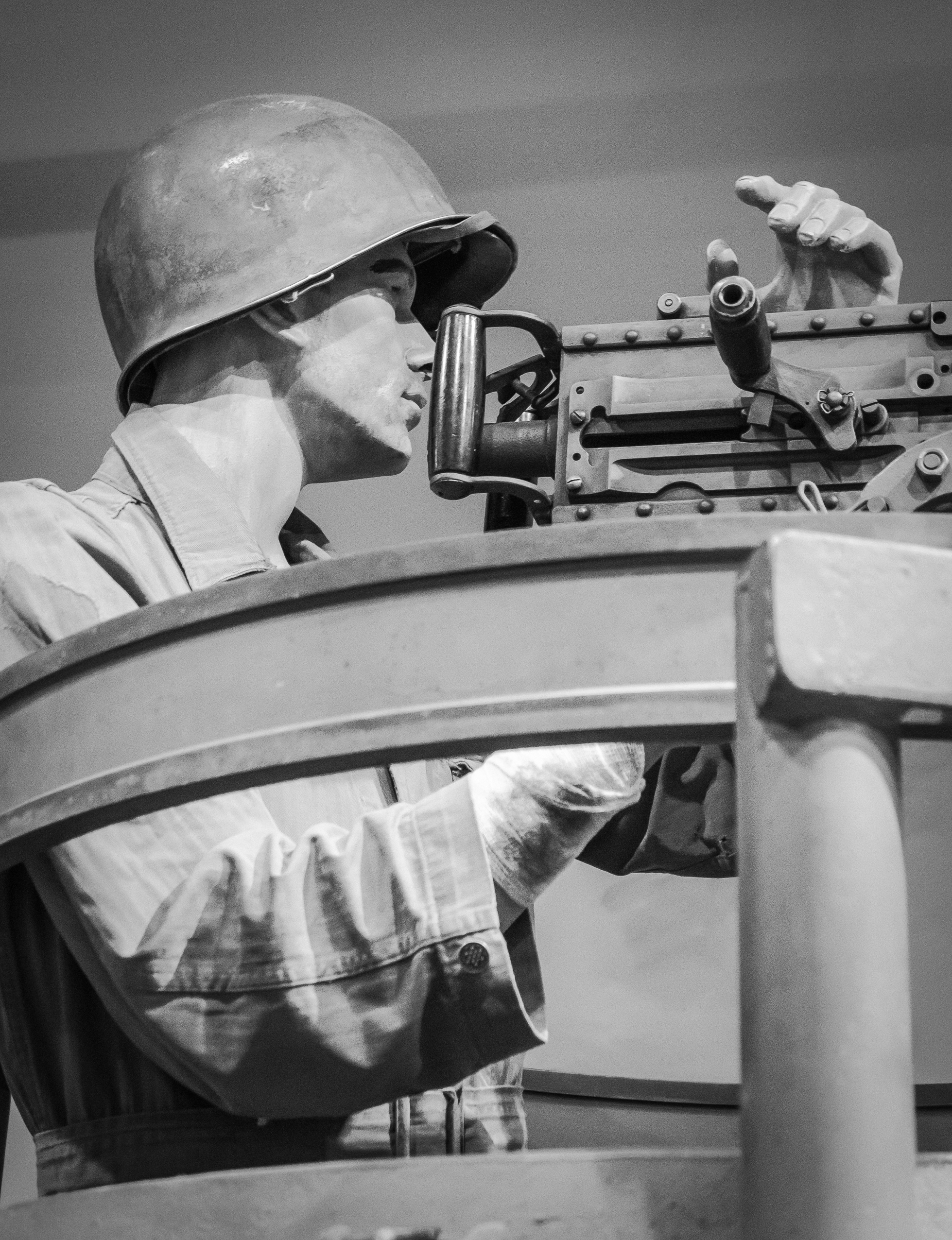
Tank Gunner


Supermarine Spitfire (the plane often referred to as having won the Battle of Britain) with reflected UK flag.


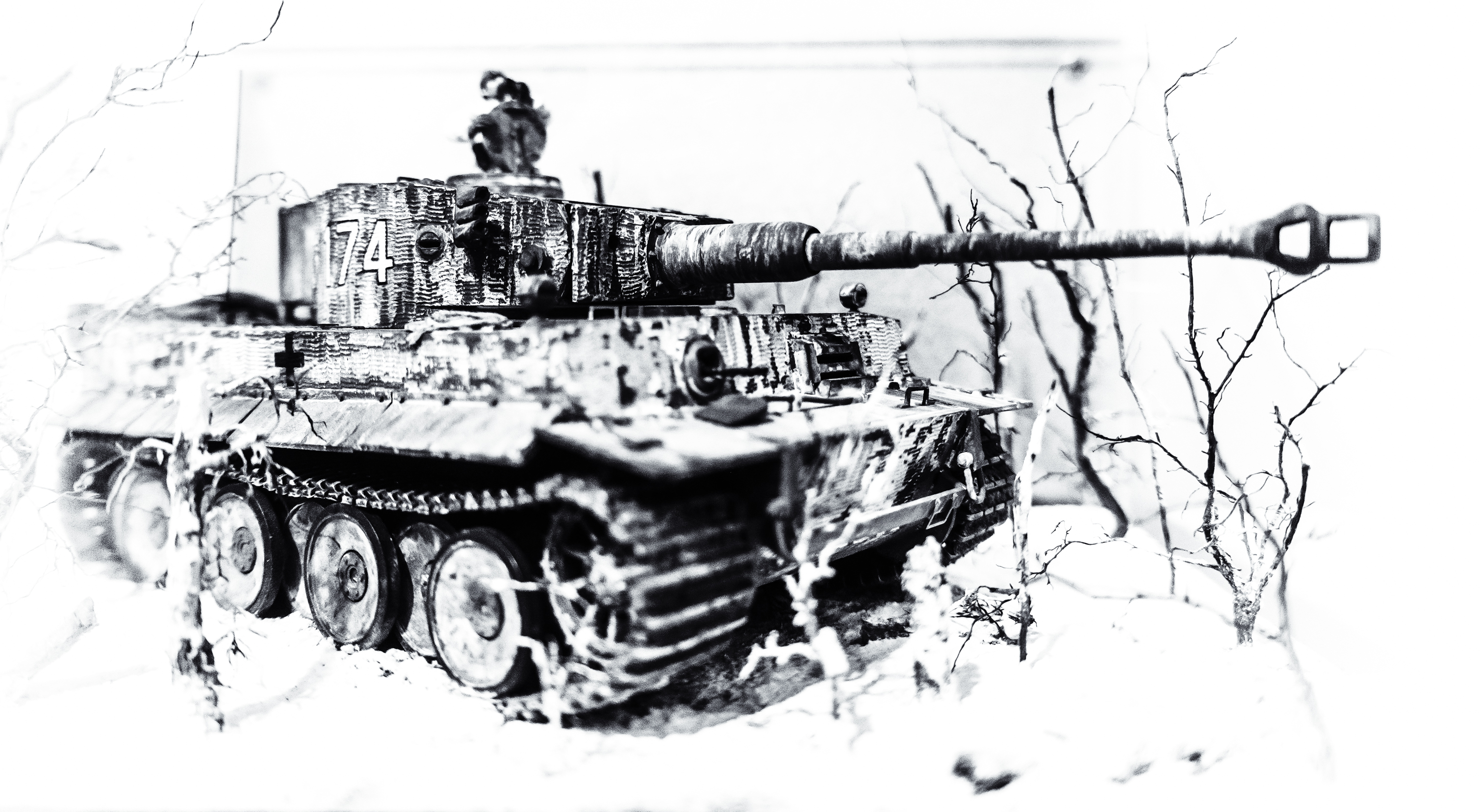
Model of German World War II Tiger tank


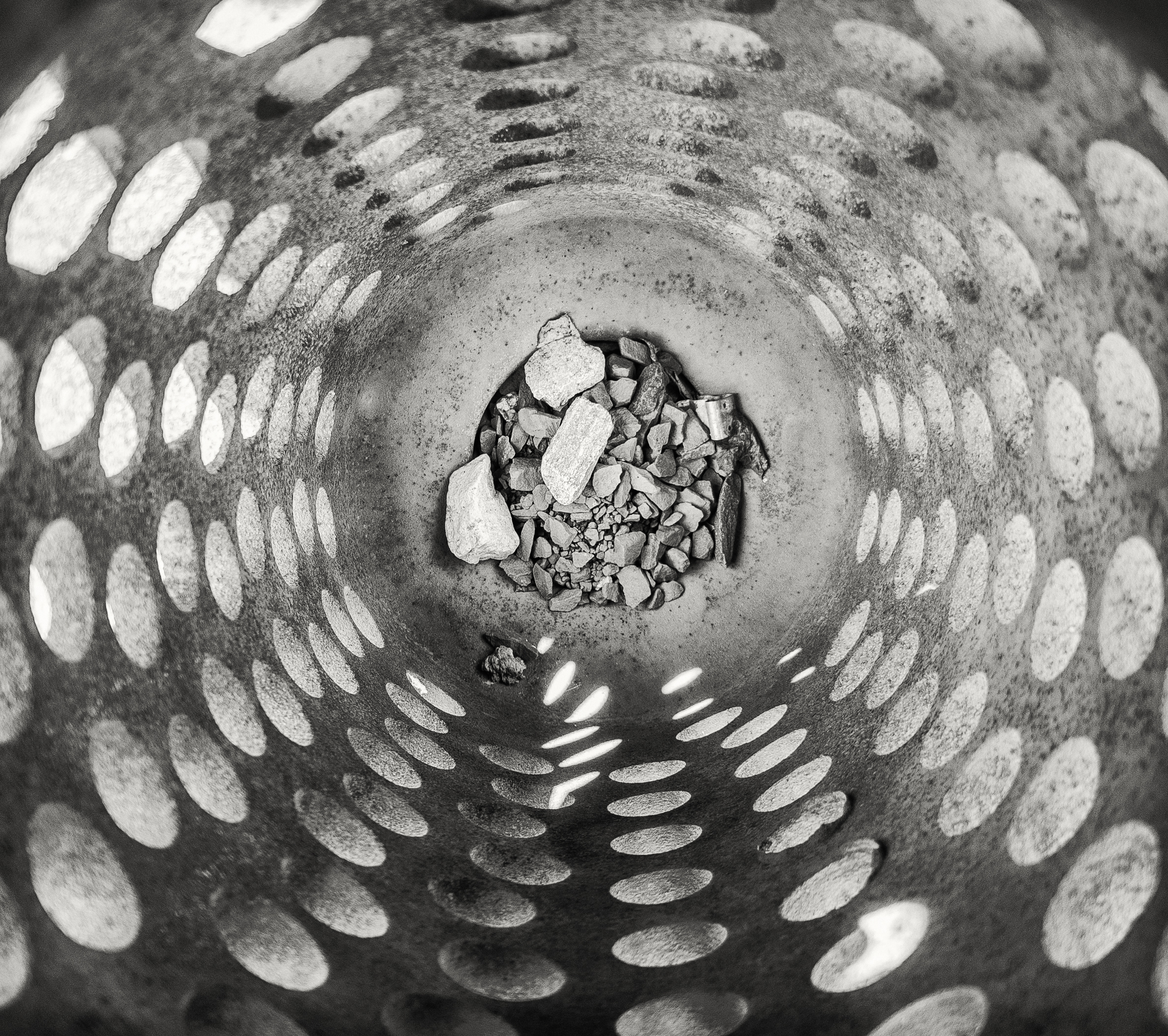
Converted shell casing

Stonecrop Gardens


Conservatory and pond garden

According to the Stonecrop Gardens website:

Stonecrop Gardens is located in Cold Spring, New York and was originally the home of Anne and Frank Cabot. Stonecrop became a public garden in 1992 under the direction of Caroline Burgess.

At its windswept elevation of 1,100 feet in the Hudson Highlands Stonecrop enjoys a Zone 5 climate. The display gardens cover an area of approximately 12 acres and comprise a diverse collection of gardens and plants including woodland and water gardens, a grass garden, raised alpine stone beds, cliff rock gardens, and an enclosed English-style flower garden. Additional features include a Conservatory, display Alpine House, Pit House with an extensive collection of choice dwarf bulbs, and systematic order beds representing over 50 plant families.

Stonecrop’s plant collections and display gardens not only demonstrate what can be achieved by horticultural enthusiasts, but also serve as an educational resource which, together with its professional staff, constitute the foundation upon which is based a developing School of Practical Horticulture.


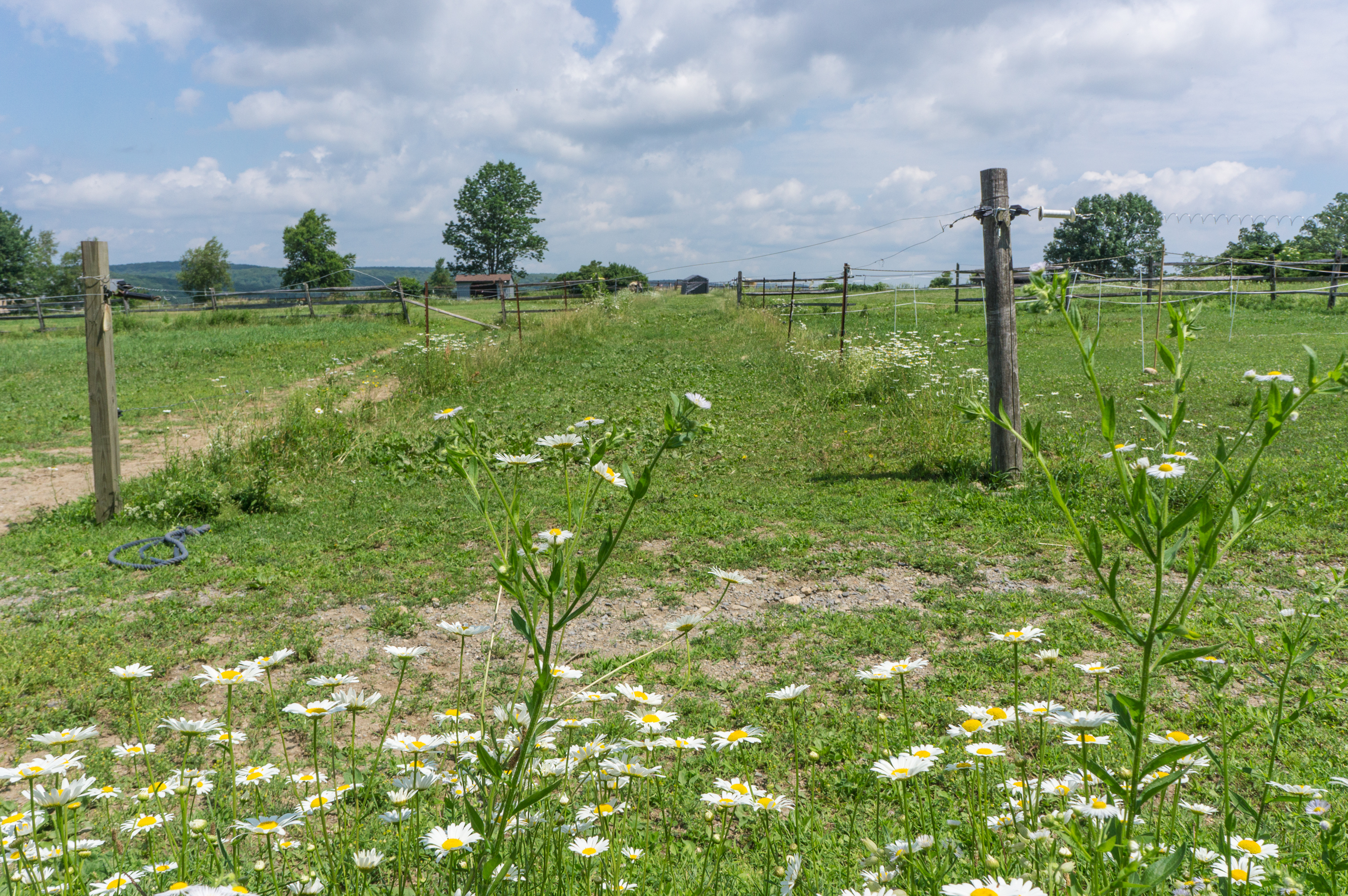
Horse pasture


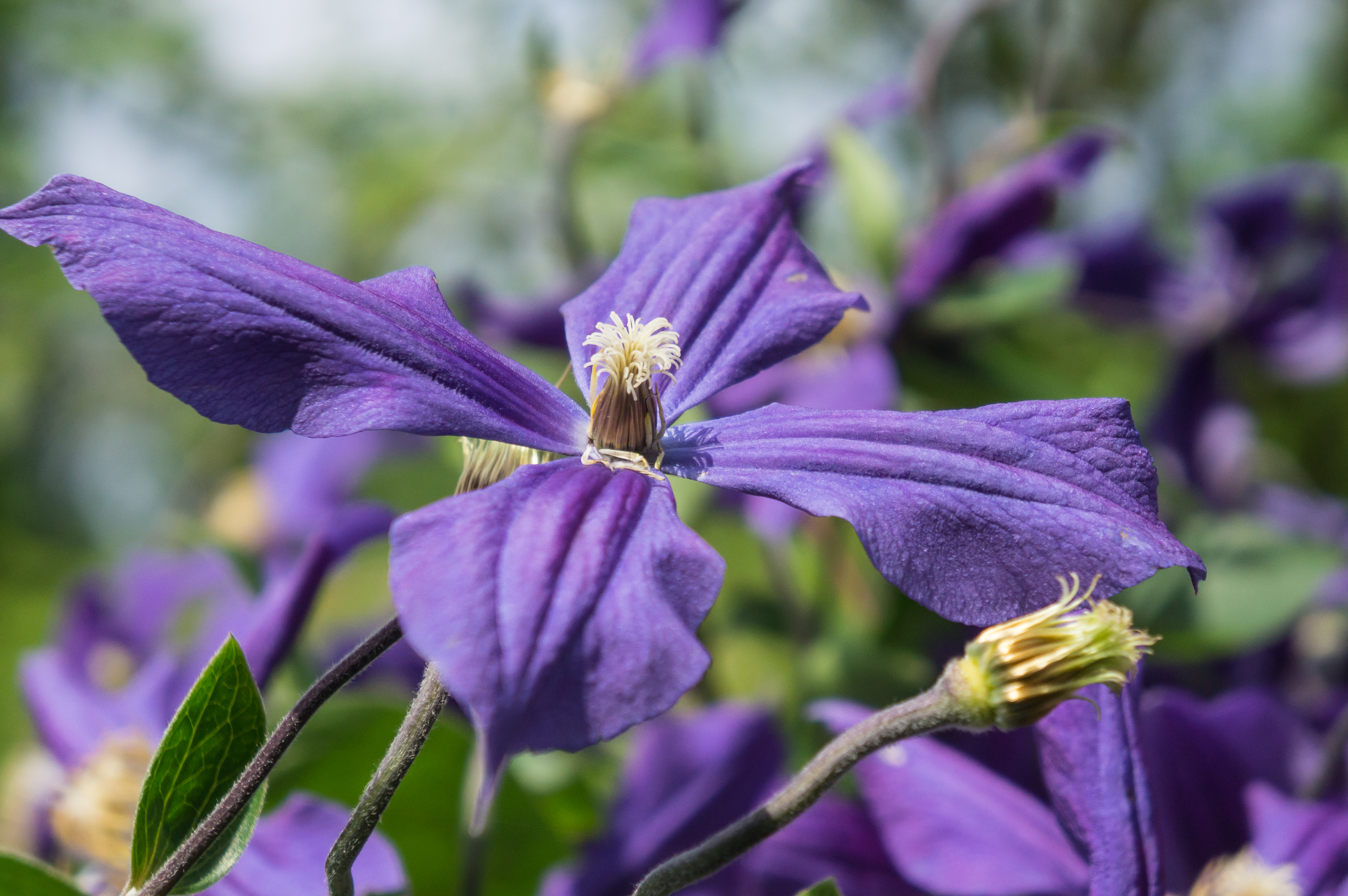
Flower in the Systematic Order beds


View near the horse pasture


Flower in the flower garden – don’t know what kind.


Flower garden


All that remains of the home of Francis Cabot


Water Lillies