Amman
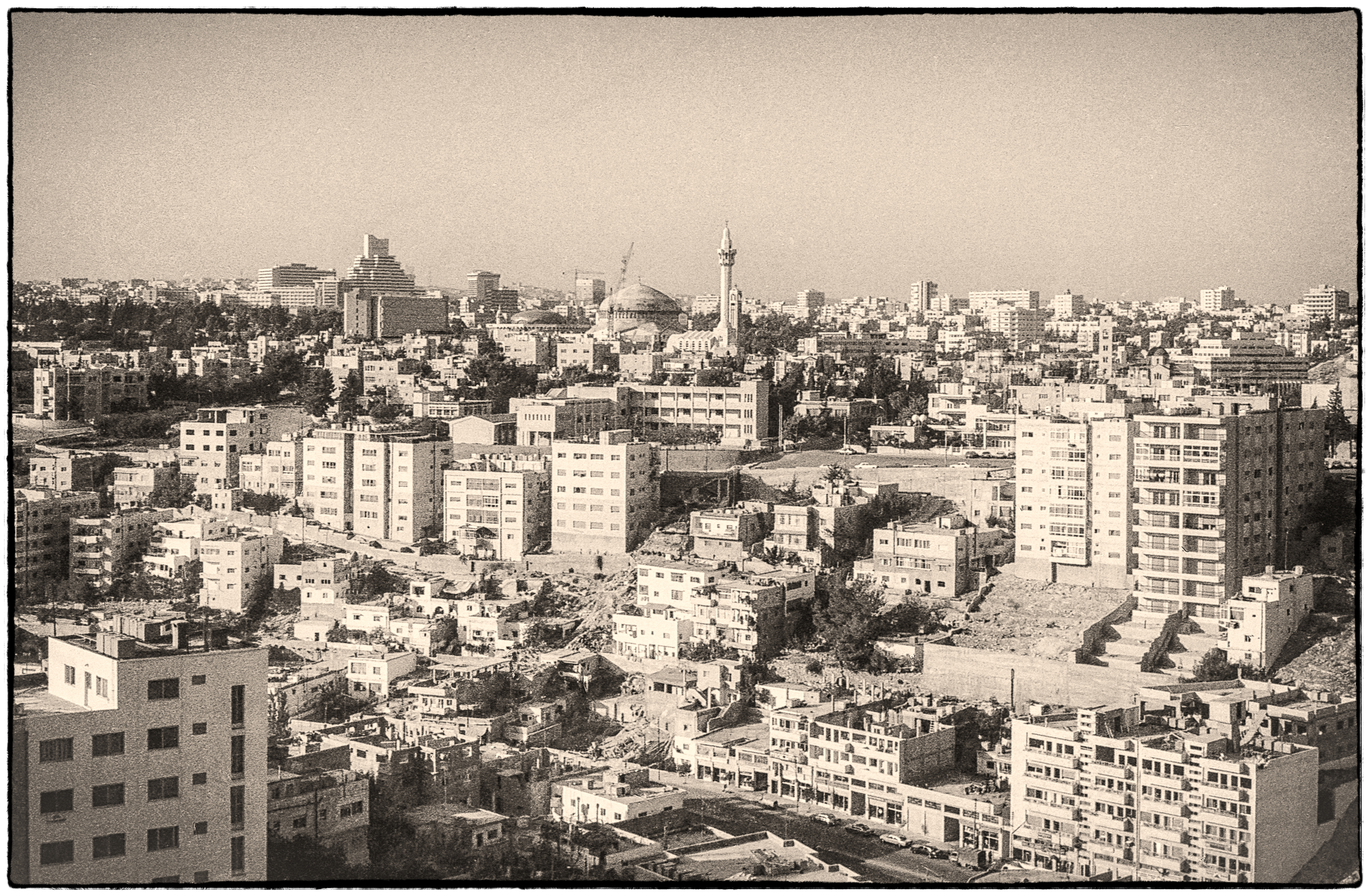
One of my projects is to scan older negatives and/or prints. I have a box full of them and although this project is going slowly I, from time to time, browse through them and pick a few to scan – in this case pictures taken during my very first field trip for the UN – to Amman, Jordan and subsequently to Cairo and Aswan in Egypt. These are from the Jordan portion. I remember the trip well. It was somewhere around 1979/1980 and I was very excited to be going somewhere exotic. I can’t remember the camera I used, but I’m guessing it was a Minolta Hi-Matic 7sii. All of the pictures were originally in color, but the negatives weren’t in great shape and the colors had faded/changed over the years. So I decided a black and white conversion was in order. The warm tone makes them look older than they actually are.
The first picture is of Amman, Jordan’s capital city. As I recall it was taken from the building where UNICEF was located at that time. It was right next to the Intercontinental Hotel (and connected to it by a tunnel) and directly opposite the US Embassy.
The next four are of Jerash, an old Roman city, which was largely destroyed in an earthquake in 749AD and the remains buried until discovered by German Orientalist Ulrich Jasper Seetzen in 1806 and subsequently excavated. Looking at some more recent pictures of Jerash it’s clear that a lot more has been excavated since I was there.
The last one was taken somewhere in the vicinity of Jerash after a nice meal at the nearby Lebanese House Restraurant. I gather that this restaurant still exists, but has been significantly remodeled. I remember it as a smallish restaurant in the country. Looking it up today it’s quite palatial.
Curiously my older daughter and her family now live in Amman.
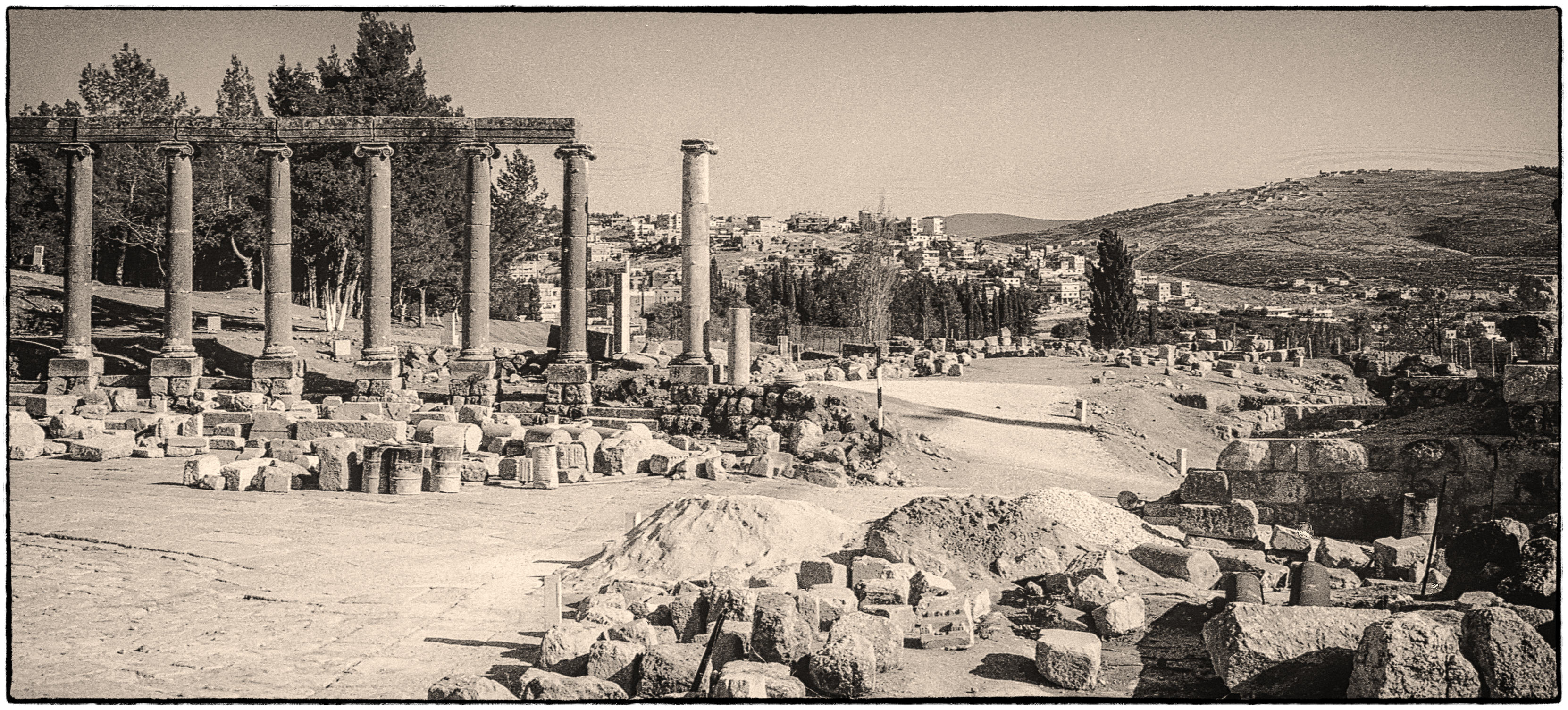
Approach to Jerash
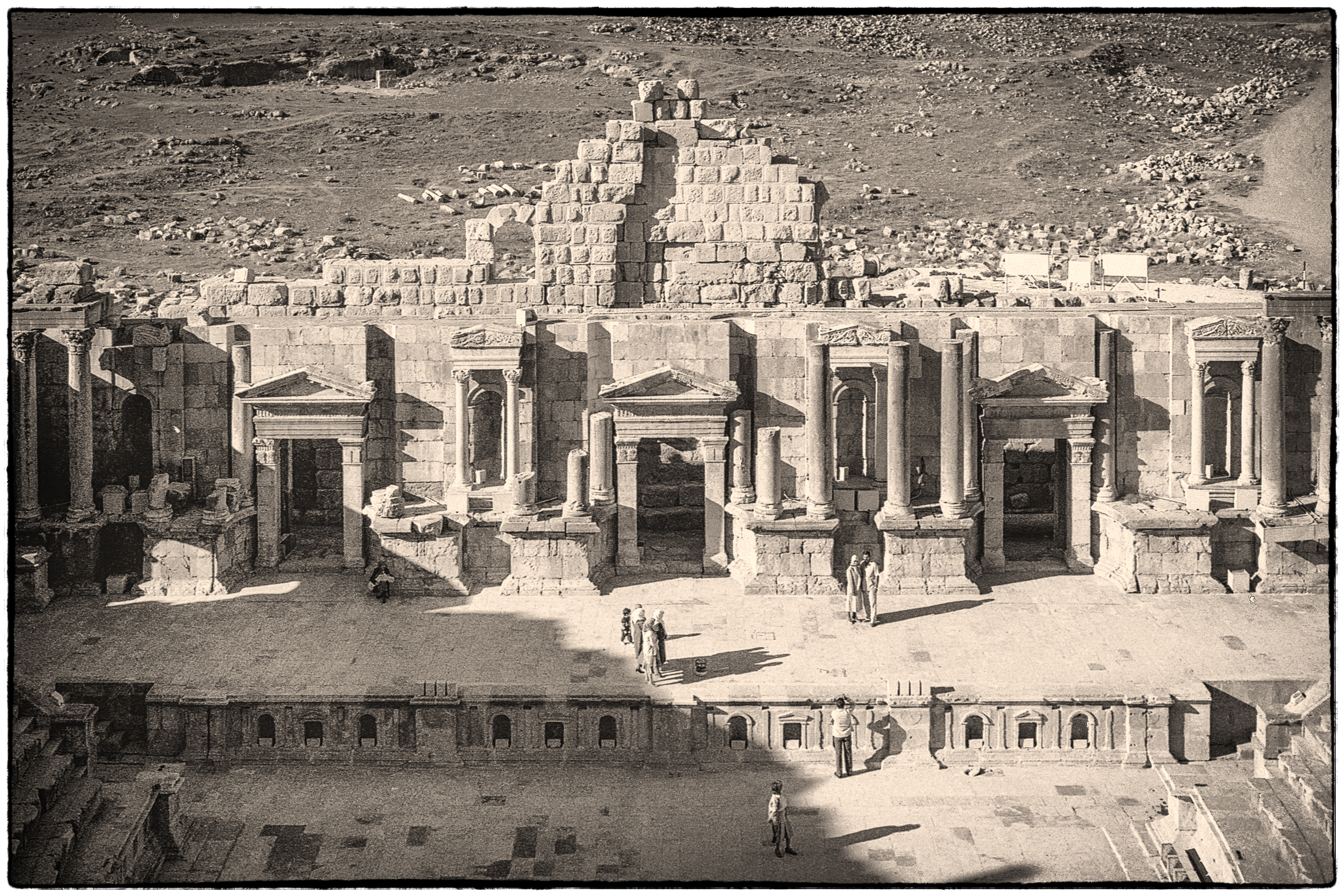
Amphitheater

Temple of Artemis (I think)?
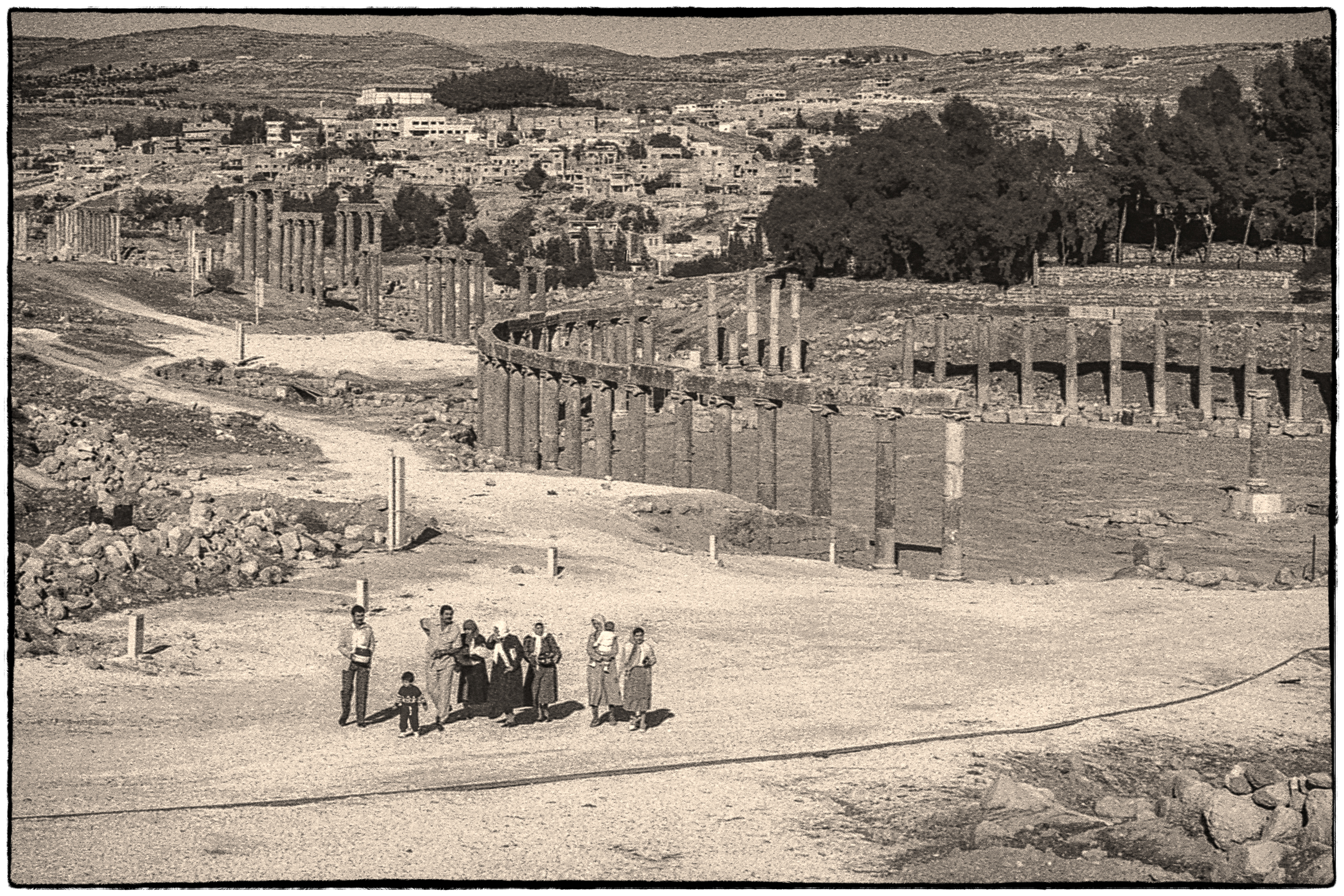
Watching the watcher
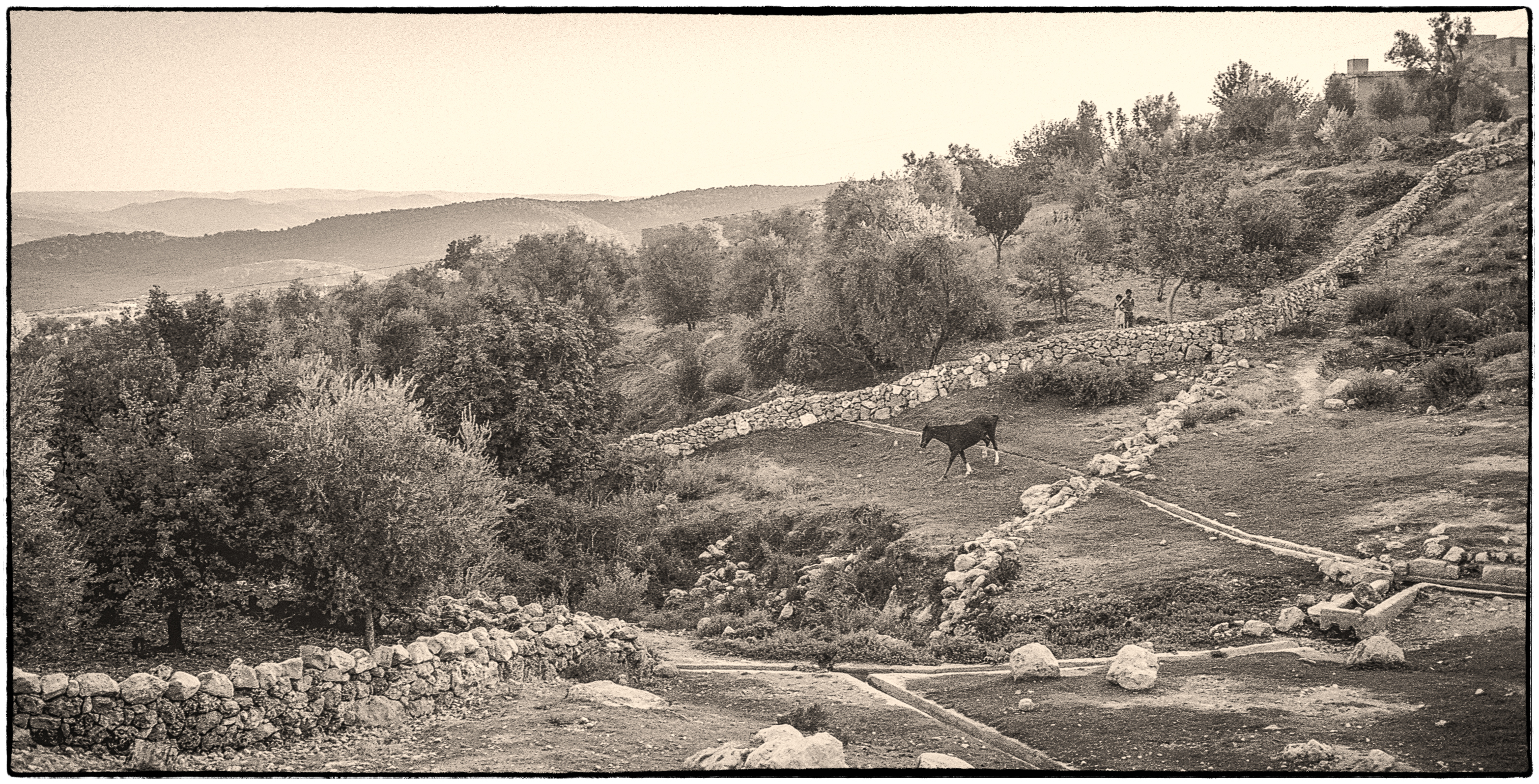
Pastoral scene.