Alice

I was going to the Metropolitan Museum in New York City and decided to walk through Central Park. Although I’ve lived near NYC for many years (and worked in the city for a lot of them) I’d never walked around in the park. In all I spent about two hours – including a stop by one of the lakes to have breakfast. Very pleasant.

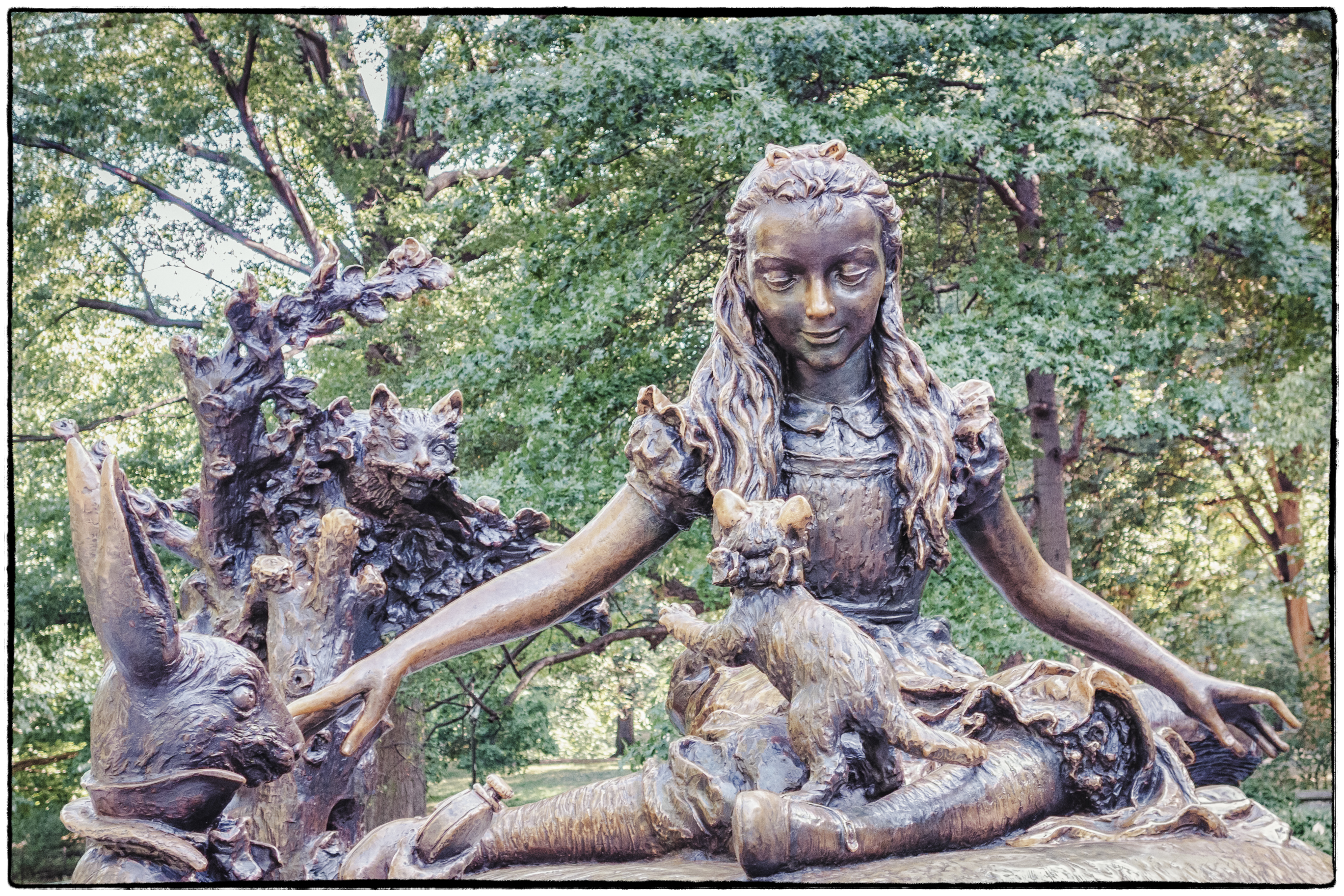
During the walk I came across the famous Alice in Wonderland statue constructed in 1959 by José de Creeft. At first glance it seems like a very pleasant statue of a popular children’s book. But I found that when you look closer the characters look rather scary – almost evil.
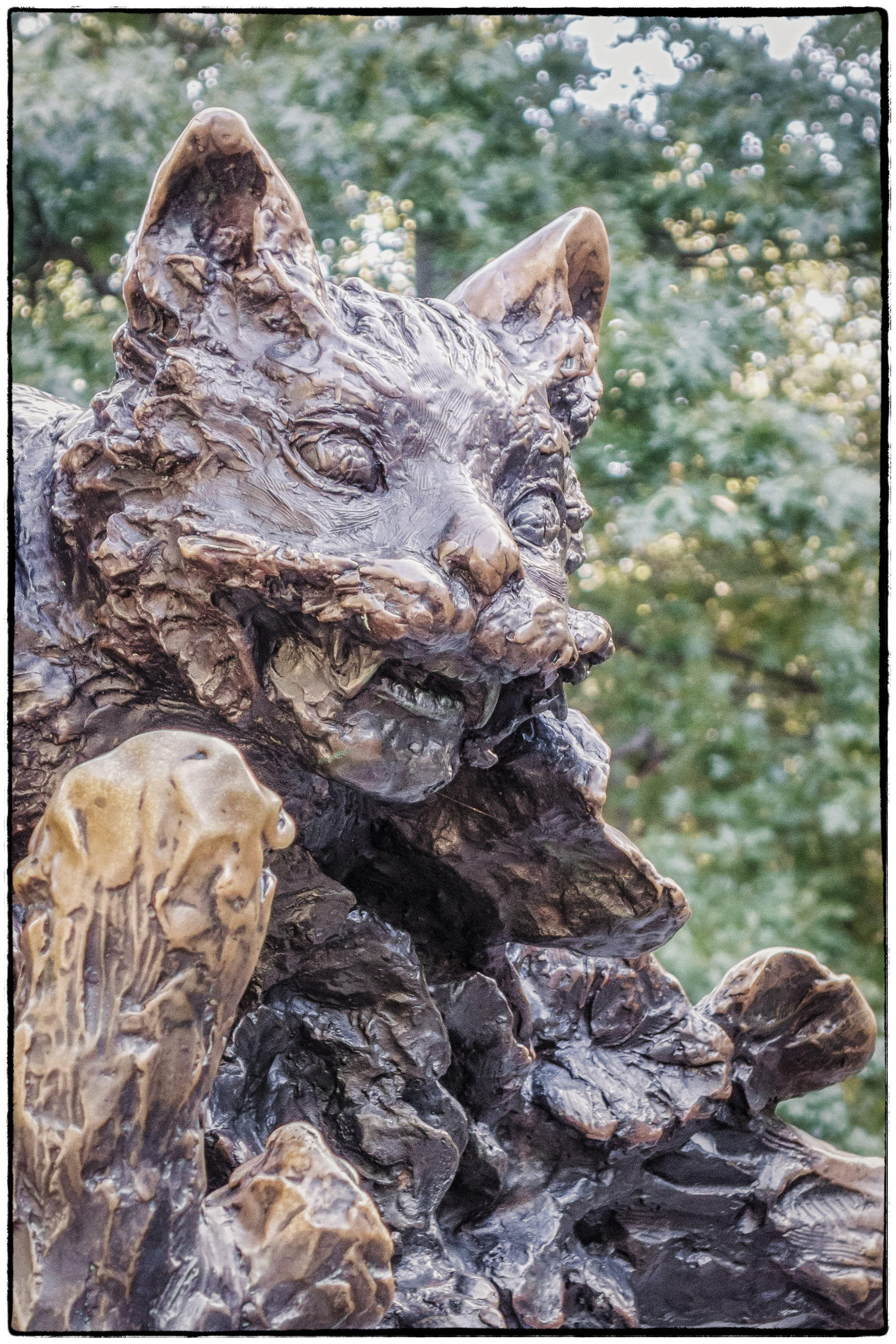
Look at the fangs on the Cheshire Cat.
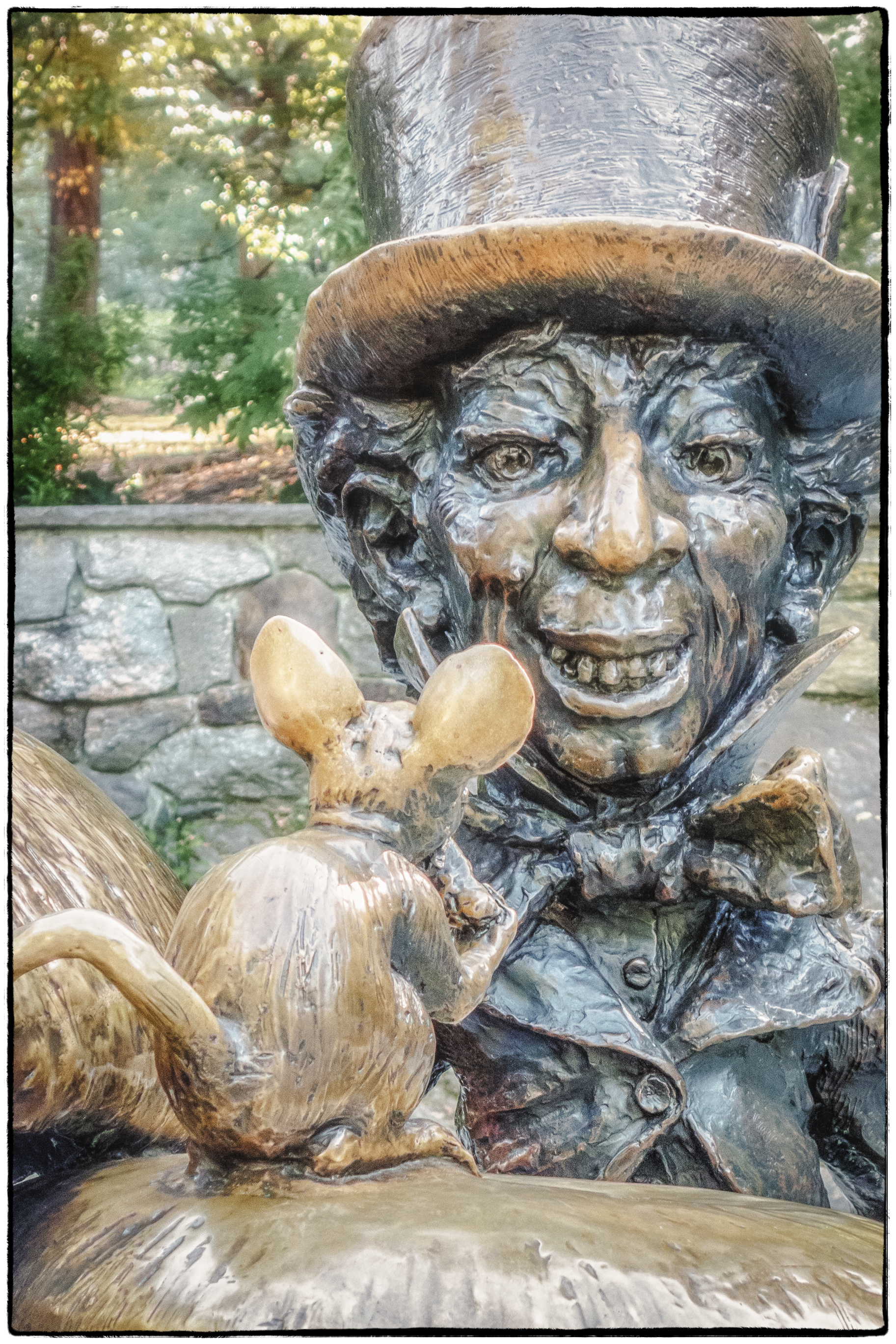
The manic stare on the Mad Hatter.

The White Rabbit doesn’t look too scary.

Even Alice looks spooky from certain angles. She looks as if she’s about to eat that cute little cat: Dinah.
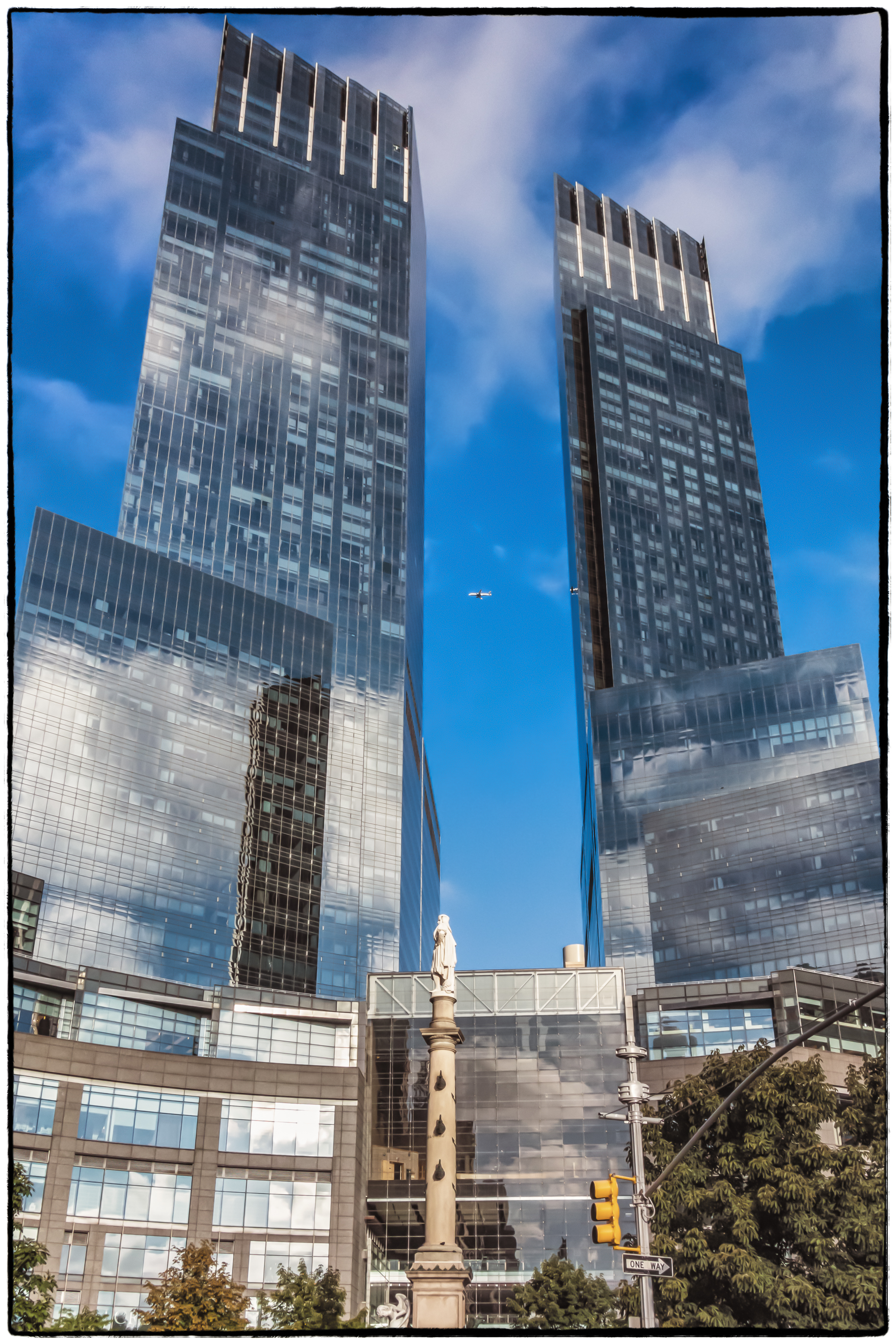
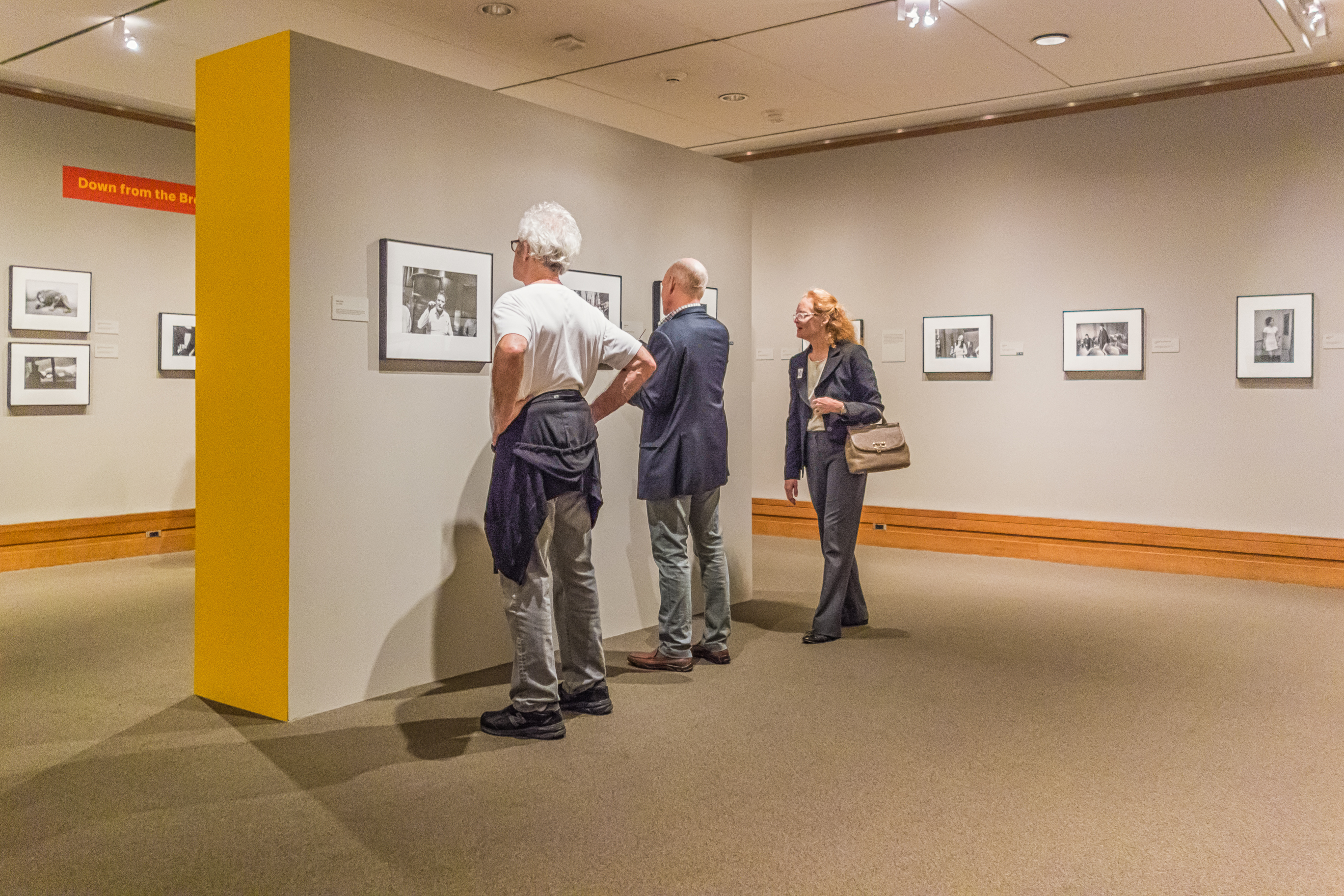
Garry Winogrand Exhibition at the Metropolitan Museum of Art

I’m not sure how I feel about Winogrand. Apparently he took large numbers of photographs. At his premature death he left behind about 2,500 rolls of undeveloped film, 6,500 rolls of developed but not reviewed exposures, and contact sheets made from about 3,000 rolls. The exhibition is careful to distinguish between those pictures proofed and reviewed by Winogrand himself and those chosen after his death by other editors.

I really like some of his pictures, but I’m lukewarm about many of the others. Many of them seem to be little more than snapshots. It almost seems as if he were a precursor to the age of digital photography – where it costs no more to shoot 10,000 images than it does to shoot ten. If you shoot enough maybe eventually you get a few good ones. According to a New York Times article even John Szarcowski, one of Winogrand’s biggest supporters had problems with Winogrand’s later work:

However, when he reviewed many contact sheets of this overabundance of late photos, Mr. Szarkowski became frustrated and angry. He included only a small sample of what he deemed “unfinished work,” plagued with “crippling mechanical flaws,” in Winogrand’s posthumous retrospective in 1988. He compared Winogrand’s late-life photographic frenzy to the sputtering that an overheated car engine continues to make after the ignition has been turned off.

Since I have mixed feelings about Winogrand’s work thought I’d get the exhibition book so that I could study his work more thoroughly. It contains all of the photographs from the exhibition plus a number of what seem to be very interesting essays. We’ll see if, as I become more knowledgeable, I’ll come to appreciate his work more.