Scott McDermott Photography


Some lovely photographs by Scott McDermott. The bio on his website describes him as follows:

Born in the US, Scott grew up in Switzerland, backpacked through the American West, and trekked Nepal’s Himalayas before committing to a college life spent mostly in a darkroom in upstate New York. After several years as an assistant to a wide variety of NYC photographers, he struck out on his own, shooting athletes and extreme sports. Scott’s work eventually shifted toward the athletes themselves and portraiture. This led to photographing many of the best creative minds in Hollywood, the music industry and the worlds of business and government. Along with his advertising and editorial work, Scott recently shot a series for "Mandela Day," capturing the hands and faces of many of those who support Nelson Mandela’s message. In the last few years Scott has also made the shift to the moving image as a director on a variety of projects from commercial spots to short films. Scott is based in both New York City and Los Angeles.

via Scott McDermott Photography.

He’s also a very good friend of my younger daughter Jasmine.

Oldies: Independence Day, July 4, 2005


Lovely Lady Liberty

Way back in 2005 we went into the city to watch the Independence Day fireworks from a boat in New York harbour. We had dinner and drinks on the boat and then watched the fireworks display. The drinks were fine. The food was ordinary and the fireworks were, as always spectacular.

Pictures taken with a Canon Powershot S50


Tugboats in New York Harbour


Another lovely lady: my wife Eirah on the boat


Boats, New York Harbour


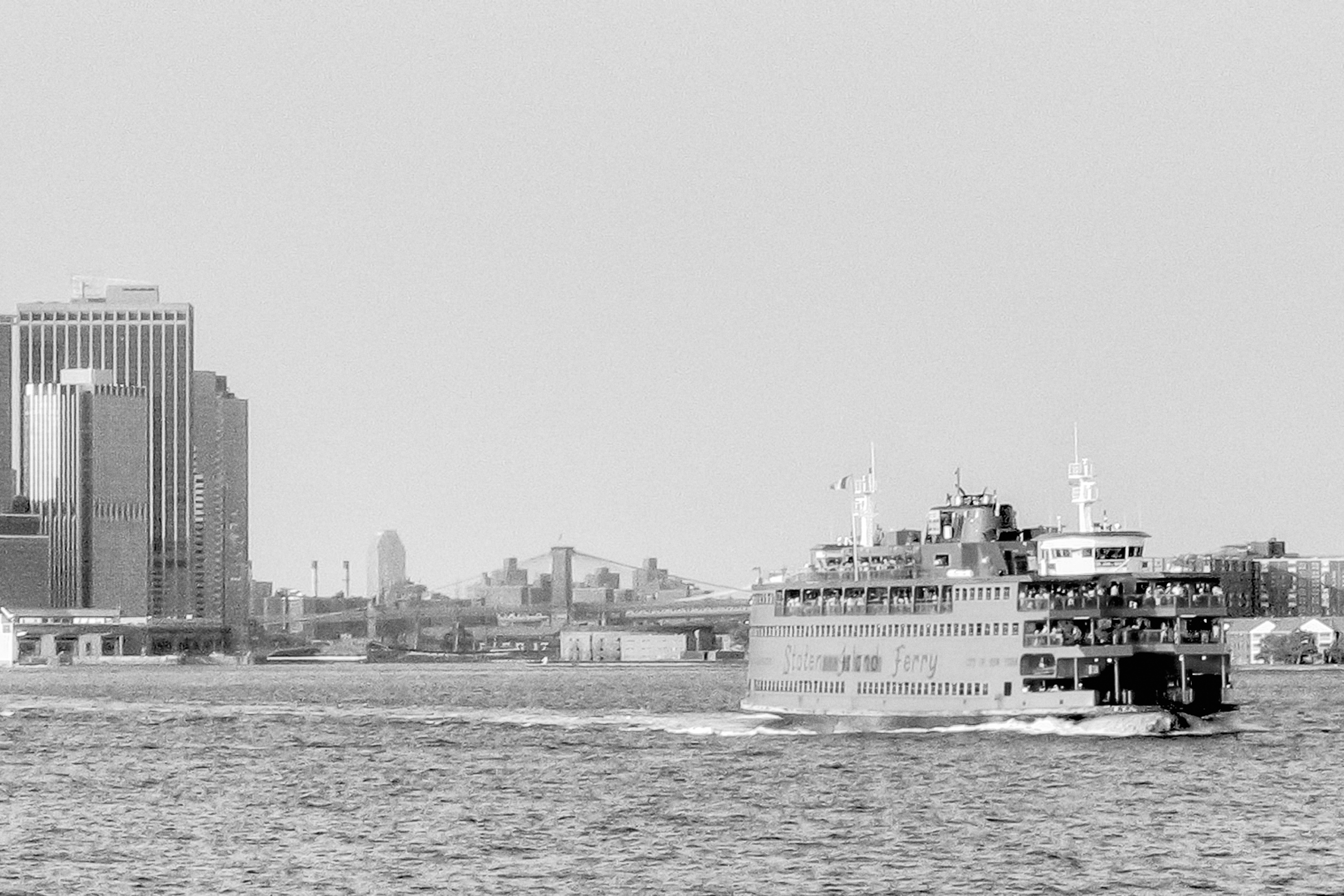
Staten Island Ferry Boat


Another view of the tugboats

Messing around at home


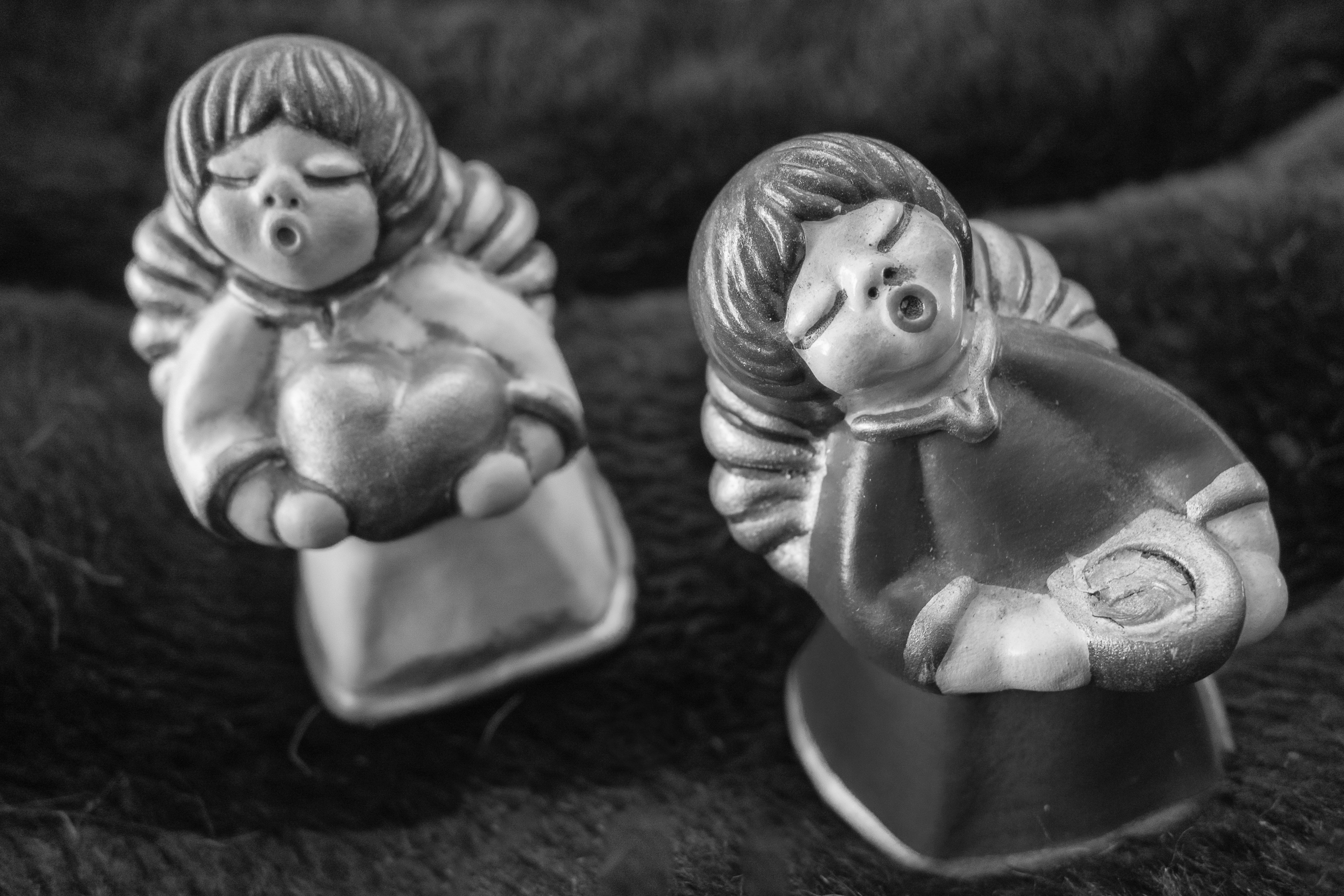
Little Angels

I haven’t been able to get out much for the past few days. I threw my back out shoveling snow; then we had friends over and I spent most of the day cooking. Our water conditioner started to leak (just a tiny amount of water thankfully). It’s ancient and I have no idea how it works since the previous owner of the house didn’t leave a manual. So I bit the bullet and decided to replace it. Today I stayed at home waiting for the them to come to do the work. Since I was here I thought I’d try to take a few pictures around the house.

All pictures taken handheld (because once again I was too lazy to get out the tripod) with a Sony RX-100.


Flower


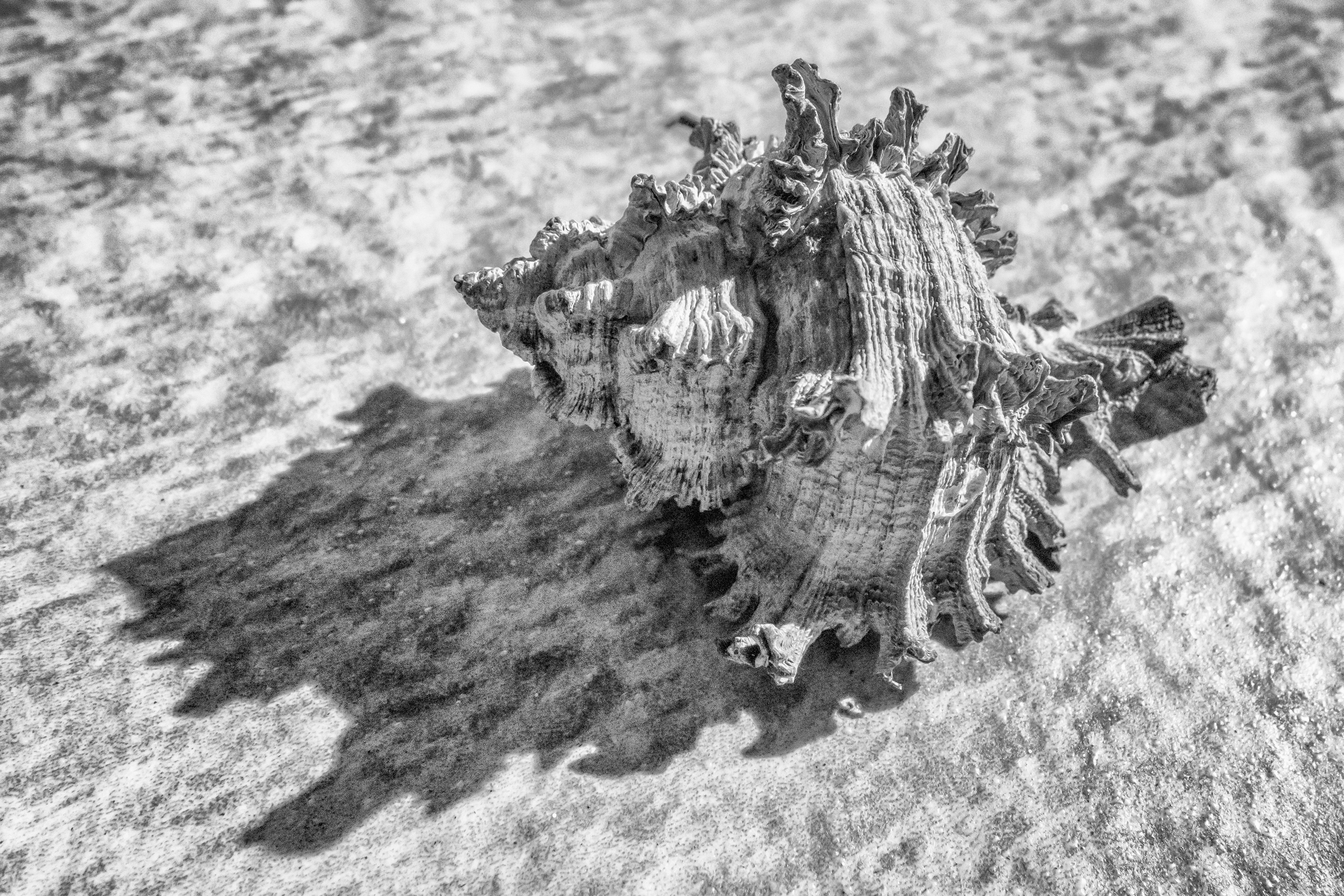
Sea Shell


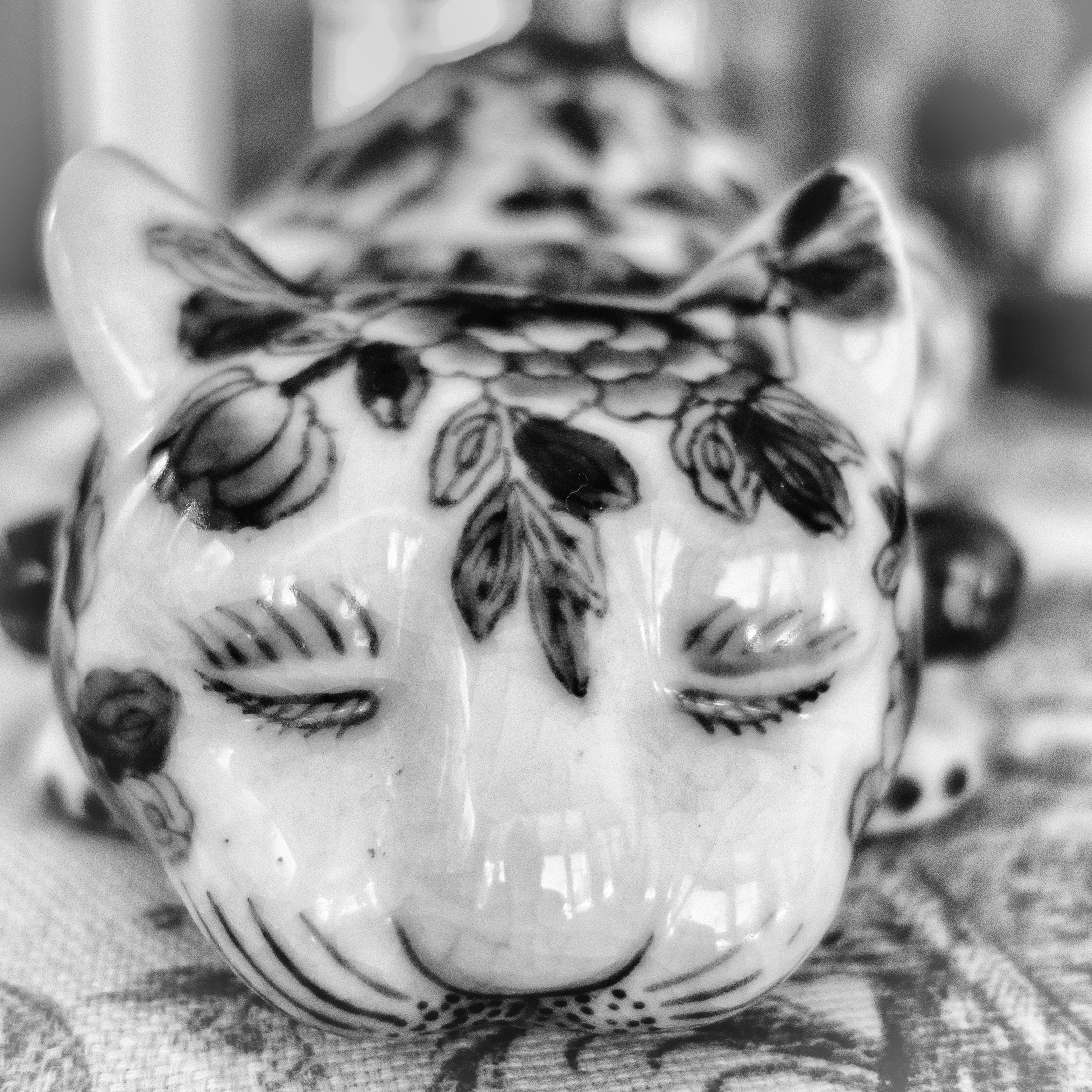
Cat


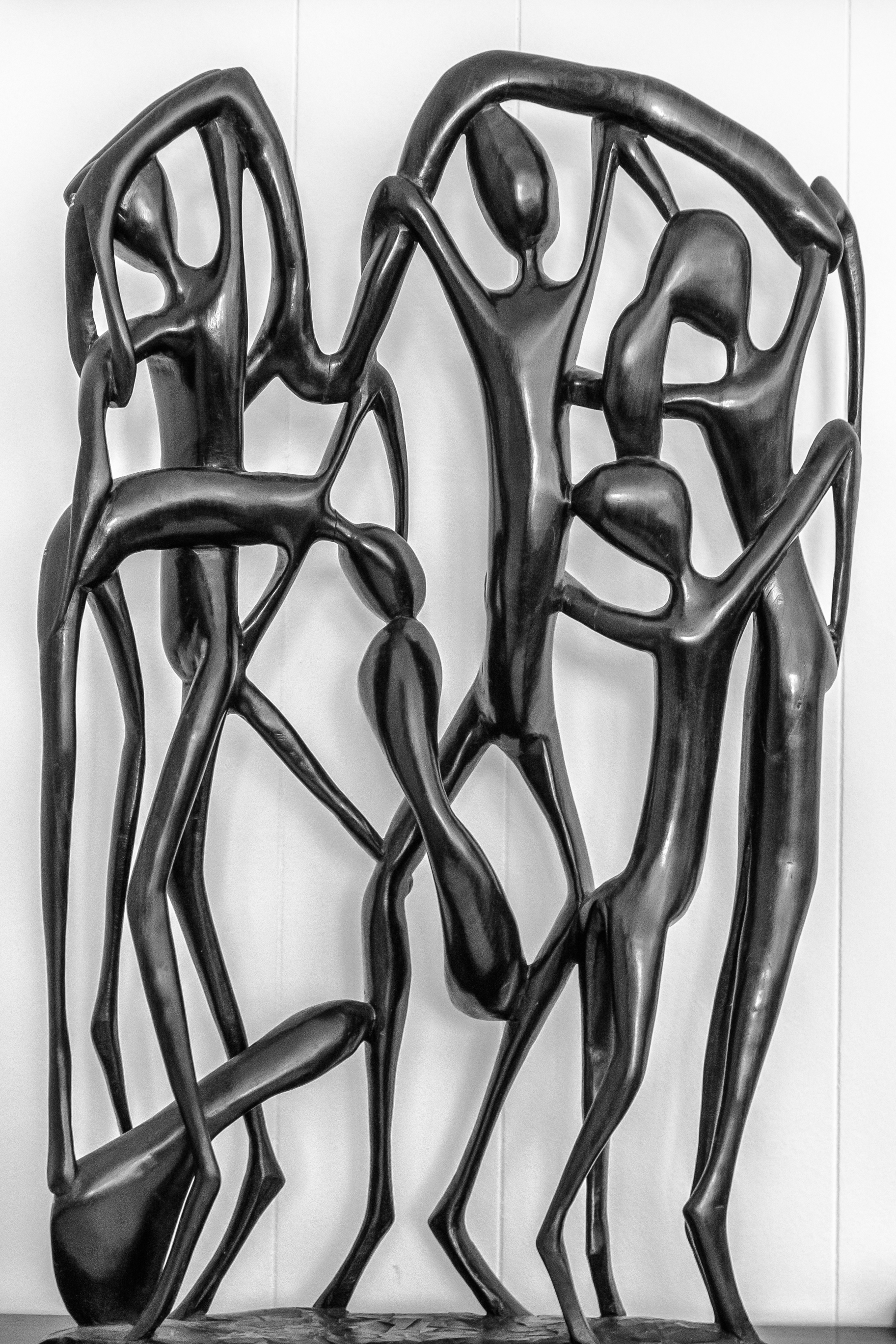
African Sculpture


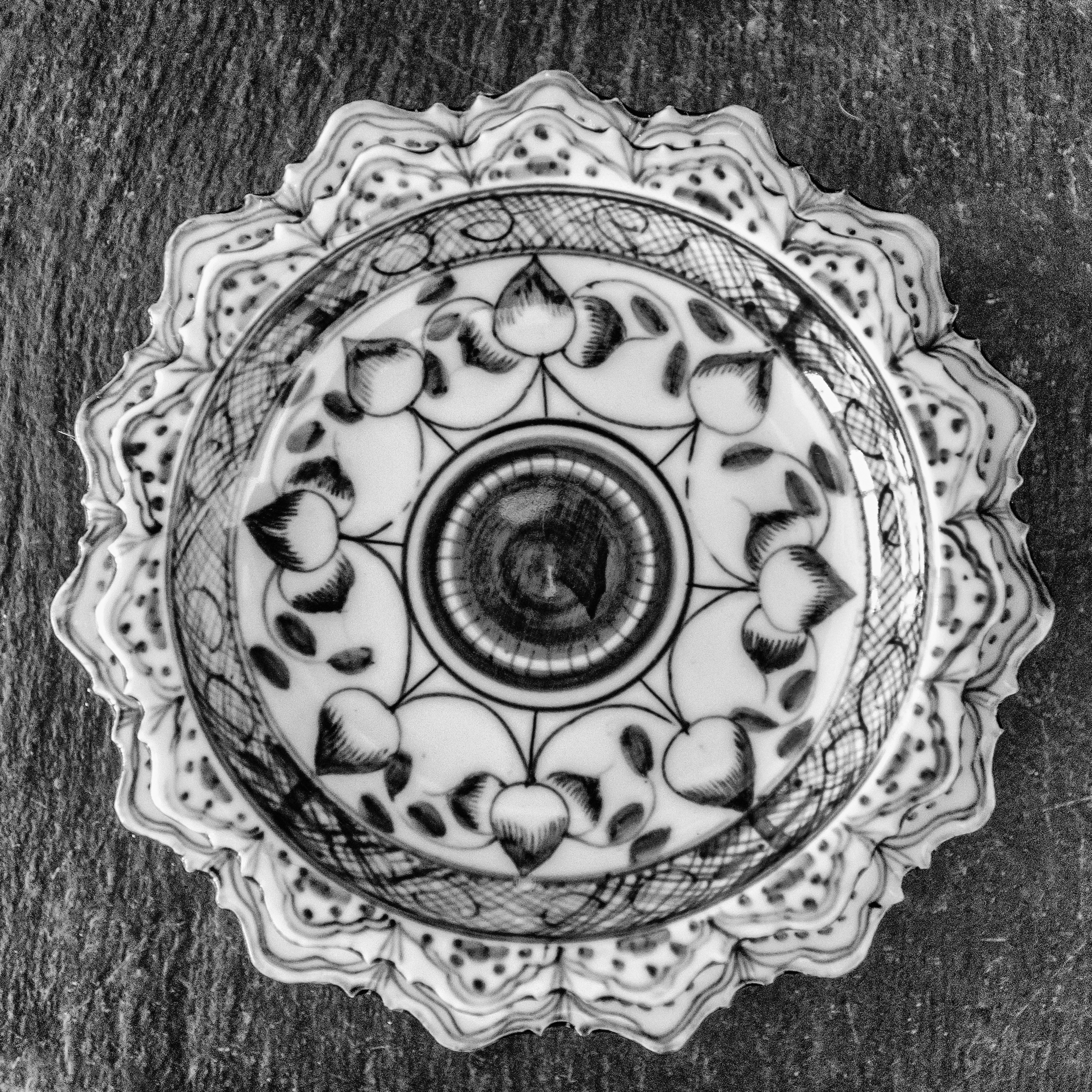
Plates

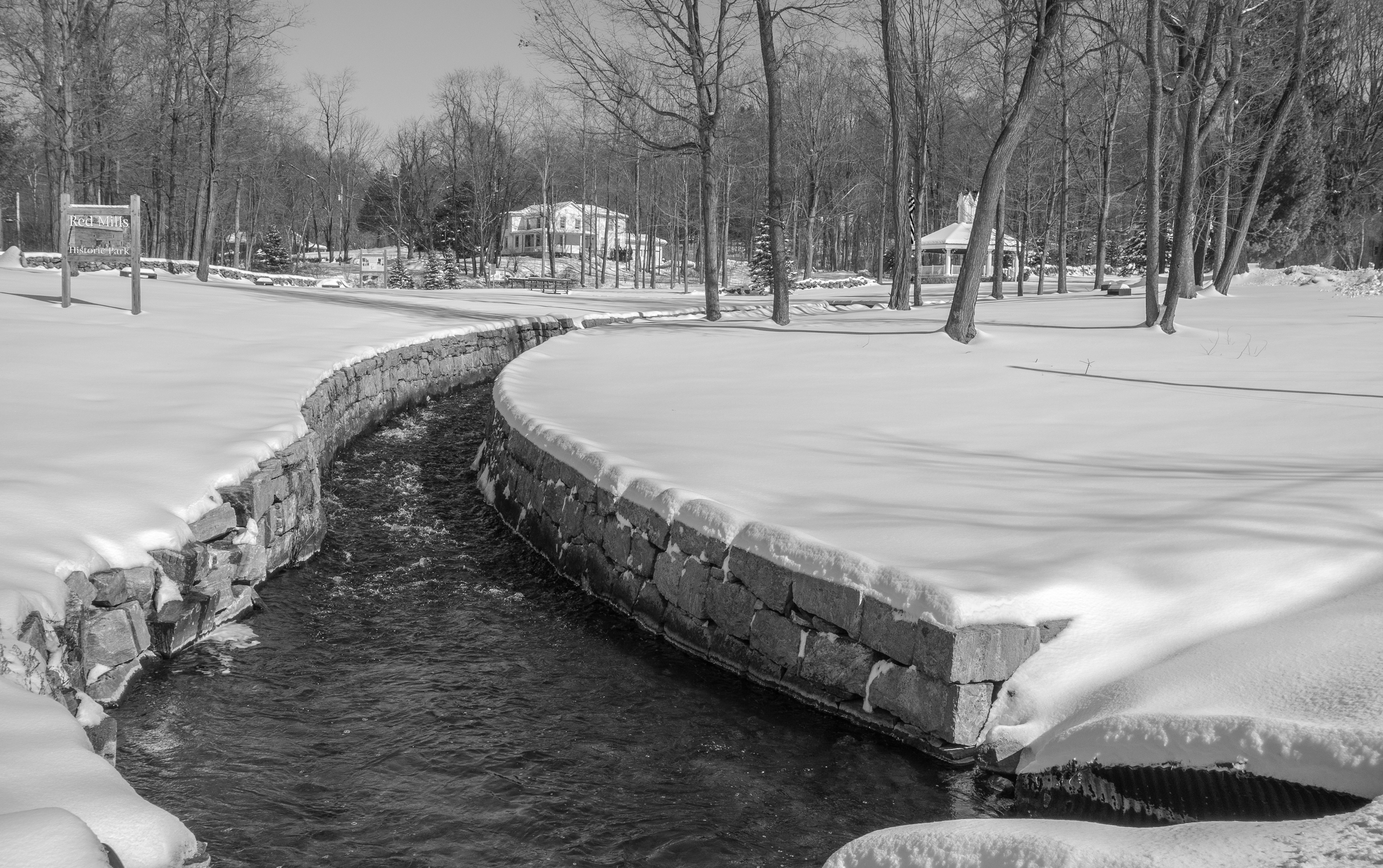
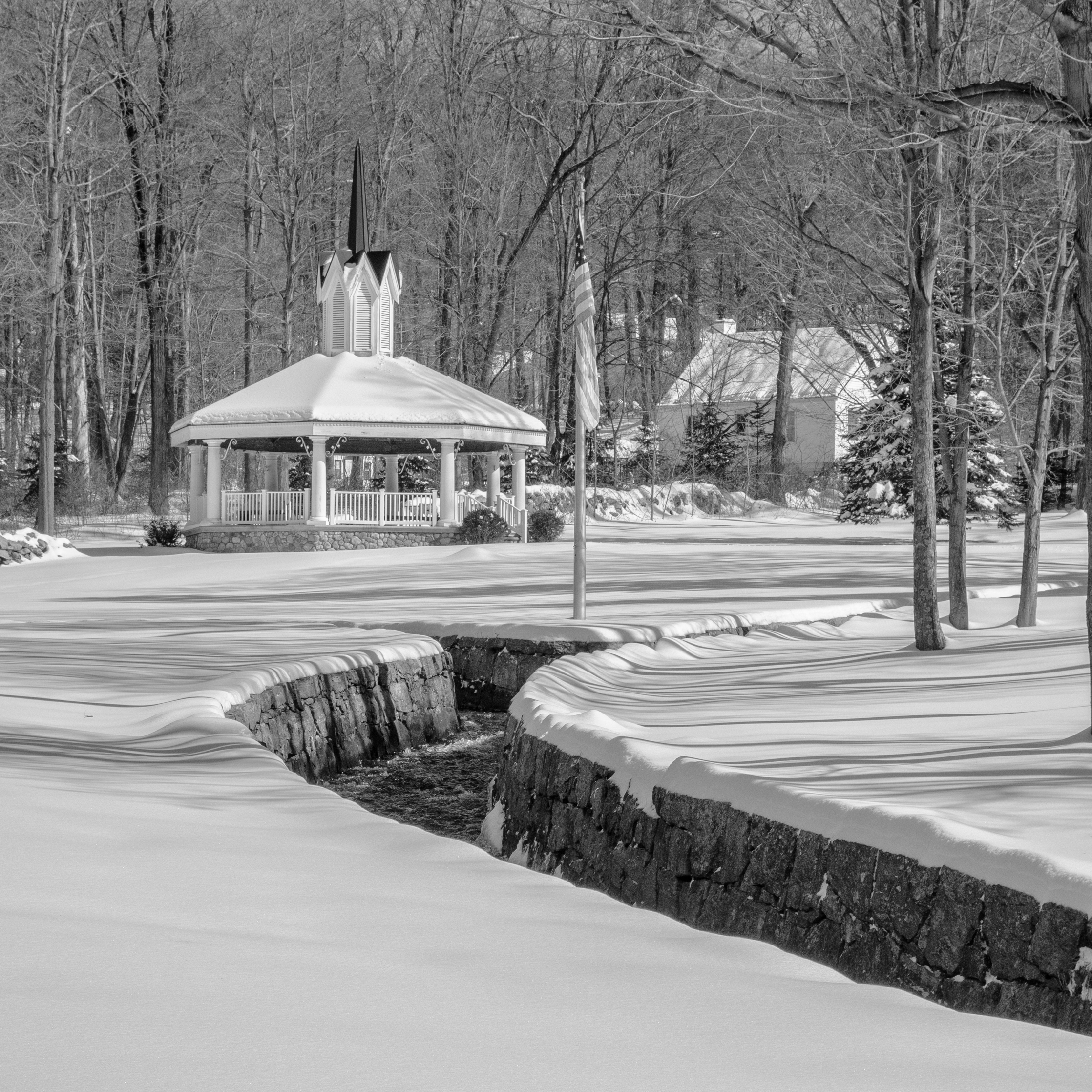
Red Mills Park, Mahopac NY


Red MIlls Historic Park is a small but interesting former site of two mills: a grist mill and a ‘carding mill’. I’d never heard of one of these, but Wikipedia describes carding as: “… a mechanical process that disentangles, cleans and intermixes fibers to produce a continuous web or sliver suitable for subsequent processing This is achieved by passing the fibers between differentially moving surfaces covered with card clothing. It breaks up locks and unorganised clumps of fibre and then aligns the individual fibres to be parallel with each other.” The mill must have automated this process.

A New York Times article from 1991 states:

One of the first areas in Mahopac to be developed was what is now the corner of Route 6N and Myrtle Avenue, where there was a fast-flowing stream powerful enough to turn large mill stones. In the 1700’s, a grist mill — the largest building in Putnam County — was built there. During the Revolutionary War, soldiers guarded the mill so grain could be ground to supply food for the army. One of the original mill stones now forms part of the front steps of the Red Mills branch of the Mahopac National Bank.

For those interested in the technology used in the old mills a large sign provides a description. Other signs cover the economic importance of mills at that time and provide the history of two local churches.

The stone waterways are impressive. Made of local stone from a nearby quarry the are not connected to the mills and were not built until later. They meader through the park and are crossed by a number of wooden footbridges.

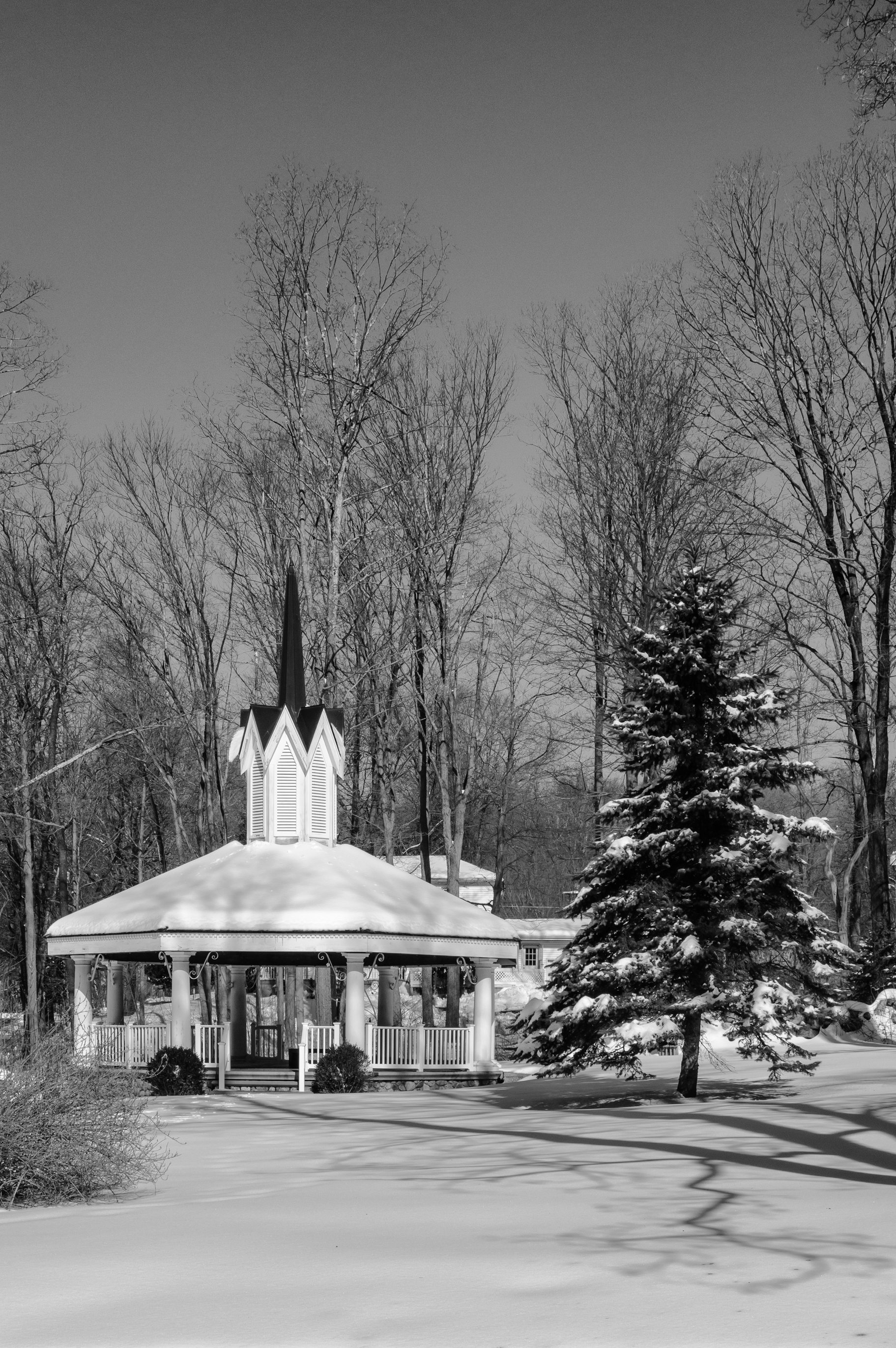
There’s a large gazebo on the site. One of the information signs points out that the top of the gazebo mimics that of one of the old churches, formerly on the site but long since moved.

The park is along the route of Sybil Ludington’s ride as a nearby historical marker points out.


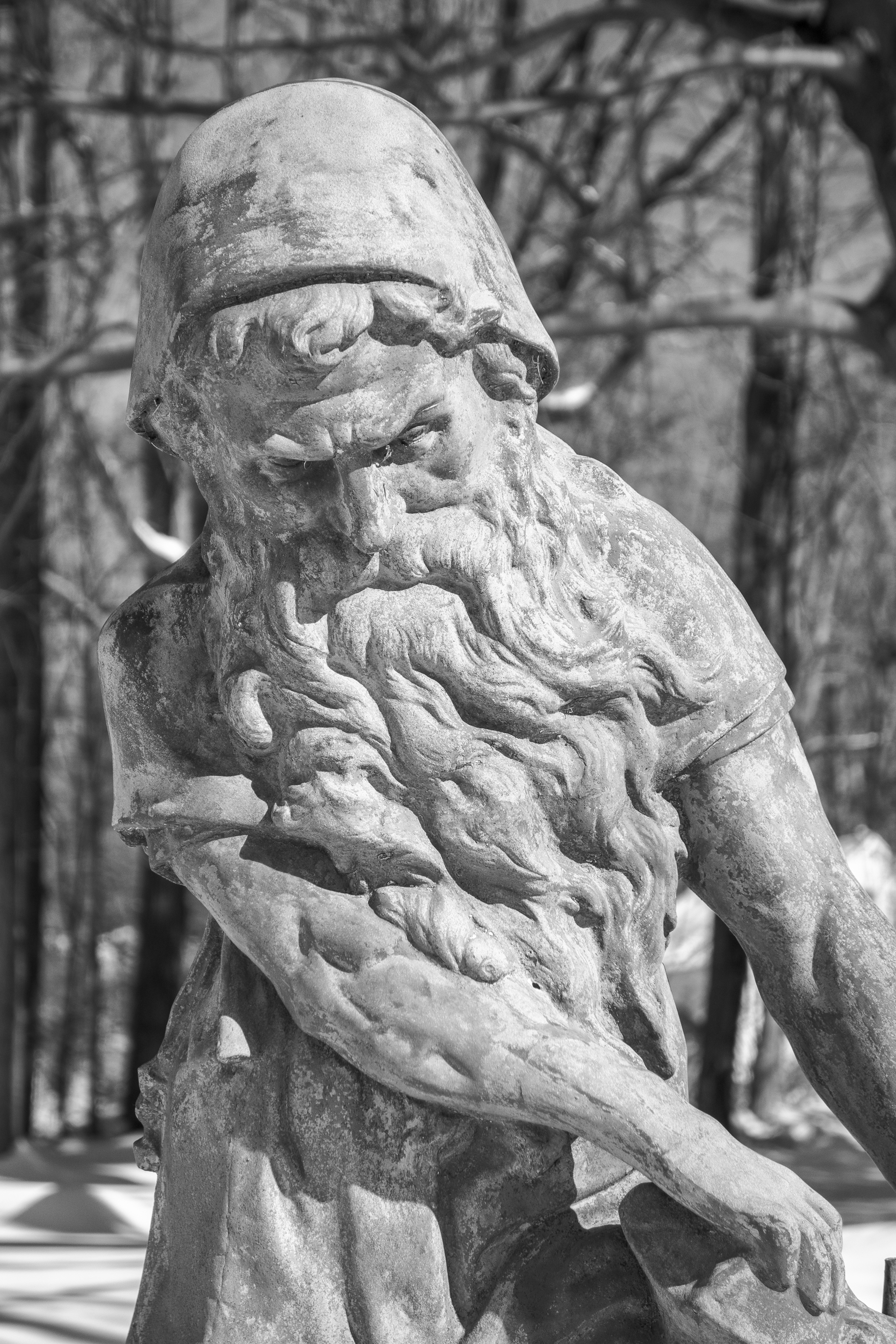
Statue in the park. I’ve no idea what, if anything, it represents.


One of the watercourses


Gazebo and water course


Icicles on the adjoining Bank.

Exhibition of photographs lost for 60 years reveals a bygone London

Spitalfields in April 1912 by CA Mathew


Interesting article from the Guardian, UK.

On a spring morning in 1912, a man with a tripod and a heavy camera walked out of Liverpool Street station and into the heart of London’s East End, capturing the children playing with hoops and skipping ropes, the busy shoppers, the pubs, the horse-drawn delivery carts competing with lorries, the tailors promising individual garments at wholesale prices in an area famous for centuries for textile workers, a now vanished world. He then went home to his new photographic studio at Brightlingsea in Essex, and vanished from history.

His photographs of the streets and alleys of Spitalfields, which are going on public exhibition for the first time, are almost all that is known of CA Mathews: his studio is only known because the mounts of the photographs carry its address in tiny neat black ink letters. He took up photography in 1911, and within five years he died, soon after his wife, in late 1916. They may have been victims of the terrible epidemic of Spanish flu that killed more people than the first world war.

via Exhibition of photographs lost for 60 years reveals a bygone London | Art and design | The Guardian.

Unfortunately there are only a few photographs – I wish there were more.

The following caught my attention: “Many streetscapes are instantly familiar to both men – like the corner of Artillery Lane, where Dyson is about to begin restoration work on two houses – but others have been obliterated, including the grand houses in Spital Square. Some redeveloped since the photographer’s day, such as the grand Fruit and Wool Exchange, are controversially facing demolition.”. I think that this is partly why I like to take pictures of old buildings: over time they tend to disappear. One of my photographic idols is Eugene Atget who spent considerable time documenting a Paris that was disappearing. Perhaps a few of my pictures will be the only documentation of something which has long since gone. Of course the chances of this are quite slim nowadays. When Atget and Mathew were alive very few people took pictures. Nowadays everybody has a camera and there are probably millions of pictures of anything you can think of. So the chances of any of my pictures being the only document of a particular building are remote. Still you never know….