According to the NY-NJ-CT Botany Online site:
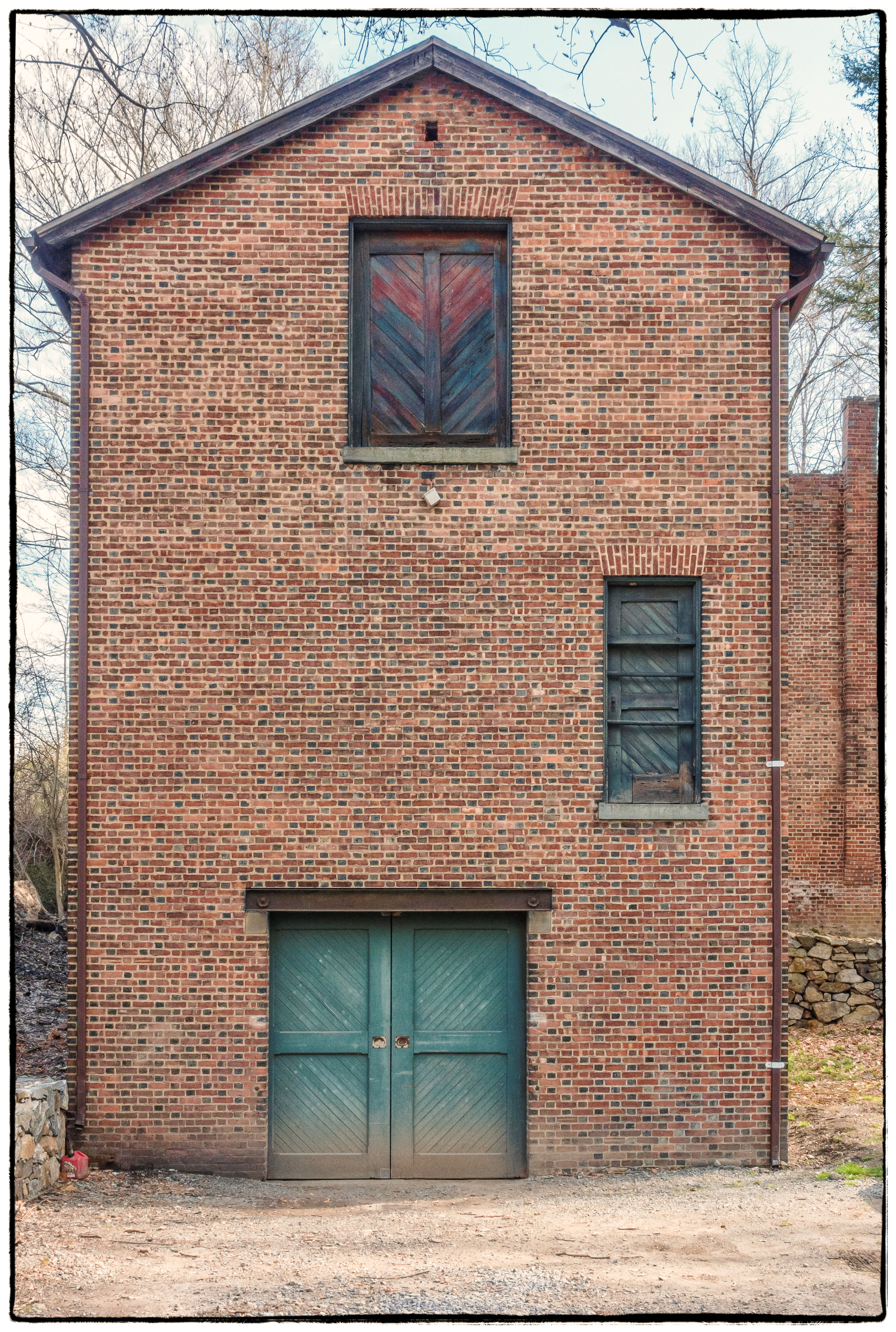
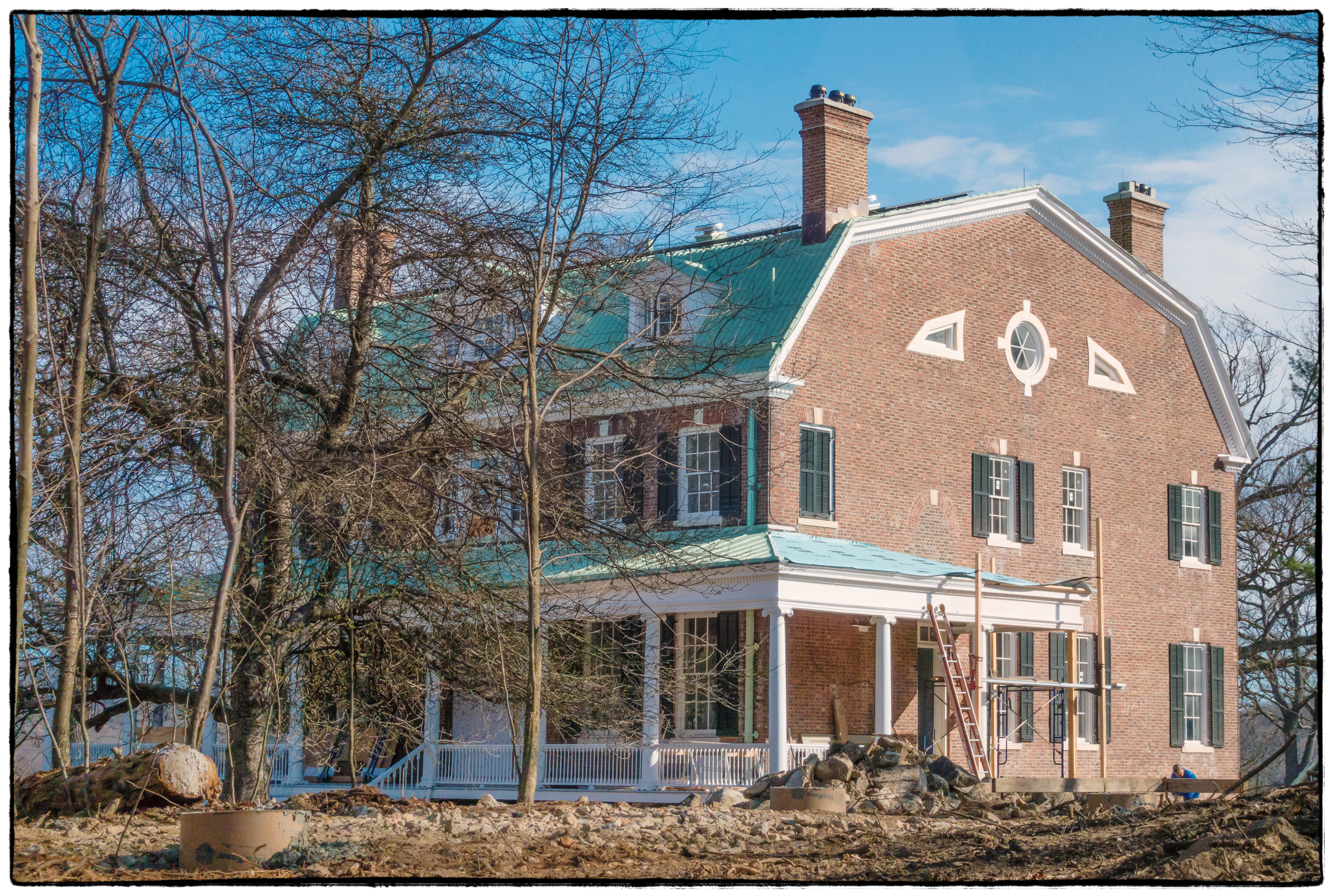
This was a portion of the estate of Edward Livingston, a descendent of Philip Livingston, a signer of the Declaration of Independence. 1894 — Edward Livingston purchases the property. He constructs stables and kennels for his horses and champion Irish wolfhounds. He also builds a 50 foot arched stone bridge over the railroad tracks and a dam on Copper Mine Brook that created a reservoir. 1897 — has George Frederick Pelham design a country home for him and his family. The mansion was in brick colonial revival style. 1937 — Livingston’s daughter, Clarice, sells the property. 1984 — Lee Pomeroy, a New York architect, forms the Mystery Point Associates to acquire the property. 1990 — the Associates sell the property to Open Space Institute, Inc. and Scenic Hudson, Inc. The mansion is now headquarters to Outward Bound, Inc.
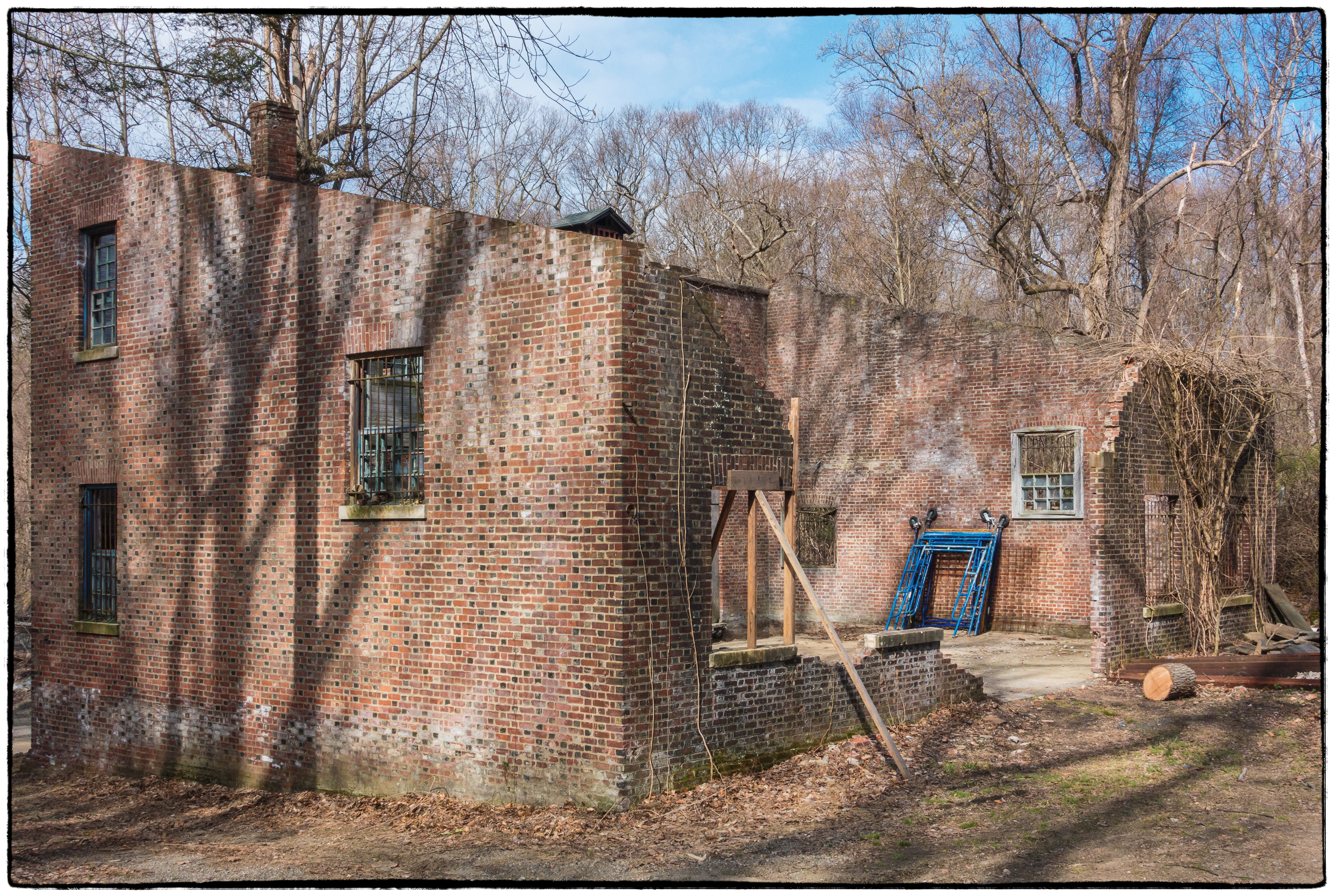
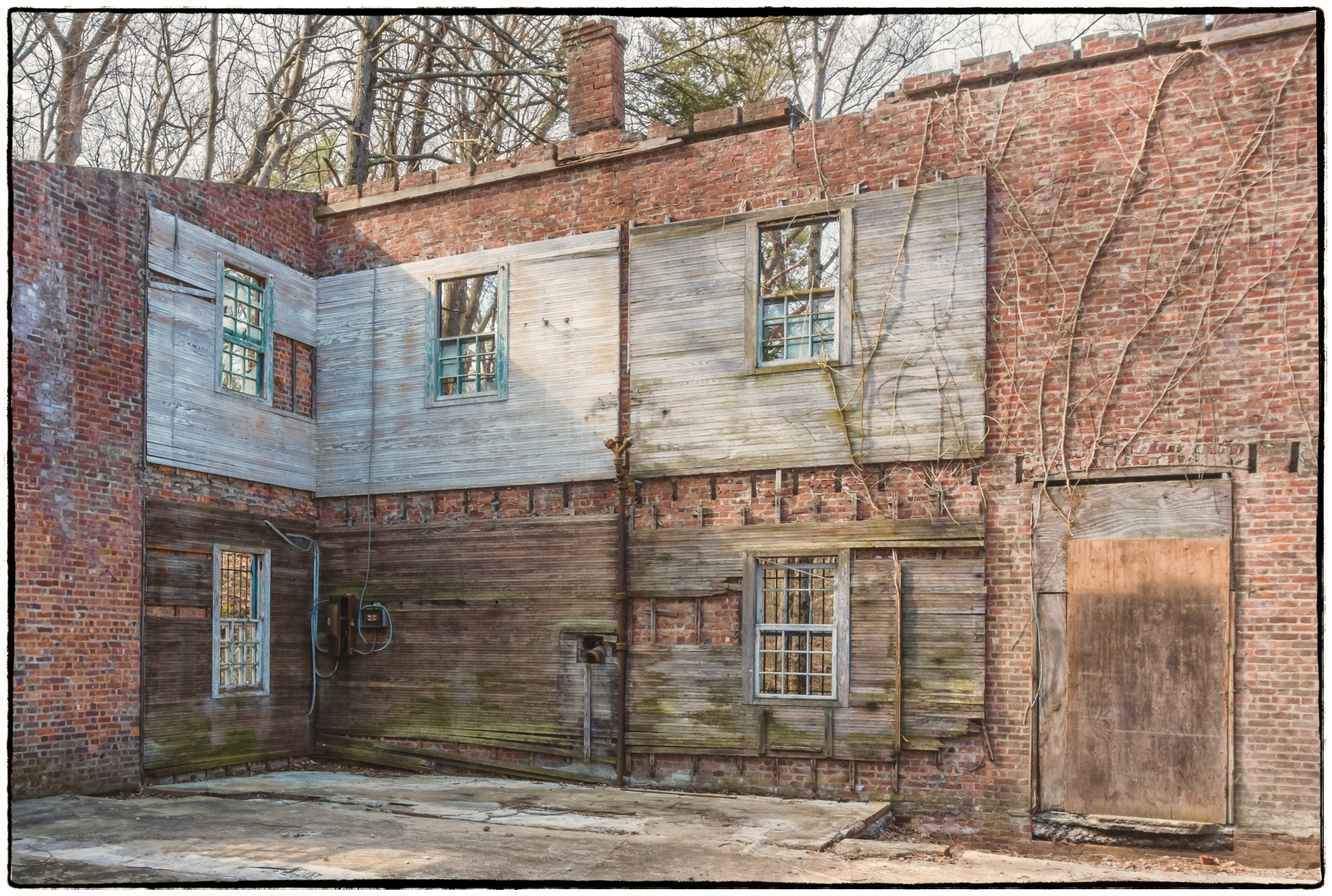
Subsequently (in 2013) the house was sold to billionaire philanthropist Jon Stryker (see: Mystery Point Sold to Billionaire Philanthropist) under a conservation easement, which allows for continued public access. As of my walk in 2017 this seems to be correct. While the mansion and the grounds immediately surrounding it are private, the rest of the preserve is still open to the public. As can be seen in the picture above, the house is still undergoing renovation.
So who was Edward Livingston, the original owner? I had some difficulty finding any information about him. The Livingston’s are a very well known family in the Hudson Valley and unfortunately many of them are called Edward. Also although certainly wealthy, he does not seem to have been as distinguished as some of his forebears (e.g. the Philip Livingston mentioned above) From the date the house was built I guessed that this Edward Livingston lived from 1834-1906.
According to the New York Public Library, Archives and Manuscripts:
Edward Livingston (1834-1906) was a member of a socially prominent New York family and a businessman involved in the importation and sale of railroad materials. The Edward Livingston papers (1850s-1920s) contain personal and business records from Livingston, his siblings, and his children.
Edward Livingston (1834-1906) was a member of a socially prominent New York family and a businessman involved in the importation and sale of railroad materials. His maternal grandfather, John Lansing, Jr., was chancellor of New York.
Livingston had two children, Clarisse Hazeltine Livingston and Edward Livingston, Jr. The family had homes in Manhattan and in Putnam County, New York.
The Edward Livingston papers (1850s-1920s) document the finances and social life of an upper class New York City family in the late 19th and early 20th centuries. The collection contains personal and business records of Edward Livingston and personal records of his family, including his siblings John and Fanny Livingston, his aunt Cornelia Lansing, and his son and daughter, Edward and Clarisse Livingston.
Livingston’s business correspondence concerns his investments and related legal matters. Subjects of the correspondence include Shelby Iron Company stock, Detroit Steel and Spring Company stock, lawyer’s fees for the litigation of Jesup v. Carnegie, and terms of an agreement regarding ownership of land in Kentucky and Tennessee.
Business records include partnership agreements between Livingston, Charles L. Perkins, Henry A.V. Post, and Francis Vose, dating from 1858 to 1880. The collection contains account books of Perkins, Livingston & Co. and Perkins, Livingston & Post, dating from 1870 to 1889. The account books record the firms’ expenses, investments in railroad stocks and bonds, and purchases and sales of railroad materials. Accounts represented include the Canada Southern Railway Company, the East Alabama & Cincinnati Railroad Company, the New York & Oswego Midland Railroad Company, and Welsh company Guest & Company, whose railroad materials were imported by Livingston’s firm. Account books for Livingston’s Bank of New York account are also present.
The collection contains family letters, most of which are to John Livingston from his sister, Fanny S. Livingston, and his aunt, Cornelia Lansing. The letters discuss topics such as family members’ health, visits from friends, parties given by mutual acquaintances, and other social and family news. Transcriptions of four of Fanny Livingston’s letters are present. One letter to Edward Livingston is also present, as is an undated letter he wrote concerning membership in the Society of the Cincinnati.
The collection also contains calling cards and wedding invitations and announcements, many from prominent members of New York society, dating from the 1890s to the 1920s. Invitations are addressed to Edward and Clarisse Livingston.
The household expenses of Edward Livingston and his children are documented through receipts and invoices from New York City businesses. Invoices are for items such as stationery, clothing, housewares, and hardware, as well as for services and club memberships. Business cards, sales notices, and fliers are also present. A small account book contains a record of a trust Livingston’s established for his children.
There are a small number of photographs; they depict Edward Livingston, his children, and Cornelia Lansing.