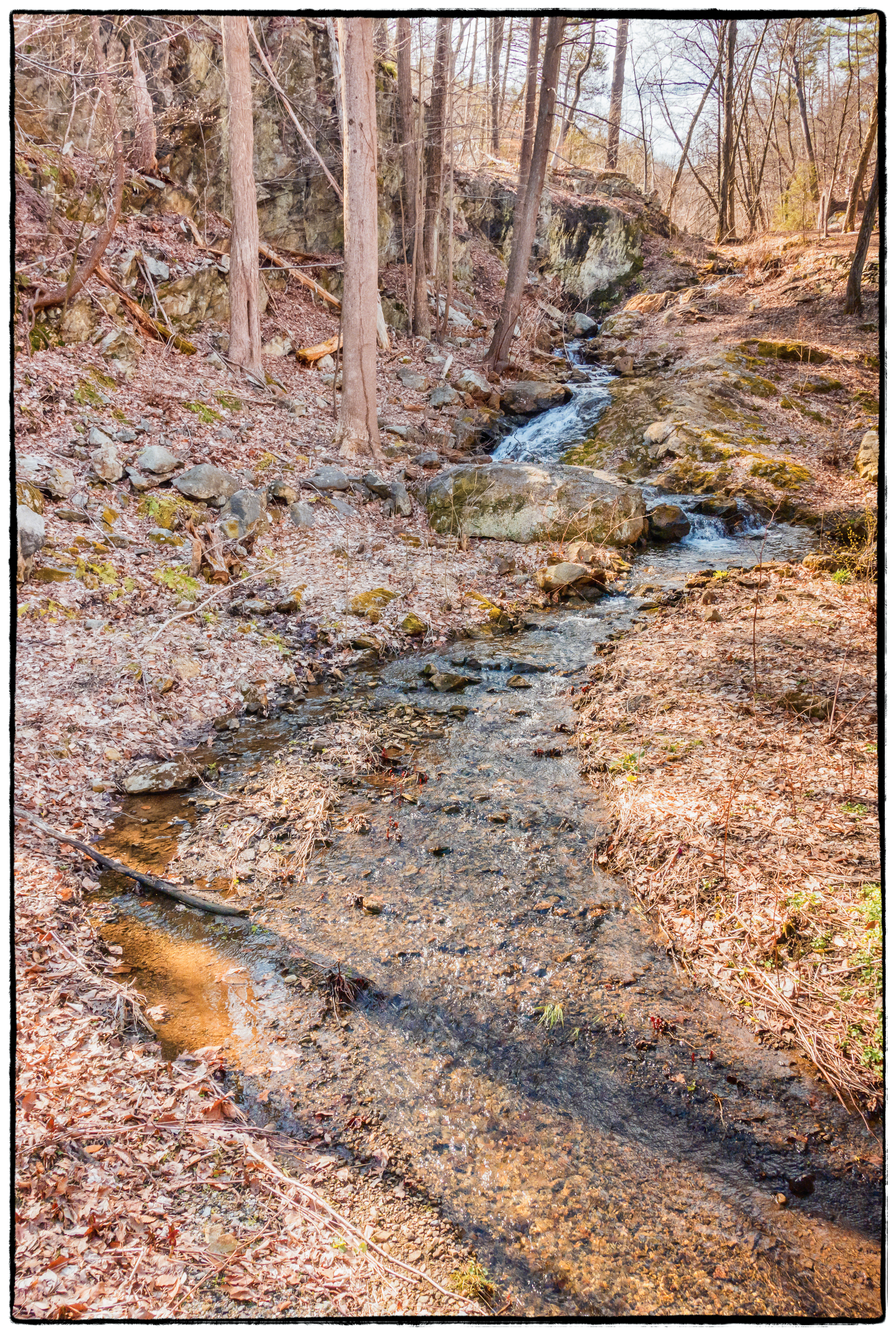
Mystery Point – A burbling brook and a picturesque stone bridge

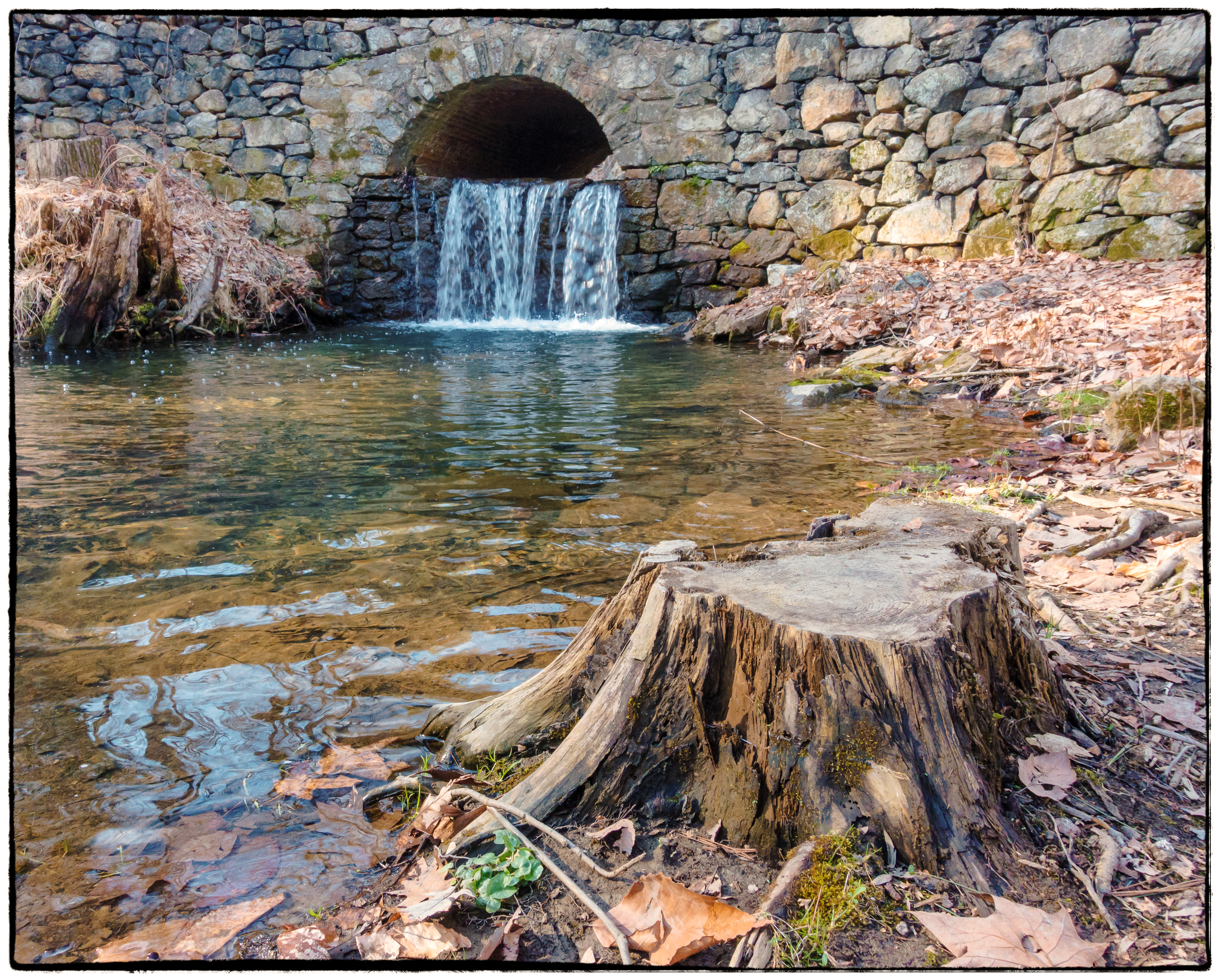
Coppermine Brook, rises in South Mountain Pass. It then flows in a generally northern direction and passes under Route 9D. Here it’s seen as it passes under Mystery Point Road from where it continues its course until it flows into the Hudson River. I’m not entirely sure to which mine this refers, but it seems likely that it’s the Manitou Copper Mine. According to NY-NJ-CT Botany Online site :

The Manitou Copper Mine was opened about 1767 by Peter Hasenclver (see Ringwood Manor State Park in New Jersey). The iron mining operation was not successful because the ore was too sulfurous. The extensive dumps of the old mine are found on the east end of the ridge of Anthony’s Nose.
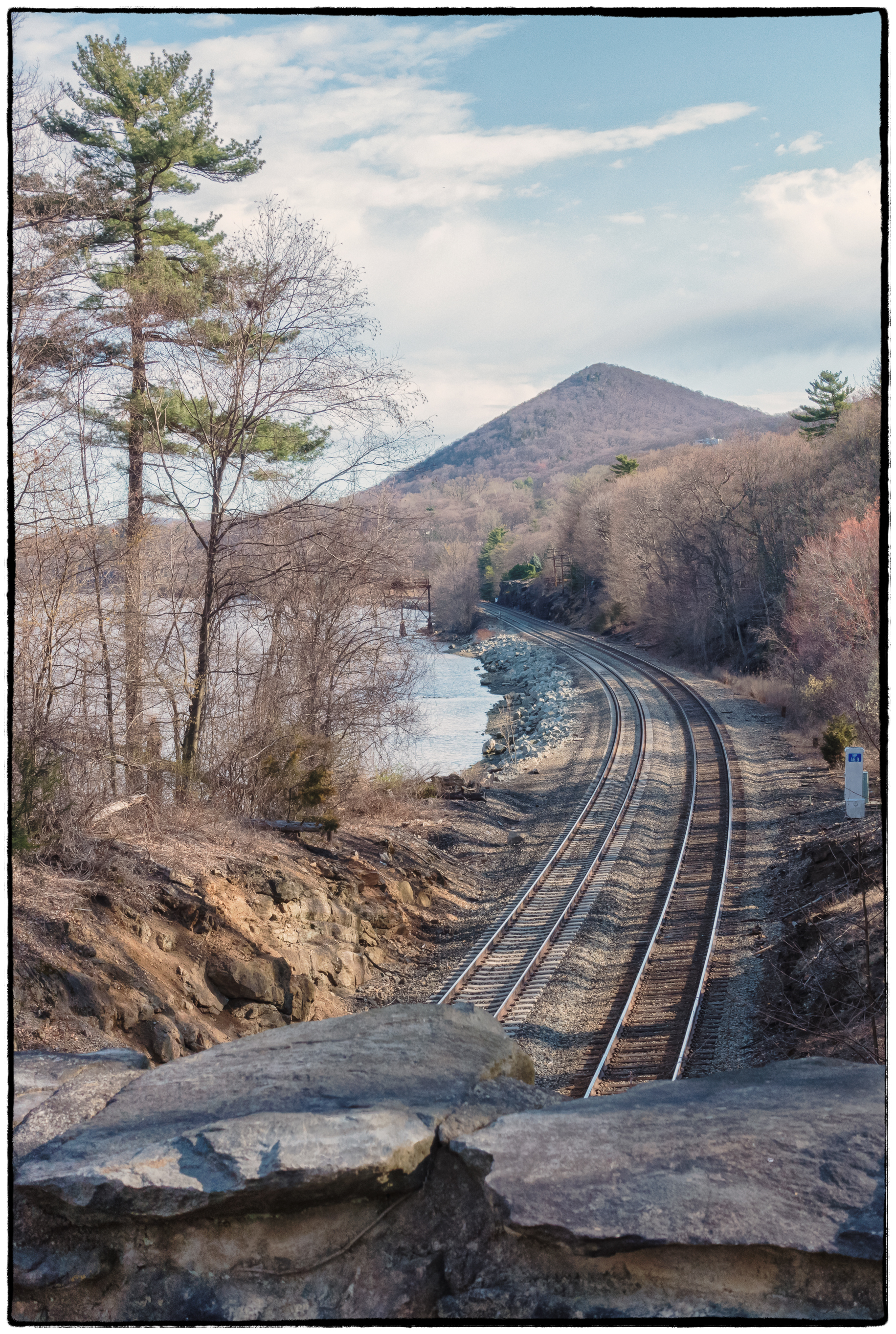
Mystery Point – Overview

I’m always on the lookout for new places to walk the dog so I was glad to come across a reference to the romantically named Mystery Point. It’s part of Manitou Park Preserve. Travelling south on route 9d from Garrison towards Peekskill the preserve is on the right a little before you get to the Bear Mountain Bridge. The entrance is labelled as Mystery Point Road, but it’s actually more of a dirt track than it is a road, and it’s easy to miss.

At the far end of the parking lot a trail (white trail) goes off into the woods. I followed this trail for a while , but didn’t have much luck with it. After a while I couldn’t see any markers and it was far from obvious (at least to me) how to continue. So, disappointed, I backtracked to the parking lot and decided to follow mystery point road. It turned out that this was the right thing to do. The “road” winds down, crosses a stone bridge over a brook, and eventually crosses the Metro North tracks (see picture above). From there it was easy: By the mansion follow the blue trail to the left and eventually it splits into a loop. Whichever way you go it will take you to the river. Warning: the path along the river is narrow and rocky and passes quite high above the Hudson with steep (in some places as much as 30ft) dropoffs. Definitely not for those (like my wife) who suffer from a fear of heights.

A recent visitor to our garden

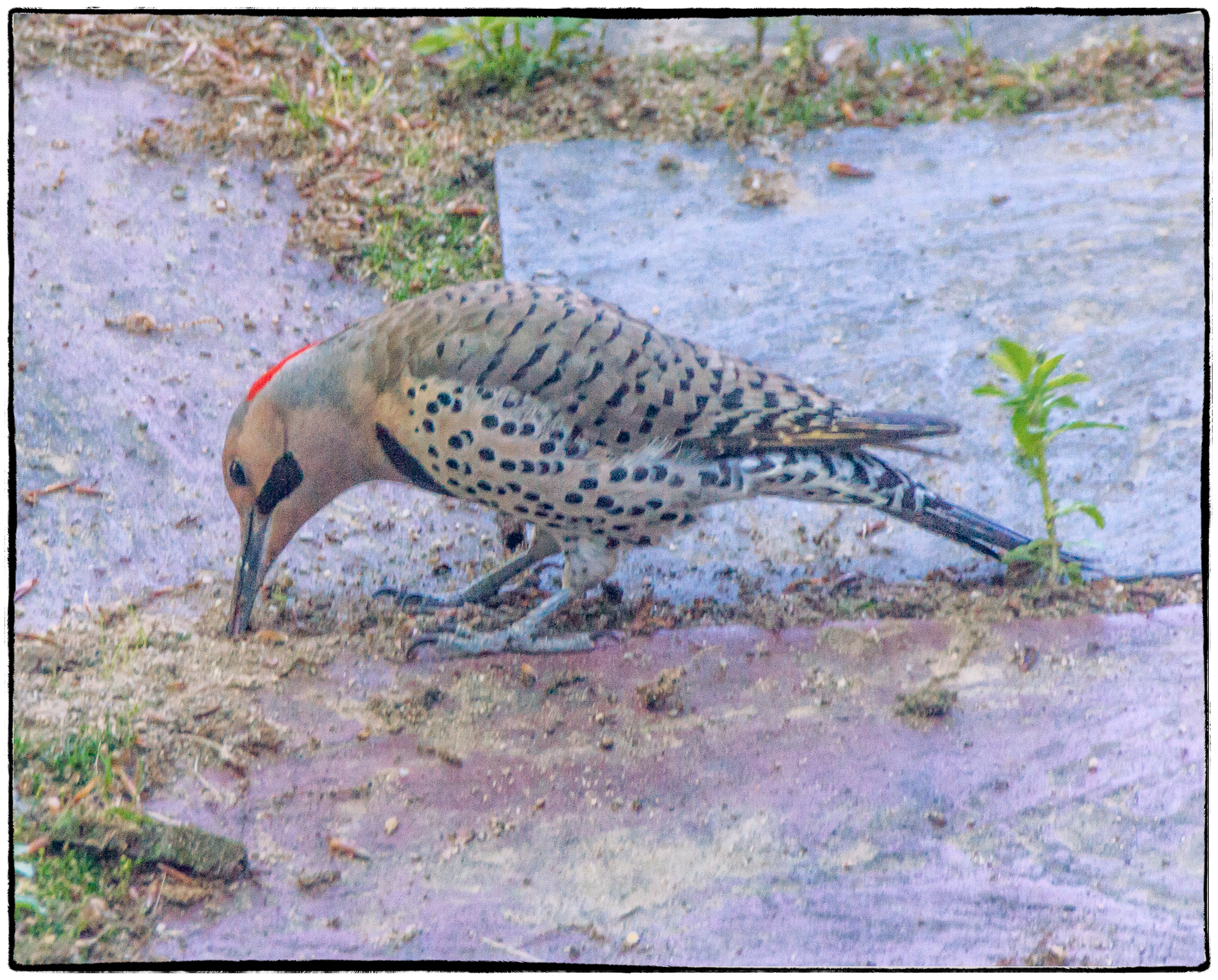
A type of woodpecker: a northern flicker. Specifically (if I’m not mistaken, which I might well be) a yellow-shafted flicker (Colaptes auratus auratus). So if it’s a woodpecker why is it chewing up our patio rather than pecking wood? Grab a worm on the patio or bang your head against a tree? I guess it’s an easy choice.

As usual when I’m taken by surprise or my subject is moving I messed this up. When I noticed the bird I grabbed the nearest camera, which happened to my Sony Alpha 500 with Tamron A18 AF 18-250mm f3.5-6.3. Without thinking I zoomed in to the fullest extent not thinking that it as was relatively dark outside and that the combination of large aperture combined with large lens meant that that pictures were certainly going to suffer from blur resulting from the slow shutter speed selected and my inability to hand hold the lens at that speed.

This is why I don’t do more wildlife photography. Still better than nothing though. I’ve never seen one of these before.

Meyer Optik Lydith 30mm f/3.5 Resurrected

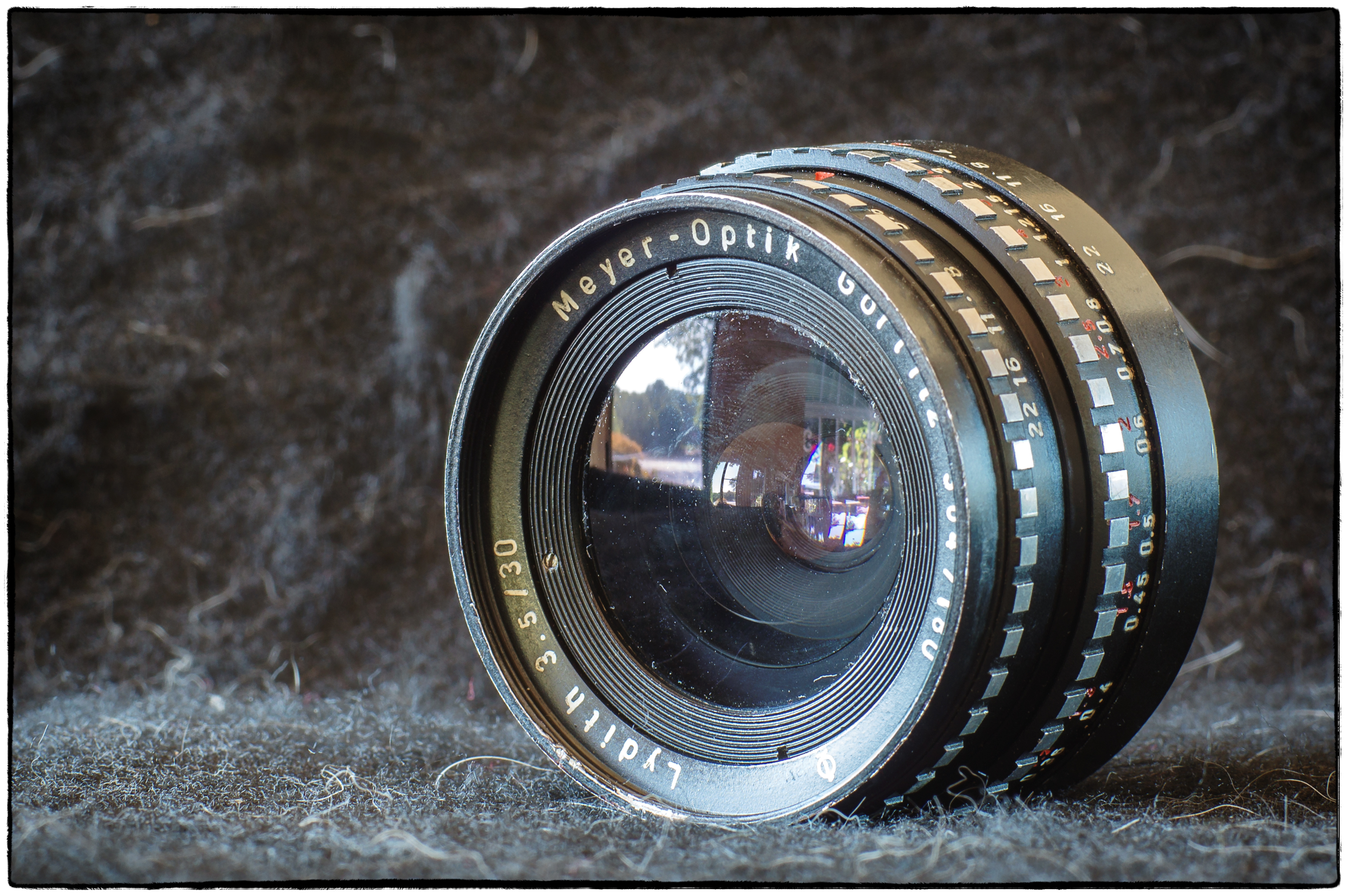
Meyer Optik Gorlitz has announced a new version of their classic Meyer Optik Lydith 30mm f/3.5 lens. The lens can be ordered through the Kickstarter campaign. For a minimum $699, you get the Early Bird reward (apparently at the time of the announcement only five remain). For $749 or more you get the first batch, and you can get a lens with personal engraving for $899 or more.

It truly is a wonderful lens. I paid less than $100 for mine (see above picture and Meyer Optik Gorlitz 30mm Lydith f3.5) and it came with a functioning Exacta Varex IIa; a cosmetically challenged, but fully functional and lovely Carl Zeiss Jena 58mm f2 Biotar; an Exa 1; and a Carl Zeiss Jena 50mm f3.5 T Tessar.

Admittedly my is quite a lot older.

The England of My Childhood

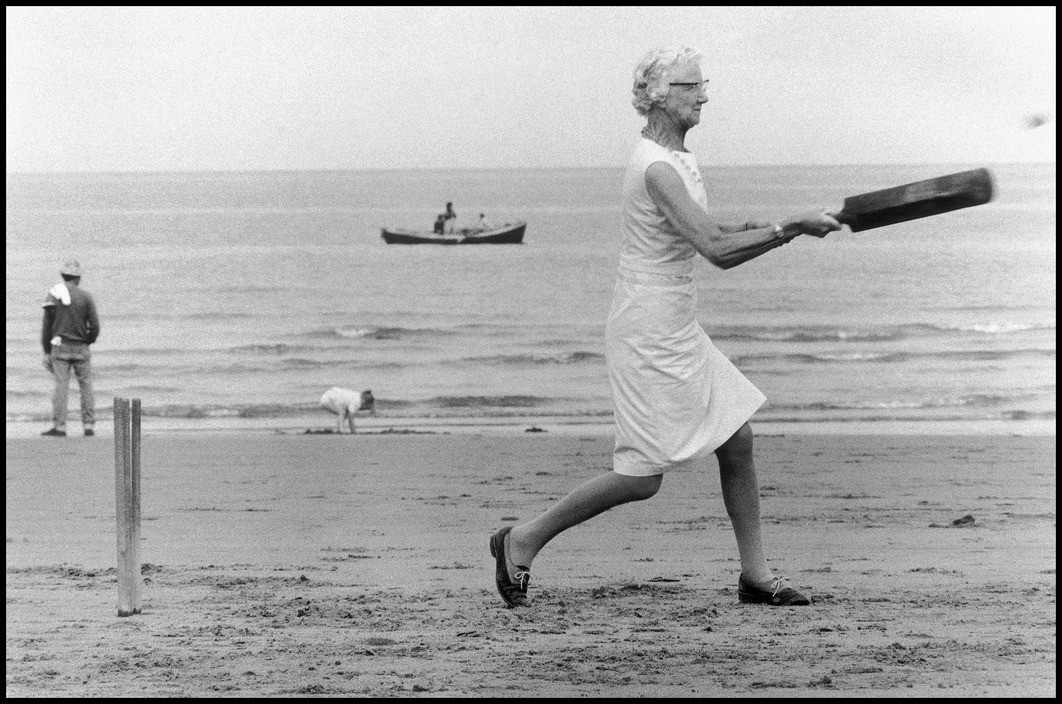
Ian Berry | The English. An elderly woman plays cricket with her family on the beach. Whitby, England. 1974. © Ian Berry | Magnum Photos

Ian Berry’s 1978 book sees him return to his homeland after many years abroad to both document and rediscover the English way of life…After a decade of travelling and living in Africa and then Paris, Magnum photographer Ian Berry conceived of The English as a project that would enable him to both document and rediscover the country in which he was born and grew up. “It seemed like a good idea to do something on the English before my eyes got too jaded,” Berry remembers whilst speaking to us about the project today. Returning to London in the mid-Sixties to become the first contract photographer for the Observer, he received a commission from the Whitechapel Gallery in 1972 to photograph the local area. His images capture the unique character of the East End and the diversity of its residents, both well-established and recent arrivals.

Source: Ian Berry’s Personal Exploration of English Life • Magnum Photos

This is the England I remember from my childhood.