PBS Documentary Looks at the Life of Dorothea Lange

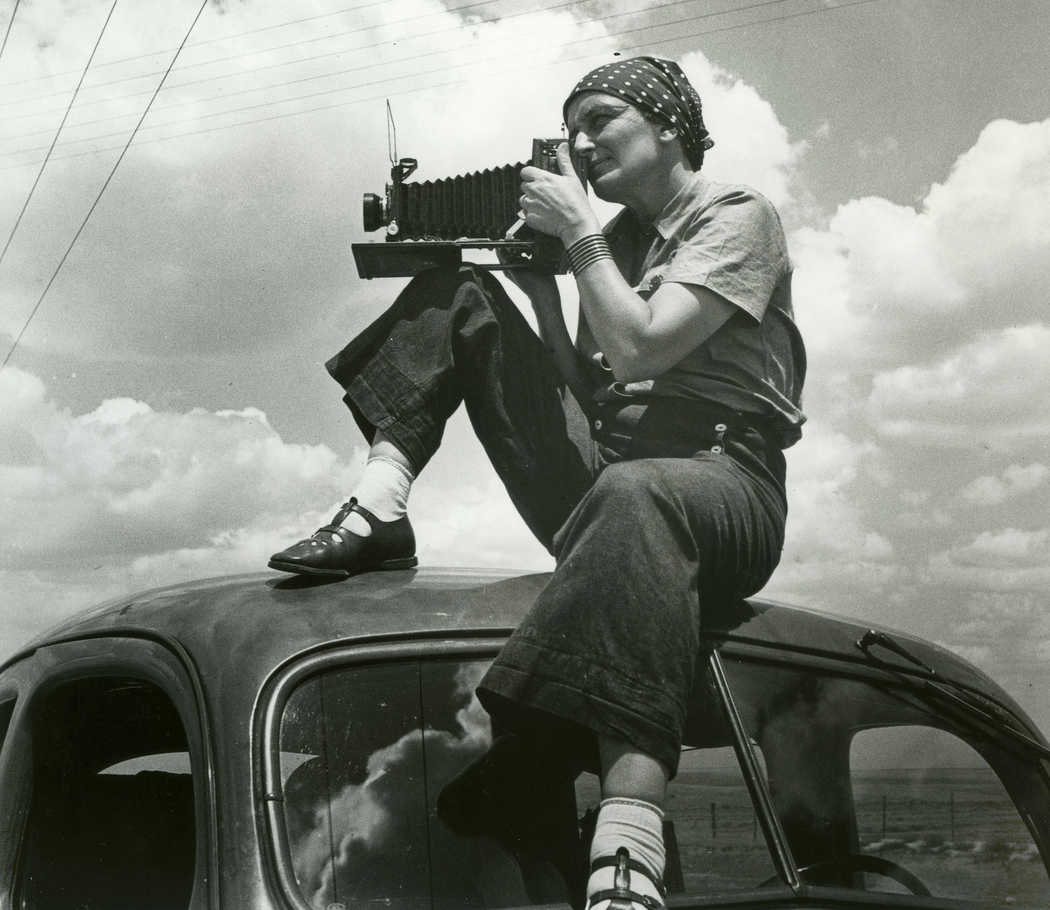
“Dorothea Lange: Grab a Hunk of Lightning”: A granddaughter considers the legacy of a devoted photographer. Credit Paul S. Taylor

I recently watched this documentary:

Lange (1895-1965), the photographer known for gritty, evocative pictures of the Depression, has influenced not only countless photographers but also our sense of national identity, helping to define the United States of the middle of the last century through her images. The film examines her career and how some of her best-known photographs came about, among them “Migrant Mother,” an image so widely reproduced and imitated that Lange says of it in a film clip: “It doesn’t belong to me anymore. It belongs to the world.”

“Dorothea Lange: Grab a Hunk of Lightning,” written and directed by Lange’s granddaughter, airs Friday night on PBS’s “American Masters.”
Source: PBS Documentary Looks at the Life of Dorothea Lange

It’s well worth watching. I can also heartily recommend Dorothea Lange: A Life Beyond Limits. It’s a fascinating mix of documentary, history, biography and photography. Really very engaging in its portrayal of Lange as very much a part of of her time, but willing to pursue her passion and break with traditional roles. I suspect that this was more improvement of social conditions than it was pure photography. Photography for her was just a means to an end.
Locust Grove – Blue Flowers

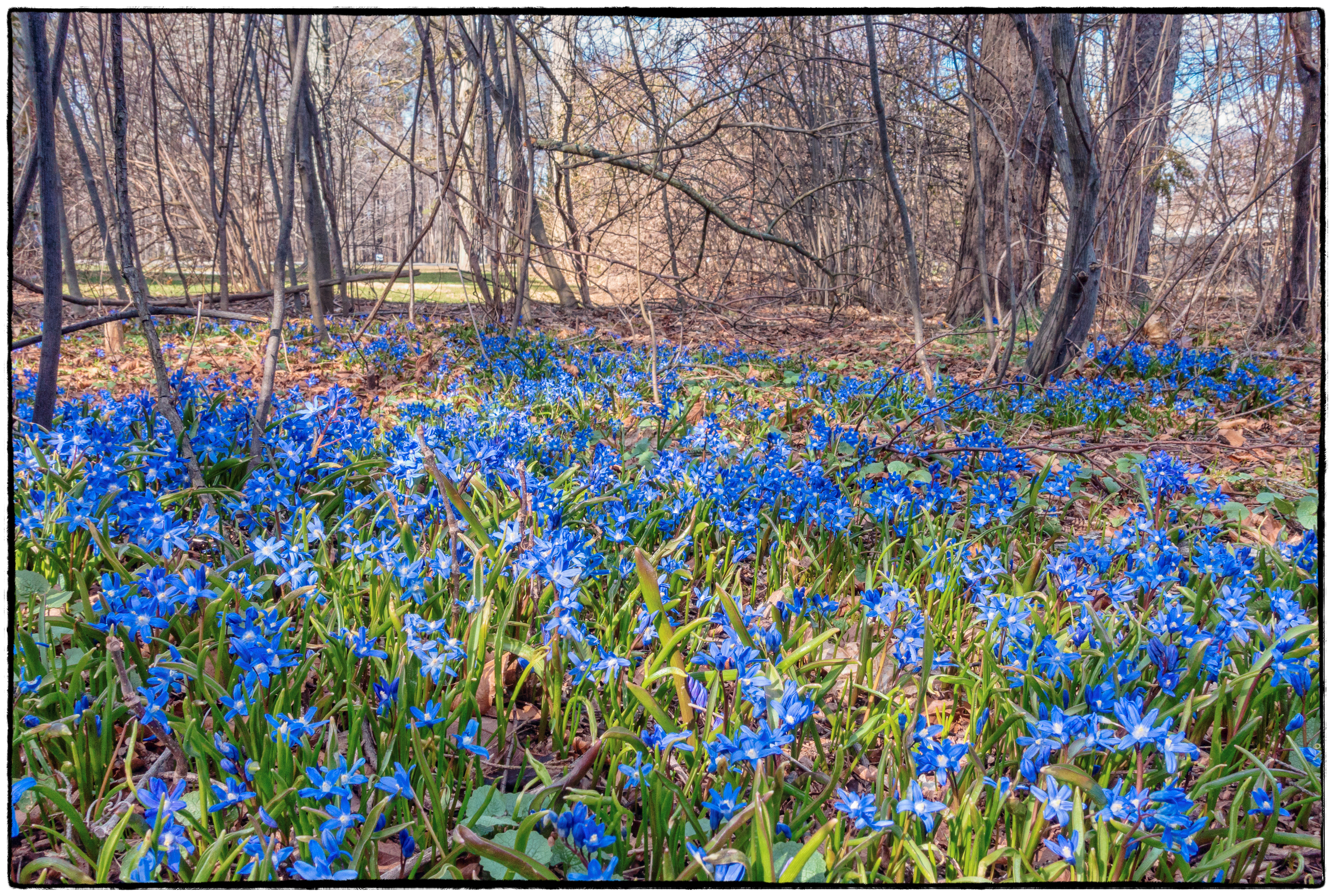
May favorite color is blue and as a child growing up in the United Kingdom I have fond memories of extensive carpets of bluebells growing in the woods. They were truly beautiful. These blue flowers were growing everywhere when we went to Locust Grove. They’re not bluebells (or at least not those I remember from the UK), but they are about the same color and the effect of masses of them is similar (but not quite as spectacular – possibly because British bluebells are taller and he flowers hang down).

Taken with a Sony RX-100 M3

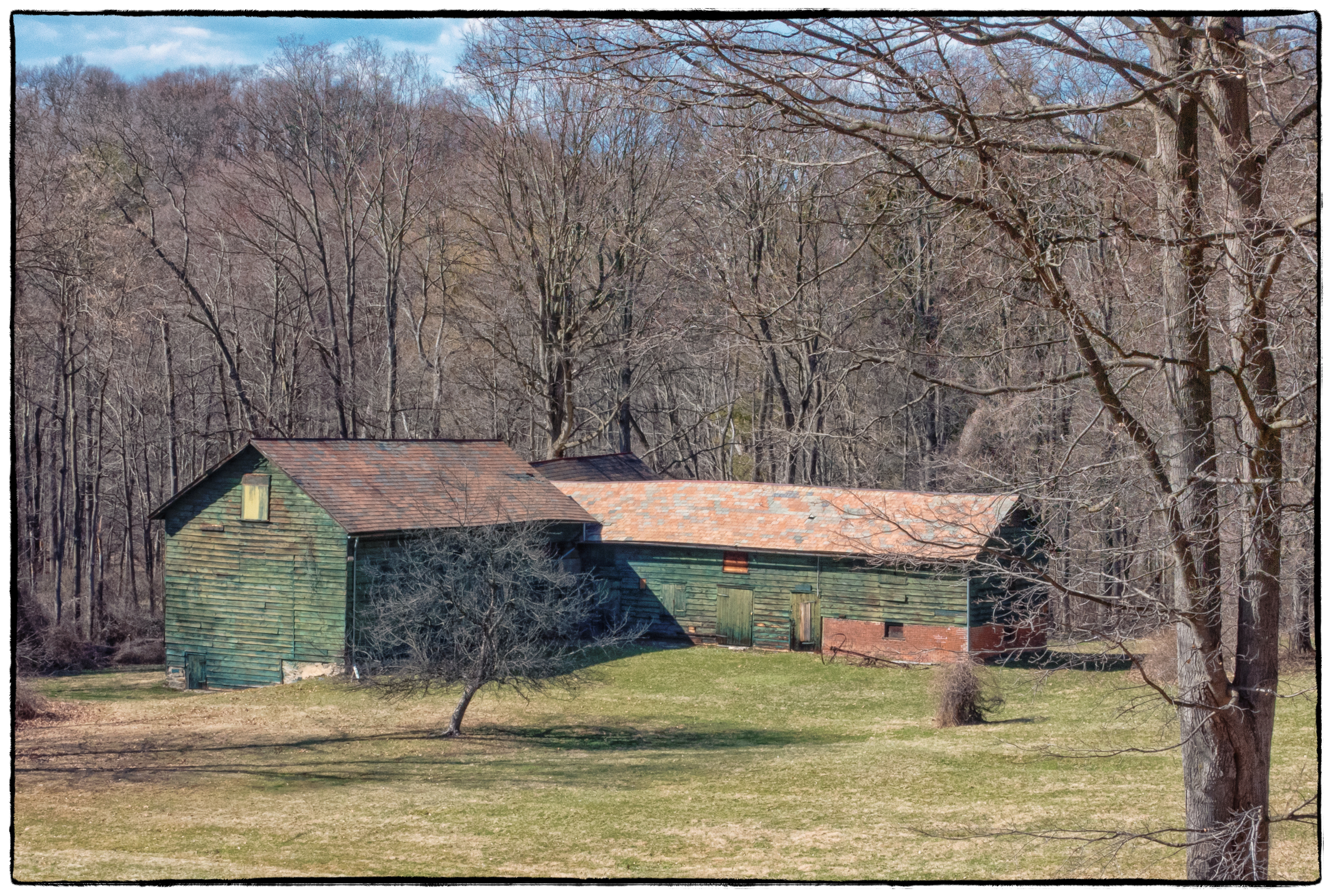
Locust Grove – Green Barn

This is the same barn as in Locust Grove – Barn Doors, but seen from the other side, across a meadow. Surprisingly for a barn in the US, it’s green. Most of them are red (see: Why are barns in the US always red?).

Who can resist an old barn: colorful, textures, serenely sitting in the middle of pastoral landscape? Apparently there are lot of abandoned barns around though, because they’re no longer required for modern day farming. They can’t fit modern, huge farm equipment and are too small to accommodate large herds or cattle or pigs. The raw materials from which they are made have become very popular though (see: Your Dilapidated Barn Is Super Trendy. Just Ask HGTV):

For 20 years, Bowe has been taking old barns apart. He says his customers are interested in what’s called “upcycling” — taking undesirable or waste materials and creatively reusing them. The barn siding he sells can turn into brewery bars or restaurant tables.

“Most people want those accent pieces,” he says. “They want to have those pretty beams in the ceiling or they want to have the barn wood walls, or the tables and the furniture.”

A few years ago, many farmers didn’t understand how valuable their old barns were and might have been swindled, Bowe says, but today they know the capital they’re sitting on.

He says we’re in the midst of a barn wood frenzy right now, but it still likely has a shelf life. Indeed, there are only so many weathered barns in the U.S.

“This is a finite resource,” he says, “so it seems like every building we take down, we deplete our livelihood.”

Locust Grove – Hudson View

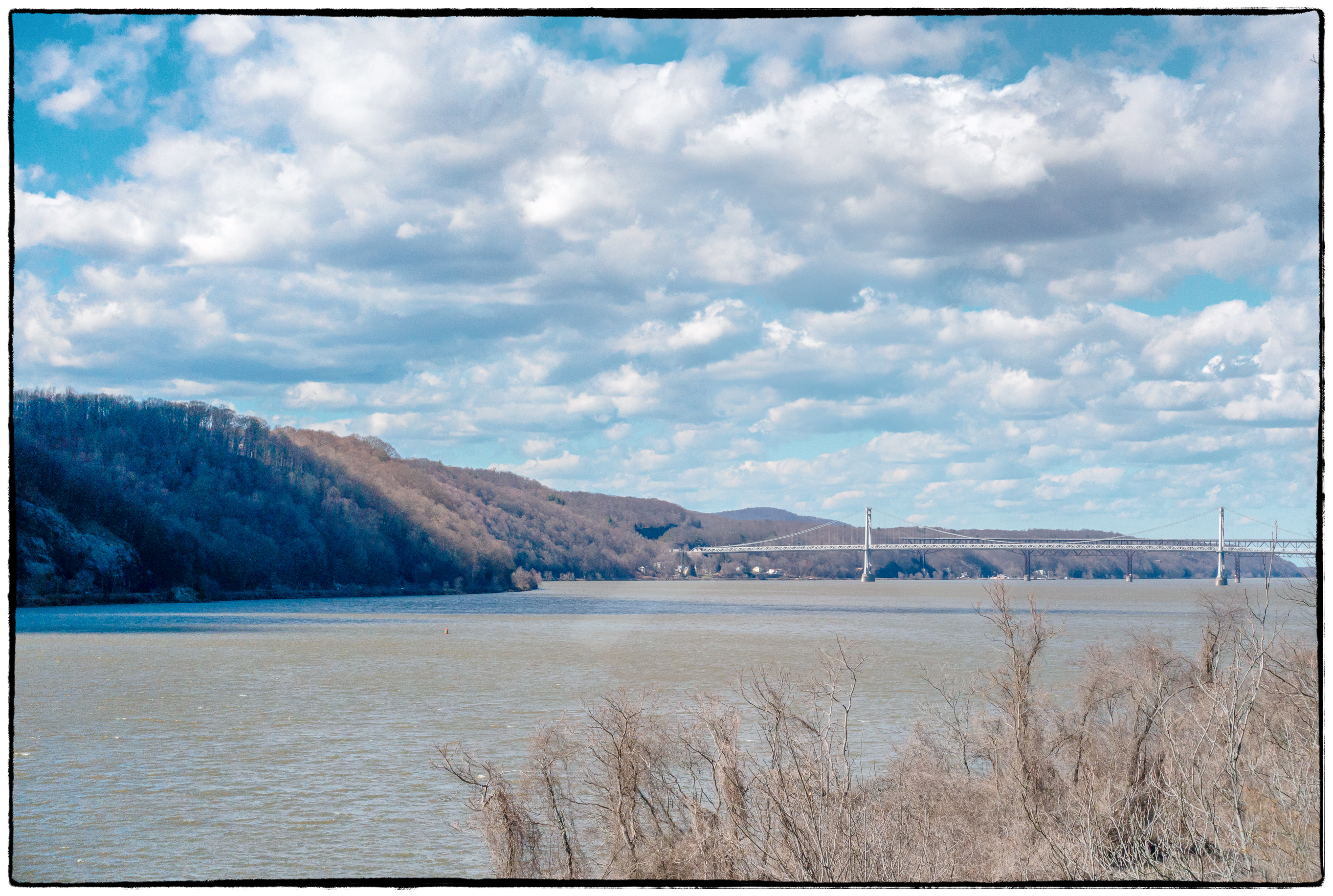
From the pet cemeteries, the carriage house, the barn and the lake the Lane Path took us eventually to the Hudson River. This is the view looking North with the Mid Hudson Bridge (officially the Franklin Delano Roosevelt Mid-Hudson Bridge) in the background. When first proposed in 1923 there were no fixed crossings of the Hudson River south of Albany. Blue Point can be seen on the other side of the river.

Taken with a Sony RX-100 M3

Locust Grove – View from the Lake

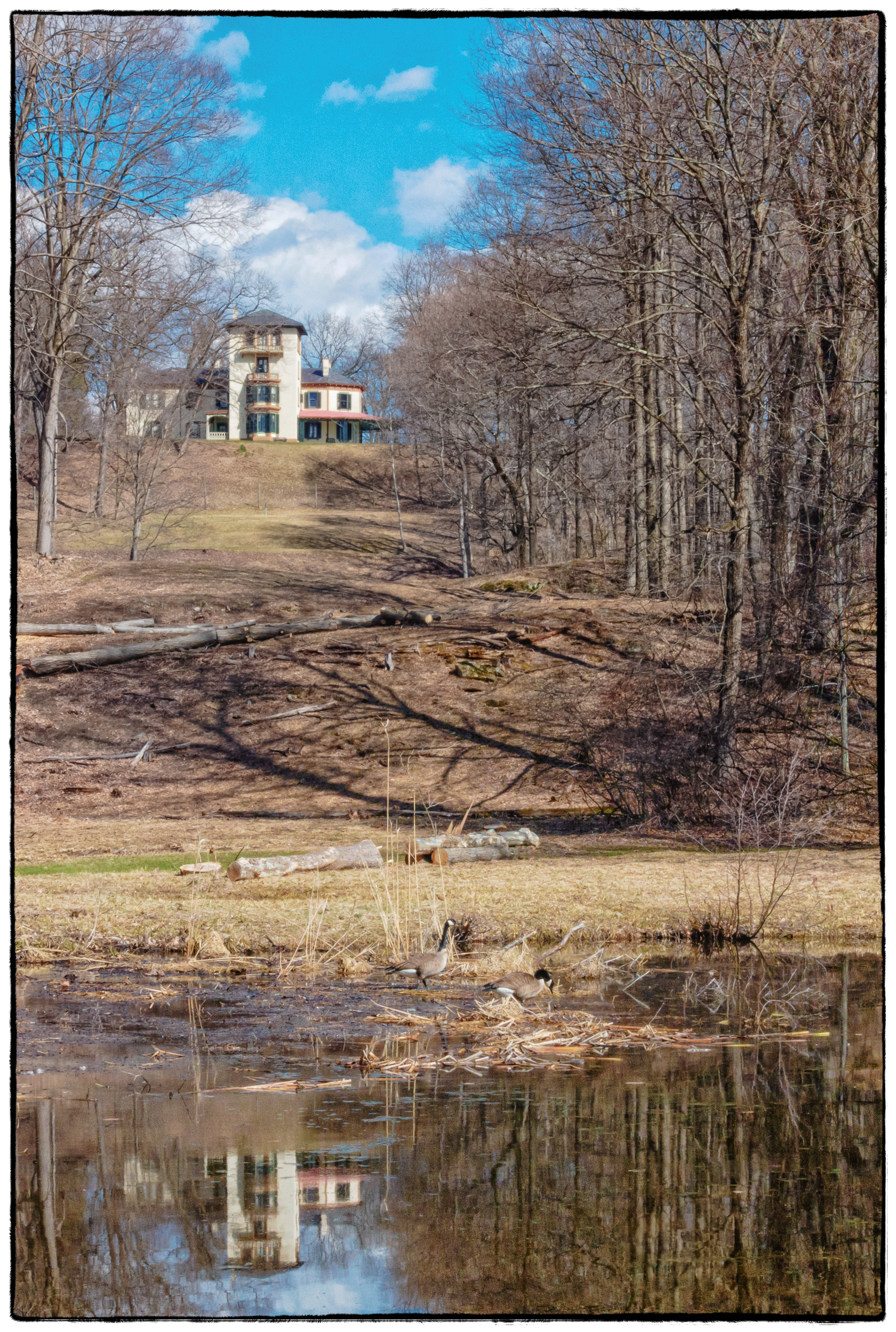
As the title implies this was taken from not far from the River Hudson. The lake in the foreground is presumably the same one that supplied ice for the Ice House mentioned in Locust Grove – Carriage House. When I was there the leaves had not yet returned to the trees. I’m sure this view looks a lot less bare, and so a lot nicer when in full leaf.

I liked the geese in the foreground and the reflection of the house in the lake.

Taken with a Sony RX-100 M3