The Cloisters – Exteriors

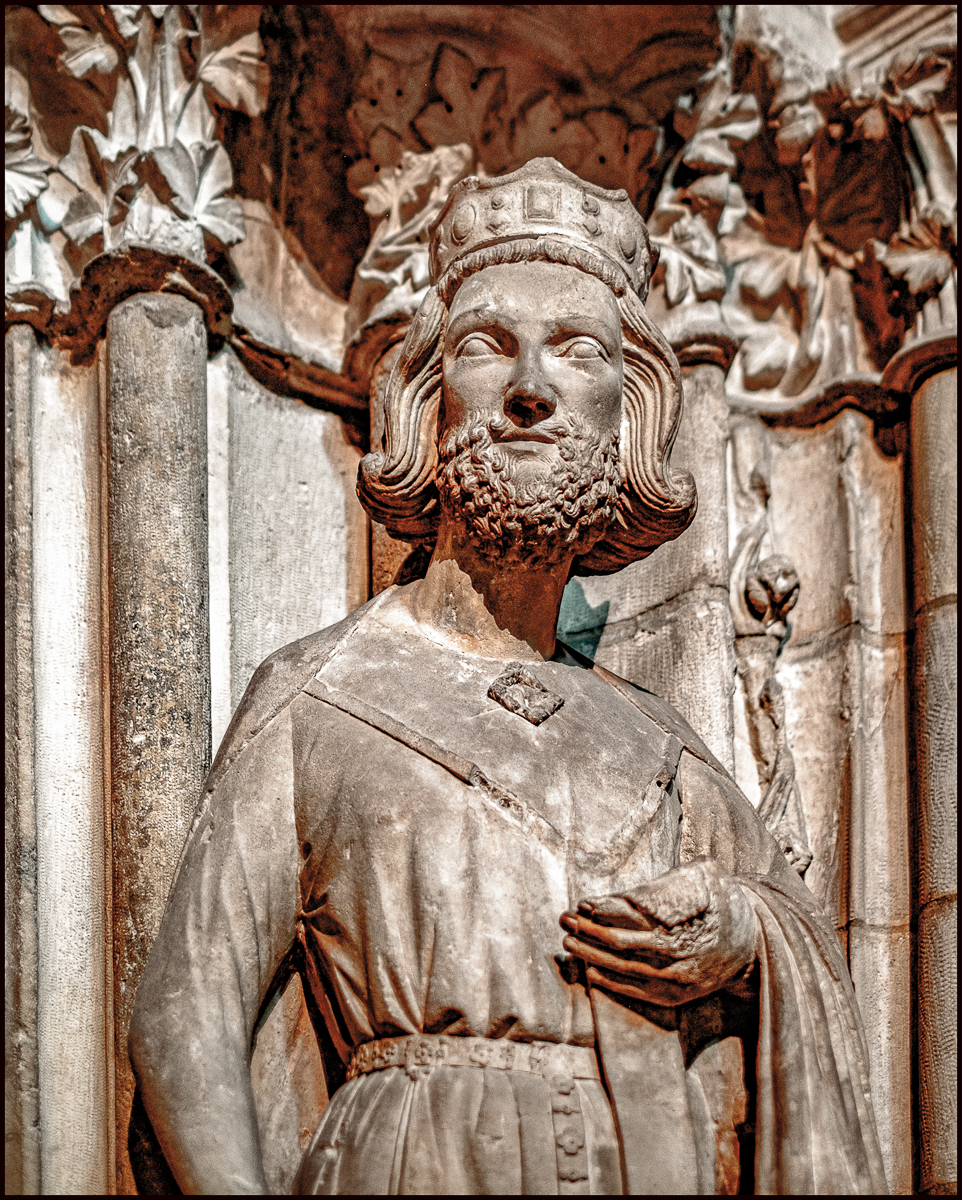
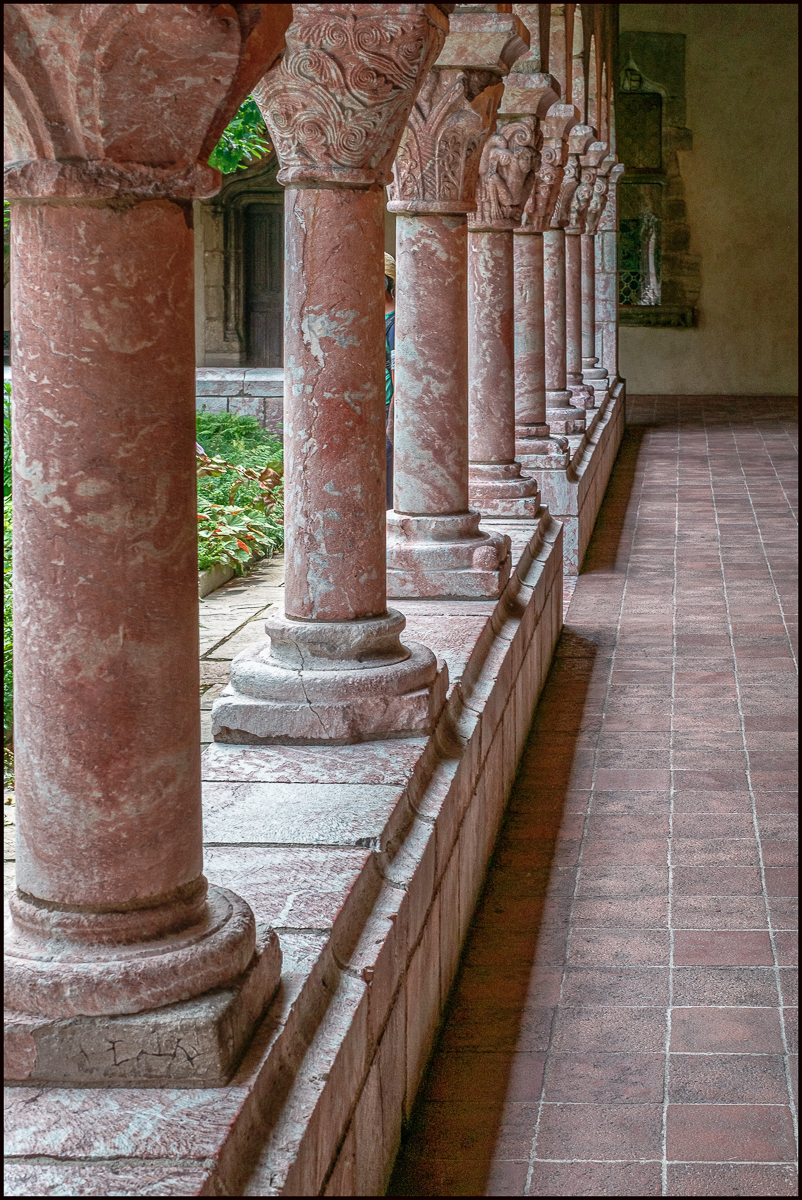
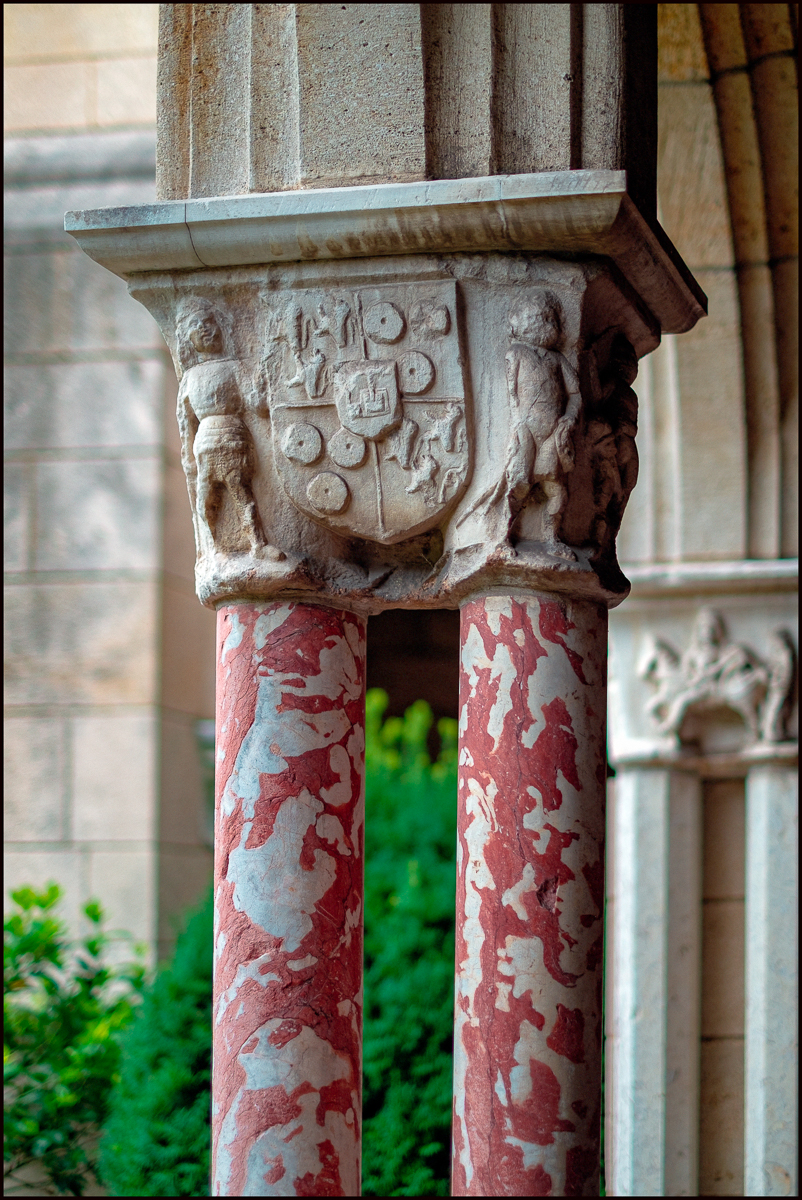
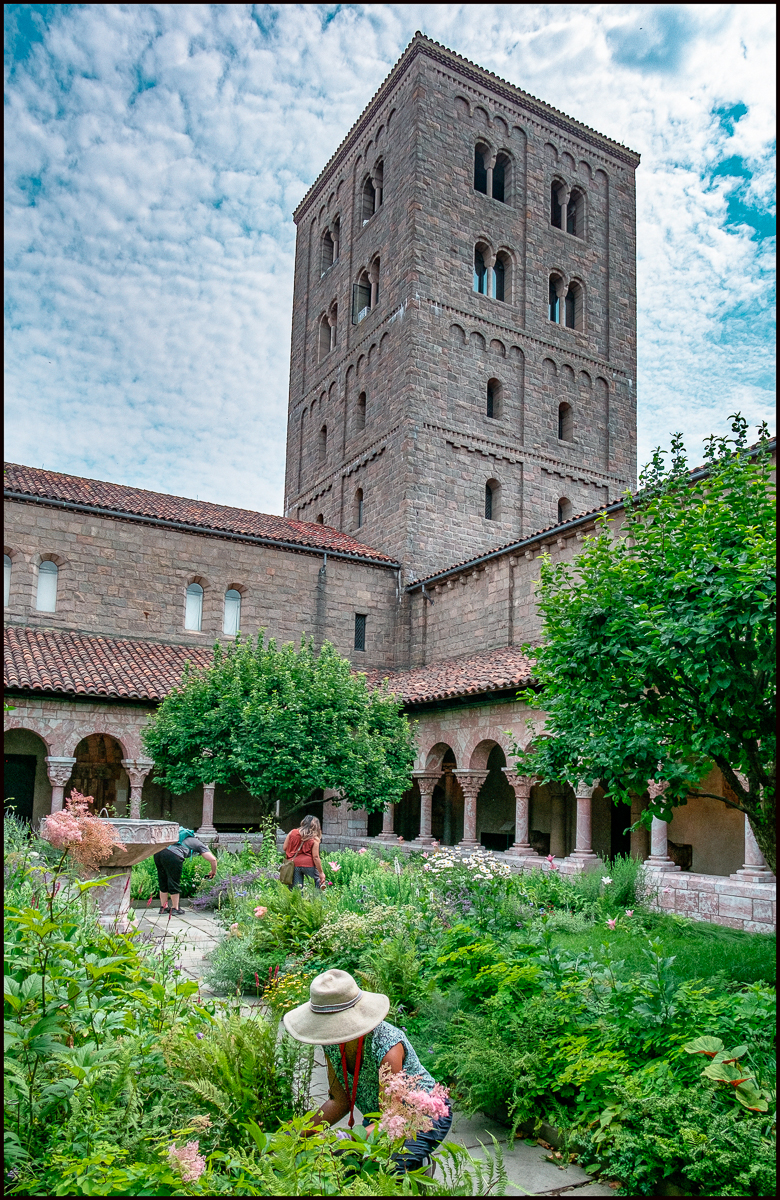
“The building is set into a steep hill, and thus the rooms and halls are divided between an upper entrance and a ground-floor level. The enclosing exterior building is mostly modern, and is influenced by and contains elements from the 13th-century church at Saint-Geraud at Monsempron, France, from which the northeast end of the building borrows especially. It was mostly designed by the architect Charles Collens, who took influence from works in Barnard’s collection. Rockefeller closely managed both the building’s design and construction, which sometimes frustrated the architects and builders.

The building contains architecture elements and settings taken mostly from four French abbeys, which between 1934 and 1939 were transported, reconstructed, and integrated with new buildings in a project overseen by Collins. He told Rockefeller that the new building “should present a well-studied outline done in the very simplest form of stonework growing naturally out of the rocky hill-top. After looking through the books in the Boston Athenaeum … we found a building at Monsempron in Southern France of a type which would lend itself in a very satisfactory manner to such a treatment.”

The architects sought to both memorialize the north hill’s role in the American Revolution and to provide a sweeping view over the Hudson River. Construction of the exterior began in 1935. The stonework, primarily of limestone and granite from several European sources, includes four Gothic windows from the refectory at Sens and nine arcades. The dome of the Fuentidueña Chapel was especially difficult to fit into the planned area. The east elevation, mostly of limestone, contains nine arcades from the Benedictine priory at Froville and four flamboyant French Gothic windows from the Dominican monastery at Sens.” (Wikipedia).
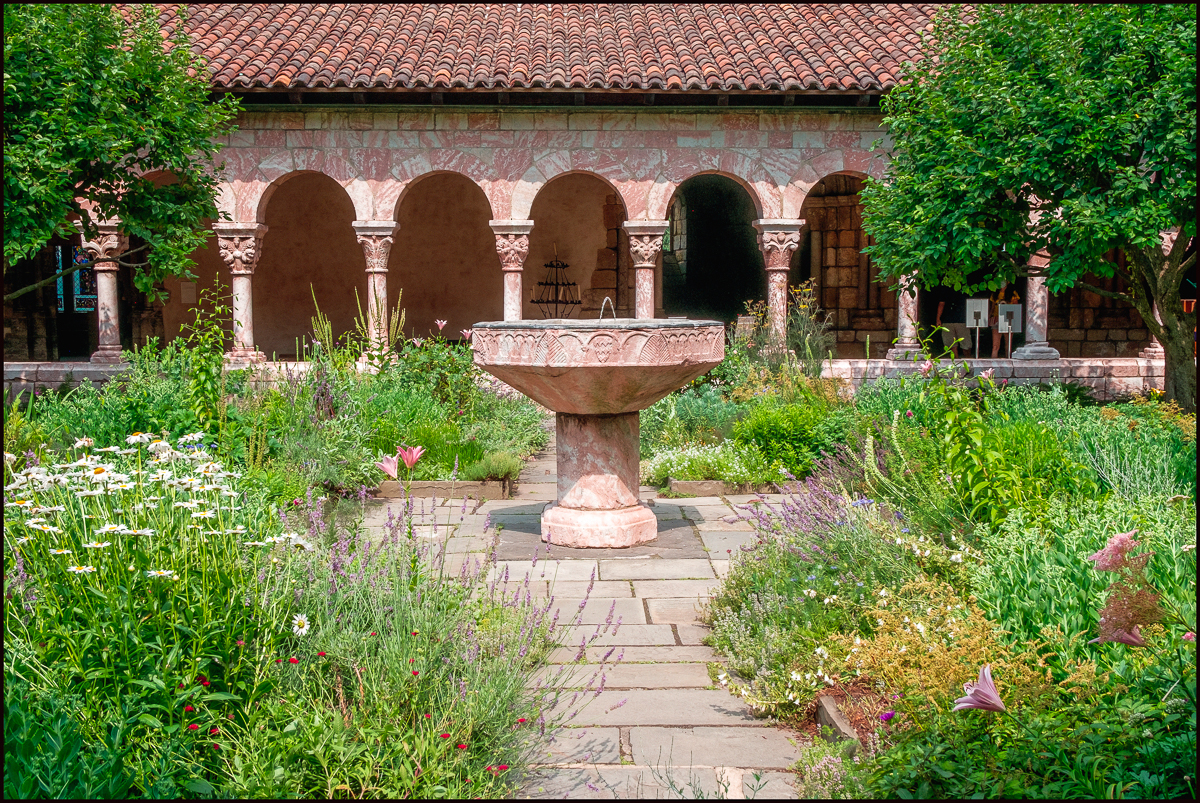
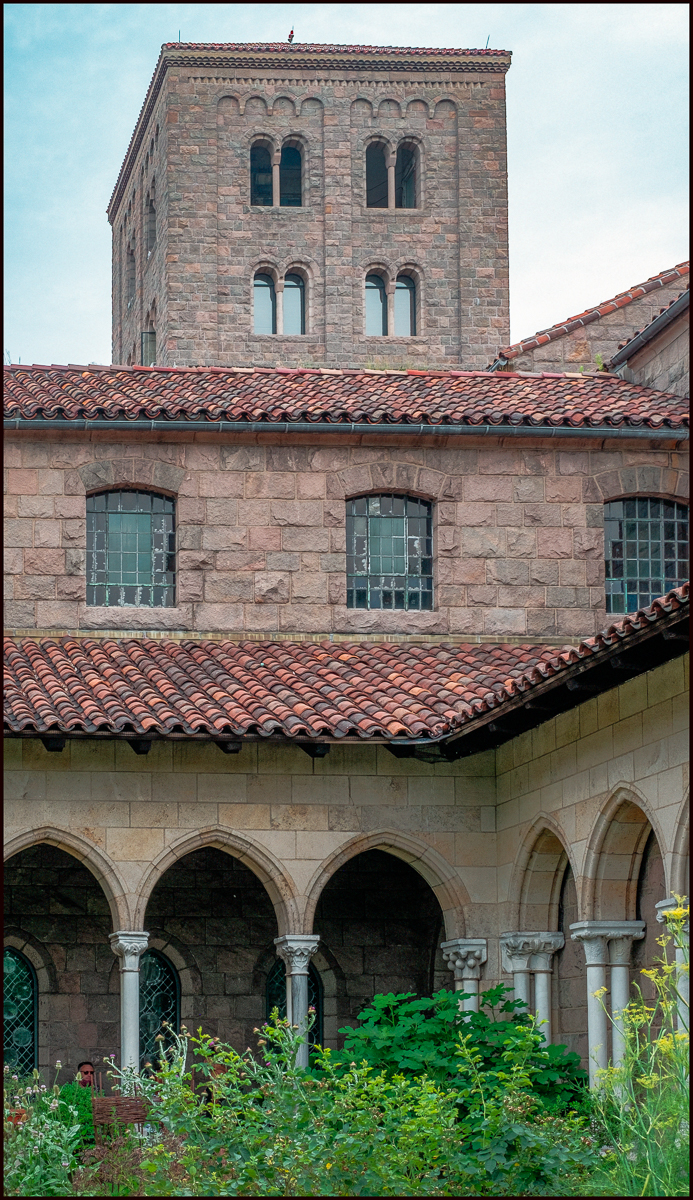
Taken with a Fuji X-E1 and Fuji XC 16-50mm f3.5-5.6 OSS II

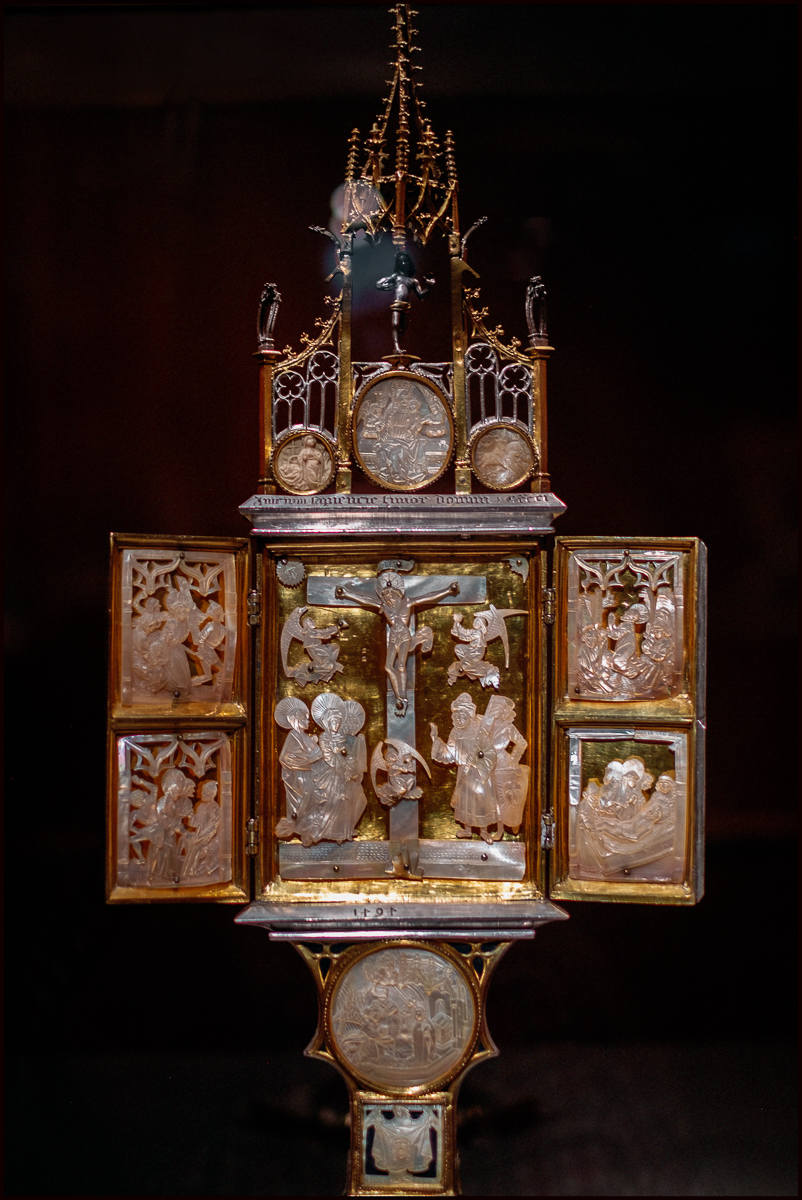
The Cloisters – Stained Glass

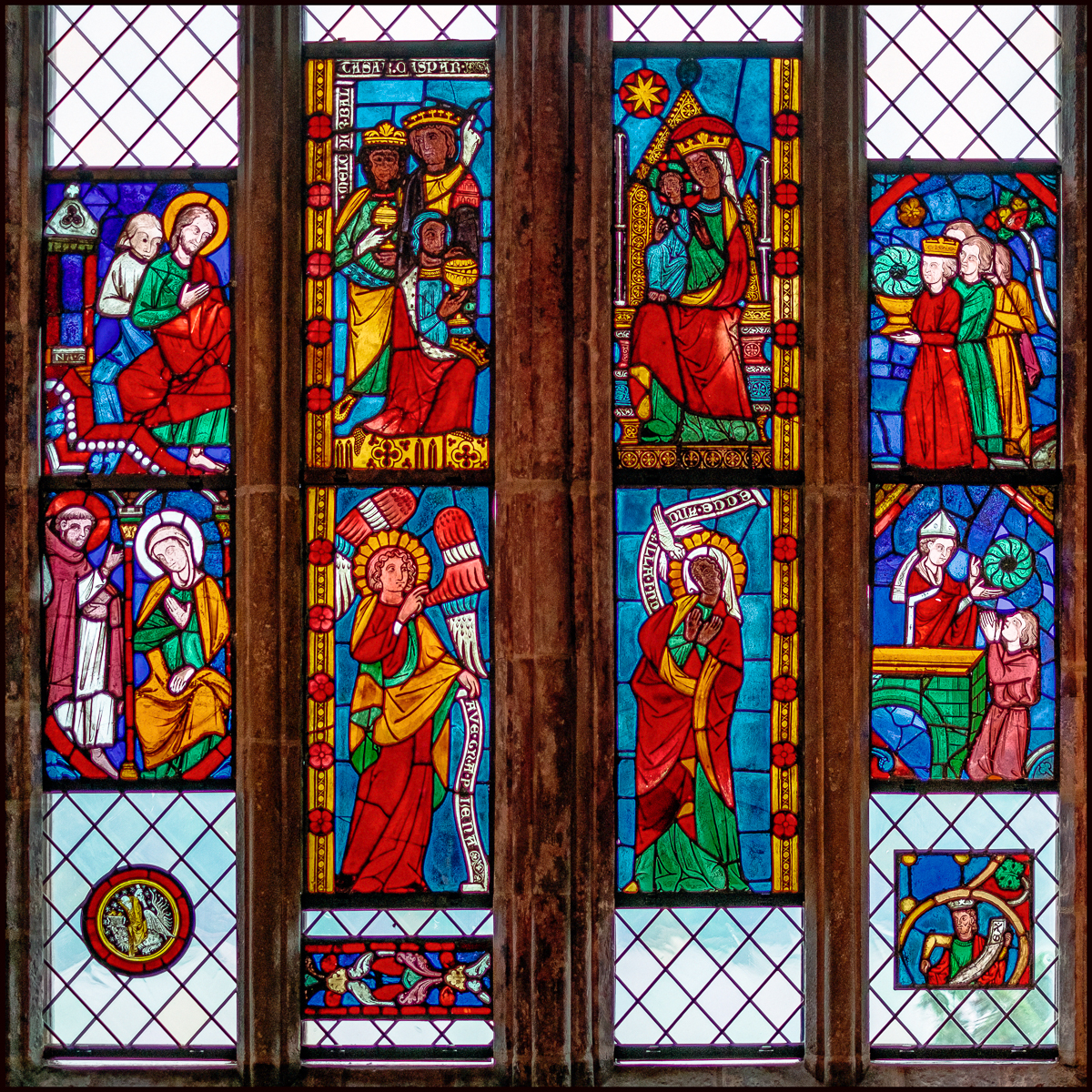
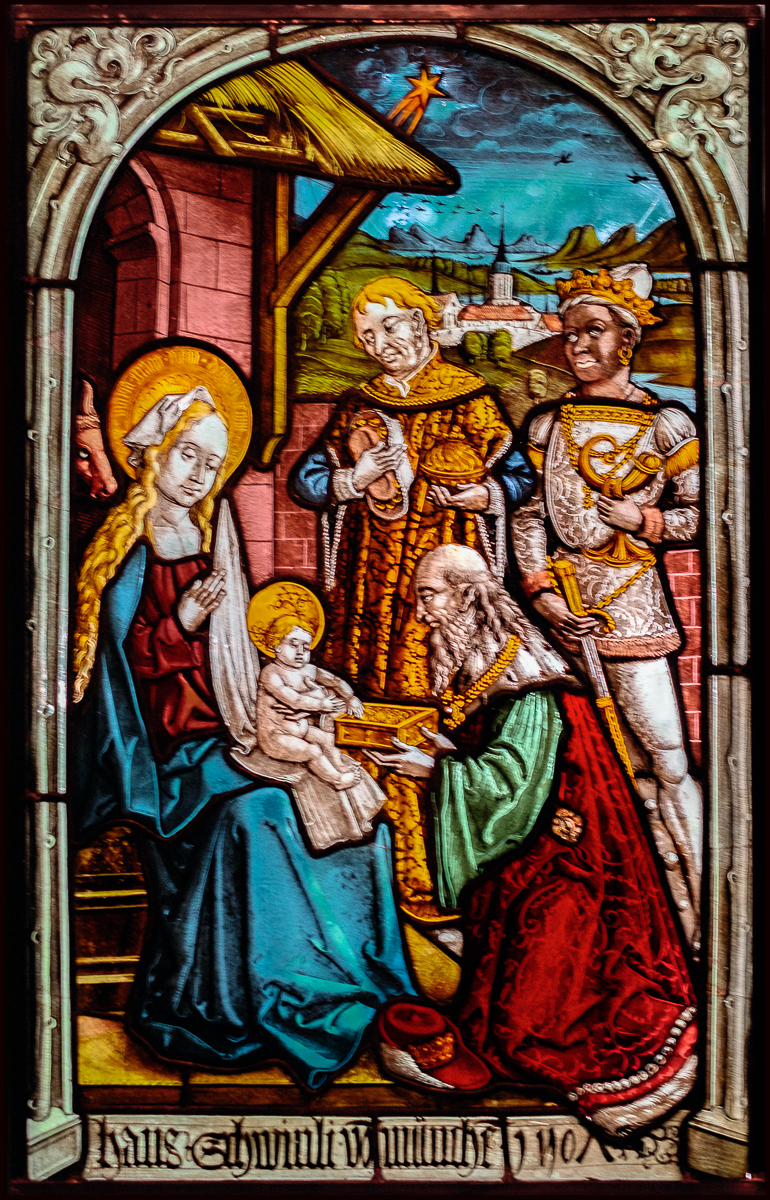
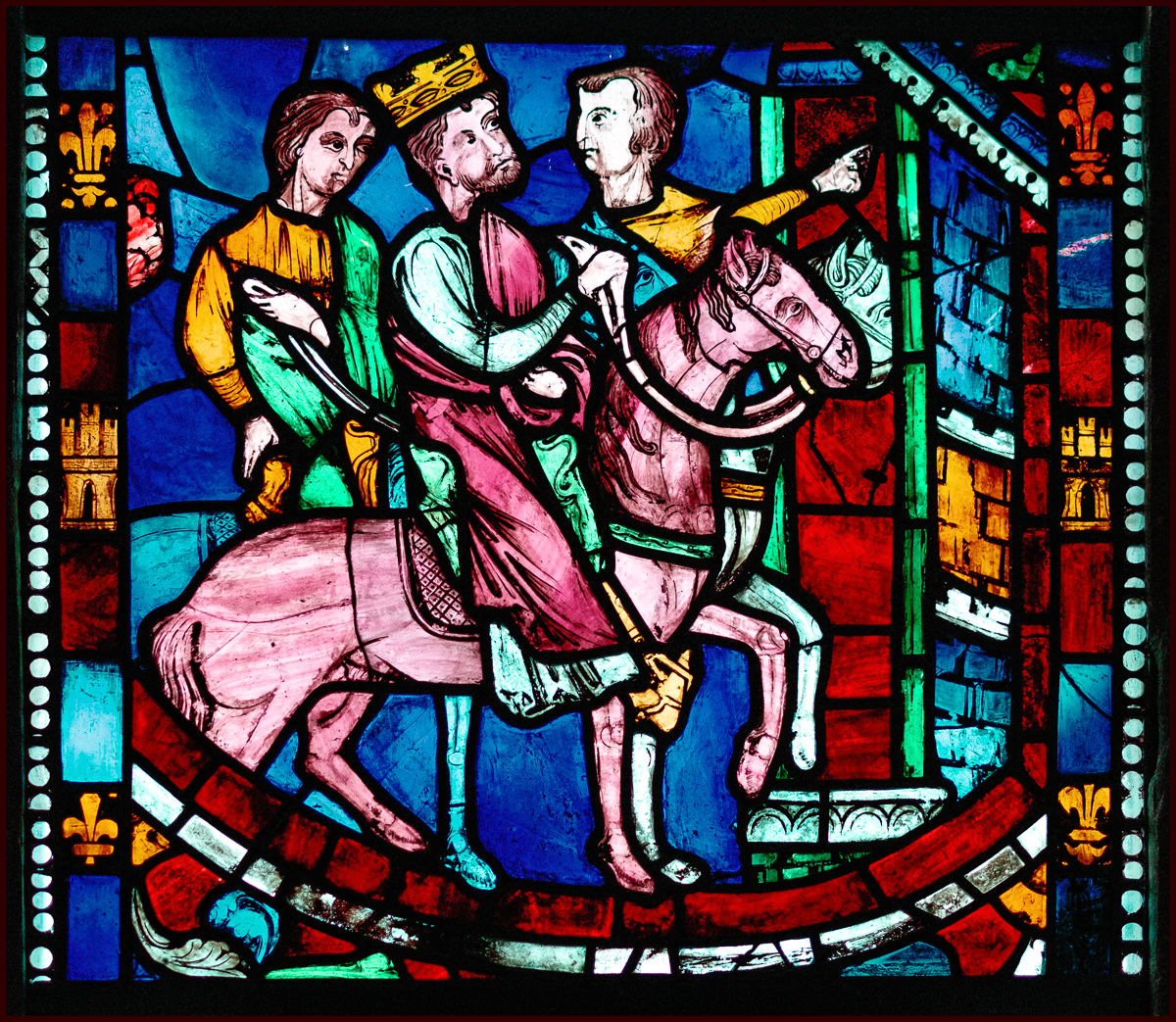
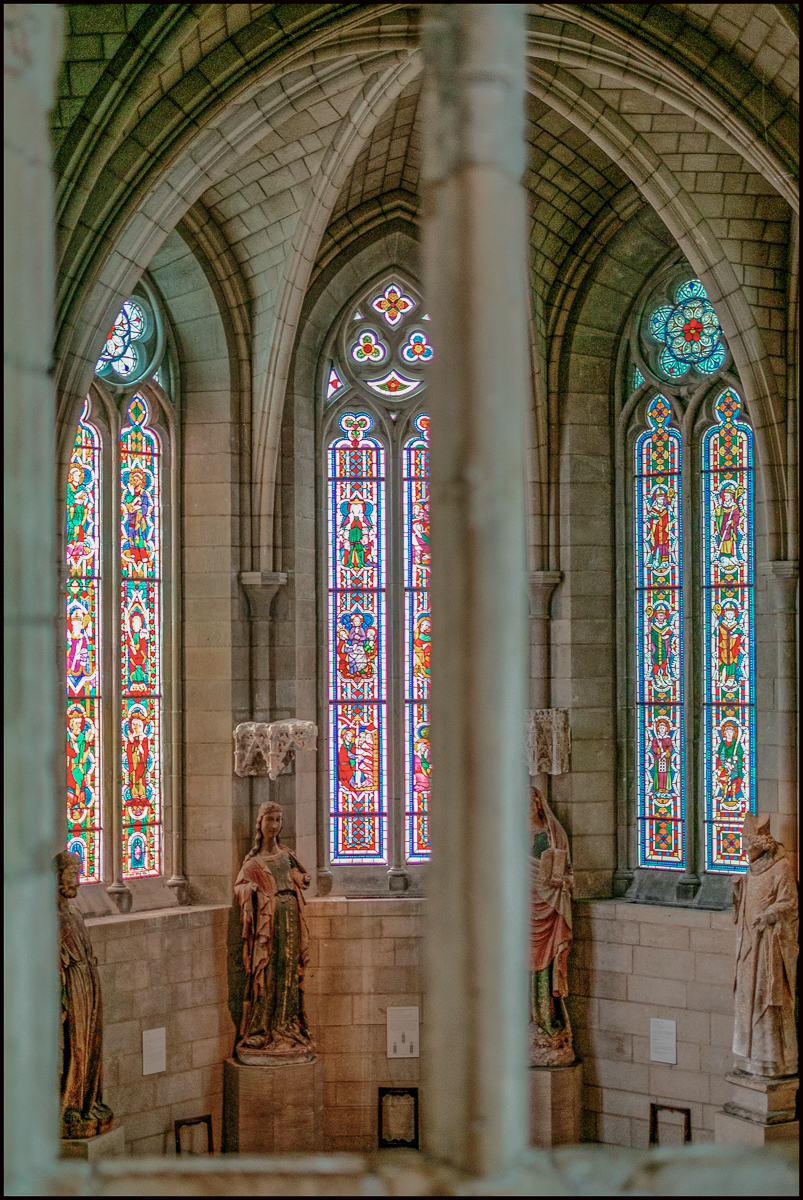
“The Cloisters’ collection of stained glass consists of around three hundred panels, generally French and Germanic and mostly from the 13th to early 16th centuries. A number were formed from handmade opalescent glass. Works in the collection are characterized by vivid colors and often abstract designs and patterns; many have a devotional image as a centerpiece. The majority of these works are in the museum’s Boppard room, named after the Carmelite church of Saint Severinus in Boppard, near Koblenz, Germany. The collection’s pot-metal works (from the High Gothic period) highlight the effects of light, especially the transitions between darkness, shadow and illumination. The Met’s collection grew in the early 20th century when Raymond Picairn made acquisitions at a time when medieval glass was not highly regarded by connoisseurs, and was difficult to extract and transport.

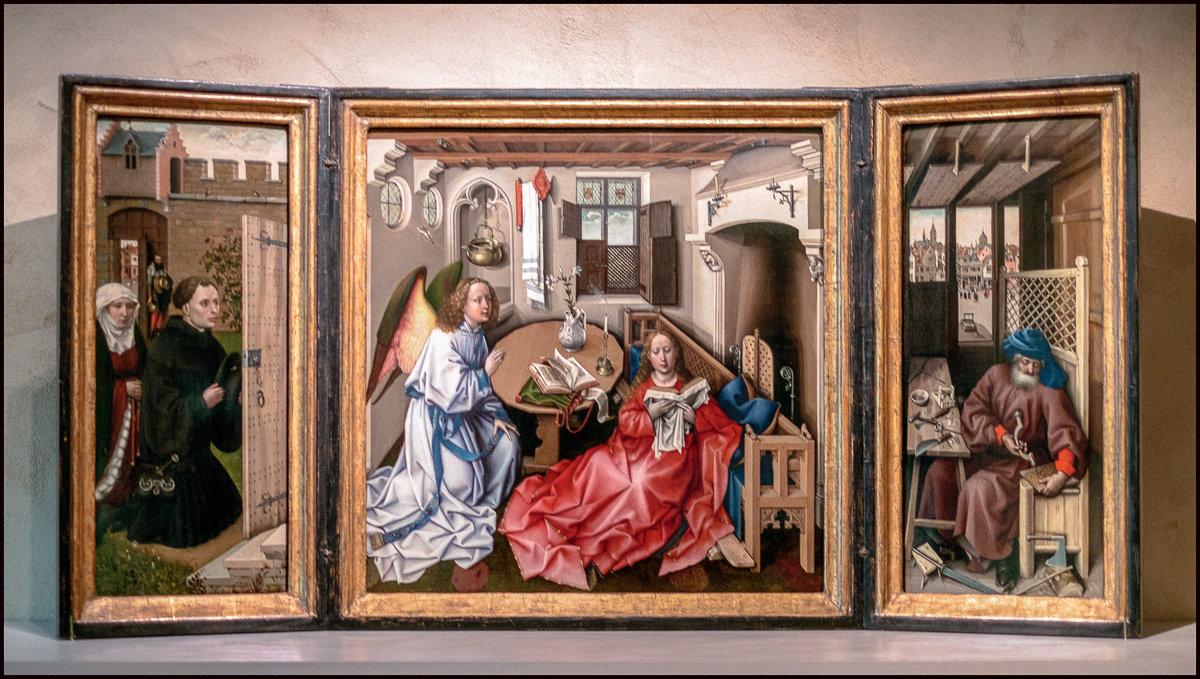
Jane Hayward, a curator at the museum from 1969 who began the museum’s second phase of acquisition, describes stained glass as “unquestioningly the preeminent form of Gothic medieval monumental painting”. She bought c. 1500 heraldic windows from the Rhineland, now in the Campin room with the Mérode Altarpiece. Hayward’s addition in 1980 led to a redesign of the room so that the installed pieces would echo the domestic setting of the altarpiece. She wrote that the Campin room is the only gallery in the Met “where domestic rather than religious art predominates…a conscious effort has been made to create a fifteenth-century domestic interior similar to the one shown in [Campin’s] Annunciation panel.”

Other significant acquisitions include late 13th-century grisaille panels from the Château-de-Bouvreuil in Rouen, glass work from the Cathedral of Saint-Gervais-et-Saint-Protais at Sées, and panels from the Acezat collection, now in the Heroes Tapestry Hall.” (Wikipedia)


Taken with a Fuji X-E1 and Fuji XF 35mm f1.4 R