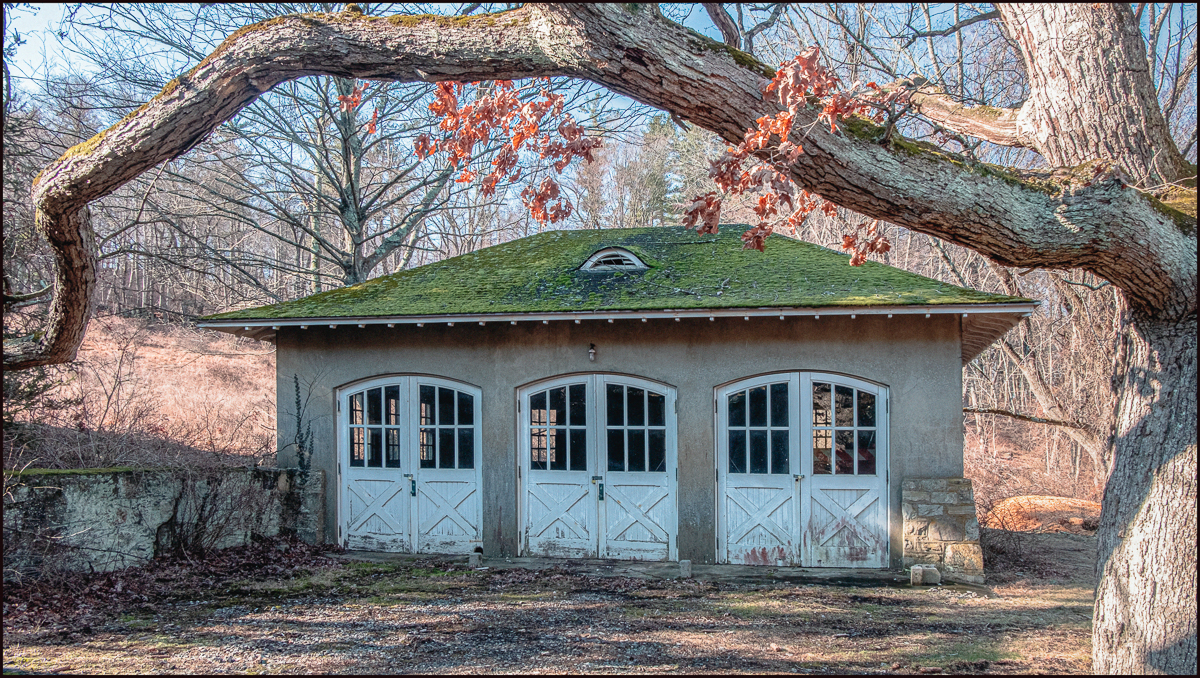
A visit to Merestead – The Garage

“Circa 1907. A modest, three-bay, hipped roof garage is located immediately west of the carriage house. It includes three segmentally arched openings at the main façade, each opening filled with a pair of wooden garage doors, glazed in the upper halves. The roof is covered with slate”. (United States Department of the Interior, National Park Service, National Register of Historic Places Inventory—Nomination Form)

Taken with a Fuji X-E3 and Fuji XC 16-50mm f3.5-5.6 OSS II

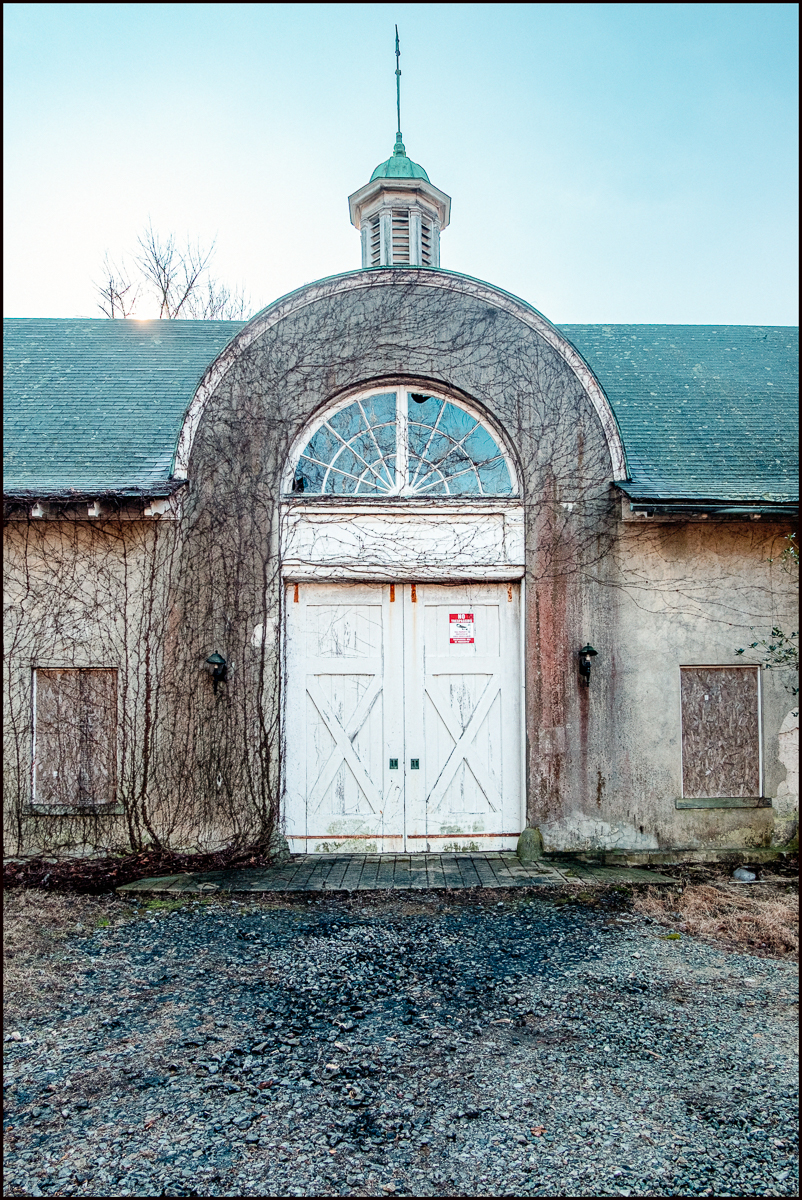
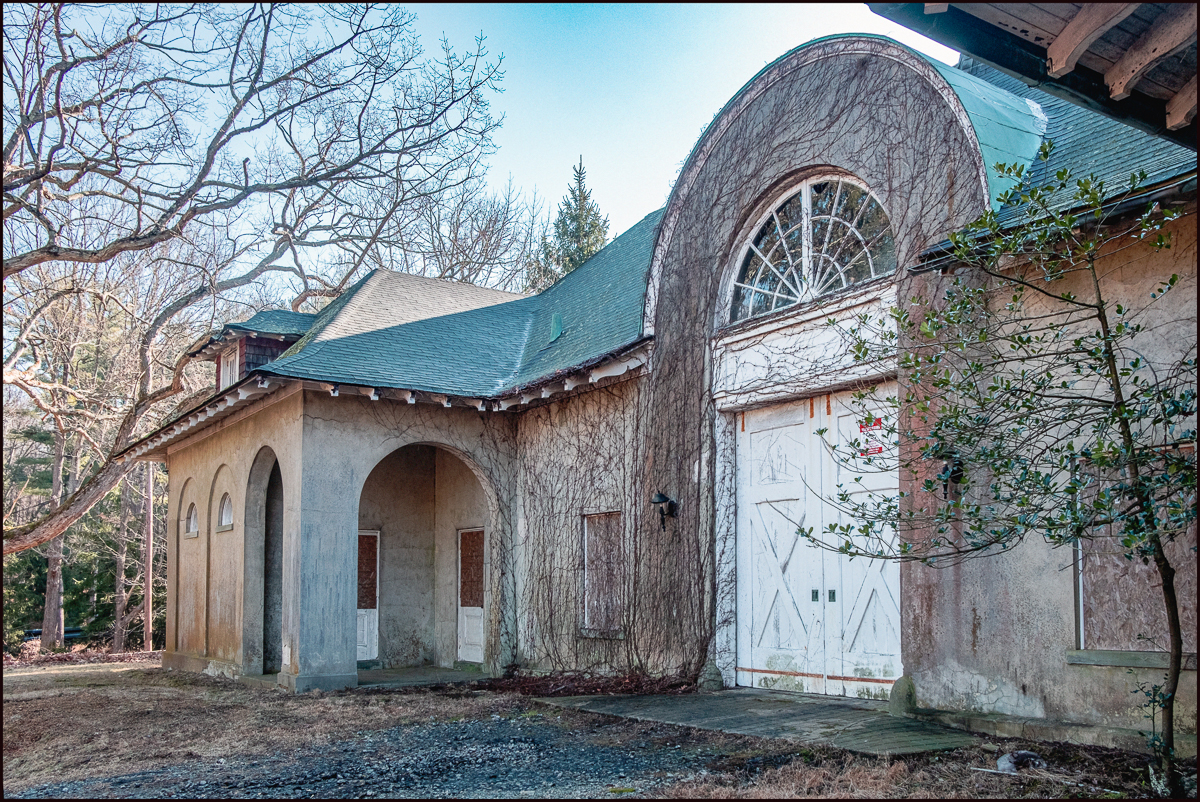
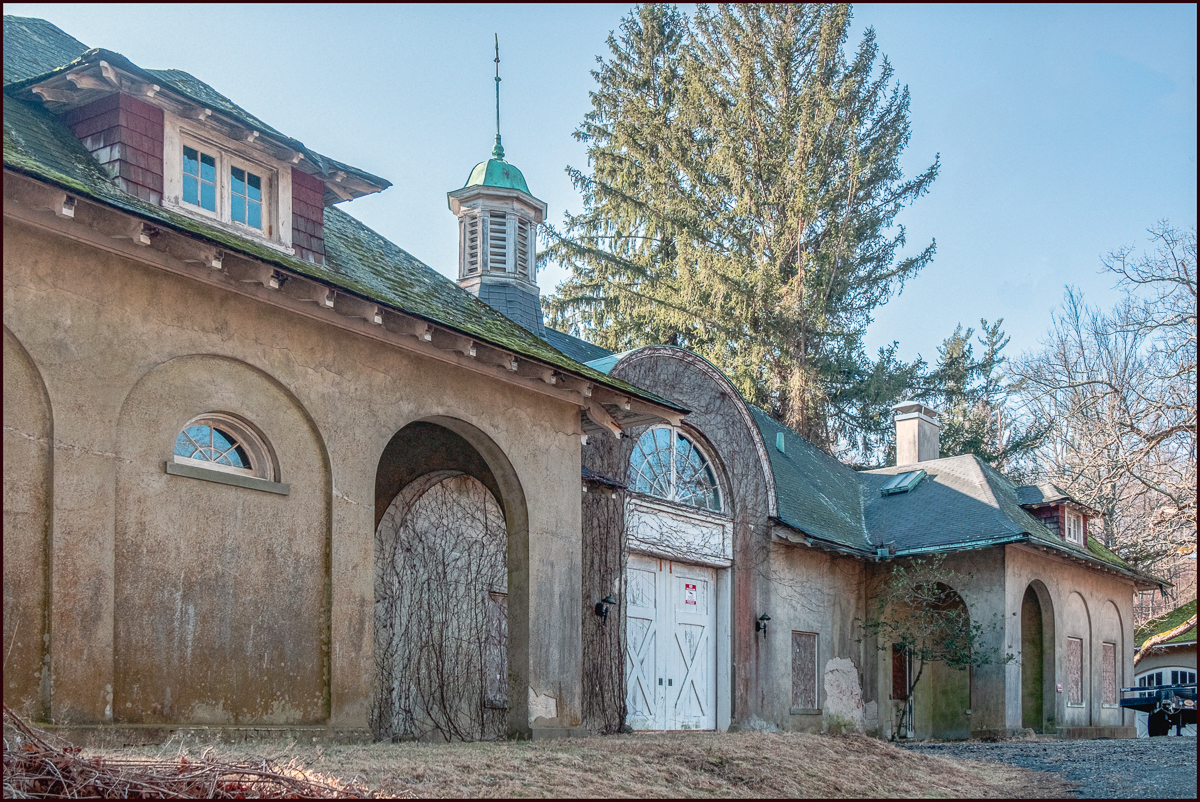
A visit to Merestead – The Carriage House

“Circa 1907. South of the mansion on the south side of Byram Lake Road stands a single story carriage house. The structure consists of a rectangular block with two flanking, projecting pavilions at the main(north) façade. The building is sheathed in stucco and covered by a hipped, slate roof, which has several dormers, a chimney, and a rooftop octagonal cupola with a dome. Door openings are located at the center of the north façade beneath a large semi-circular fanlight, which projects above the eaves of the roof. Fenestration consists of six-over-six windows and semicircular lunettes framed within blind arcades.” (United States Department of the Interior, National Park Service, National Register of Historic Places Inventory—Nomination Form)


Taken with a Fuji X-E3 and Fuji XC 16-50mm f3.5-5.6 OSS II
A visit to Merestead – Overview

I recently went with a friend to the Merestead Estate in Mount Kisco. I had three reasons for going there: First, my friend offered to take me to visit somewhere interesting and I was only too keen to go; Second, I’d never been there; Third, there’s a connection to the work I’m doing for the Briarcliff Manor-Scarborough Historical Society (BMSHS). Last September I helped prepare a presentation on Walter Law’ Mysterious Lanterns. William Sloane, the owner of Merestead was a good friend of Walter Law (the founder of my village: Briarcliff Manor) and was for many years his partner at W. & J. Sloane, a luxury furniture and rug store in New York City that catered to the prominent and the wealthy. While researching the presentation we came across a photograph showing one of the lanterns. This was not a surprise as we already knew that Law had given one of the lanterns to Sloane. What was a surprise was that in the same picture, in the distance we could just about make out what looked like another lantern, the existence of which was unknown to us. So we just had to go an take a look.

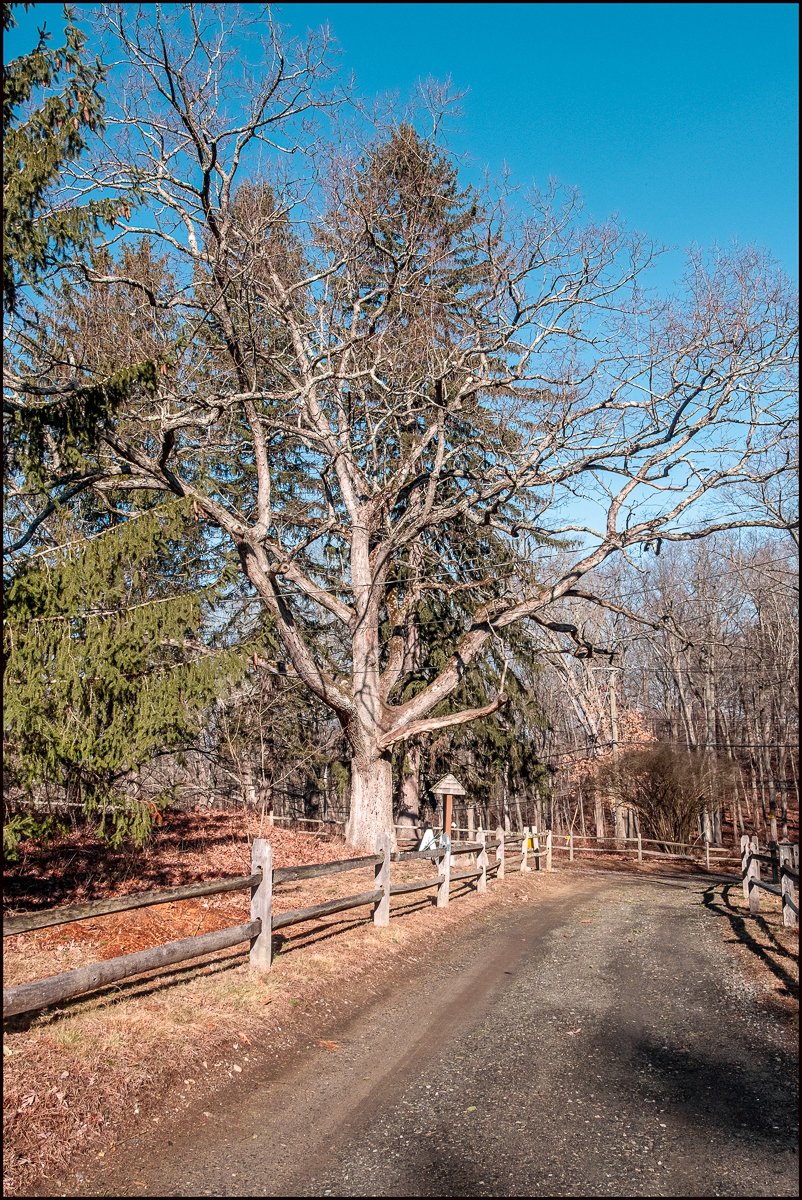
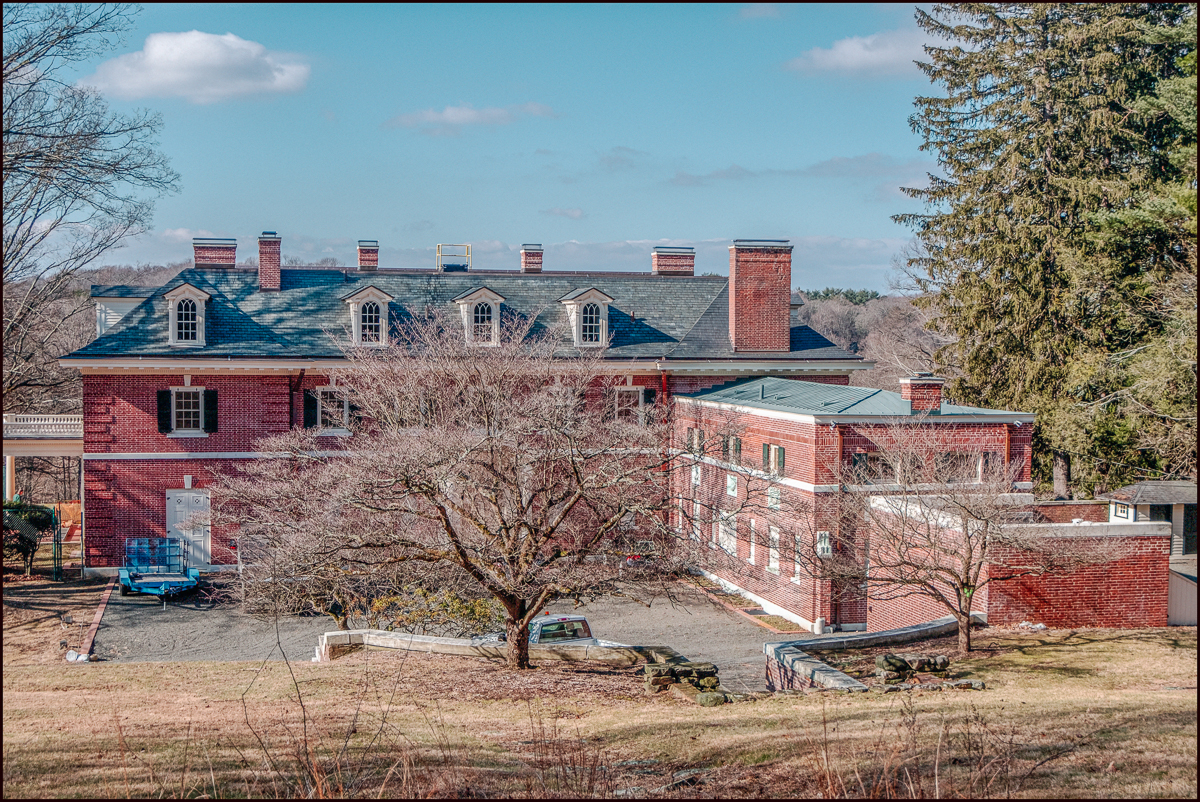
“Merestead, the country estate of William Sloane, includes a large neo-Georgian mansion completed in 1907, a nineteenth-century farm complex modified at approximately the same date, and 136 acres of open fields, gardens, and woodlands. Approximately nine acres at the northwest corner of the estate property was sold off during the mid-twentieth century. The estate is located in a rural area of northern Westchester County on Bryam Lake Road east of the village of Mount Kisco, New York, There are ten contributing historic components which constitute the historic Merestead estate complex. The estate buildings and entire original estate lands have remained virtually unchanged since the early twentieth century and the property contains no non-contributing structures.” (United States Department of the Interior, National Park Service, National Register of Historic Places Inventory—Nomination Form)

Taken with a Fuji X-E3 and Fuji XC 16-50mm f3.5-5.6 OSS II
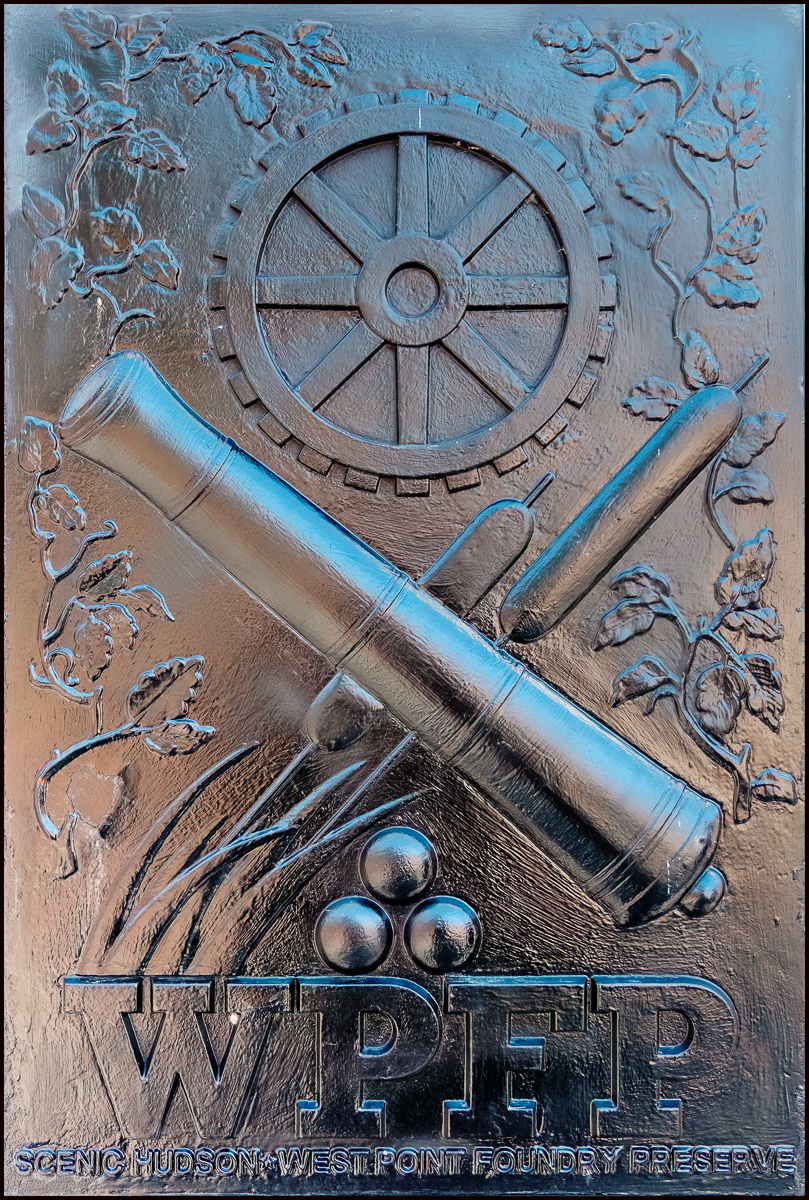
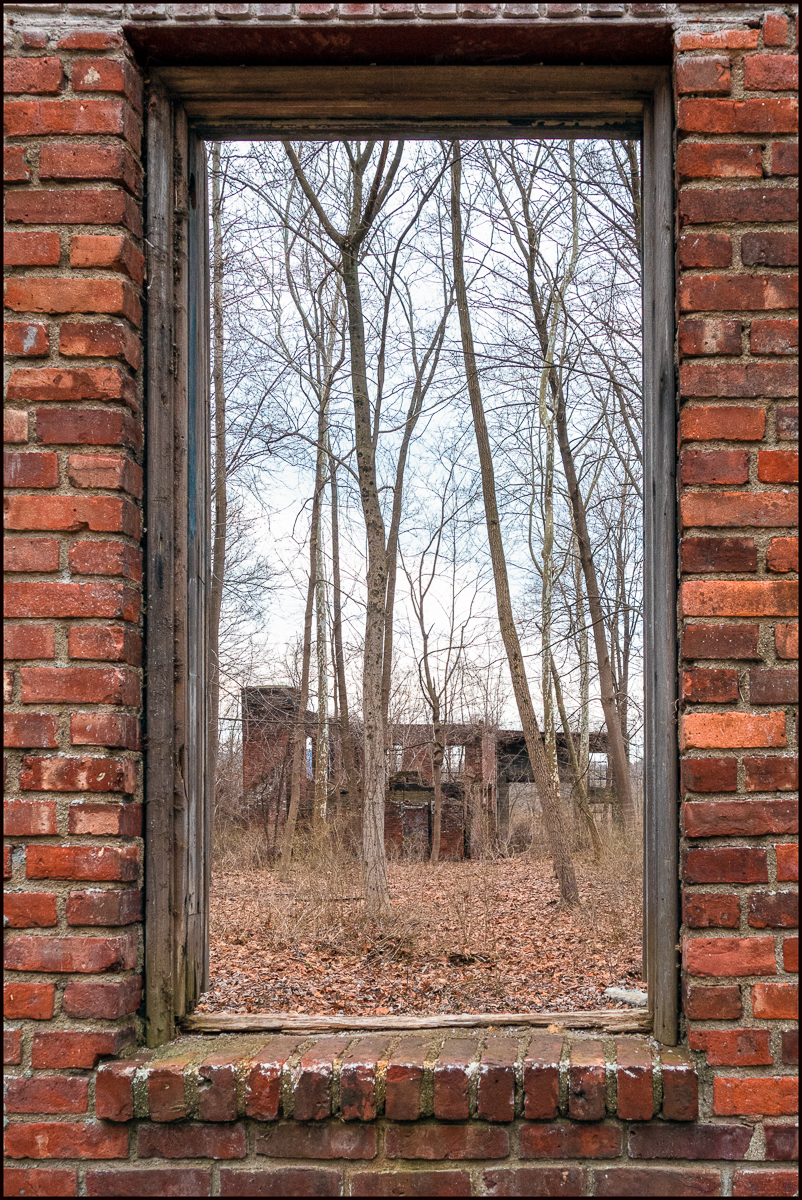
West Point Foundry

According to the National Park Service:

Of the four historic ironworks selected by President James Madison to supply artillery to the U.S. military, only West Point Foundry remains. Operating from 1818-1911, the foundry gained renown during the Civil War by producing Parrott guns, cannons whose range and accuracy gave the North a distinct advantage (prompting a visit from President Abraham Lincoln in 1862). A technological marvel that helped spark America’s rise as an industrial superpower, West Point Foundry also manufactured some of the nation’s first locomotives, ironclad ships and pipes for New York City’s water system. Today, nonprofit Scenic Hudson is responsible for transforming the 97-acre site into an “outdoor museum.” Trails through the wooded preserve, located in a tranquil ravine, pass the significant ruins of foundry buildings. Interpretive features, including a full-scale representation of the boring mill’s 36-foot waterwheel, explore the foundry’s contributions to the Industrial Revolution, its role in the Civil War and the land’s astonishing ecological renewal.

I’ve been here a few times, but not recently. It’s easily reached by public transportation: there’s a trail that starts from the southern end of the north-bound platform of the Cold Spring Metro North station.


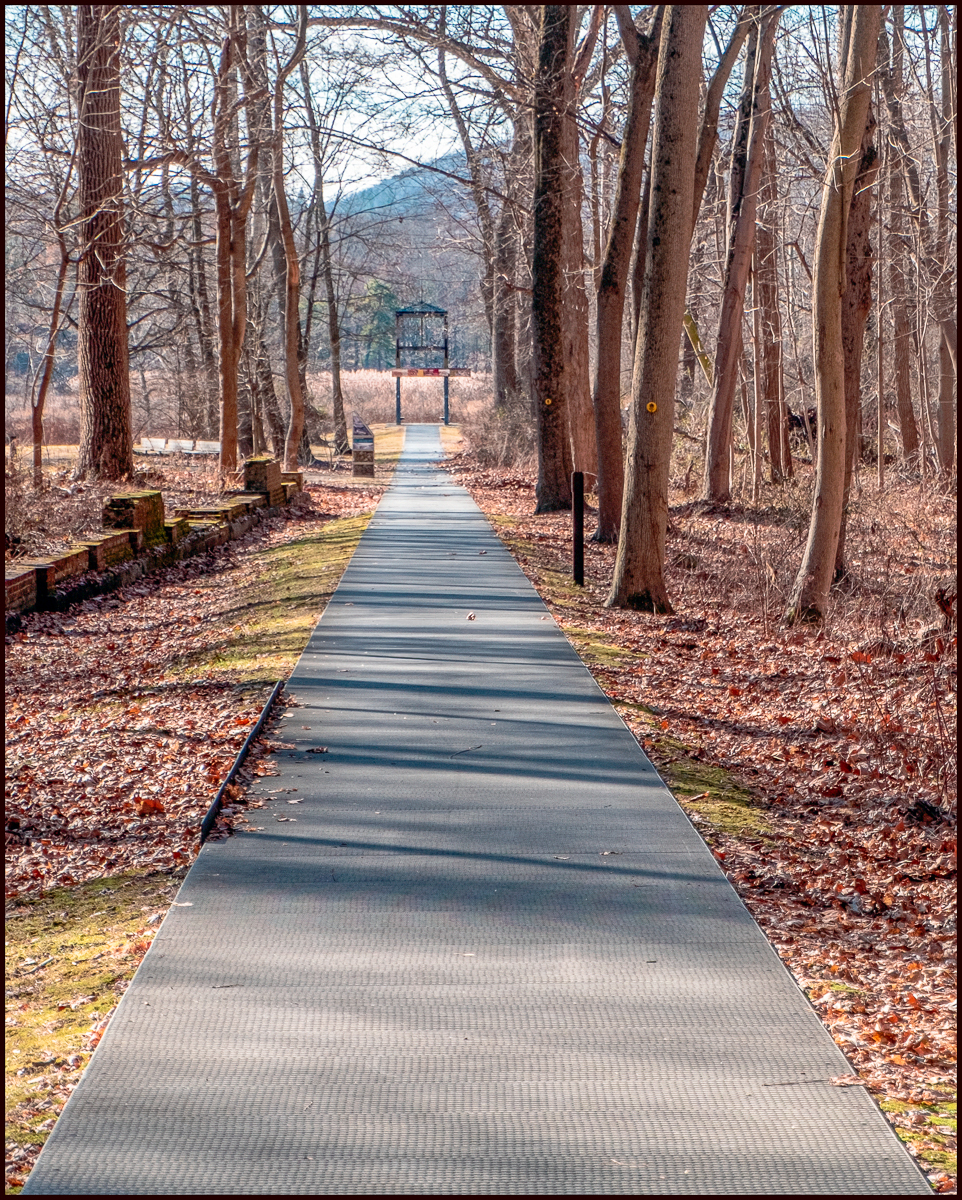
Walkway to the gun testing platform. I believe that at the time of my last visit the walls on the left were covered in vegetation and were barely visible.


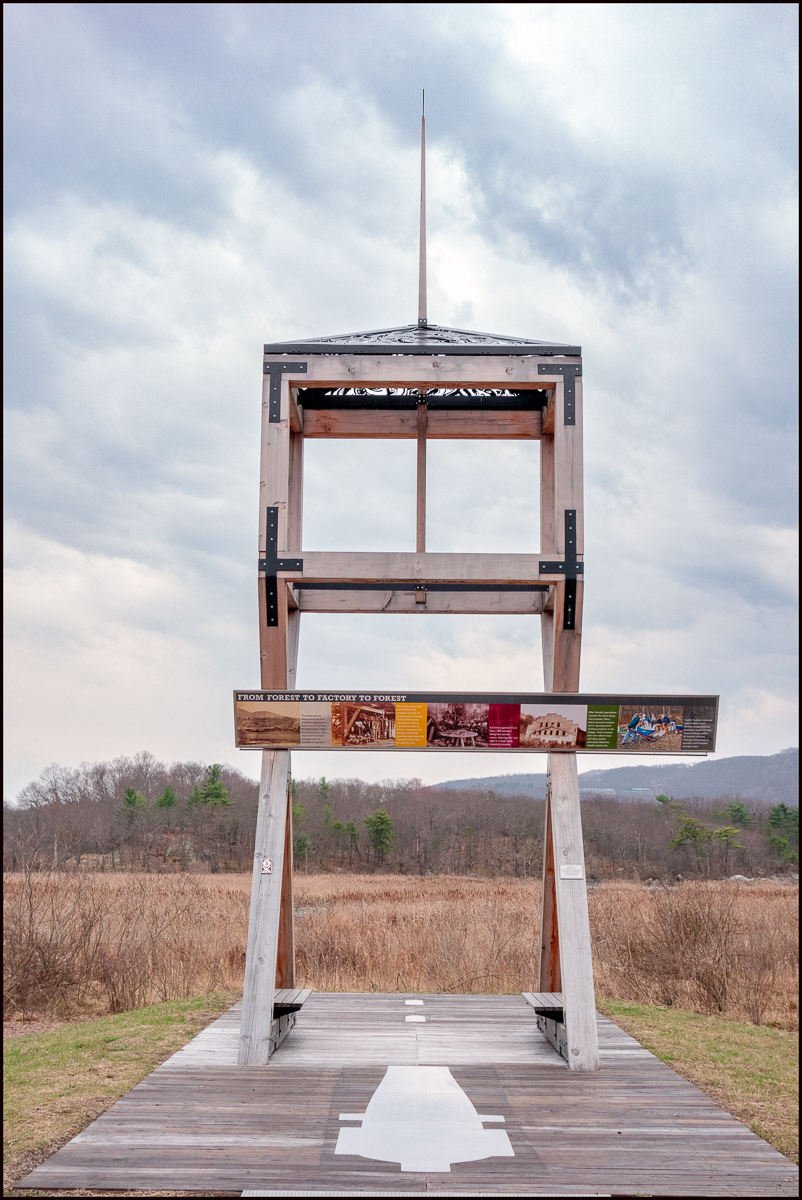
The gun testing platform. From here they fired cannons across the marsh to make sure they were working.


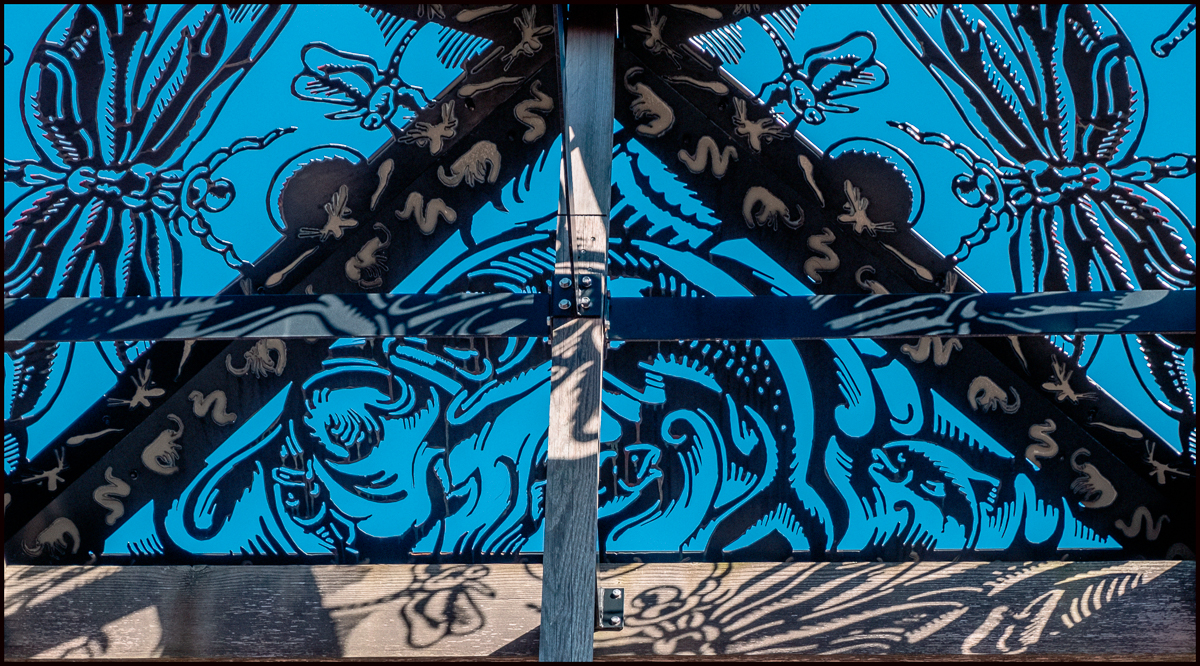
Decoration on the top of the gun testing platform


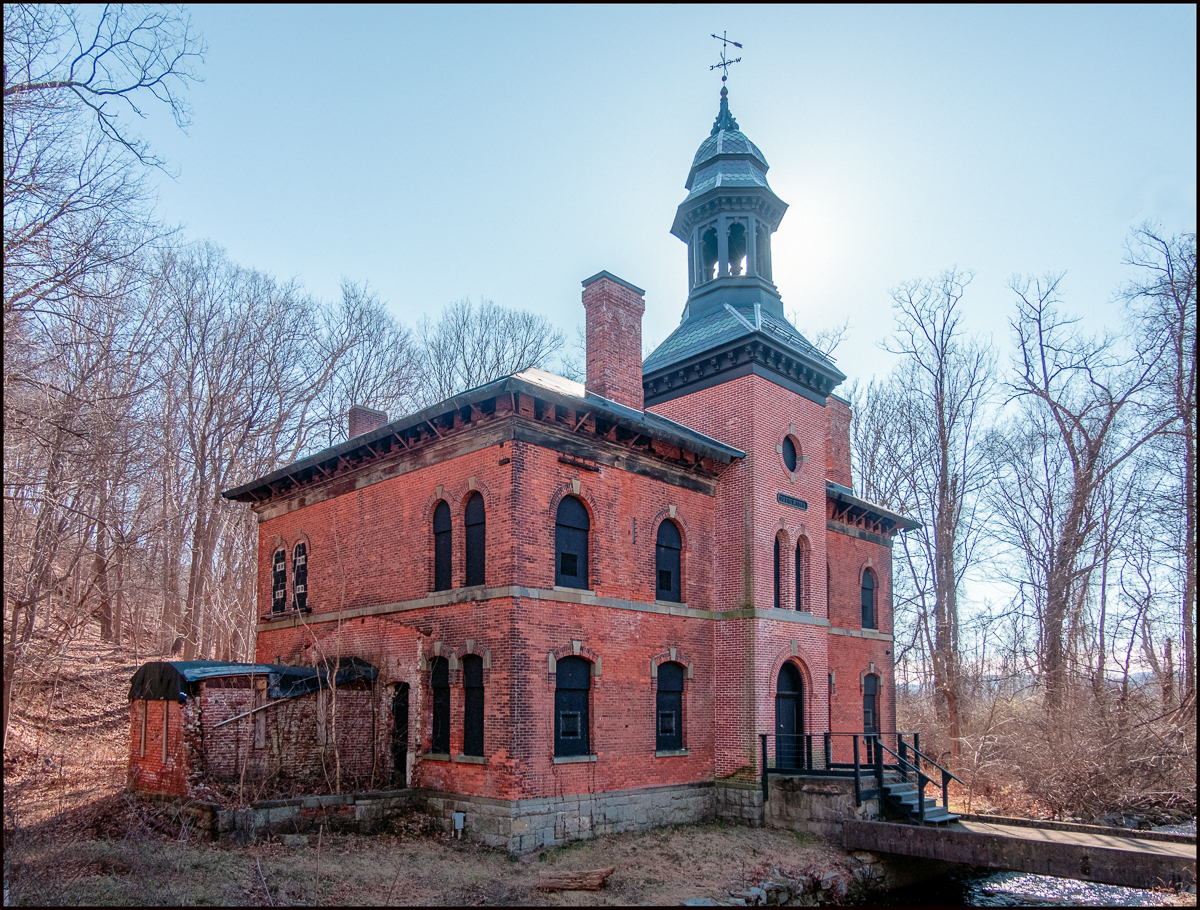
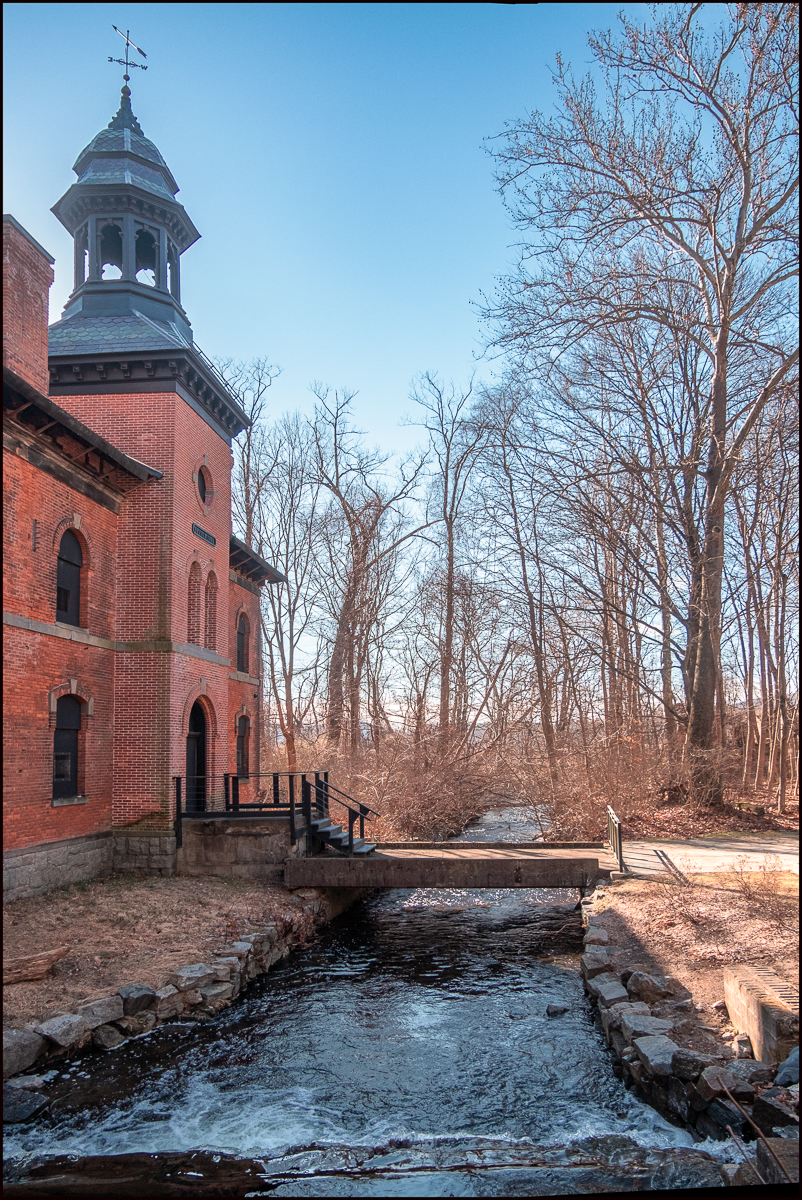
This and the following picture are of Administration Building, the only intact building that remains. When I first came here the cupola was missing. It was on the ground being restored. It seems that they’ve done some more restoration: the brickwork seems to be in better shape.


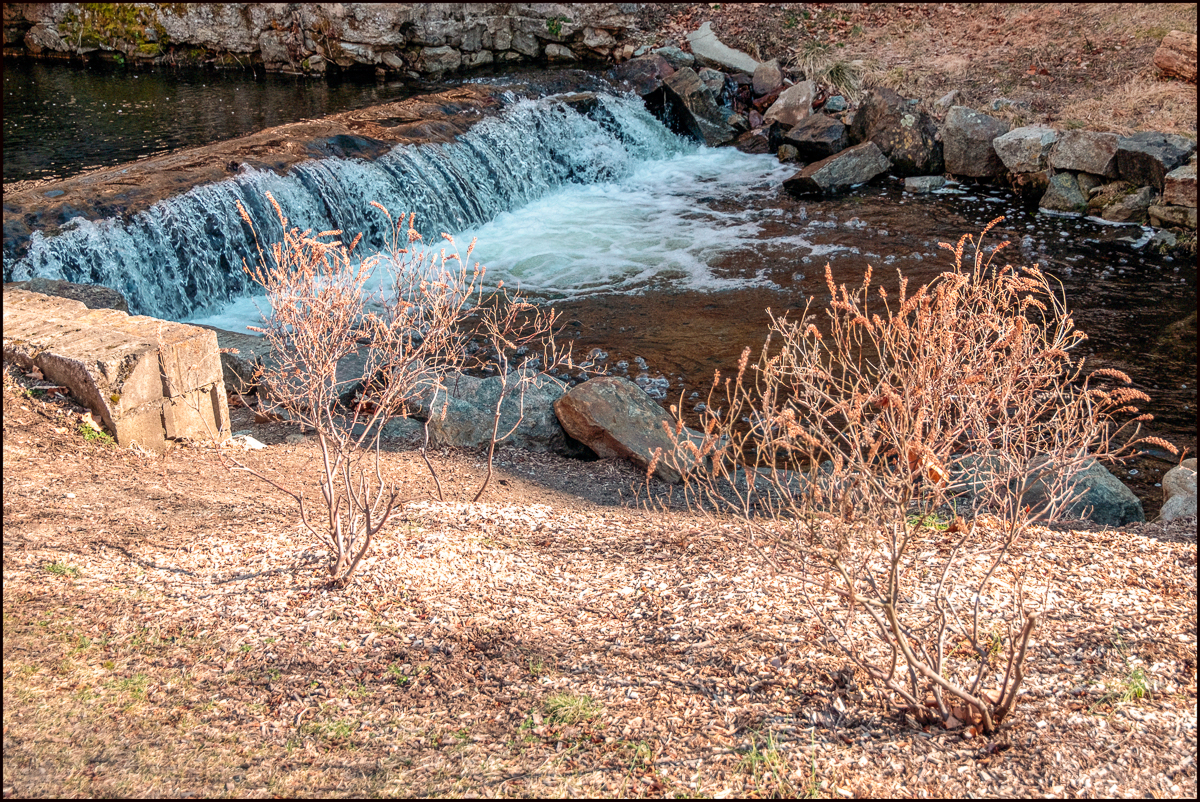
This and the following picture show Foundry Brook


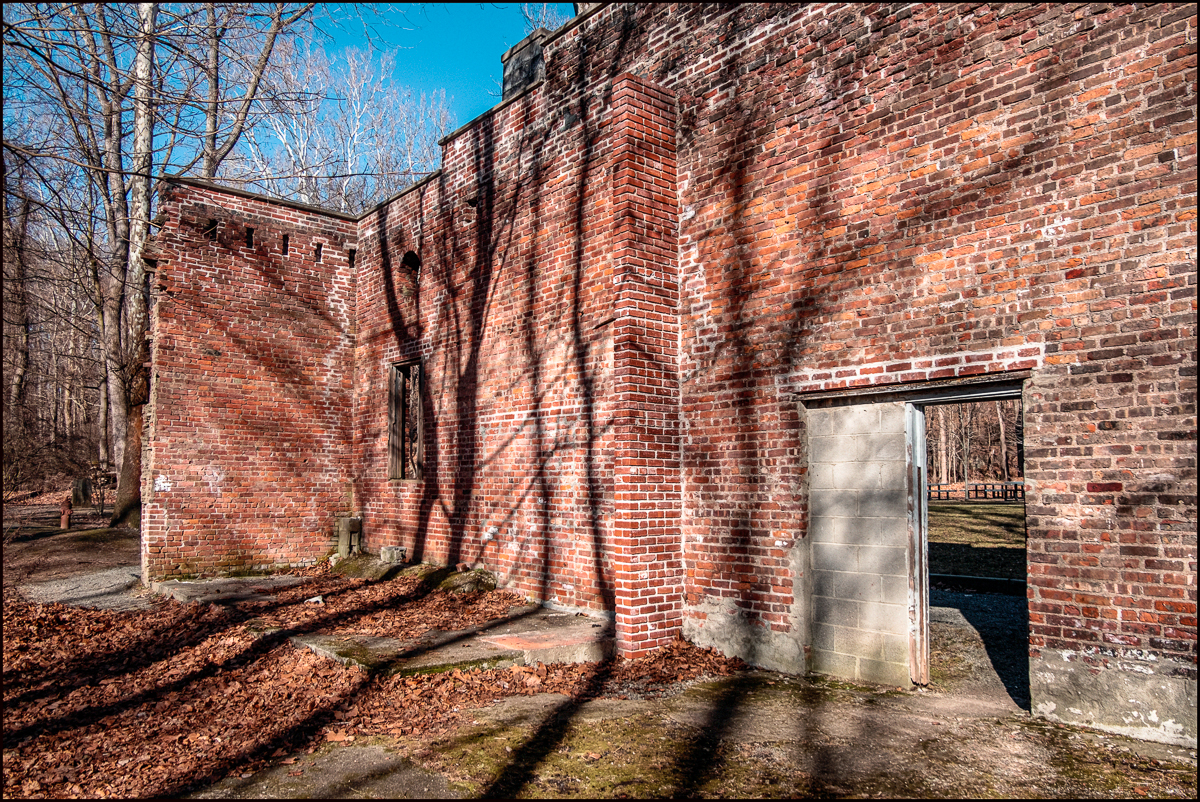
Ruins


More ruins


Reproduction of a portion of the water wheel, over which Foundry Brook flowed and which drove the Foundry machinery.

For more information see here and here.

Taken with a Fuji X-E3 and Fuji XC 16-50mm f3.5-5.6 OSS II