A White Car and a Red Car

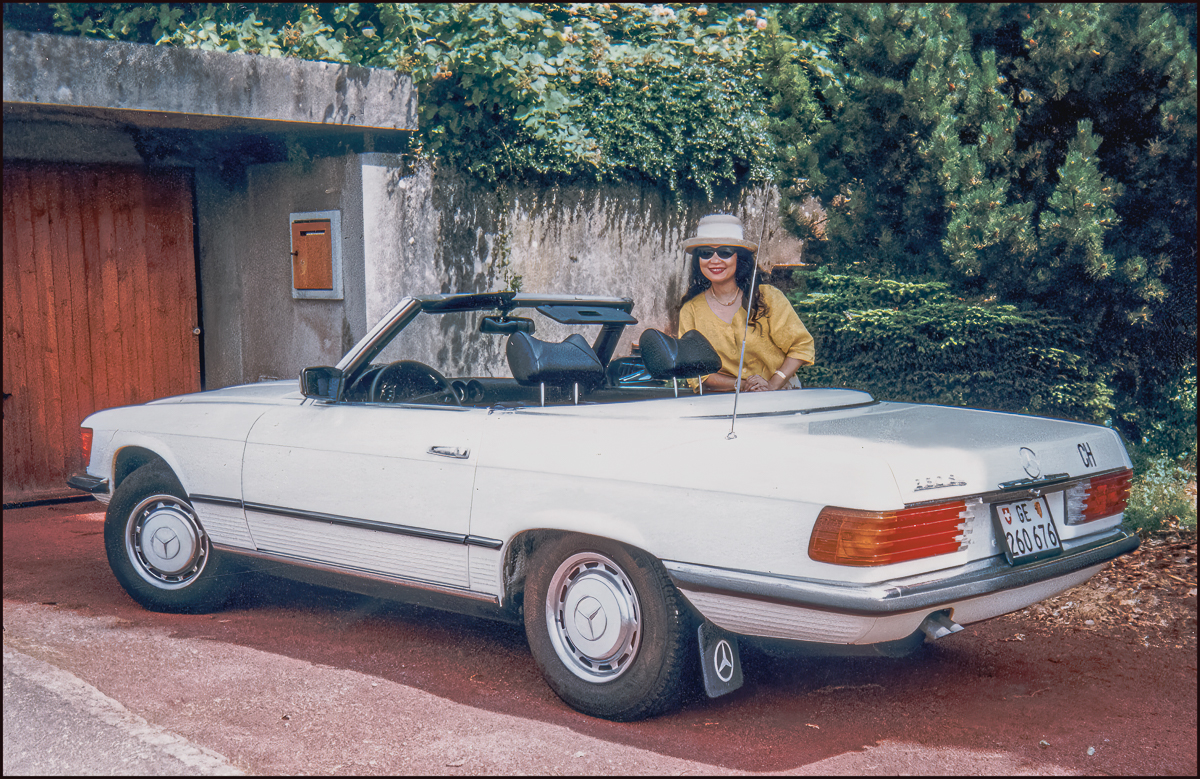
I lived in Switzerland for most of the 1990s. Somewhere along the line I bought a Mercedes 280SL (See Above. My wife and the car outside our house). I don’t know much about cars, but after acquiring this one for a brief period of time I developed an interest in classic/vintage cars. One of the cars I came across in my reading was the red one below. I believe it’s a Porsche 944 (or maybe a 924. I don’t know enough about the differences to be sure. I also quickly learned that Porsche afficionados don’t care for this this model very much. This seems to be because of a combination of different factors:

  • To some, the 911 is the only ‘real’ porsche and so the 944 didn’t have the same prestige.
  • The 924 that came before it was developed with the Volkswagen Group and featured a modified Audi engine.
  • It was less expensive (you’d think that that would be an advantage but status-wise in the Porsche world probably not)
  • A lot of them were built (in looking for information I discovered that over 163,000 cars were produced. It was the most successful sports car in Porsche’s history until the introductions of the Boxster and 997 Carrera).
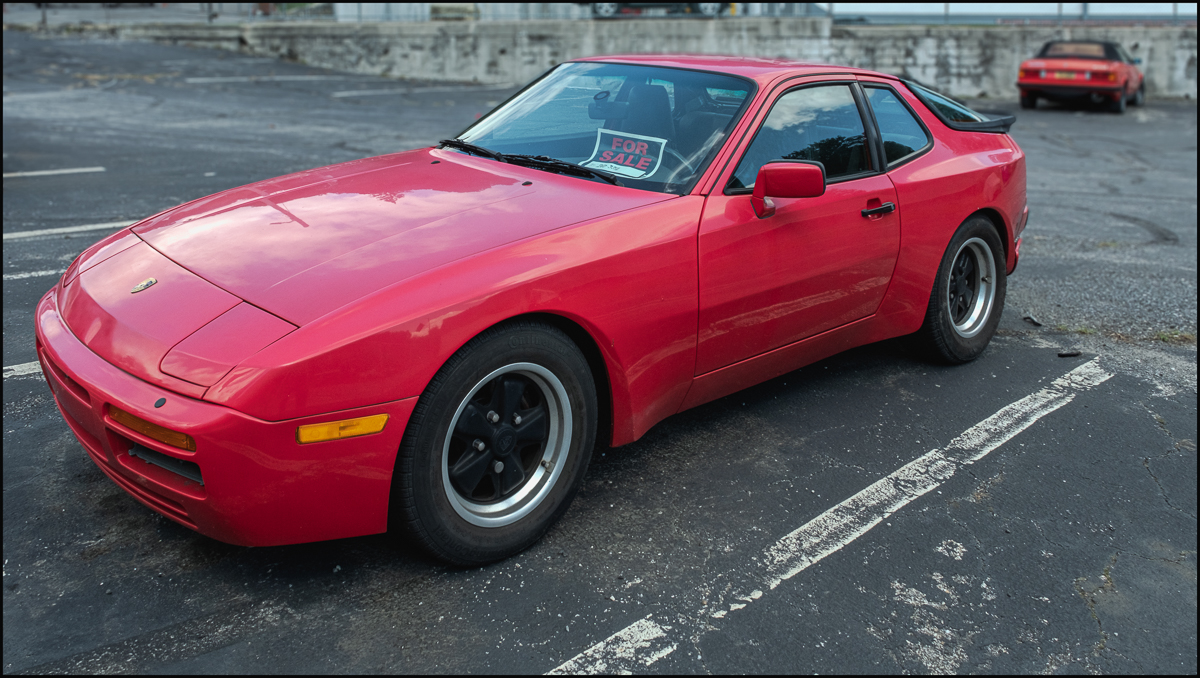
I came across this one during one of my recent walks. I loved the way it looked in the 1990s and I still do. You can keep your 911s (unless of course you feel like giving one to me). I know I’m very much in the minority, but I’ve never liked the way they look.

Taken with a Fuji X-E3 and Sigma 18-50mm f2.8
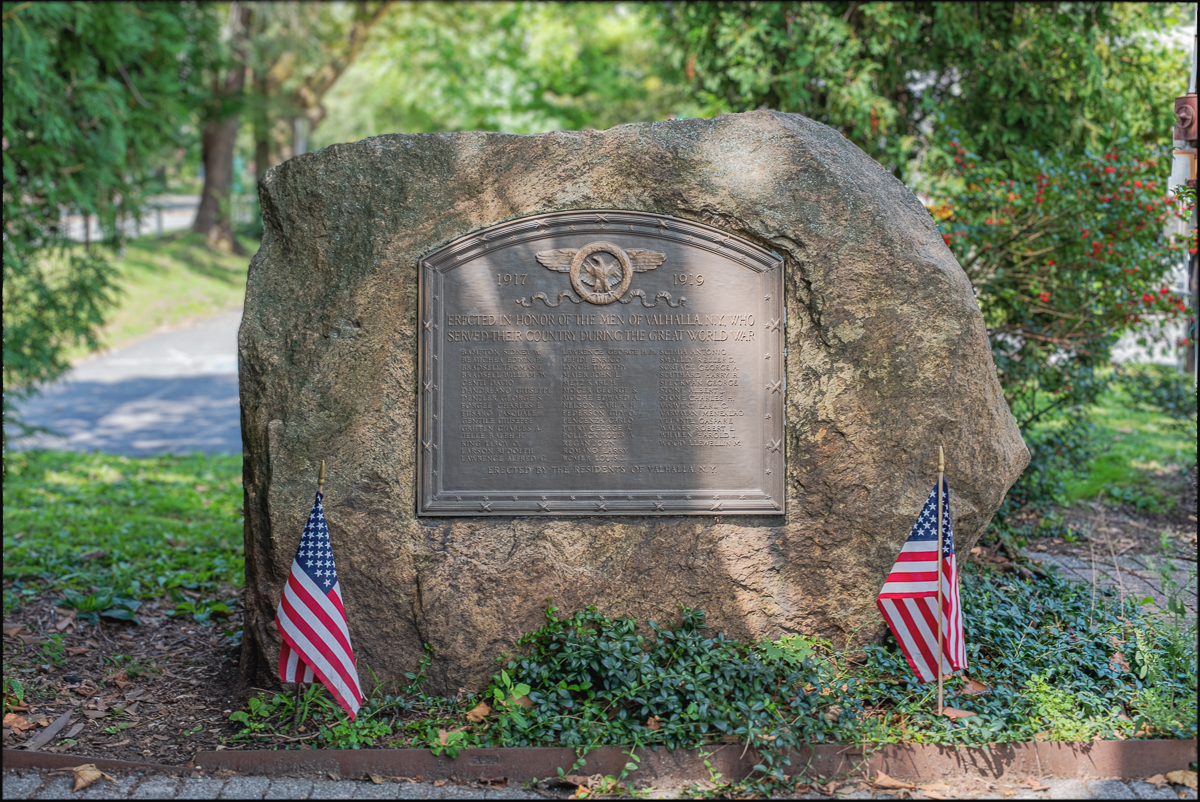
Memorials in Valhalla, NY

Somehow it seemed fitting that a small hamlet called Valhalla should have a number of war memorials. Above World War I Memorial.

According to Wikipedia:

Valhalla (/vælhælə/) is a hamlet and census-designated place (CDP) within the town of Mount Pleasant, in Westchester County, New York, United States, in the New York City metropolitan area. Its population was 3,162 at the 2010 U.S. Census. The name was inspired by a fan of the composer Richard Wagner, and the hamlet is known both as the home of the primary hospital campus of Westchester Medical Center and New York Medical College and as the burial place of numerous noted people. Valhalla is the realm of the gods in Norse mythology.

Valhalla (/vælhælə/) is a hamlet and census-designated place (CDP) within the town of Mount Pleasant, in Westchester County, New York, United States, in the New York City metropolitan area. Its population was 3,162 at the 2010 U.S. Census. The name was inspired by a fan of the composer Richard Wagner, and the hamlet is known both as the home of the primary hospital campus of Westchester Medical Center and New York Medical College and as the burial place of numerous noted people. Valhalla is the realm of the gods in Norse mythology.

Valhalla is also home to two large cemeteries: Kensico Cemetery, and Sharon Gardens Cemetery. Two other large cemeteries: Mount Eden Cemetery and Gate of Heaven Cemetery are located one mile or less away.


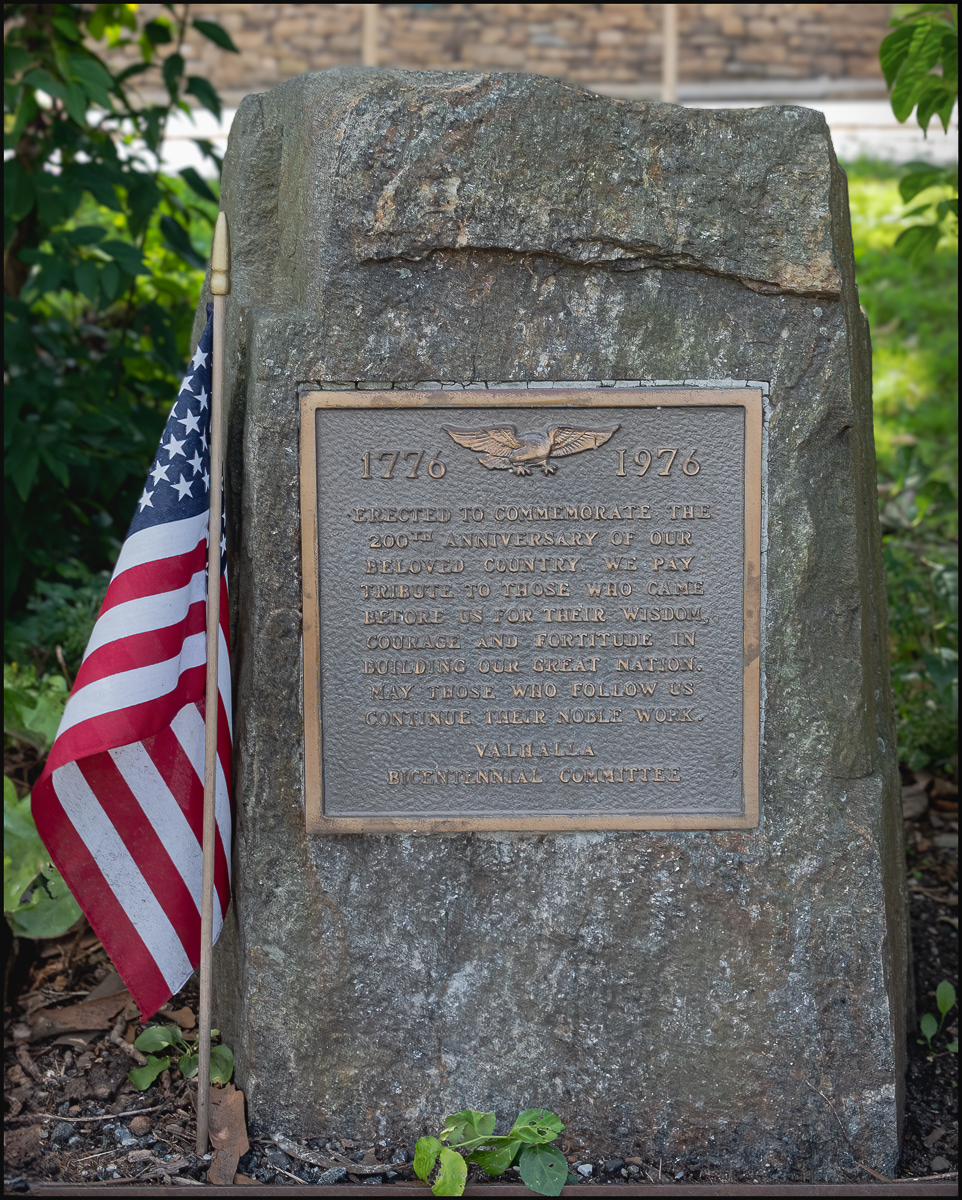
Bi-Centennial (1776-1976 Memorial)


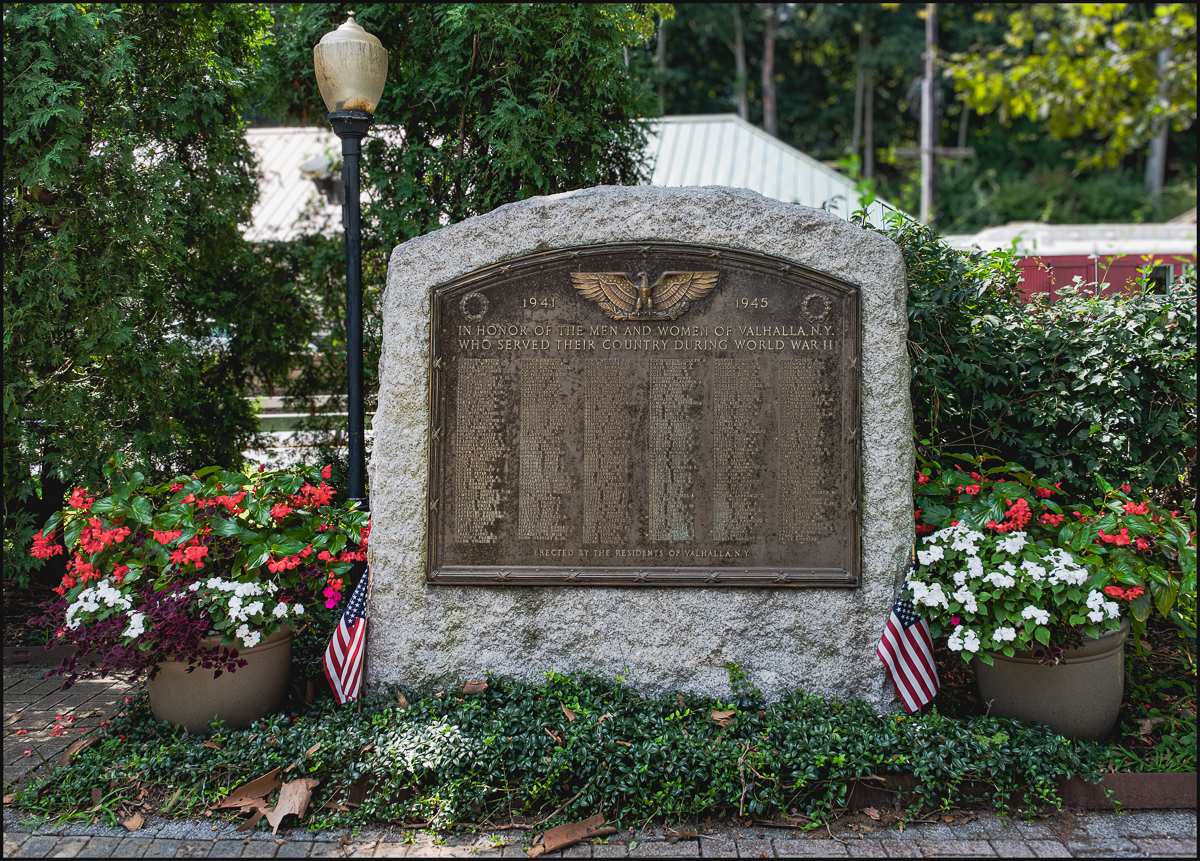
World War II Memorial


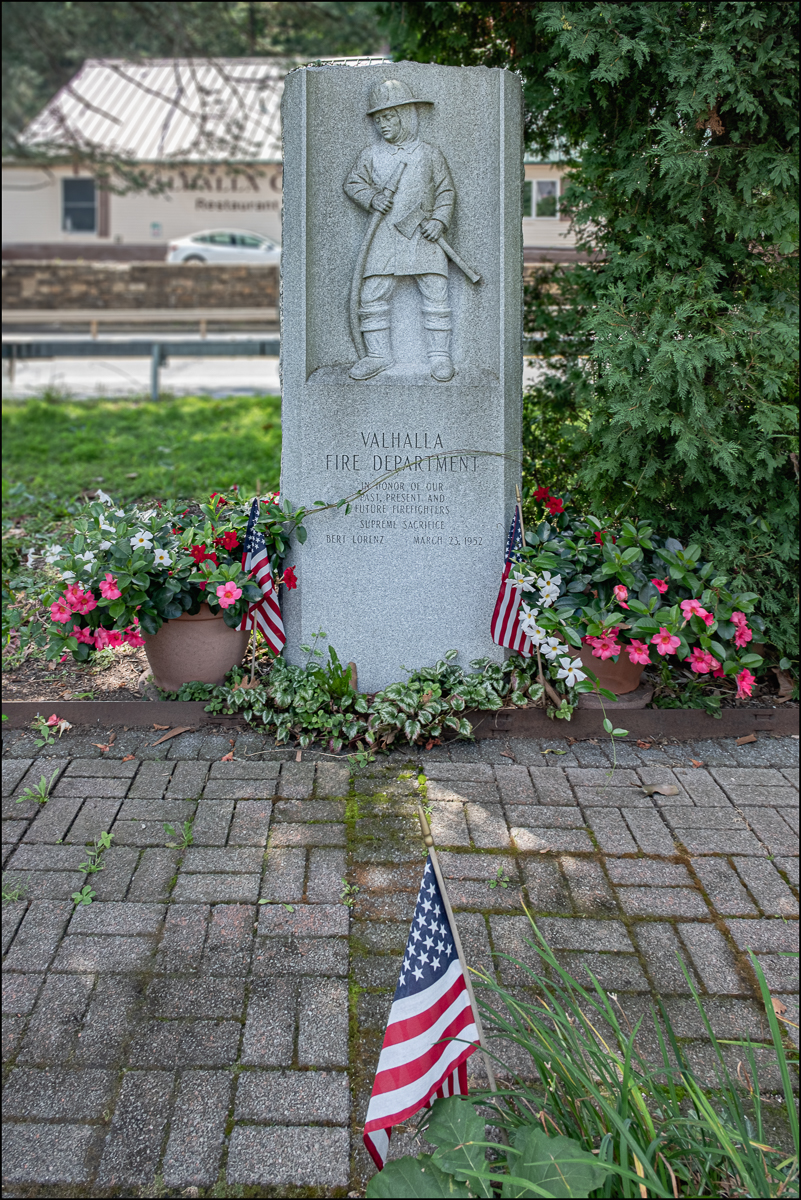
Fire Department Memorial

Taken with a Fuji X-E3 and Sigma 18-50mm f2.8
A man and his motorcycle

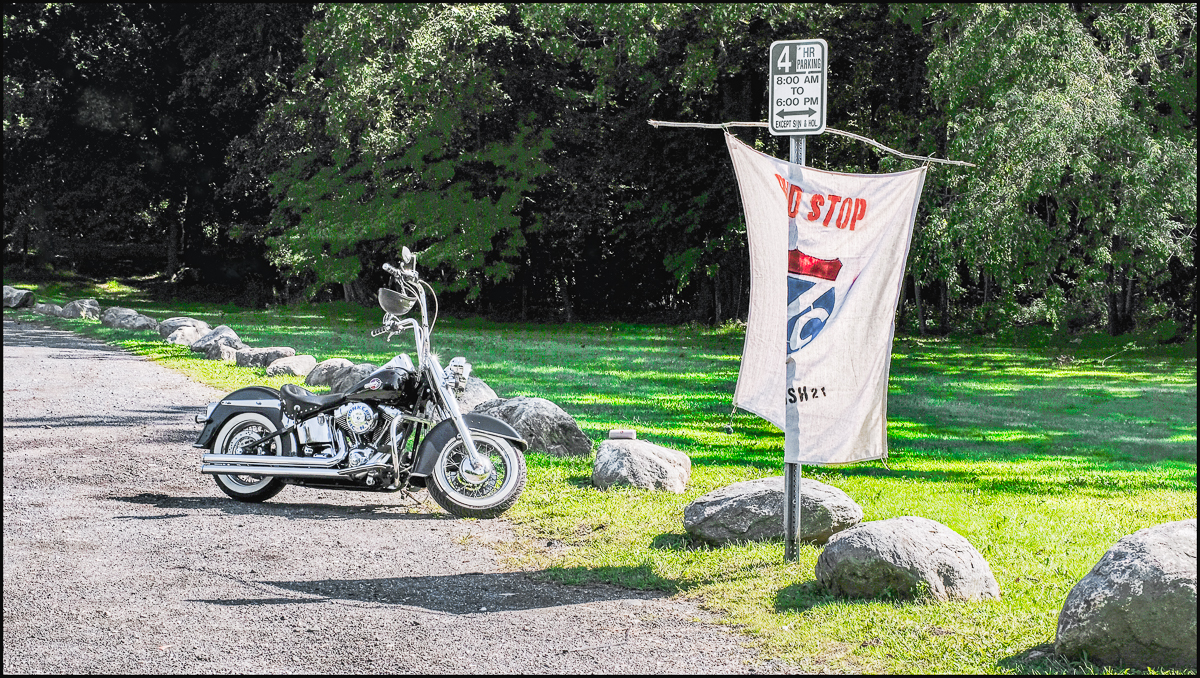
During a recent visit to a nearby cemetery I spotted a motorcycle by the side of the road. The owner had apparently gone into the woods to find something to weigh down the banner hanging from the pole. After a couple of minutes, he returned. I walked over and asked him if could take his photograph. He agreed. I took the photograph and we chatted for a while.

He told me that a member of his club had recently passed away and that some of his fellow members were going to pass by in his memory. He also told me that the club expected about 100 riders to pass through the cemetery. Furthmore, there was to be an outdoor celebration somewhere afterwards, and the club anticipated that about 300 people would be there. I guess the deceased must have be quite popular.

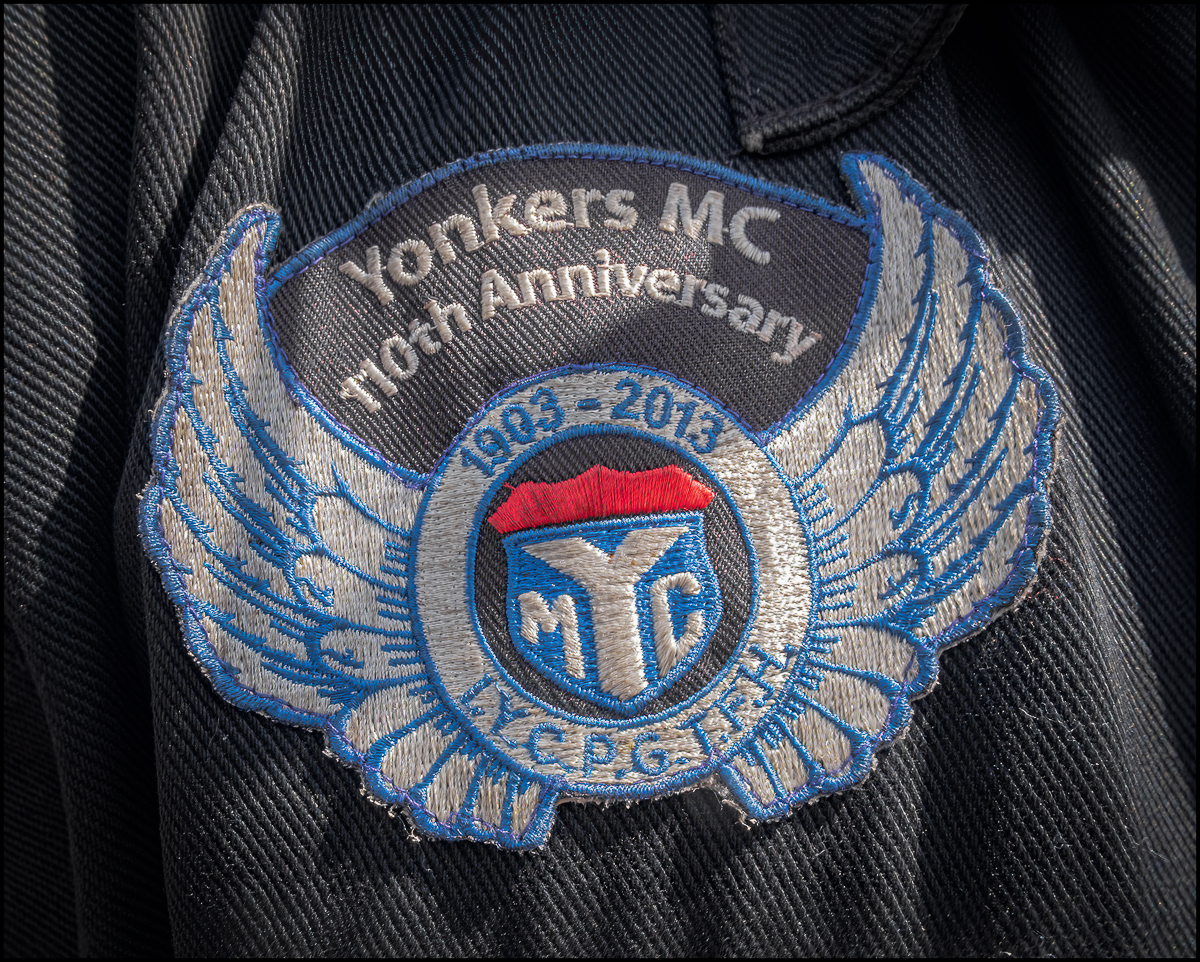
The club in question is the Yonkers Motorcycle Club. He told me that it was the oldest motorycle club in the world. And indeed, that’s how its website describes it too. The first few paragraphs of the history section of the website describe it as follows:

The Yonkers Motorcycle Club originally started as the Yonkers Bicycle Club, which was founded by Elliott Mason on Nov 19, 1879. The club consisted of 25 men, who wore a greyish brown corduroy uniform with a polo cap bearing the clubs initials, and the club colors were of crimson and gold.

Elliott Mason was a “Columbia” bicycle agent in Yonkers, who went to work as a general manger for the Pope Manufacturing Company at 12 Warren Street, establishing the oldest cycle depot in New York City. Over the years, he became one of Colonel Albert Augustus Pope’s most loyal and trusted companions.

Elliot Mason was also one of the founders of the League of American Wheelmen, created in Newport, Rhode Island on May 30, 1880. One hundred fifty bicyclists from 32 different clubs came to Newport, where they officially formed the organization, and wrote and ratified its constitution the next day. Their mission, as stated in the constitution, was “to promote the general interests of bicycling, to ascertain, defend and protect the rights of wheelmen, and encourage and facilitate touring.”

This History section provides much more information. You can find it here.

Taken with a Fuji X-E3 and Sigma 18-50mm f2.8
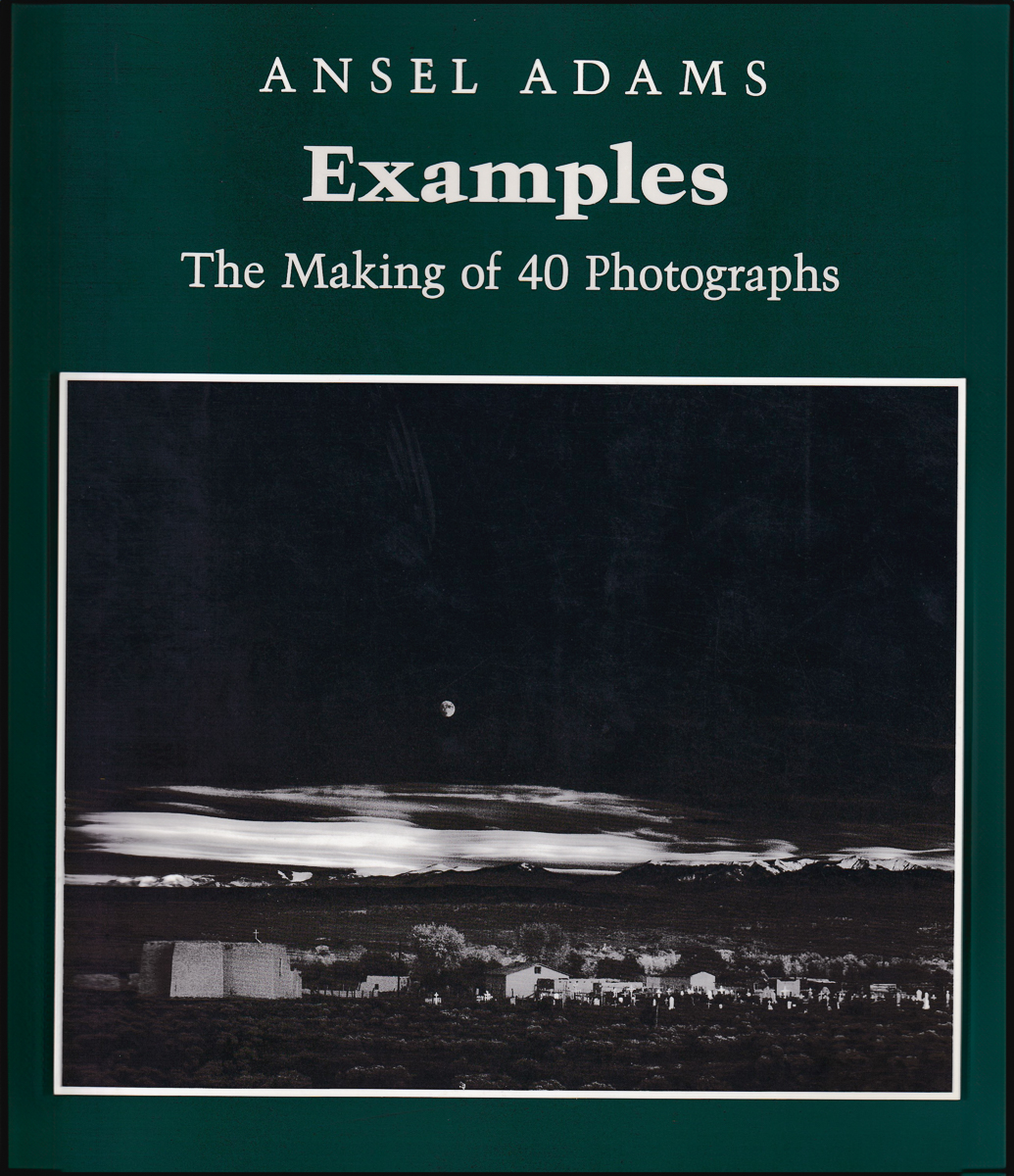
Ansel Adams. Examples. The Making of 40 Photographs

I bought this book a long time ago and loved it. Unfortunately, we had a seriously water leak in the house and this was one of the items that was destroyed during the flood. When this happened, I vowed to replace it quicky. And them promptly forgot.

Recently, while looking for something else on eBay I came across a used copy of the book in very good condition and at a very reasonable price. It didn’t take me long to place the order.

Amazon describes it as follows:

A MASTER CLASS WITH AMERICA’S MOST CELEBRATED PHOTOGRAPHER

“How did you make this photograph?”

This is a question that Ansel Adams was asked repeatedly throughout his lifetime. In Examples: The Making of 40 Photographs, Adams shares the circumstances surrounding the creation of many of his most celebrated images. Each classic photograph is superbly reproduced and accompanied by an entertaining and informative narrative that combines his own reminiscences of people and places with precise recall of technical details and aesthetic considerations.

Readers will be fascinated by the personal side of the text, which includes a great deal of history and anecdote, including appearances by Alfred Stieglitz, Georgia O’Keeffe, Edward Weston, and other notable figures such as Edwin Land of Polaroid. Pondering these essays conjures the sense of standing by Adams’ side during some of the most pivotal and profound creative moments of his life in photography—a master class with the legendary artist.

The specific technical information on camera and lens, filters, exposure times, developing, and printing provided in each example illustrates his approach and methods, and will help amateurs and professionals alike to advance their photography. Through this case study approach, Adams’ philosophy of craft and creativity unfolds; his credos of visualization, image management, and the Zone System are demonstrated; and the colorful story of a lifetime devoted to photography is revealed.

I couldn’t agree more. At times, when it gets into technical commentary on the zone system I was a bit at a loss. But, it’s great to get some insight it what’s going on in the mind of a famous photographer when a great photograph is being taken.