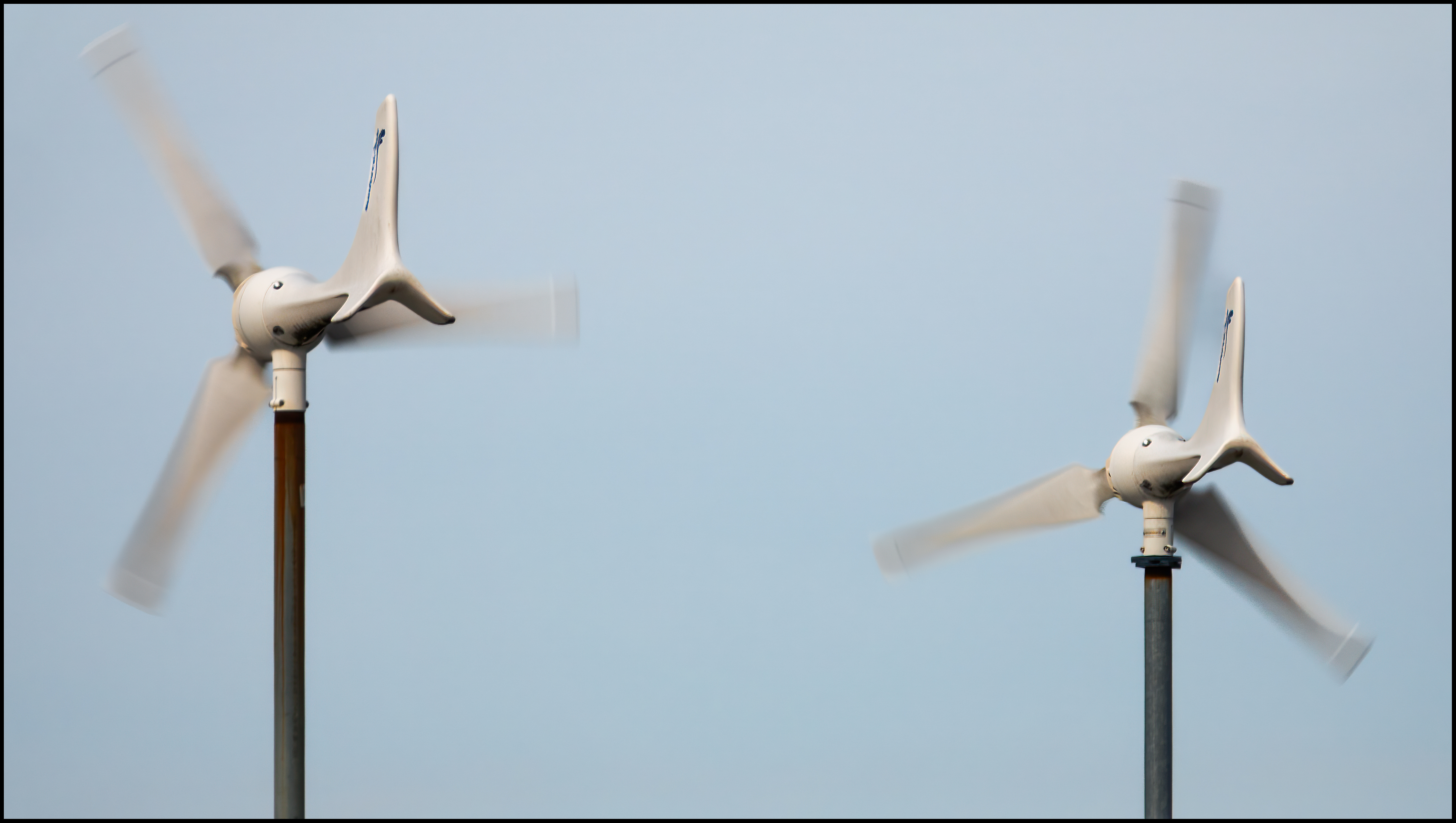
I would have preferred it if the two windmills had been closer, but it was so cold that I didn’t feel like fiddling around trying to find a better viewpoint (it may not have been possible to even do so.
Taken with a Sony RX10 IV
Photographs and thoughts on photography and camera collecting

I would have preferred it if the two windmills had been closer, but it was so cold that I didn’t feel like fiddling around trying to find a better viewpoint (it may not have been possible to even do so.
Taken with a Sony RX10 IV
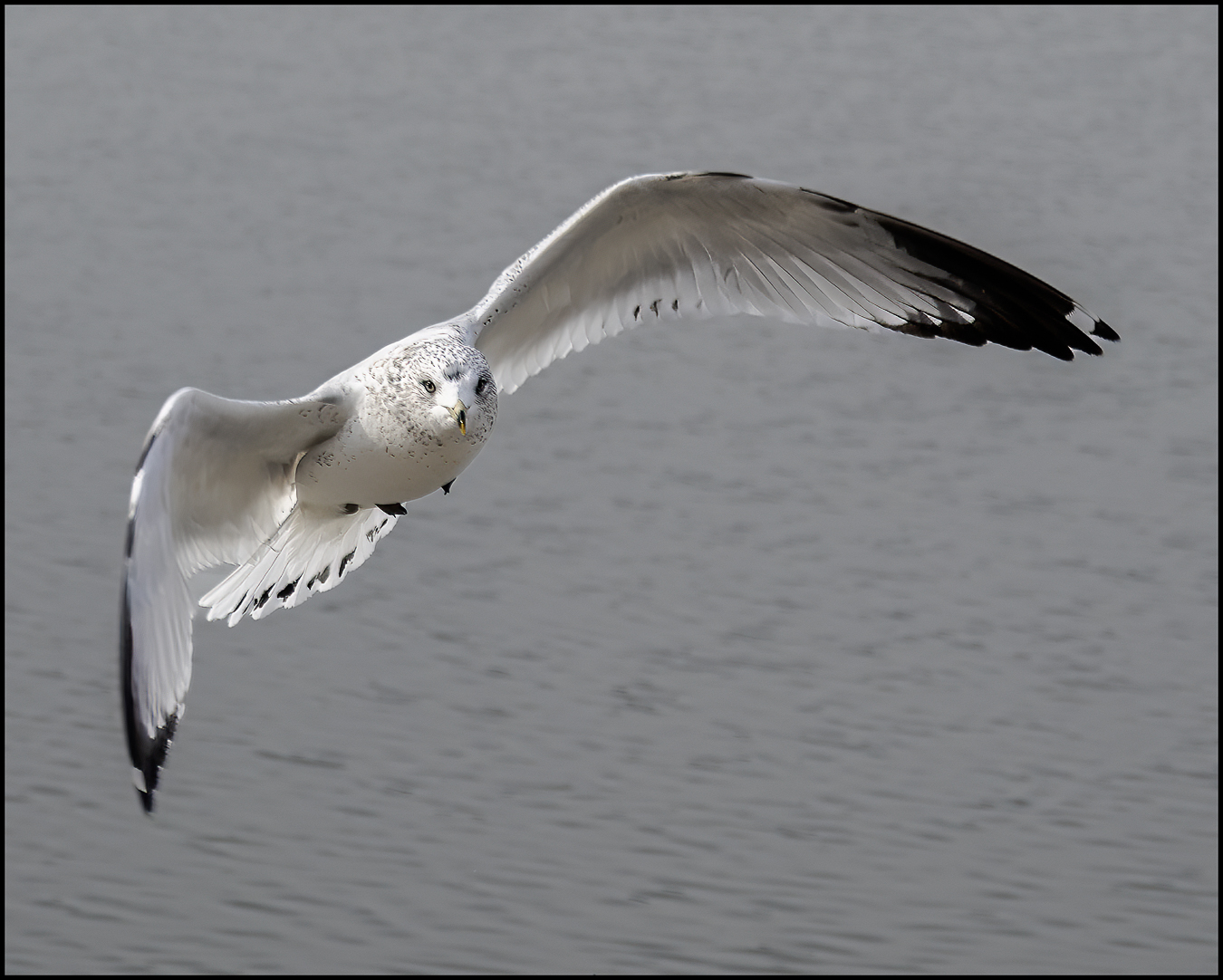
Last week I went down to the Hudson River to take some pictures, (See: By the Ossining Boat and Canoe Club) some of which were pictures of seagulls. While some of them were OK, the birds were some distance away and I didn’t have a camera that was well suited to taking pictures of birds.
So, I went back yesterday. It was still pretty cold, but nowhere near as cold as it was last week. And this time I took a camera with a 24-600mm lens, fast and accurate autofocus and tracking, and 24fps burst speed.
While I still have to practice a lot more as well as learning more about where to find bird, and how to have enough patience to wait, I got a couple of photographs that I liked.
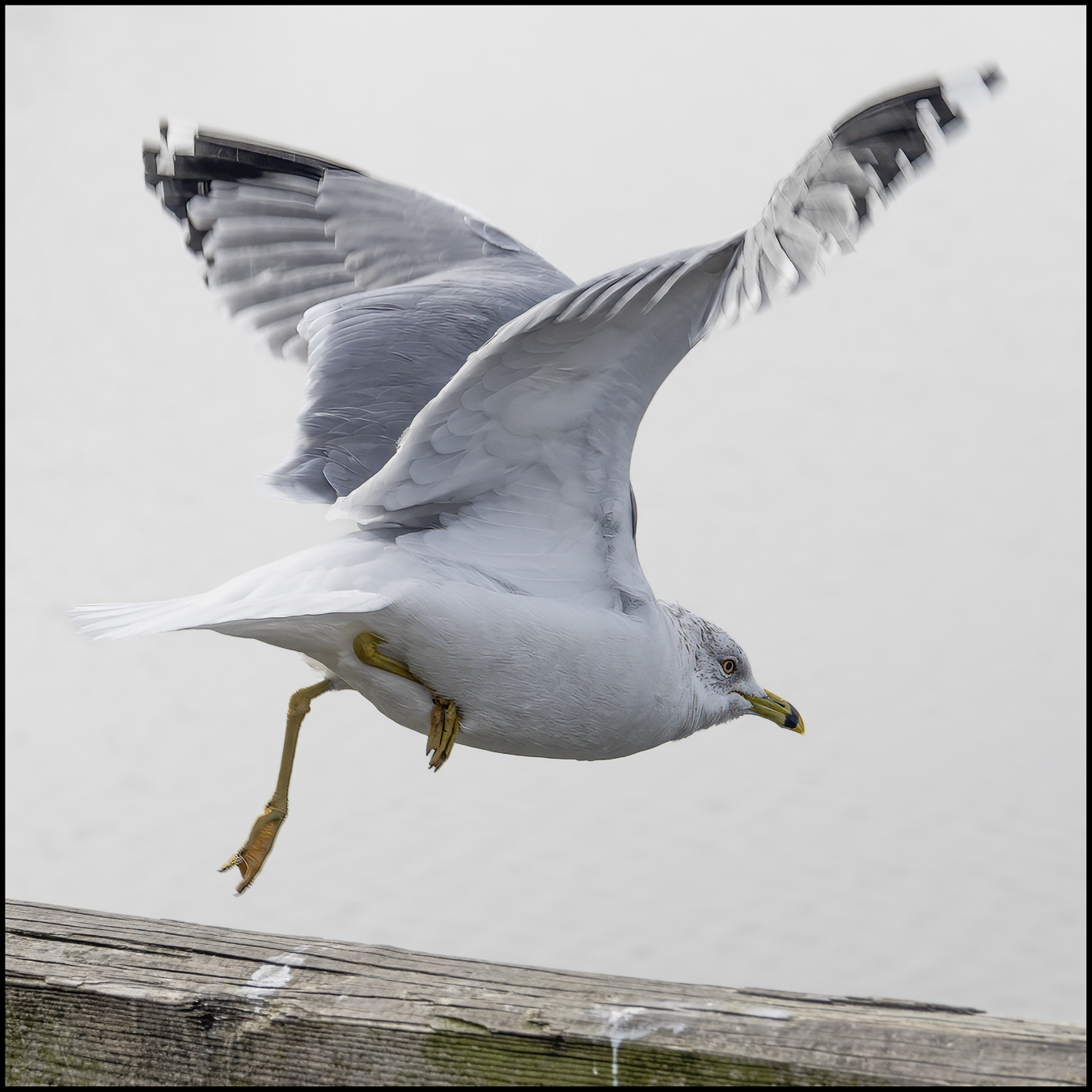
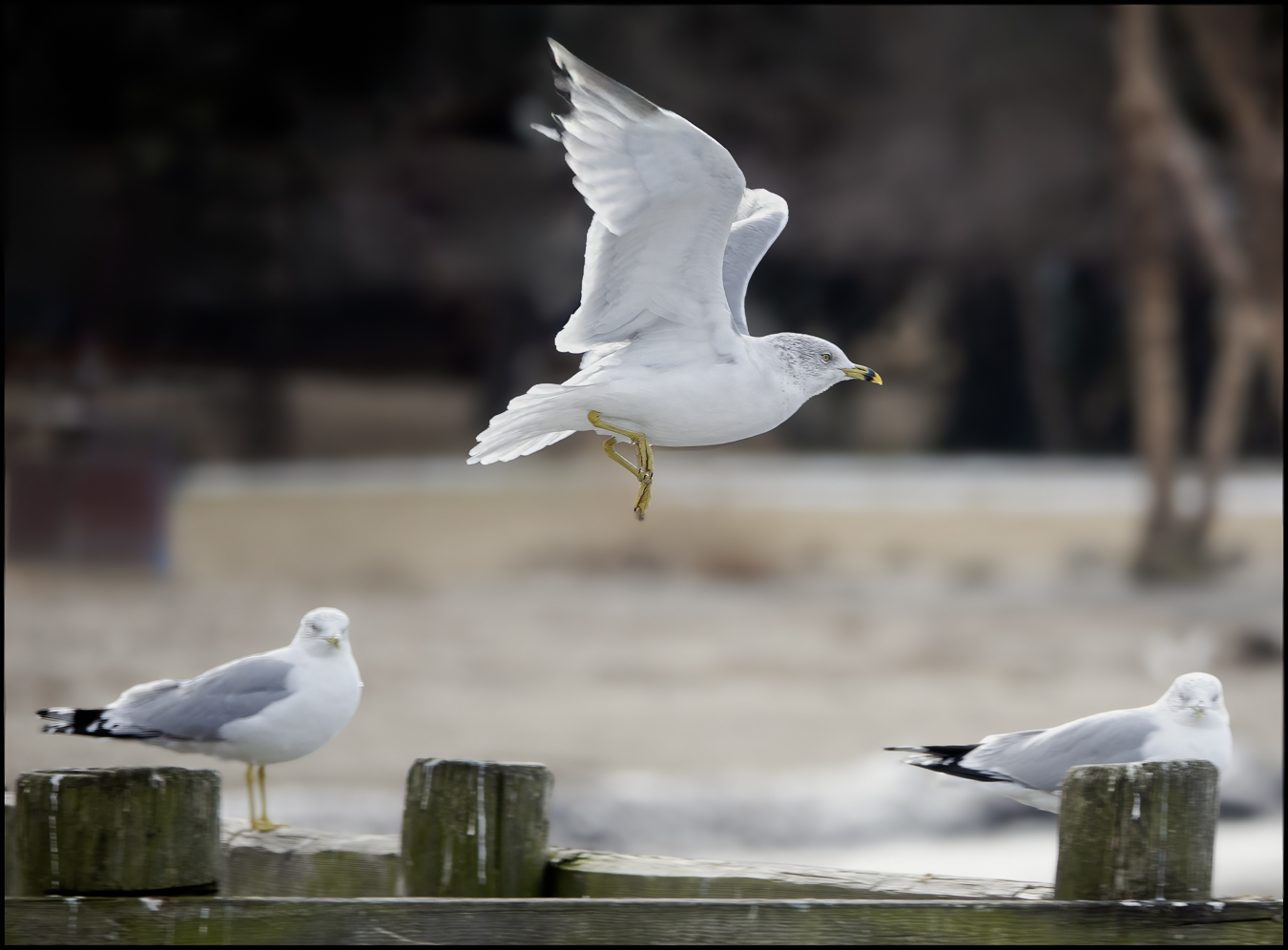
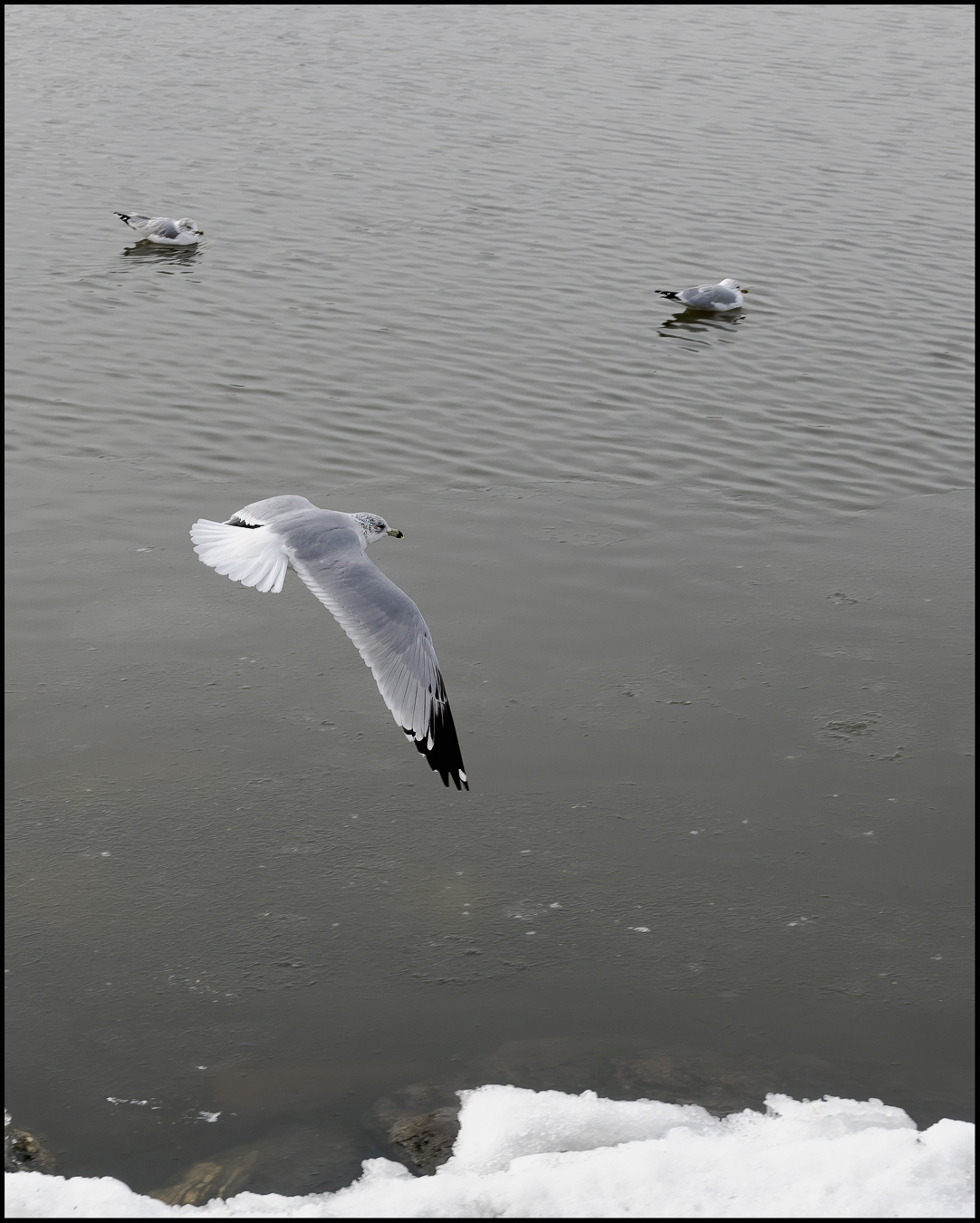
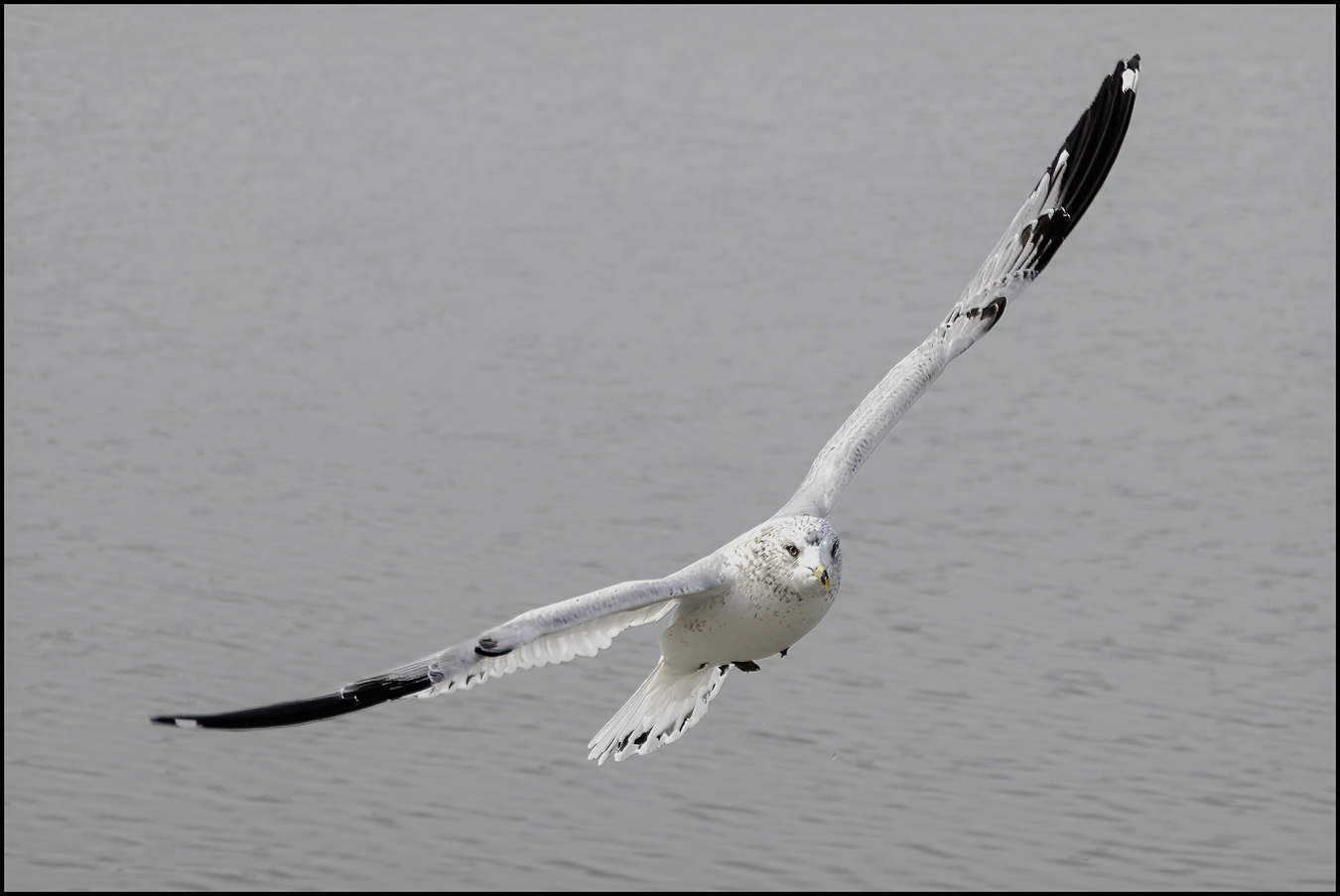
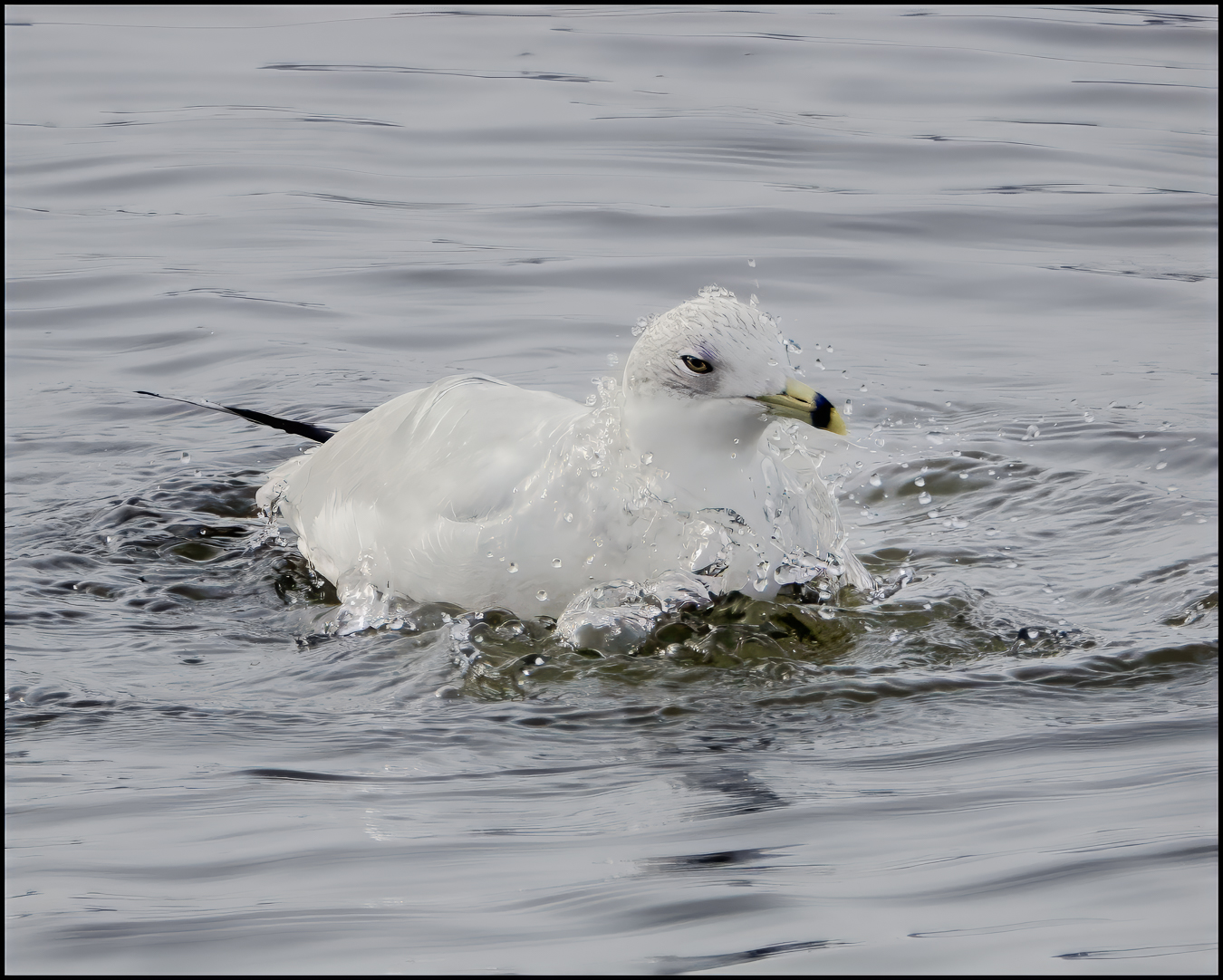
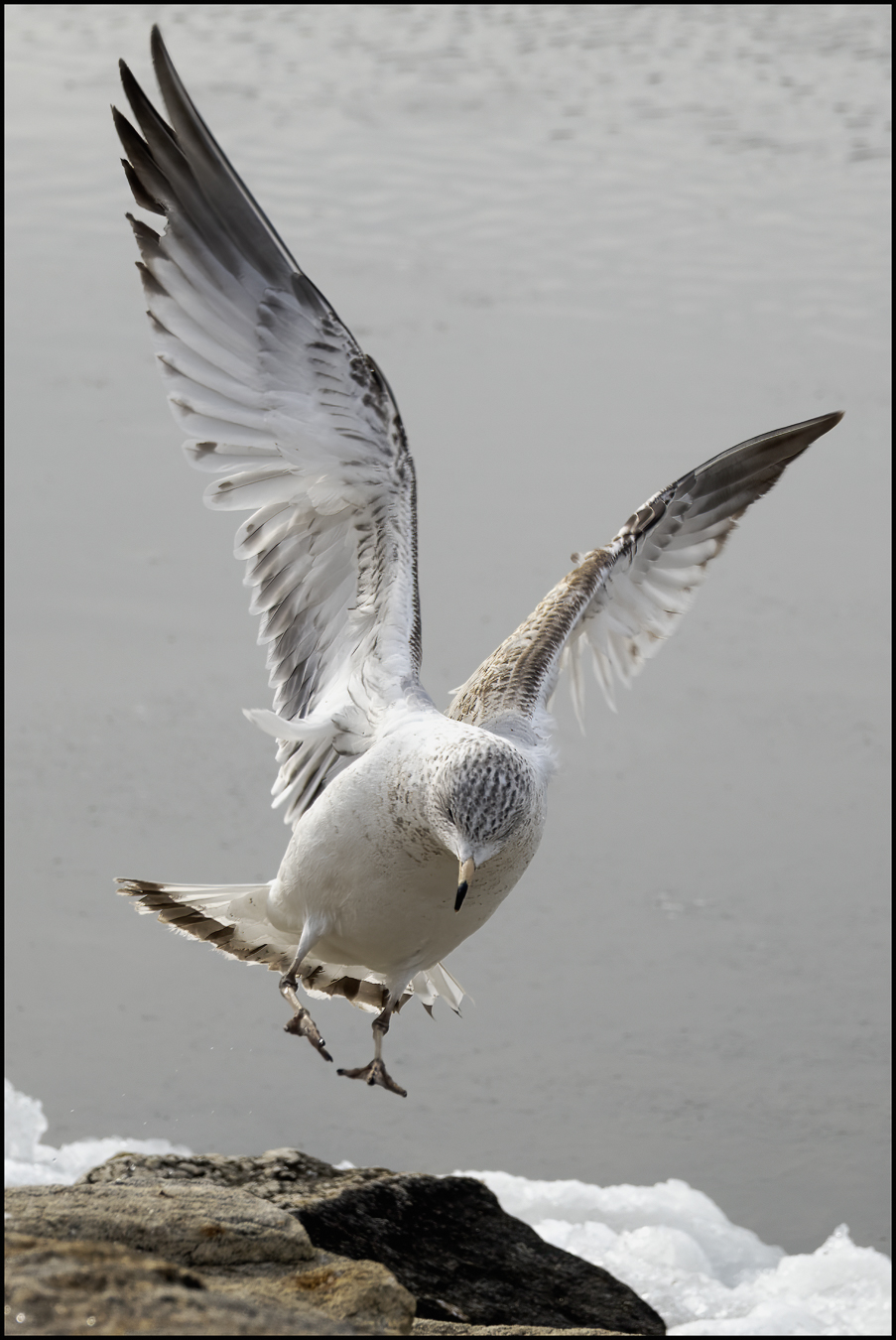
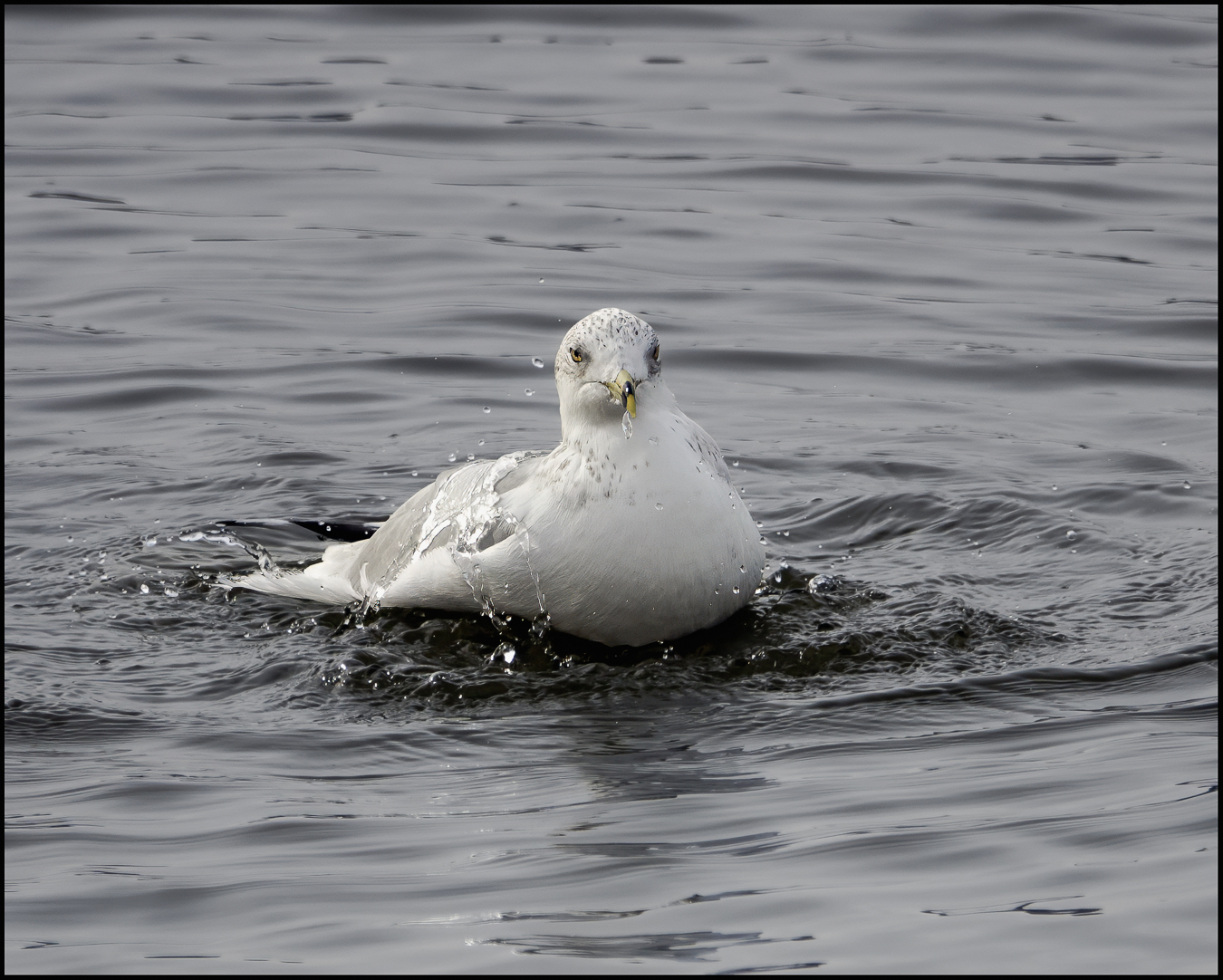
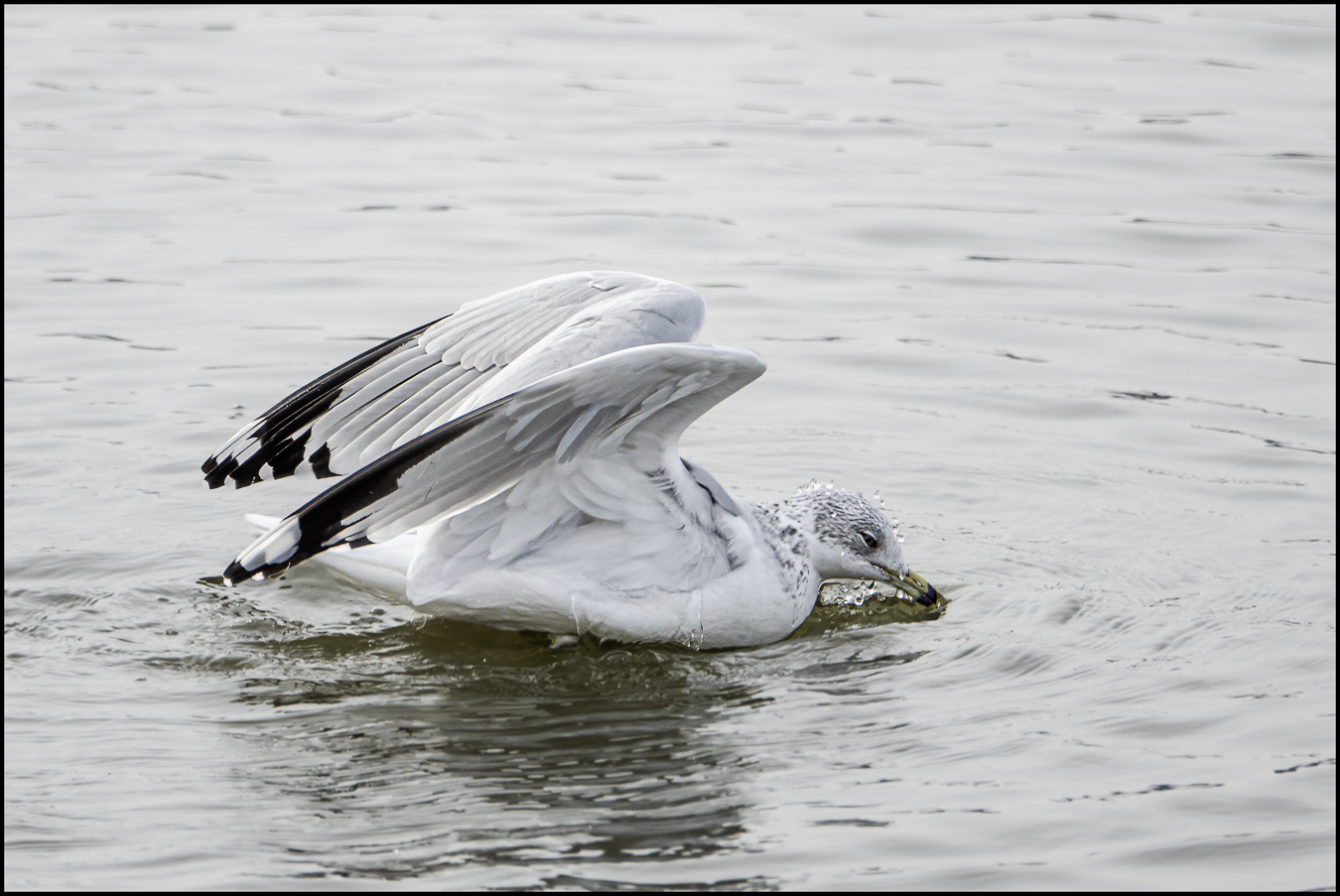
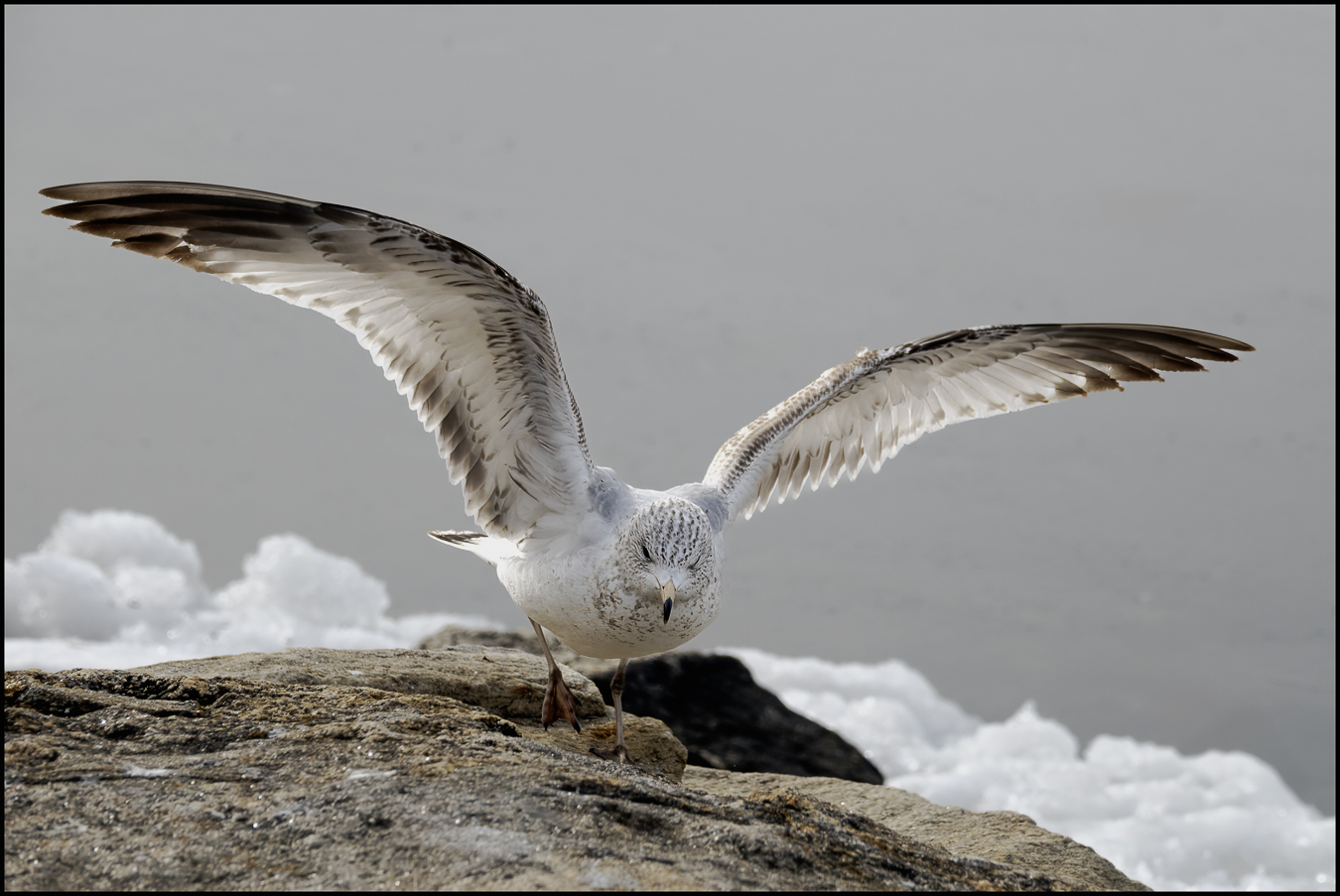
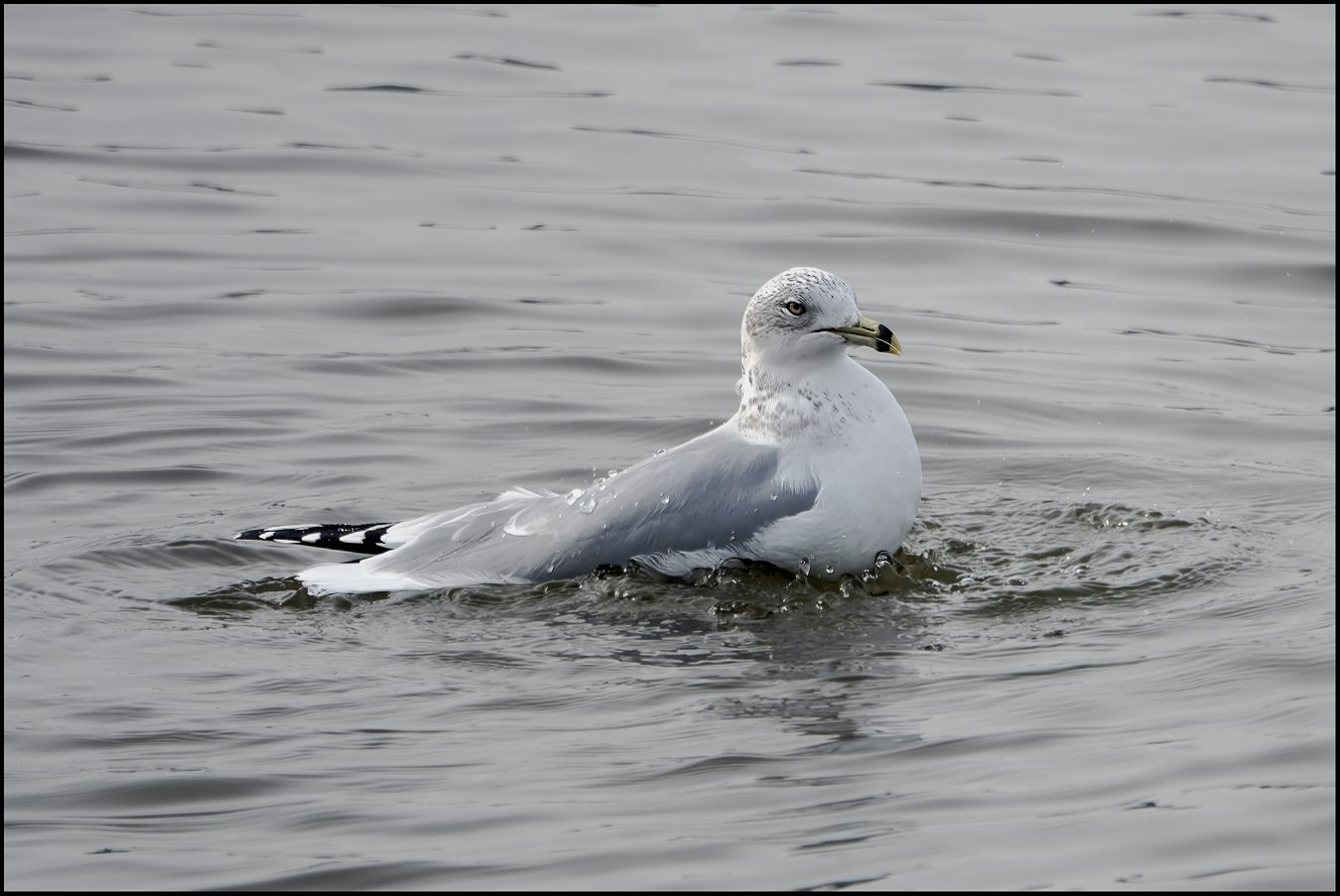
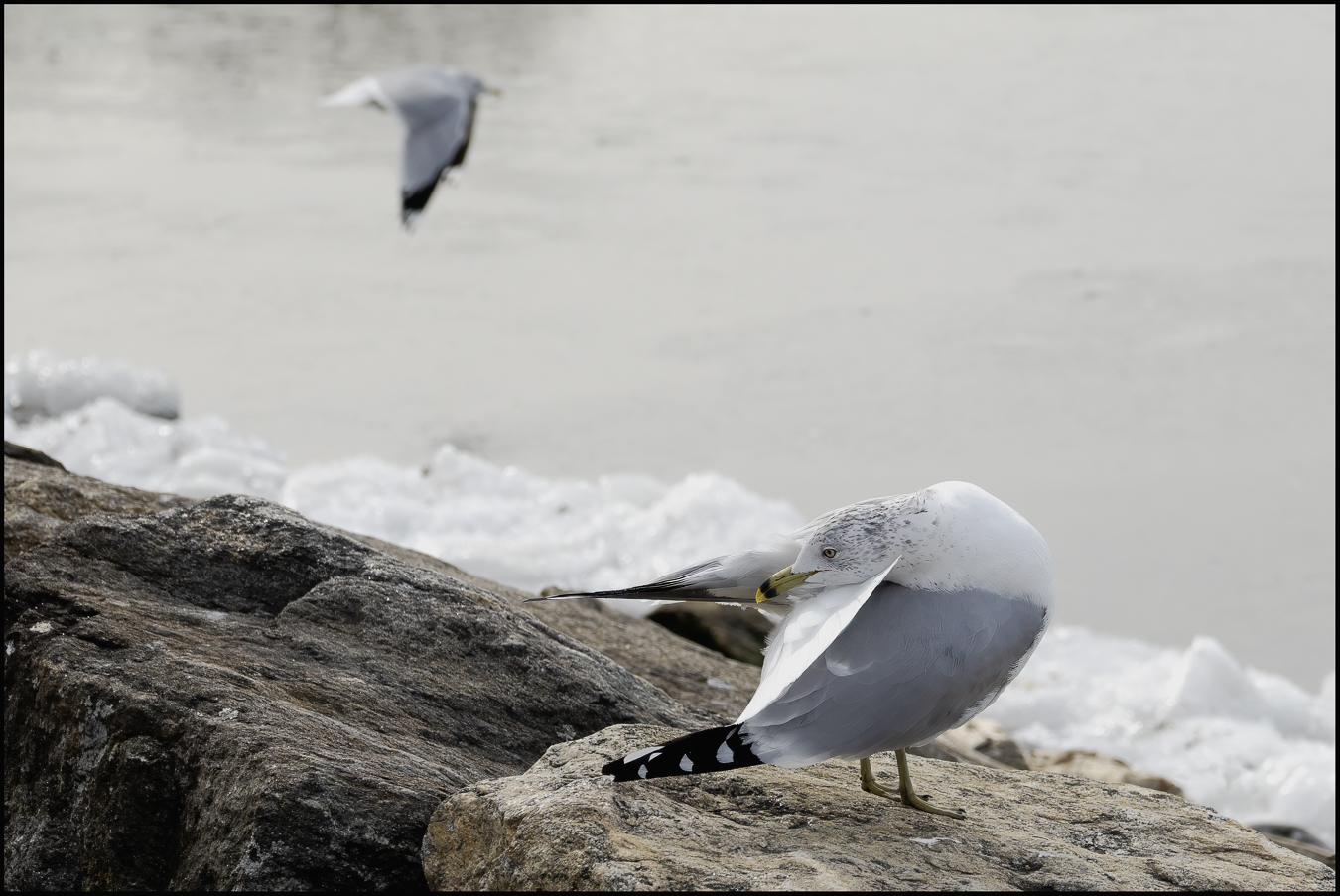
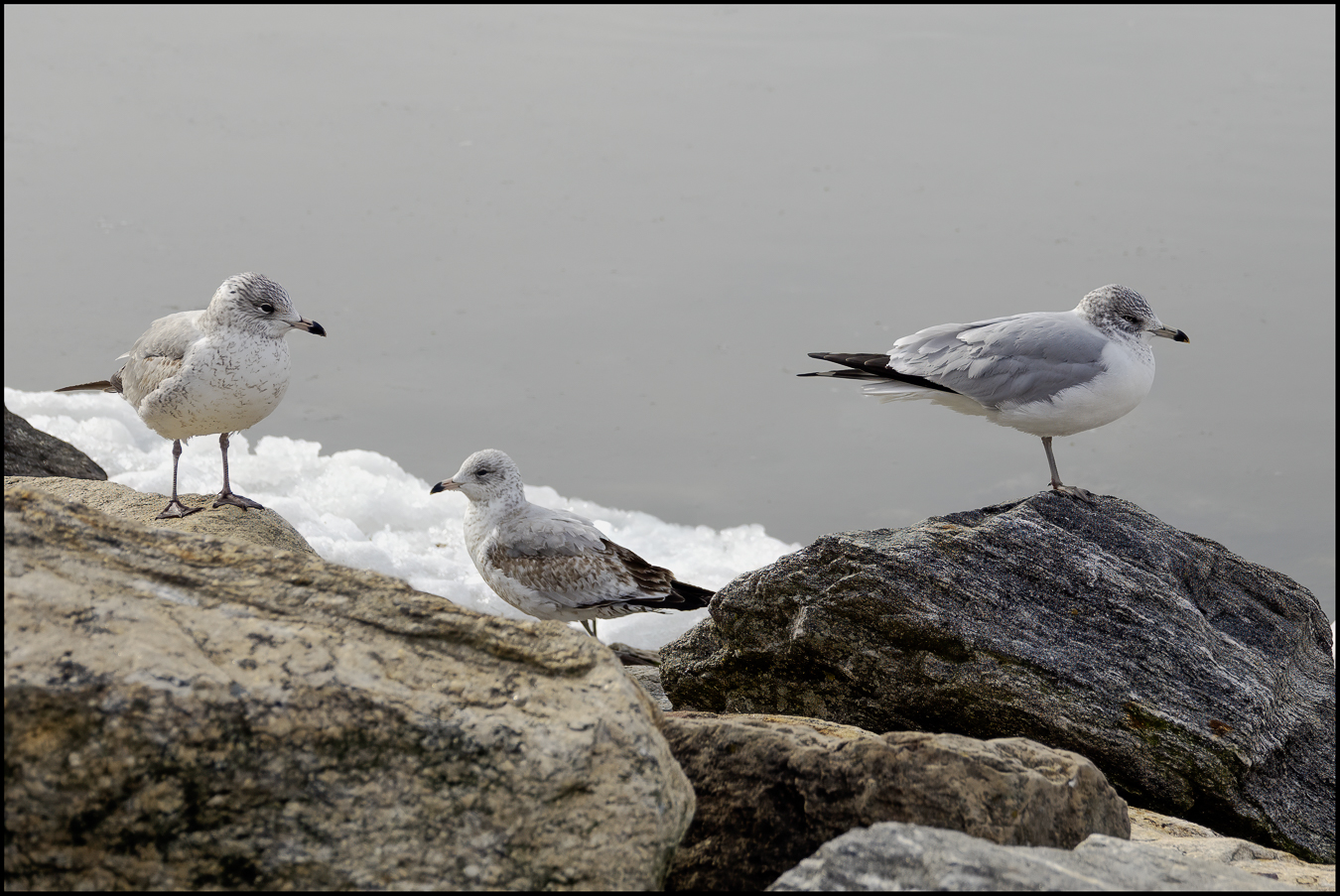
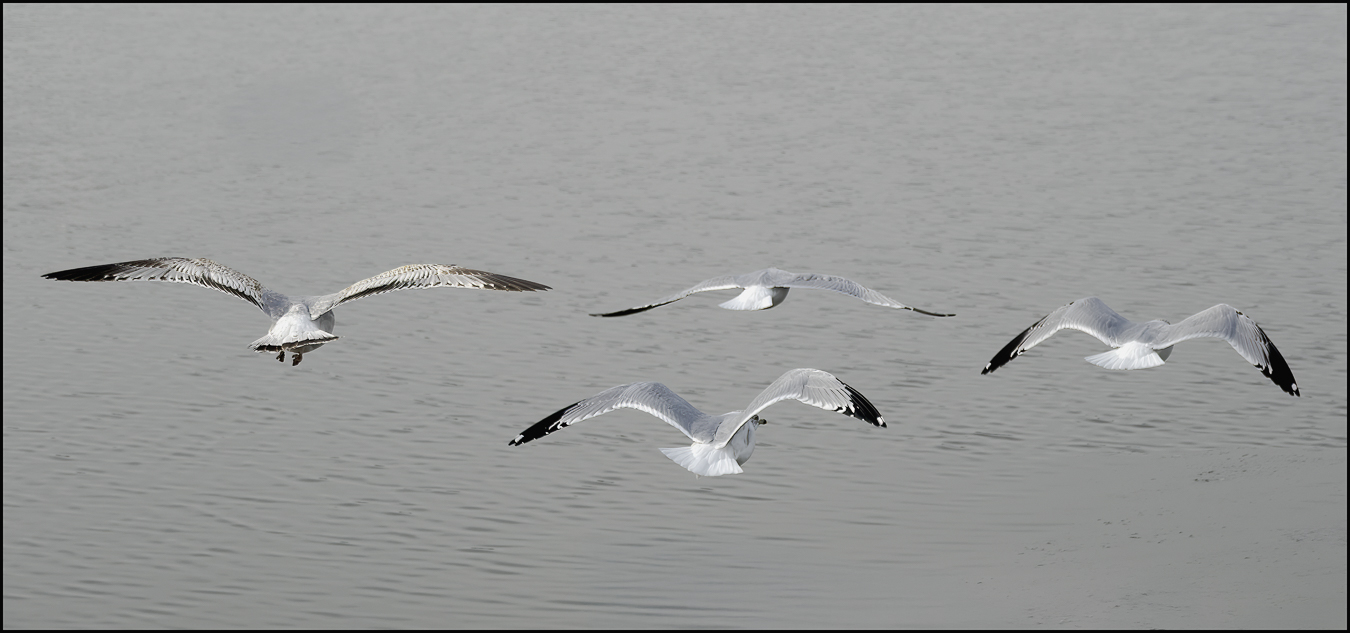
Taken with a Sony RX10 IV
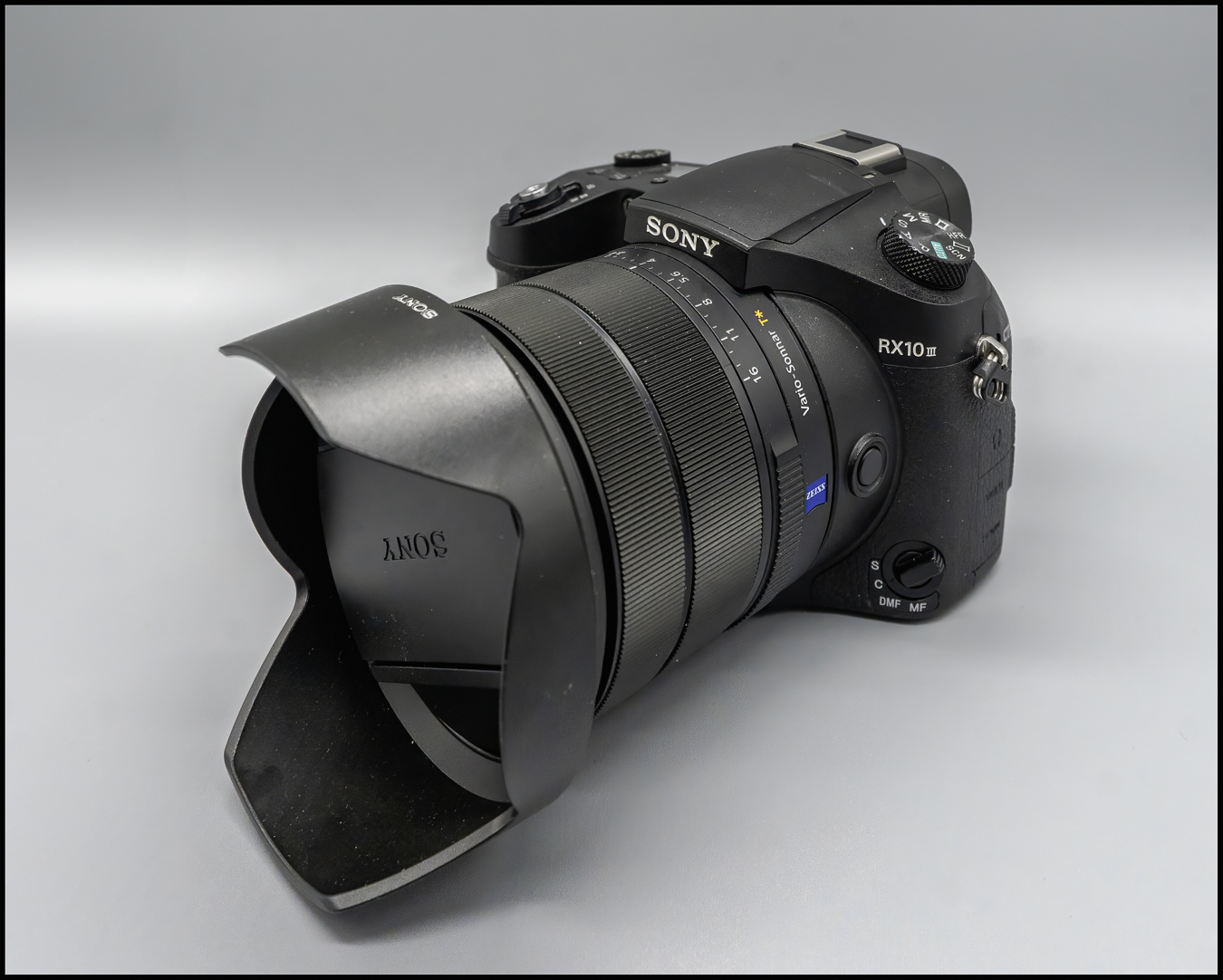
If you read this blog, you will no doubt know of my frustration with trying to take pictures of birds. My problems arise from two factors: 1) Not possessing the right gear for taking bird pictures; and 2) Not being able to find birds to take pictures of. This post will mostly focus on the first of these.
I realized that to take pictures of birds I needed a camera capable of decent image quality, fast autofocus, good tracking, and a decent burst mode. I would also need very long focal length lens. So, a couple of years ago I bought a Sony A7IV with a SIGMA 150-600mm F5-6.3 DG DN OS Sports. This combination did indeed meet my criteria, and I got a number of decent photographs using it
The problem was that the combination of camera and lens was large, and very heavy. If I were to go out specifically to take pictures of birds (i.e. If I expected to go somewhere where I was fairly sure I would get pictures) I would take this camera/lens combination. However, I’m 72 years old and lugging this combination for long periods of time (e.g. during a photowalk) when I wasn’t sure of getting something was just too exhausting for me. Below see the difference between the two when full extended to 600mm.
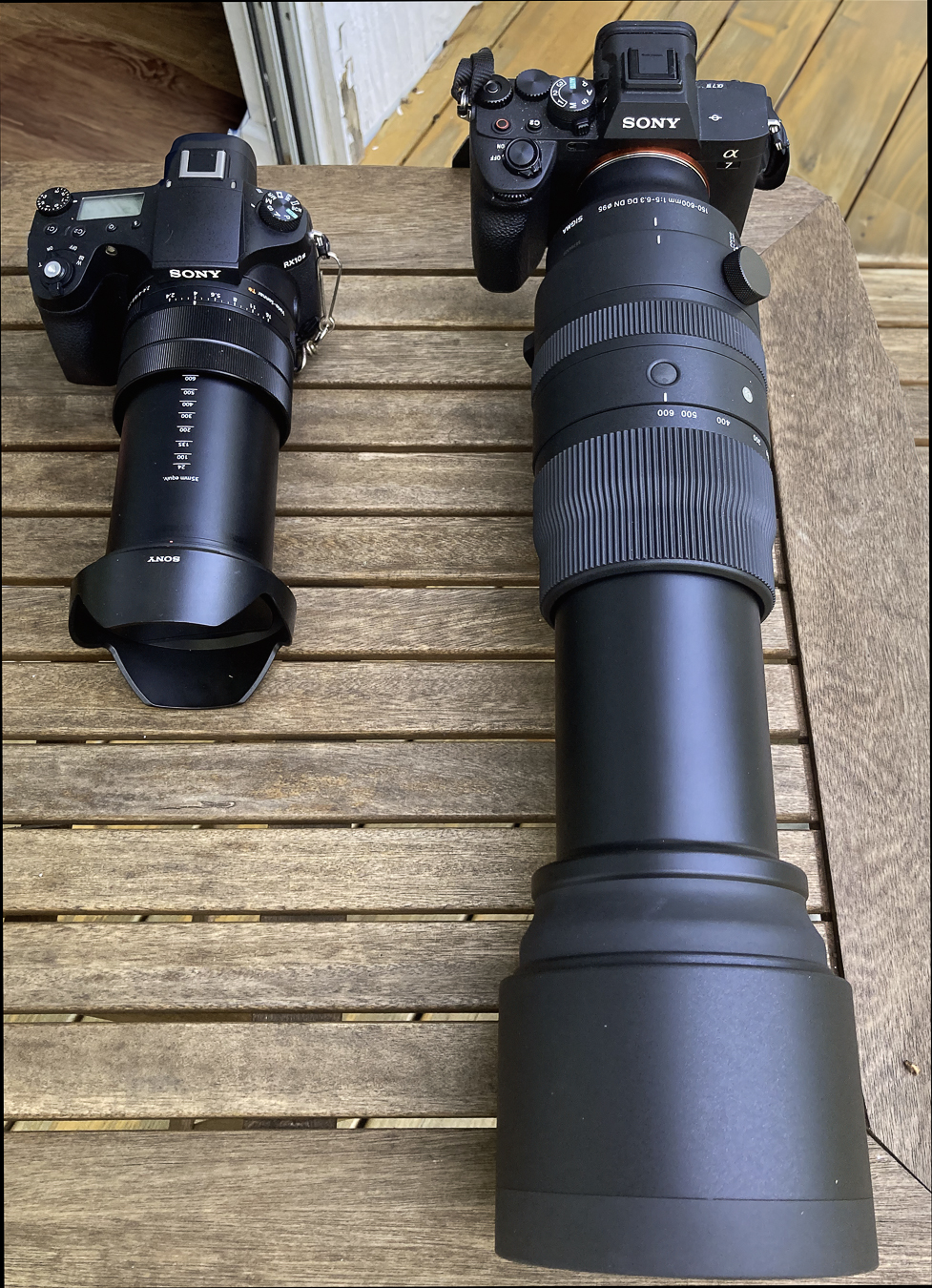
So, I looked for something smaller and lighter and came across the Sony RX10 M3. There’s a good review of it here. It seemed to meet most of my criteria. So even though it was quite expensive I bought one. Since it only had a 1-inch sensor rather than the full frame sensor on my A7IV I expected some loss of image quality, but I was pleasantly surprised at how good the images looked. The 24-600mm is truly remarkable and it’s so pleasant not to be carrying around and changing multiple lenses.
Unfortunately, the above-mentioned review was not the one I read. I read this one. Lured by a lower price, and excited to get on with the purchase I failed to notice that I had ordered the Model III rather than the Model IV. I realized soon (but not soon enough that I could return it) that the review of the Model III criticized the autofocus: the very thing that I wanted most. I still like the camera a lot for the reasons mentioned above, but if your interest is in birding or fast action this isn’t the camera for you.
So, what did I do? Well, I bought the Model IV of course. I still have the Model III. I’ll probably sell it or give it to one of my grandchildren one of these days.
For some pictures taken with this camera see here.
Taken with a Sony A7IV and Sony FE 24mm f2.8 G.

As is my habit I’d got up and had a coffee. After reading for a bit, I decided I wanted another as I was about to fill up my cup again, I noticed that the cup was inhabited by this bug.
It’s brown marmorated stink bug. It’s an insect in the family Pentatomidae, native to China, Japan, Korea, and other Asian regions. In September 1998, it was collected in Allentown, Pennsylvania, where it is believed to have been accidentally introduced. The nymphs and adults of the brown marmorated stink bug feed on over 100 species of plants, including many agricultural crops, and by 2010–11 had become a season-long pest in orchards in the Eastern United States. In 2010, in the Mid-Atlantic United States, $37 million in apple crops were lost, and some stone fruit growers lost more than 90% of their crops. Since the 2010s, the bug has spread to countries such as Georgia and Turkey and caused extensive damage to hazelnut production. It is now established in many parts of North America and has recently become established in Europe and South America.
It’s armored and is quite hard to kill and if you try it emits an unpleasant smell. As in all stink bugs, the glands that produce the defensive chemicals (the smell) are located on the underside of the thorax, between the first and second pair of legs. The smell has been characterized as a “pungent odor that smells like coriander.” The stink bug’s ability to emit an odor through holes in its thorax is a defense mechanism evolved to prevent it from being eaten by birds and lizards. However, simply handling the bug, injuring it, or attempting to move it can trigger it to release the odor.
Reports on human cases are rare, but the stink bug’s body fluids are toxic and irritating to the human skin and eyes. One case of keratitis has been reported in Taiwan. So, it’s probably not a good idea to touch one. Since it’s an invasive pest I should probably killed it. But I don’t like to kill anything, even bugs. So, I just took the mug outside and ejected the bug.
I’m glad I spotted it before I filled the cup though!
Taken with a Sony A7IV and Venus Optics Laowa 85mm f5.6

The title says it all. I woke up early after a snowfall. The light was interesting, so I braved the cold to go outside and take a few pictures.


Taken with a Sony RX100 MVII.