Along the Pocantico River

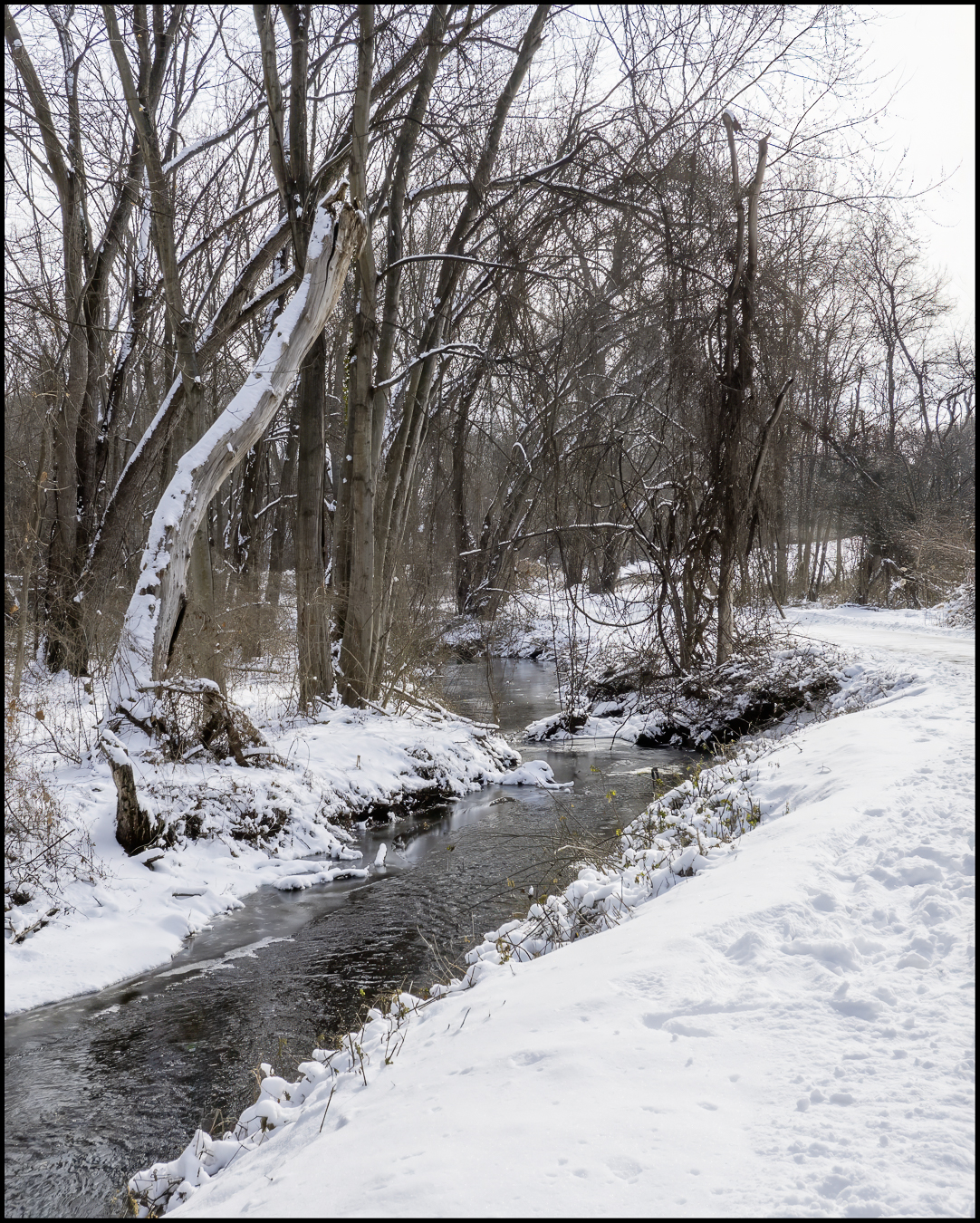
Sorry for showing yet more snow pictures. We had about five inches of snow a week or so ago and since then it’s been very cold, and the snow hasn’t had a chance to melt. The last couple of days have been significantly warmer and the snow has now virtually disappeared.

I volunteer at the Briarcliff Manor-Scarborough Historical Society, which is located on the lower level of the Briarcliff Public Library building. The Pocantico River runs right by it. I took these pictures while walking to work one morning.
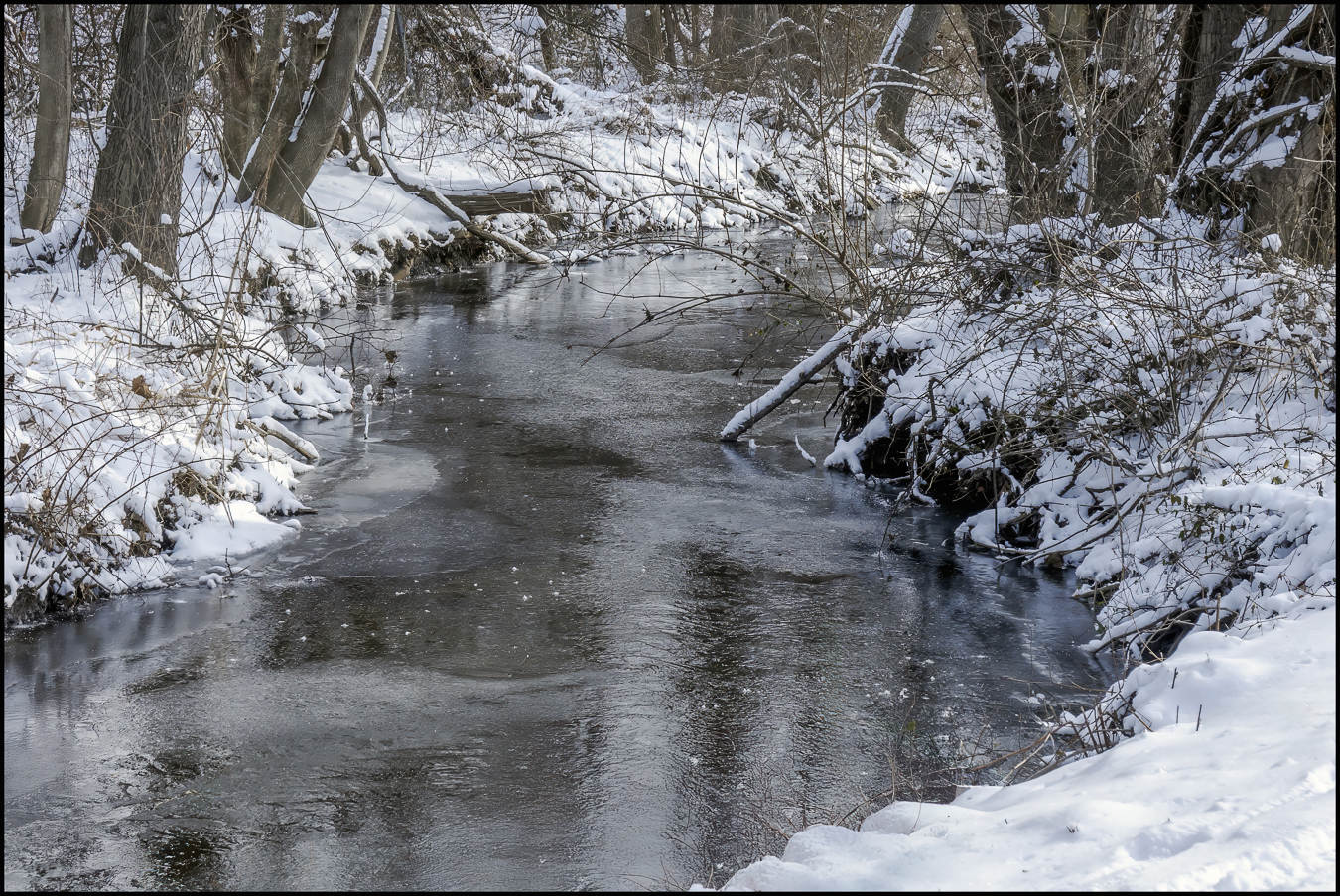
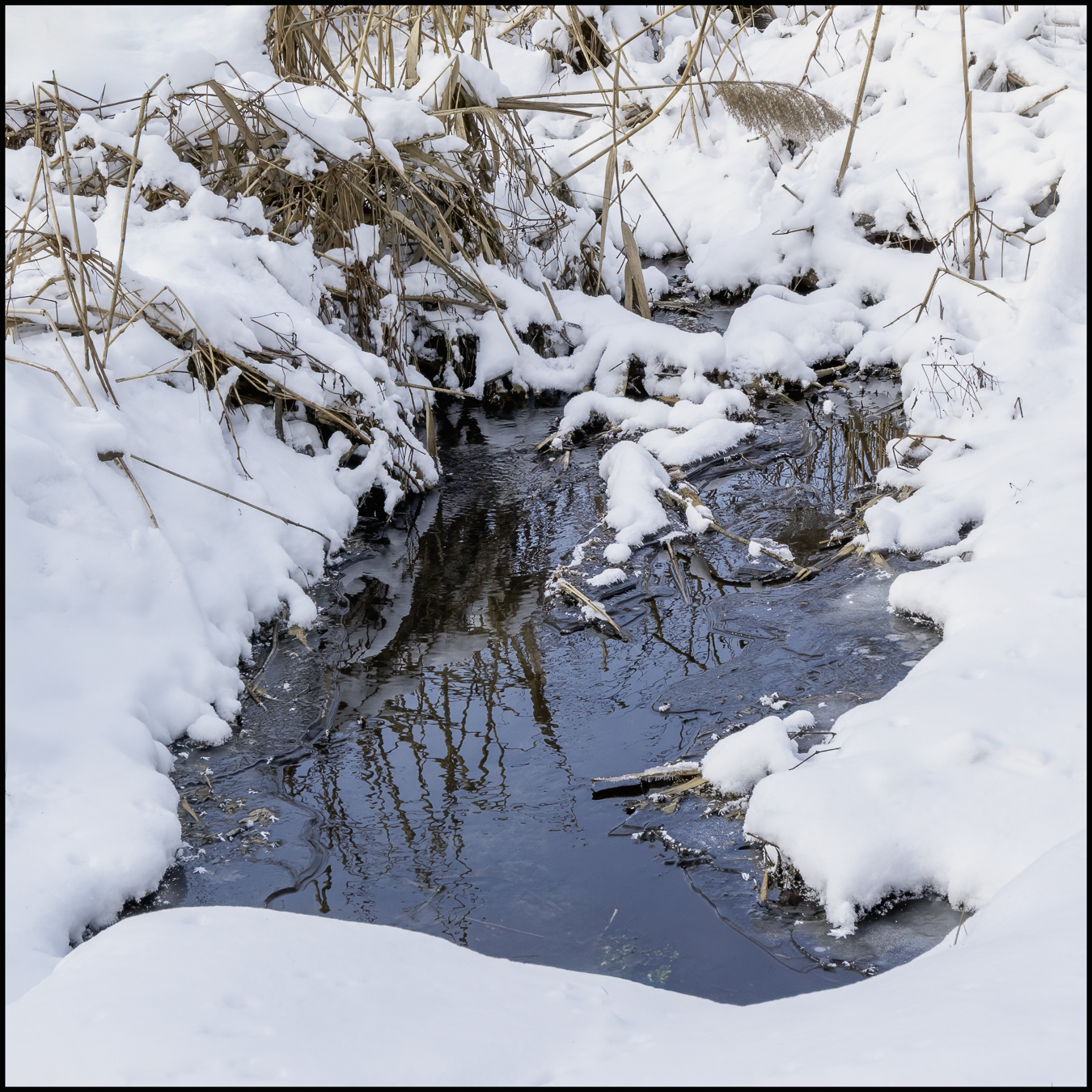
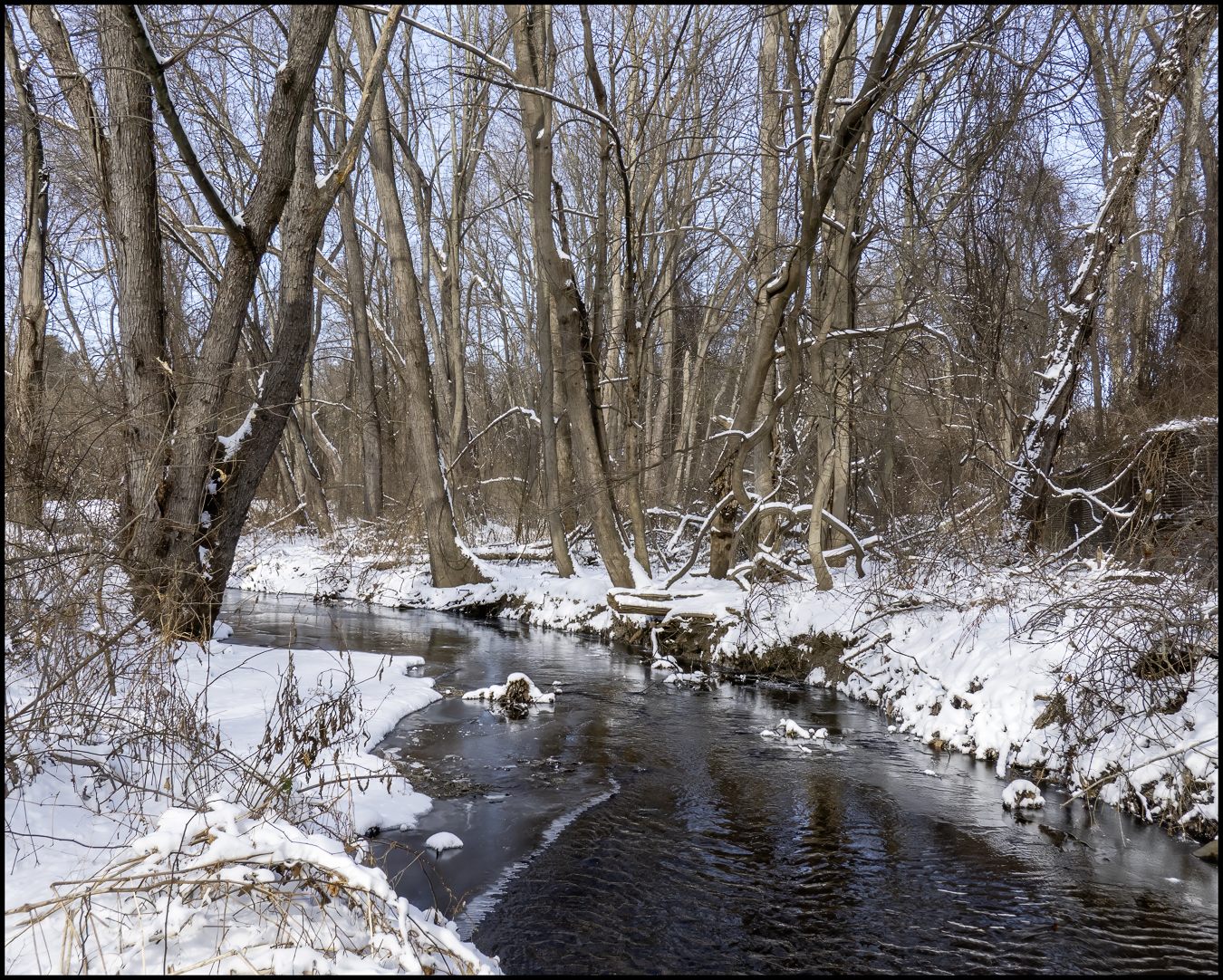
Taken with a Sony RX100 MVII.
House on the Corner of Wolden Road and Ellis Place, Ossining, NY

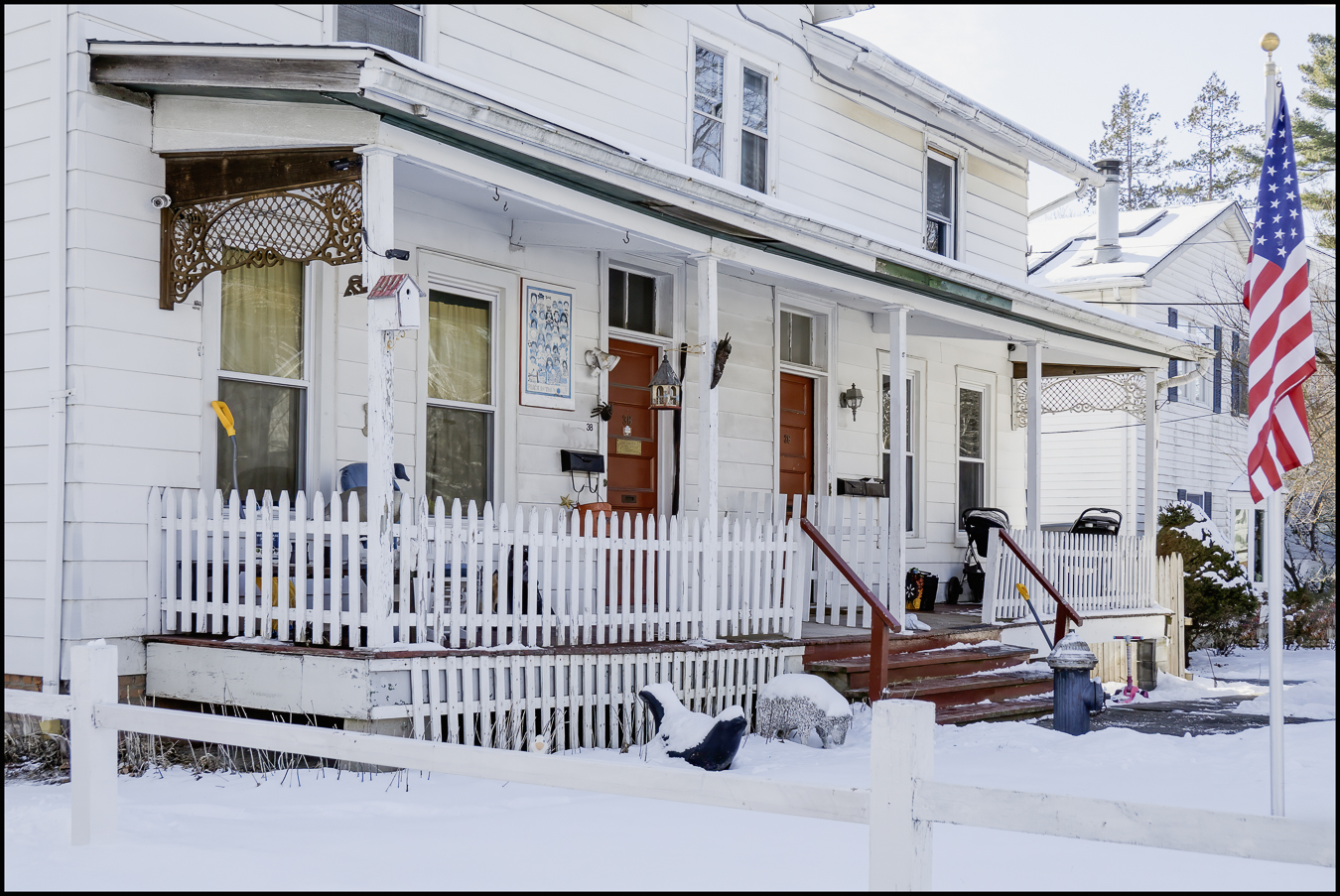
I’m not entirely sure why I took this picture, but something about this house caught my interest.

I think it was probably all of the little bits and pieces: the ornate metalwork (or maybe it’s some other type of material) at either end; the birdhouses, one on one of the uprights, the other on a pole on the porch; the creatures on either side of the door; the faded blue “Peace in the World Panel; The fire hydrant (is it real or merely decorative; the two blobs to the left of the stairs. The one on the right looks like some kind of wirework sheep (or maybe a bear?). The one on the left looks like a ceramic blue blob (is it some other creature that I can’t recognize? Maybe some kind of seal), or is it just some kind of abstract sculpture?); a child’s toy to the right of the stairs; and finally, the inevitable US Flag.

So many questions?

Taken with a Sony RX100 MVII.
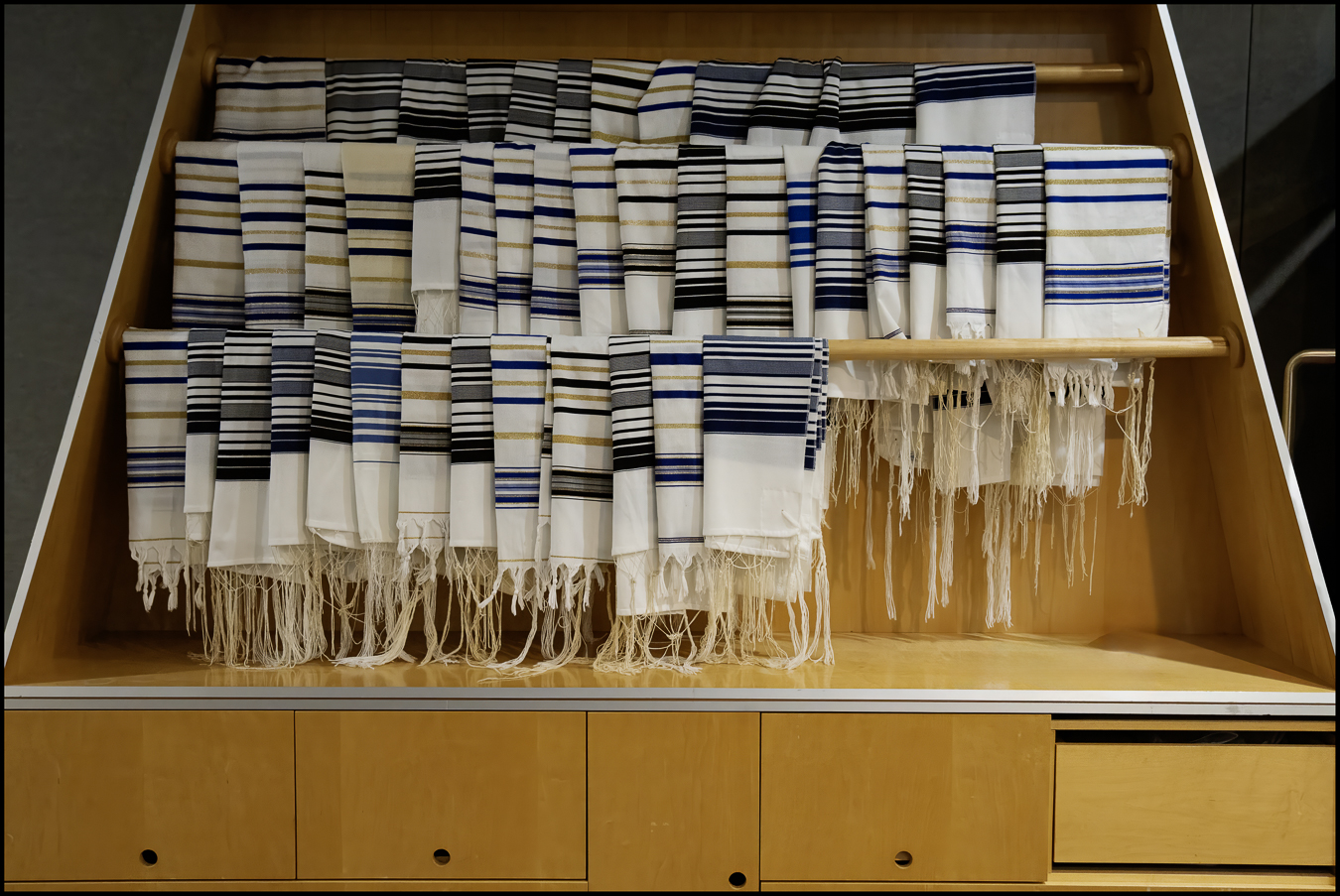
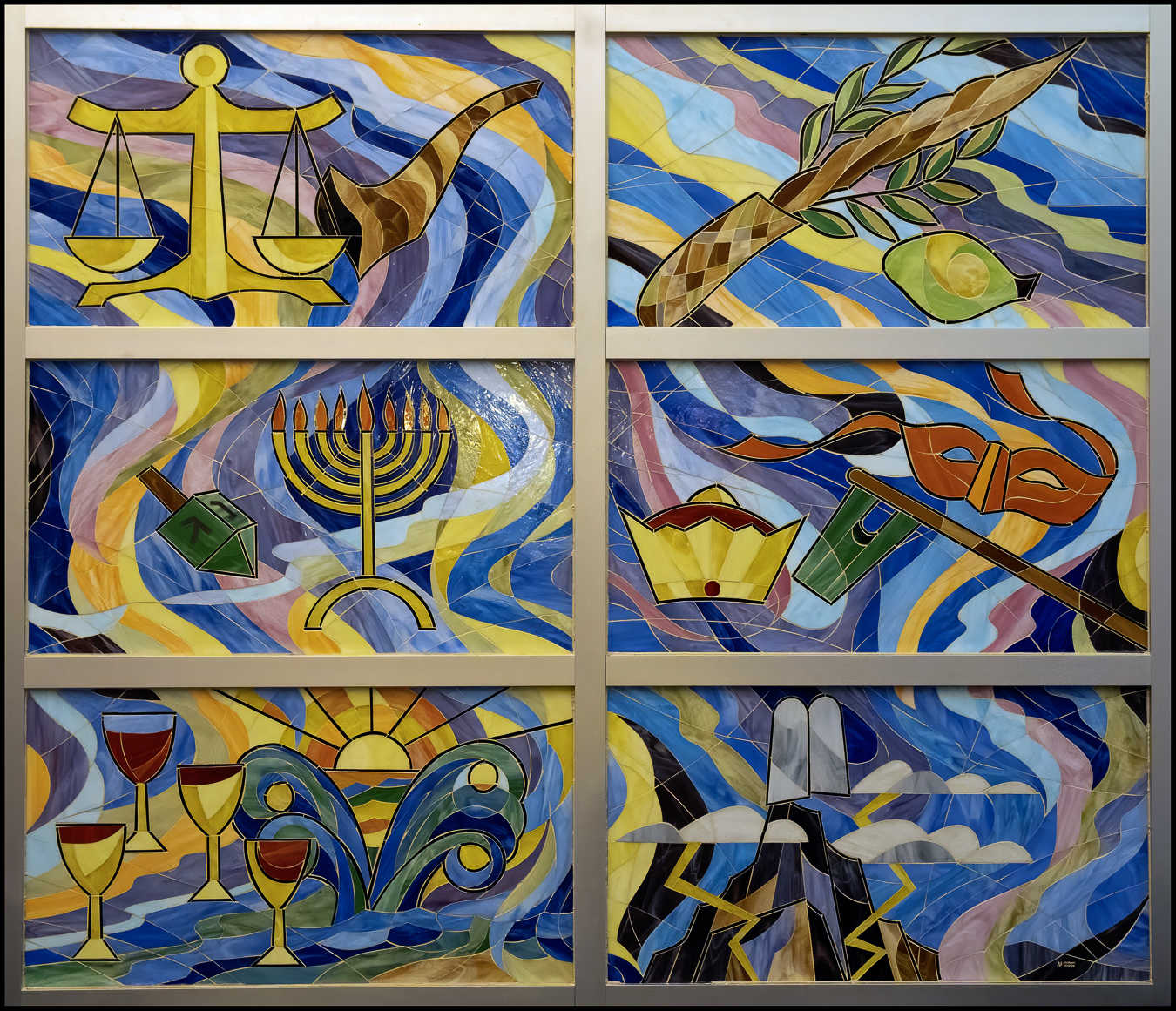
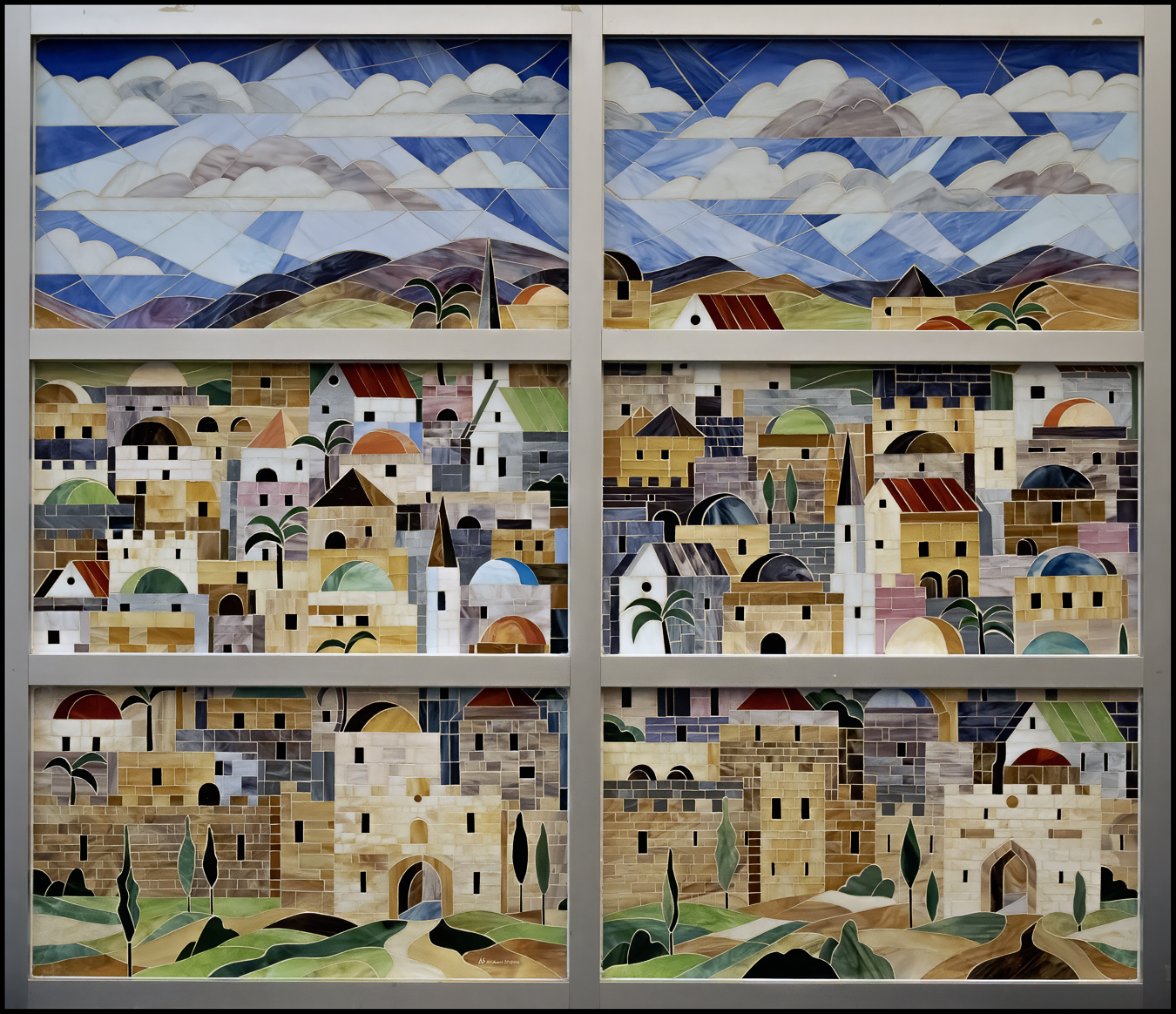
Presentation on the Congregation Sons of Israel

In the preceding post I wrote about the Congregation Sons of Israel Cemetery. In it I mentioned that I had learned about the cemetery from a presentation on the synagogue organized by the Briarcliff Manor-Scarborough Historical Society. Shortly afterwards I realized that I had not done a post on that presentation, so here goes.

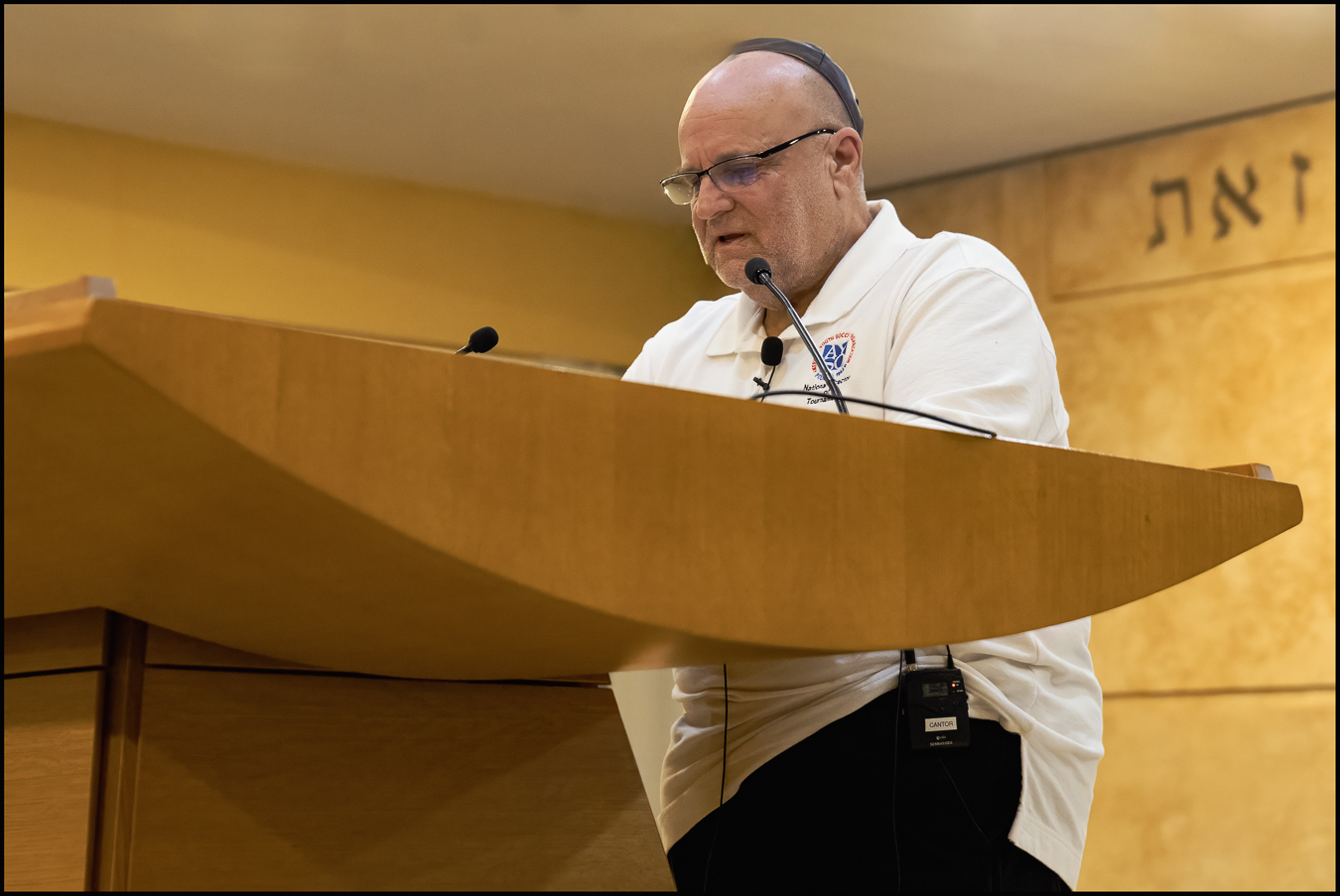
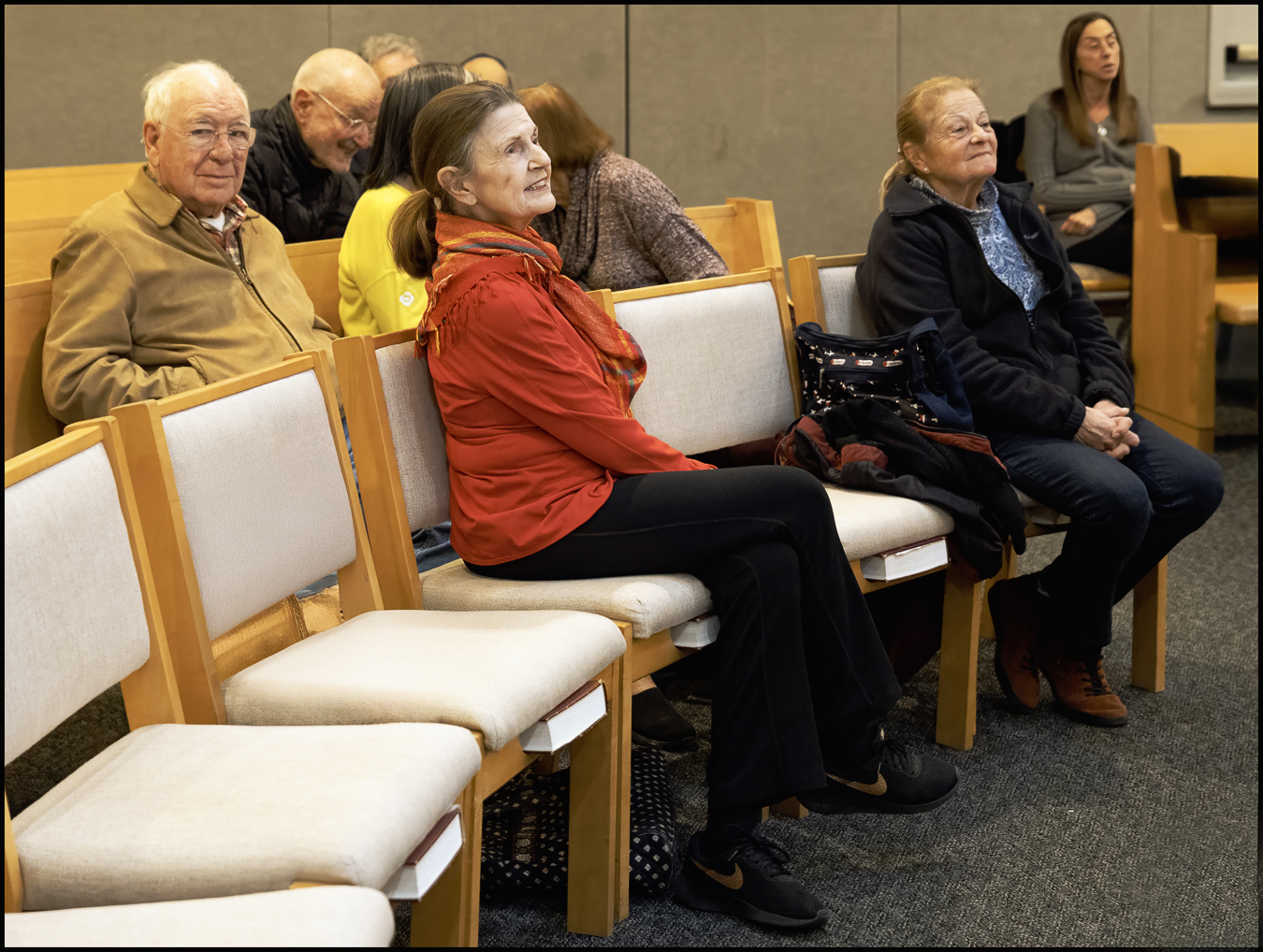
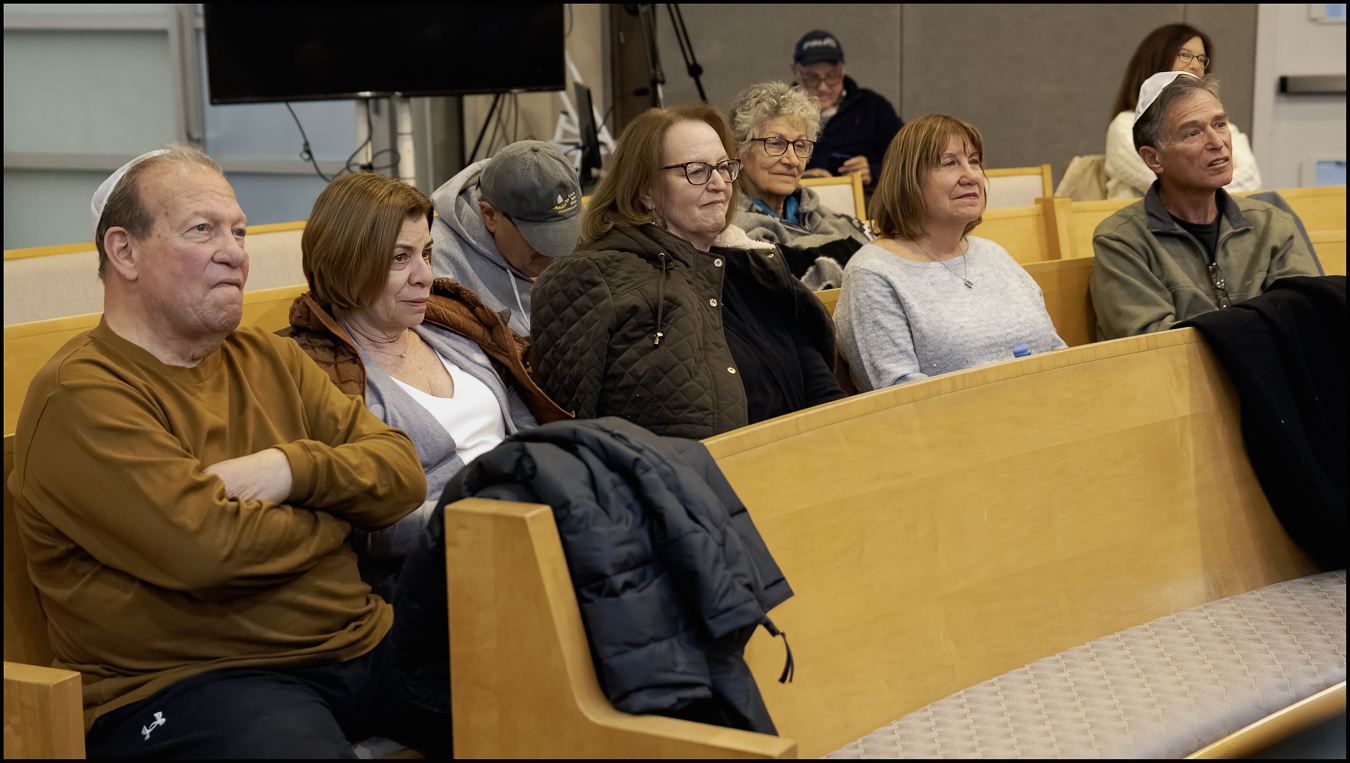
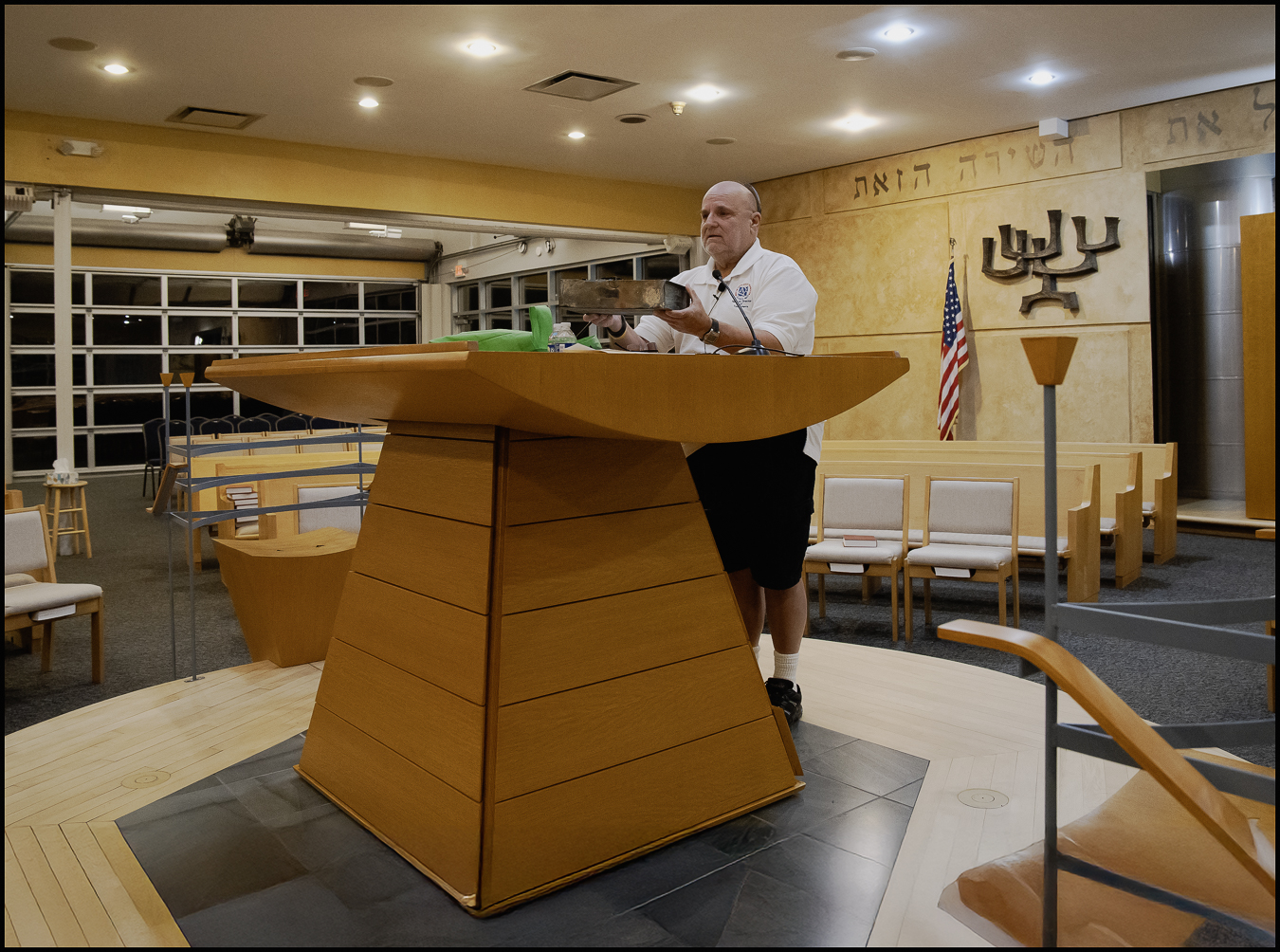
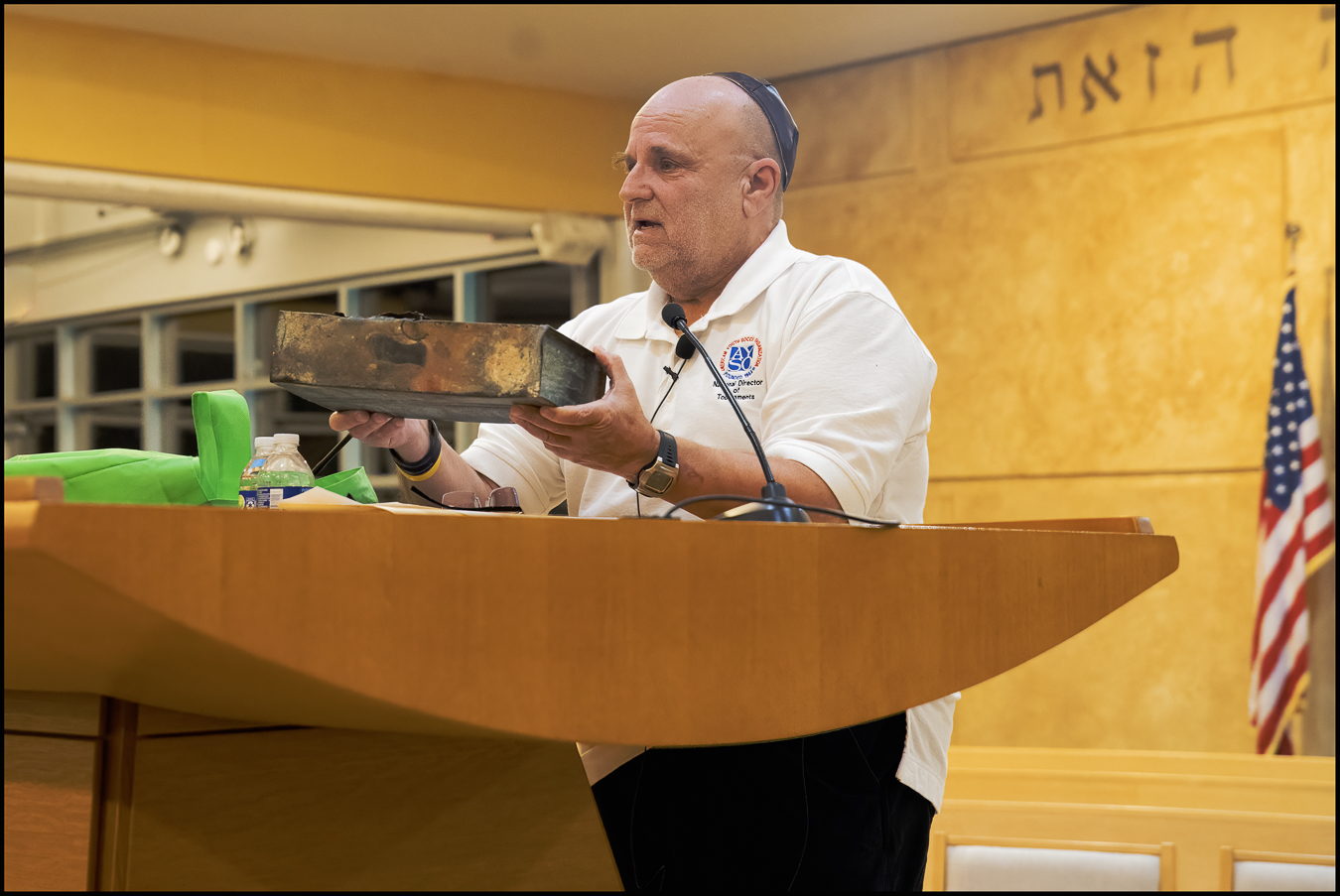
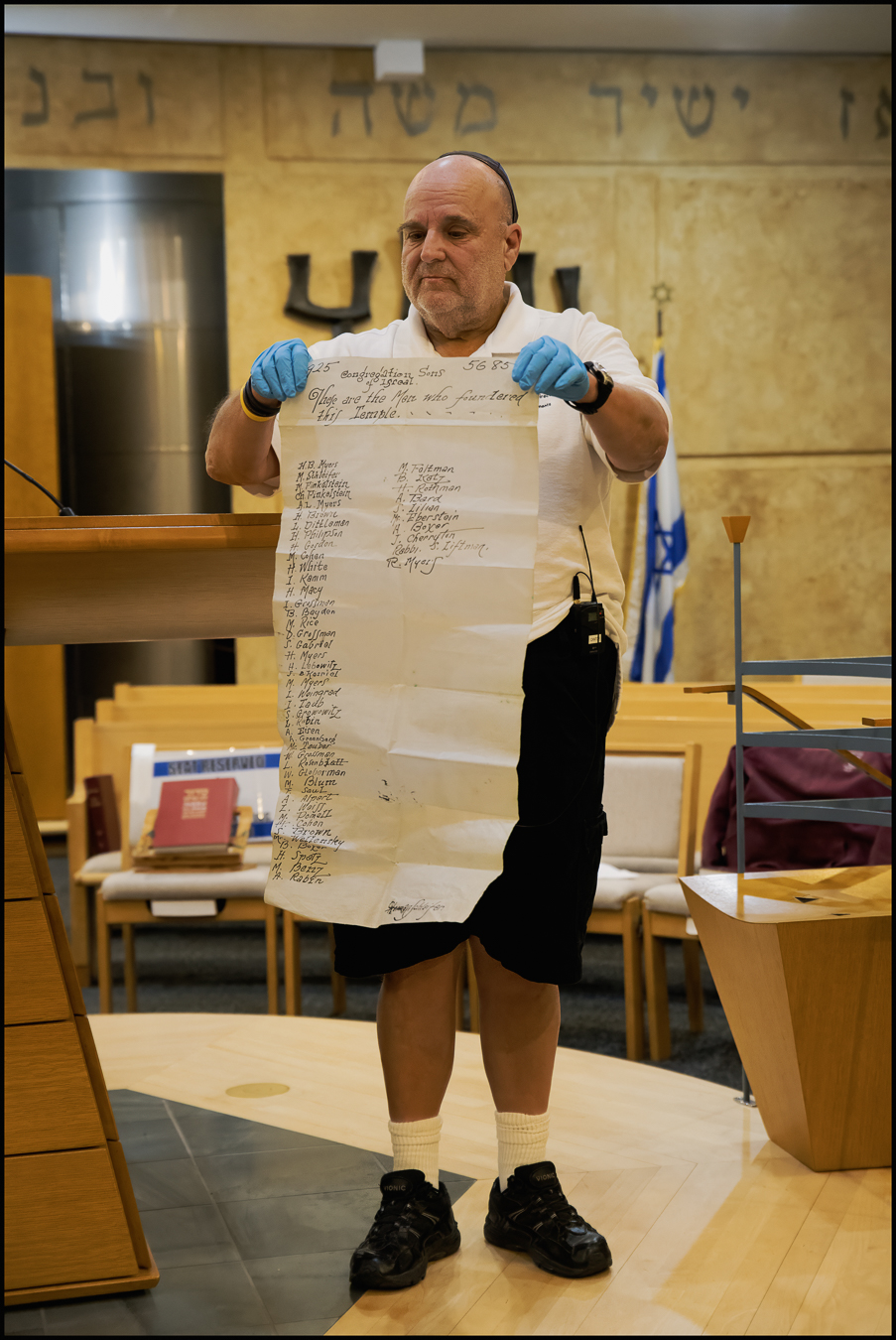
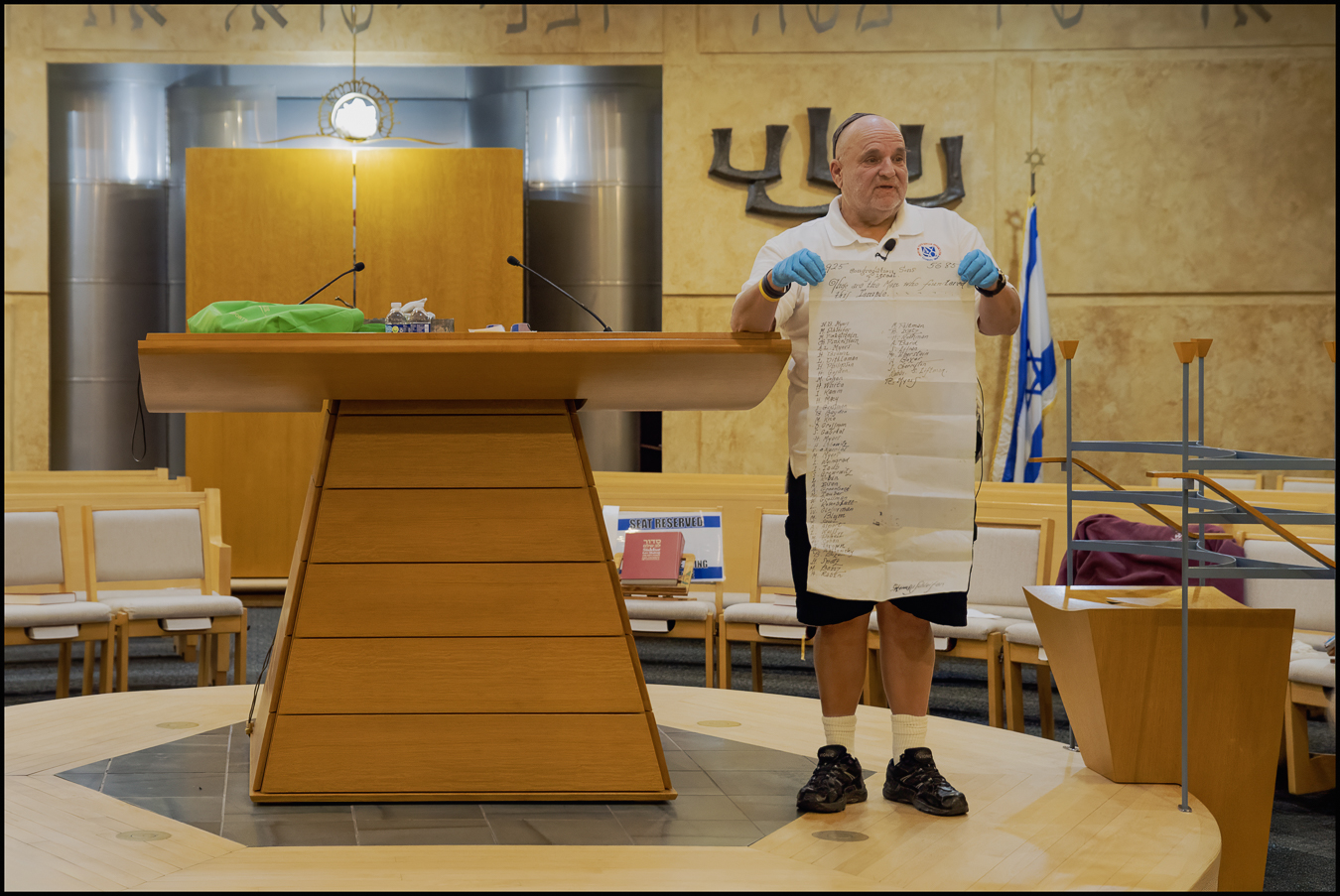
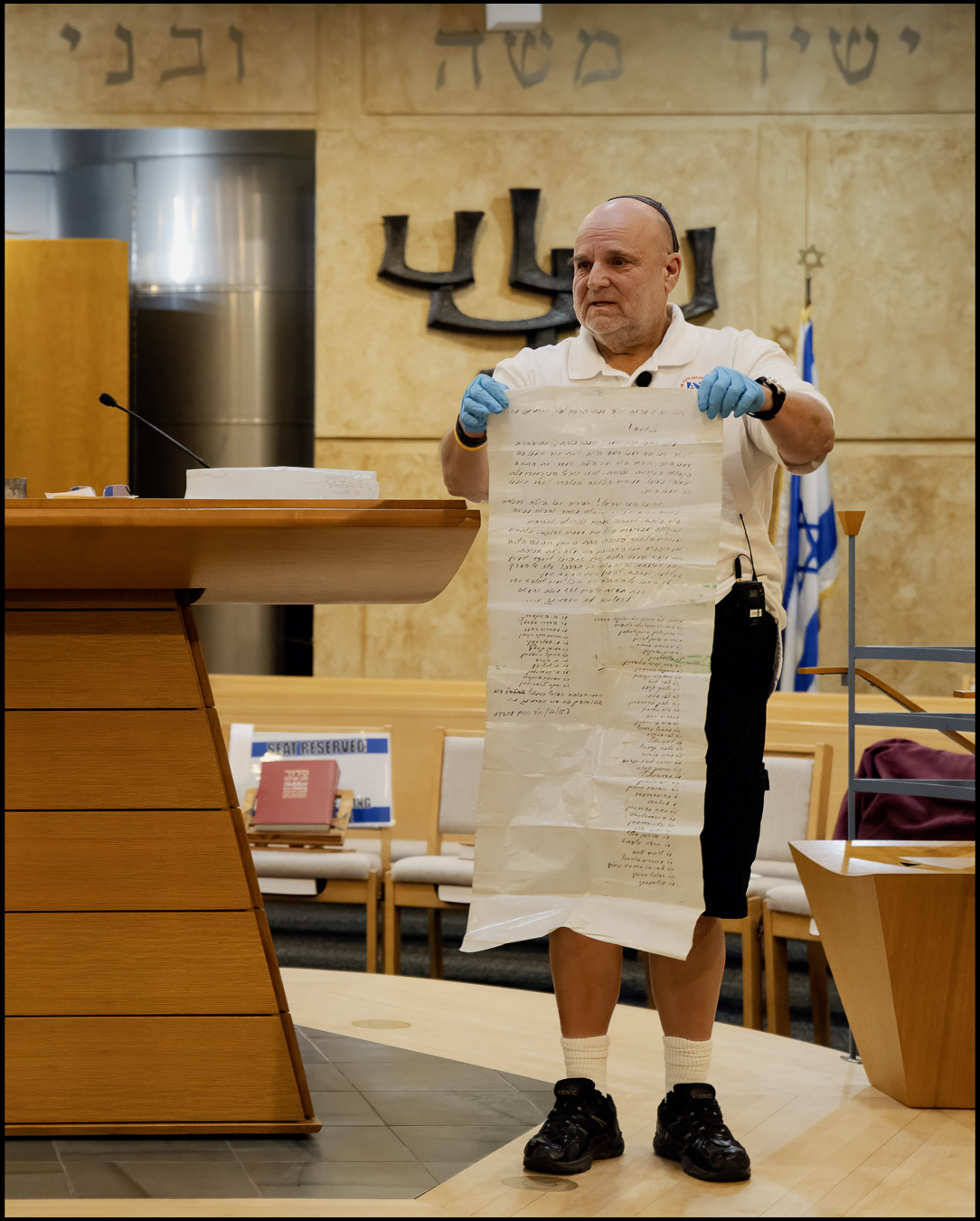
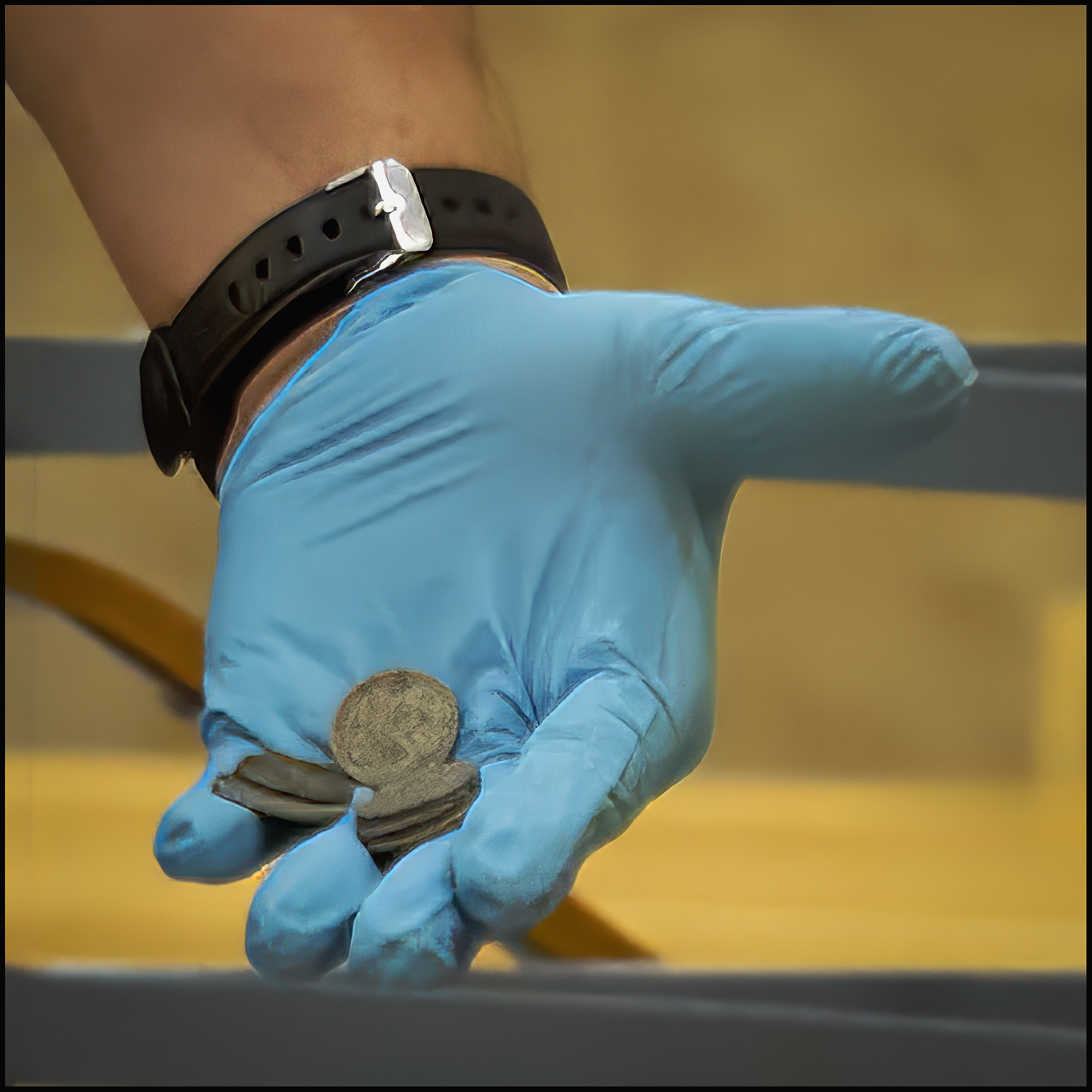
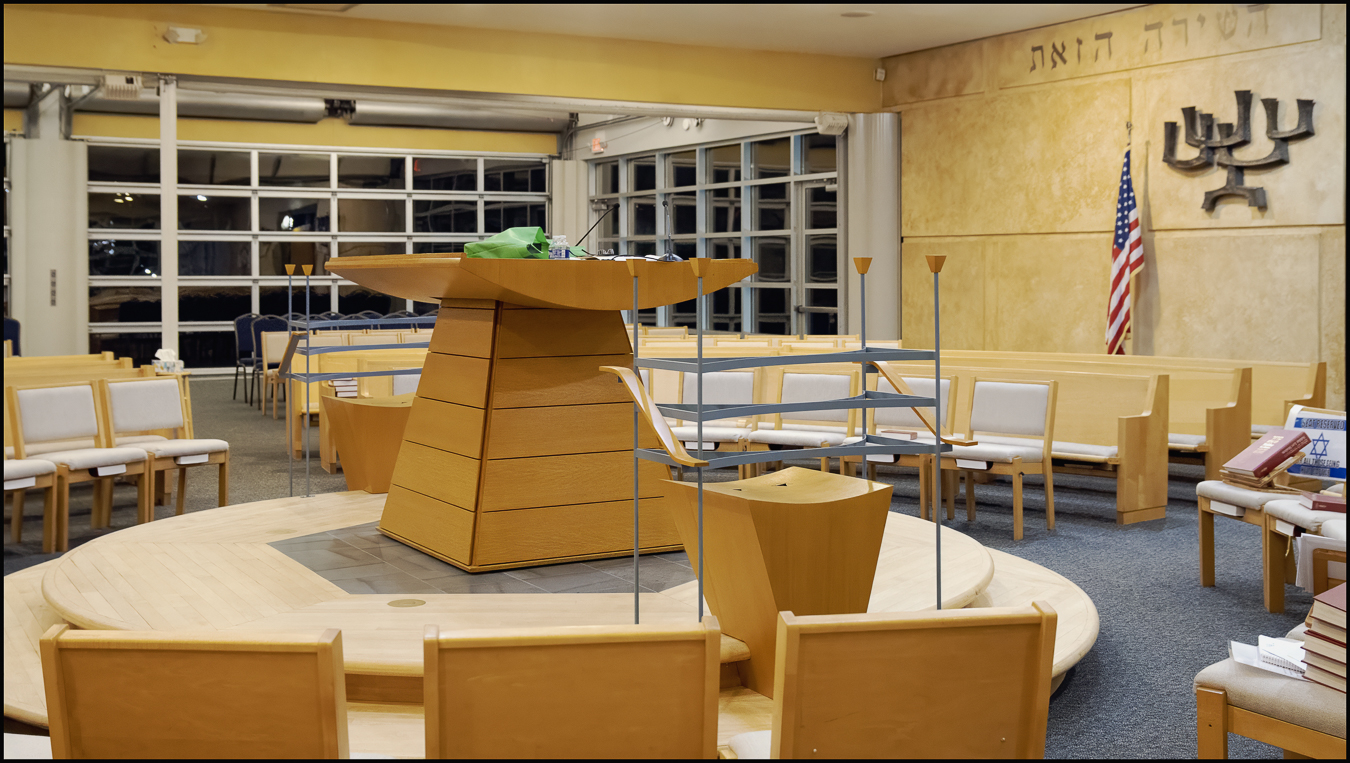
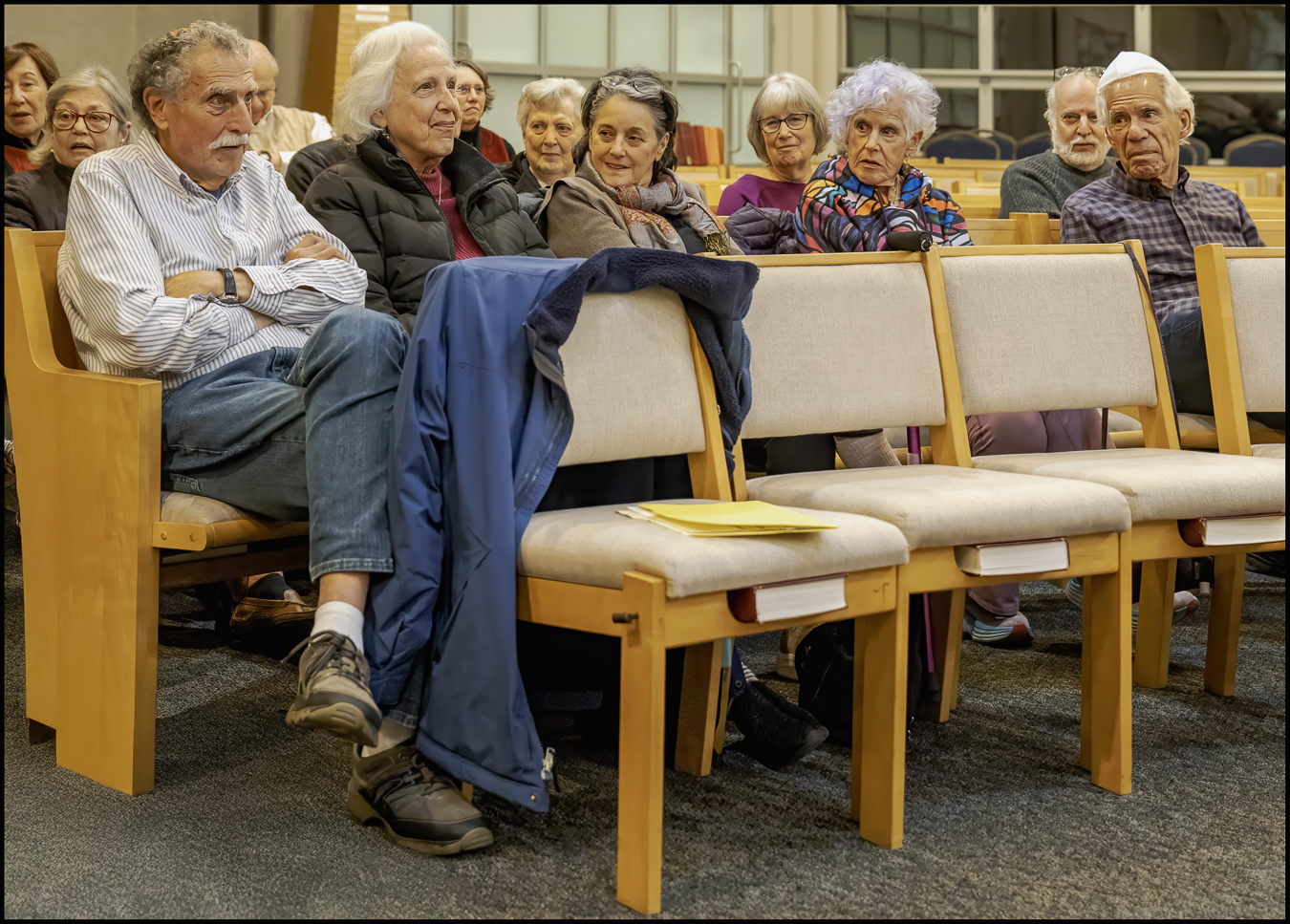
This year the Briarcliff Manor Scarborough Historical Society has organized a number of presentations on the Village’s Houses of Worship. The presentation took place, Wednesday, November 13, 2024, at 7:00 pm at the Congregation Sons of Israel (CSI). Mr. Irwin Kavy presented a comprehensive history of the synagogue. A highlight of the presentation was when Mr. Kavy showed a time capsule that had been found in the building that previously housed the synagogue. He also showed and described the contents. The presentation ended with a lengthy Q&A that provoked an enthusiastic response from the participants. A video of his presentation is now available courtesy of Mr. Kavy and the CSI.


Taken with a Sony A7IV and Rokinon/Samyang AF 24-70 f2.8 FE

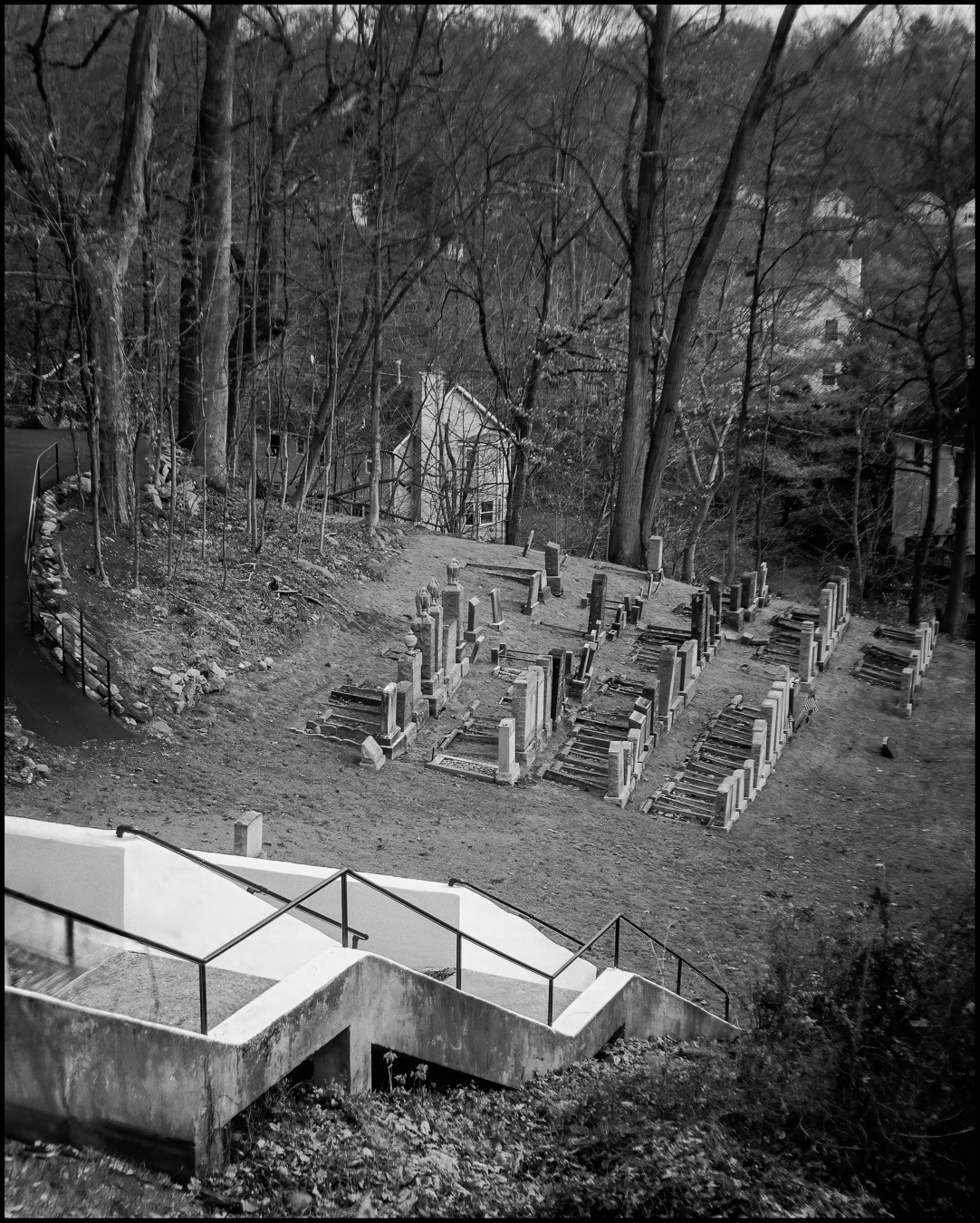
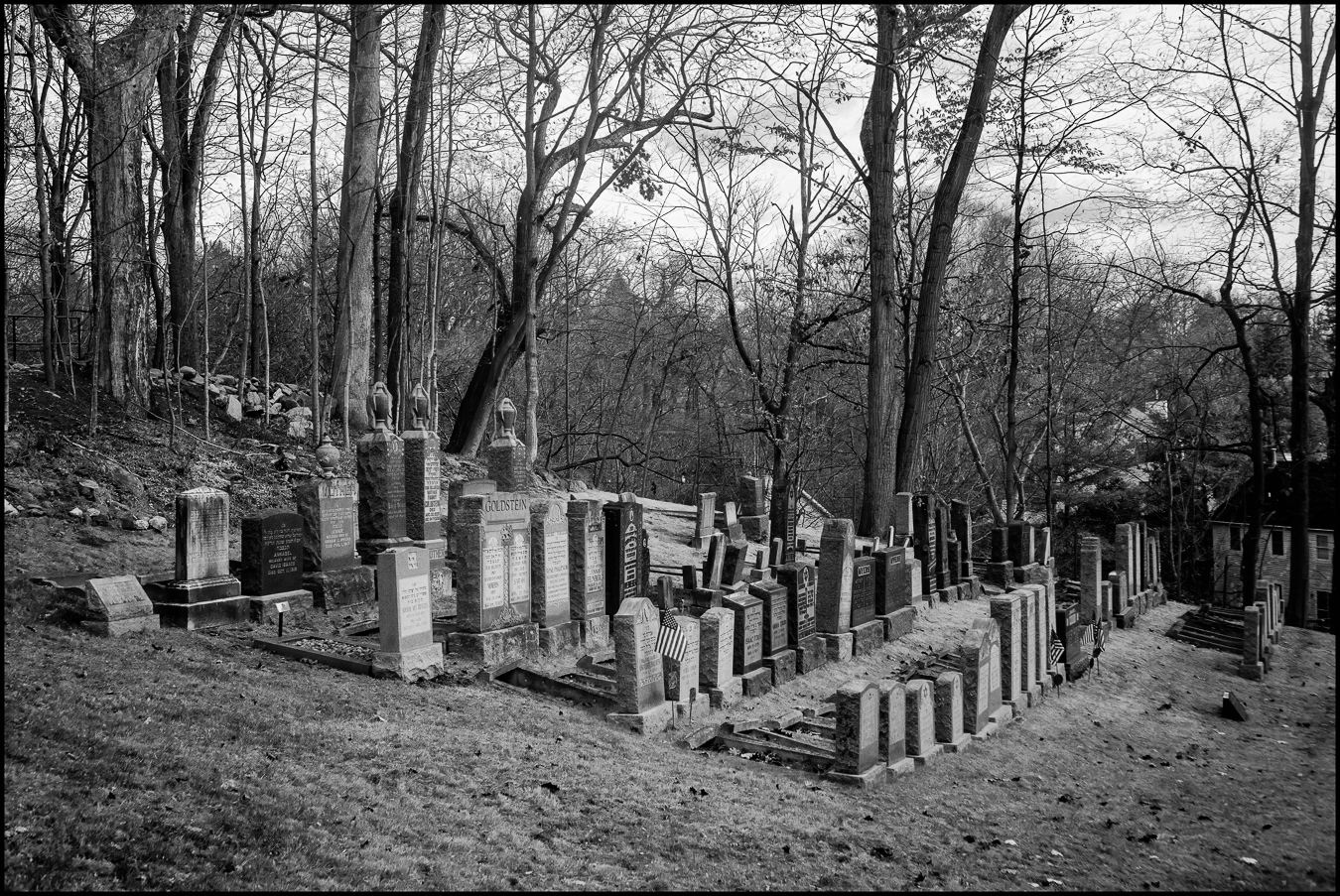
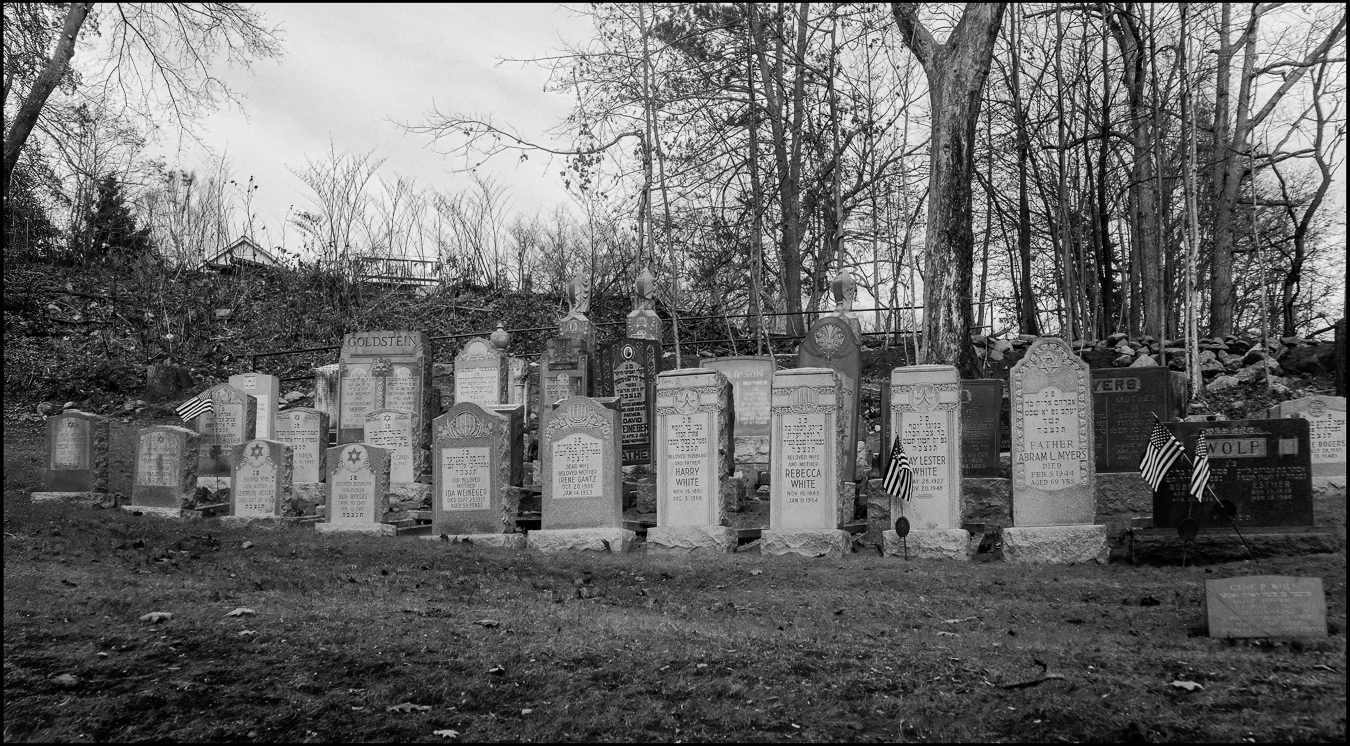
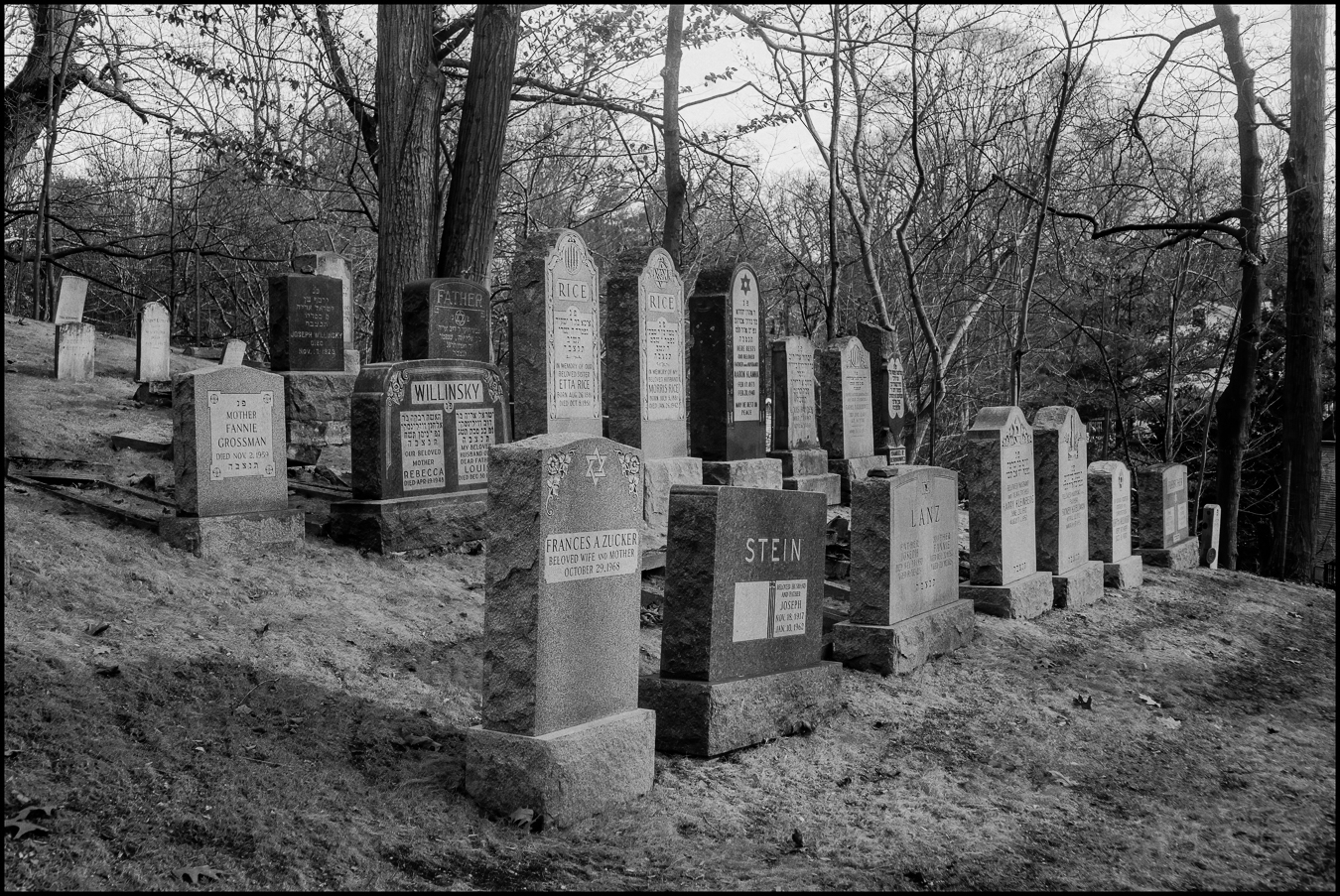
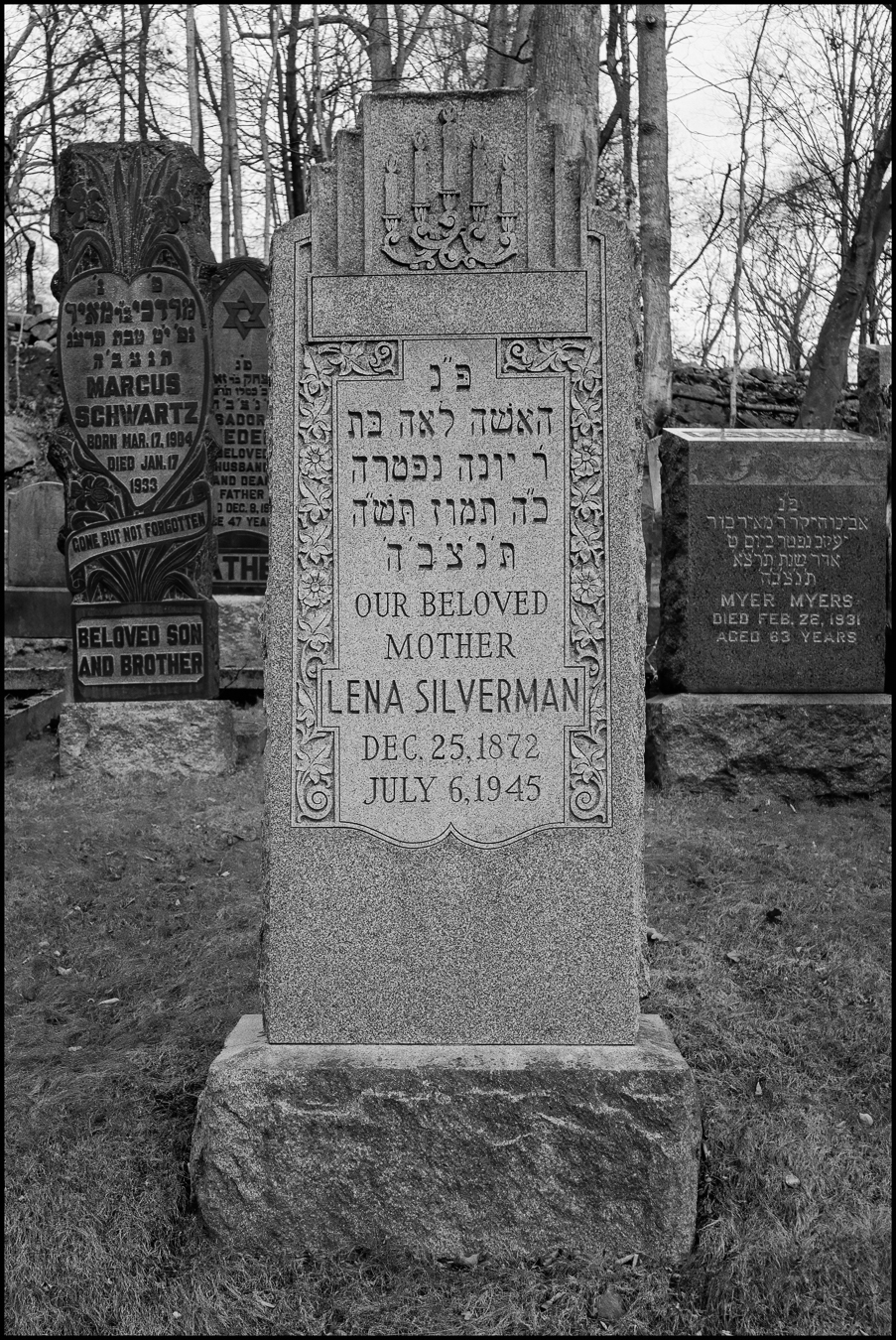
Congregation Sons of Israel Cemetery, Ossining

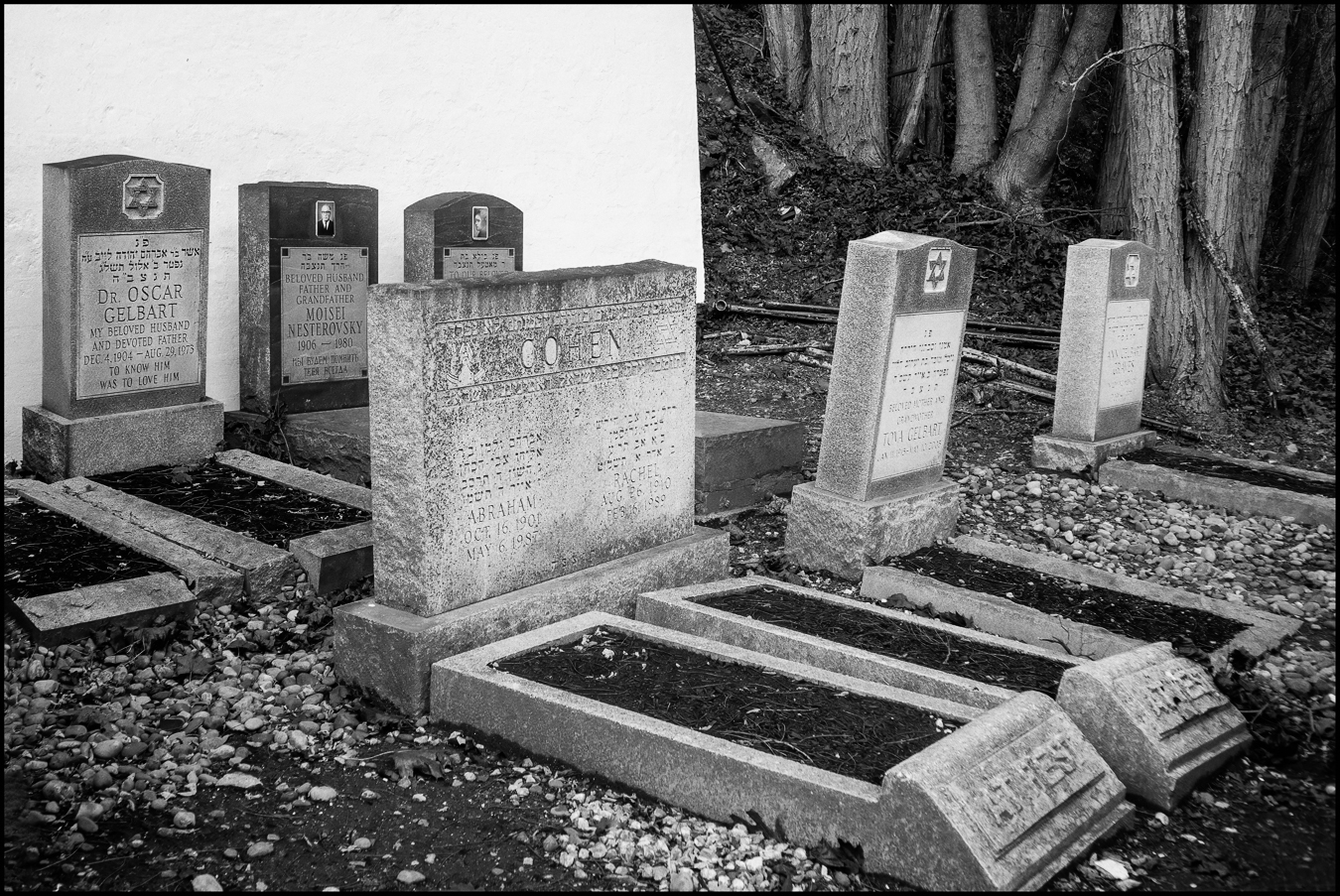
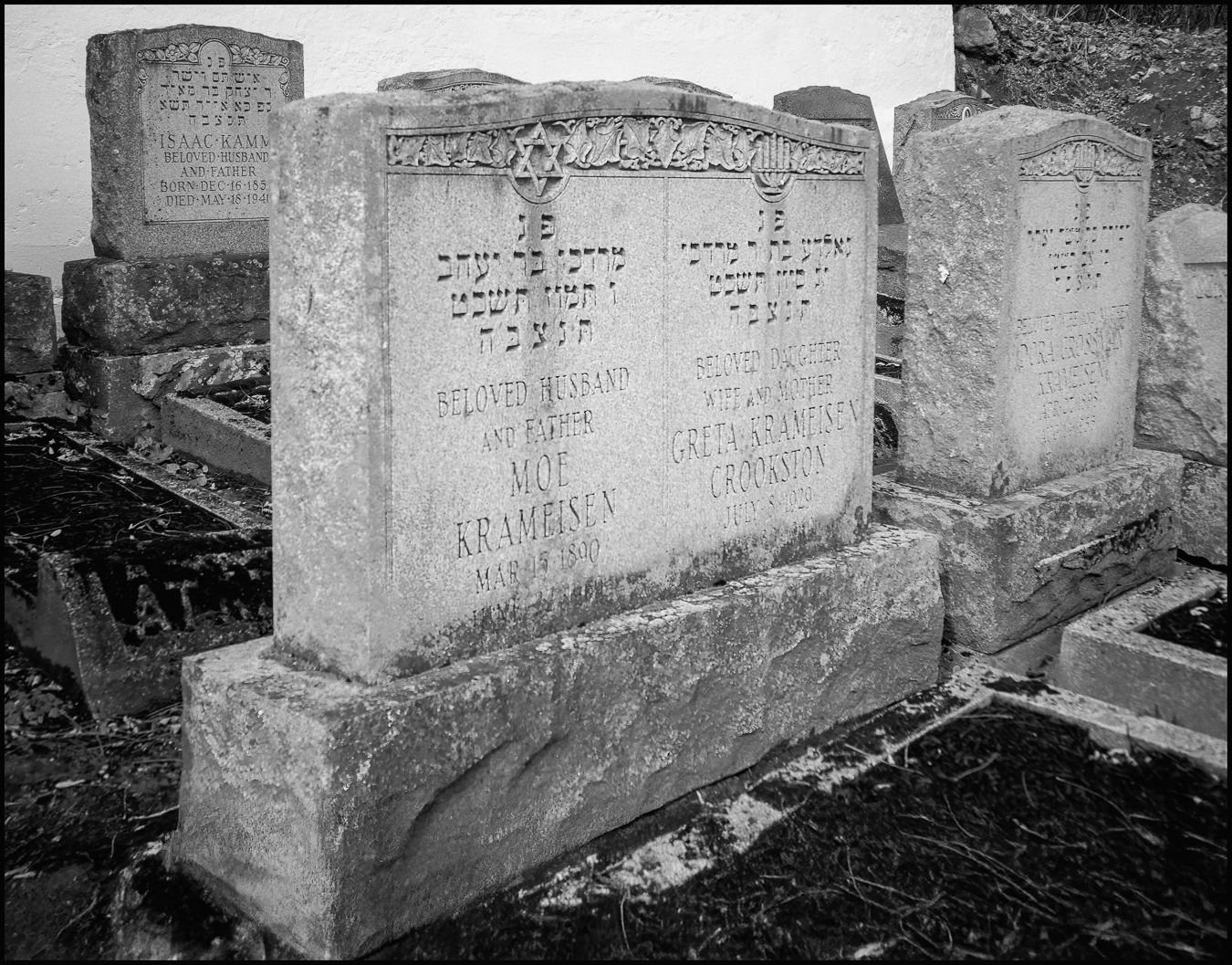
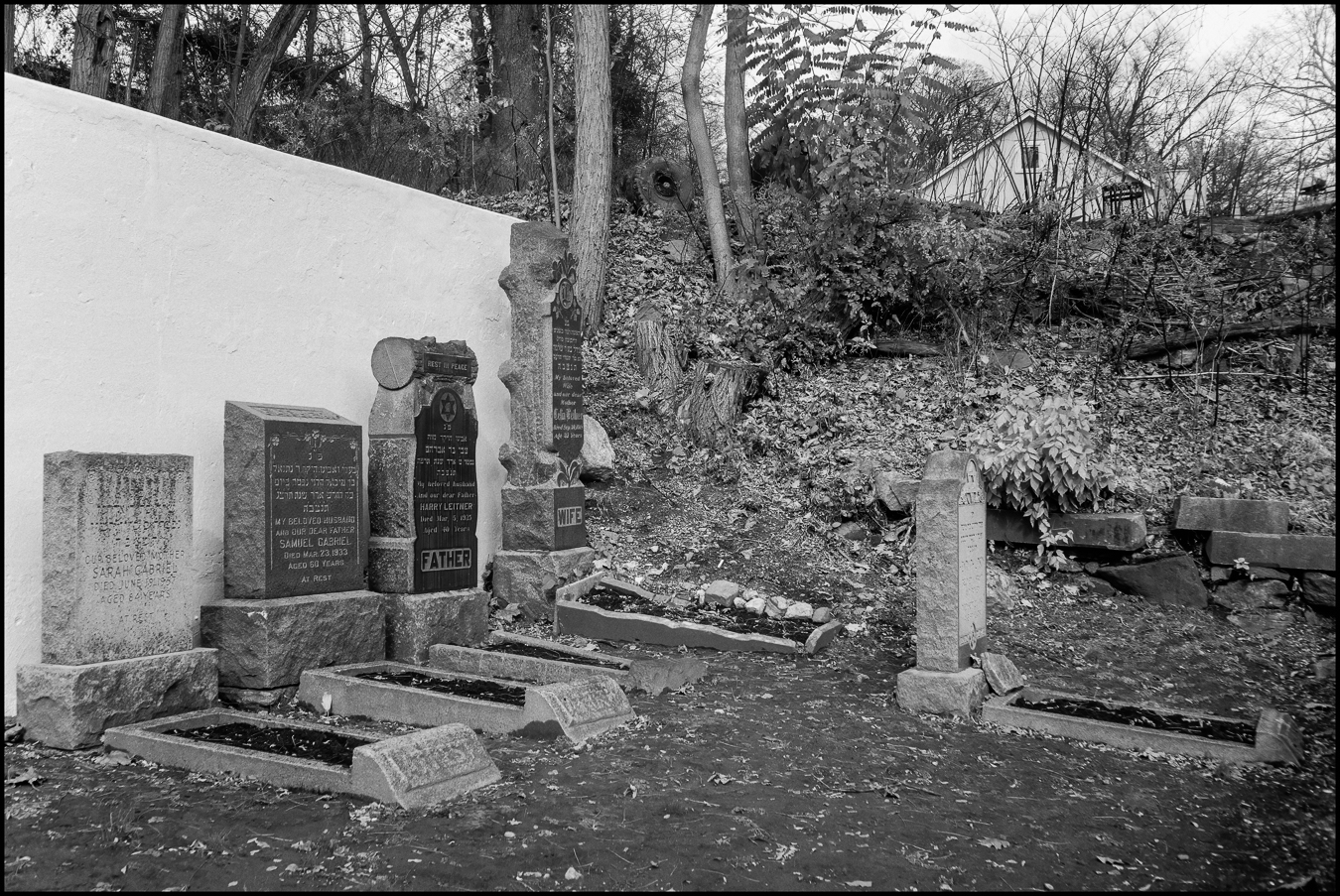
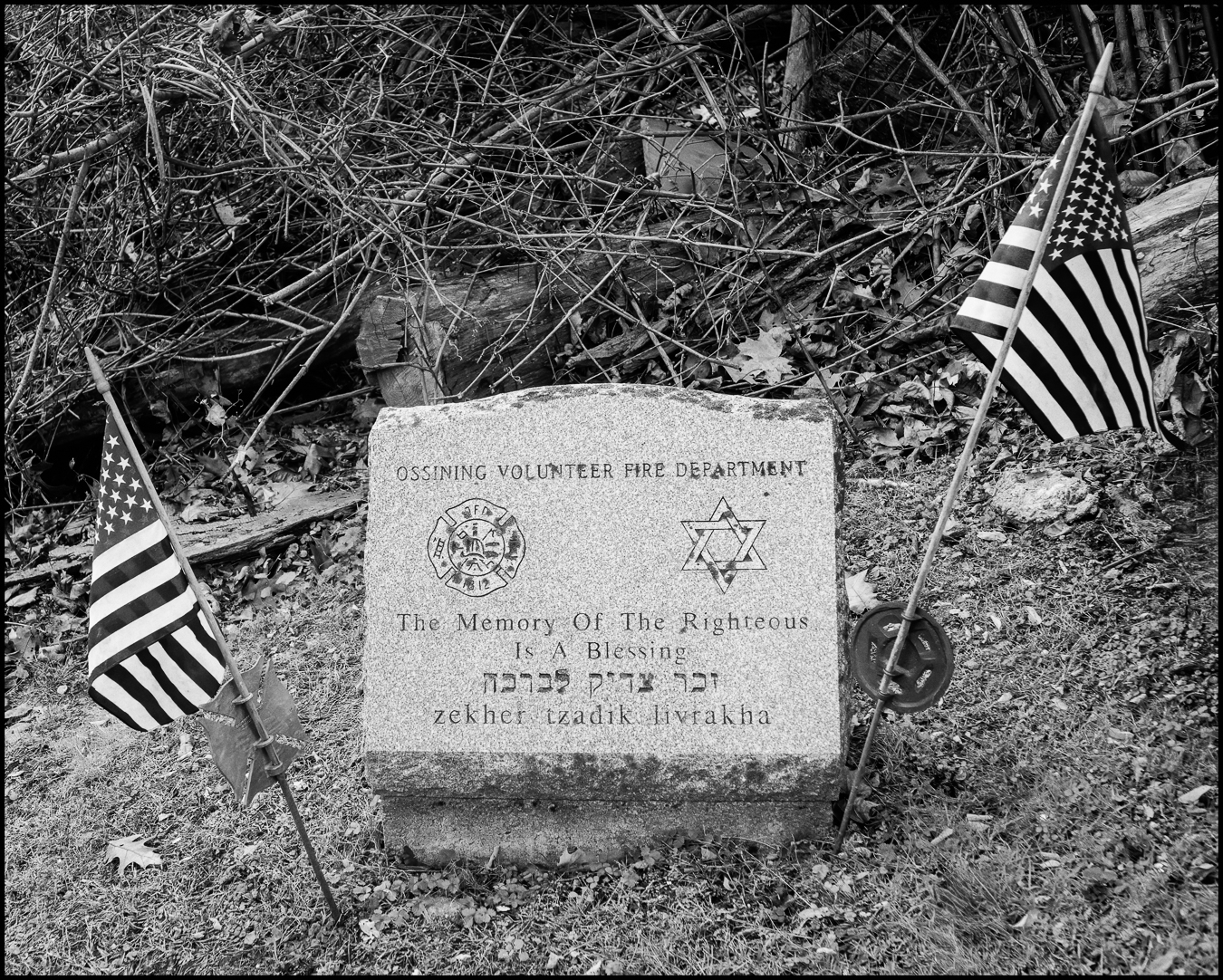
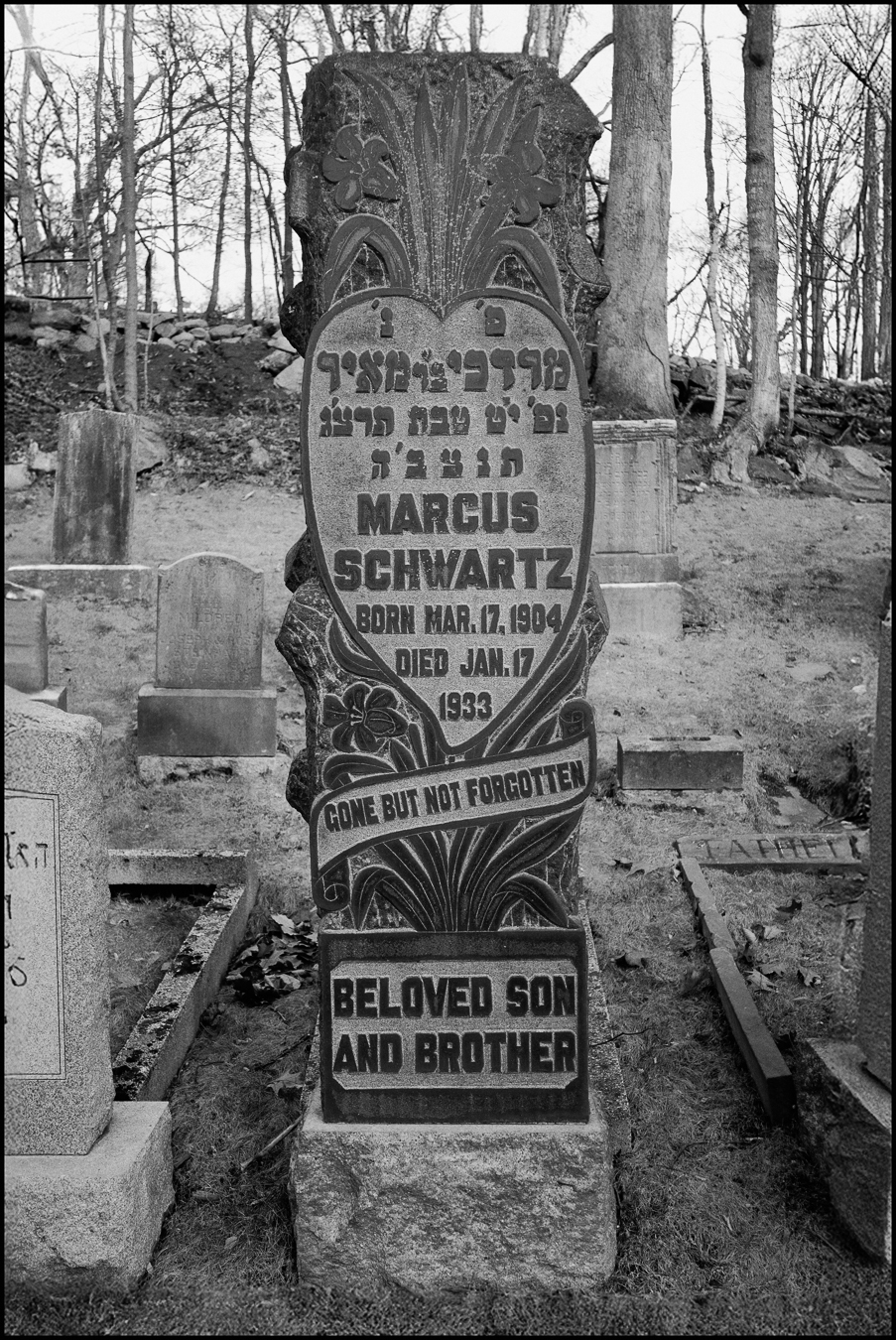
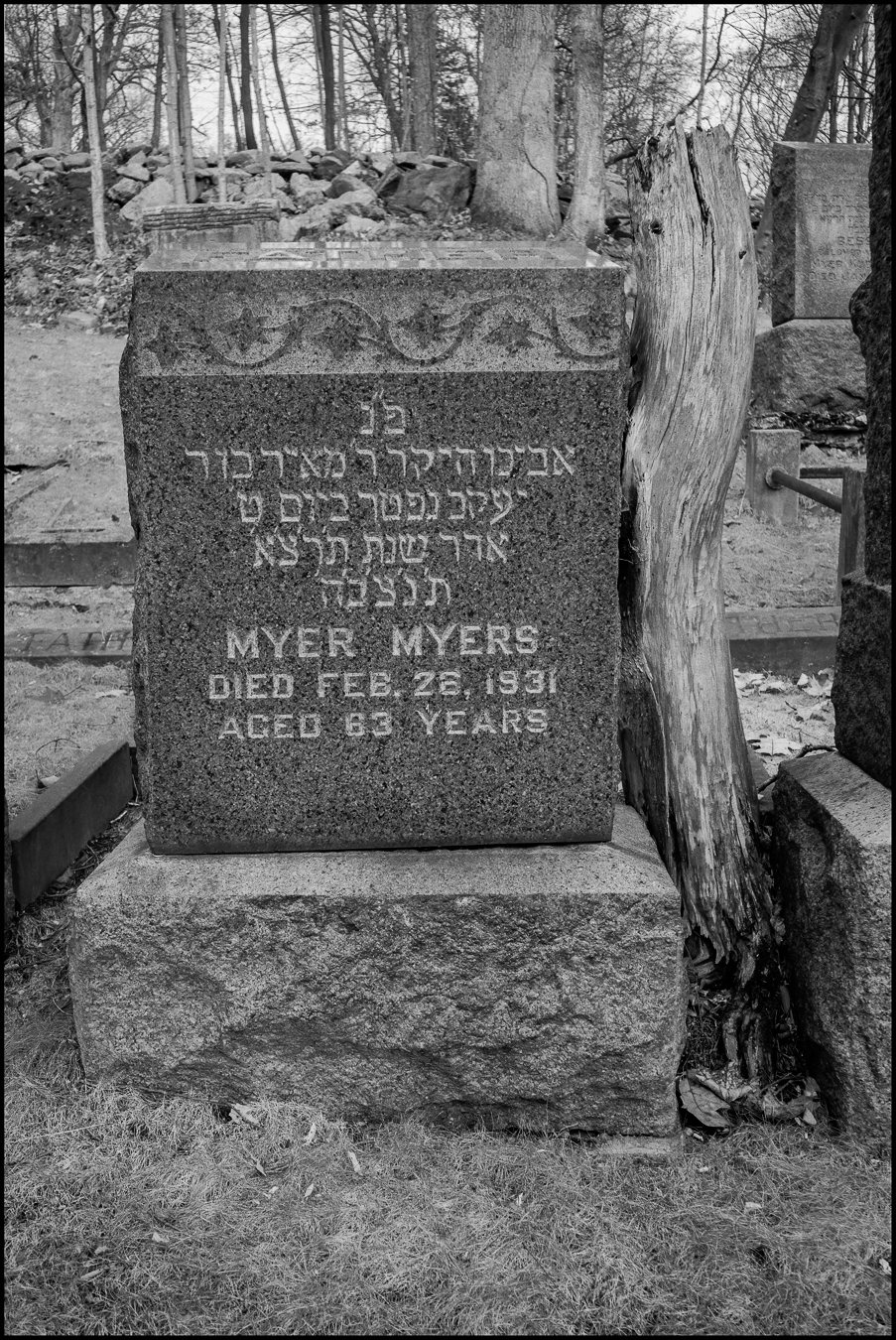
The Briarcliff Manor-Scarborough Historical Society recently organized a presentation on the Congregation Sons of Israel. In his prestation Mr. Irwin Kavy mentioned their cemetery. I’d never heard about it before so of course I had to find out where it was and visit it.

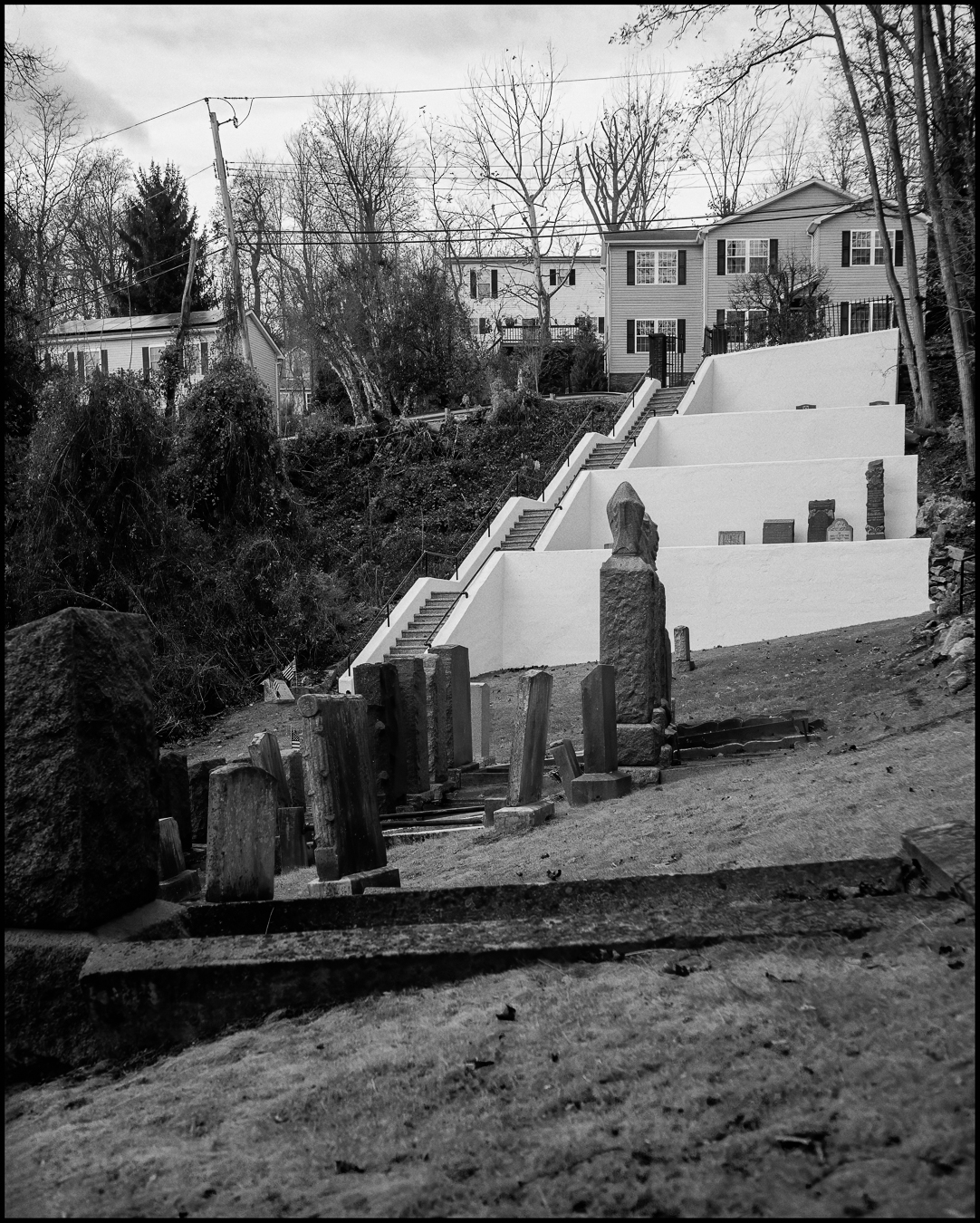
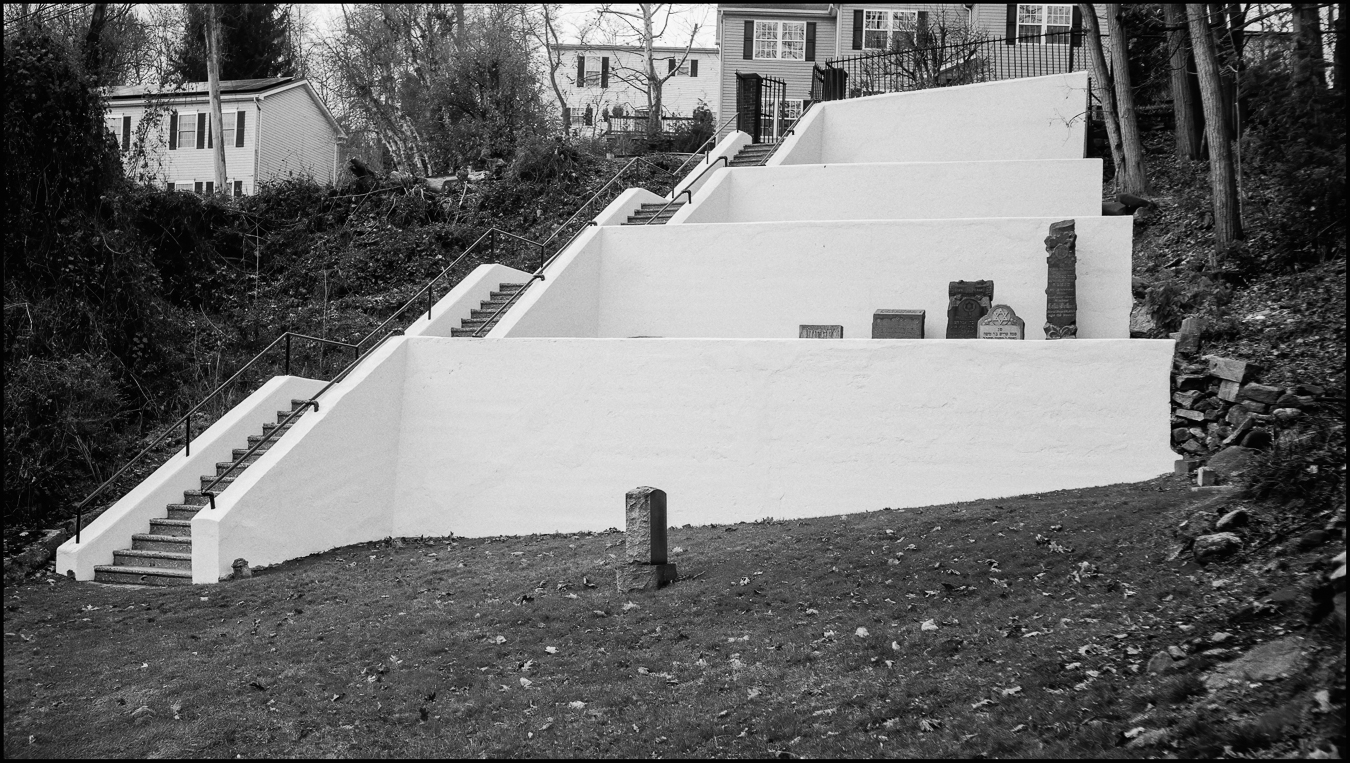
The cemetery is on Havell Street (east of Route 9), adjacent to (west of) the Dale Cemetery entrance. It’s not marked as such but owned by Congregation Sons of Israel, a Synagogue and now located at 1666 Pleasantville Road, Briarcliff Manor, NY 10510.

It has approx. 100 graves, all Jewish, from late 19th century to about 1970’s. The cemetery is located on steep hill below Havell Street. Numerous steps lead to about three intermediate burial levels before reaching the main burial area.

I don’t think I’ve ever seen a terraced cemetery before.


Taken with a Sony A7IV and a vintage lens (I don’t remember which one it was, but I think it might have been a Ricoh 50mm Rikenon XR f2 L).

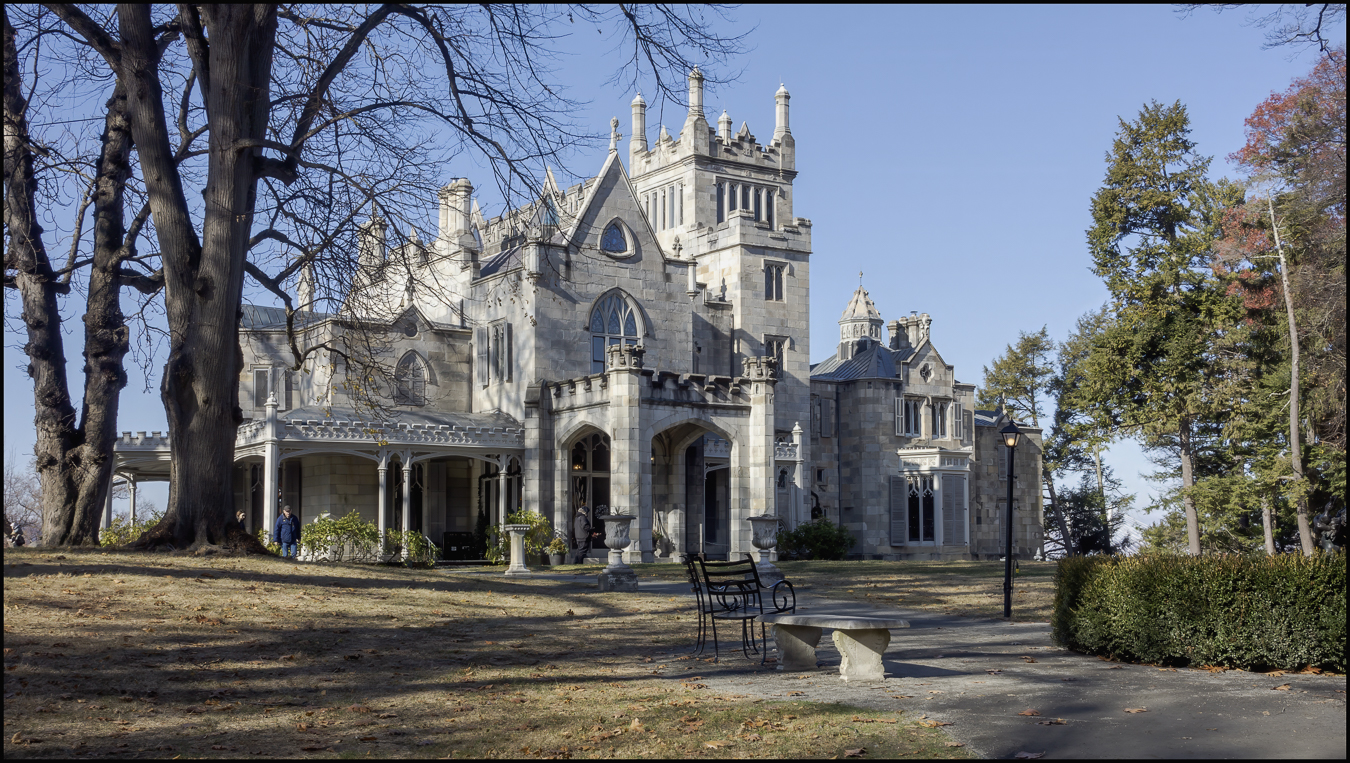
Lyndhurst

For those who don’t know the area:

Lyndhurst is a Gothic Revival country house that sits in a 67-acre park beside the Hudson River in Tarrytown, New York. The house was designated a National Historic Landmark in 1966. The home was designed in 1838 by Alexander Jackson Davis and owned in succession by New York City mayor William Paulding Jr., merchant George Merritt, and railroad tycoon Jay Gould. Paulding named his house “Knoll”. Its limestone exterior was quarried in present-day Ossining, New York. Merritt, the house’s second owner, doubled the size of the house in 1864–1865 and renamed it “Lyndenhurst”. His new north wing included an imposing four-story tower, a new porte-cochere, a new dining room, two bedrooms and servants’ quarters. Gould purchased the property in 1880 to use as a country house. He shortened its name to “Lyndhurst” and occupied it until his death in 1892. In 1961, Gould’s daughter Anna Gould donated it to the National Trust for Historic Preservation. The house is now open to the public.

I went there just before Christmas with my friends George and Martha. Although I’ve been to, and through the property many times I’ve never actually been inside. It was good to see the interior. As you can see they had put a lot of effort into preparing for Christmas. Maybe too much. Very festive, but maybe a Christmas tree (sometimes more) it every room was a bit too much


Taken with a Sony RX100 M3