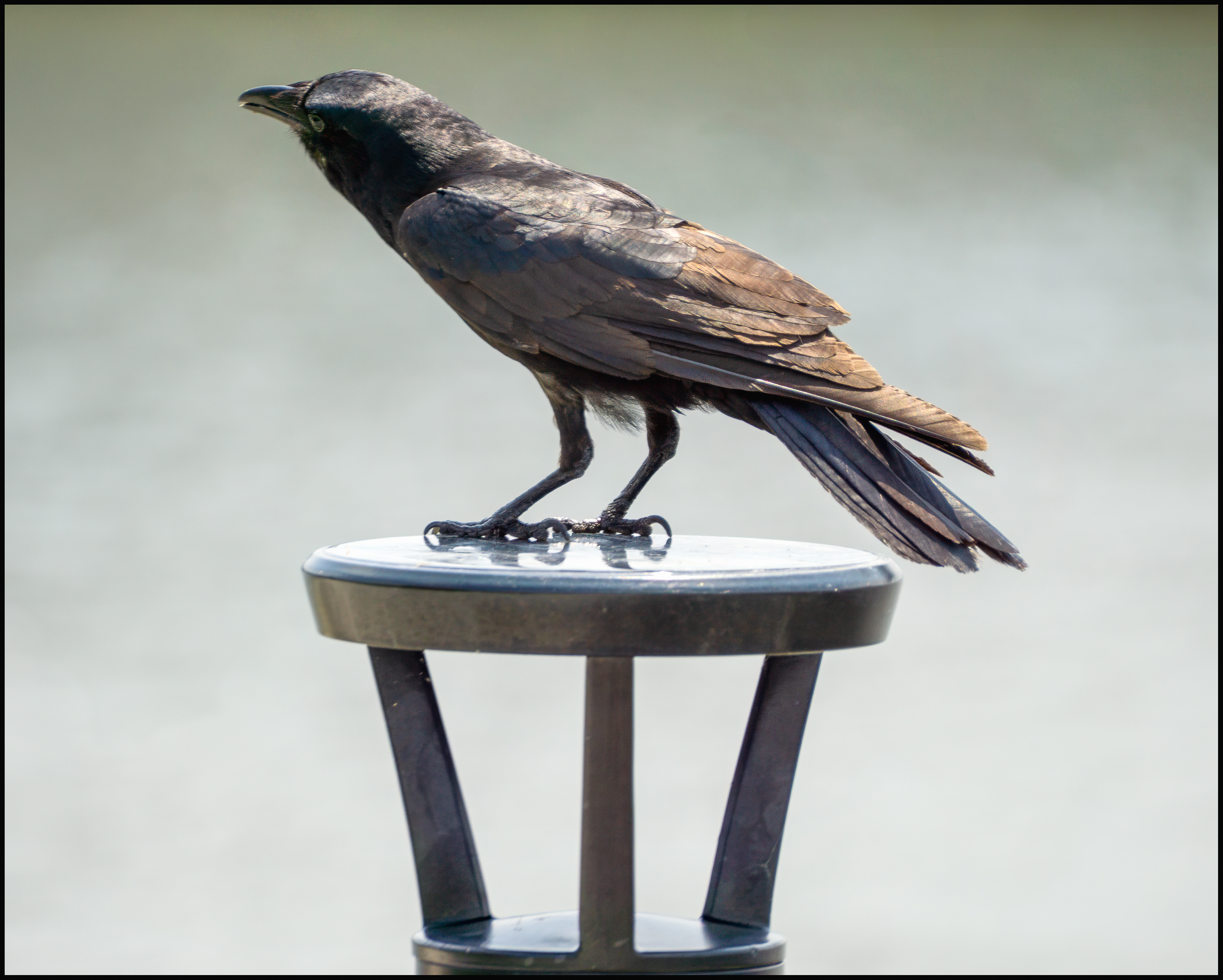
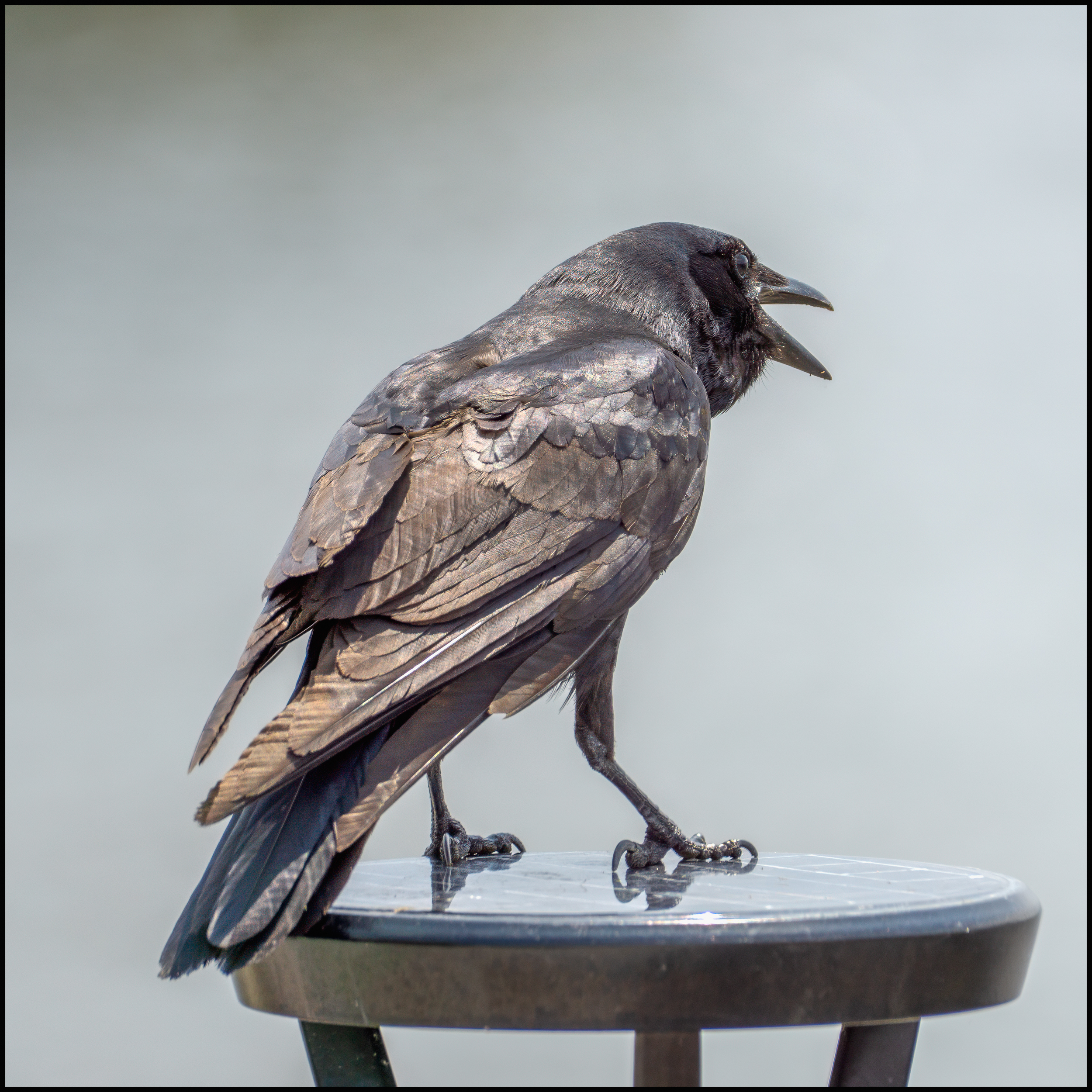
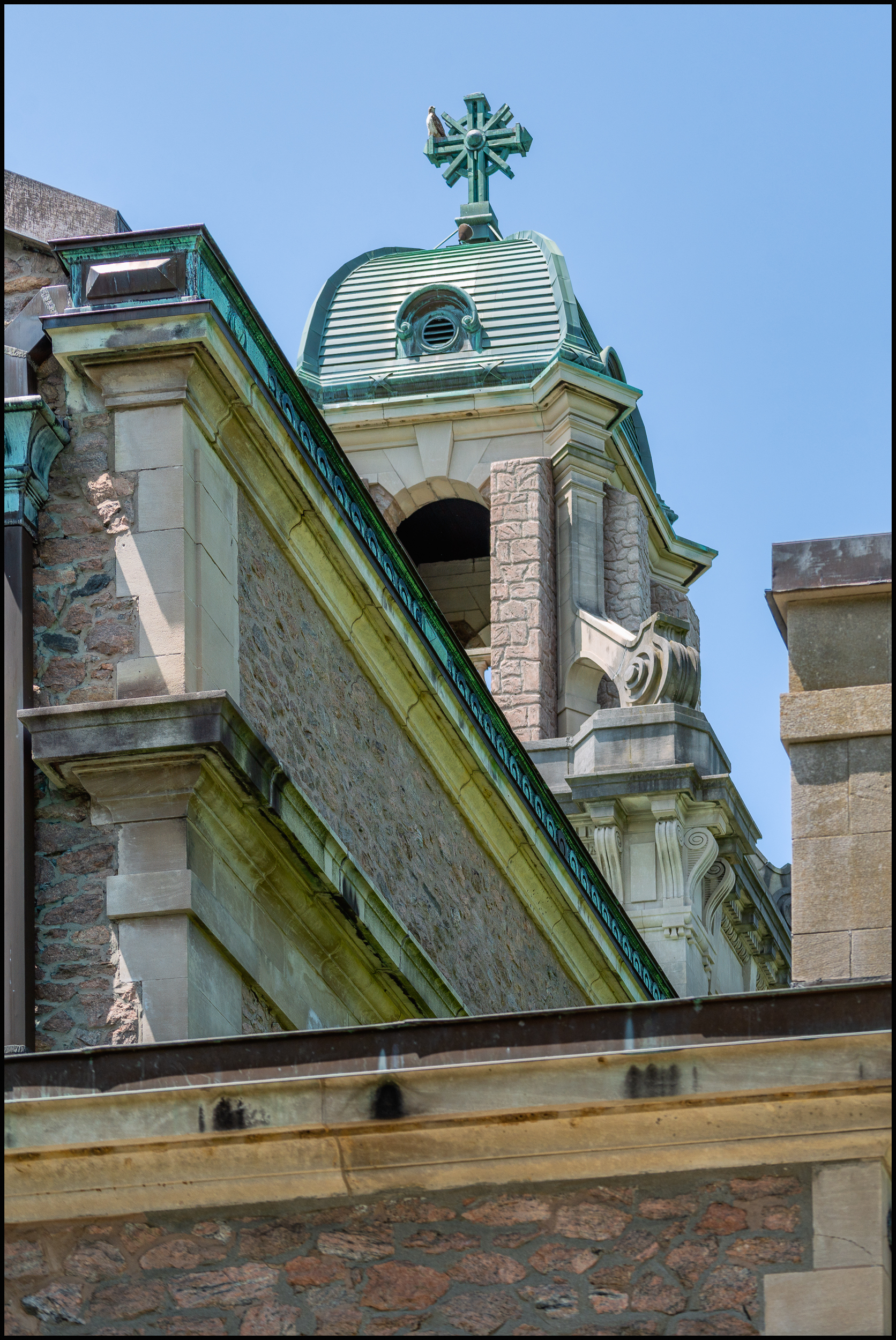
Crows belong to the genus Corvus. The collective name for a group of crows is a “murder”. Some people don’t like them, perhaps because they associate them with death.
Taken with a Sony A6000 and Tamron 28-300mm f/4-7.1 Di III VC VXD lens.
Photographs and thoughts on photography and camera collecting
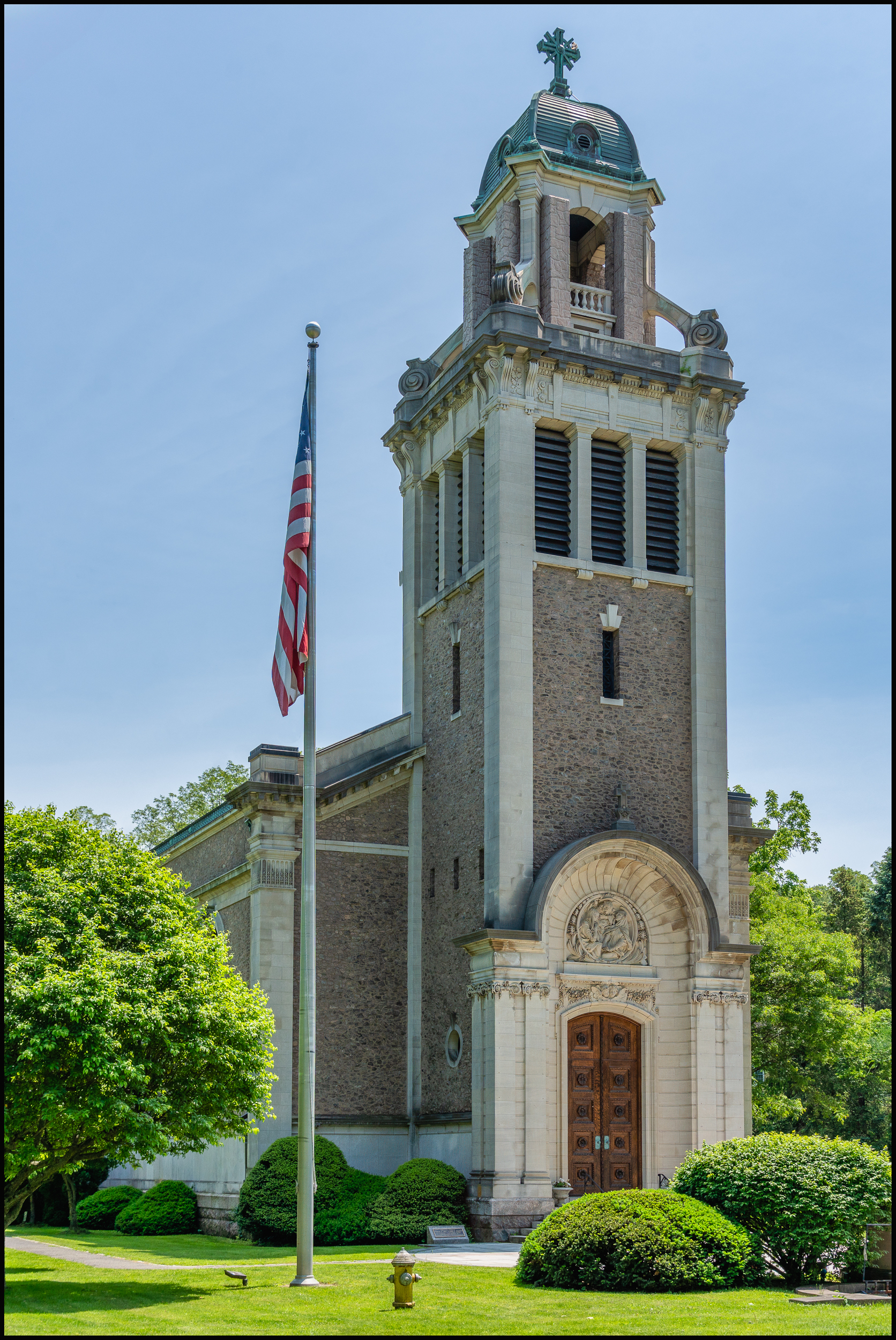
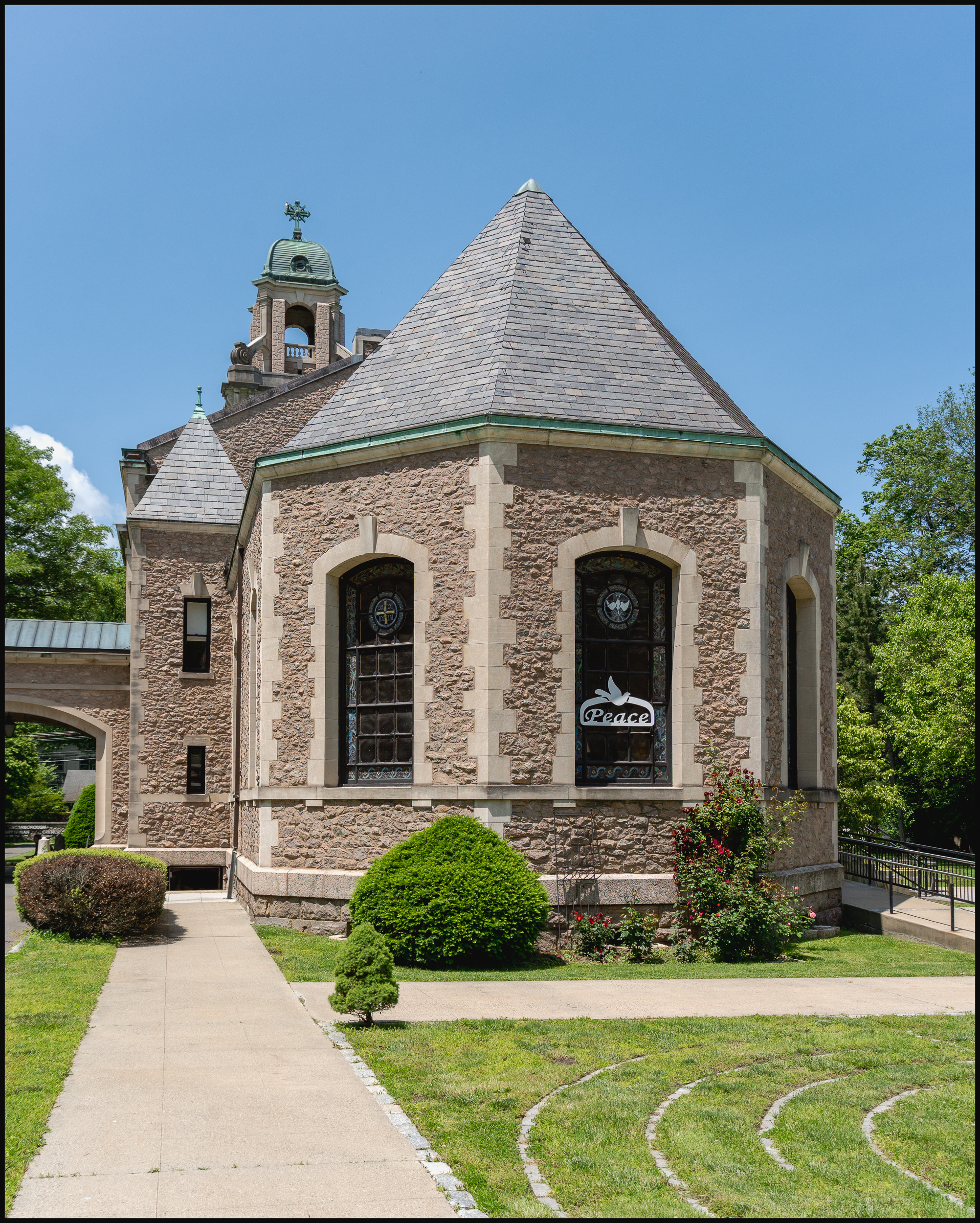
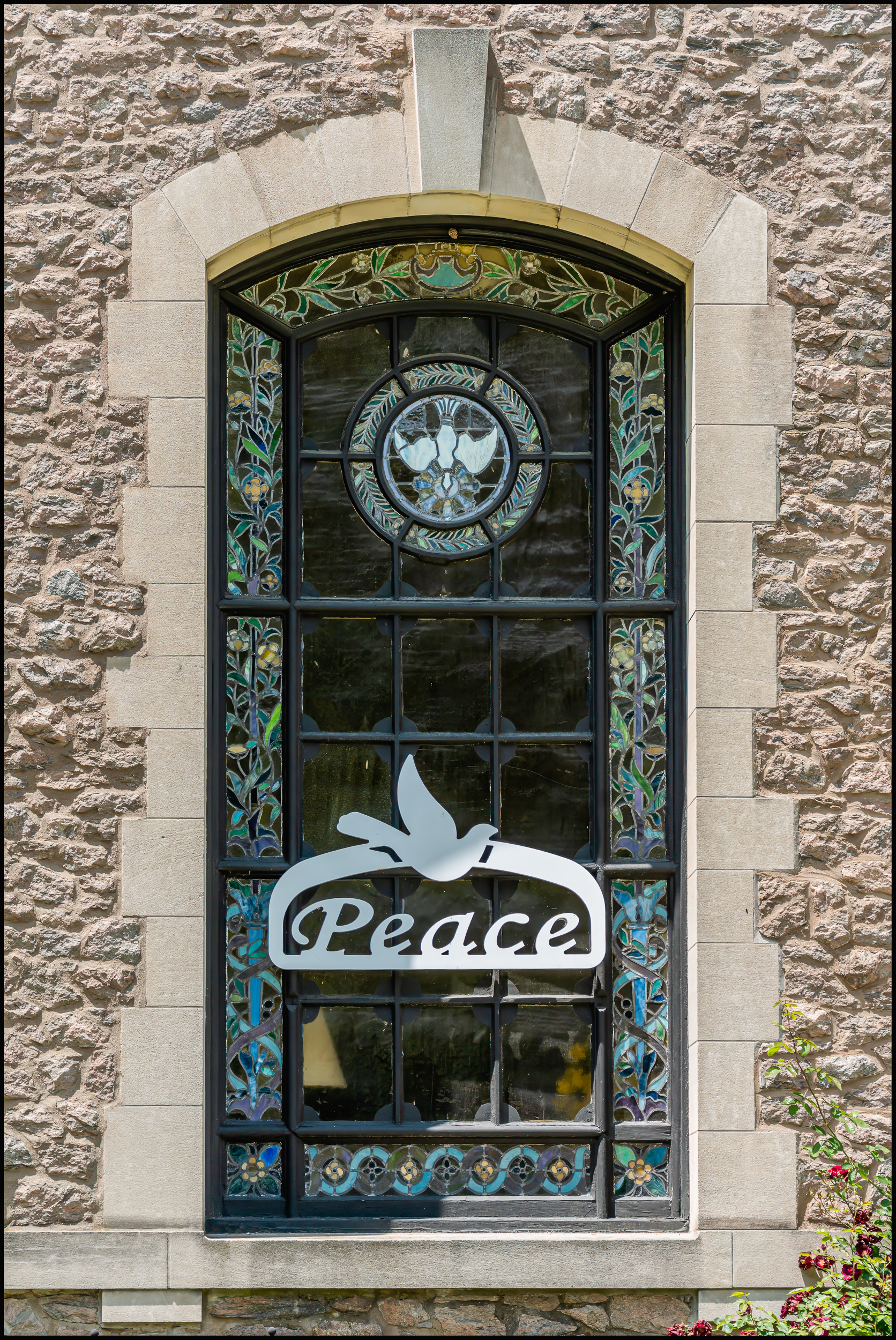
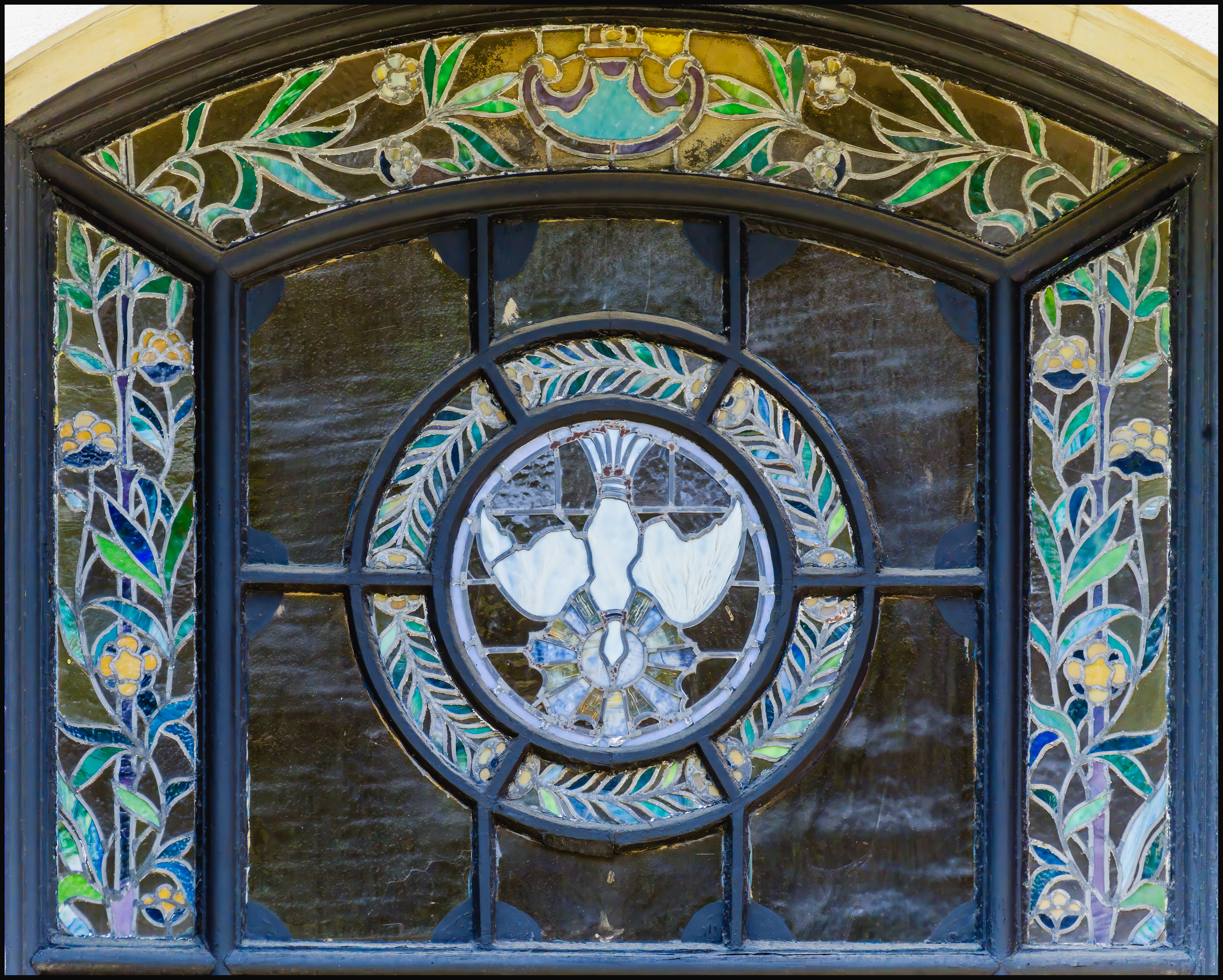
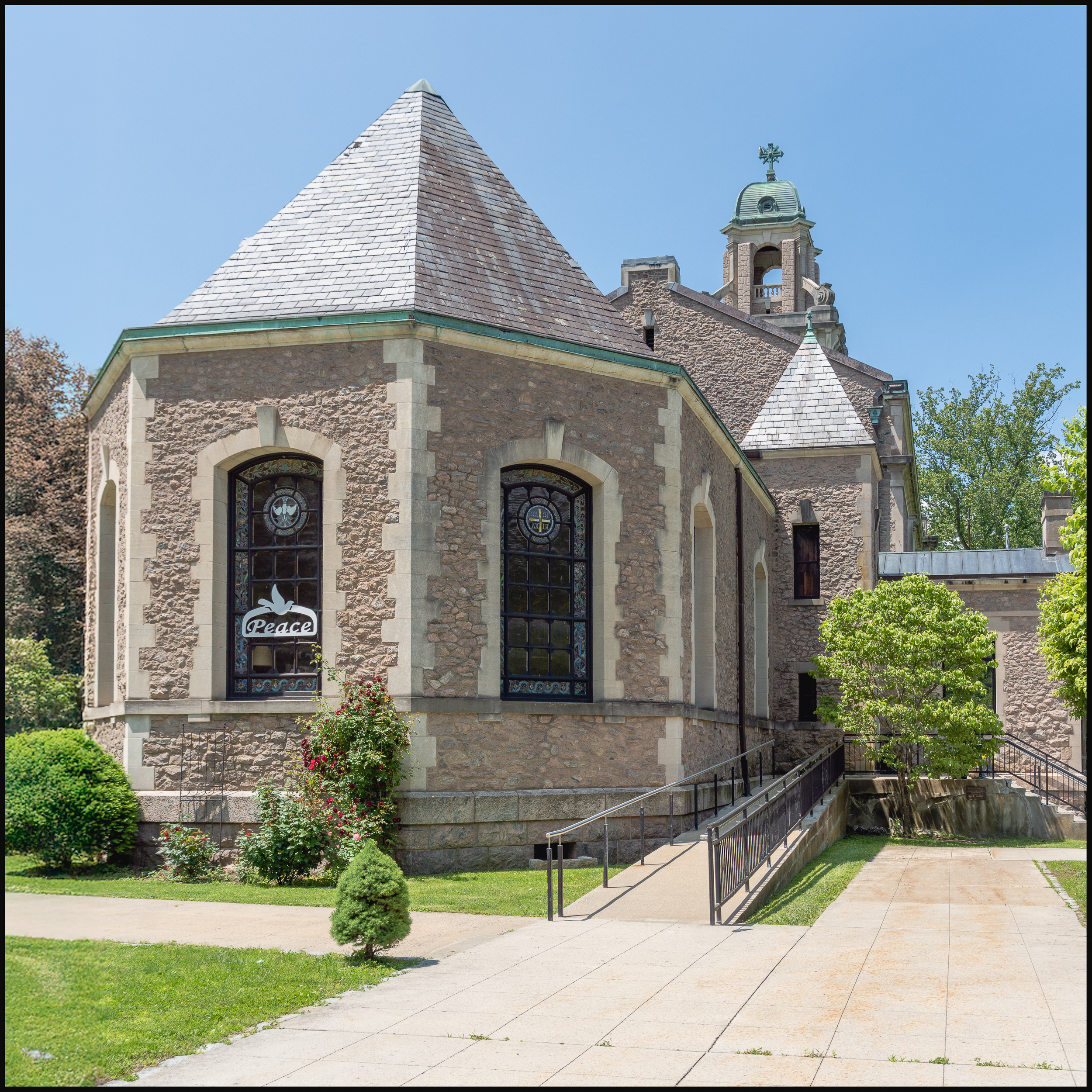
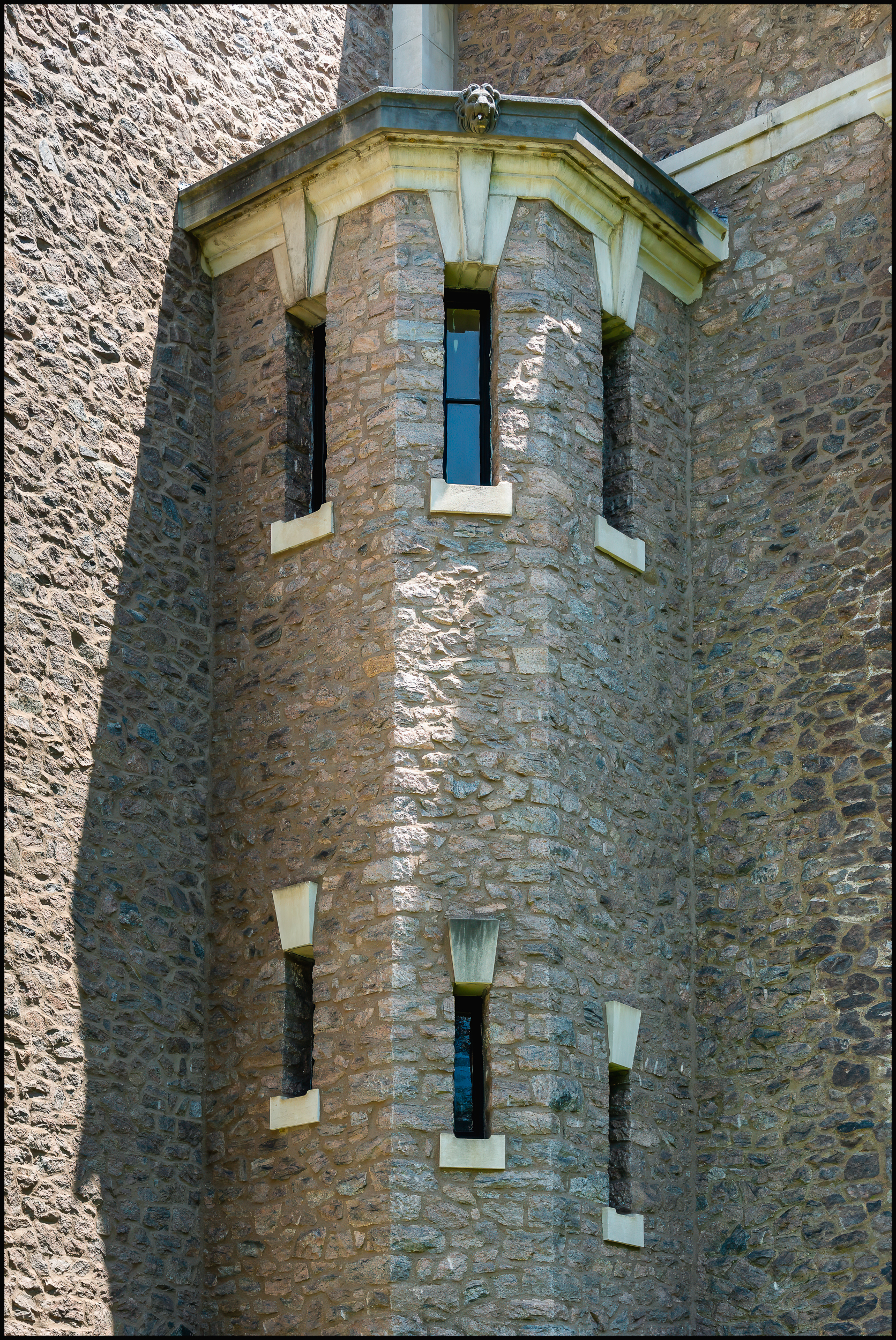
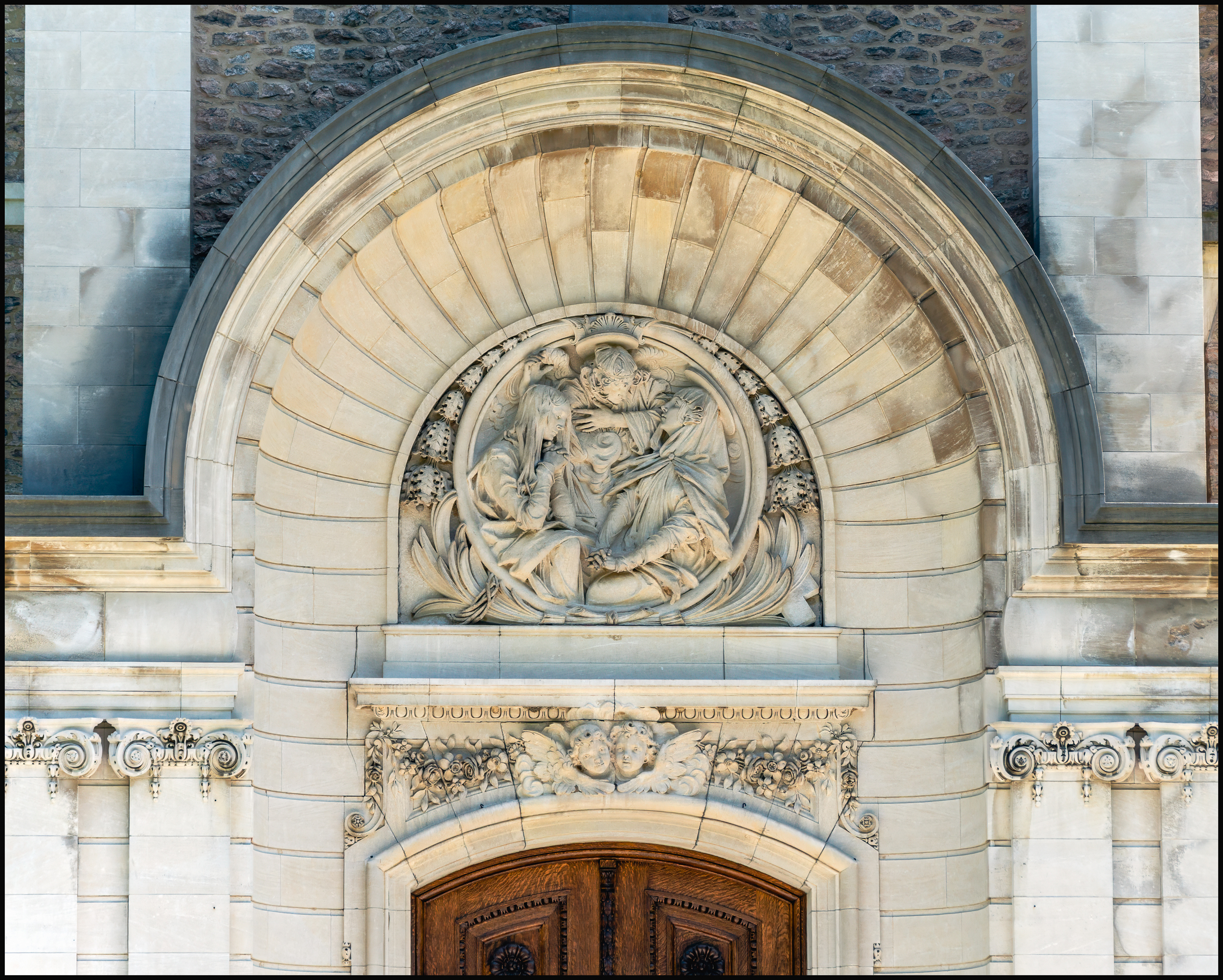
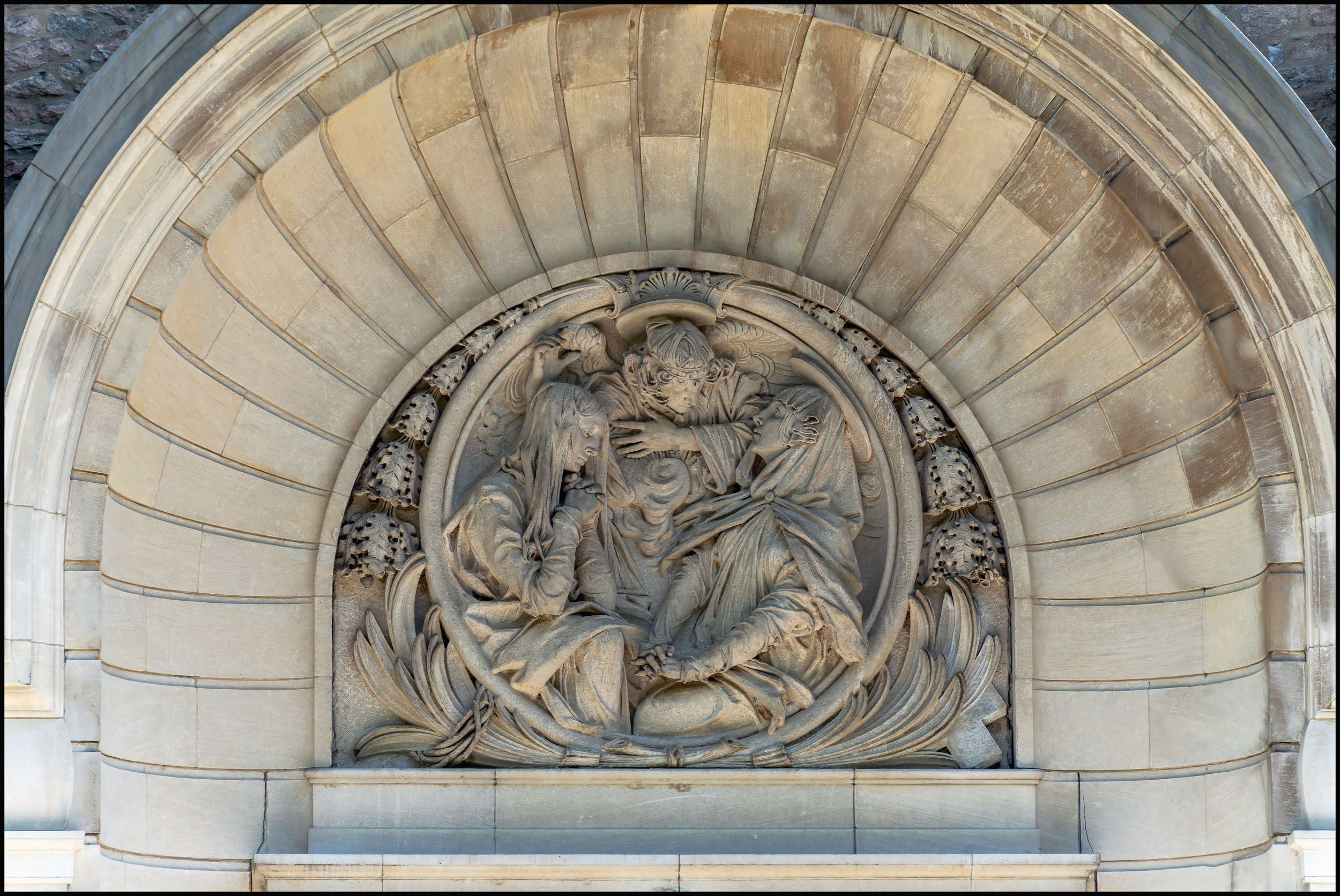
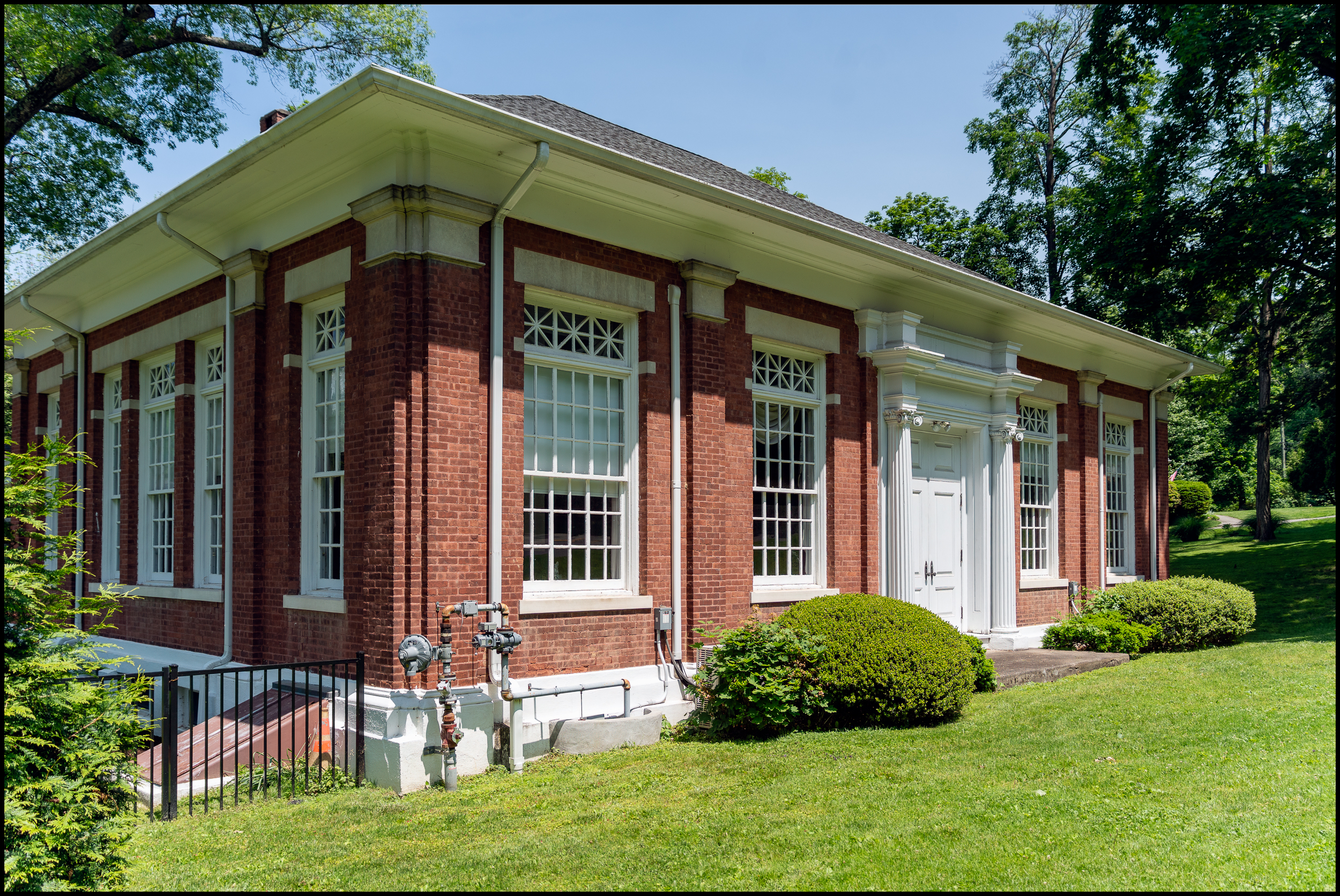
The Scarborough Presbyterian church is the third oldest in Briarcliff Manor. It’s about a twenty-minute walk from my house.
“A roadhouse on Albany Post Road purchased late in the 19th century by Elliott Fitch Shepard and his wife, Margaret Louisa Vanderbilt, eventually became the Scarborough Presbyterian Church. The roadhouse building was enlarged and renovated by the Shepards and in 1892 used as a small church.
The current church building was designed by Augustus Haydel, a nephew of Stanford White, and August Shepard, a nephew of Elliott F. Shepard and in 1893 the cornerstone for the new building was laid” (Church website).
For more information on the church see here and here.
Taken with a Sony A7IV and Tamron 28-300mm f/4-7.1 Di III VC VXD lens.
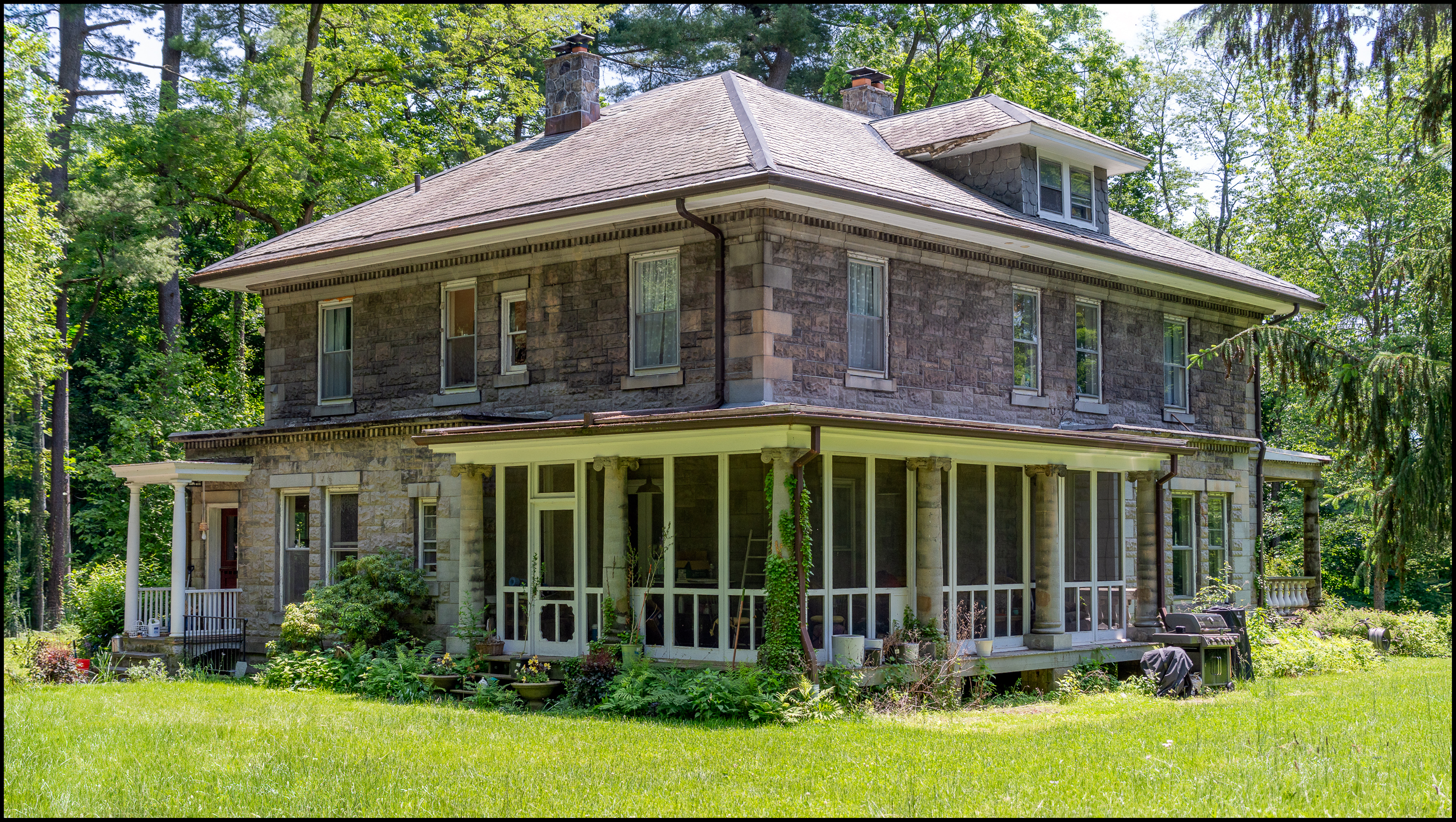
North Salem is located in the northeast corner of Westchester County. Above: Once the Purdy homestead (1775). Now a restaurant: Purdy’s Farmer and the Fish.
“In the 1730s, European settlers began to create a self-sufficient farming community out of the forested wilderness of the Titicus River Valley. The Keelers, Purdys, Van Scoys, Wallaces and other first families built their homes on parcels of the oblong (the eastern edge of town; ownership disputed with Connecticut) and on Stephen Delancey’s share of Van Cortlandt Manor. The Oblong portion here and in Lewisboro was the original town of Salem, while the Van Cortlandt Manor section was known as Delanceytown. Eventually, Salem was divided into Upper and Lower Salem. In 1788, the Town of North Salem was incorporated to include both Delanceytown and Upper Salem.
In the 1840s, the hamlets of Purdys and Croton Falls sprang up around two stations on the new Harlem Railroad. Dairy farmers thrived, using the new iron horse to get products to market. Imaginative entrepreneurs imported exotic animals and started America’s first circuses. Others created summer camps and vacation communities around Peach Lake.
When the New York City water supply was expanded in the 1890s, new dams and reservoirs displaced hundreds of people in North Salem and surrounding towns. The entire hamlet of Purdys was moved or torn down, along with farms and residences in the Titicus Valley and parts of Croton Falls.
For more information on each of these buildings see here:
Taken with a Sony Nex 5n and Sony E 55–210 mm F4.5-6.3 OSS

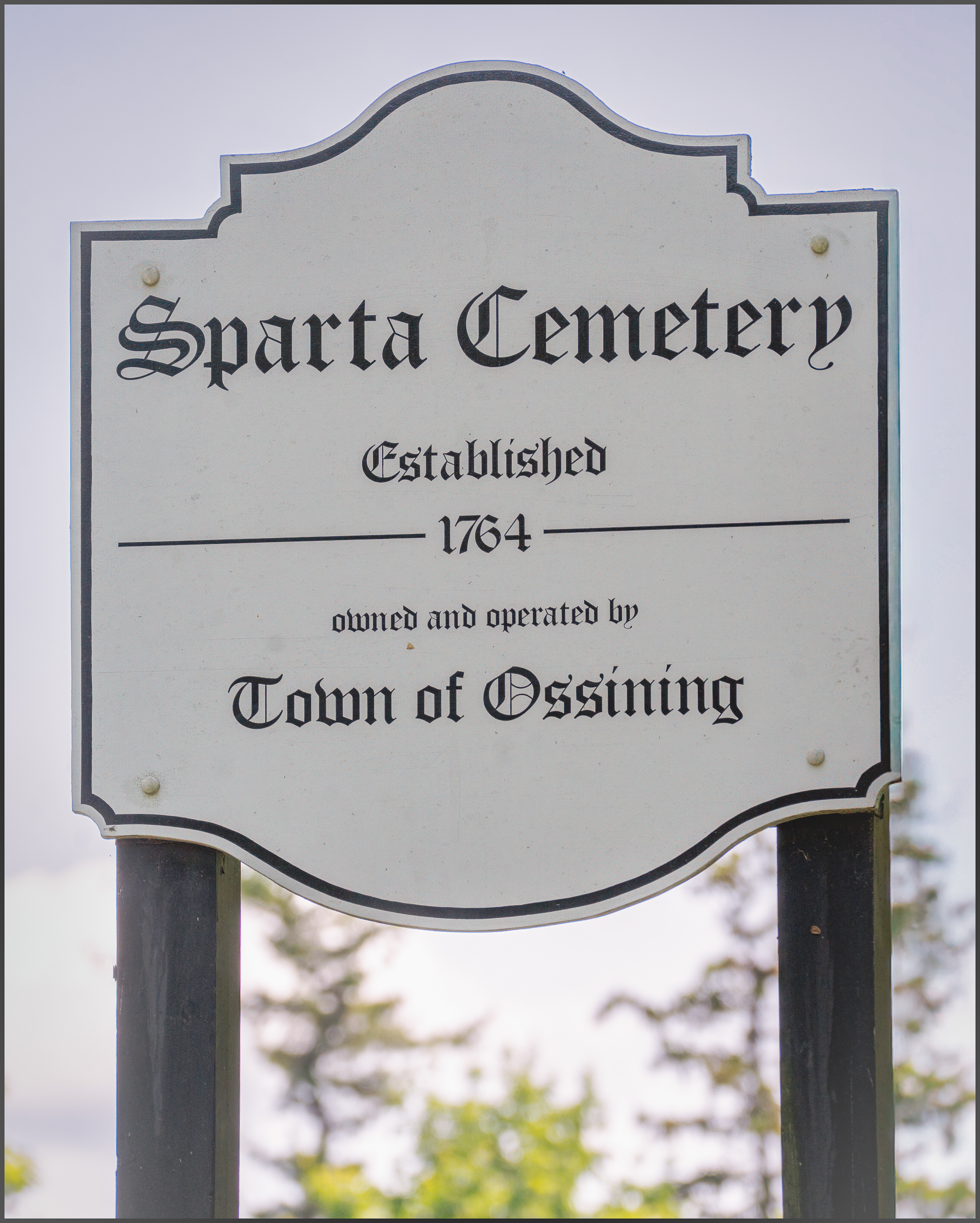
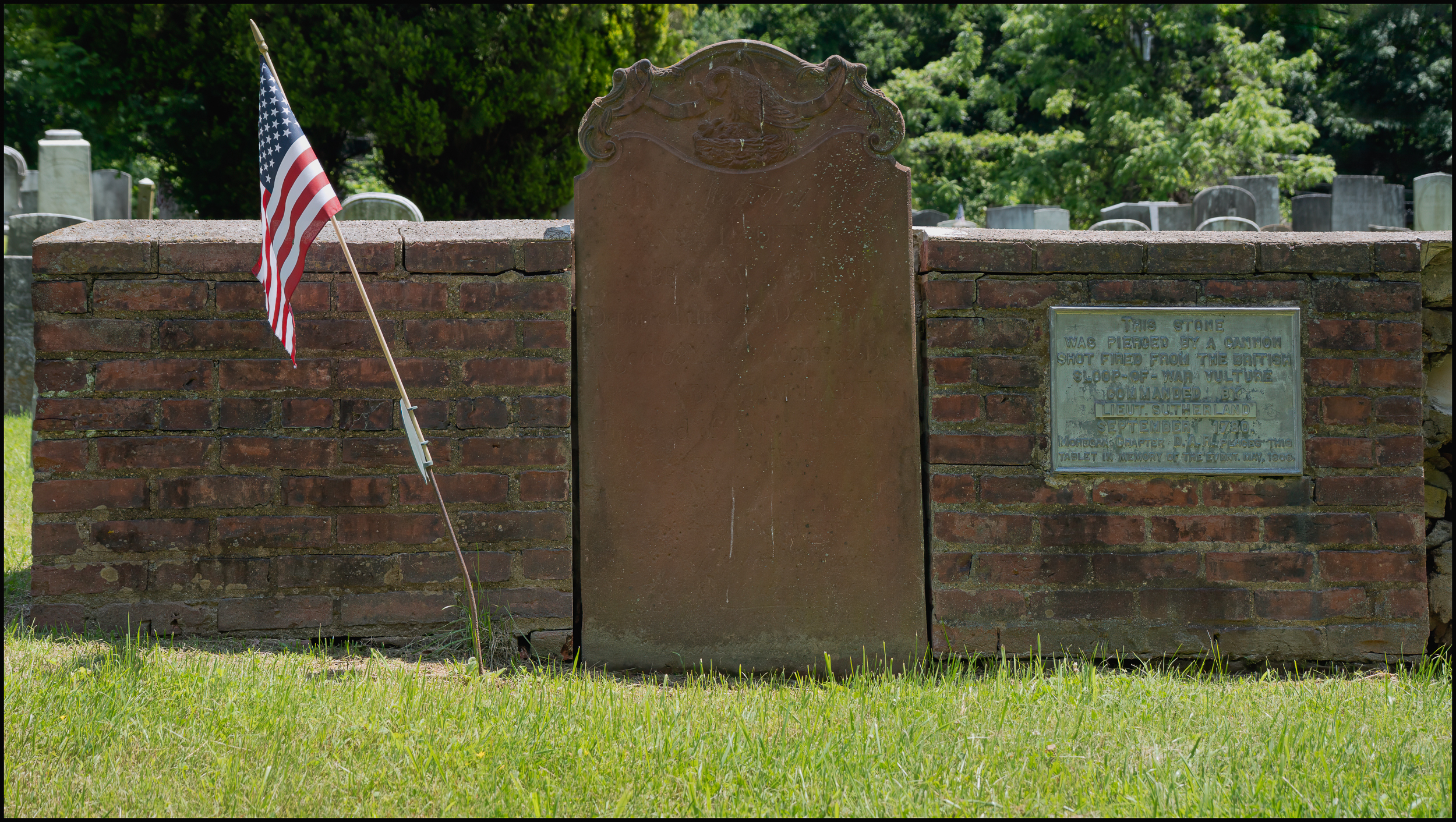
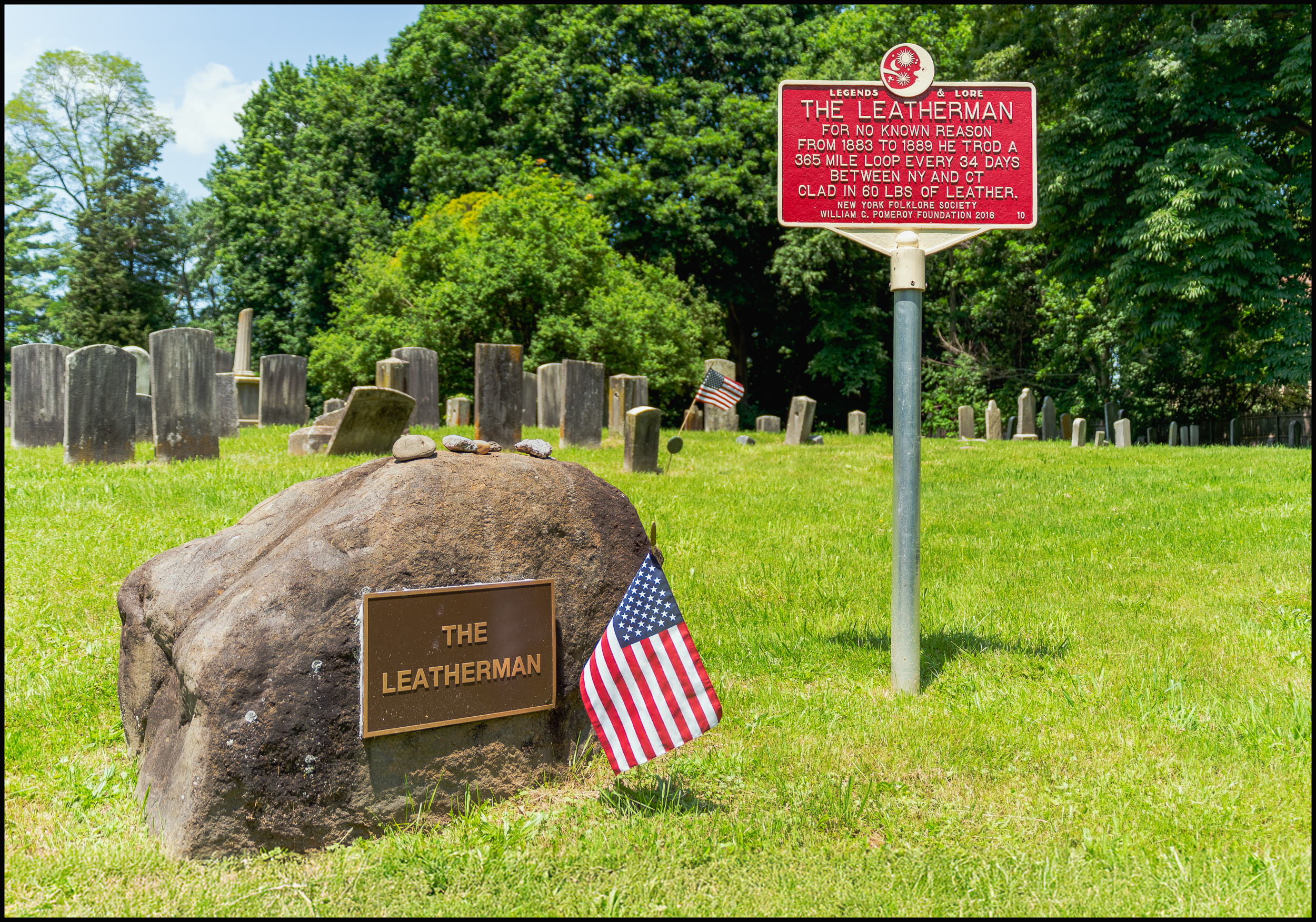
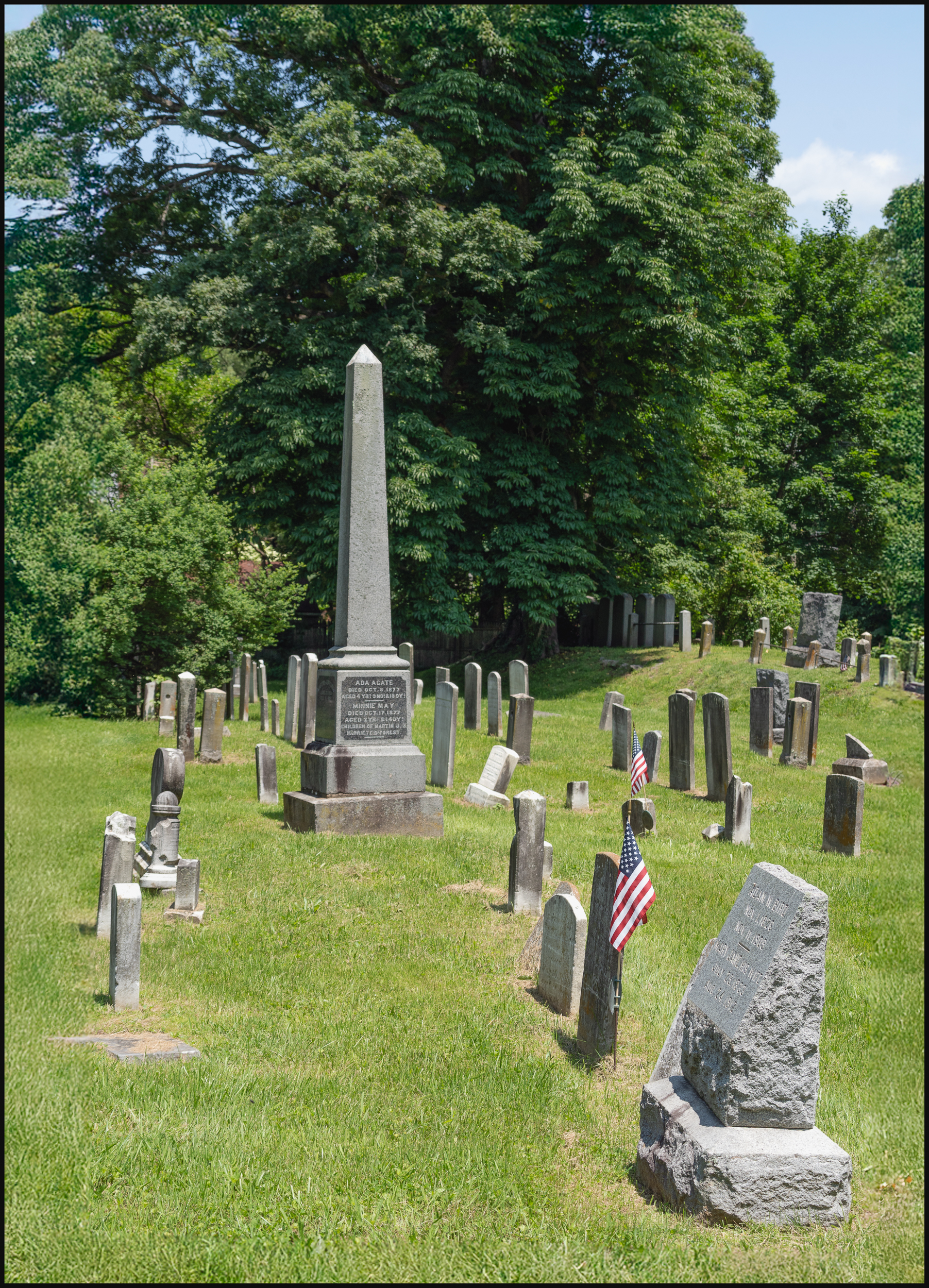
Name: Sparta Cemetery
Other Name(s): Sparta Burying Ground
Location: South Highland Avenue and Revolutionary Road
Date of Establishment/Historic Era: 1764
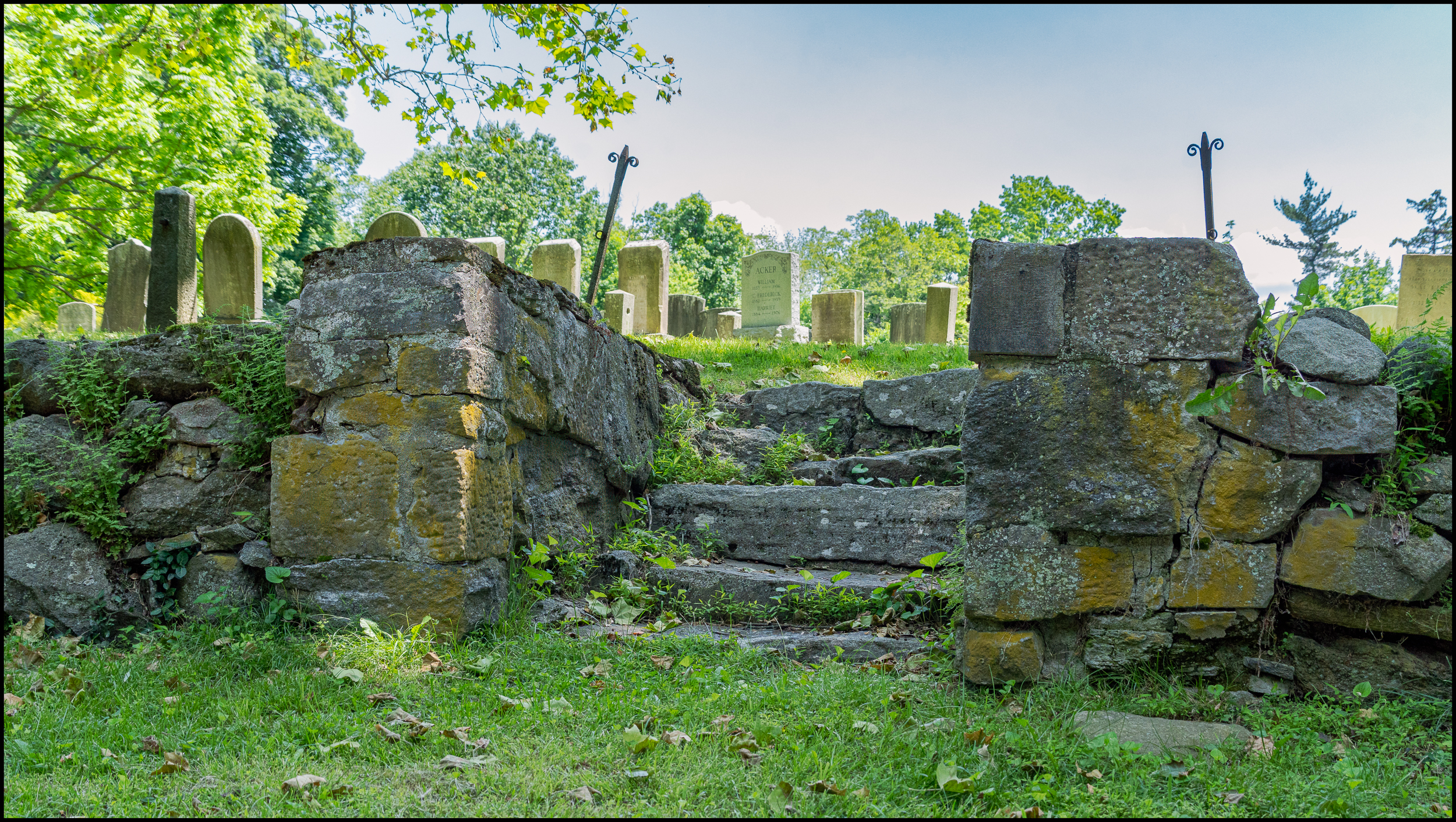
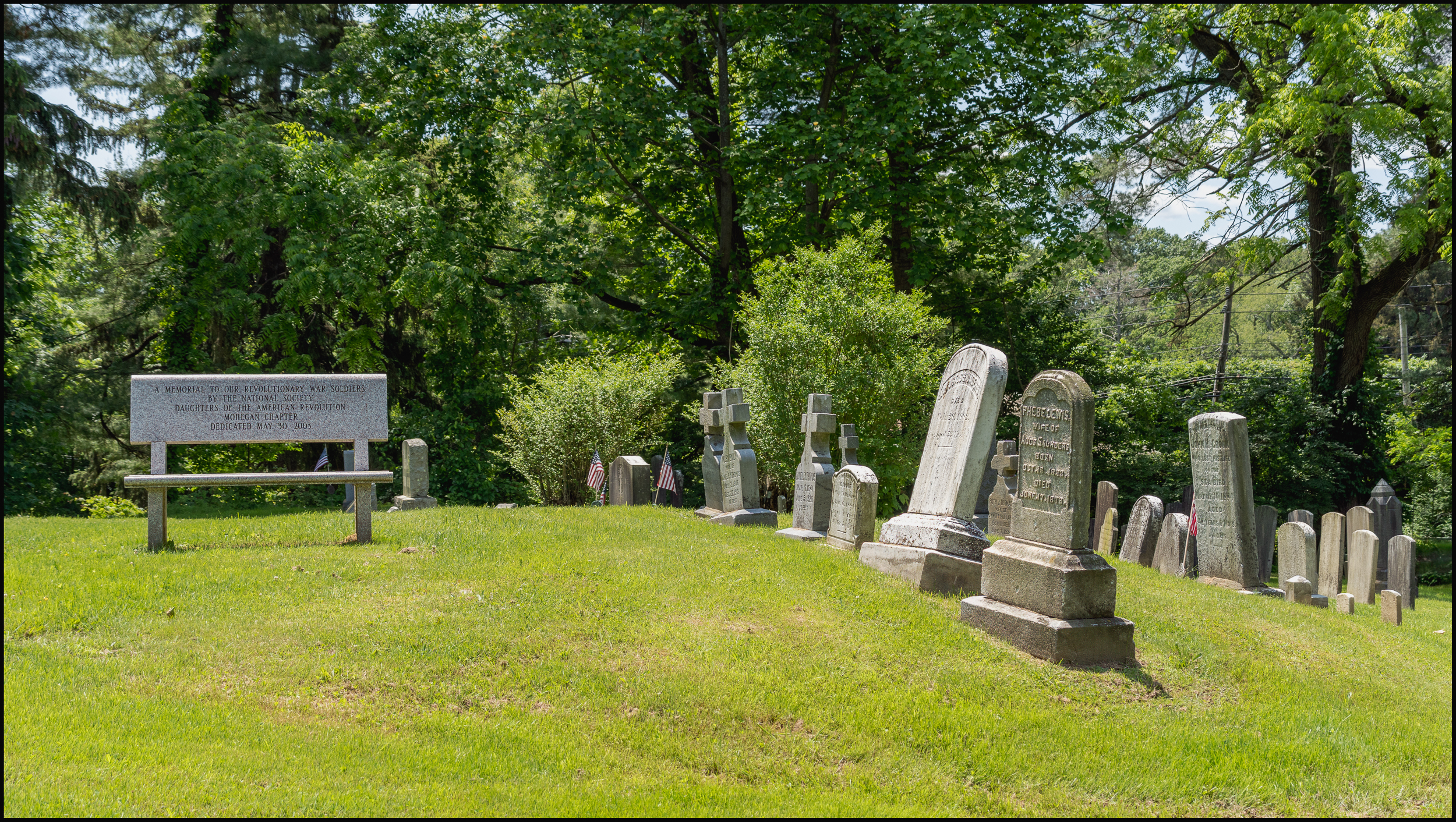
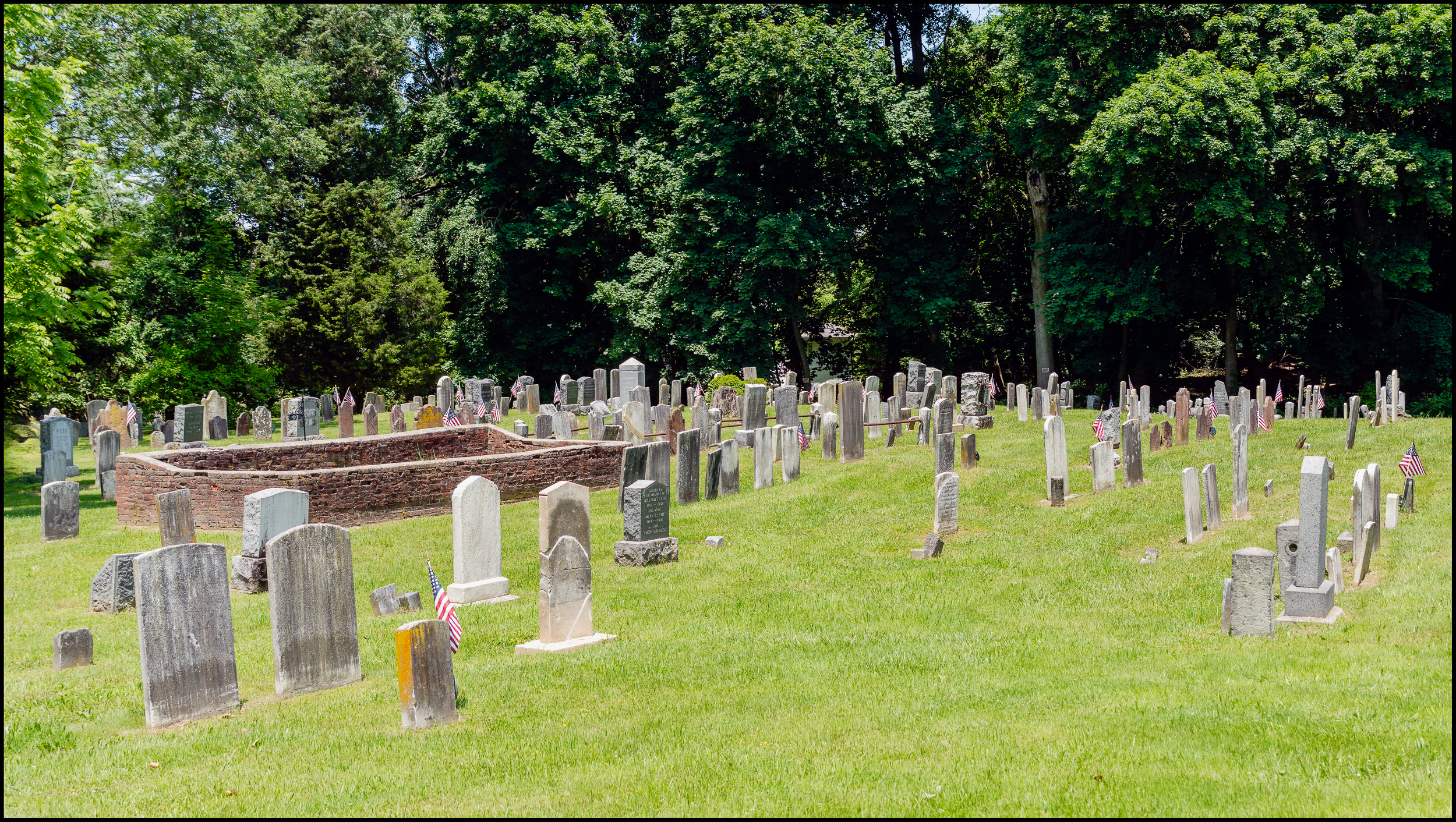
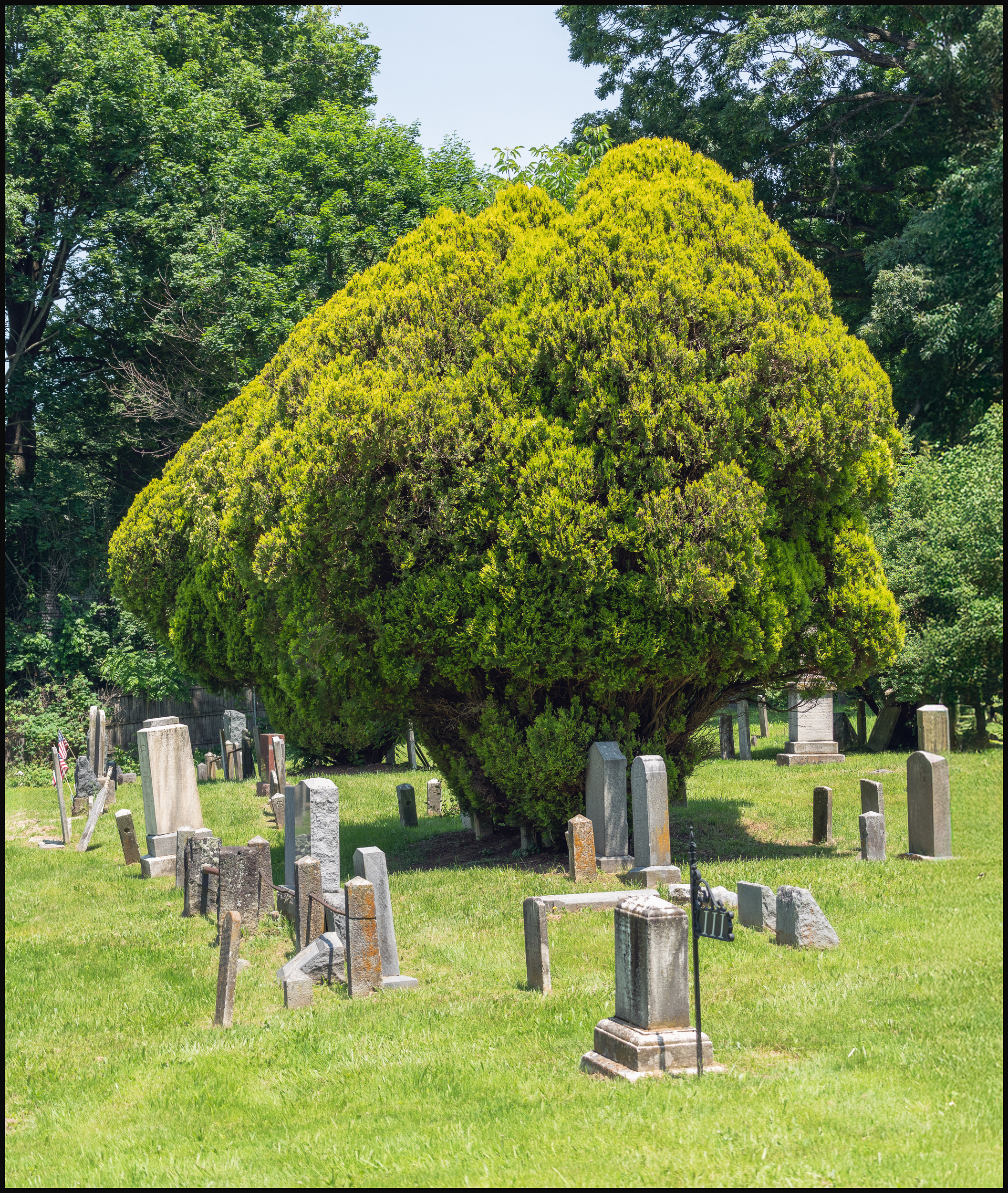
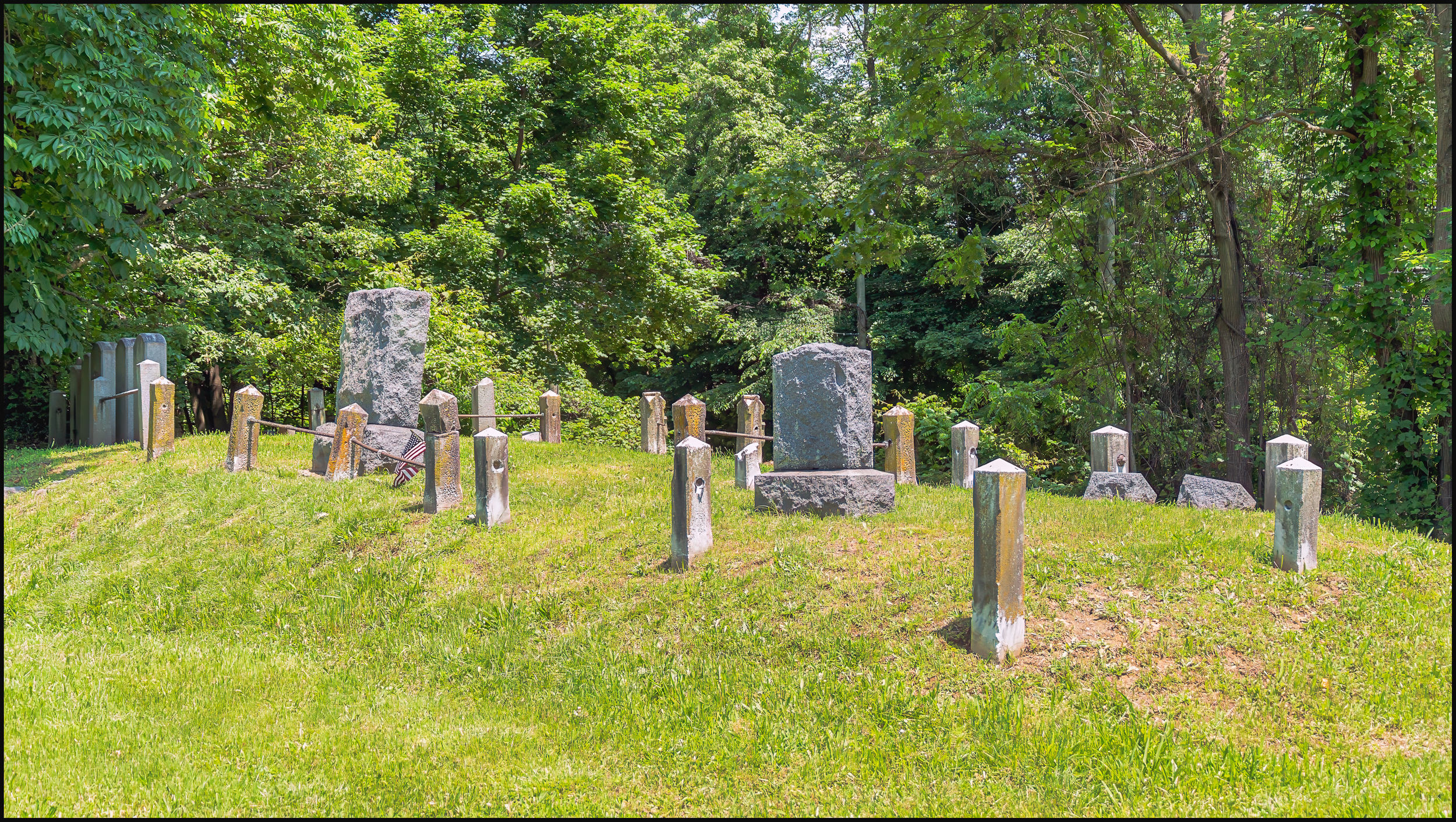
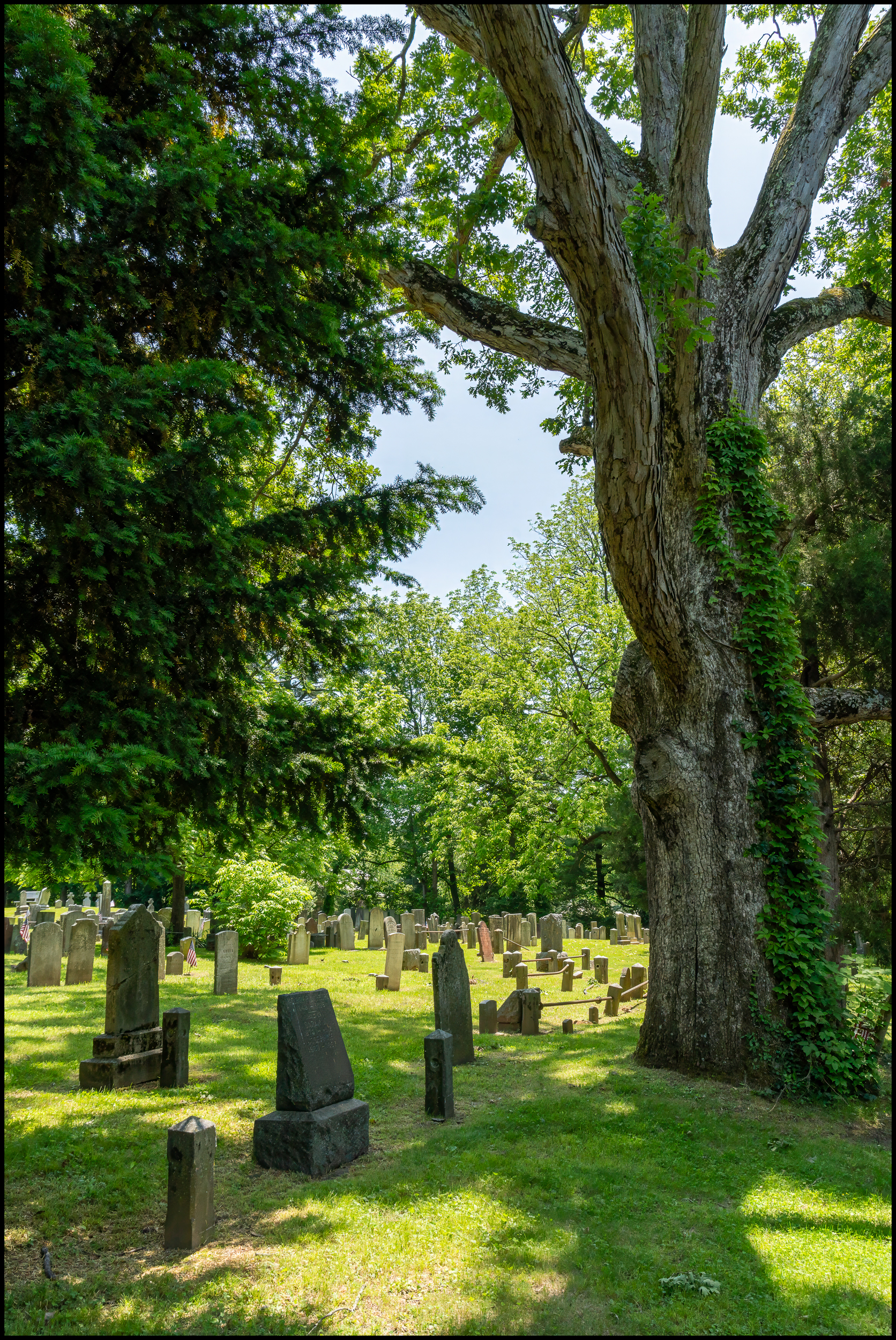
Characteristics: Two acres in size; surrounded by a low fieldstone wall; contains over 100 gravestones.
Significance: Historic and Cultural
Sparta Cemetery is National Register-listed as part of the Scarborough Historic District. It is historically and culturally significant for its association with early Sparta and Sing Sing Village and the Sing Sing Presbyterian Congregation (today known as the First Presbyterian
Congregation).
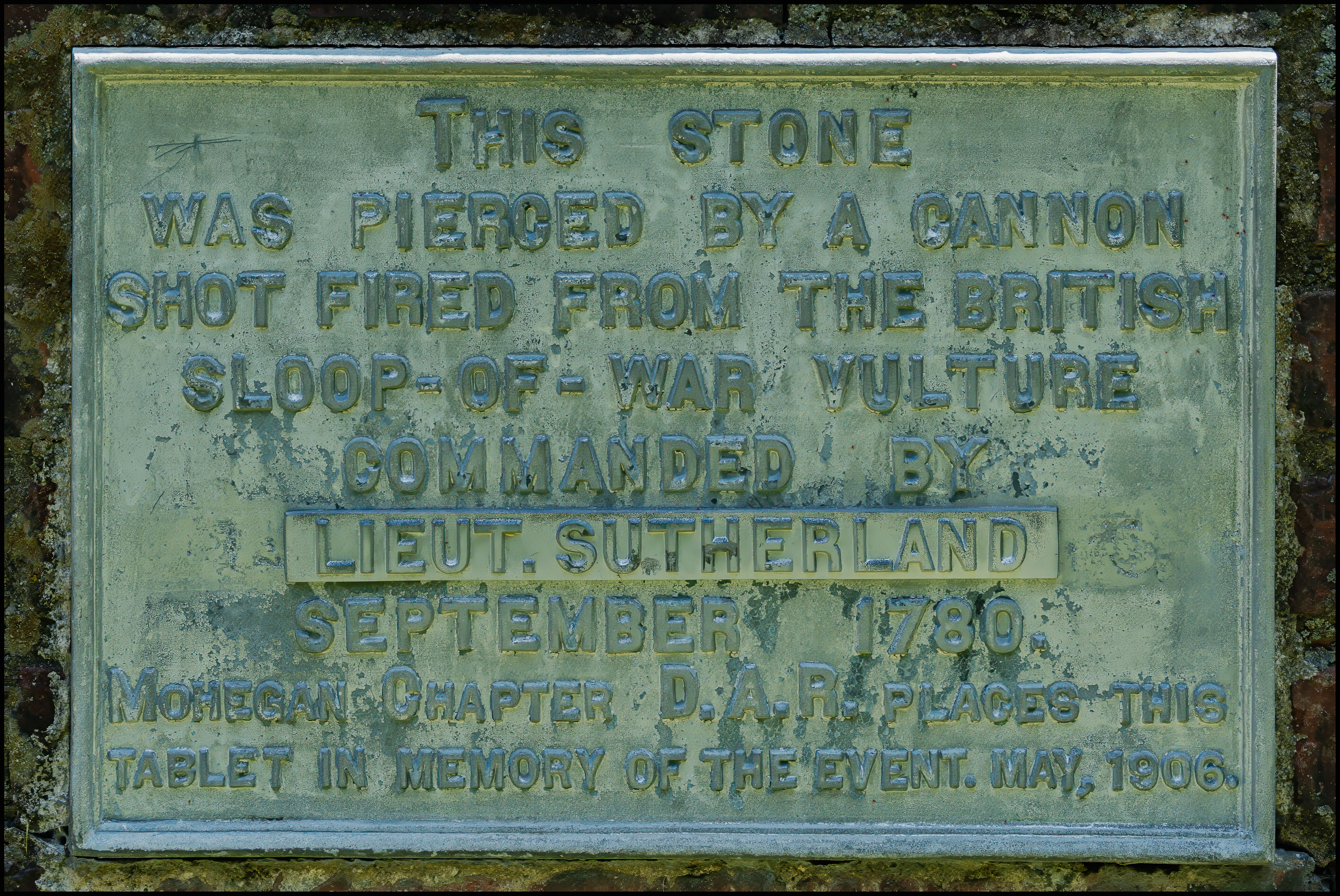
Narrative: Sparta Cemetery, established in 1764, was created on land deeded to the Presbyterian Church of Mount Pleasant by the State of New York for use as a church and cemetery. The property had formerly been part of the Philipsburg Manor estate until its seizure by the State after the Revolutionary War. The cemetery was built on the Old Albany Post Road, today known as Highland Avenue and Route 9. The church, erected on the site around 1768, was heavily damaged during the American Revolution but was later repaired and remained in service until 1800, the year in which the congregation moved into the Village and became the First Presbyterian Congregation. Accounts of the church’s fate vary; some sources indicate that the building was demolished and sold for scrap, while others state that it was moved across Highland Avenue and used first as a tavern and later as a school for a time until it was taken down later in the 19th century. In 1939, the newly formed Ossining Historical Society, with financial support from the First Presbyterian Congregation, took on the responsibility of maintaining the cemetery grounds and began the process of restoring the property, which had become thick with undergrowth due to neglect.
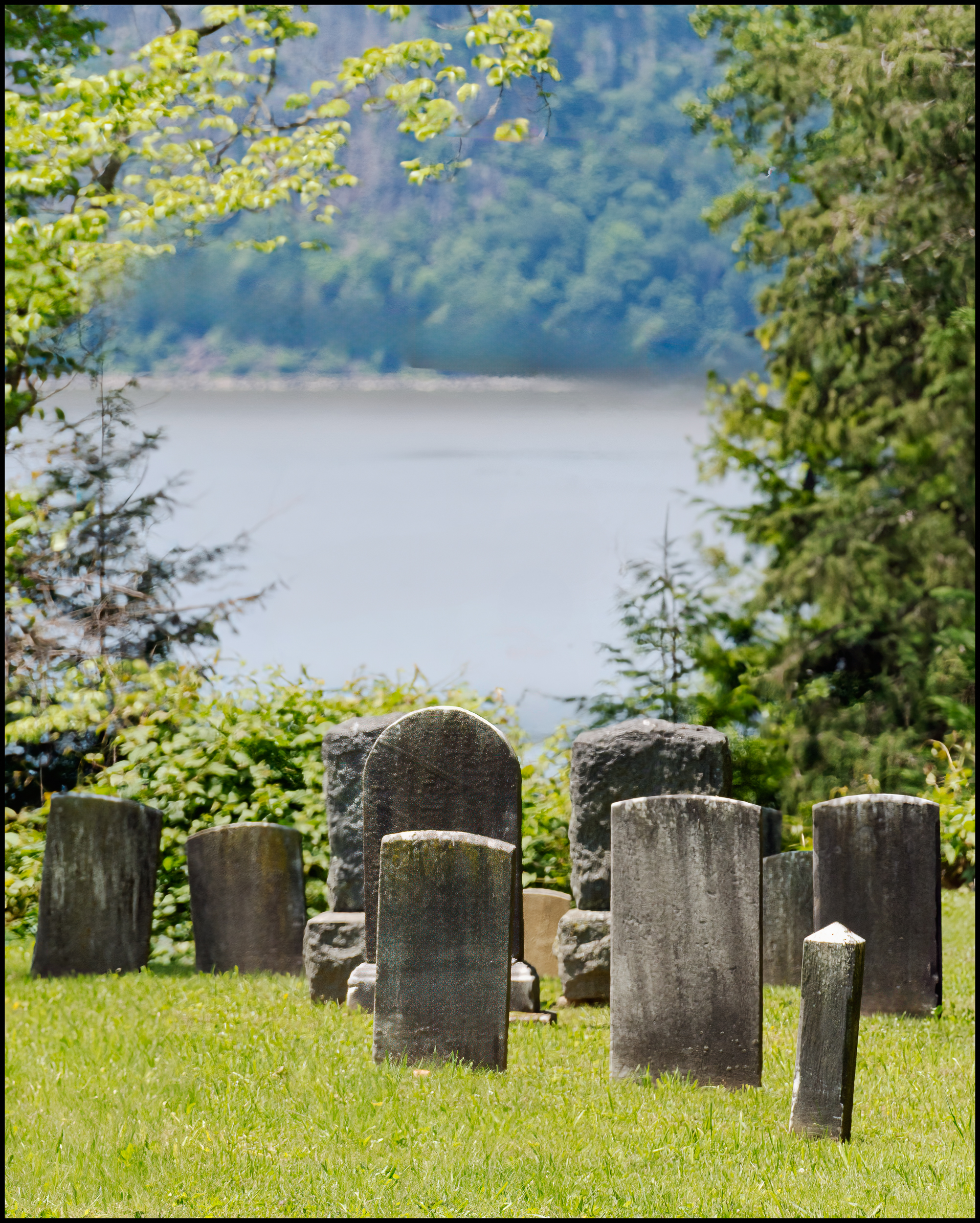
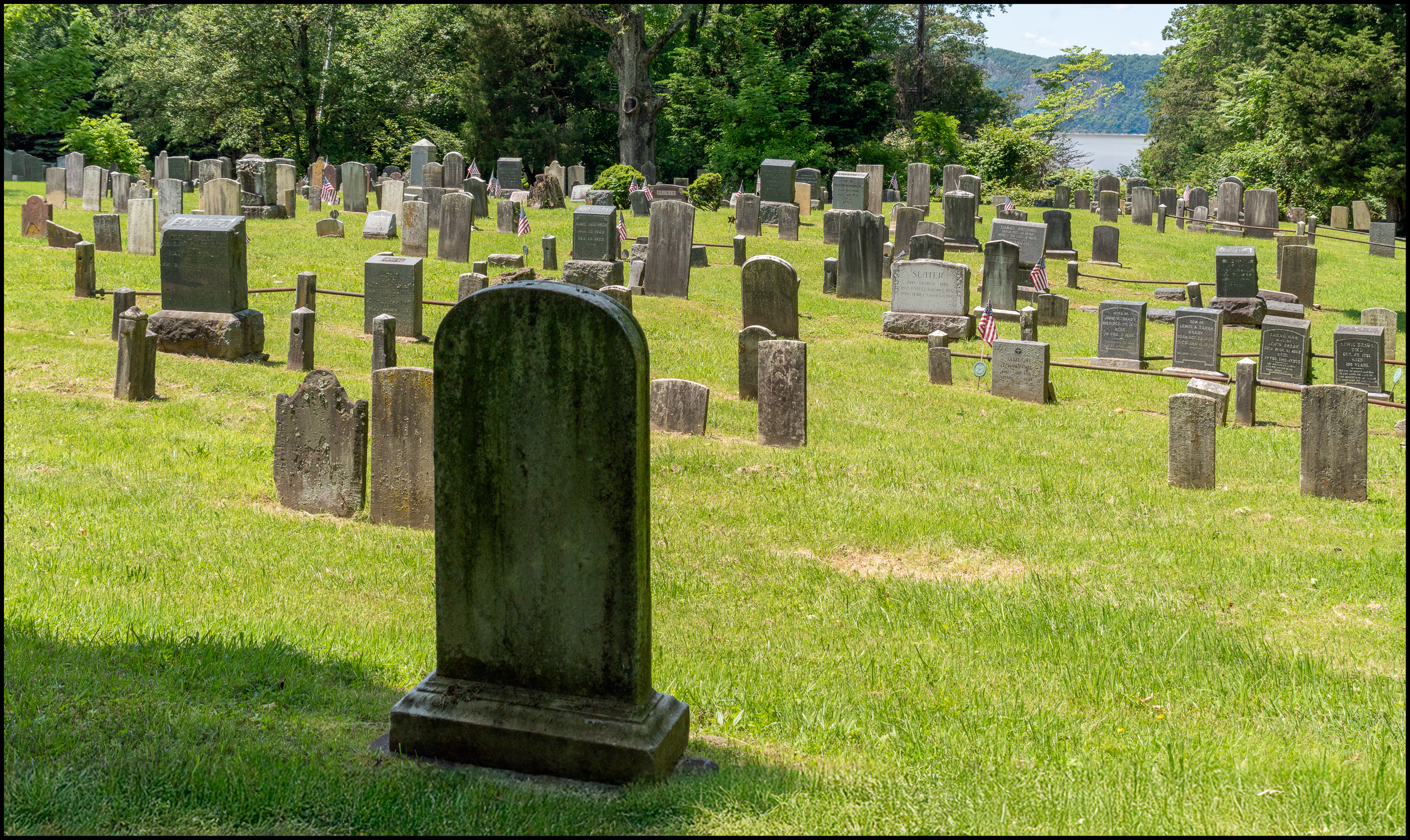
The Cemetery contains over 100 gravestones, many of which are for settlers who were among the first arrivals to Sing Sing and Sparta.
The Cemetery is also the final resting place of the renowned Leatherman.
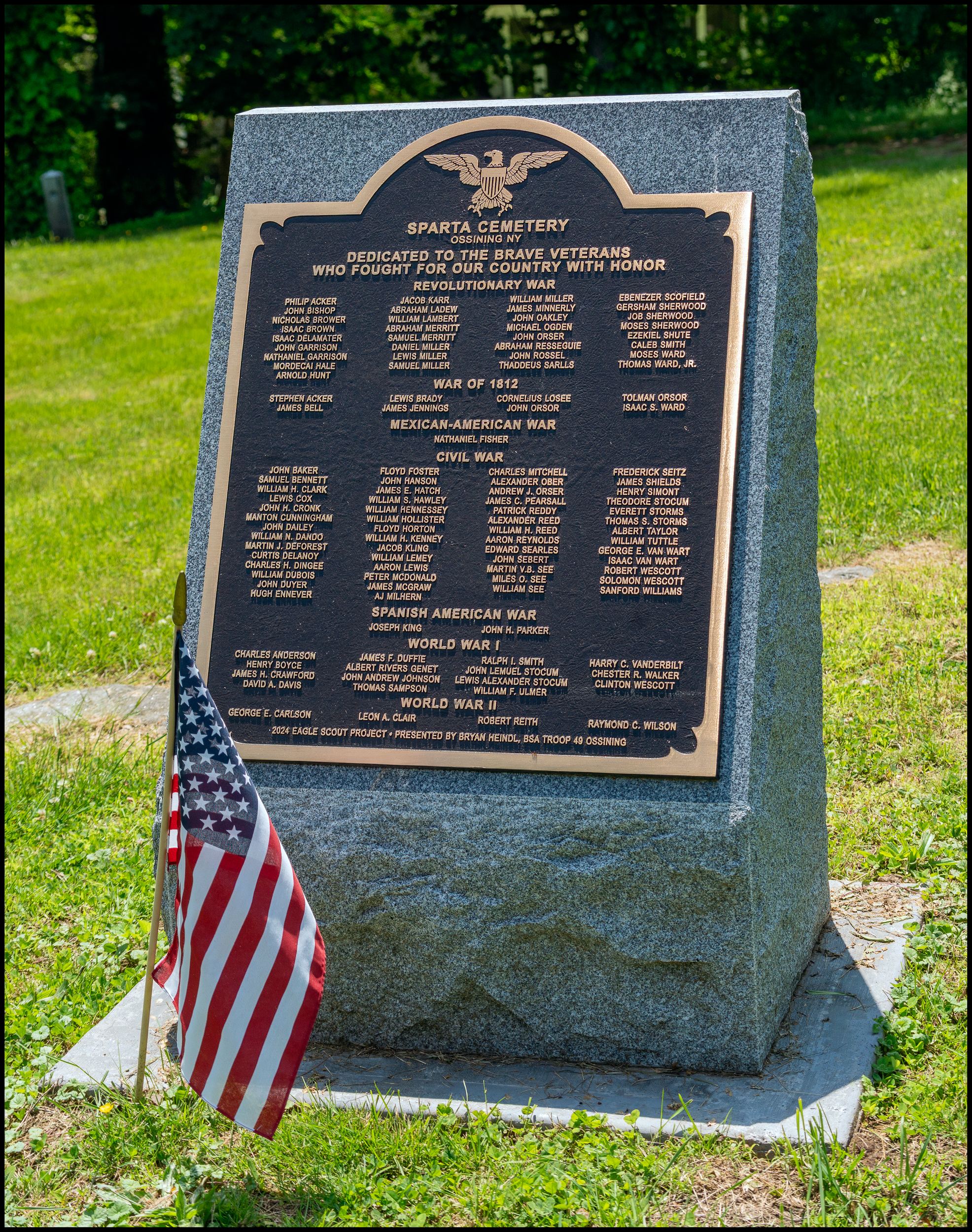
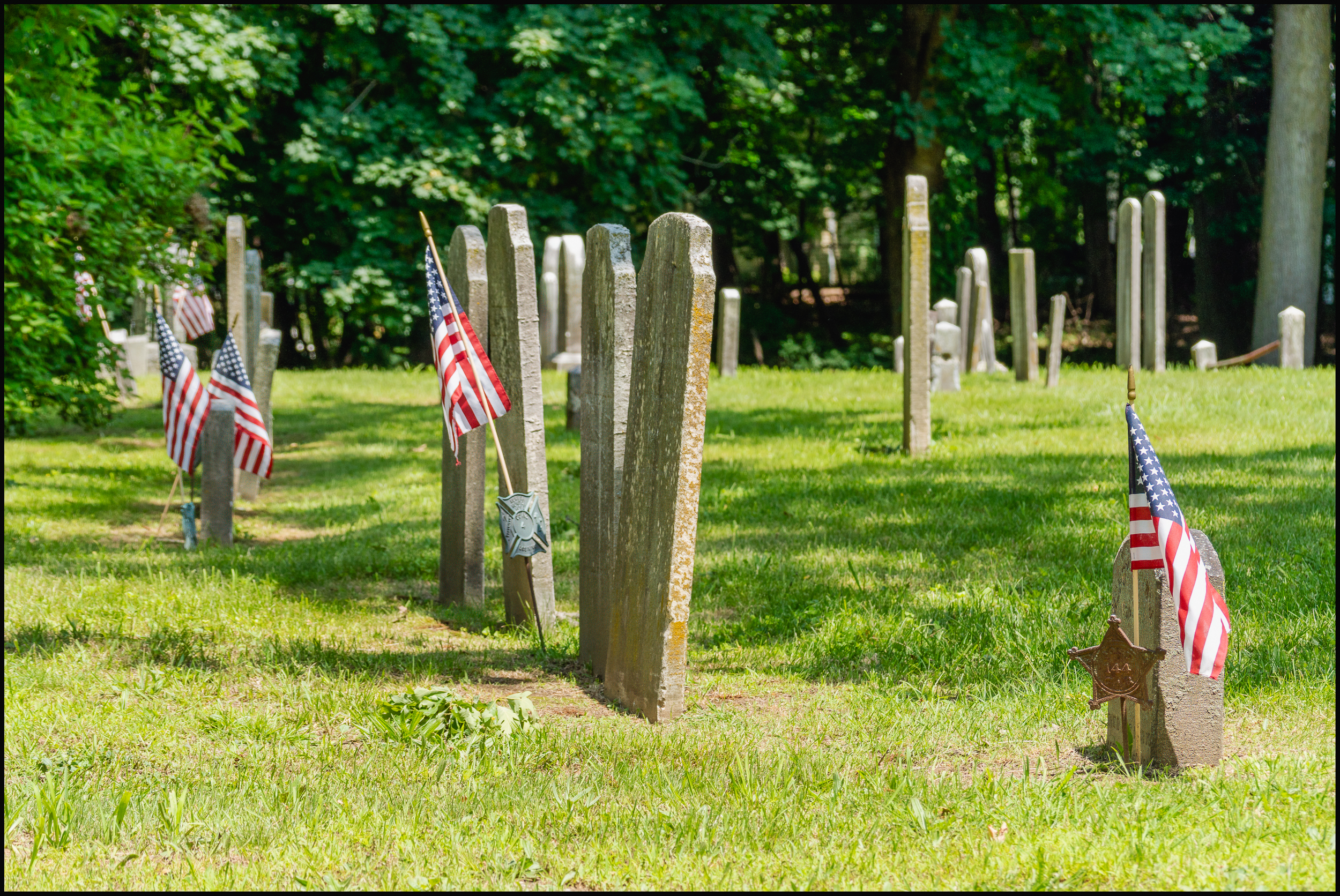
Many other gravestones belong to soldiers killed in the Revolutionary War, American Civil War, and World War I, as well as other individuals who played a role in the civic, business, and institutional life of Sparta and Sing Sing (later Ossining) Village.
Village of Ossining Significant Sites and Structures Guide, Page 13.
Taken with a Sony A7IV and Tamron 28-300mm f/4-7.1 Di III VC VXD lens.