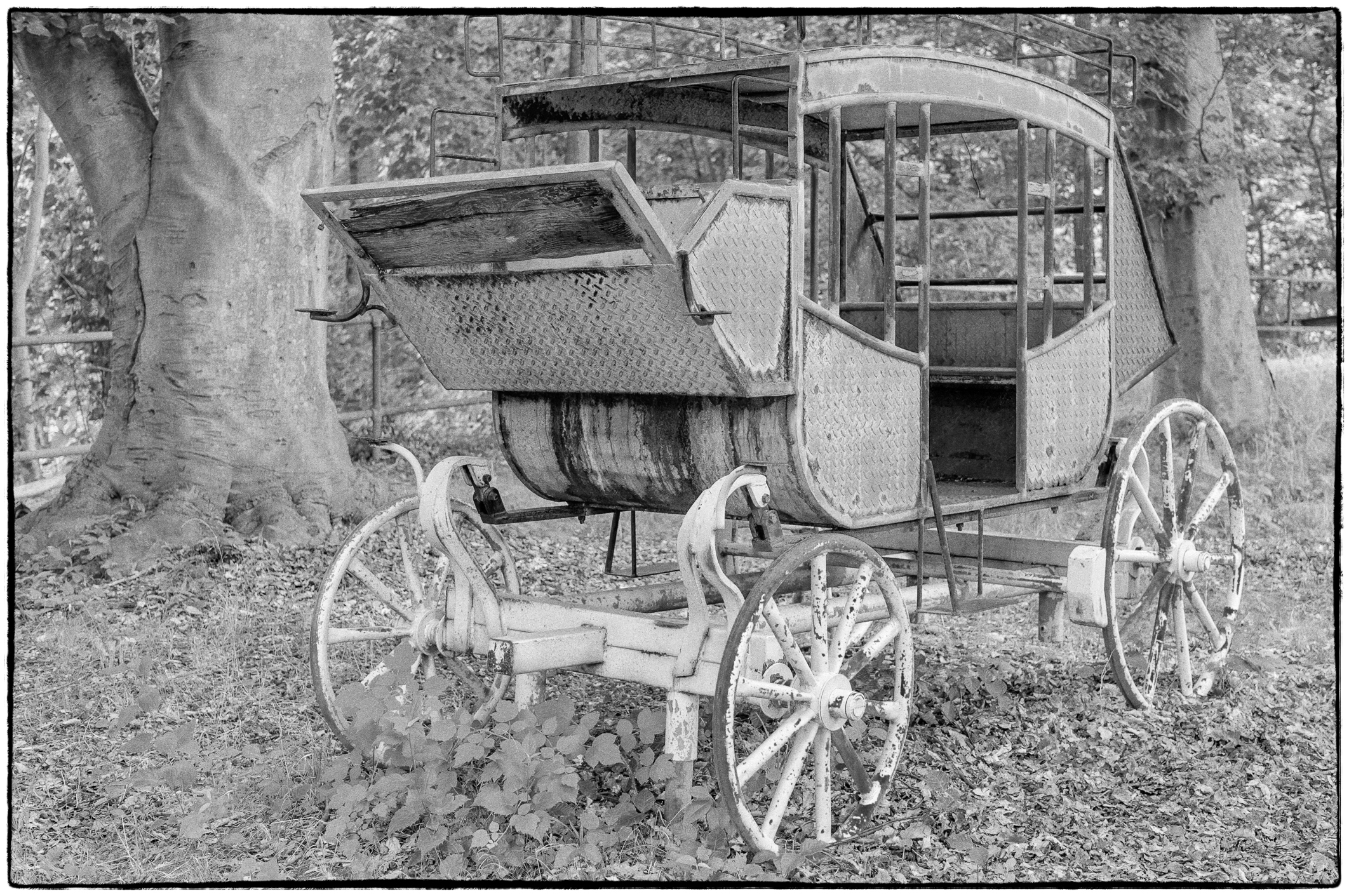
Fireman’s helmet

Seen on the seat of an old fire engine, which formed part of a vintage car show taking place at Maryknoll, Ossining in June, 2012. The lettering reads “Engine 1 LHFC”. I believe “LHFC” stands for Larchmont Historical Fire Company.

According to its website:

The Larchmont Historical Fire Company is a committee of the Larchmont Historical Society that was established in 2007 primarily to help with the restoration and maintenance of Engine One, a 1922 American La France pumper that served Larchmont from 1923 to 1947. Historical Company members are mostly former or current volunteer firefighters, including several former chiefs of the Larchmont Fire Department.

The Larchmont Fire Department sold the pumper in 1947, but in 2002, its volunteer fire companies together repurchased it from a Seattle, Washington family. In 2007, the companies donated the pumper and other memorabilia to the Larchmont Historical Society. At the same time, the family of Jacob Orans donated $75,000 in his memory to aid in the restoration of the vehicle.

The Historical Fire Company conducted research, raised additional funds, hired a contractor and oversaw the restoration of the pumper. In 2012, Firefly Restorations of Hope, Maine finished its work, and Engine One returned to Larchmont.

Since then, the Larchmont Historical Fire Company has continued to maintain and display the pumper at community functions and parades. Company members acquired uniforms based roughly on those worn in the Civil War era by the Fire “Zoaves.” They march in parades with the pumper, dressed in bright red jackets, black slacks, white spats and red illuminated helmets.

In addition to maintaining Engine One and other firefighting artifacts, the Historical Fire Company hosts Irish Night, with traditional St. Patrick’s Day food, music and entertainment. Celebrated for almost a century by Larchmont Fire Department’s Engine Company, the tradition had lapsed in recent years, but was revived in 2013 by the Historical Fire Company.
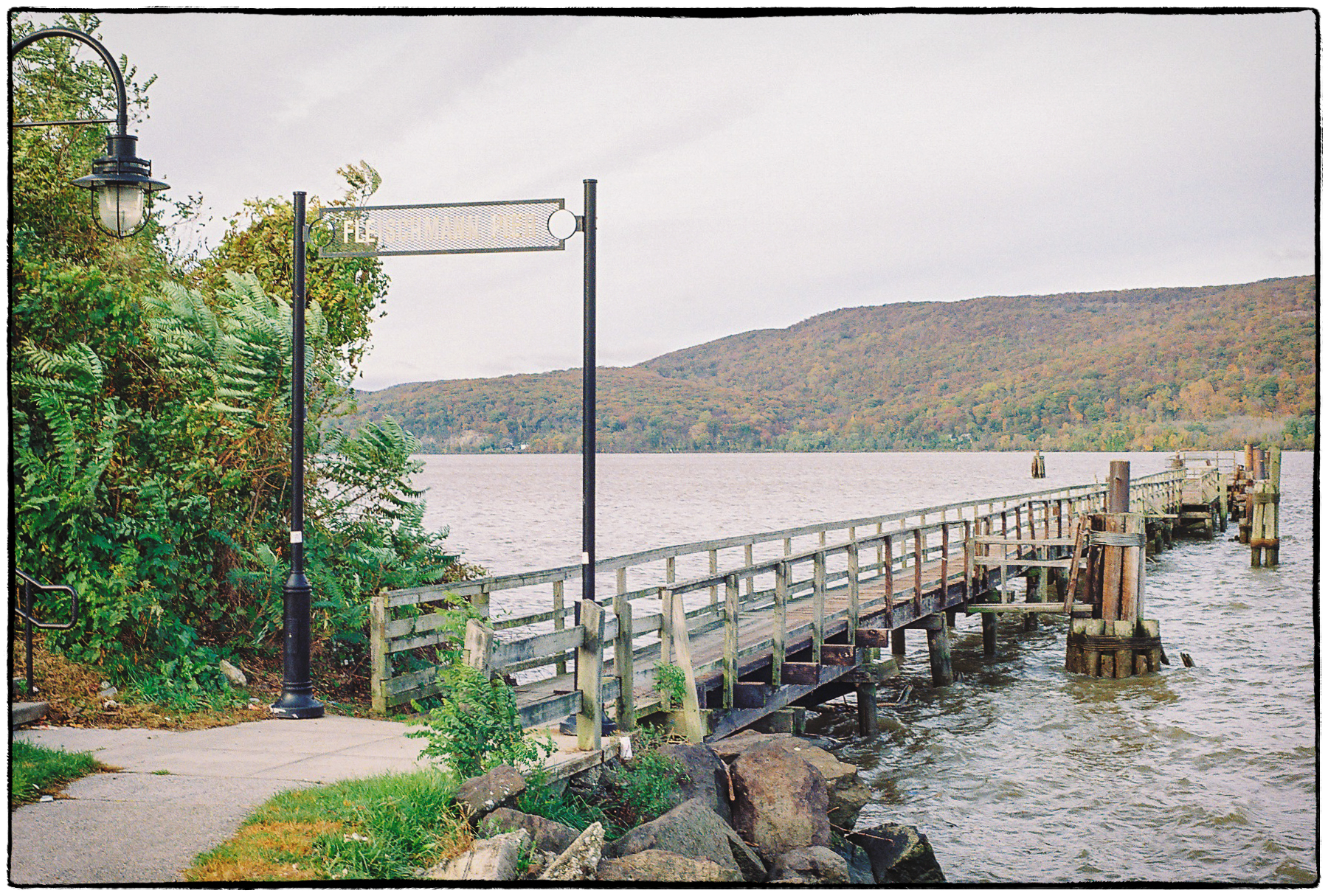
Fleischmann Pier

Formerly known as China Pier this structure was renamed Fleischmann Pier in 2003 to celebrate the days (from 1900 onwards) when Fleischmann was a major industry in Peekskill. A 1915 release stated “The largest Fleischmann plant is situated at Charles Point, Peekskill-on-Hudson, N.Y. – a beautiful, ideal and advantageous location”. In it’s heyday the Charles Point plant had more than 125 buildings and more than 1,000 employees.

But there was a problem. Molasses is an essential ingredient in yeast. Boats came up the Hudson and offloaded the molasses (which had to be kept heated) onto barges, which transported it to the plant – a very inconvenient and costly solution.

Stuart M. Robinson was responsible for transportation at Fleischmann’s and thought of constructing a pier. It was built in 1938 and a channel 30 deep and 100 feet wide was dug into the the Hudson to allow large ships to approach it. The pier is 500 feet long and is one of the few deep water piers along the Hudson.

Most of the Fleischmann buildings have now gone, but the pier remains.

For more information and some interesting pictures see: Historic Peekskill Pier Named After Company That Built It from which the above summary is derived.

Taken in November, 2011 with a Kodak Retina IIc

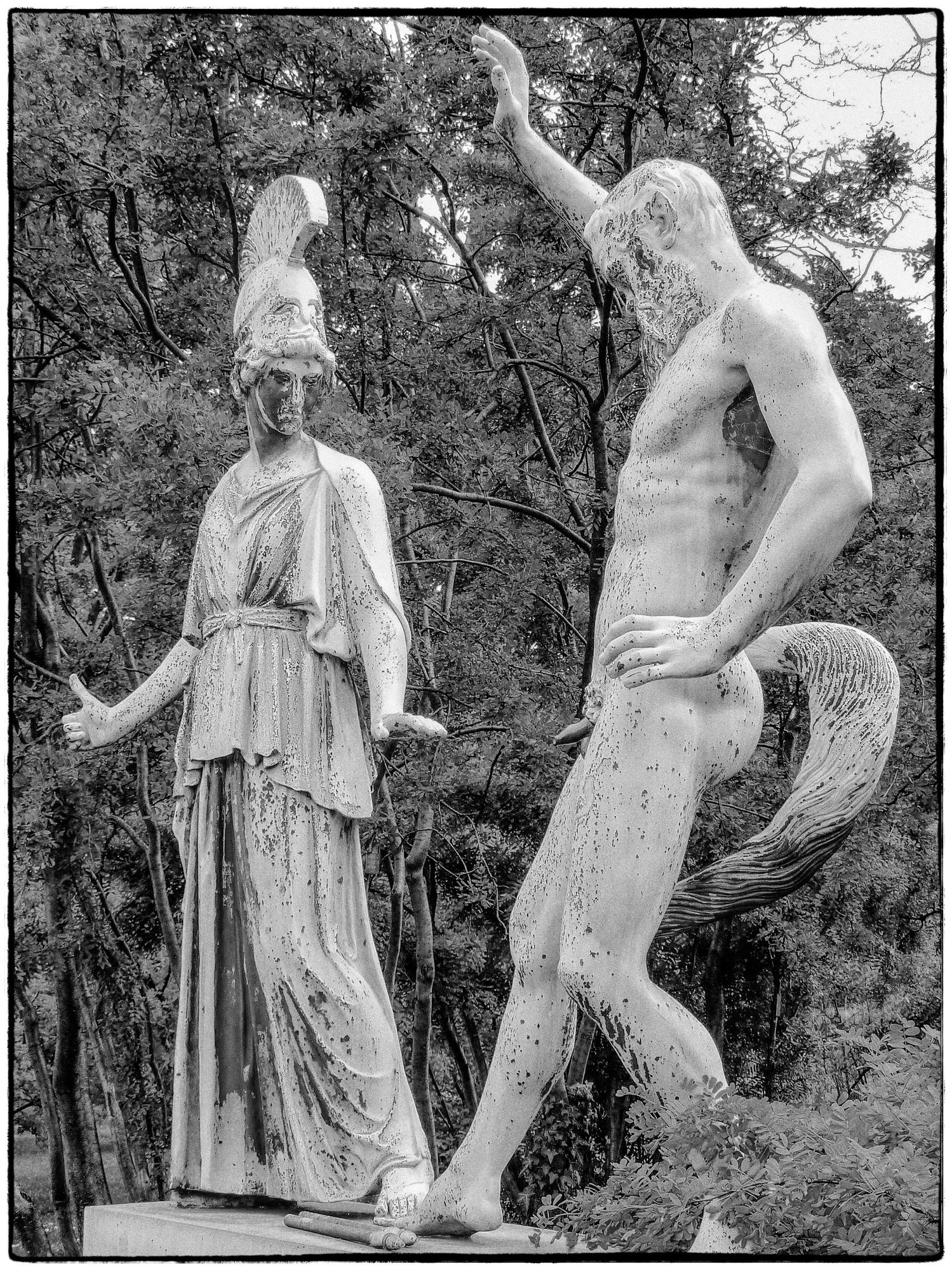
Statues, Copenhagen, Denmark 2011

Seen in a park in Copenhagen, Denmark in 2011. I believe that these two statues depict Marsyas and Athena.

According to Wikipedia:

In Greek mythology, the satyr Marsyas (/ˈmɑːrsiəs/; Greek: Μαρσύας) is a central figure in two stories involving death: in one, he picked up the double flute (aulos) that had been abandoned by Athena and played it; in the other, he challenged Apollo to a contest of music and lost his hide and life. In antiquity, literary sources often emphasise the hubris of Marsyas and the justice of his punishment.

In one conjunction Rhea/Cybele, and his episodes are situated by the mythographers in Celaenae (or Kelainai) in Phrygia (today, the town of Dinar in Turkey), at the main source of the Meander (the river Menderes).

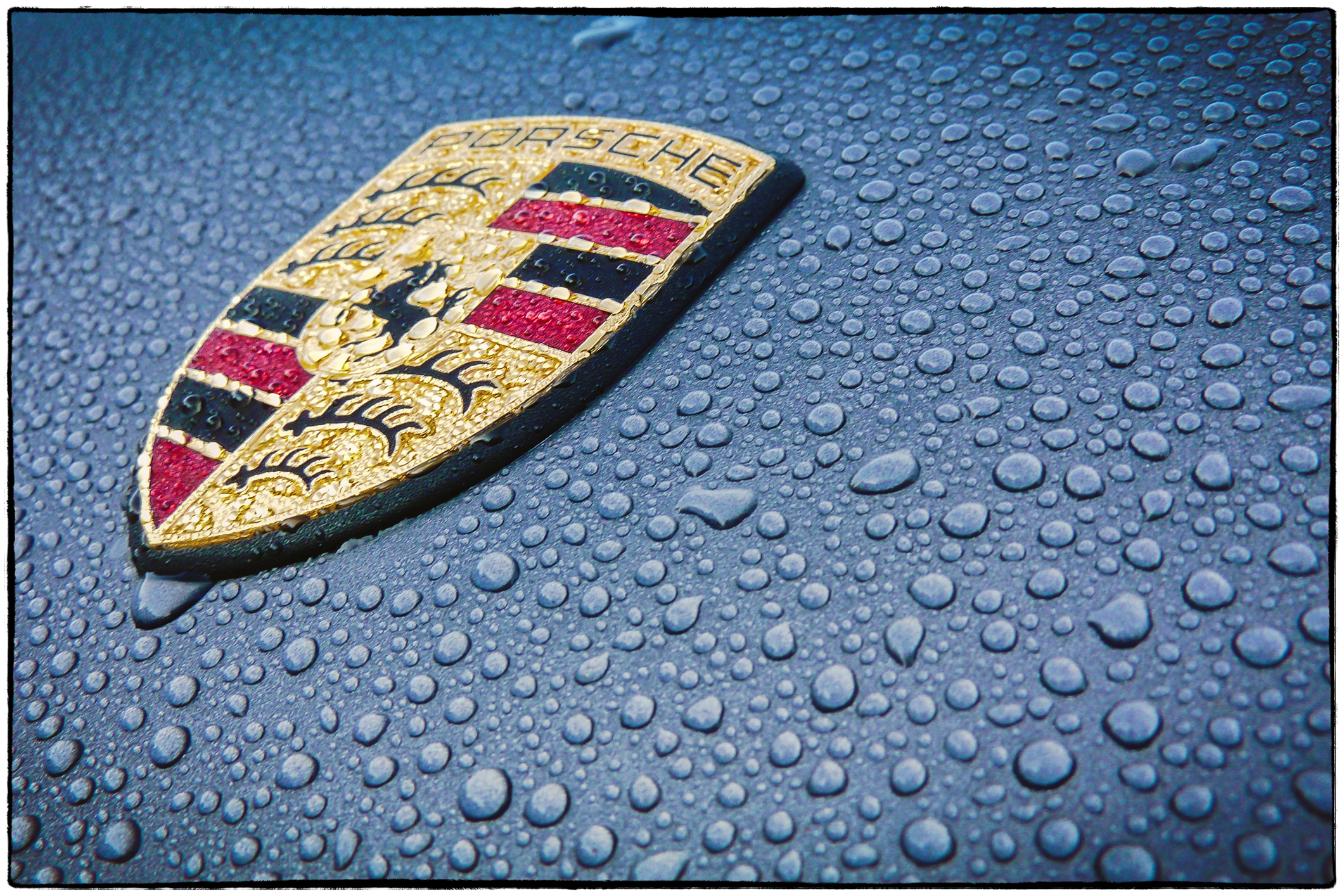
Porsche Logo

I quite like this picture, taken with a Panasonic ZS-3 back in 2010. Just goes to show that you don’t necessarily need to spend thousands of dollars on a camera to be able to take decent pictures. It’s more a question of knowing the strengths and weaknesses of whatever camera you have.