Civil War Monument, Sleepy Hollow Cemetery

According to a post on the CT Monuments Site (Civil War Monument, Sleepy Hollow, N.Y.)

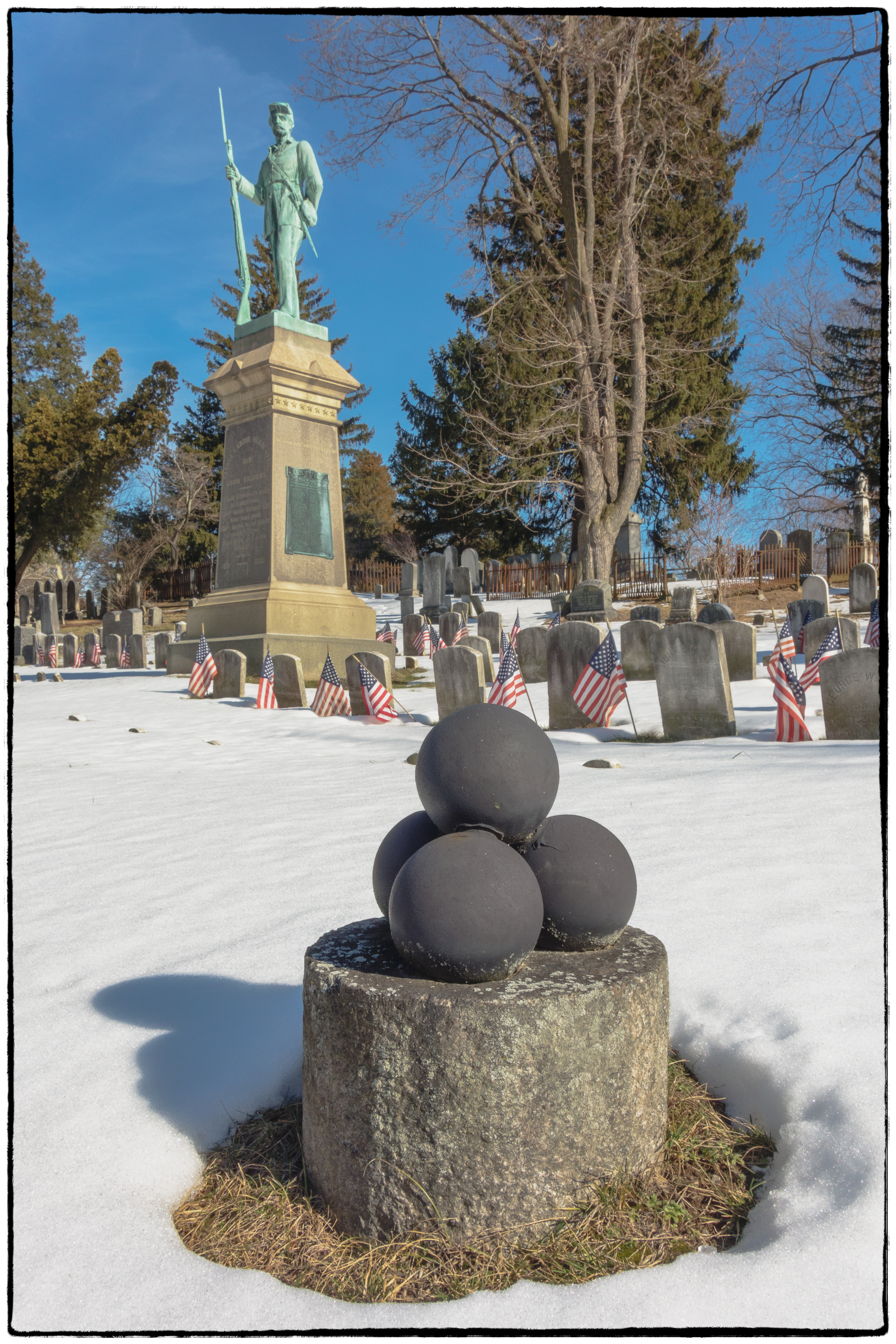
The village of Sleepy Hollow, N.Y., honors local Civil War veterans with a granite-and-bronze monument in Sleepy Hollow Cemetery.

The monument, near southwestern corner of the cemetery, was dedicated in 1890 by the local GAR post. Inscriptions on the front (west) face include a Latin dedication, along with “Our Union Soldiers” and the following poem: “While Freedom’s name is understood, they shall delight the wise and good; They dared to set their country free and gave her laws equality 1861-1865”

The monument’s south, east and north faces feature bronze plaques honoring local veterans. The references to Greenburgh and Mount Pleasant reflect the fact that the Village of Sleepy Hollow lies within Mount Pleasant, which is just north of Greenburgh.

The monument is surrounded by a plot containing graves of Civil War veterans.

The infantry soldier was sculpted by Johnson Marchant Mundy, who was legally blind when he created the figure.

Museum of Modern Art offers free photography course

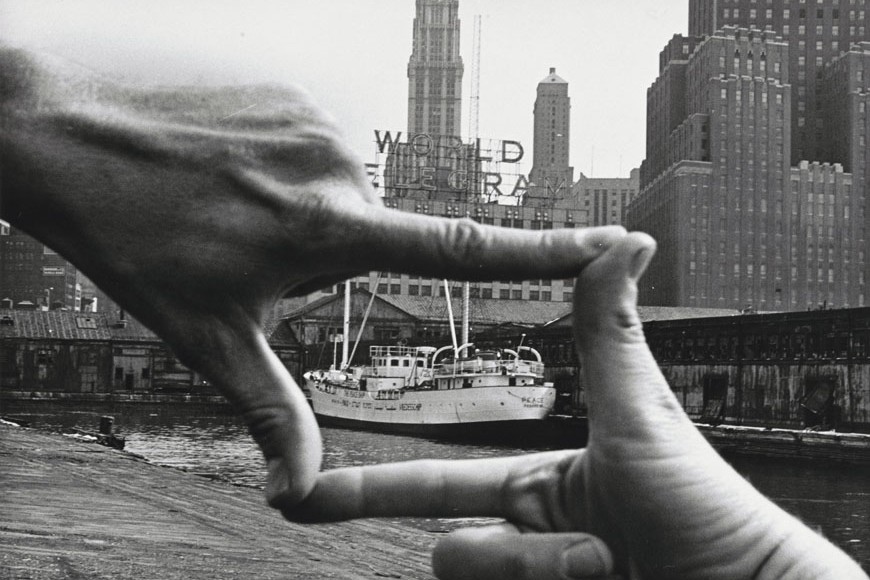
John Baldessari. Hands Framing New York Harbor from Pier 18. 1971. Photograph by Shunk-Kender, from the exhibition “Art on Camera: Photographs by Shunk-Kender, 1960–1971”, MoMA, May-October 2015

I registered, but haven’t yet tried the course. A few comments from someone who has can be found be found in What I Learned By Taking MoMA’s New Photography Course on Petapixel.

Continuing its remarkable activity in organizing open learning activities on creativity and arts, beginning February 10th, the Museum of Modern Art of New York starts an exciting new free online course focused on photography, running on the e-learning platform Coursera.The course, entitled Seeing Through Photographs, is led by Sarah Meister, curator of the MoMA department of photography, and is supported by Volkswagen of America.Open to a general audience and divided into 6 sessions, Seeing Through Photographs will provide a comprehensive view on the art of photography and “about what a photograph is and the many ways in which photography has been used throughout history and into the present day: as a means of personal artistic expression; a tool for science and exploration; a method for documenting people, places, and events; a way of telling stories and recording histories; and a mode of communication and critique in our increasingly visual culture”.

Source: Want to learn photography? MoMA launches free online course

Monument Park, Peekskill

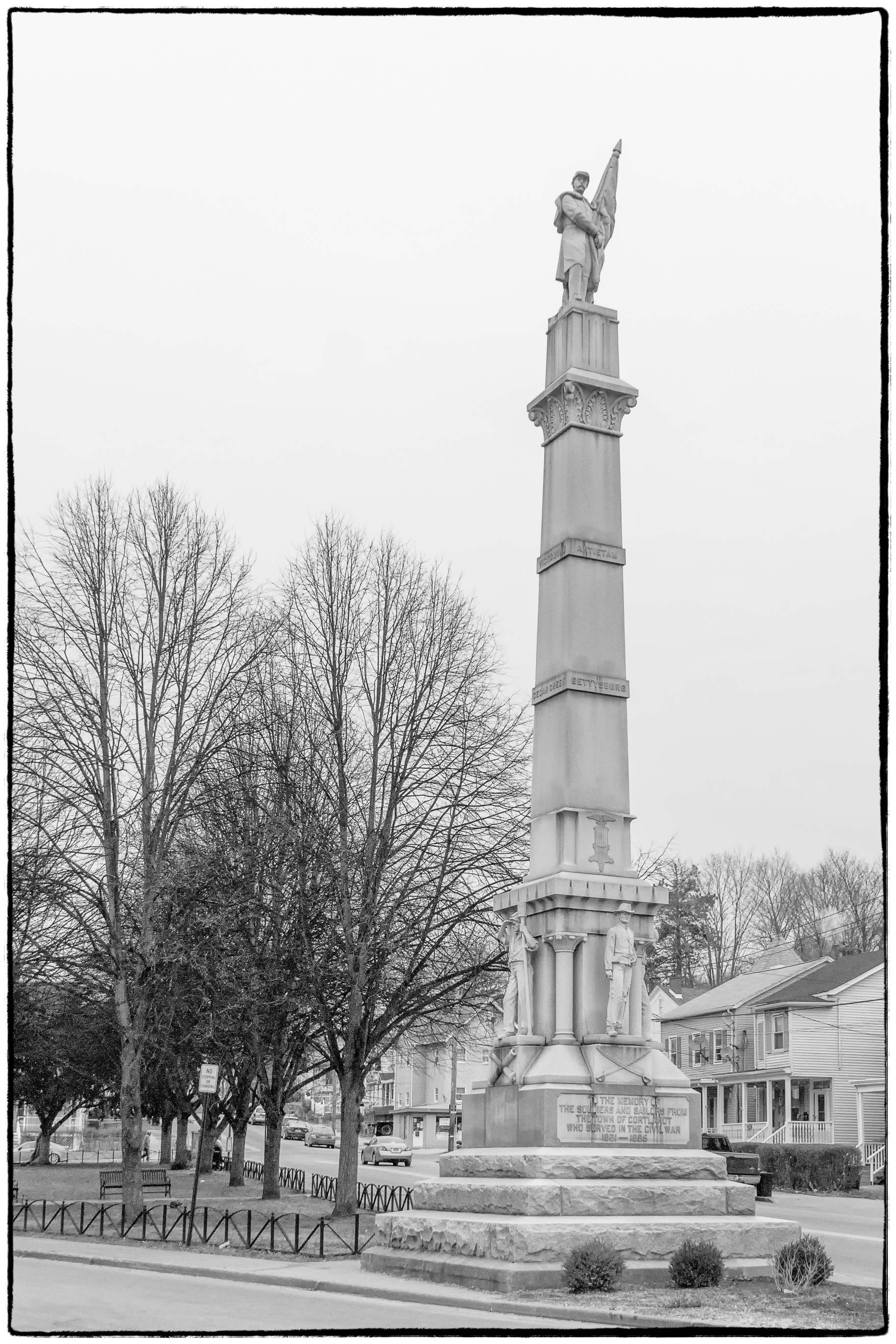
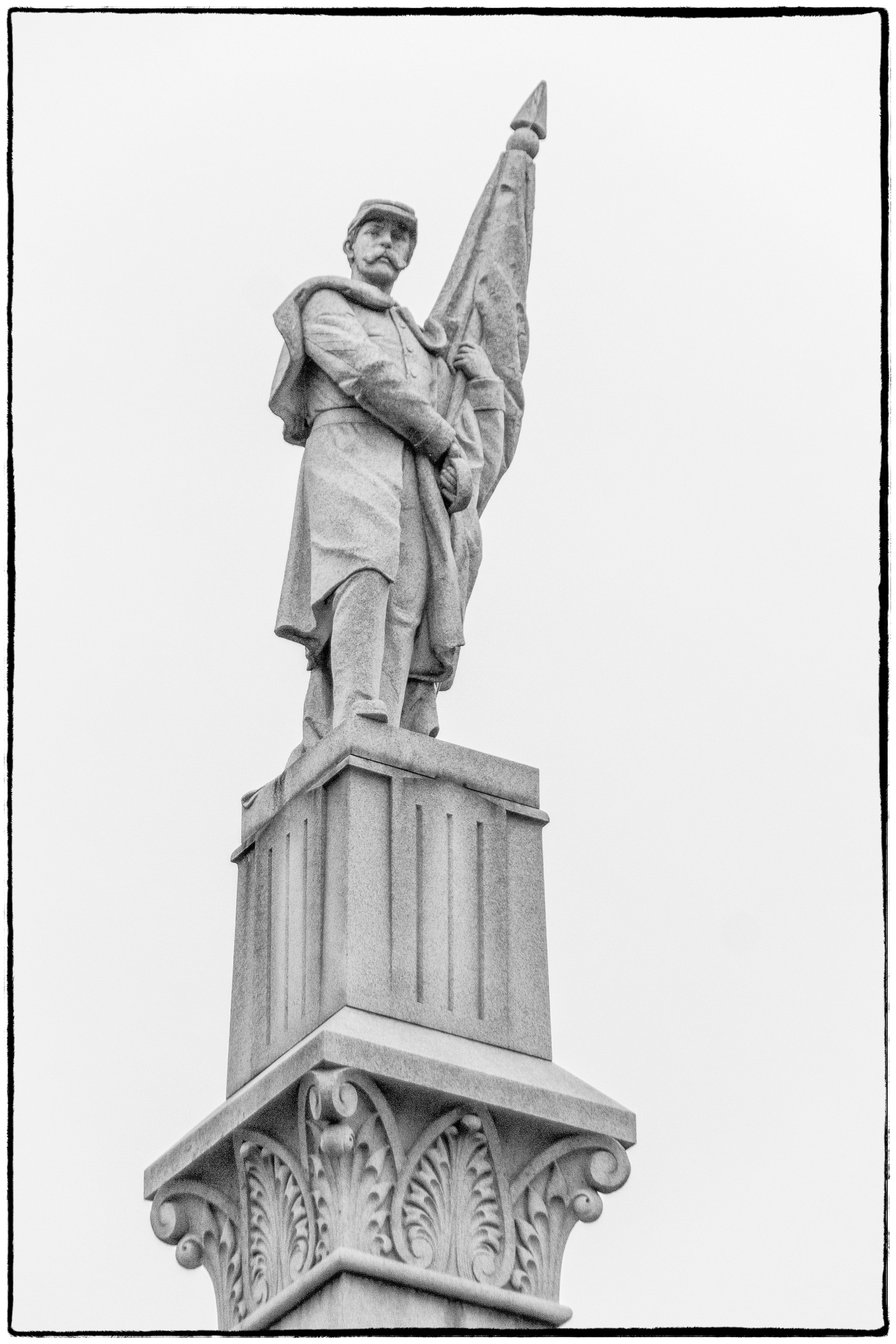
I first noticed this impressive monument some time ago, but didn’t have a chance to look at it closely at the time. I went back yesterday. It’s the Town of Cortlandt Civil War Memorial even though it’s located in Monument Park, Peekskill. It’s the most spectacular of the monuments there, but it’s not the only one. There are also monuments commemorating those who fell in World War I; World War II; Korea and Vietnam. Finally there is a small monument dedicated: “To the memory of those from Peekskill who served in the World War 1917-1918”. It appears to list the names of all of those who served. Its base reads: “Lest We Forget”.

According to the New York History Blog two part post on Westchester County Civil War Monuments:

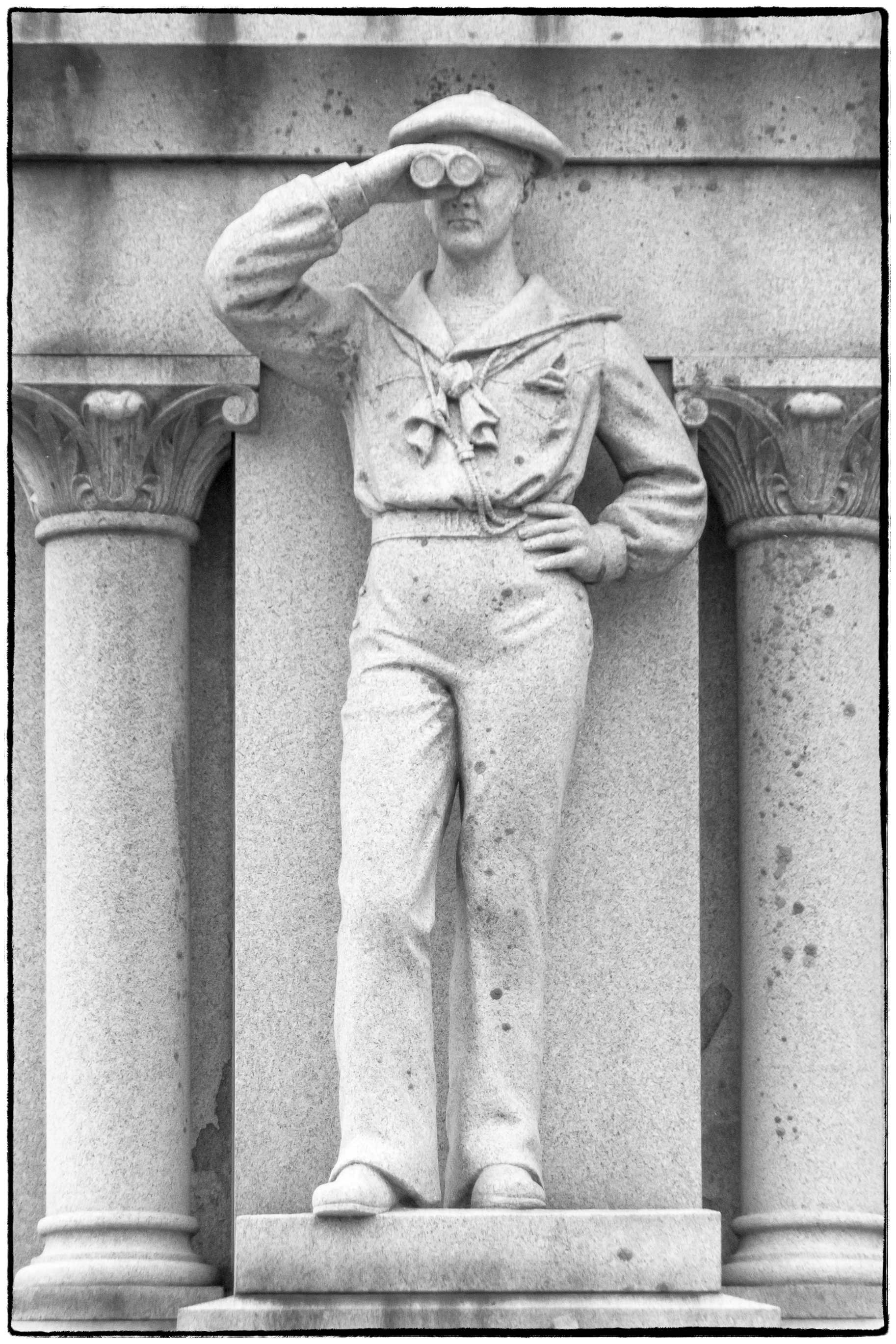
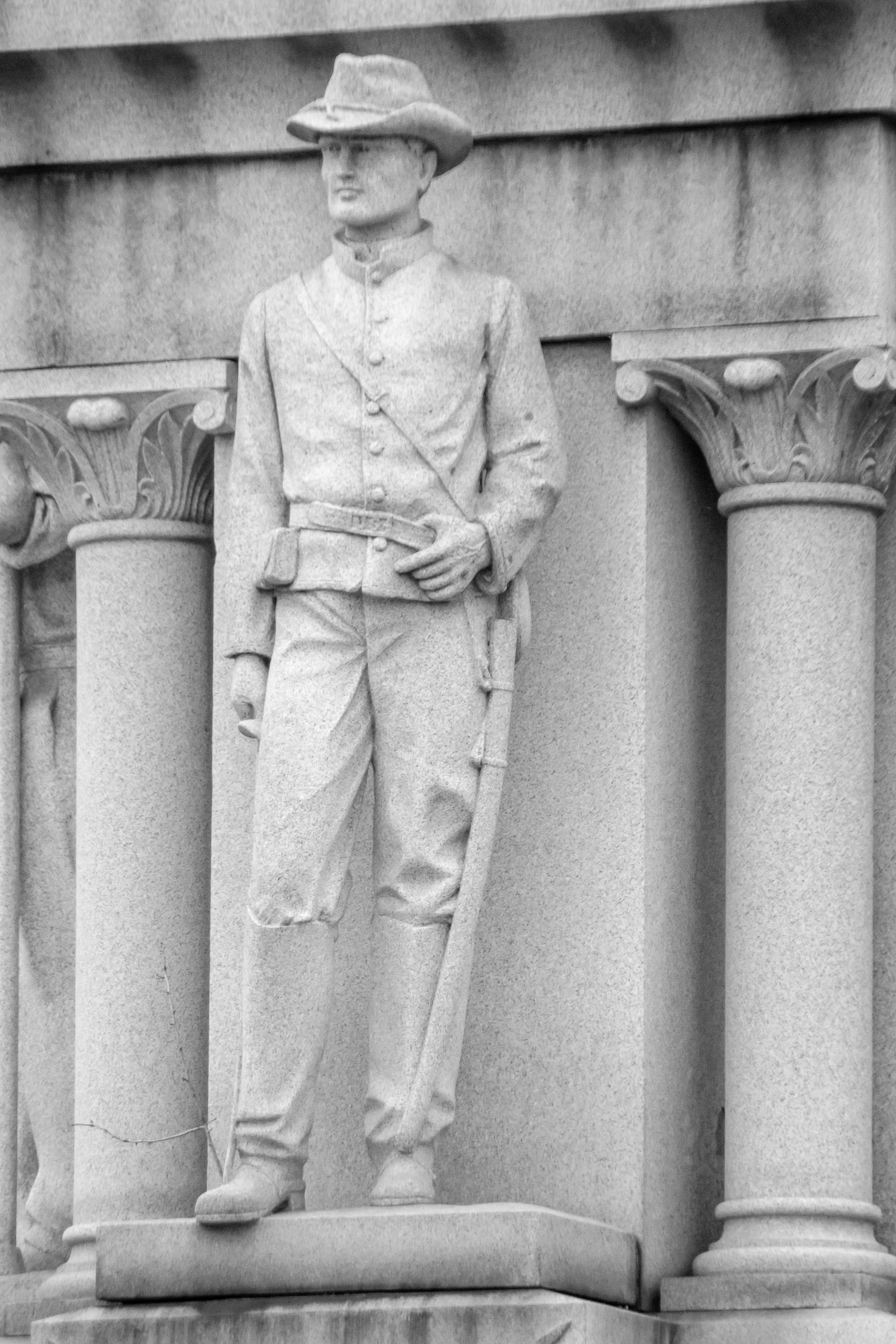
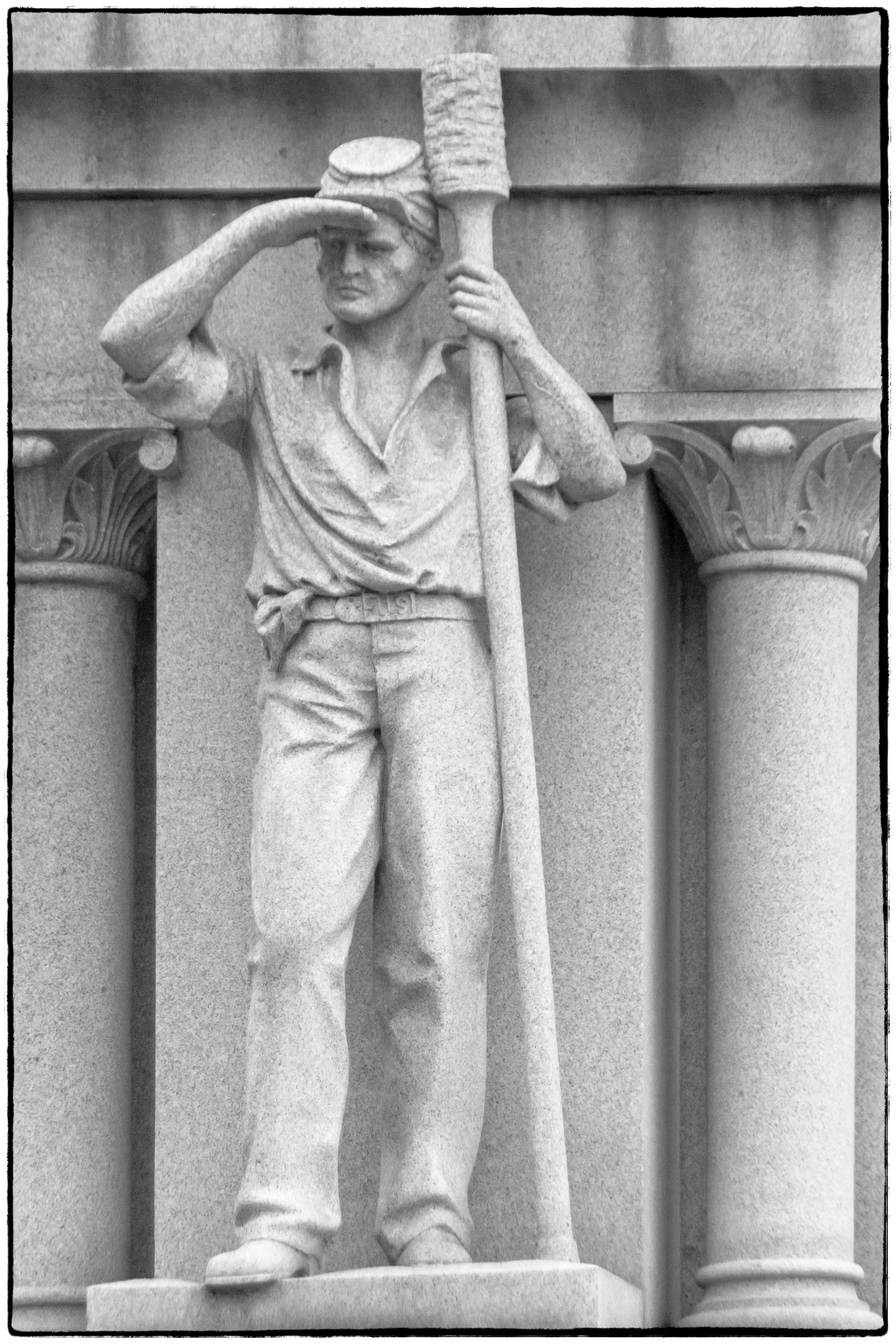
This monument is actually located in the City of Peekskill, near the intersection of Main Street (Rt. 6) and North Division Street and consists of a Civil War color bearer standing atop a 40 ft tall tapered polished granite shaft on a tiered base. The figure wears a long coat and cap. He holds the flag pole in his left hand. Three additional uniformed figures, a sailor, a cavalryman and an artilleryman stand at the base of the shaft. On the South side of the Monument the Inscription reads, “To The Memory Of The Soldiers and Sailors From The Town of Cortlandt Who Served in the Civil War 1861 – 1865.” A bronze plaque on the North Side says, “Erected by The Citizens of The Town of Cortlandt Through the Efforts of the Veterans Monument Association And All Organizations Affiliated With The Grand Army Of The Republic.” Inscribed on the column are the names of various battles that Cortlandt men fought in – “Fort Fisher • Cold Harbor • Wilderness • Appomattox • Cedar Creek • Vicksburg • Gettysburg • Antietam.”

The monument was commissioned Jan. 1916 and dedicated on Sept. 4, 1916 with a speech by Lt. General George B. Loud. He served as a Lieutenant during the War with Company D, 10th U.S. Colored Troops Heavy Artillery. The monument’s granite material came from the Jones Brothers Quarry in Barre, Vermont. It was once “the largest granite manufacturing plant in the world,” and had over 600 employees and occupied 100,000 square feet of operational space until it closed in 1975.

Closer view of the figure on top of the column.

Sailor.

Soldier.

Artilleryman.

The lure of “likes” – revisited

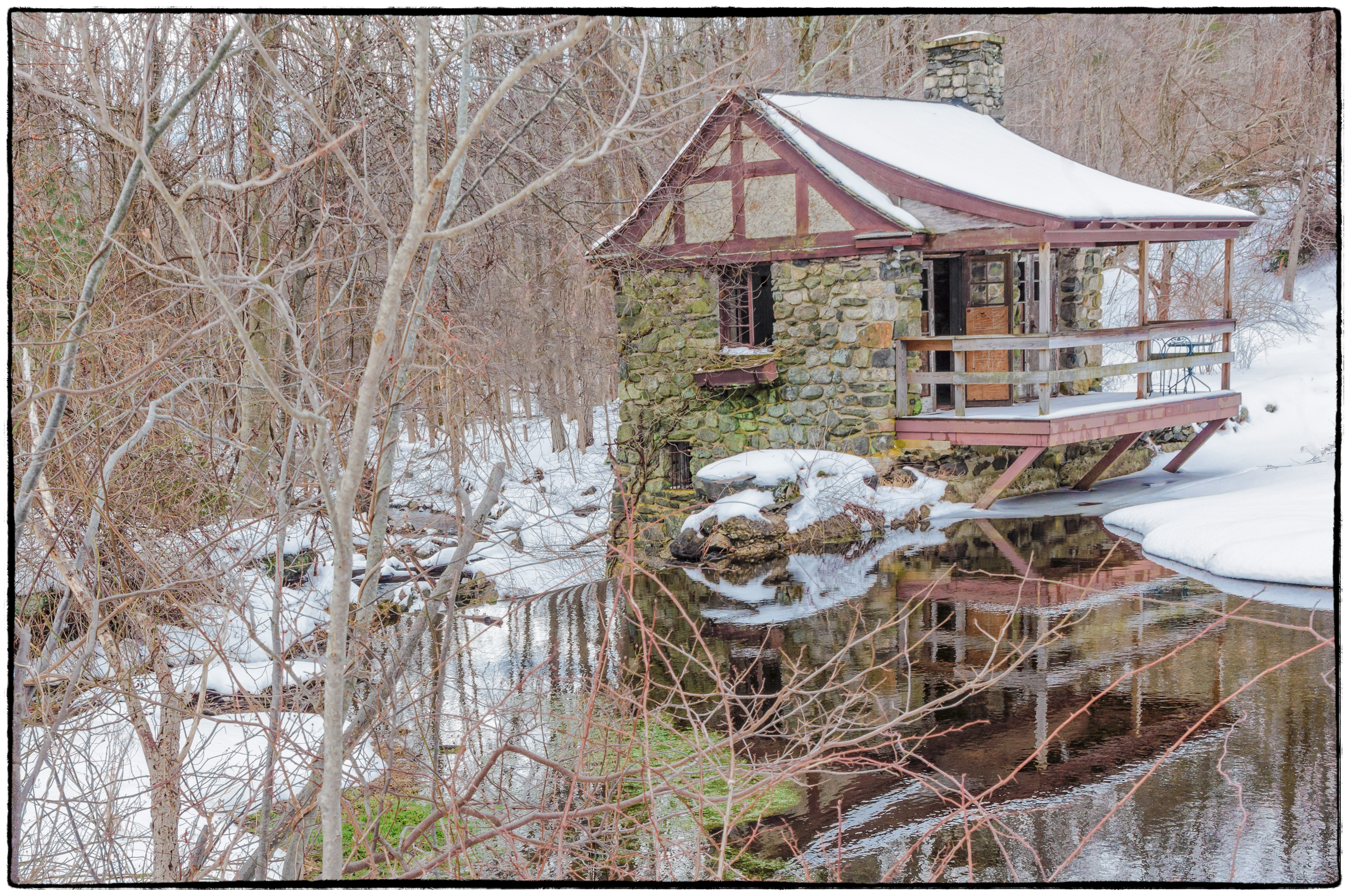
In an earlier post (The lure of “likes”) I noted how seductive “likes” on Facebook can be. In it I mentioned a picture of mine that got an unusually large number of “likes” even though it wasn’t much of a picture. I also mentioned how I was fascinated to watch the counter increasing – to see if it would exceed my previous “best liked” picture. It didn’t – but the picture above did. It’s surpassed my former best and the counter is still running, all be it at a slower rate than before.

I don’t particularly like this picture either. My wife wanted me to post it so I did. Yes, it’s an interesting structure that you wouldn’t normally expect to see in Putnam County, NY but I find the branches in the foreground to be very distracting and unfortunately I couldn’t get a better view without going onto private property (or using a different lens, which I didn’t have with me). It’s not all that colorful (I’ve noticed that many “like” extremely colorful images) and it’s not a naked woman.

So why so many likes? Although not a stunning picture it seems to have brought back pleasant memories to a lot of people who remembered it from their childhood. In addition to the “likes” I also got a number of comments, many of them along the following lines:

“It’s an old mill house. Friends owned the house until recently.”

“I remember that building growing up.”

“I know it well, I lived at Wiccopee Estates. My dad had his bait shop down stairs.”

“I haven’t been back to N.Y. in many years…I would love to have a trail bike and tackle some of the trails again.”

“Ice skated, fished, trapped and just a lot of fun growing up there as a kid. It has changed but still looks good.”

Perhaps the most extensive comment provided an answer to a question I’ve had since I came across this building: what exactly is it? The answer:

“The Bait House” They say a “picture is worth a thousand words” this picture has also a thousand memory’s. There many other pictures (that I dont have) of Wicopee when Frank Smith of Western Electric first built it in the 1920″s, when Eva Feinburg and her husband bought the property and built 24 summer bungalows, swimming pool, tennis court, handball, baseball field, social hall and summer camp known as Wicopee Estates. I moved there when I was 3 years old and not long after became friends (brother) with Glenn Niese who still lives up the road. The road was just dirt back then. My dad, to make some extra money would sell live bait, shinners and night crawlers. The tanks to keep the bait where down stairs where fresh water would flow the tanks to keep the fish alive. Glenn is still there but the pool, bungalows, are gone. So its good to see this picture my Dad and I once call the “Bait House”

This little piece of local history made me glad that I posted the picture even if it’s not going to win and photograpy prizes.