Autumn Leaves

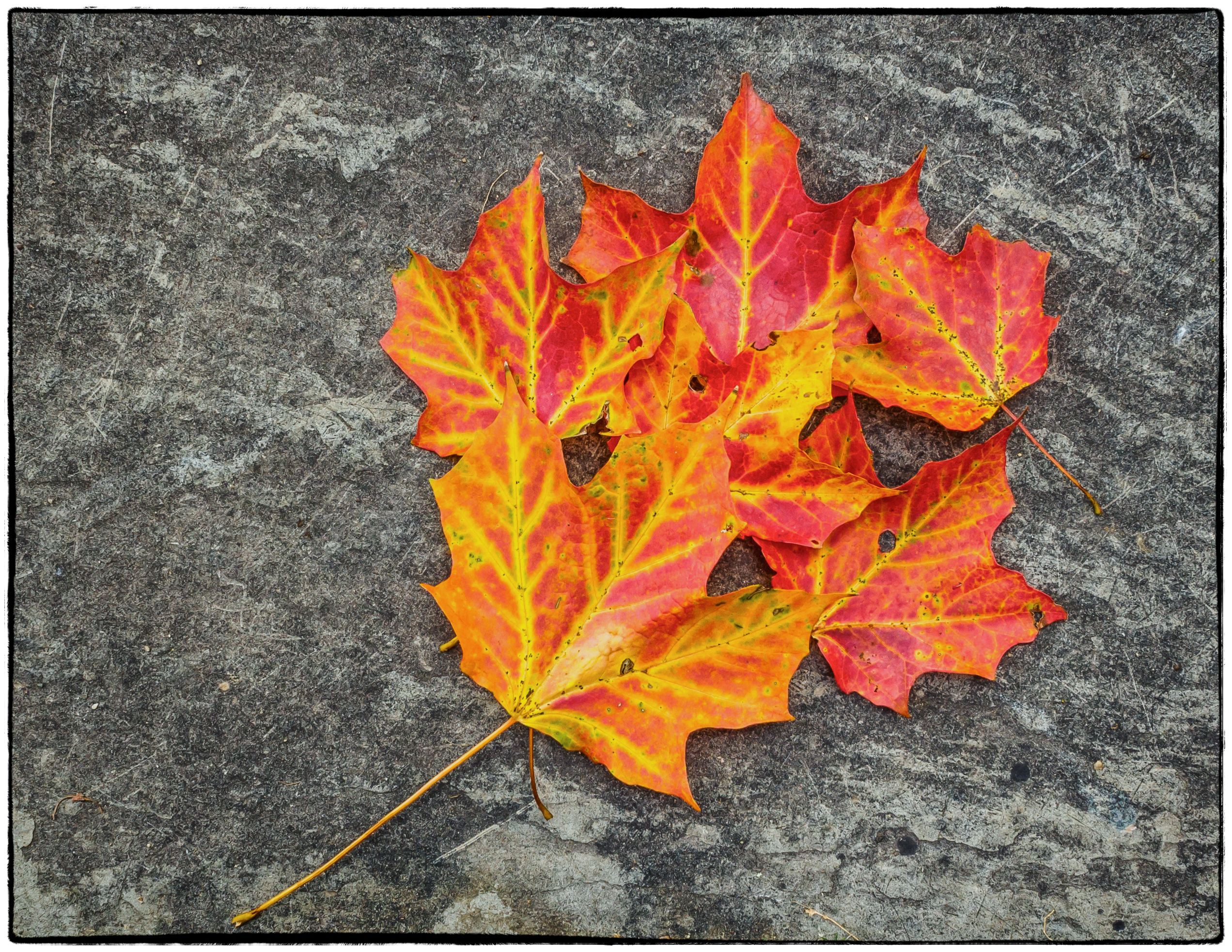
I saw these lying on our patio. This was a bit of a surprise. I believe they are Maple leaves and if I’m correct I don’t really know where they came from as I don’t think we have any Maples on our property. Maybe they were blown over from a neighboring property? Still they were very colorful and I couldn’t resist putting a few of them together on top of one of the stones, which make up our patio. I think the colors are offset by the greys of the stone.

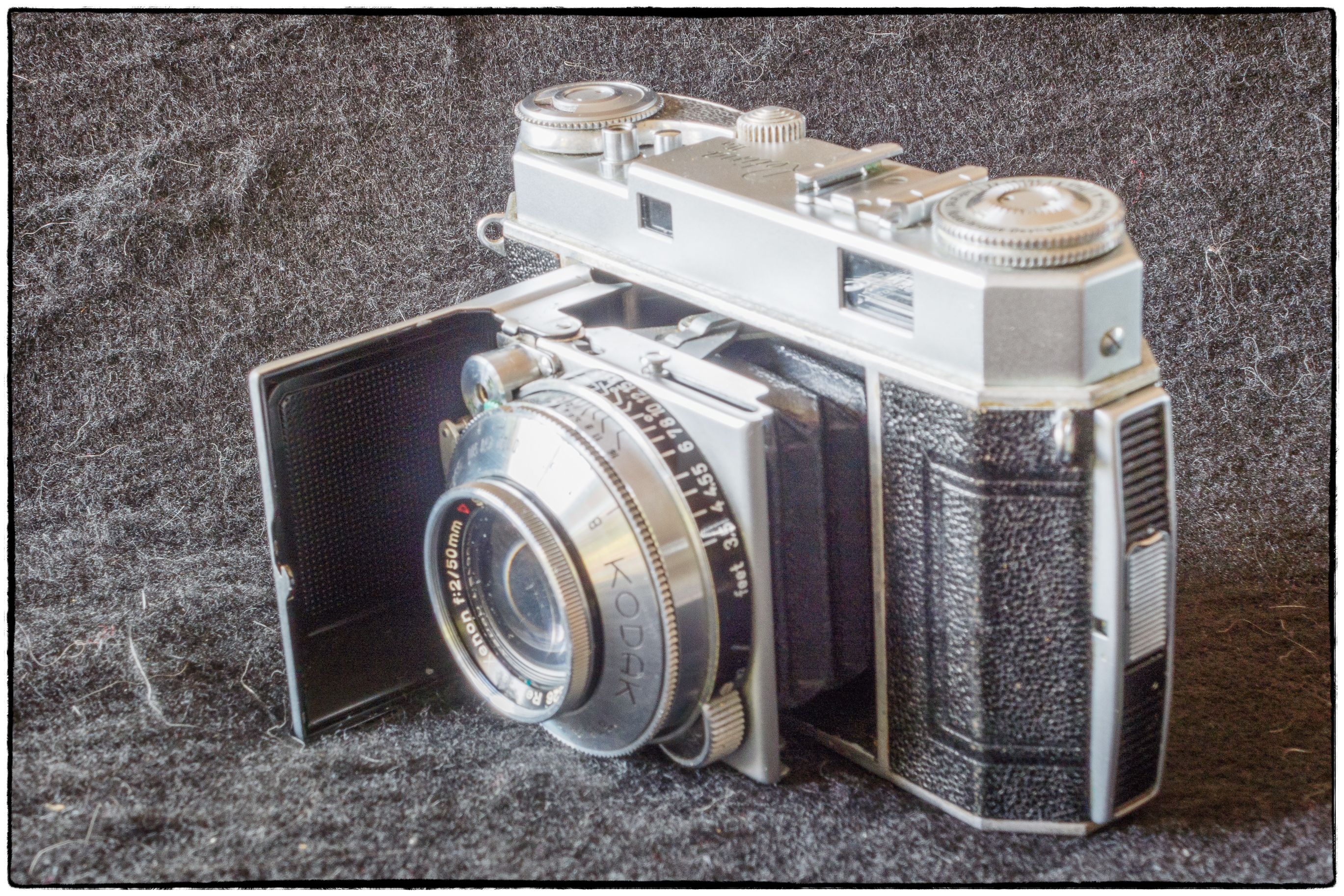
Retina IIa

I love Kodak Retina Cameras. I’ve already posted about the first one I acquired: A Gem of a folding 35mm – Retina IIc. Since then I’ve acquired three more: A IIIc, a IIa, and this one – also a IIa. The IIIc seemed to work except for the slow speeds. When I tried it today that was how it worked, but then suddenly it wouldn’t work on any of the speeds. The first IIa was a bit “beat up” and didn’t seem to be working (that’s why I bought this one), but when I tried it today to my surprise everything seemed to work so now I have two IIa’s. Apart from condition the only difference between them is the shutter. This one has a Syncho-Compur while the other one has the Compur Rapid (an earlier shutter carried over from the Retina II I believe). This one is fairly good cosmetically and everything seems to work. Of course, I won’t know for sure until I try it so we’ll have to wait and see.

Mine has the following features:

  • Combined Rangefinder Viewfinder. No brightlines. No parallax correction
  • Fixed 6 element 50/2 Schneider Xenon focusing to 2.5 ft.
  • Synchro-Compur Shutter with speeds from 1 to 1/500th, plus B. Electronic flash sync at all speeds
  • Screw threads on shutter release for manual cable release.
  • Film counter is manually reset and counts down.
  • No hot shoe but lens has flash connection on bottom.
  • Tripod socket on bottom of camera.

Stephen Gandy of Cameraquest has the following to say about the Retina II and I agree with him entirely:

The Kodak Retina IIa is my favorite of the long lived Retina series, the epitome of a classic small fast lensed 35mm folder. What makes it so good? It’s small size, superb 50/2 Xenon or Heligon lens, better than average finder, quiet leaf shutter, and the simple straightforward design which translates to pleasurable shooting. The IIa was produced only from 1951 to 1954, yet over 100,000 were produced. In a nutshell, many Retina fanatics feel the earlier Retinas had less of the desirable features, while the later Retinas sacrificed too much size and weight for additional features. The IIa is Type 016 in Retina nomenclature.

All shooting controls except f/stop are easily seen from the top, including the frame counter, shutter speed, and focused distance, and depth of field scale. The hinged back opens by pulling downward on the clasp at the rewind edge of the camera. While the Retina IIa lacks the magnificent finish of the Zeiss Contessa or Voigtlander Vitessas, the Retina is the simpler, quicker photographer intuitive camera design. The IIa was among the best sellers of its day, so they are not that hard to find. Yet, it is difficult to find one in mint condition. This sad state of affairs is due to the damn photographers out using Retinas to take pictures.

Fujifilm HS-10 – Finally Got Rid of it!

Back in May of 2013 I did a post: “Forgotten but not gone. Fujifilm Finepix HS10” about my relationship with my poor lamented Fujifilm HS10. Well it’s now very definitely gone. I just boxed it up and sent it to my brother-in-law in California. He had a need for a digital camera with manual controls and asked for my advice. I made a few suggestions, but when I asked how much he wanted to pay I got the impression that he didn’t want to pay much. I use all of my digital cameras extensively except for my Panasonic Lumix LX3, which I keep for sentimental reasons (it’s the camera that restarted my interest in photography around 2010) so I didn’t think that I had anything that I could give to him. Then it occurred to me: I still had the HS10. I quickly sent him a message saying he could have it if he wanted it. It’s by no means the best camera for what he wants to do but the price was right: free and it does have the manual controls he says he needs.

Before I sent it off I gave it one last try….and I still can’t stand it. Trying it out brought back all the reasons why. It’s un-intuitive and is annoying in so many small ways, which unfortunately add up to a major inconvenience. The image quality is quite poor and the camera’s greatest strength, it’s huge zoom range, is also a great weakness as I was never able to get the long focal length the work well. It’s a pity because it’s not really such a bad camera, but I just can’t use it. Maybe it’s the right camera for someone – just not me. Maybe my brother-in-law will take to it better than I did. At least someone will try to use it now and that’s better than it just sitting on a shelf getting covered in dust.

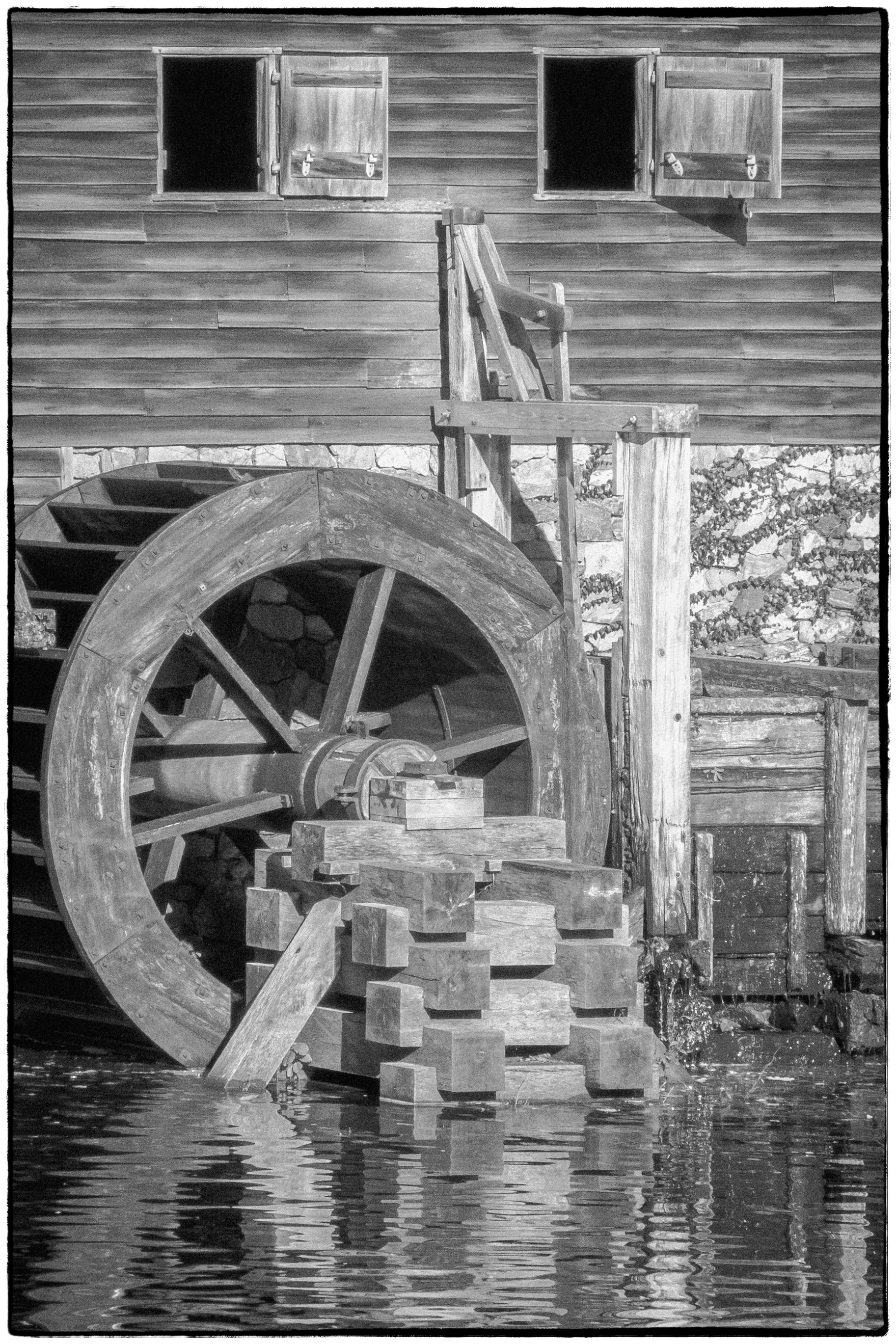
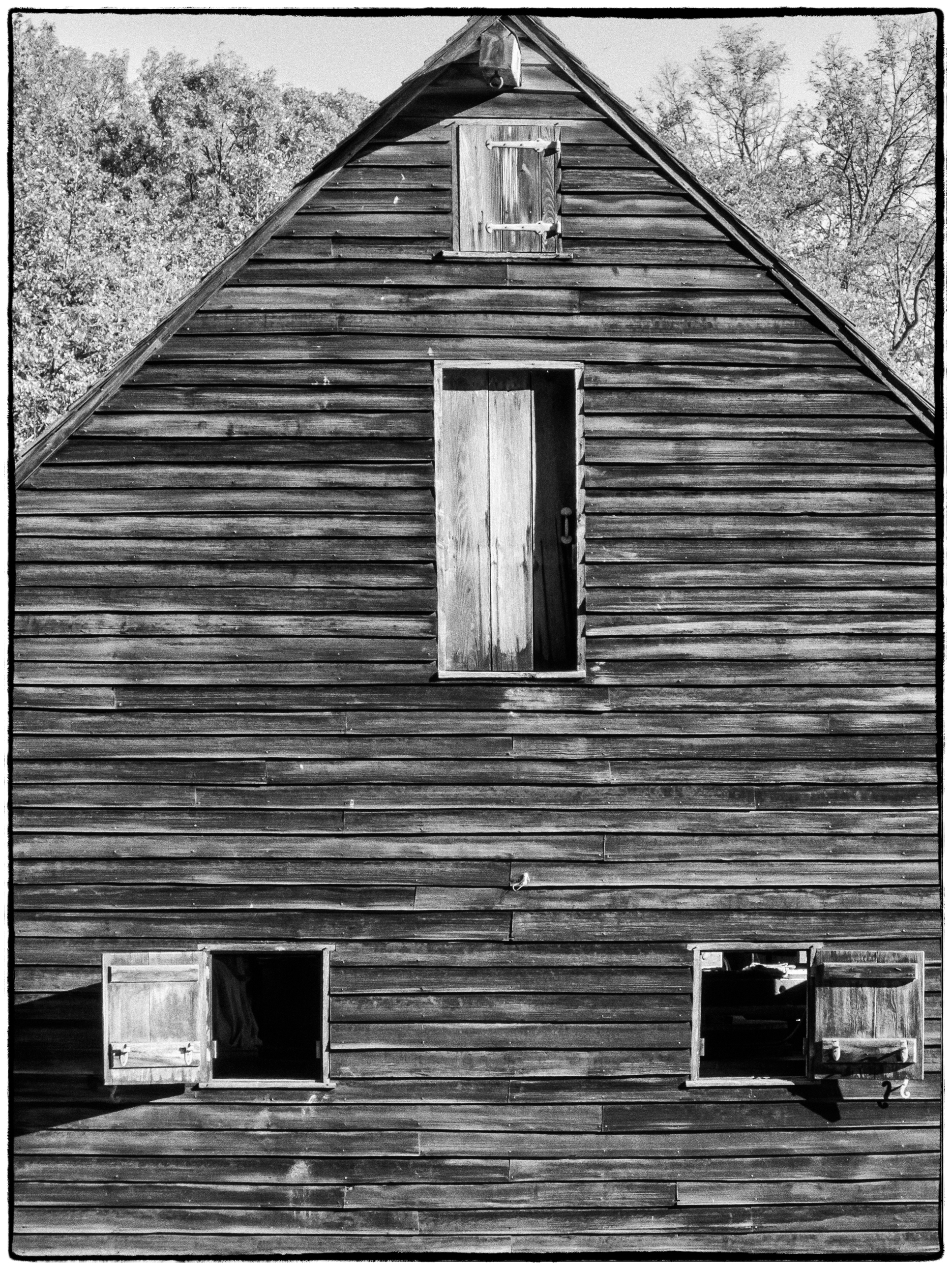
So as a finally parting shot on my Fujifilm HS10 here are a couple of pictures taken with it in November, 2010 at Philipsburg Manor, Sleepy Hollow, NY.

NY Air Show – AV-8B Harrier

It’s very hard to justice to this aircraft in a single picture. It doesn’t have the antique charm of the B25, nor does it have the raw power of the F/A-18. However, when you see it fly towards you, gradually slowing down until it stops in a hover – AND THEN FLIES BACKWARDS! you start to get some of sense of its capabilities.

It’s hard to believe that the design is as old as it is. In an earlier post I mentioned that I hadn’t been to an airshow since I was a child in the mid to late 1960s. This was about the time when the harrier was first going into service (1969). Apart from a much inferior Russian Aircraft, the Yakolev Yak-38 Forger (retired in 1991) it has been the only aircraft of its type in service, and will continue to be so until the F-35 becomes operational (I’m not even going to try to give a date for this as there have apparently been numerous delays already)