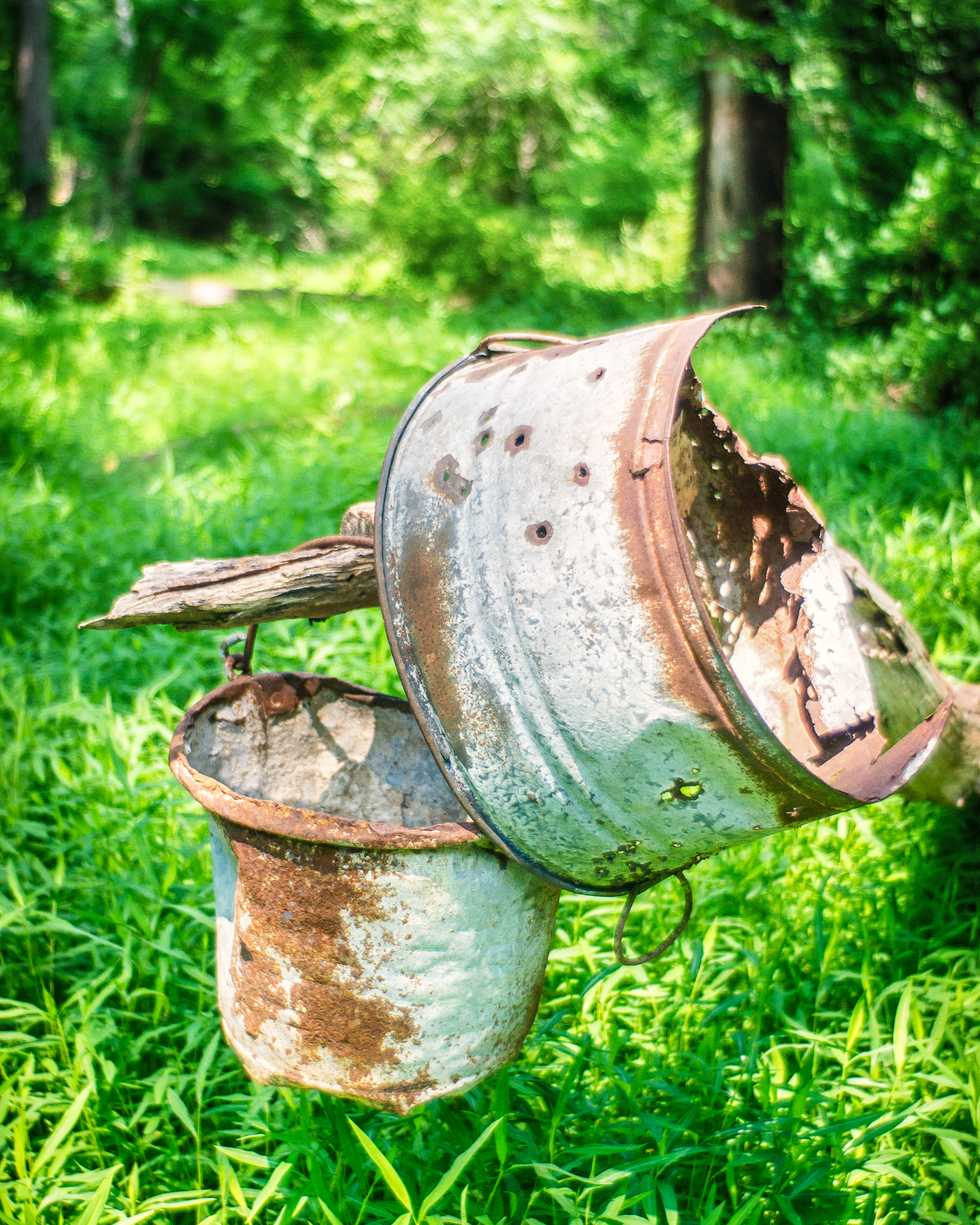
Bumped into this on the side of one of the hiking trails.
Photographs and thoughts on photography and camera collecting

Bumped into this on the side of one of the hiking trails.

Going north on Route 9 from Peekskill towards Fishkill you pass the intersection with Route 301. A little further there’s a sign to “Hubbard Lodge”. I’ve often seen it and the other day decided to see what was there. Drive a short distance down the road and you come to a chalet style building. It was locked when I was there so I have no idea what’s inside. Behind the building is a fenced off area (which you can enter, but no dogs allowed) with a patio, picnic tables, a gazebo and lots of paths between flower beds. Bees and butterflies fly around all over the place. The garden looks a bit overgrown to me – but maybe it’s meant to be like that. A nice place to come and sit for a while.
Go on a little further and you come to some trails.

Patio

Gazebo

Wooden bench
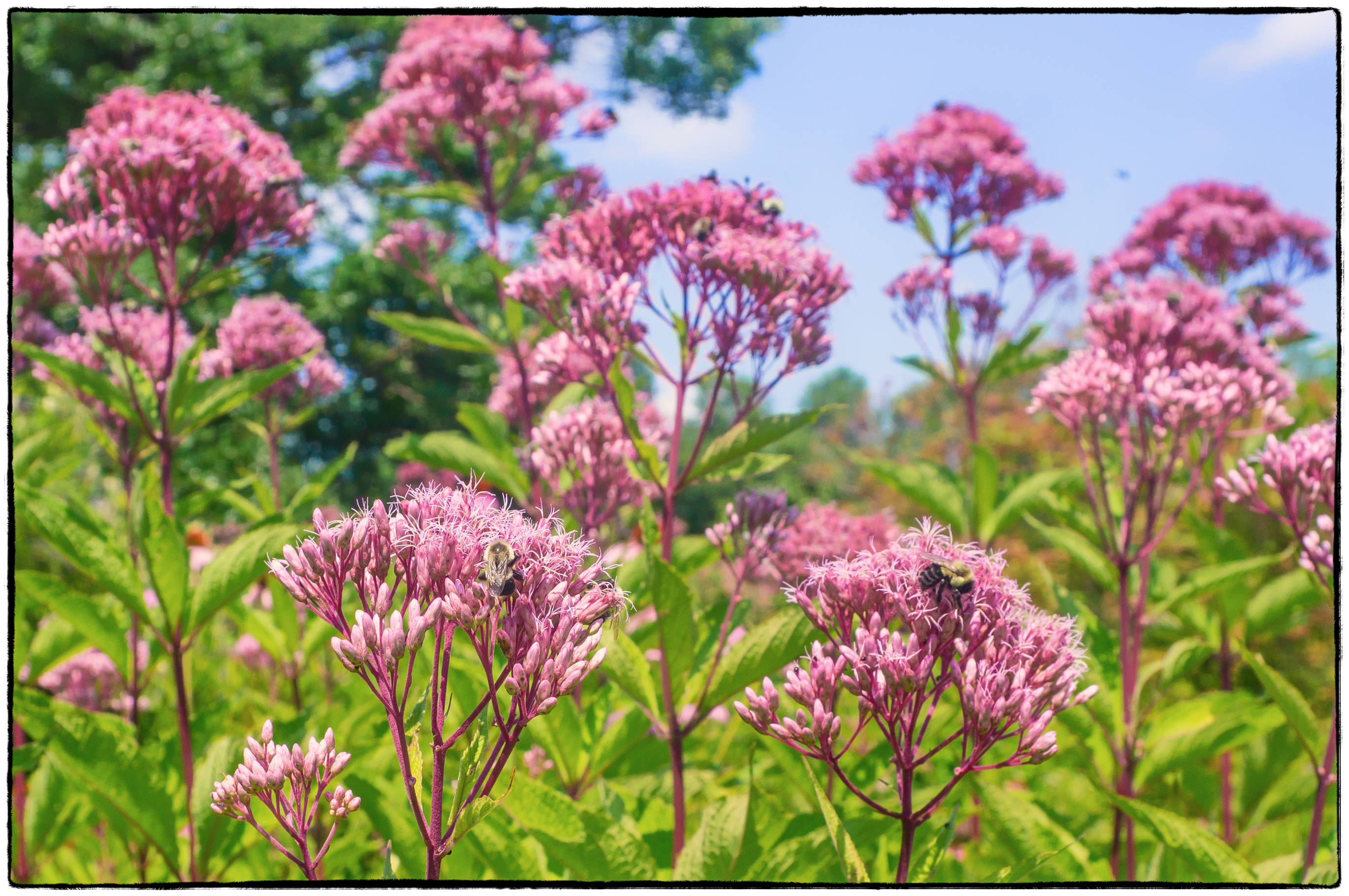
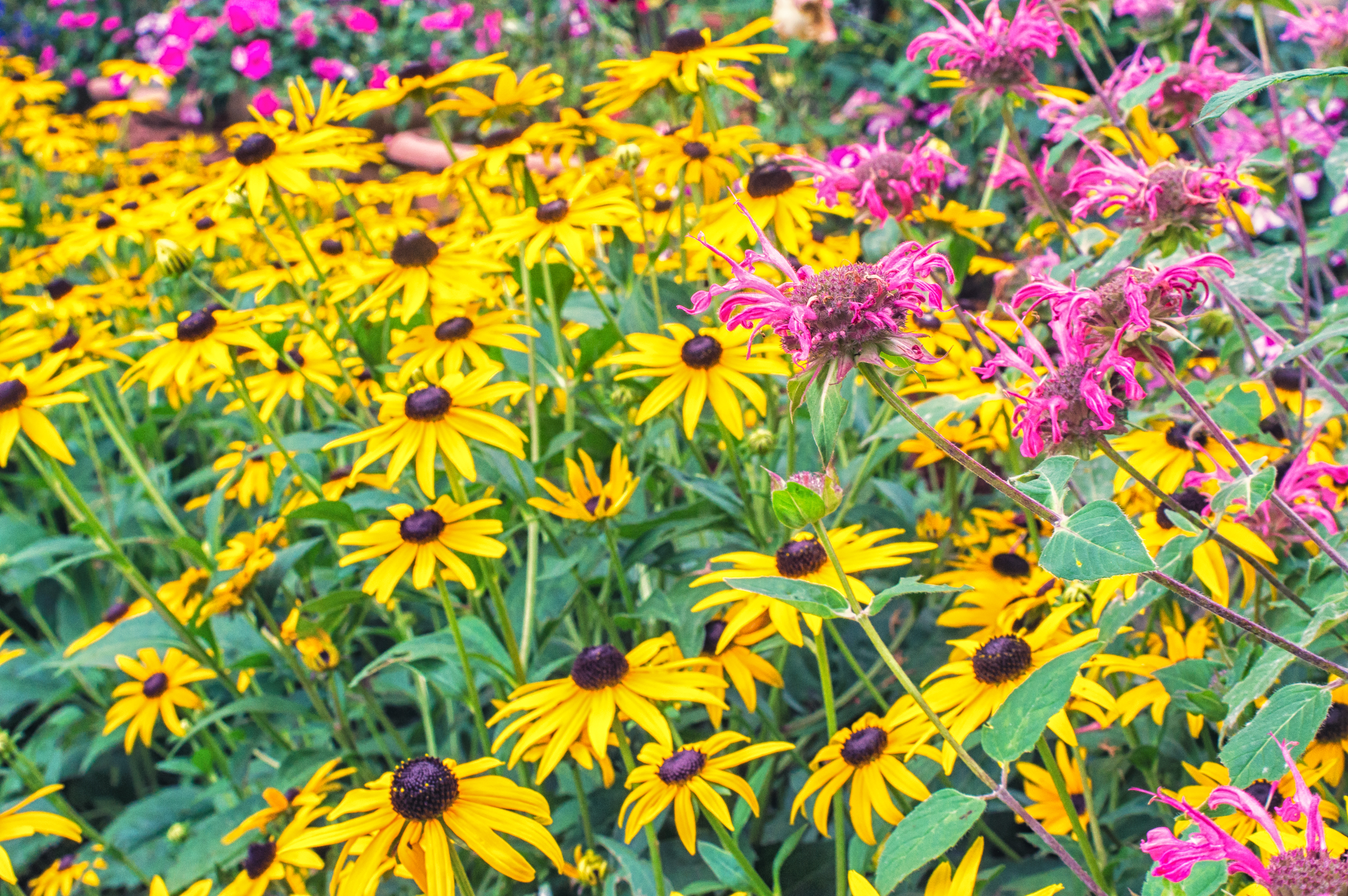
Flowers with bees

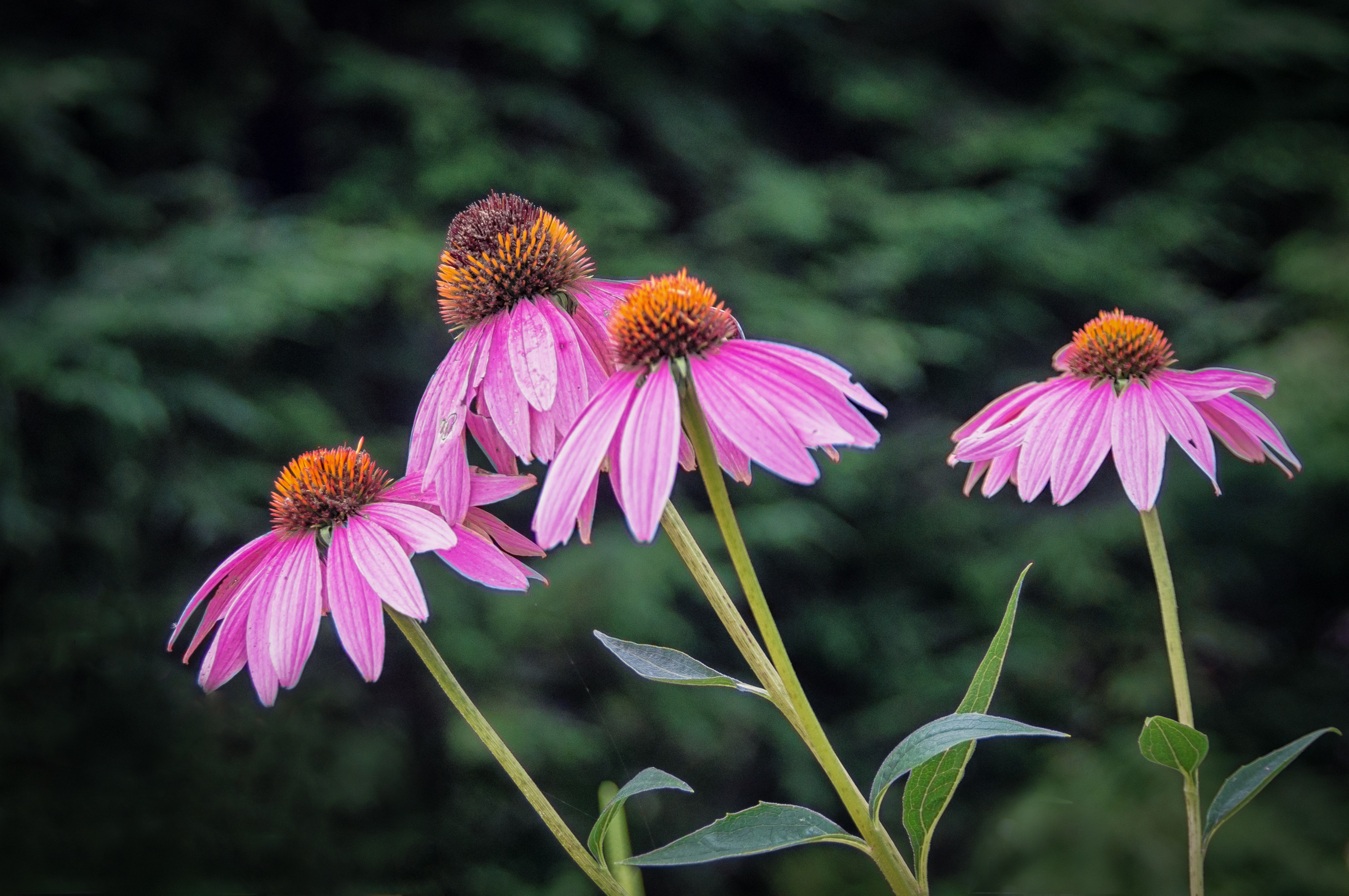
Echinacea (if I’m not mistaken – and I easily could be)
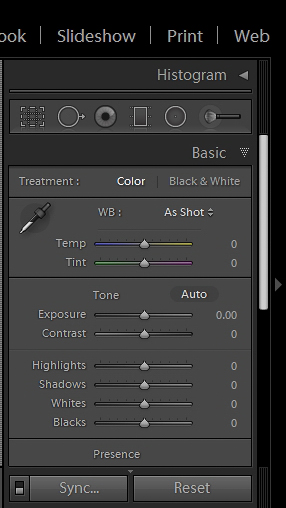
"Committing Slidercide."Coined by Kenneth Tanaka of Chicago, Illinois, USA unless he got it from somewhere else—what say ye, Ken? The term doesn’t come up on Google. Meaning, of course, to ruin one’s images by overdoing it with the sliders in Lightroom, Photoshop, or other photo editing software.Brilliant! Mike. Thanks to Ken”.

This replica of a Parrott gun (named after its inventor Robert Parker Parrott) stands near the gazebo on the waterfront in Cold Spring, NY. Nowadays Cold Spring is a picturesque Hudson River town with antique stores, nice restaurants etc., but once upon a time the town was dominated by the West Point Foundry, which made munitions for the Union during the Civil War. One of the most famous (or maybe infamous) items made at the foundry was the Parrott gun. Its rifled barrel made it quite accurate, but unfortunately the metal with which it was made was also quite brittle and tended to shatter easily (not a good thing if you were one of the people firing it).
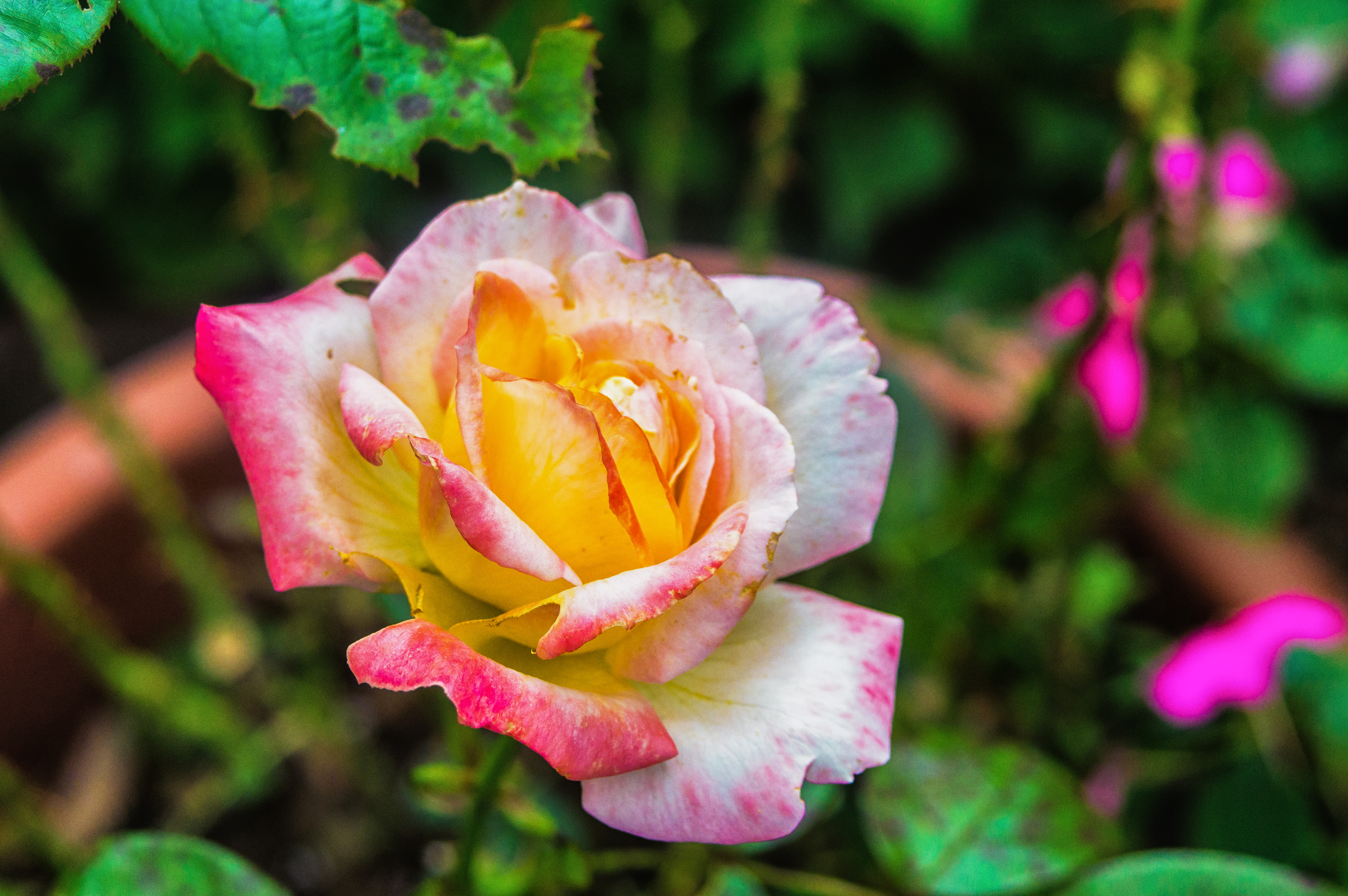
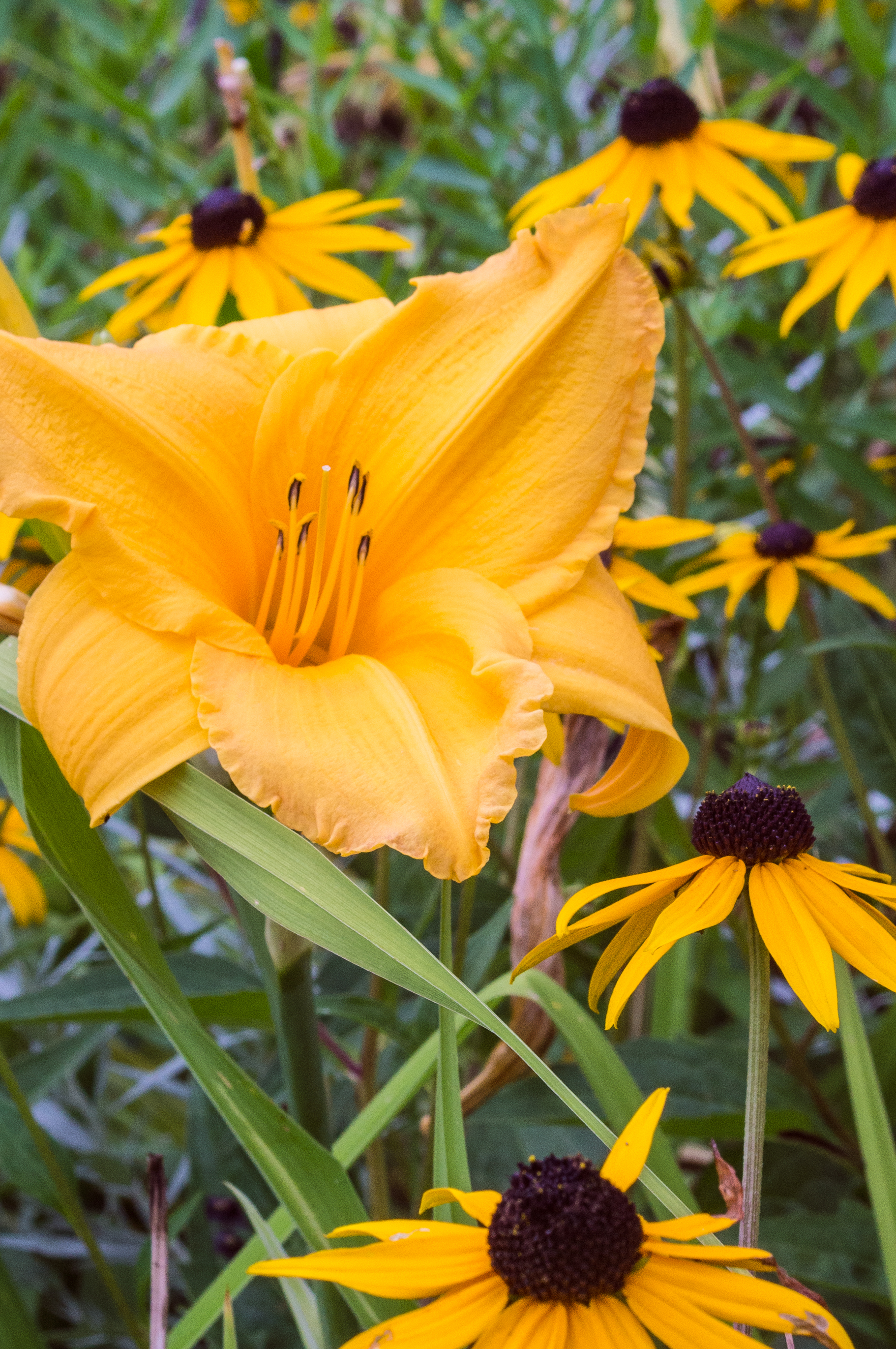
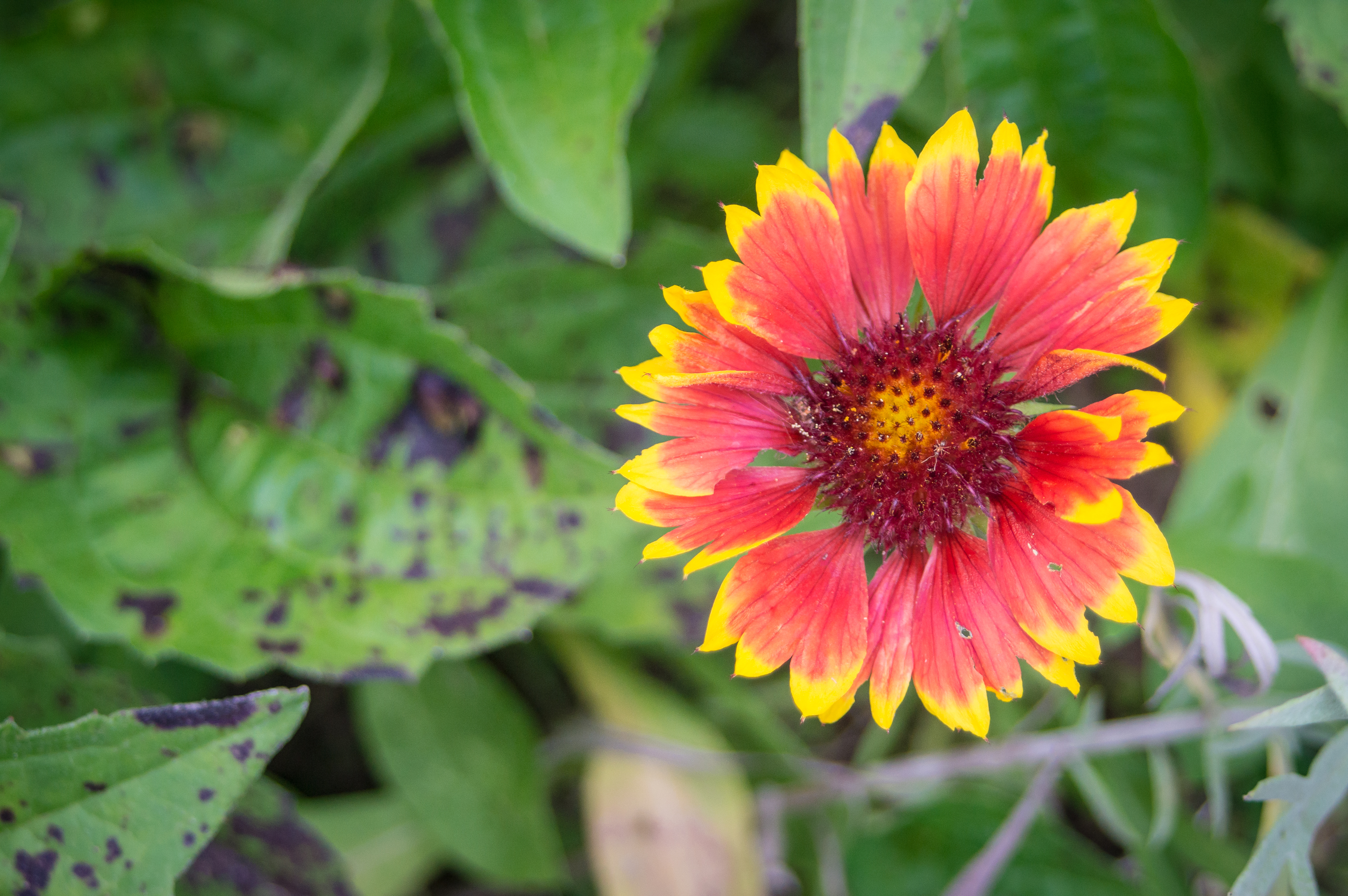
Sometime back in the 1980s I bought a second hand Canon AE-1 from a long departed photo store on 43rd and second avenue in New York city – I don’t remember the name of the store. I also bought a couple of lenses to go with it: a Canon FD Zoom 70-210 mm f4 and this lens: a Canon FD Zoom 35-70mm f3.5-4.5 macro zoom. I hadn’t used for decades but I’d acquired a Canon FD-Sony NEX adapter to use with some other FD lenses I had so I thought I’d give it a try – at least partly to check if, after all this time, it was still working. I tried it on the closest things to hand: flowers in our garden. The good news is that it’s working. The bad news is that it’s a somewhat mediocre lens.
I don’t remember much about why I bought it. I know I didn’t have much money so it must have been cheap. It’s slow and feels quite ‘plasticky’. Because of the crop factor it has an awkward 52-105mm zoom range. It also seems to be a bit soft (particularly around the edges) and contrast seems to be low. Most of this can be easily fixed in post processing though. It may also be that I need to use the lens more to understand its full capabilities.
It does have a couple of advantages though. It’s very small and light. As I get older I incline more and more to small, lightweight gear. Even though the adapter makes it a bit longer, and a bit heavier the combination of the NEX 5N body and this lens makes for a very easy to carry around package. It also has a macro (or at least close focusing) capability throughout it’s entire focal length range. Apparently the lens also has some historical significance: it had with world’s first three group zooming system, which allowed it to be smaller and lighter which still maintaining fairly decent optical performance.