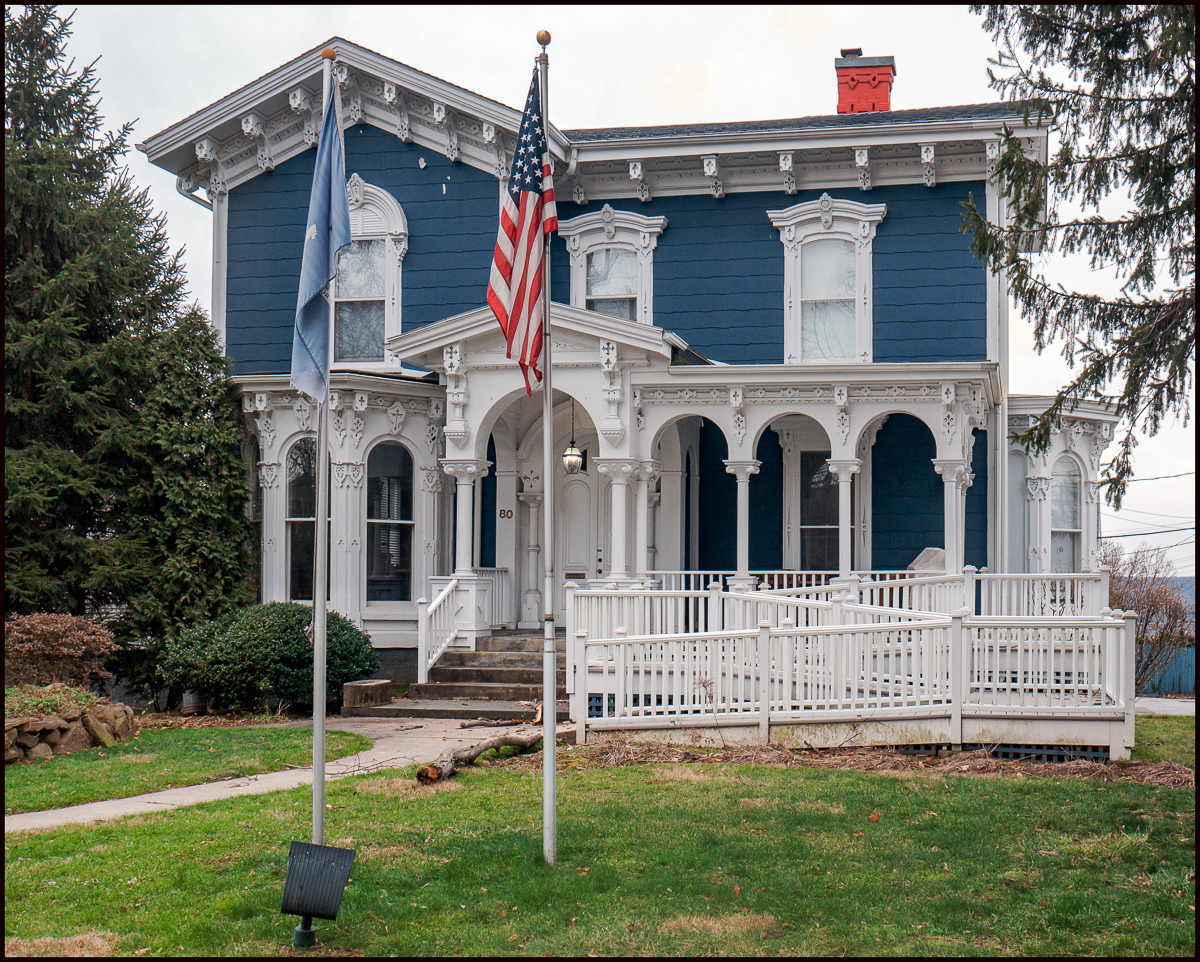
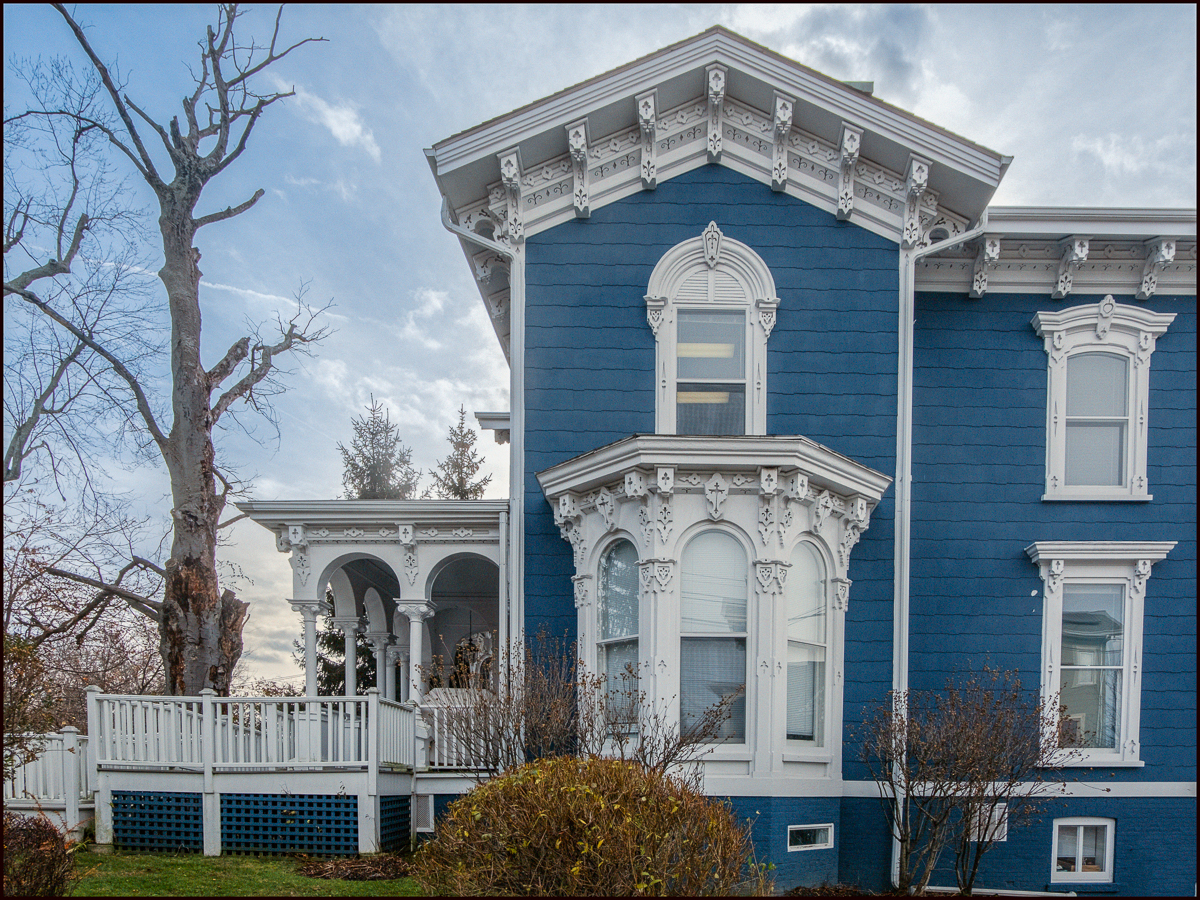
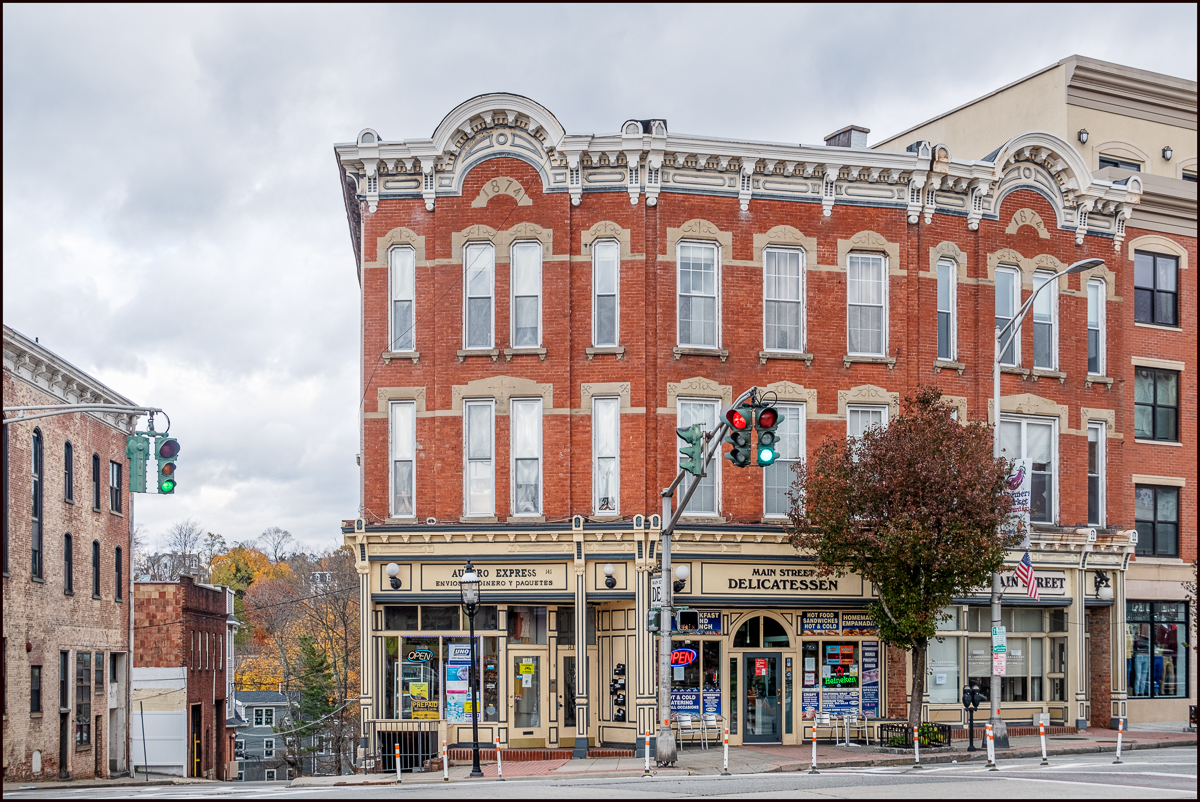
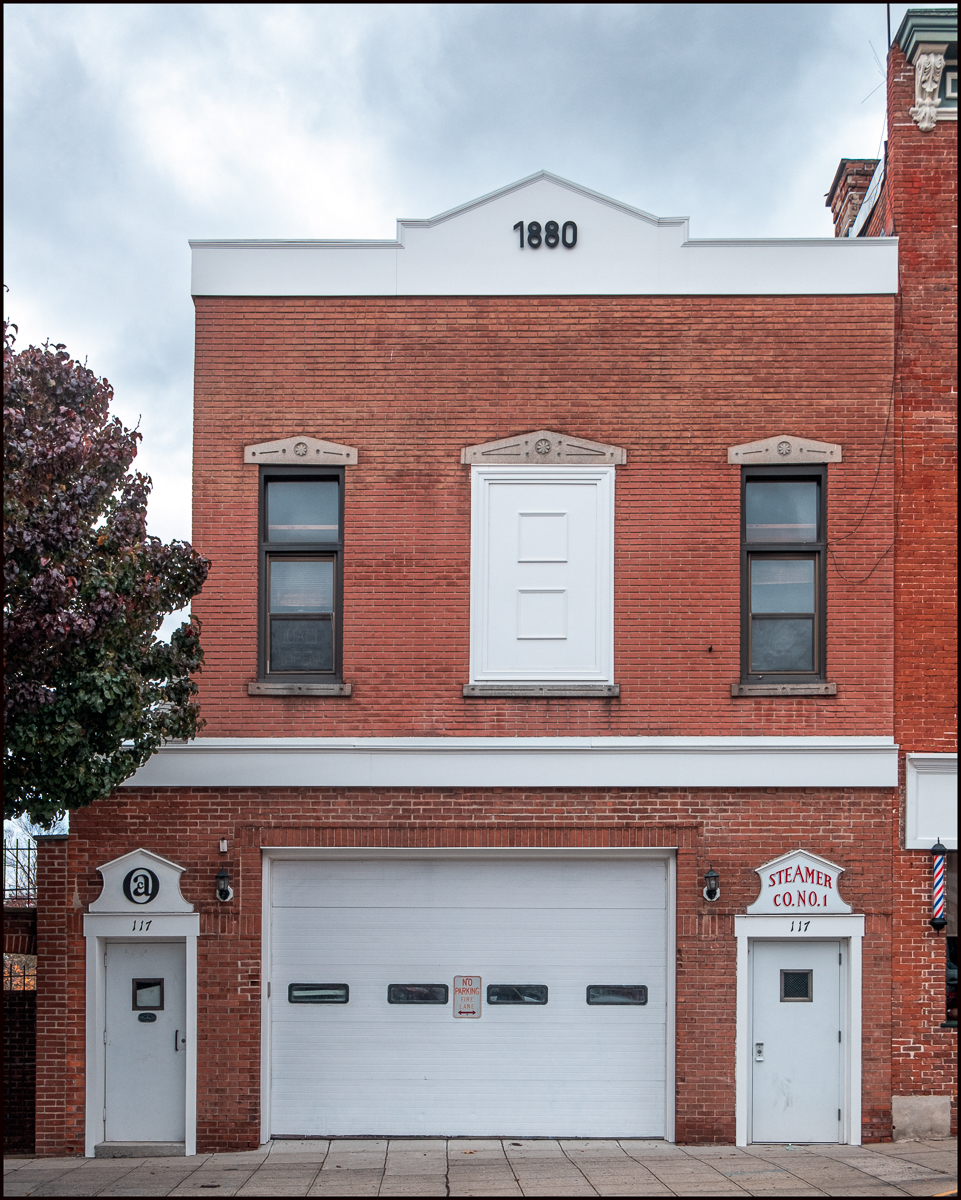
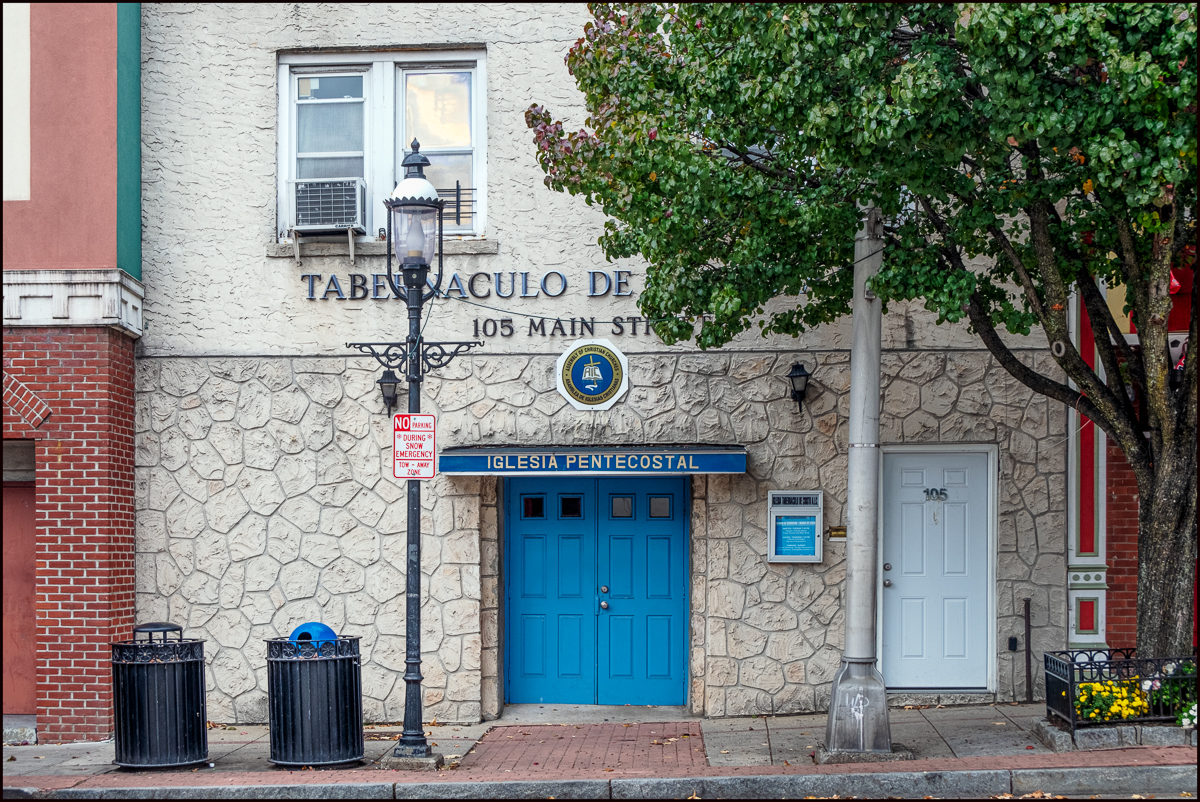
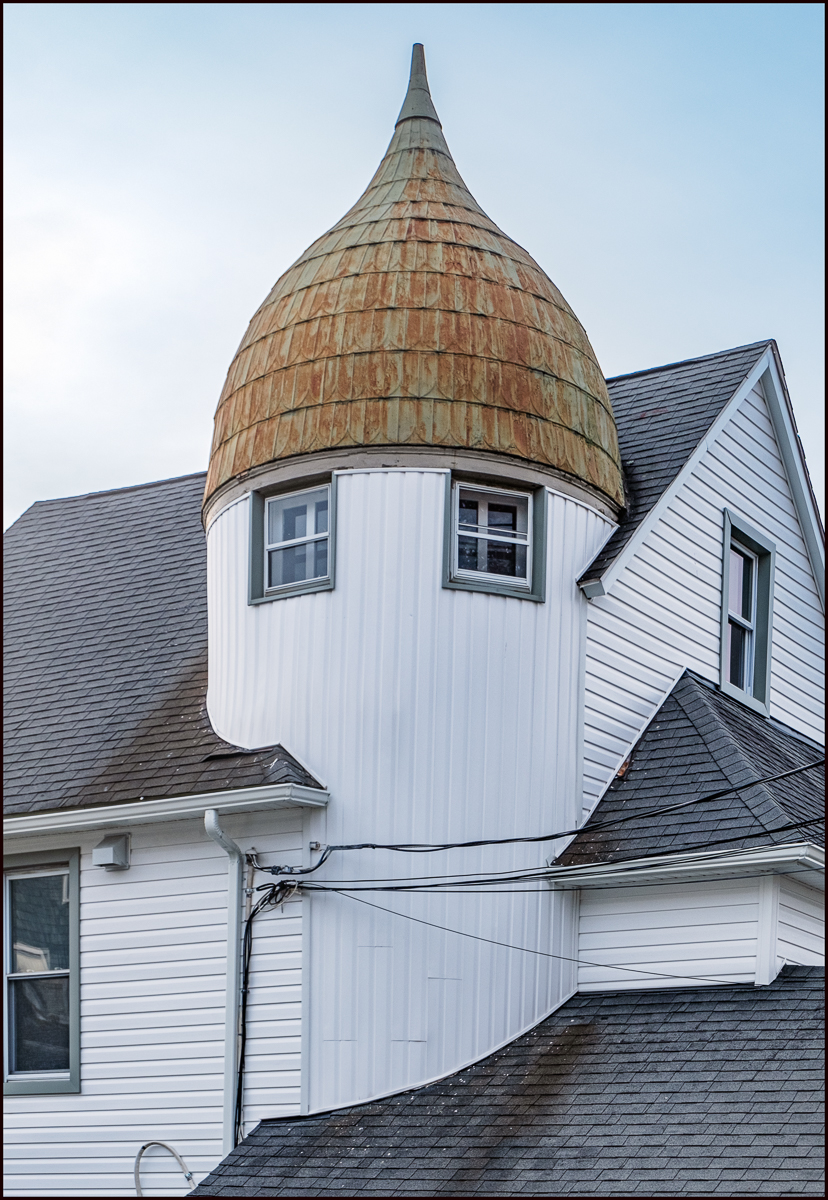
As I was walking past the house in the preceding post three men doing garden maintenance turned on their really loud leaf blowers. I continued walking along the road very much aware of the noise of the cars racing along it. Then I heard the sound of a passing airplane before a flight of blackhawk helicopters roared overhead, no doubt on their way to West Point.
“The Post Road followed the original Wickquasgeck Trail, carved into the brush of Manhattan by its Native American inhabitants. This trail originally snaked through swamps and rocks along the length of Manhattan Island. Upon the arrival of the Dutch, the trail soon became the main road through the island from Nieuw Amsterdam at the southern tip. The Dutch explorer and entrepreneur David Pietersz. de Vries gives the first mention of it in his journal for the year 1642 (“the Wickquasgeck Road over which the Indians passed daily”). The Dutch named the road “Heerestraat”.
In 1669, the provincial government of New York designated a postal route between New York City and Albany, the colony’s two most important settlements at the time. It was little more than a narrow path in many places, following old trails used by the Wiccoppe and Wappinger tribes. Stagecoaches headed north originally started from Cortlandt Street in lower Manhattan; later the starting point was moved up to Broadway and Twenty-first Street.
In 1703, the legislative body provided for the postal road to be a “public and common general highway” along the same route, starting in Kingsbridge, Bronx and ending at a ferry landing in present-day Rensselaer. It was called the Queen’s Road, after Queen Anne.
The King’s Bridge was built as a toll bridge in 1693, by Frederick Philipse, a wealthy merchant and major landholder in the Bronx and Westchester. The bridge, the first connecting Manhattan with the mainland, spanned the former Spuyten Duyvil Creek at what today is Kingsbridge Avenue. At Kingsbridge the Post Road split with the eastern spur heading to Boston, and the northern branch heading to Albany.” (Wikipedia).
I’m very interested in the history of the US Revolutionary War and I couldn’t help but wonder what this road was like during the revolution. A lot quieter I imagine. We certainly pay a price for the convenience that 21st century living brings to us.
Taken with a Fuji X-E3 and Fuji XC 16-50mm f3.5-5.6 OSS II