Amawalk Hill Cemetery – Small statues

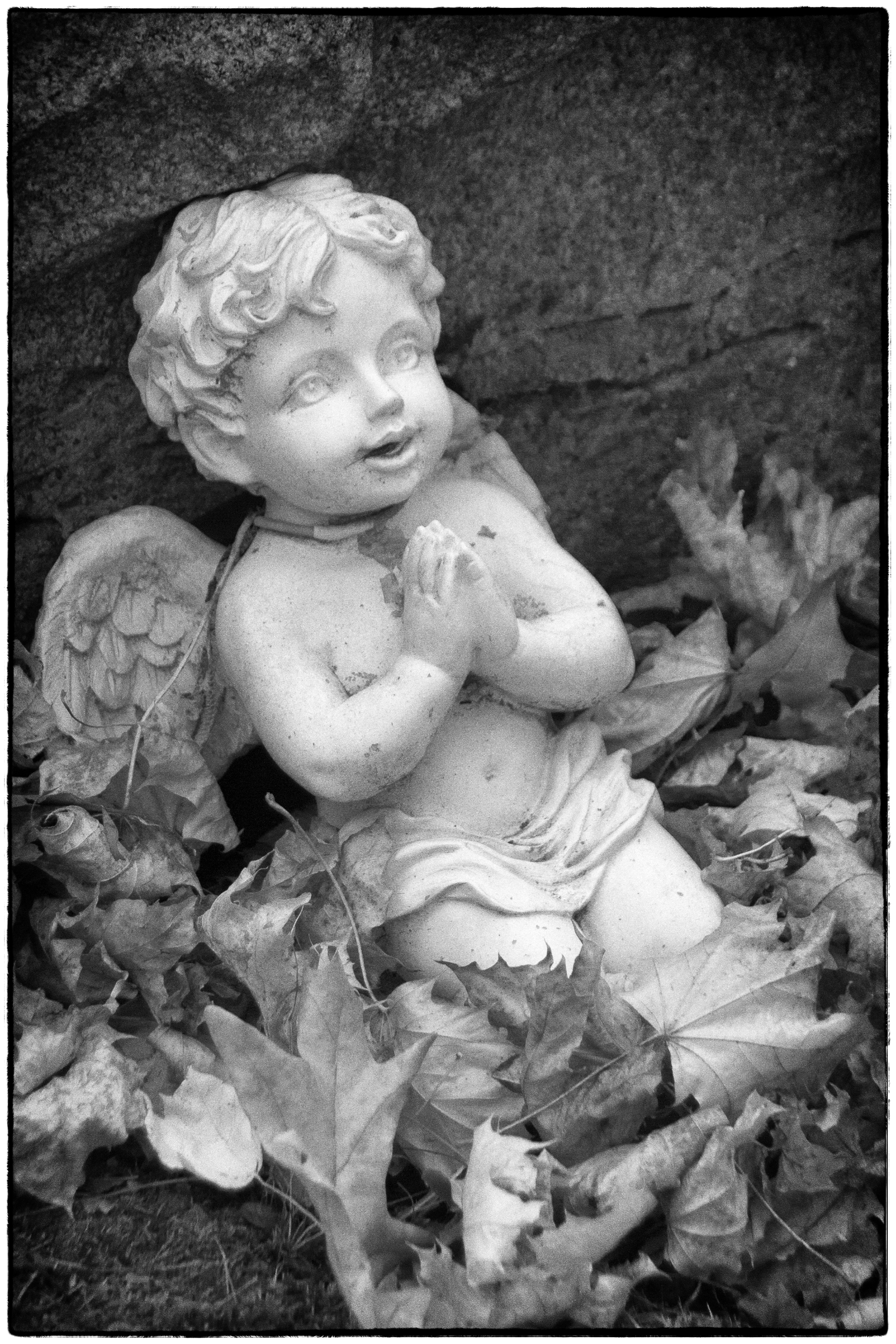
Cherub

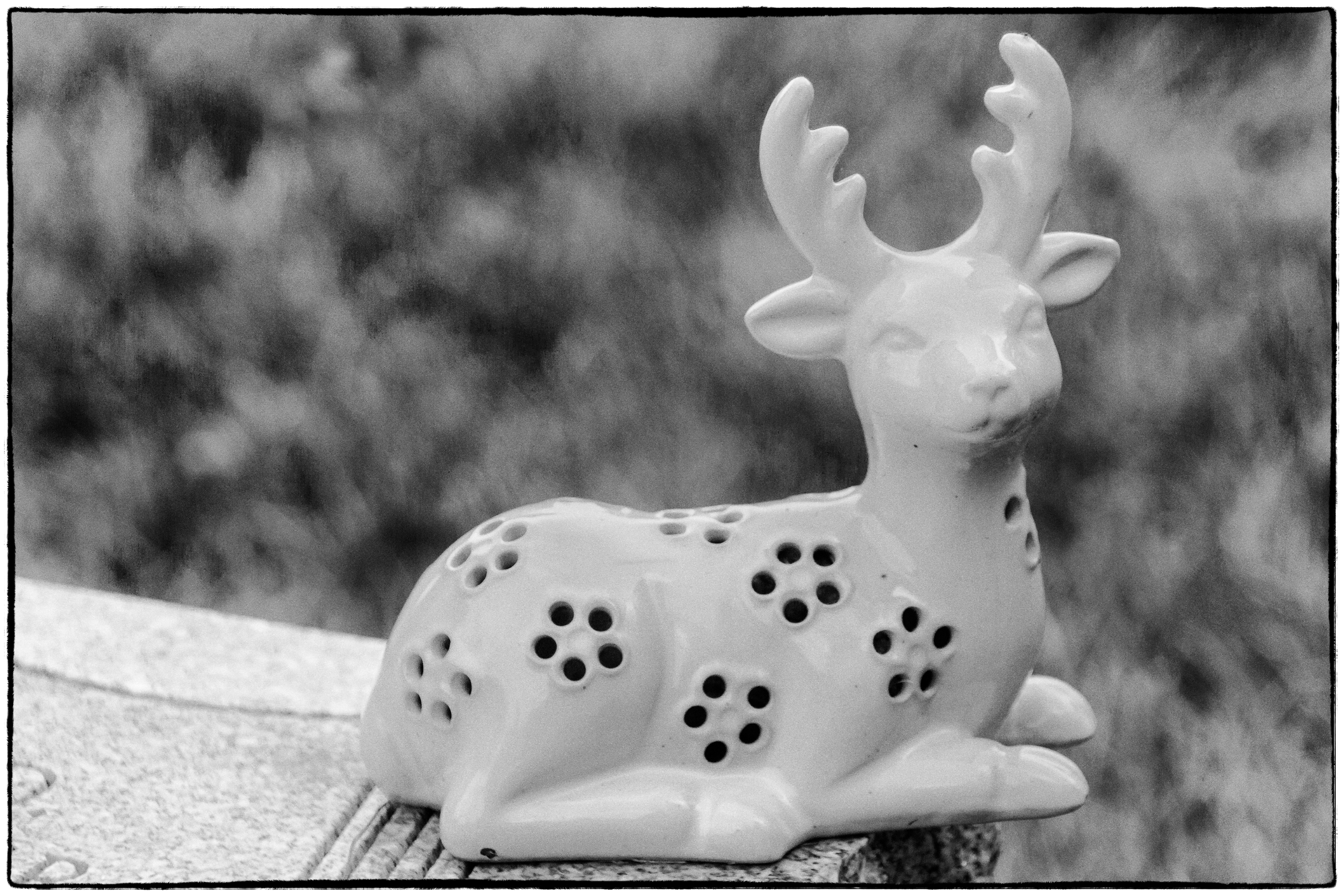
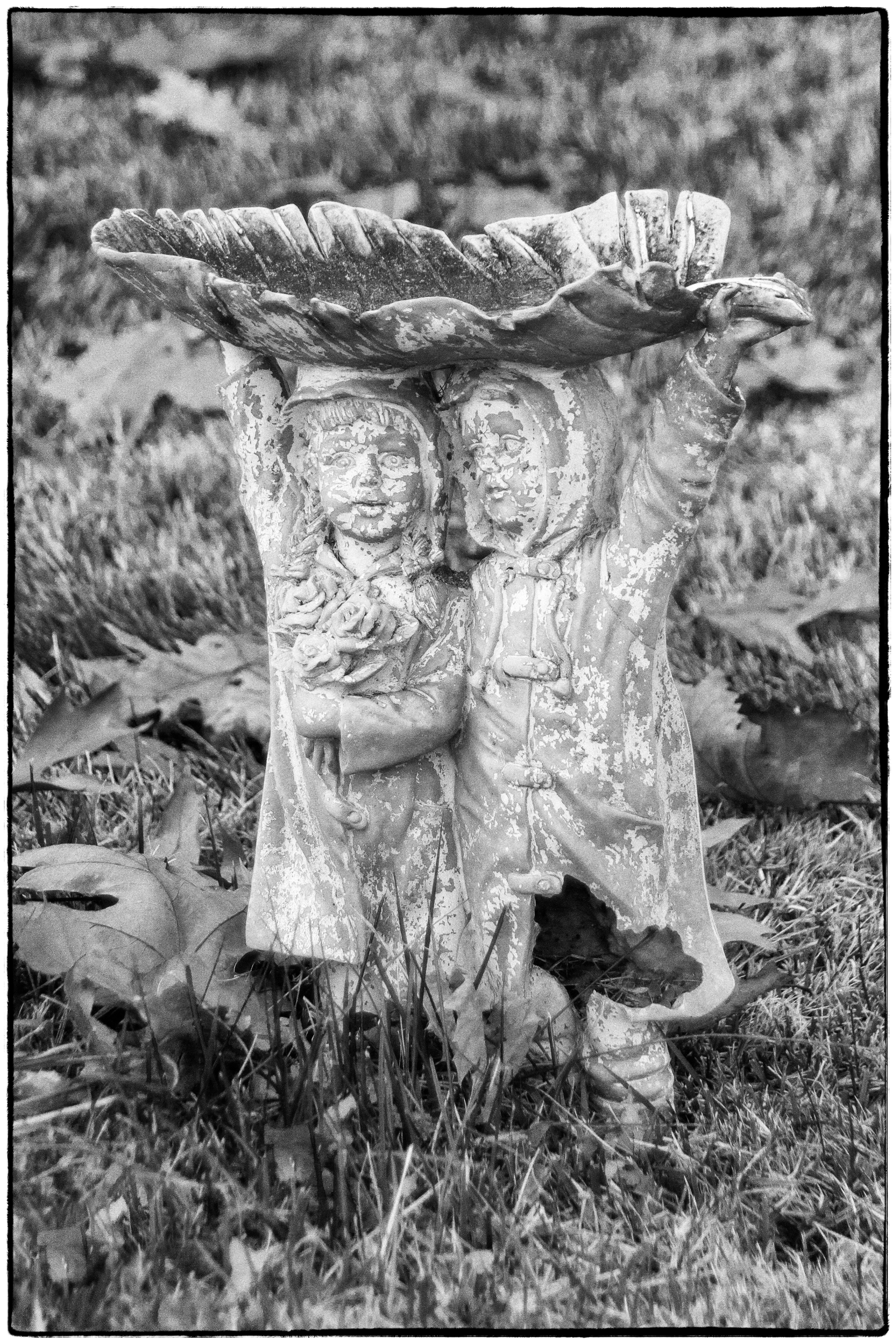
Many of the cemeteries around here have very plain gravestones and little in the way of large statuary. Perhaps this is because certain denominations frown on excessive ornamentation? I’m sure the cemeteries can control the types of gravestones, but I doubt that they can stop people from putting small, barely noticable, statues on the graves of their loved ones. Or maybe not. Still I find I’m attracted to these small statues.

Deer

Twins

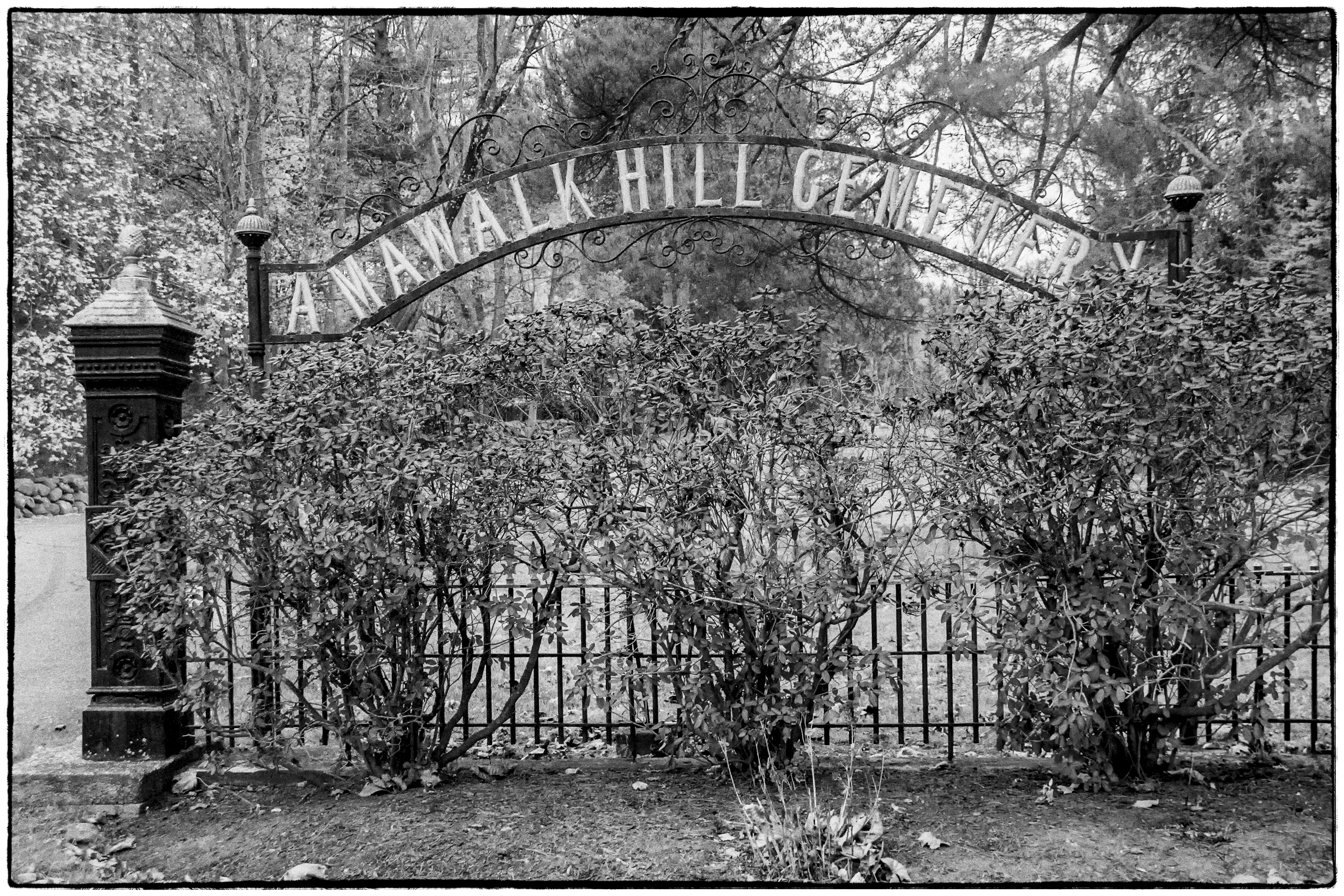
Amawalk Hill Cemetery – Overview

After our visit to the Yorktown Community Church Cemetery, we went on to another one: The Amawalk Hill Cemetery. I wasn’t expecting much as we pulled in. It looked like your typical, run of the mill cemetery. I was certainly in for a surprise.

It’s also known as the Amawalk Friends Cemetery or just the Friends Cemetery. According to the Find a Grave website:

The Friends Cemetery is located off Quaker Church Road just outside of Yorktown off Route 202/35. You first come upon the old Quaker meeting house structures which are designated Historic Buildings and are on the County register, and has a rich history. Quakers, who do not believe in warfare, were criticized for refusing to be involved in the Revolutionary War, said Ward Harrington, the house’s treasurer. But they were well-known enough at that point that soldiers often let Quakers pass unharmed through battle zones.

National Register of Historic Places – Reference number 89002004.

There are Revolutionary graves and many Civil War graves.

The Old Friends Meeting House cemetery is located on a sloping tree filled hillside facing the meeting house. The cemetery has grown since Revolutionary war days and the “newer” portion is found through the iron gated entry way and divided into 6 sections. Middle, West, East, Rear, and Northern rear and Old Friends section.

Most current graves are found in the Southern Middle section.

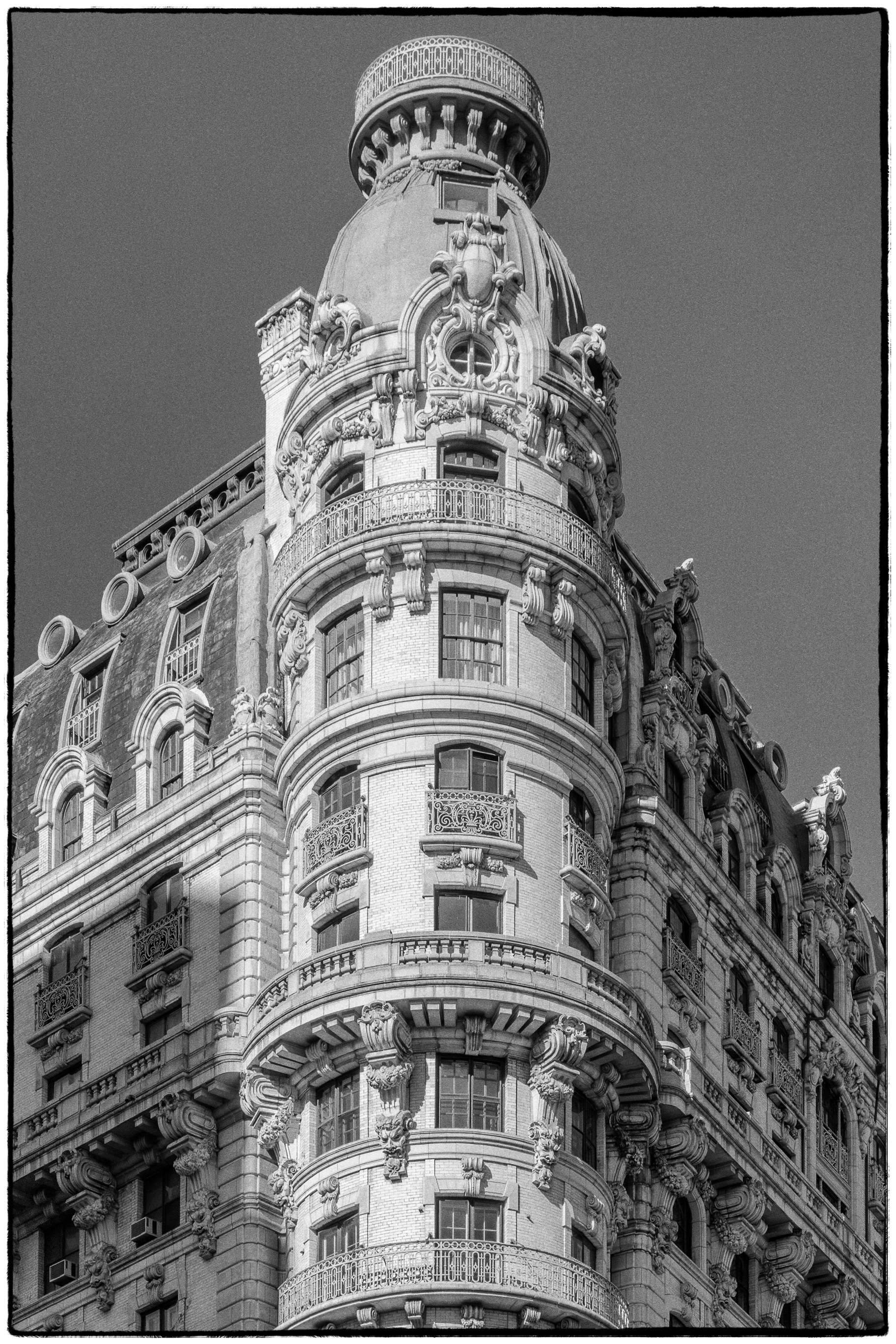
The Ansonia

According to Wikipedia:

The Ansonia is a building on the Upper West Side of New York City, located at 2109 Broadway, between West 73rd and West 74th Streets. It was originally built as a residential hotel by William Earle Dodge Stokes, the Phelps-Dodge copper heir and share holder in the Ansonia Clock Company, and it was named for his grandfather, the industrialist Anson Greene Phelps. In 1899, Stokes commissioned architect Paul E. Duboy (1857–1907) to build the grandest hotel in Manhattan.

Stokes would list himself as “architect-in-chief” for the project and hired Duboy, a sculptor who designed and made the ornamental sculptures on the Soldiers’ and Sailors’ Monument, to draw up the plans. New Orleans architect Martin Shepard served as draftsman and assistant superintendent of construction on the project. A contractor sued Stokes in 1907, but he would defend himself, explaining that Duboy was in an insane asylum in Paris and should not have been making commitments in Stokes’s name concerning the hotel.
In what might be the earliest harbinger of the current developments in urban farming, Stokes established a small farm on the roof of the hotel.

Stokes had a Utopian vision for the Ansonia—that it could be self-sufficient, or at least contribute to its own support—which led to perhaps the strangest New York apartment amenity ever. “The farm on the roof,” Weddie Stokes wrote years later, “included about 500 chickens, many ducks, about six goats and a small bear.” Every day, a bellhop delivered free fresh eggs to all the tenants, and any surplus was sold cheaply to the public in the basement arcade. Not much about this feature charmed the city fathers, however, and in 1907, the Department of Health shut down the farm in the sky.

It’s certainly a very impressive building. This picture captures some of the ornate decoration on the building, but what it misses is the sheer size of it. It’s massive. In the picture you see only one corner of a building which covers an entire city block!

Abstract composition

One of the things I like about this picture is that it’s not immediately obvious what it is. It’s actually a bunch of fallen leaves on a carp gate. What’s a carp gate you may well ask. Well, a few years ago the powers that be decided to stock our lake with carp. Apparently they eat all kinds of nasty aquatic vegetation. As our Town Supervisor said in a recent newsletter: “…the sterile carp, many of them now 2-3 feet long, are proving to be valuable in keeping down lake weeds. ‘One of the smartest things Roaring Brook ever did”. This is terrific, but water flows into and out of the lake so it’s not too much use putting the carp in if they are just going to swim out again. Hence the carp gate. It’s there to stop the carp escaping from the lake.

I also like the contrast between the obviously man-made nature of the metal bars and the more organic shapes of the leaves. The diagonals make the picture a bit more dynamic and I also like the repeating pattern of the bars. It almost makes my eyes hurt.