Alder Manor – The House

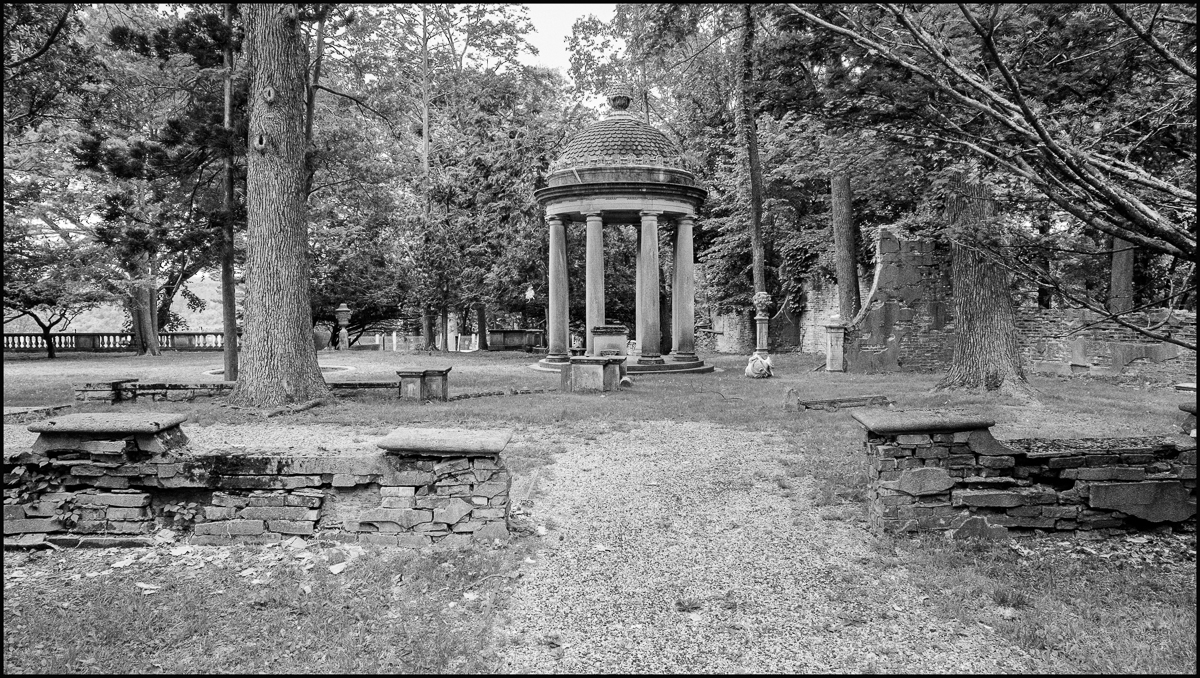
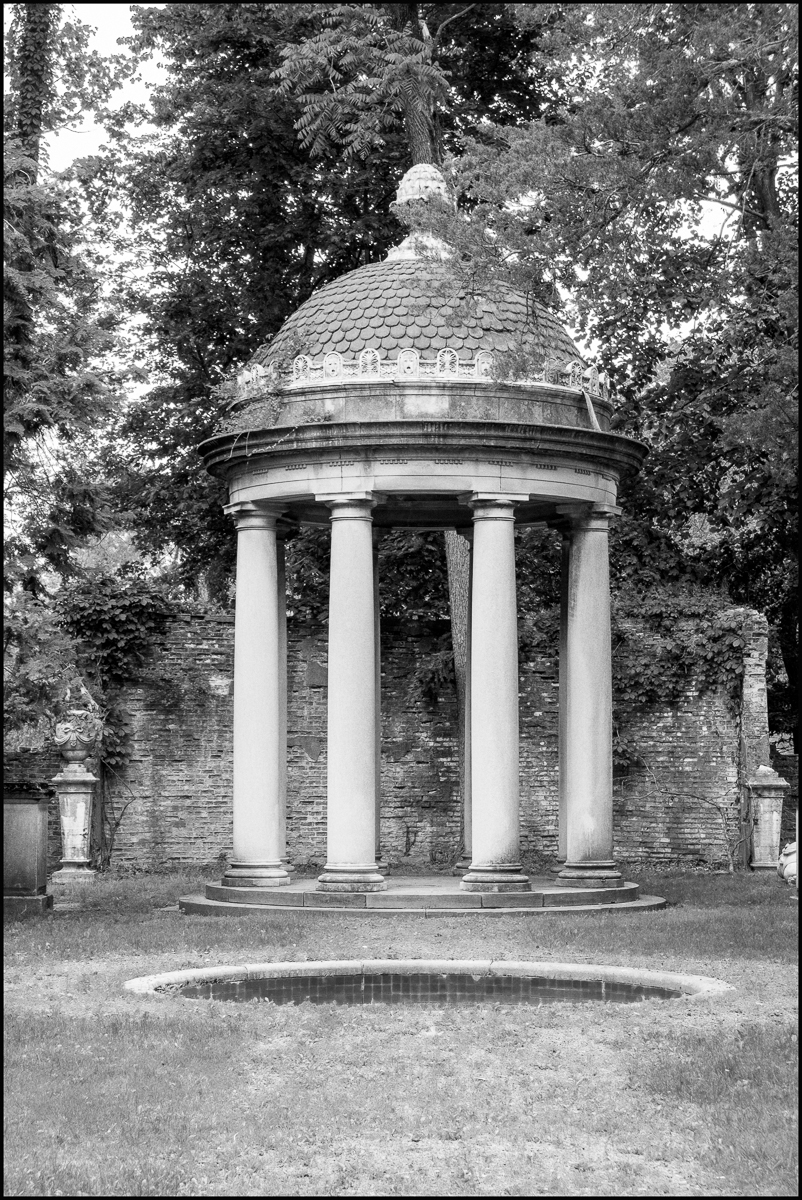
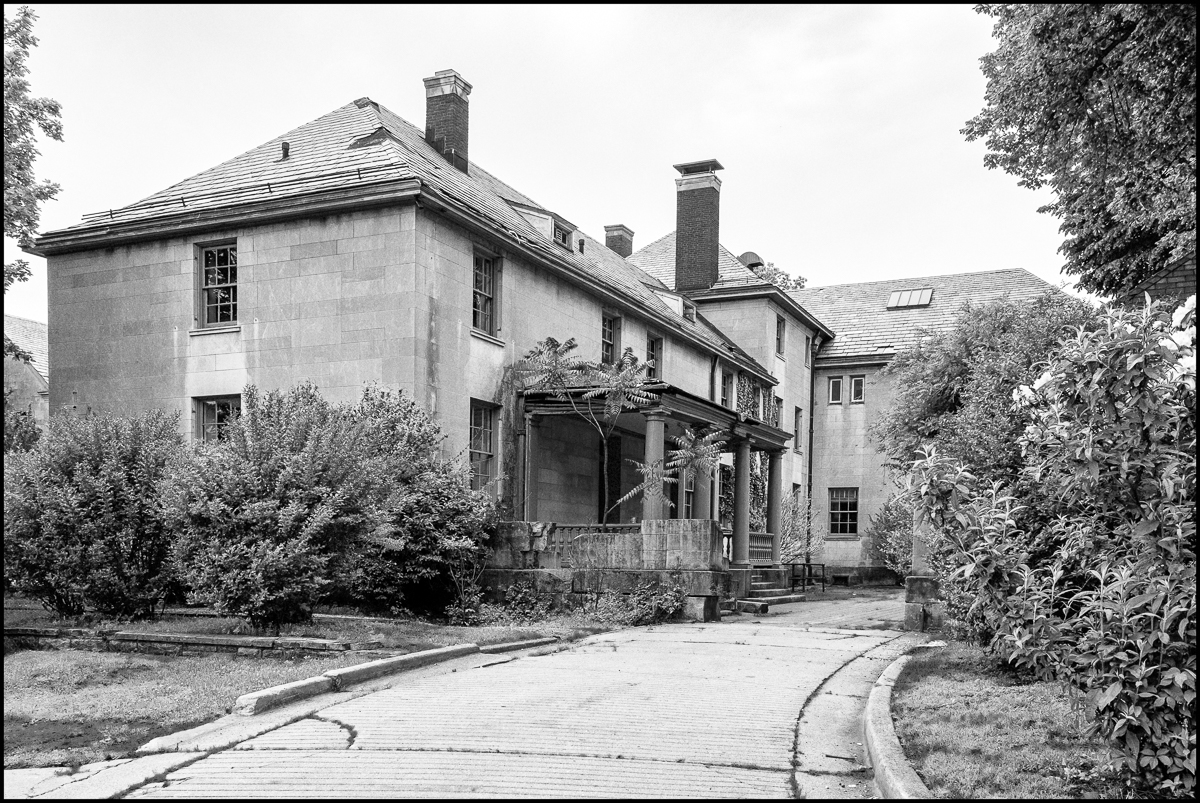
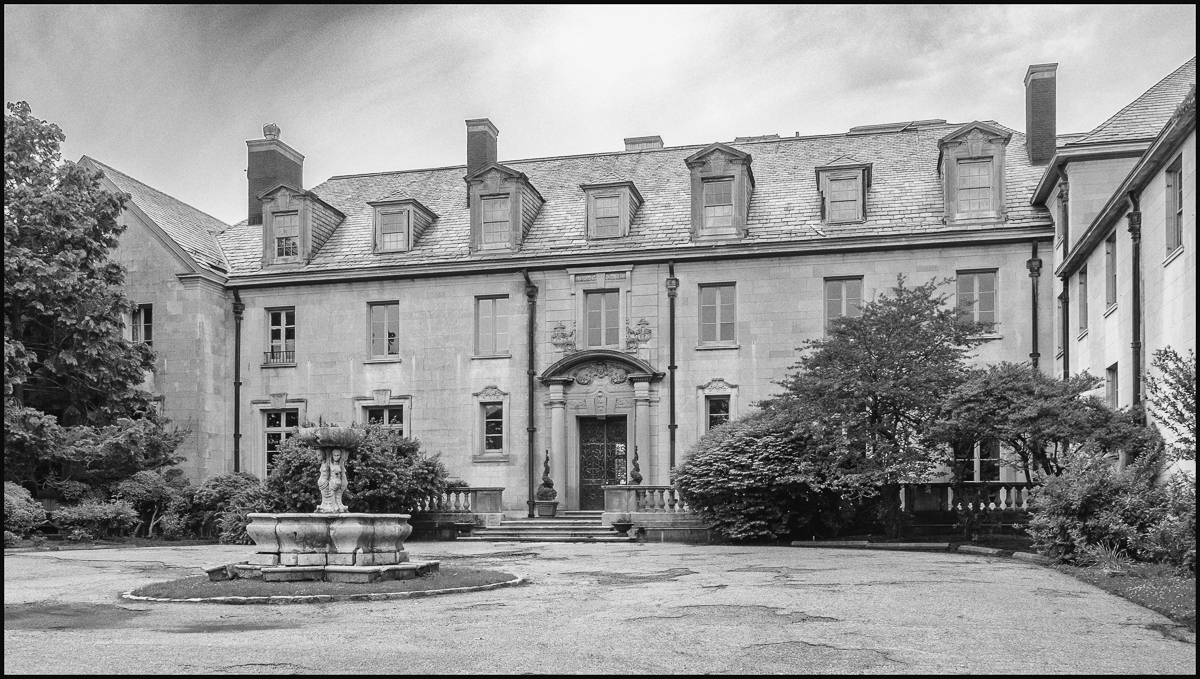
Carrère and Hastings were commissioned to design the house. As a lover of plants and gardens, he supervised the planning and planting of the landscapes around the house, and retained considerable influence over it. While the house has many similarities with the Frick Mansion in New York City, which the firm was designing and building at the same time, this Mansion has some touches that reflect his personal preferences, such as the colored marble in some columns, imported fireplaces, and classical detailing in the gardens.

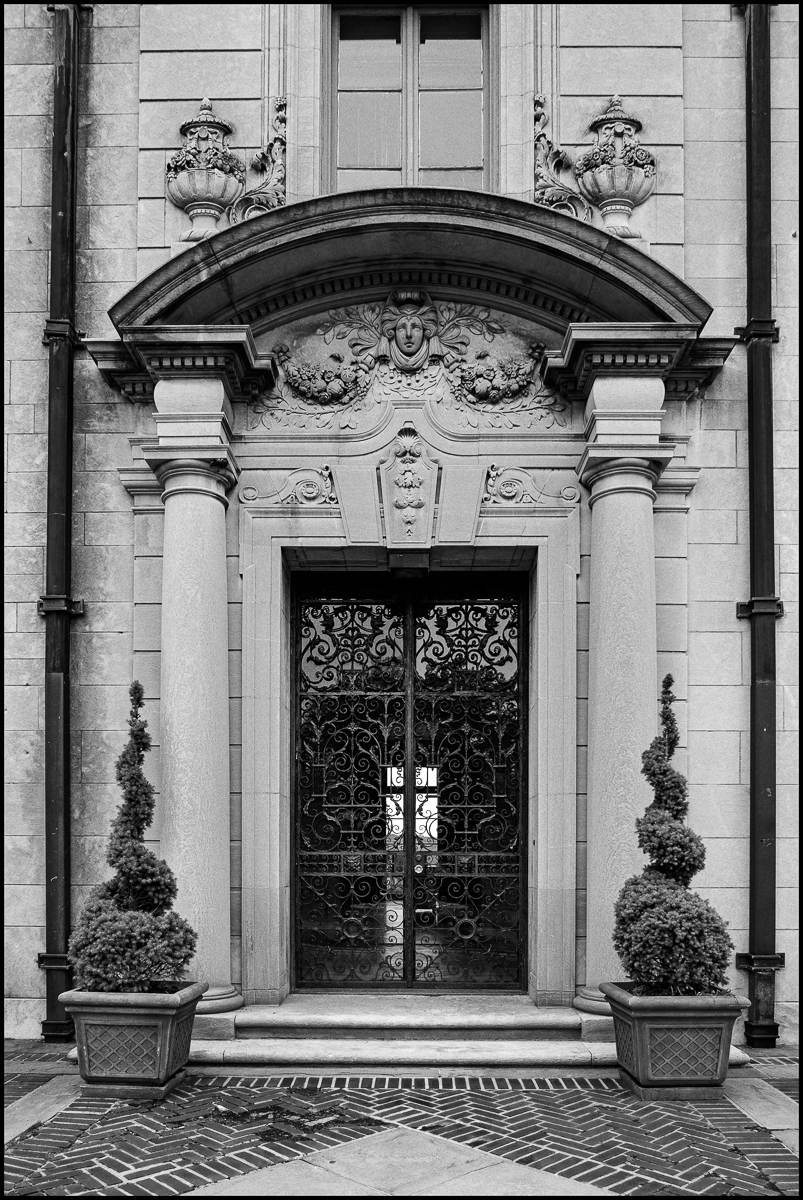
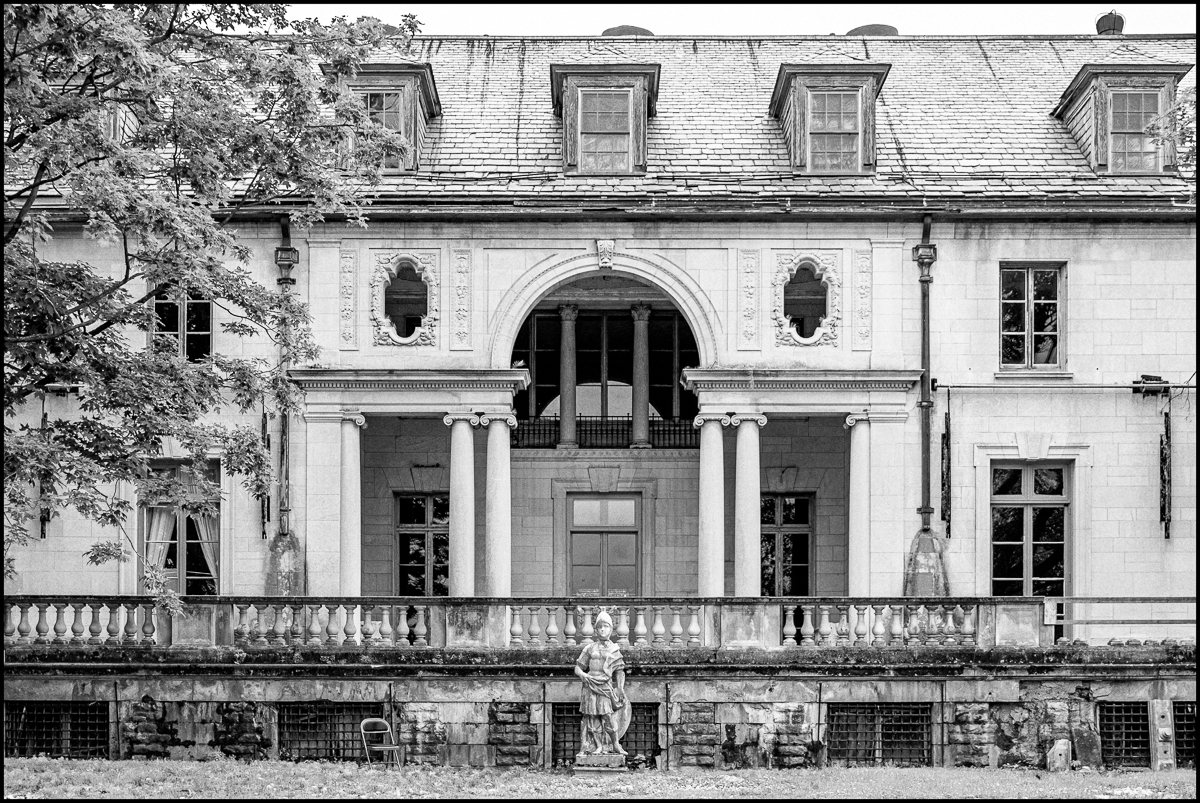
Above the main entrance.


A side entrance, possibly to a servants wing.


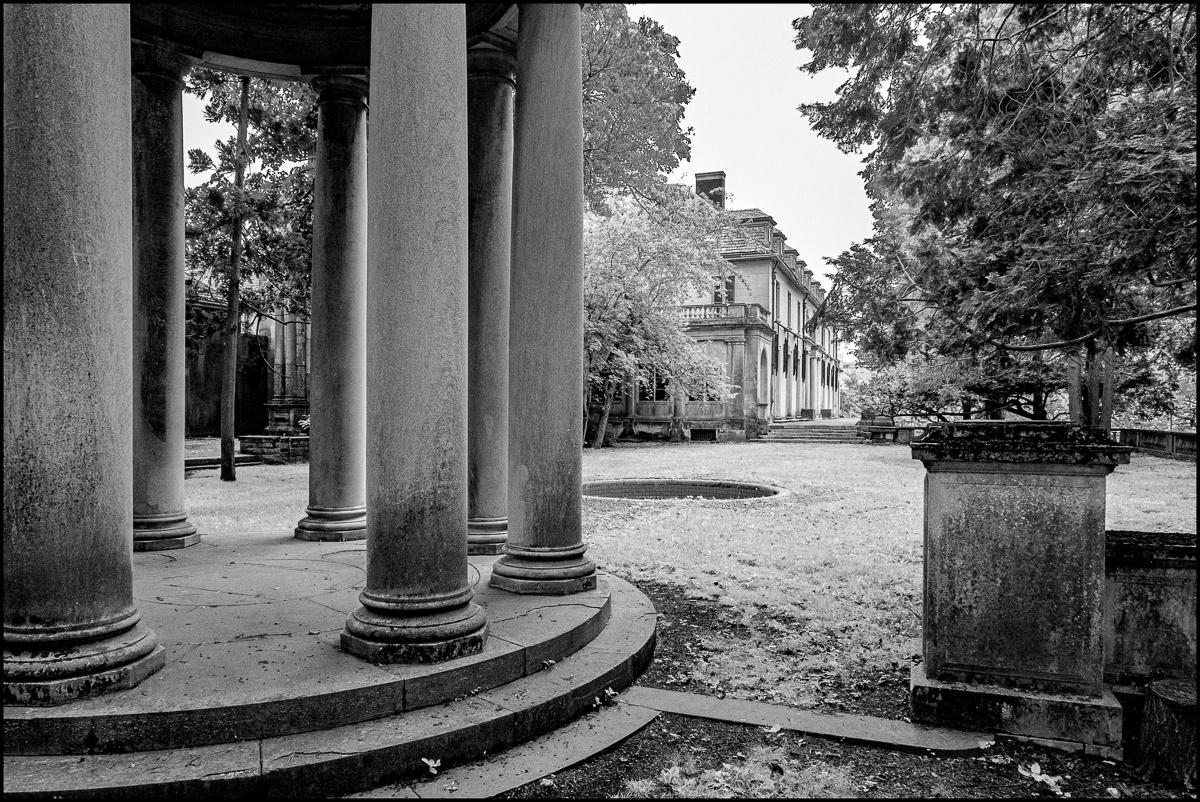
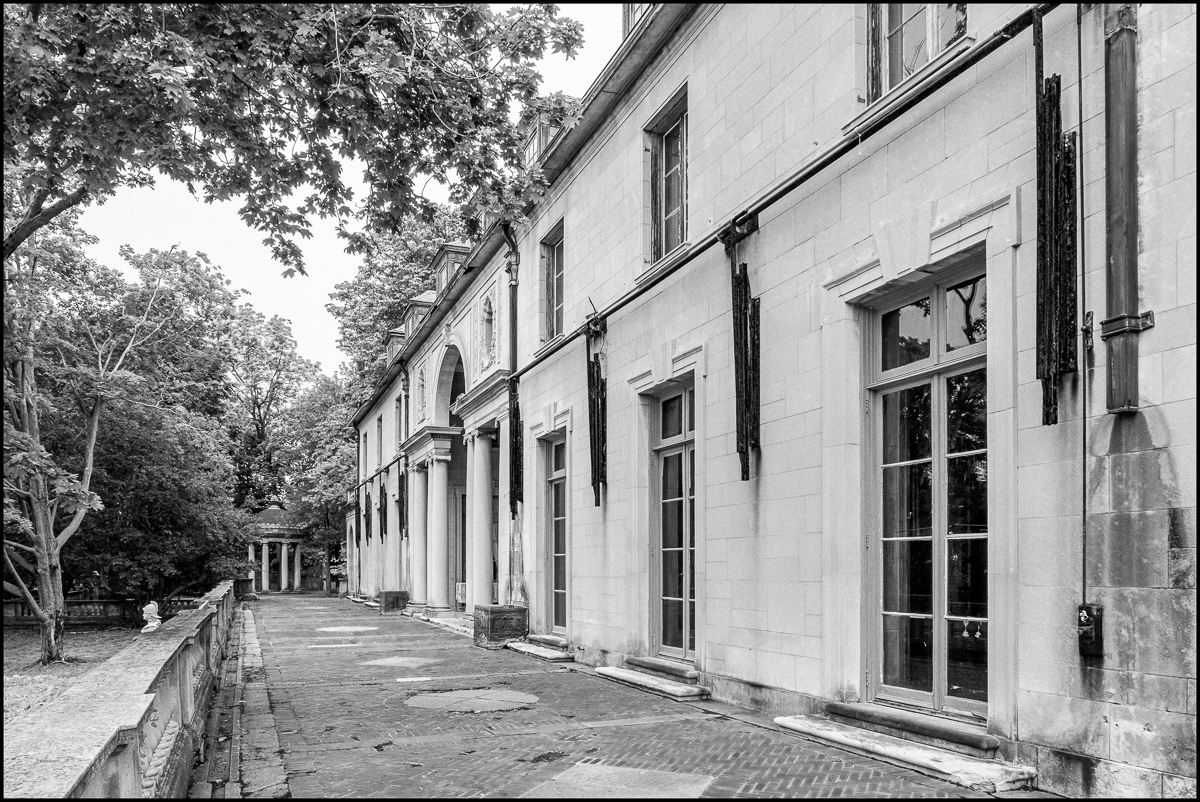
The west facade faces the Hudson River. In its day it must have been quite spectacular. Unfortunately, over time trees have grown up, partially obscuring the view.


Looking back at the west facade.


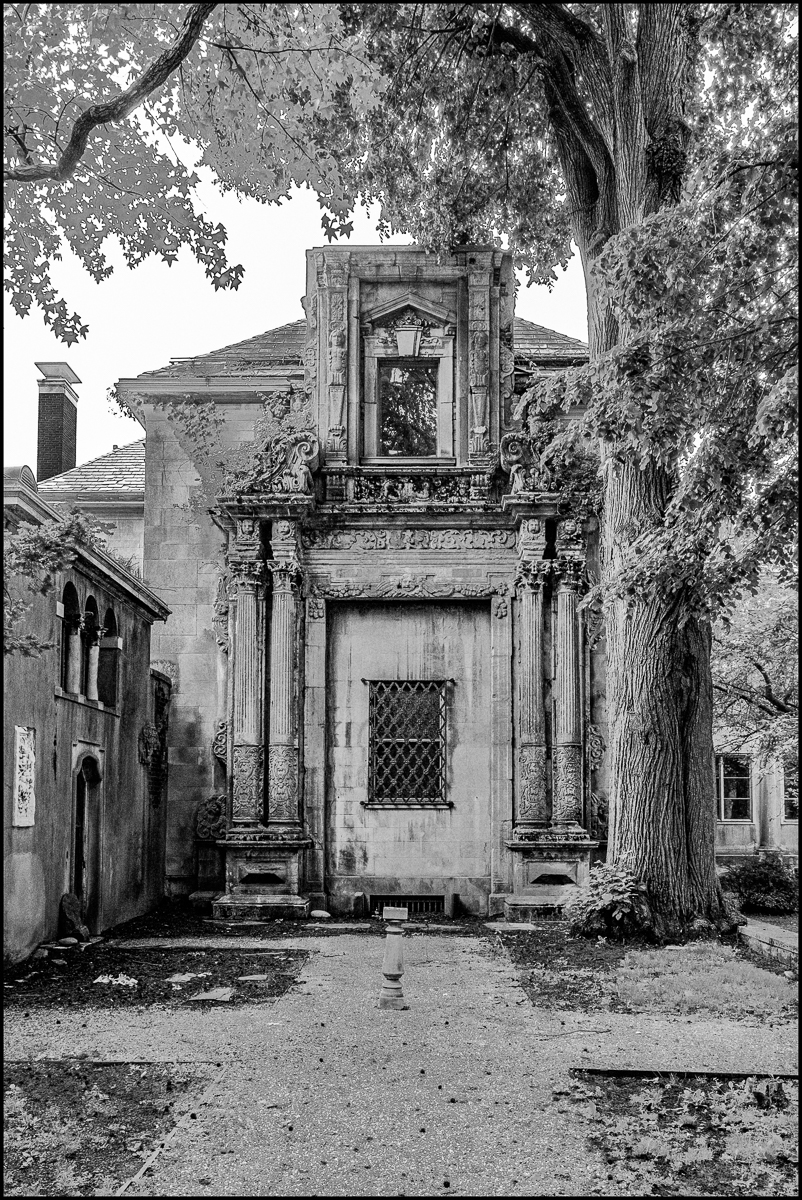
At some point a fragment of a 16th Century Baroque church was affixed to Alder Manor’s north façade. The rectangular space towards the top marks the north end of the indoor swimming pool. It’s missing a stained glass window that was stolen during the 1990s.

Taken with a Fuji X-E1 and Fuji XC 16-50mm f3.5-5.6 OSS II

Alder Manor – Overview

After success in the mining industry, the owner continued to be involved in mining as an investor on Wall Street, and made more money. In 1905 he began acquiring the 22 acres (8.9 ha) on which he built his mansion, intended to be a weekend residence.

He lived in the house until his death in 1930 and left $20 million ($310 million in modern dollars in trust to his wife and daughter on condition that they continue to live at the mansion. His wife lived there for another 20 years. After her 1950 death, she willed it to the Archdiocese of New York, for use as a Catholic high school, which was upgraded to a junior college in 1960.

Some modifications were made. The addition of a chapel and a fire escape were done discreetly, with great sensitivity to the architecture. On the inside, however, some rooms were modified extensively to serve as bedrooms and offices. Among these were the basement den, where the original owner had displayed his gem collection. Its Chinese-themed decor was greatly minimized, and only the woodwork remains today. The college also built a dorm to the west, blocking the view of the Hudson the mansion had once enjoyed.

The college closed in 1995 and the property began to be to be subdivided and sold. The City of Yonkers bought 14 acres (5.7 ha) including the mansion and other buildings, some of which it used as an elementary school. A developer bought the remaining land to the south and built an assisted living center.

The mansion remained unused and vacant. Signs of neglect became apparent, and it became a target for vandals and thieves. Among the items stolen were the brass nameplate at the main entrance, a chandelier and a Tiffany glass window. The city put out a request for proposals from interested parties.

Two years later, in 1997, an Irish American cultural organization acquired the building. The mansion cost the group $1.2 million to acquire, and it was estimated that fully restoring it would take another $2 million.

Throughout the 2000s limited use was made of the building due to its condition. Classes in Irish music and culture were offered, and concerts hosted. Further revenue was raised by renting the mansion for weddings, banquets and film shoots. It was first used in that latter capacity as the mansion where Russell Crowe as mathematician John Nash drops mail off in the 2001 film A Beautiful Mind. It was also used for scenes in The Royal Tenenbaums and Mona Lisa Smile.

The Mansion in now owned by the Goren Group of New York City, which plans to make it a catering and boutique hotel for conferences and weddings.

Taken with a Fuji X-E1 and Fuji XC 16-50mm f3.5-5.6 OSS II

Rockefeller State Park Preserve – Along the Douglas Hill Loop

These large, often triangular blocks of granite are are often encountered around the trails.

They’re Coping Stones and they line parts of the trails and serve as guardrails. Although they’re quite numerous you don’t find them on all of the trails. I’ve never been able to figure out any logic to their placement.

Cut roughly and spaced irregularly, the coping stones create a rustic appearance. These coping stones have been affectionately called “Rockefeller’s teeth.”

They’re not unique to this preserve and apparently are found at other Rockefeller properties e.g. Acadia National Park in Maine.

Taken with an Olympus OM-D EM-10 and Panasonic Lumix G Vario 14-42 f3.5-4.6 II

On the Balcony – Reading Walker Evans

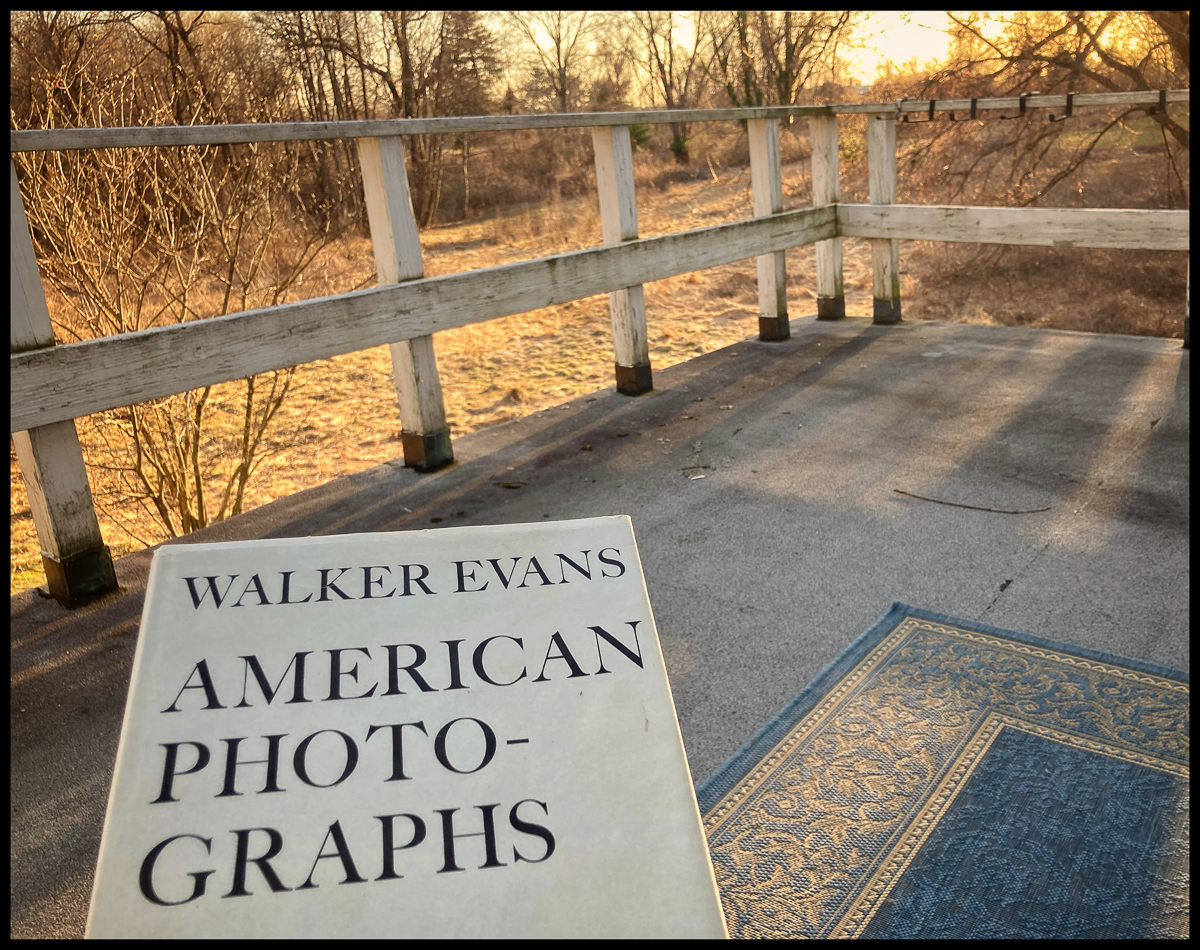
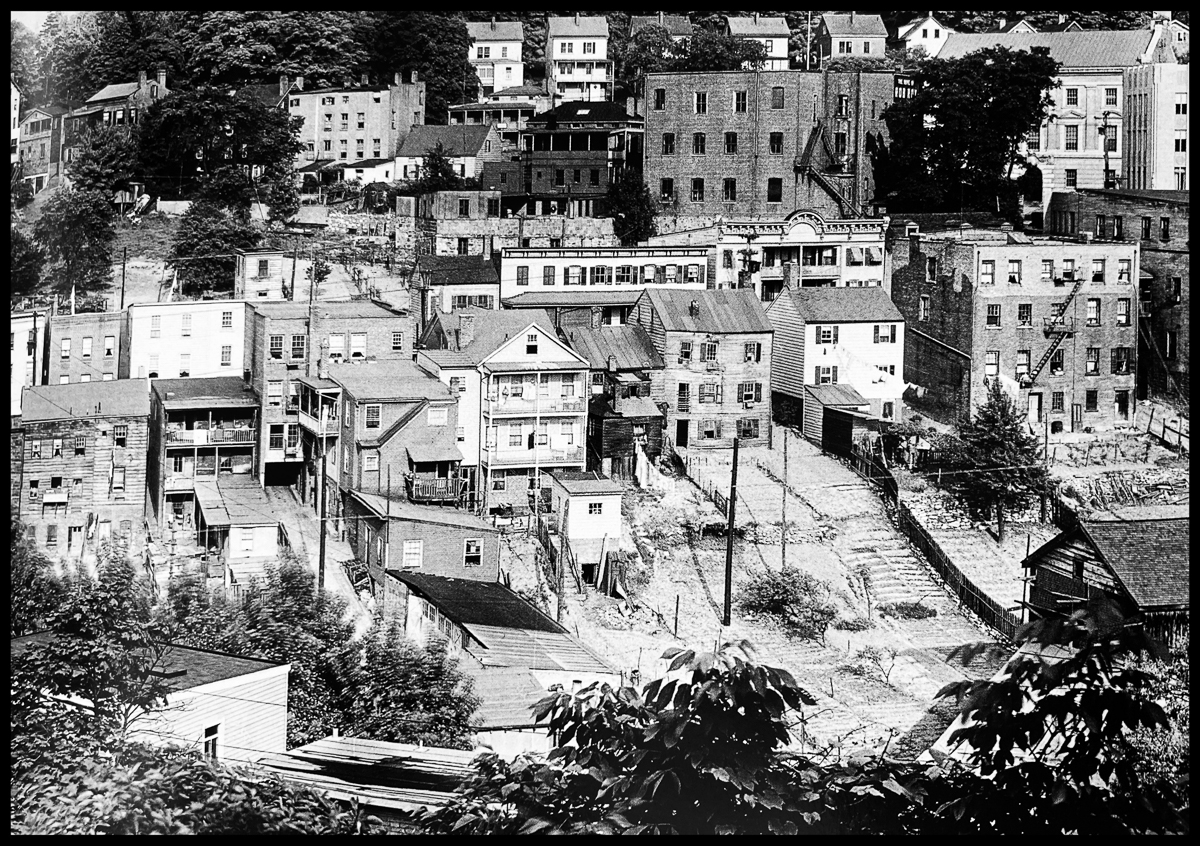
I was sitting on the balcony last night reading American Photographs by Walker Evans, one of my top 5 photographic heroes. I came across a photograph captioned: “View over Ossining”. Briarcliff Manor, the village where I live is part of the town of Ossining. A quick Google search and I discovered that Evans lived and worked in Ossining between June and October 1928, and intermittently over the next several years. How about that?

An article on “Walker Evans in Ossining” states:

Walker considered the photographs he took in Ossining to be among his best. This is demonstrated by their inclusion in shows and publications for the next fifty years—including the five in American Photographs.”

Throughout his early times in Ossining he worked with a vest-pocket camera and his father’s Kodak Tourist. He and Hanns would hike all over town, photographing whatever they came upon. They often walked down by Sing Sing prison, although the prison was notably absent from his subject matter. Also absent were any photographs of the spectacular views of the Hudson River from the Ossining shoreline. He had very specific ideas about what was and was not worthy. Walker felt some things were just not proper subjects for photography. He spelled it out in one letter:

  • “Valid photography, like humor, seems to be too serious a matter to talk about seriously. If, in a note it can’t be defined weightily, what it is not can be stated with the utmost finality. It is not the image of Secretary Dulles descending from a plane. It is not cute cats, nor touchdowns, nor nudes; motherhood; arrangements of manufacturers’ products. Under no circumstances is it anything ever anywhere near a beach. In short it is not a lie, a cliche, somebody else’s idea. It is prime vision combined with quality of feeling, no less”.

To be sure, he mostly adhered to this code throughout his career, though exceptions to those forbidden subjects (every single one except for sports) were found among the 10,000 images in the Metropolitan Museum of Art Walker Evans archive (WE archive). In his Ossining photographs there are none of the expected images of the stark prison gun turrets, the dramatic vistas of the Hudson River, or the imposing mansions of the rich and famous overlooking the river from atop the sand bluffs or buried deep in the Ossining woods near his sister’s house, like the Frankensteinian castle of the Abercromby’s (of Abercromby and Fitch, merchants in New York). Instead, he depicted a few ordinary people in midstep.

In a letter to Skolle in April of 1933, he said,

I have done some more things around Ossining, which grows better and better as a subject for camera

The article also discusses Evans’s friendship with fellow Ossining residents Aaron Copeland and John Cheever.