A Walk to Doodletown – June Cemetery

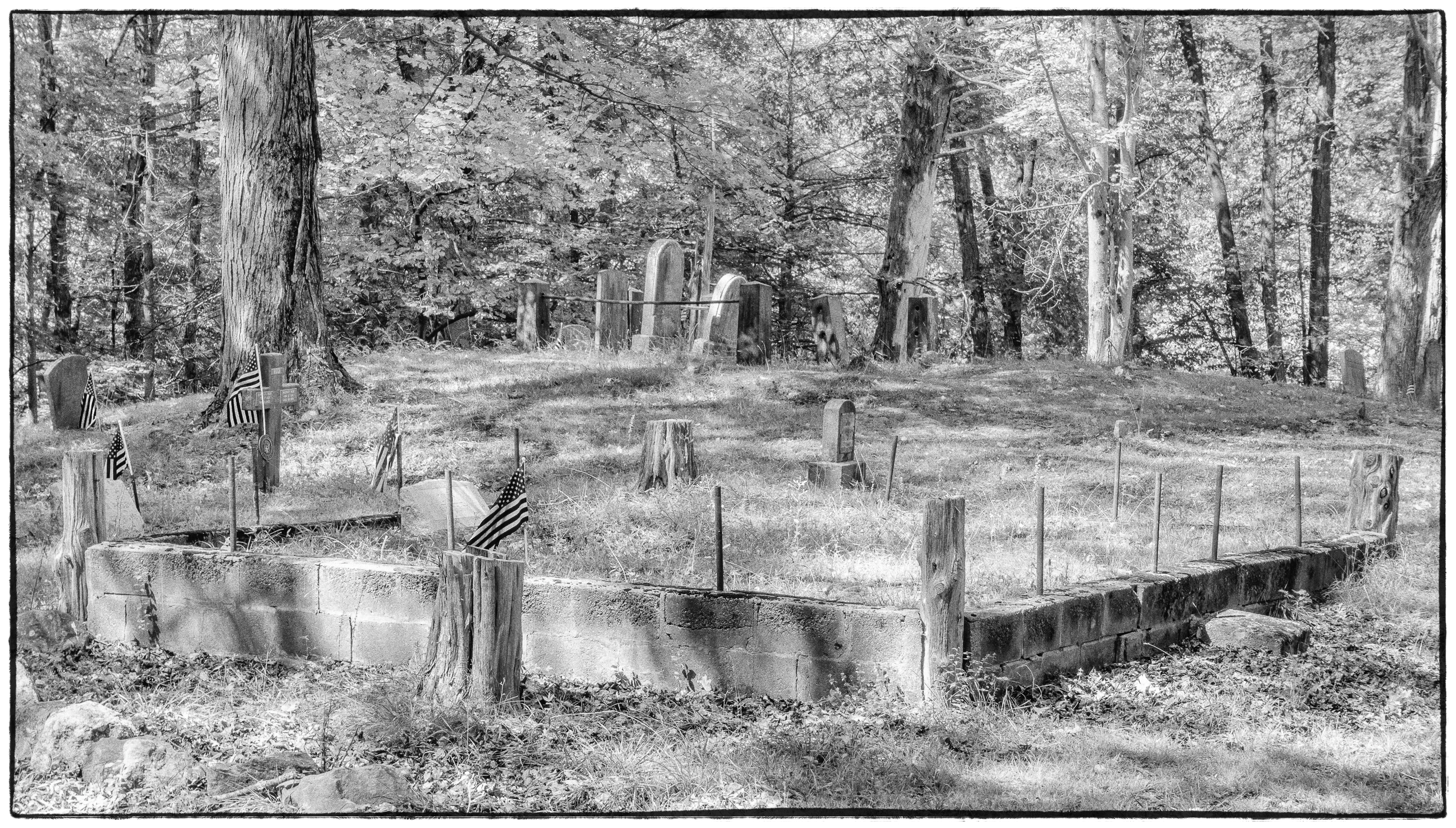
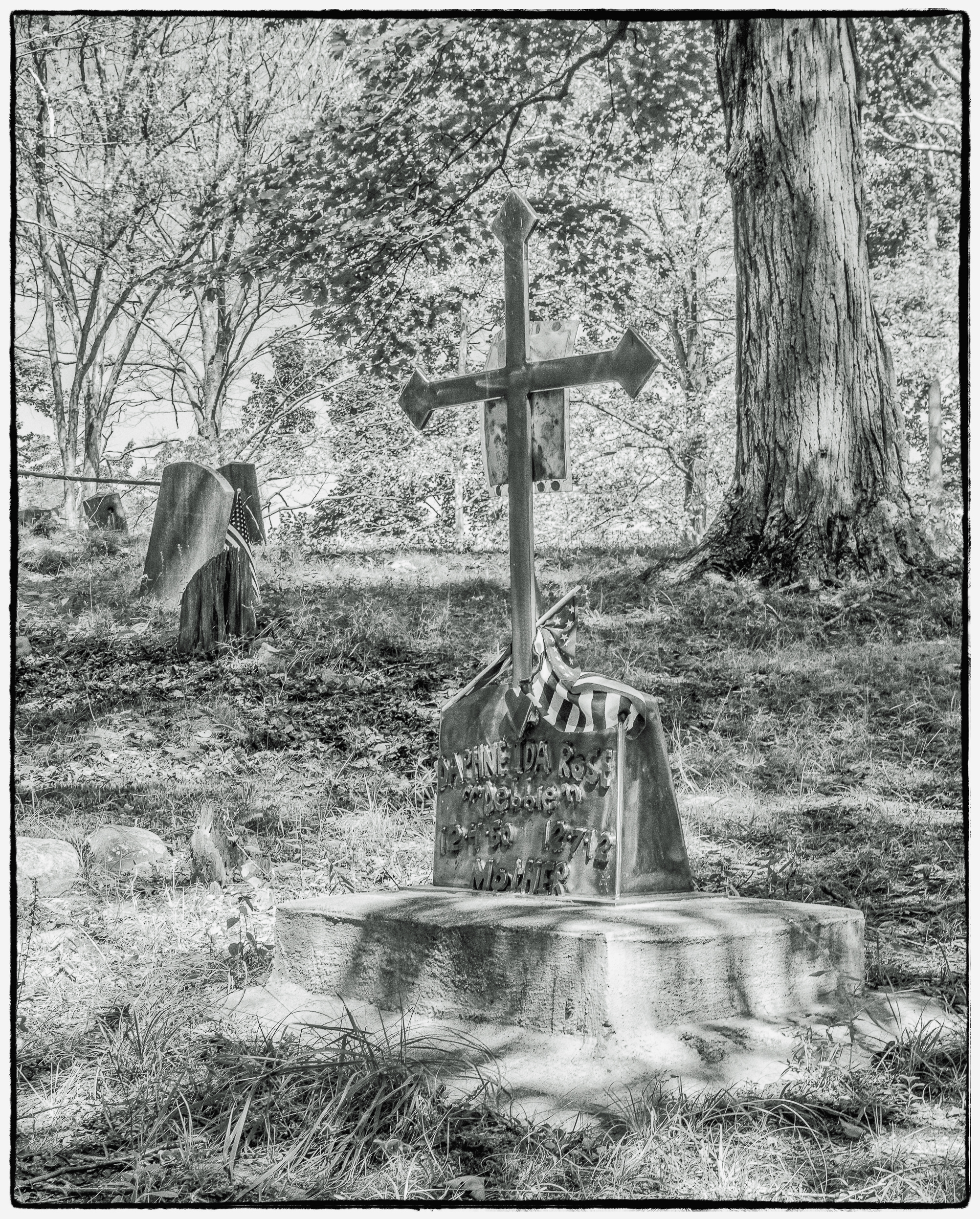
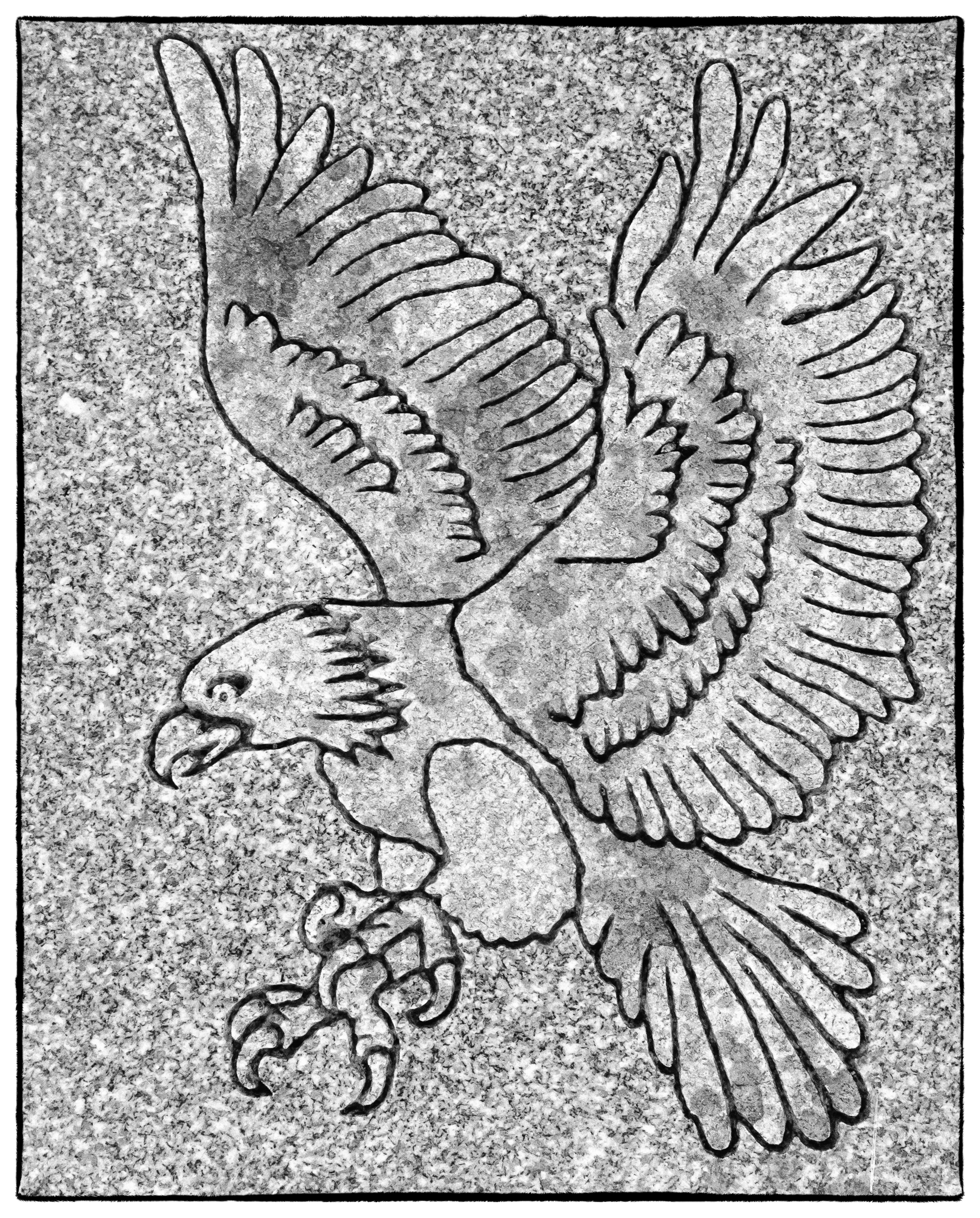
Ironically the only thing that’s “alive” about Doodletown is its cemeteries. I say that they are “alive”, because former Doodletown inhabitants can still be interred here, should they so choose. I believe that there are two cemeteries (as well as the site of the first June cemetery), one of which is still active, but in the short time I had available I was only able to find this one. According to a nearby marker: “Second June Cemetery. Caleb June (1802-1879) willed this property to his heirs in 1871 for a burying ground. Many of the later generations of the founding June families are interred here. It is still in use.”.

Taken with a Sony RX100 M3.

A Walk to Doodletown – Doodletown Overview

I’ve always found Doodletown to be a fascinating place. Even the name is, to me, charming.

According to a site devoted to Doodletown (unfortunately I originally gave the wrong url, and now almost 6 years later I can no longer remember what it was):

Doodletown has been lived in continuously since at least 4-10-1762, and possibly before, when Ithiel June purchased 72 acres, and settled the picturesque valley. There are several theories as to how Doodletown got its name. One is that the words “dodo del” mean dead valley, perhaps because of fire damage, or of dark shadows. Another is that logging in 1700’s was called “doodling”. Doodletown had extensive logging, hence the reference. Another more romantic notion states that during the Revolutionary War, the British troops that marched through the hamlet on their way to attack Forts Clinton and Montgomery in 1777, played Yankee Doodle Dandy to antagonize the residents. The former is probably correct as maps of the time already indicated that Doodletown existed. An historic event occurred during that march. Patriot scouts encountered the British and there was a brief skirmish in Doodletown.

Beginning

Early life for the townsfolk was hard, yet they prospered. They found employment logging, mining, ice harvesting, at Iona Island, West Point, and later, the Interstate Park. Some had small farms. The first church, which was also used as a school, was built in 1851. A second church and a second school were built in the late 1880’s. Slowly, the town grew.

Early Life

In its peak in the 1920’s, Doodletown had a new, larger school, the finest building in the town. There were three primary roads, a lane connecting to Seven Lakes Drive, several dead end lanes, two working cemeteries, and approximately seventy homes. Many families like the Junes, Herberts and Weyants had lived there for generations.

Beginning ca 1917, and throughout the following decades, the Park began to expand its borders by slowly purchasing the settlements properties. Many of these properties were then rented out to Park employees. In 1962, the Park planned to build a ski resort where Doodletown was located. The residents were to be bought out. Some were relieved to be able to sell. At the time, homeowners were unable to secure home improvement loans, and buyers were unable to obtain mortgages, since the lenders felt that the town’s demise was inevitable. Others, strongly resisted, and were threatened with condemnation through eminent domain. In early 1965, the last of the Doodletown residents had moved out. This included the June family, whose members had lived there continuously since 1762. Ironically, the ski resort was never built. The Park now owned all of the land, except for the two cemeteries. In 1966, the buildings were demolished and the debris was buried. The town was left to revert to its natural state, wild and largely overgrown.

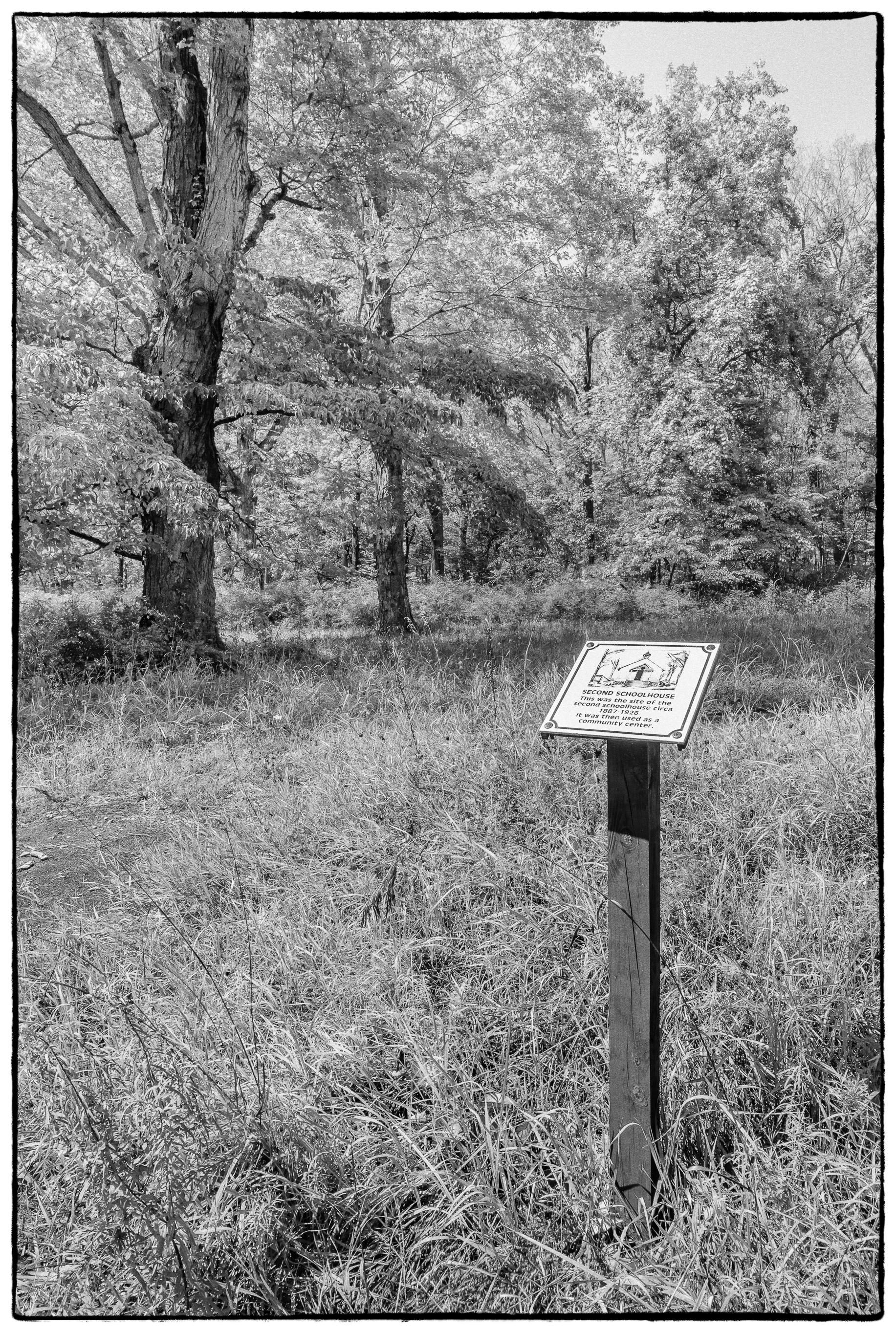
Unfortunately there’s not much left. Some of the locations, such as the one above, have markers. However, over time many of the markers have fallen apart and/or been destroyed by vandals. This particular marker reads: “Second Schoolhouse. This was the site of the second schoolhouse circa 1887-1926. It was then used as a community center.”

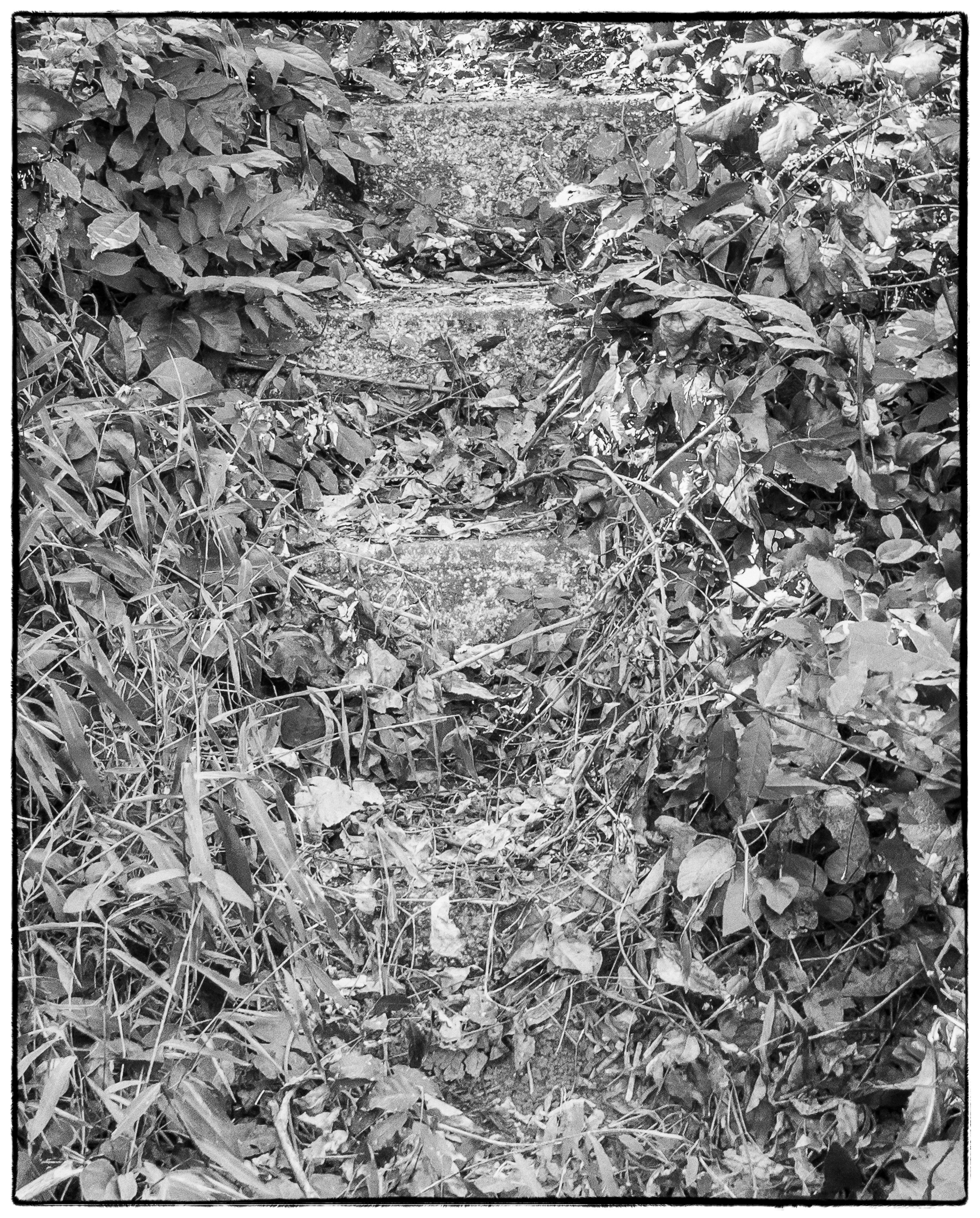
A stairway to nowhere. According to its marker: “Horace Herbert Home. These steps lead to the Horace Herbert Home, Build Circa 1900. It had an open porch with commanding views. Note the large well cover just across the street and a few steps up the road, was Horace’s garage.”

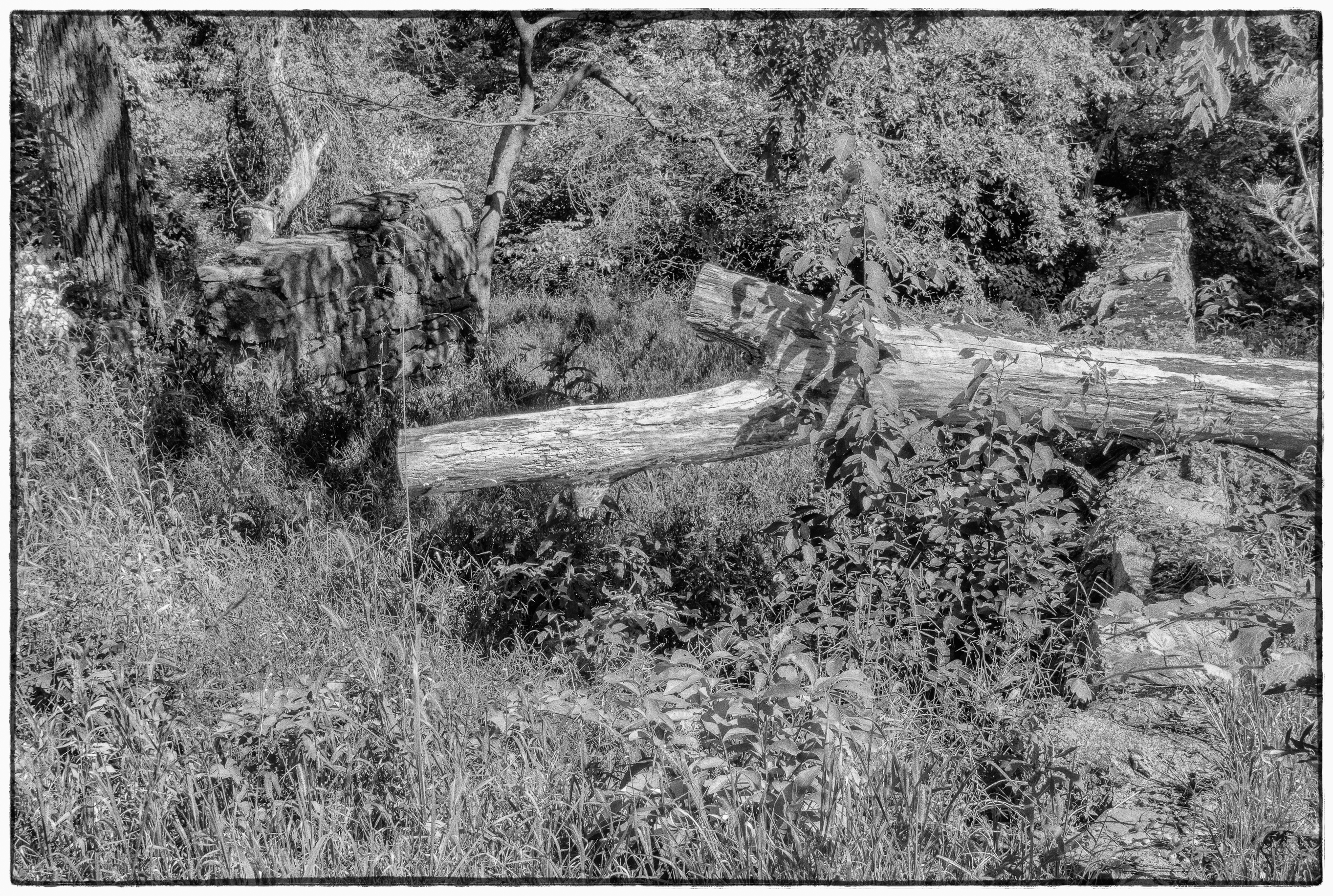
According to its marker: “Gray’s Barn. These barn walls are one of the best examples of Doodletown’s remains. It was part of the Gray family property, and is suggested (sic) a Mr. Green lived here ca. 1920. He grew corn and strawberries on the hillside. It was later used by William Herbert, whose home was adjacent up the hill. The dead end lane behind the barn lead to William’s blacksmith shop.”

Taken with a Sony RX100 M3.

A Walk to Doodletown – The 1776 Trail

While digging in the garden one day I managed to do something to my right calf muscle that made it painful for me to walk. I was still able to take out the dog on the flat roads around the lake, but I didn’t want to risk taking him into nearby Fahnestock State Park where the trails are more rugged: sometimes hilly, always rocky and root bound. My leg continued to hurt and I was beginning to wonder if my days walking in the woods were over. Then one day the pain started to ease and I thought I’d try again.

My wife was going to the spa at the Bear Mountain Inn (see also below):

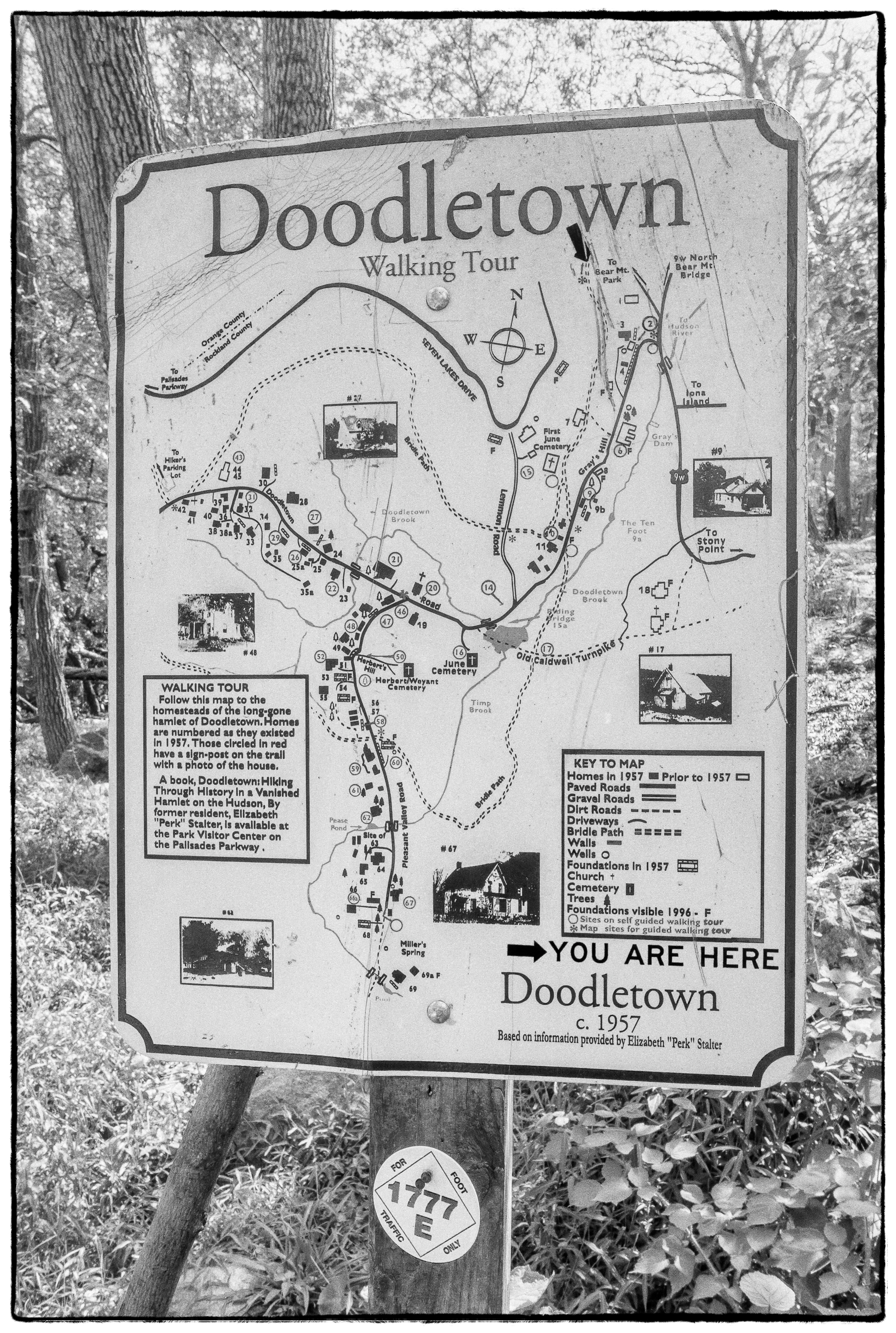
So I decided to go along and try some of the trails there. Specifically I chose to follow the 1777 trail, which a nearby sign describes as follows:

You are walking part of the 1777 historic trail that retraces as nearly as possible the routes taken by the British army during the Revolutionary War.

The 1777 trail represents the route taken by British General Sir Henry Clinton’s forces on October 6, 1777. After landing 2,100 men at Stony Point, he marched north to capture Forts Clinton and Montgomery. At Doodletown, the trail splits. The east branch of the trail follows the march of forces under Sir Henry Clinton and Major General John Vaughn that captured Fort Clinton. The west branch follows the route of Lieutenant Colonel Mungo Campbell’s forces, which captured Fort Montgomery.

All told the walk took about 2.5 hours, so I guess I’m back in business.

Taken with a Sony RX-100 M3.

Helmsley Mausoleum, Sleepy Hollow Cemetery

According to Waymarking.com:

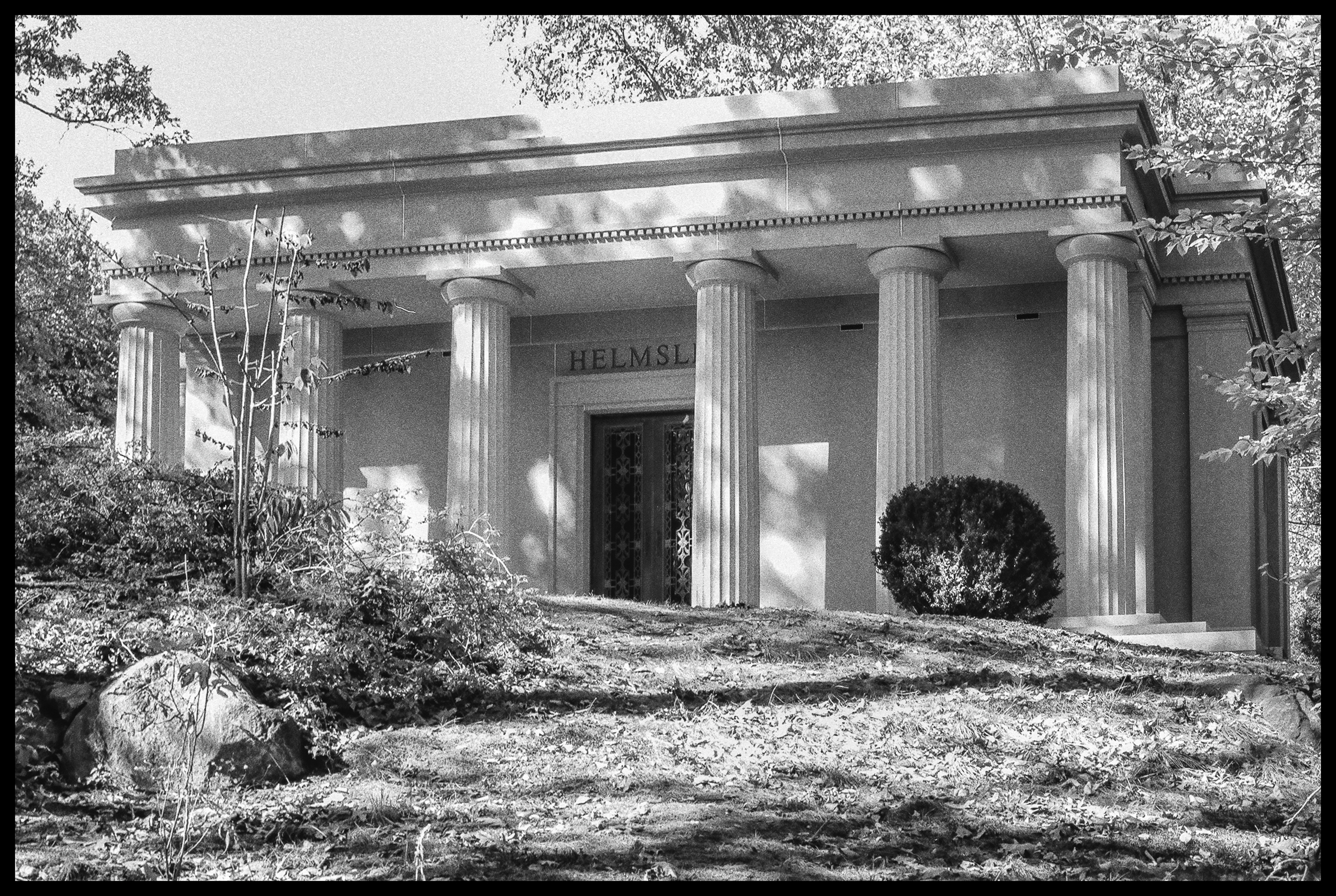
Harry and Leona Helmsley were two of America’s and wealthiest (sic) property owner. They made billions in real estate, owning many of the country’s most prestigious properties including the Empire State Building. Their lavish lifestyle and questionable business practices drew the attention of federal investigators which lead to charges of tax evasion. Harry who was in poor health was too frail to plead died in 1997. However, Leona who had reportedly utter the now famous words, “Only little people pay taxes,” was fined and sentenced to 16-years in prison but served only 19-months. Harry died in 1997 and was originally entombed at Woodlawn Cemetery in New York City. Leona disliked the setting so much that she built the mausoleum here and had Harry re-interred in 2004. Leona died in 2007 and is entombed beside Harry.

The Helmsley Mausoleum is the final resting place of billionaire real estate moguls Harry and Leona Helmsley. The private mausoleum complete with stained glass was built in 2004 at a cost of more than $1.4-million dollars. It sits on a wooded hillside in the northern most section of the cemetery, near such notable figures as Walter Chrysler and William Rockefeller.

Leona also specified that her dog Trouble (to whom she bequeathed $12 million – later whittled down to $2 million) also be buried in the Mausoleum. Unfortunately NY State law does not allow this. Trouble passed away in 2011 (see: NY Times. Cosseted Life and Secret End of a Millionaire Maltese). What happened to the remains? According to the NY Times article:

Trouble was cremated and her remains were “privately retained,” said a spokeswoman for the Helmsley Trust. In her will, Mrs. Helmsley asked that Trouble’s remains be buried alongside her own, in the Helmsley mausoleum at the Sleepy Hollow Cemetery in Westchester County. But Jim Logan, a member of the cemetery’s board, said Mrs. Helmsley’s lawyers knew the cemetery would abide by regulations that forbid the interring of nonhuman remains at human cemeteries. That said, mausoleums are considered private property and the Helmsley family had its own key.

Might Trouble be buried alongside her mistress? “In all honesty,” Mr. Logan said, “we don’t know.”

Taken with an Olympus OM2-n MD and 50mm f1.8 F-Zuiko auto-s.

Croton Landing

While my wife was occupied with an appointment in Croton-on-Hudson I decided to go down to the river and take the dog for a walk at Croton Landing.

I like the way the gap in the breakwater mirrors the the gap between Croton Point (on the left) and Hook Mountain (I think – on the right).

Taken with a Sony RX100 M3