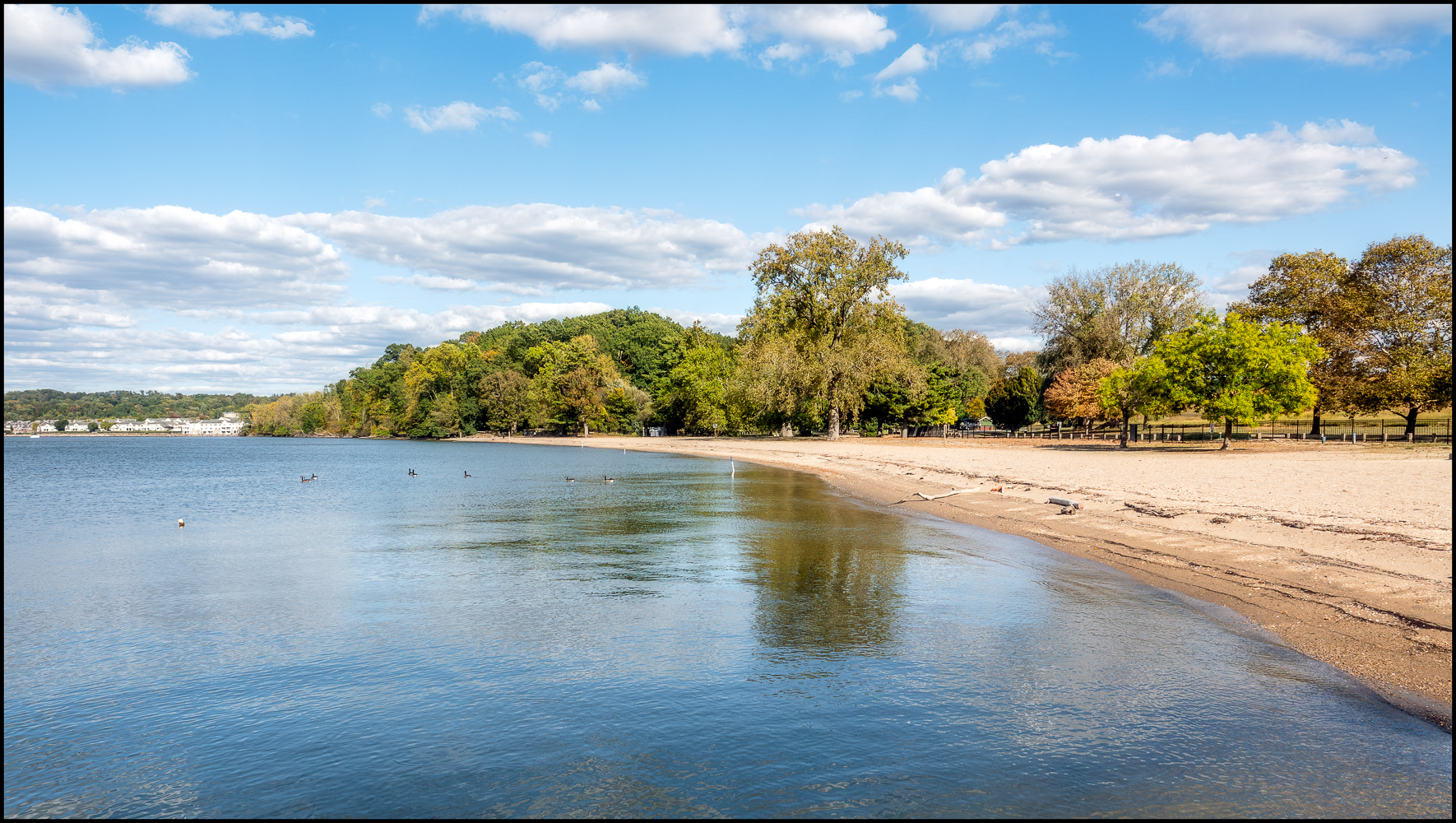
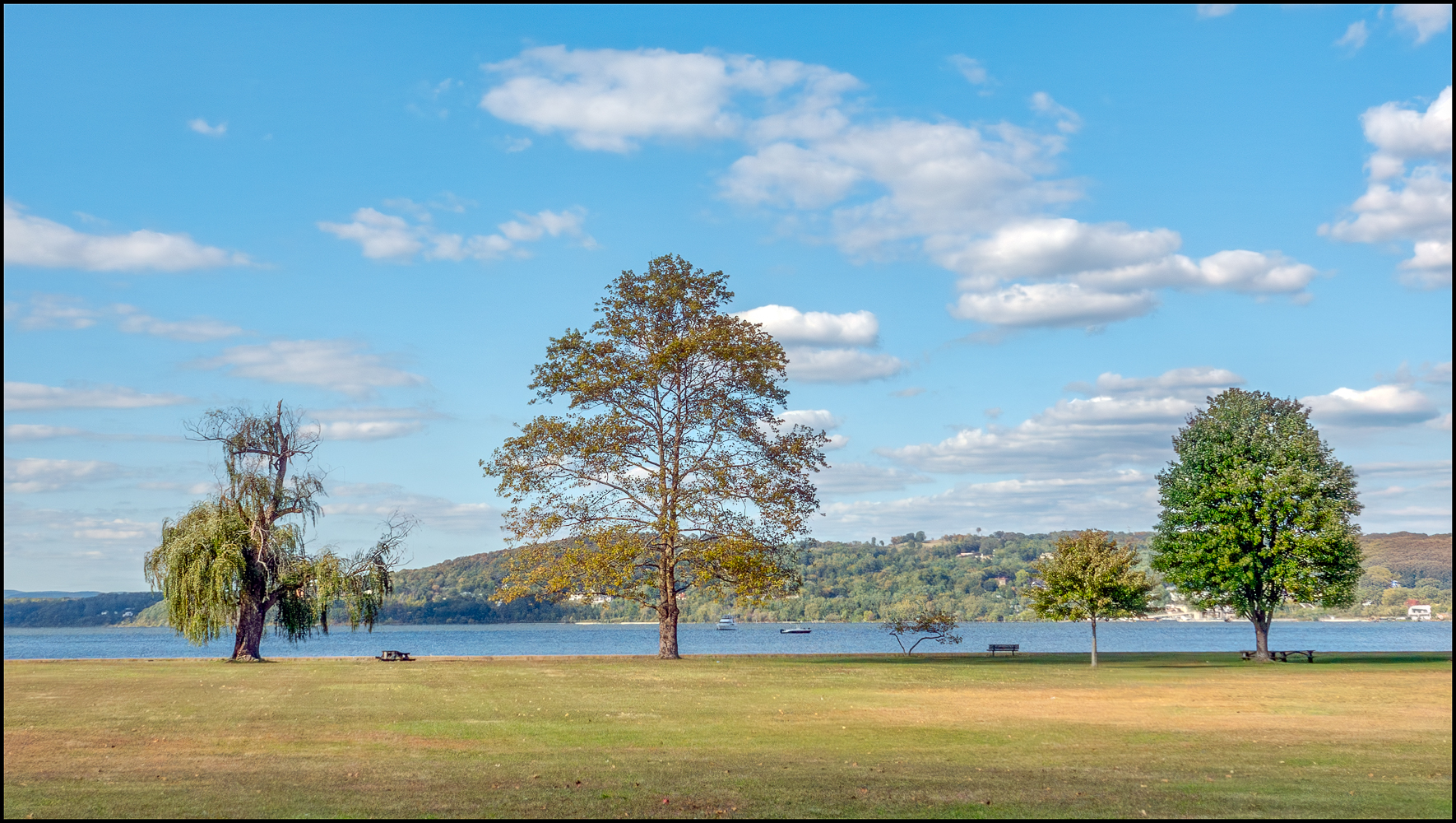
Croton Point Park

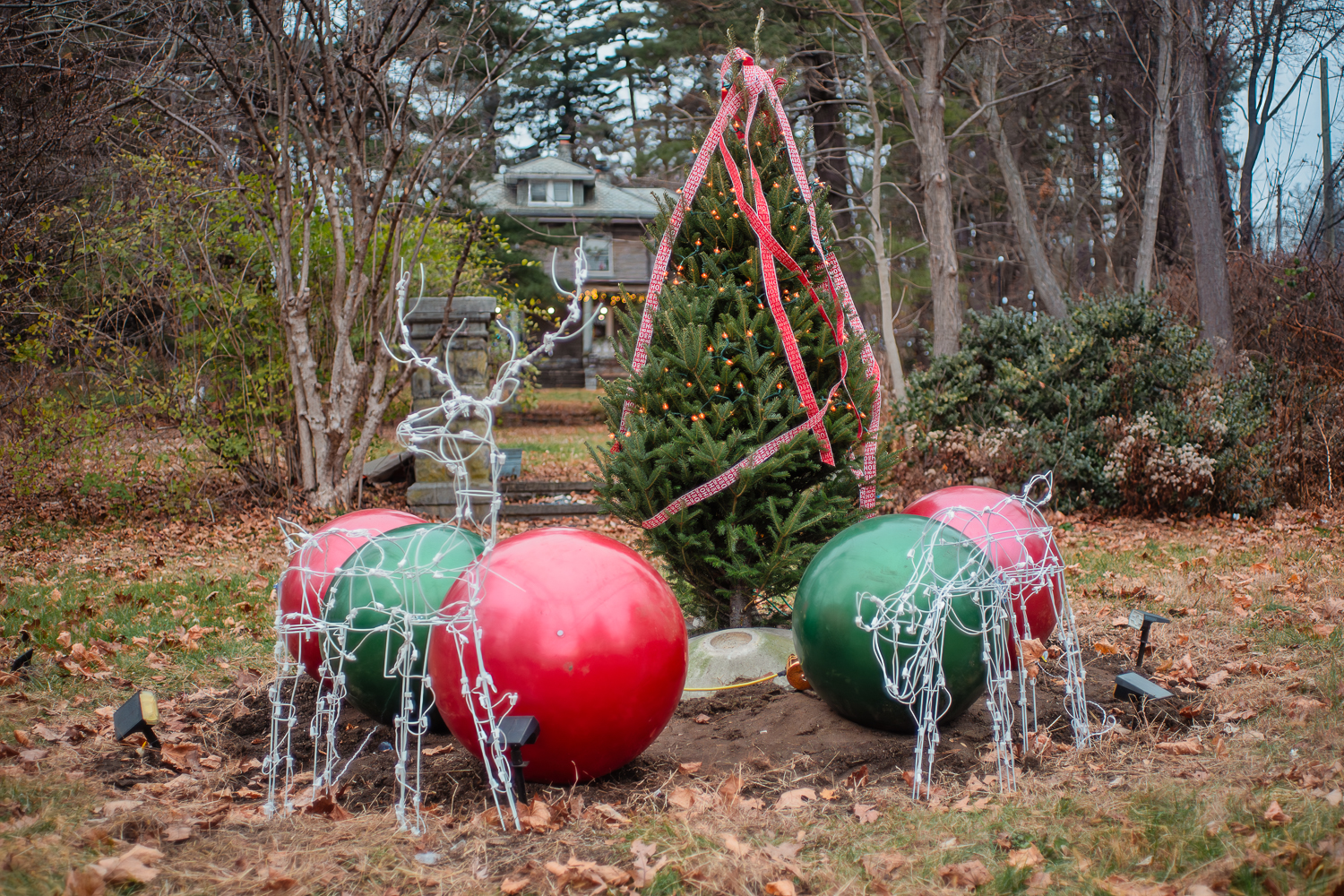
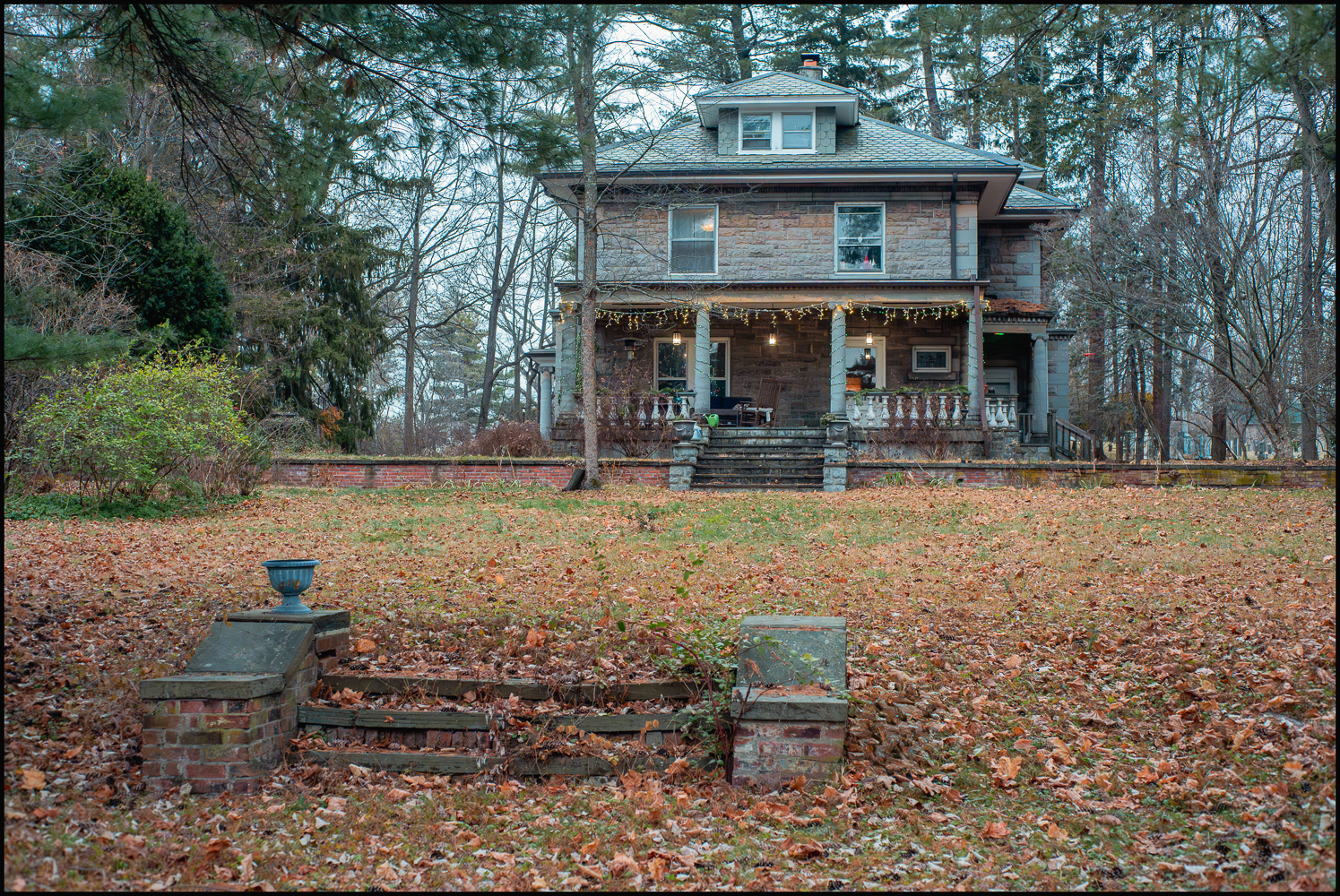
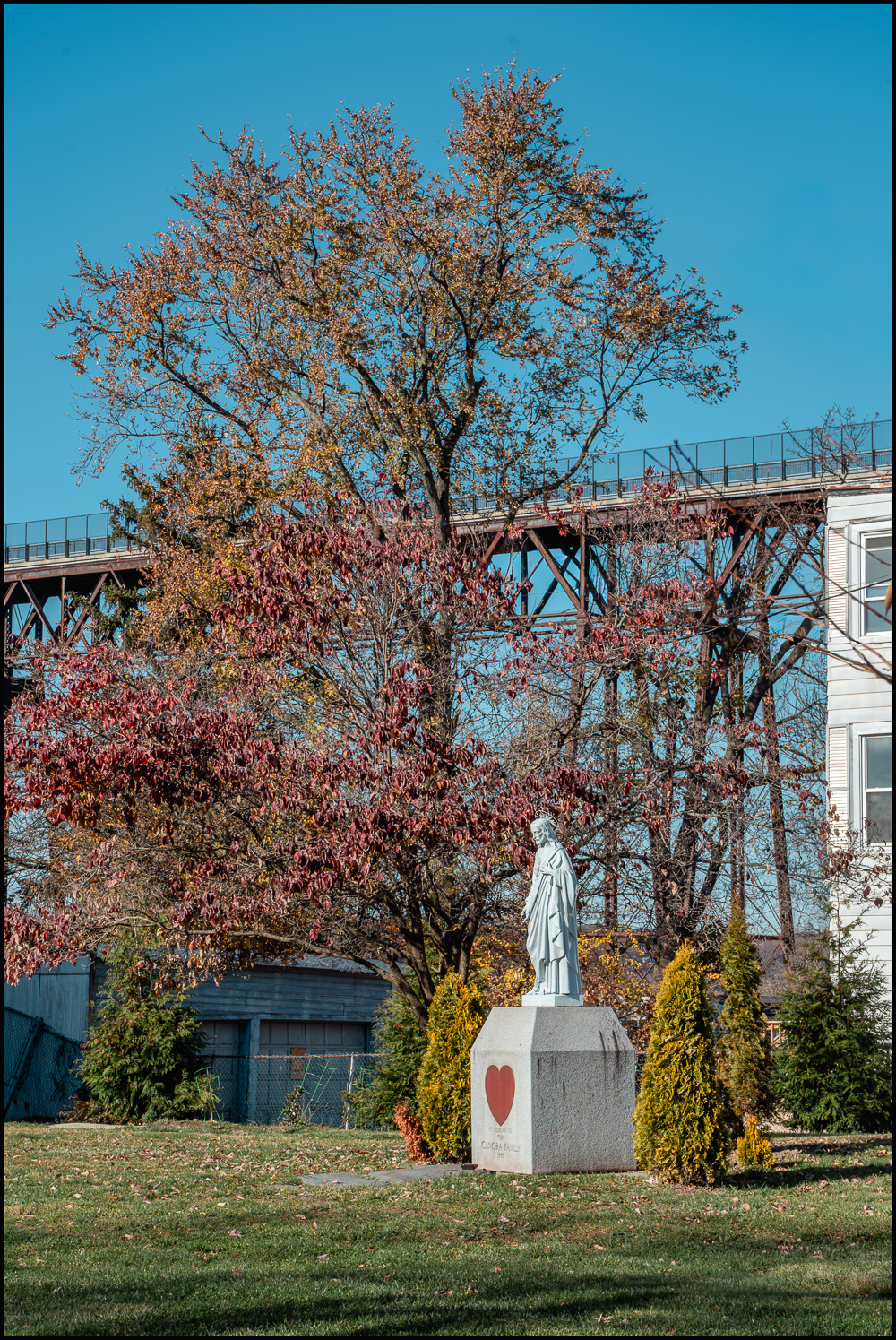
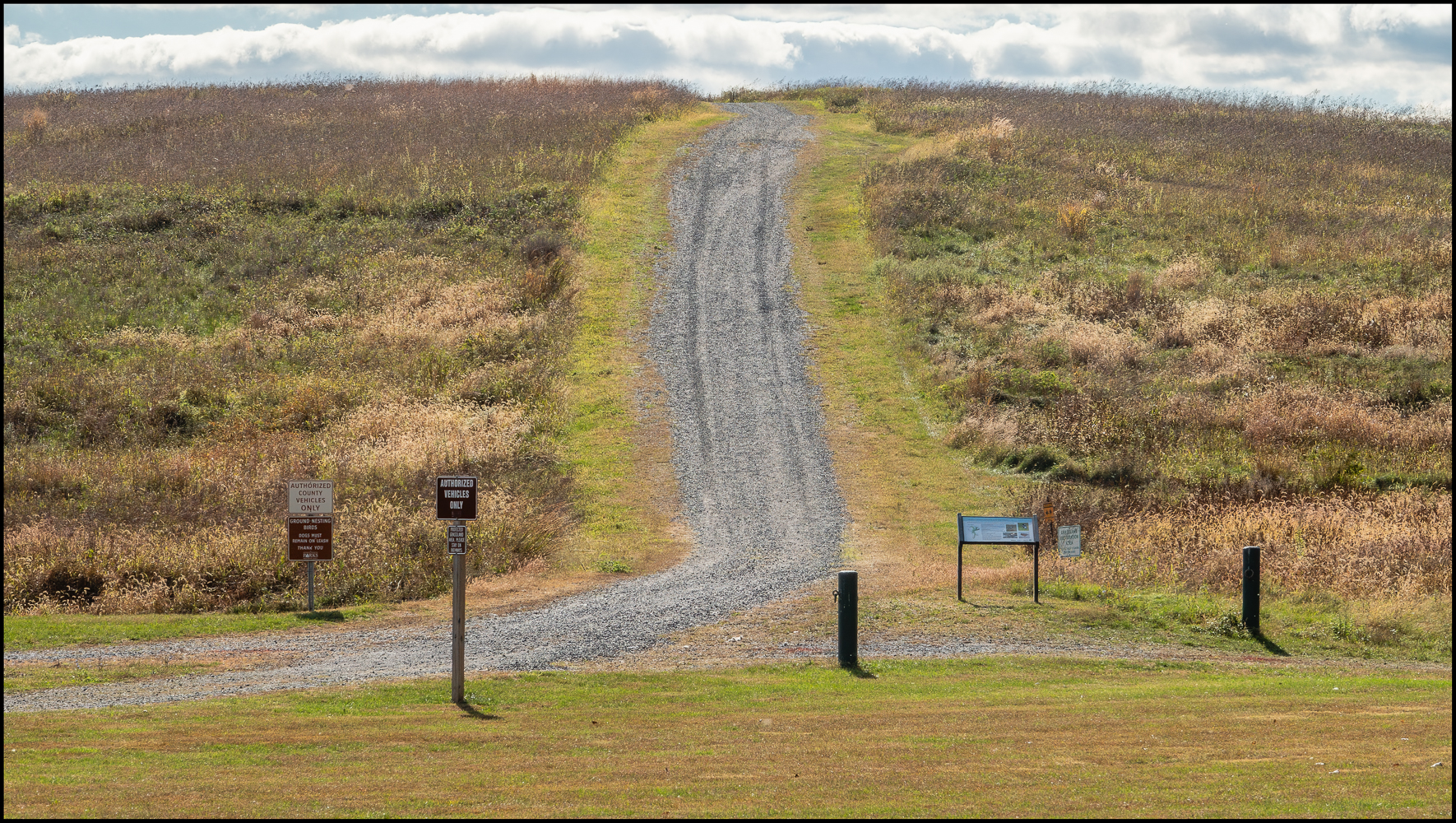
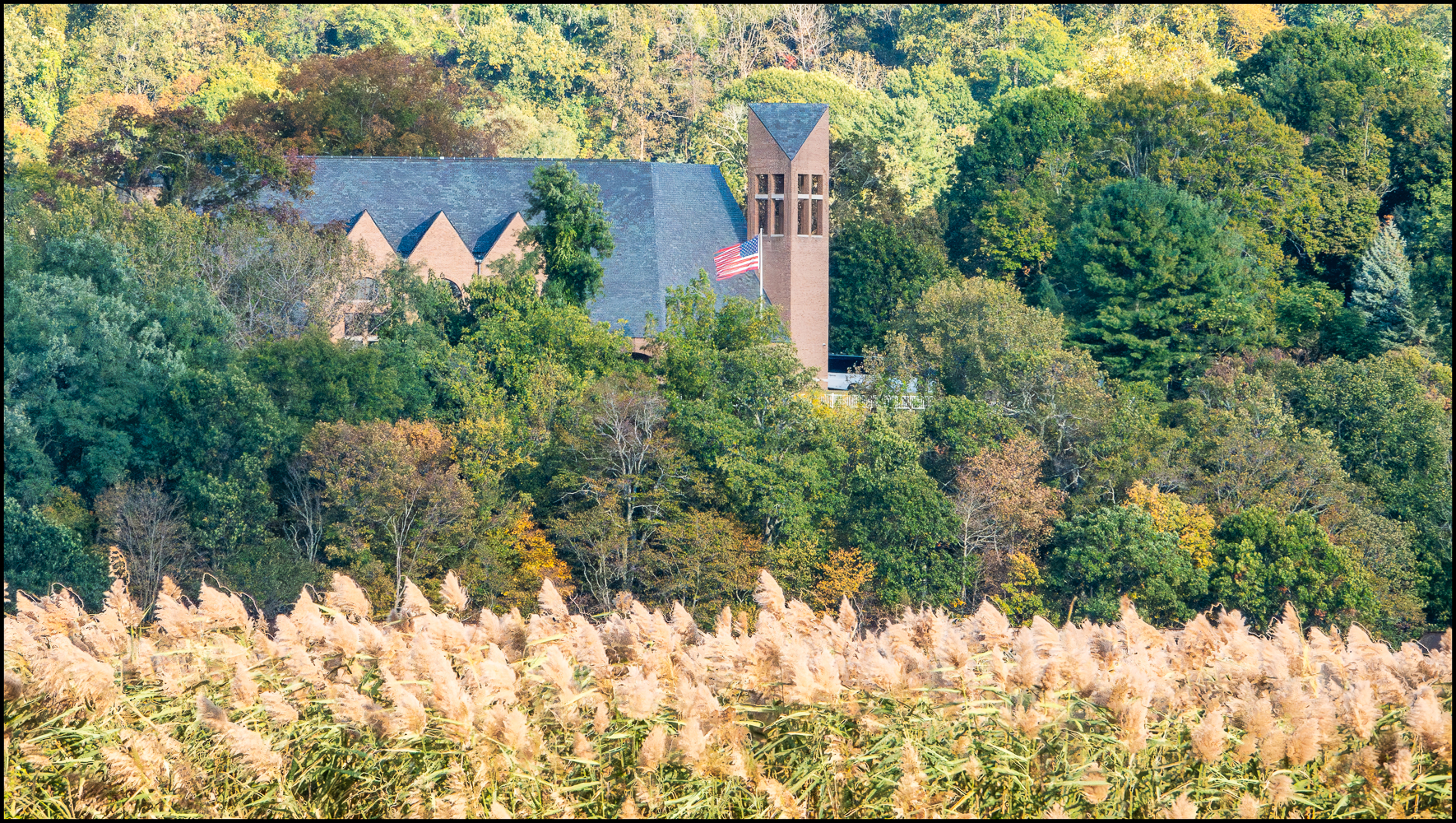
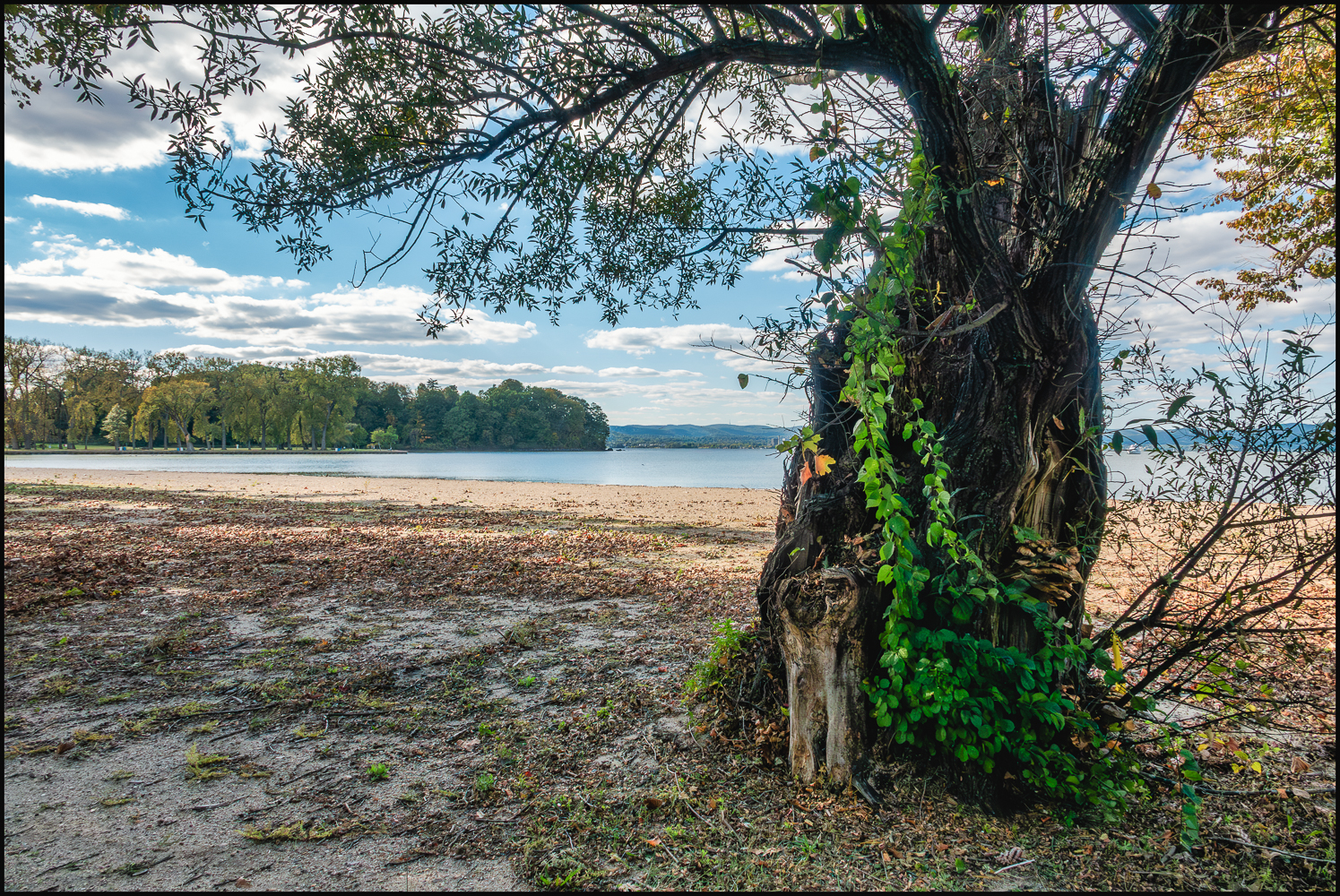
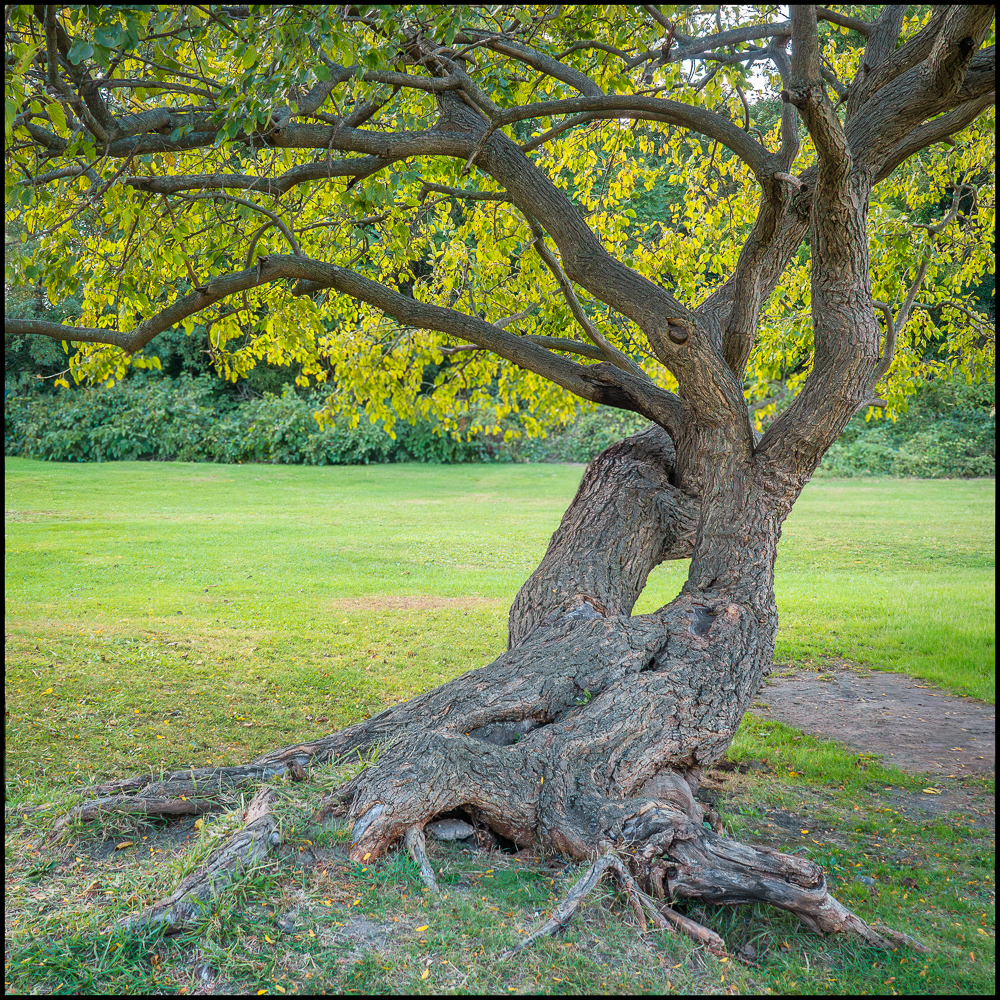
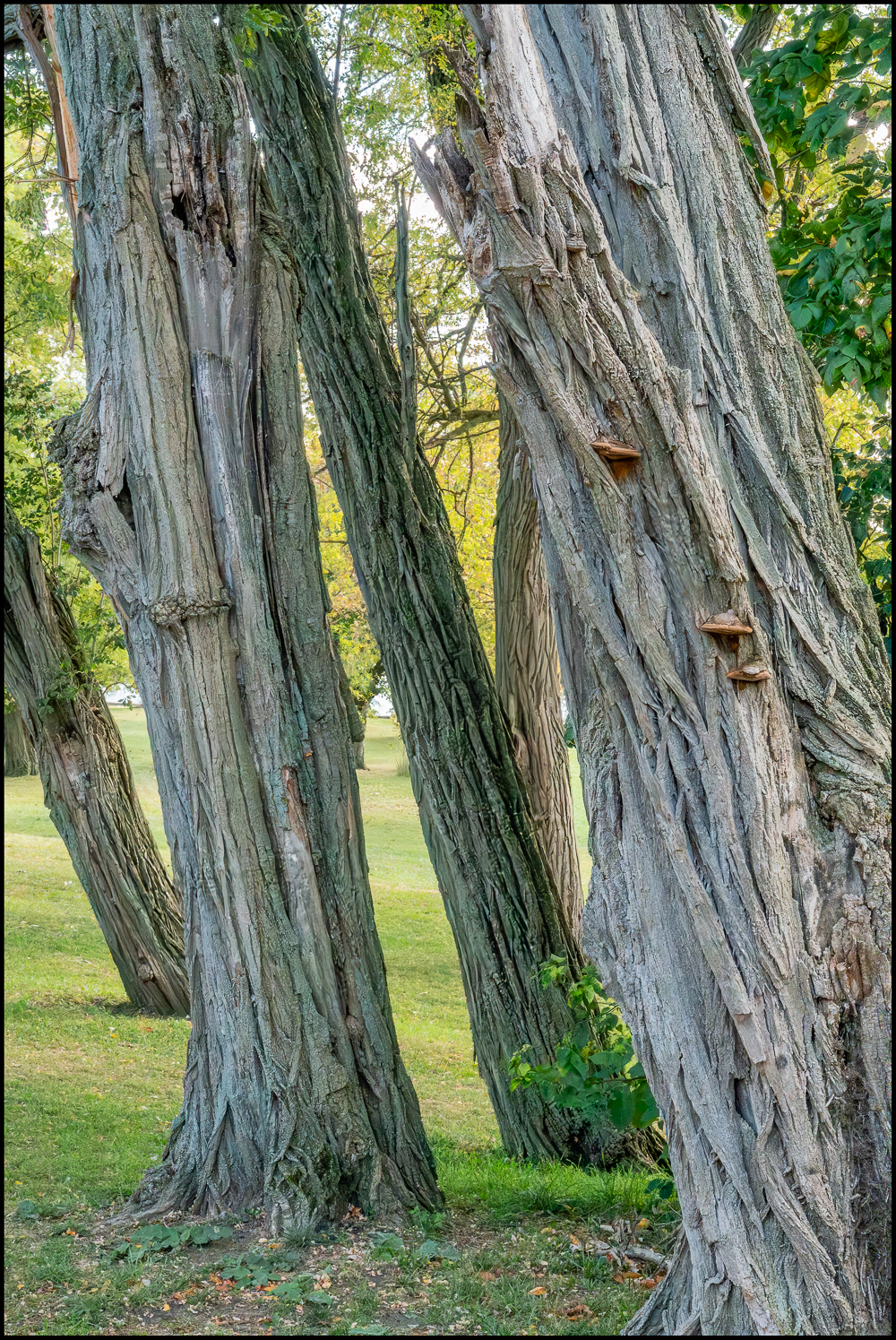
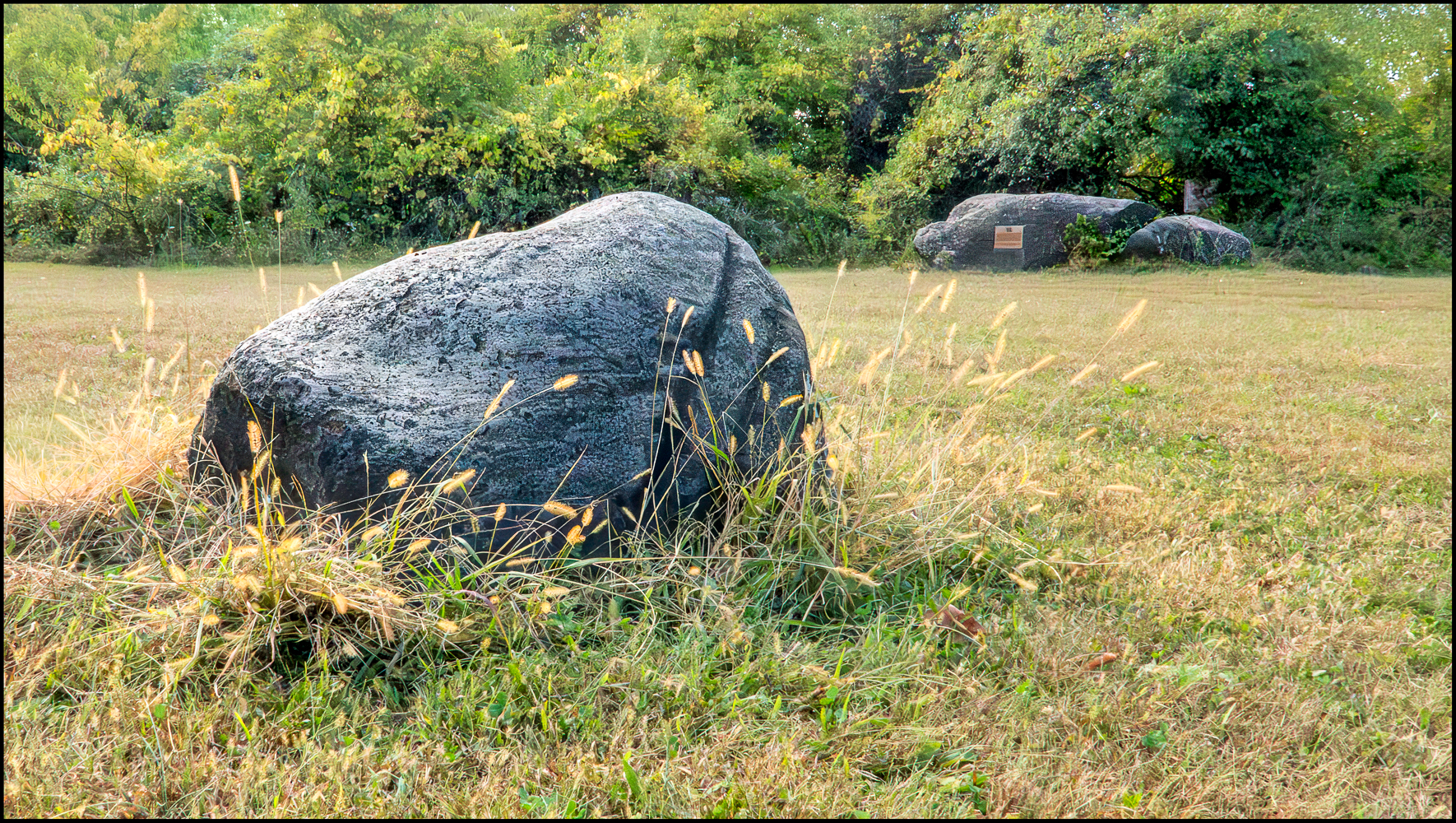
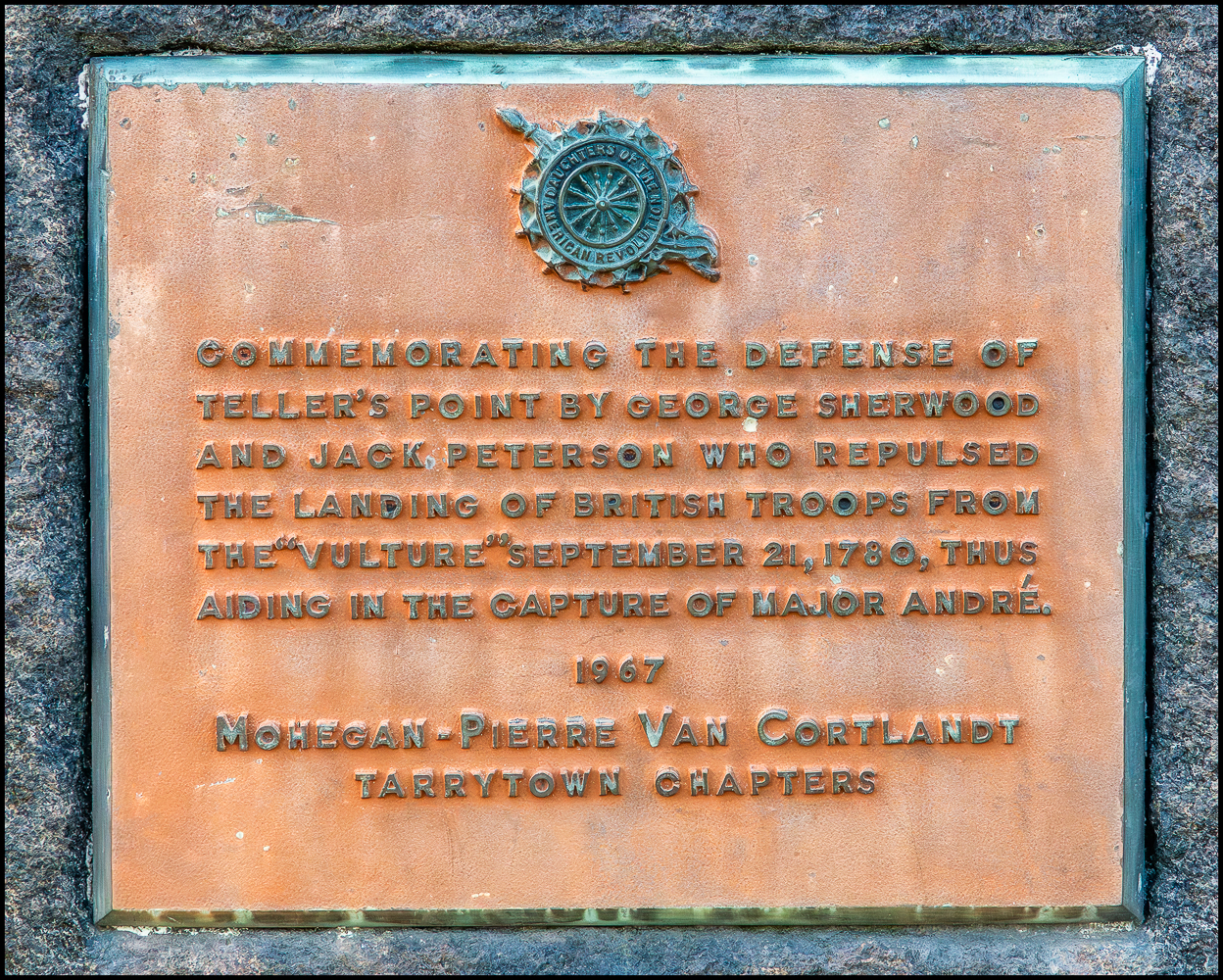
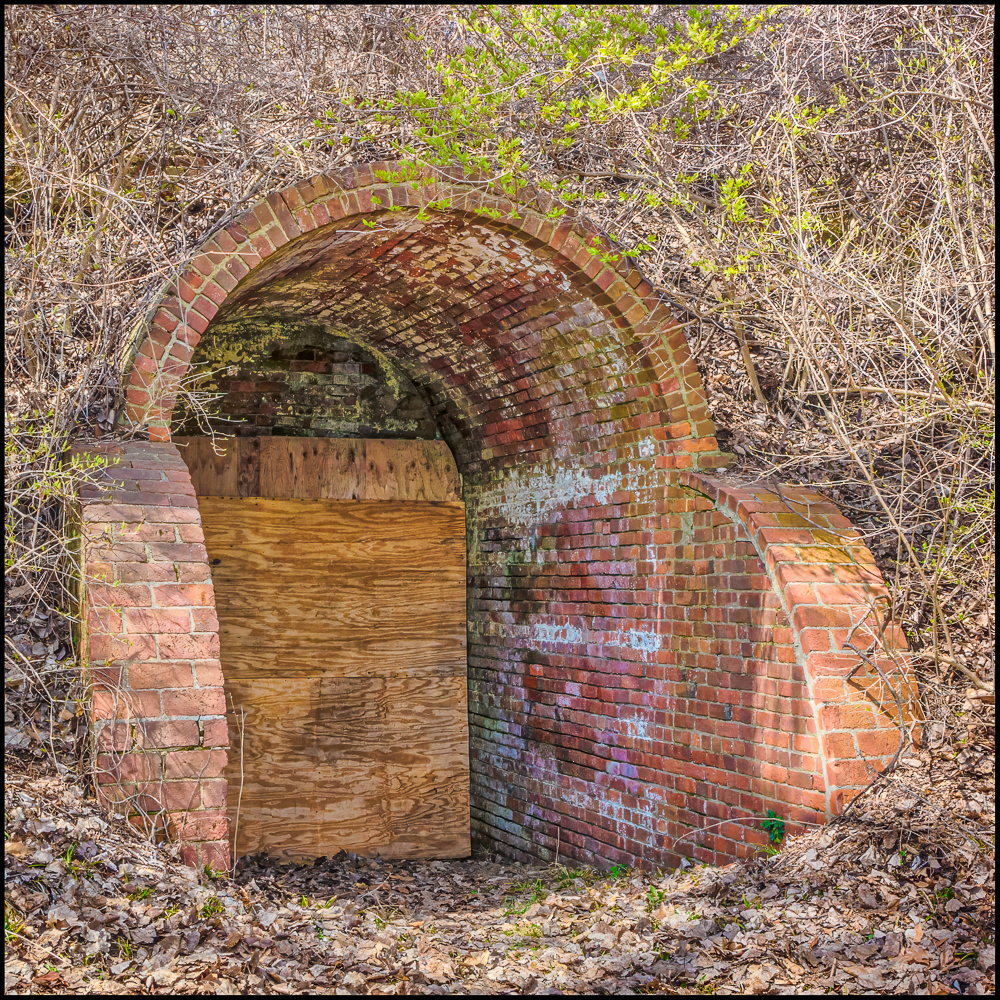
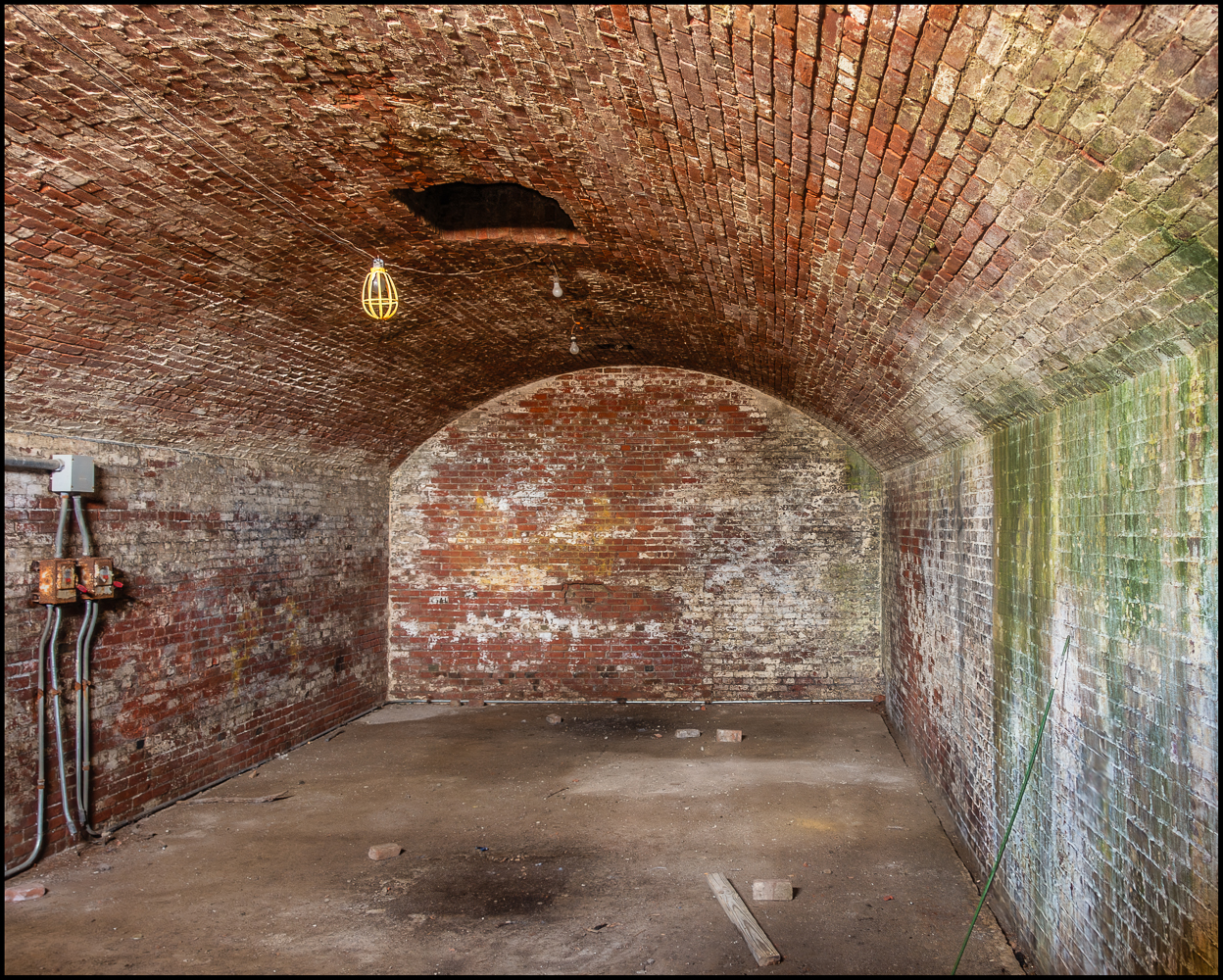
At various times in its history Croton Point has been the site of a significant Revolutionary War event; the home of a magnificent mansion; the location of a brickworks and a winery. There was once even a small town or village (now long gone) on the point, built to house the workers at the various businesses. Today it’s a spot for walkers, campers, swimmers and the like. It’s also the venue for a well-known annual Music Festival: Clearwater’s Great Hudson River Revival.


Taken with a Sony RX10IV

Another Ossining Church

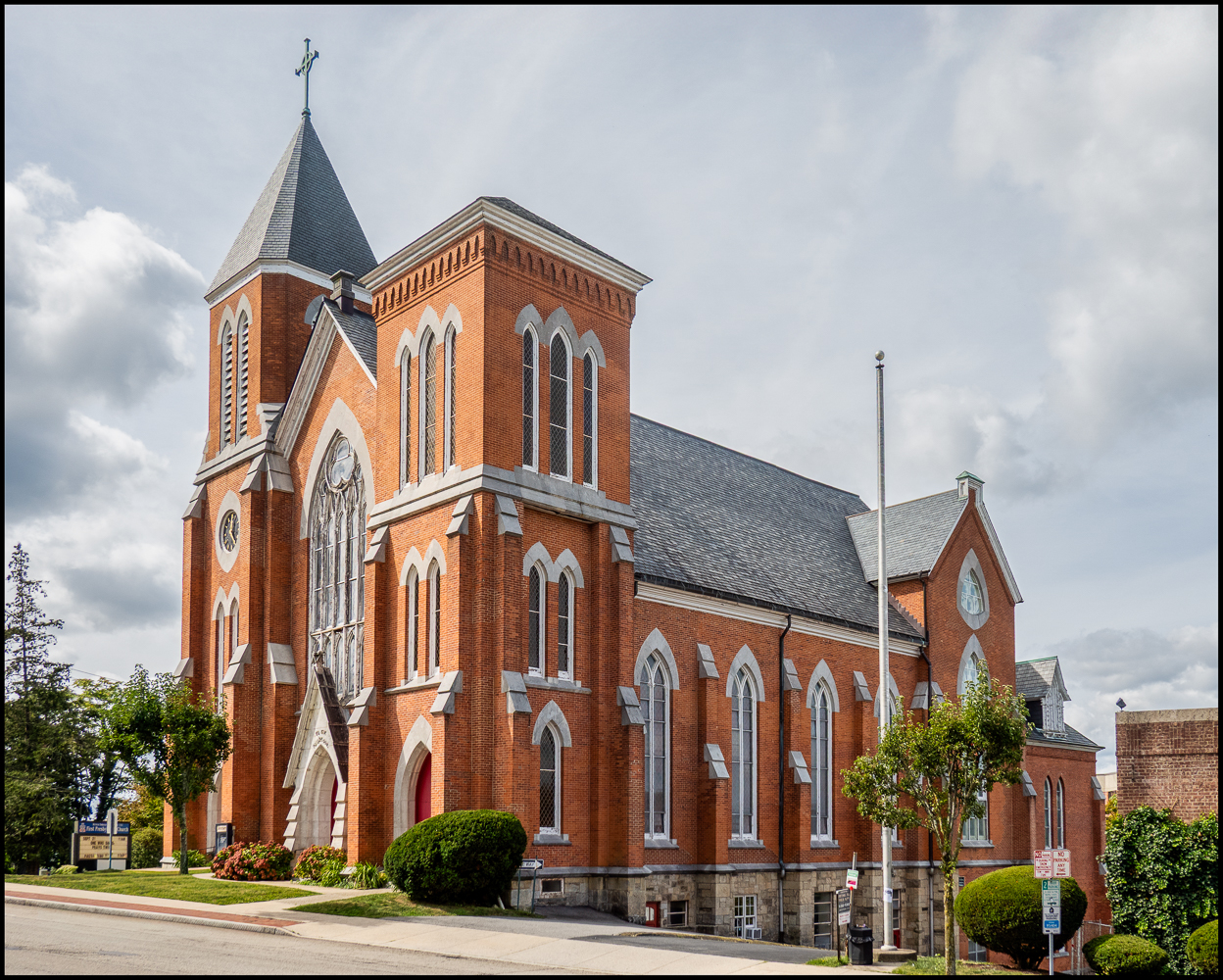
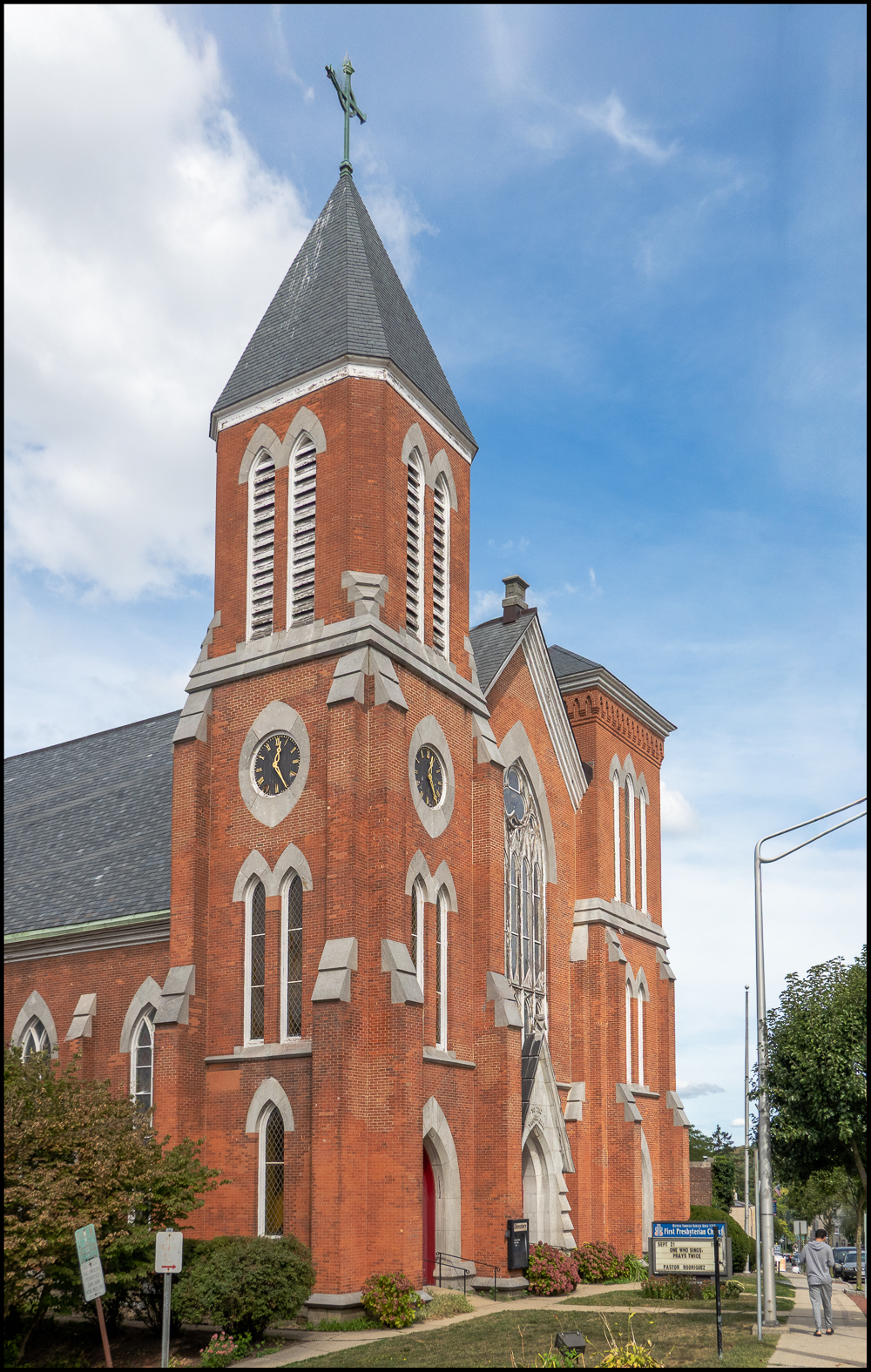
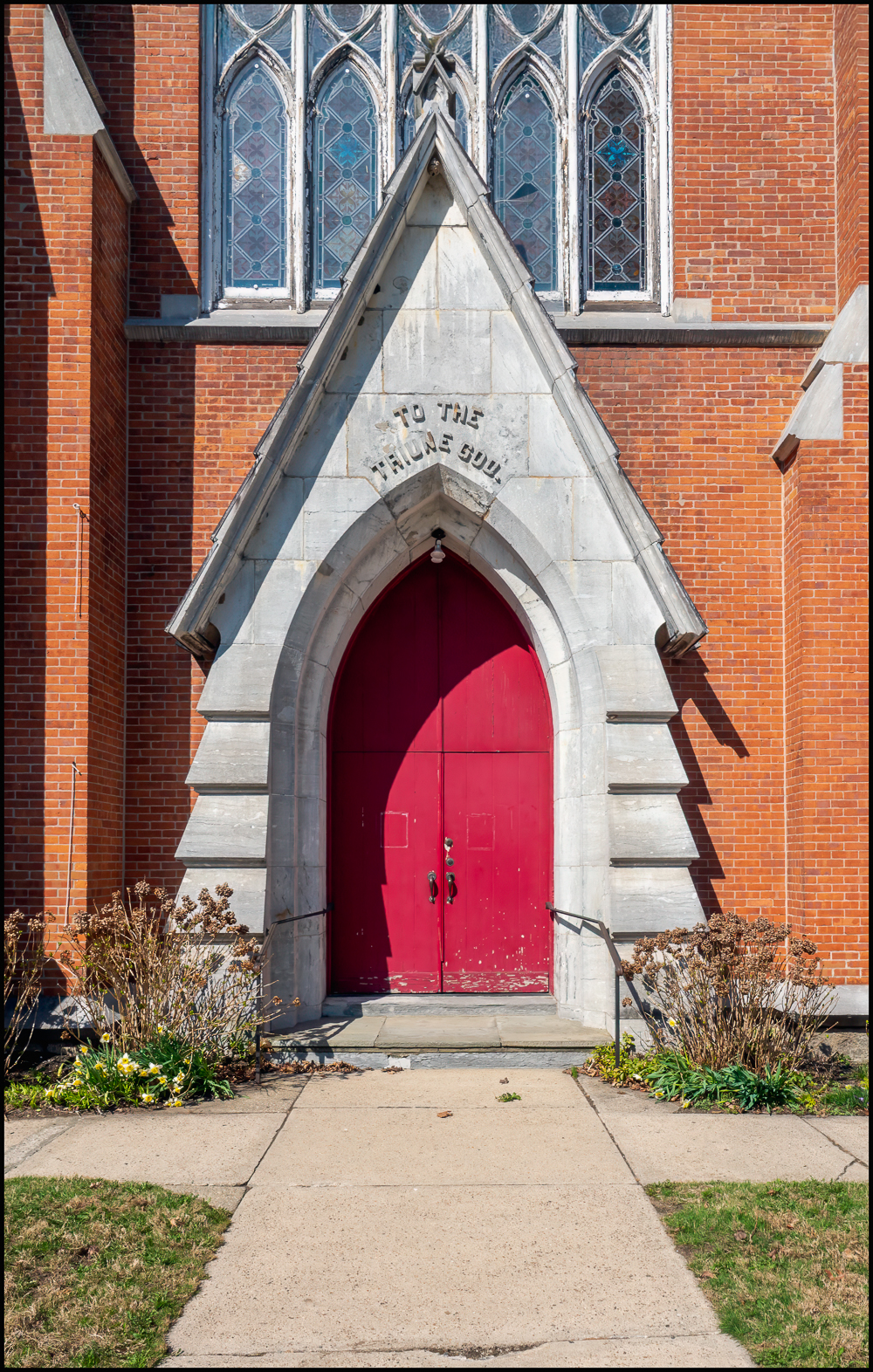
This one is the First Presbyterian Church.

According to the Village of Ossining Significant Sites and Structures Guide, Page 196:

Property Name: First Presbyterian Church
Street Address: 34 South Highland Avenue
Section, Block, and Lot: Section 89.19, Block 4, Lot 52
Historic District: Downtown Ossining Historic District
Architect/Builder: Isaac Gale Perry, Architect; Peter H. Terhune, Contractor.
Date of Construction: 1870
Architectural Style: High Victorian Gothic (1860s-1890s)

High Victorian Gothic architecture, which evolved from the older Gothic Revival style, differs from that style in its use of contrasting polychromatic bands on the exterior wall surfaces and more elaborate decorative elements. This style was usually reserved for public buildings such as schools or churches. As it is related to the Gothic Revival architecture, structures in this style also contain such elements as steeply pitched rooflines, elaborate ornamentation, and a predominantly vertical orientation.
The First Presbyterian Church is two stories in height with rectangular massing. The front façade is dominated by two front towers on either side of the main entryway. Typical of the High Victorian Gothic style, the church makes use of the polychrome theme with contrasting brick colors on window sills, lintels, surrounds, buttress caps, and surrounding the main entrance. The gothic pointed arch motif is used for window openings and entryways. The gabled main entrance, which faces South Highland Avenue, is surrounded with elaborate limestone work. The church originally was constructed with a tall steeple on the southeast tower that was subsequently removed in the 1950s when the building was renovated and modernized. The church is constructed with brick and limestone.

Significance: Architectural and Cultural

The First Presbyterian Church is National Register-listed as a contributing structure within the Downtown Ossining Historic District. It is architecturally significant as a well-preserved example of High Victorian Gothic architecture within Ossining. Other structures of this style include the First Baptist Church (see entry) and the First Presbyterian Church (see entry). This structure is also culturally significant as the home of the First Presbyterian Congregation of Ossining.

Narrative:

The First Presbyterian Congregation was formed in 1763 and originally occupied a site located in what is now Sparta Cemetery on land donated by Frederick Phillipse, owner of the vast Phillipse Estate that stretched from modern-day Kingsbridge, Bronx to the Croton River. The original building was damaged during the Revolutionary War, prompting the congregation to build a new structure in the village of Sing Sing on the site of the current Trinity Episcopal Church at 7 South Highland Avenue in 1803. As the congregation grew, this church was expanded until it was no longer adequate to house all those who wished to worship there. The present church was constructed from 1868 to 1870 for a cost of approximately $95,000 by contractor Peter H. Terhune of Binghamton, NY and designed by architect Isaac Gale Perry. Perry was later appointed as the State Architect for the State of New York and designed the final phase of the New York State Capitol in Albany from 1883 to 1899 as well as the New York State Armory in Poughkeepsie in 1891.

Taken with a Sony RX100 MVII

Ossining United Methodist Church

According to the Village of Ossining Significant Sites and Structures Guide, page 204:

Property Name: United Methodist Church
Street Address: 1 Emwilton Place
Section, Block, and Lot: Section 89.19, Block 3, Lot 46
Historic District: Downtown Ossining Historic District
Architect/Builder: Ebenezer L. Roberts, Architect
Date of Construction: 1885
Architectural Style: High Victorian Gothic (1860s-1890s)

High Victorian Gothic architecture, which evolved from the older Gothic Revival style, differs from that style in its use of contrasting polychromatic bands on the exterior wall surfaces and more elaborate decorative elements. This style was usually reserved for public buildings such as schools or churches. As it is related to Gothic Revival architecture, structures in this style also contain such elements as steeply pitched rooflines, elaborate ornamentation, and a predominantly vertical orientation.

The United Methodist Church is two- and one-half stories in height, three bays wide, and eight bays deep, with a four-story tower located on the southwestern corner of the building. The tower contains a set of three small gables, a balcony, and rectangular window openings with pointed arch brick surrounds on each of its four facings. The main entryway, which is located on the first floor of the tower, contains a transom window and decorative ornament above the door along with molded stone lintels, while the secondary entryway on the main portion of the façade to the east has a gabled pediment with decorative stonework. The structure is capped with a cross-gable roof with five gables. Each gable features decorative stonework at the apex, a pair of pedimented casement windows, and a bracketed cornice. There are also a total of forty stained glass windows throughout the building’s exterior, each with a decorative wood frame. A two-story addition, six bays in depth, was constructed on the rear of the building at an unknown date. The church is constructed with white marble and also features stone courses along the main façade just below the basement level and stone quoins.

Significance: Architectural and Cultural

The United Methodist is National Register-listed as a contributing structure within the Village’s National Register of Historic Places-listed Downtown Ossining Historic District. It is architecturally significant as an example of High Victorian Gothic architecture within Ossining. Others are the First Presbyterian Church and the First Baptist Church.

It is also culturally significant as the home of Ossining’s Methodist Congregation.

Narrative:

The United Methodist Church, located at 1 Emwilton Place and constructed from 1877 to 1885, was built to house the Sing Sing Methodist Congregation and was originally known as the Sing Sing Union Chapel. Before the church was built, the congregation utilized a space on Spring Street that had become too small as the congregation expanded in size, so the decision was made to build a new church on a site located on the corner of Emwilton Place and South Highland Avenue. A chief sponsor of the new church’s construction was Henry J. Baker, who built Highland Cottage Baker helped raise $30,000 toward the church but died in 1878, a year after the start of construction. His body was initially buried underneath the main vestibule at the base of the tower in 1878 but was removed in 1893 at the request of his family. Following Baker’s passing, the lack of funds and higher than expected construction costs delayed completion of the building, which sat unfinished for eight years until finally completed in 1885. The church was built from white marble obtained from the Snowflake quarry in Thornwood, and the marble was carted to the site by a team of oxen. One of the stained-glass windows was created and signed by Louis Comfort Tiffany (1848-1933), famed glassmaker and owner of Tiffany Glass and Decorating Company of New York City.

The church is presently closed.

An article dated June 26, 2023, by Robert Brum, in River Journal: “Historic Ossining Church Awaits Second Act” states that a deconsecrating ceremony took place in August of 2019. The Tiffany window (titled Te Deum: Christ Enthroned), apparently was sold by the United Methodist Church’s New York Conference. It is now on display at the Gelman Stained Glass Museum in San Juan, Texas. The window is composed of 41 panels and was proclaimed as one of the most “famous windows of this country” when it was installed in 1899 in memory of longtime Ossining church member Townsend Young, according to the museum’s website.

Taken with a Sony RX100 MVII

Ossining First Baptist Church


Property Name
: First Baptist Church
Street Address: 1 Church Street
Section, Block, and Lot: Section 89.19, Block 4, Lot 47
Historic District: Downtown Ossining Historic District
Architect/Builder: J.Walsh, Architect; John Hoff, Builder
Date of Construction: 1871- 1874
Architectural Style: High Victorian Gothic (1860s-1890s)

High Victorian Gothic architecture, which evolved from the older Gothic Revival style, differs from that style in its use of contrasting polychromatic bands on the exterior wall surfaces and more elaborate decorative elements. This style was usually reserved for public buildings such as schools or churches. As it is related to the Gothic Revival style, structures in this style also contain such elements as steeply pitched rooflines, elaborate ornamentation, and a predominantly vertical orientation.

The First Baptist Church consists of two sections: a rectangular main section and a smaller, perpendicular northern section. The main section’s 100 foot tall spire, which is surrounded by 16 pinnacles, was added in 1894. Older photographs show that the building originally had an ornamental roof cresting that was subsequently removed at an unknown date. The structure is capped with a gray slate gable roof with four gabled dormers. Each contains a large pointed arch window and elaborate decorative exterior woodwork around the gables. The pointed arch-shaped double front doors at the main entryway facing Church Street are surrounded with polychrome brick trim and a decorative fanlight above the door. Eight stained glass windows located around he perimeter of the structure illustrate scenes from the Bible. The church is constructed with brick and limestone.

Significance: Architectural and Cultural

The First Baptist Church was added to the National Register of Historic Places in 1973 as architecturally significant for its status as the best example of High Victorian Gothic architecture in the Village. Other examples include the First Presbyterian Church (see entry) and the First Baptist Church (see entry). The nomination took place prior to the 1989 designation of the Downtown Ossining Historic District in which the Church is located and listed as a contributing structure. The Church is also culturally significant for its association with its founder, Captain Elijah Hunter (1749-1815), a Sing Sing-based landowner and businessman who later served as the first Supervisor for the Town of Mount Pleasant prior to the formal incorporation of Sing Sing Village in 1813; the Sing Sing Baptist Congregation, founded in 1786; and for its overall role in the cultural life of the Village since its construction in 1874.

The First Baptist Church, completed in 1874, is actually the second structure to occupy the site at 1 Church St; the first was constructed in the early 19th Century to house the Sing Sing Baptist Congregation. This congregation was founded in April of 1786 by Captain Elijah Hunter, a Revolutionary War spy who was the founder of the hamlet Hunter’s Landing, an early waterfront settlement located near the current-day train station which grew to later become part of Sing Sing Village. Hunter chose a triangular-shaped site at the center of the Village near the convergence of the Albany Post Road (known today as Highland Avenue or Route 9), Croton Avenue, and Main Street in order to maximize its visibility and emphasize its central importance to Ossining’s religious life. The original First Baptist Church was a place where blacks and whites would worship side by side in a setting that permitted a degree of equality that did not exist elsewhere, a tradition that continued with the construction of the current structure. The original church building was demolished once the size of the congregation grew too large and the present structure was built on the same site. The church was designed by J. Walsh, a Brooklyn-based architect, and was built for a cost of $75,000 in 1874 dollars. (Village of Ossining Significant Sites and Structures Guide page 192.)


Taken with a Sony RX100 VII

Grace Hall Chapel

Grace Hall Chapel is the sole intact example of late 19th century Tudorbethan architecture in Ossining (Crotonville). It is also significant for its association with the Potters, a family who played an important role in the development of the Crotonville hamlet within Ossining. During its early years, Grace Hall Chapel had ties to Grace Church in New York City, and the Church’s congregation offered support for the operations of the Chapel. Well known architect James L. Aspinwall (1854-1936) designed this and a number of other public, religious, and institutional buildings. It once served as a meeting hall for the Fraternal Order of the Eagles, a nonprofit charity. As I passed by, I spotted an open door and went inside to take a look. I was surprised to find a couple of people (one of them British) seated around a bar.

It seems that nowadays it’s a private club. By this point in my walk I was tired and thirsty. They took pity on me, and even though I was not a member they allowed me to have a soft drink, which was very much appreciated. Grace Hall Chapel is the sole intact example of late 19th century Tudorbethan architecture in Ossining (Crotonville). It is also significant for its association with the Potters, a family who played an important role in the development of the Crotonville hamlet within Ossining. During its early years, Grace Hall Chapel had ties to Grace Church in New York City, and the Church’s congregation offered support for the operations of the Chapel. Well known architect James L. Aspinwall (1854-1936) designed this and a number of other public, religious, and institutional buildings. It once served as a meeting hall for the Fraternal Order of the Eagles, a nonprofit charity. As I passed by, I spotted an open door and went inside to take a look. I was surprised to find a couple of people (one of them British) seated around a bar. It seems that nowadays it’s a private club. By this point in my walk I was tired and thirsty. They took pity on me, and even though I was not a member they allowed me to have a soft drink, which was very much appreciated.

Taken with a Sony RX100 VII.