A visit to upstate New York and Vermont – Fort Ticonderoga – Mount Defiance

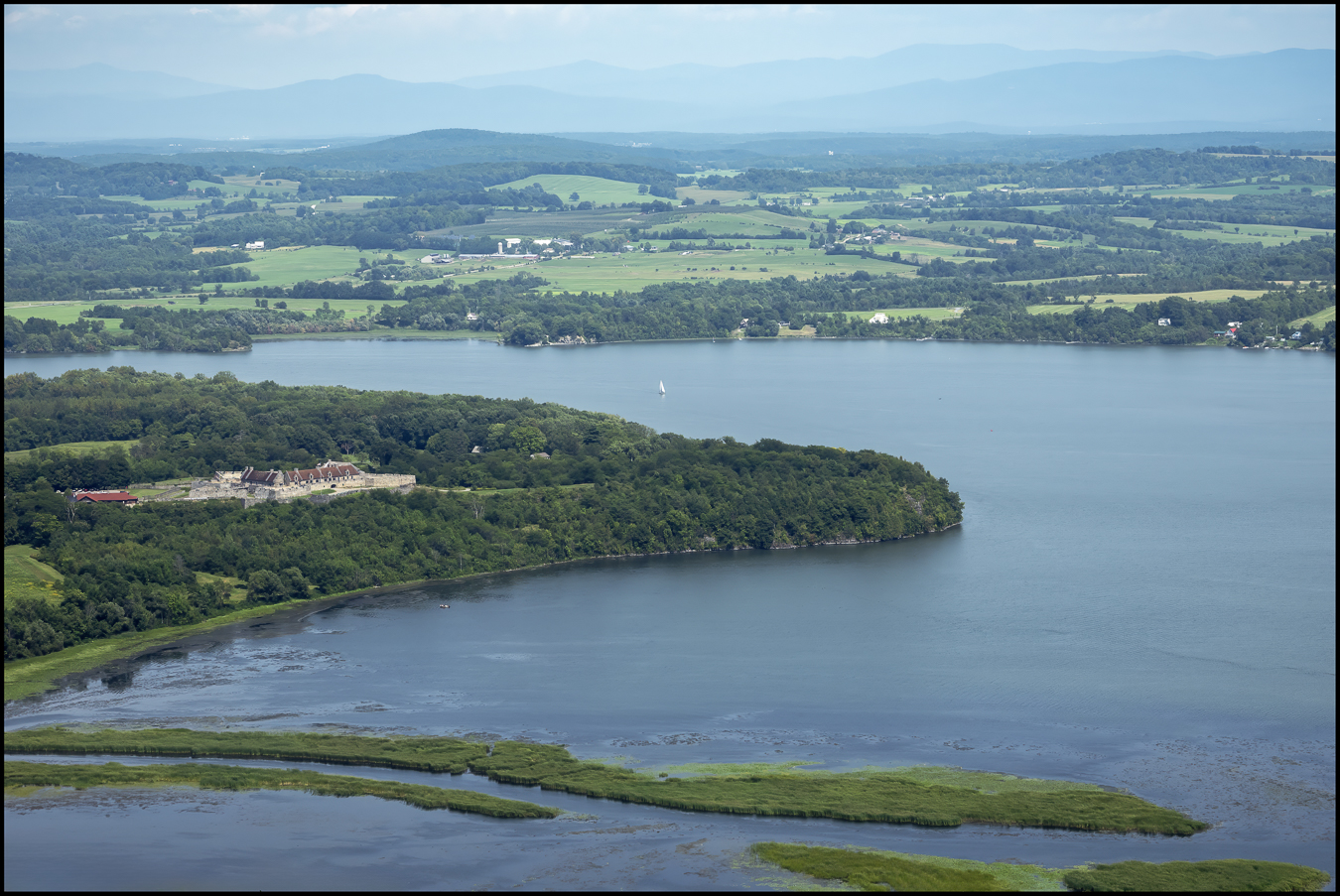
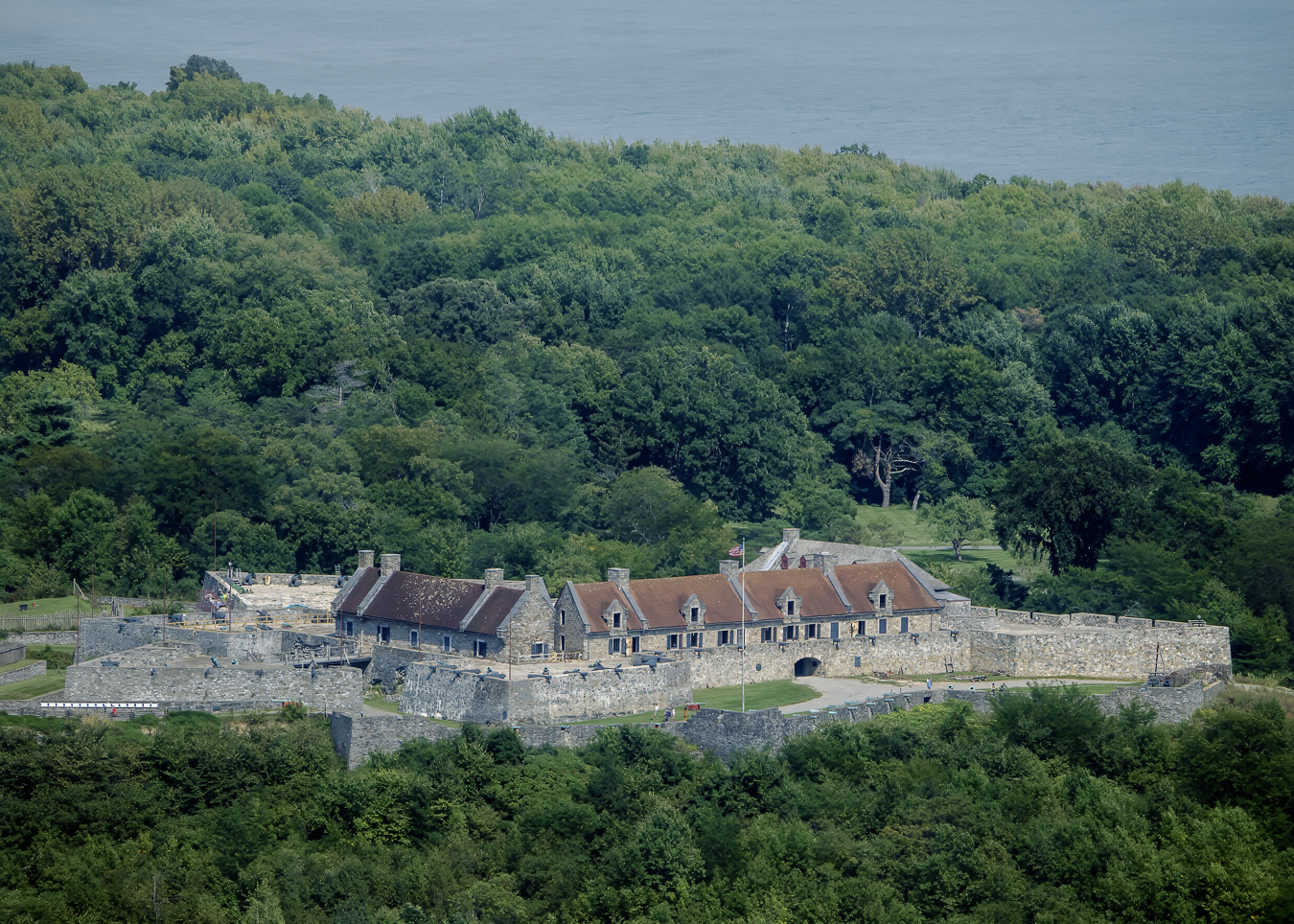
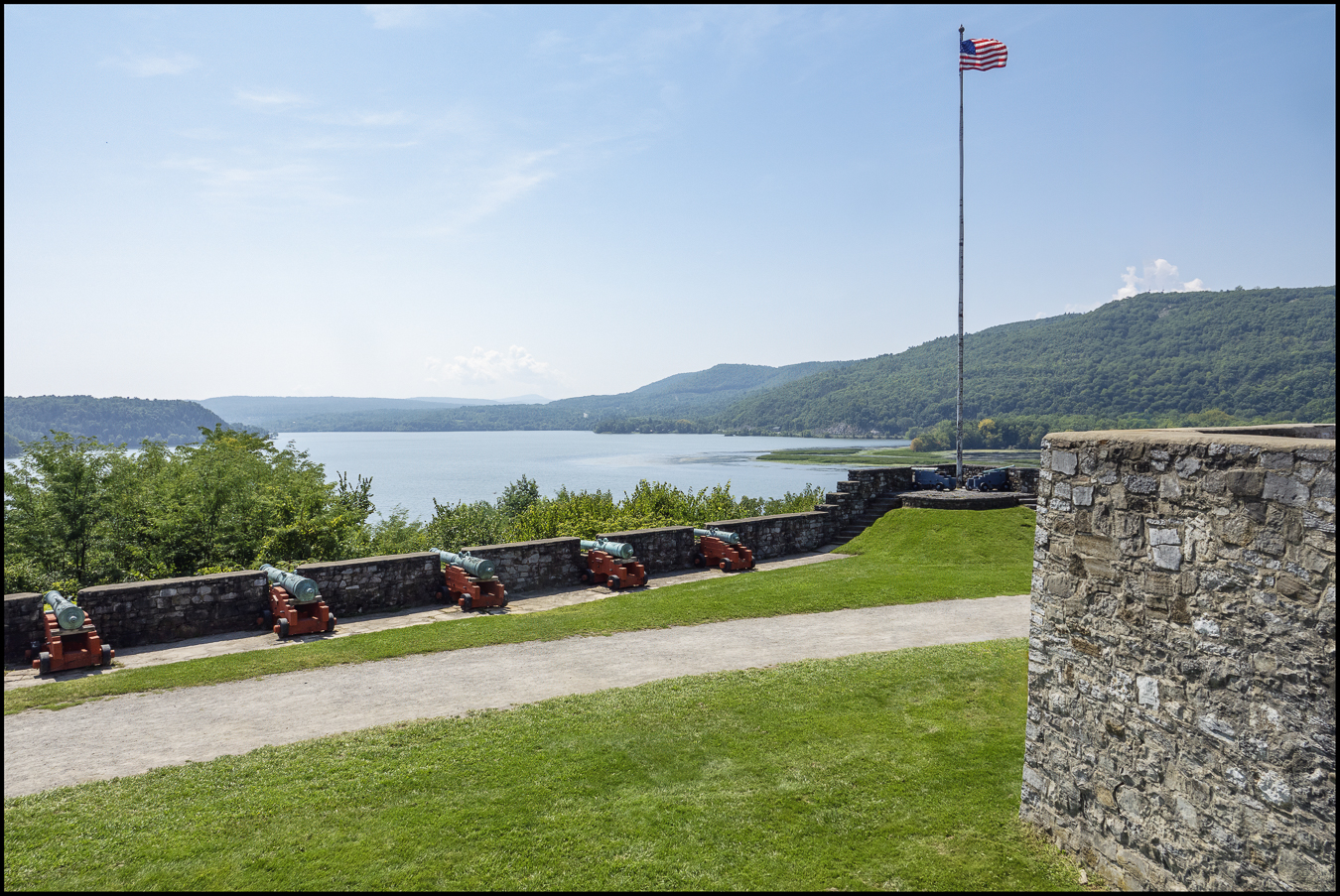
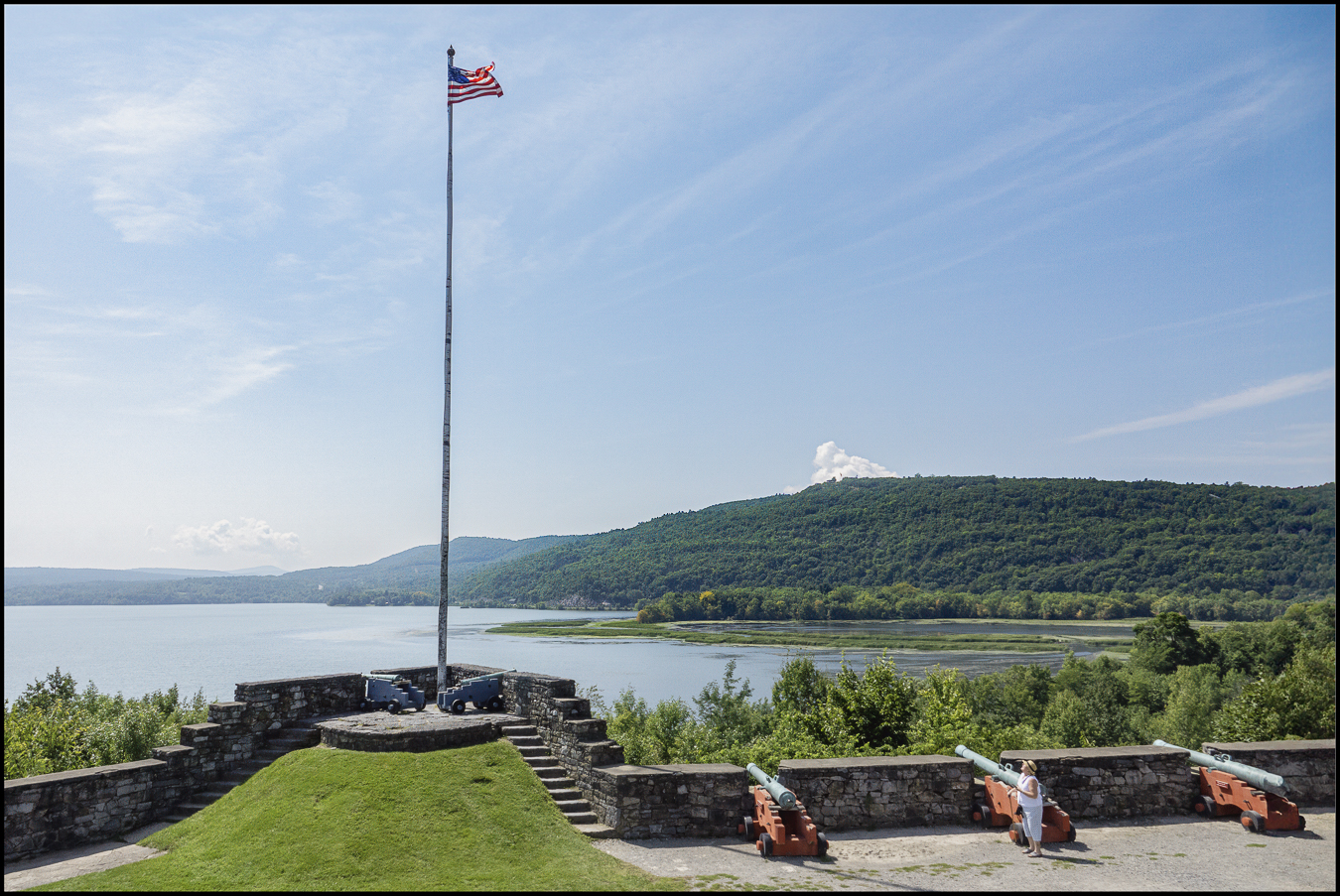
In an earlier post I urged readers to look for a flag on a nearby hill. That hill is actually Mount Defiance. This view of Fort Ticonderoga was taken from there.

“Mount Defiance is an 840 ft (260 m) high hill on the New York side of Lake Champlain, in the northeastern United States. It is notable in that the hill militarily dominates both Fort Ticonderoga and Mount Independence, but it was deemed inaccessible so never fortified. Mount Defiance was previously known as Sugar Loaf.” (Wikipedia).

In the 1777 Siege of Fort Ticonderoga, the British army succeeded in positioning artillery on Mount Defiance, causing the Continental Army to withdraw from both forts without a fight.


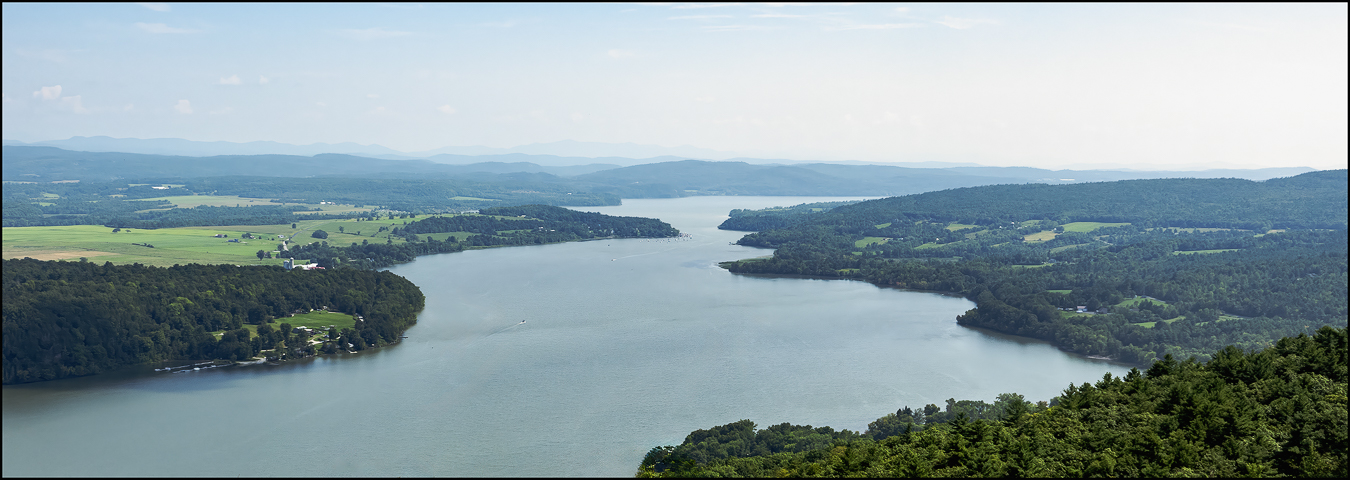
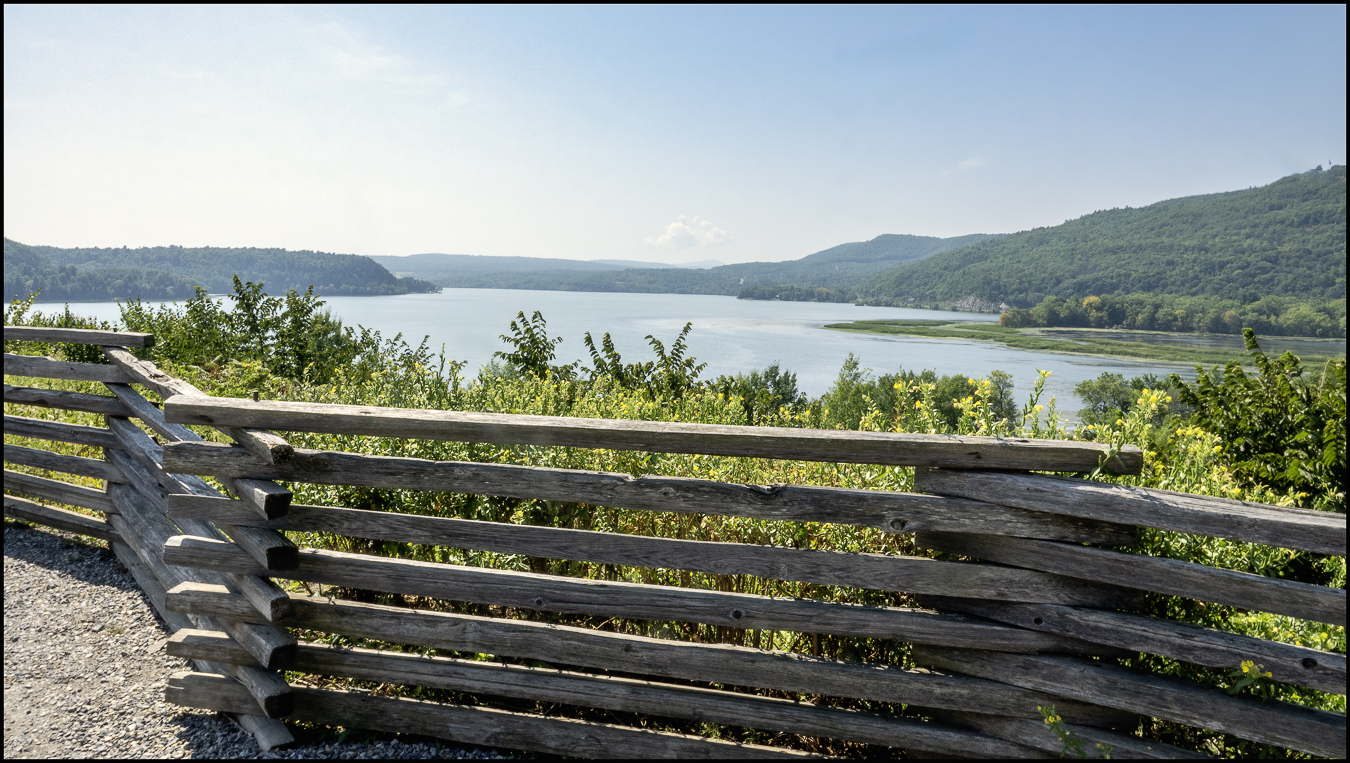
And with this final wonderful view (below) of Lake Champlain from Mount Defiance we ended our visit to Fort Ticonderoga and headed off to our next destination, also in Ticonderoga, NY.

Taken with a Sony RX10 IV
A visit to upstate New York and Vermont – Fort Ticonderoga – The King’s Garden

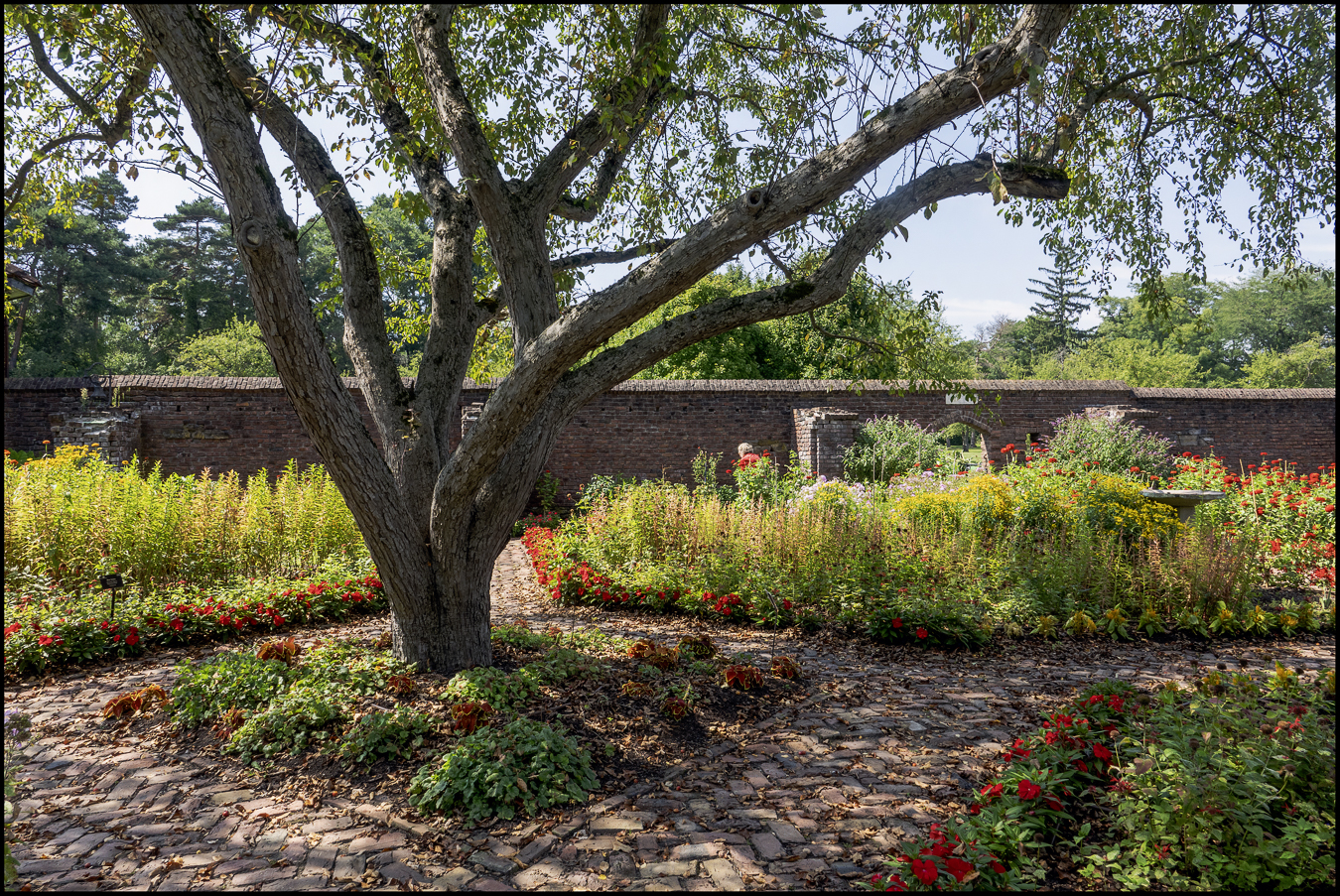
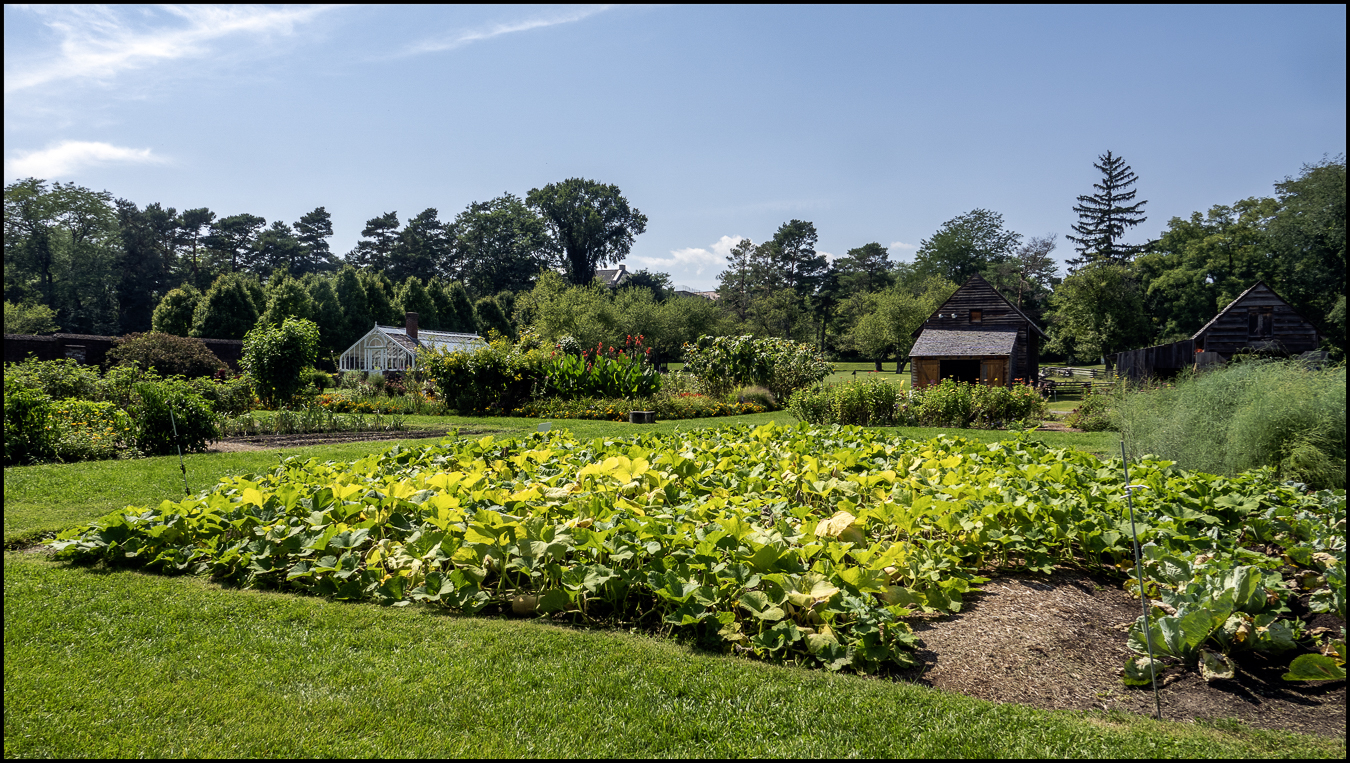
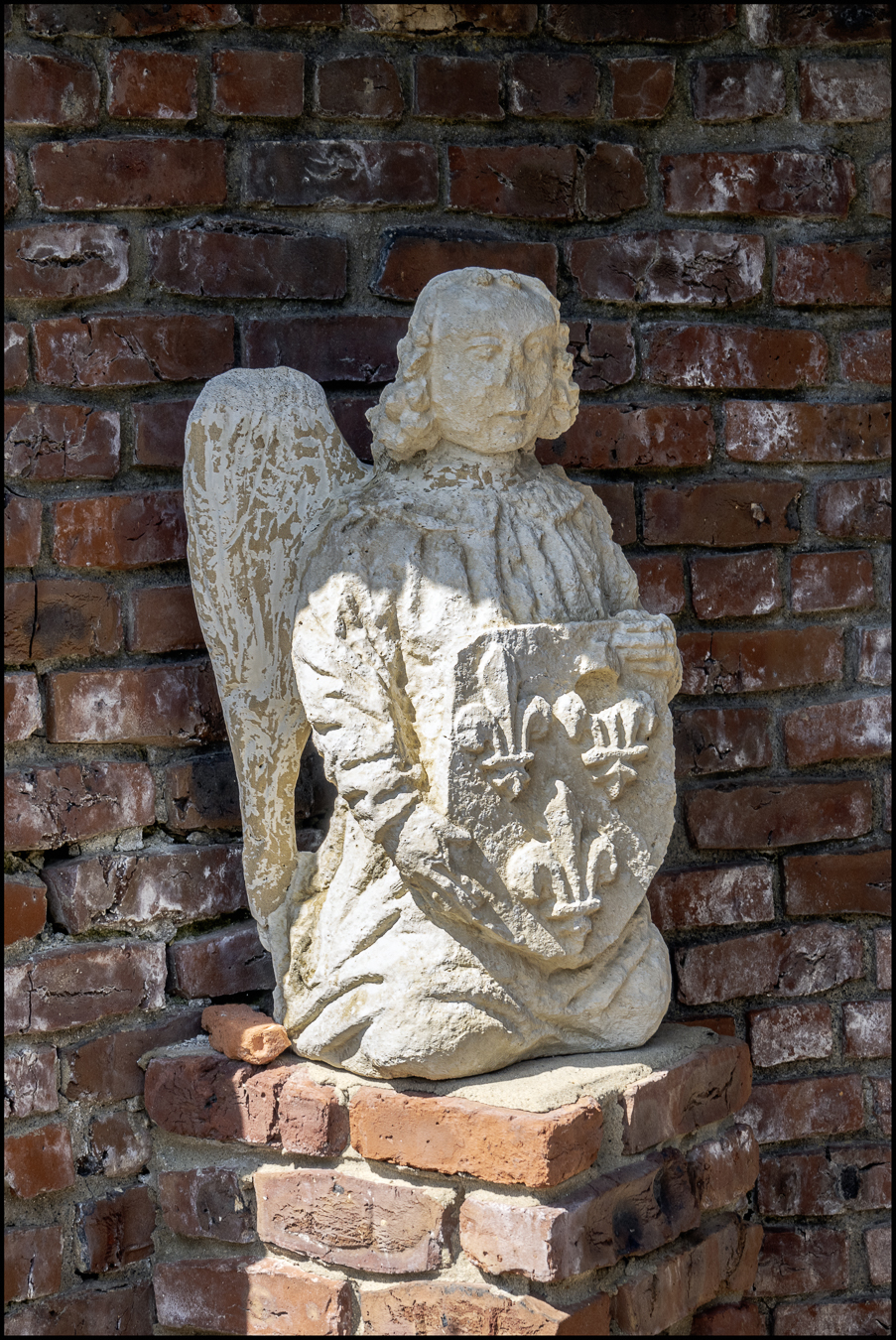
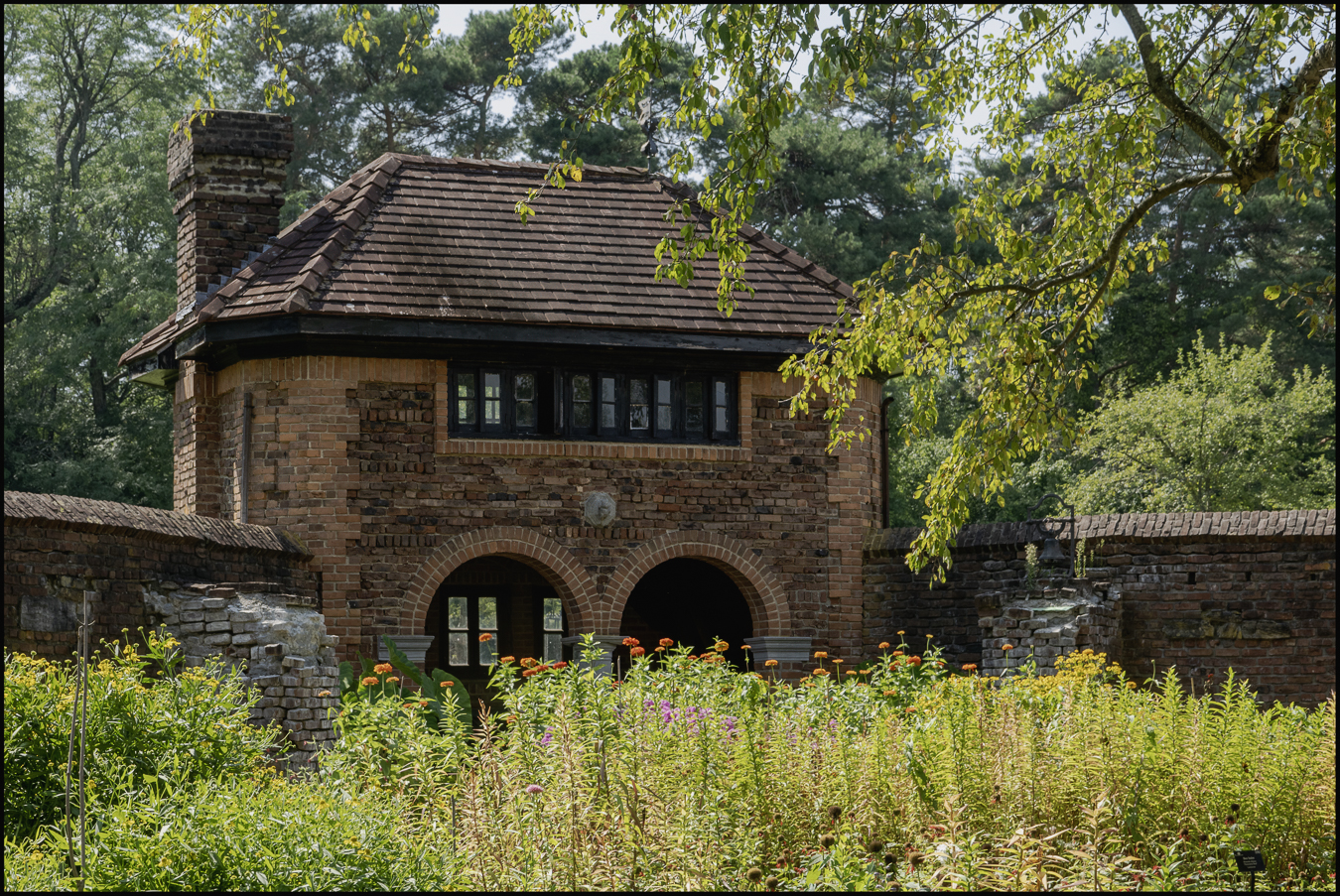
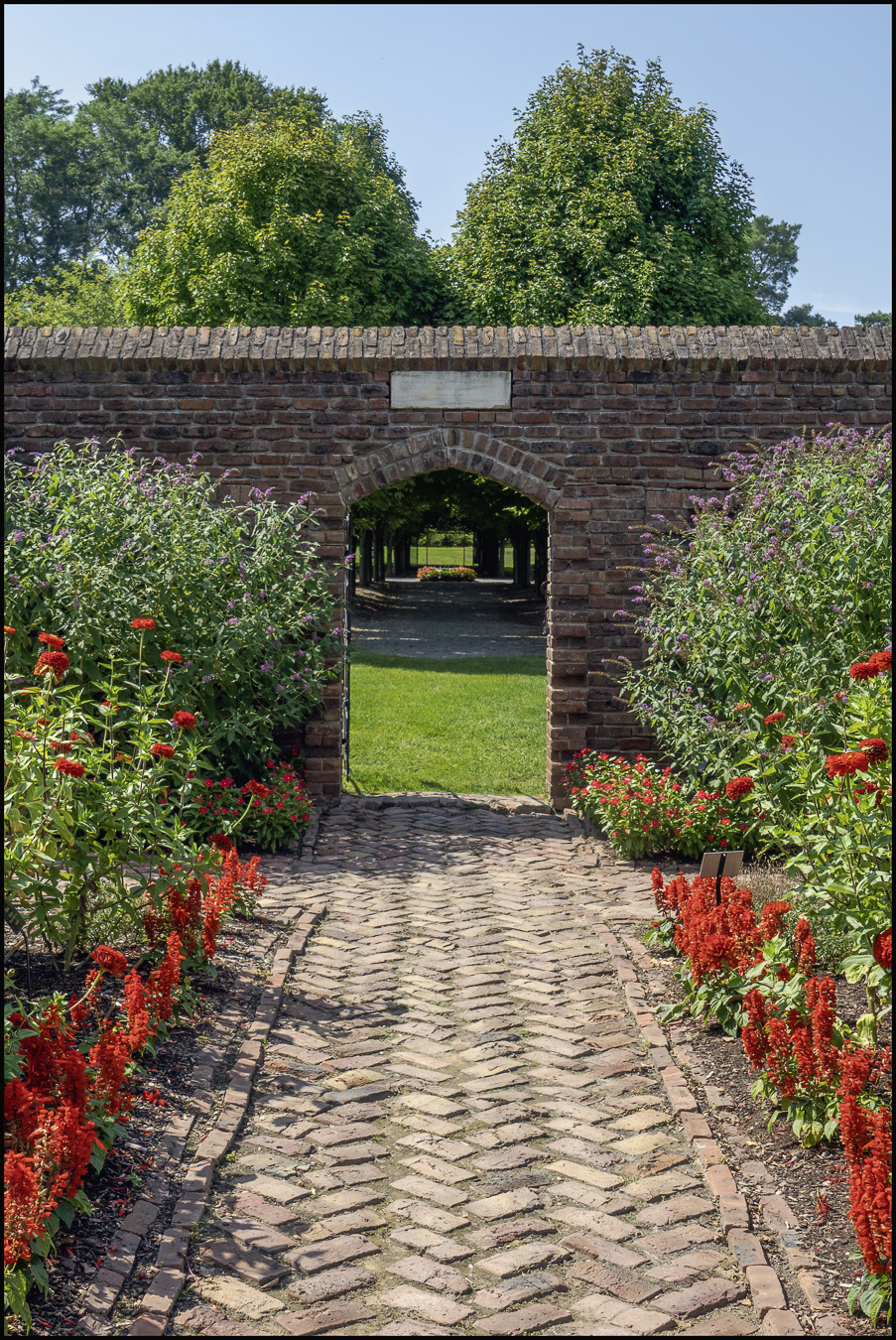
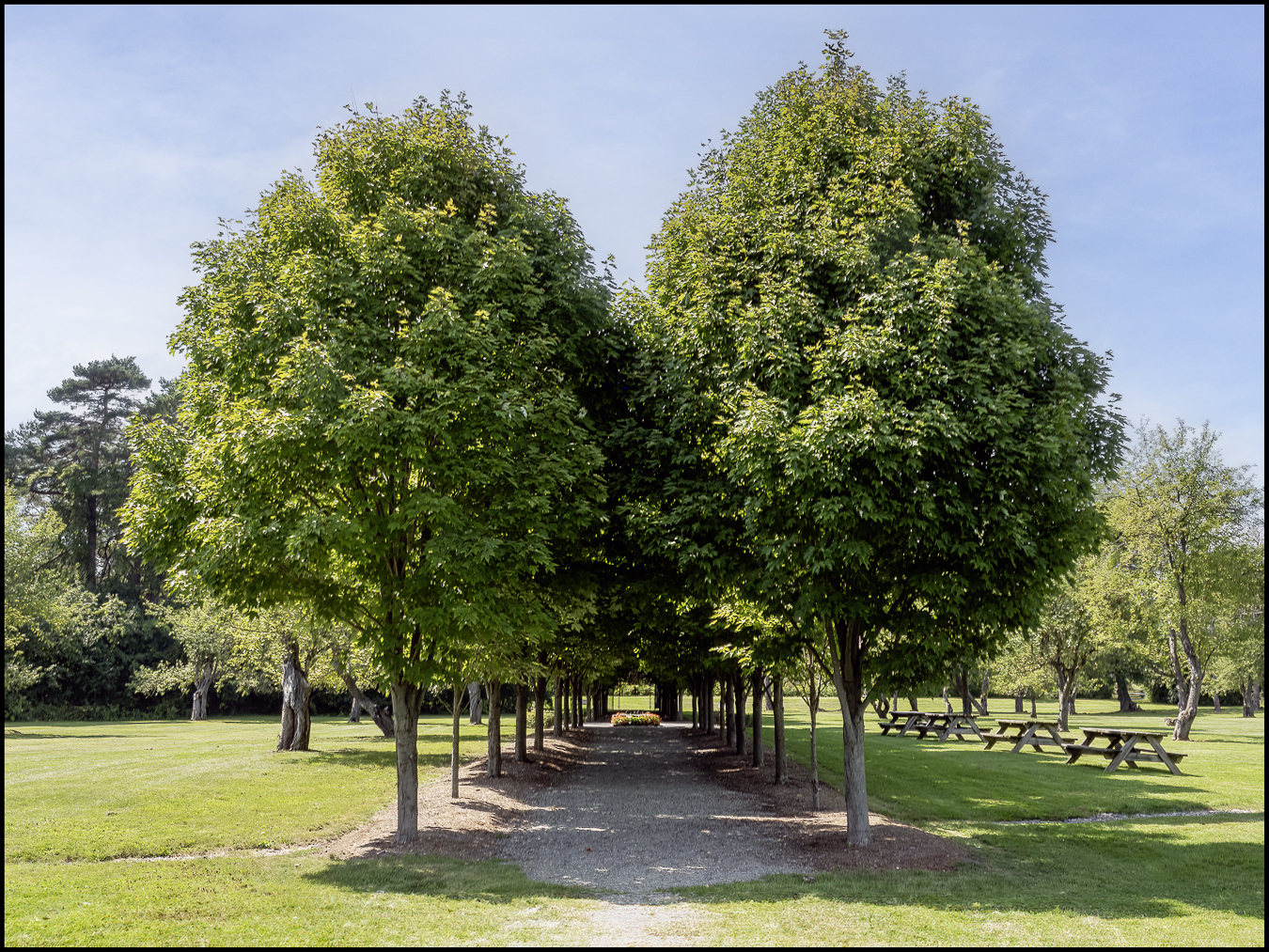
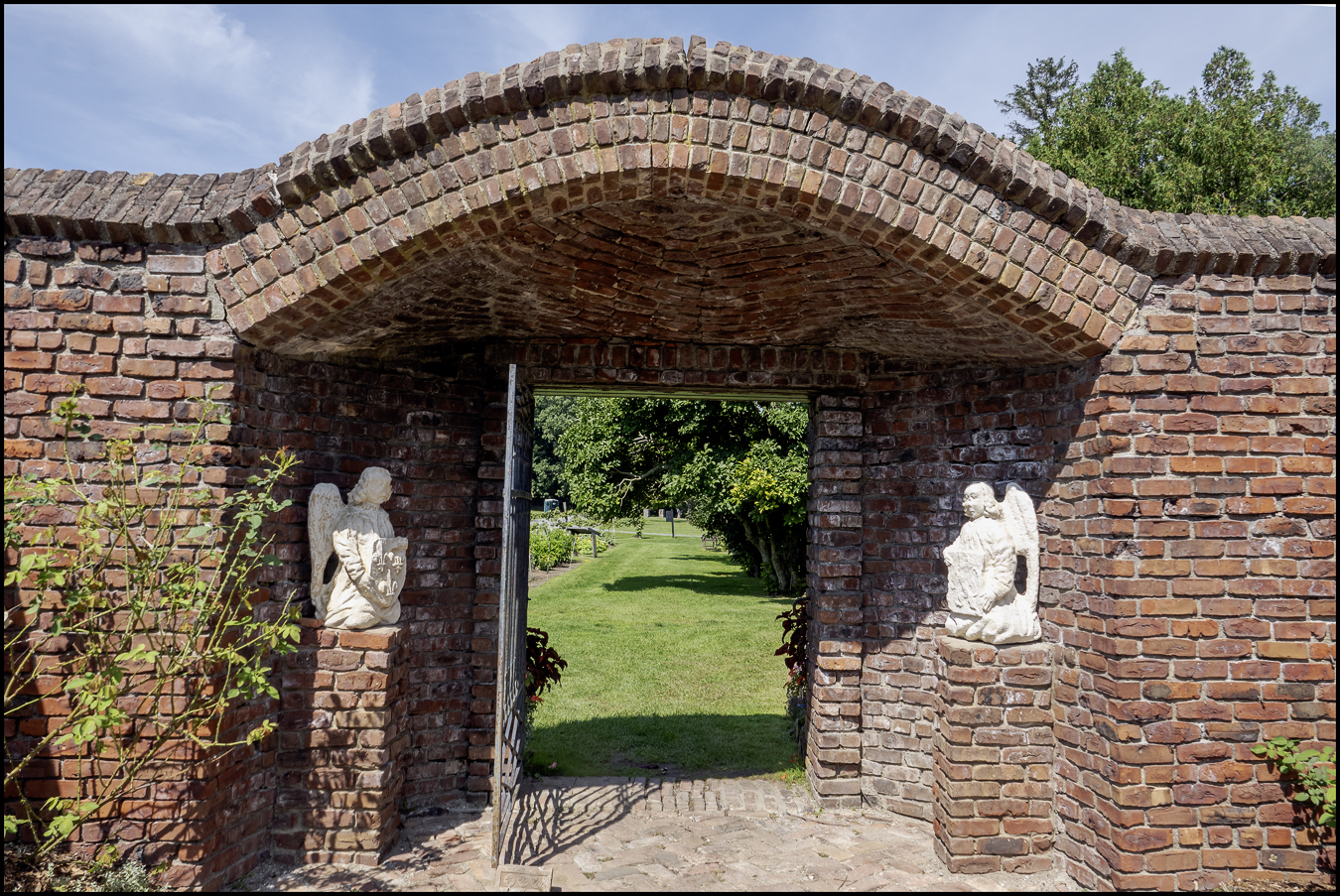
But there’s more to Fort Ticonderoga than the Fort itself and its collections. There’s an impressive collection of books in the shop; a restaurant offering locally produced farm to table meals; a boat ride on Lake Champlain (which looked interesting, but unfortunately we didn’t have time for); an extensive corn maze where my friend’s husband took their dog for a walk. And then there’s the King’s garden where my friend and I went while her husband and the dog explored the corn maze.

Take A Stroll Through New York’s Past At This Historic Garden by John Williams on Only in New York describes it as follows:

There are a lot of pretty gardens in New York State, but only a few come with over a decade of history. For those looking to visit a garden that is both beautiful and historical, there is one choice in New York State that is quite possibly a bit more satisfying than many others. We are talking about King’s Garden at Fort Ticonderoga. With major Revolutionary and Colonial war history, it might just be the most historical garden in New York. For lovers of nature, it will not disappoint. For more information, keep reading, below.

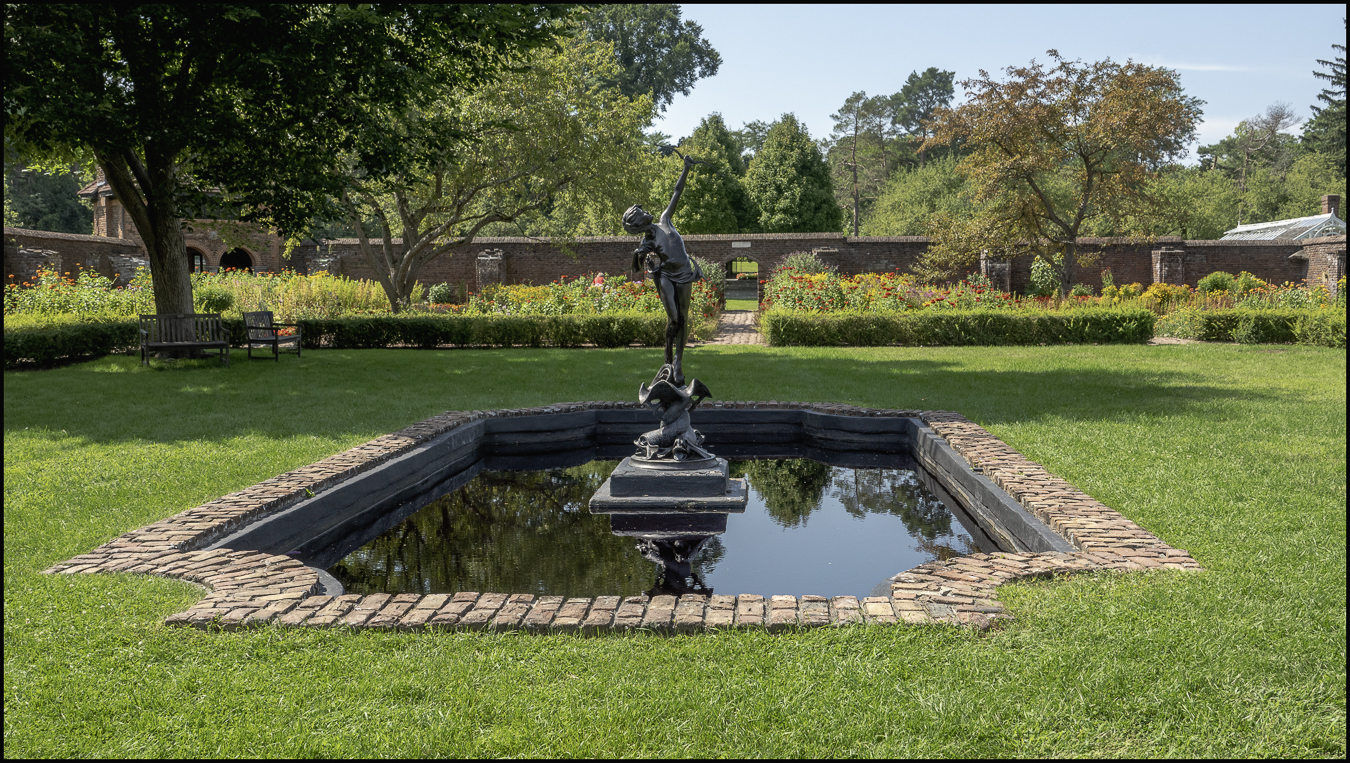
The garden, which was originally called the Colonial Revival King’s Garden, was first designed by Marian Cruger Coffin in 1921. Coffin also just happens to be one of the first female landscape architects in America.

The elements of the park include a reflecting pool, brick walls and walkways, a manicured lawn and hedges, and plenty of annual and perennial flowers, which are displayed according to color and form.

The botanical garden is six whole acres, and full of heritage flowers that harken back to the location’s Colonial and Revolutionary history.

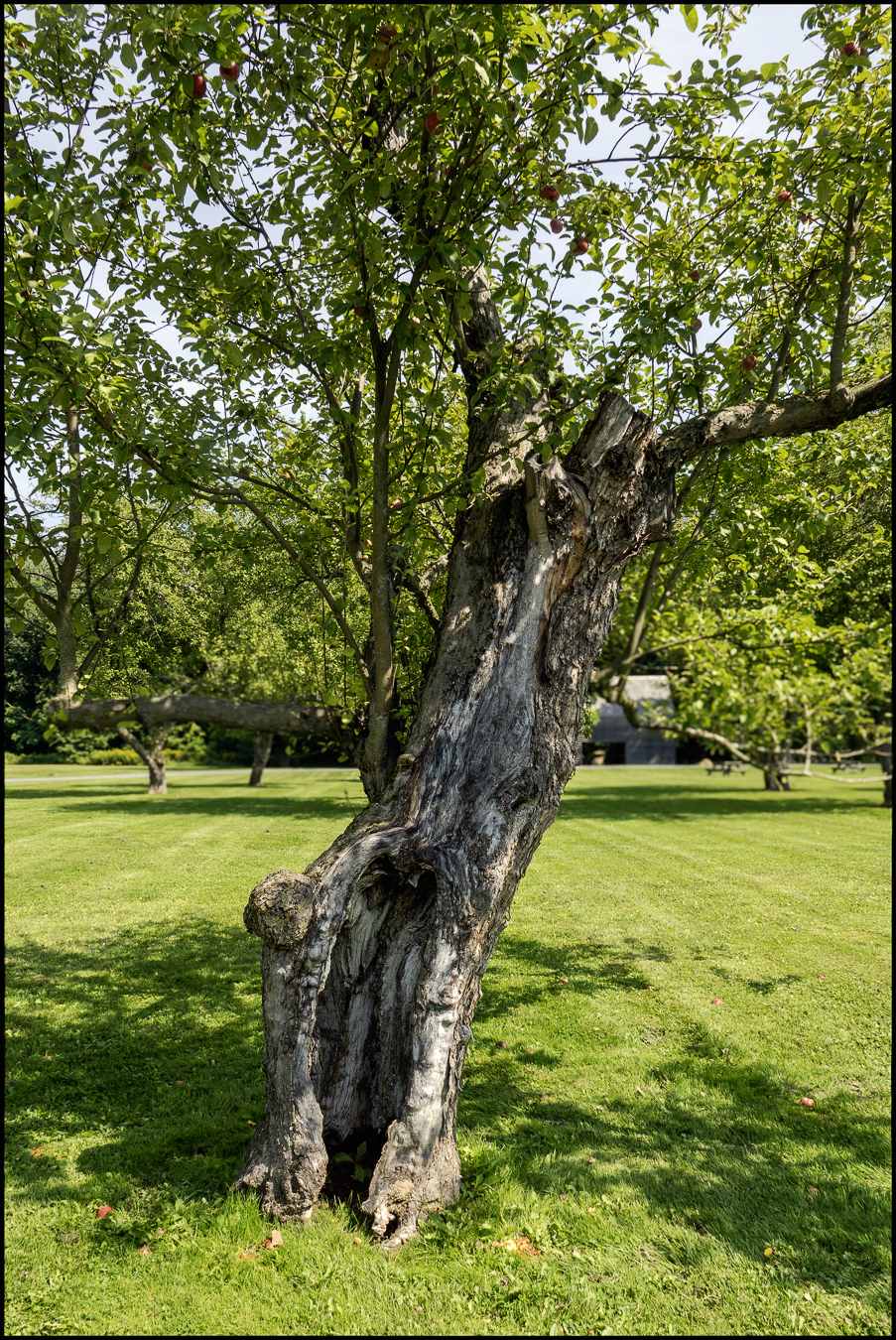
Today, it features new gardens and orchards, tended using sustainable agricultural practices.

A video tour of the grounds and gardens can be found here.


Taken with a Sony RX10 IV
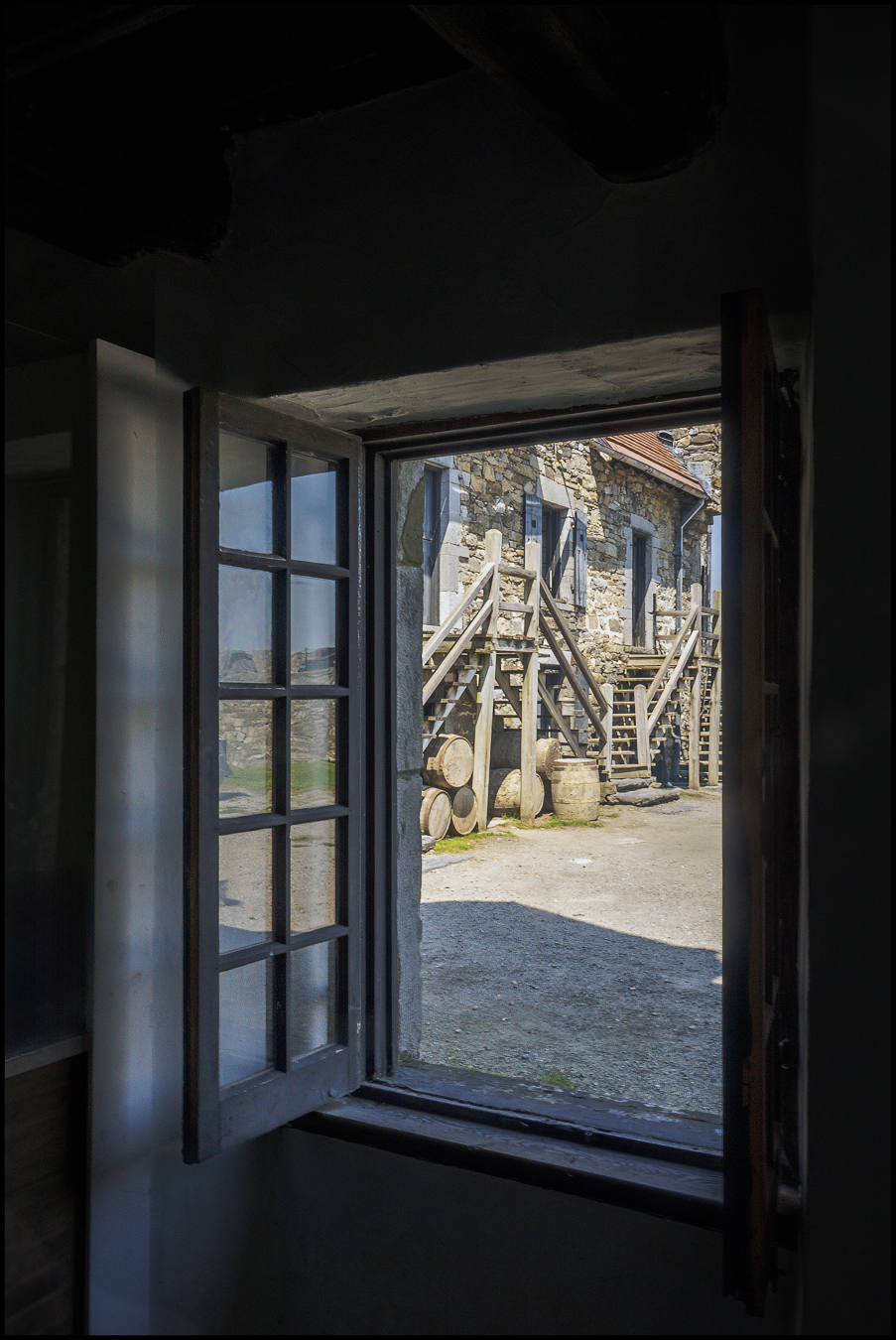
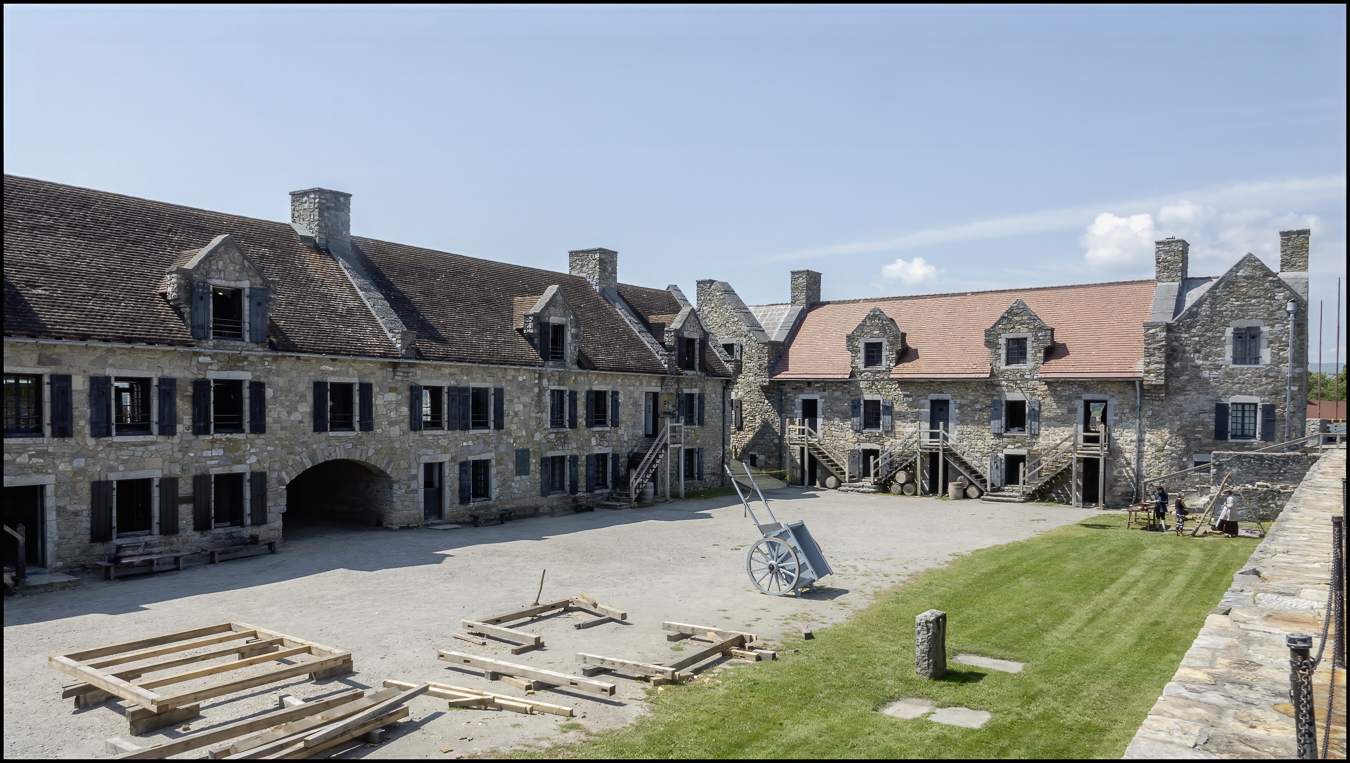
A visit to upstate New York and Vermont – Fort Ticonderoga – Inside the Fort

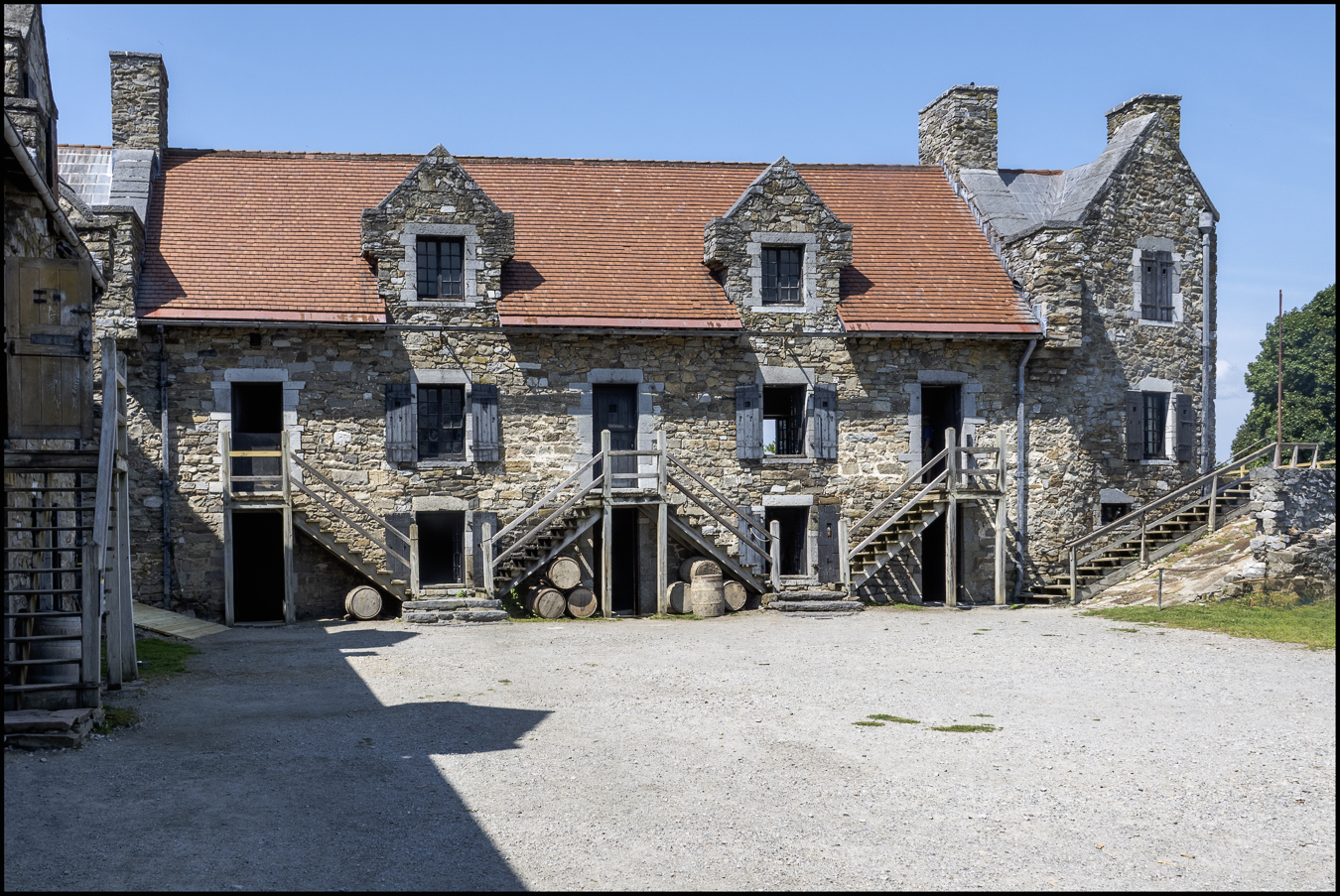
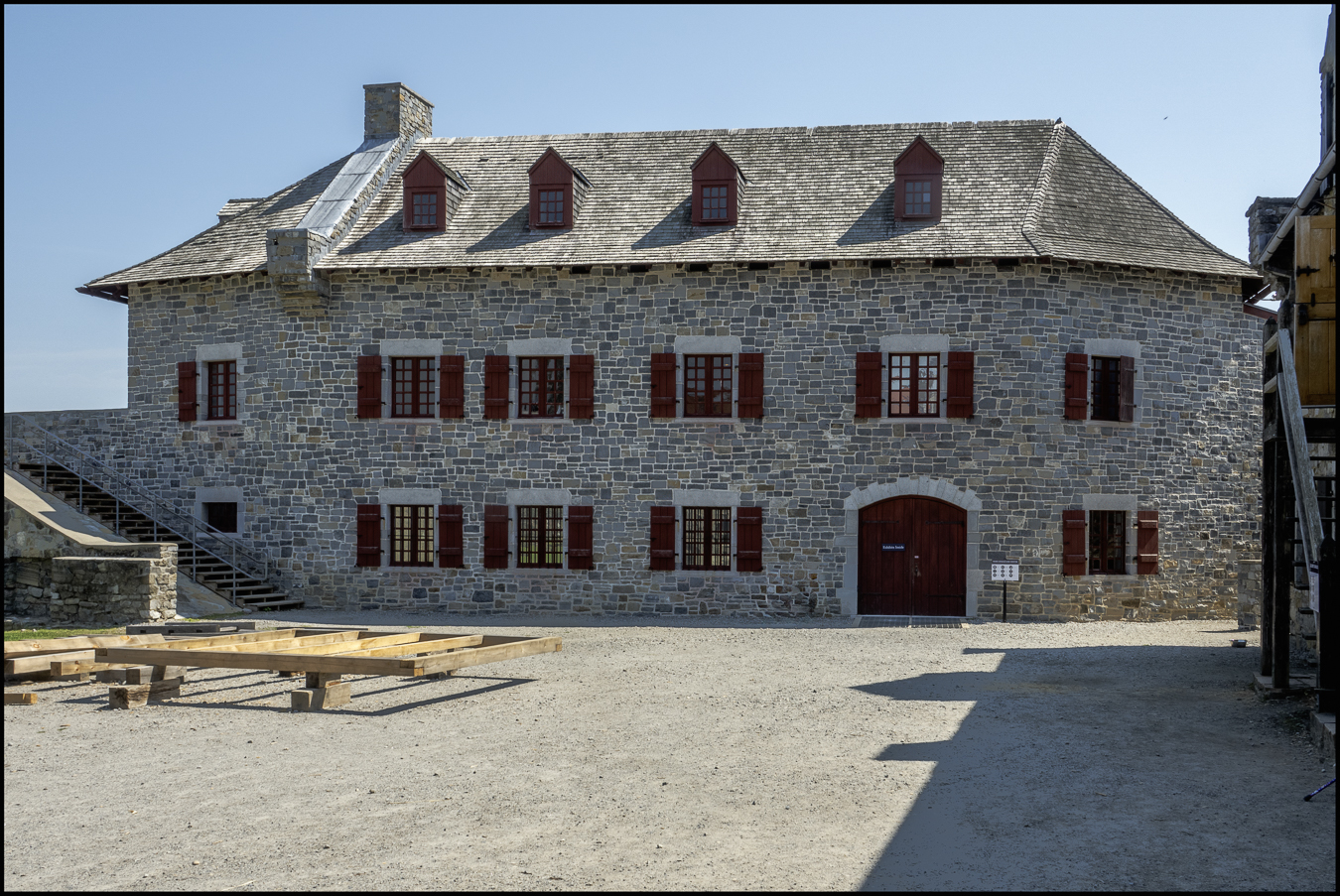
The fort buildings have largely been turned in sites for museum exhibits. According to the Fort’s website:

Founded in 1909, Fort Ticonderoga has for over a century been a leader in preserving objects related to military culture from North America in the “long 18th century” (1609-1815). Fort Ticonderoga’s collections are a singular resource in the study of the evolving role of subject, citizen, and soldier in the 18th century—a debate that links past to present and can inform the future. Fort Ticonderoga explores these relationships through the physical remains of the events that occurred on the site and the expansive collections that document the broader military experience and heritage of our founding era. The collections are distinct in that they comprehensively speak to the changing role of subject, citizen and soldier in society. Fort Ticonderoga’s collections encompass British, European, Native Nations, and African stories that show the complexities of a shared Atlantic history.

For some reason my feet were hurting. Also, the exertions of the previous day had left me feeling a little tired. So, I sat out visiting the museums.


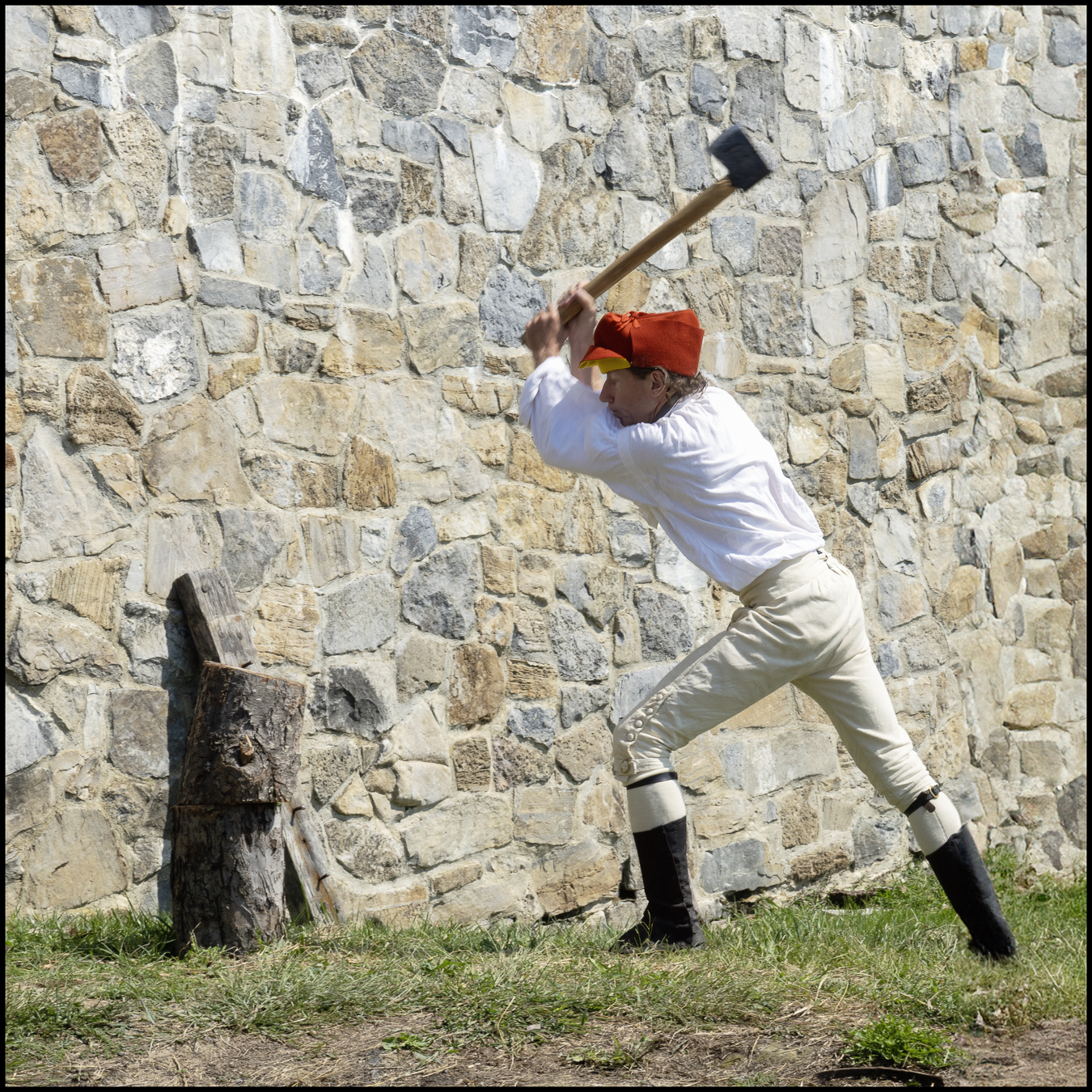
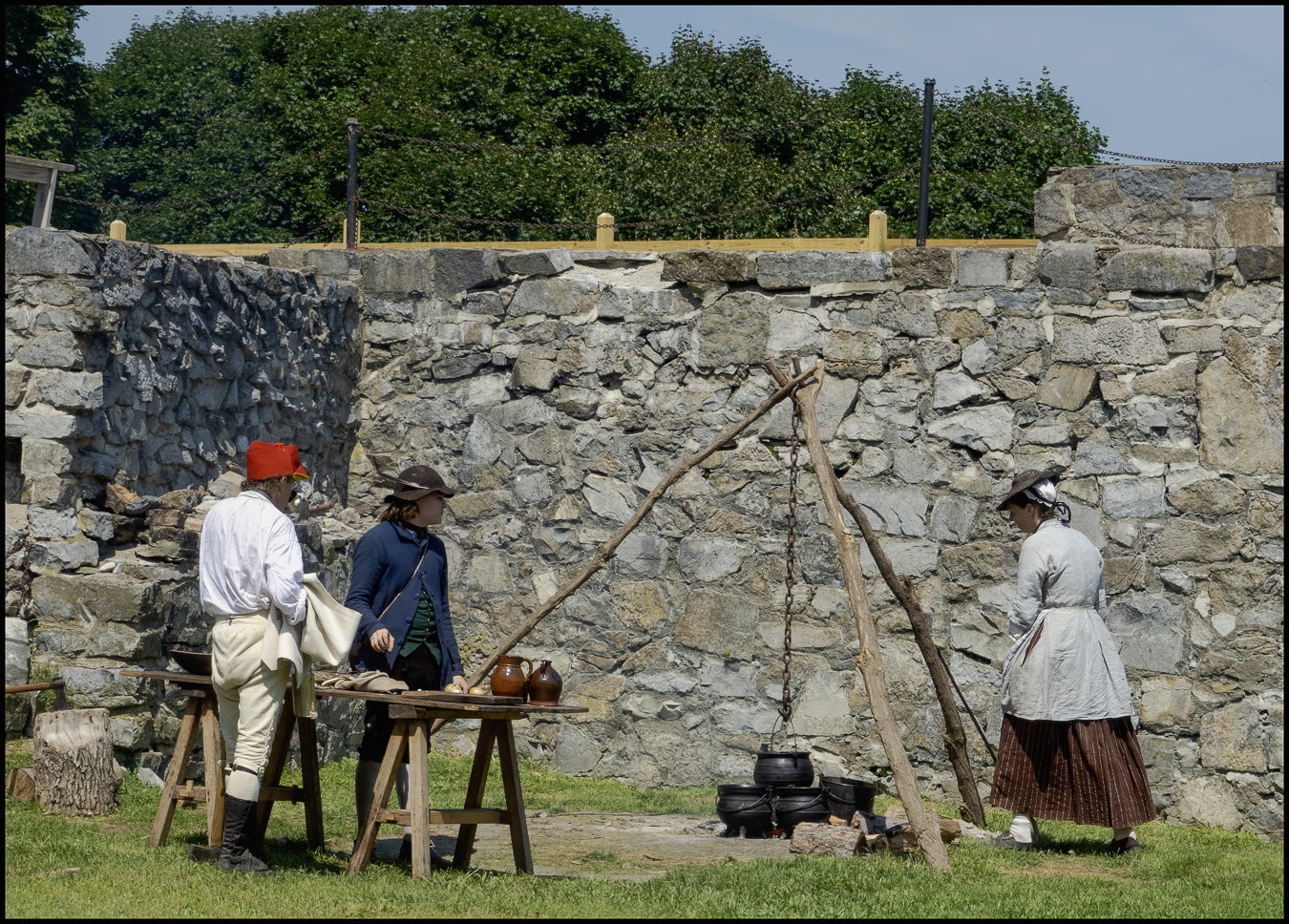
During our visit re-enactors went about their business: chopping wood, conducting craft/cooking demonstrations etc.


Taken with a Sony RX10 IV
A visit to upstate New York and Vermont – Overview and approaching the fort

Growing up in a not terribly well-off family in a village in the North of England, I used to read a lot. I would come across places with exotic sounding names like Kathmandu, Samarkand, Heliopolis, Philippines etc. Little did I know then that I would eventually visit many of these places and that I would be married for 43 years to a Filipina. For some reason I’d also heard about a place called Ticonderoga. Consequently, when I went to work for the United Nations in New York I wanted to visit the fort. Somehow 50 years passed and even though Fort Ticonderoga is not that far (about a four-hour drive) from where I live, I still hadn’t visited. I don’t have “bucket list”, but if I did Fort Ticonderoga would certainly be on it. However, I was beginning to think that I’d never get there.

Now I can cross it off the non-existent “bucket list”.

According to Wikipedia:

Fort Ticonderoga, formerly Fort Carillon, is a large 18th-century star fort built by the French at a narrows near the south end of Lake Champlain in northern New York. It was constructed between October 1755 and 1757 by French-Canadian military engineer Michel Chartier de Lotbinière, Marquis de Lotbinière during the action in the “North American theater” of the Seven Years’ War, known as the French and Indian War in America. The fort was of strategic importance during the 18th-century colonial conflicts between Great Britain and France, and again played an important role during the American Revolutionary War.

The site controlled a river portage alongside the mouth of the rapids-infested La Chute River, in the 3.5 miles (5.6 km) between Lake Champlain and Lake George. It was strategically placed for the trade routes between the British-controlled Hudson River Valley and the French-controlled Saint Lawrence River Valley.

The terrain amplified the importance of the site. Both lakes were long and narrow and oriented north–south, as were the many ridge lines of the Appalachian Mountains which extend as far south as Georgia. The mountains created nearly impassable terrains to the east and west of the Great Appalachian Valley that the site commanded.

The name “Ticonderoga” comes from the Iroquois word tekontaró:ken, meaning “it is at the junction of two waterways”.

During the 1758 Battle of Carillon, 4,000 French defenders were able to repel an attack by 16,000 British troops near the fort. In 1759, the British returned and drove a token French garrison from the fort. The British controlled the fort at the beginning of the Revolutionary War, but the Green Mountain Boys and other state militia under the command of Ethan Allen and Benedict Arnold captured it on May 10, 1775. Henry Knox led a party to transport many of the fort’s cannon to Boston to assist in the siege against the British, who evacuated the city in March 1776. The Americans held the fort until June 1777, when British forces under General John Burgoyne occupied high ground above it; the threat resulted in the Continental Army troops withdrawing from the fort and its surrounding defenses. The only direct attack on the fort during the Revolution took place in September 1777, when John Brown led 500 Americans in an unsuccessful attempt to capture it from about 100 British defenders.

The British abandoned the fort after the failure of the Saratoga campaign, and it ceased to be of military value after 1781. The United States allowed the fort to fall into ruin, and local residents stripped it of much of its usable materials. It was purchased by a private family in 1820 and became a stop on tourist routes of the area. Early in the 20th century, its private owners restored the fort. The Fort Ticonderoga Association now operates it as a tourist attraction, museum, and research center.

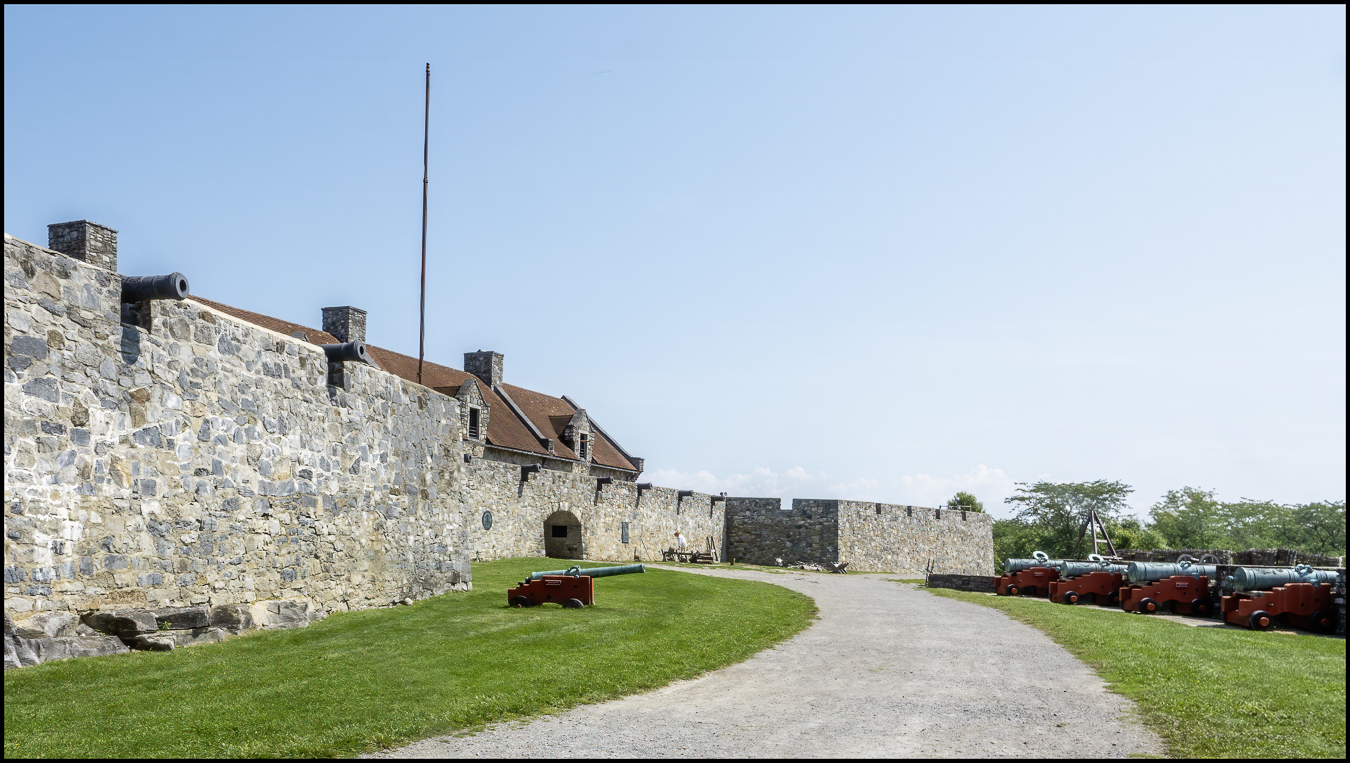
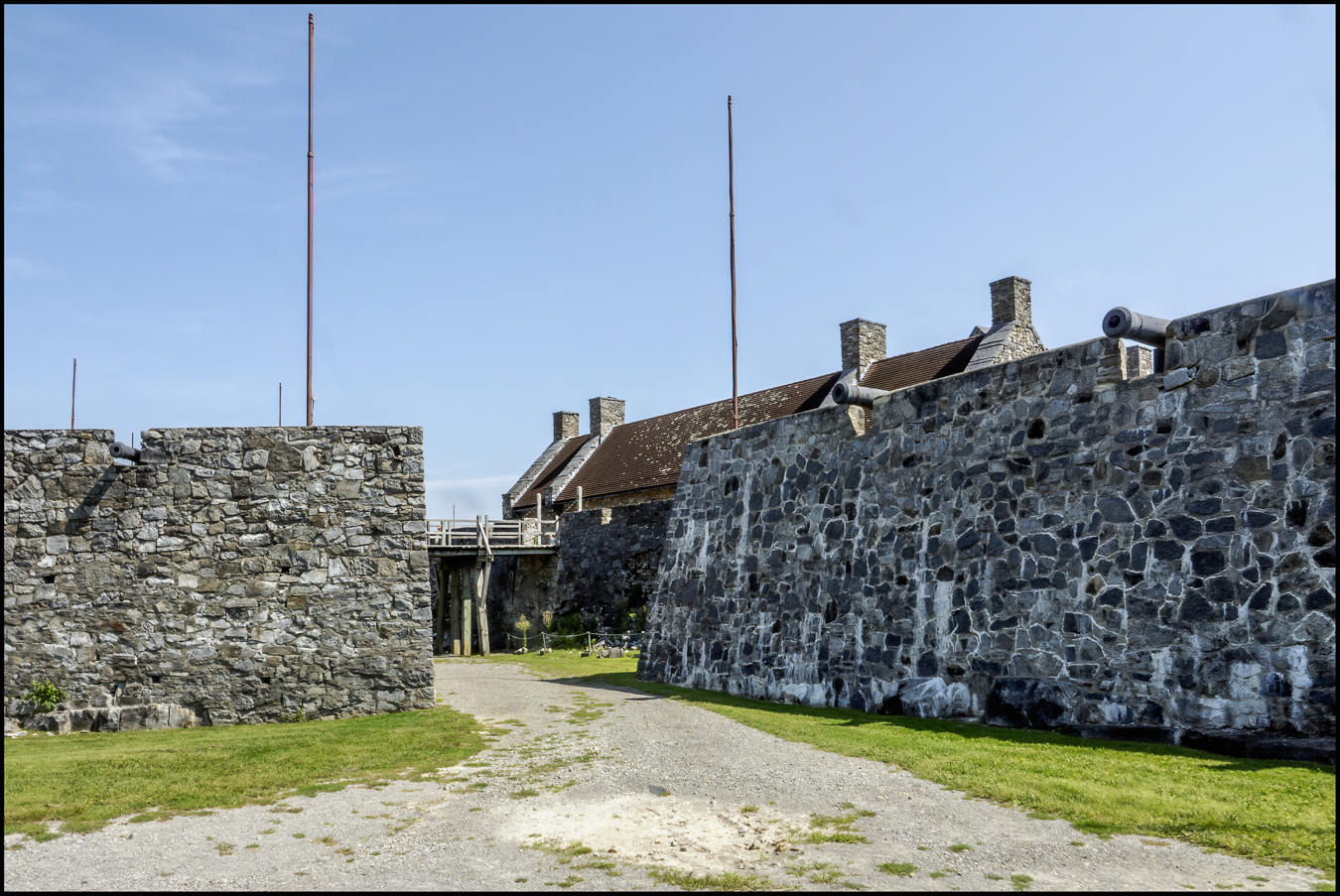
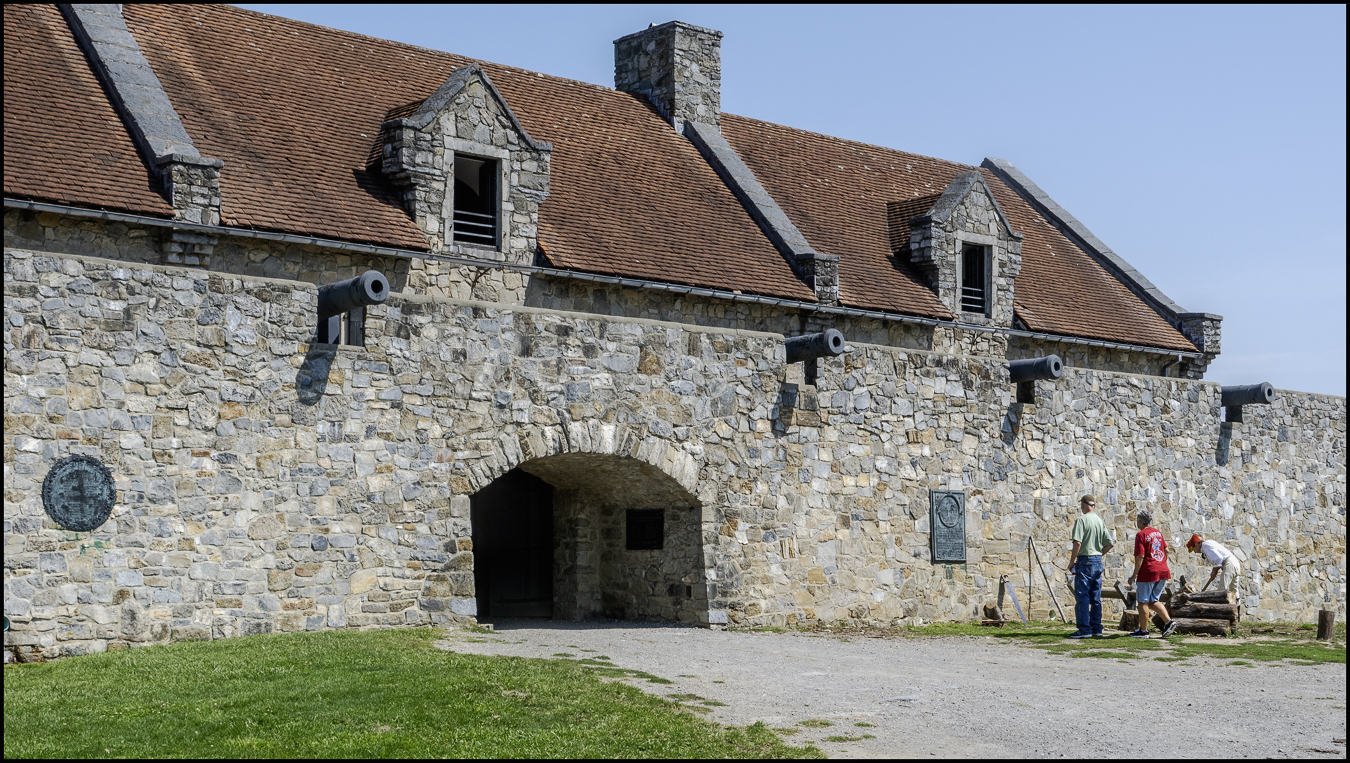
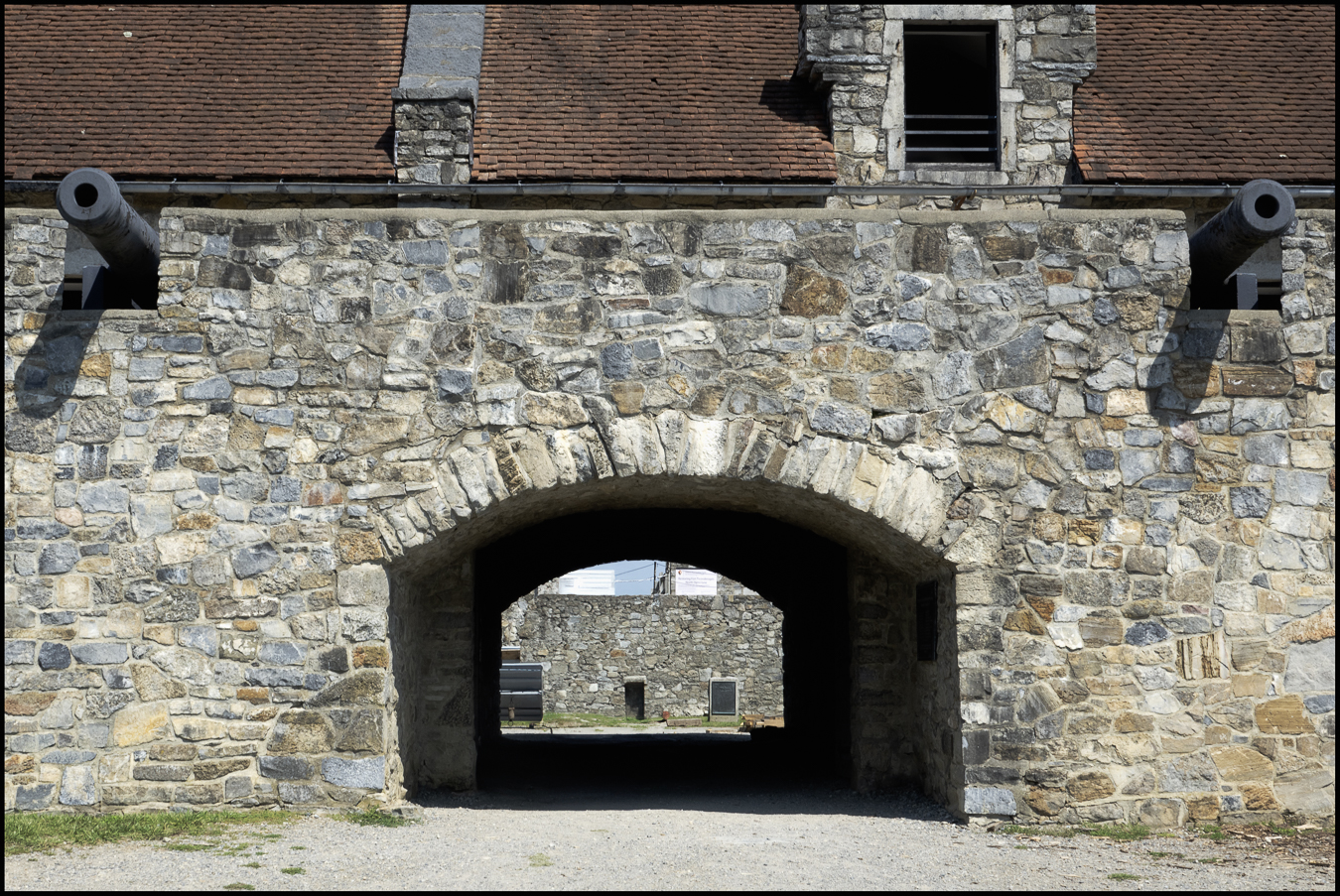
The pictures below show the approach to the fort featuring exterior shots.


Taken with a Sony RX10 IV