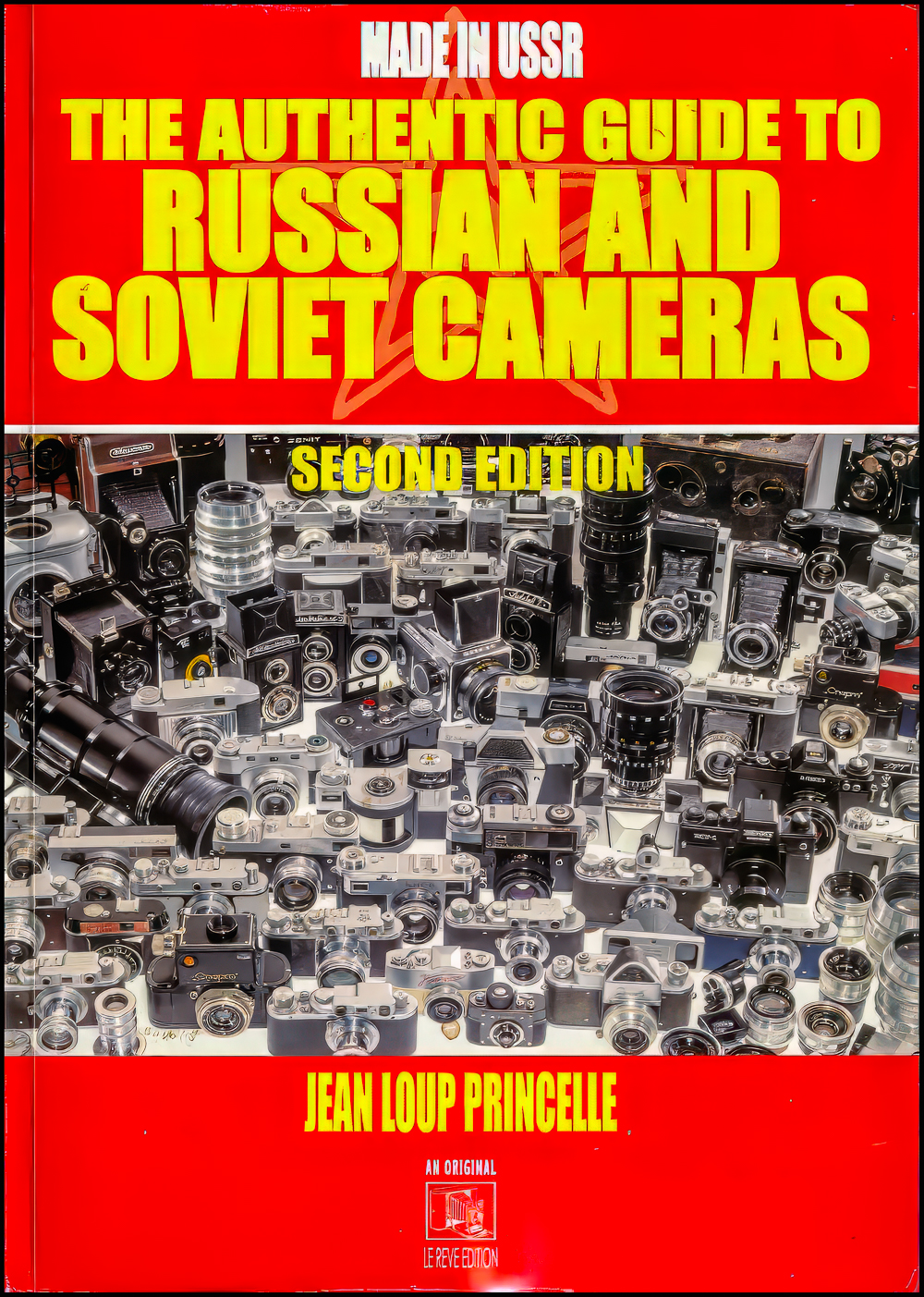
Made in USSR. The Authentic Guide to Russian and Soviet Camera

My late wife started my interest in photography around 1980 when she gave me my first serious camera: a Minolta Hi-Matic 7sII, a compact rangefinder camera. So, when I started to collect cameras around 2011, I thought I would concentrate on other compact rangefinder cameras (famous last words). Not long afterwards I decided that I would take a look at full-size rangefinder cameras. Of course, when you think about full-size rangefinder cameras the first name that comes to mind is Leica. I soon figured out that Leica cameras were expensive, and since I wasn’t sure how long this camera collecting hobby would last (so far, it’s lasted 14 years) I decided to stay away from Leicas (also famous last words). However, I quickly learned that copies of Leicas were available and that those from the former Soviet Union (FSU) were quite inexpensive. So, I bought a couple. The person that I bought them from suggested the if I was seriously going to collect FSU cameras, I should get a copy of this book by Jean Loup Princelle, which probably not coincidentally he was also selling. His wise words seemed to make sense, so I bought a copy. I found it fascinating, but I wasn’t all that much into camera collecting yet, so I put it aside. Unfortunately, as luck would have it, we had a major water leak (flood would perhaps be a better word) and the book was destroyed, and I never got around to replacing it.

Fast forward to a few weeks ago. I was browsing around on eBay and I came across a copy at a very reasonable price. The book is quite expensive normally (it’s been out of print for some time and can be difficult to find) and I snapped it up.

When it arrived, I realized what a gem it is. If you ever wanted to know the exact difference between a FED 1a and a FED 1b (or even for that matter where the name FED comes from) this book is for you. It’s almost 300 pages long and has extensive listings of every FSU camera and lens ever made. There are also short essays on every camera manufacturer as well as a nine-page history of Russia and FSU. There are also a couple of short timelines outlining the history of FSU cameras. Scattered throughout the book are essays such as “Photography in Russia in the 19th century; “From Pre-Industrial Cameras to the Cameras of the 60’s to the 90’s”; and “Subminiatures, Military Cameras and Other Quite Special Cameras”.

It really is a very impressive achievement. And how can you not love camera manufacturers with names like Fag, Zorki, Gomz, and Voomp?

I mentioned above that I initially bought two FSU rangefinder cameras (copies of the Leica II – or D as they tend to be referred to in Europe). In case anyone is interested they were (or rather are as I still have them) a FED 2 type-e (I didn’t know it was a type-e until I just looked it up) and a ZORKI 4 variant with the name in Roman instead of Cyrillic letters.
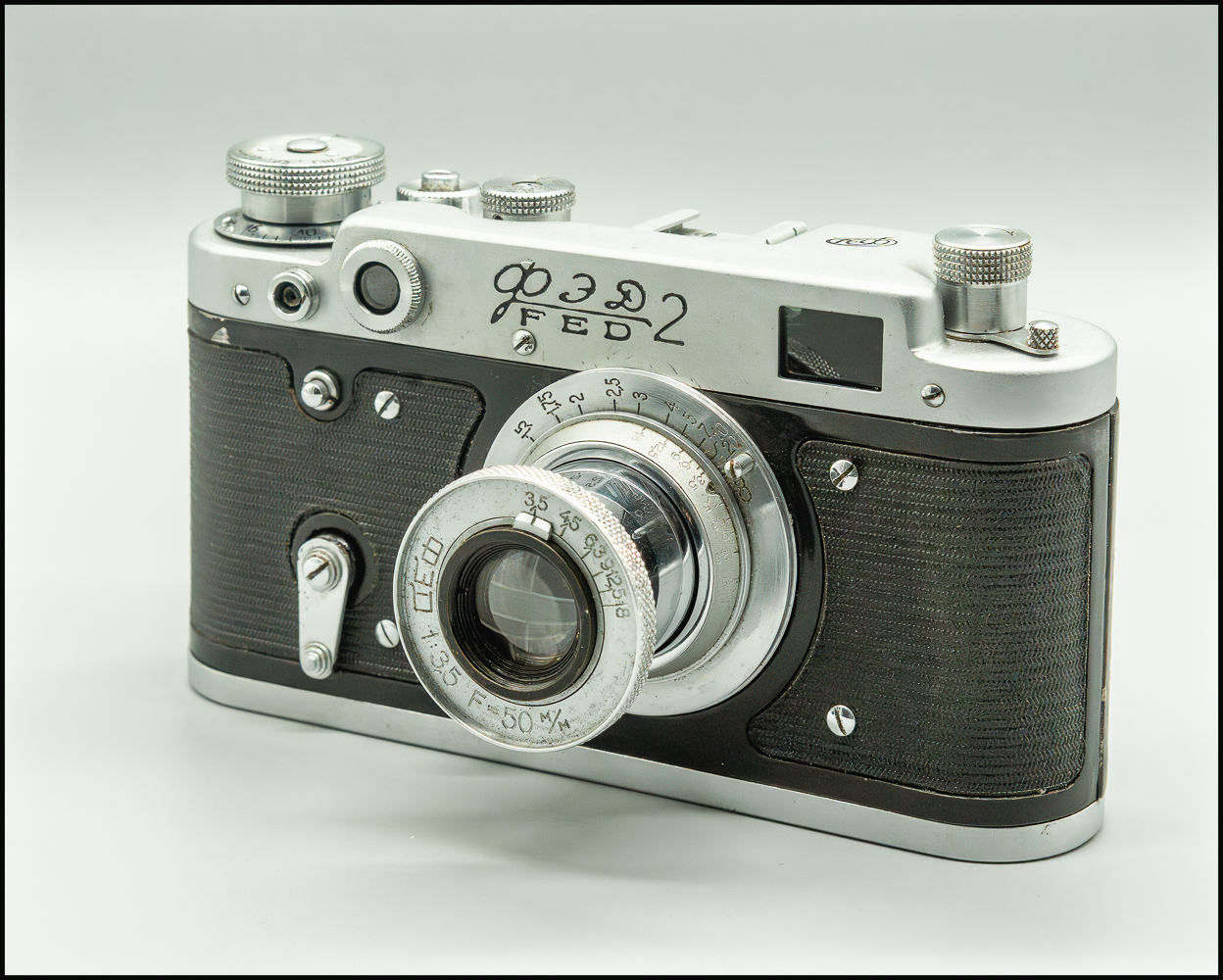

FED 2 type-e
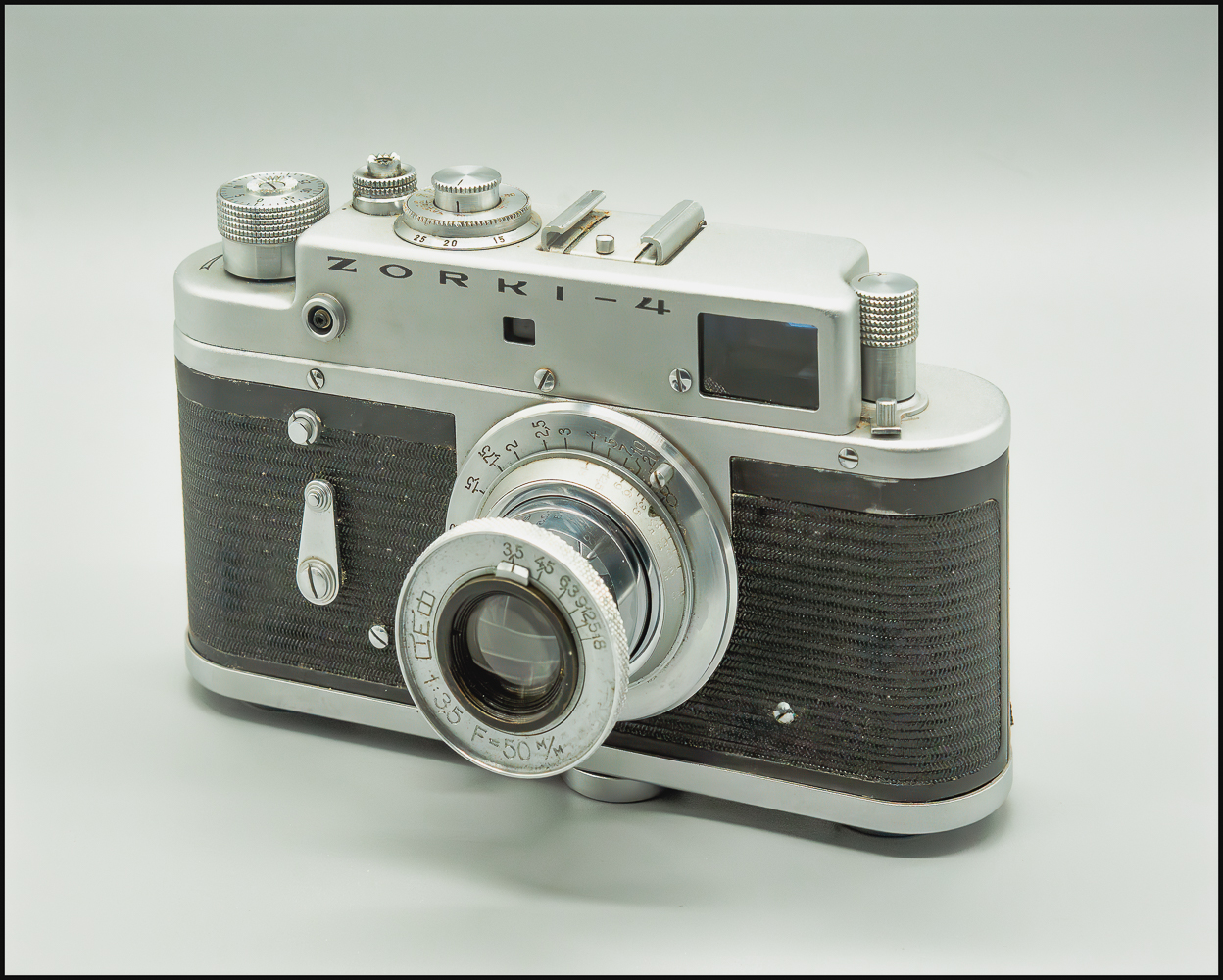

ZORKI 4 variant with the name in Roman instead of Cyrillic letters

They both use Leica Thread Mount (LTM or M39) lenses: a 50 mm f/3.5 collapsible FED 10 lens. It’s said to be a copy of the 5cm f3.5 Leitz Elmar. However, I’ve read that although it looks like an Elmar, its design is actually closer to that of a Zeiss Tessar 50 mm f/3.5 (the Leitz Elmar has the aperture located behind the first element, the Zeiss Tessar has it behind the second element). The FED-10 was manufactured from 1934–1946(?) This one has the old-style aperture scale f/3.5, 4.5, 6.3, 9, 12.5, 18 and a 50 M/M indicating that it was built before World War II. Post war lenses feature the new-style aperture scale f/3.5, 5.6, 8, 11, 16 and a 50 MM engraving.

Kodak Six-20

With the acquisition of this camera I’ve broken two of my rules for collecting cameras.

The first is that I would not acquire a camera that I could not or would not use. I’ve on occasion acquired a camera that was supposed to be working, but turned out to be non-functional. However, I’ve never bought a camera that I knew I wouldn’t use. I think it’s unlikely (but not impossible) that I will use this one. Although you never really know until you try to use it, I believe this camera works. Unfortunately, the film (620 film) was discontinued in 1995. Although the actual film is the same as 120 film (which is still available), the spools are different. The 620 spools are slightly shorter and have a smaller diameter. It is possible to cut down a spool of 120 film to fit or to re-spool some 120 film onto 620 spools in a darkroom or changing bag. Some people do this and sell the result, so it is still possible to get this film. However, it’s difficult to find and expensive. More important, I’ve read that the camera takes terrible pictures. I’m might get my hands on a roll of 620 film and try it out, or because of the apparently poor quality of the images I might not bother. I haven’t decided yet.

Second, I had long ago decided not to collect Kodak Folding Cameras. While they certainly have their charm I was afraid of going down that particular rabbit hole in case I couldn’t make my way out.

So why then did I acquire this camera? The reason is that I’ve decided to start collecting bakelite and art-deco cameras. This one is an excellent example of the latter. Unfortunately, these cameras tend to be old and use film that is difficult (and in many cases impossible) to obtain. Most of them look great though.

I’ve found a great site: Art Deco Cameras, which has a wealth of information on such cameras and how to use them. I imagine it will become my guide to finding addition leads.

This one is a Kodak Six-20 and according to Art Deco Cameras:

The Six-20 Kodak was introduced in 1932 but from 1933 it was redesigned to become the Six-20 model C. It is a self-erecting folding camera. It has angled ends to the body which is covered with pig-grained leatherette. It has a brilliant finders that swivels to cater for both portrait and landscape views. It does not have a folding frame finder. It features black enameled side panels with nickel lines. The shutter plate is octagonal with chrome and black enamel deco pattern as well as bright red highlights. It has a swiveling red window cover. The struts are chrome and ornate unlike the redesigned Model C which are quite plain.

It supported two combinations of lens and shutter. These are a Doublet lens coupled with Kodon shutter or a Kodak Anastigmat f/6.3 with a Kodon shutter.

I believe mine is the former i.e. the one with the doublet lens, which is a pity because if I did choose to use it I’m sure the latter would produce better images.

Art Deco Cameras also rates the cameras as to the extent to which they have the characteristics of an art-deco Camera and describes this camera as follows:

Iconic: Famous, well-known and celebrated

  • Produced during the main Art Deco period.
  • Octagonal face plate design with red highlights.
  • Ornate chrome struts.
  • Angled ends to body.
  • Enameled side panels with nickel lines.
  • Raised diamond and octagonal motifs
  • Pig-grained leatherette
  • Octagonal film winder
  • Chrome and black enamel brilliant finder

Taken with a Sony A7IV and Venus Optics Laowa 85mm f5.6

An interesting YouTube Channel

I recently came across this YouTube channel, which will be of interest to anyone who collects cameras. It’s called “One Month. Two Cameras” and according to its creator, who’s name is Ali she shoots one vintage digicam or film camera every two weeks. Her philosophy is that there are no bad cameras and whatever you already have will always be good enough.

Although she from time to time posts something about an older film camera, the focus of the channel seems to be on older digital cameras: those which nowadays seem to be referred to as “Digicams”. What’s a “Digicam”? You’ll have wait for a while as I have a post coming up shortly, which addresses this very topic.

Trying out my newly acquired Pentax K10

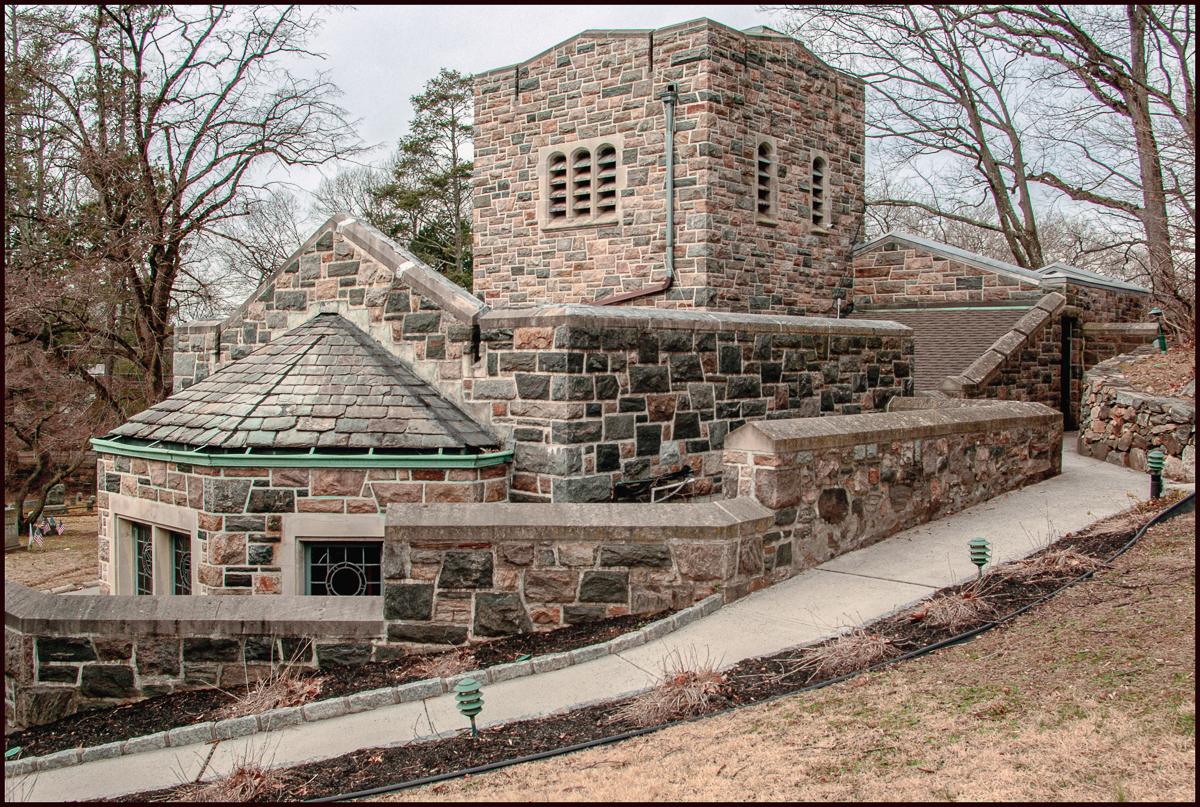
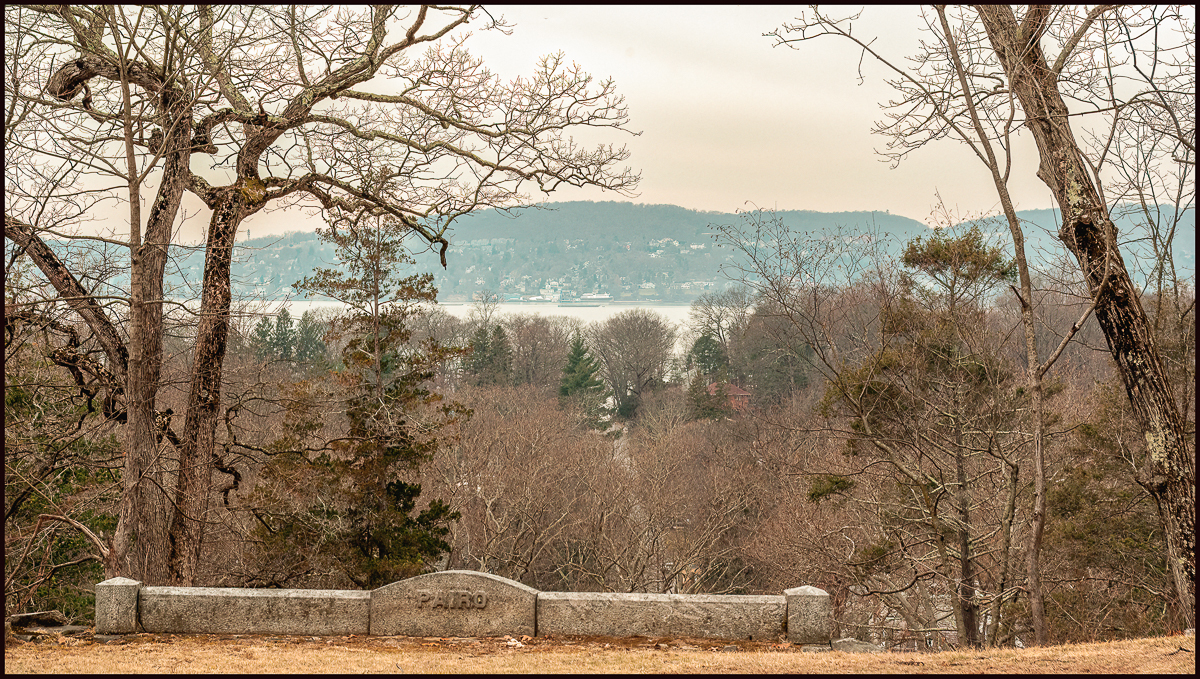
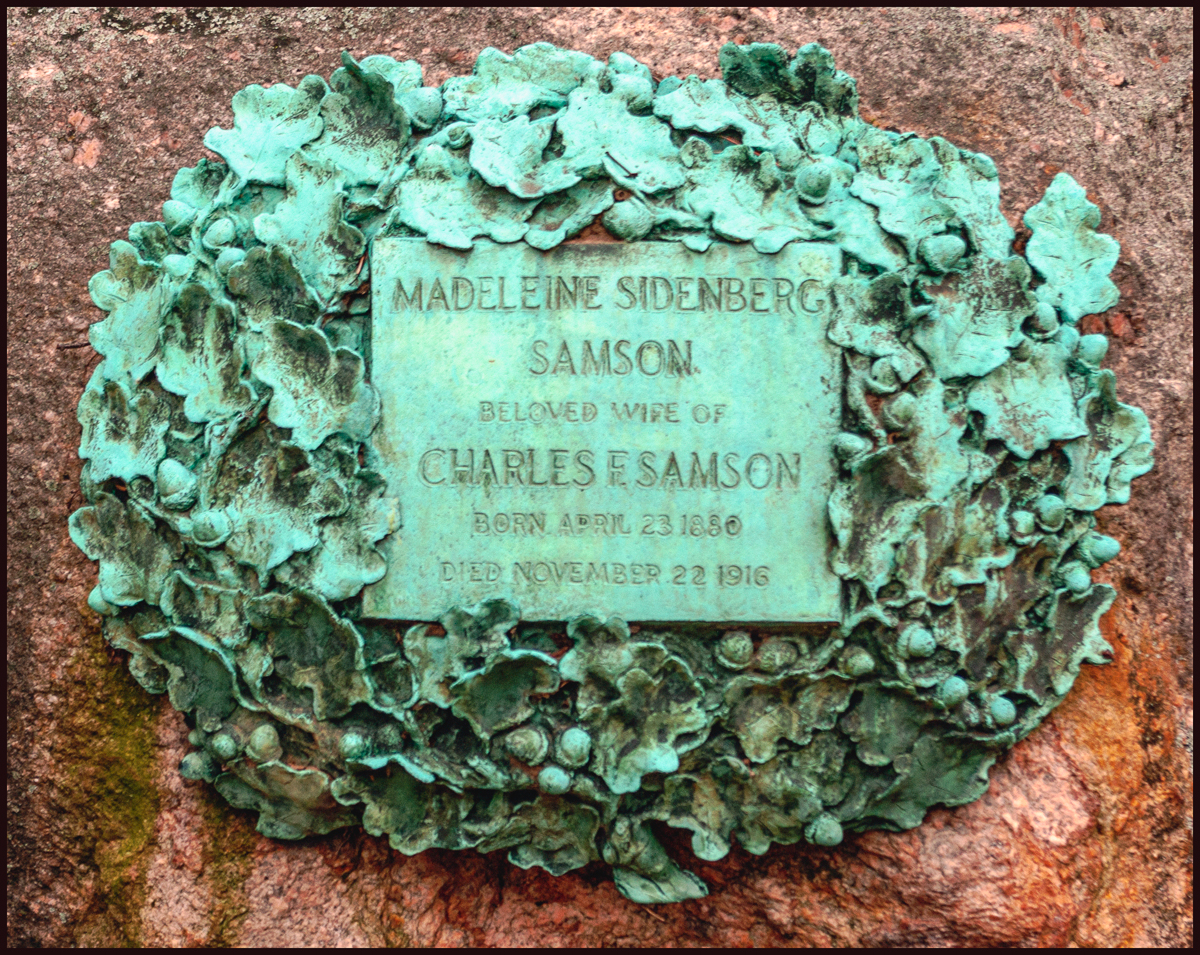
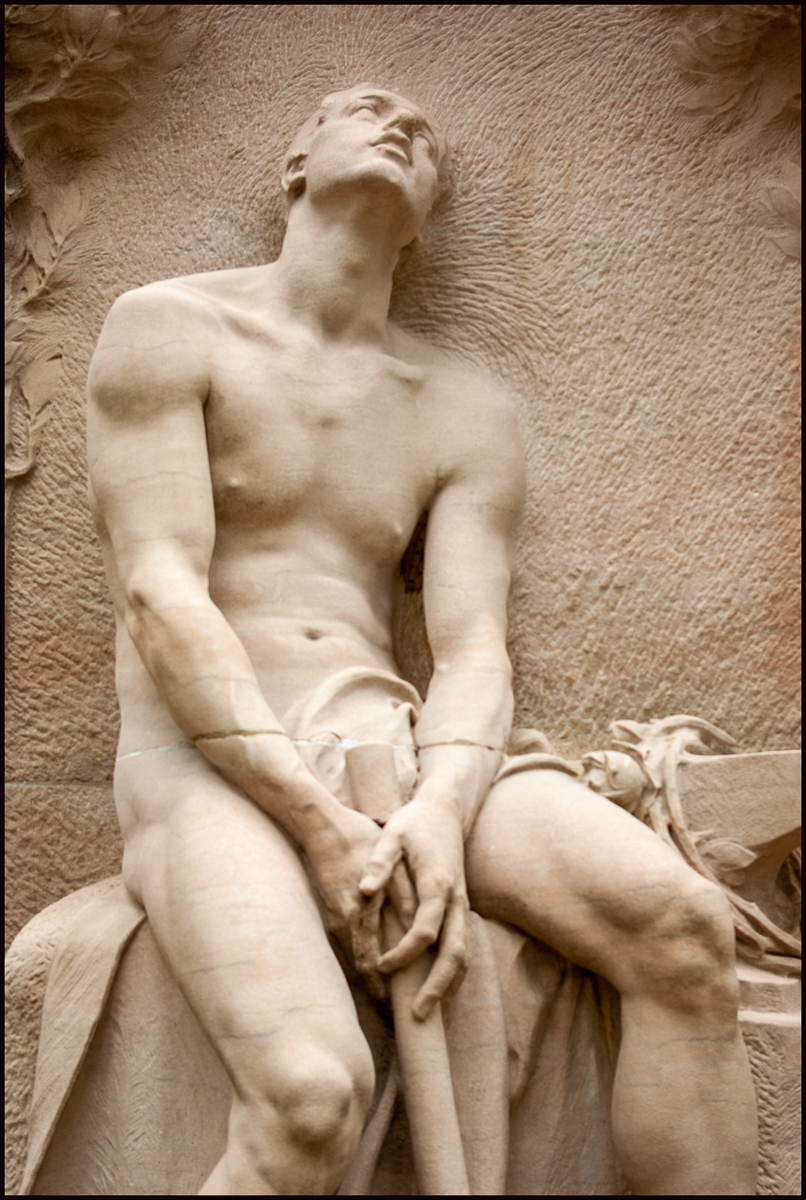
After charging the battery I decided to take my newly acquired Pentax to nearby Sleepy Hollow Cemetery in Sleepy Hollow, NY to confirm that it was working and see how it handled.

So how did things go. Well, the pictures weren’t bad for essentially quick snapshots. I even quite like a few of them. It was a very dull day and the camera/lens combination was not the best for those conditions: old sensor (2006 vintage) that’s not good in low light combined with a old, slow zoom lens (18-55mm SMC Pentax DA f3.5-f5.6). Added to that I made a stupid mistake: of course the camera was used and in my enthusiasm to try it out I forgot to check out how the previous owner had set it up. Turns out he’d set it up in a way that practically guaranteed slow shutter speeds. I thought they were ok for hand holding, but it seems that they weren’t and this led to soft and in some cases, blurry pictures. Still I enjoyed the 1 1/2 hour walk, the camera was fun to use and I learned a lot about it. I’ll do better next time.


Taken with a Pentax K10 and 18-55mm SMC Pentax DA f3.5-f5.6

Another new old camera

In previous posts I’ve mentioned that I had started to collect old digital cameras. This is the latest.

It’s a Pentax K10D and it’s a 10.2-megapixel (which is plenty for most purposes e.g. web site use, social media and prints up to 12″x8″ prints) digital single-lens reflex camera launched in late 2006. It was developed in a collaboration between Pentax of Japan and Samsung of South Korea, was announced on 13 September 2006 and released in mid-November 2006

At the time the K10D was hailed by Popular Photography and Imaging magazine as “an all-star player,” and was named as a finalist for their 2007 “Camera of the Year” award.

It combines a 10.2 effective megapixel CCD sensor, coupled with a 22-bit analog-to-digital converter (ADC) and a shake reduction system which also provides a dust removal feature to keep dust off the sensor surface. The K10D features a new image processor and is dust and weather-resistant featuring 72 seals throughout the camera. The camera was among the first digital cameras to support the DNG format natively. (adapted from Wikipedia)

There’s a good review of it on DP Review in which they conclude:

My first impressions of the K10D were very positive, a well designed and robust body with a clearly extensive range of manual functions and a fairly logical control layout. The positive experience continued in use with the large, bright Pentaprism viewfinder, fast auto focus and short lag times. Menus and playback are equally as snappy although I personally found the connected 4-way controller less easy to use than the K100D’s four separate buttons.

The K10D’s advantages over the competition are fairly clear; dust and weather seals, in-camera Shake Reduction which delivers at least some low light advantage with all your lenses, selectable RAW file format (although both are 10MB+), user definable Auto ISO, digital preview and those unique sensitivity-priority and shutter/aperture-priority exposure modes. It’s a camera which should provide more than sufficient ‘gadget satisfaction’ for even the most demanding shutterbug.

When we reviewed the K100D we thought Pentax had got their image processing just right, however the single element of the entire K10D equation which left us scratching our heads was just that. Either a poorly implemented demosaicing algorithm or a strange choice of sharpening parameters means that while the K10D’s JPEG images have plenty of ‘texture’ they can lack the edge sharpness we’re used to seeing from semi-pro digital SLR’s.

Pentax may well have been aiming for a smooth film-like appearance but I at least feel that the inability to tweak this out by increasing sharpness is a mistake. That said it’s unlikely you’ll see this difference in any print up to A3 size, it’s a 100% view thing so you have to decide if that’s important to you or not. To get that absolute crisp appearance you’ll need to shoot RAW, and use Adobe Camera RAW or another third party converter (as the supplied converter produces similar results to the camera).

With the criticism out of the way we return to the K10D as a ‘photographic tool’, something it does very well. It’s a camera you get used to very quickly and never really leaves you searching for the correct setting or control. It’s also a camera you can grow into, the unique exposure modes are both creatively interesting and useful, a range of options such as this encourage you to experiment. At just under $900 it’s a very strong proposition, so despite our reservations about the slightly soft image processing the K10D just achieves a Highly Recommended.

UPDATE 23/Jan/07: Pentax has today released firmware version 1.1 which fixes some issues and adds new functionality.

So why did I get it? First, even though I have a couple of cameras with CCD sensors I was keen to try another one. The CCD sensor is said to produce images, which are closer to the look of film than other sensors (with the possible exception of the X-Trans sensor found on Fuji cameras). Second, I have Nikon, Canon, Sony, Olympus, and Panasonic digital cameras, but until now didn’t have one from Pentax. I don’t have a digital Leica either and I don’t see me getting one any time soon, much as I’d love to try one.

Taken with a Sony RX100 M3