Confused by Sony cameras. This will help.

I have a number of Sony cameras, both full frame and APS-C, but I’ll be the first to admit that Sony offers so many options: full frame vs APS-C; low cost vs expensive; still vs video; hybrid; optimized for video; optimized for stills; optimized for fast action etc. that it can be difficult to choose.

I find this video from Tony and Chelsea to be incredibly useful in sorting out all of the options.

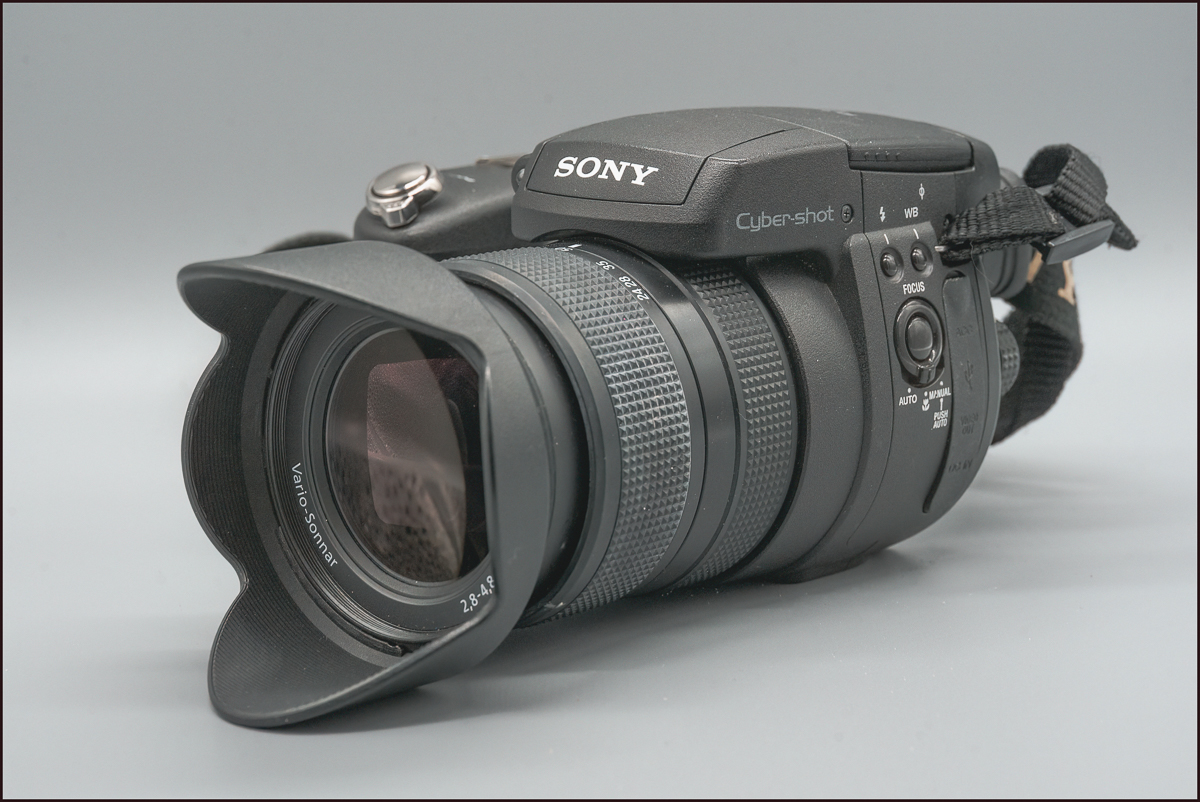
Another recently acquired old camera: Sony R1

It’s a Sony R1, a bridge digital camera announced by Sony in 2005. It features a 10.3 megapixel APS-C CMOS sensor, a size typically then used in DSLRs and rarely used in bridge cameras, which at that time typically used much smaller sensors This was the first time such a large sensor was incorporated into a bridge camera. Besides the APS-C sensor, the DSC-R1 also featured a 35-120mm equivalent Carl Zeiss Vario-Sonnar T* lens, which was reputed to be very good. At the camera’s launch one reviewer said the lens alone was worth the asking price.

There’s a excellent review on DP Review. Make sure you read it now!! Amazon, the owners of DP Review, are shutting it down imminently – see here for more information.

The conclusion of the review reads:

I’ll start as I shall no doubt finish this little piece of editorial, the lens is worth the price of the DSC-R1 alone. That fact is not to be underestimated, it’s a great lens which provides you with a very useful 24 – 120 mm zoom range (which will be sufficient for the majority of users). Doing the math it’s pretty clear that you have to spend a fairly considerable sum on lenses for a D-SLR to get close to this range and the quality of the DSC-R1’s lens.

The DSC-R1 has been around for several years, the mythical fixed lens digital camera with a large (APS sized) sensor, but only in the minds of many of us. Thankfully Sony were brave enough to do it, to try something totally new and rekindle interest in the ‘prosumer’ fixed lens market which had pretty much been ignored since sub-$1000 digital SLRs came along. I’m glad to report as a prosumer / fixed lens digital the DSC-R1 is so much better than anything that came before it, it’s really not worth comparing it to cameras like the DSC-F828, there’s only so much you can do with a small sensor.

So yes, the DSC-R1 provides you with excellent images via a great lens and noise levels at higher sensitivities which would be impossible to achieve with any other fixed lens digital. However, it’s a little tougher these days, digital SLR’s are truly affordable and their performance has come on in leaps and bounds. Sony played the megapixel game (they had to) and fitted the DSC-R1 with a sensor which would ‘out-number’ cameras like the EOS 350D, however the reality is that (a) the step from 8 MP to 10 MP is so slight so as to be hardly noticeable and (b) the Canon has better in-camera image processing.

So here we come up to the issues. Firstly the DSC-R1’s ISO 800 and 1600 aren’t as good as the Canon (forget ISO 3200). When we first received the R1 we had hoped it would at least be a match but unfortunately it’s not. At ISO 800 images are perfectly usable but you’ll be aware that some detail will be ‘smudged’ by the high ISO NR system. At ISO 1600 you could face some fairly noticeable chroma mottle noise in shadows, something you just won’t get from the Canon.

The second issue is image processing, take a RAW out of the DSC-R1 and run it through Adobe Camera RAW and you can see just what that lens / sensor combination is capable of, however you really need to be pretty dedicated to shoot RAW all the time, 20 MB per RAW file and around 9 seconds to write; I did note that some of our forums users are converting the Sony RAW files to Adobe DNG to save space. That’s not to say JPEG’s aren’t good, they are very good, but you get a whole new appreciation for just how much crisper images could look converting in ACR.

About three quarters of my way through this review my mind was set on a ‘Recommended’ rating, and for a long time that’s how it sat. Then I started to put together the price comparison table (page 20) and I soon realized just what you’re getting. At $1000 you simply can’t get close to the coverage and quality of that lens. Add to that the usable high sensitivities, great build quality, a package which is ‘all in one’, resolution just better than an EOS 350D and final results which can be extremely good indeed. Certainly there are a few niggles with the rest of the camera but at the price they can easily be excused. Hence it’s a bit of a split rating, if you’re an absolute perfectionist who doesn’t mind spending more on lenses and shoots a lot at ISO 1600 you may wish to consider something else, for everyone else I have no hesitation in Highly Recommending the DSC-R1.

Of course I was keen to try it out so I immediately went to some nearby woodland. I can confirm that it works perfectly. Of course its very old technology so I found a few things frustrating: Low noise levels up to ISO 400, usable but NR affected ISO 800, noisy ISO 1600; Odd top mounted LCD location, which some may not like but which I find quite appealing; Both LCD and Electronic Viewfinder far below those of current cameras; Raw files are enormous for a 10 megapixel camera; slow burst rate (which doesn’t bother me); no bracketing (which does); autofocus not up to current standards. I did struggle to find focus a few times, but that’s probably me, not the camera. About what you would expect from an 18 year old camera.

On the positive side I really enjoyed using it. Its a fun camera that does everything I need in most circumstances. It’s relatively light and comfortable to use. A lot of my photography is intended for use on social media so the 10 megapixel sensor is not much of a hindrance. I don’t usually take pictures of things that move around quickly (e.g. small birds – or any size birds for that matter; car races; athletes etc.) so the older, slower focus is not a problem. And if I really want to take pictures of fast moving objects I have other cameras/lenses for that purpose. The 24-120 zoom range is useful.

And even from a very cursory use the lens appears to be everything that the reviewers say it is.

Below a few examples. I’ll probably add some more after I’ve used it more are gotten familiar quirks.


Picture of the camera taken with a Sony A7IV and Venus Optics Laowa 85mm f5.6. All other picture taken with the Sony R1

Kodak Six-20

With the acquisition of this camera I’ve broken two of my rules for collecting cameras.

The first is that I would not acquire a camera that I could not or would not use. I’ve on occasion acquired a camera that was supposed to be working, but turned out to be non-functional. However, I’ve never bought a camera that I knew I wouldn’t use. I think it’s unlikely (but not impossible) that I will use this one. Although you never really know until you try to use it, I believe this camera works. Unfortunately, the film (620 film) was discontinued in 1995. Although the actual film is the same as 120 film (which is still available), the spools are different. The 620 spools are slightly shorter and have a smaller diameter. It is possible to cut down a spool of 120 film to fit or to re-spool some 120 film onto 620 spools in a darkroom or changing bag. Some people do this and sell the result, so it is still possible to get this film. However, it’s difficult to find and expensive. More important, I’ve read that the camera takes terrible pictures. I’m might get my hands on a roll of 620 film and try it out, or because of the apparently poor quality of the images I might not bother. I haven’t decided yet.

Second, I had long ago decided not to collect Kodak Folding Cameras. While they certainly have their charm I was afraid of going down that particular rabbit hole in case I couldn’t make my way out.

So why then did I acquire this camera? The reason is that I’ve decided to start collecting bakelite and art-deco cameras. This one is an excellent example of the latter. Unfortunately, these cameras tend to be old and use film that is difficult (and in many cases impossible) to obtain. Most of them look great though.

I’ve found a great site: Art Deco Cameras, which has a wealth of information on such cameras and how to use them. I imagine it will become my guide to finding addition leads.

This one is a Kodak Six-20 and according to Art Deco Cameras:

The Six-20 Kodak was introduced in 1932 but from 1933 it was redesigned to become the Six-20 model C. It is a self-erecting folding camera. It has angled ends to the body which is covered with pig-grained leatherette. It has a brilliant finders that swivels to cater for both portrait and landscape views. It does not have a folding frame finder. It features black enameled side panels with nickel lines. The shutter plate is octagonal with chrome and black enamel deco pattern as well as bright red highlights. It has a swiveling red window cover. The struts are chrome and ornate unlike the redesigned Model C which are quite plain.

It supported two combinations of lens and shutter. These are a Doublet lens coupled with Kodon shutter or a Kodak Anastigmat f/6.3 with a Kodon shutter.

I believe mine is the former i.e. the one with the doublet lens, which is a pity because if I did choose to use it I’m sure the latter would produce better images.

Art Deco Cameras also rates the cameras as to the extent to which they have the characteristics of an art-deco Camera and describes this camera as follows:

Iconic: Famous, well-known and celebrated

  • Produced during the main Art Deco period.
  • Octagonal face plate design with red highlights.
  • Ornate chrome struts.
  • Angled ends to body.
  • Enameled side panels with nickel lines.
  • Raised diamond and octagonal motifs
  • Pig-grained leatherette
  • Octagonal film winder
  • Chrome and black enamel brilliant finder

Taken with a Sony A7IV and Venus Optics Laowa 85mm f5.6

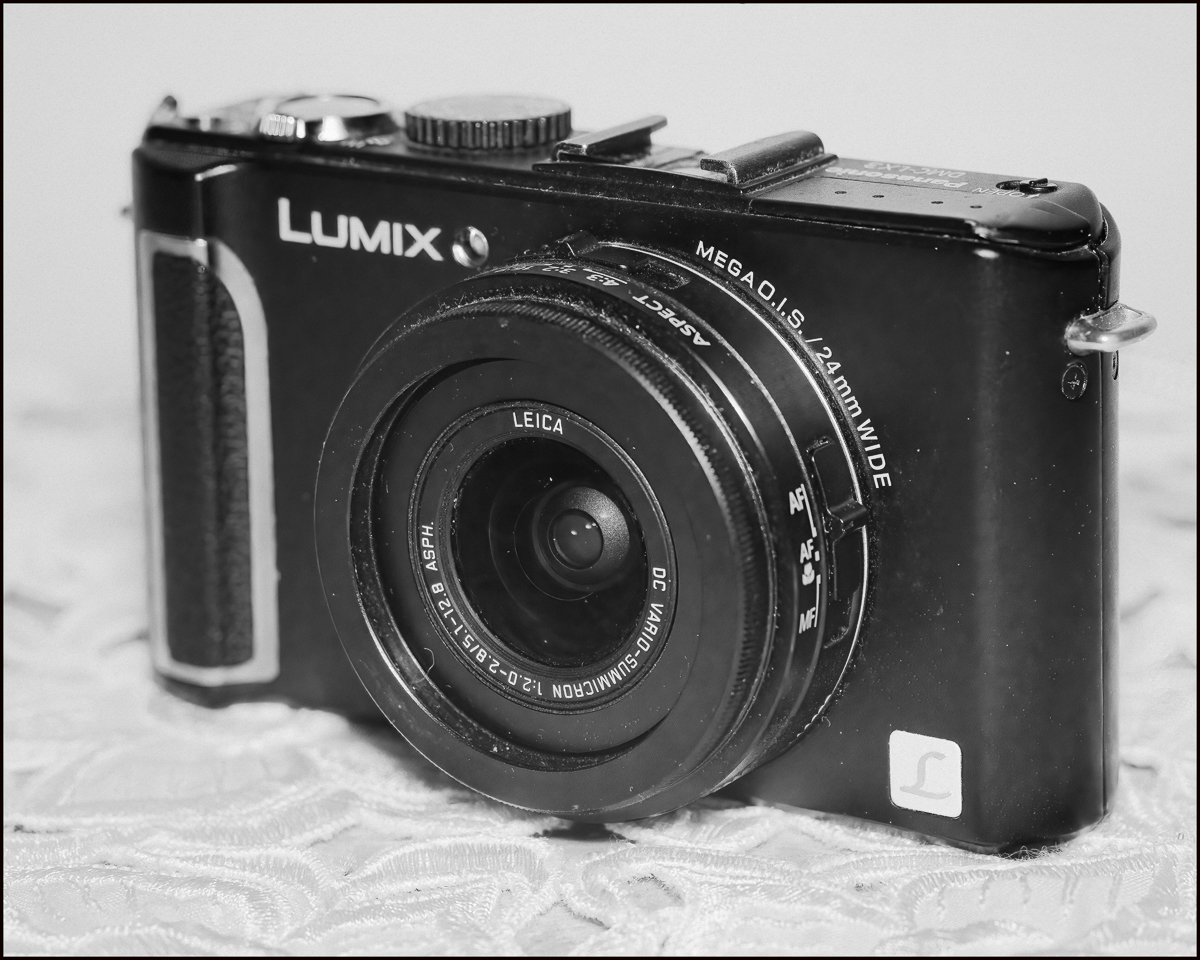
A Digicam: Panasonic LX-3

In an earlier post (much earlier: 2013) on the LX-3 I said:

I owe a lot to this camera. Somewhere along the line I’d lost interest in photography. Over the years I’d gone from the Minolta 7sii rangefinder that got me started, to a film SLR (Canon AE-1) and then to digital (Maxxum D SLR and Canon Powershot S-50). I’d also picked up a used Rolleiflex on a whim, but only used it once or twice – but that’s another story. I’d reached a point where I rarely went out to take photos, and was even reluctant to take a camera on vacations, family events etc. I’m not entirely sure why I lost interest. As I had moved to SLRs they had gotten bigger (the bodies and especially the lenses) and I no longer wanted to lug all of this stuff around.

More importantly perhaps was that I was dissatisfied with my pictures because I couldn’t entirely control the results. I never developed my own film and so I was always at the mercy of the labs. Even with digital images I had rarely post processed (even though I had copies of an older version of photoshop and also Photoshop Elements.)

I’d stopped carrying around the SLRs and pretty much restricted myself to the Canon. Then I was in Switzerland for my younger daughter’s wedding and I left the Canon in a taxi. It was later returned to me and I eventually gave it to my grandson, but for a while I was without a small, carry around camera. So I did some research and decided to get the LX3. I was very impressed with the results. I liked that it was small enough to carry around; it has a great f2.0 lens; 10 megapixel resolution; multiple aspect ratios; good macro and wide angle performance.

Although the LX3 is a wonderful camera there are still things about it I don’t like including: It’s small but still a little too large to comfortably carry around in a pocket; Noise starts to get bad above ISO 400; The zoom range (24-60mm equivalent) is a bit short;The LCD screen is almost impossible to see in bright sunlight and the only viewfinder option is a fixed 24mm optical.

The LX3 pretty much solved the portability problem. When I got this camera I also started to use RAW format files and Adobe Lightroom. This combination gave me much of the control I was lacking. Not all of it though. I still haven’t fully mastered digital printing.

Overall I was more than satisfied and I started taking pictures again – lots of them. It came at just the right time. With retirement looming I needed a hobby – something to occupy my time. Suddenly I was back into photography with a vengeance. Not just taking pictures, but studying the philosophy of photography, the history of photography etc. I even got into vintage cameras and started using film again. I’m now retired and spend a lot ob my time on “things photographic”. I don’t know if this would have been the case without this camera.

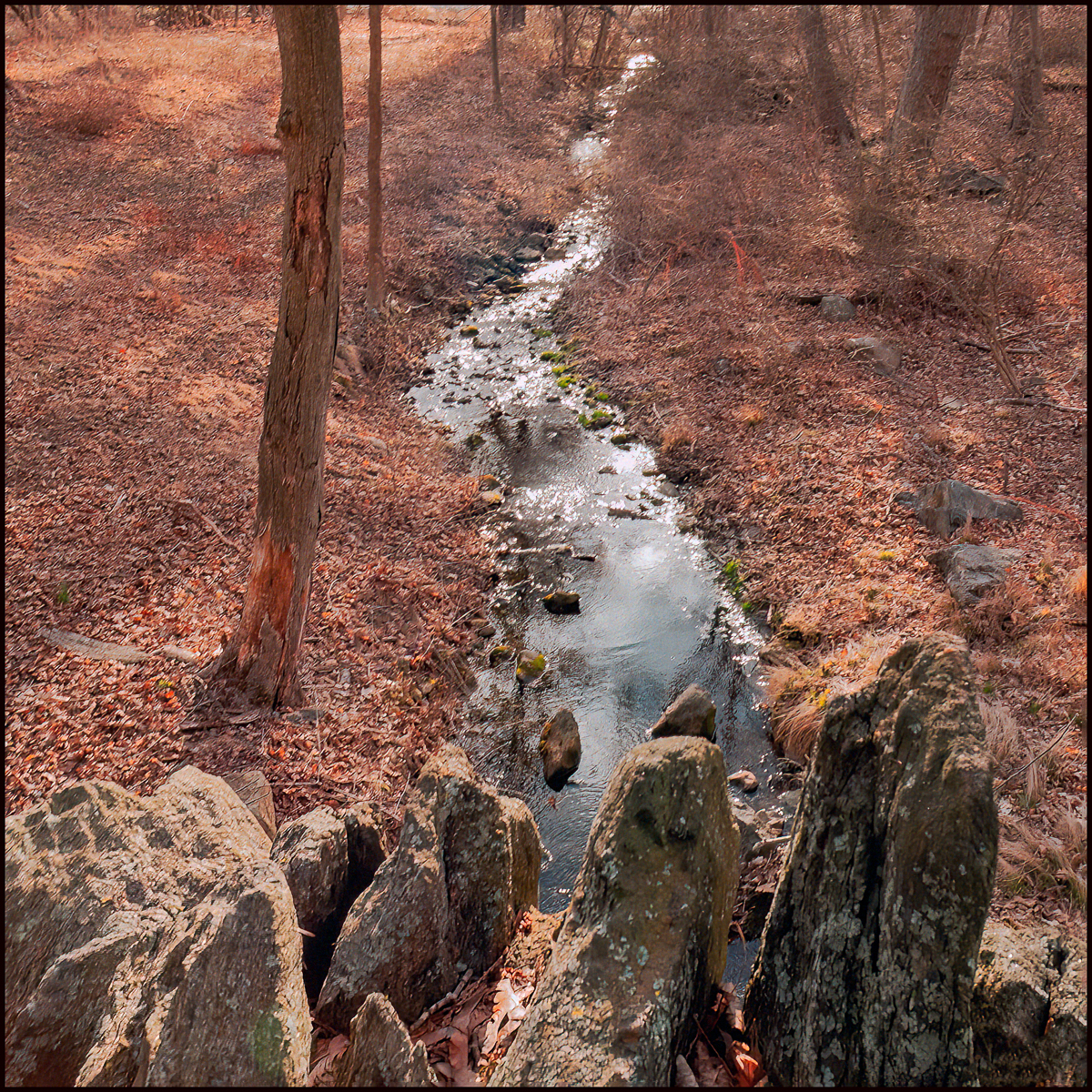
There’s a good review of it here. Here are some pictures taken with it.


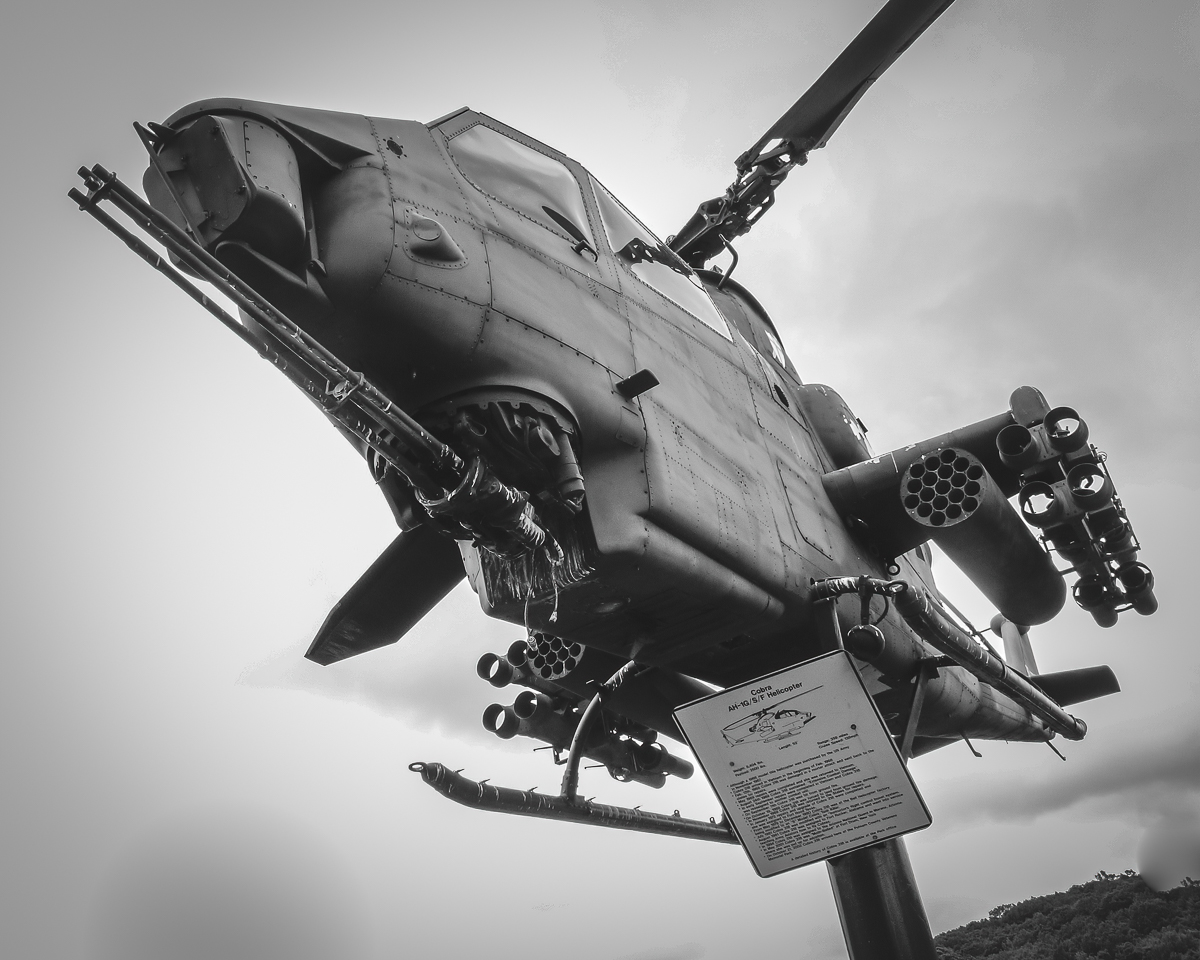
Patriots Park, Tarrytown, NY, 2010


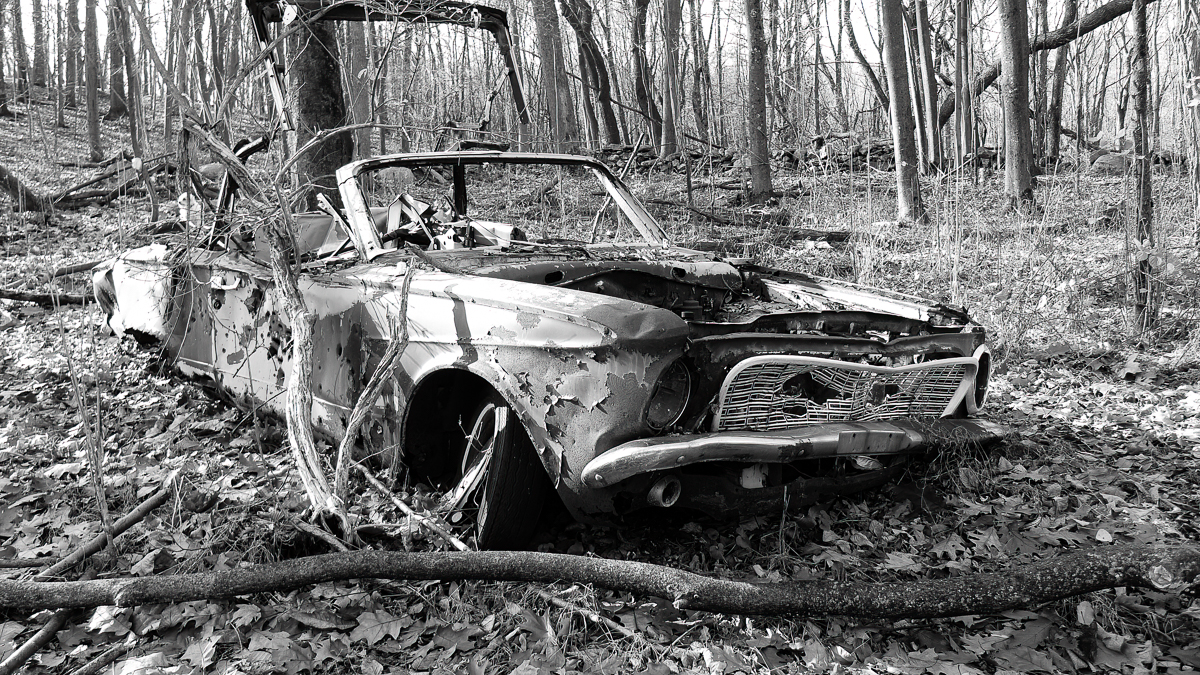
Car in the woods. Graham Hills Park, NY, 2010


Putnam County Veterans Memorial Park, 2012.


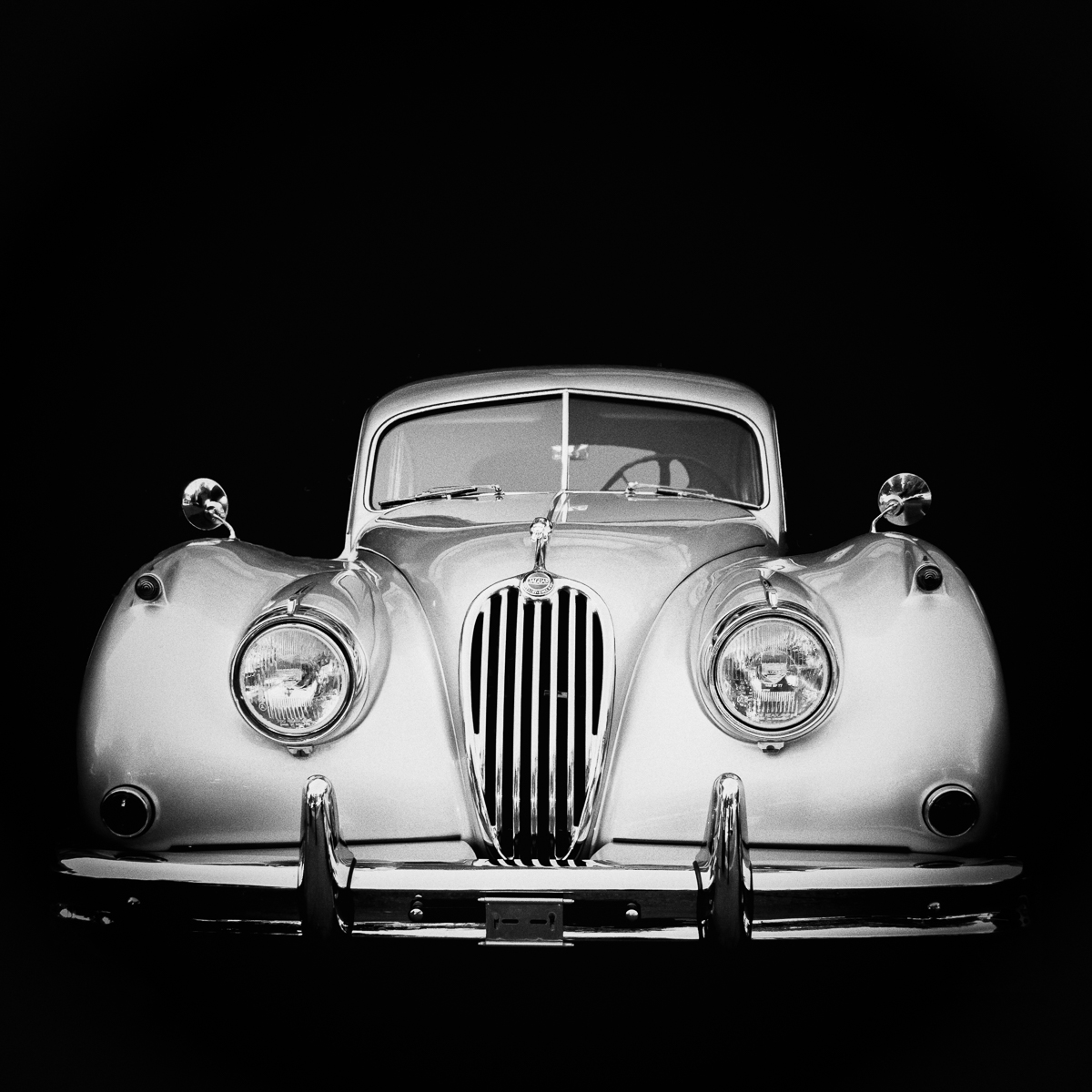
Jaguar. Geneva, Switzerland, 2010.


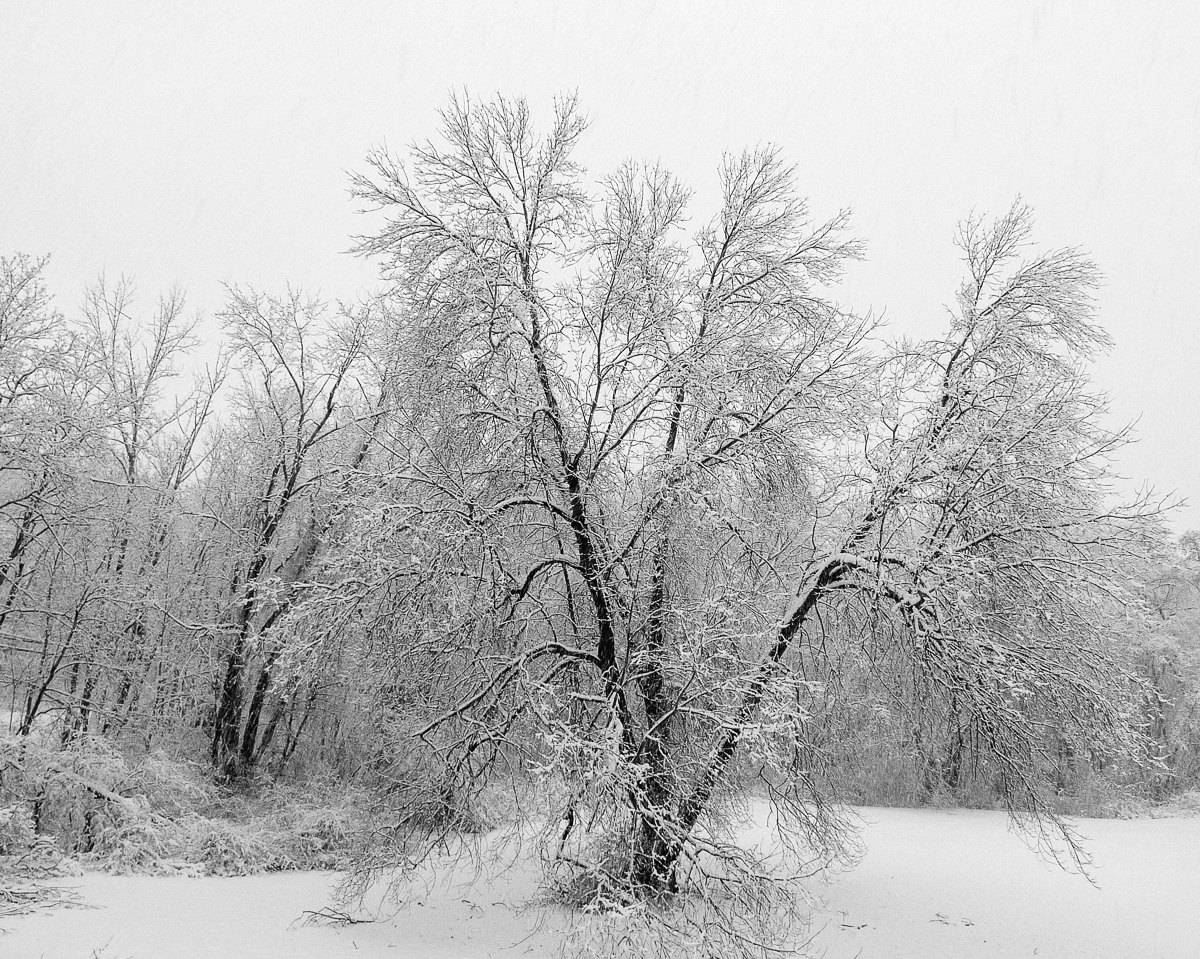
Tree by my house. Briarcliff Manor, NY. 2010.


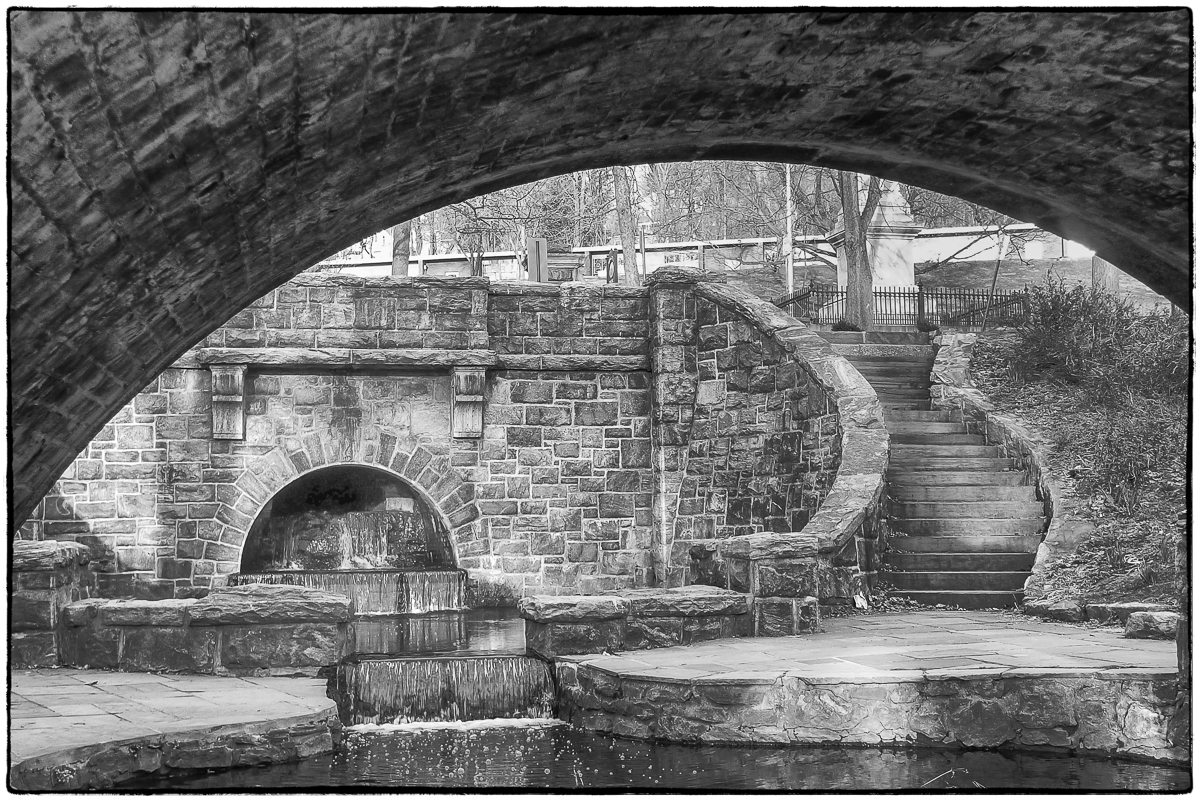
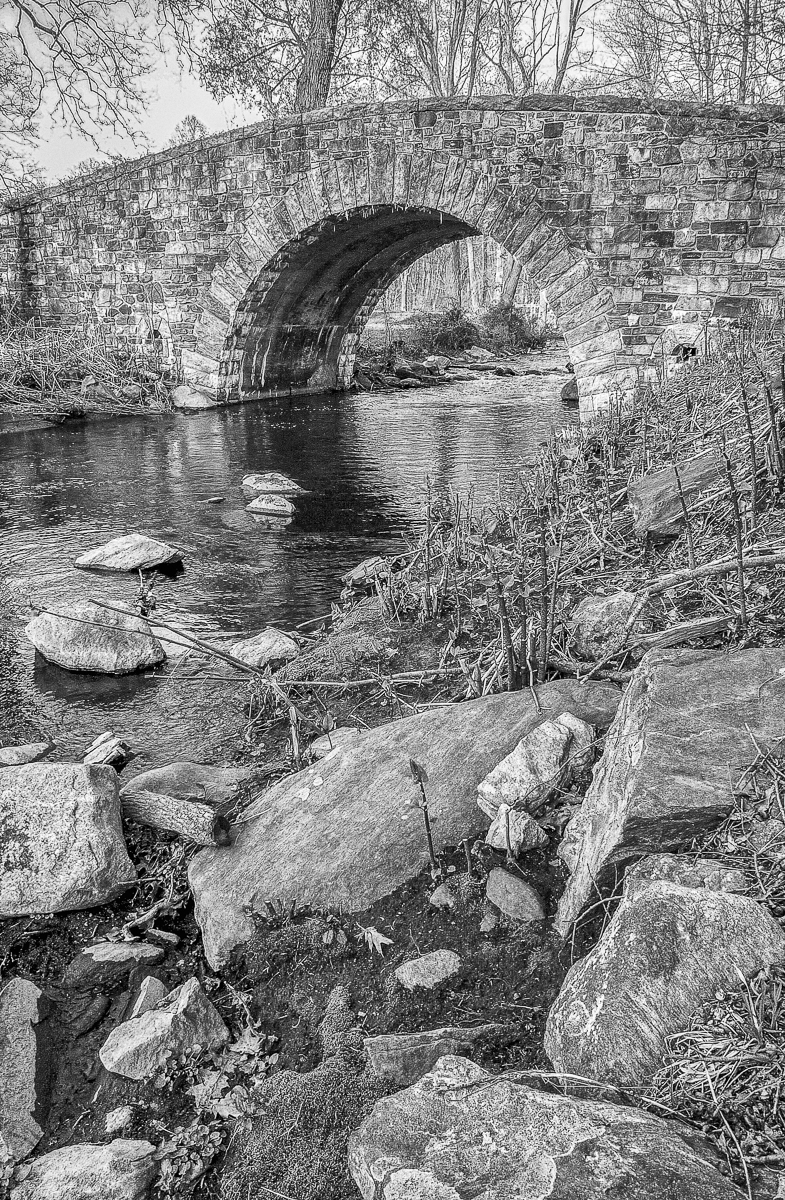
Stone Bridge. Rockefeller State Park Preserve. 2010.


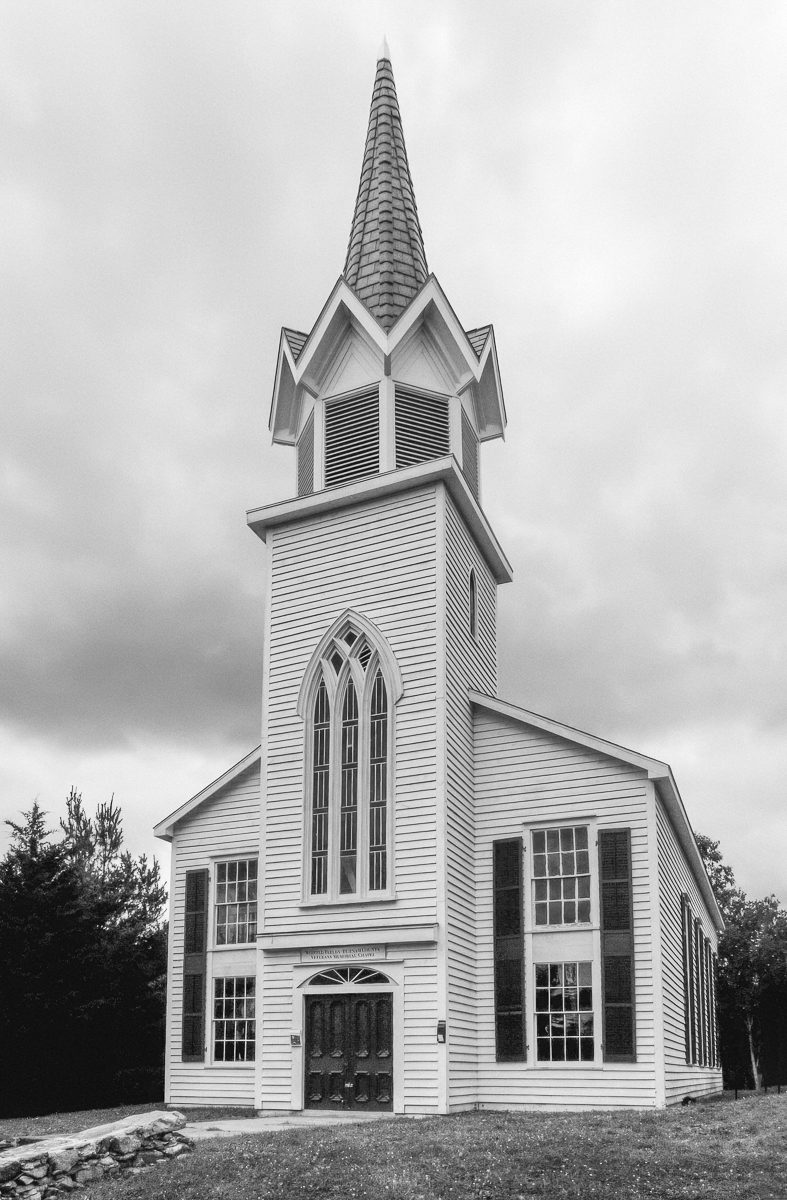
Whipple-Feely Chapel. 2012


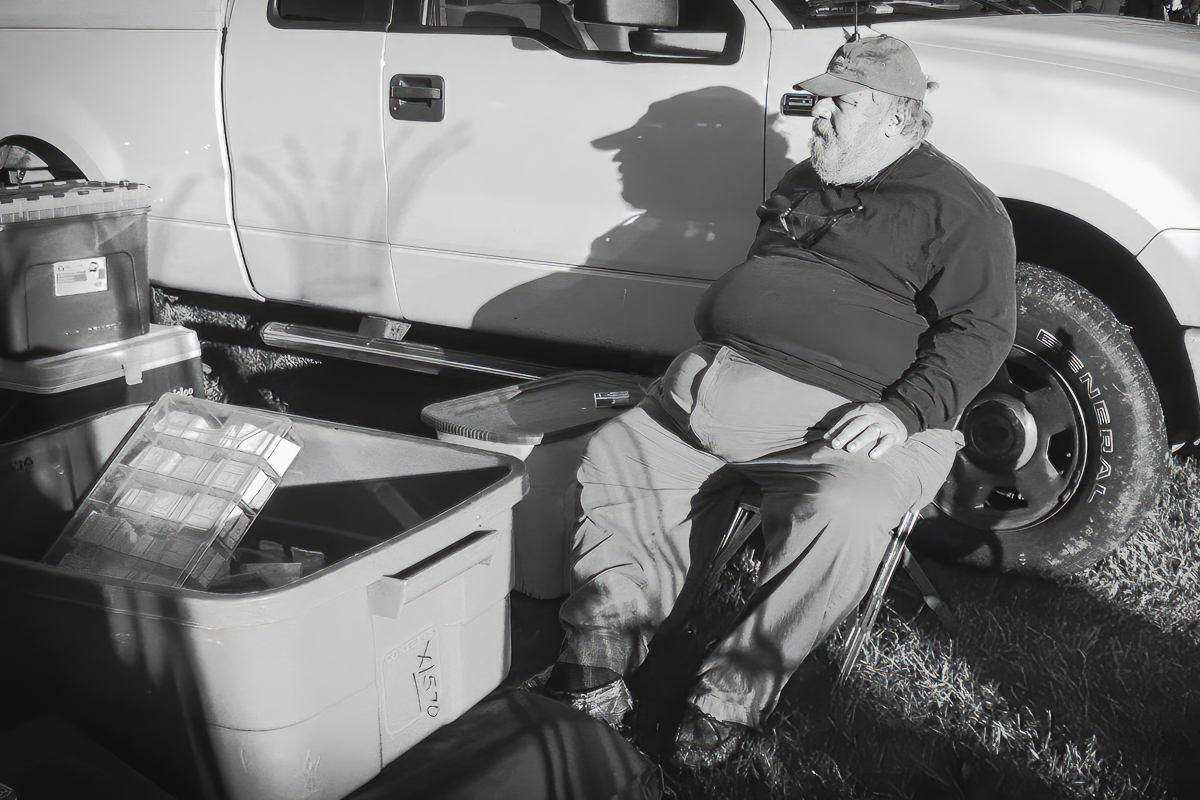
Flea Market Vendor. New Milford, CT., 2012


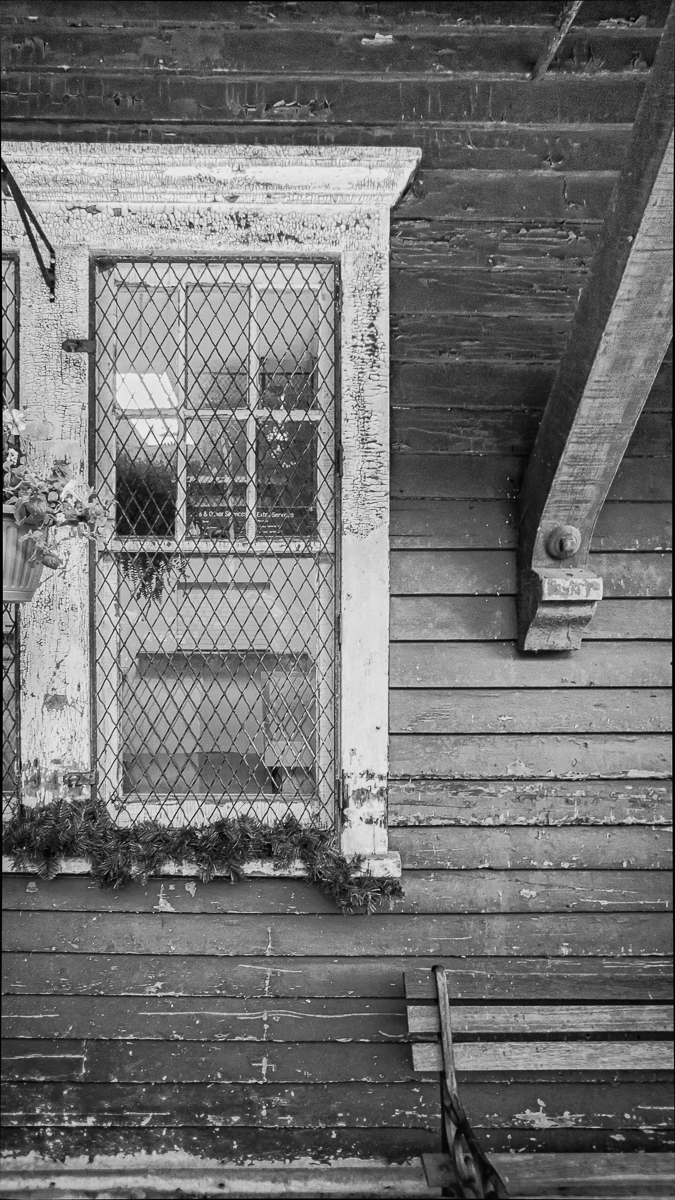
Window at the former train station (now post office), Scarborough, NY, 2011


Wooden Statue outside a store in Rhinebeck, NY, 2011.

For what I understand “Digicam” to mean see the preceding post: Digicams.

All pictures taken with a Panasonic Lumix LX-3 except for the picture of the camera itself, which was taken with a Fuji X-E3 and Fuji XC 16-50mm f3.5-5.6 OSS II

Digicams

I’m hearing the word “Digicam” a lot nowadays, but what does it actually mean.

If you look up the definition you’ll find that it’s something along the lines of “A digital camera”. While that’s technically correct the way the words are used today seem to suggest a slightly different meaning: “A digital camera, often a digital point and shoot, but also frequently an older Digital SLR, or mirrorless camera”. Current or recent generation digital cameras do not fit this definition. Cameras with CCD (rather then CMOS) sensors seem to be particularly prized.

So why have these cameras become so popular?

I think you have to go back a few years to understand what’s going on. When I first started to collect old film cameras around 2011 they were dirt cheap. You couldn’t give them away. Since digital photography had become popular nobody wanted film cameras any more. Then came the lomography cameras, which were inexpensive and fun to use. They attracted a lot of younger people who were tired of the clinical nature of digital cameras and liked this style of photography and the slower, more patient type of photography that they offered. Eventually they tired of the somewhat primitive lomography cameras and turned to used copies of very sophisticated cameras that only a few years before had cost thousands of dollars.

Things continued liked this until comparatively recently when suddenly the demand for old film cameras started to rise. At the same time these cameras were getting older and were starting to break, often in ways that could not repaired because required parts were no longer available. With higher demand and a more limited supply the prices of film cameras started to rise. Perhaps even more important: a number of film manufacturers were discontinuing their offerings placing Kodak in an almost monopolistic position. Consequently the cost of film has sky rocketed to a point where many film photographers no longer find it economically possible for them the shoot a lot of film.

So what to do? You can’t shoot film because the cameras and film stock cost too much, but you don’t want to use current generation digital cameras because you don’t like the experience. Well, how about taking a look at older digital cameras? People have started to realize that very high resolution cameras are largely a marketing ploy by camera manufacturers. Most do not need a 50 megapixel camera. The best use of such cameras is to make extremely large prints, but how many people even make prints now. The most common use of a camera today is to produce fodder for social media and for that 4 megapixels is more than adequate. Current generation digital cameras tend to be large, heavy and expensive. So why not try older digital cameras, which are often smaller, lighter and much less expensive.

It’s true that many of the point-and-shoot variety of such cameras are fully automatic and not particularly interesting to use. But there are also many that are fully featured – offering fully automatic, partially automatic, and manual exposure modes; automatic or manual autofocus; raw file formats etc.; many even offer the much prized CCD sensor, which is supposed to give the images a more “filmic” appearance.

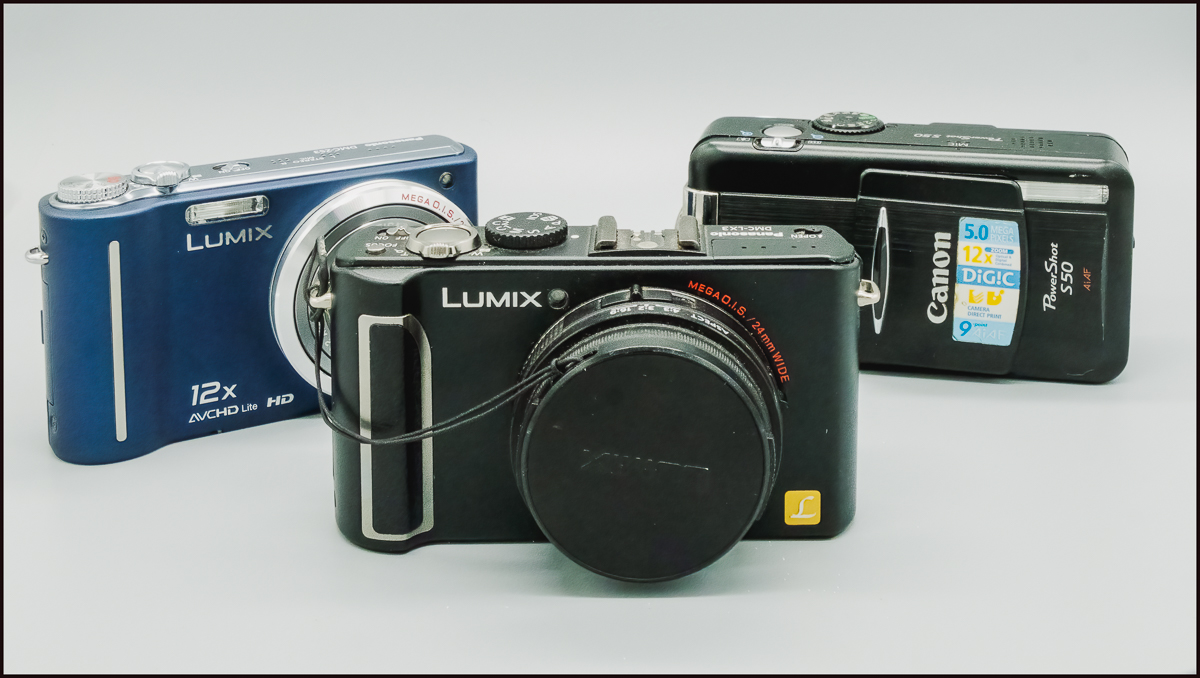
That was what motivated me to take out some of my older digital cameras, many of which I haven’t used for years as I replaced them with more modern cameras. I already had some (you can see three of them above) so out they came. OK the focus isn’t as good as it is on my more recent cameras; the LCDs are pretty pathetic; the dynamic range is often limited; noise at all but the lowest ISOs is problematic, but I’m having fun using them again. Moreover, I like to challenge myself to see what kind of pictures I can make with them. After all at the end of the day it’s the photographer who makes the picture, not the camera.

You can get a sense of what can be done by looking at the next post where I use one of the cameras above (the 15 year old Panasonic LX-3), the one in the middle.

Taken with a Fuji X-E1 and Fuji XC 16-50mm f3.5-5.6 OSS II