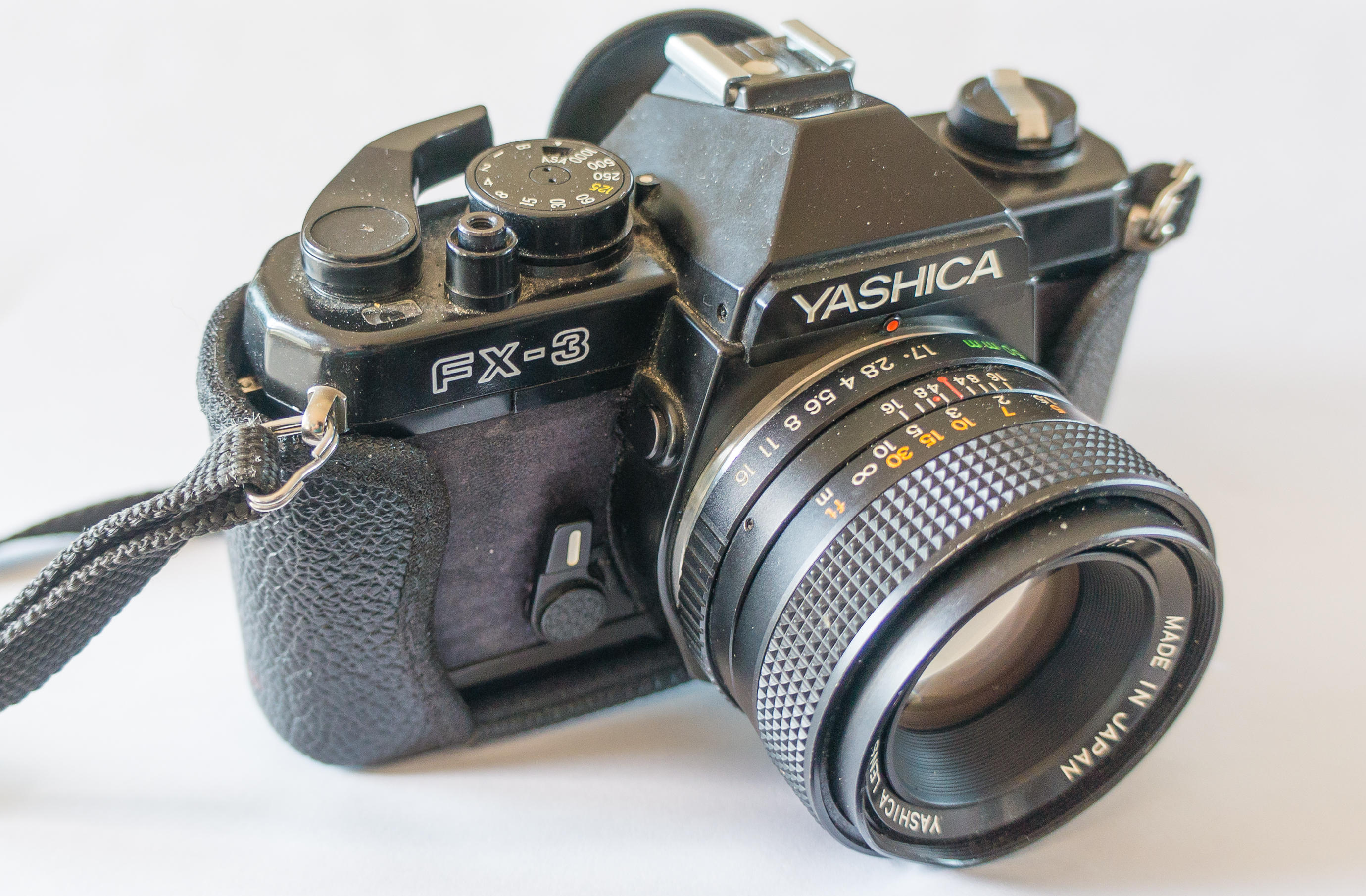
GAS attack gone wrong part two: Yashica FX-3?


In part one of this post I documented how I had bought a Yashica FX-2 in a Goodwill store for $9.99 only to find that the lens was stuck on f1.9 and the 1/1000 second shutter speed didn’t work. I ended that post saying that I was looking for a lens that worked. Well I found one: a 50mm f1.7 ML (a much better lens than the one on the FX-2 even when it worked properly). This one also came with a Yashica FX-3 body attached, two additional lenses (a 45-75mm ML zoom and a 50mm f2 ML) , a flash, a nice camera case, a camera bag and some manuals. All for $5.99. The leatherette has come off the body (I believe a common problem with old Yashicas and even the much more expensive Contaxs). It leaves a kind of fuzzy covering that I don’t find unpleasant. I can always recover it if I feel the need. There’s also a ding on the filter ring of the 50mm f1.7 lens that doesn’t seem to affect it’s performance although it does make it difficult/impossible to put screw-in filters on. The light seals look as if they will need replacing at some point.

So much for cosmetics. Does the thing actually work? Or does it have hidden problems like the FX-2. I took it out to try it and I’m pleased to say that it works perfectly. I tried all the shutter speeds, and all the aperture settings. Everything works fine. The focus is smooth. No light leaks. The results are below. Any failings with the pictures are the fault of the photographer and not the camera. I used a ten year old roll of Kodak Gold 200 that I found in a box while cleaning out the garage, had processed an scanned and then converted to black and white myself.
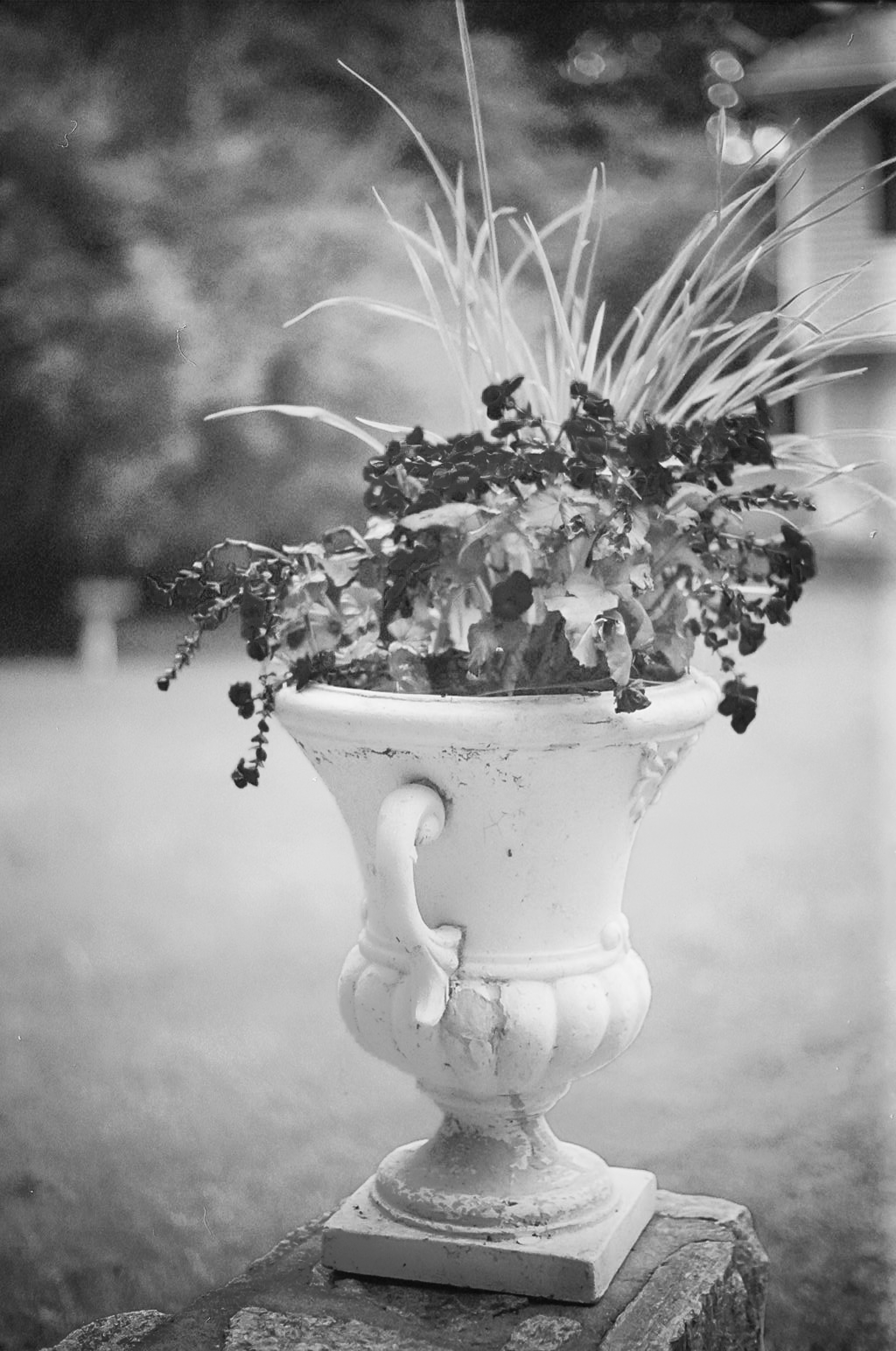

Urn


Bench
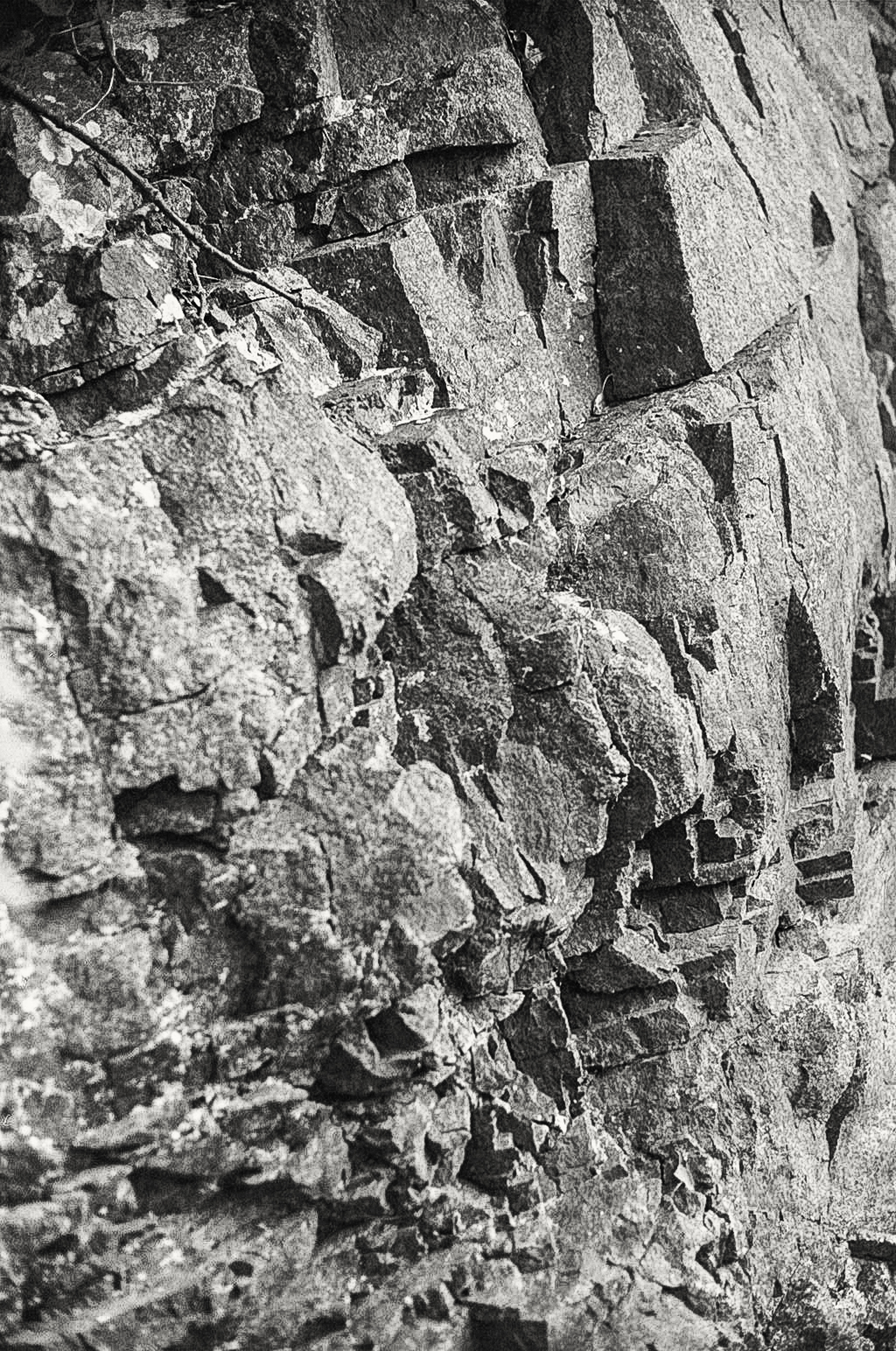

Rock Face
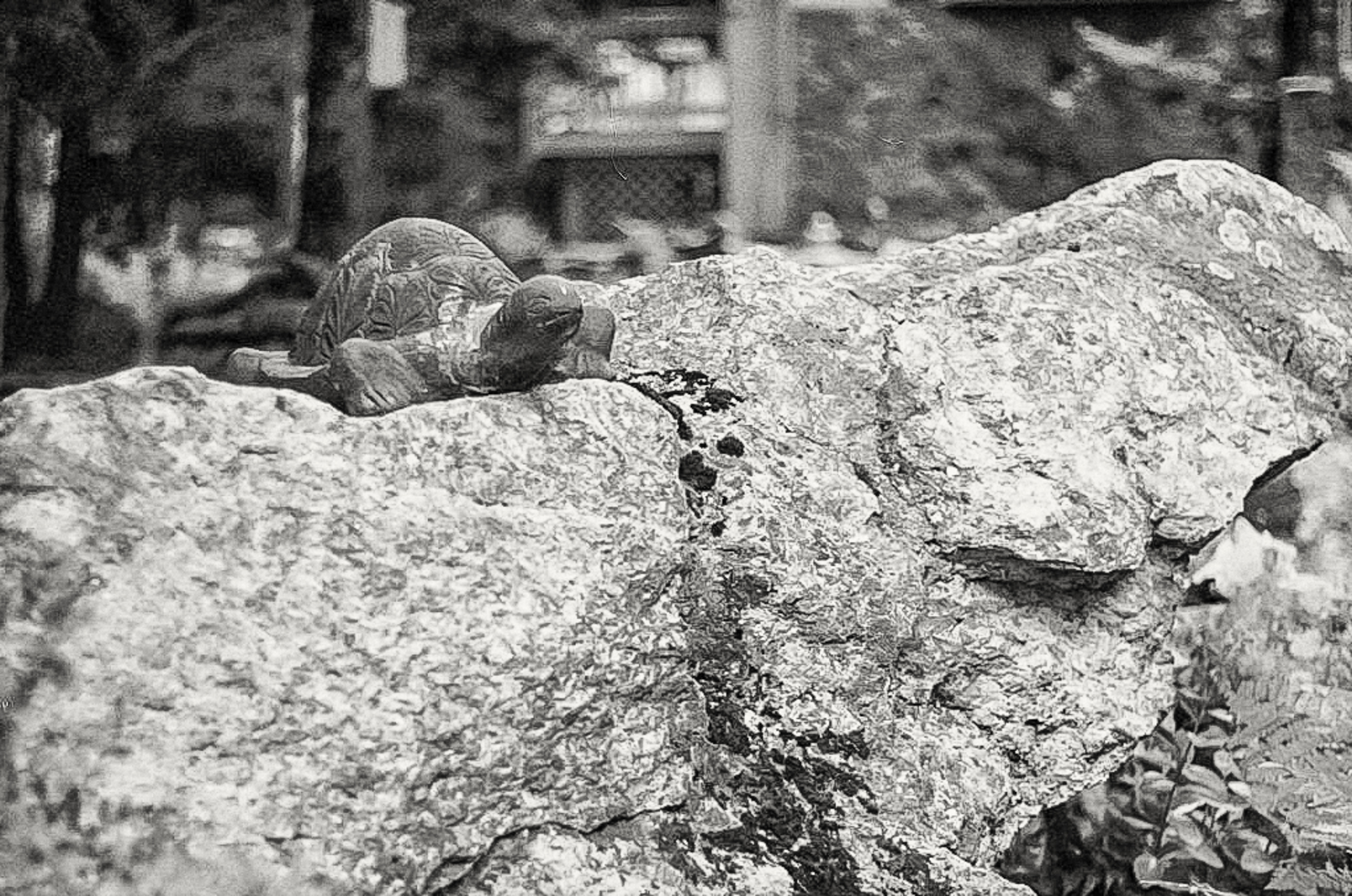

Toy Turtle on a Rock
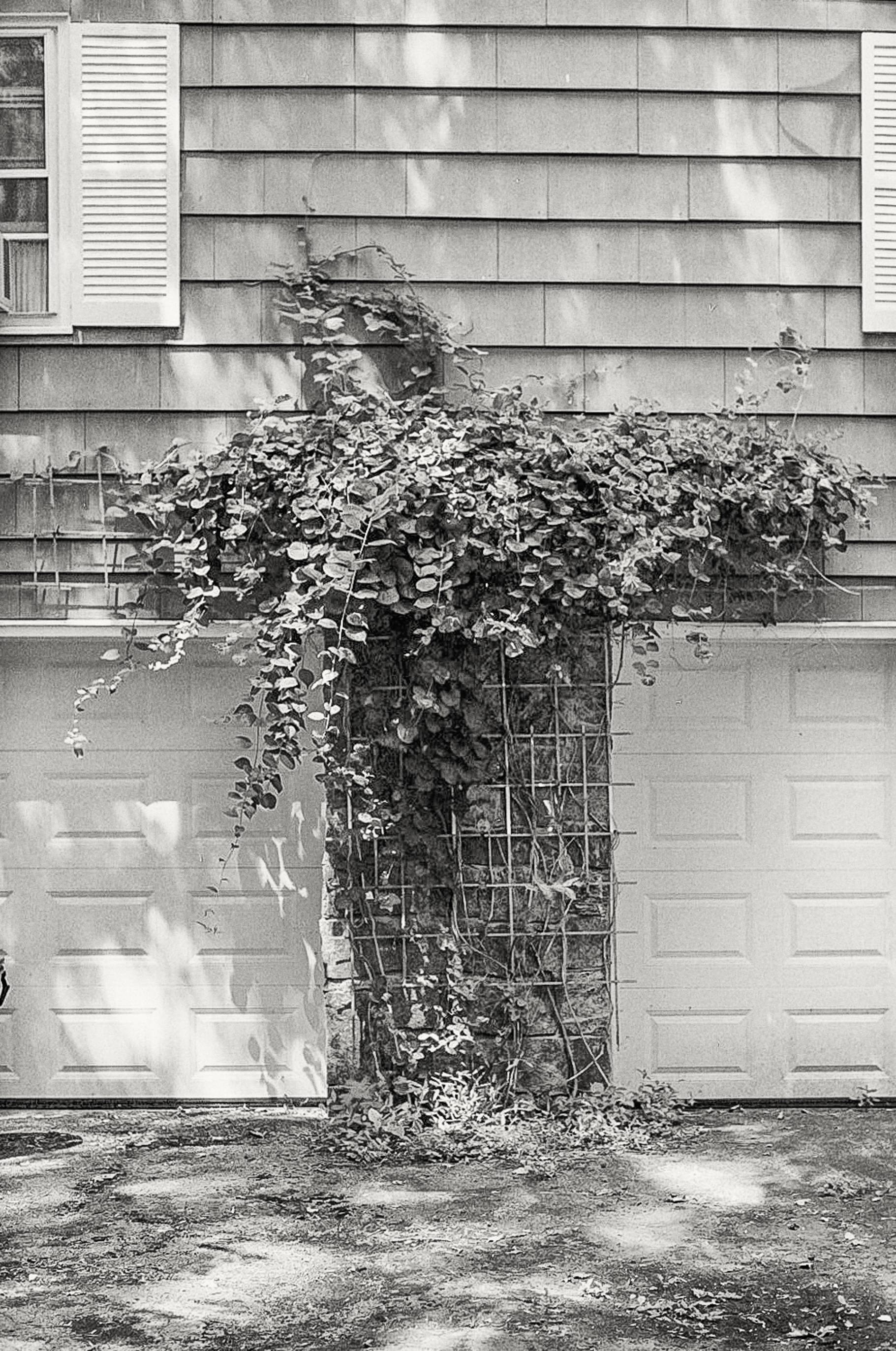

Trellis
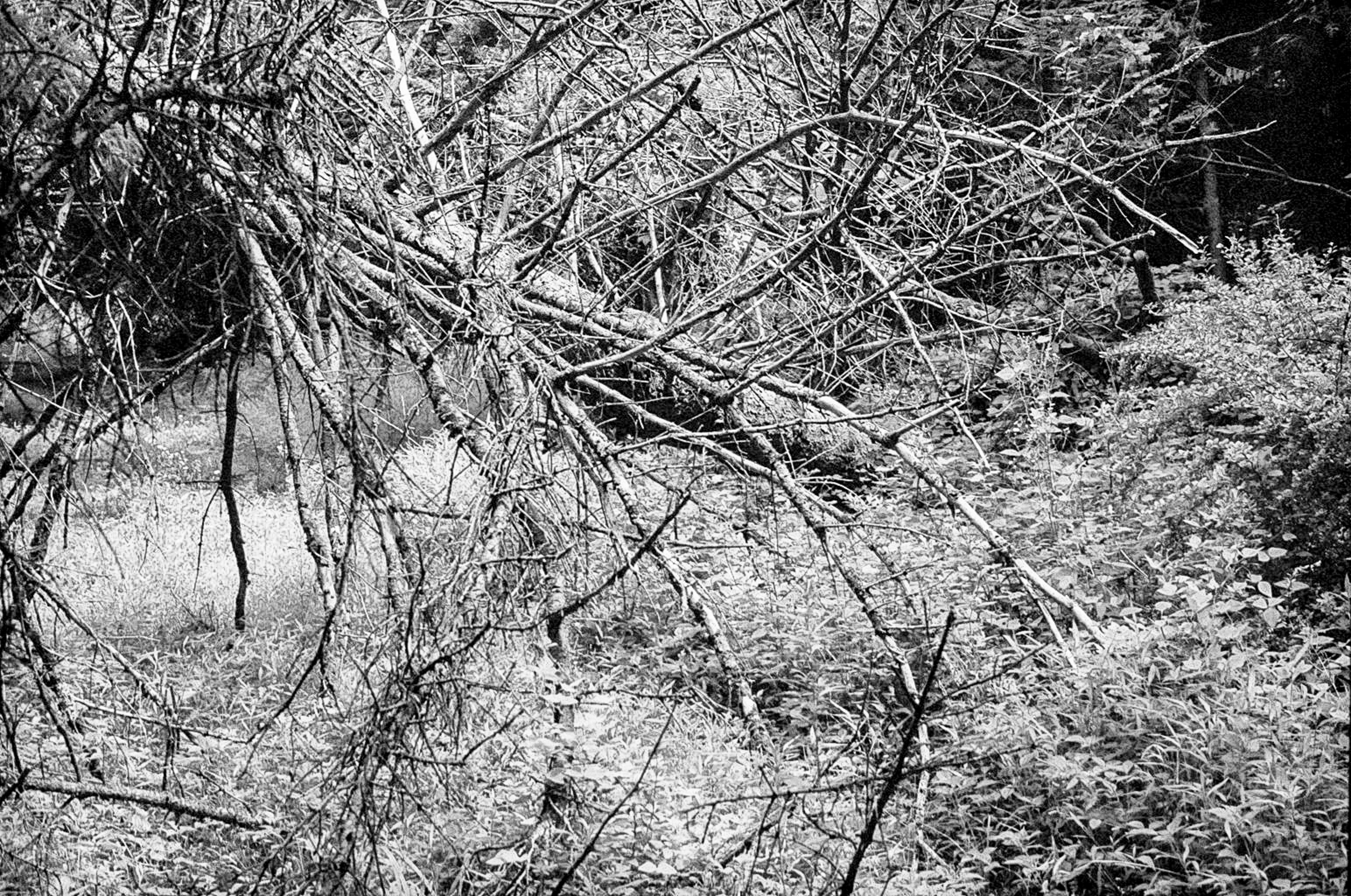

Fallen Tree
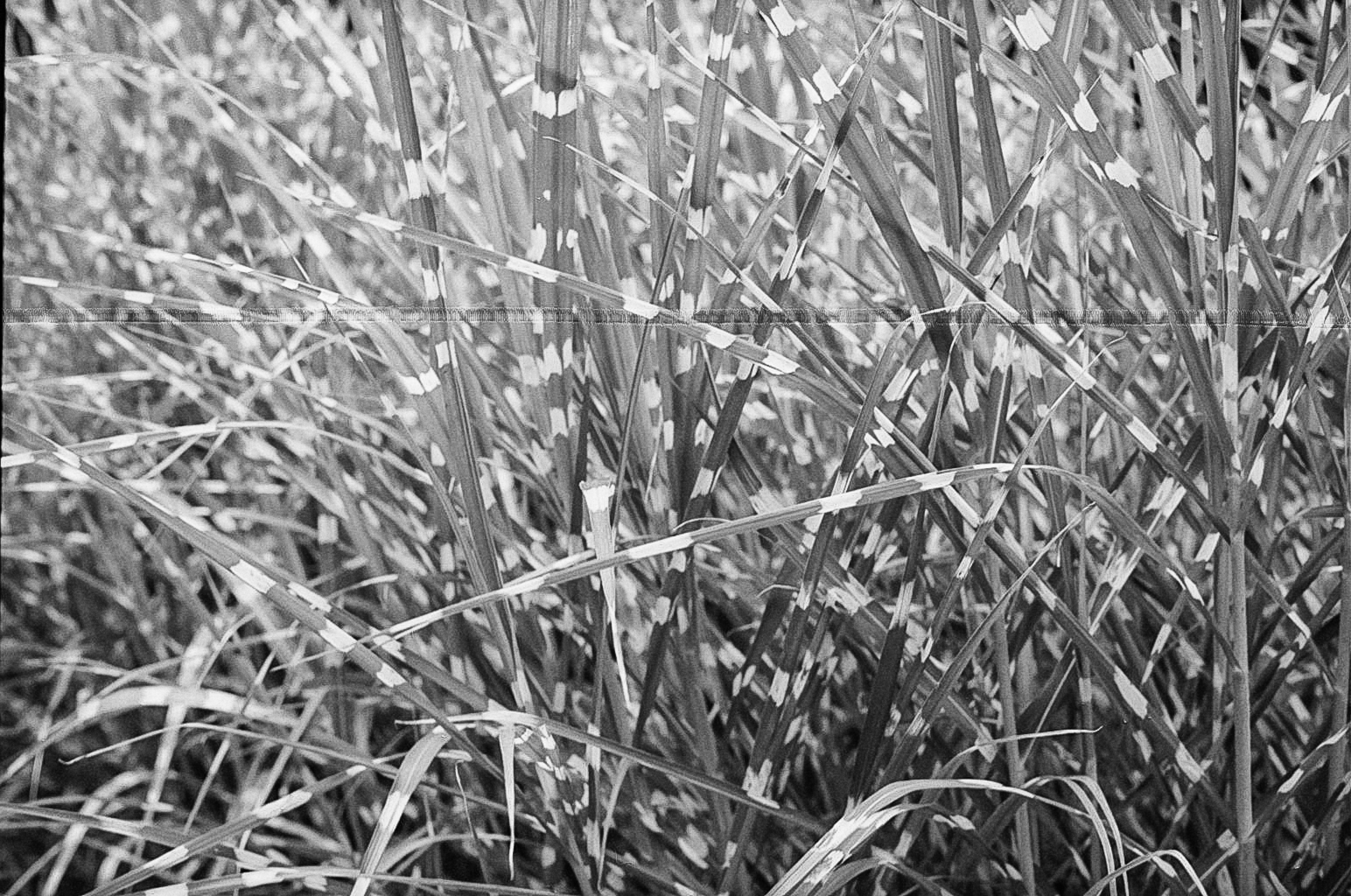

Grasses
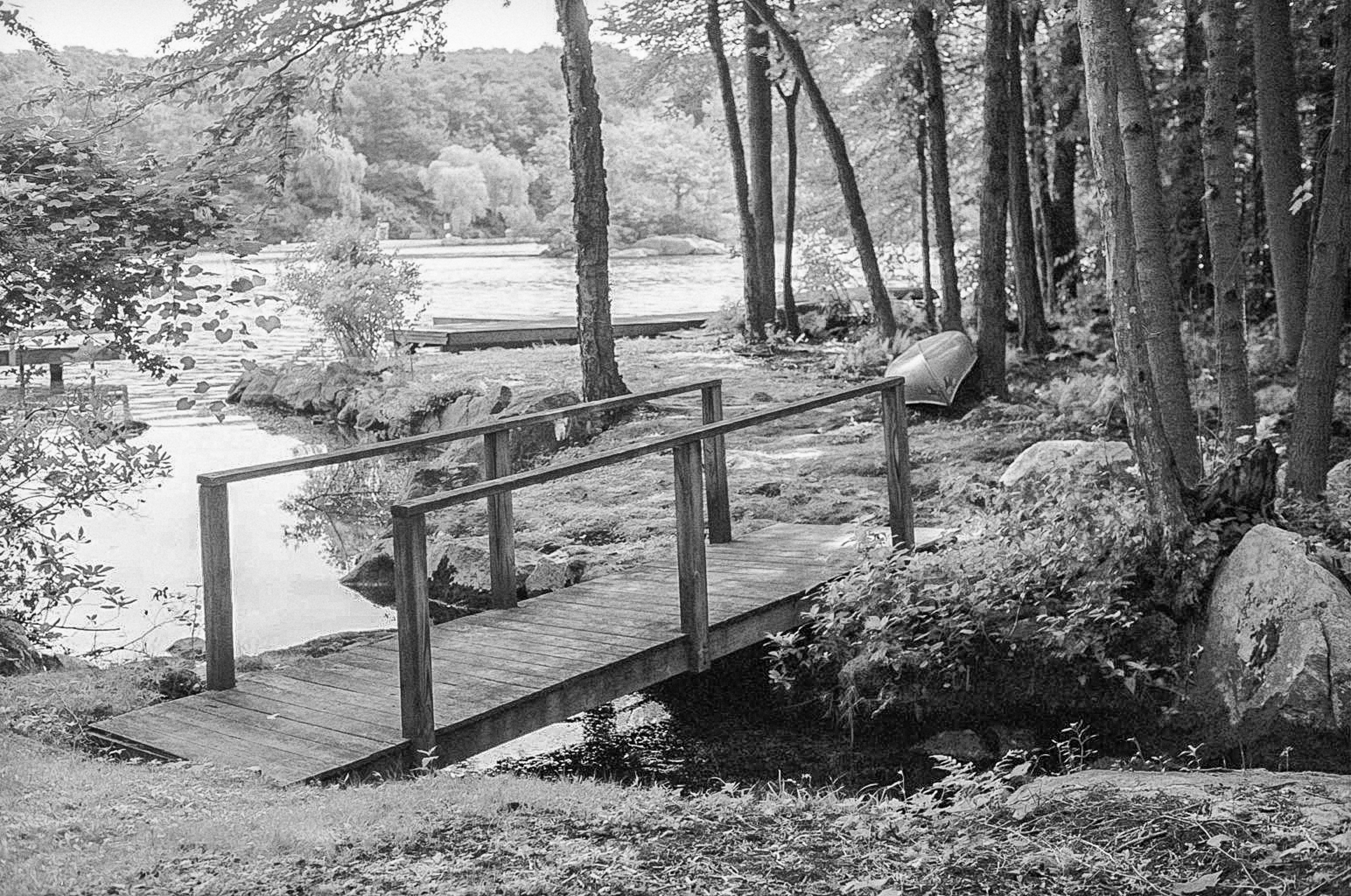

Bridge to the lake


Flower
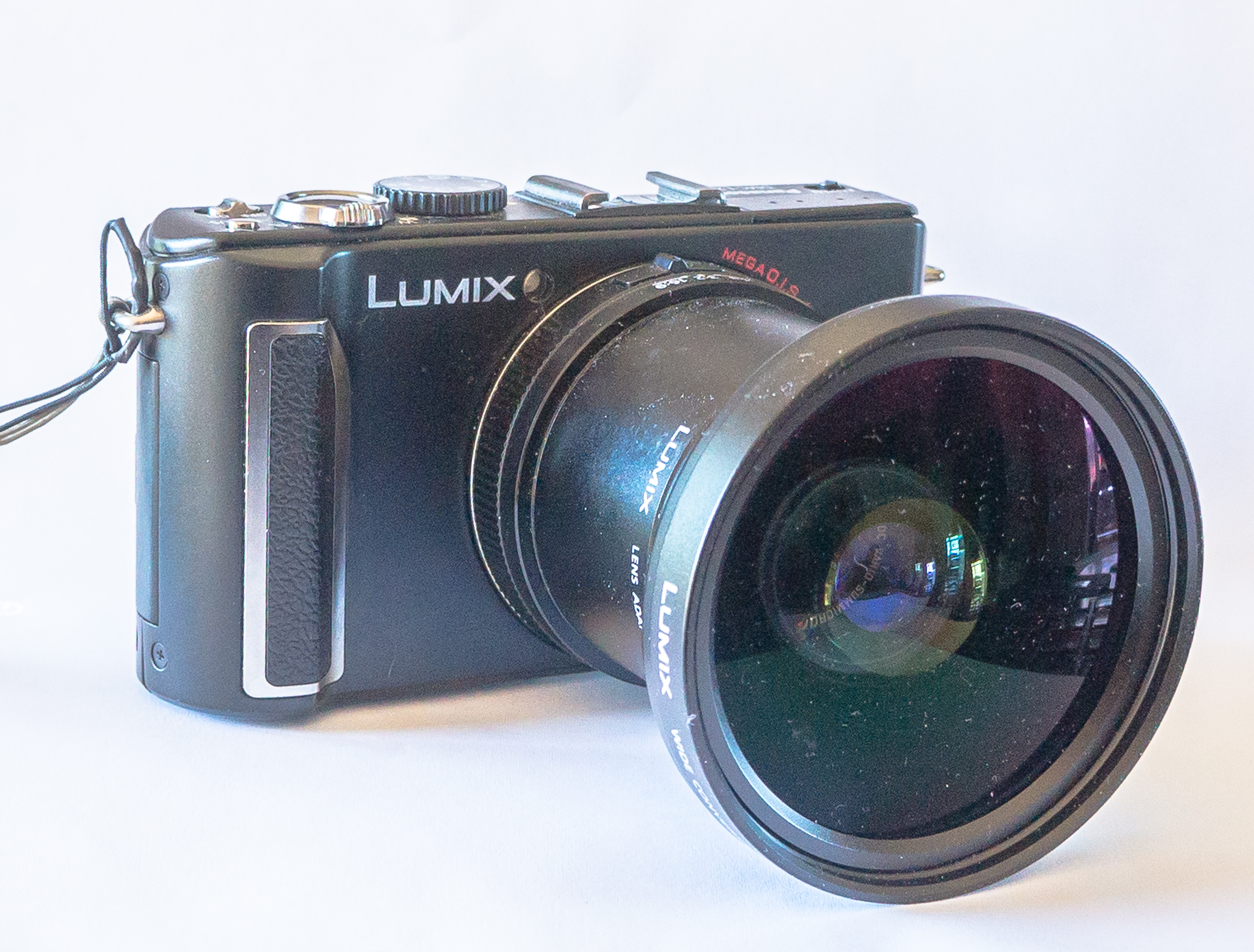
Panasonic Lumix LX-3

Panasonic Lumix LX3 with its excellent wide angle adapter.

I owe a lot to this camera. Somewhere along the line I’d lost interest in photography. Over the years I’d gone from the Minolta 7sii rangefinder that got me started, to a film SLR (Canon AE-1) and then to digital (Maxxum D SLR and Canon Powershot S-50). I’d also picked up a used Rolleiflex on a whim, but only used it once or twice – but that’s another story. I’d reached a point where I rarely went out to take photos, and was even reluctant to take a camera on vacations, family events etc. I’m not entirely sure why I lost interest. As I had moved to SLRs they had gotten bigger (the bodies and especially the lenses) and I no longer wanted to lug all of this stuff around.

More importantly perhaps was that I was dissatisfied with my pictures because I couldn’t entirely control the results. I never developed my own film and so I was always at the mercy of the labs. Even with digital images I had rarely post processed (even though I had copies of an older version of photoshop and also Photoshop Elements.)

I’d stopped carrying around the SLRs and pretty much restricted myself to the Canon. Then I was in Switzerland for my younger daughter’s wedding and I left the Canon in a taxi. It was later returned to me and I eventually gave it to my grandson, but for a while I was without a small, carry around camera. So I did some research and decided to get the LX3. I was very impressed with the results. I liked that it was small enough to carry around; it has a great f2.0 lens; 10 megapixel resolution; multiple aspect ratios; good macro and wide angle performance.

Although the LX3 is a wonderful camera there are still things about it I don’t like including: It’s small but still a little too large to comfortably carry around in a pocket; Noise starts to get bad above ISO 400; The zoom range (24-60mm equivalent) is a bit short;The LCD screen is almost impossible to see in bright sunlight and the only viewfinder option is a fixed 24mm optical.

The LX3 pretty much solved the portability problem. When I got this camera I also started to use RAW format files and Adobe Lightroom. This combination gave me much of the control I was lacking. Not all of it though. I still haven’t fully mastered digital printing.

Overall I was more than satisfied and I started taking pictures again – lots of them. It came at just the right time. With retirement looming I needed a hobby – something to occupy my time. Suddenly I was back into photography with a vengeance. Not just taking pictures, but studying the philosophy of photography, the history of photography etc. I even got into vintage cameras and started using film again. I’m now retired and spend a lot ob my time on “things photographic”. I don’t know if this would have been the case without this camera.


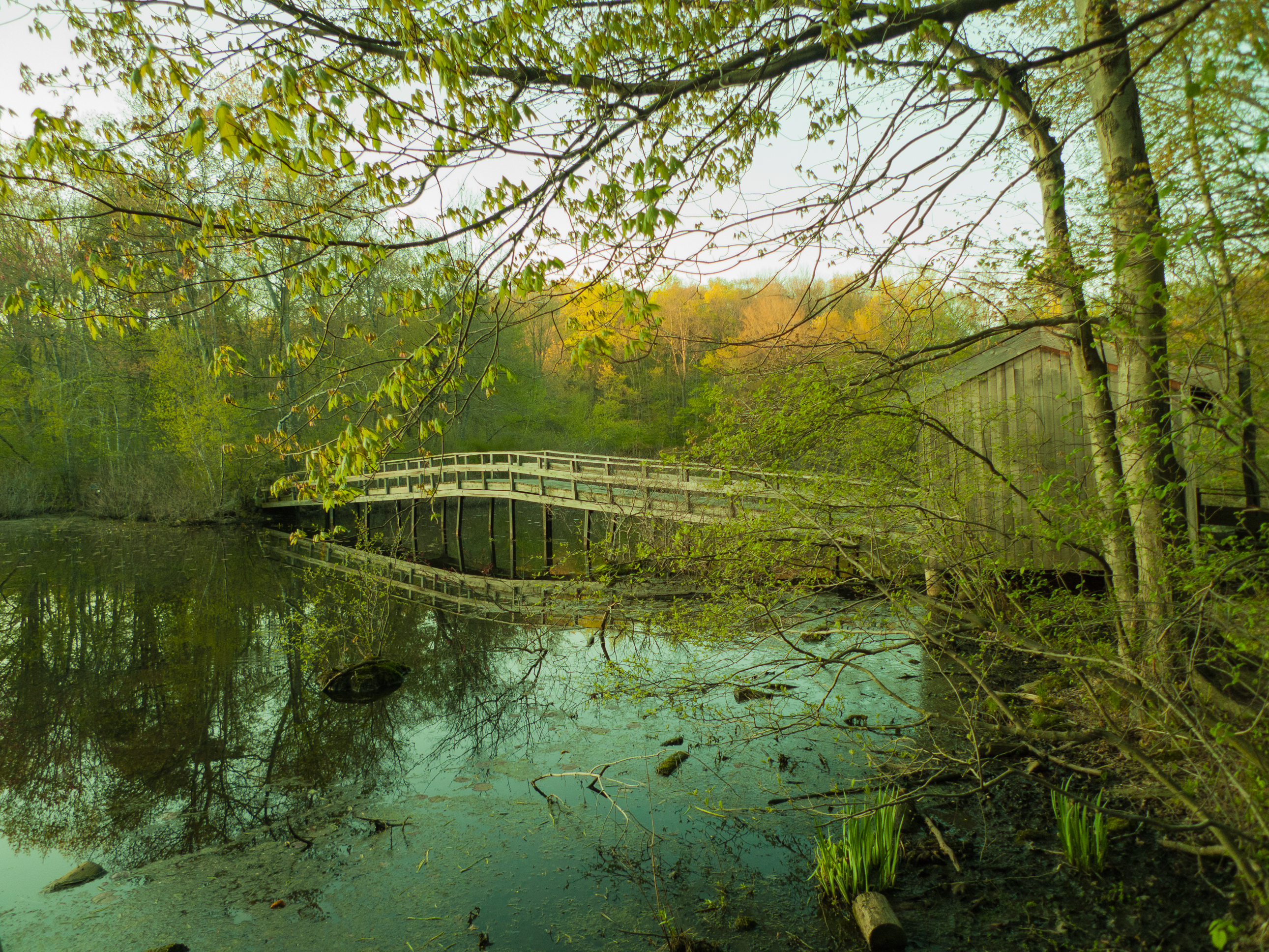
Bridge to Wildflower Island, Teatown preserve


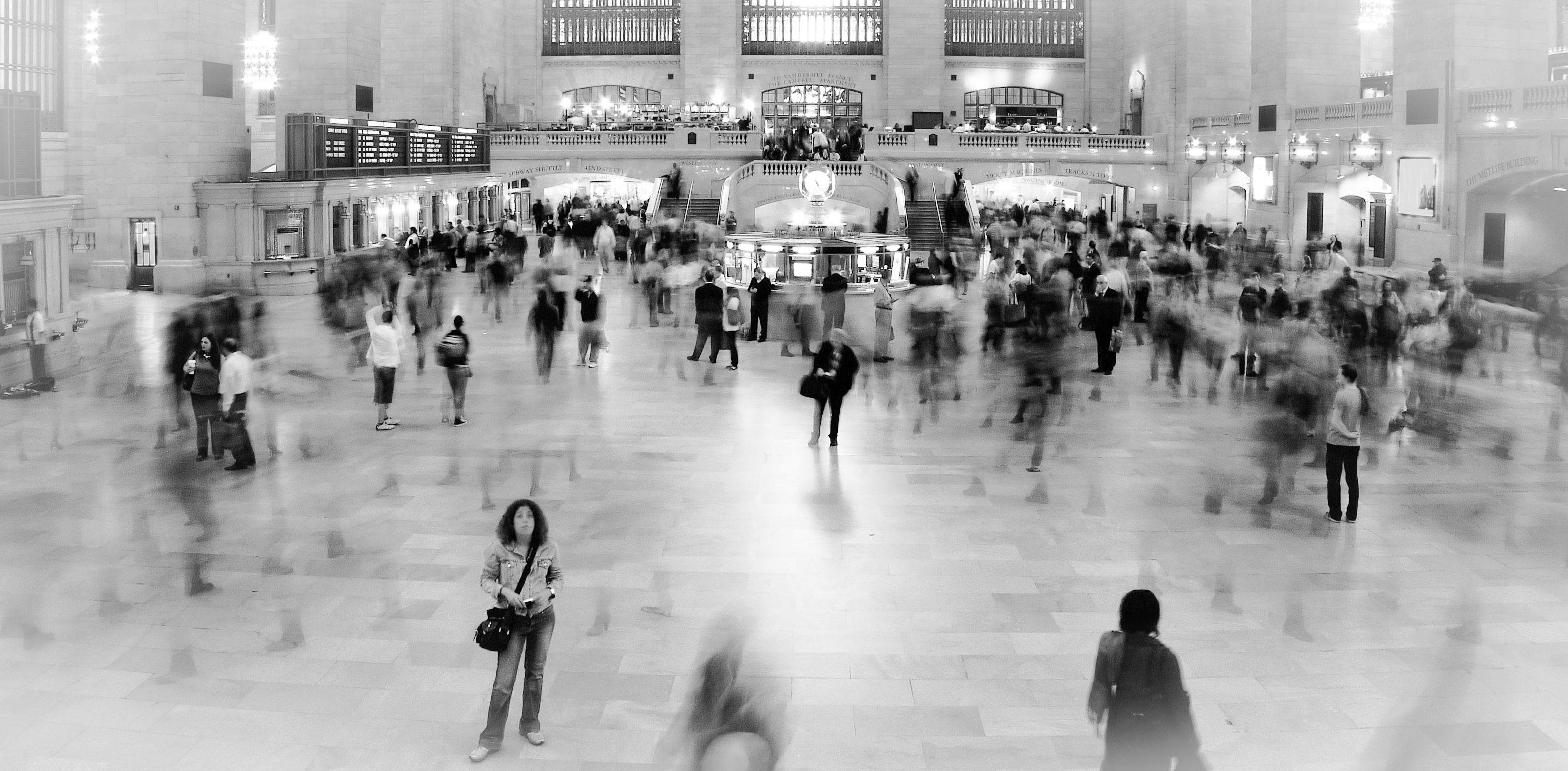
Grand Central Terminal, NY


Autumn leaves at Kingsland Point Park, Tarrytown, NY


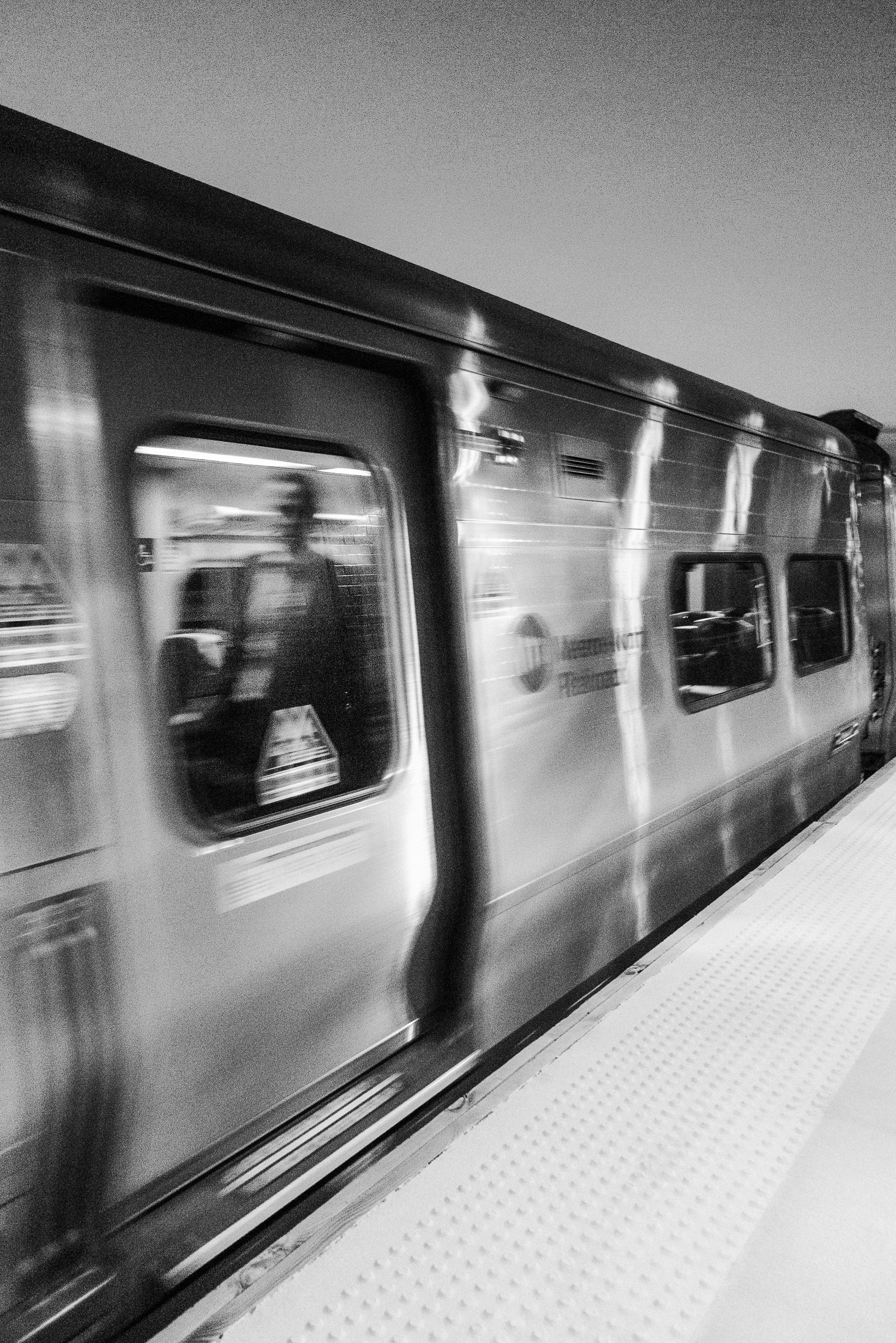
Man on a Train. Scarborough Station, Briarcliff Manor, NY

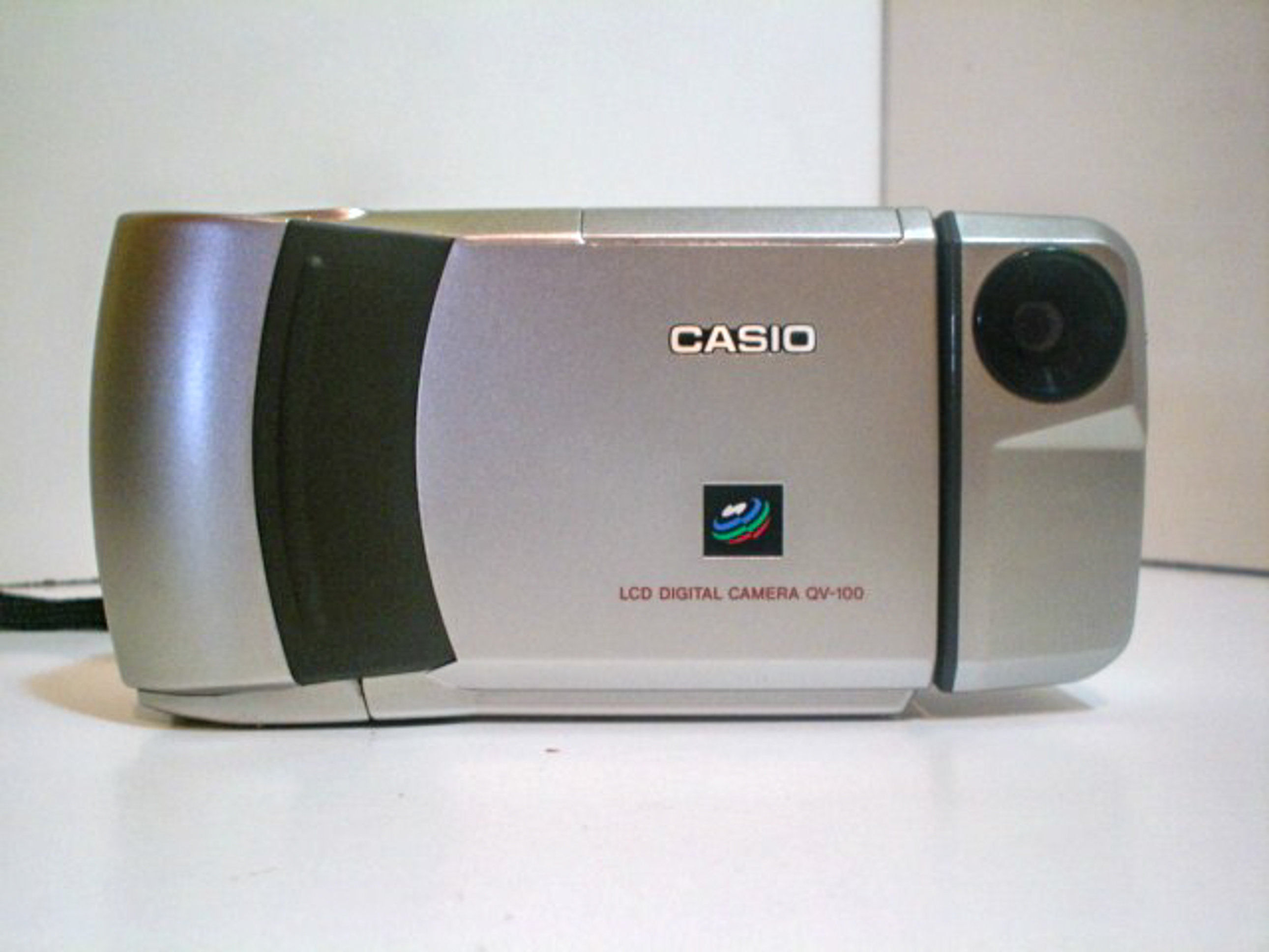
Gone but very definitely not forgotten (even though I’ve tried) – Casio QV100


This is a third of a series of posts. The first covered some cameras, which I liked but which I no longer have. The second covered a camera, which I still have but which I find hard to like. In this post we look at a camera, which I no longer have and which I didn’t really like. In fact I’d consider it to be absolutely the worst camera I’ve ever owned. Also one of the most expensive. It’s a Casio QV100. I don’t actually have a picture of it. I’ve tried my best to blot out the memory so I’ve had to “borrow” one from the internet. I “borrowed” the camera photograph from Alistair Patterson’s photostream on flickr, where you will also find a very interesting (and probably more balanced) review of the camera.

Cast your mind back to 1996. I was living in Geneva, Switzerland at the time. I’d been using film cameras (Minolta Hi-Matic 7sii and Canon AE-1) for some time. I was working in IT and now here was a digital camera. I can’t remember what it cost, but I do recall that it was very expensive – more expensive than most of the cameras I’ve bought. But I couldn’t resist it. Among other things it was the first camera with an LCD screen. You could actually see the pictures you were taking!!

I don’t have any pictures taken with this camera. I remember having it, but I had forgotten the model number. We moved back to NY late in 1998. Some boxes were not unpacked immediately and went into our garage. We (my wife and I) were cleaning out the garage the other day and we found some boxes untouched since 1998. In one of these boxes was the manual for the QV100. I no longer have the camera. I gave it to my older daughter who took it back to the UK where it is stolen. Probably the best thing that could have happened to it. I feel sorry for the thief.

So what was wrong with the camera? Well… pretty much everything. The specification in the manual says that this was a “Digital (JPEG based)/Field Recording” system. It had a “built in “32 mbit flash memory” capable of storing “64 fine” (fine being 640×480) images. The manual further claims approximately “150 minutes continuous operation … for about 96 images (one images per minute)”. It had a “61,380 1.8 inch TFT low-glare colorLCD”. Shutter speed “1/8 – 1/4000 second”

My memory is that the image quality was terrible and that the battery seemed to last about five minutes. Maybe I was doing something wrong.

Perhaps I’m being unfair. This was after all in the infancy of digital cameras and the technology had probably not advanced to the stage where it was truly usable. My fault for getting in too early.

I always say that it’s not the technology that matters. It’s the person using the technology and I’m sure there are people who produced lovely pictures using this camera. Unfortunately I wasn’t one of them. There is a flickr group for the QV100. It has two members. Take a look at the pictures. Judge for yourself. Note: I just took a look at this group again and noticed that many of the pictures are not actually taken with a Casio QV100. I thought they looked too good. Strange.

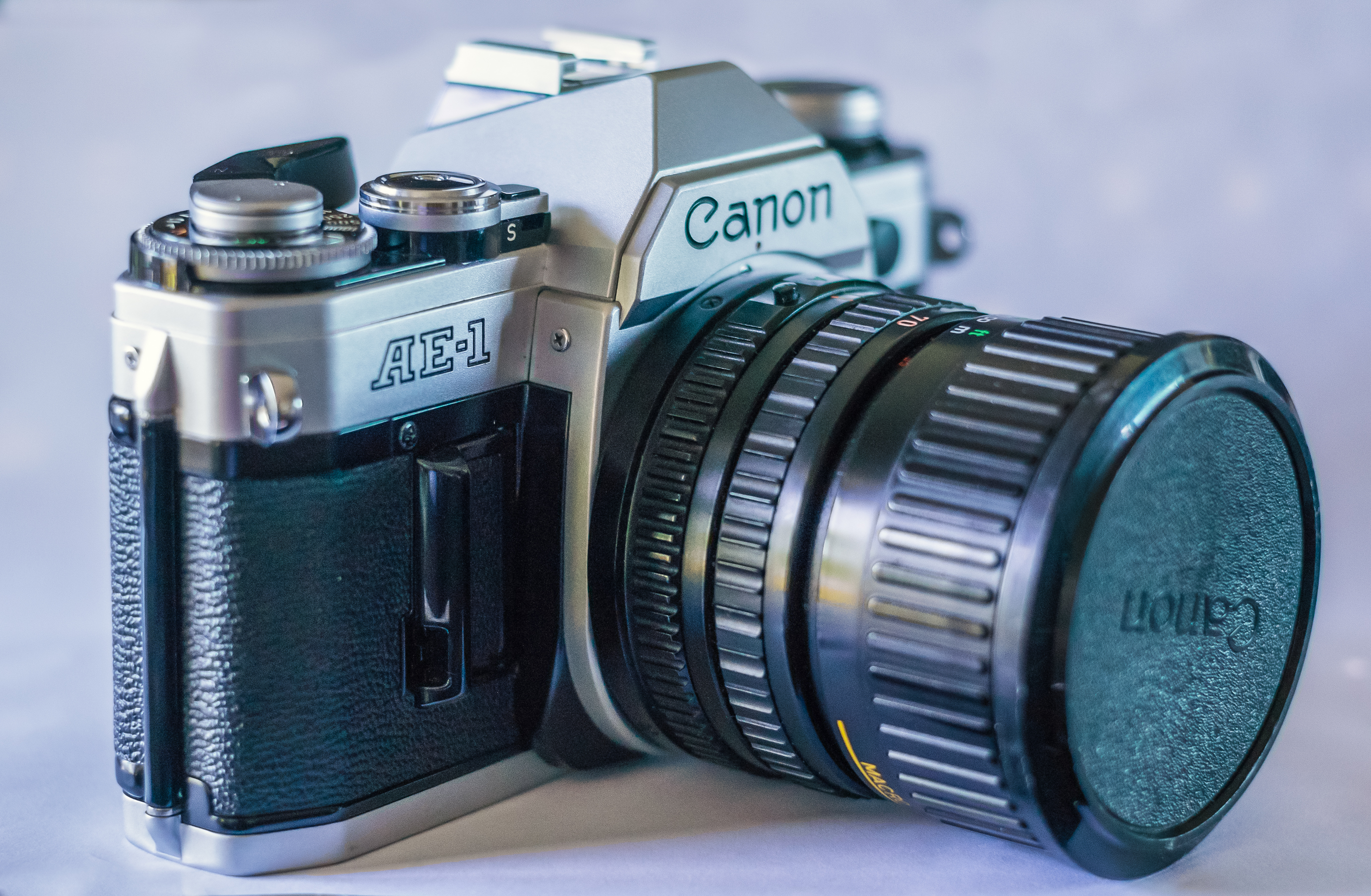
Canon AE-1


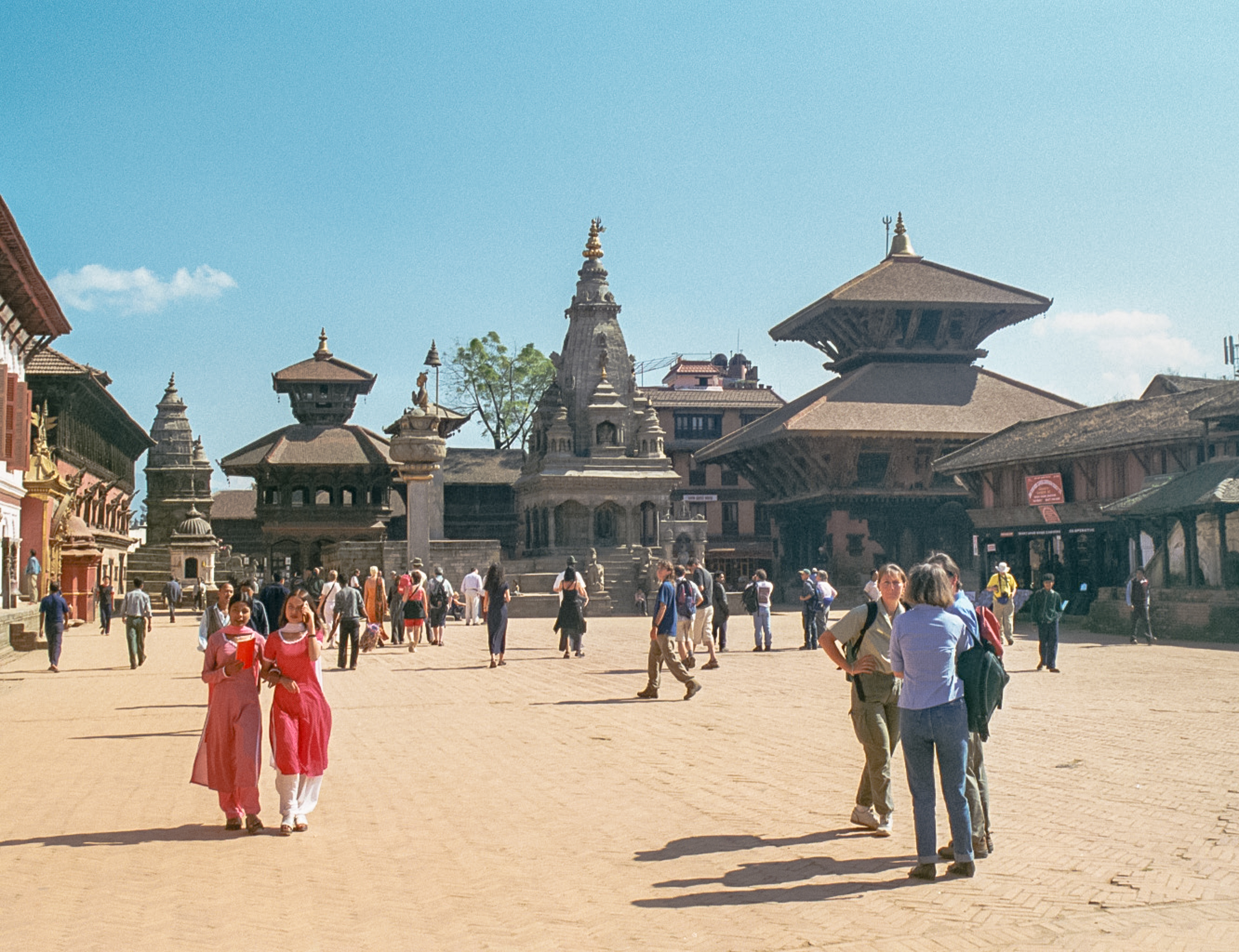
In an earlier post I mentioned that my first camera was a Minolta Hi-Matic 7sii. After a while I started to feel that I was a bit limited by this camera and its fixed 40mm fixed lens. To be honest I think that I just really wanted an interchangeable lens SLR. I was fascinated by the Canon A-1 and it’s electronic wizardry, but I couldn’t afford one at the time. So I bought a second hand Canon AE-1. It worked well enough but it wasn’t in terrific condition cosmetically. It served me well for years though. About 30 years later I took it out. The light seals had deteriorated and the “gunk” had managed to get all over the mirror. I also found two 50mm f1.8 FD lenses. I have no idea why I had two. The apertures on both were completely frozen. After checking around I found that AE-1’s are not particularly expensive. So I bought an AE-1 body and a couple of lenses and also the A-1 body that I had always wanted. Lovely camera – but that’s a topic for another post. I still didn’t throw away the old AE-1 body though. Maybe one day I’d find a way to clean it. So it sat around in a bag. The lower level of our house recently flooded and one of the items affected was the old Canon AE-1, which was soaked. The insurance gave me $120 to replace it. I’m not entirely sure that the pictures below were taken with this camera. It was either this one or the Minolta and I don’t think I would have been able to get this close with the Minolta – so I’m guessing it was the Canon.


Street scene – Kathmandu


Women by a temple


Street Scene – Bhaktapur


Woman with child


Mother and baby Giraffe


Elephants


Zebras

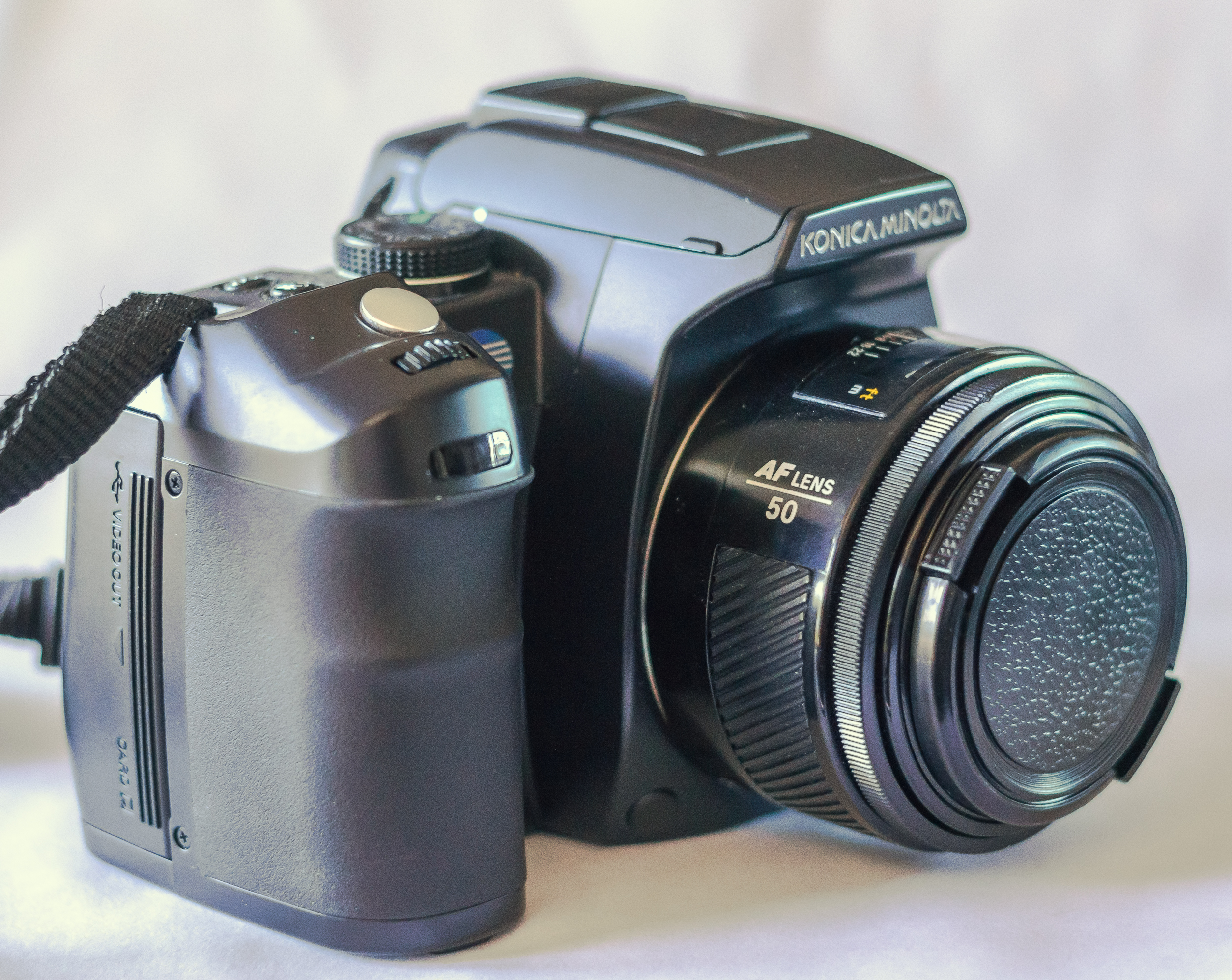
Konica Minolta Maxxum 5D


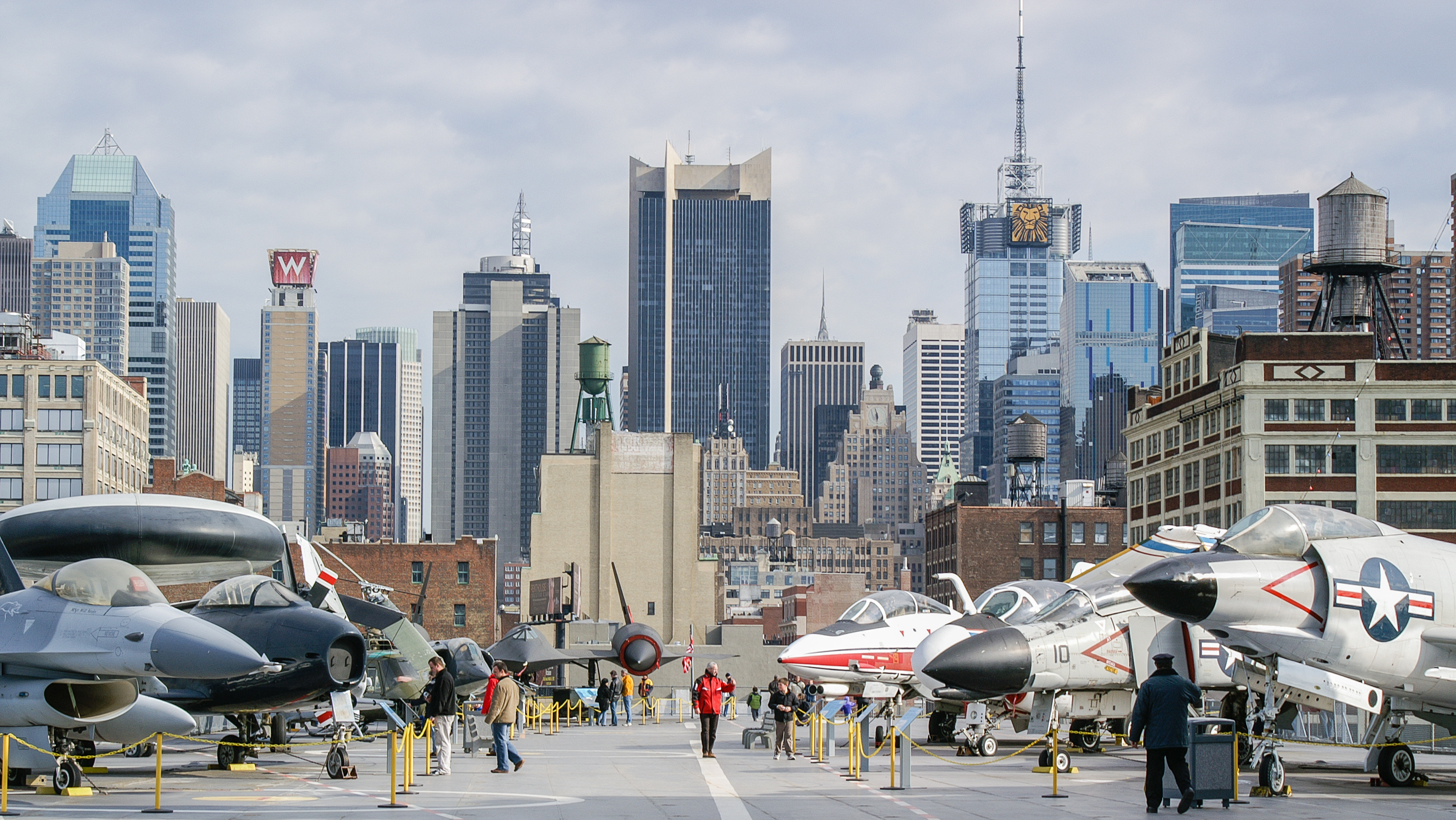
This was my first digital SLR, acquired early in 2006. Naturally enough I used it a fair bit immediately after I got it. But somehow I never took to it. In another post I mention how at one point I had lost my interest in photography in general and specifically in “lugging around” heavy SLRs. Sadly I got this camera around the time this happened and I didn’t really use it a lot. According to Lightroom I’ve taken only 389 pictures with this camera. To be honest I never really gave it a chance to show what it could do. I took it out again a few days ago to give it another try, but so far haven’t been able to find the charger. I’m sure it will turn up. In the meantime some older (2006-2009) pictures.


Intrepid Sea, Air and Space Museum, NY


Eirah, 2009


Blue and White China Cat


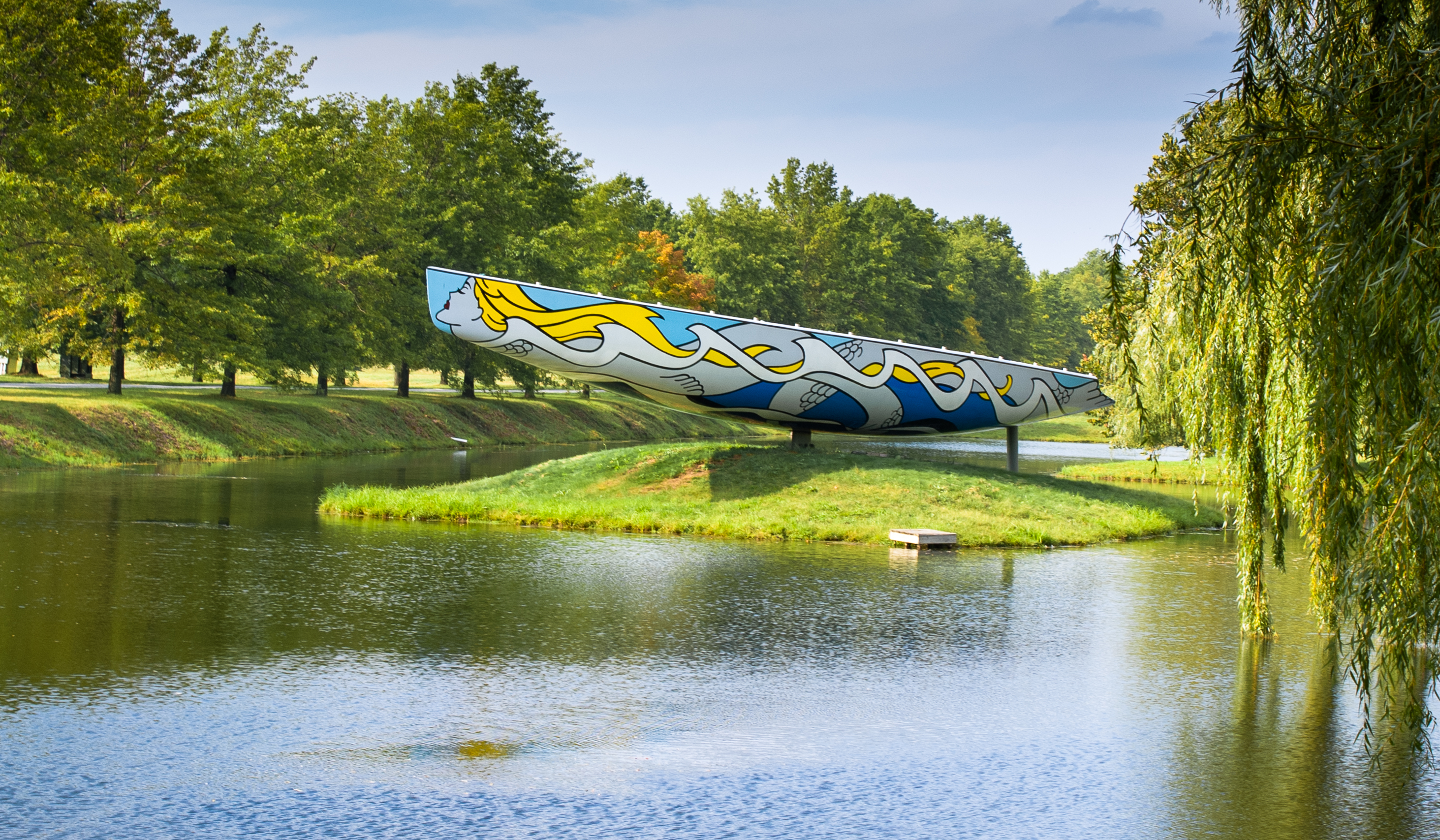
Roy Lichtenstein – A Boat. Storm King Art Center, 2008


Christmas Tree Ornament