Amawalk Hill Cemetery – Overview

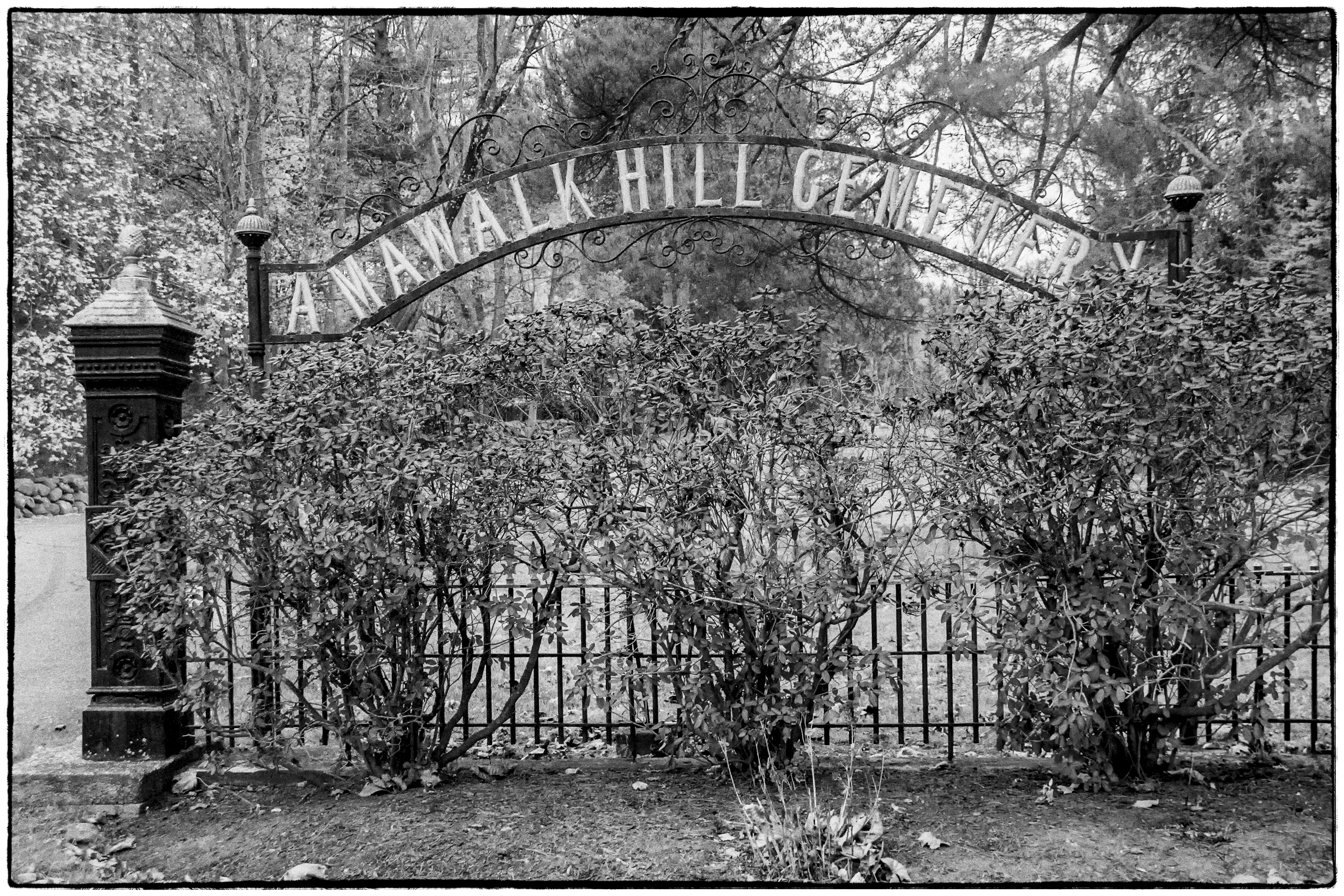
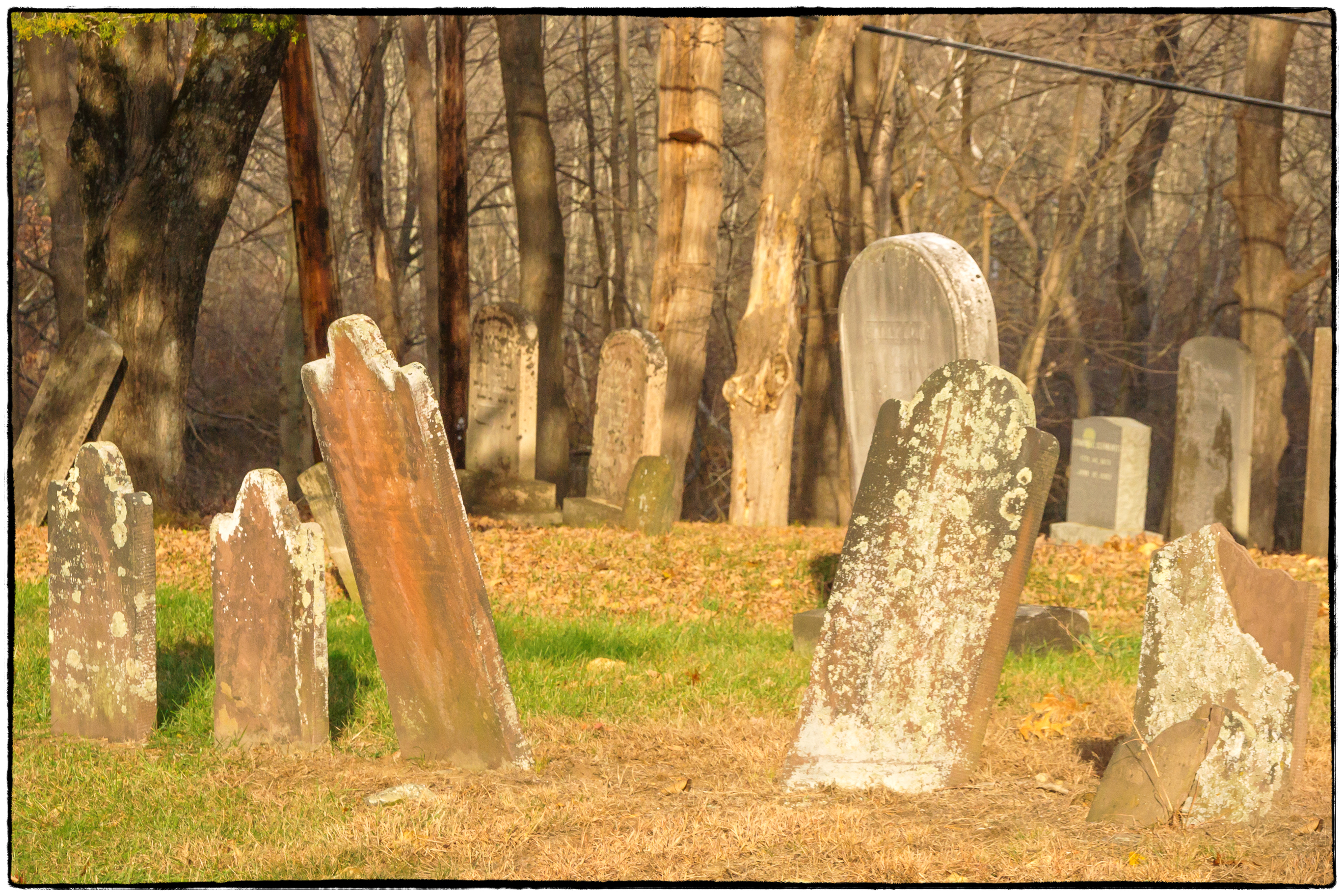
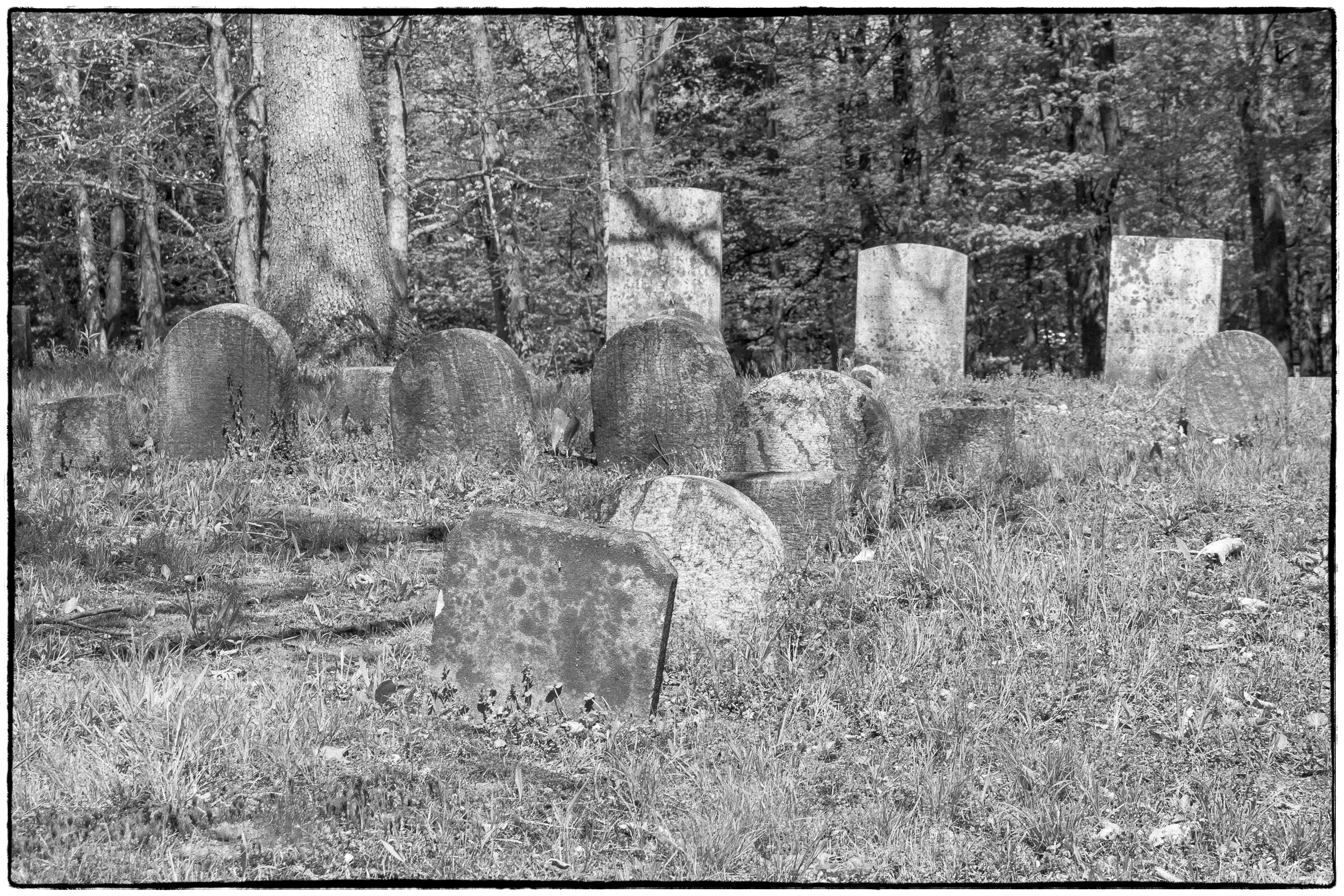
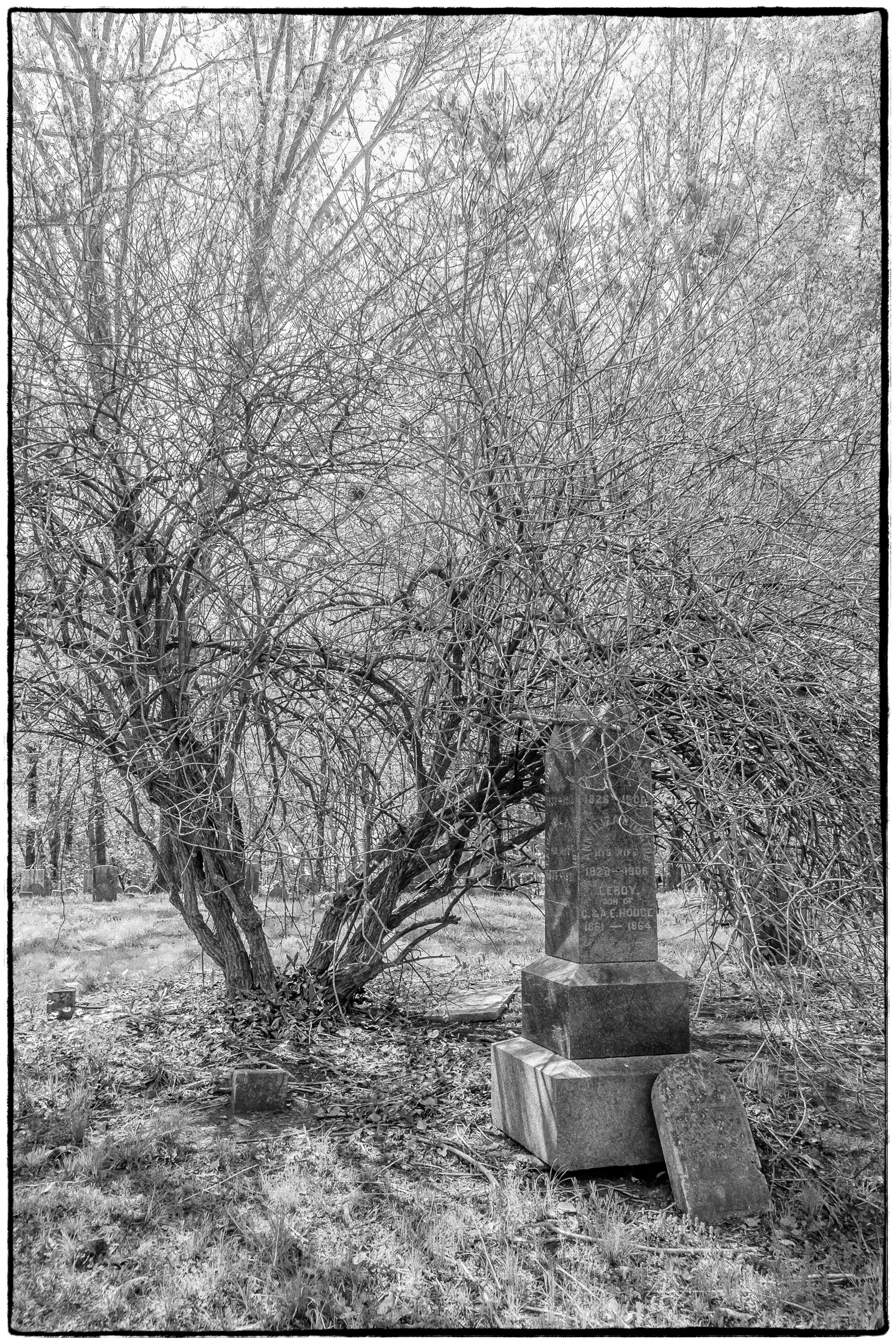
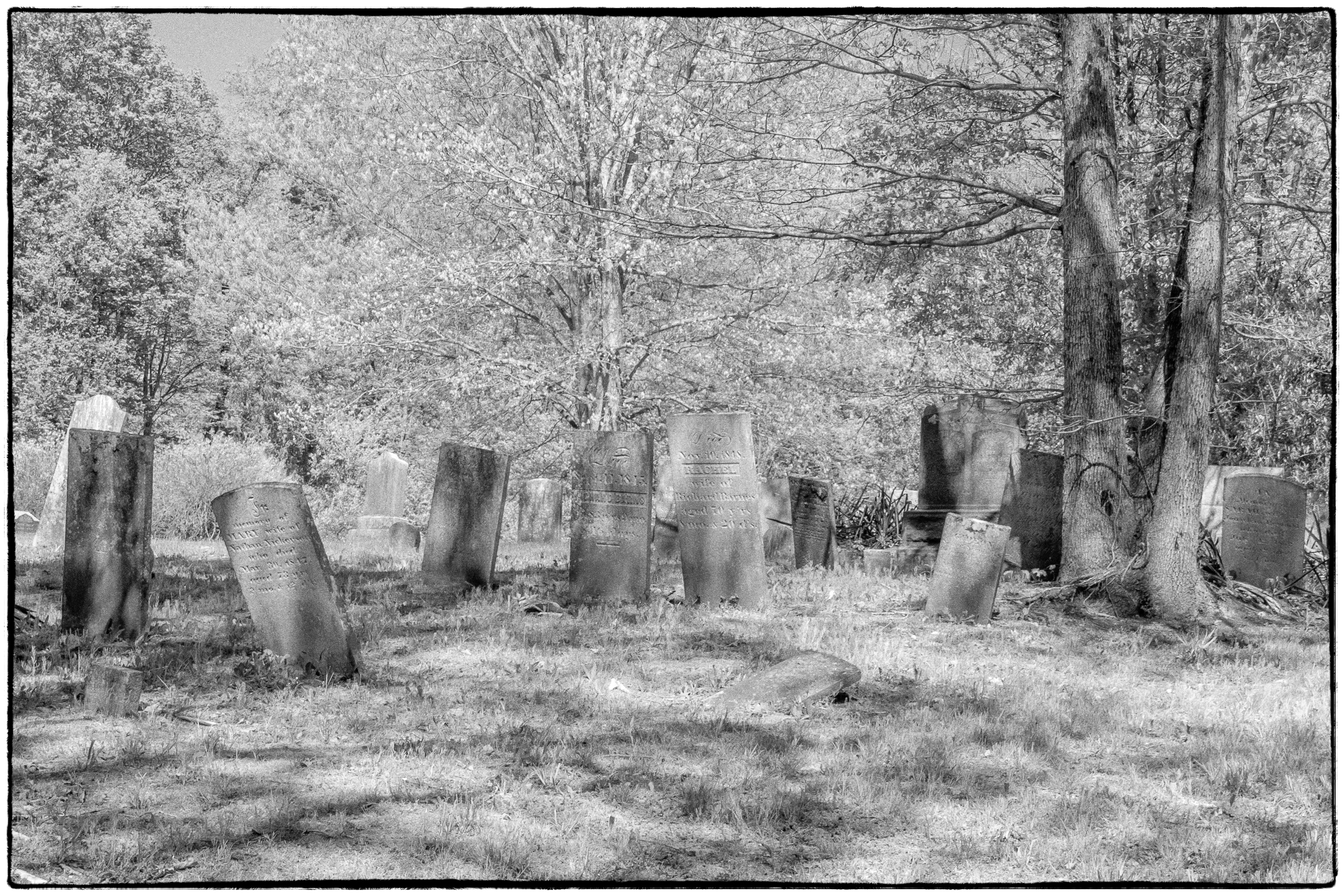
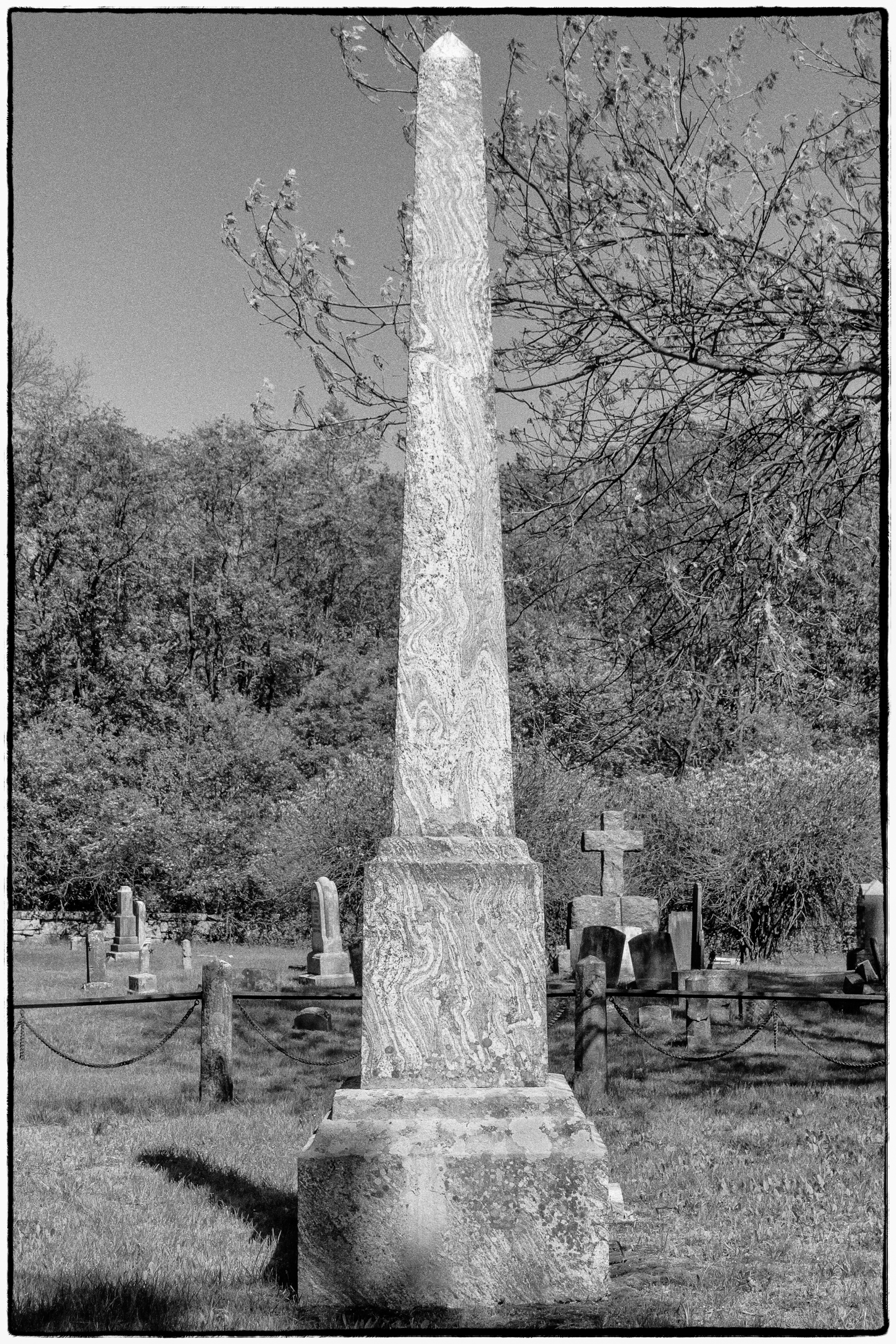
After our visit to the Yorktown Community Church Cemetery, we went on to another one: The Amawalk Hill Cemetery. I wasn’t expecting much as we pulled in. It looked like your typical, run of the mill cemetery. I was certainly in for a surprise.

It’s also known as the Amawalk Friends Cemetery or just the Friends Cemetery. According to the Find a Grave website:

The Friends Cemetery is located off Quaker Church Road just outside of Yorktown off Route 202/35. You first come upon the old Quaker meeting house structures which are designated Historic Buildings and are on the County register, and has a rich history. Quakers, who do not believe in warfare, were criticized for refusing to be involved in the Revolutionary War, said Ward Harrington, the house’s treasurer. But they were well-known enough at that point that soldiers often let Quakers pass unharmed through battle zones.

National Register of Historic Places – Reference number 89002004.

There are Revolutionary graves and many Civil War graves.

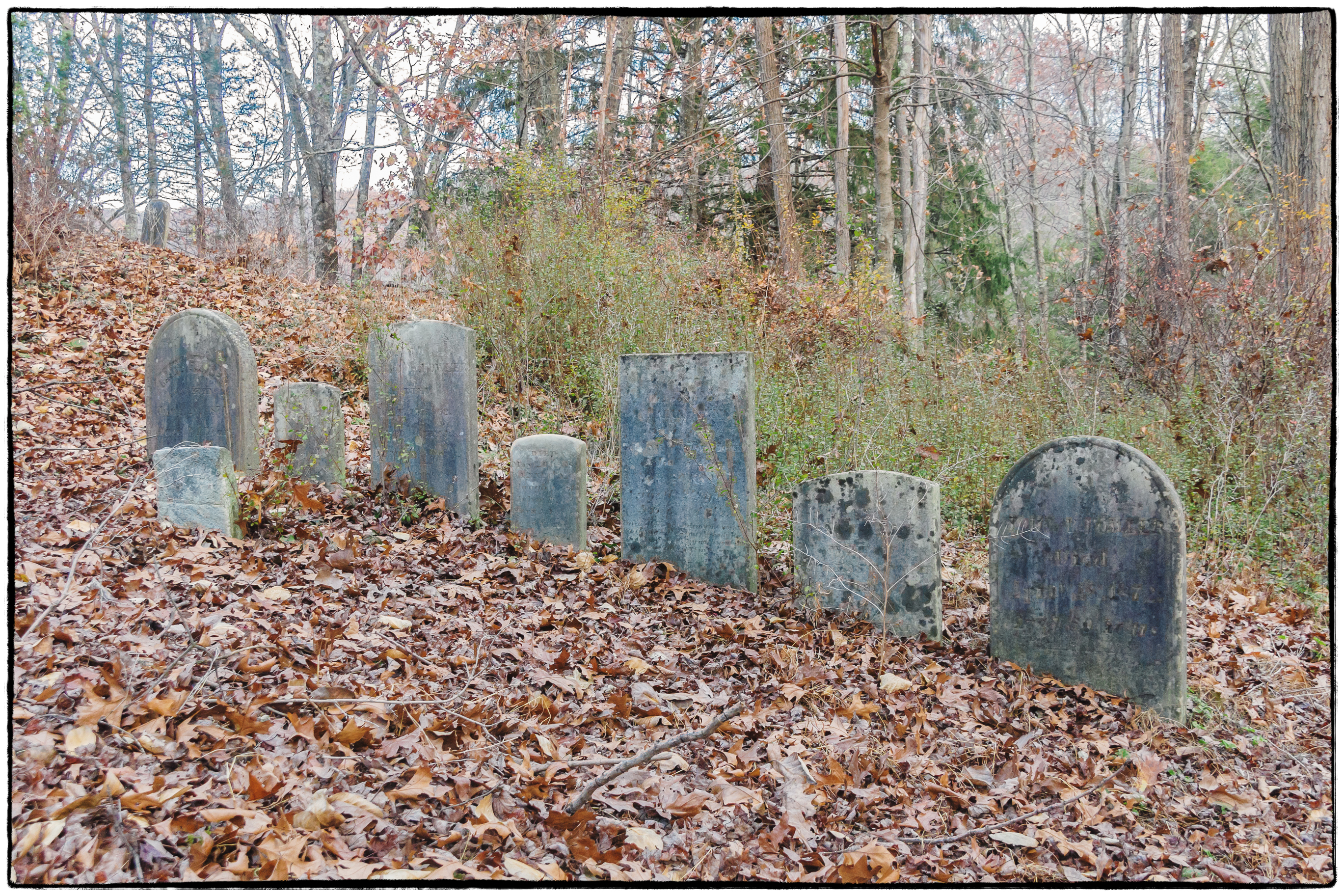
The Old Friends Meeting House cemetery is located on a sloping tree filled hillside facing the meeting house. The cemetery has grown since Revolutionary war days and the “newer” portion is found through the iron gated entry way and divided into 6 sections. Middle, West, East, Rear, and Northern rear and Old Friends section.

Most current graves are found in the Southern Middle section.

Community church of Yorktown cemetery – Overview

This cemetery is adjacent to the Community church of Yorktown.

The Find a Grave website describes it as follows:

The church cemetery, which church members are gradually reclaiming from the woods, hosts dozens of Tompkins and pre-Revolutionary War residents

Building of the Croton Dam. Fifteen hundred bodies were moved out of the six cemeteries that lay in the path of the Croton River, which flows from Connecticut to the Hudson River.

One of those hamlets was the community of Huntersville. Now part of Yorktown, the 6-square-mile area lies roughly within the boundaries of the Taconic Parkway to the east, the reservoir and Route 129 to the south, and the Town of Cortlandt to the west. According to Christopher Tompkins, author of “The Croton Dams and Aqueduct,” the center of old Huntersville is now underwater.

There are many reburials from Huntersville in the church yard.

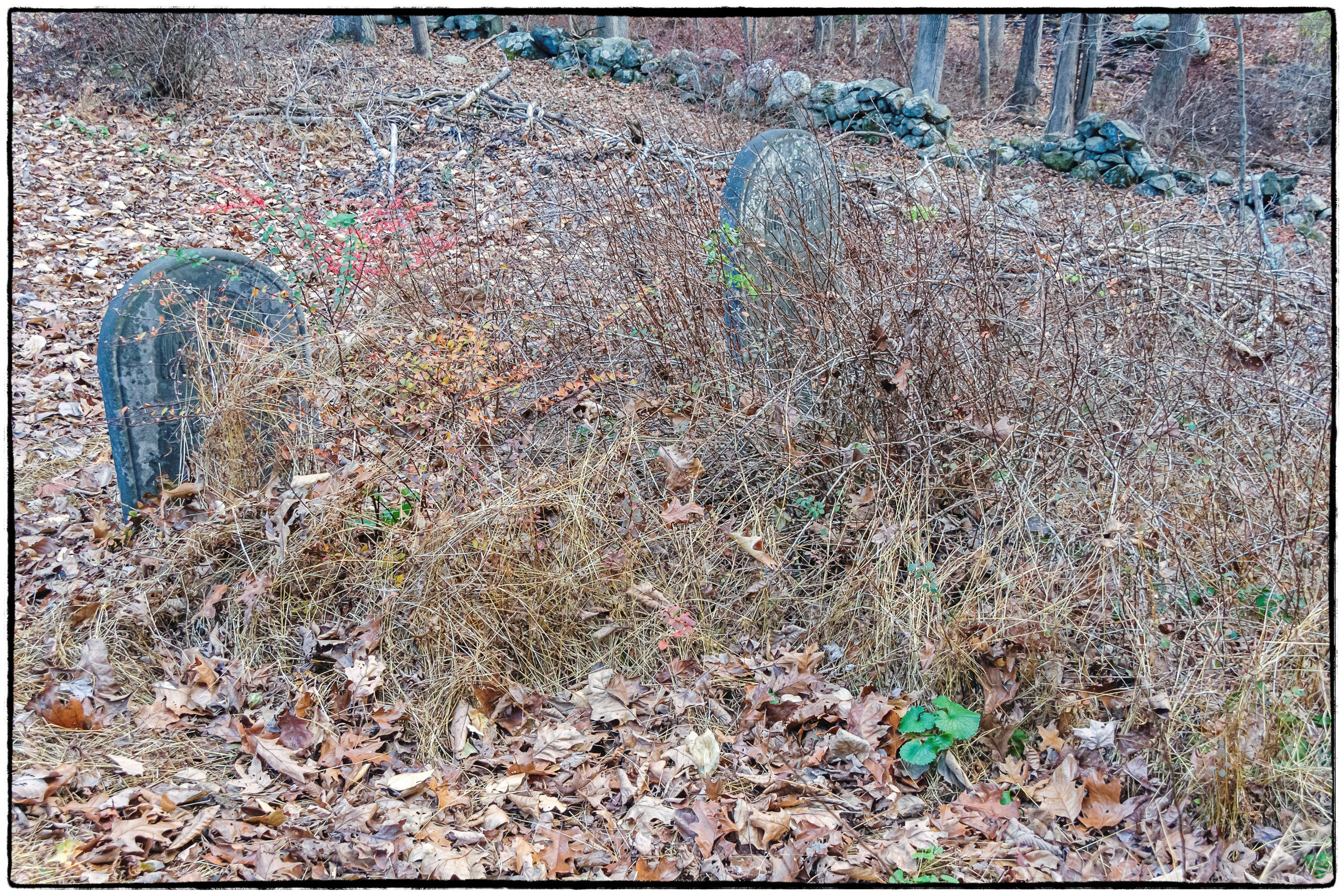
As may be inferred from the above parts are well maintained, but the terrain is somewhat hilly and graves down the hillside are not as well looked after (I imagine that they have not yet been “reclaimed from the woods”).

Most of the graves (apparently some 549 in total) seemed to be from the 1800s with some from the 1700s. There is little statuary and the graves are for the most part unadorned with decoration, merely bearing names and other inscriptions.

Drewsclift Cemetery

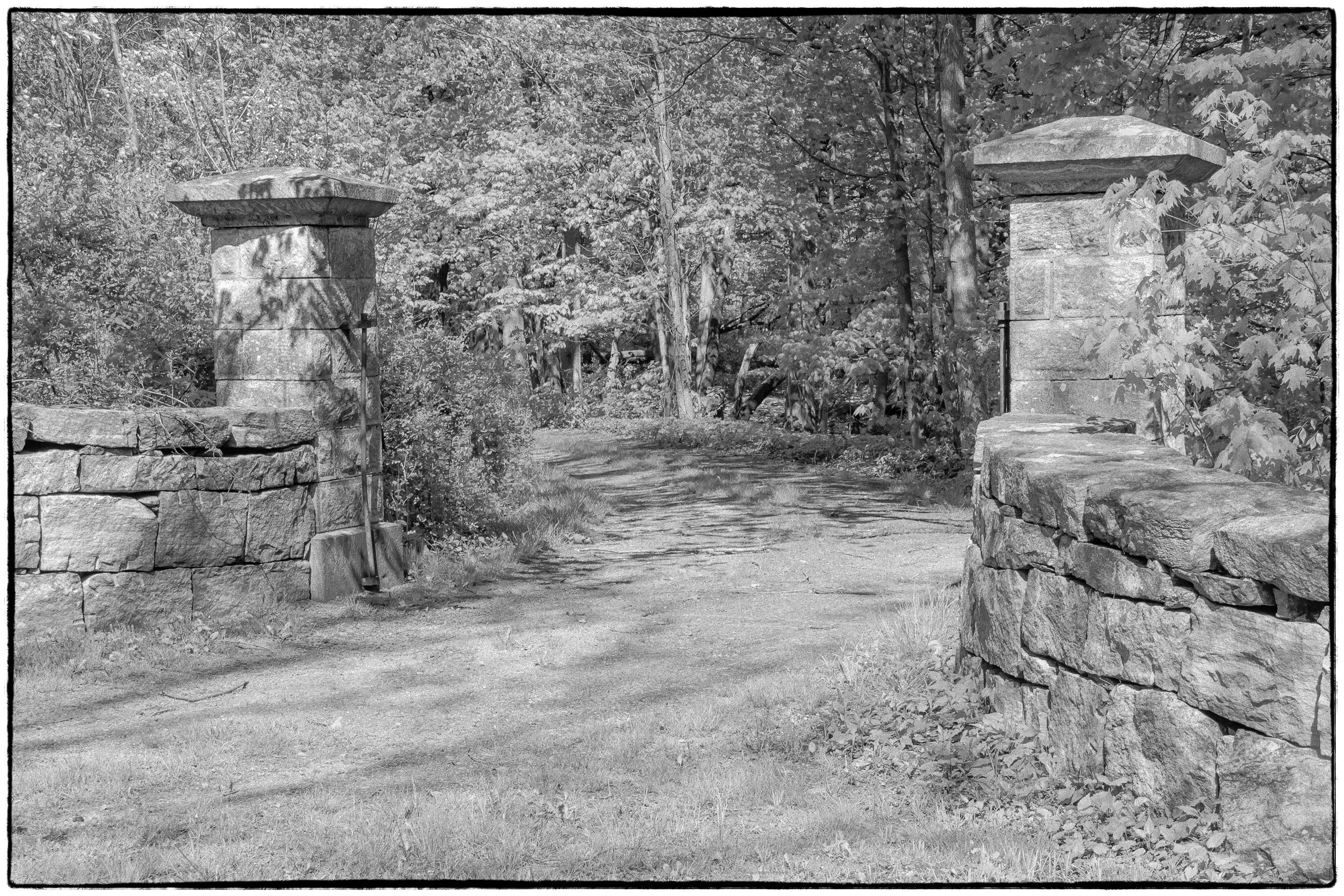
Entrance to the cemetery looking from inside. A small, pleasant cemetery in the town of Southeast. You approach the cemetery along a short trail (where I saw the Dryad’s Saddle fungus). It would have been a tranquil walk if not for the close proximity to a major highway (Route 684) and the constant drone of traffic. The cemetery does not have much in the way of statuary, but there are a number of ornamental flowering shrubs, which would probably have been quite spectacular had they been in bloom – unfortunately they weren’t.

A nearby historical marker sign reads: “Drewsclift Cemetery. Daniel Drew, railroad and steamboat promoter, found of Drew Seminary and University, builder of churches buried here”. Other than that I haven’t been able to find out much about this cemetery apart from the description in Adventures around Putnam:

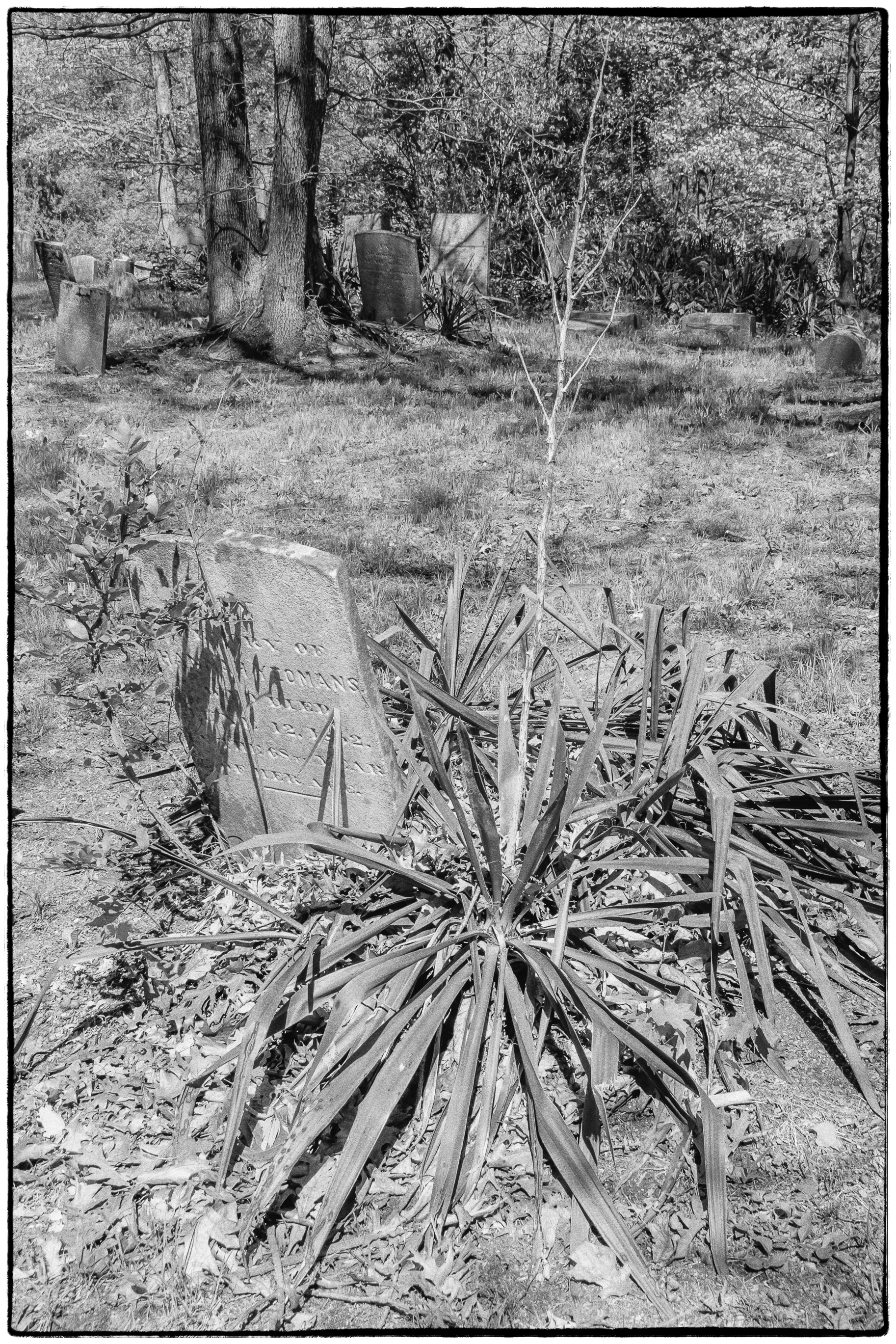
The cemetery itself has a beautiful stone wall around the perimeter, laid out in a large square. The graves and walking path form a circle within the outer square. Some of the headstones are worn and illegible, while others look like they were replaced or refurbished recently. Some are tiny, and some are grandiose. A few of the headstones have been knocked over.

The plants and trees in the cemetery really added to the experience. Botany is not one of my strong points, so I can’t tell you what kind of plants and trees were there, but they added something ineffable to the experience.

The dates on the headstones at Drewsclift range from the late 1700’s to as recent as 1961. The family names include Adams, Bailey, Clift, Drew, Mead and many others. The most notable historical figure to be buried in Drewsclift is Daniel Drew. Mr. Drew was a businessman in the 1800’s whose pursuits included cattle, stock brokerage (and stock manipulation), steamships and railways. He declared bankruptcy a few years before his death, but at one point owned almost 1000 acres in Putnam County. He was very involved with the Methodist Church, and founded the Drew Seminary.

Obelisk (of which there were a number)

Zigzag fence.

Weeping Willow motif on a gravestone. According to Engraved. The Meanings Behind Nineteenth-Century Tombstone Symbols:

Carvings of weeping willows became very prevalent on gravestones in the early 19th century. Use of this graceful symbol reflected the young United States’ growing interest in ancient Greece. Beginning in 1762 with the publishing of The Antiquities of Athens by Stuart and Revett, which produced the first accurate surveys of ancient Greek architecture, Great Britain, Europe and eventually the United States began copying Greek style in architecture and interiors. This emulation even carried over into funerary art. For the United States, the comparison between ancient Greece and its democracy with the former colonists’ “grand new experiment” in government was inspiration for copying everything Greek.

Gravestone carvers created weeping willows alone or with Greek-inspired urns, obelisks, or monuments. The most obvious meaning of a weeping willow would seem to be the “weeping” part…for mourning or grieving for a loved one. The saying “she is in her willows” implies the mourning of a female for a lost mate. And while the Victorians took the art of mourning to new heights, the weeping willow was not just a symbol for sadness.

[In Ancient Greece] It was common to place willow branches in the coffins of the dead, and then plant young saplings on their graves, with the belief that the spirit of the dead would rise up through the tree.

Fallen gravestones.

Avery Cemetery

I’d taken the dog for a walk at the Ward Pound Ridge Reservation. After exploring the park for a while I was returning to the car when, looking at the map, I noticed a symbol marked ‘cemetery’. I’m fond of old cemeteries so even though I was hot and tired I made a short side trip to take a look.

A nearby panel says:

This cemetery was inventoried in 2009 by Garrett Kennedy as part of his Eagle Project. The earliest inventory on record was done in 1941 by Mrs. Sterling B. Jordan and Mrs. Frank W. Seth. In 1942 there were 187 head stones, in 2009 there were 183 headstones that could be inventoried. There were many that could only be identified by the information in the 1941 census.

The oldest head stone dates from 1790 and the most recent from 1986. 46 of the headstones are from the Avery family…33 of the headstones were considered to be in Excellent condition; 57 good; 51 fair; 32 poor; and 10 illegible.

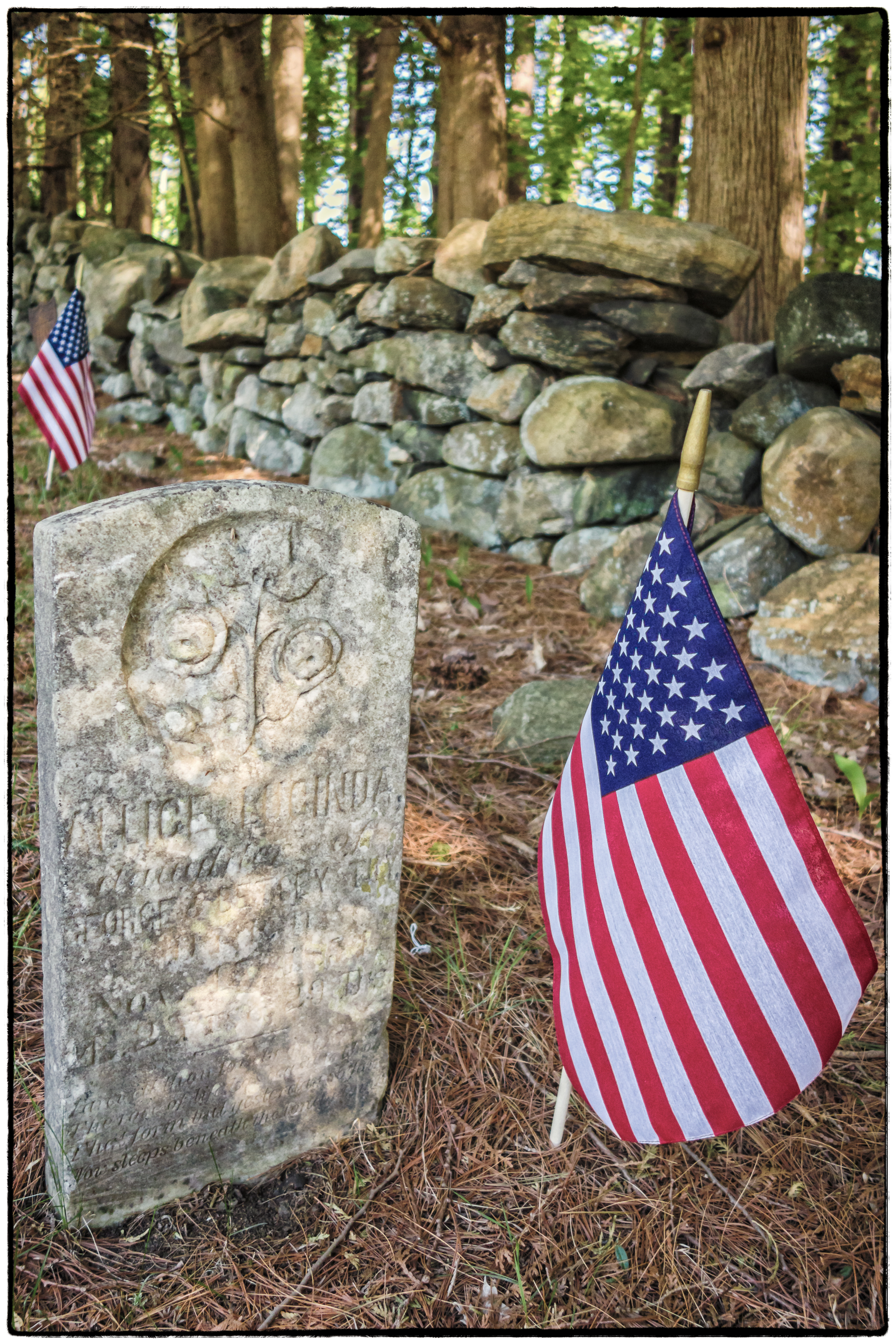
Headstone with flags.

According to Lewisboro Ghosts: Strange Tales and Scary Sightings, November 15, 2007, by Maureen Koehl there is a story associated with the cemetery

…The tale unfolds on a cold winter’s night sometime after the Civil War. Along the road from Cross River to Boutonville stood the home of a poor tenant farmer whose name has long been forgotten. He was a widower with four young children. The war had not been kind to farmers in the area and this farmer struggled to keep his small family fed and clothed. Furnishings in the farmhouse were sparse. To keep warm the children often bedded down close to the hearth of the large kitchen fireplace.

On this particular evening, with a lusty wind blowing outside, the father set his children before the brightly burning hearth in his cold farmhouse, tucked them in with quilts and good night kisses and set out on the two-mile walk to one of the taverns in Cross River village – a journey he often took. The evening passed in friendly conversation with other farmers and travelers around the cheery tavern hearthside.

Meanwhile, the children slept until suddenly, a malevolent gust of wind howled down the chimney, flames licked at the quilts covering the children and in the blink of an eye the room was filled with fire and smoke.

The hours passed quickly and another round had been sent for when the tavern door burst open and a neighbor stumbled in screaming that the farmer’s house was on fire.

“My children! My children!” the farmer cried in horror as he raced from the tavern and headed in a stupor for his home. With no neighbors nearby, the sad old house burned to the ground and the children perished before the distraught dad could reach them.

Overcome with grief, the farmer searched the fire scene, but the children were not to be found. Kind neighbors buried the poor little bodies under the spreading limbs of the huge, welcoming oak tree. This tree, the Boutonville Oak, is still standing not far from the old Route 124 entrance to Ward Pound Ridge Reservation.

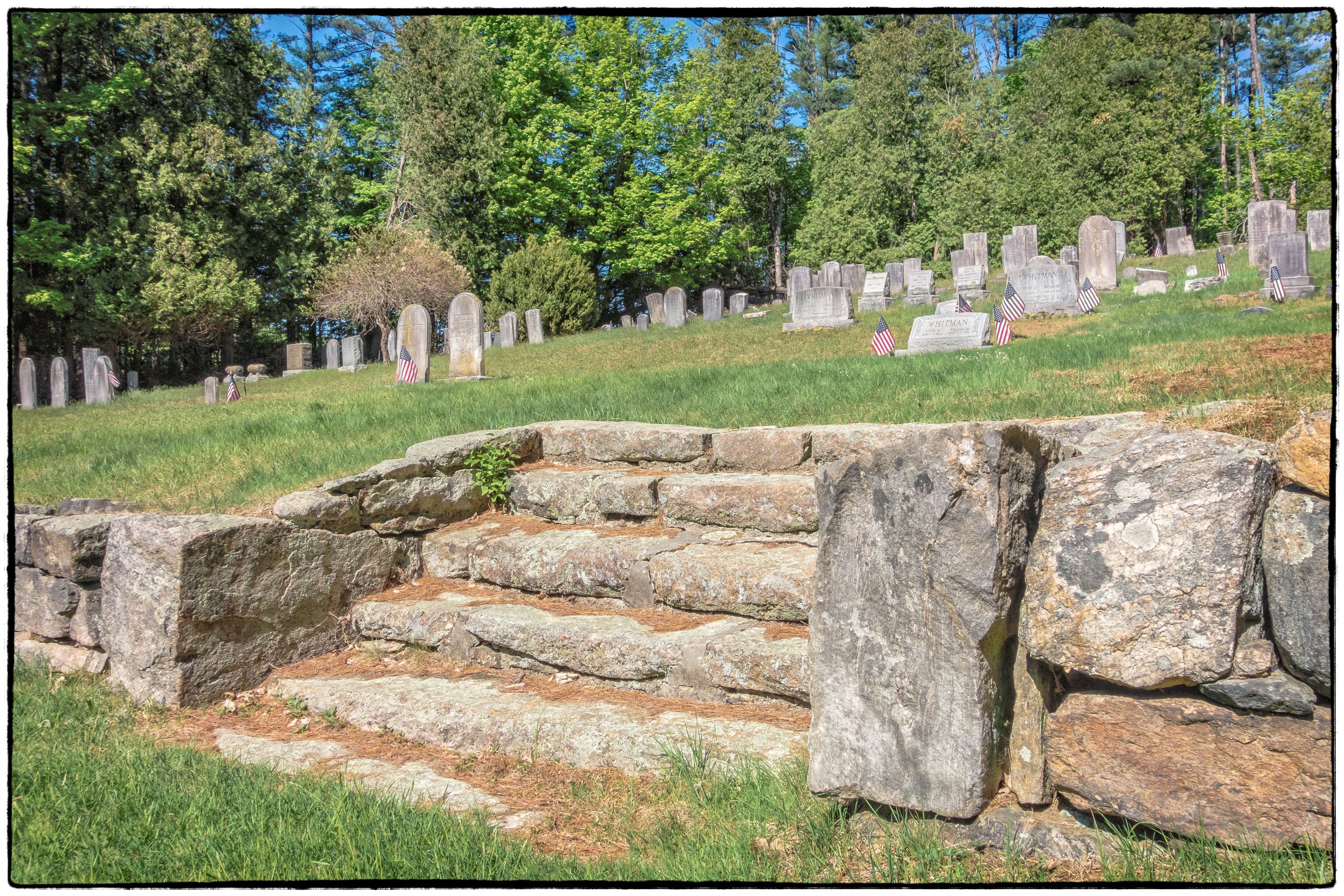
Residents of the reservation claim they have seen the father searching the fields and the stones of Avery Cemetery at the western end of the park for the graves of his four children. One park ranger saw the orange glow of the lantern following the road to the small cemetery. He watched as the light seemed to swing to and fro as if a man were carrying it as he walked. Once he even followed the light toward the cemetery, but as he reached the steps into the burial ground the light disappeared.

As far as we know, the distraught father has never found the graves of his children. In fact, no one has discovered the grave markers, but the tale persists and the sight of his single swinging lantern has been seen crossing the fields within the last five or ten years.
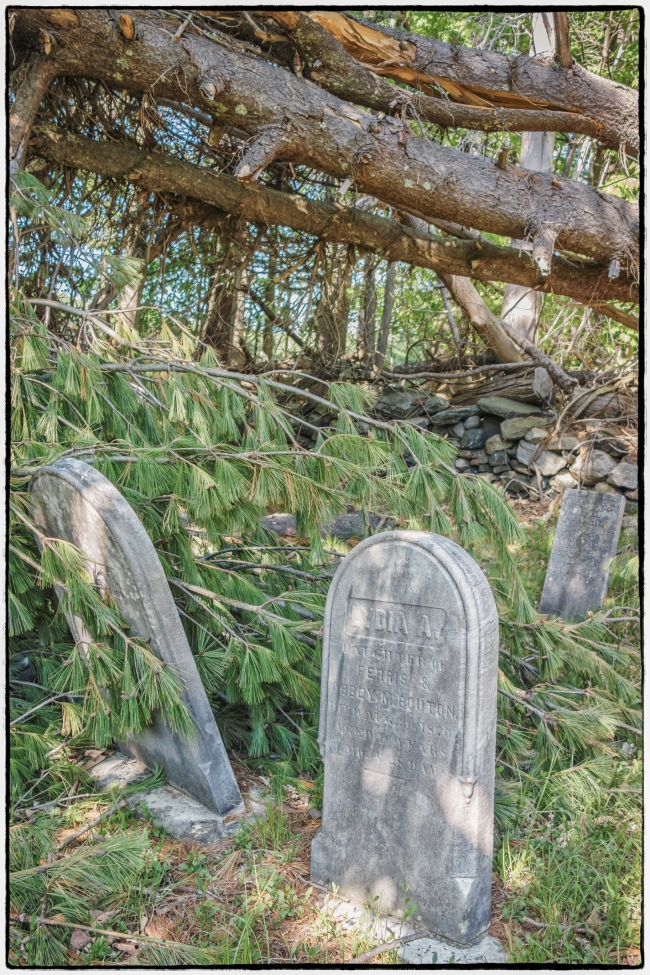
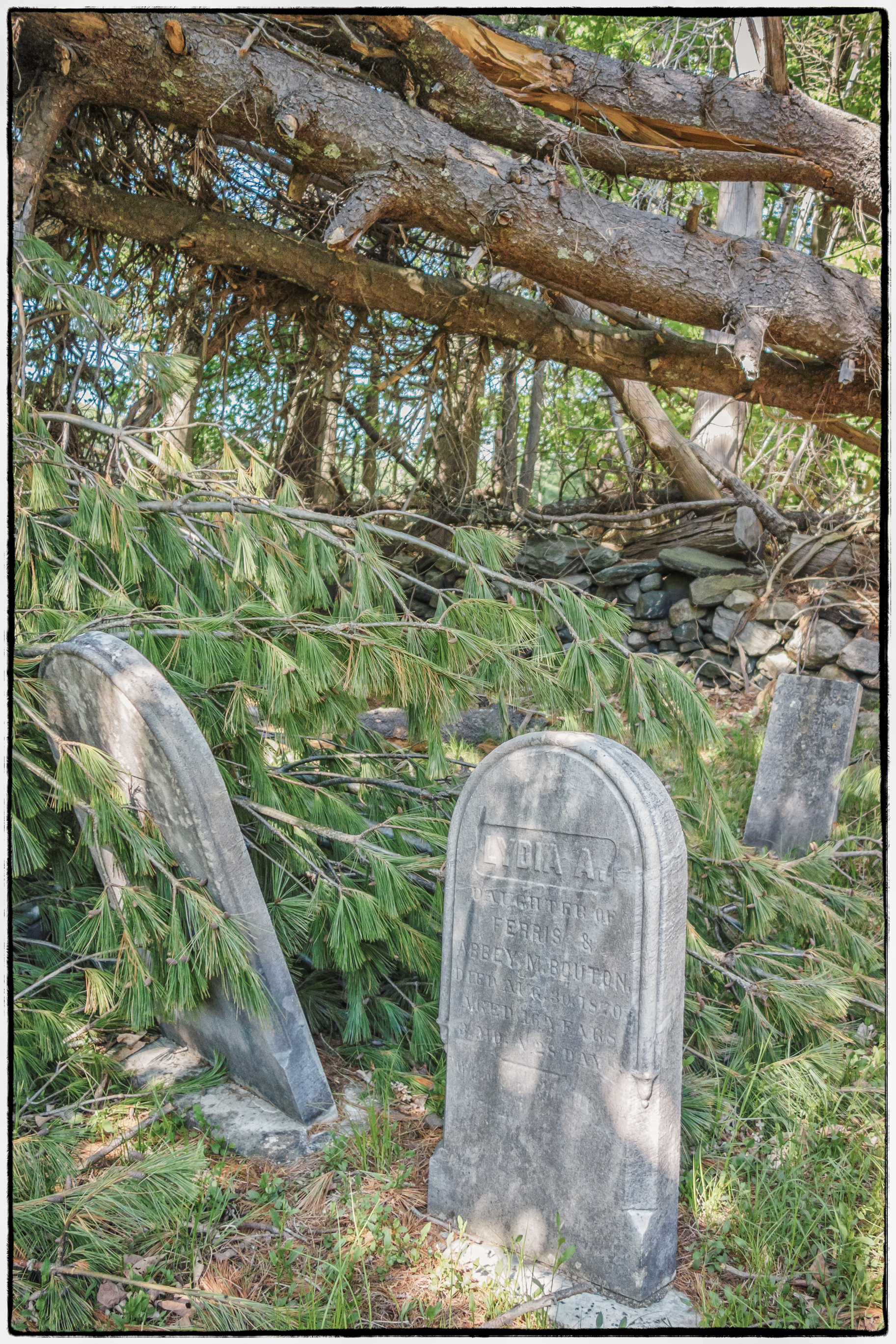
Headstones and downed trees.

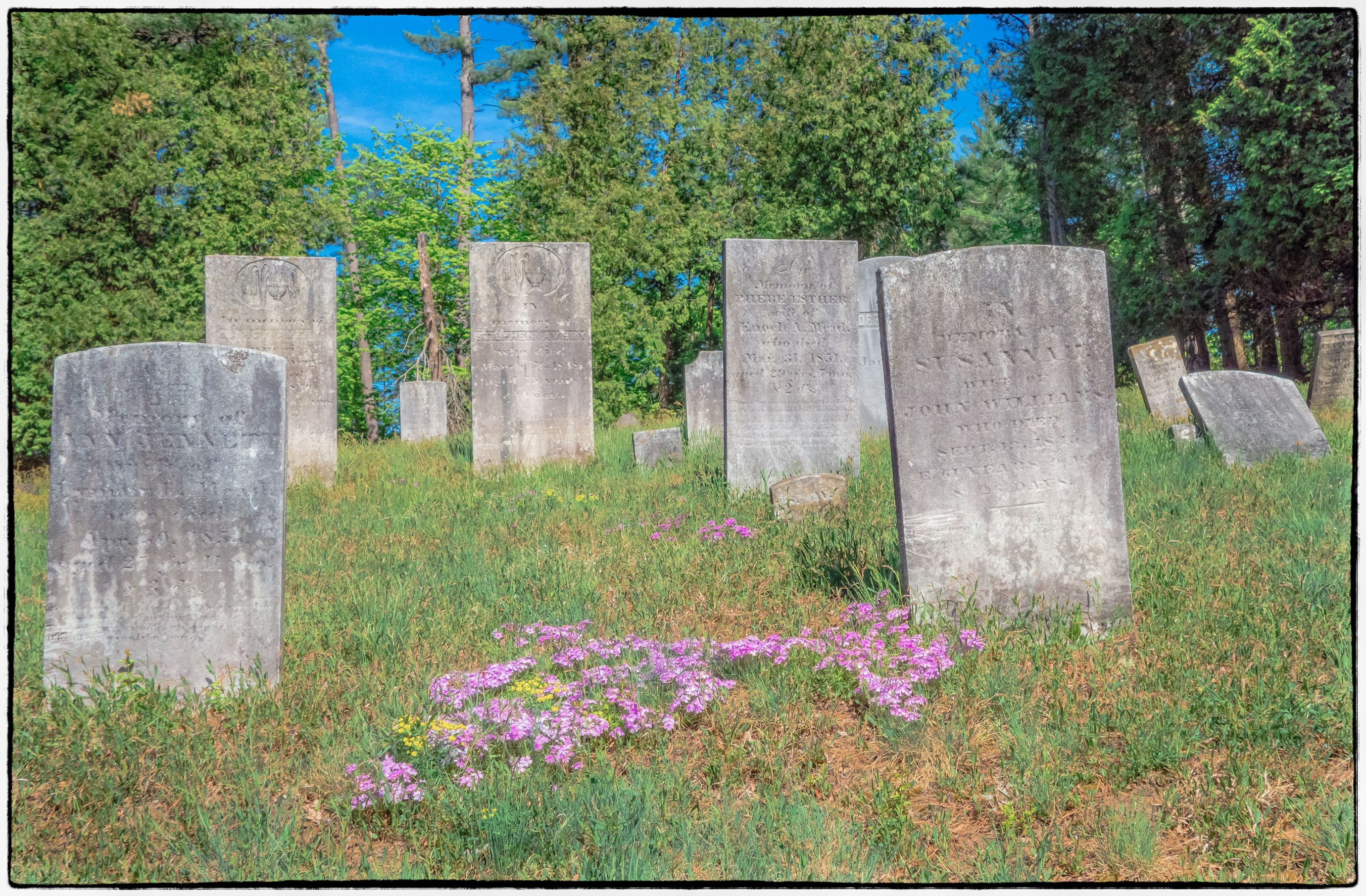
Headstones and flowers