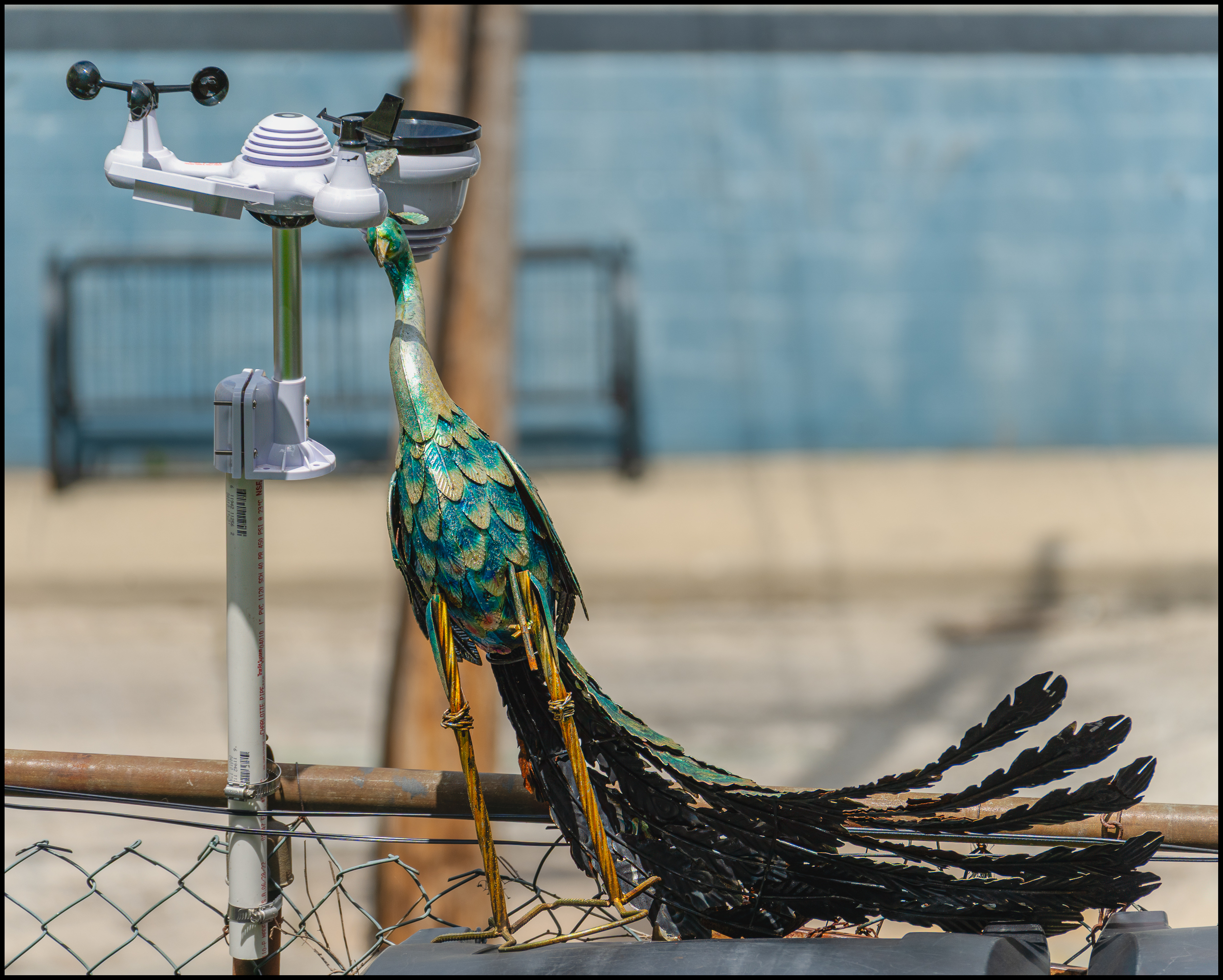
Seen in a nearby garden.
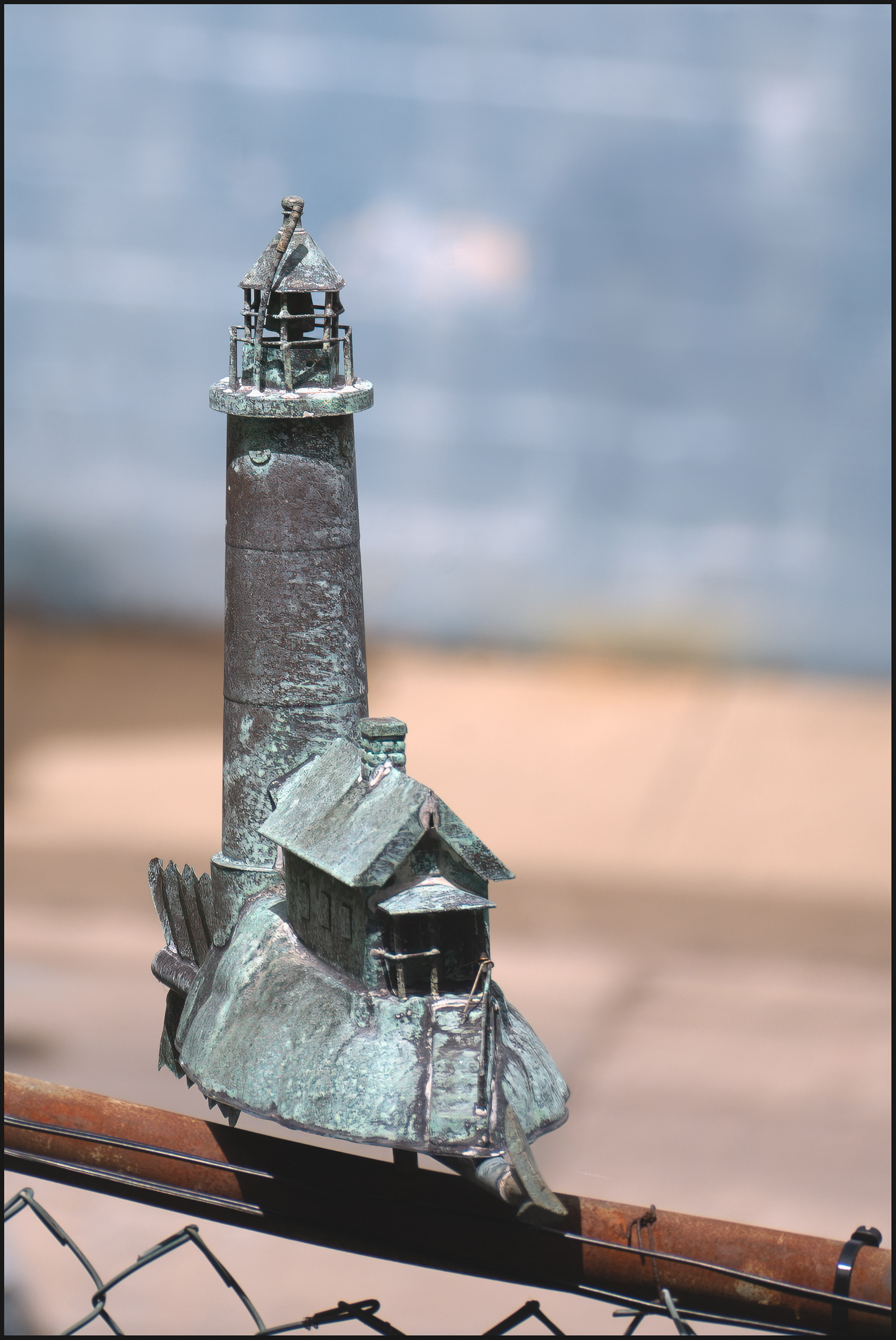
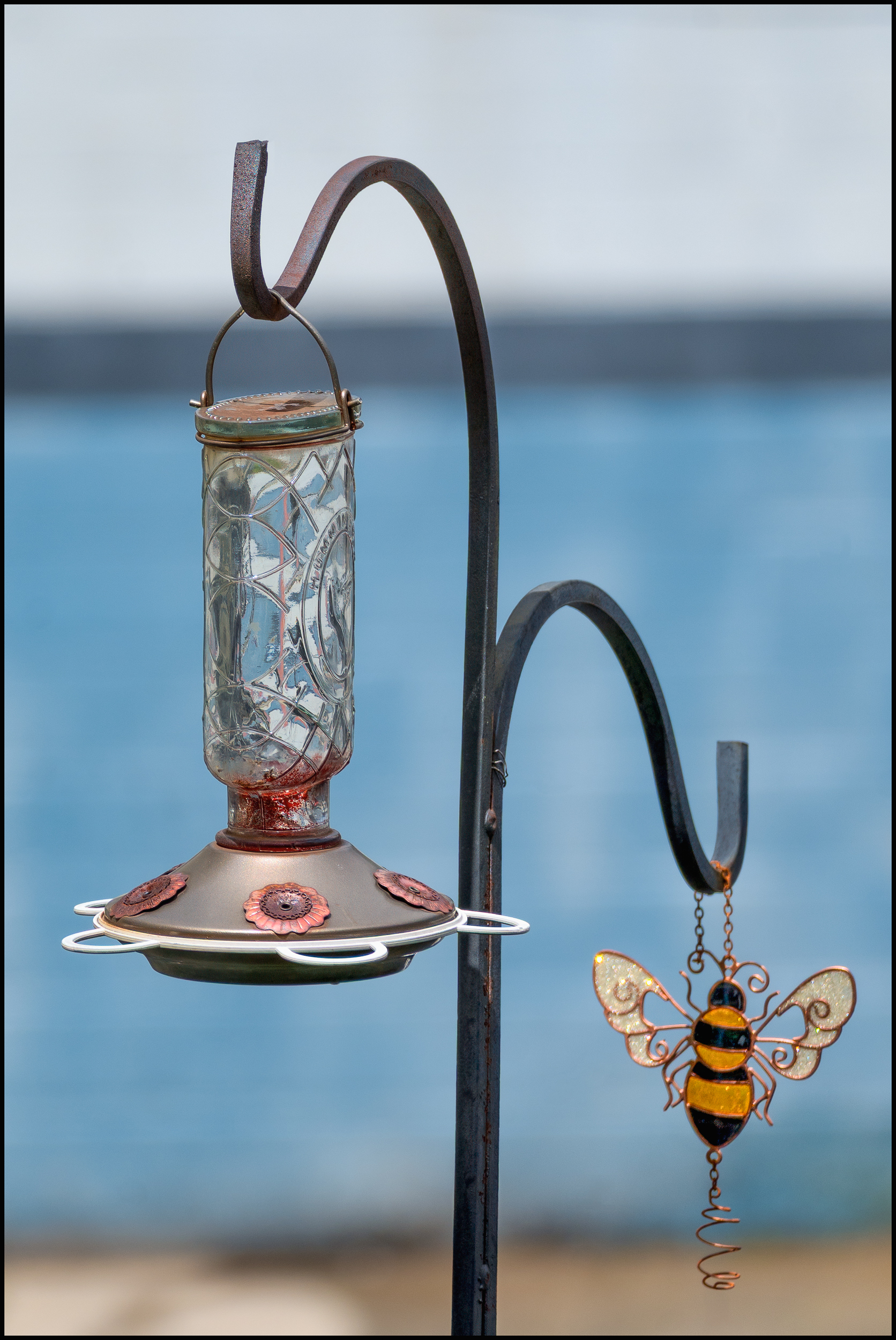
Taken with a Sony A7IV and Tamron 28-300mm f/4-7.1 Di III VC VXD lens.
Photographs and thoughts on photography and camera collecting

Seen in a nearby garden.
Taken with a Sony A7IV and Tamron 28-300mm f/4-7.1 Di III VC VXD lens.
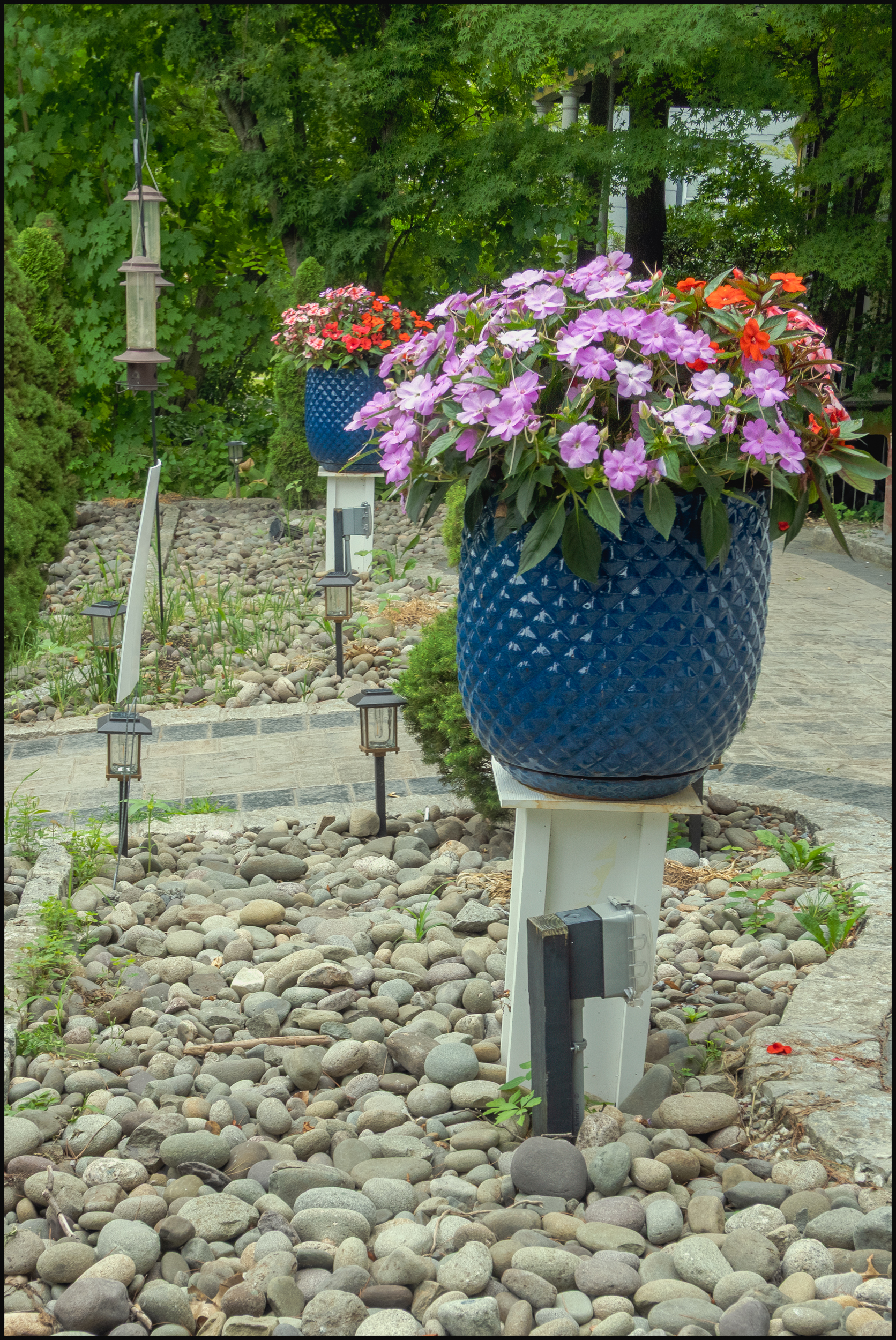
My kind of garden: low maintenance.
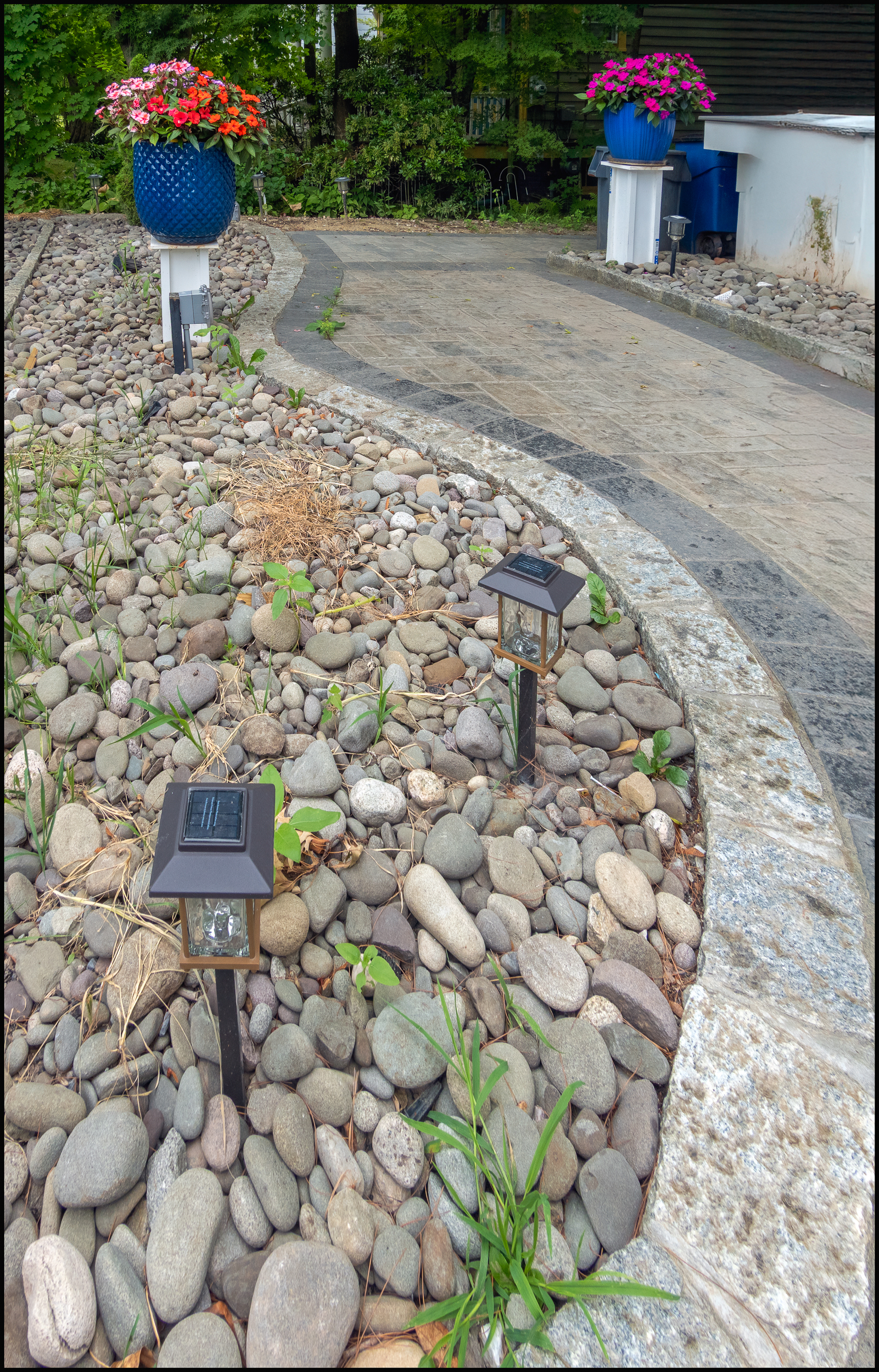
Taken with a Sony RX100 IV
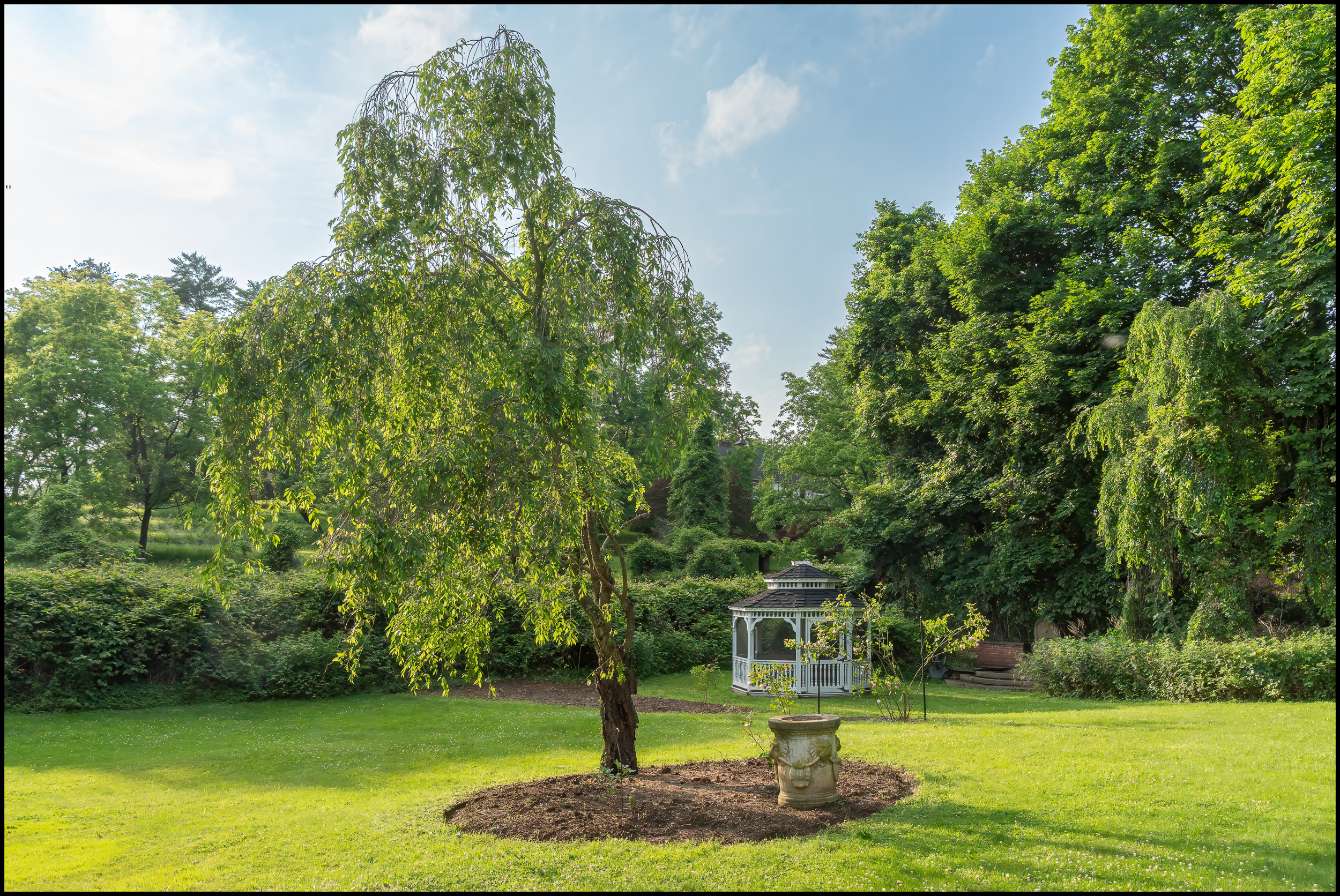
I should start by saying that I dislike gardening. My late wife was the gardener in the family. She absolutely loved gardening (particularly growing roses) and spent a lot of time in the garden. My role was to dig holes and carry heavy objects. Because of this I’ve developed a bad back, which means even if I should get a sudden yearning, I wouldn’t be able to do it.
We had two houses and maintaining both gardens had already become a burden for my wife. Inevitably something had to give and the house we spent most time in (a house on a lake that she absolutely loved) got the bulk of her attention. So, even before she passed away the garden of the other house (the one seen in these photographs, and where I now live) was suffering a little from neglect.
After she passed away, I eventually sold one of the houses, thus eliminating the need to maintain the garden there. But, over time the garden at the other house (where I’m now living) got more and more overgrown. The grass was OK because we had someone come and cut it, but the former flower beds were completely overgrown – eventually I had weeds that were taller than I am.
I tried on several occasions to get someone to help me. But I didn’t have good experiences. Many didn’t want to do it. While, they were happy to come along with mowers, weed whackers, leaf blowers etc. zoom around for 15 minutes and then leave, they didn’t want to deal with the flower beds. Some came and didn’t do a very good job. Some came and then suddenly stopped coming without even telling me. I more or less gave up (it’s not as if anyone but me can see the garden. It’s not visible from the street).
But I was sure that my wife would have been horrified by what I’d done to her garden, so I decided to give it another try.
My friend and neighbor had given me the contact information for his gardener, who he strongly recommended. Unfortunately, I kept forgetting to call him or losing his contact information. I called my friend and once more asked for the contact information. This time I called the gardener before I lost it.
He (and his team) have now pretty much finished. And they’ve done a great job. He’s also agreed to help me maintain the garden, hopefully eliminating (or at least inhibiting) the re-growth of the weeds.
At the moment I’m very happy and optimistic that I’ll be able to keep the garden in good shape.
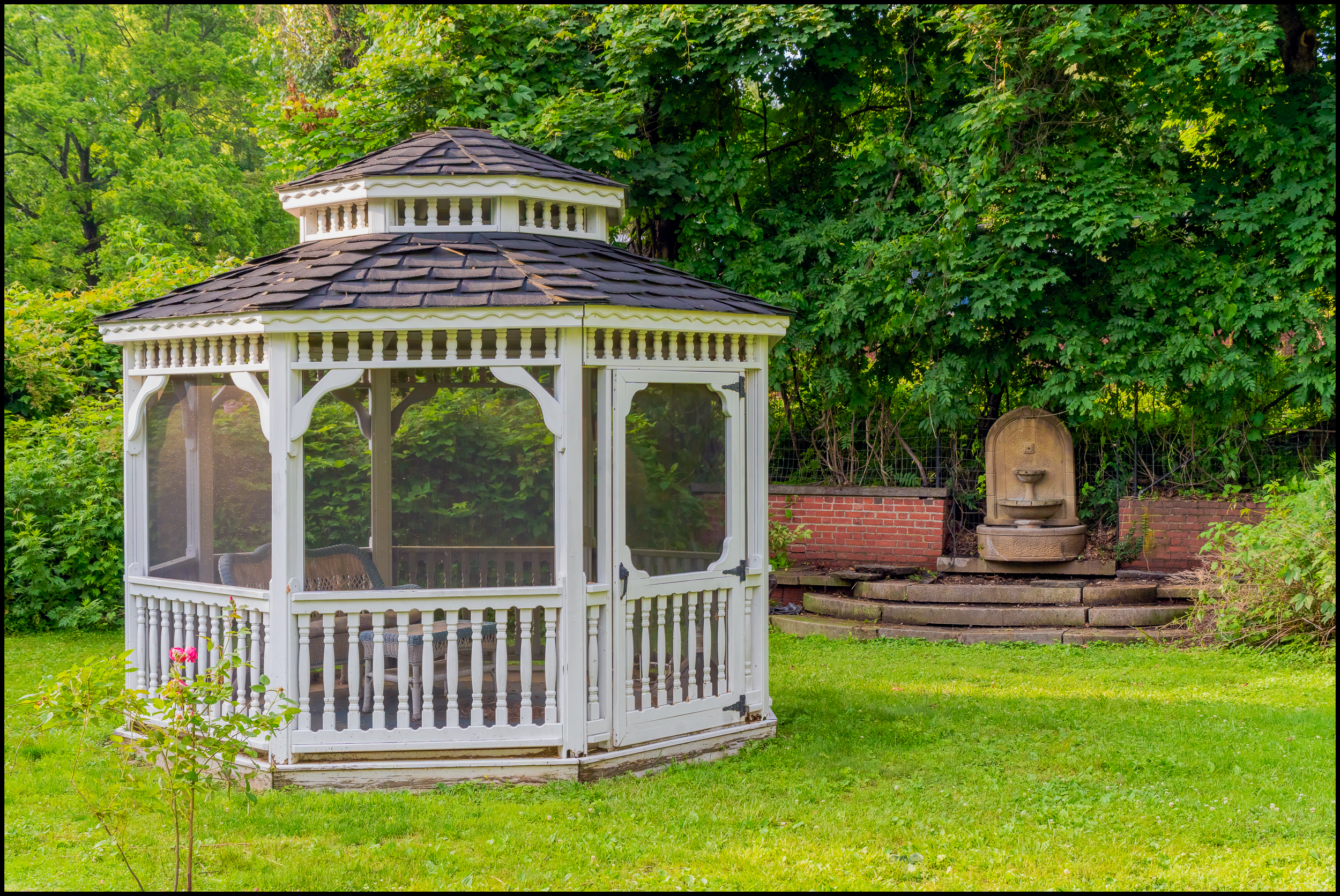
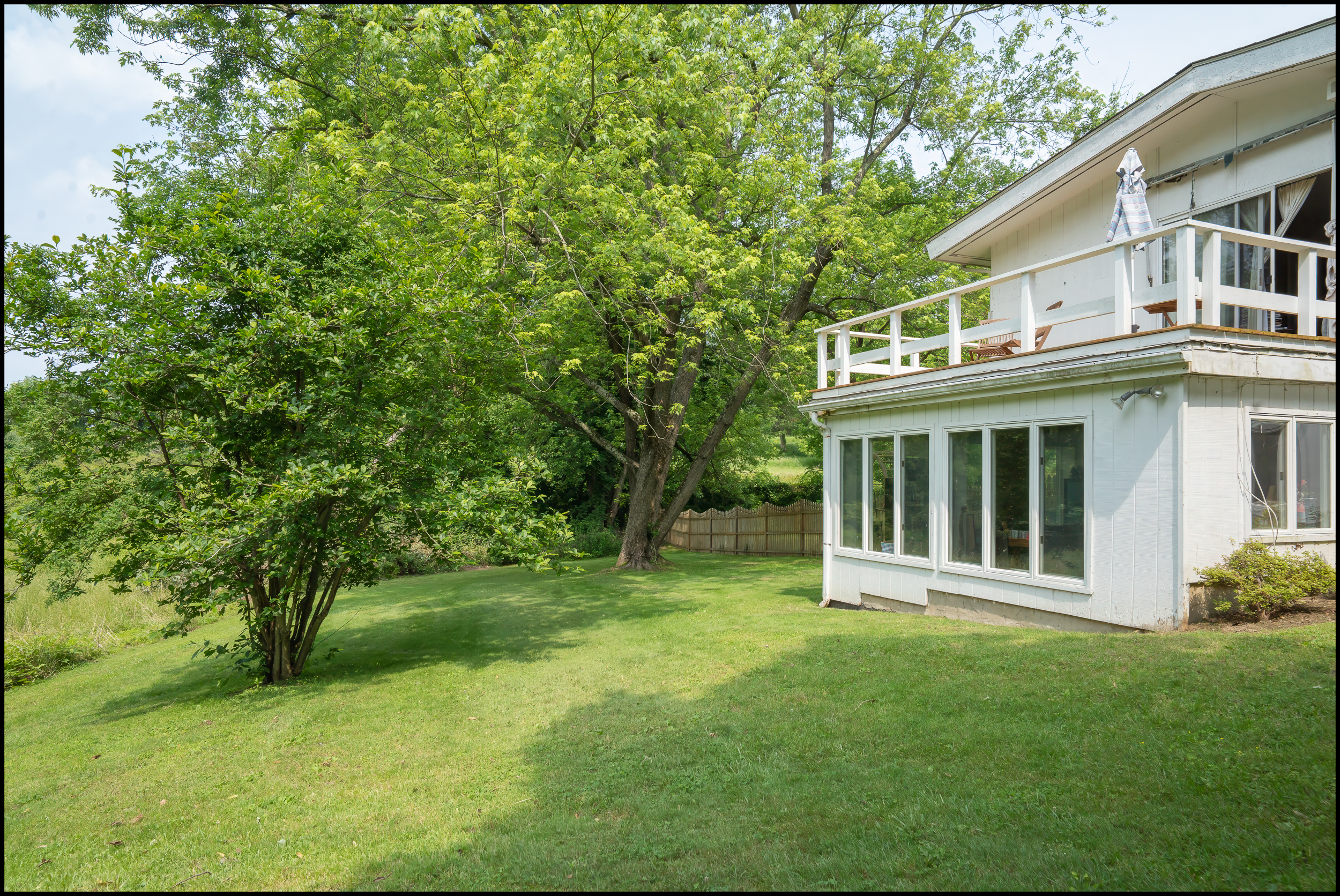
The garden is divided into two parts by a wooden fence which we had installed to keep the deer out. The picture above and the following five were all taken in the part north of the fence.
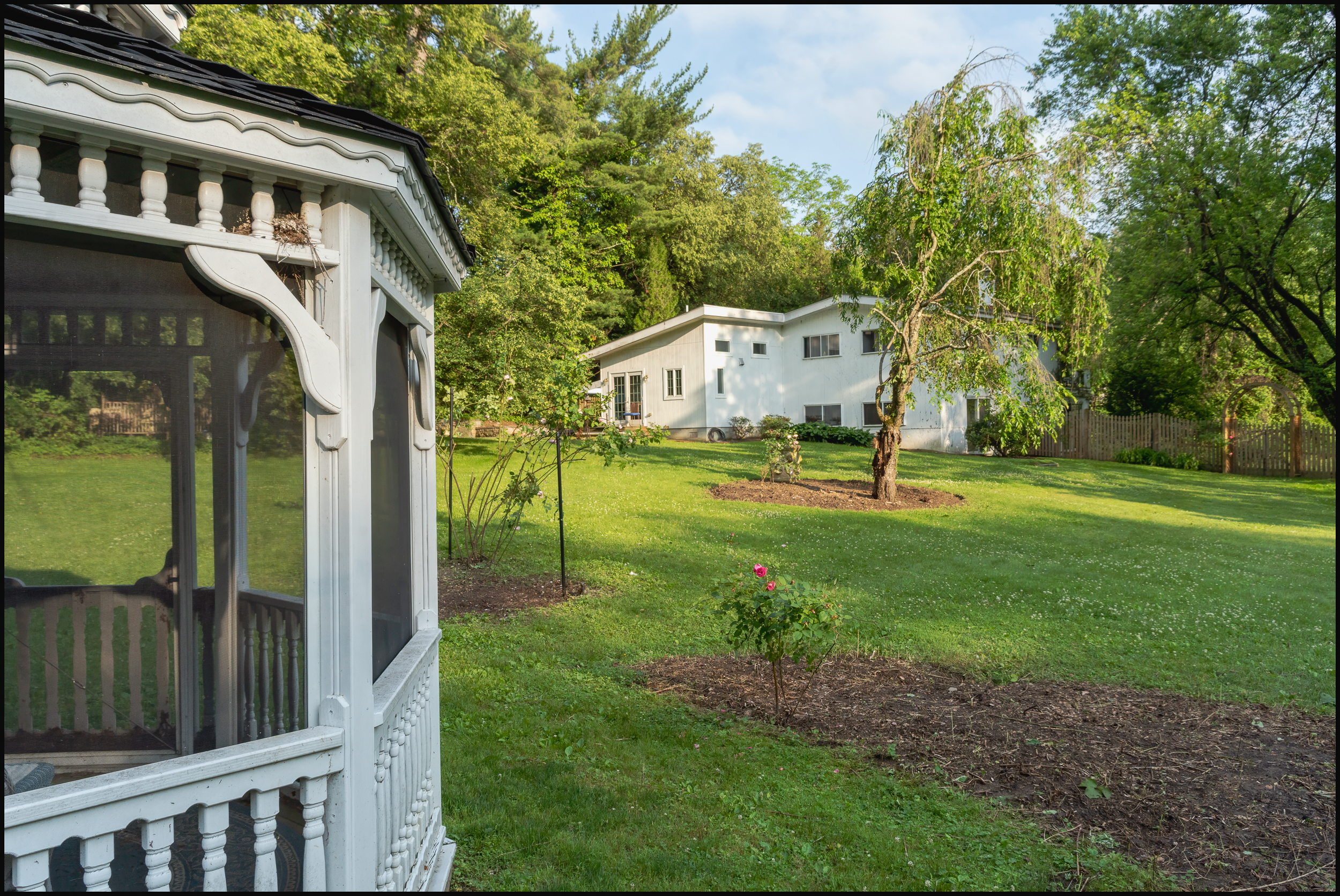
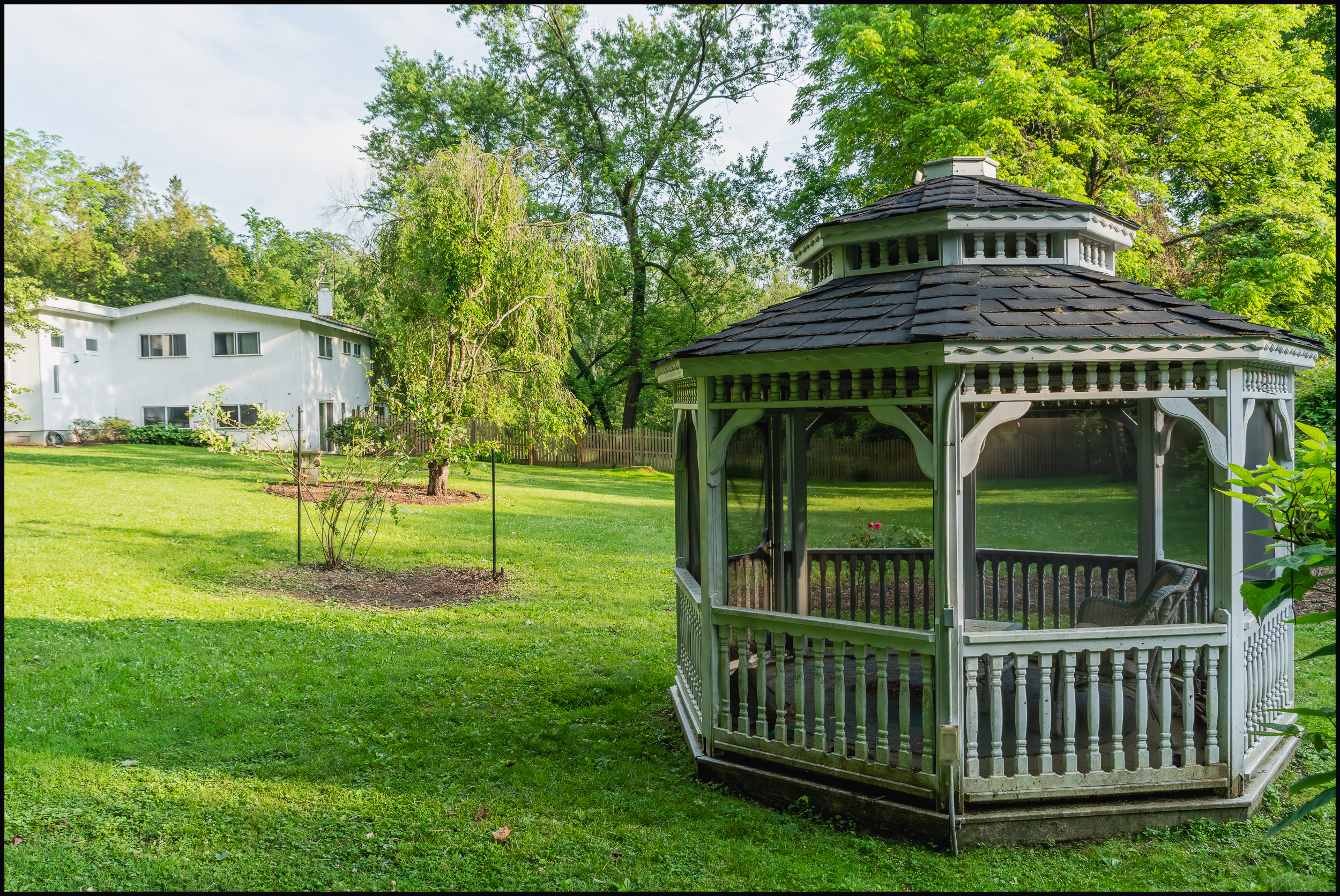
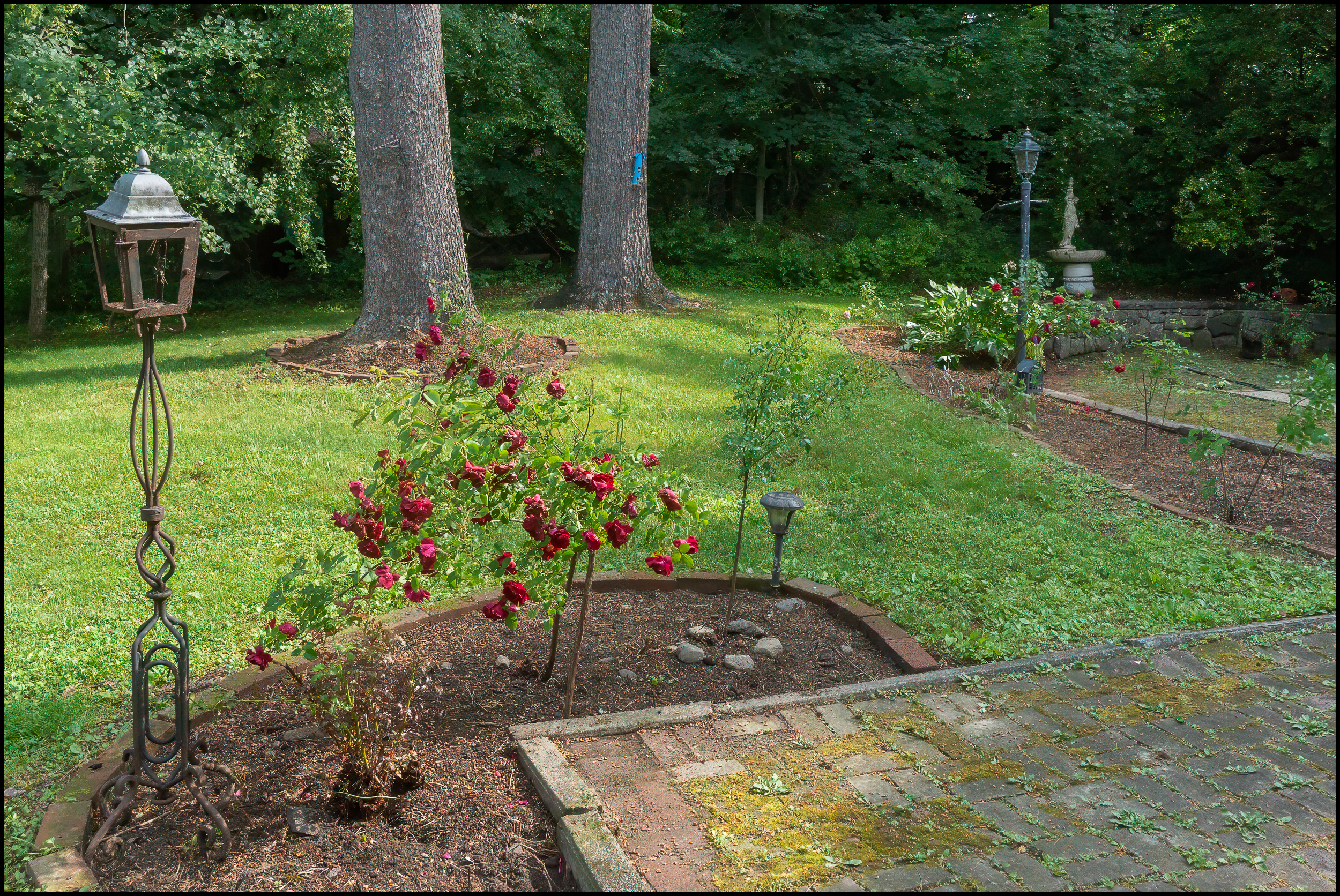
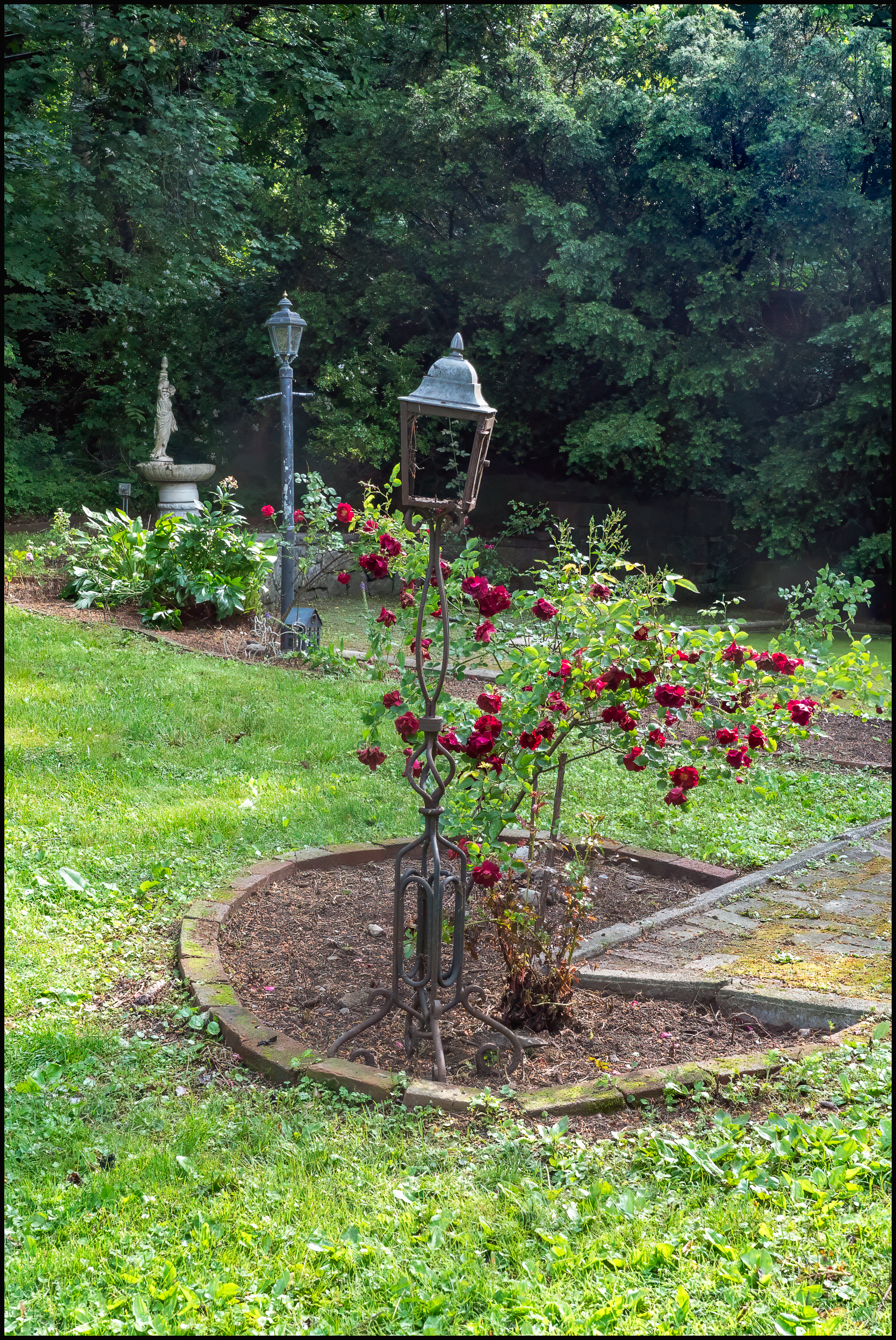
As the weeds disappeared roses started to become visible. In all I counted about 22 rose bushes. A few of them can be seen below.
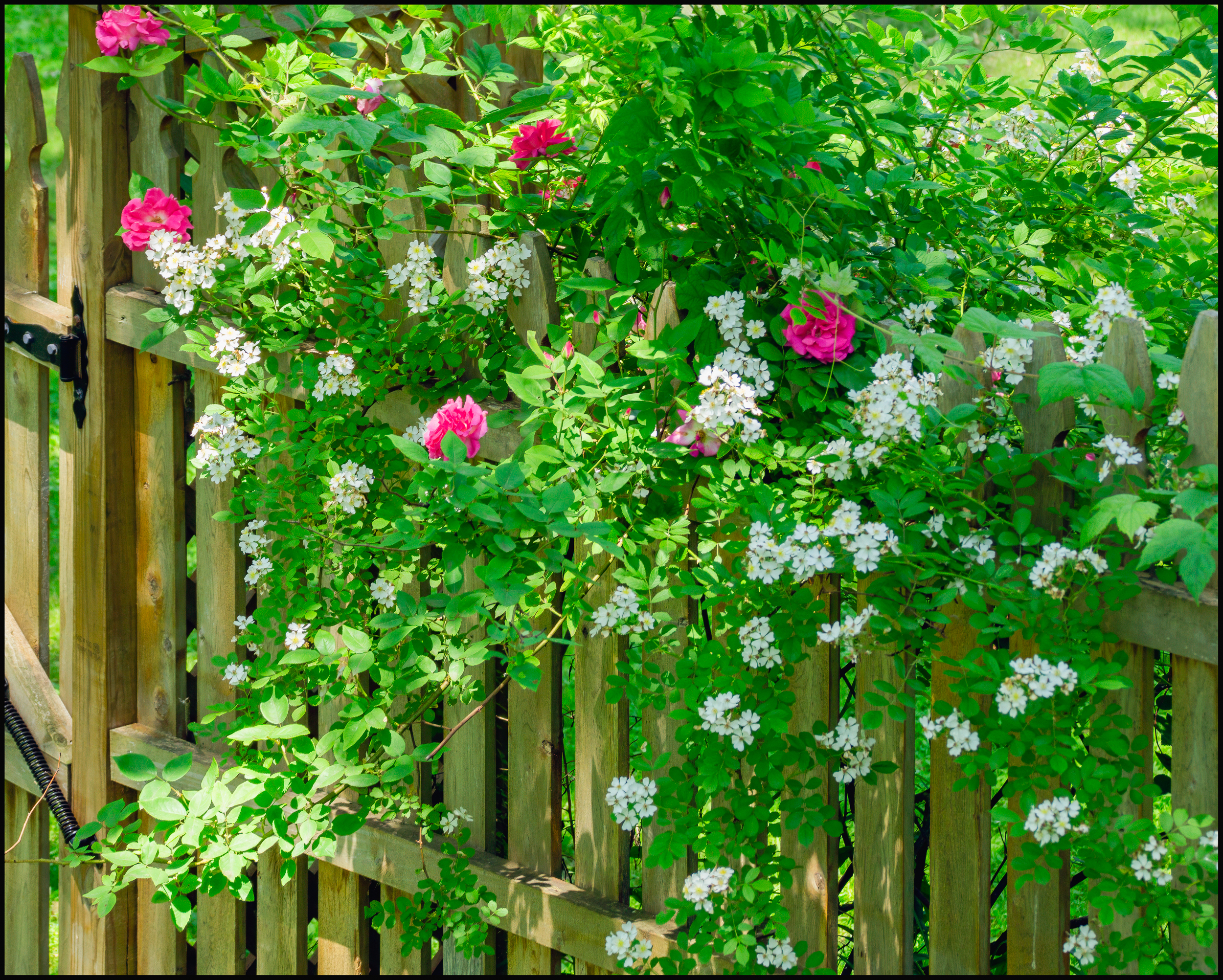
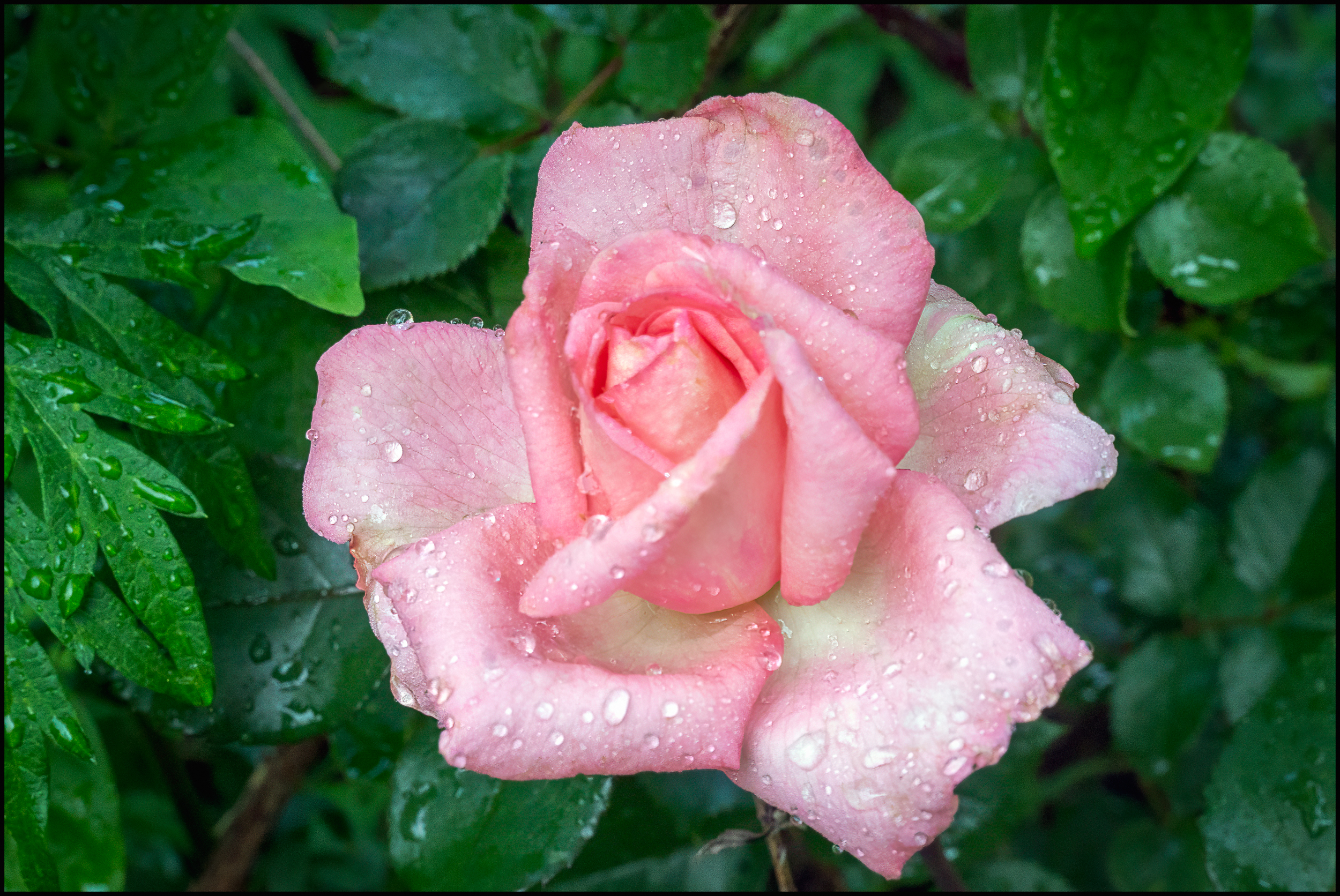
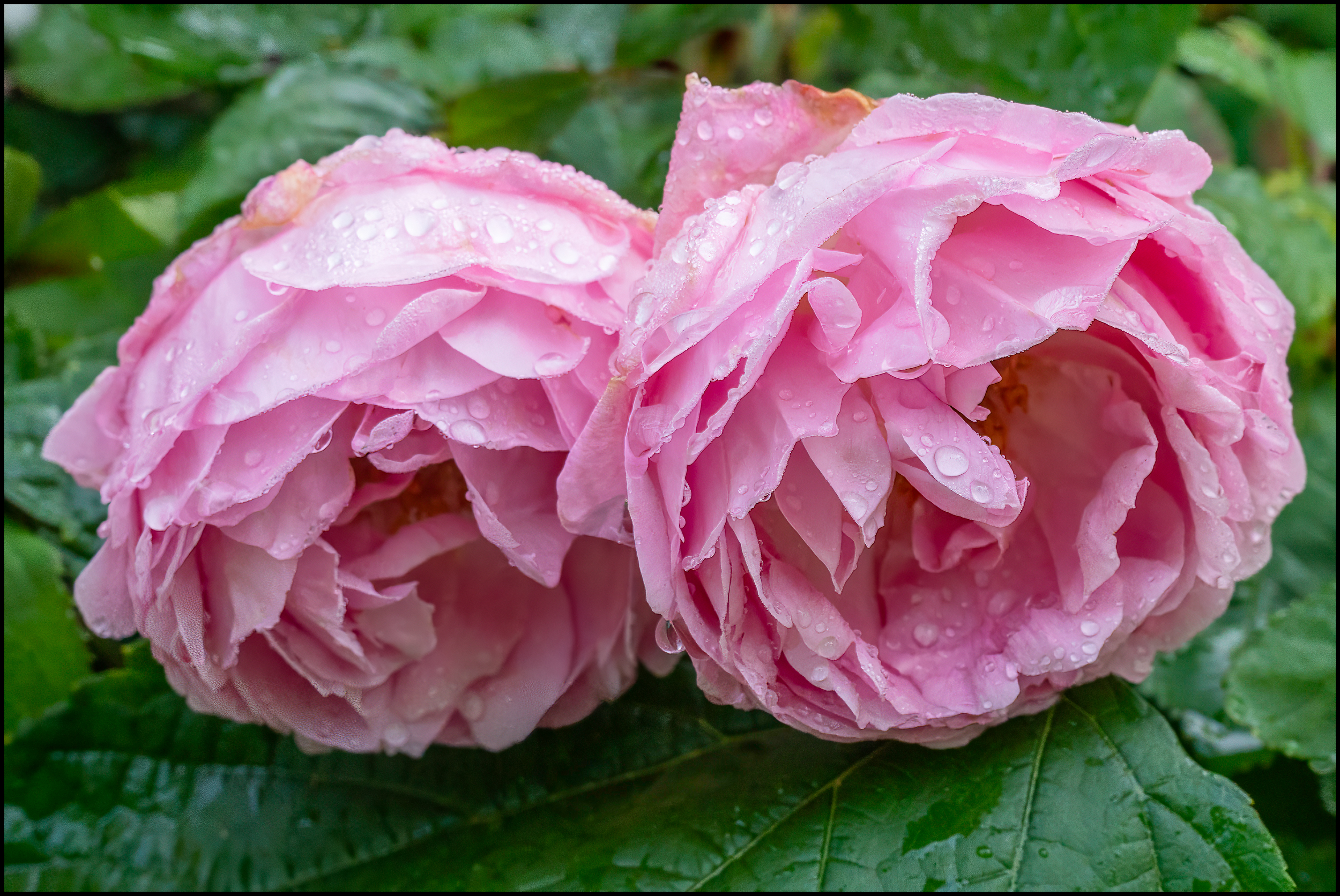
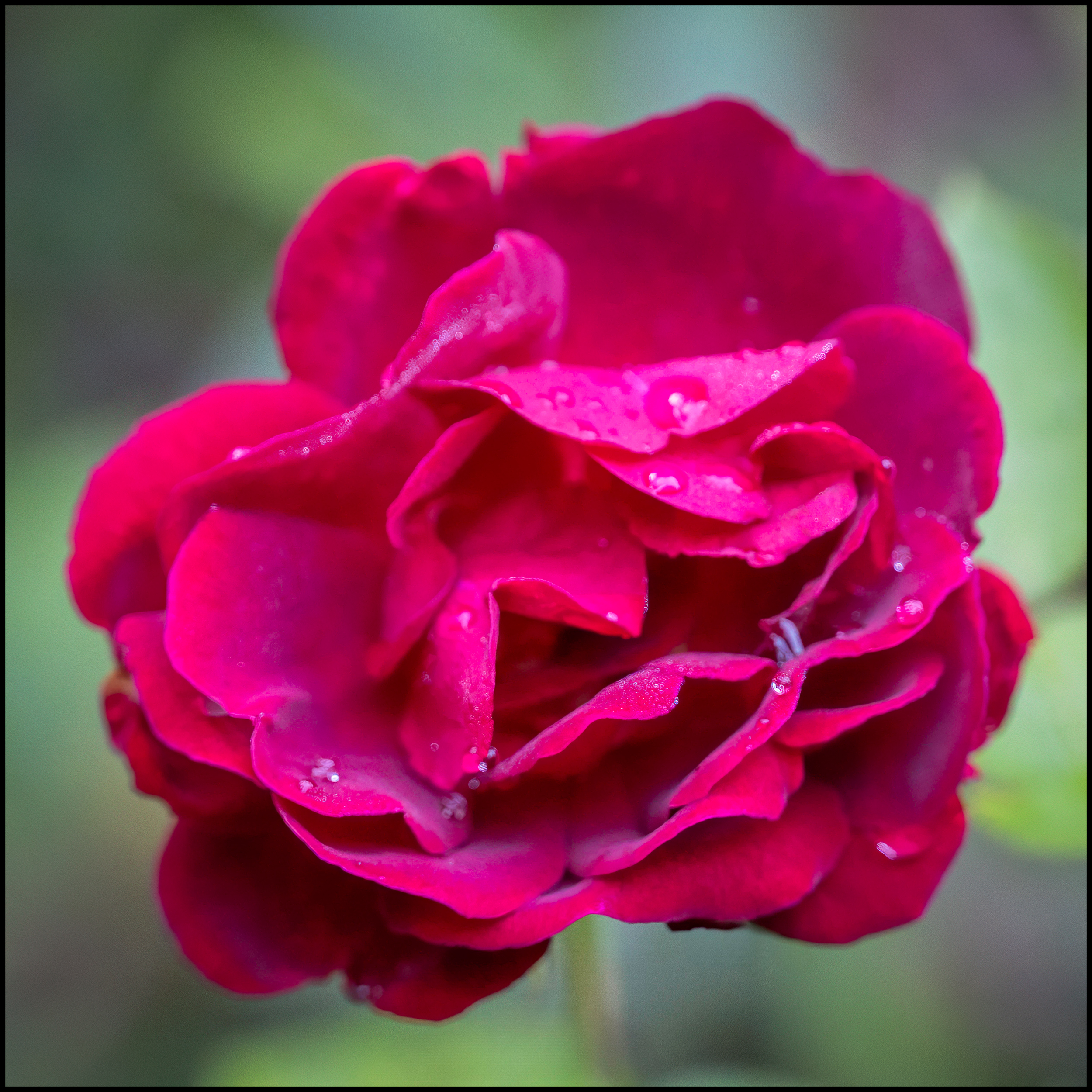
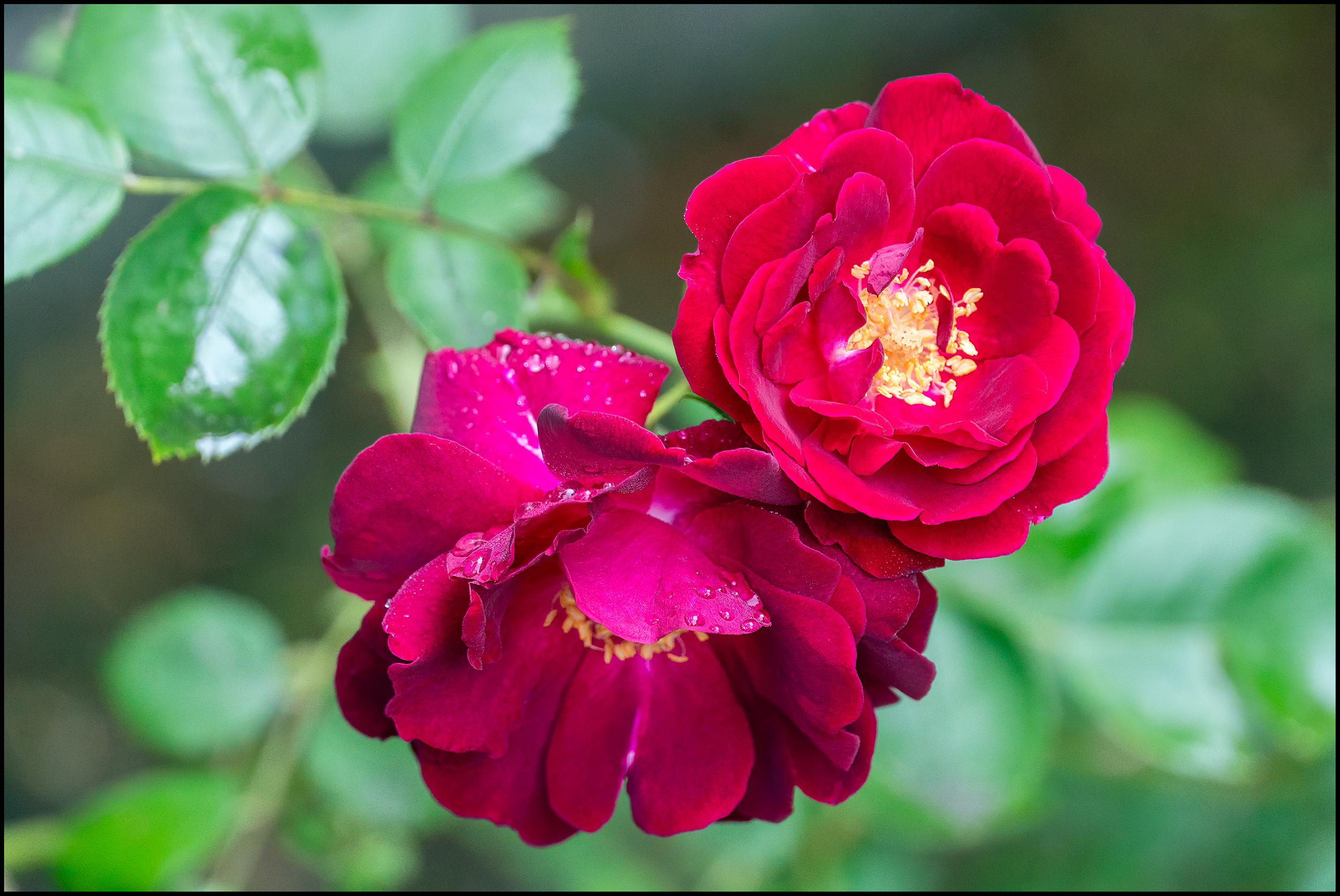
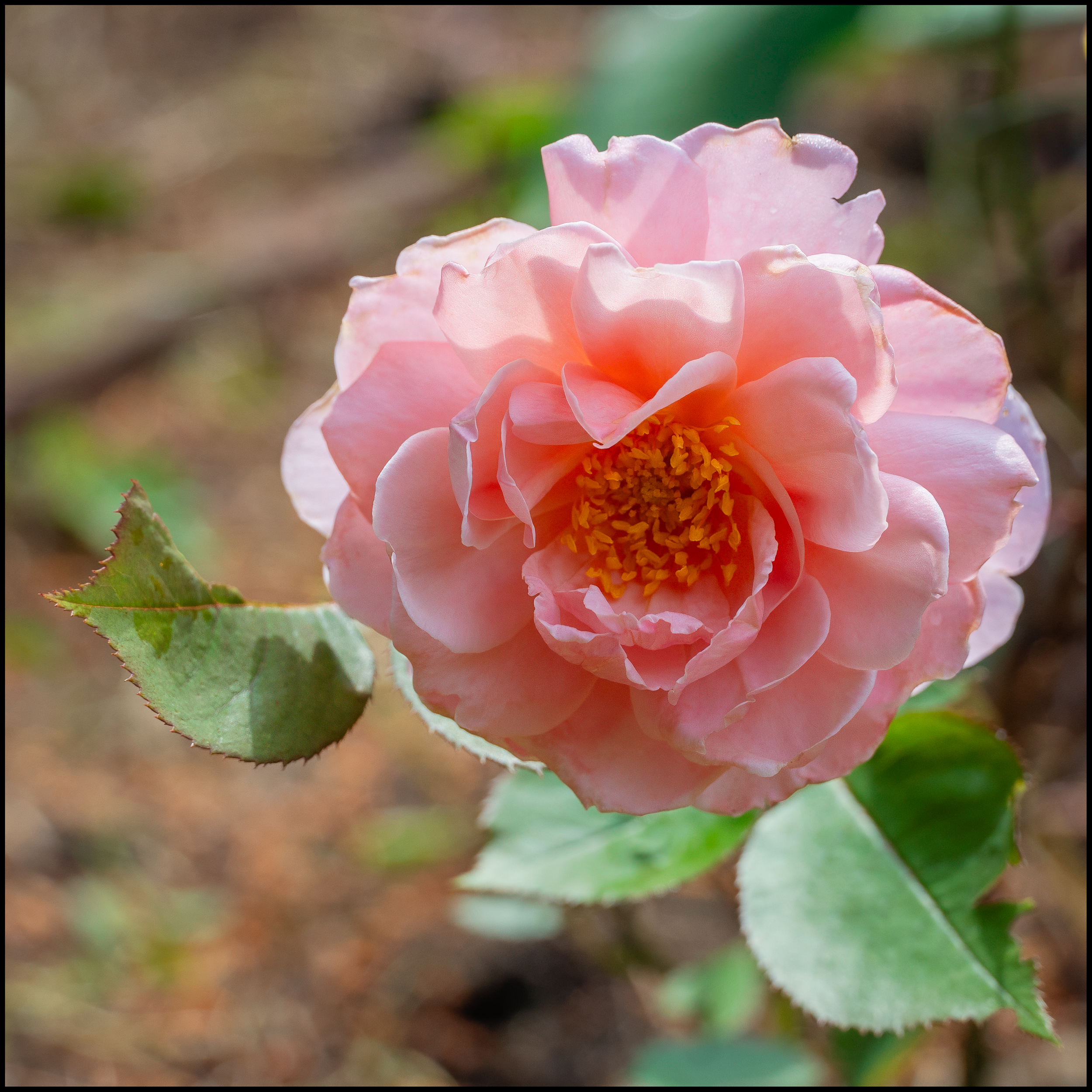
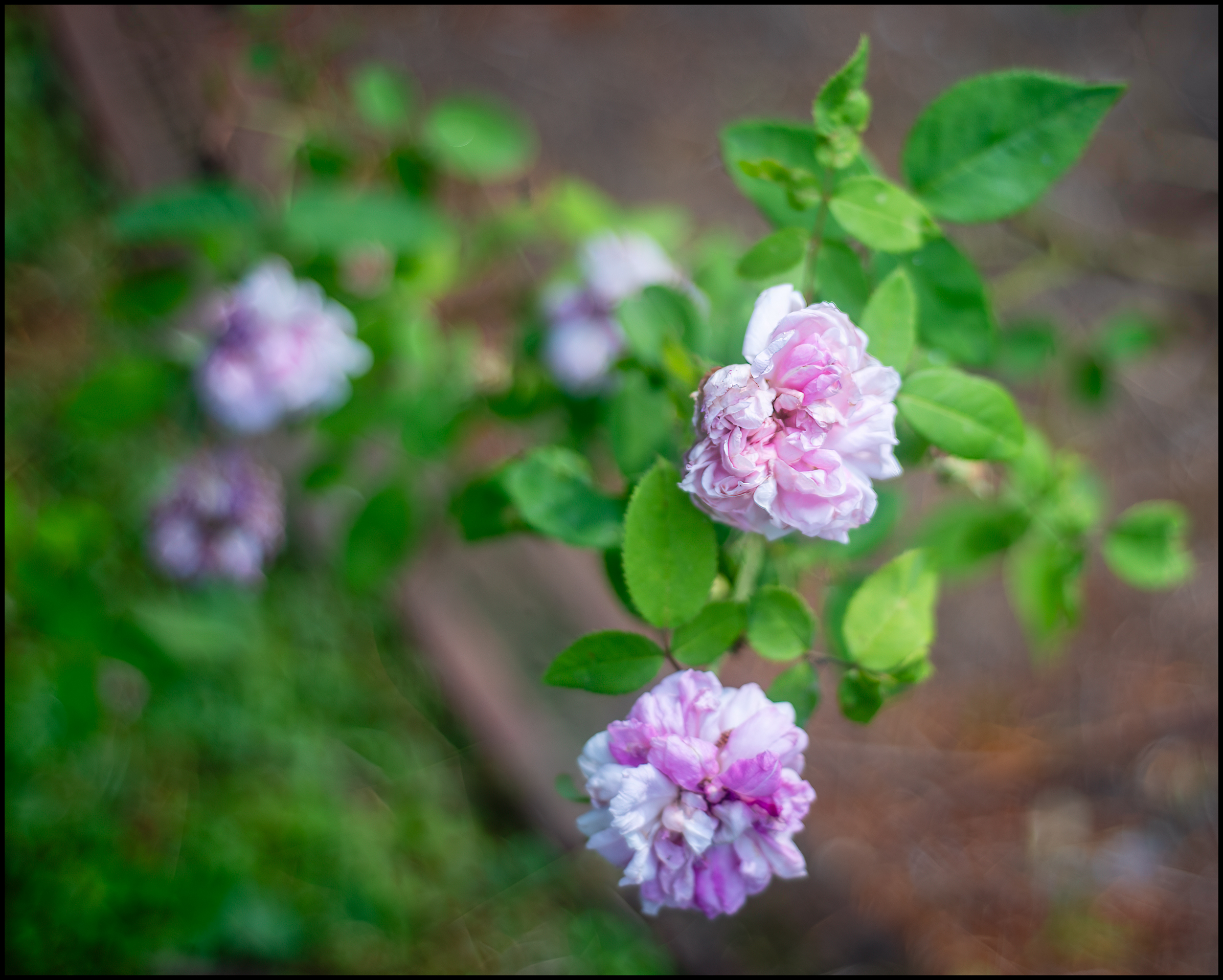
Here are a few pictures from the part south of the fence, which borders on a meadow that is now turning into a forest! But that’s not my property so I don’t have to maintain it.
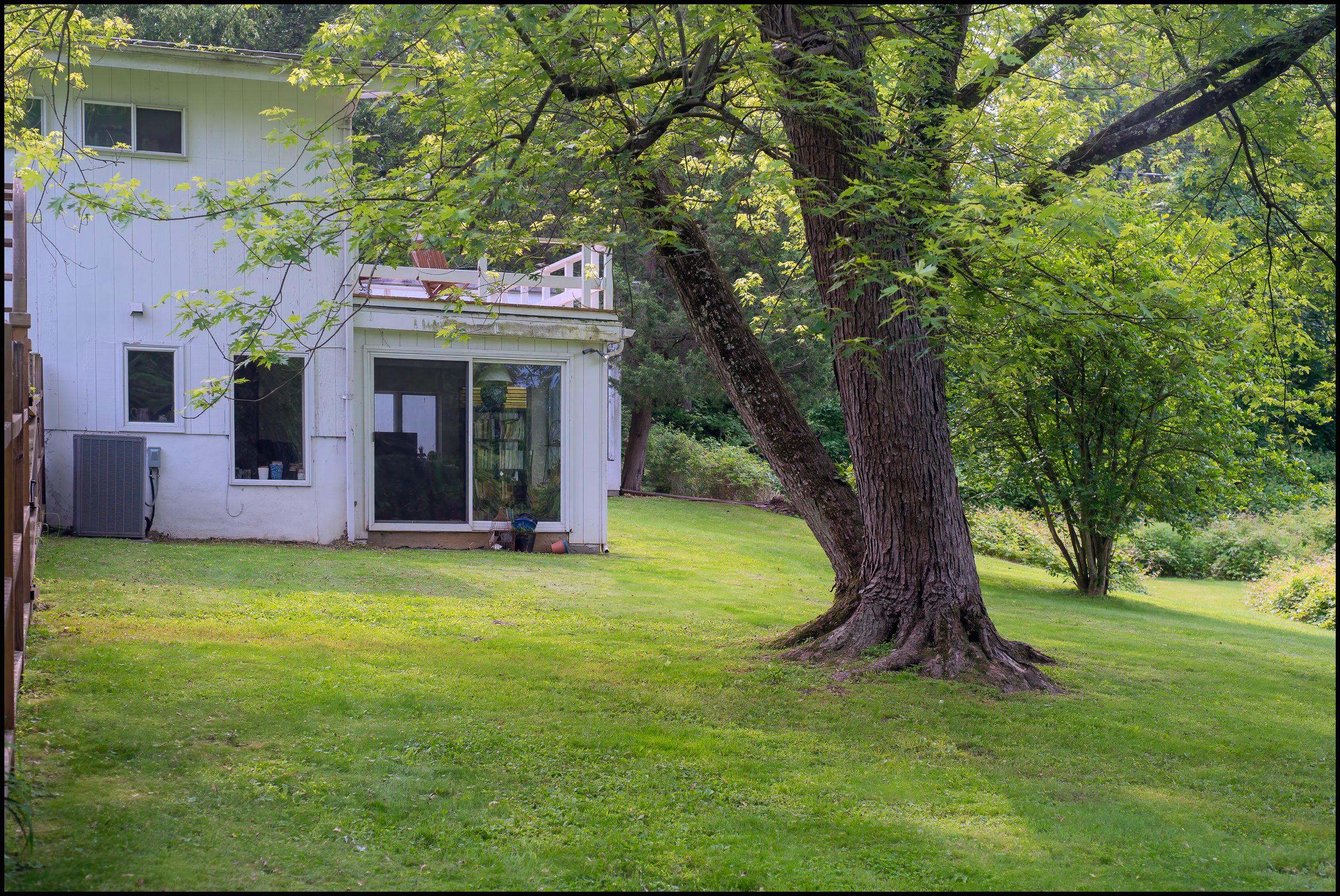
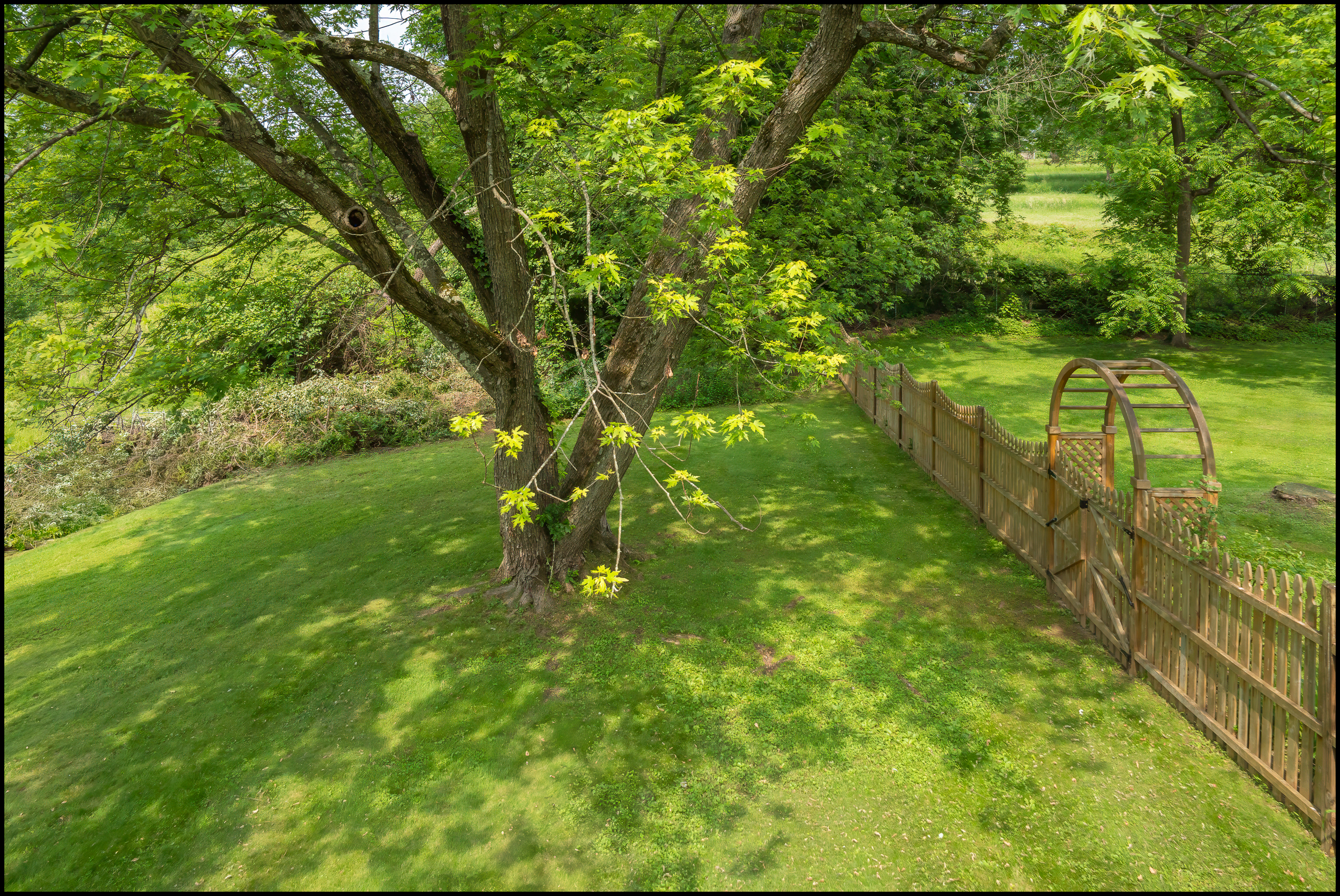
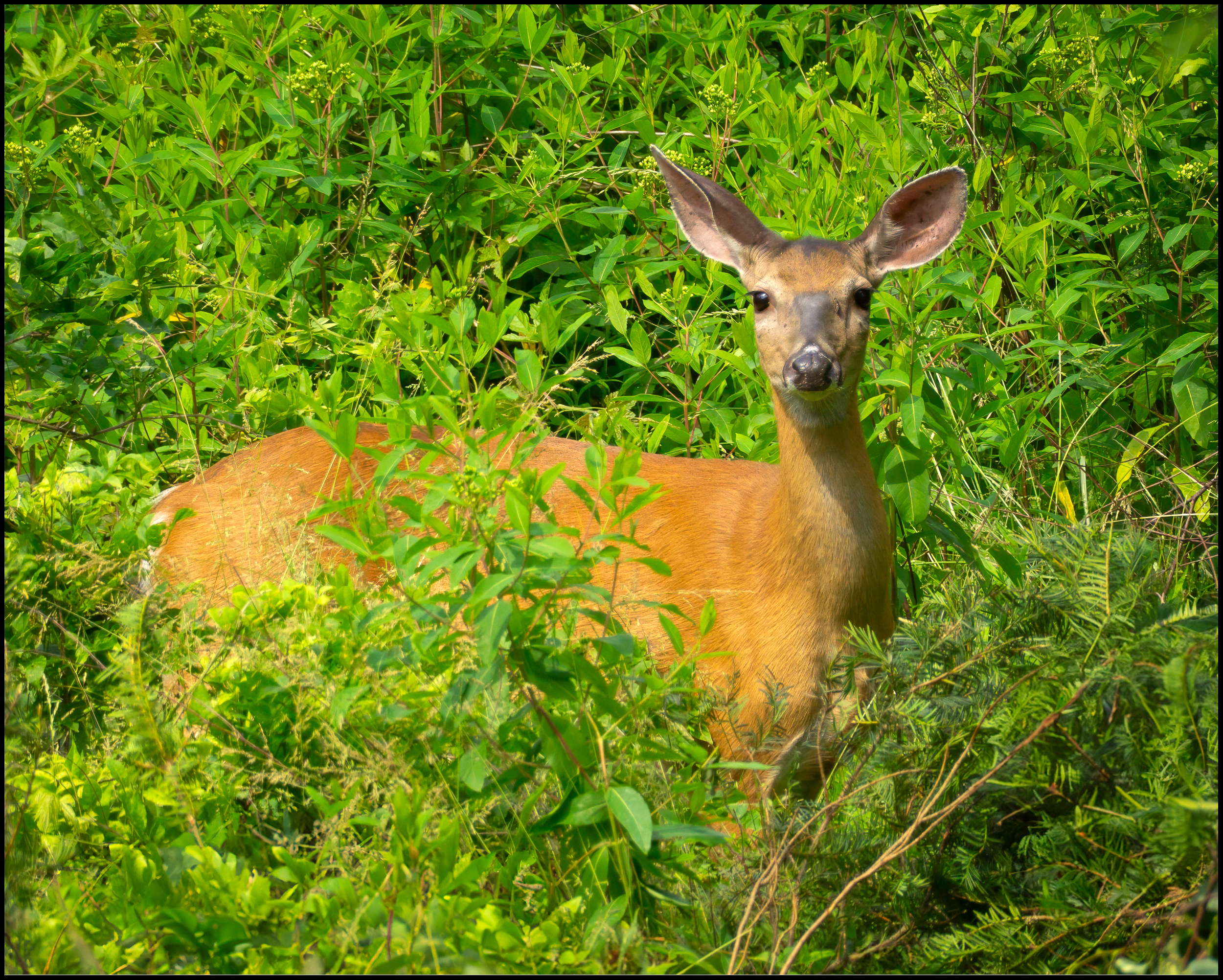
Finally, as I was taking the pictures above this morning, a deer turned up in the meadow/forest, no doubt checking out what was going on.
Taken with a variety of cameras and lenses.
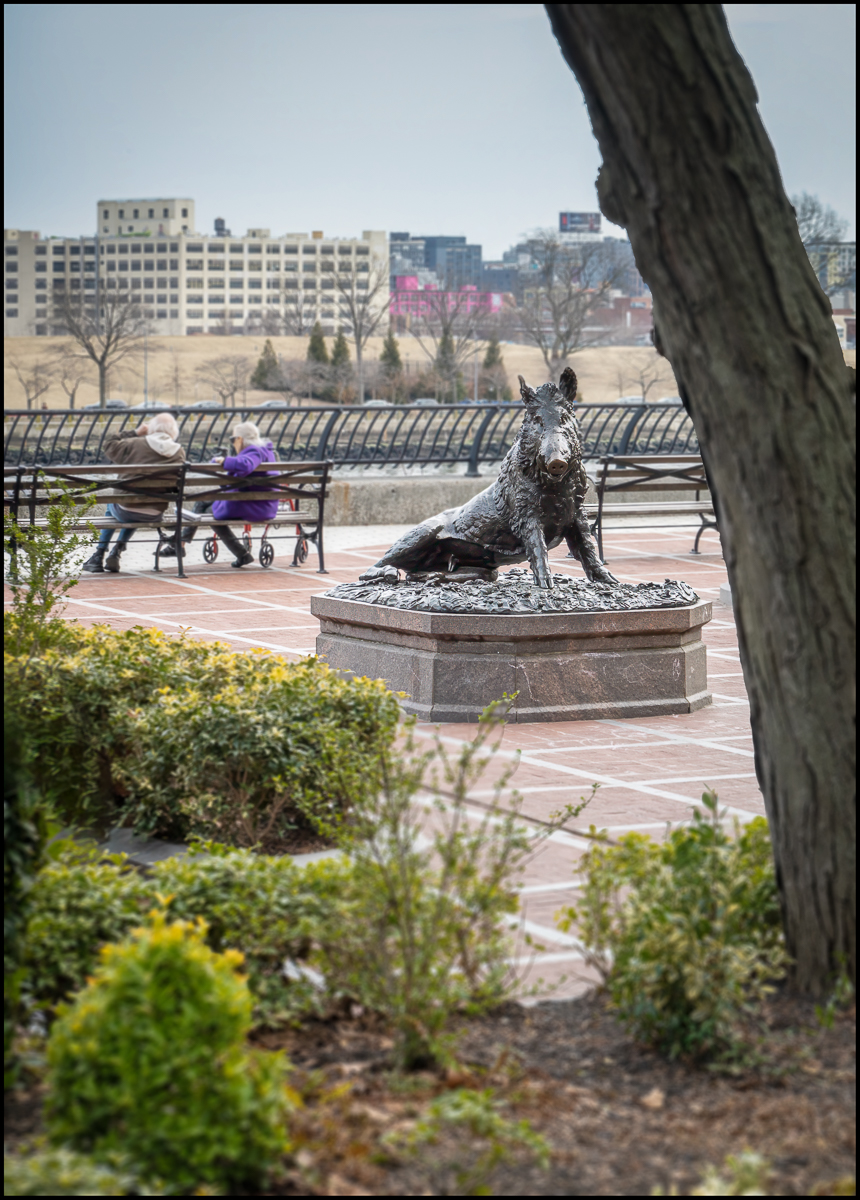
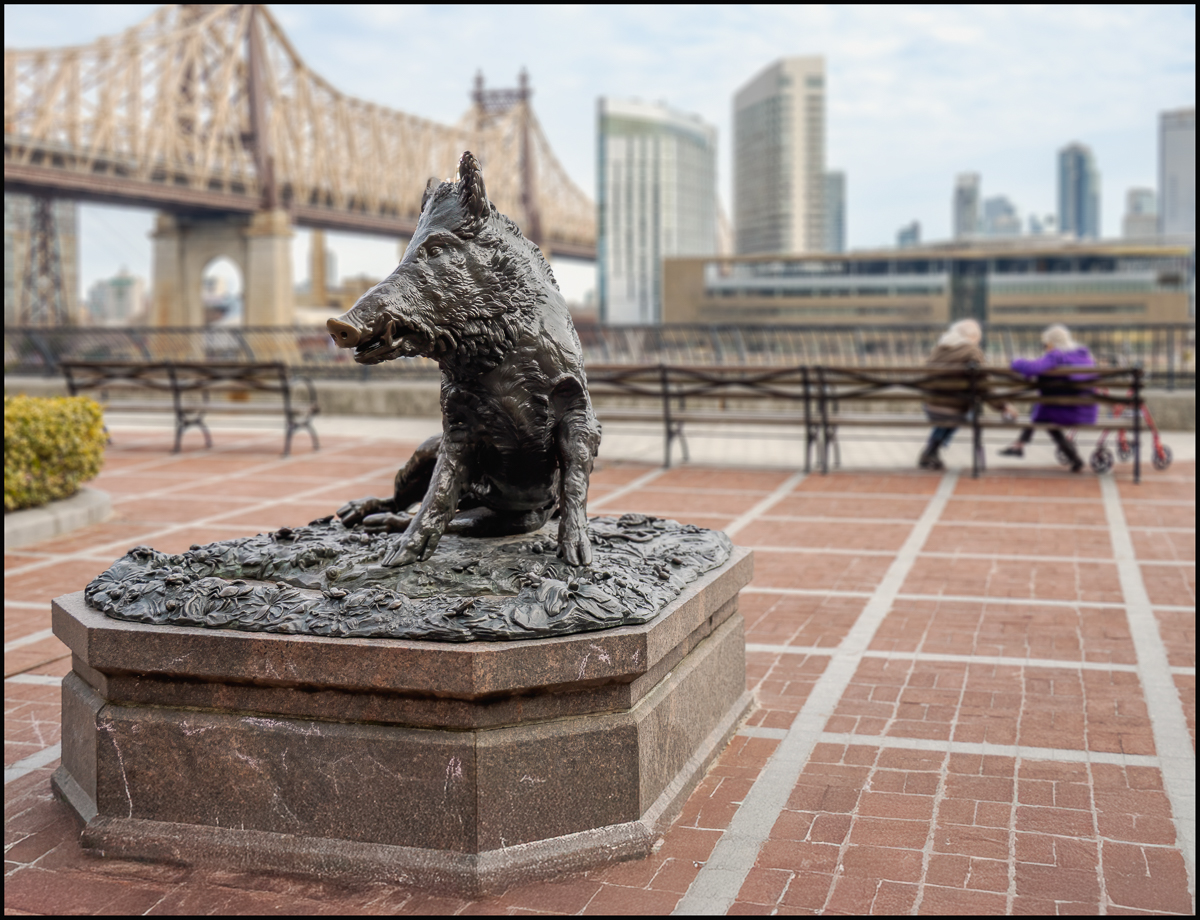
At the end of 57th Street there’s a tiny park called the “Sutton Place Park”. It’s a nice place to sit for a while and has a great view of the East River and the Queensboro (59th) Street Bridge.
It also has a fascinating statue of a Wild Boar. It’s cast in bronze and sits on a granite pedestal decorated with snakes, crabs, salamanders, and other creatures and it looked very familiar. Once upon a time, when I was working in Geneva, Switzerland I had to periodically go down to our office in Florence, Italy – I know its I hard life, but someone has to do it. I’d often walked past Pietro Tacca’s bronze Porcellino (“piglet”) statue, located in the heart of the city and more precisely near the Loggia del Mercato Nuovo, not far from Ponte Vecchio and Piazza della Signoria. Based on an ancient Greek marble original discovered in Rome in the 16th century, tourists like to rub its snout – it’s supposed to bring good luck.
The boar in Sutton Place Park is a copy of that replica, installed in 1972 was a gift from neighborhood philanthropist, Hugh Trumbull Adams, a descendent of the colonial governor of Connecticut Jonathan Trumbull. Mr. Adams donated many public works of art to the city including the Armillary Sphere located at the pocket park further south on 54th Street and the bronze Peter Pan statue at Carl Schurz Park, about 30 blocks north along the East River.
If you follow the link above, you’ll see that there’s startling wrinkle to this story:
In August 1999, Peter Pan disappeared. In a widely reported act of vandalism, the statue was dislodged from its base, to be subsequently recovered by the New York Police Department from the bottom of the East River. There were no suspects, indeed, as Parks Commissioner Stern said at the time, “We thought his only enemy was Captain Hook.” Celia Lipton Farris, a British actress who had played Peter Pan on the stage, contributed funds toward the restoration and more secure reinstallation of the sculpture in 1999.
Taken with a Sony RX10 IV.
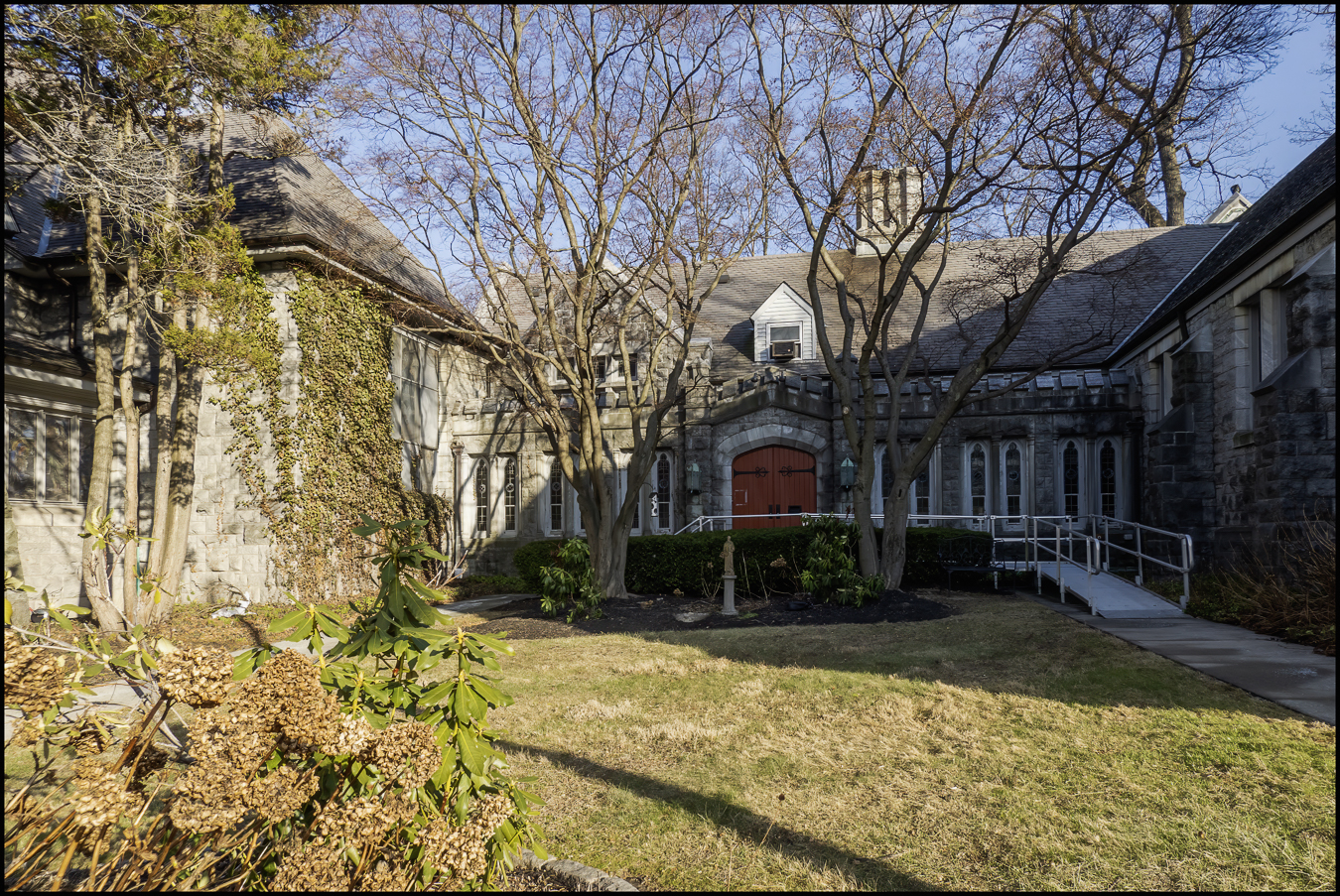
“Neo-Gothic architecture, popular from the close of the 19th century until the mid 20th century, represented a revival of interest in the Gothic structures of England over the polychrome High Victorian Gothic variants favored over the preceding decades. These structures were less ornate and tended toward a monochrome color scheme, often utilizing rough faced stone cladding, arched windows, and prominent towers with castellated parapets. The Trinity Episcopal Church consists of two wings: a cruciform shaped 1892 main wing and an L-shaped parish hall and cloister, both of which were constructed in 1905. The overall plan of the structure forms a U shape, with a courtyard in the middle. The Church is constructed with rock faced limestone quarried in St. Lawrence County, New York and has random coursing on the stone facing, lending a rough visual appearance. The main wing contains pointed arch windows with stone surrounds and hooded lintels, with irregularly spaced window openings, and a group of wall dormers on the north and south elevations. The main wing’s most prominent feature is the three-story bell tower, which is square in configuration and contains a clock and a crenellated granite parapet. The main entryway on the parish house is also surrounded by crenellation.
The Trinity Episcopal Church is listed as a contributing structure within the Village’s National Register of Historic Places-listed Downtown Ossining Historic District. It is architecturally significant as a well-preserved example of the Gothic Revival style and is culturally significant for its association with the Second Episcopal Parish of Ossining.
Trinity Episcopal Church, constructed in 1892 and located at 7 South Highland Avenue, was built as the home for the Second Episcopal Parish of Sing Sing (now Ossining). This parish was established in 1868 by returning Civil War veterans and held its first meetings in the basement of
one of the buildings in the Barlow Block. The parish later held meetings for a time in the original First Presbyterian Church, a structure that was once located on the same site where Trinity Episcopal Church now sits. After the First Presbyterian Church moved to its present location at 34 South Highland Avenue (see entry), the Parish purchased the site and built the current structure on the property. The three story stone tower that dominates the Church’s main façade was constructed in accordance with a mandate from the Episcopal Church stating that all churches must incorporate a large tower into their design as a visual symbol of this denomination. A number of the stained glass windows in the building were obtained from Tiffany Glass and Decorating Company of New York City and from Gorham Manufacturing of Providence, Rhode
Island.
Robert W. Gibson (1851 – 1927), an immigrant from England, was the architect. He built a number of other religious, institutional, and commercial structures in New York State during his career. These include the following:
• Albany Episcopal Cathedral (Albany, NY – 1884)
• St. Michael’s Church (New York, NY – 1891)
• St. Paul’s Cathedral redesign (Buffalo, NY – 1888)
• Greenwich Savings Bank (New York, NY – 1892)
• Bank of Buffalo (Buffalo, NY – 1895)”
(Village of Ossining Significant Sites and Structures Guide, Page 200)
Taken with a Sony RX100 MVII.