
Old rusting machinery. In the woods beyond here stood the Van Wyck Barn. Most likely a number of barns stood on the farm grounds over the 270 plus years that the house has been here.
Taken with a Sony RX-100 M3.
Photographs and thoughts on photography and camera collecting

Old rusting machinery. In the woods beyond here stood the Van Wyck Barn. Most likely a number of barns stood on the farm grounds over the 270 plus years that the house has been here.
Taken with a Sony RX-100 M3.
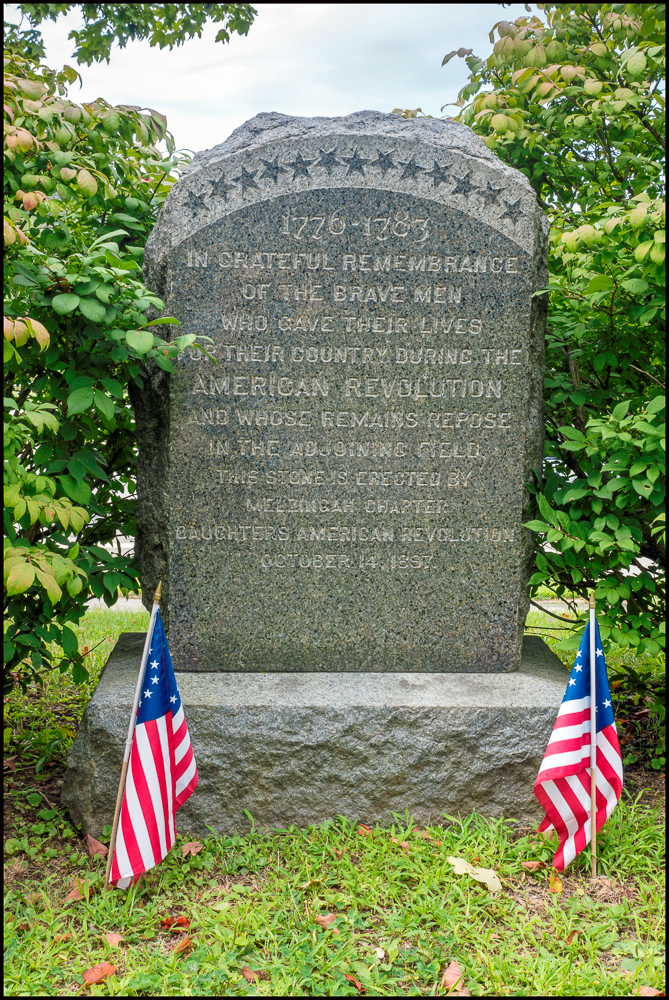
The exact location of the cemetery where Revolutionary War soldiers had been buried had been a mystery. Recently graves were discovered south of the museum. A memorial had been placed on that site by the DAR. That memorial was moved during road construction and was relocated to the grounds of the Van Wyck Museum. It was originally dedicated on October 14, 1897. Major-General Daniel Butterfield of Civil War fame addressed the crowd. In a newspaper account of the time it read:
“The guests then repaired to the ground of the famous and historic Wharton house (Van Wyck Homestead) nearby. The house was thrown open to the inspection of visitors. The room where Enoch Crosby, the spy, was tried by the court martial; the room occupied by General Washington, and other points of interest in the house were freely shown to visitors. The ladies of the Melzingah Chapter (DAR) had provided a bountiful lunch on the lawn of the Wharton house”.
The cemetery’s location is now known. (Van Wyck Homestead Museum Self-Guided Trail Guide)
Taken with a Sony RX-100 M3.
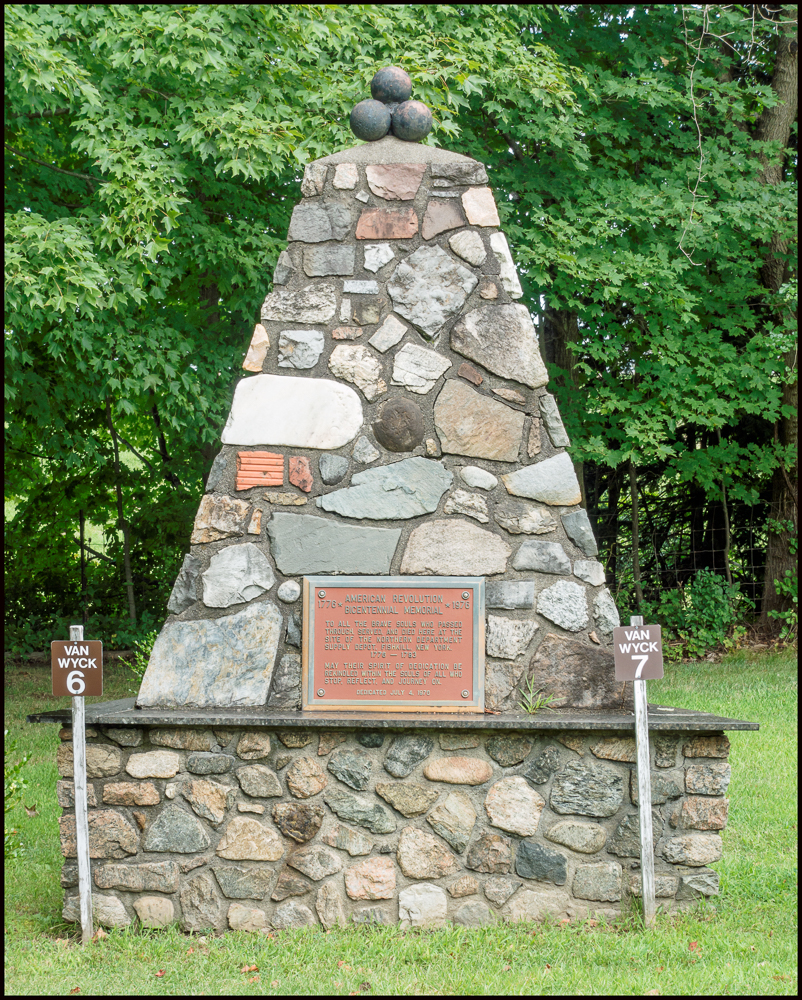
“In 1976 in celebration of the Bicentennial of the United States, the Fishkill Historical Society erected this pyramid consisting of stones donated by over 50 historic sites. Among these are stones from Saratoga, Yorktown, Bennington and Fort Ticonderoga. Read the inscriptions on the monument. The museum has a guide to which stones came from which sites” (Van Wyck Homestead Museum Self-Guided Trail Guide).
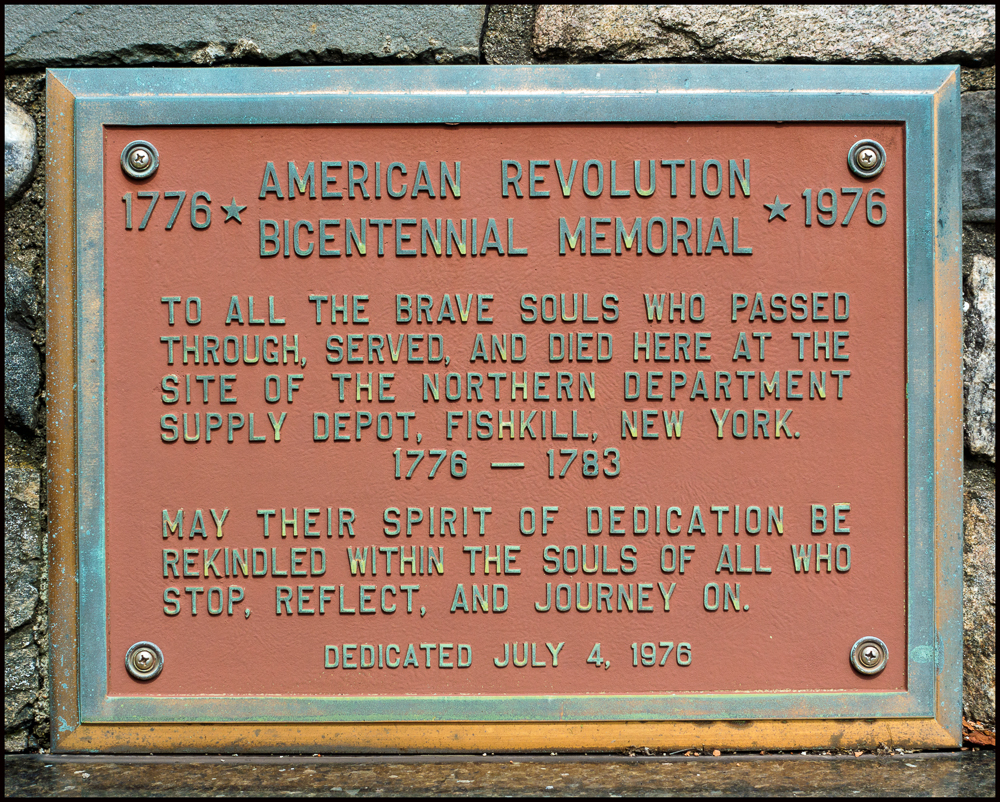
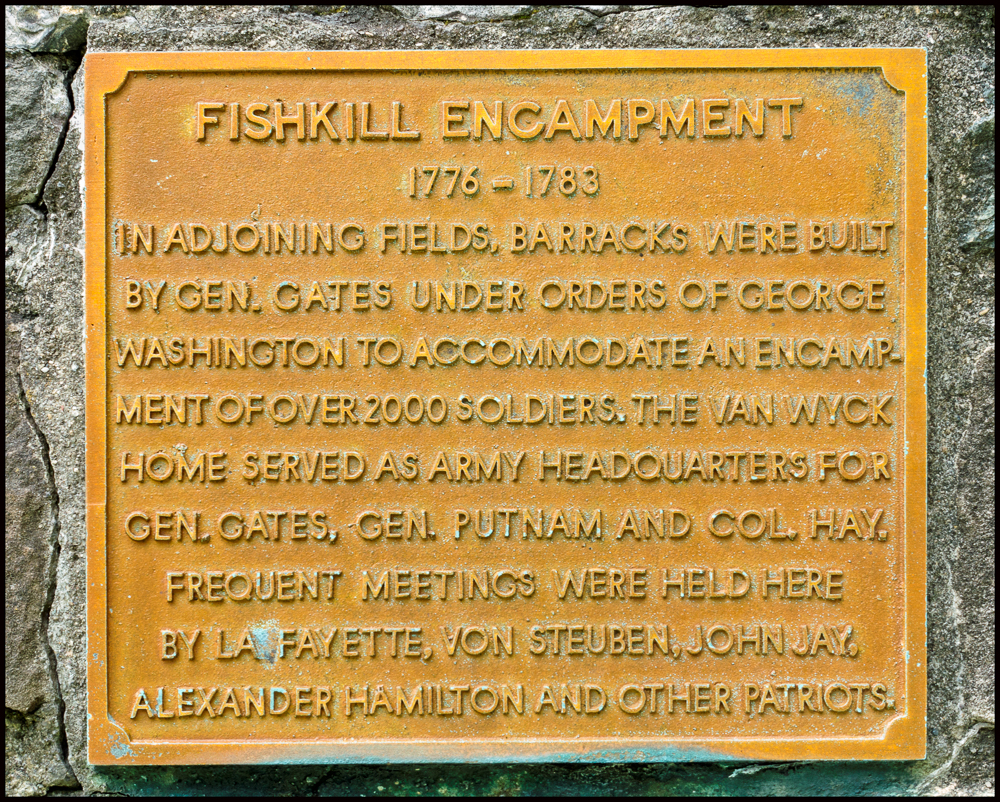
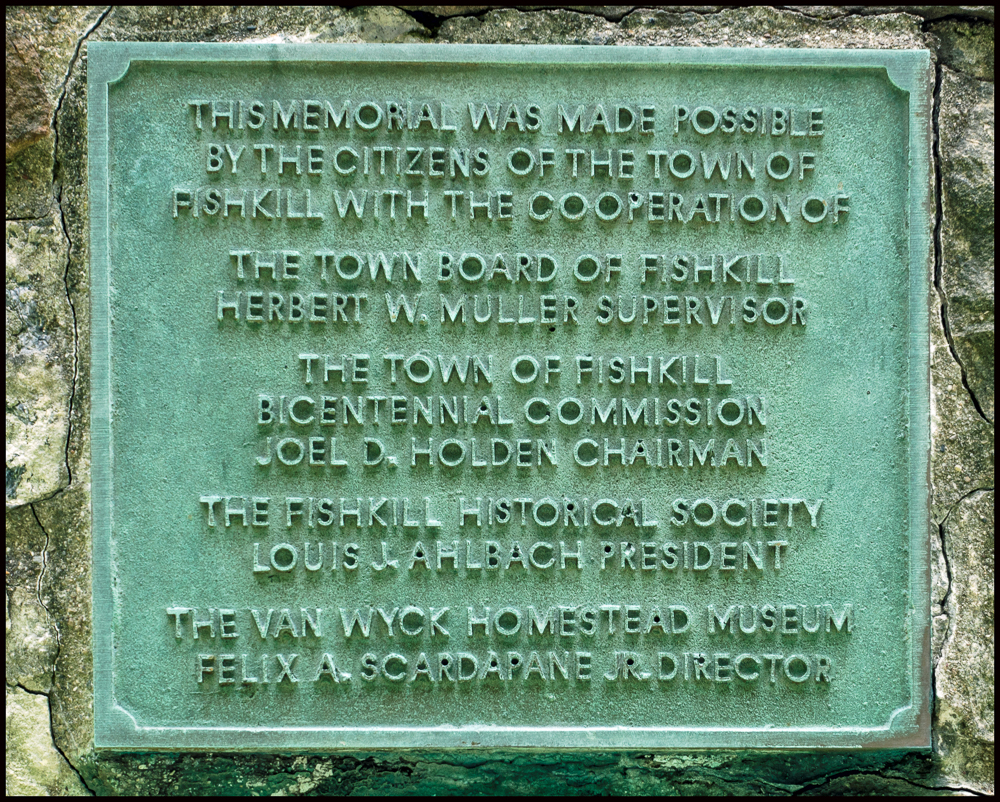
Taken with a Sony RX-100 M3.
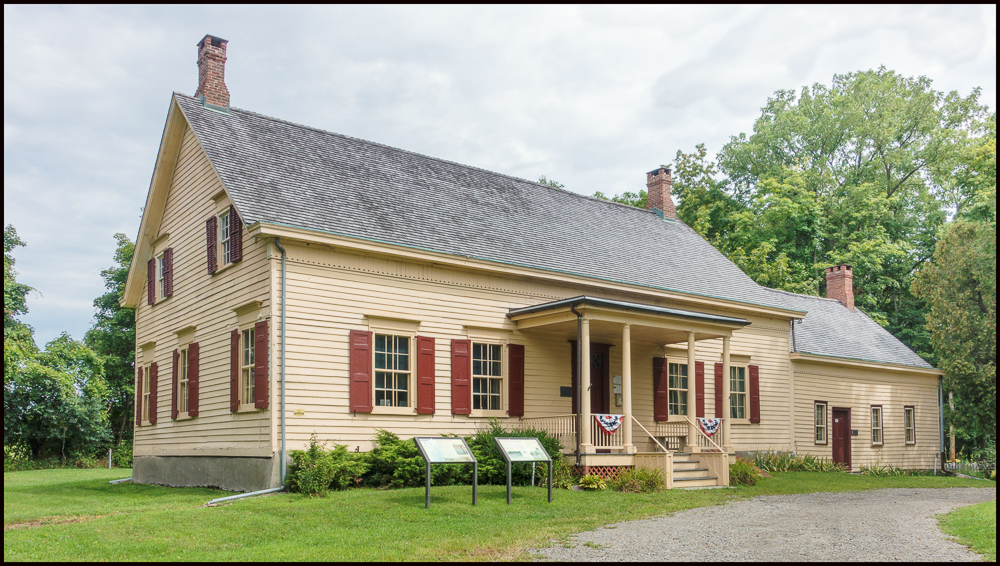
“The Van Wycks were an aristocratic family originally from Holland who were a prominent part of Dutchess County history. Members of the Van Wyck family served in the Revolutionary and Civil Wars, and also held both local and national political positions.
In 1732, Cornelius Van Wyck (1694–1761), a surveyor, built a house with three rooms on 959 acres (approximately 3.88 km²) of land he had purchased from Catheryna Rombout Brett, the daughter of Francis Rombouts, who was one of the grantees of the original patent to the land in the area issues by King James II of England. Later (before the year 1757) the house was extended and the original structure became the east wing of the enlarged house. Since then, the building has remained a Dutch colonial construction featuring a characteristic central hall with two identical doors” (Wikipedia).
As you look at the Homestead you notice that a section of the house is lower and smaller than the rest. This is the original house built about 1732 with a number of changes made after that. The larger section was added in the 1750s.
The small structure on the left in the second picture (below) is the old well (covered by a more recent structure). The water is about 25 feet down.
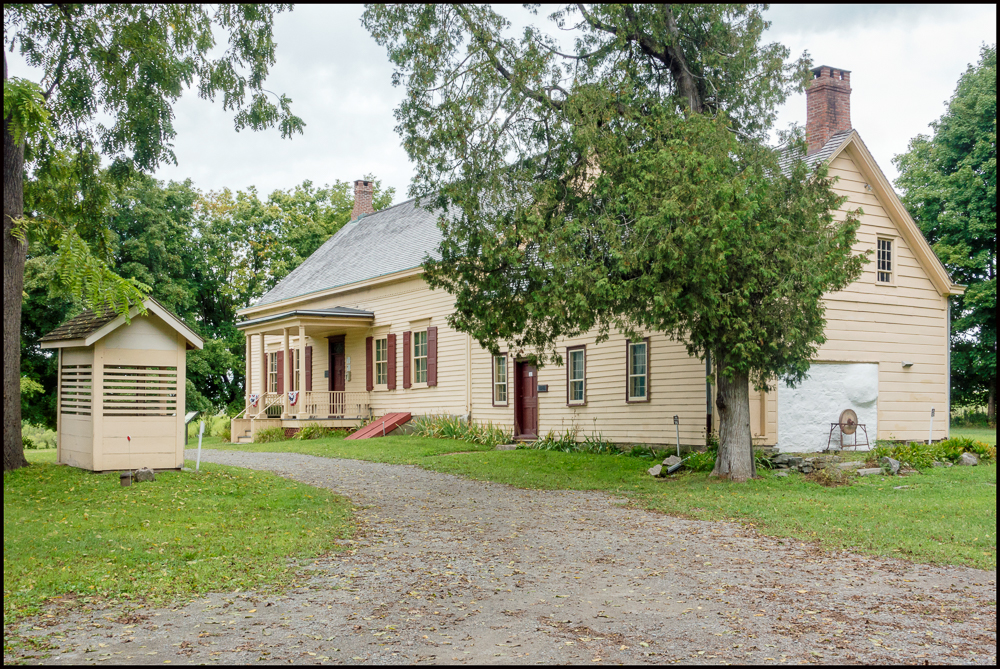
The house is now a museum, which unfortunately was closed when we were there.
Taken with a Sony RX-100 M3.
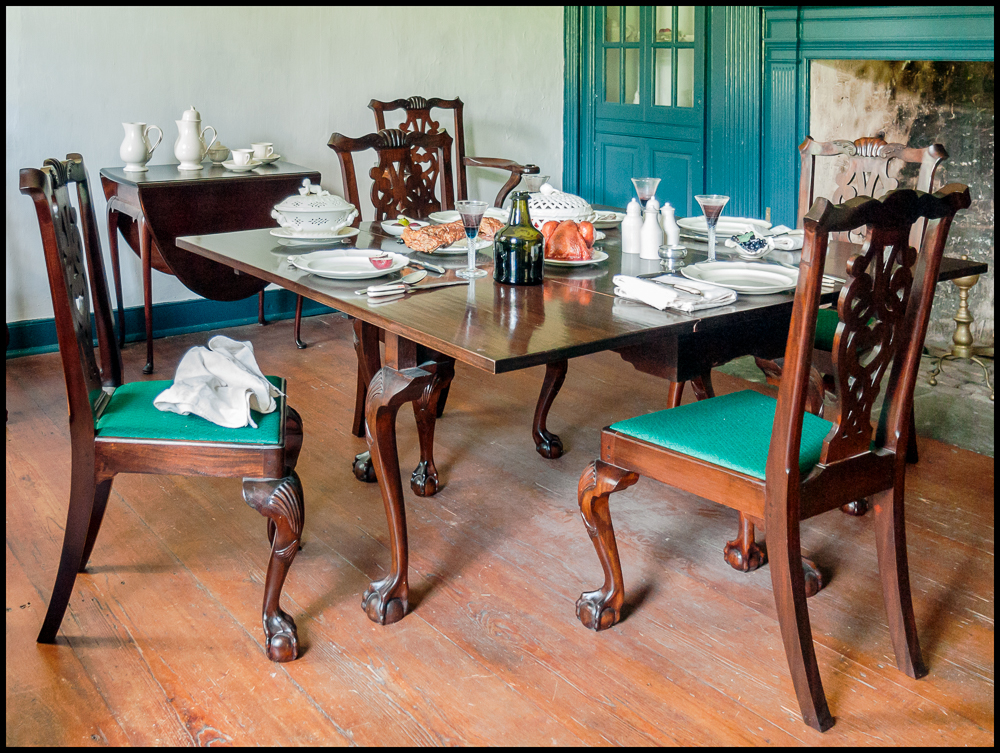
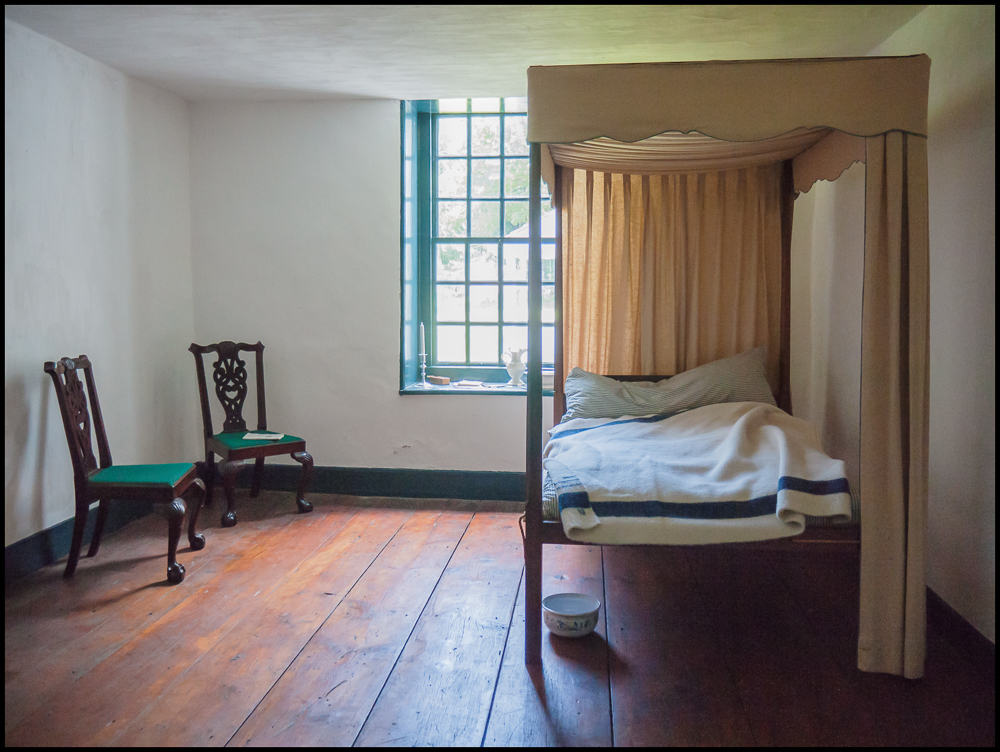
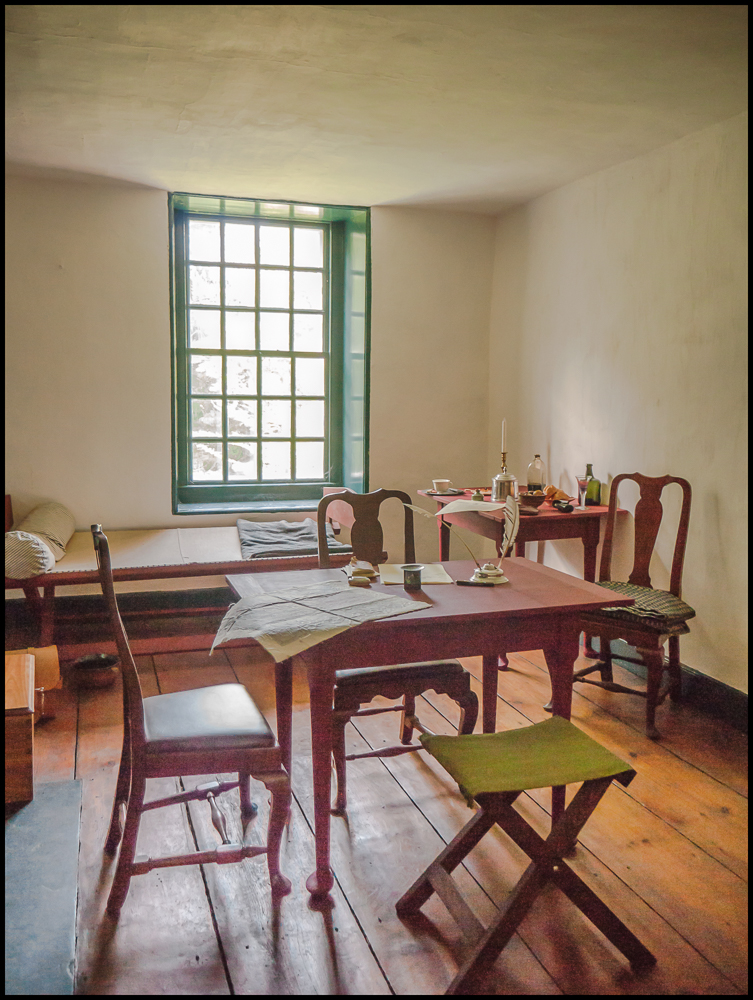
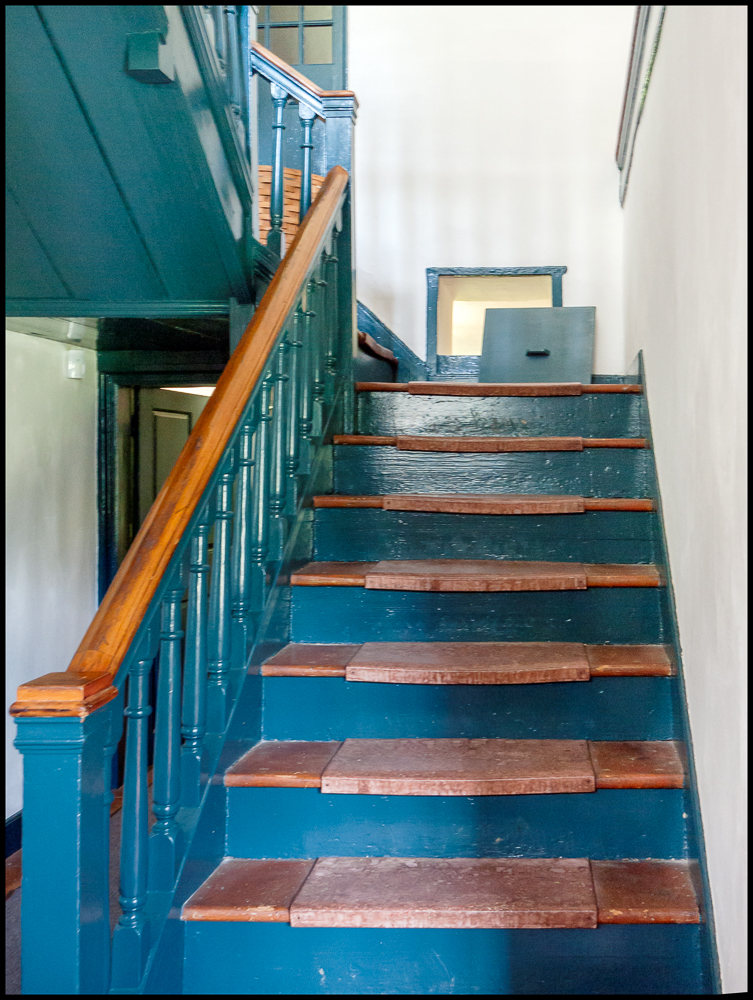
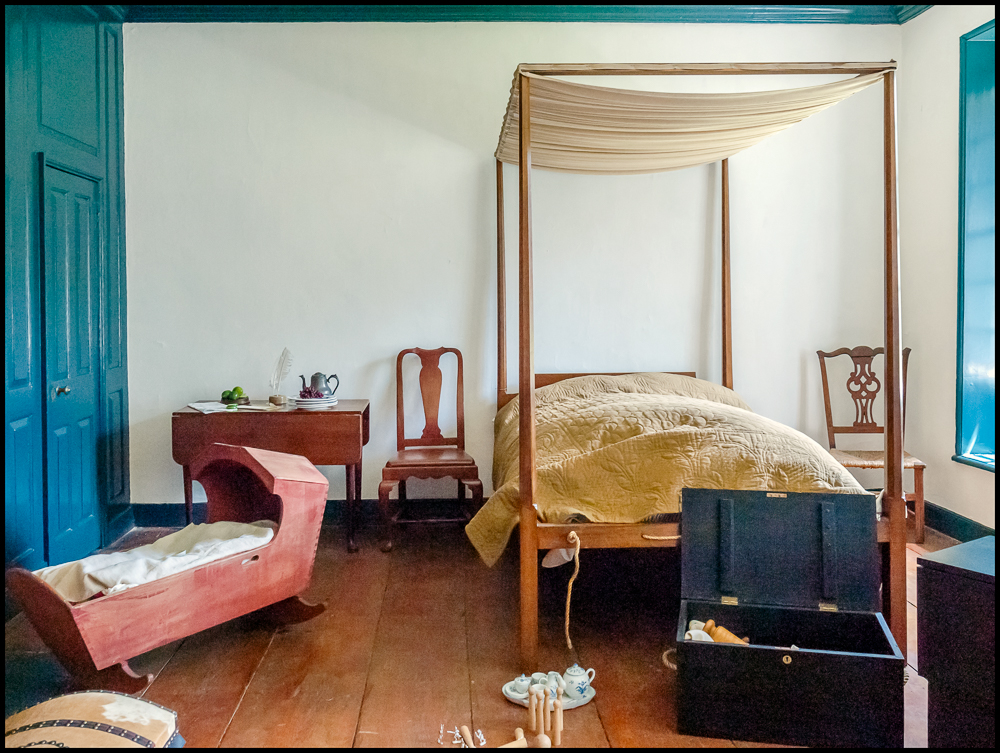
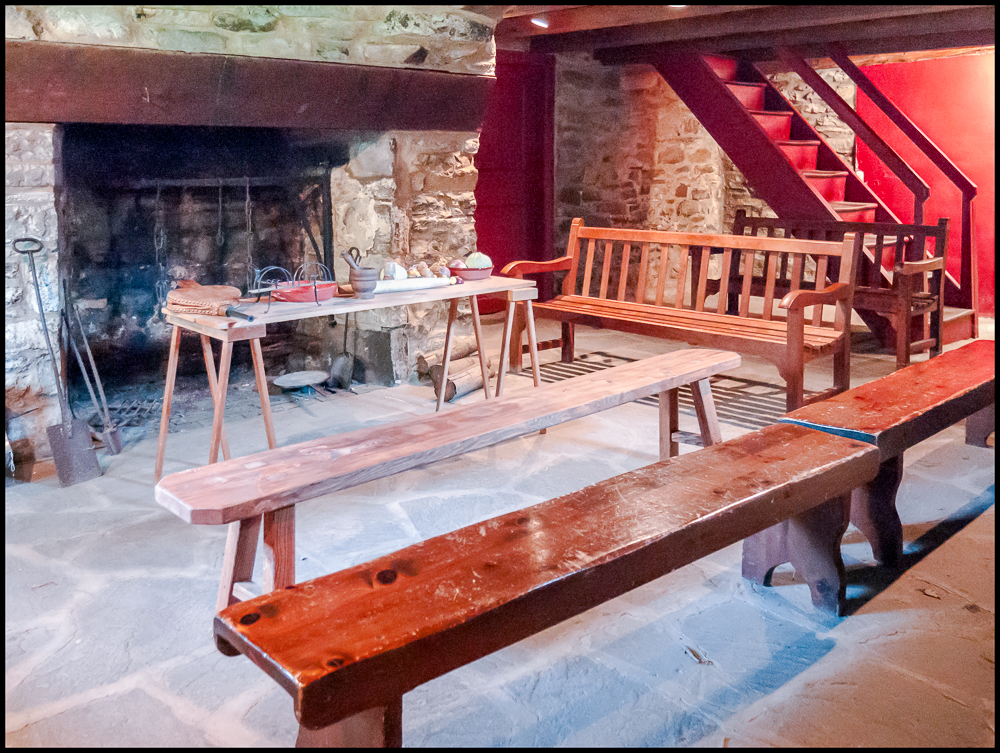
Taken with a Panasonic Lumix GF1 and G vario 14-42 asph f3.5-5.6.