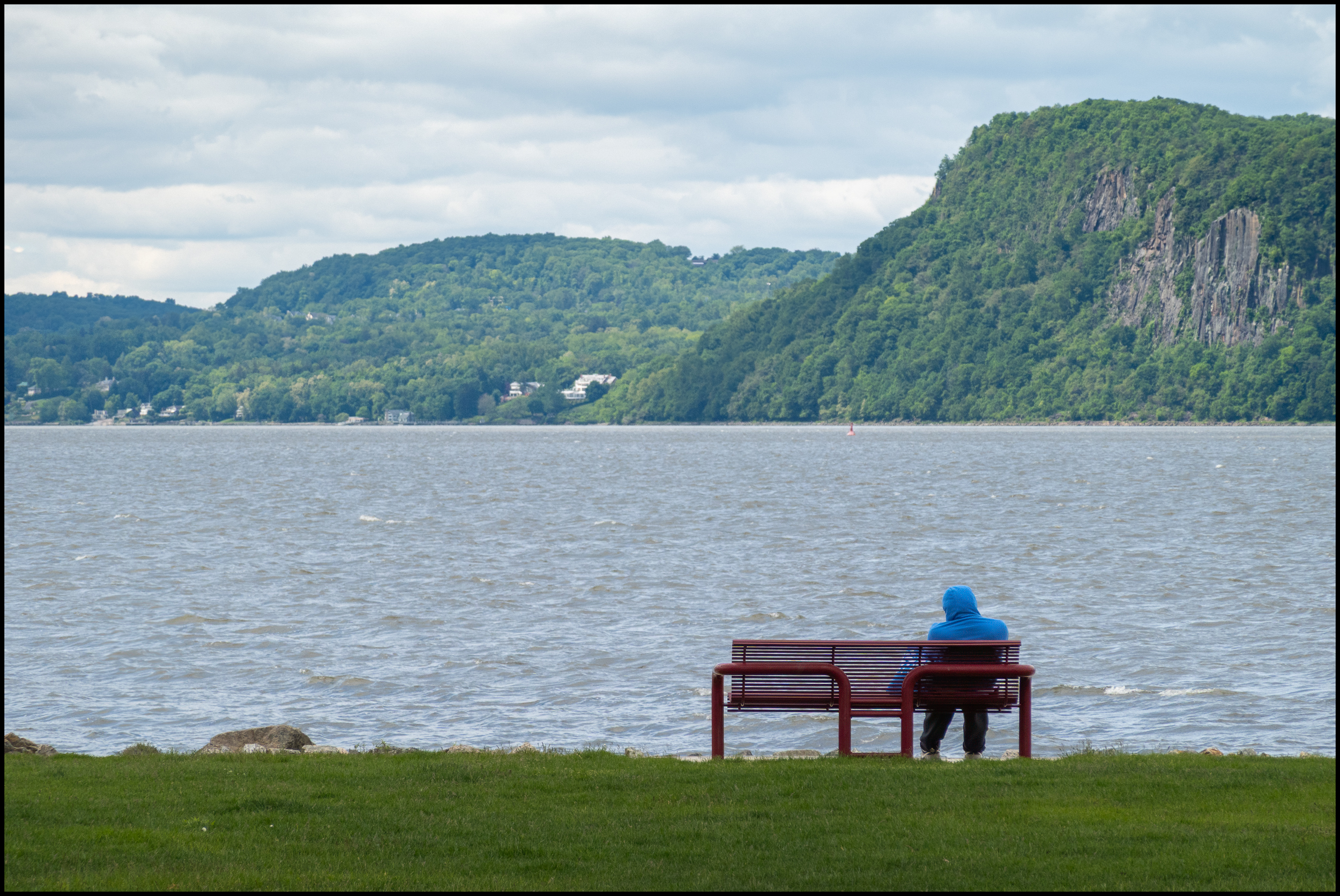
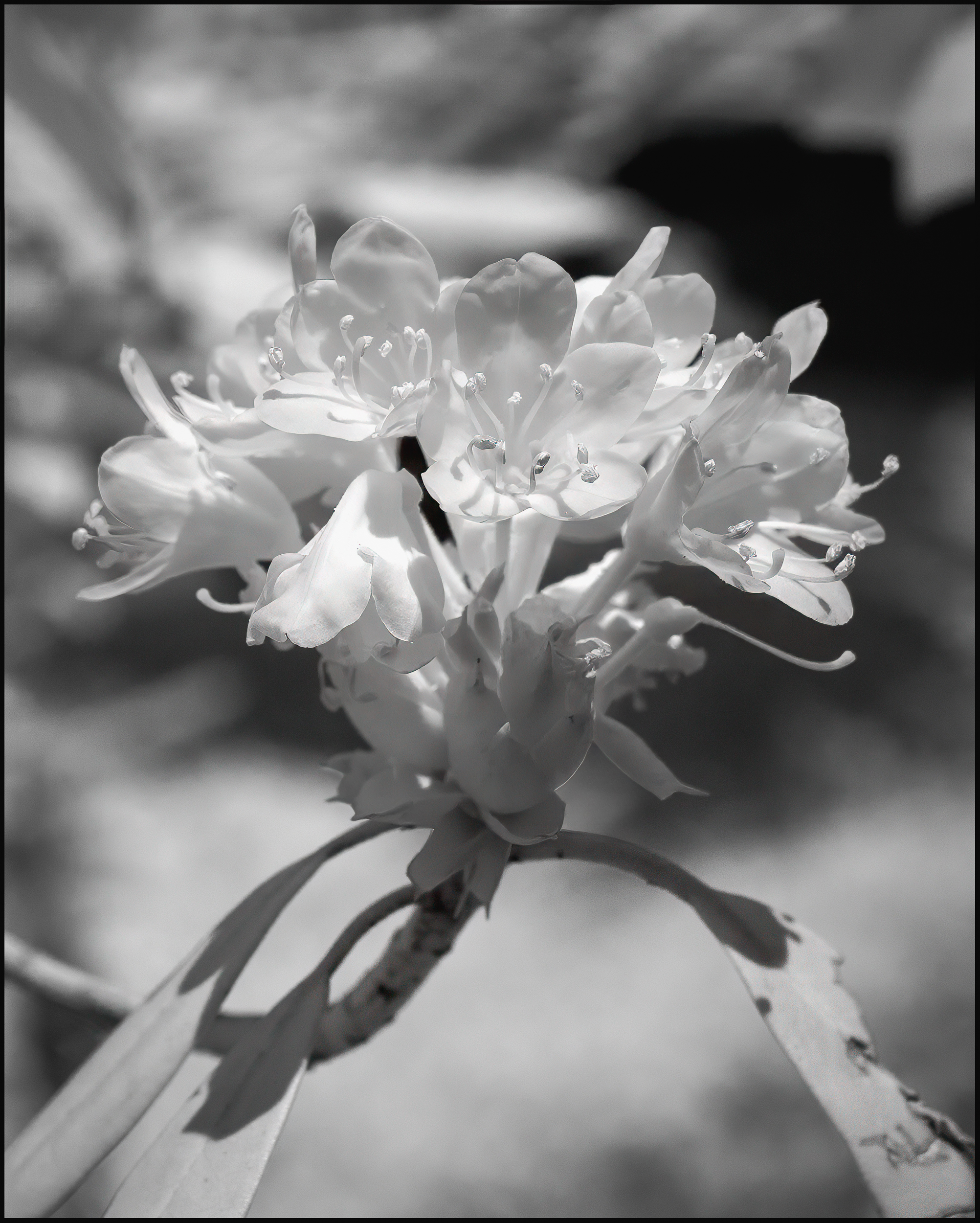
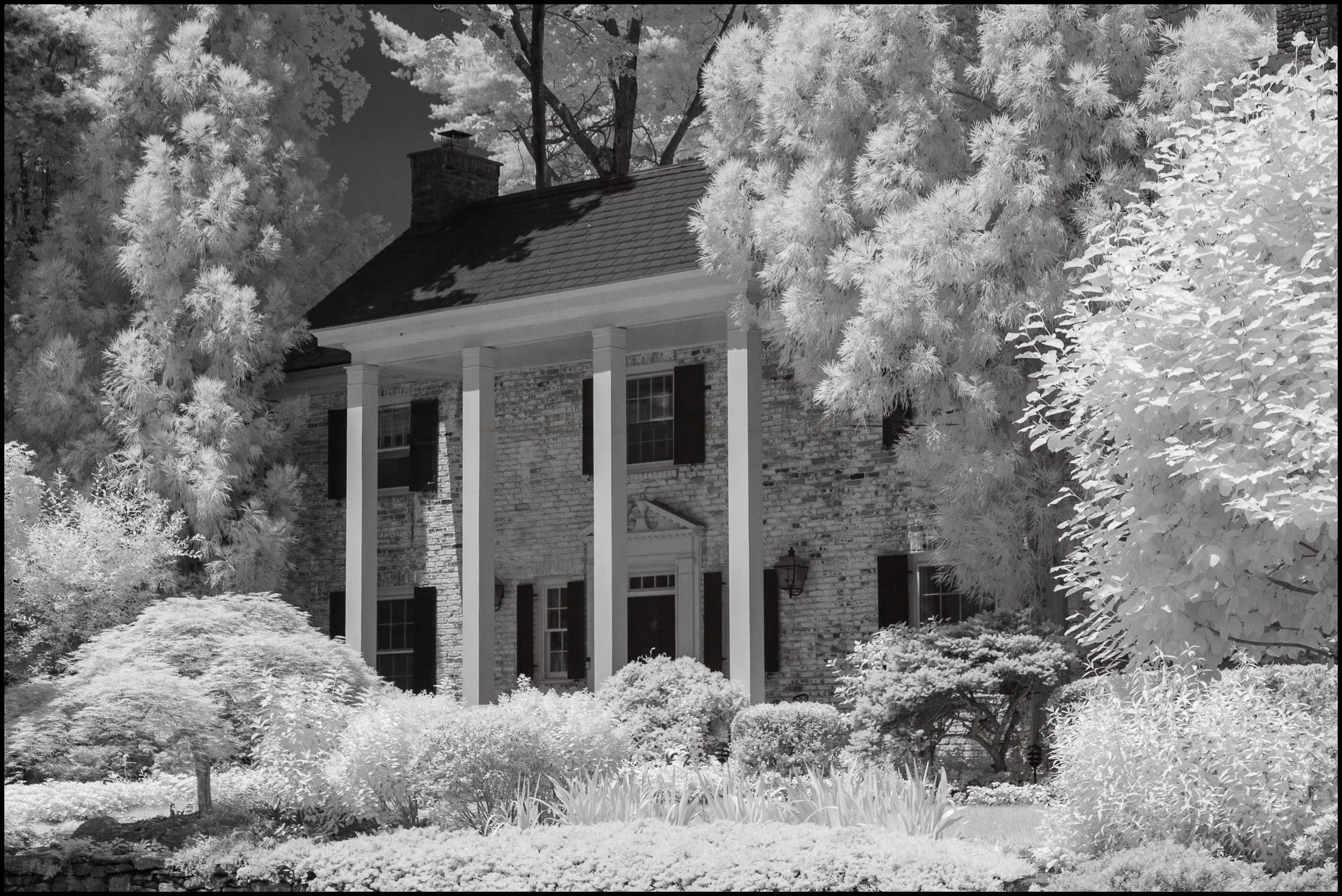
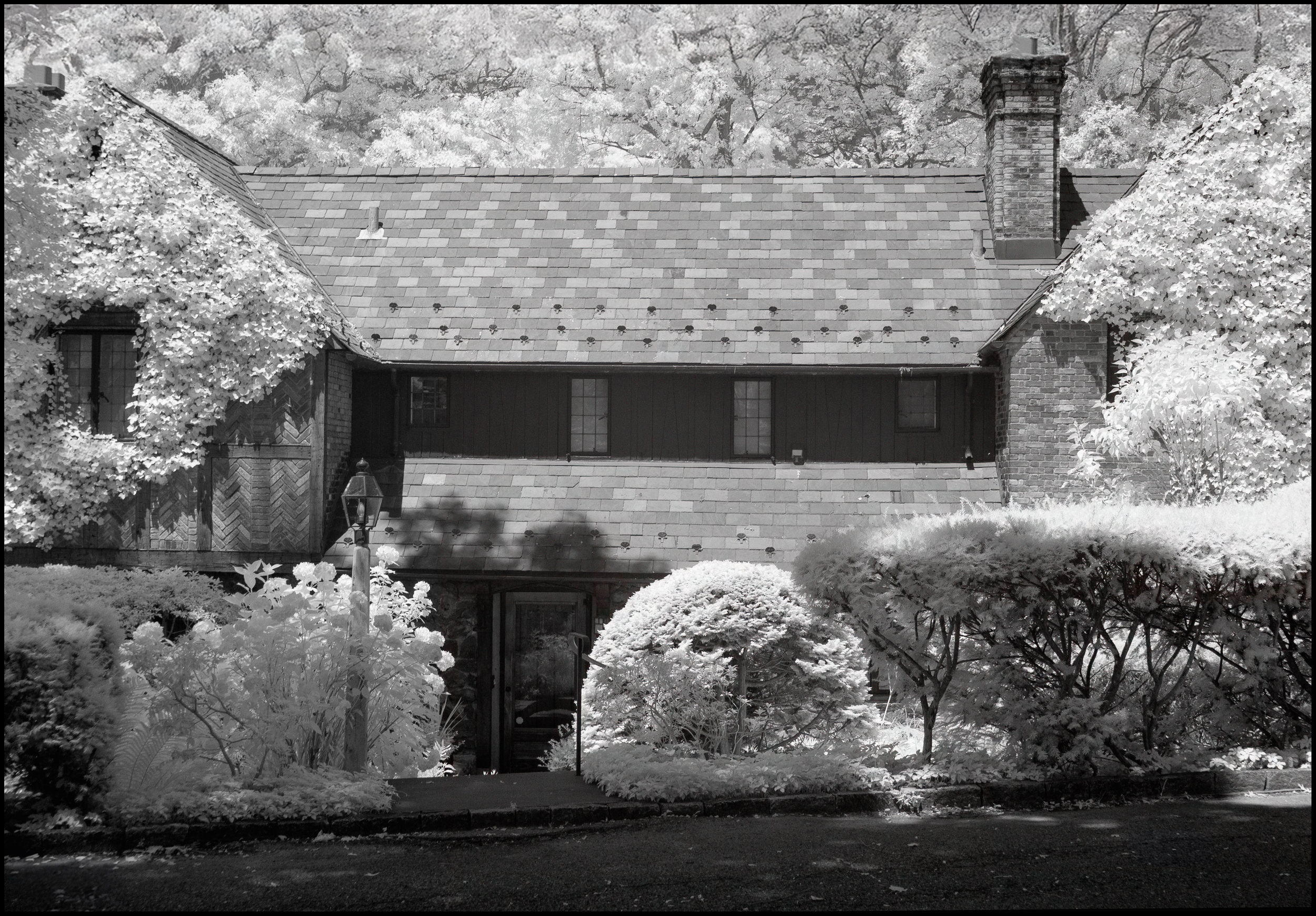
Nice looking pink flowers a the side of the trail.
These rocks line many of the trails. I’ve heard them referred as “dragon’s teeth”
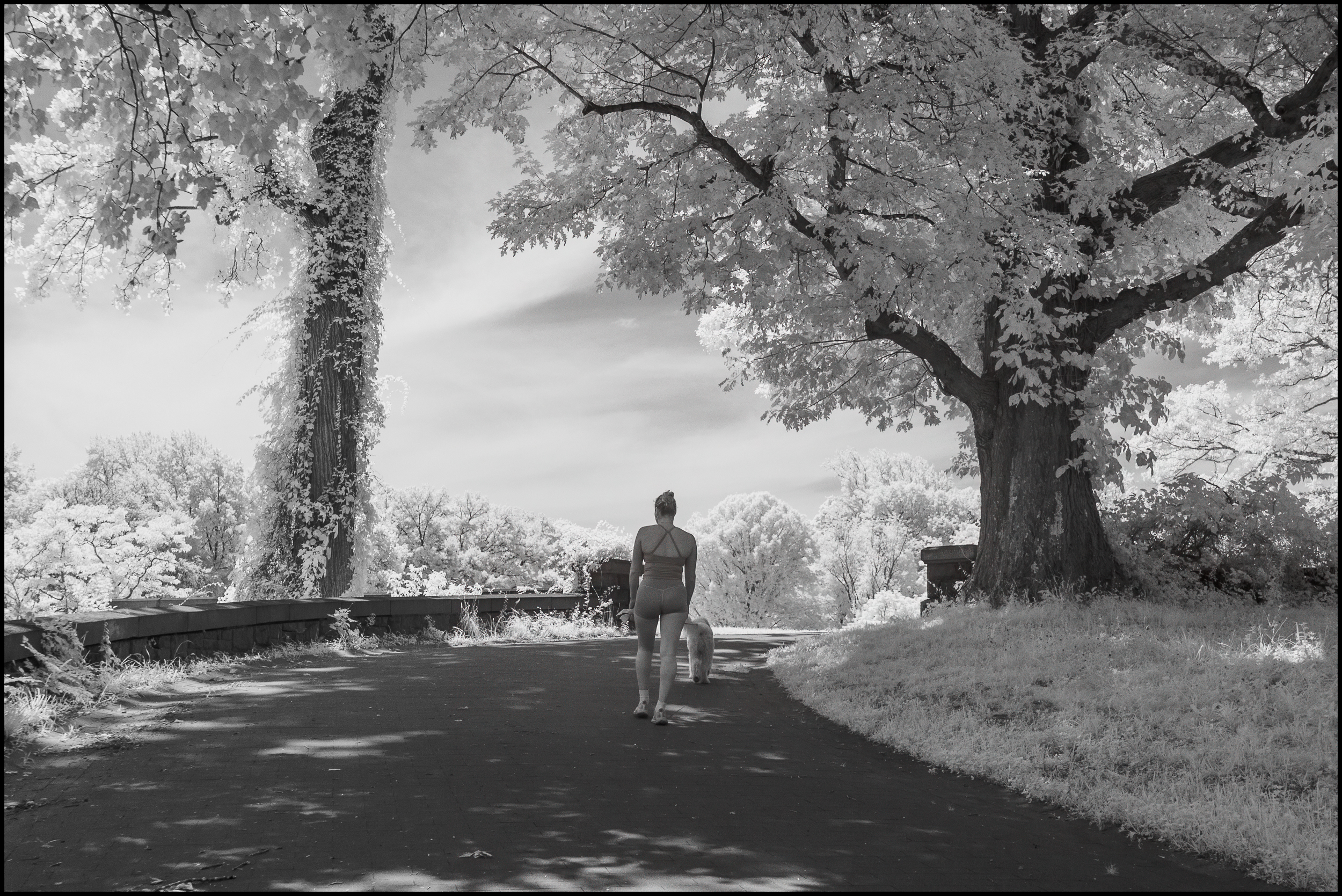
Lots of dog walkers around
Taken with a Sony A77II and Minolta 35-105 f3.5-4.5.
Photographs and thoughts on photography and camera collecting
By far the largest waterfall in the Preserve, these falls can go from mighty to meager depending on the season. They’re also quite striking in mid-Winter with its many ice formations.
When I took these pictures, we’d had a lot of rain, and they were quite “mighty”.
Although quite picturesque the World Waterfall Database refers to them as follows: “This is a small set of rapids or minor cascades along the Pocantico River. Lidar data shows a drop of no more than 5 feet, if that. This entry does not meet the requirements for classification.”
Taken with a Sony A77II and Minolta 35-105 f3.5-4.5.
Above: a bridge over the Pocantico River.
“The Pocantico River is a nine-mile-long (14 km) tributary of the Hudson River in western central Westchester County, New York, United States. It rises from Echo Lake, in the town of New Castle south of the hamlet of Millwood, and flows generally southwest past Briarcliff Manor to its outlet at Sleepy Hollow. Portions of the towns of Mount Pleasant and Ossining are within its 16-square-mile (41 km2) watershed.
Writer Washington Irving, who lived in the area for most of his life, was inspired by the undeveloped area above the river’s mouth to write his classic “The Legend of Sleepy Hollow”. Later in the 19th century much of the land was purchased by the Rockefeller family as part of their Kykuit estate; today much of that land has become Rockefeller State Park Preserve. A former reservoir used by the city of New Rochelle has likewise been converted into county-run Pocantico Lake Park. While the river runs predominantly through those parks and suburban land, it is still one of the most polluted tributaries of the Hudson. The Weckquaesgeek Native American tribe, who established their primary settlement around the mouth of a river in present-day Dobbs Ferry, also had a village at the mouth of the Pocantico River called Alipconck, meaning “place of elms”. The river historically set the dividing line between Mount Pleasant and Ossining.
The river was once called by the English as “the Mill River”, while the Native Americans called it Pocanteco, a derivative of the Algonquin term Pockóhantès, meaning a “run between two hills”. The Dutch called it the Sleepy haven kill. Dutch colonist Adriaen van der Donck’s Beschrijvinge van Nieu Nederlandt, published in Amsterdam in 1655, referred to the Pocantico River as “Slapershaven” (Sleepers’ Haven). The anglicized term “Sleepy Hollow” grew to apply to the Pocantico’s river valley and later to the village of North Tarrytown in particular; the village changed its official name to Sleepy Hollow in 1996.
Frederick Philipse moved to the area and started purchasing land in the late 1600s, his properties would become known as Philipsburg Manor. He established his country seat at what was then known as North Tarrytown, at the mouth of the Pocantico River. A small community had already been established there when he arrived in 1683.
A ship called the Roebuck, which transported cargo to and from New York City, ended up in the river, where its keel was scavenged by the miller at the mill of the Philipsburg Manor House site.
Around the late 1890s, Walter W. Law and Briarcliff Farms deepened the river for a length of 2 miles (3 km), taking out the rifts so the stream would flow and the swamps adjacent to the river would drain. The workers also cut rock and took out trees that lined the swamps to reclaim land for farming.
The North Tarrytown Assembly, a large automobile factory in Sleepy Hollow, was owned and operated by General Motors for much of its history; a 1923 expansion of the facility involved land-filling the river; two-thirds of the factory site was land formerly occupied by the river. The river was rerouted south of the site.
During 1999’s Hurricane Floyd, the Pocantico was blocked by fallen trees and almost washed away the Philipsburg Manor historic site; about 70 employees of the parent organization Historic Hudson Valley assisted in its protection, along with the site’s curators and security guards, and other village residents.” (Adapted from Wikipedia, which contains additional information.)
Below: A view from the bridge.
Taken with a Sony A77II and Minolta 35-105 f3.5-4.5.
I recently went on a, for me, quite a long walk. I got a ride to the visitor center at the Rockefeller Preserve. From there I walked down the Sleepy Hollow Trail, crossed Sleepy Hollow Road and continued down to the Pocantico River. I didn’t take any pictures here because I’d already covered this part of the walk in a “story” on my website (actually the very first one): “A Long Walk Home“. I crossed the Pocantico River and then turned right along the Pocantico River trail so I could take some pictures of Pocantico Falls. After taking a few pictures, I turned around and walked along the Pocantico River trail to the intersection with the Thirteen Bridges loop where I turned right and followed the loop to the Old Croton Aqueduct Trail. At a certain point the trail divides and I was faced with a decision. Should I turn left and go to Rockwood Hall, or should I go straight on and consider walking all the way back home. I chose the former i.e. Rockwood Hall and after spending some time there I got a ride back home. All told I walked for about four hours.
Taken with a Sony A77II and Minolta 35-105 f3.5-4.5.
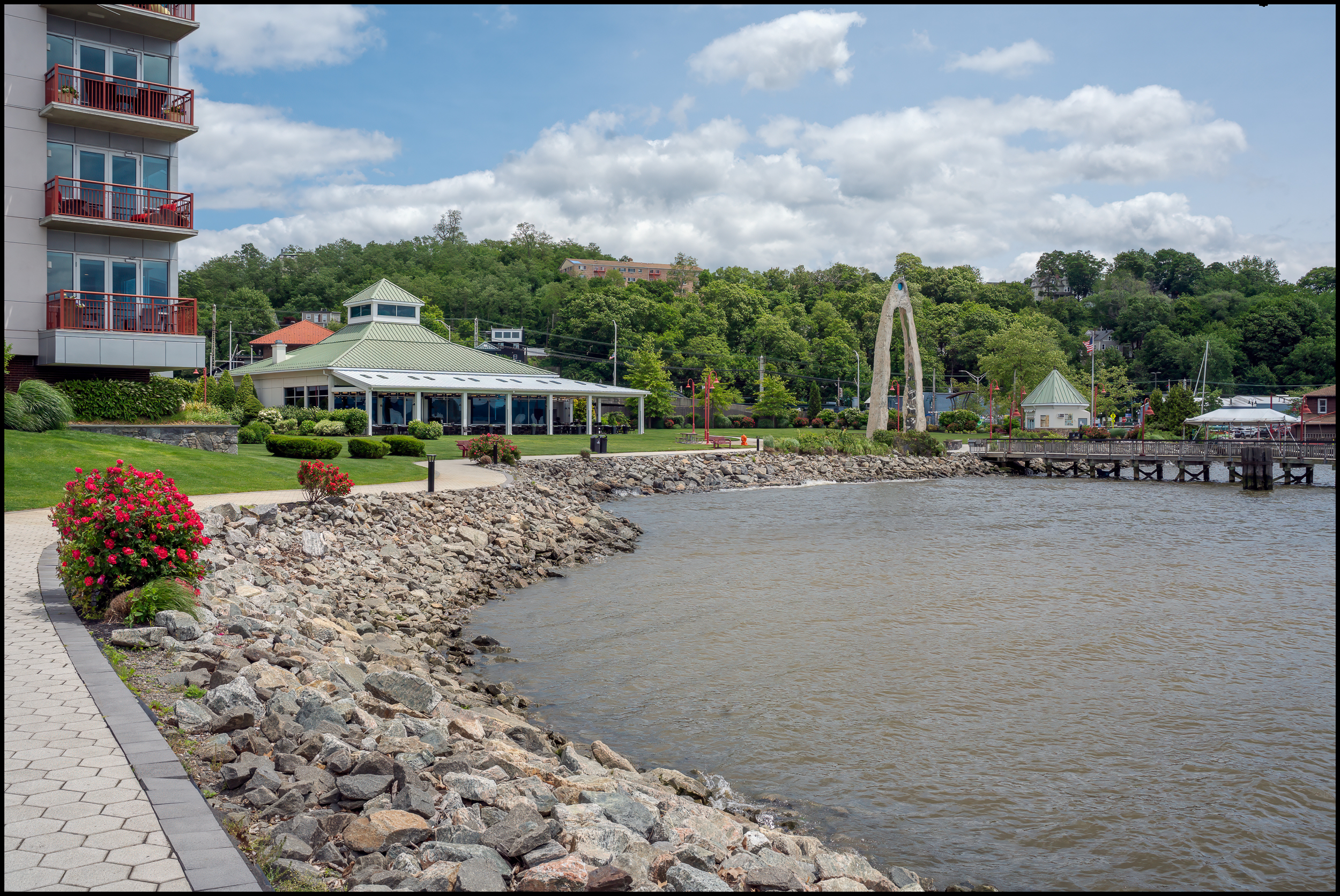
“The Haverstraw–Ossining Ferry is a passenger ferry over the Haverstraw Bay and Hudson River, which connects Haverstraw with Ossining in the U.S. state of New York. The ferry operates during rush hours on weekdays only (Update: the ferry now operates on weekends too.), primarily transporting commuters from the west side of the river to the Ossining Metro-North Railroad station on the east side, where they can transfer to Metro-North Railroad trains headed to Grand Central Terminal in New York City, or Croton-Harmon and Poughkeepsie, via its Hudson Line. The ferry has been in operation since September 2000.” (Wikipedia)
Taken with a Sony A6000 and Tamron 28-300mm f/4-7.1 Di III VC VXD lens.