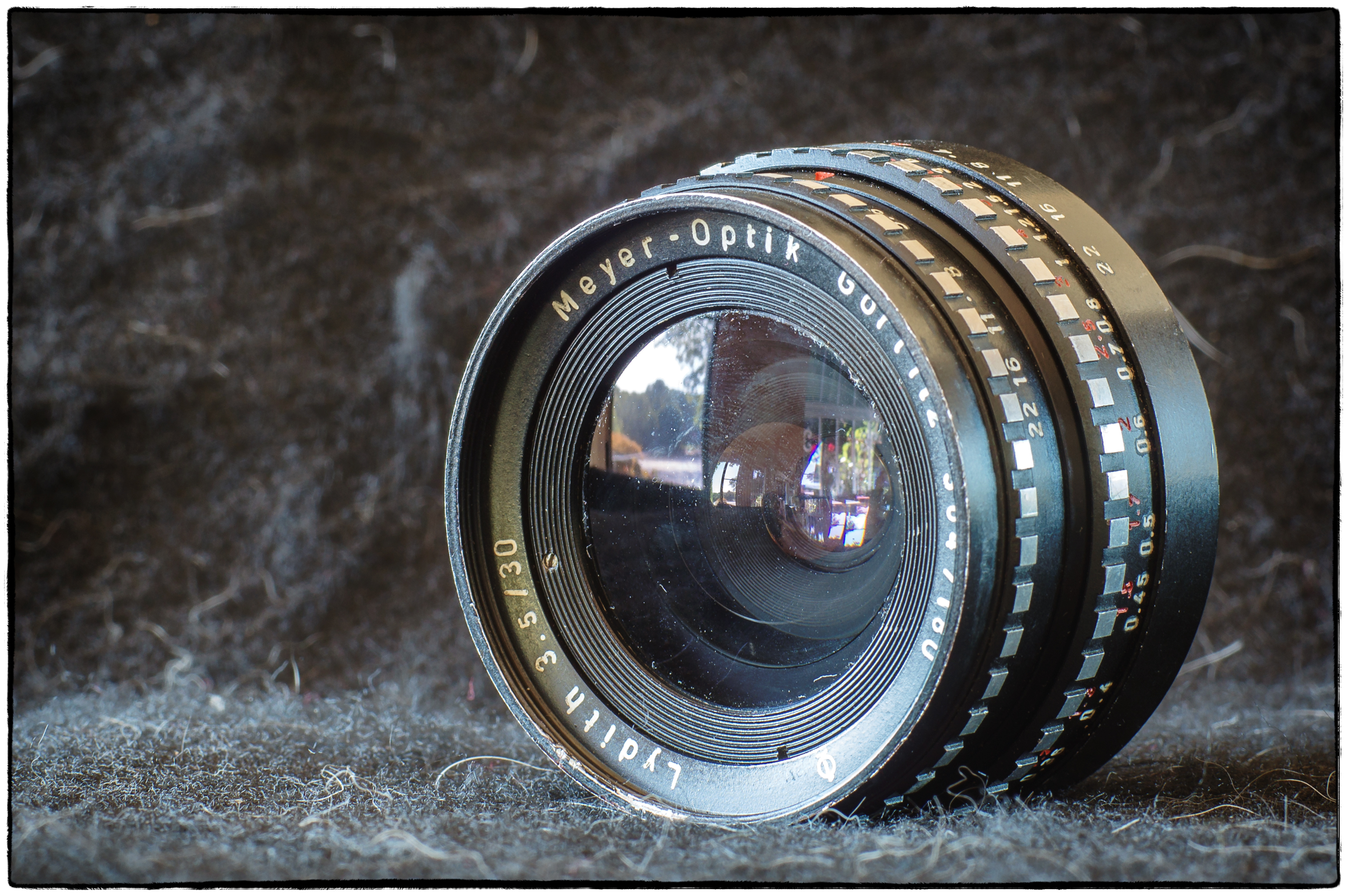
Meyer Optik Görlitz 30mm Lydith f3.5

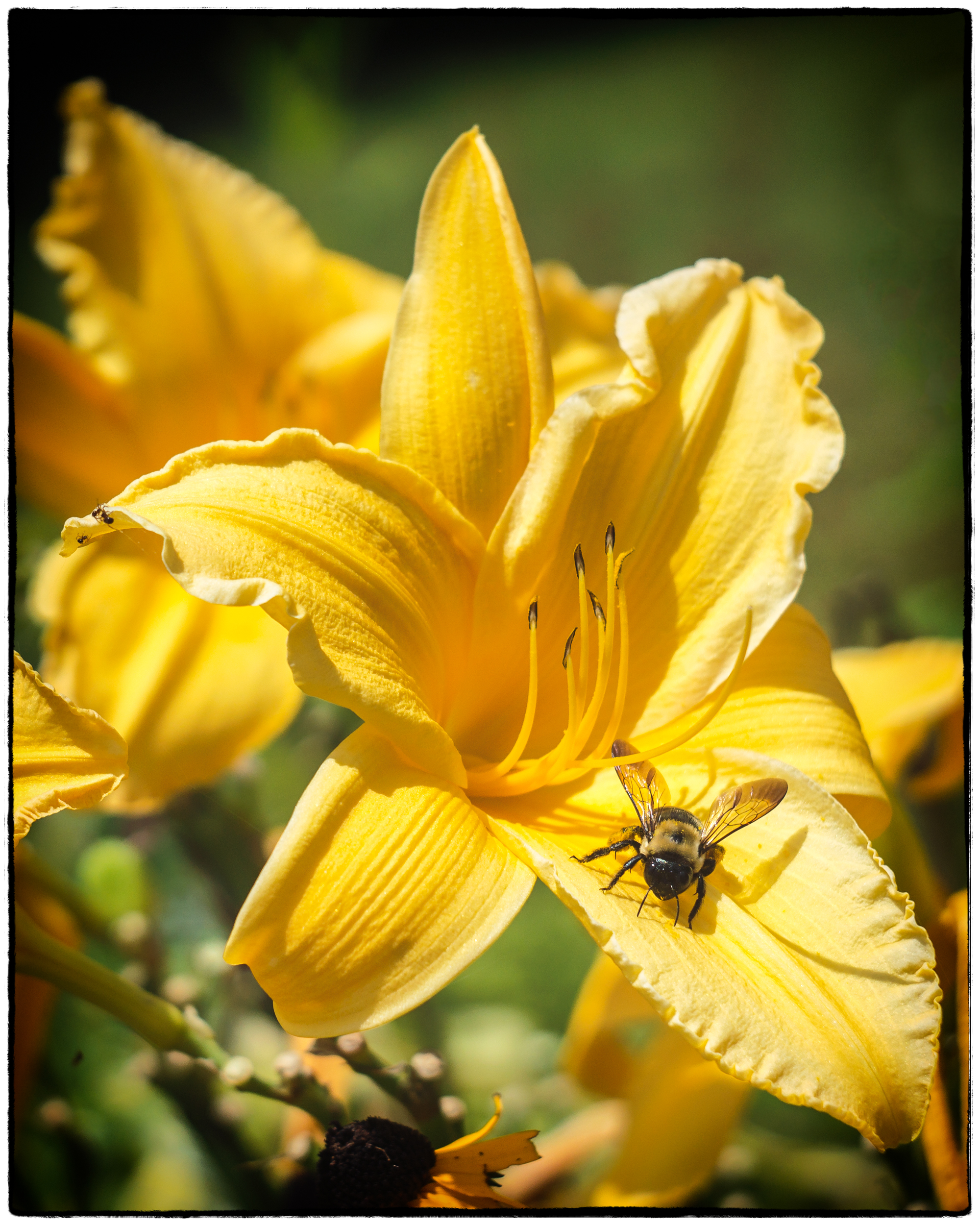
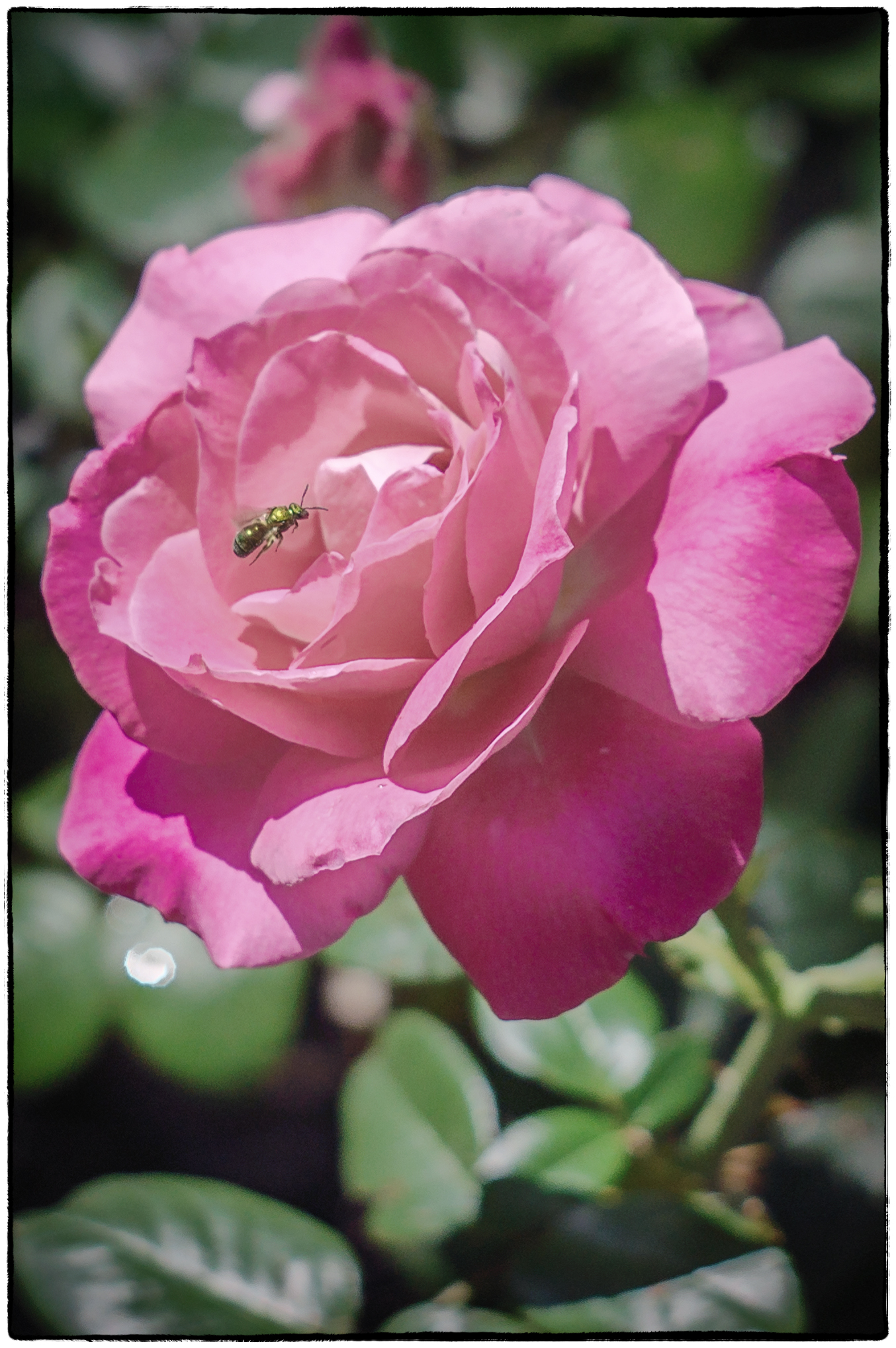
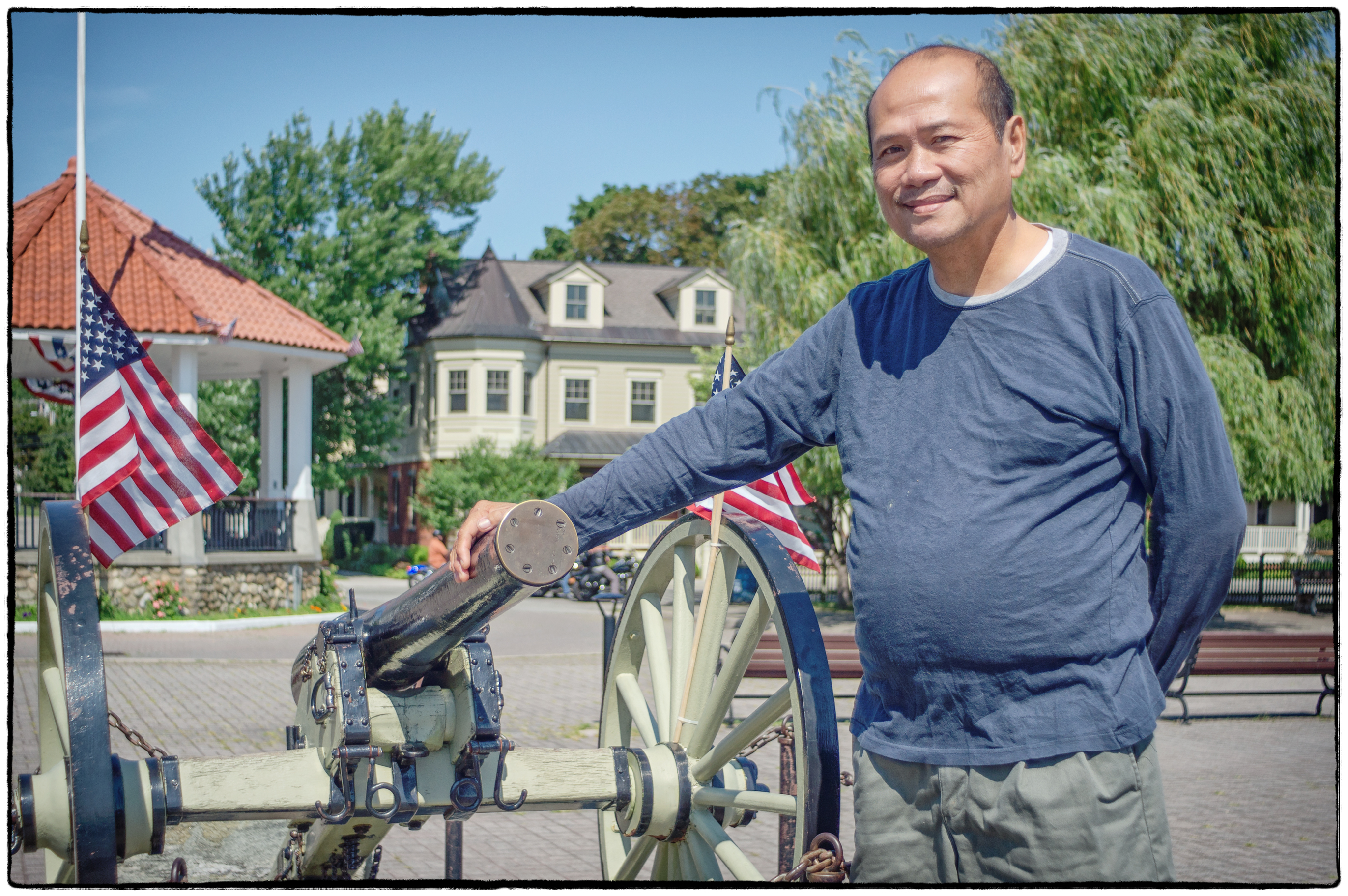
In an earlier post I mentioned that I had recently acquired an Exakta; an Exa; and three lenses. This was one of them. As always I was keen to try it and ended up with some shots of flowers in our garden(plus one of my brother-in-law Vic to add variety).

The ever interesting Rick Drawbridge (known for his fascinating illustrated reviews of classic cameras on photo.net) had this to say about the Lydith in his post, The Legendary Lydith; Simply Great :

Founded in 1896 by Hugo Meyer, his optical works in the town of Görlitz, East Germany produced many excellent and innovative lenses in the decades preceding WWII, mainly in Exacta and M42 mounts. In 1946 the business was nationalised under the title “VEB Feinoptisches Werk Görlitz”, and retained the name until 1968 when it was absorbed into the Pentacon organisation. In 1964 the Lydith appeared, apparently as a budget wide-angle alternative to the excellent but expensive Carl Zeiss Flektogon. It soon became the Pentacon 3.5/30, and it’s Meyer origins were submerged, in much the same manner as my cherished 50mm Meyer-Optik Gorlitz Oreston f/1.8’s, which became the Pentacon Auto 50/1.8.

The Lydith is a very simple lens, lightly constructed, in the pre-set manual format. It has 5 element in 5 groups, a 10-bladed iris, and focuses down to about 30cm (12 inches), giving it a semi-macro capability. With a minimum aperture of f/22, immense depth of field is attainable. Coatings are present, but appear to be minimal. I’ve been after one for a couple of years, but as awareness of the lens’s quality increased, the international prices kept pace. By a stroke of fortune this one with it’s M42 mount appeared on our local auction among some other odds and ends, and it came my way for a reasonable sum; one of the few advantages of living at the ends of the earth is the occasional lack of informed competition when such items appear.

The photographic community has discovered the Lydith’s exceptional sharpness, contrast and colour fidelity and it’s wonderful ability to create images with that indefinable “presence” that I find so appealing in the Oreston. It’s hard to explain the sense of depth and dimension that the lens brings to an image, and I hope the few samples I’ll post give some illustration of these qualities. I find it’s images more vibrant than those from the Flektogon, but that may just be a subjective impression.

I’d agree with everything he says. In addition I found the lens to be very small and light. I tried it on a Sony NEX-5n and it felt very comfortable, even if the adapter (my lens was of course in Exakta mount) practically doubled its length. Rick mentioned that the lens is pre-set. Mine isn’t. You have to stop down manually. I was also surprised at how narrow the depth of field was at f3.5. I’d thought that a 30mm lens would have much wider DOF. I suppose this was probably because I was taking pictures of flowers at the minimum focussing distance.

I took the lens along on our trip to Washington, D.C./Virginia and the links below show it’s use in a variety of different circumstances.

Bamboo Pots.
Chess Pieces.
Hotel Lobby.
Pirate Ship Playground.
Stone Cardinal.
Hanging Balls.
Old Ford in Cold Spring.
Gypsy.

Visiting brother-in-law Vic with a replica Parrott gun on the riverfront in Cold Spring. Included here as a break from the flowers.

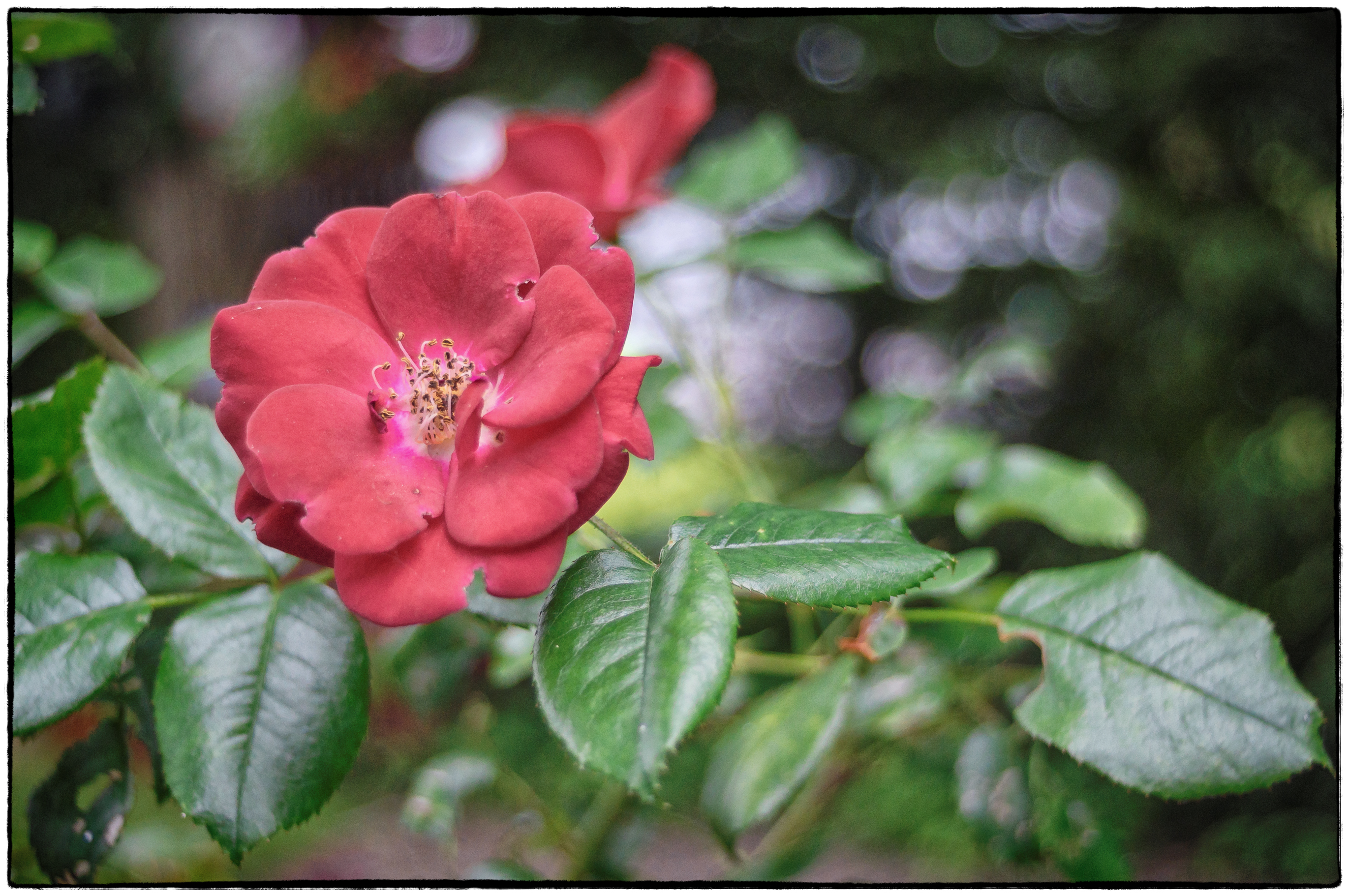
Tree Rose.

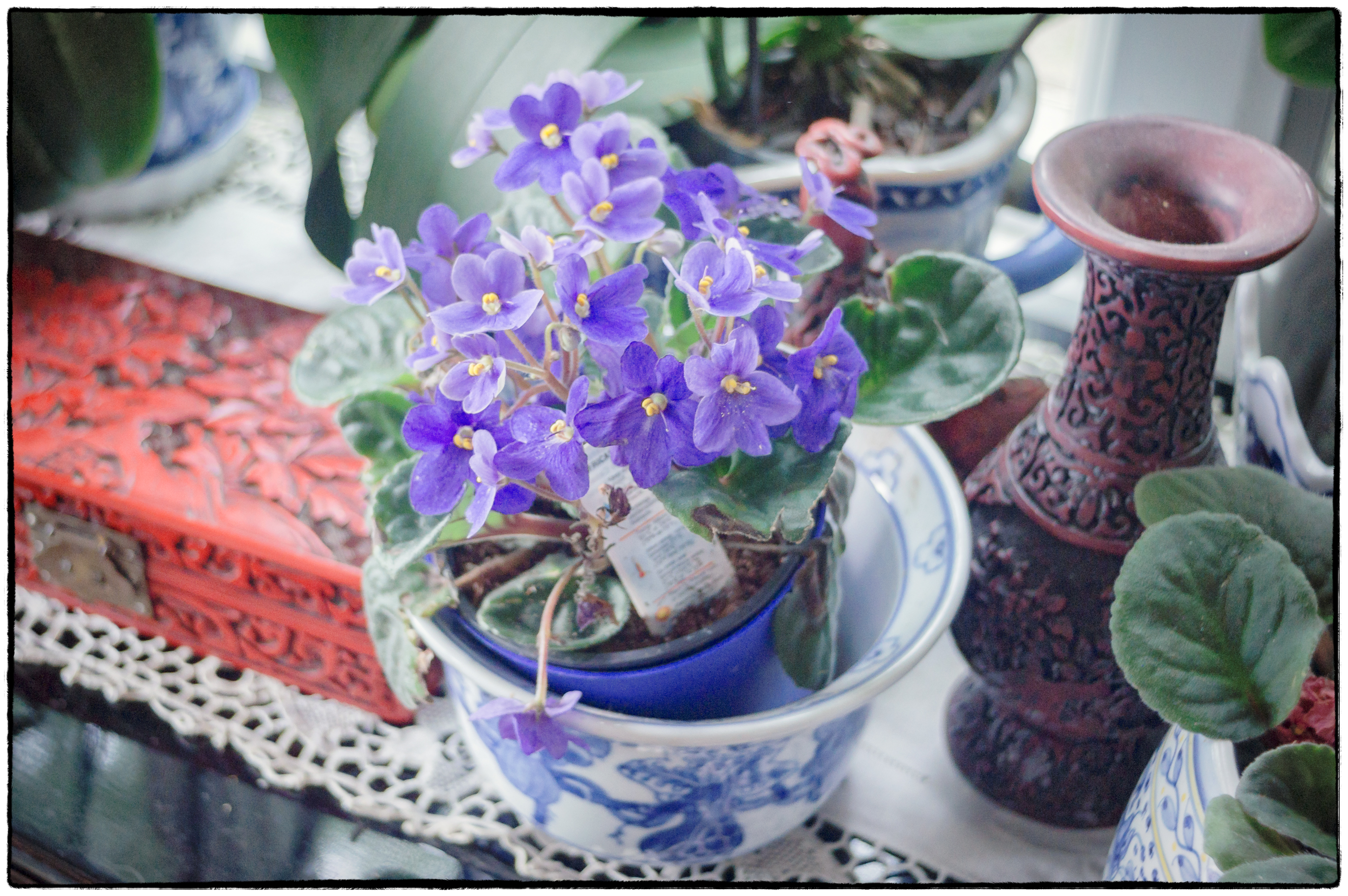
African violet and cinnabar ornaments (wish I’d thought to turn the pot around so that the label didn’t show).

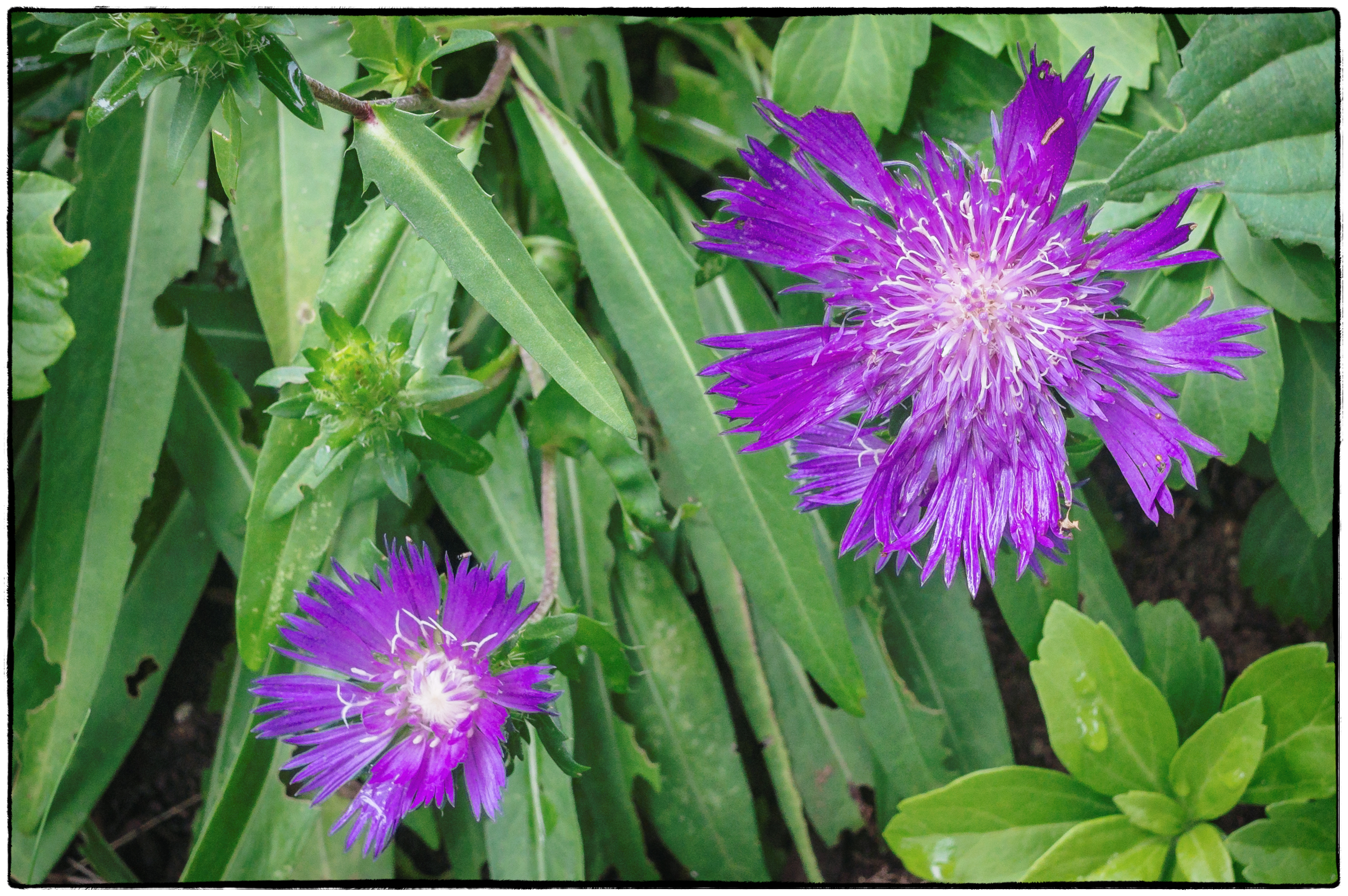
Stokes Aster.

Heron Statues

I’m not even sure that these are herons – I’m not really that good on birds. My instinctive reaction was to think that they were cranes, but then I started to rethink. They’re in a friend’s garden. His house is situated right next to and slightly above a wetlands area. I was sitting with him one day when I noticed that at that time of day the sun was going down and highlighting the trees on the other side of the wetlands. This caused the statues to be silhouetted. I didn’t have a camera with me at the time, but not long afterwards I was back again – this time with my trusty camera.

I had a fairly clear idea of what I wanted: a bright background that I would throw out of focus with strongly silhouetted statues standing against it. However, when I came to edit the pictures I changed my view slightly. I didn’t like the statues being totally black and instead decided to try and lighten some of the details. I like the rather wild out of focus areas though.

My friend tells me that the two statues are actually fountains and are even connected to a water supply. He finds the water pouring out to be rather “cheesy” and so never turns it on.

The pictures were taken with a Sony Nex 5N and Minolta 50mm MD f1.4

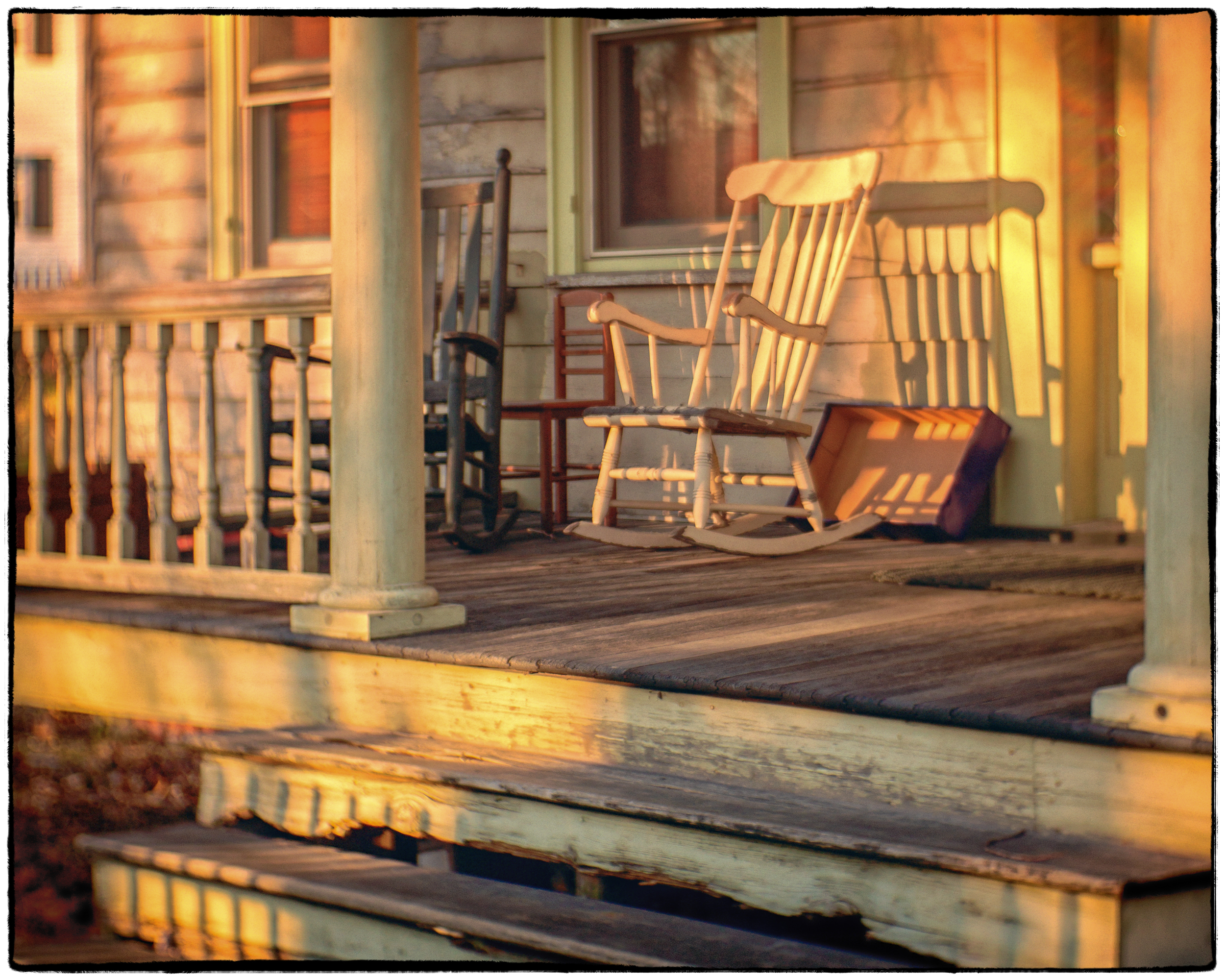
Rocking Chairs on a Porch

This was taken in New Hamburg, NY in November, 2012. It was towards the end of the day and the light was gorgeous. I was using a Sony NEX 5N and a RainbowImaging 35mm F1.7 CCTV Lens, an inexpensive lens (I think I paid $28 for the lens and adapter) with a very particular look. It’s a small, lightweight, fast (f1.7) 50mm equivalent lens (on my NEX 5N). Fairly solidly built but you can tell it doesn’t cost much. As far as image quality goes you’ll either love it or hate it. Has a small sharp area in the center and a large out of focus area around it. It’s virtually impossible to get sharpness across the entire frame. I only used it on this one occasion and I liked the results: saturated colors, quite smooth out of focus areas, even the vignetting is appealing. If you want a lens that’s ultra sharp all over then this one’s not for you. I found it to be a fun lens. I’ll have to try it again. Great value for money.

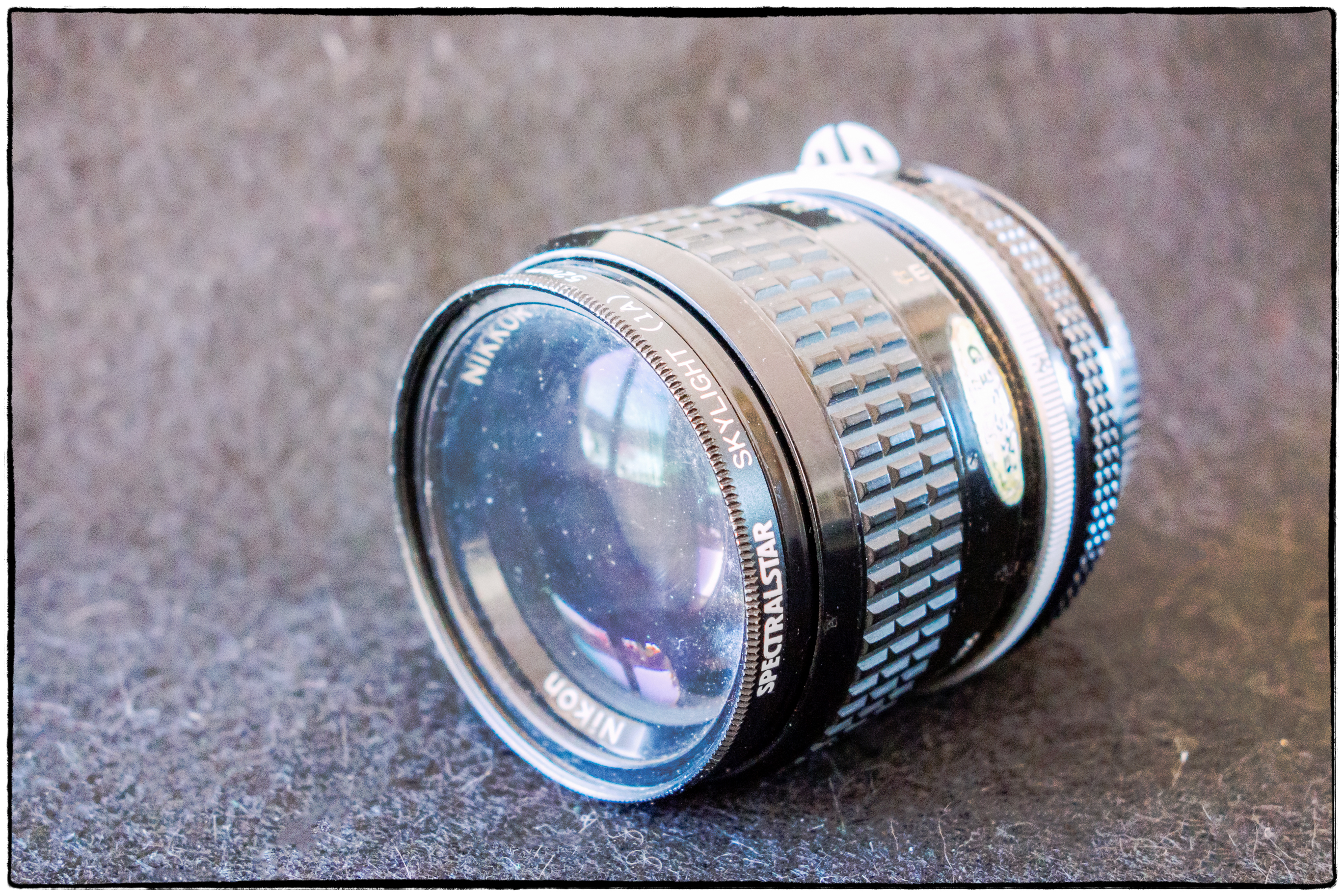
Nikon 85mm f2 Nikkor

I have this lens on loan from a friend who discovered that he had an old Nikon N2000/F201 with two lenses: a 50mm f1.8 E-series and this one. I’ve been using it on my NEX 5N.

Some pictures taken with it can be found here:

Silver Balls.
Bird in Flight.
Blue and White.
Red Cinnabar Jar.

For a lens of this focal length it’s extremely small and fairly light weighing about 11oz. Five elements in five groups and a diaphragm with seven blades and a minimum aperture of f22. The lens focuses to about 2.8 feet and fits 52mm filters.

I’ve read that the faster 85mm Nikkors are better optically. I’ve never tried one so I can’t say, but this one seems fairly sharp to me. It feels solid and comfortable to me and while I’m fond of selective focus I can’t say that I’m a bokeh afficionado. Again I like what I’m getting. I’ve noticed a little chromatic aberration, but nothing too serious.

An excellent small, fast, compact, easy to carry around lens with great image and build quality.

Trees at Little Stony Point

I’ve been to Little Stony Point several times. It’s quite close, rather picturesque (Beaches, Hudson River views, Cliffs with spectacular views; A small cave) and it’s an easy walk with the dog. It’s also close to Cold Spring so after the walk I can go for a coffee, a bite to eat or a quick beer – or if I want to walk some more find one of the many other trails around Cold Spring.

For other posts see here:

Little Stony Point.
Hudson River from the cliffs at Little Stony Point.
Small cave at Little Stony Point.
Graffiti on the Rocks.

Taken in November 2013 with a Sony NEX 5n and Nikon 50mm f1.8 E-series. This lens doesn’t get the credit it deserves. The first consumer-oriented Nikon lens it used a lot of plastic and has often been disparaged. Nikon didn’t even give it the normal ‘Nikkor’ designation, preferring to call it ‘Nikon’ instead. It is, however, very small, very light and extremely sharp.