Whats’s up with these wasps?

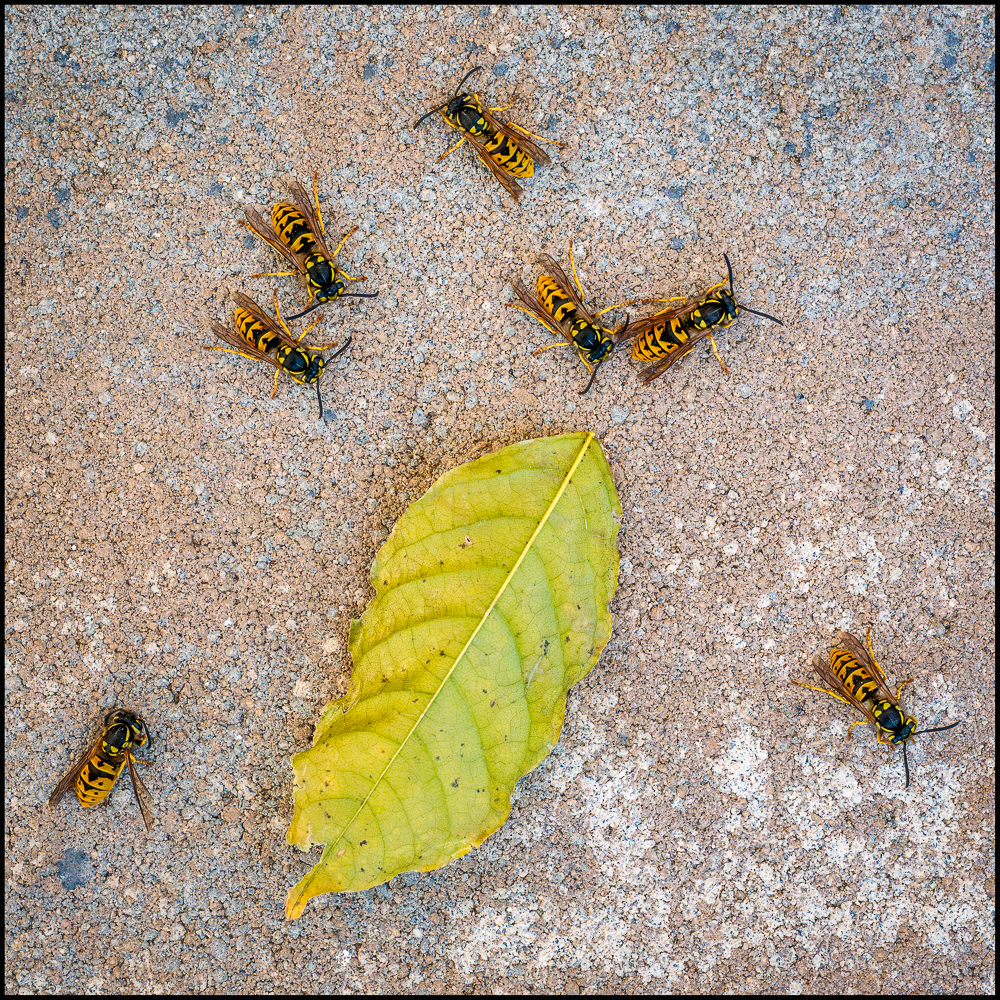
A few days ago, I did a post about a wasp: “A Wasp“. In it I noted that the wasp in question didn’t seem to be moving at its normal speed, thus allowing me to get a close-up picture rather easily.

Well, the other day I came out through my front door and there, on the floor before me, were about 100 wasps (I counted them). At first, I thought they were dead but when I poked one of them with a stick if moved, albeit very sluggishly. Since I don’t like to deliberately kill anything I made my way carefully around them and went on my way.

Later when I went to take a look at them, they were no longer there. Either they had recovered enough from what ailed them to fly away, or probably more likely the strong winds we were experiencing at that time had blown them off my porch.

Taken with a Sony A7IV and Tamron 90mm f2.8 Macro

Trying Macro again

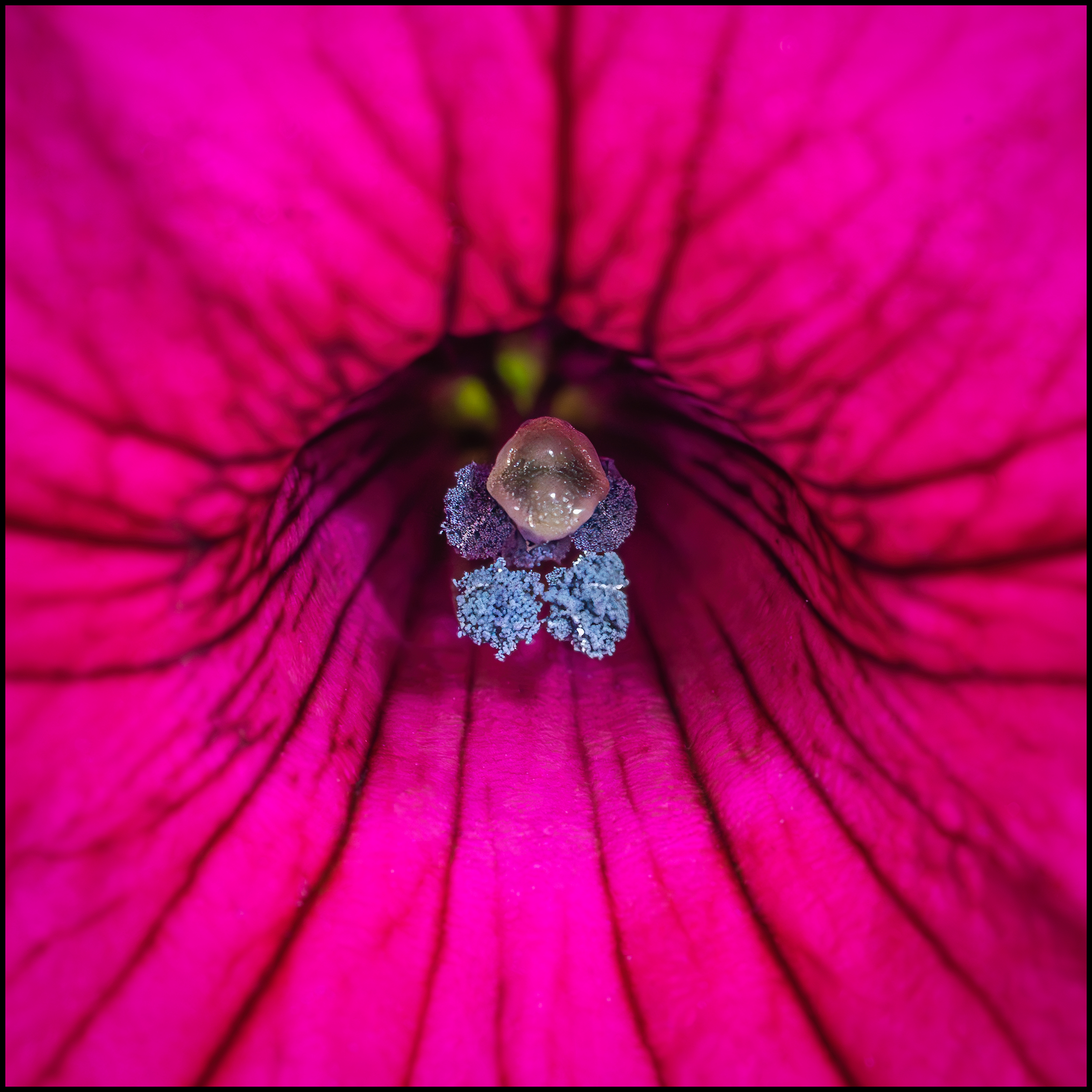
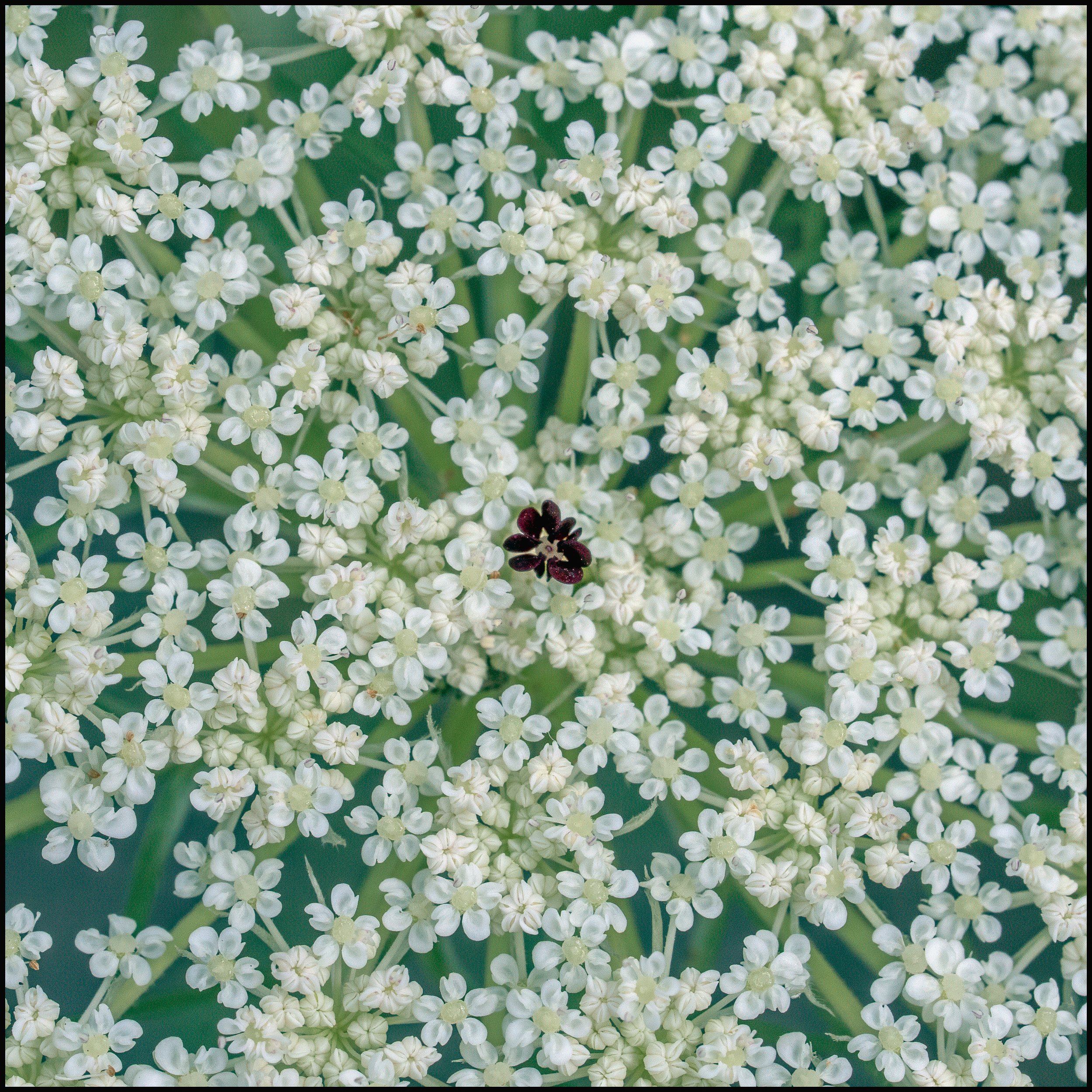
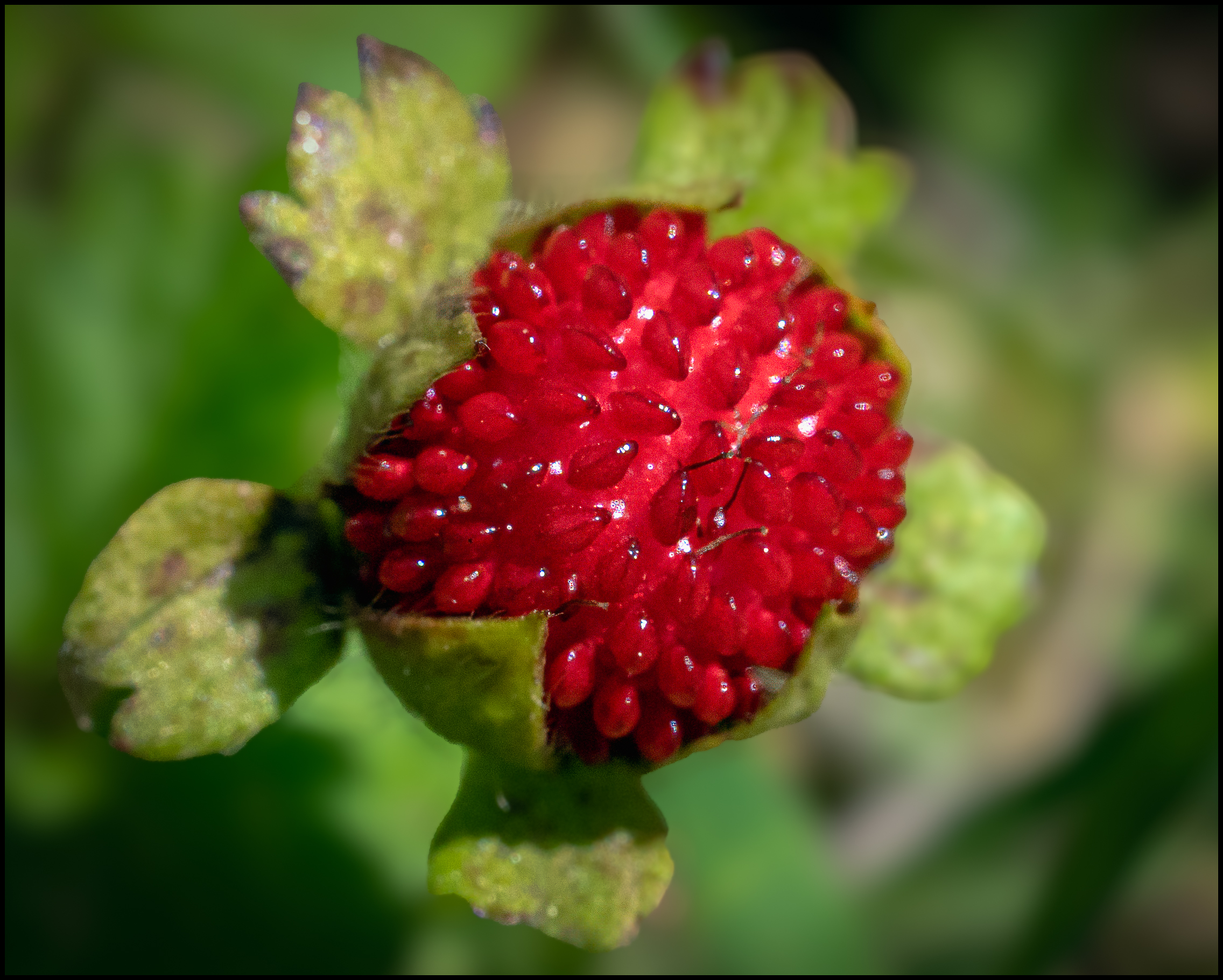
I recently acquired a new Macro Lens. It’s a 90mm F/2.8 Di III MACRO VXD. So of course, I had to try it. I’d notice a small red wild strawberry growing in my lawn. I started there and then went on to take pictures of anything that caught my interest.


Taken with a Tamron 90mm f2.8 Macro

Crazy looking Bug

It’s not an insect (insects have only six legs). It’s not an arachind (e.g. a spider. Arachnids only have eight legs). So what on earth is this? It certainly has a very impressive set of legs. Some kind of centipede?

It’s seemed my guess was correct. After a very brief search I can now confirm that it’s a centipede:

Centipedes (from Neo-Latin centi-, “hundred”, and Latin pes, pedis, “foot”) are predatory arthropods belonging to the class Chilopoda (Ancient Greek χεῖλος, kheilos, “lip”, and Neo-Latin suffix -poda, “foot”, describing the forcipules) of the subphylum Myriapoda, an arthropod group which includes millipedes and other multi-legged animals. Centipedes are elongated segmented (metameric) creatures with one pair of legs per body segment. All centipedes are venomous and can inflict painful stings, injecting their venom through pincer-like appendages known as forcipules or toxicognaths, which are actually modified legs instead of fangs. Despite the name, no centipede has exactly 100 pairs of legs; the number of pairs of legs is an odd number that ranges from 15 pairs to 191 pairs.

Centipedes are predominantly generalist carnivorous, hunting for a variety of prey items that can be overpowered. They have a wide geographical range, which can be found in terrestrial habitats from tropical rainforests to deserts. Within these habitats, centipedes require a moist microhabitat because they lack the waxy cuticle of insects and arachnids, therefore causing them to rapidly lose water. Accordingly, they avoid direct sunlight by staying under cover or by being active at night.(Wikipedia)

I always thought that, as the name implies, centipedes had 100 legs. But apparently not (see the sentence above in bold). Mine seems to have 15 pairs.

After some more research I conclude that this is a house centipede:

Scutigera coleoptrata, also known as the house centipede, is a species of centipede that is typically yellowish-grey and has up to 15 pairs of long legs. Originating in the Mediterranean region, it has spread to other parts of the world, where it can live in human homes. It is an insectivore; it kills and eats other arthropods, such as insects and arachnids…Unlike its shorter-legged but larger tropical cousins, S. coleoptrata can live its entire life inside a building, usually on the ground levels of homes. Many homeowners may be unsettled by house centipedes due to their speed and appearance. However, they pose little to no threat towards humans, and are often beneficial as they catch other, more harmful pests, such as cockroaches.[14] They are not aggressive and usually flee when disturbed or revealed from cover. Sting attempts are therefore rare unless the centipede is cornered or aggressively handled. Its small forcipules have difficulty penetrating skin, and even successful stings produce only mild, localized pain and swelling, similar to a bee sting. Allergic reactions to centipede stings have been reported, but these are rare; most stings heal quickly and without complication.

Taken with a Sony A7IV and Venus Optics Laowa 85mm f5.6

Rubus Macro

What’s a “Rubus” you may ask? Well, my initial inclination was to call it a “Bramble”, but it seems this might have been incorrect. According to Wikipedia:

Rubus is a large and diverse genus of flowering plants in the rose family, Rosaceae, subfamily Rosoideae, with over 1,350 species, commonly known as brambles.

Raspberries, blackberries, and dewberries are common, widely distributed members of the genus, and bristleberries are endemic to North America. Most of these plants have woody stems with prickles like roses; spines, bristles, and gland-tipped hairs are also common in the genus. The Rubus fruit, sometimes called a bramble fruit, is an aggregate of drupelets. The term “cane fruit” or “cane berry” applies to any Rubus species or hybrid which is commonly grown with supports such as wires or canes, including raspberries, blackberries, and hybrids such as loganberry, boysenberry, marionberry and tayberry. The stems of such plants are also referred to as canes.

Bramble bushes typically grow as shrubs (though a few are herbaceous), with their stems being typically covered in sharp prickles. They grow long, arching shoots that readily root upon contact with soil, and form a soil rootstock from which new shoots grow in the spring. The leaves are either evergreen or deciduous, and simple, lobed, or compound. The shoots typically do not flower or set fruit until the second year of growth (i.e. they are biennial). The rootstock is perennial. Most species are hermaphrodites with male and female parts being present on the same flower. Bramble fruits are aggregate fruits formed from smaller units called drupelets.

Around 60-70% of species of Rubus are polyploid (having more than two pairs of each chromosome), with species ranging in ploidy from diploid (2x, with 14 chromosomes) to tetradecaploid (14x).

So, it seems that I wasn’t entirely wrong. I merely underestimated the complexity of the species. You’ve got to love that last sentence. I particularly liked: “…with species ranging in ploidy from diploid..to tetradecaploid”. Clearly, this article was not written for the uninitiated reader.

I just liked that way that the sinking sun was backlighting the thing.

Taken with a Sony A6000 and Venus Optics Laowa 85mm f5.6