Arden Point and Glenclyffe

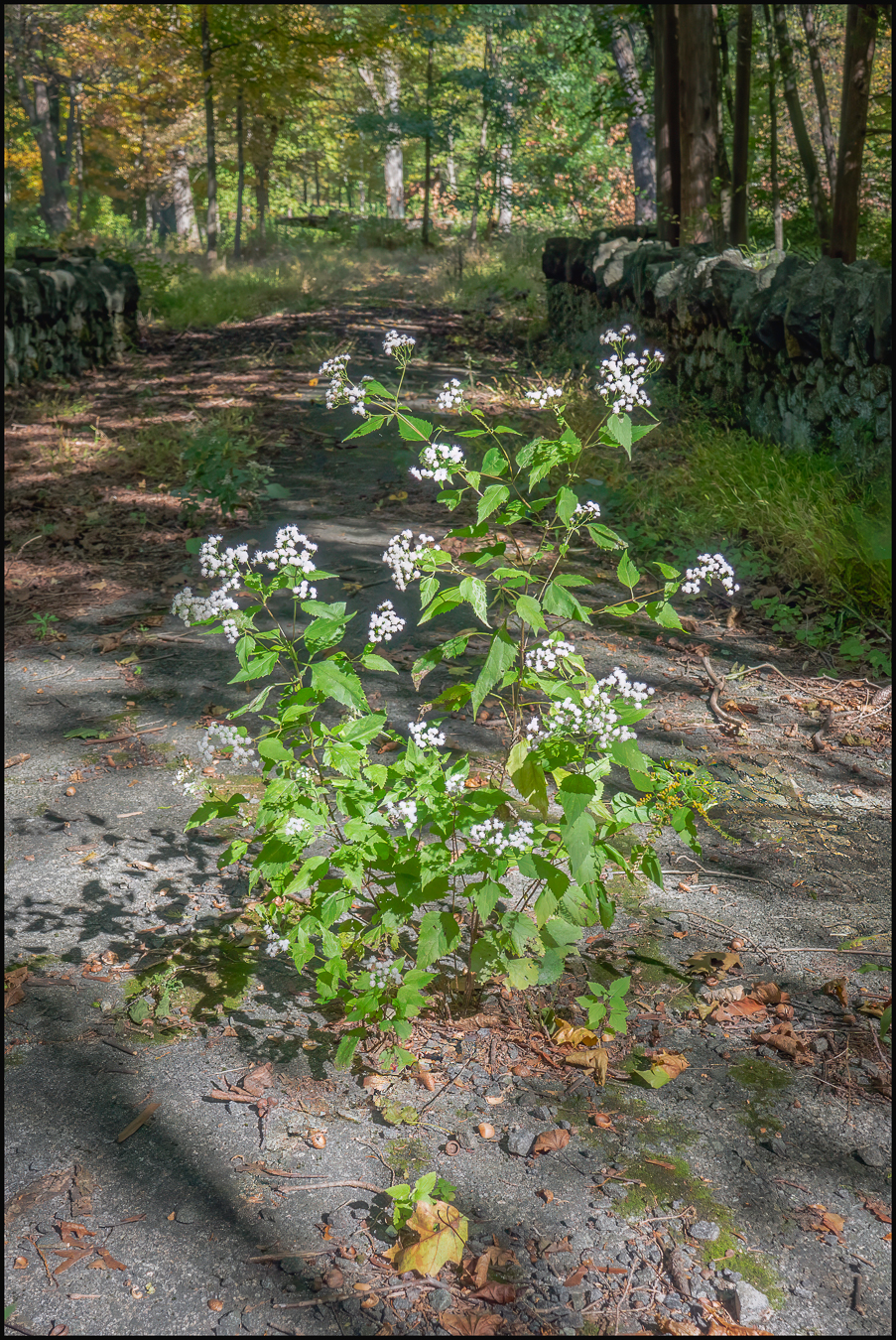
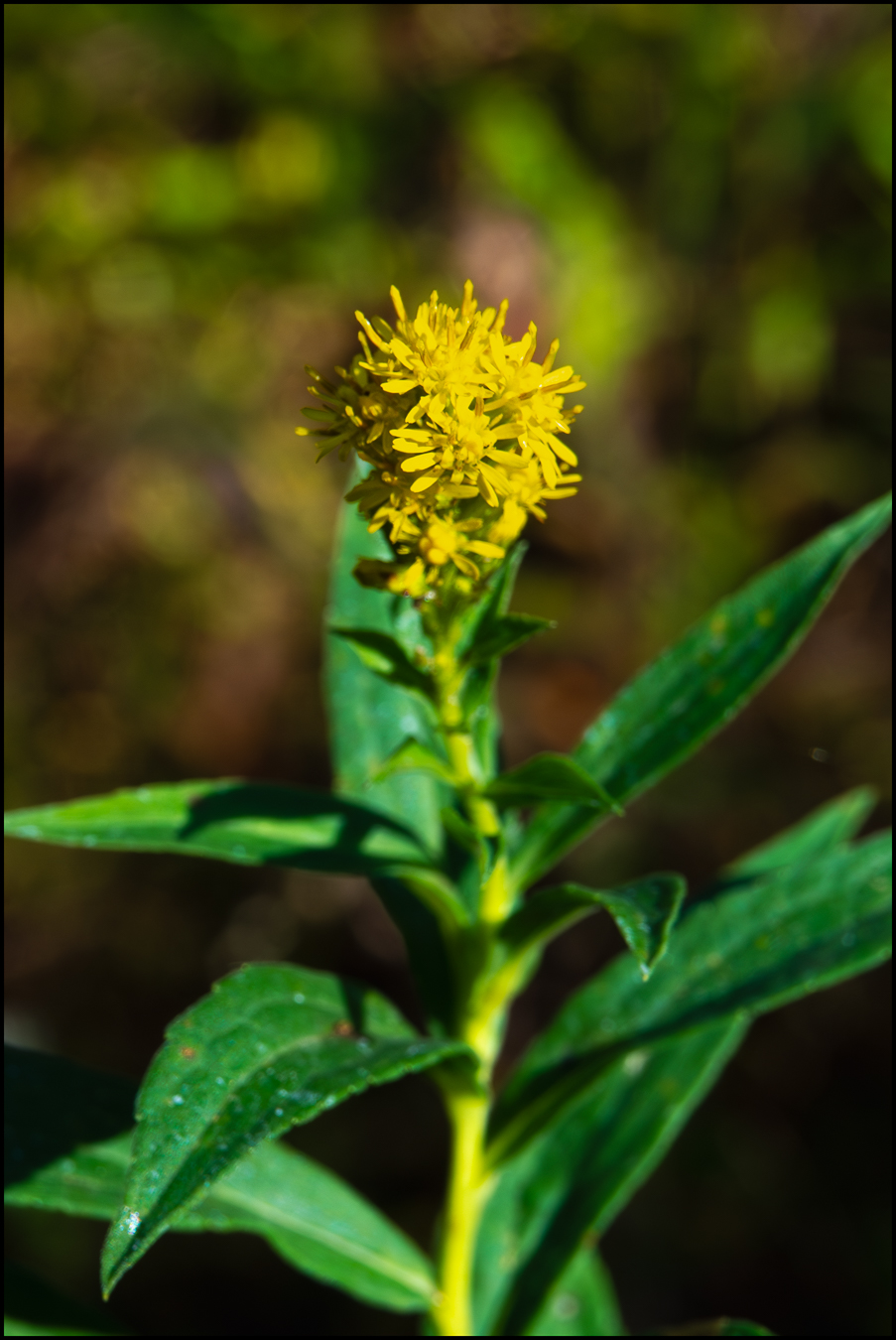
The other day I visited Arden Point and Glenclyffe.
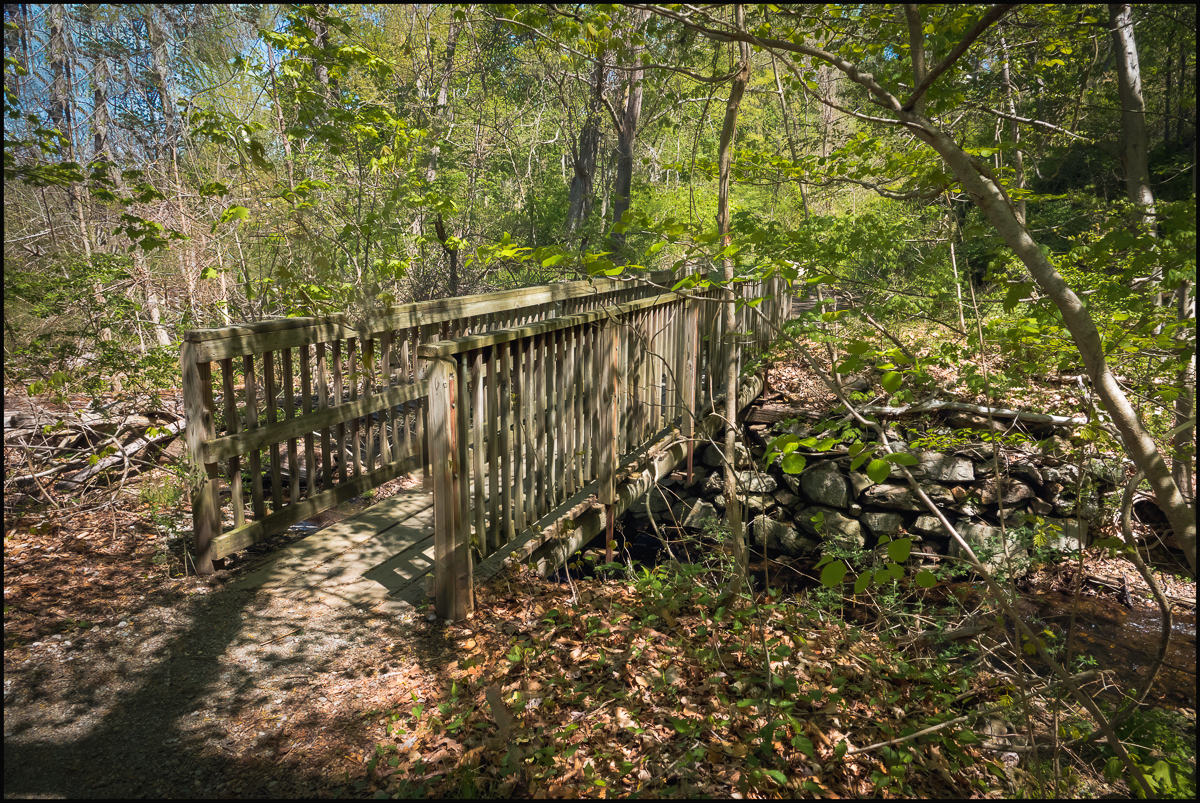
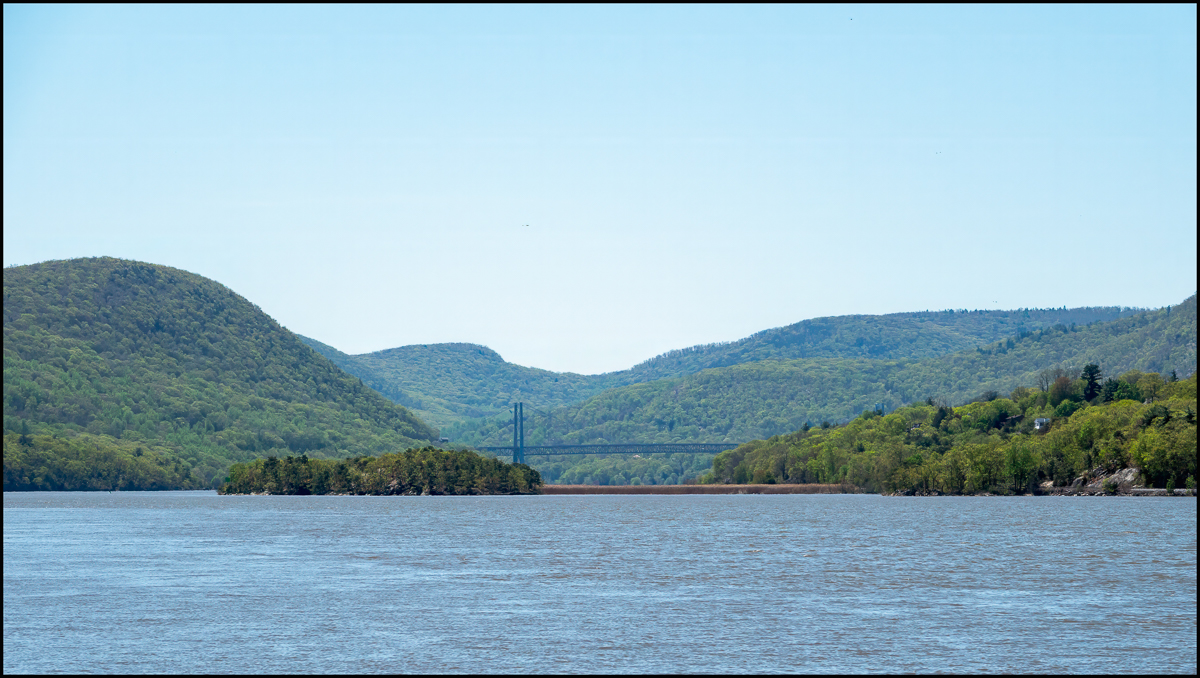
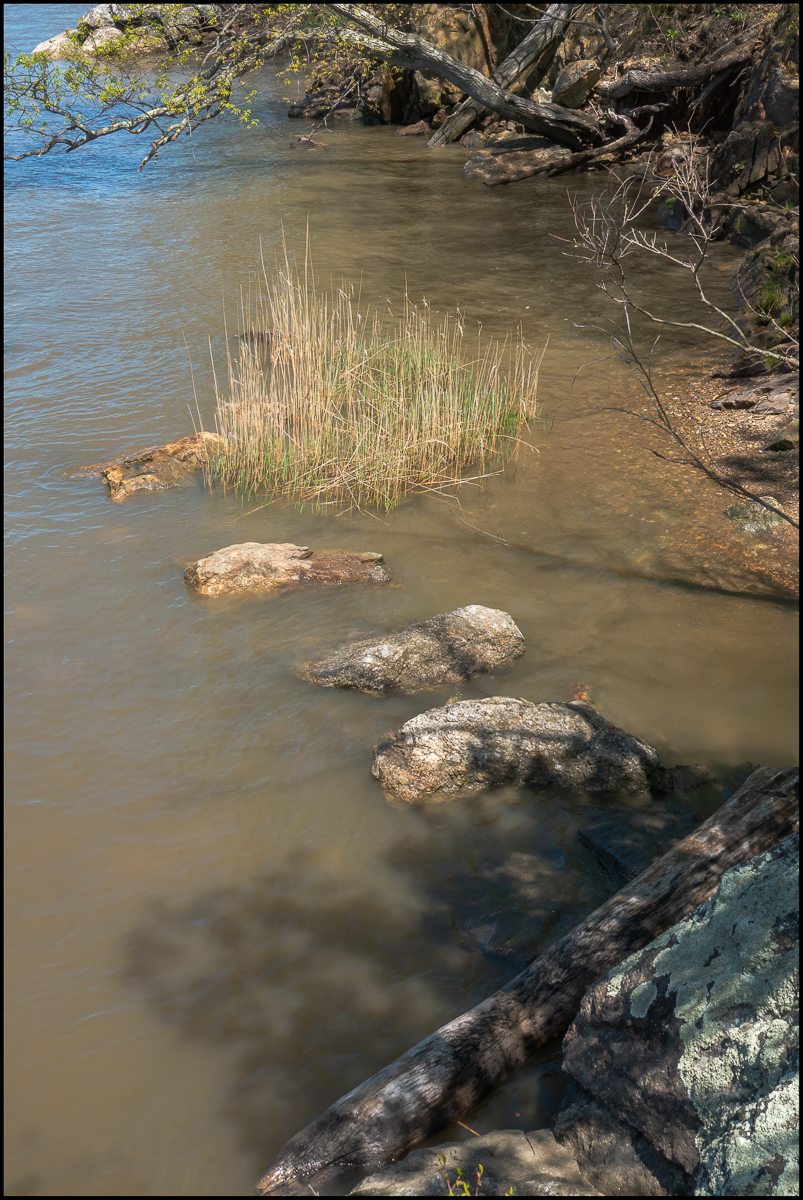
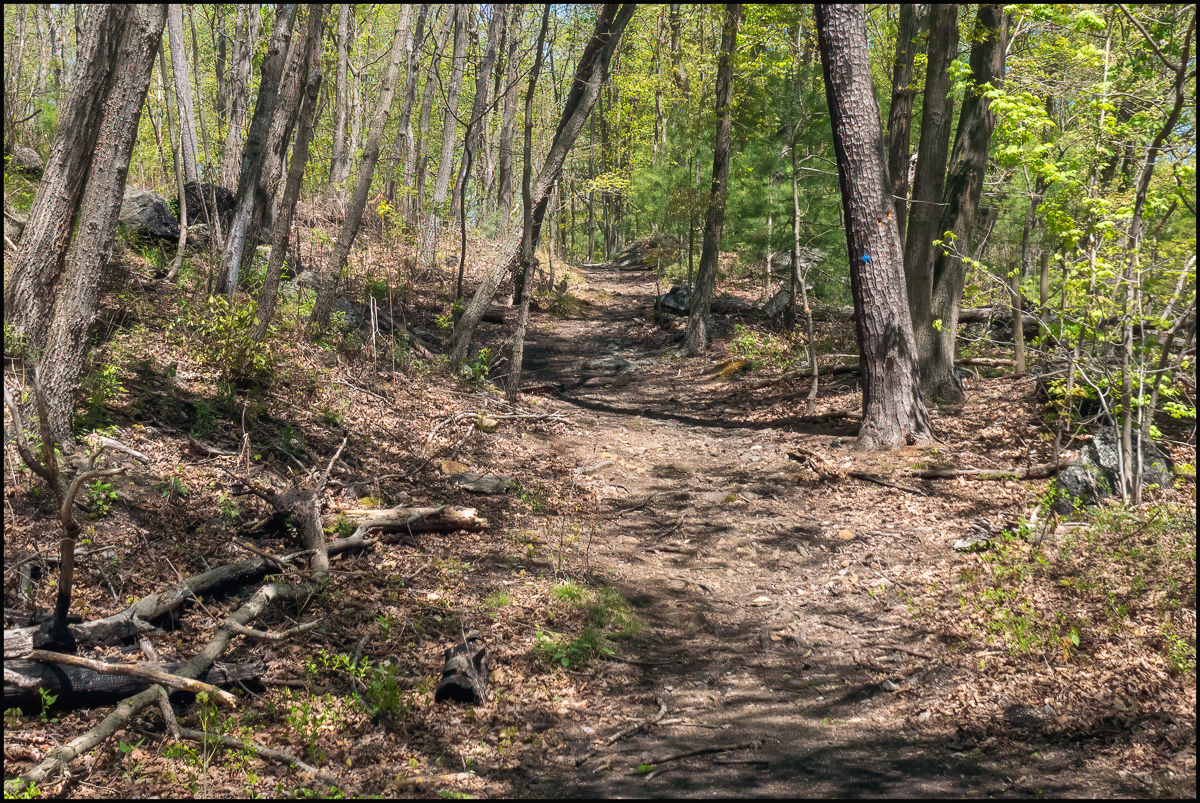
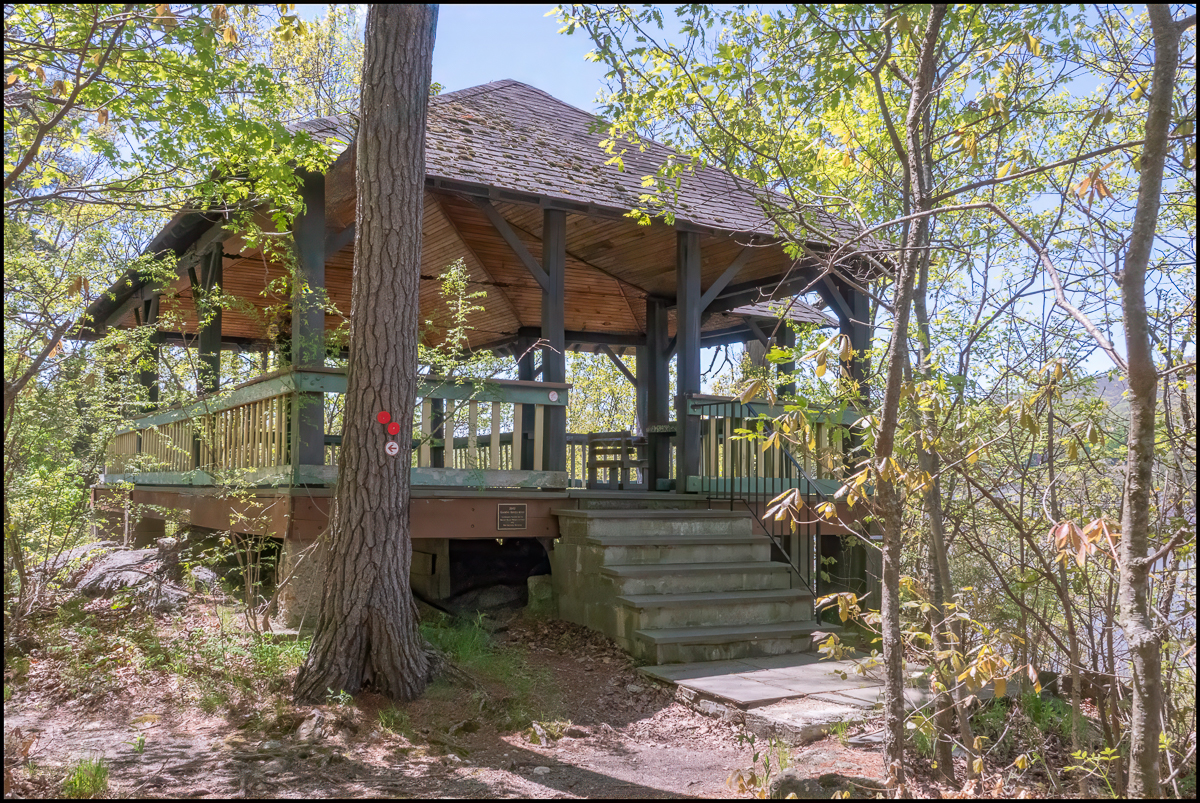
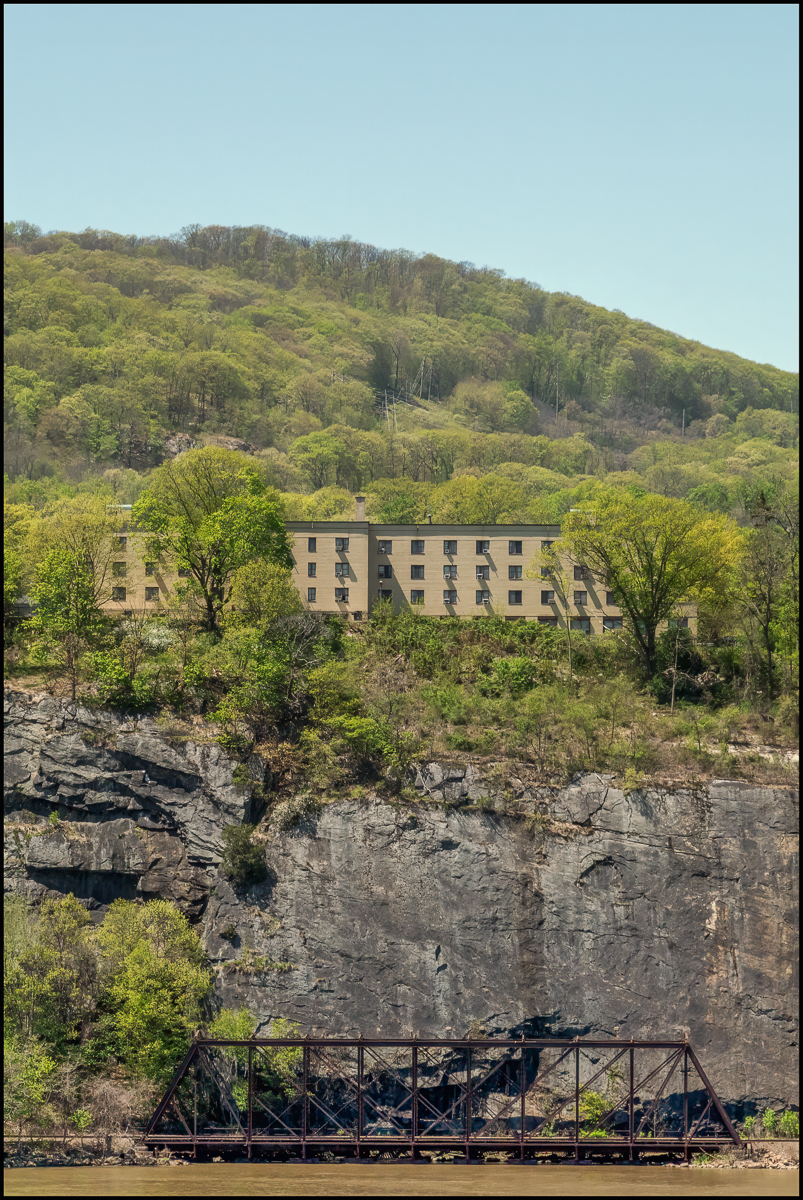
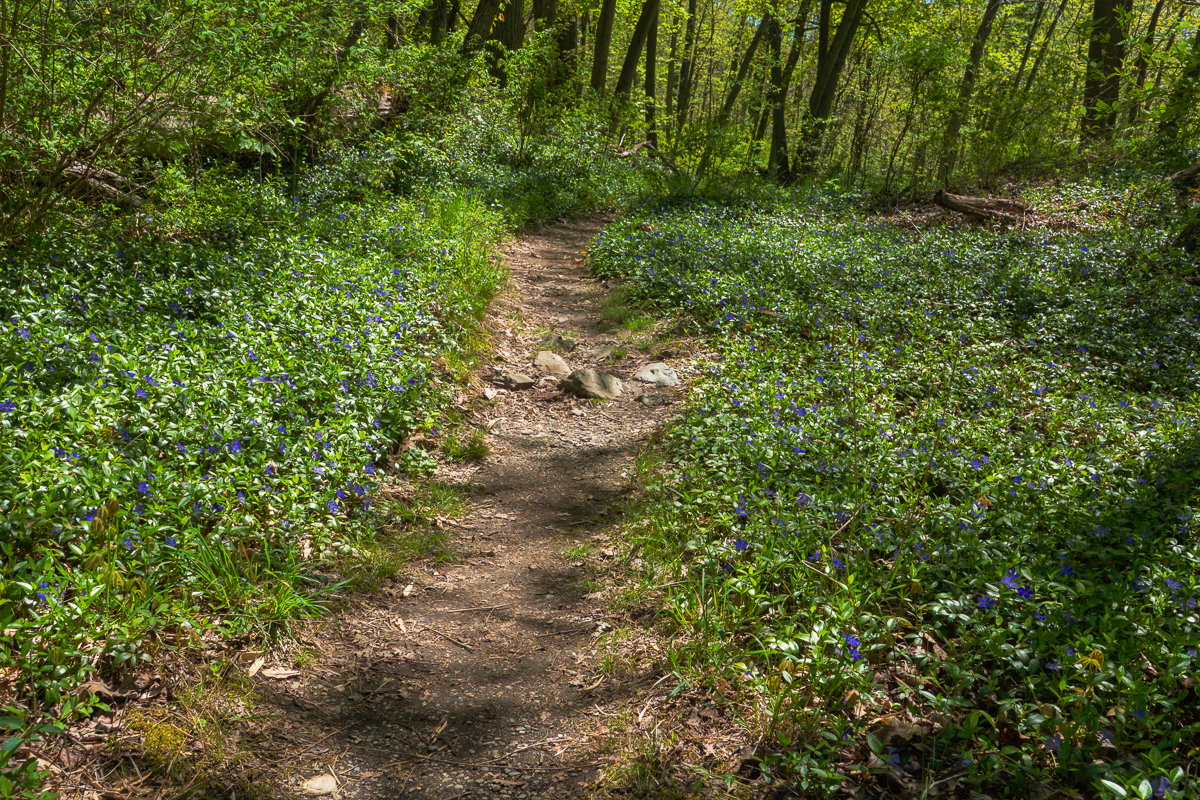
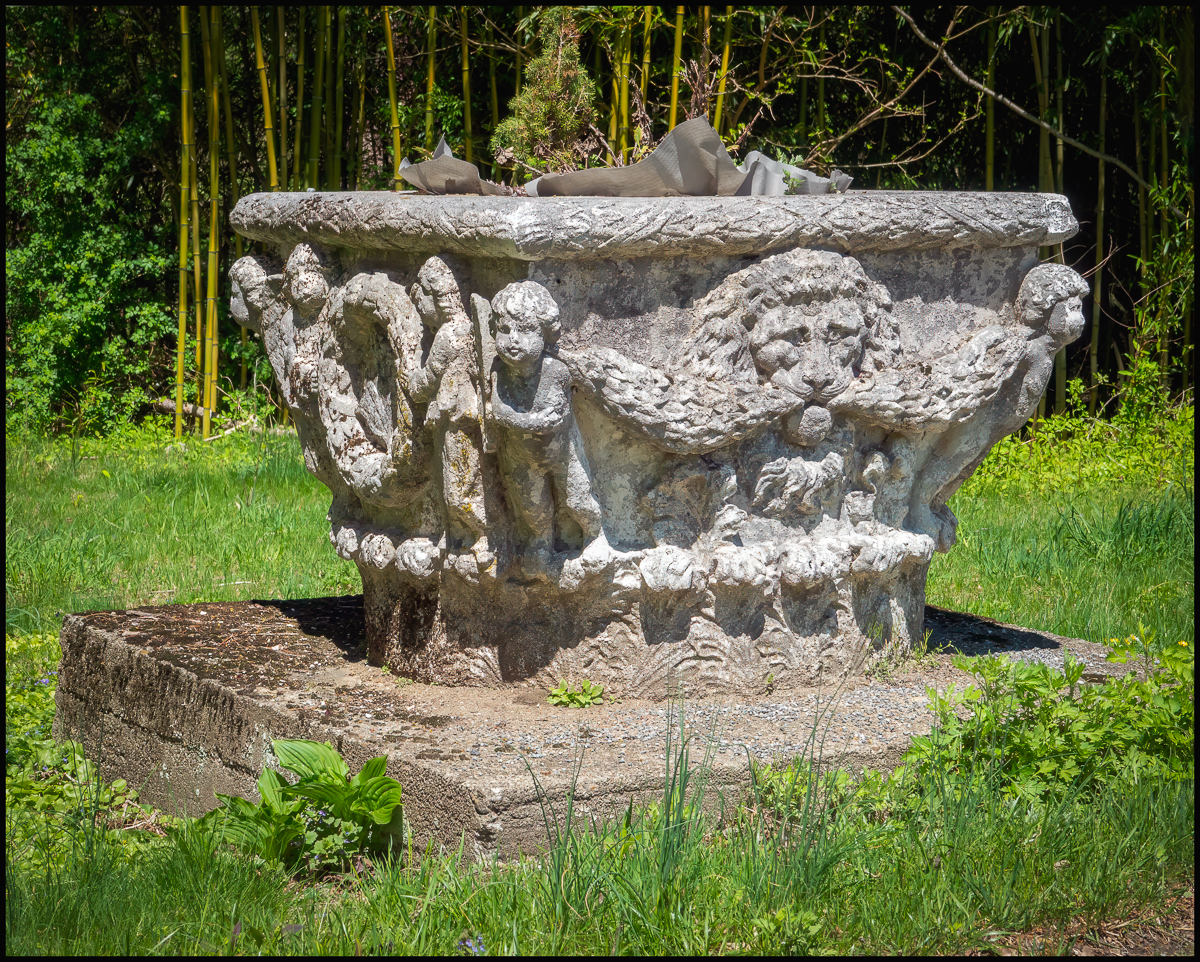
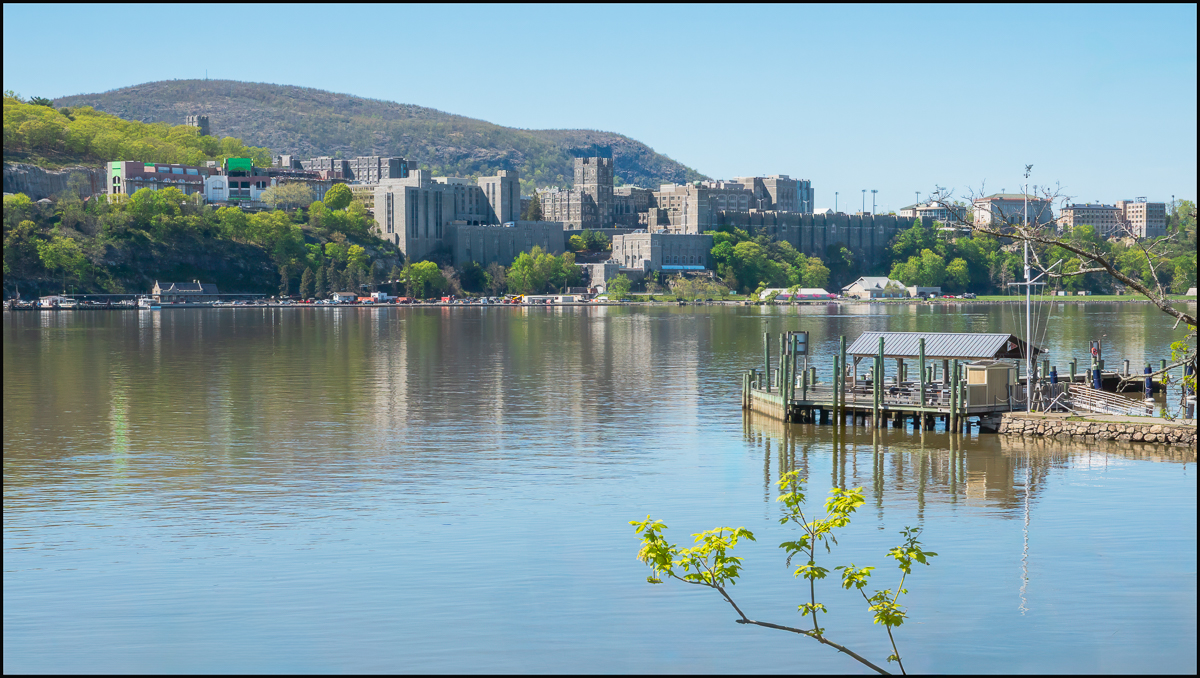
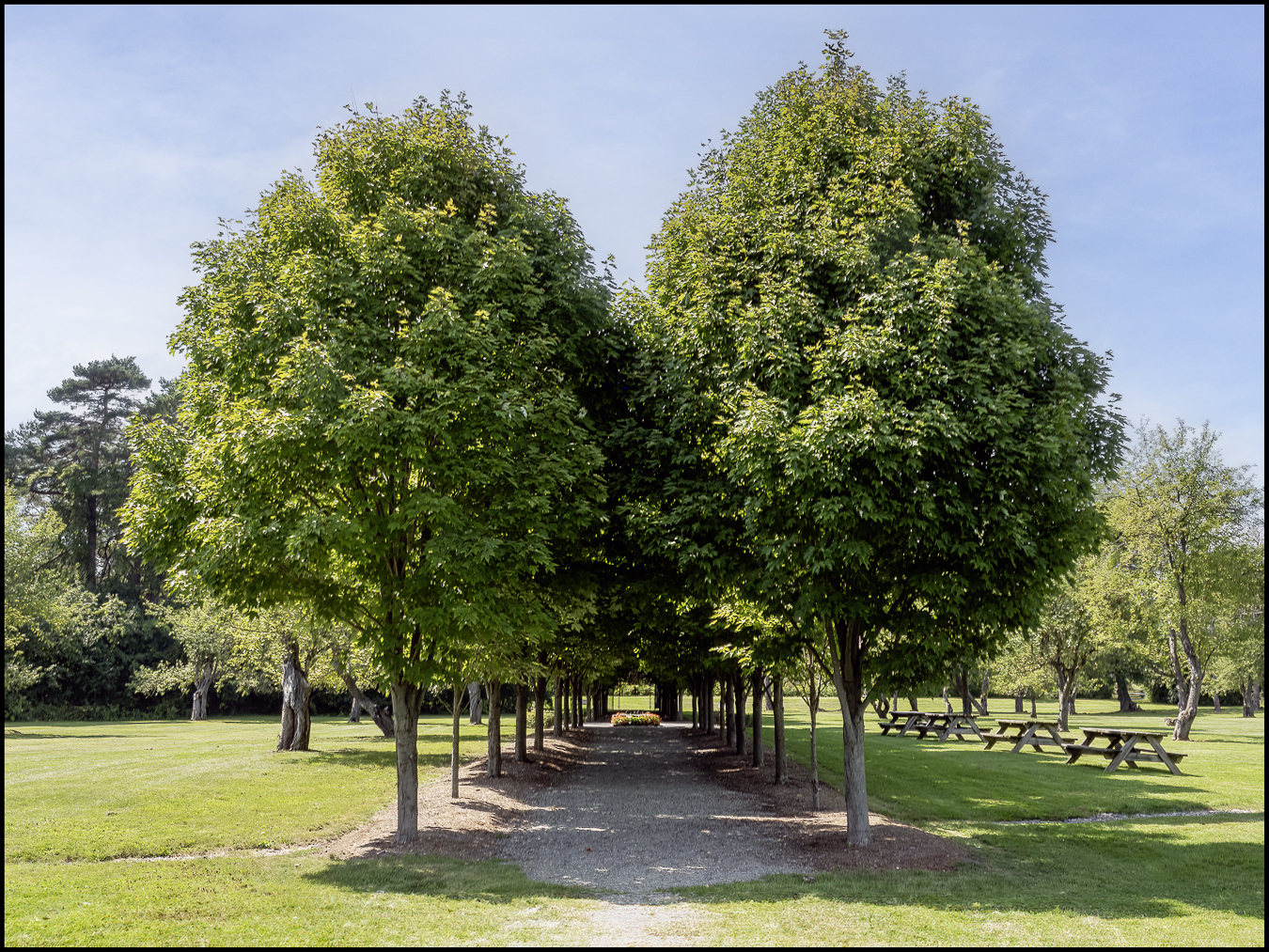
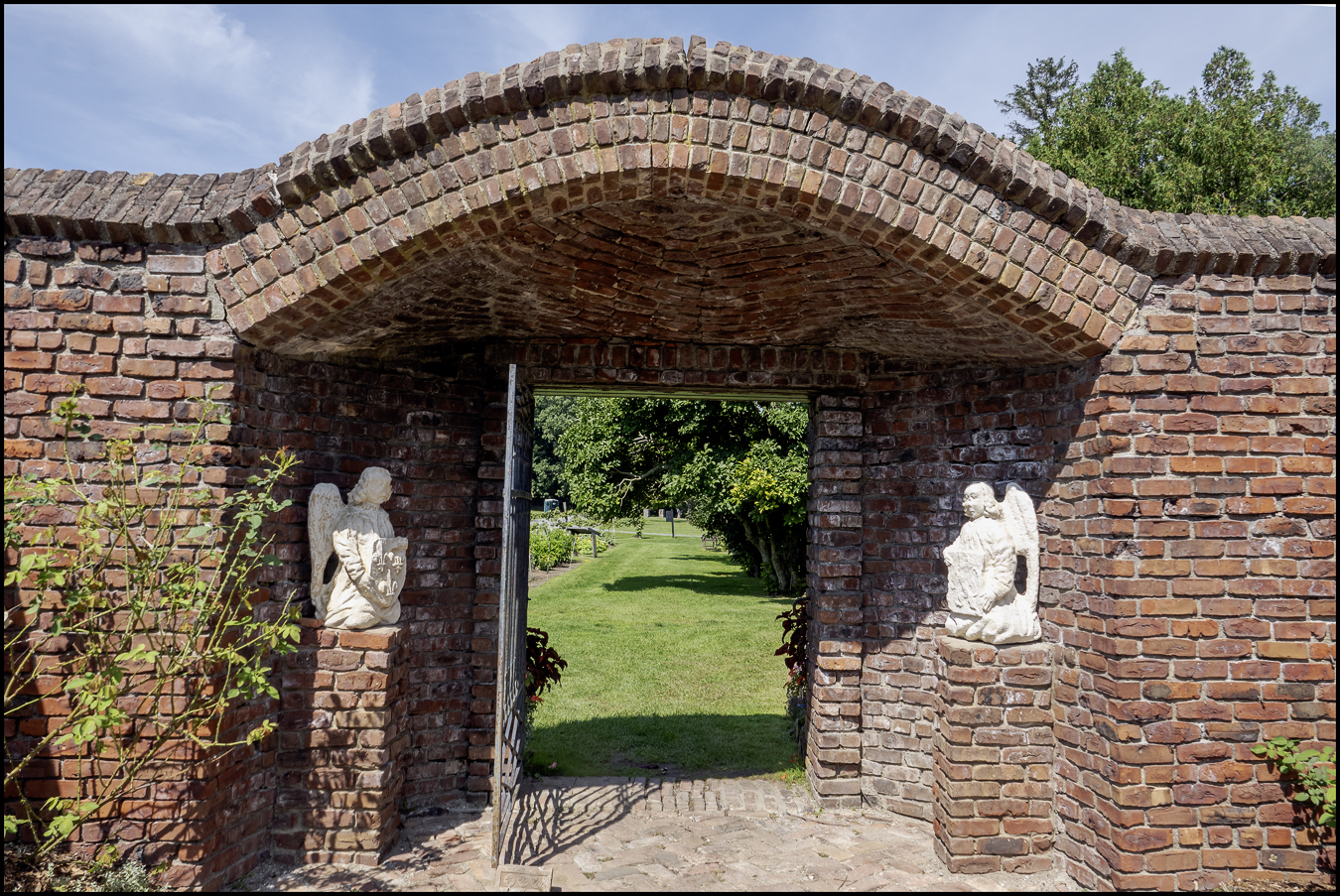
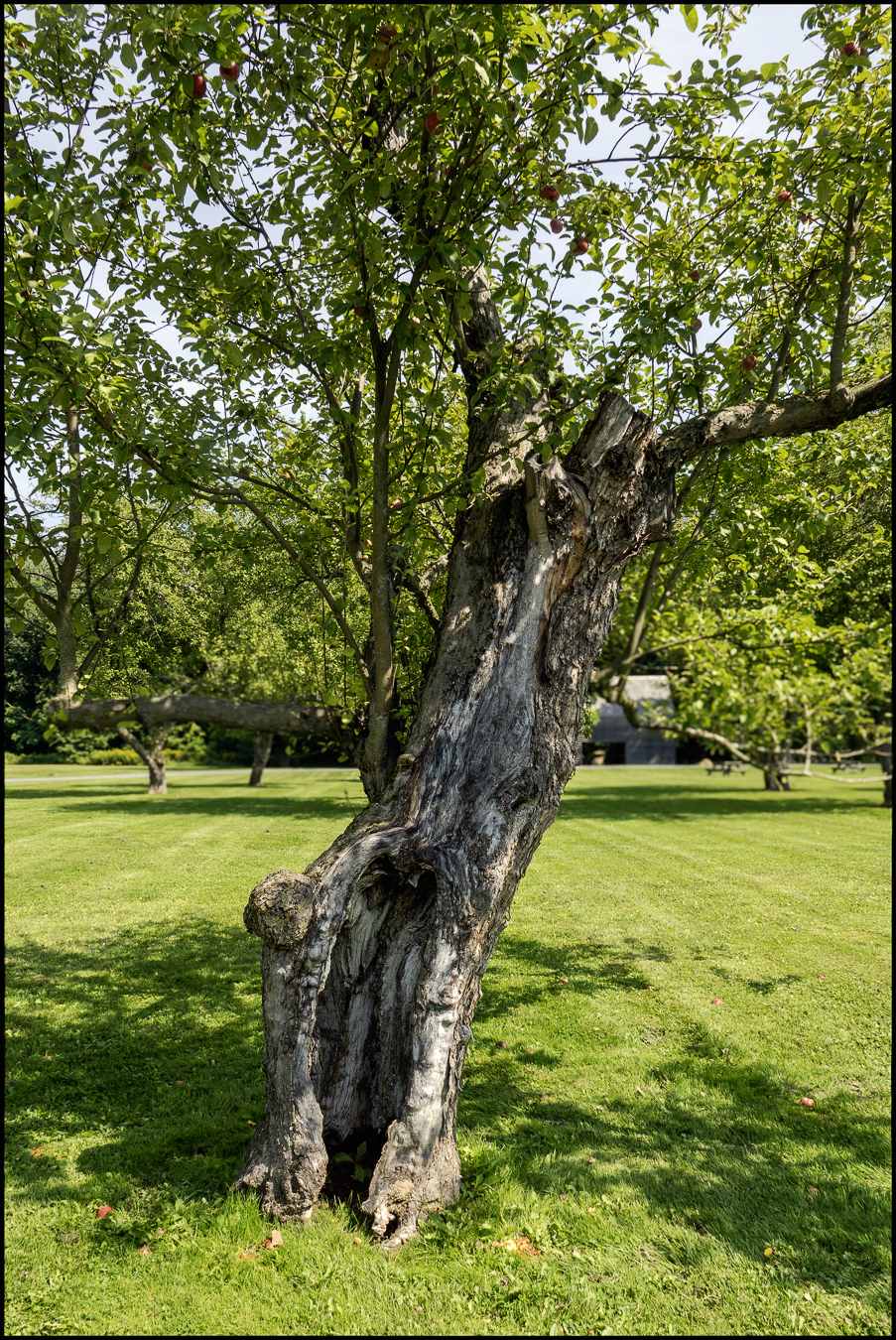
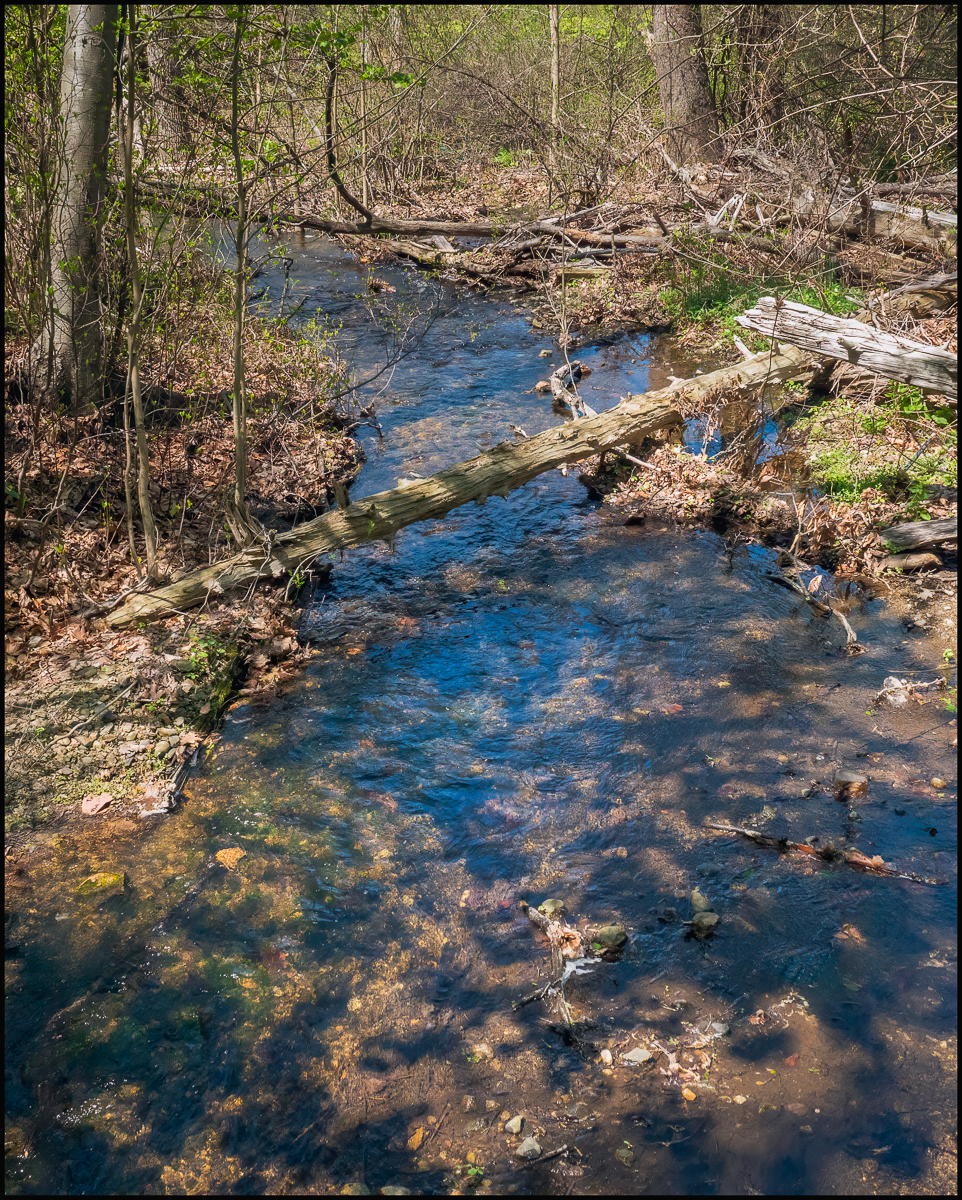
Arden Point is a peninsula on the Hudson River in Garrison, NY. The trail starts at the end of the Garrison Metro North Station. From there a wooded trail parallels the train tracks and the Hudson River. It eventually divides with one trail going over the train tracks to loop around Arden Point eventually returning to the bridge over the tracks. Although not a long walk it has some impressive views looking both to the north and the south.

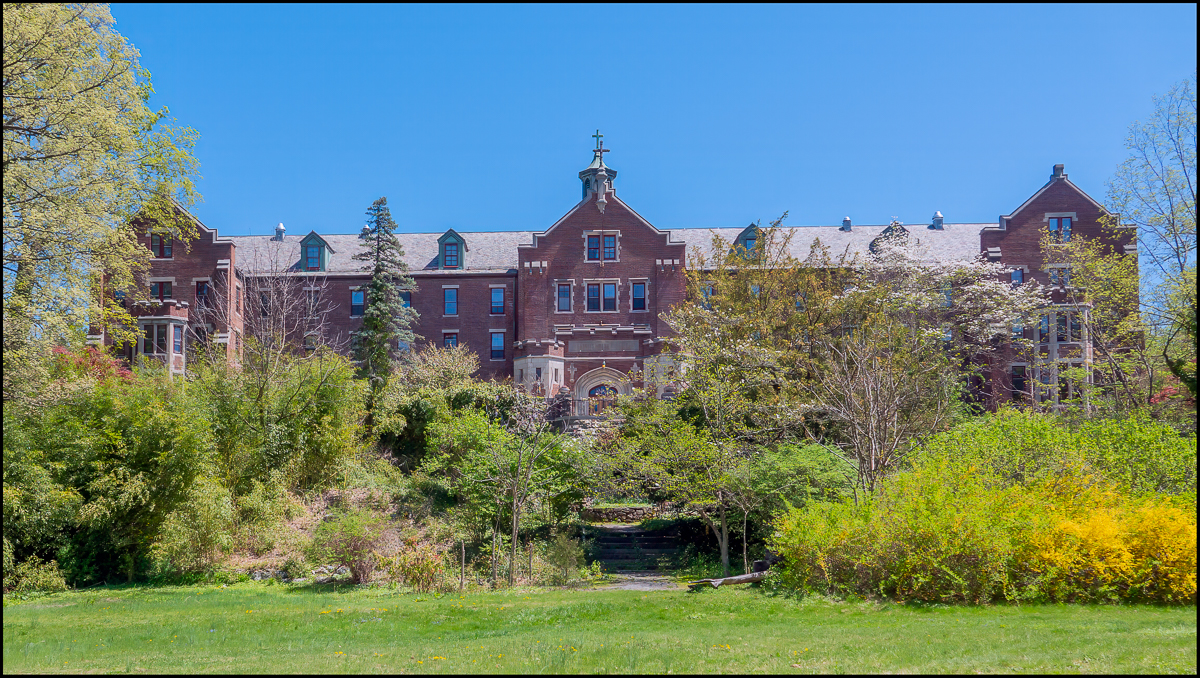
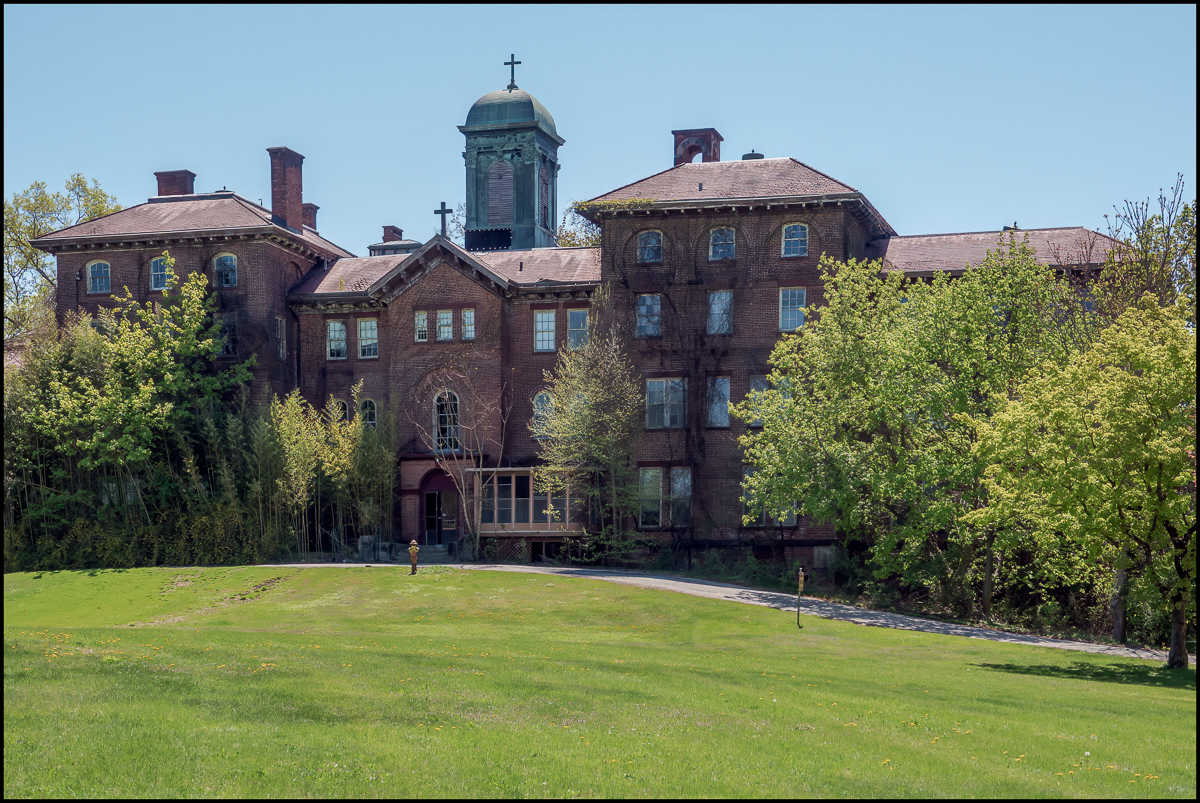
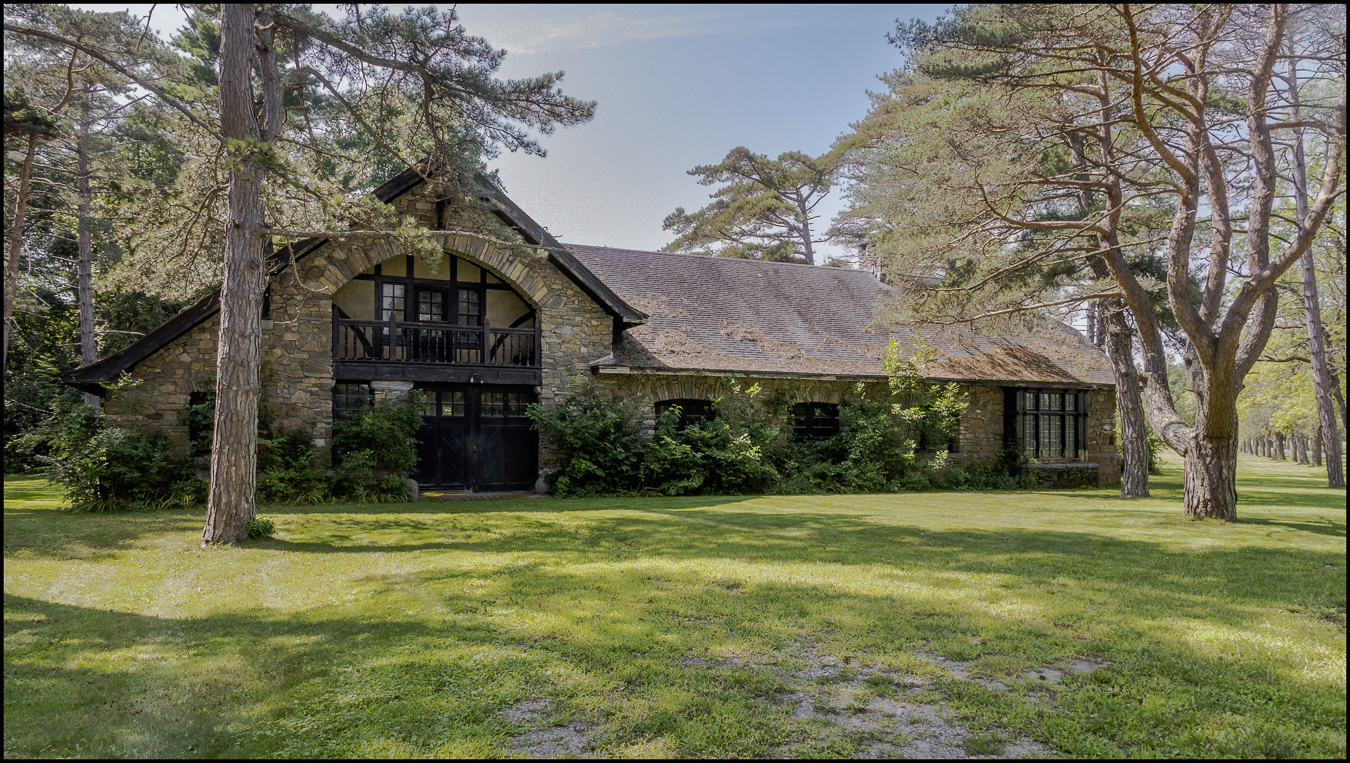
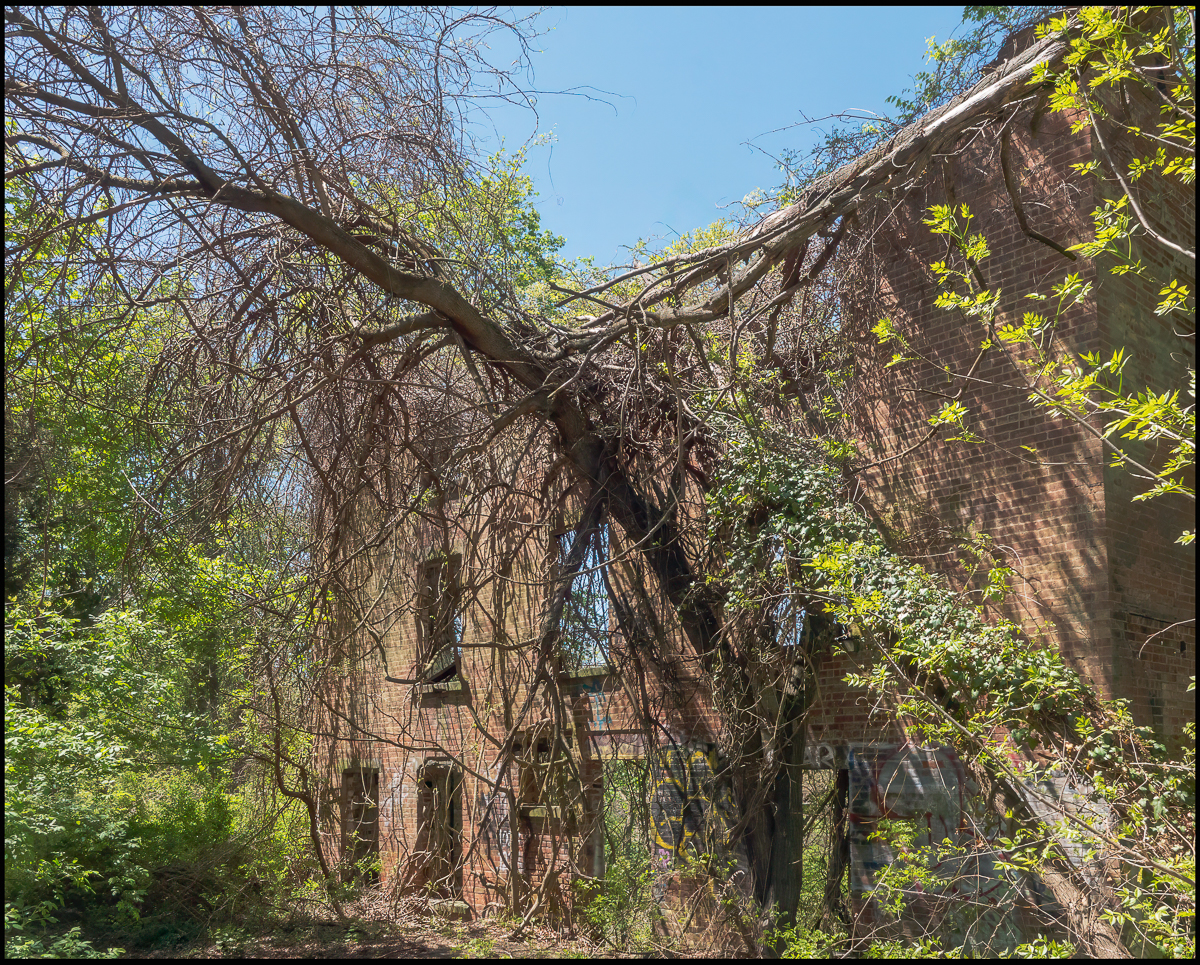
After you return over the railroad tracks, turn right and the trail continues to Glenclyffe is a 93-acre parcel of land on the Hudson River. It’s now the site of the Open Space Institute (housed in a quite spectacular former monastery). There’s also what now looks like, an abandoned mansion once owned by New York Governor, US Senator and Secretary of State (under Ulysses S. Grant) Hamilton Fish. Grant and President Abraham Lincoln, both visited it. One of the trails maps the route taken by Benedict Arnold as he fled down to a dock on the river, where he took a boat to H.M.S. Vulture to escape the British.

All told I walked for about three hours.

I have more pictures. If interested, you can find them here.


Taken with a Sony RX10 IV
I wandered lonely as a cloud

I always thought that the name of the famous poem by Wordsworth was “Daffodils”, but apparently it’s actually “I Wandered Lonely as a Cloud”. I prefer “Daffodils”.

Here’s the poem:

I wandered lonely as a cloud
That floats on high o’er vales and hills,
When all at once I saw a crowd,
A host, of golden daffodils;
Beside the lake, beneath the trees,
Fluttering and dancing in the breeze.

Continuous as the stars that shine
And twinkle on the milky way,
They stretched in never-ending line
Along the margin of a bay:
Ten thousand saw I at a glance,
Tossing their heads in sprightly dance.

The waves beside them danced; but they
Out-did the sparkling waves in glee:
A poet could not but be gay,
In such a jocund company:
I gazed—and gazed—but little thought
What wealth the show to me had brought:

For oft, when on my couch I lie
In vacant or in pensive mood,
They flash upon that inward eye
Which is the bliss of solitude;
And then my heart with pleasure fills,
And dances with the daffodils.

I didn’t have quite the experience that Wordsworth had:

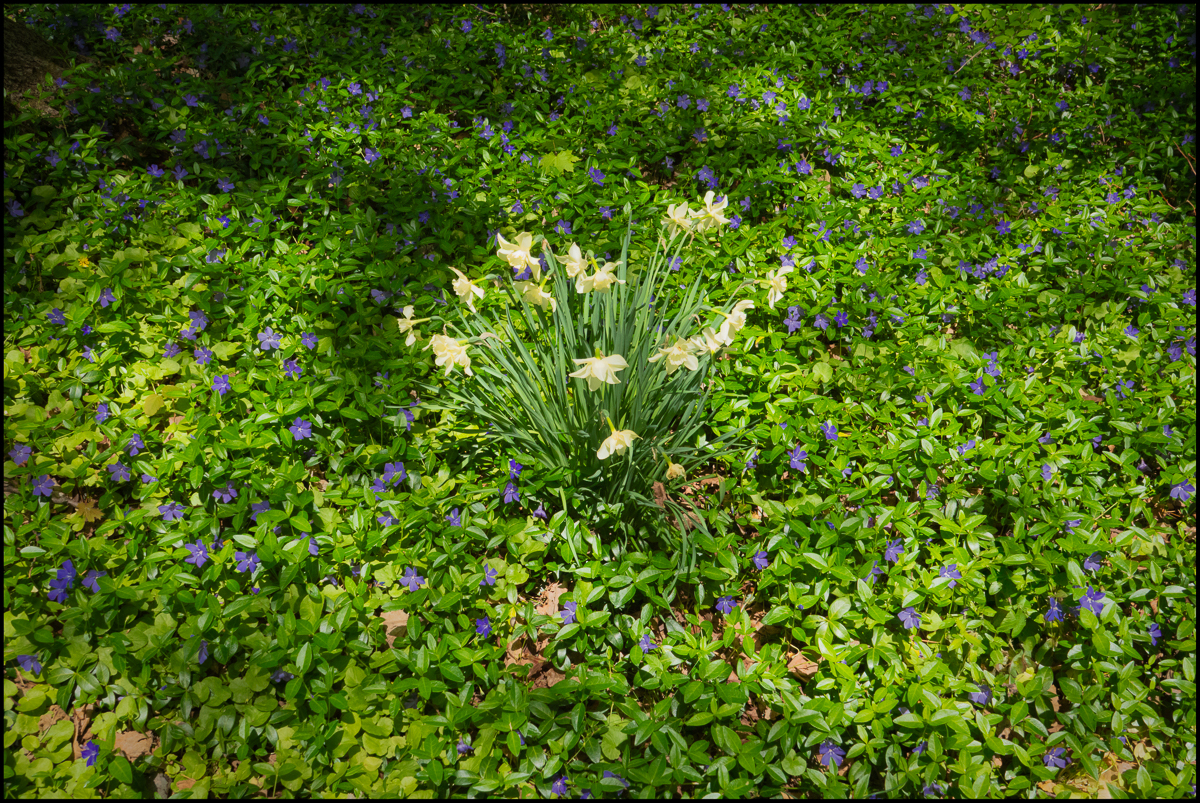
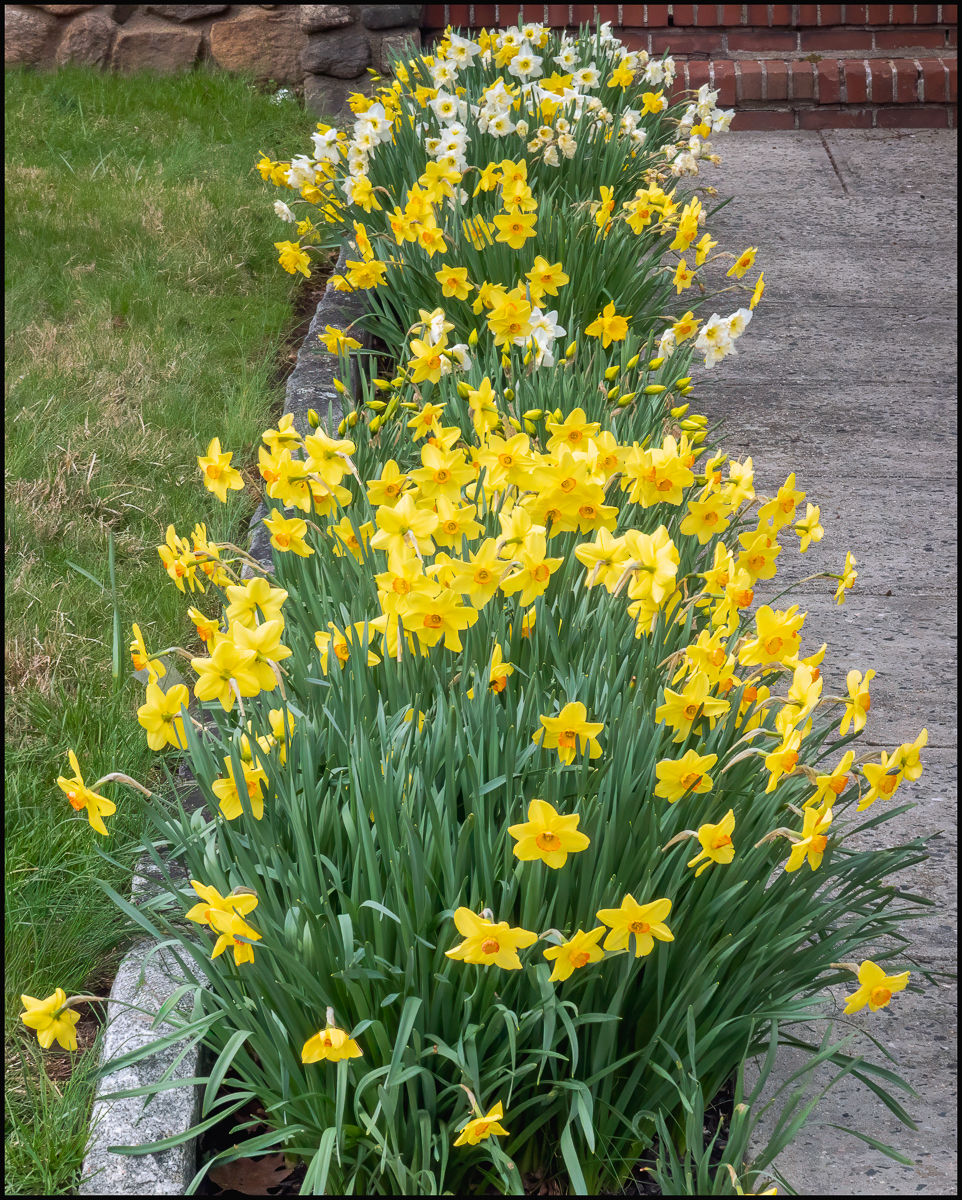
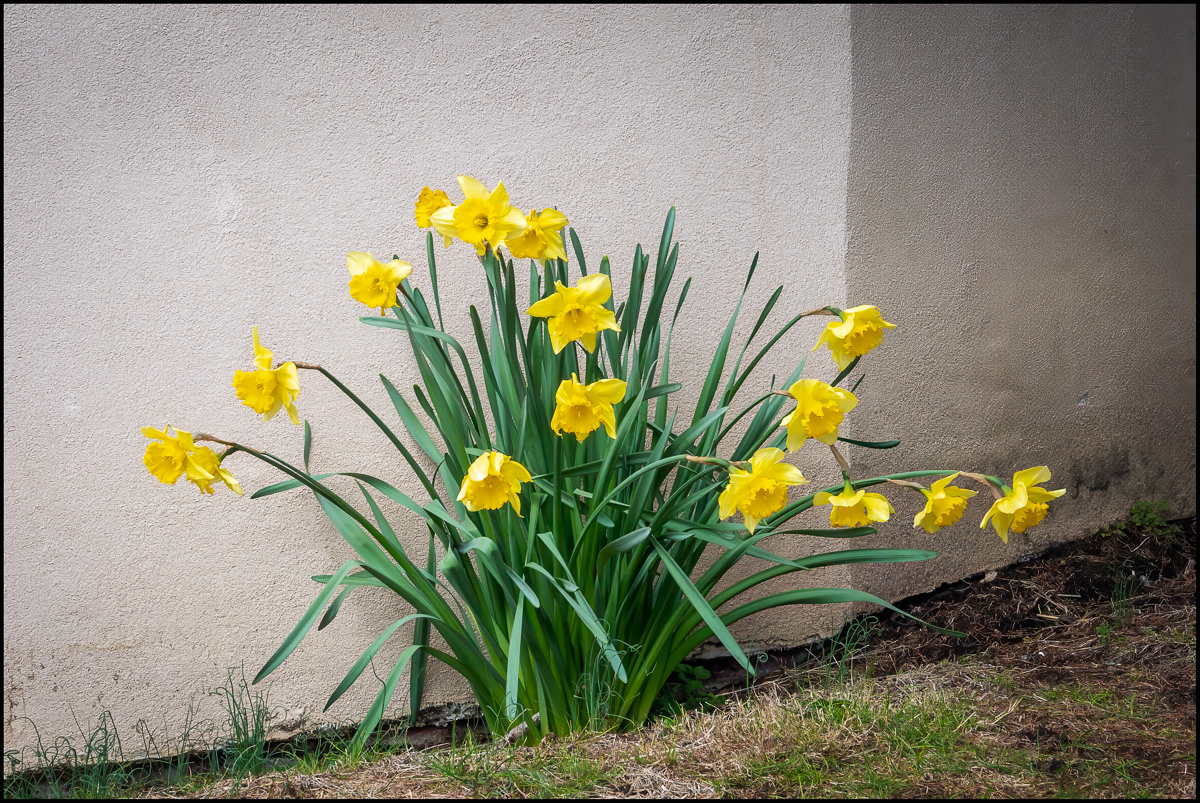
  • I was in a suburban New York town, so I didn’t see “…a crowd, a host of golden daffodils”, just the few that you see in the pictures.
  • I wasn’t “beside the lake, beneath the trees” although I was quite close to the Hudson River.
  • The daffodils were not “fluttering and dancing in the breeze”.
  • There certainly weren’t “ten thousand” of them.

Still, I very much agree with the sentiments expressed in the final verse.

As I writ this (April 25, 2025) the daffodils are starting to fade.

Taken with a Sony RX10 IV

Taken with a Sony RX10 IV

A visit to upstate New York and Vermont – Fort Ticonderoga – The King’s Garden

But there’s more to Fort Ticonderoga than the Fort itself and its collections. There’s an impressive collection of books in the shop; a restaurant offering locally produced farm to table meals; a boat ride on Lake Champlain (which looked interesting, but unfortunately we didn’t have time for); an extensive corn maze where my friend’s husband took their dog for a walk. And then there’s the King’s garden where my friend and I went while her husband and the dog explored the corn maze.

Take A Stroll Through New York’s Past At This Historic Garden by John Williams on Only in New York describes it as follows:

There are a lot of pretty gardens in New York State, but only a few come with over a decade of history. For those looking to visit a garden that is both beautiful and historical, there is one choice in New York State that is quite possibly a bit more satisfying than many others. We are talking about King’s Garden at Fort Ticonderoga. With major Revolutionary and Colonial war history, it might just be the most historical garden in New York. For lovers of nature, it will not disappoint. For more information, keep reading, below.

The garden, which was originally called the Colonial Revival King’s Garden, was first designed by Marian Cruger Coffin in 1921. Coffin also just happens to be one of the first female landscape architects in America.

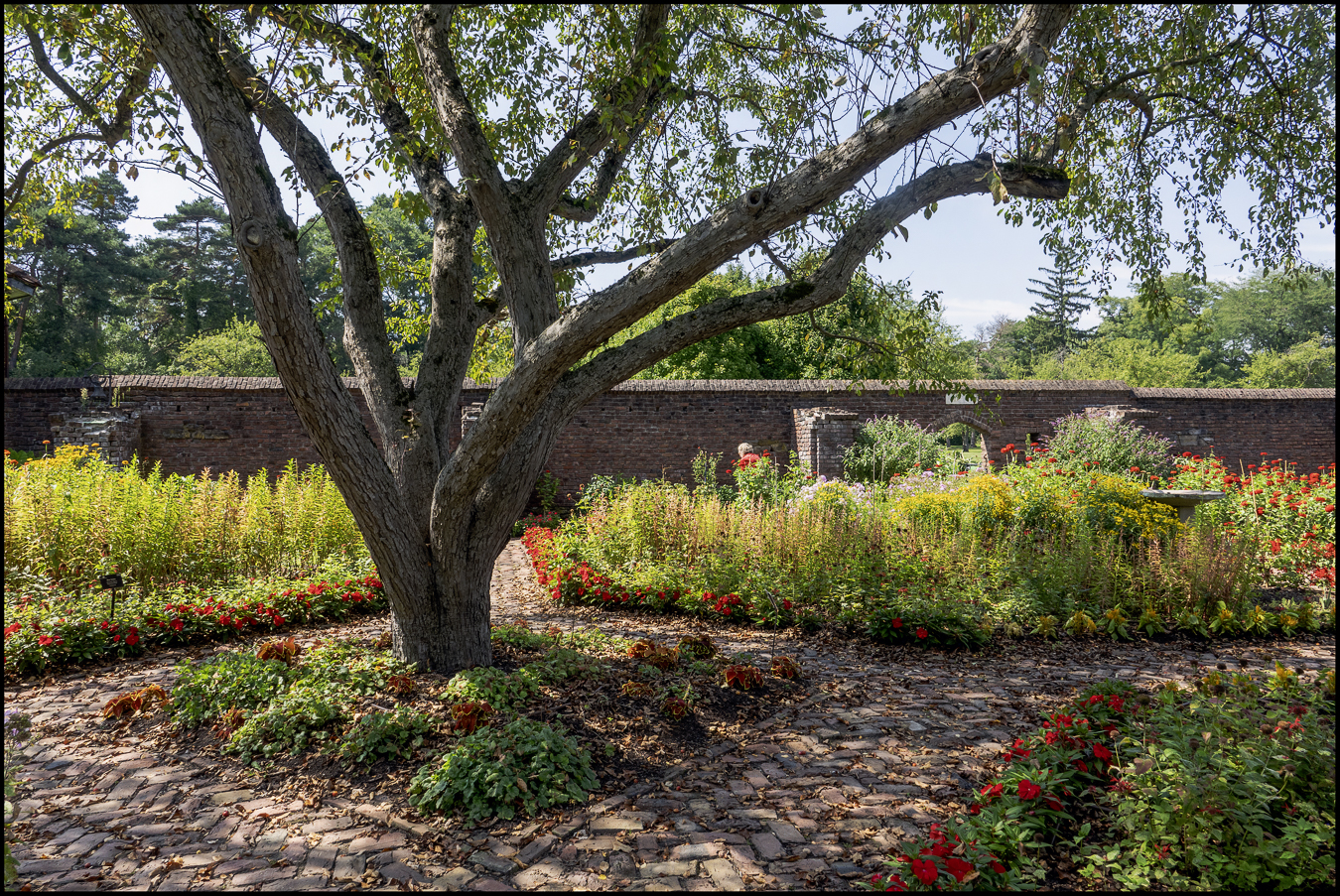
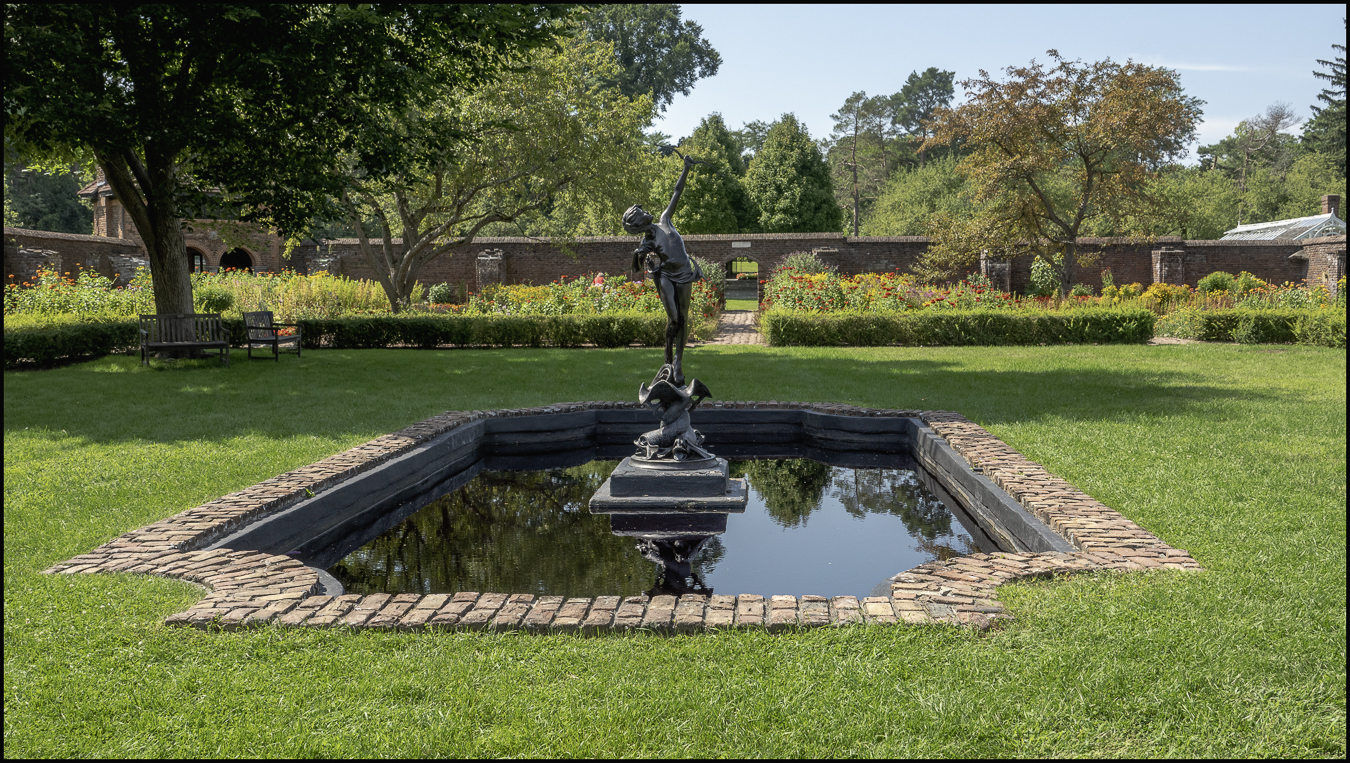
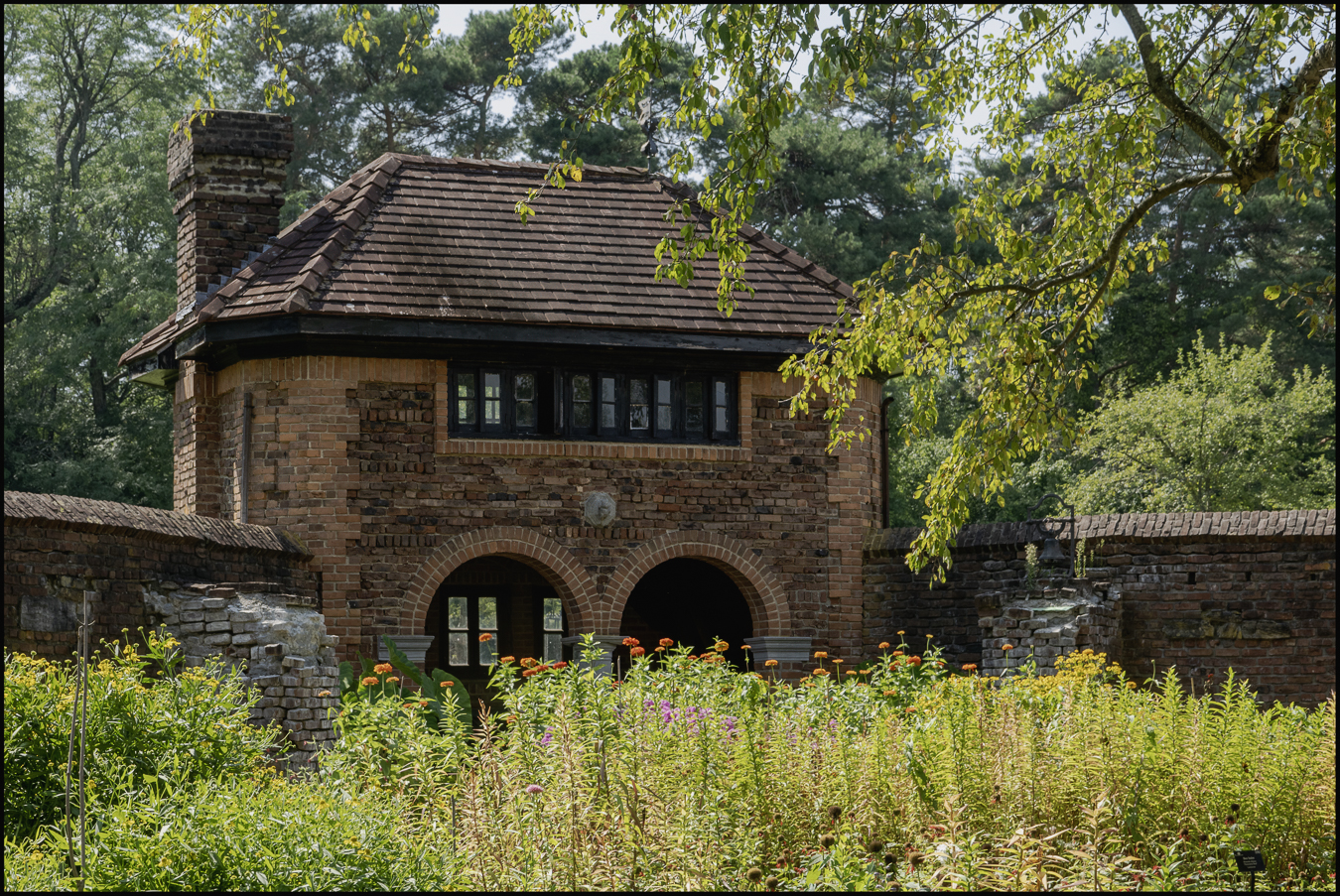
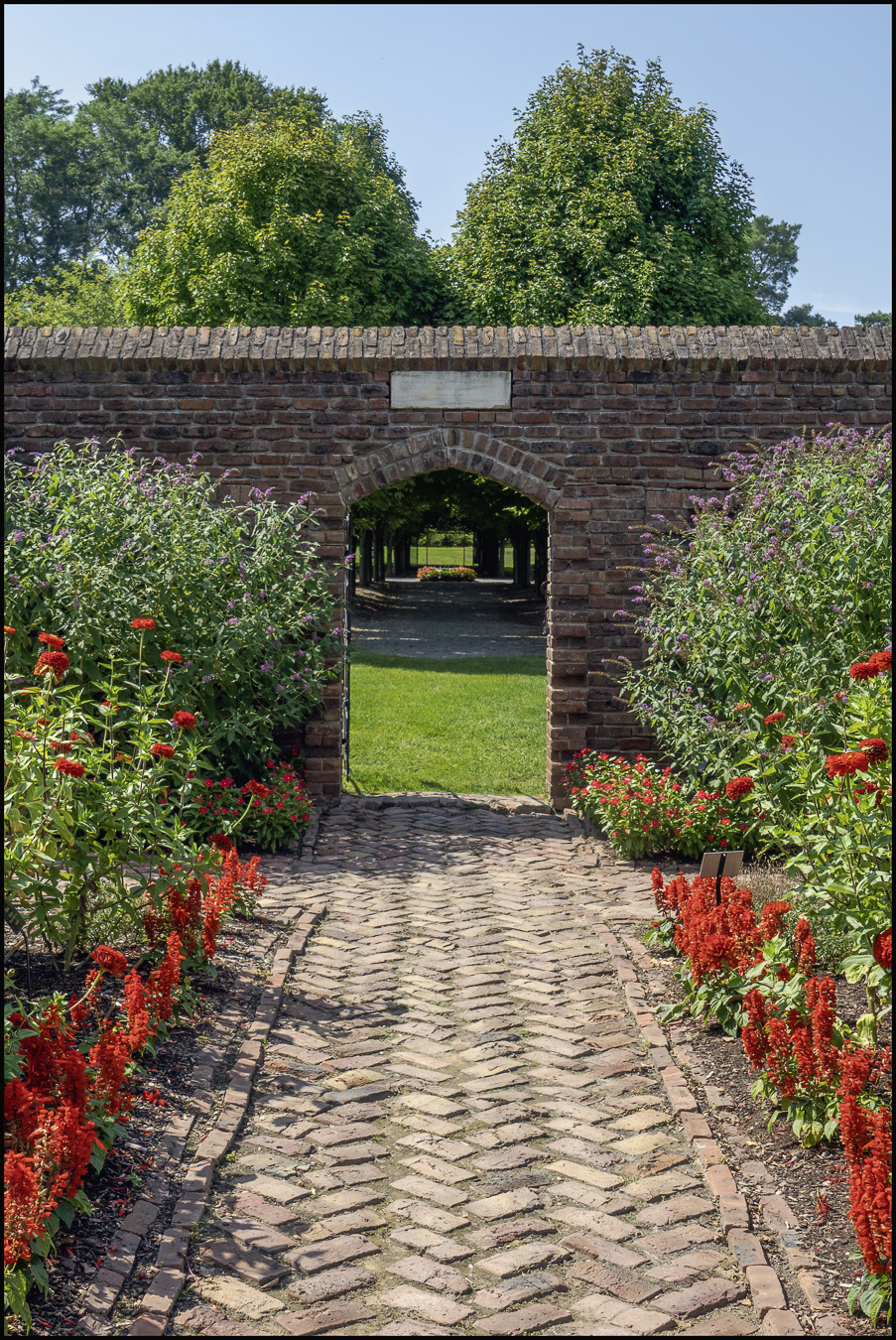
The elements of the park include a reflecting pool, brick walls and walkways, a manicured lawn and hedges, and plenty of annual and perennial flowers, which are displayed according to color and form.

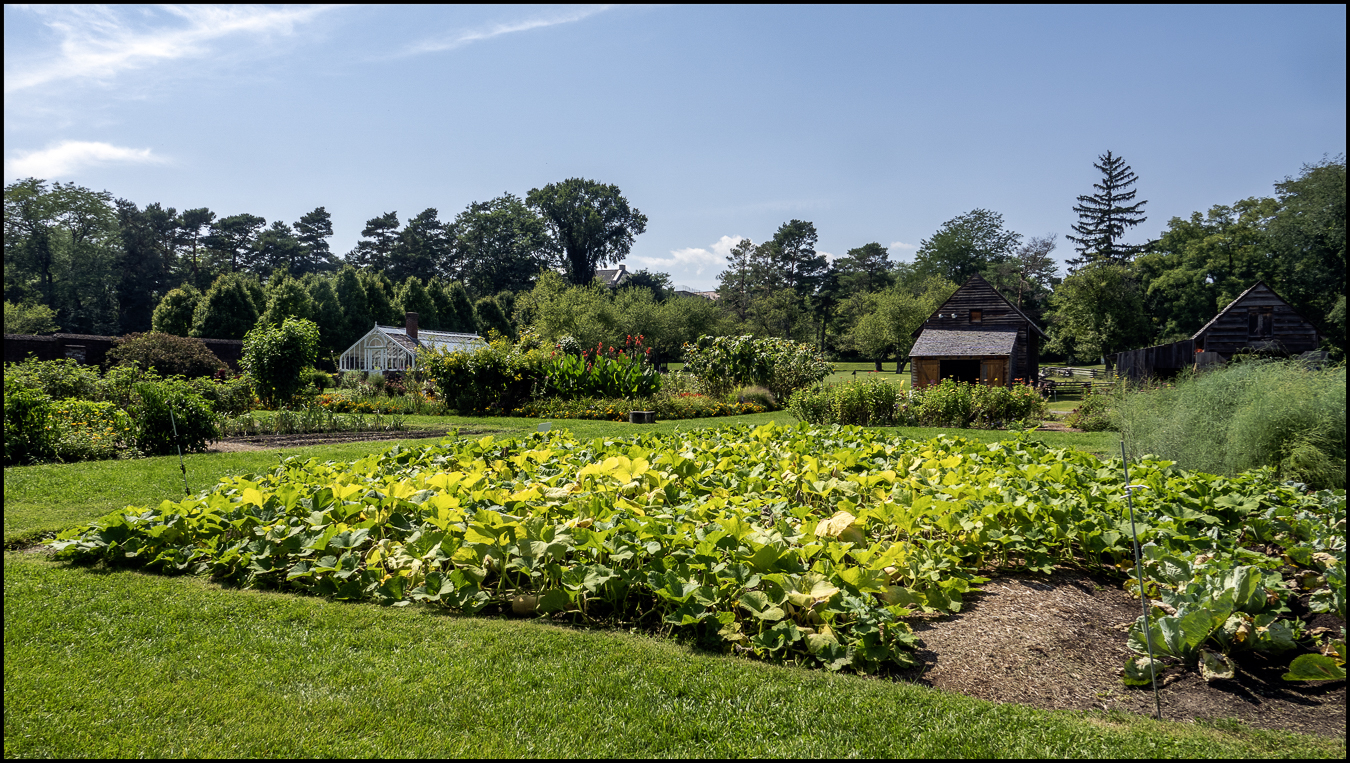
The botanical garden is six whole acres, and full of heritage flowers that harken back to the location’s Colonial and Revolutionary history.

Today, it features new gardens and orchards, tended using sustainable agricultural practices.

A video tour of the grounds and gardens can be found here.


Taken with a Sony RX10 IV