Fixing my garden

I should start by saying that I dislike gardening. My late wife was the gardener in the family. She absolutely loved gardening (particularly growing roses) and spent a lot of time in the garden. My role was to dig holes and carry heavy objects. Because of this I’ve developed a bad back, which means even if I should get a sudden yearning, I wouldn’t be able to do it.

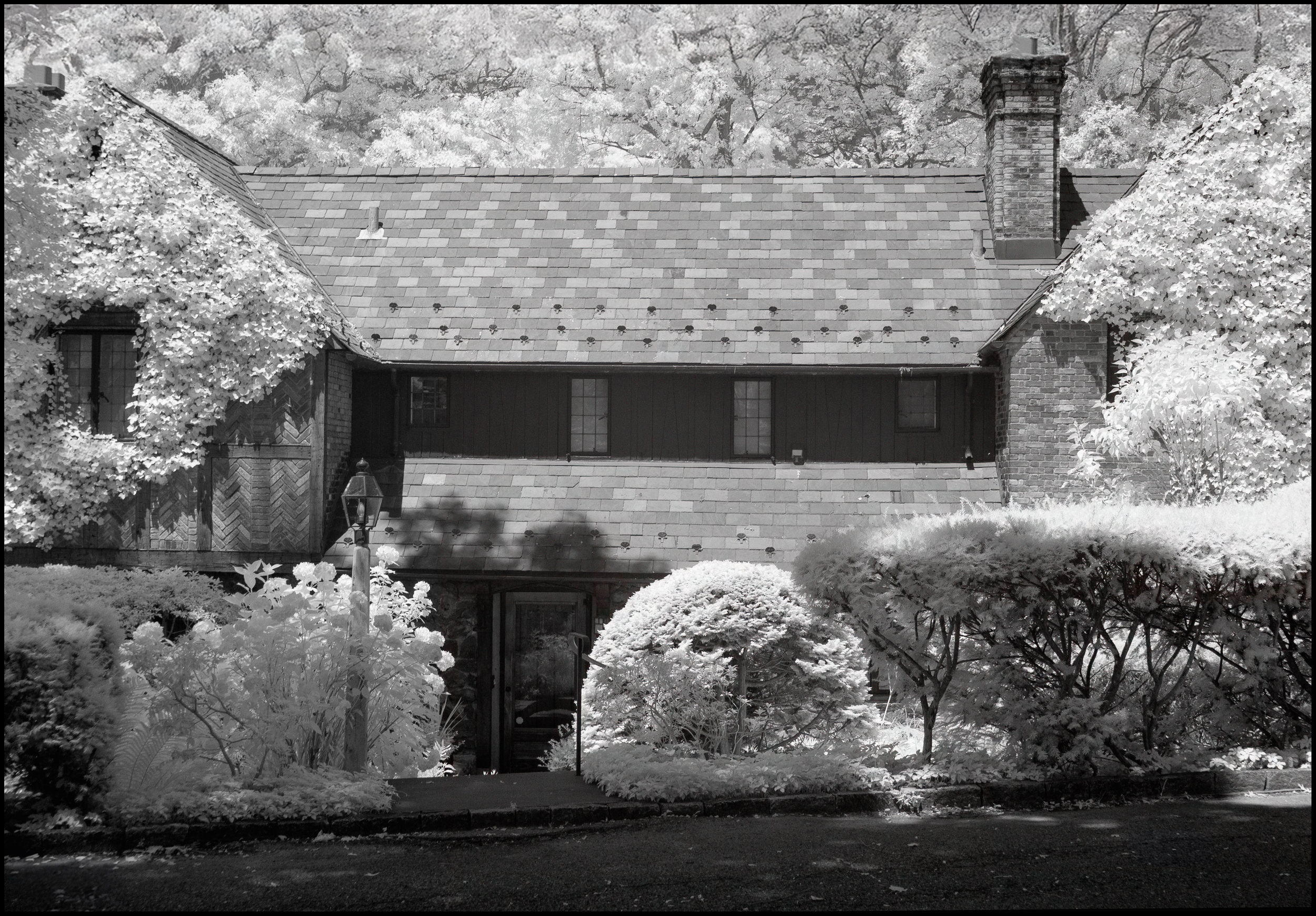
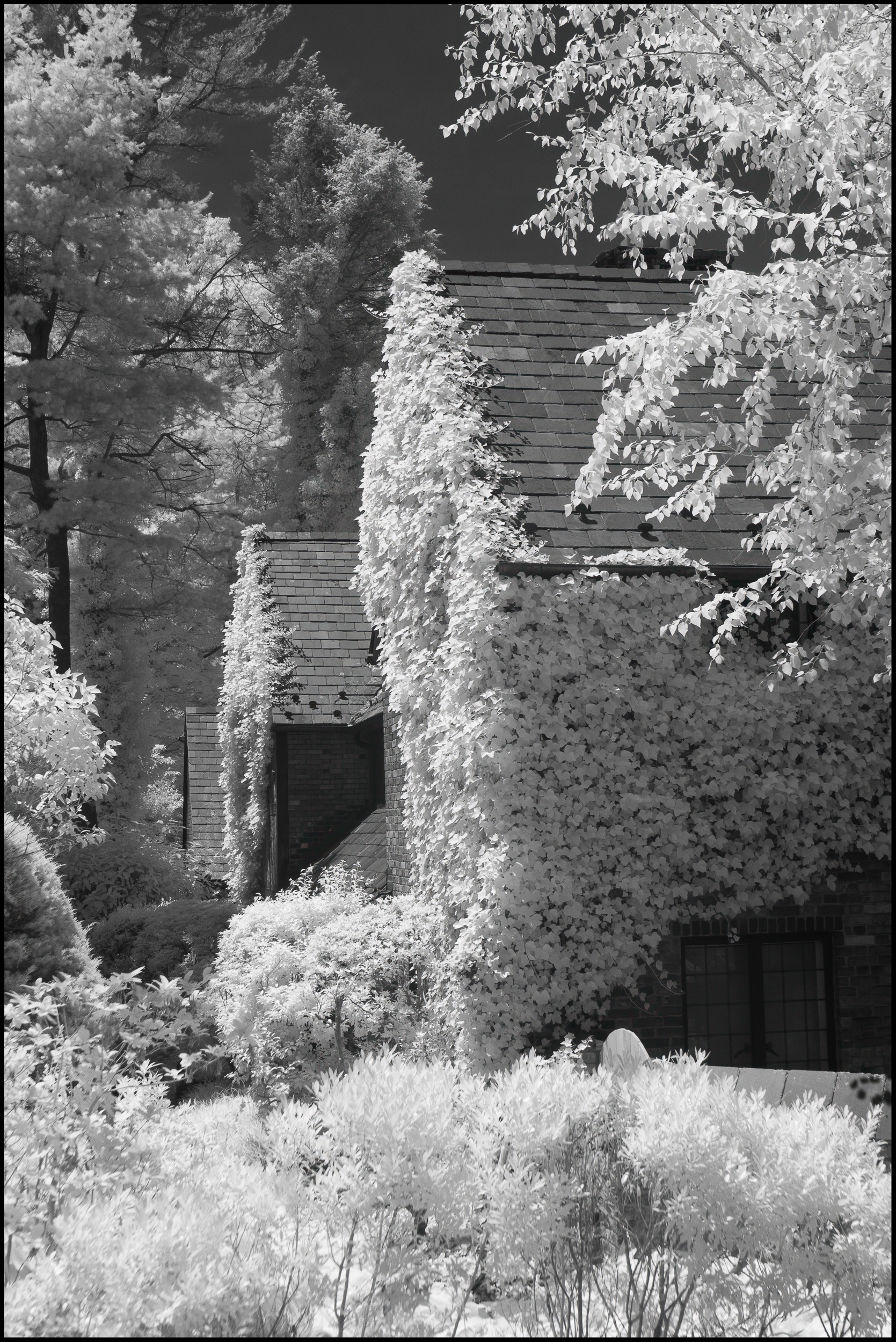
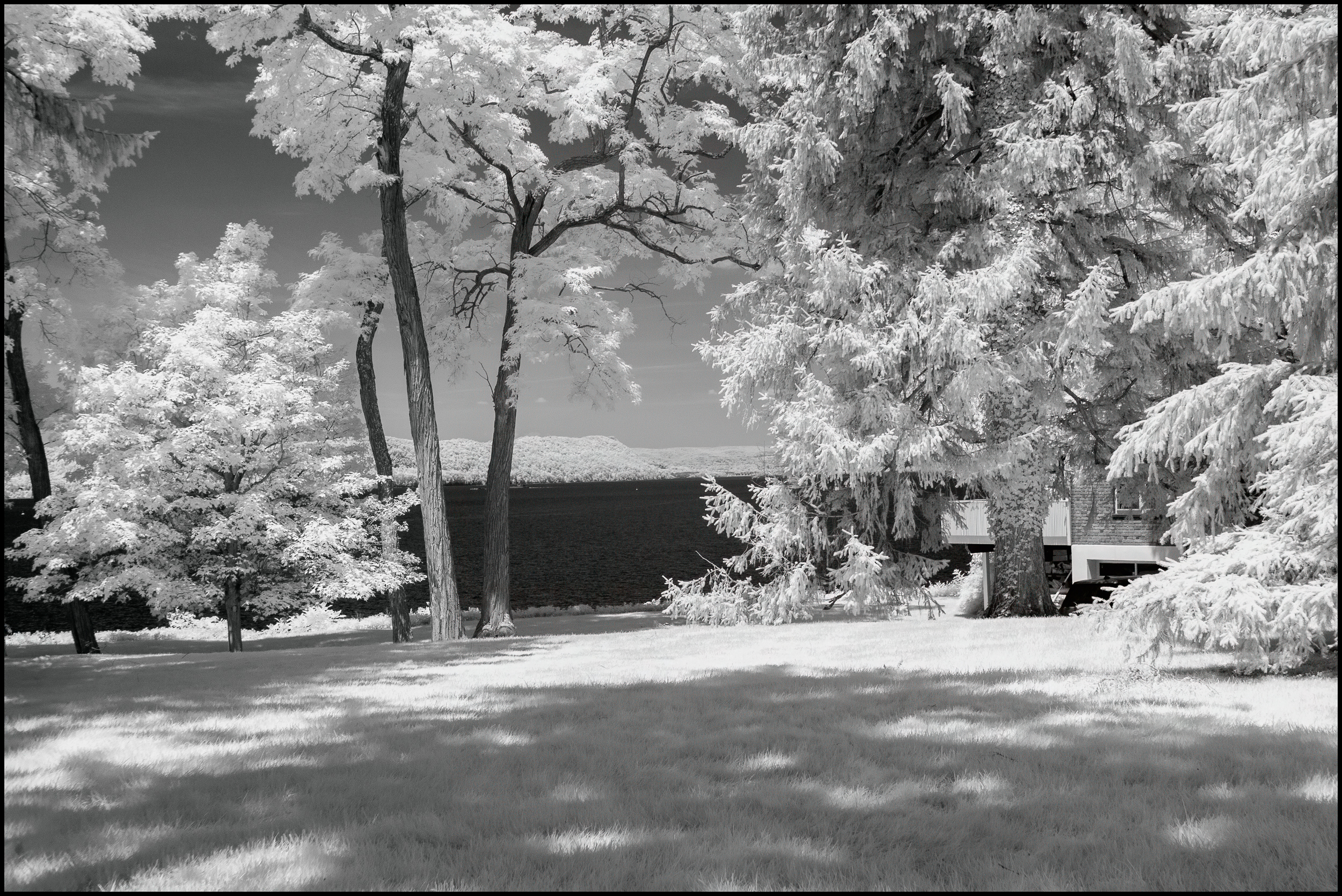
We had two houses and maintaining both gardens had already become a burden for my wife. Inevitably something had to give and the house we spent most time in (a house on a lake that she absolutely loved) got the bulk of her attention. So, even before she passed away the garden of the other house (the one seen in these photographs, and where I now live) was suffering a little from neglect.

After she passed away, I eventually sold one of the houses, thus eliminating the need to maintain the garden there. But, over time the garden at the other house (where I’m now living) got more and more overgrown. The grass was OK because we had someone come and cut it, but the former flower beds were completely overgrown – eventually I had weeds that were taller than I am.

I tried on several occasions to get someone to help me. But I didn’t have good experiences. Many didn’t want to do it. While, they were happy to come along with mowers, weed whackers, leaf blowers etc. zoom around for 15 minutes and then leave, they didn’t want to deal with the flower beds. Some came and didn’t do a very good job. Some came and then suddenly stopped coming without even telling me. I more or less gave up (it’s not as if anyone but me can see the garden. It’s not visible from the street).

But I was sure that my wife would have been horrified by what I’d done to her garden, so I decided to give it another try.

My friend and neighbor had given me the contact information for his gardener, who he strongly recommended. Unfortunately, I kept forgetting to call him or losing his contact information. I called my friend and once more asked for the contact information. This time I called the gardener before I lost it.

He (and his team) have now pretty much finished. And they’ve done a great job. He’s also agreed to help me maintain the garden, hopefully eliminating (or at least inhibiting) the re-growth of the weeds.

At the moment I’m very happy and optimistic that I’ll be able to keep the garden in good shape.

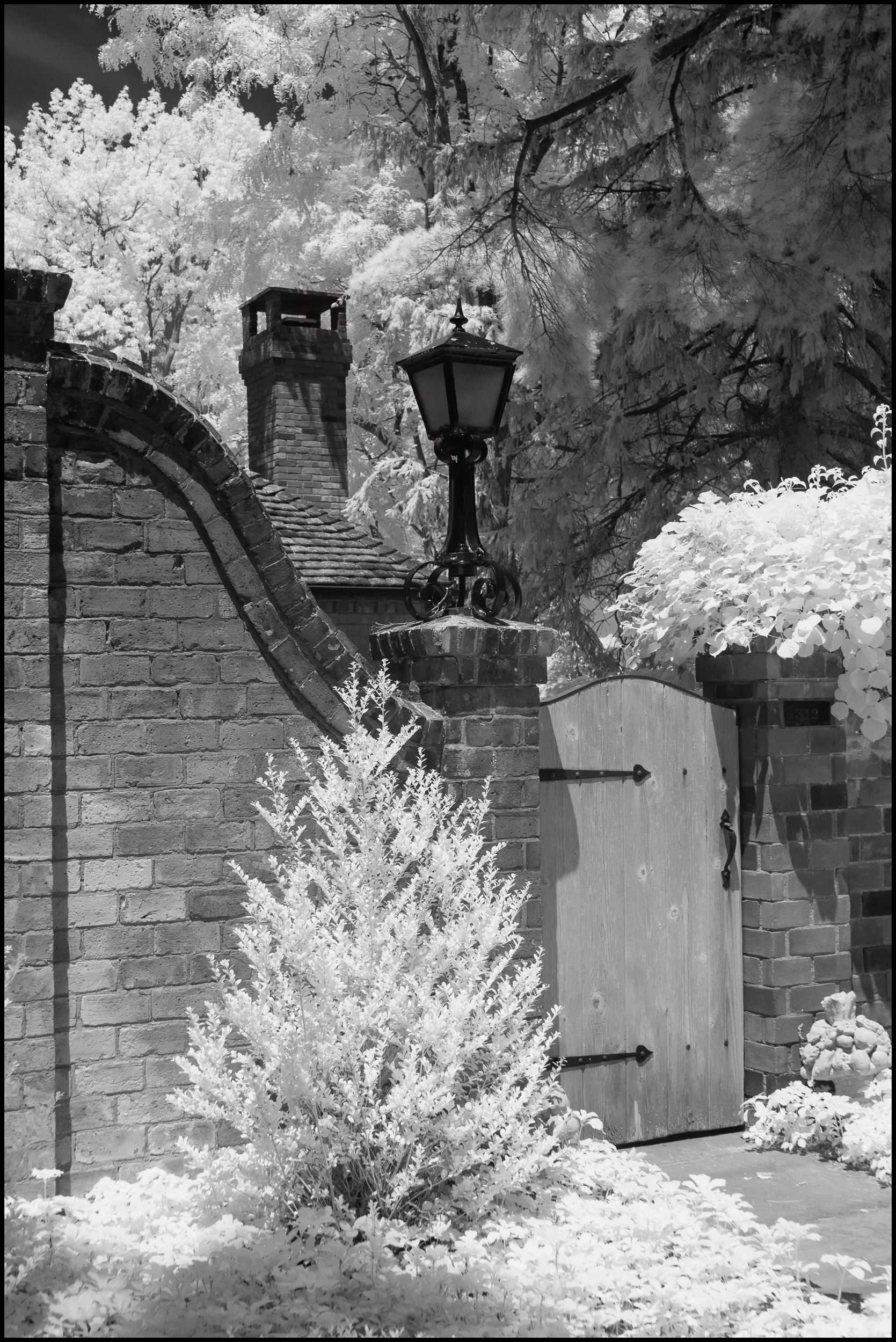
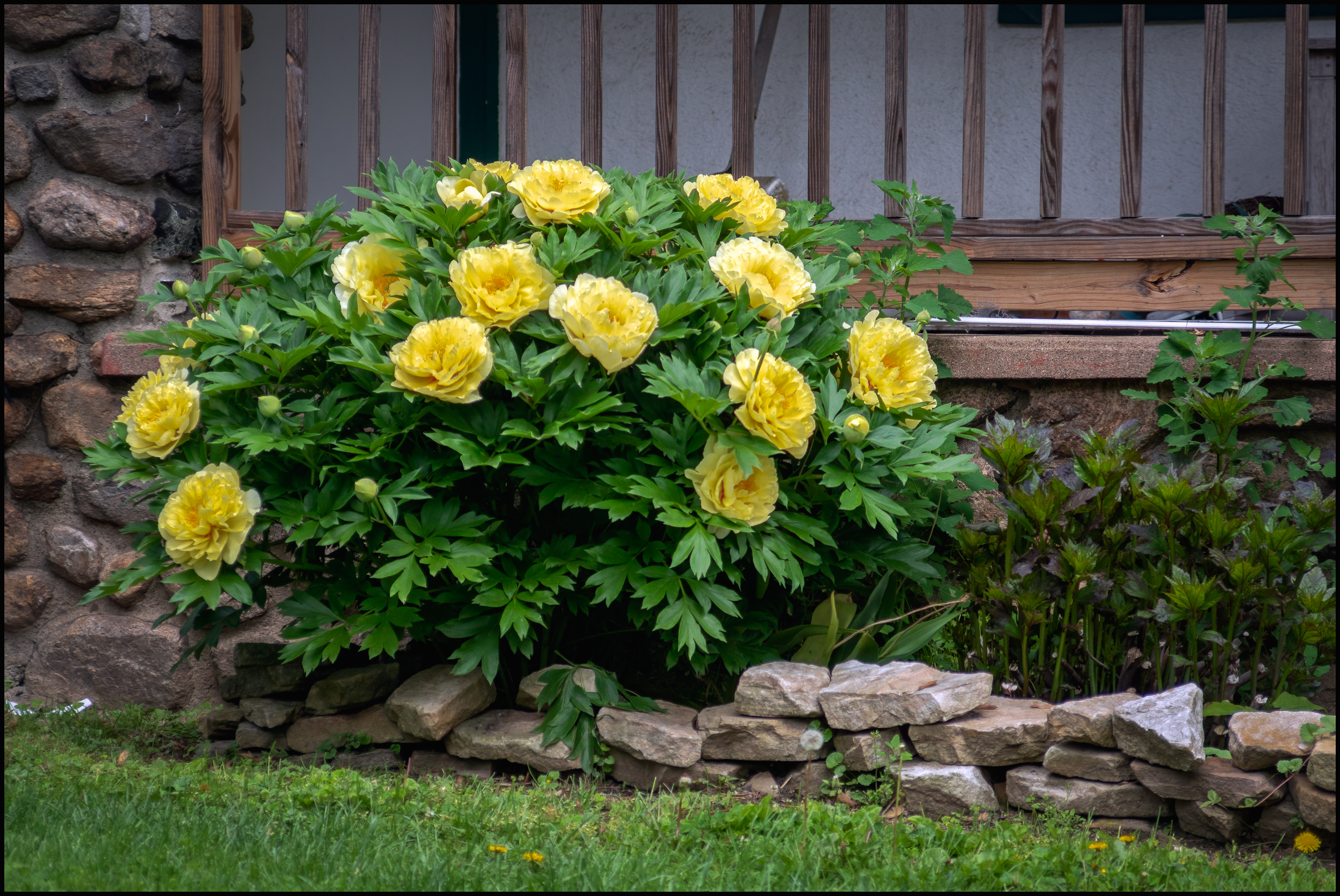
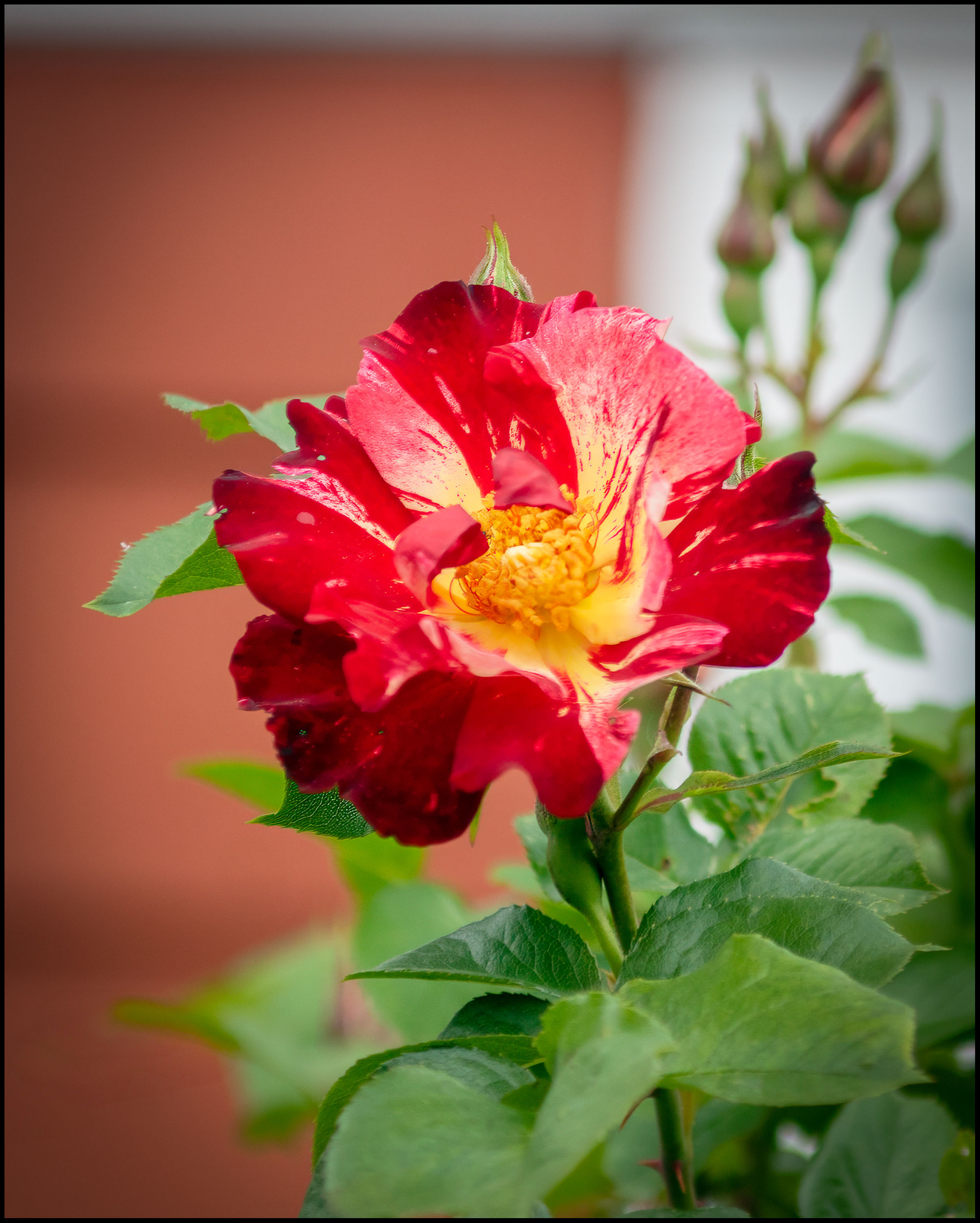
The garden is divided into two parts by a wooden fence which we had installed to keep the deer out. The picture above and the following five were all taken in the part north of the fence.


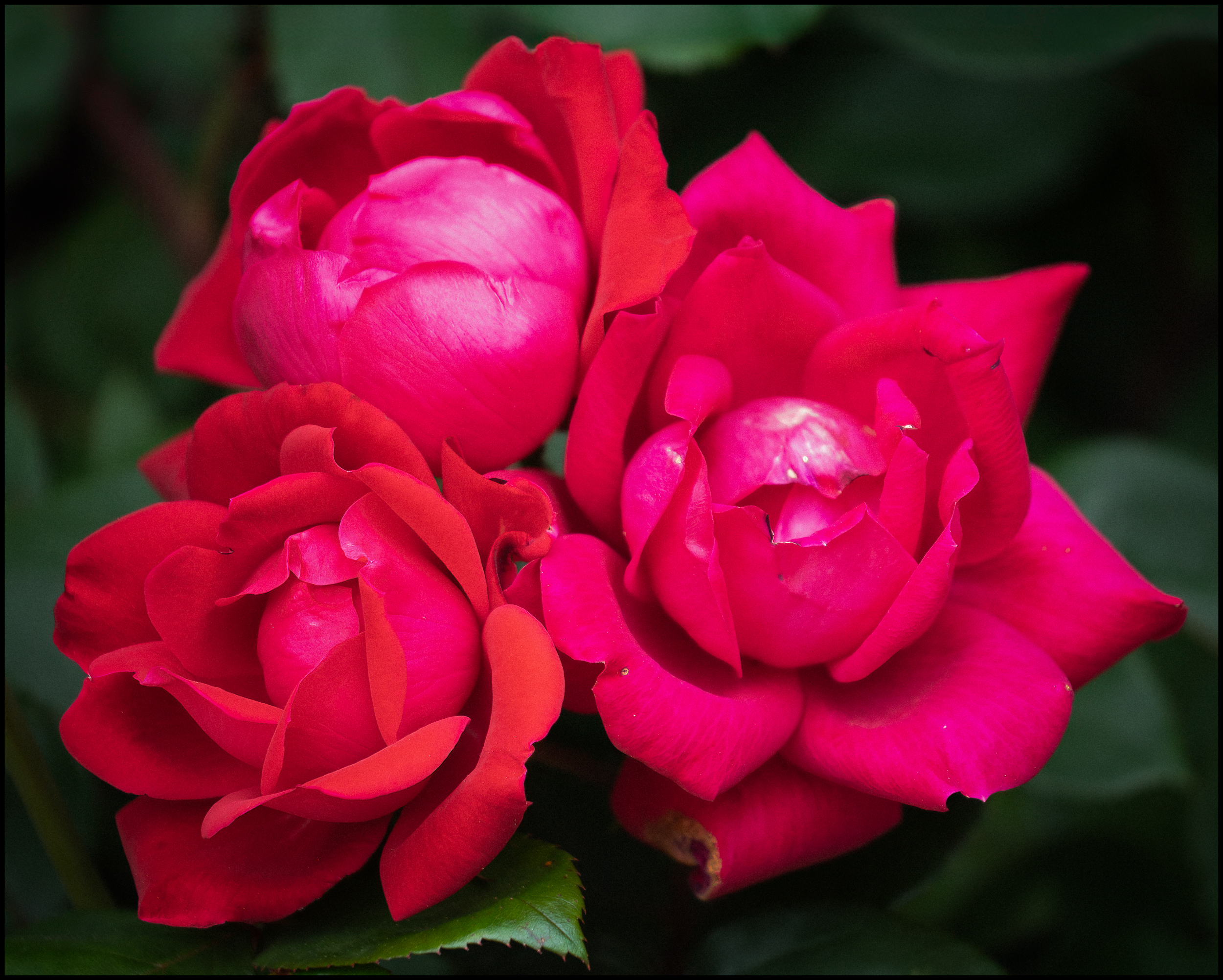
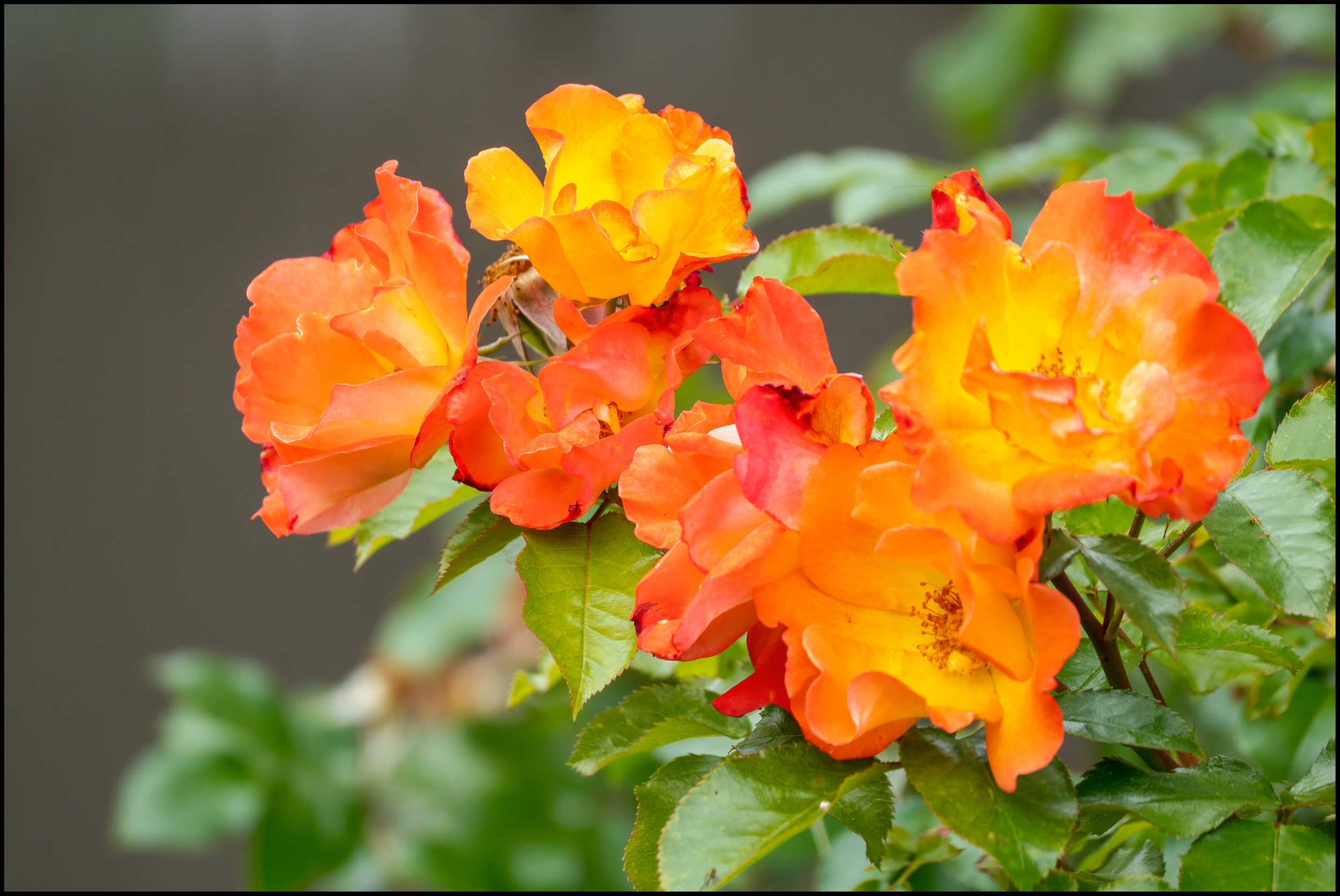
As the weeds disappeared roses started to become visible. In all I counted about 22 rose bushes. A few of them can be seen below.


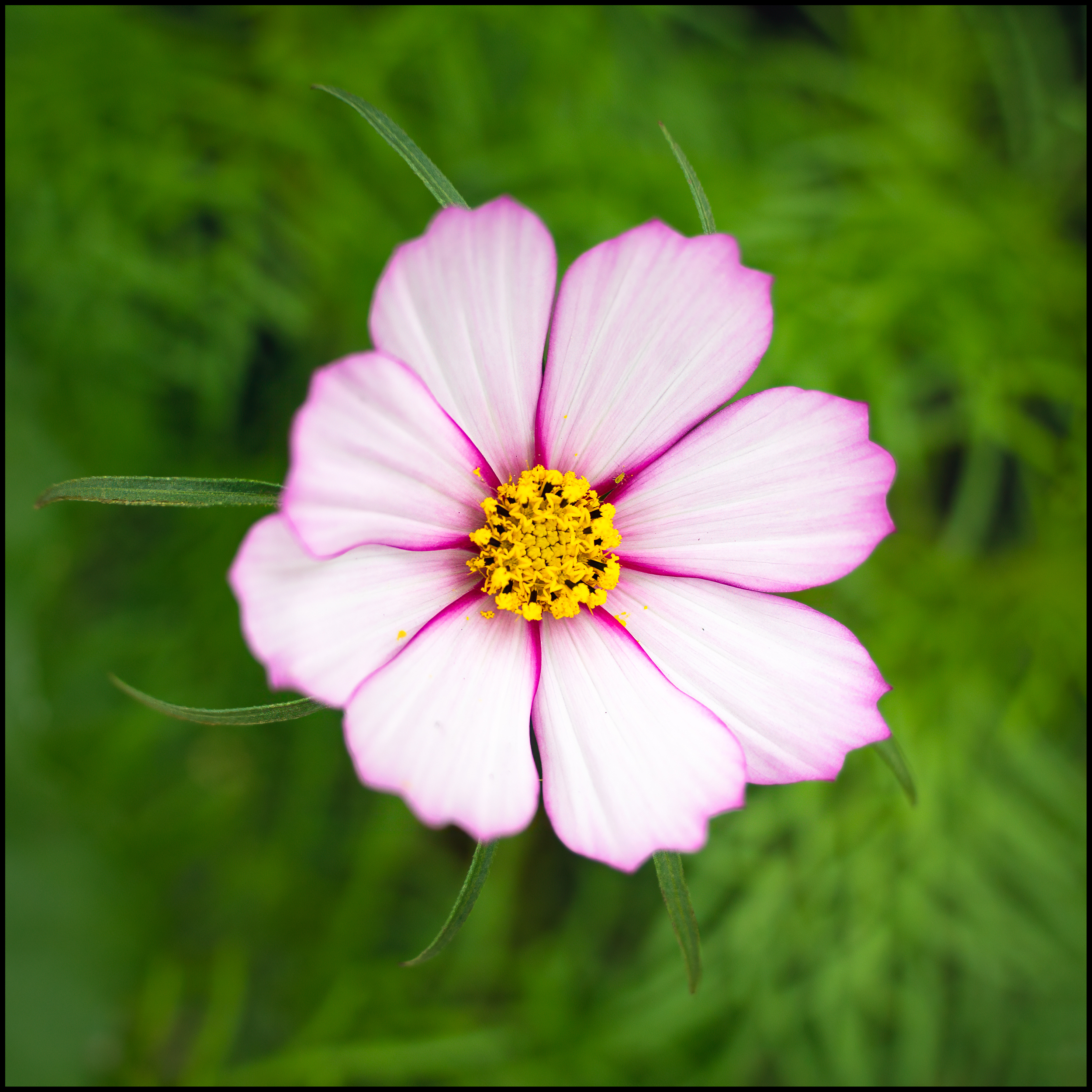
Here are a few pictures from the part south of the fence, which borders on a meadow that is now turning into a forest! But that’s not my property so I don’t have to maintain it.


Finally, as I was taking the pictures above this morning, a deer turned up in the meadow/forest, no doubt checking out what was going on.

Taken with a variety of cameras and lenses.

Wisteria

Wisteria is lovely to look at. When we first came to live here there was a lot of it. But over time it seemed to disappear. Actually, it was still there and still growing, but it didn’t bloom. In the last couple of years, it’s started to bloom again.

The first picture was taken of a Wisteria actually growing up the side of my house. The second is growing over a tree in the meadow (actually it’s more like an incipient forest nowadays) in front of my house.

The only problem is that if you don’t like and/or don’t want it, it’s extremely difficult to get rid of.

Taken with a Sony A7IV and Tamron Di III VXD A056SF 70-180mm f2.8.

Lichen and Fungi

I came across a downed branch in a friend’s driveway. On it was this bright green lichen and some fungi.

Lichens are unique organisms formed from a symbiotic relationship between fungi and photosynthetic partners, such as algae or cyanobacteria. They are found worldwide and consist of about 15,000 species that thrive in various environmental conditions. Lichens are not classified as plants or animals; instead, they represent a complex life form that can survive in extreme environments, including exposure to space. They play essential roles in ecosystems, such as contributing to soil formation and serving as indicators of environmental health (Wikipedia).

Fungi are a kingdom of organisms that include yeasts, molds, and mushrooms. They are heterotrophic, meaning they cannot produce their own food, and play a crucial role in decomposing organic matter, which helps recycle nutrients in ecosystems. Fungi can reproduce both sexually and asexually and often form symbiotic relationships with plants and bacteria, contributing significantly to nutrient cycling and environmental health. (Brittanica)

I just thought it looked ‘cool’ so of course I took a photograph.

Taken with a Sony RX10 IV.

Birch Tree

Beautiful textures and color. I don’t know much about trees, but it looks like some kind of birch – maybe a paper birch?

According to Savvy Gardening:

Shedding bark occurs most often on the trunks of certain trees, but bark peel can also occur on smaller branches and twigs, depending on the plant species. Some trees with peeling bark shed their older bark in large chunks while others shed it in thin, papery sheets. In some species, the bark flakes off. For trees where peeling bark is a natural trait, there’s no need to worry about the health of your trees. The phloem that carries the sap through the plant just beneath the bark’s surface is performing its job just fine.

As trees grow, their bark thickens. The inner layers of bark are thin and soft, while the outermost bark consists of thick, dead tissue made up of old phloem and cork. The tree’s growth pushes the trunk outward and the bark cracks. This outer bark is then sloughed off to expose the inner layer of new bark. When older bark is shed from the tree’s exterior, new, healthy bark takes its place. Almost all trees naturally shed bark as they grow; some just do it more noticeably than others. Trees with bark that peels in a decorative fashion take the whole process to extremes. You might even say they’re a bit dramatic about it!

Taken with a Sony RX100 IV.